rotating globe
6 Apr 2026


British Airways Introduces Priority Check-In Service for Indian Students Flying to Heathrow


British Airways has launched a new, free ‘Student Travel Assistance’ service designed to make the journey smoother and less stressful for Indian students heading to the UK this admission season. Running from August 29 to October 31, 2025, the programme offers priority check-in and personalized support at five major Indian airports—Delhi, Mumbai, Bengaluru, Hyderabad, and Chennai—where the airline operates 56 flights each week.

The service includes a dedicated check-in desk, clear wayfinding guidance through the airport terminals, and assistance with transfers upon arrival at Heathrow Terminal 5. For many students traveling overseas for the first time, these thoughtful touches aim to ease the travel experience from start to finish.

Helen O’Connor, Regional General Manager for Middle East, Africa, and Asia Pacific Airports at British Airways, said, “We are proud to support thousands of students as they embark on this exciting journey. Our teams have worked hard to introduce this service, offering dedicated help to make every part of their trip feel smooth and reassuring.”

This initiative comes at a time when Indian students are increasingly choosing to study abroad. According to India’s Ministry of External Affairs, over 1.33 million Indian students were enrolled in higher education overseas as of January 2024, with the UK remaining a top destination because of its academic reputation and cultural ties.

Data from the first half of 2025 shows that Indian students made up 24% of all international students in the UK, with 98,014 study visas issued. They are the second-largest group after Chinese students, who received 99,919 visas. However, visa numbers for Indian students have dipped by 11% compared to the previous year, due to tougher visa rules like shorter post-study work options and restrictions on dependents for certain courses.

Earlier this year, British Airways also launched a ‘Meet and Assist’ service for Indian travelers needing extra help at airports, including language support. This new student-focused assistance builds on the airline’s wider efforts to improve airport facilities, digital tools, and onboard experiences.

Also Read: Jio IPO, AI Push, and a Tech Future: Inside Reliance’s Big Plans


Eight States Demand Revenue Guarantee as GST Reforms Threaten State Finances


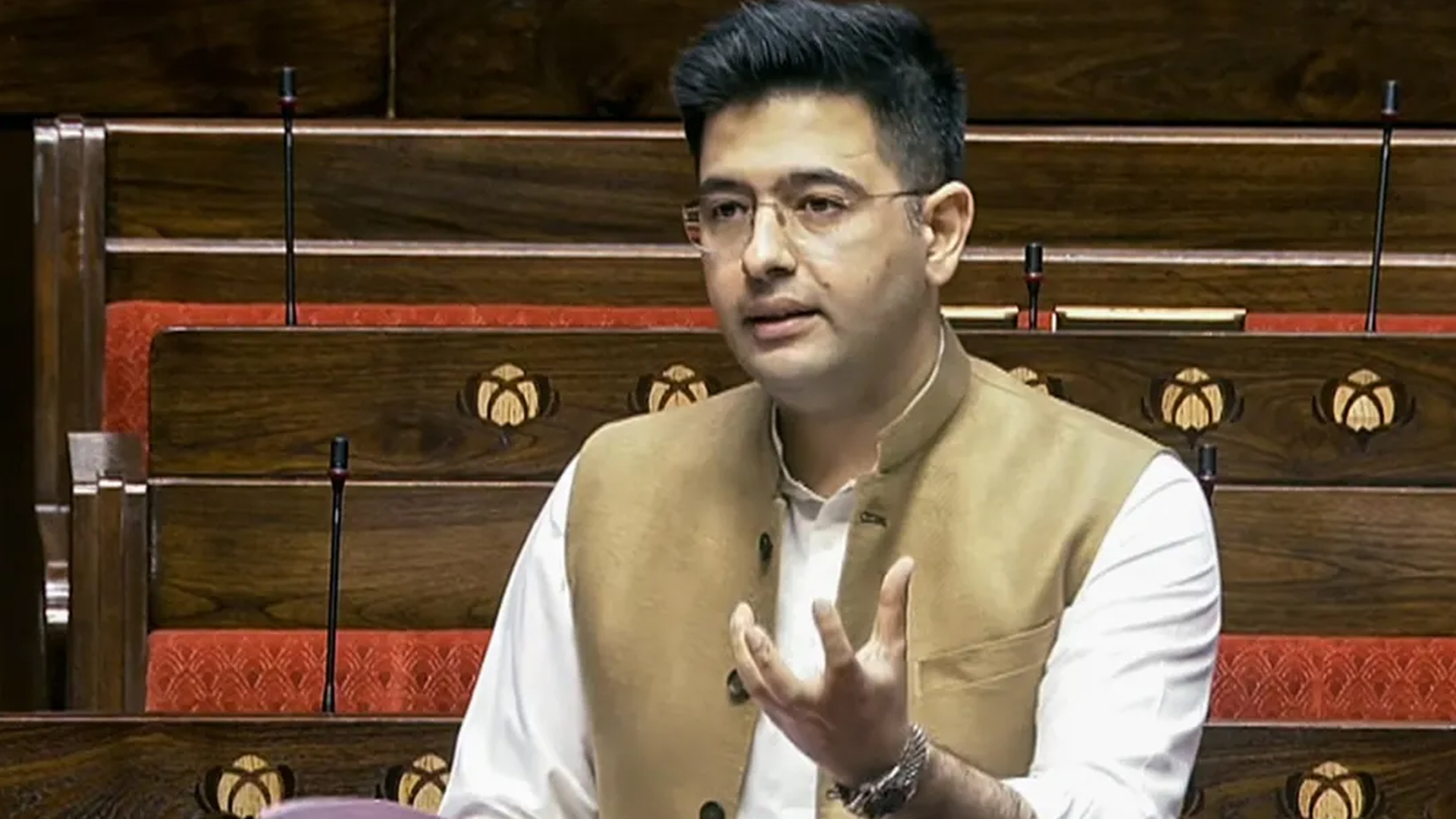
Eight opposition-ruled states have joined forces to demand robust compensation safeguards from the Centre, warning that the proposed Goods and Services Tax (GST) reforms could destabilize state finances and jeopardize key welfare schemes. The GST Council is set to meet on September 3 and 4 to deliberate on reforms, but states say the changes risk undermining their fiscal autonomy.

Finance ministers and senior officials from Himachal Pradesh, Jharkhand, Karnataka, Kerala, Punjab, Tamil Nadu, Telangana, and West Bengal met in New Delhi to register their protest against the Centre’s plan to streamline GST rates. They estimate that the proposed structure could lead to a combined annual revenue loss of ₹1.5–2 lakh crore, with Kerala alone facing a shortfall of around ₹8,000 crore. Such losses, they argue, would severely strain funding for pensions, health programs, and other social initiatives.

The Centre’s proposal seeks to simplify the current four-tier GST structure into two slabs—5% and 18%—while imposing a 40% tax on luxury and sin goods. States contend this would effectively lower the overall tax rate from 14.4% to about 10%, sharply reducing their revenue base.

To offset the expected shortfall, the opposition bloc is pushing for a five-year compensation guarantee, with provisions for an extension if revenue remains unstable. They have also proposed an additional levy on sin and luxury goods, with all proceeds earmarked exclusively for states. A guaranteed annual revenue growth of 14%, calculated on a fixed 2024–25 base year, is another key demand. If compensation falls short, states want the Centre to provide loans secured against future receipts from these additional levies.

Some states have gone further, linking fiscal reform to broader policy priorities. Himachal Pradesh has proposed a higher GST slab for industries with significant ecological footprints, while Kerala and Punjab have called for stronger anti-profiteering measures to ensure that lower GST rates benefit consumers rather than boost company margins. The urgency of such measures is heightened by the fact that the existing anti-profiteering framework will lapse on April 1, 2025.

The eight states plan to present a unified draft proposal at next week’s GST Council meeting, underscoring that persistent revenue shortfalls could weaken India’s federal structure and hamper states’ ability to deliver essential services.

Also Read: ONGC to Keep Sourcing Russian Crude as Long as Prices Stay Attractive; Eyes Centralized Trading Hub

ONGC to Keep Sourcing Russian Crude as Long as Prices Stay Attractive; Eyes Centralized Trading Hub


New Delhi: In a decisive reaffirmation of its procurement strategy, state-owned explorer Oil and Natural Gas Corporation (ONGC) announced that it will continue purchasing Russian crude oil “as long as it remains economically viable.” Chairman and CEO Arun Kumar Singh emphasized that there are currently no sanctions barring such imports, and reiterated that the decision will remain unchanged unless the government intervenes.

ONGC’s refining subsidiaries—Hindustan Petroleum Corporation Ltd (HPCL) and Mangalore Refinery and Petrochemicals Ltd (MRPL)—are long-standing buyers of Russian oil. With refining capacity exceeding 40 million tonnes per annum, these entities have relied on Russian crude due to its competitive pricing.

“As long as it is economical, we will keep buying every drop of Russian oil available in the market,” Singh asserted, signaling that cost considerations, not geopolitics, will guide their procurement decisions. He added that no restrictions from the U.S. or Indian authorities currently exist to compel a shift in this approach.

The remarks come amid mounting international pressure, notably U.S. tariffs targeting Indian imports linked to Russian energy. While the Trump administration has imposed up to 50% additional tariffs on certain Indian goods, Singh dismissed the geopolitical tension, underscoring that ONGC’s operational mandate remains firmly rooted in commercial rationale.

Further signaling ONGC’s forward-looking stance, a top executive of its overseas arm, ONGC Videsh, disclosed plans to establish a centralized commodity trading unit. This proposed unit, still at a conceptual stage, would coordinate the sale and purchase of crude oil and refined products across the ONGC group, aiming to streamline efficiencies and capitalize on the group’s substantial oil volumes.

According to industry estimates, ONGC produces roughly 42 million tonnes of oil annually. Its subsidiaries—HPCL and MRPL—import an estimated 45–50 million tonnes, while ONGC Videsh contributes about 10 million tonnes through overseas assets. In aggregate, the group manages nearly 100 million tonnes of oil, reflecting the considerable scope of its trading potential.

The internal task force considering this trading platform is evaluating both legal and operational frameworks. Should it materialize, the unit could significantly enhance strategic purchasing and selling across the group’s supply chain.

Arun Kumar Singh also highlighted ONGC’s appetite for value-driven overseas acquisitions, especially in volatile markets. Citing historical precedents where companies grew by acquiring distressed assets, he noted that “troubled times don’t last long,” and that if upstream assets become available at reasonable valuations, ONGC would consider acquiring them.

Also Read: Jammu to Telangana: India Reels Under Floods and Landslides; Toll Rises, Thousands Rescued

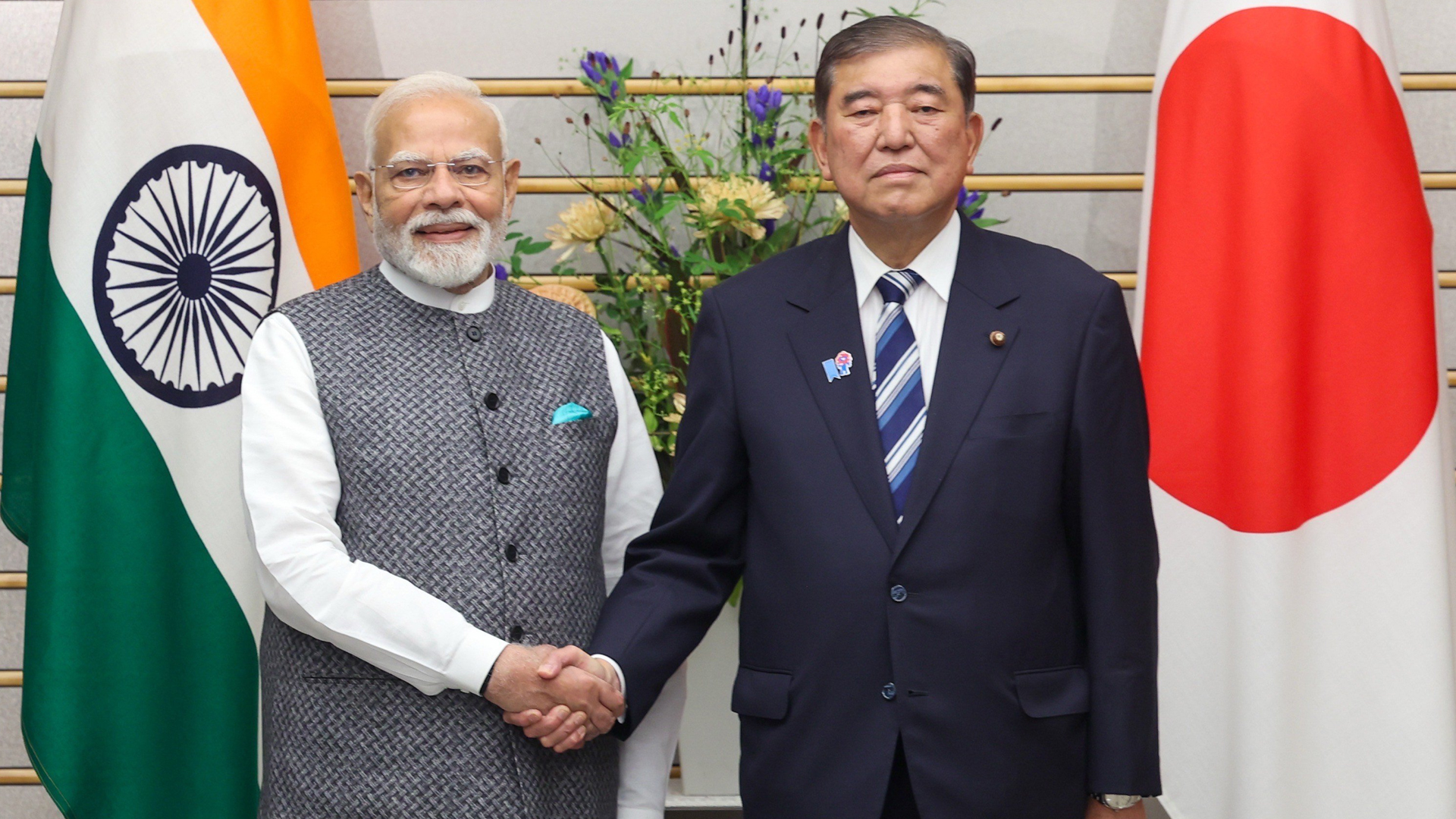
India and Japan Deepen Economic Security Cooperation Across Strategic Sectors


New Delhi: India and Japan have significantly strengthened their bilateral engagement with the launch of a comprehensive framework for economic security cooperation. The initiative aims to bolster strategic sectors and safeguard critical supply chains amid growing global uncertainties.

The framework, formalized under the India-Japan Dialogue on Economic Security, was launched in late 2024 and is co-chaired by India’s Foreign Secretary and Japan’s Vice Foreign Minister. It reflects both countries’ commitment to aligning closely on securing access to critical technologies and resources, fostering industrial collaboration, and ensuring regional economic stability.

The cooperation focuses on five priority sectors: semiconductors, critical minerals, clean energy, pharmaceuticals, and digital infrastructure. A parallel private-sector dialogue has been established between key industry bodies, including Japan’s Keidanren and India’s Confederation of Indian Industry (CII), with a joint action plan developed in coordination with JETRO and JCCII.

Semiconductor development stands as a cornerstone of the partnership. Japanese firm Renesas Electronics has opened an OSAT (Outsourced Semiconductor Assembly and Test) facility in Gujarat in collaboration with CG Power. The company has also partnered with IIT Hyderabad and India’s C-DAC to support chip research and skill development. Meanwhile, Tokyo Electron and TATA Electronics are working together to build a broader semiconductor ecosystem in India.

Japan is also playing a pivotal role in supporting India’s critical minerals strategy. A Memorandum of Cooperation was signed in August 2025 between India’s Ministry of Mines and Japan’s Ministry of Economy, Trade and Industry (METI) to enhance supply chains for rare earth elements and other strategic minerals. Japanese trading company Toyota Tsusho is developing a rare earth refining project in Andhra Pradesh, aimed at supporting next-generation manufacturing.

In the clean energy sector, India and Japan are expanding collaboration under the Joint Crediting Mechanism, along with a newly signed Joint Declaration on Hydrogen and Ammonia. Japanese companies IHI and Kowa are working with Adani Power to conduct ammonia co-firing tests at the Mundra thermal plant. Separately, a 400 MW renewable energy portfolio is being developed in Karnataka by Clean Max Osaka Gas, backed by financing from the Japan Bank for International Cooperation (JBIC).

Digital infrastructure is another major area of focus. NEC is partnering with Reliance Jio to develop Open RAN and 5G infrastructure in India. Meanwhile, NTT DATA and Neysa Networks, with support from the Telangana government, are investing ₹10,500 crore to establish a state-of-the-art AI data center cluster in Hyderabad. Japan’s JICT and JBIC are actively financing these digital initiatives.

Scientific cooperation has also expanded in 2025, declared the Year of Science, Technology, and Innovation Exchanges. Joint projects are underway in fields such as artificial intelligence, biotechnology, quantum computing, and space technology. Talent exchange programs like Sakura Science and LOTUS are enabling Indian students and researchers to engage more deeply with Japan’s innovation ecosystem.

This wide-ranging cooperation underscores a shared strategic vision for a secure, rules-based Indo-Pacific. As economic and geopolitical dynamics continue to evolve, India and Japan are positioning themselves as trusted partners in shaping resilient, future-ready supply chains and innovation-driven growth.

Also Read: India’s GDP Grows 7.8% in Q1 FY26, Highest in Five Quarters


Jammu to Telangana: India Reels Under Floods and Landslides; Toll Rises, Thousands Rescued


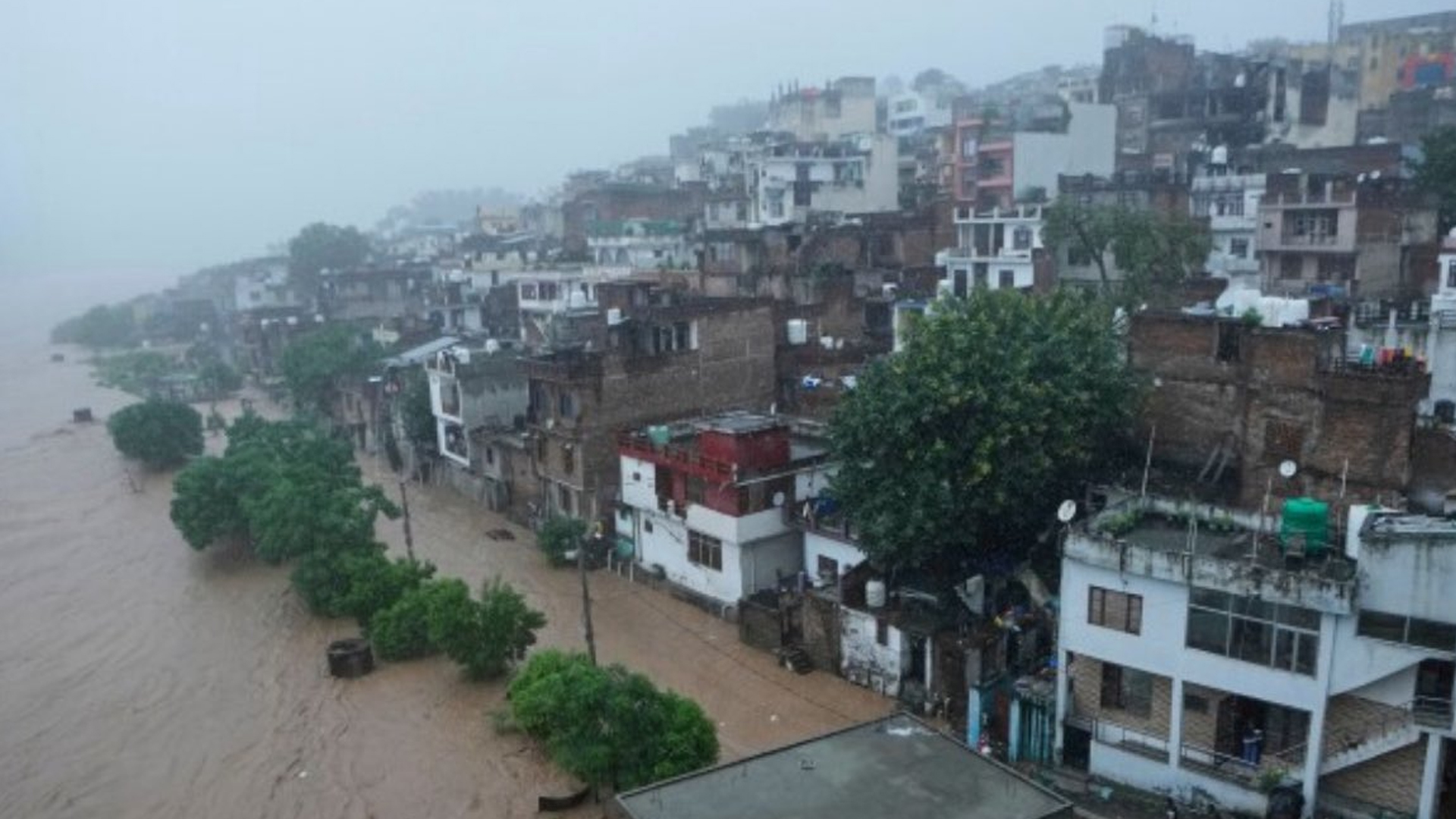
New Delhi: Torrential rains, cloudbursts, and swollen rivers have wreaked havoc across several states in North India, leaving dozens dead and missing, displacing thousands, and prompting large-scale rescue operations. As of Saturday, authorities in Uttarakhand, Jammu and Kashmir, Punjab, and Telangana are grappling with devastation, while Delhi faces its wettest August in 15 years.

In Uttarakhand, at least six people have died and 11 are missing after relentless rain and a series of cloudbursts pounded Chamoli, Rudraprayag, Bageshwar, and Tehri districts on Friday, according to PTI. Search and rescue teams from the State Disaster Response Force (SDRF) and District Disaster Response Force (DDRF) battled breached roads and treacherous terrain to reach stranded residents. With weather conditions improving on Saturday, operations are expected to gain momentum. Eleven districts in the state have issued travel advisories for pilgrims and tourists as the India Meteorological Department (IMD) maintains orange and red alerts for several areas.

Jammu and Kashmir, meanwhile, continues to recover from a deadly landslip on August 26 that claimed the lives of at least 34 Vaishno Devi pilgrims. Lieutenant Governor Manoj Sinha, who chairs the Shri Mata Vaishno Devi Shrine Board (SMVDSB), announced a three-member panel to probe the tragedy on the yatra track near Adhkuwari in Reasi district. “The committee will investigate the causes behind the incident and suggest measures to prevent such tragedies in the future,” officials said.

Adding to the state’s woes, a fresh landslide in Mahore’s Badder village on Saturday left seven members of a family feared dead after their house was buried under debris. Rescue teams are combing the area for survivors.

Punjab is also reeling from flooding triggered by heavy rainfall in the catchment areas of Himachal Pradesh and Jammu and Kashmir, swelling the Sutlej, Beas, and Ravi rivers. The body of a 40-year-old man, Buta Mohammad, who had been missing since Thursday, was found in the Beas river in Kapurthala district, police said. PTI reported that more than 7,600 people have been evacuated from inundated villages as multiple agencies coordinate relief efforts in affected regions.

Further south, Telangana Fire, Disaster Response, and Civil Defence teams rescued 1,646 people from flood-hit districts. In one dramatic operation, SDRF personnel from Nizamabad airlifted nine people trapped in vehicles by backwaters of the Kalyani Project in Kamareddy district.

In Delhi, Friday’s downpour of 56.2 mm of rain in just three hours left vast stretches of the capital waterlogged, paralysing traffic and causing a wall collapse in which three children were injured. The city has recorded 399.8 mm of rain so far this month, its wettest August in 15 years, according to IMD data. Officials are also on alert as the Yamuna river’s water level at the Old Railway Bridge rose to 205.22 metres on Saturday morning, just shy of the danger mark of 205.33 metres, with releases from the Wazirabad and Hathnikund barrages expected to push levels higher.

The IMD has issued a yellow alert for Jharkhand, warning of heavy rainfall accompanied by gusty winds of up to 40 km/h through September 2. Districts including Ranchi, Dhanbad, Hazaribagh, and East and West Singhbhum are expected to see significant downpours.

With the monsoon showing no sign of easing, disaster management agencies remain on high alert across multiple states. Authorities have urged people living in flood-prone regions to heed evacuation orders and advisories as rescue operations continue amid challenging conditions.

India’s GDP Grows 7.8% in Q1 FY26, Highest in Five Quarters


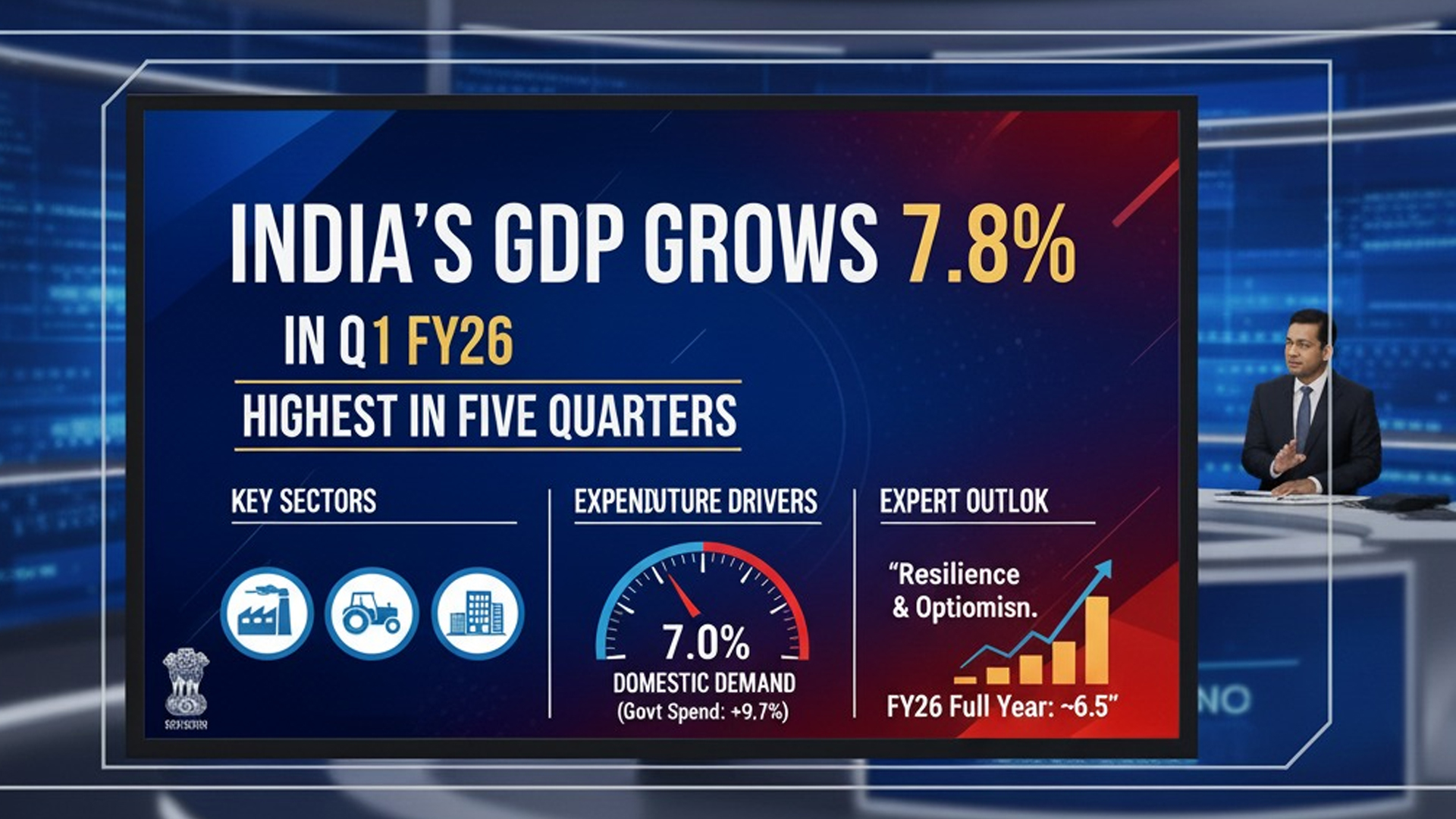
New Delhi: India’s economy grew by 7.8% in the first quarter of FY26 (April–June), marking its strongest performance in five quarters and beating most analyst estimates. The growth was fuelled by robust expansion in the services and manufacturing sectors, signalling solid domestic demand despite global economic headwinds and rising trade tensions.

The better-than-expected performance was driven largely by a booming services sector, which grew 9.3% year-on-year. Public administration, financial services, and trade-related industries all recorded healthy gains, pointing to rising demand in urban areas and increased government activity.

Manufacturing, which had slowed in recent quarters, made a solid comeback with 7.7% growth, while agriculture expanded by 3.7%, boosted by a strong rabi harvest. Construction also held firm with 7.6% growth, though slightly down from earlier highs. However, not all sectors fared well — mining shrank by 3.1% and utilities grew just 0.5%, hit by early monsoon disruptions.

On the spending side, household consumption — a key driver of the economy — rose 7%, while government expenditure increased sharply by up to 9.7% in nominal terms. Investments, measured by Gross Fixed Capital Formation (GFCF), also rose 7.8%, suggesting strong infrastructure and capital spending.

Economists say the figures reflect underlying strength in India’s domestic economy. “It’s a strong start to the year and shows the economy is holding its own despite global headwinds,” said Madan Sabnavis, Chief Economist at Bank of Baroda. However, he warned that growth may moderate in the coming quarters, with full-year expansion likely closer to 6.5%.

One concern on the horizon is trade. Recent tariff hikes by the U.S. on Indian goods could impact exports and pressure small businesses. But for now, India appears to be weathering the storm.

Industry bodies such as ASSOCHAM and FICCI welcomed the data, calling it a reflection of India’s economic resilience. “This performance will boost investor and business confidence,” said a statement from PHDCCI.

Looking ahead, much will depend on how the monsoon plays out, how inflation is managed, and how global trade tensions evolve. However, for now, India’s economy has begun FY26 with unexpected strength and optimism.


Also Read: SC Issues Notice to Centre on Plea to Declare ‘Ram Setu’ a National Monument

SC Issues Notice to Centre on Plea to Declare ‘Ram Setu’ a National Monument


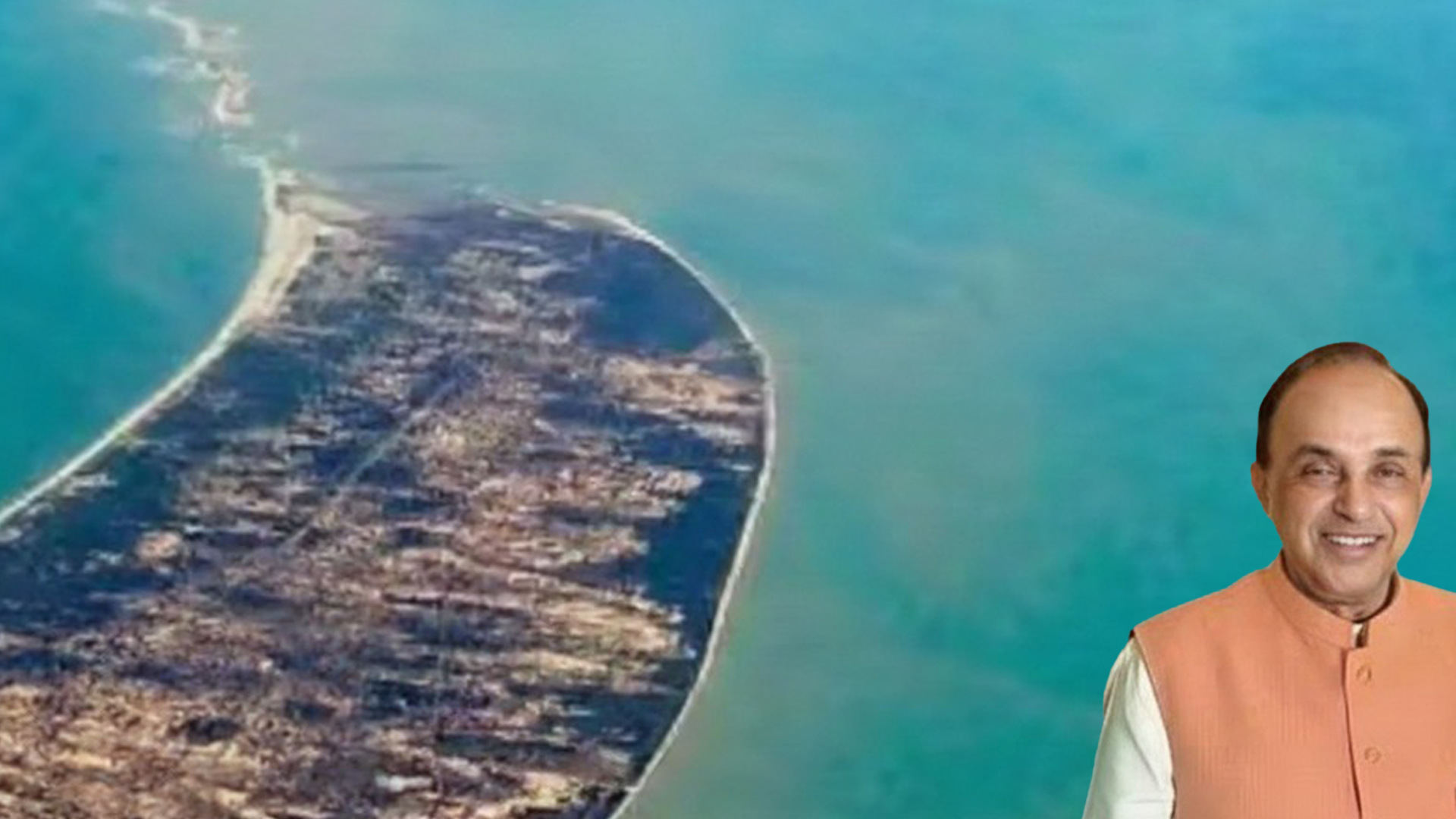
New Delhi: The Supreme Court on Friday, August 29,  asked the Centre to respond to a plea filed by former Rajya Sabha MP Dr. Subramanian Swamy, who has urged the government to declare the Ram Setu a national monument.

A bench of Justices Vikram Nath and Sandeep Mehta issued a notice to the Union Ministry of Culture and agreed to hear the case, which has been posted for further hearing in four weeks. Senior advocate Vibha Dutta Makhija represented Dr. Swamy in court.

Ram Setu, also known as Adam’s Bridge, is a natural chain of limestone shoals connecting Pamban Island near Rameswaram in Tamil Nadu to Mannar Island in Sri Lanka. The structure has long held religious, cultural, and ecological significance, especially in Hindu mythology, where it is believed to have been built by Lord Rama’s army.

Dr. Swamy has been a vocal advocate for the protection of Ram Setu. He had earlier raised the issue in connection with the UPA-I government’s Sethusamudram Ship Channel project, which proposed cutting through the formation to create a navigable route. In 2007, the Supreme Court had put the project on hold due to widespread opposition.

The Centre had later acknowledged the potential “socio-economic disadvantages” of damaging Ram Setu and expressed its willingness to consider alternative routes for the channel.

With this latest plea, Dr. Swamy is now seeking formal recognition of the Ram Setu as a monument of national importance, a move that would grant it legal protection and possibly end any lingering uncertainty about its future.


Also Read: World is Not Just Watching But Also Counting on India: PM Modi in Japan

Jio IPO, AI Push, and a Tech Future: Inside Reliance’s Big Plans

Mumbai: At Reliance Industries Ltd’s 48th annual general meeting, Mukesh Ambani painted a bold picture of the company’s future—one where cutting-edge technology, artificial intelligence, and global partnerships drive India’s next wave of growth. The biggest headline from the meeting? Reliance Jio, the telecom giant with over half a billion subscribers, will go public by the first half of 2026.

For a company that rewrote India’s mobile story in 2016 with affordable data and free voice calls, this is a natural next step. “We are aiming to list Jio by the first half of 2026, subject to approvals,” Ambani said, calling the move a way to unlock value for Reliance’s 4.4 million shareholders. The IPO would also be a defining moment for Jio, which has become the backbone of India’s digital economy, fuelling everything from fintech to entertainment.

But Ambani’s speech wasn’t just about an IPO. It was about a company redefining itself. Jio has already pulled off the world’s fastest 5G rollout. Now, Reliance wants to connect every Indian home to broadband, digitise small businesses, and make artificial intelligence as accessible as smartphones. “AI Everywhere for Everyone” is the new mantra.

To make that happen, Ambani announced Reliance Intelligence, a new AI-focused subsidiary that will build massive, clean-energy-powered data centres in Jamnagar and create affordable AI solutions for industries like education, healthcare, and agriculture. The company also revealed a high-profile AI joint venture with Meta, with CEO Mark Zuckerberg promising “AI and, eventually, superintelligence for every corner of the country.” Google’s Sundar Pichai added that Reliance will host a dedicated Jamnagar Cloud region powered by renewable energy, helping India’s businesses adopt AI at scale.

Reliance’s influence in entertainment is also soaring. Akash Ambani, Chairman of Reliance Jio Infocomm, said JioHotstar has now become the world’s second-largest streaming platform with 300 million paying subscribers—an achievement powered entirely by Indian viewers. The company also dominates TV with a 34% market share, and its media arm, JioStar, is expanding globally. Disney CEO Bob Iger called India “one of Disney’s most important markets” while applauding JioStar’s rapid growth.

Meanwhile, Reliance Retail continues to quietly reshape shopping. Led by Isha Ambani, it saw a 15% jump in its customer base, reaching 349 million registered users, and processed 1.4 billion transactions in FY25. The company is now eyeing a future where one-fifth of its revenue comes from online channels in the next three years.

For decades, Reliance was seen as an oil-and-chemicals giant. The AGM made one thing clear: it’s now positioning itself as a global tech and consumer powerhouse. From data to AI, shopping to streaming, Reliance is betting on a future where India is not just catching up but leading the digital revolution.

Also Read: Urjit Patel Returns to Policy Stage as India’s Voice at the IMF

Supreme Court to Hear RJD Plea on Extending Bihar Voter Claims on September 1


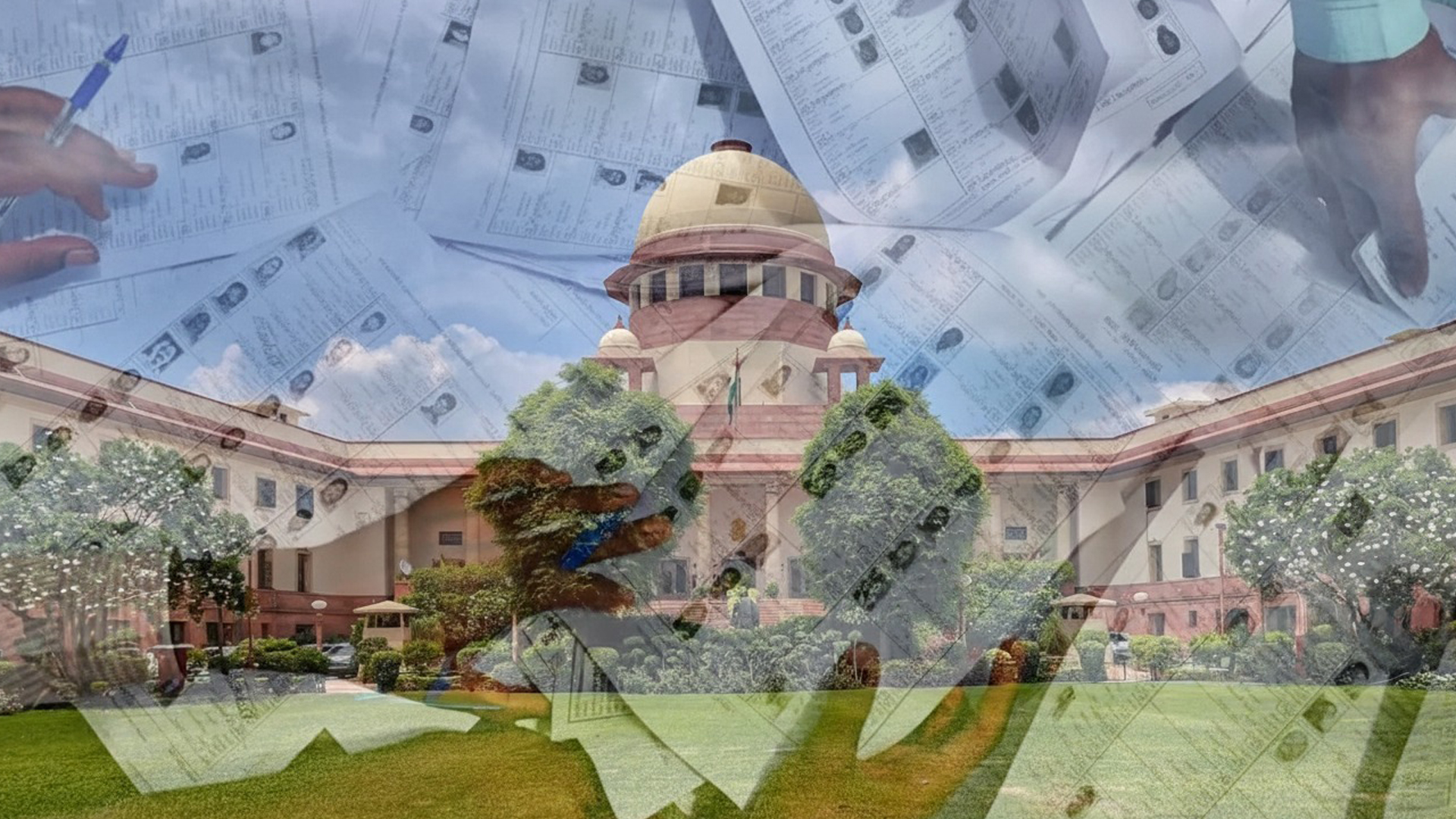
The Supreme Court will hear on September 1 a plea filed by the Rashtriya Janata Dal (RJD) and other political stakeholders seeking an extension of time to file claims for individuals not included in the draft voters’ list for Bihar during the Special Intensive Revision (SIR) of the electoral rolls. The application was mentioned before a bench comprising Justices Surya Kant and Joymalya Bagchi, which agreed to take up the matter on Monday.

Appearing for the RJD, senior advocates Prashant Bhushan and Shoeb Alam highlighted that the last date for submitting claims is currently September 1, leaving little time for the large number of applicants to complete the process. Alam noted that the number of claims has risen exponentially, creating an urgent need for more time. The RJD has specifically requested a two-week extension, suggesting that claims from deleted voters should be accepted until September 15.

During the brief mention, the bench questioned why the applicants had not approached the Election Commission of India directly. Bhushan responded that the Commission had been approached but was not extending the timeline, prompting the plea to be moved before the Supreme Court.

Advocate Mohammed Nizam Pasha, representing AIMIM MLA Akhtarul Iman, noted that approximately 80,000 claims were filed in the three weeks prior to the court’s last order, and the number increased to 95,000 afterward. This sharp rise underscores the scale of voter inclusion challenges during the ongoing SIR process.

The Election Commission has published the draft electoral roll for Bihar on August 1, including 7.24 crore voters. Eligible citizens must submit one of the 11 specified documents to substantiate their inclusion by September 1. The final electoral roll is scheduled to be published on September 30, ahead of the upcoming assembly elections.

The plea reflects broader concerns about voter inclusion and access in the lead-up to critical state elections. Political parties and candidates have emphasized the importance of ensuring that all eligible voters have the opportunity to participate in the democratic process, while the Election Commission balances the need for accuracy and timeliness in finalizing the rolls.

Also Read: World is Not Just Watching But Also Counting on India: PM Modi in Japan

Peter Navarro Calls India ‘Oil Money Laundromat’ for Russia Amid U.S. Tariff Dispute


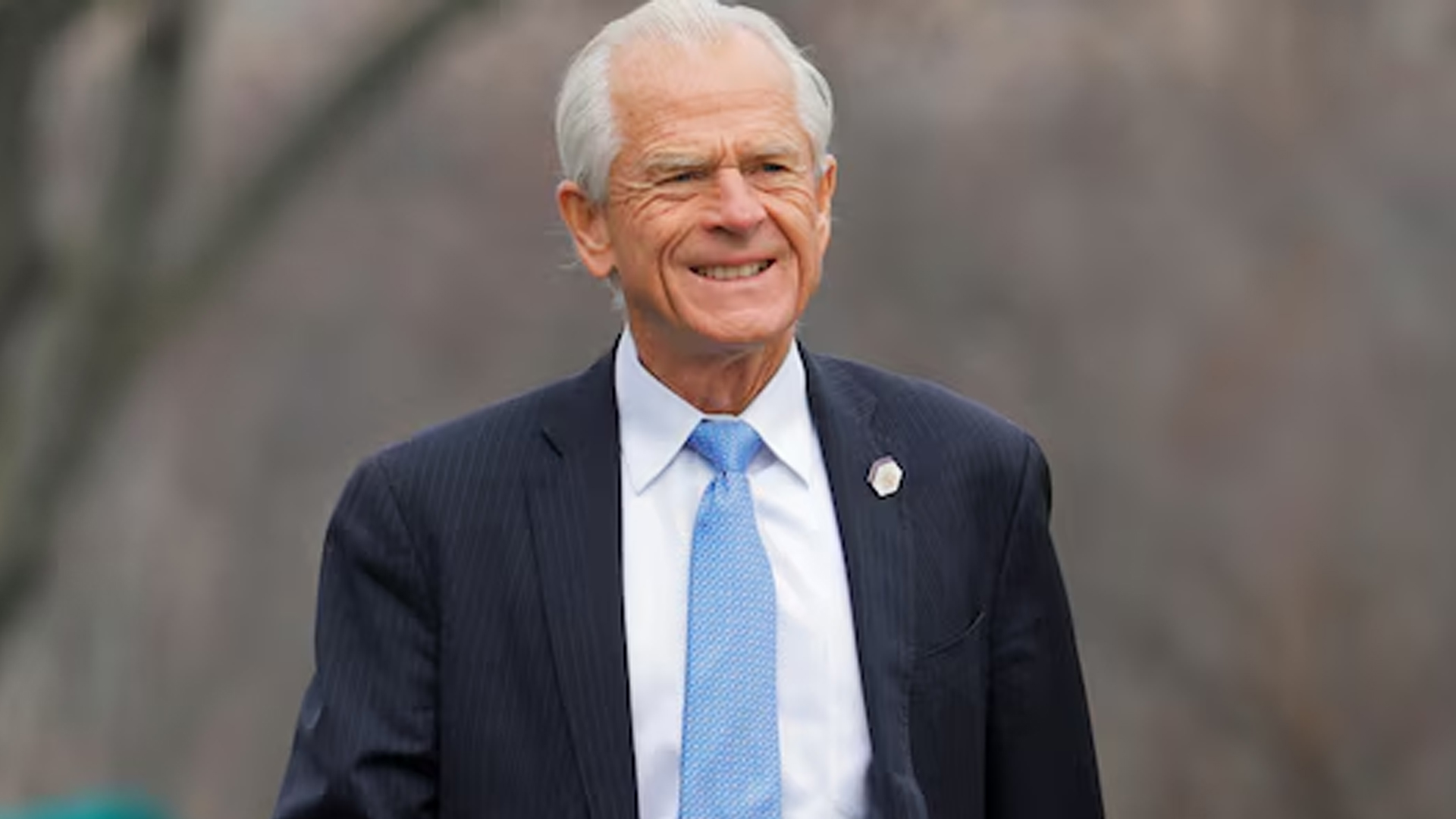
In a sharp escalation of tensions between Washington and New Delhi, White House trade adviser Peter Navarro has accused India of acting as an “oil money laundromat for the Kremlin,” alleging that India’s purchases of discounted Russian oil are indirectly funding Russia’s war in Ukraine. His remarks come a day after the Trump administration imposed a 50% tariff on Indian imports, citing unfair trade practices and national security concerns.

Navarro’s criticism focuses on India’s growing imports of Russian crude, which have risen from less than 1% of India’s oil imports before the 2022 invasion of Ukraine to over 30% today. He claims Indian refiners purchase this discounted oil, refine it, and export the resulting petroleum products globally, including to Europe, Africa, and Asia. According to Navarro, this allows Russia to circumvent sanctions and continue funding its military operations, while profits flow to India’s politically connected energy sector.

The U.S. tariff, split equally between penalties for unfair trade and national security concerns, was implemented this week. Navarro framed it as a necessary step to cut off financial support to Russia’s war efforts, stating that if India wishes to be treated as a strategic partner of the United States, it must align its actions with shared democratic values. He further criticized India for continuing to buy Russian weapons while demanding U.S. firms transfer sensitive military technology and establish manufacturing operations in India.

India has rejected Navarro’s accusations, maintaining that its energy purchases are driven by national interest and energy security considerations rather than geopolitical alignments. Officials in New Delhi have called the tariffs “unjustified and unreasonable” and emphasized that, like any major economy, India will take measures to safeguard its national interests and economic security.

The dispute also highlights the broader tensions between energy security, international trade, and geopolitical strategy. Navarro argues that India is profiting from discounted Russian oil while American taxpayers and consumers bear the cost of supporting Ukraine. In contrast, India underscores its right to an independent foreign policy and its need to ensure affordable and secure energy supplies for its population.

Meanwhile, the Democrats on the House Foreign Affairs Committee have criticized Navarro for singling out India, noting that China purchases far more Russian oil but has not faced similar tariffs. They argue that the U.S. action against India risks damaging the bilateral relationship without addressing the larger geopolitical context.

Also Read: White House Trade Advisor Labels Ukraine Conflict as ‘PM Modi’s War’ Amid Rising US-India Tensions