
The Summaries
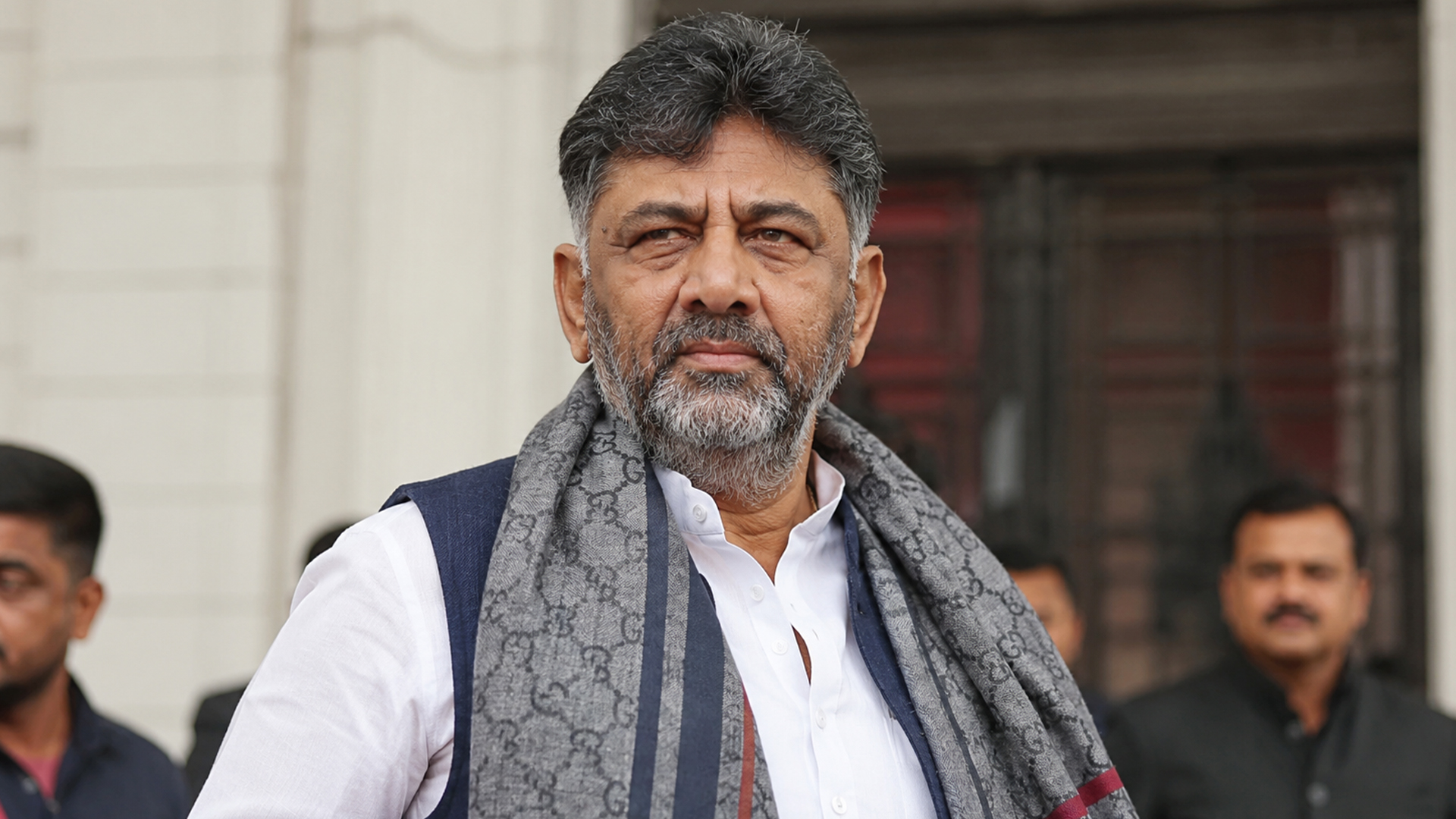
Karnataka confers engineers with ‘Er’ prefix
Karnataka will allow engineers to use the ‘Er.’ prefix before their names and make Engineers’ Day an official state event from 2027. Deputy CM D.K. Shivakumar announced the move on September 15.
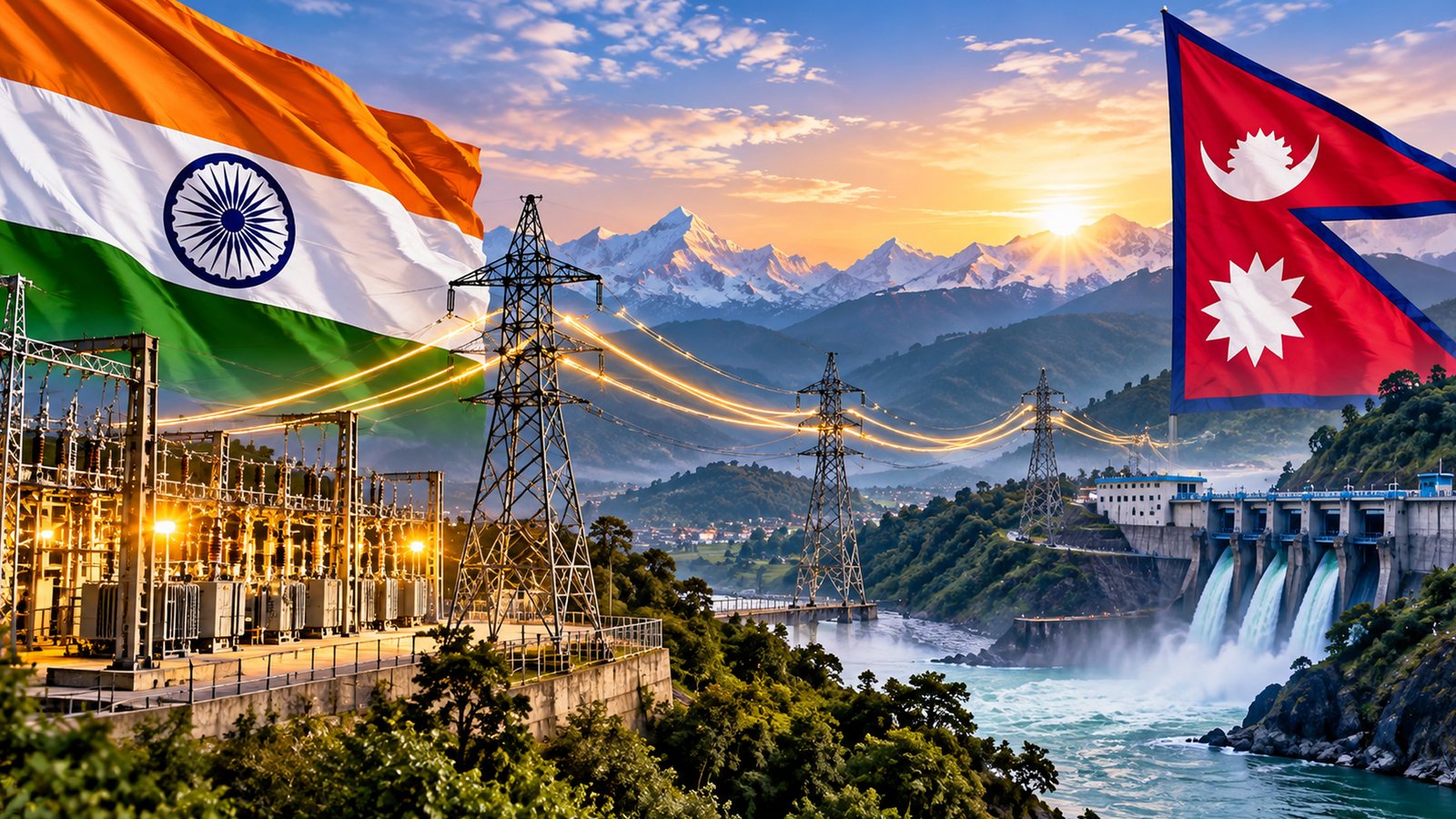
India approves 654 MW power for Nepal
India will supply up to 654 MW of power to flood-hit Nepal for 18 hours daily until December 31. The move will help offset damage to hydropower plants and transmission infrastructure.

BRICS goodie bag showcases India’s diversity
BRICS media kits showcase India’s diversity with Bihar’s sattu and makhana, Koraput coffee, and Gujarat crafts. The curated hampers give global journalists a taste of India’s regional traditions, local industries and cultural heritage.
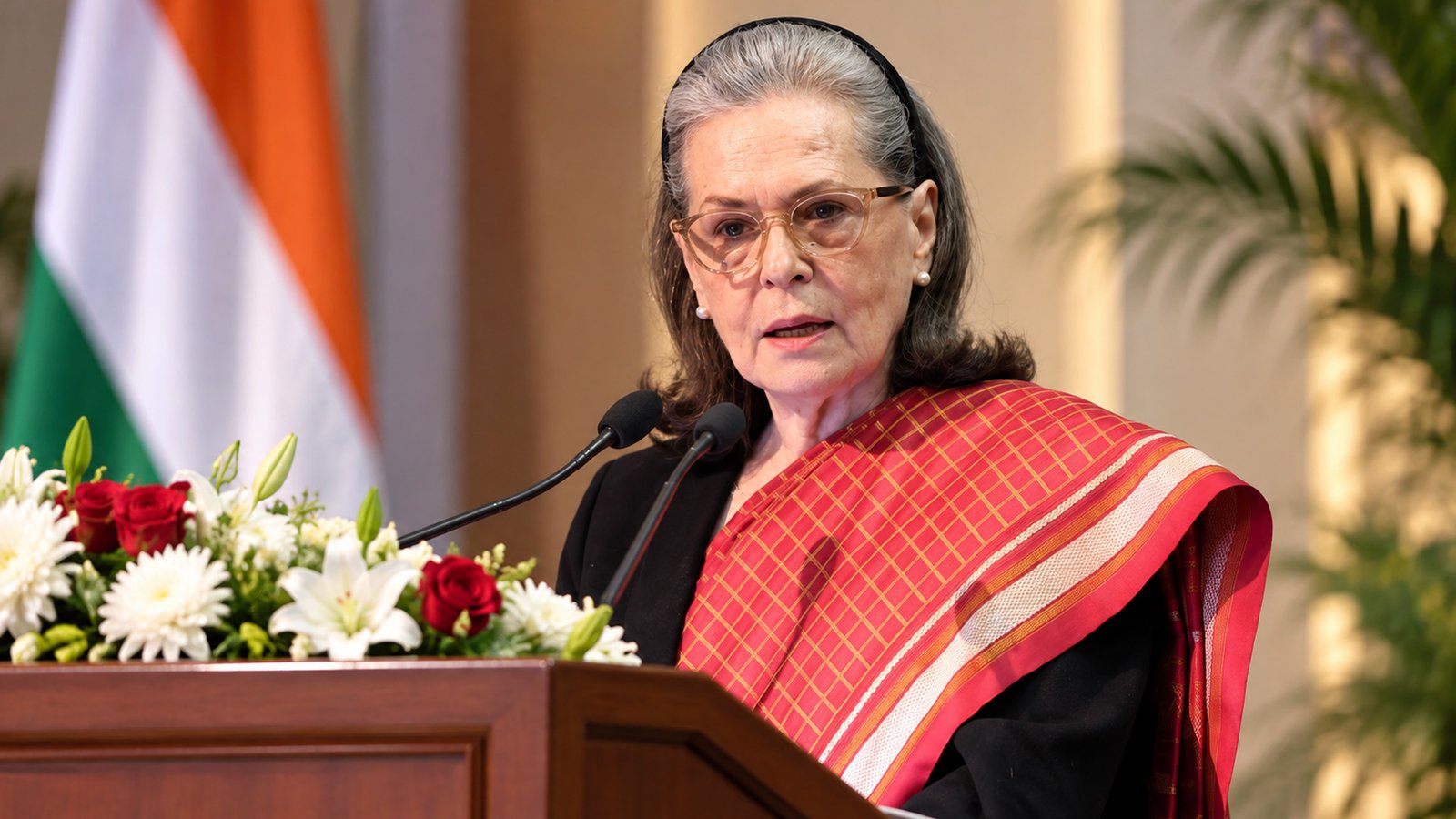
Sonia Gandhi book moves to HarperCollins
HarperCollins India will publish Congress leader Sonia Gandhi’s memoir Belonging: A Journey of Love on November 10. The move follows Penguin Random House India’s exit from the Indian edition after an editorial dispute. The book promises a personal account of Gandhi’s life, family and political journey.
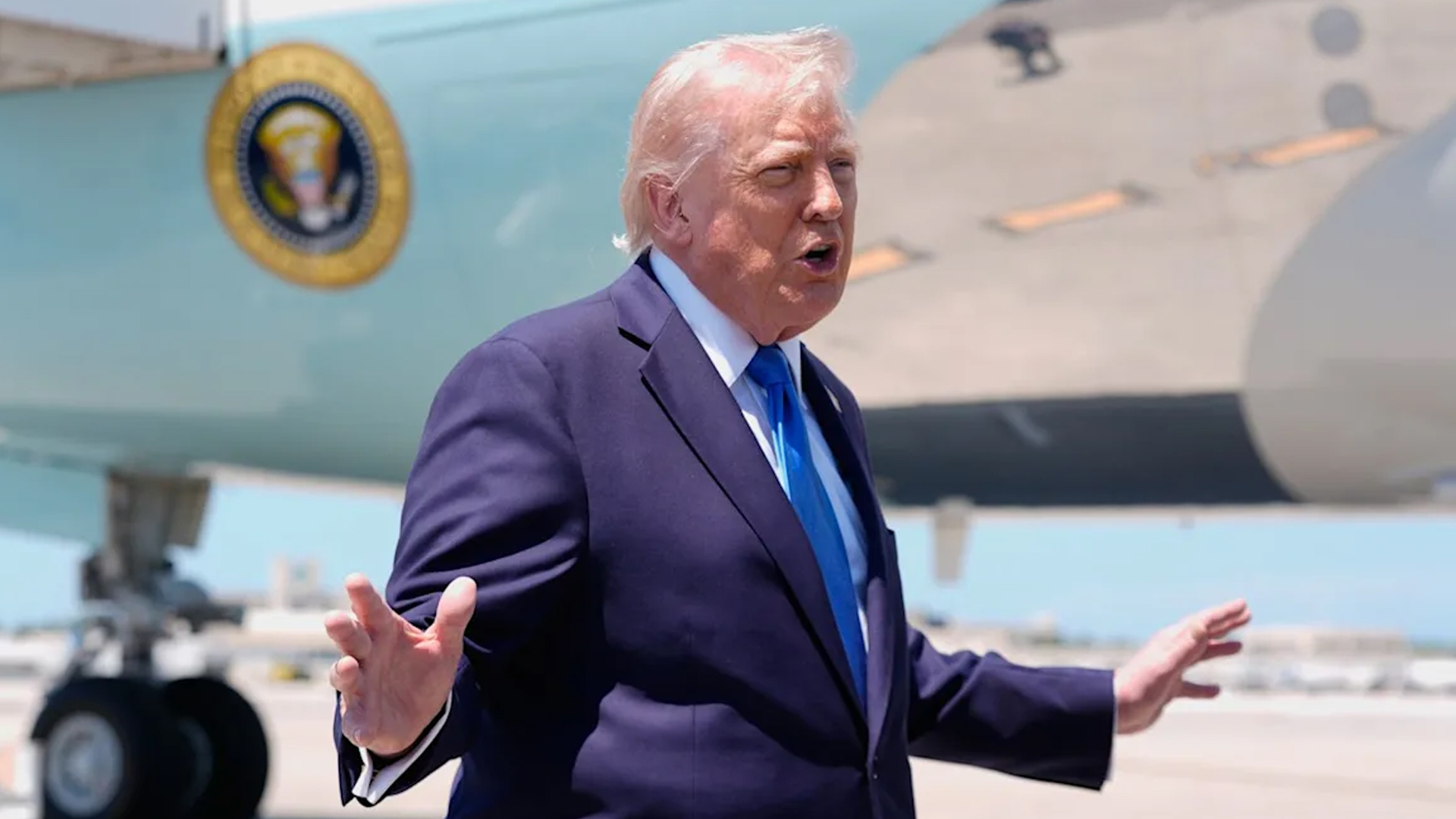
Trump orders Lake Ontario renamed ‘Lake America’
US President Donald Trump has ordered Lake Ontario renamed “Lake America” for US federal use, escalating tensions with Canada. Prime Minister Mark Carney rejected the move, saying the lake will remain Lake Ontario. Read More
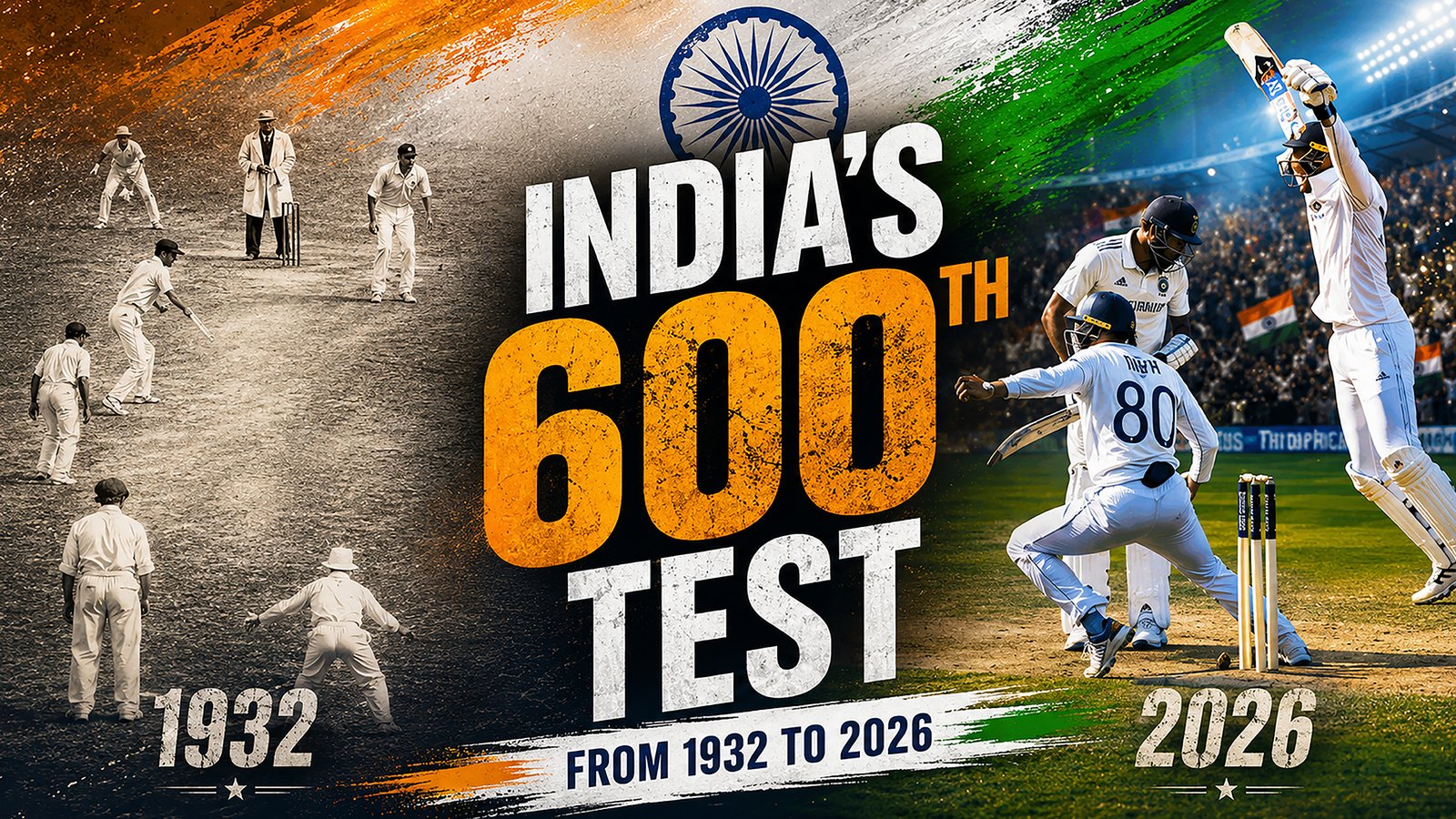
Team India marks I-Day ahead of 600th test
Team India hoisted the Tricolour in Galle on Saturday as players marked India’s 80th Independence Day ahead of the Sri Lanka Test. The match is India’s historic 600th Test, making it the first Asian team to reach the milestone. Read more
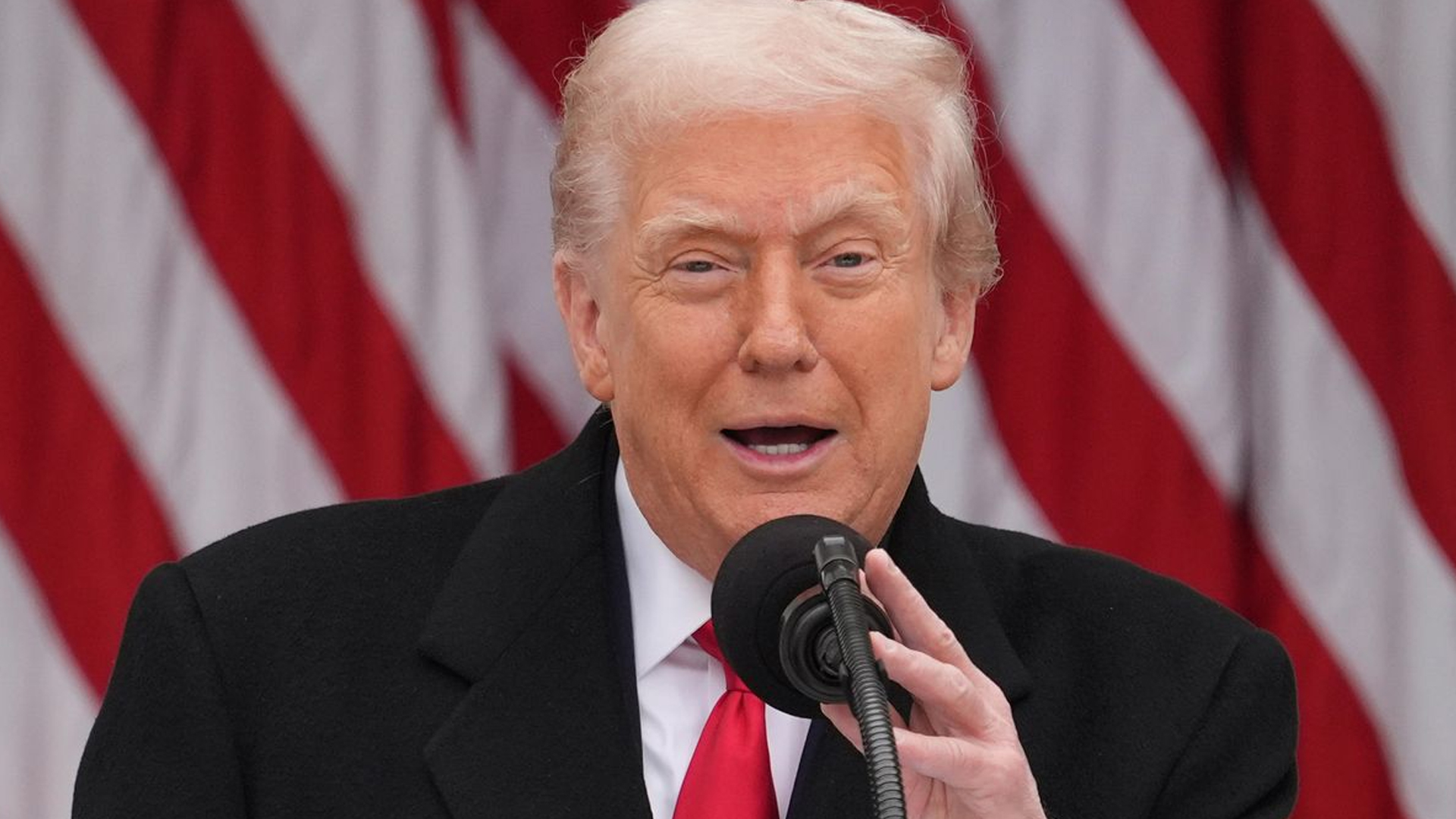
Court blocks Trump’s White House ballroom
A US appeals court has blocked President Donald Trump’s proposed $400 million White House ballroom, ruling Congress must approve major changes. The administration plans to challenge the decision before the Supreme Court. Read more
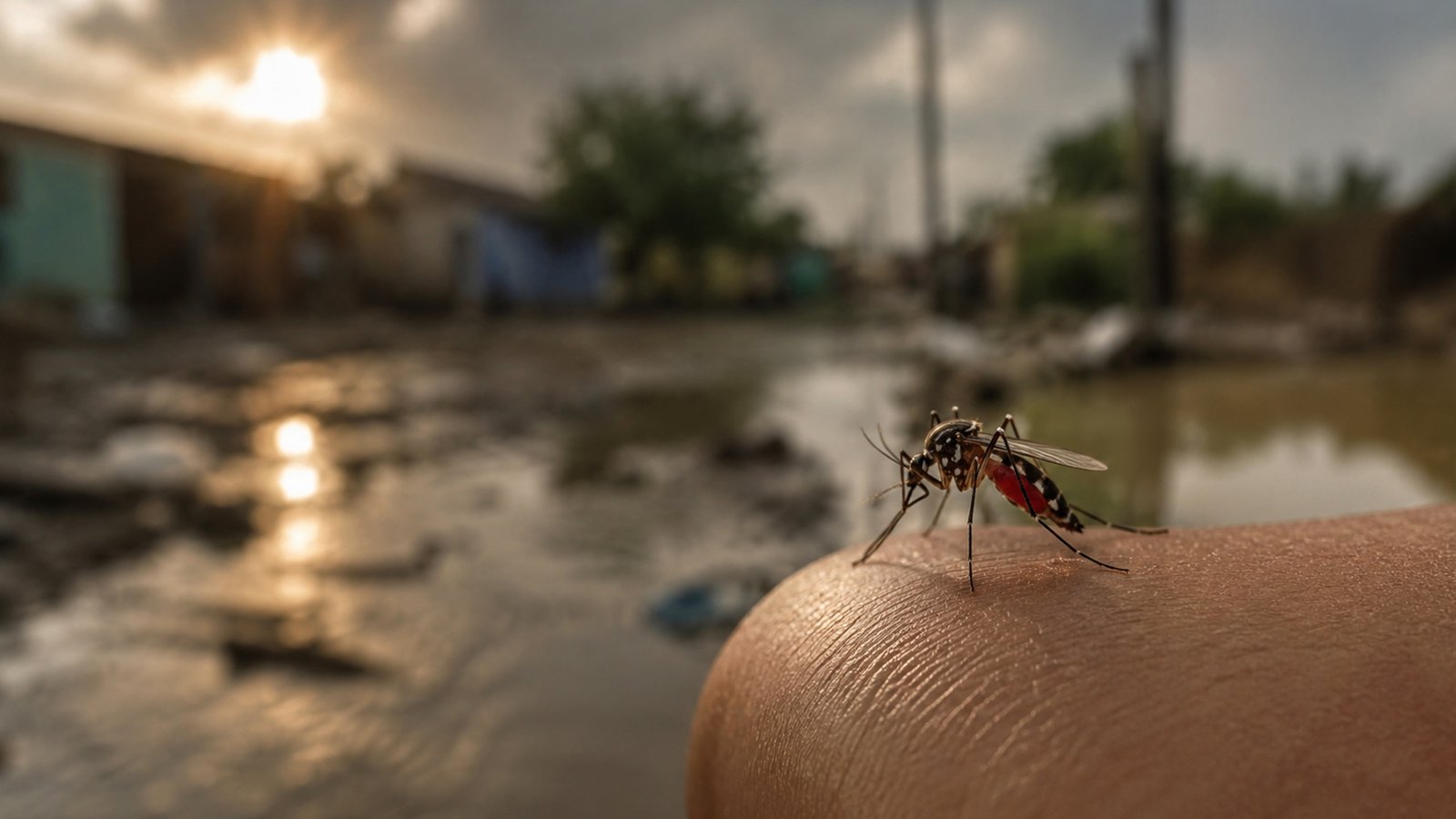
Chandipura death toll reaches 22 in Gujarat
Gujarat has reported 22 suspected Chandipura-linked child deaths this monsoon. Of 184 suspected cases, 35 have tested positive, while seven children remain under treatment. Health authorities have intensified surveillance and vector-control measures across affected areas.

BTS skips Grammys amid new Asian pop category
BTS will not submit music for the 2027 Grammy Awards, despite the Recording Academy introducing a new Asian Pop category. The group says music should be recognised universally, without being divided by region or language. Read more..
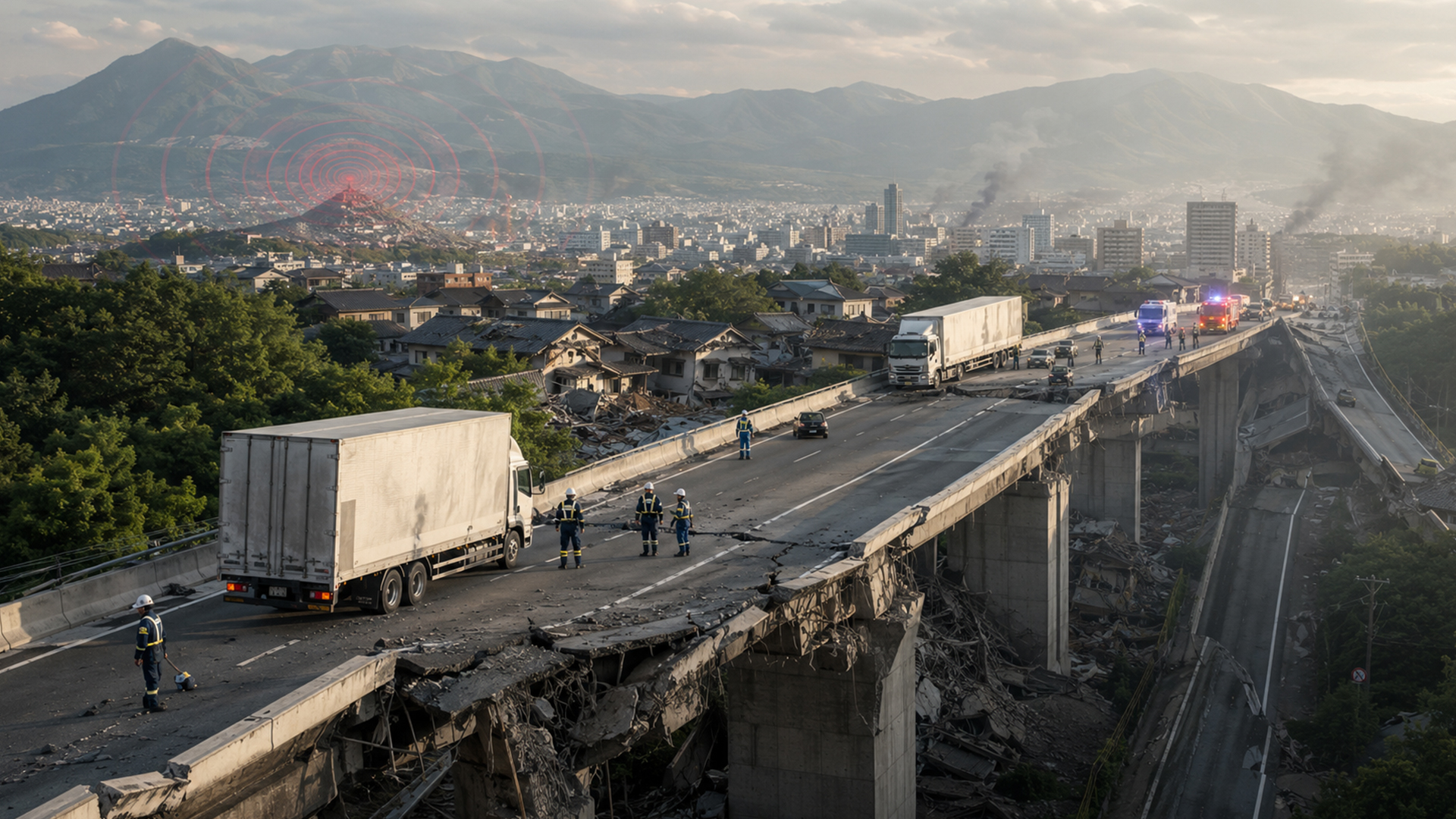
Japan quake rescue race enters critical phase
Rescue operations intensified in Japan’s Kumamoto Prefecture after a powerful earthquake killed at least 13 people, injured hundreds and displaced thousands. Emergency teams continue searching collapsed buildings as repeated aftershocks, damaged infrastructure and landslides hamper relief efforts across the region. Read more..
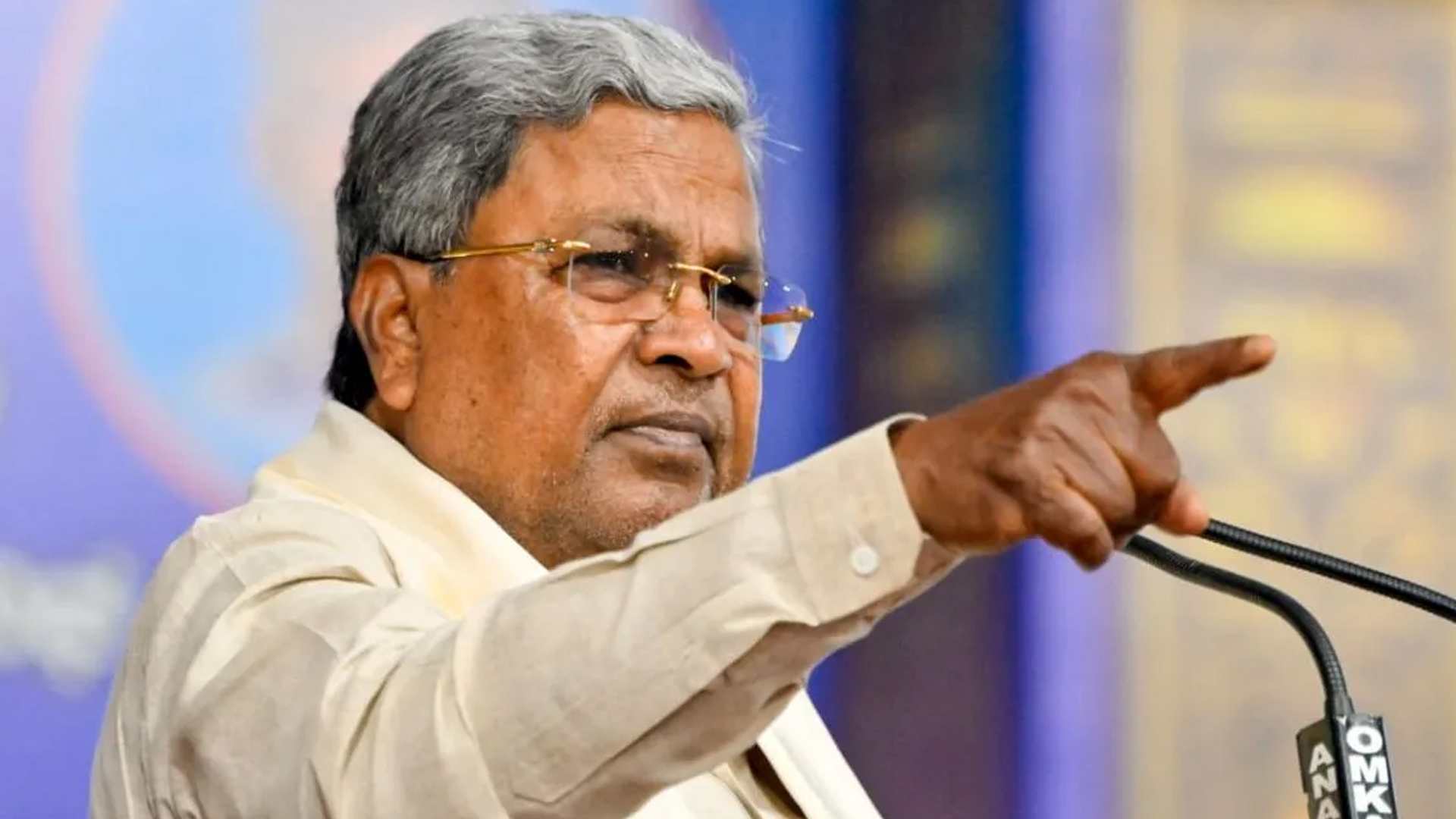
Siddaramaiah quits 2028 poll race
Former Karnataka Chief Minister Siddaramaiah will not contest the 2028 Assembly elections, citing age, health and growing corruption in politics. The Congress veteran said he will remain active in public life and continue serving people. Read More..
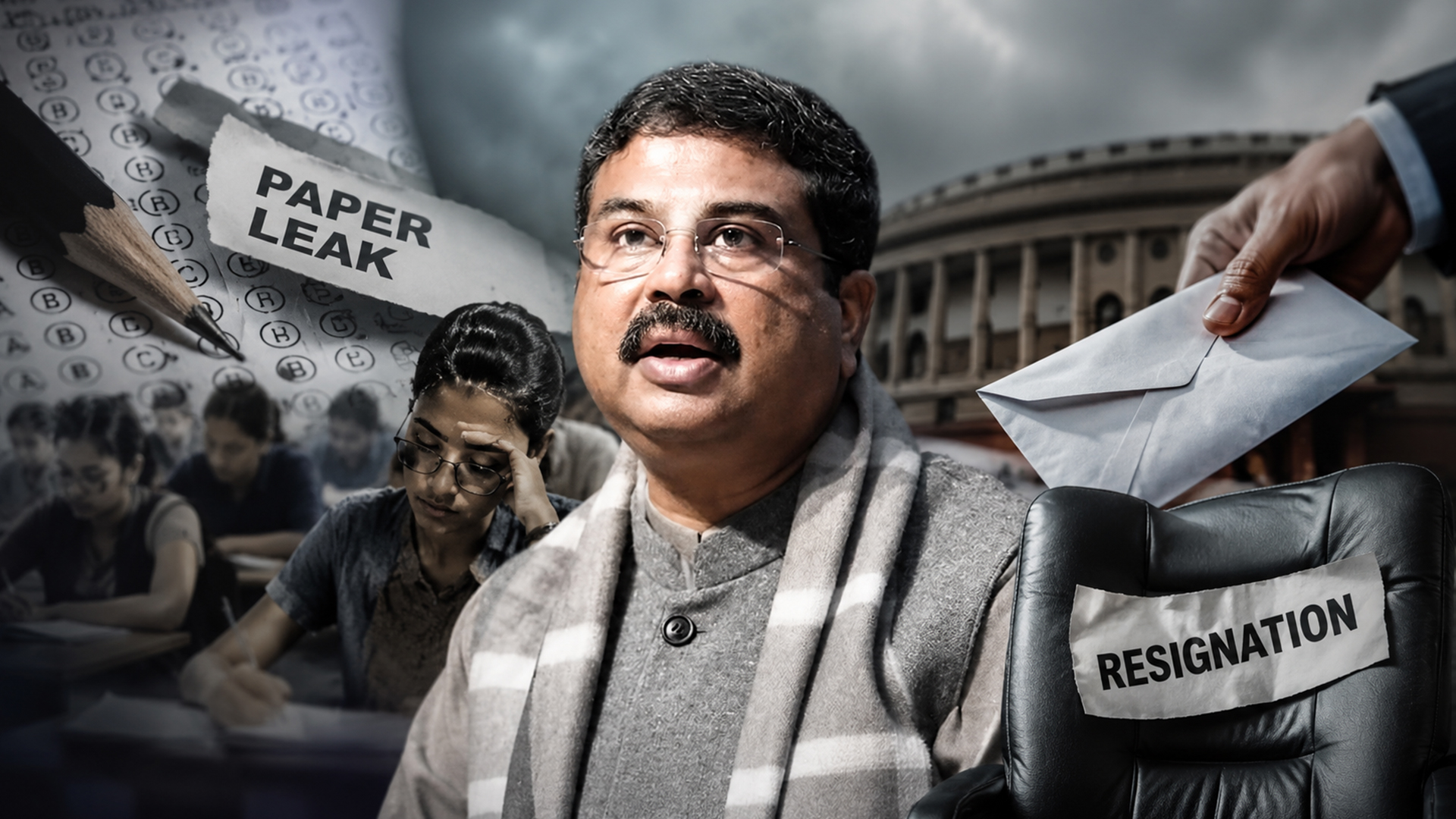
Pradhan row rocks first week of parliament
The first week of Parliament’s Monsoon Session ended without significant business as Opposition parties continued demanding Union Education Minister Dharmendra Pradhan’s resignation over the NEET paper leak controversy. The government refused to yield, setting the stage for another turbulent week.
About This Category
The Format Is the Editorial Argument
The name of this publication is The Summary. This section is where that philosophy is most directly expressed. The Summaries are not abbreviated versions of longer articles. They are complete pieces of journalism — reported, edited, and published at a length that respects both the story and the reader's time. The decision to keep them short is not a constraint. It is a position: that most news can be communicated clearly in 150 words, and that padding it to 600 words rarely improves it.
The editorial discipline required to produce a good summary is different from, and in some ways harder than, writing at length. Every sentence has to do real work. Nothing survives that doesn't belong there.
What Ends Up Here
The range is genuinely broad — and deliberately so. On any given day, The Summaries might carry a Karnataka cabinet resignation, a hospital fire in Bihar, a CBSE policy recommendation, a Kerala toddler death that has triggered public outrage, and a Cockroach Janta Party founder's plans to protest at Jantar Mantar. These are not thematically related stories. They are simply the news, treated with consistent brevity.
That breadth is the point. A reader who follows The Summaries doesn't need to choose a category to monitor. National politics, health research, civic tragedies, civil society, lifestyle news — it all comes through this section at a pace that doesn't require hours of reading to stay current.
The Judgment That Goes Into 150 Words
Selection is where the editorial work happens. Not everything becomes a Summary. Stories make it here when the core fact is clear, the significance is demonstrable, and the full picture can be honestly conveyed at short length without stripping context that the reader actually needs. A story like the Muzaffarpur hospital fire — four lives lost, a state inquiry ordered, families to be compensated — can be told completely in under two minutes. Stretching it doesn't add information; it adds length.
Some stories don't work as summaries because the context is too dense to compress responsibly. Those go elsewhere on the site. The Summaries is not a catchall; it's a format with specific requirements, and not every story meets them.
A Different Kind of Archive
Over time, The Summaries has become a reliable daily record of what happened in India and across the world — told concisely, sourced from official announcements and credible reporting, and published without the delay that often accompanies longer-form analysis. Readers who have followed the section consistently say it functions as a news briefing they can consume in a single sitting. That is more or less exactly what it was designed to do.
Frequently Asked Questions
Q1. What is The Summaries format and how is it different from other sections?
The Summaries are short, complete news pieces — typically under 150 words — covering a single event or development clearly and accurately. Unlike the full-length articles in sections like National, Business, or Health, these are written to be read in under a minute. The format is intentional: the goal is to report the news completely, not briefly for brevity's sake.
Q2. Does The Summaries cover all topics or only specific beats?
All topics. A single scroll through The Summaries on any given day might include political news, health research, a civic disaster, an education policy decision, and a human interest story. The connective thread is the format, not the subject. Readers who want to stay across multiple beats without tracking several sections will find everything here.
Q3. Are The Summaries just shortened versions of longer articles on the site?
No. They are standalone pieces written specifically for this format. Occasionally, a major developing story will have both a full article and a Summary — but they are written separately, for different purposes. The Summary version is complete on its own terms, not a teaser or a preview of something longer.
Q4. How does The Summary decide what becomes a Summary versus a full article?
If a story can be told accurately and completely at short length without stripping essential context, it's a candidate for The Summaries. If the background, timeline, or stakeholder complexity genuinely requires more room, it gets a full article. The test is whether the reader comes away informed — not whether the piece meets a word count.
Q5. How often is The Summaries section updated?
Throughout the day as news develops. There is no fixed publishing schedule — stories are published when they are ready. Readers who check in once or twice daily will typically find several new pieces each visit. The pace reflects the news cycle, not a content calendar.
Q6. Is The Summaries a good starting point for readers new to the site?
It is probably the most efficient way to understand the full scope of what The Summary covers. Because the section spans every beat — politics, business, health, lifestyle, science, national, world news — a few minutes in The Summaries gives a reader a clearer picture of the publication's range than browsing any single category section would.