
Science
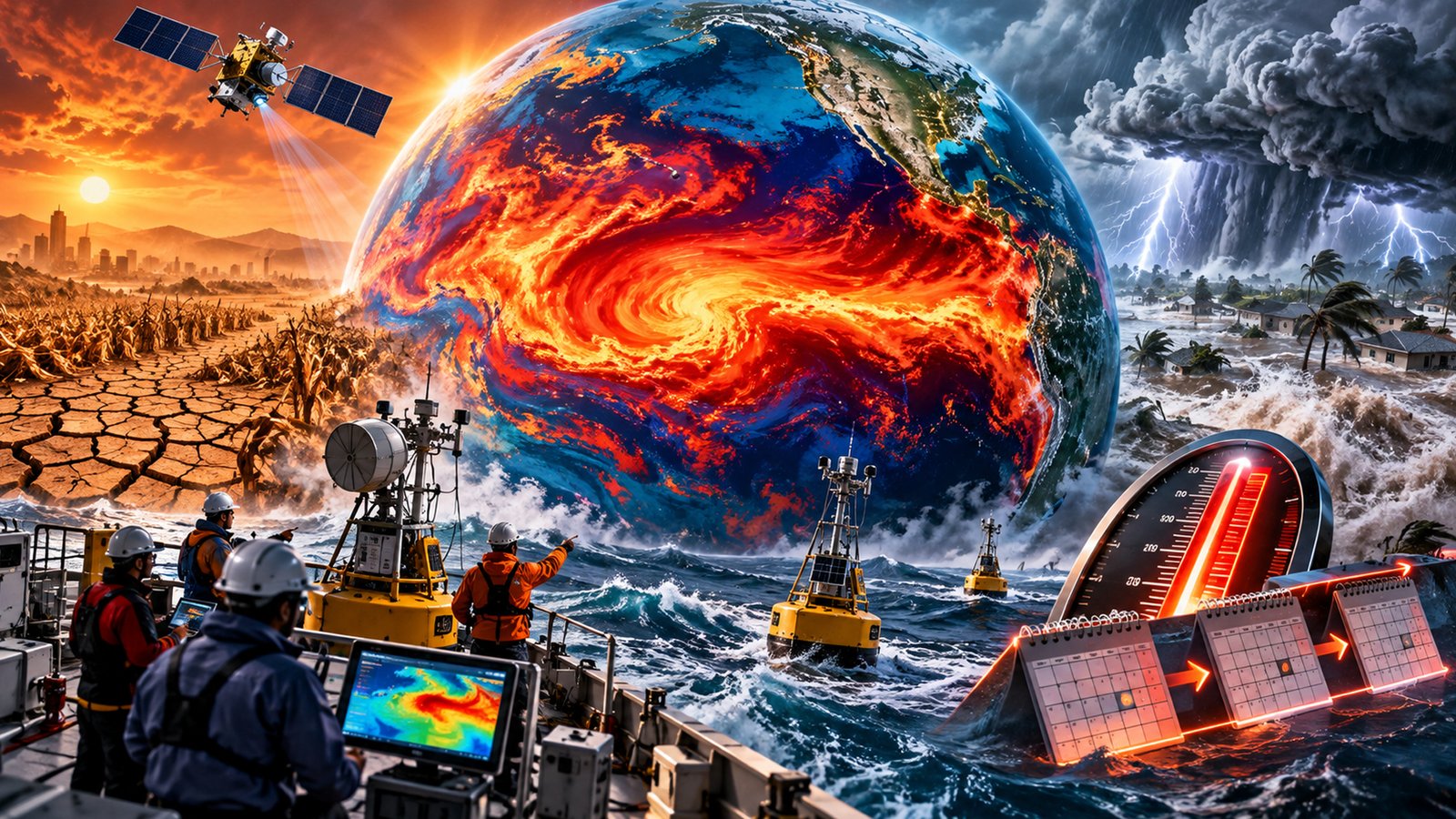
El Niño set to intensify, raising global weather risks
The world is preparing for a potentially powerful El Niño event that could intensify in the coming…
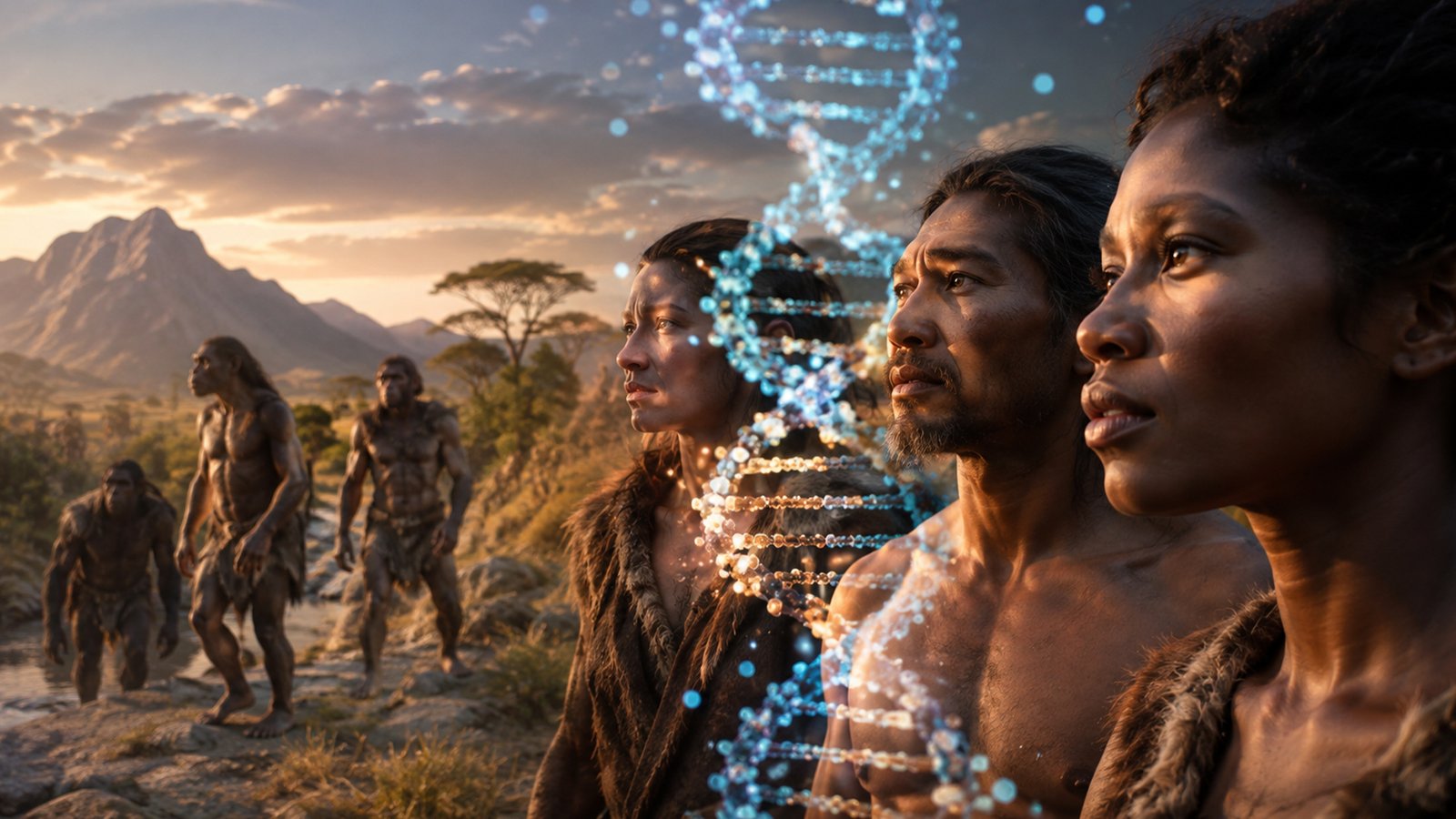
Two hidden human lineages found in modern DNA
Scientists have identified evidence of two previously unknown ancient human lineages that contributed DNA to modern humans,…
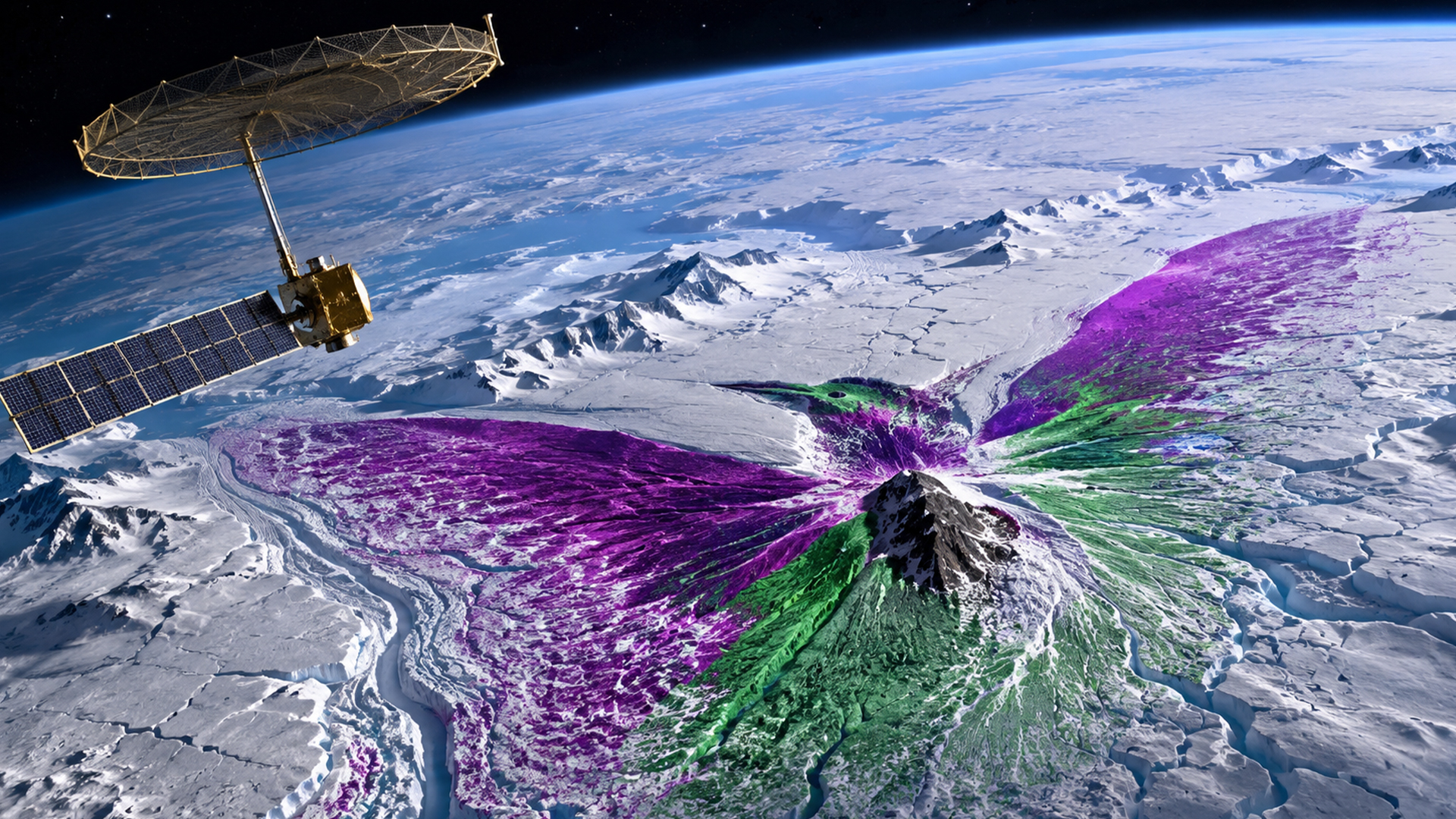
Nature paints a hummingbird across Antarctica’s ice
What looked like a breathtaking piece of nature’s artwork has turned out to be one of the…
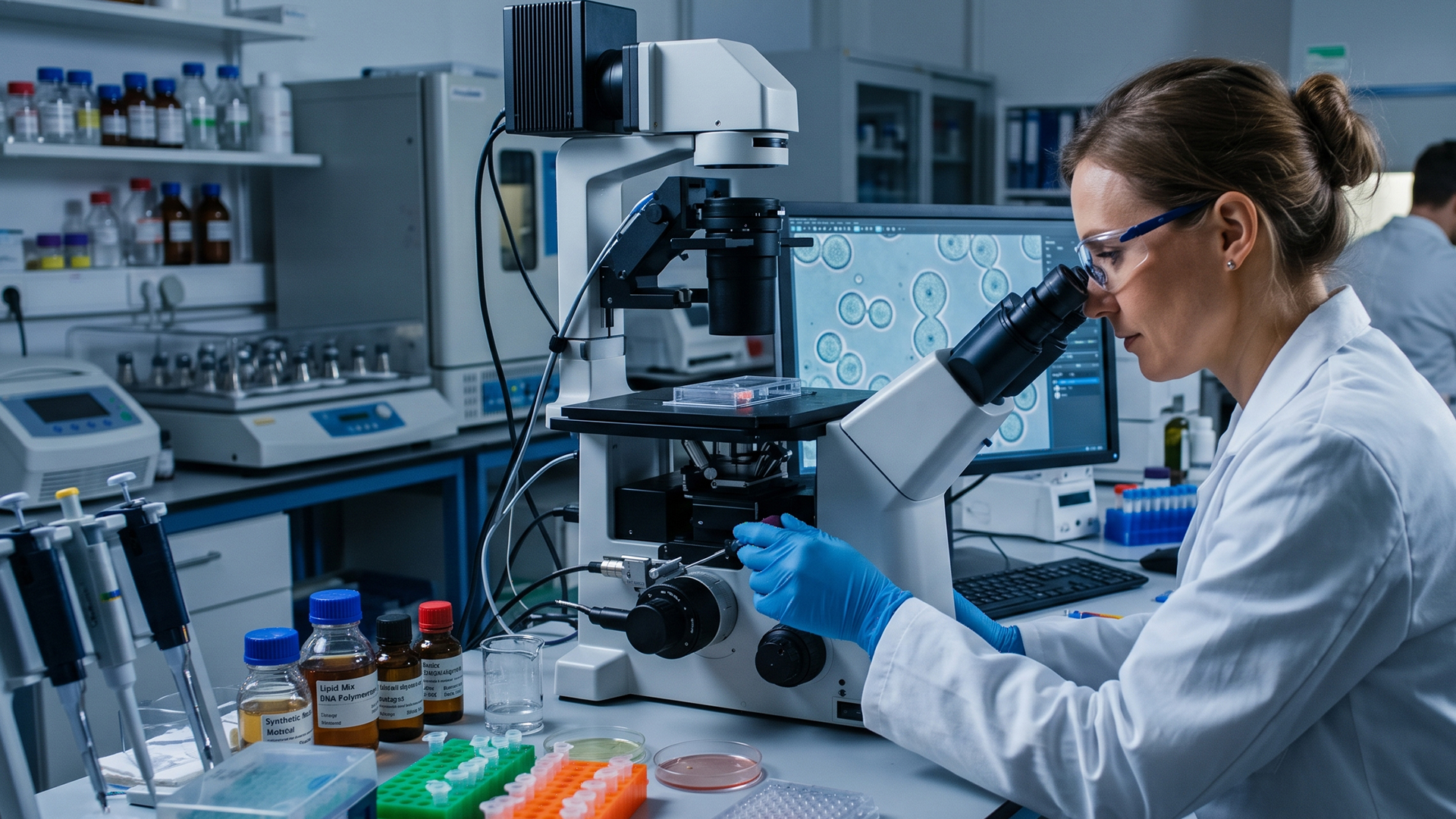
Scientists build synthetic cell from scratch successfully
Scientists have achieved a major breakthrough by creating a synthetic cell that can grow and divide like…
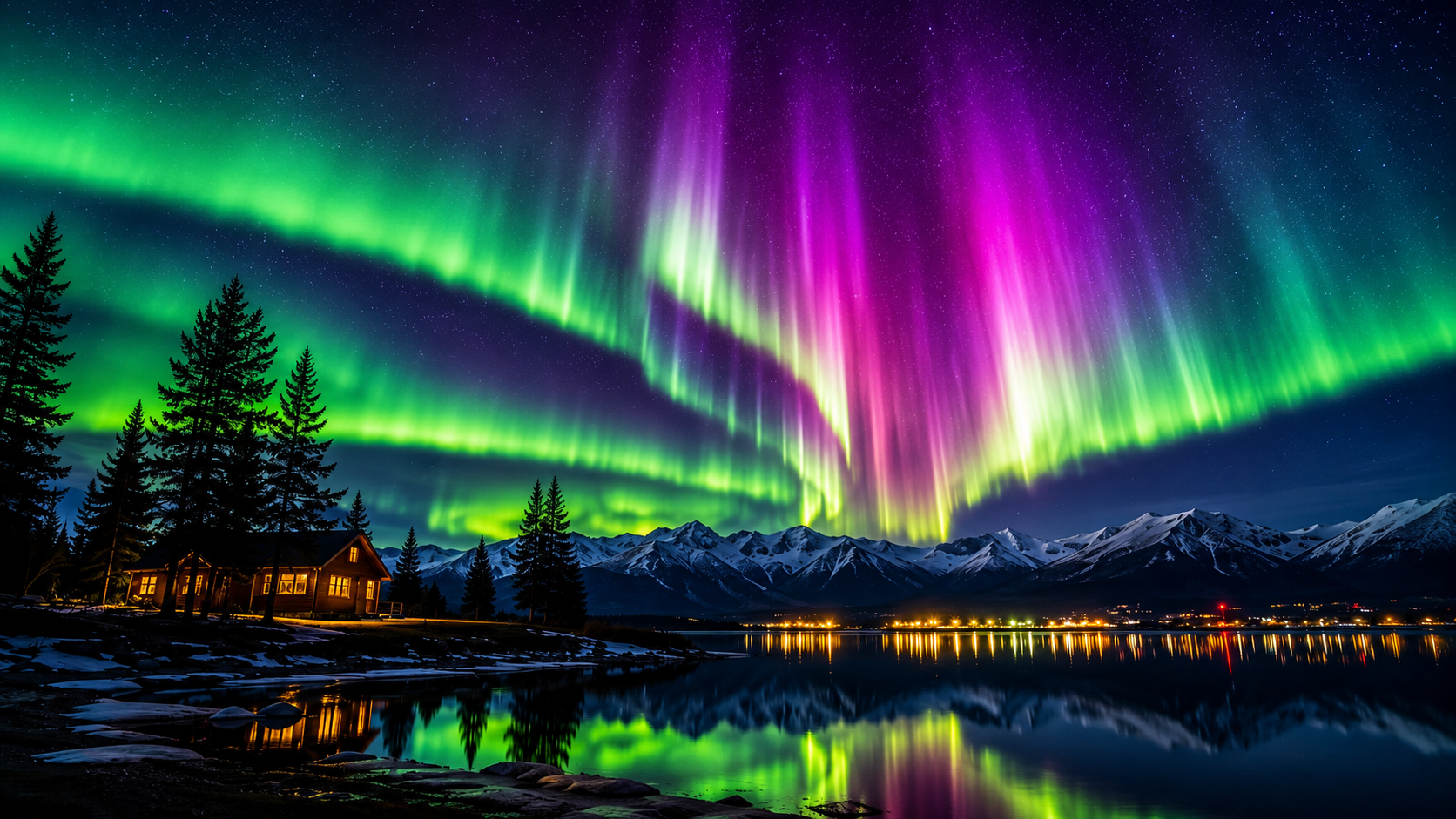
19 northern US states brace for auroras
A minor solar storm could paint the night sky with the aurora borealis, giving people across 19…
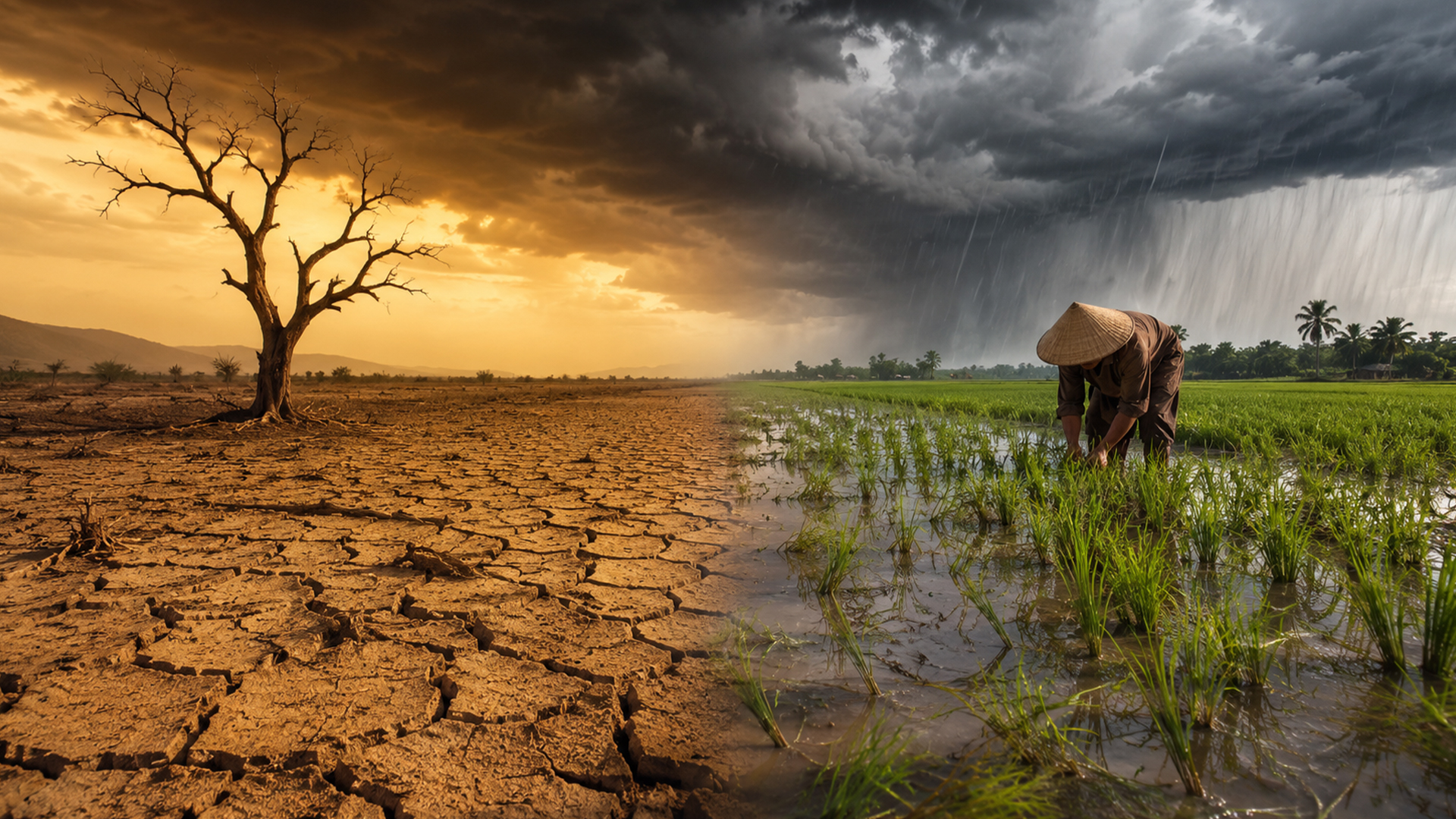
El Niño threat looms large over India’s monsoon
India’s monsoon season is facing growing uncertainty as weather agencies and climate experts warn that El Niño…
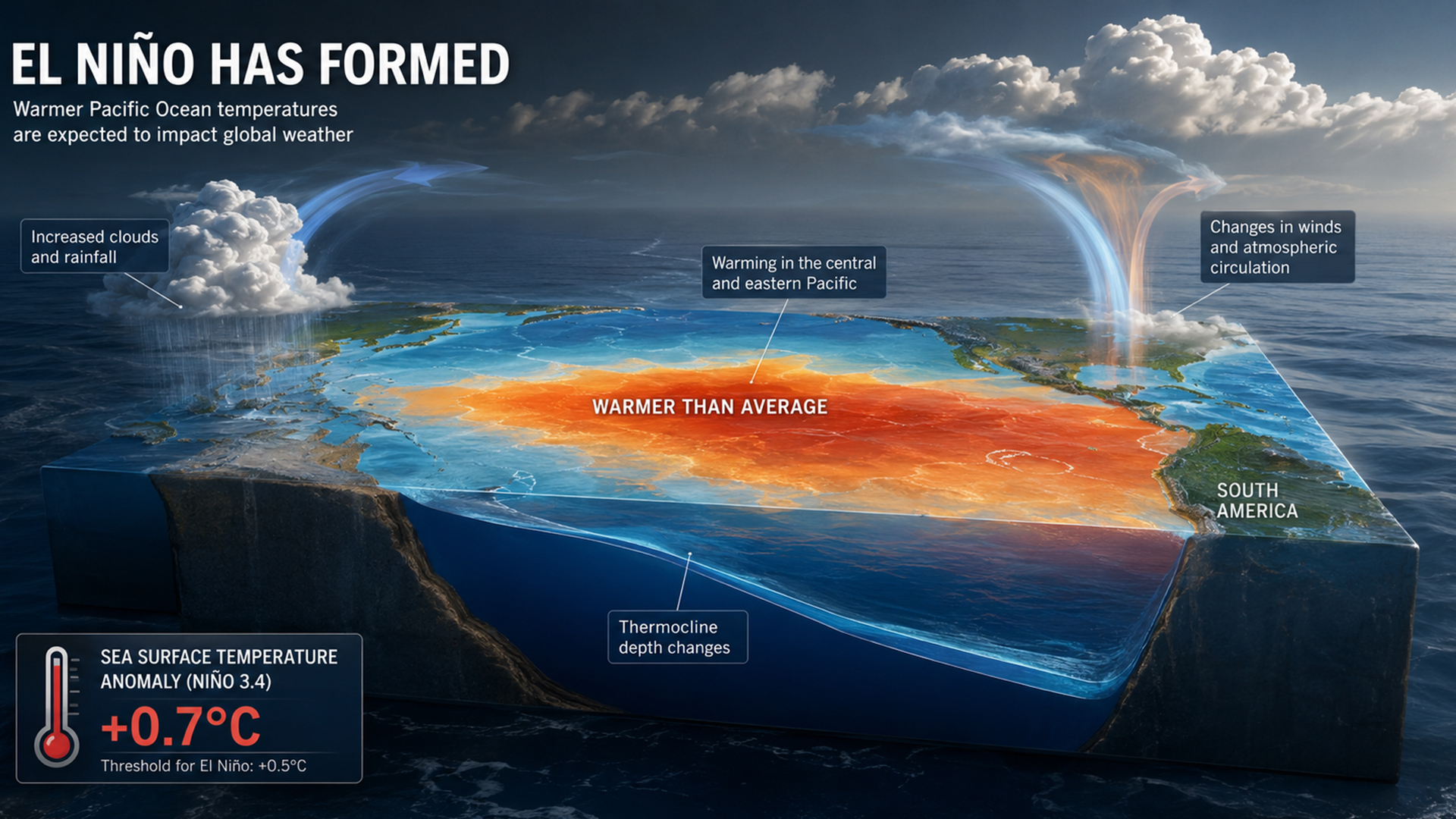
El Niño alarms of extreme weather globally
The United States’ National Oceanic and Atmospheric Administration (NOAA) has confirmed the return of El Niño, a…
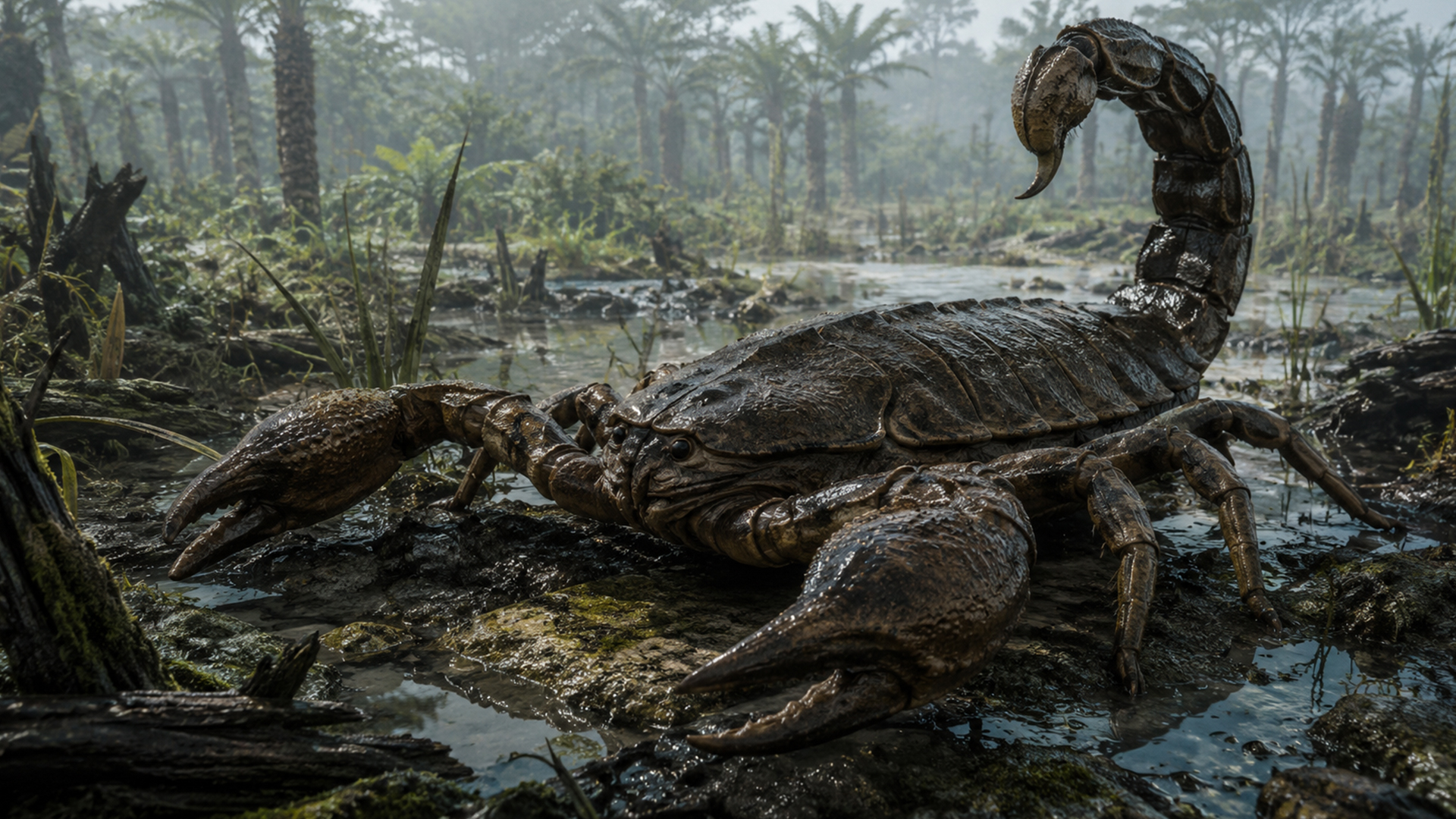
Scientists identify largest known Scorpion species
Scientists have identified what is believed to be the largest known scorpion species ever discovered, based on…
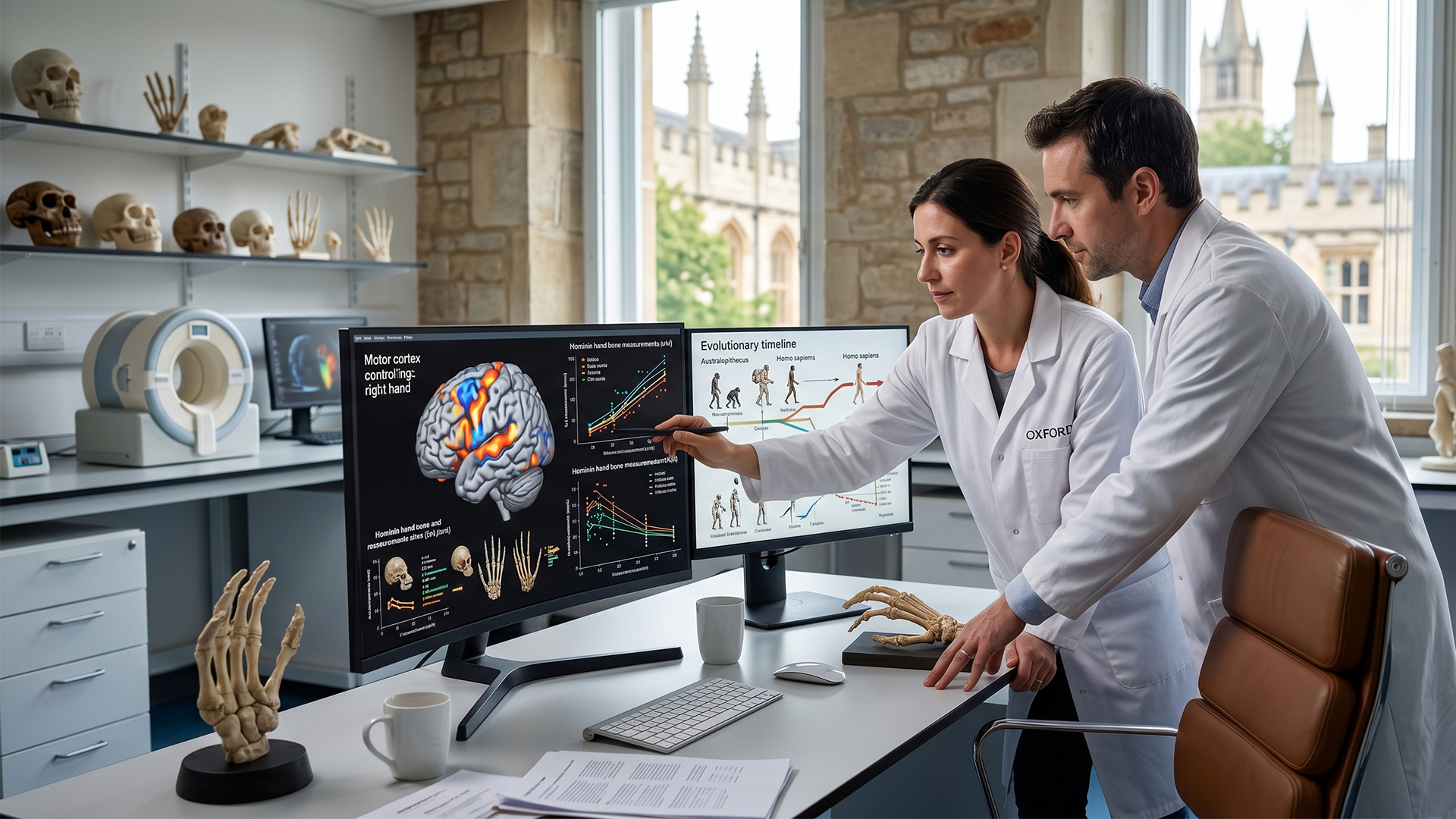
Scientists link right-handedness to evolution
For generations, people have wondered why most humans naturally prefer using their right hand. A new study…
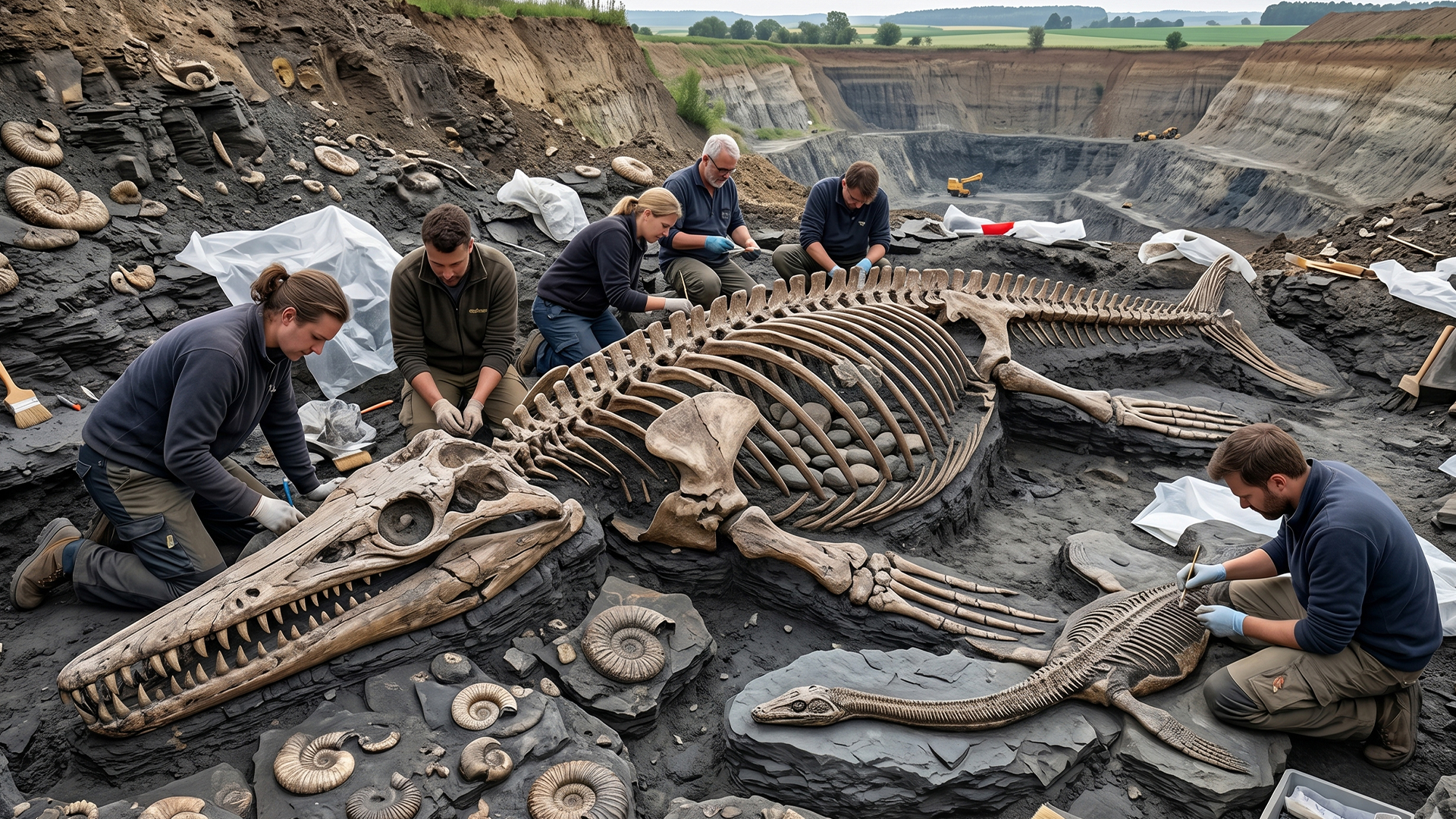
Scientists find 180-million-year-old fossil in Germany
Scientists have uncovered a remarkably well-preserved fossil in Germany dating back around 180 million years, a discovery…
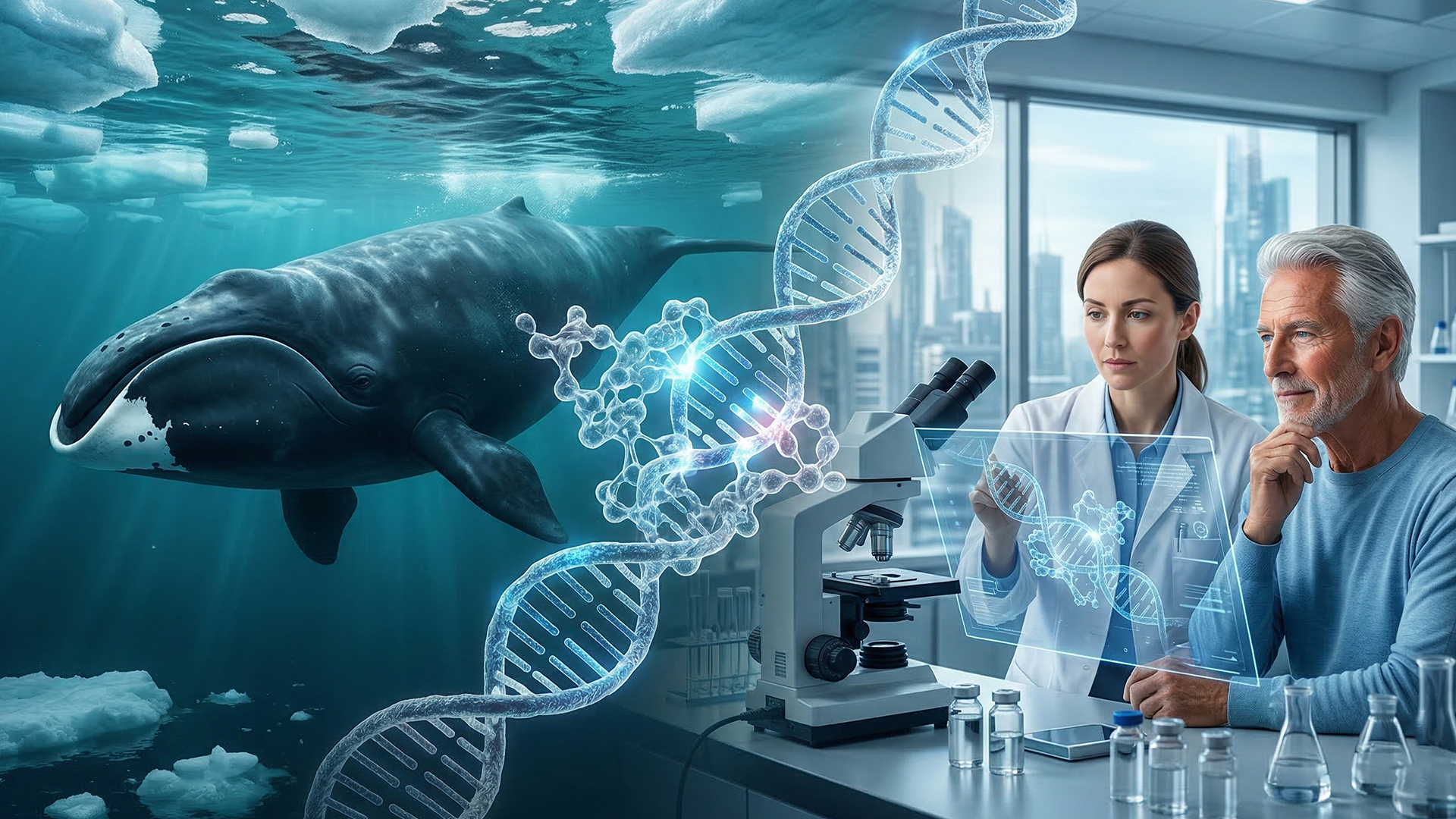
Whale protein offers clues to longer human life
Scientists have discovered that bowhead whales, which can live over 200 years, produce a special protein that…
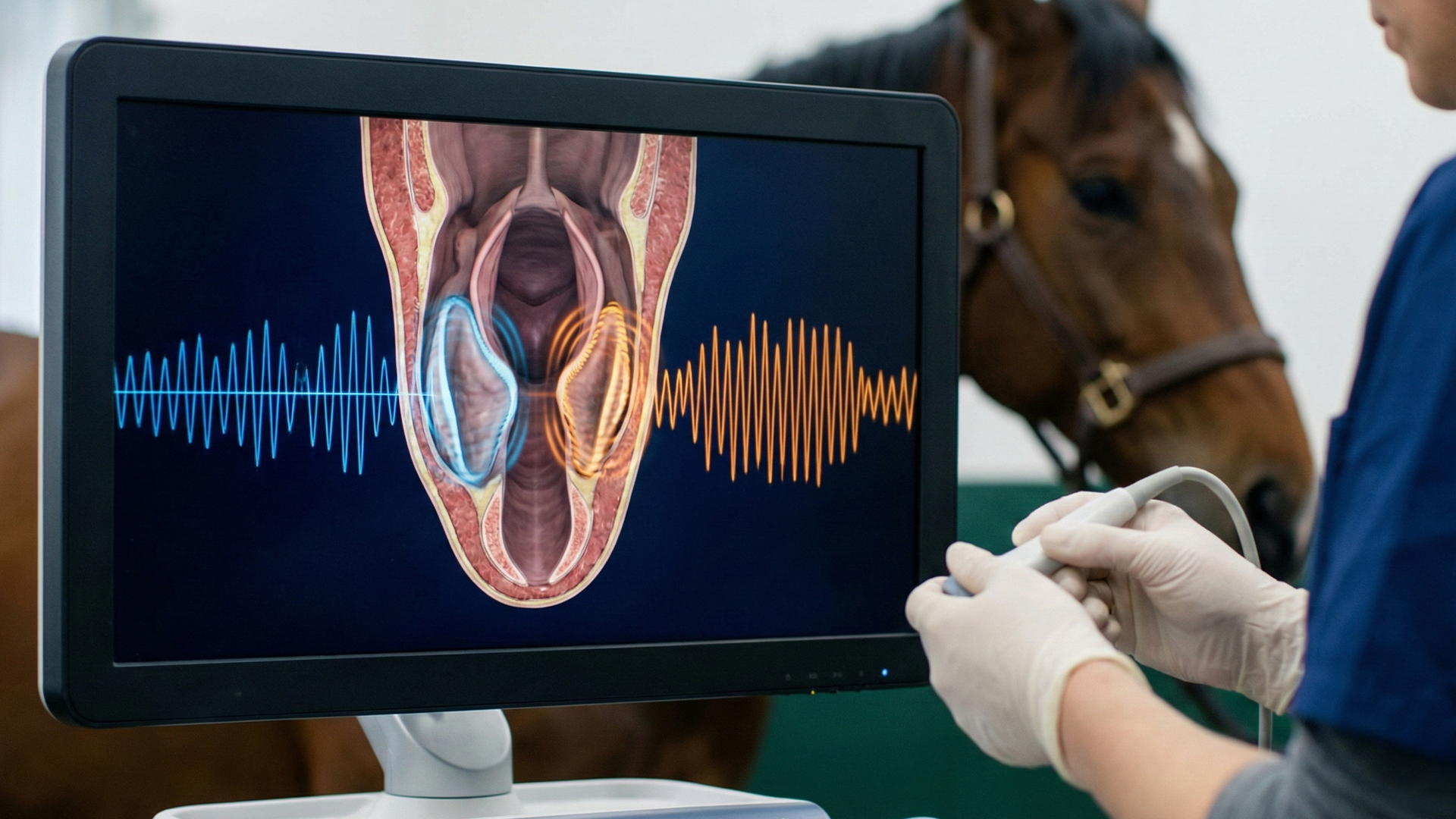
Horses “sing and whistle” at the same time, say scientists
The next time a horse whinnies, listen carefully for there’s more happening than meets the ear. Scientists…
About This Category
Curiosity Has Always Been the Point
There's a version of science coverage that exists purely to generate clicks — superlatives, miracle cures, extinction threats, end-of-world clocks. This section tries to do the opposite. When a team of palaeontologists identifies what may be the largest scorpion species ever recorded, the story is told for what it actually is: a finding that reshapes our understanding of prehistoric marine ecosystems, not a monster headline. When the Doomsday Clock moves, it gets the weight of a genuine scientific risk assessment — not a metaphor.
The Science section covers a wide range. Fossils. Evolutionary biology. Animal cognition. Longevity research. Environmental anomalies that don't have clean explanations yet. The breadth is intentional. Real science doesn't organise itself by category.
Deep Time and Natural History
A 180-million-year-old fossil recovered in Germany arrived in the news without much fanfare. It deserved more. Finds like this extend the biological record in ways that compound over time — each one filling in a gap that previous researchers could only speculate about. The scorpion species identification did something similar. These aren't curiosities. They're data points in a long reconstruction of life on Earth.
What Animals Know That We Don't
The right-handedness study is the kind of research that sounds minor until you think through the implications. If lateralisation — the brain's tendency to specialise one side for certain tasks — traces back further through evolutionary history than previously established, that changes what we understand about how cognition developed. The horse vocalisations story is different in character but similar in kind: an observation that challenges assumptions about what is and isn't uniquely human. Animal behaviour research consistently produces these moments, and this section covers them seriously.
Longevity and What Whales Can Teach Us
Bowhead whales live past 200 years. Researchers have been trying to understand the biological mechanisms behind that for some time. The protein study covered here is one piece of ongoing work that may, eventually, have clinical implications. The word "may" is doing real work in that sentence — and this section won't strip it out to make the story sound more definitive than it is.
The Planet, Unexplained
Iran's Hormuz coastline turning red after rainfall is the kind of story that requires a scientist, not a policy analyst. The geochemical explanation is still being worked through. Reporting it doesn't mean having the answer. The Doomsday Clock is different — that's a formal annual assessment combining nuclear, climate, and biological risk factors, produced by people with relevant expertise. Both belong here.
Frequently Asked Questions
Q1. What does the Science section cover?
Palaeontology, evolutionary biology, animal behaviour, longevity research, environmental phenomena, and risk assessments like the Doomsday Clock. Not technology products, not health advice, not climate policy. The focus is on what researchers are discovering about the natural world — what the evidence shows and, where the evidence is still thin, what it doesn't yet show.
Q2. Does the section cover Indian science research?
When there's a story worth covering, yes. But geography isn't the editorial filter here — significance is. A fossil find in Germany or a longevity study from a US university gets covered by the same standard as an ISRO discovery or an IISER paper. The research determines the coverage, not the country of origin.
Q3. How does The Summary handle studies that get overhyped?
Carefully. A single study with a small sample size doesn't get treated as settled science. Where findings are preliminary, that's stated clearly. The whale protein story was covered as promising early research, not as a breakthrough. That distinction matters — readers deserve to know how confident the scientists themselves actually are.
Q4. Is the Science section accessible to non-scientists?
Yes. The writing assumes curiosity, not a biology degree. Technical terms get explained when they're essential to the story. The goal is a reader who leaves understanding what changed and why it matters — not a reader who walked away impressed but none the wiser.
Q5. How is Science different from the Space section?
Space covers missions, launches, planetary exploration, commercial spaceflight, and astronomical events. Science covers what happens on and beneath the Earth's surface — biology, palaeontology, chemistry, animal behaviour, geophysics. Occasionally a story crosses both — Mars weather data involves planetary science — but the two sections have distinct editorial focuses.
Q6. Does The Summary cover climate under Science?
When the story is fundamentally a scientific finding, yes — the Doomsday Clock assessment includes climate trajectory as a core variable, and it's covered here for that reason. Climate policy, government targets, and economic responses to climate change sit elsewhere. The dividing line is whether the story is about what the science says or about what governments are doing in response to it.