rotating globe
6 Apr 2026


US Imposed Sanctions on India to End Russia-Ukraine War: White House Press Sec


Washington: Relations between the United States and India have soured sharply, with the Trump administration escalating sanctions and touting unlikely diplomatic credit—all while Indian refiners continue to source heavily discounted Russian oil in the face of U.S. pressure.

Sanctions and Accusations of “Profiteering”

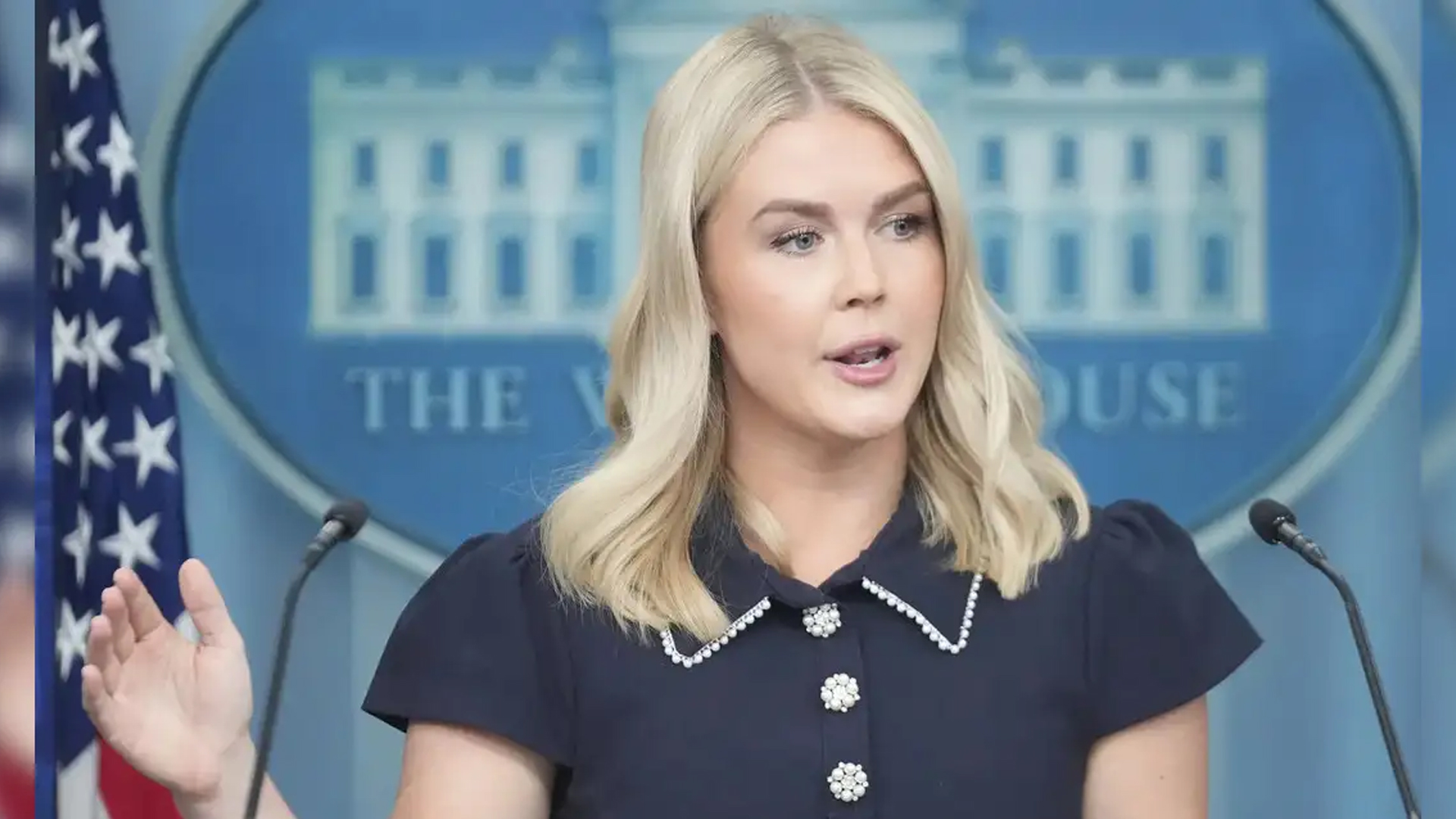
On Tuesday, White House Press Secretary Karoline Leavitt asserted that President Donald Trump imposed sanctions on India to help end the Russia–Ukraine war. She emphasised that Trump “put tremendous public pressure” through actions including these sanctions, reiterating the president’s insistence on bringing the conflict to a swift conclusion.

Similarly, Treasury Secretary Scott Bessent accused India of “profiteering” from its Russian oil trade, saying it exploited price disparities by importing heavily discounted crude and reselling refined products abroad. According to Bessent, India’s oil imports from Russia have surged from under 1% pre-invasion to an estimated 42%, while China’s increased marginally from 13% to 16%.

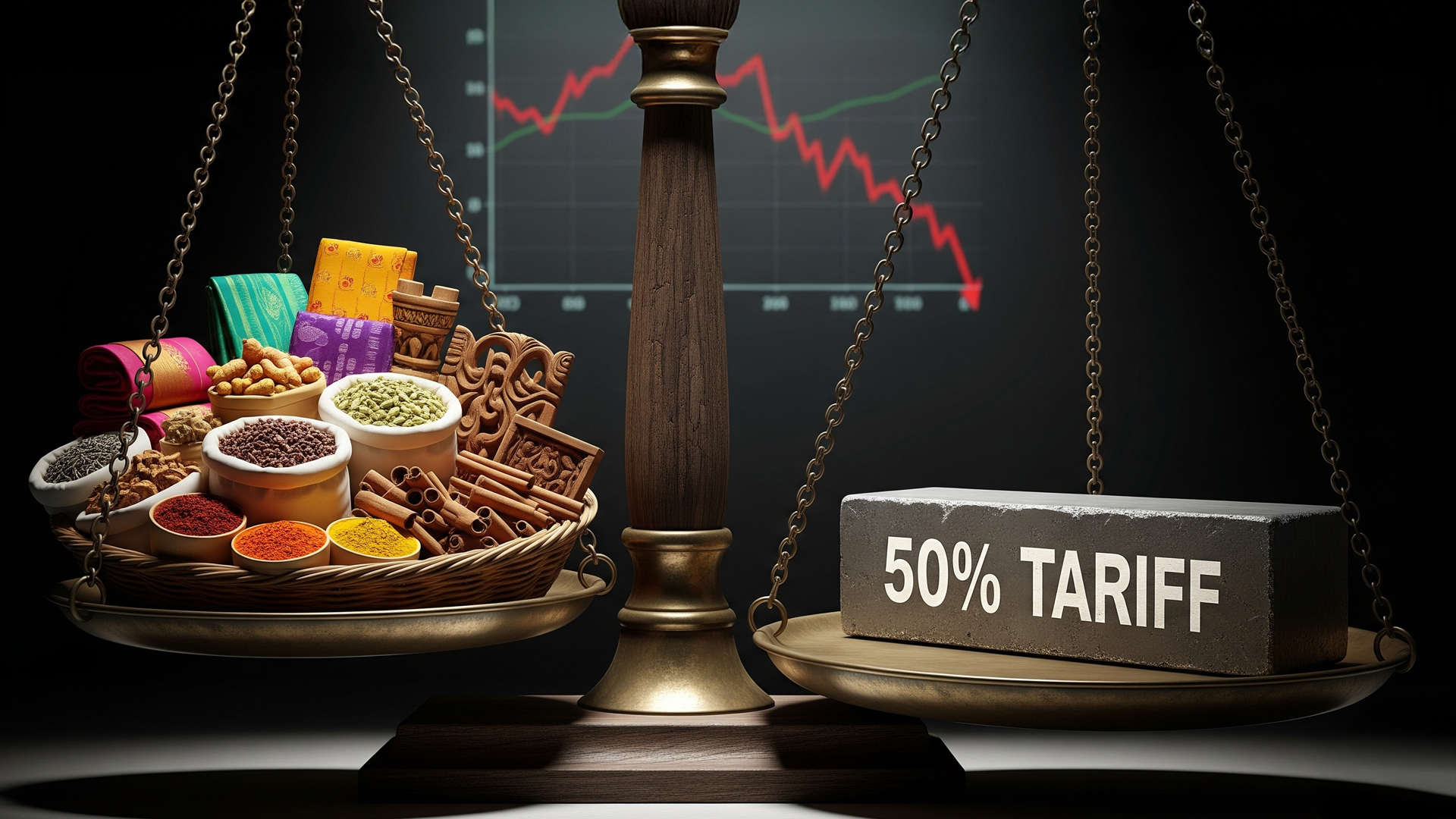
This comes as the U.S. already imposed a 25% reciprocal tariff, compounded by an additional 25% “secondary tariff” tied to India’s Russian oil purchases. These combined tariffs—totaling 50%—take effect from August 27 and have drawn strong condemnation from New Delhi.

Indian Oil Buys Resume Despite U.S. Pressure

Despite mounting sanctions, Indian Oil Corporation (IOC) and Bharat Petroleum (BPCL) plan to resume purchasing Russian crude for September and October deliveries, driven by widened discounts, particularly on the Urals grade. Analysts view this as a firm commitment to energy security, highlighting the domestic necessity behind such decisions even in the face of geopolitical backlash.

Trump Claims Credit for Indo-Pak Peace

Leavitt also repeated Trump’s claim that he ended the India–Pakistan military standoff using trade diplomacy. She branded the president’s intervention as an act of global peacemaking, saying he utilised America’s economic strength to broker multiple ceasefires, including between the two nuclear-armed neighbors. India, however, has persistently denied any third-party mediation and maintains its own DGMO-level talks led to the agreement.

Strategic Fallout and Realignments

Analysts warn that these unilateral moves threaten to unravel years of strategic progress between the two democracies. The tariffs and demarches appear to be steering India closer to China and reinforcing alliances within the BRICS bloc. Kashmir tensions, energy policy disputes, and trade disagreements remain unresolved, all contributing to a growing diplomatic chasm.

Also Read: India Faces Steep Challenge as 50% U.S. Tariffs Bite Export Sector


Skibidi, Delulu, Tradwife: Over 6,000 New English Words Enter the Cambridge Dictionary


The English language has never stood inert, but in 2025, it seems to be challenging the speed of TikTok. The Cambridge Dictionary has added more than 6,200 new words, phrases, and meanings this year—among them the internet-born skibidi, delulu, and tradwife. Together, they showcase how online culture, politics, and shifting social values are rewriting the way we speak. Broadly speaking, it is the Gen-Z slang, viral memes, workplace jargon, and climate concerns that shape the 6,200 new additions.

Colin McIntosh, Lexical Programme Manager at Cambridge Dictionary, summed it up  this way: “Internet culture is changing the English language, and the effect is fascinating to observe and capture.”

Viral Words Go Mainstream

Let’s take skibidi. Once the name of a 2018 viral dance track by Russian band Little Big, it now appears in the Dictionary as a playful, catch-all slang word meaning “cool,” “bad,” or simply nothing at all. It even made its way into Kim Kardashian’s Instagram feed, engraved on a necklace referencing the YouTube hit “Skibidi Toilet.”

Meanwhile, delulu—Gen-Z shorthand for delusional- leapt from stan culture into politics when Australian Prime Minister Anthony Albanese quipped about being “delulu with no solulu” during a parliamentary debate.

Social Trends in Words get more buzz

Not all new entries are lighthearted. The rise of the tradwife (traditional wife) reflects a growing, often controversial online movement where women embrace domestic roles of cooking, cleaning, and raising children. Influencers such as Hannah Neeleman of @ballerinafarm embody the trend, while actress Millie Bobby Brown’s farm life drew similar comparisons.

Fashion journalism also claims space with lewk (a bold, stylish outfit), while inspo, short version for inspiration, continues to thrive as a hashtag for everything from fitness to décor.

Tech and Work Culture get a say

Workplace life isn’t left behind. Snackable content, short, easily consumed media. captures our shrinking attention spans. Remote workers may chuckle at the inclusion of mouse jiggler, a tool that fakes computer activity to appear online. And terms like work wife and work spouse recognise close professional partnerships.

Social media’s favorite red-flag/green-flag language has also found a home, moving from dating apps to everyday conversation.

Climate and Politics get some freshness

Beyond slang, serious concerns shape entries such as forever chemical (toxic, long-lasting pollutants) and RAAC (a controversial building material found in unsafe UK schools). Even politics gets its neologisms: broligarchy describes a powerful tech elite, like Elon Musk, Jeff Bezos, and Mark Zuckerberg, flexing wealth and influence.

Cambridge continues to be one of the fastest-growing dictionaries, tracking how language evolves in step with culture, politics, and technology. With more than six thousand fresh entries, this  2025 update proves that English is more than a language, as it is a living record of how we live, laugh, argue, and adapt in real time. 

WHO Confirms Rubella Elimination in Nepal: India Nears the Finish Line


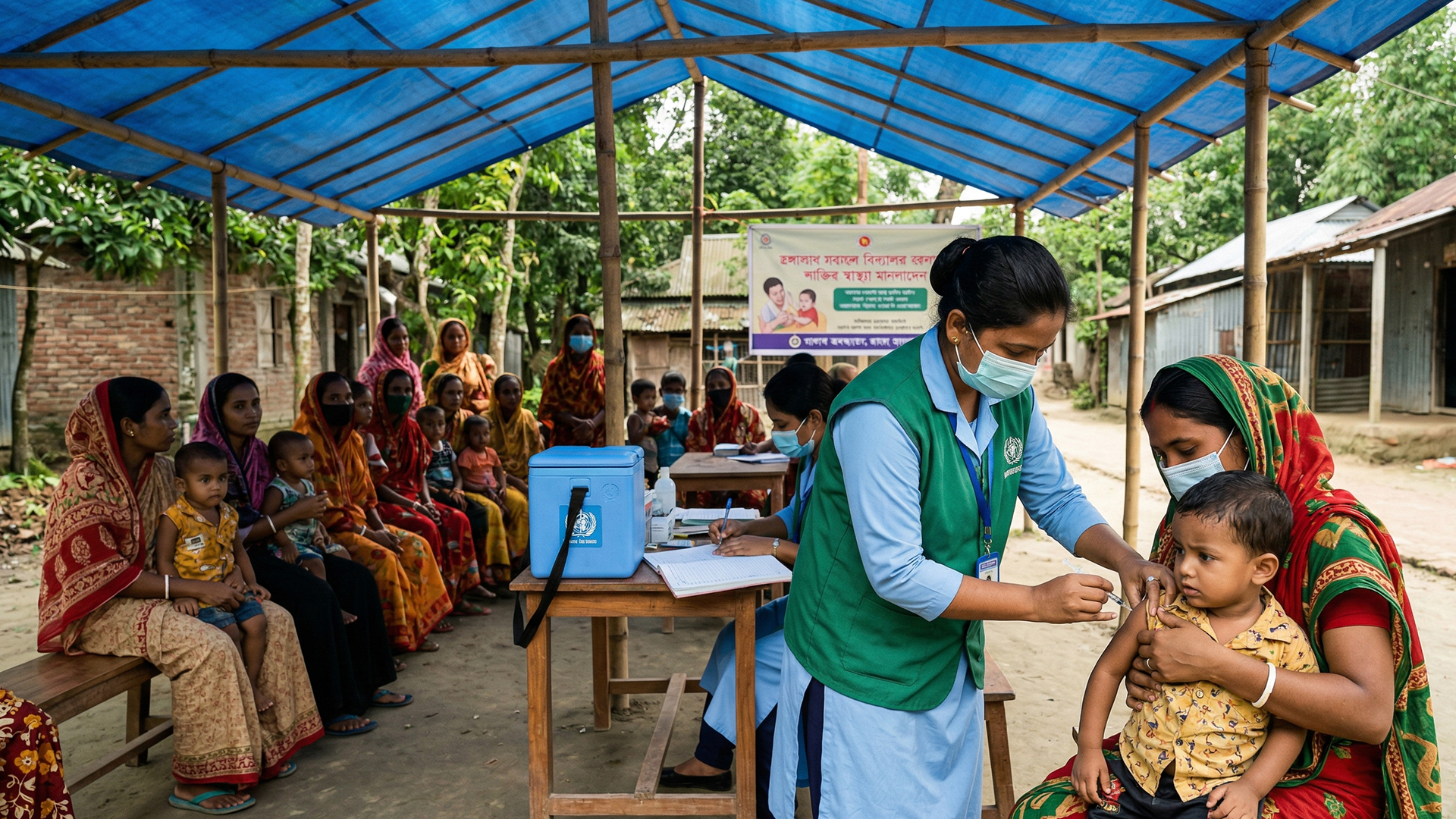
Kathmandu/New Delhi: Nepal has officially eliminated rubella as a public health problem, the World Health Organization (WHO) announced this week. The achievement marks a major victory for global health and puts India, which is close to the same goal, in sharp focus.

How Rubella impacts life

Rubella, or German measles, is a viral infection that causes mild fever and rash but poses grave risks to pregnant women. Contracting it during early pregnancy can lead to Congenital Rubella Syndrome (CRS) in babies, causing lifelong conditions such as hearing loss, cataracts, and heart defects. Eliminating rubella is therefore considered a major global health priority.

Nepal’s Public Health Victory

Nepal introduced the Rubella vaccine in 2012 and added a second dose in 2016. Four nationwide campaigns, in 2012, 2016, 2020, and 2024, pushed coverage above the 95% benchmark set by WHO. Despite earthquakes and the COVID-19 pandemic, Nepal sustained high vaccination rates through annual “immunisation months,” district incentives, and strong community outreach. Robust laboratory surveillance further strengthened the effort.

“This success reflects the unwavering commitment of Nepal’s leadership, the tireless work of health workers and volunteers, and the strong engagement of communities,” said Dr. Catharina Boehme, officer-in-charge of WHO’s South-East Asia office.

Nepal now joins Bhutan, Sri Lanka, Maldives, DPR Korea, and Timor-Leste in eliminating rubella.

India’s Stride Toward Elimination

India has been steadily moving toward elimination through its Universal Immunization Programme (UIP), which, since 2017, has provided two free doses of the Measles-Rubella (MR) vaccine.

  • High Coverage: By 2024–25, MR vaccine coverage reached 93.7% for the first dose and 92.2% for the second, just short of WHO’s 95% target.
  • District Success: Between January and March 2025, 487 districts reported zero rubella cases.
  • Mass Campaigns: The 2025 Zero Measles-Rubella Elimination Campaign is targeting every missed child, with multilingual awareness drives and digital outreach.

Since 2017, India has vaccinated over 348 million children, earning the Measles and Rubella Champion Award (2024) for its leadership. Surveillance systems and laboratory networks have been expanded to detect and contain outbreaks quickly.

Experts believe India could eliminate Rubella by 2026 if vaccination momentum is maintained. Parents and communities remain key players by ensuring children get both MR doses on time and reporting suspected cases promptly.

Nepal’s triumph shows that elimination is possible, and India now stands at the threshold of achieving the same milestone.

Also Read: Axial Seamount, Oregon’s Hidden Volcano, Could Erupt Anytime


Axial Seamount, Oregon’s Hidden Volcano, Could Erupt Anytime


Deep down in the waves of the Pacific Ocean, about 300 miles off Oregon’s coast, a hidden giant is all set to rise and imprint its presence. It’s called the Axial Seamount, an enormous underwater shield volcano that lies a mile beneath the surface. Recent reports say that it is releasing 1000 tremors every day, and this shows that the big day is coming soon. Even though it stays out of sight,  this volcano has always had an uneasy and unpredictable history. It had erupted in 1998, 2011, and 2015; scientists now believe it’s gearing up for another dramatic outburst in 2025 as well, in the coming months. 

What makes Axial so fascinating isn’t just its size or location along the Juan de Fuca Ridge, where tectonic plates slowly pull apart. It’s the fact that this volcano is one of the best-watched spots on the entire seafloor. There is a network of fiber-optic cables known as the Regional Cabled Array through which researchers can track its every move, listening to tremors, watching the seafloor rise, and even capturing real-time images from a place humans cannot reach.

Signs of an Impending Eruption

The clues are hard to miss as experts are very confident because of their visible patterns. 

The Seafloor is Swelling: Just as a balloon expands when air fills it, the ground around Axial is bulging with pressure from rising magma.

Quakes are Constant: Over 1,000 tiny quakes a day now ripple through the area, a clear signal that molten rock is on the move.

For scientists, this isn’t a cause for panic; instead calls for excitement and exploration. Unlike volcanoes on land, Axial poses no direct danger to people because there will be no tsunamis or destructive earthquakes. Instead, it offers a priceless opportunity for the world to witness a deep-sea eruption in real time and for the researchers to unlock new secrets about how volcanoes behave.

As one researcher described it, “Axial is like a natural laboratory where every time it erupts, it teaches us something new about the planet we live on.”

When Axial erupts, it transforms the seafloor. The lava that flows smothers the hydrothermal vents, which are home to bizarre creatures and thriving microbial life. Yet, nature is surprisingly resilient—within months, life begins to return, rebuilding entire ecosystems from scratch. Watching this cycle of destruction and renewal not only satisfies scientific curiosity but could also inform how humans approach deep-sea exploration and mining in the future.

The ocean may keep this fiery giant hidden, but its heartbeat is loud and clear. While the world now waits to see when Axial will rise again, Mother Nature is ready to take care of this situation with grace and grit. 

Shubman Gill Named Vice-Captain as India Announce Asia Cup T20 Squad


New Delhi: Shubman Gill has been elevated to vice-captaincy as India named their 15-member squad for the Asia Cup T20 tournament, scheduled to begin on September 9 in the UAE. The 25-year-old opener, who last featured in a T20I against Sri Lanka at Pallekele in 2024, replaces all-rounder Axar Patel as deputy to skipper Suryakumar Yadav.

“Gill’s form in England was remarkable. We expected him to deliver, but he went beyond expectations,” chief selector Ajit Agarkar said while unveiling the squad.

The announcement also marks the much-anticipated return of pace spearhead Jasprit Bumrah, who will be featuring in his first T20 competition since last year’s World Cup. His inclusion comes despite concerns over workload management ahead of the crucial home Test series against the West Indies in October.

Wrist spinner Kuldeep Yadav has earned a recall, while Jitesh Sharma has been named as the second wicketkeeper-batter behind Sanju Samson.

Among the five standby players, young opener Yashasvi Jaiswal headlines the list, joined by Washington Sundar, Prasidh Krishna, Dhruv Jurel, and Riyan Parag. “It’s unfortunate Jaiswal had to miss out, but he will get his chance,” Agarkar added.

India has been drawn in Group A alongside Pakistan, Oman, and hosts UAE, setting the stage for a highly anticipated clash against their arch-rivals.

India’s 15-member Asia Cup squad:

Suryakumar Yadav (captain), Shubman Gill (vice-captain), Abhishek Sharma, Hardik Pandya, Axar Patel, Jasprit Bumrah, Jitesh Sharma, Shivam Dube, Arshdeep Singh, Sanju Samson, Harshit Rana, Tilak Varma, Rinku Singh, Varun Chakravarthy, Kuldeep Yadav.

Standby players: Yashasvi Jaiswal, Washington Sundar, Prasidh Krishna, Dhruv Jurel, Riyan Parag.

Also Read: Gaza: Imminent Israeli Offensive Triggers Mass Displacement as Ceasefire Hopes Flicker Amid Crisis

India Faces Steep Challenge as 50% U.S. Tariffs Bite Export Sector
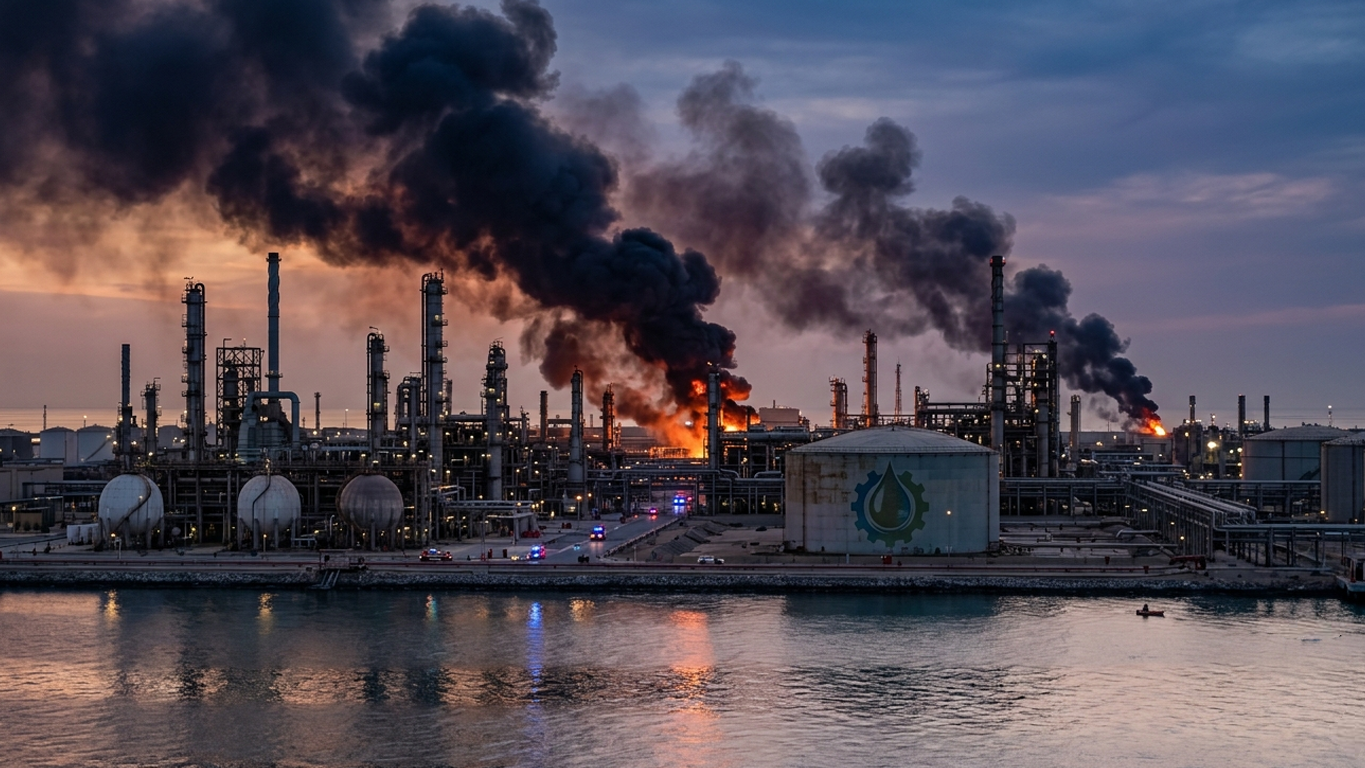

India’s export sectors are reeling after the U.S. doubled import tariffs to 50%, combining an existing 25% reciprocal duty with a new 25% levy tied to India’s Russian oil trade. According to a Moody’s Analytics report, this sharp escalation will significantly slash demand for Indian goods in the U.S., potentially undermining growth in critical manufacturing sectors.

Export Shock and Sectoral Impact

The textile and apparel industry has been especially hard-hit. The Cotton Association of India warned of a 50% drop in cotton yarn orders from the U.S., leaving players struggling to stay competitive. In response, the government has temporarily lifted the 11% import duty on cotton from August 19 to September 30. This move provides short-term relief by reducing input costs and helping producers maintain export momentum.

Economic Forecasts and Market Response

Relying on revised estimates from Moody’s, India’s GDP growth could slow by 0.3 percentage points—from a projected 6.3% for fiscal year 2025–26. The impact may further damage high-value manufacturing, electronics, and foreign investment prospects, according to analysts. Meanwhile, brokerage and stocks in the textile sector buoyed investor optimism following the cotton duty exemption, with shares jumping up to 9%.

Strategic Diplomatic Fallout

This tariff escalation has far-reaching geopolitical implications. The sudden disruption in trade relations threatens to derail India’s “Make in India” plan and unsettle strategic partnerships within frameworks like the Quad. Analysts warn that prolonged tensions with the U.S. may push India closer to Russia and China, upending its carefully balanced foreign policy trajectory.

Government Action and Industry Survival

Exports to the U.S. account for roughly one-third of India’s garment and textile shipments. With the elevated tariffs, exporters face shrinking margins and delayed orders. The government is weighing targeted support packages for exporters and pointing industry bodies to explore new markets to diversify demand.

Resilient Sectors and Possible Positives

Despite the turbulence, India retains strengths in sectors like pharmaceuticals, which remain exempt from these tariffs, and gems and jewelry, which enjoy sustained U.S. demand. The temporary cotton duty reprieve and potential diplomatic realignments may also provide narrow windows for strategic recovery, even as challenges persist.

India: Opposition Picks Sudershan Reddy, Former SC Judge, For Vice-President Election


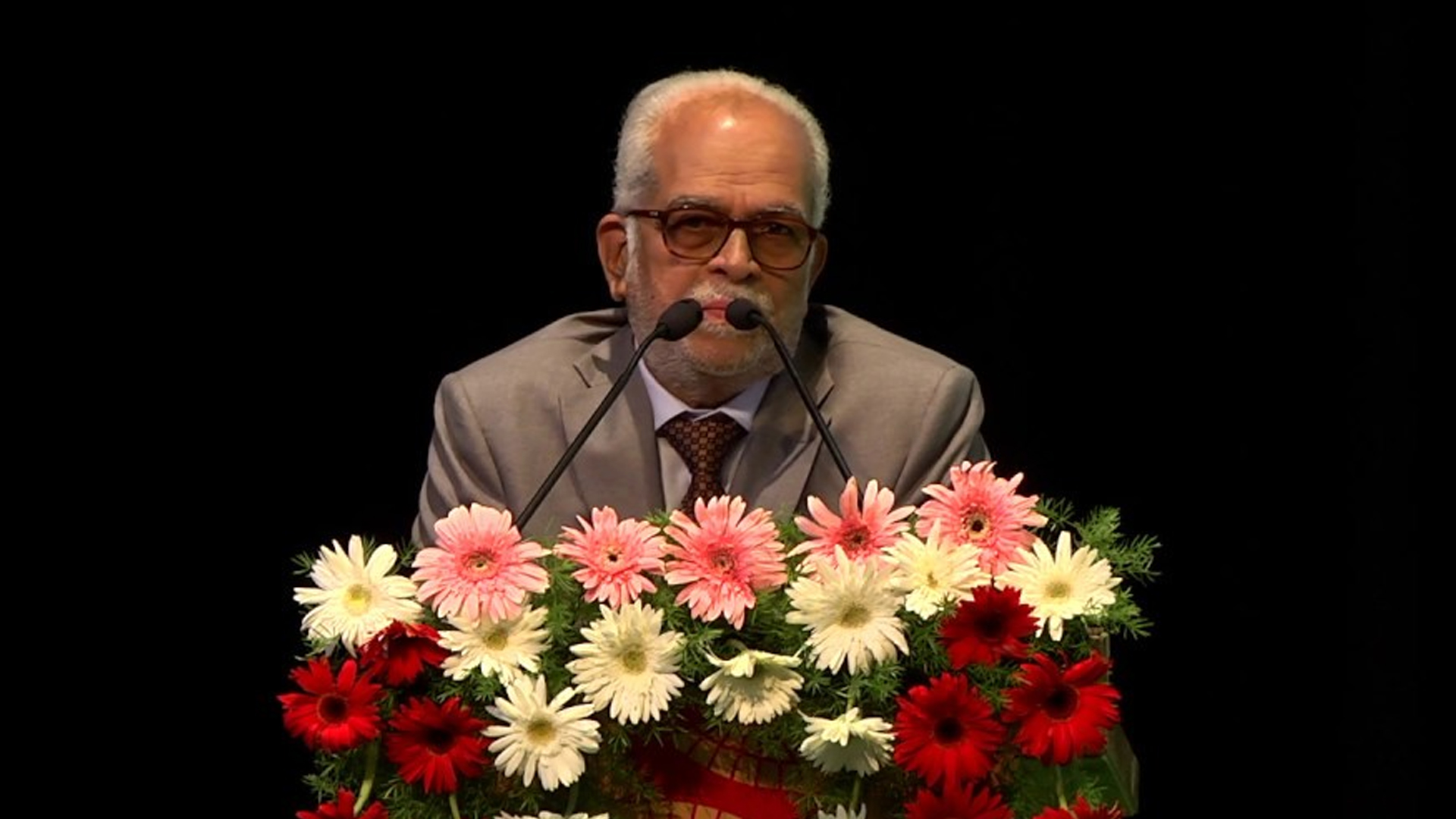
In a significant move ahead of the Vice-Presidential elections, the opposition INDIA bloc on Tuesday unanimously announced retired Supreme Court judge B. Sudershan Reddy as its joint candidate. The announcement was made by Congress president Mallikarjun Kharge at a press conference in New Delhi, where several leaders of the alliance were present.

The decision comes just two days after the ruling National Democratic Alliance (NDA) declared Maharashtra Governor and former BJP MP C.P. Radhakrishnan as its nominee for the vice-presidential race. The election is scheduled for September 9, with August 21 set as the deadline for filing nominations.

Calling the upcoming contest “an ideological battle,” Kharge stressed that the INDIA bloc was united in fielding Justice Reddy, who, he said, had a reputation for standing firmly in defense of constitutional values. “He has been a consistent and courageous champion of social, economic, and political justice. He is a poor man, and if you read his judgments, you will see how often he stood for the rights of the poor while upholding the Constitution and fundamental rights,” Kharge said.

Interestingly, the Aam Aadmi Party (AAP), though not a formal member of the INDIA bloc, has also pledged support to Justice Reddy’s candidature, adding further strength to the opposition’s bid.

A Distinguished Judicial Career

Justice B. Sudershan Reddy served as a judge of the Supreme Court between 2007 and 2011, delivering several landmark rulings across a range of legal fields, including constitutional law, human rights, taxation, and criminal jurisprudence. Notably, he was part of benches that emphasized transparency, accountability, and protection of fundamental freedoms.

Prior to his elevation to the Supreme Court, he served as the Chief Justice of the Gauhati High Court. His judicial career began in 1993 when he was appointed as an additional judge of the Andhra Pradesh High Court.

Born in a village in the erstwhile Andhra Pradesh, Justice Reddy studied law at Osmania University before embarking on a legal career that would span decades. In addition to his judicial tenure, he briefly served as Goa’s first Lokayukta but resigned from the position within seven months, citing constraints in ensuring effective functioning.

The Political Context

The Vice-President of India is elected by an electoral college comprising members of both Houses of Parliament. The ruling NDA, led by the BJP, currently enjoys a clear numerical edge in the Lok Sabha and a sizeable presence in the Rajya Sabha, giving its candidate a strong advantage in the upcoming vote.

C.P. Radhakrishnan, the NDA’s nominee, is a veteran politician from Tamil Nadu and the current Governor of Maharashtra. A two-time Member of Parliament from Coimbatore, he has long been associated with the BJP and is seen as a loyal party stalwart with organizational experience.

Despite the numerical imbalance, opposition parties see the contest as an opportunity to underline ideological differences with the ruling dispensation. By fielding Justice Reddy, the INDIA bloc hopes to send a message about its commitment to constitutional values, judicial independence, and social justice.

A Symbolic Battle

For the INDIA bloc, the election is less about numbers and more about symbolism. With Justice Reddy’s candidature, the alliance is positioning itself as the defender of constitutional morality and rights of marginalized communities. The choice of a retired judge known for his progressive stance is likely intended to galvanize support beyond the arithmetic of parliamentary votes.

Whether the INDIA bloc’s move reshapes the political narrative remains to be seen, but the Vice-Presidential election is poised to be yet another high-profile test of strength between the ruling NDA and a resurgent opposition ahead of the 2029 general elections.

Also Read: National Sports Governance Bill Becomes Law, Heralds a New Era for Indian Sports

National Sports Governance Bill Becomes Law, Heralds a New Era for Indian Sports


India’s sporting landscape is set for a sweeping transformation with President Droupadi Murmu giving assent to the National Sports Governance Bill, 2025, on August 18. The Bill, now formally the National Sports Governance Act, 2025, introduces significant structural reforms to ensure transparency, accountability, and greater athlete representation in the country’s sports administration.

The notification, published in the Gazette of India, stated: “The following Act of Parliament received the assent of the President on the 18th August, 2025 and is hereby published for general information — The National Sports Governance Act, 2025.”

Legislative Journey

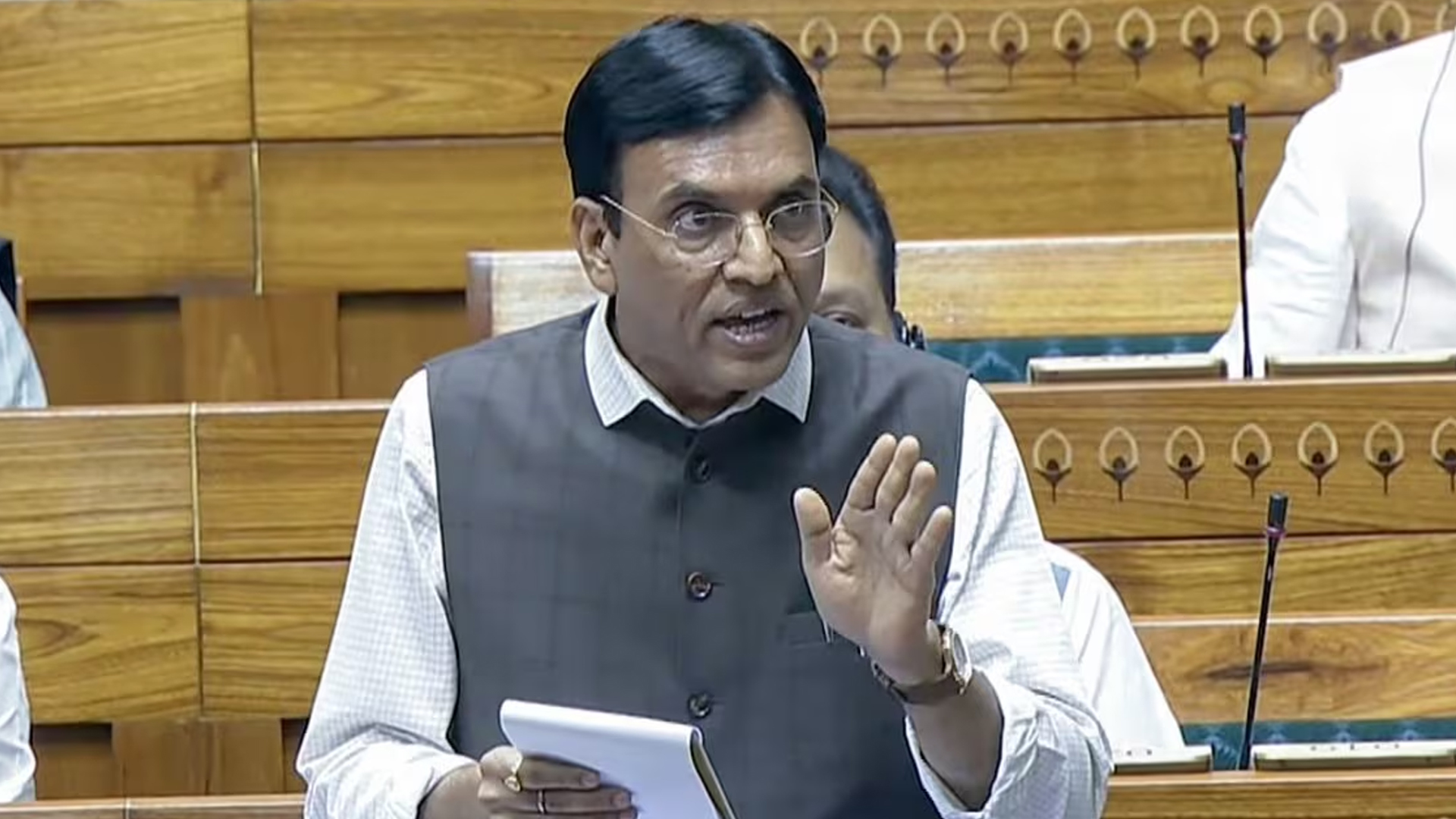
The Lok Sabha passed the Bill on August 11, despite a turbulent session dominated by Opposition protests over the Special Intensive Revision (SIR) exercise in Bihar and allegations of voter fraud. Union Sports Minister Mansukh Mandviya moved the Bill, which saw little debate in the lower house.

The following day, the Rajya Sabha cleared the Bill after a discussion lasting more than two hours, marking the culmination of years of debate over the lack of transparency and governance standards in Indian sports federations.

National Sports Board to Oversee Federations

At the heart of the Act is the establishment of a National Sports Board (NSB), envisioned as an overarching body with regulatory powers over all national sports federations. The NSB will be tasked with ensuring compliance with governance norms, streamlining elections within federations, and holding bodies accountable for the use of public funds.

Most significantly, the Board of Control for Cricket in India (BCCI)—long considered outside the purview of government oversight due to its financial independence—will also fall under the NSB’s supervision. This provision could fundamentally alter cricket administration in India, where the BCCI has often resisted attempts at regulation.

Right to Information and Transparency

One of the most striking provisions of the Act is the inclusion of recognised sports organisations under the Right to Information (RTI) Act, 2005. Any federation or body receiving financial assistance or grants from the Centre or State governments will now be considered a public authority in respect to the utilisation of such funds.

This provision is expected to open the finances of sporting bodies—long shielded from public scrutiny—to wider examination. The BCCI’s reluctance to fall under RTI has been a sticking point for years, and this clause could bring long-sought transparency to the richest cricket board in the world.

Pathways for Leadership

The Act also revises eligibility rules for key leadership positions in national federations. Previously, aspirants for roles such as President, Secretary General, or Treasurer needed to have served two terms in an Executive Committee before being eligible. The new law eases this requirement to just one full term, a move designed to encourage participation by younger administrators and former athletes.

According to the text of the Act, candidates must either be sportspersons of “outstanding merit” or have prior experience in the executive structures of national or affiliated sports bodies. This provision is seen as a step toward increasing athlete representation in leadership roles—a long-standing demand from sports activists.

Broader Sports Reform Agenda

The passage of the National Sports Governance Act comes alongside the National Anti-Doping Amendment Bill, 2025, also passed earlier this month, underscoring the government’s wider focus on reforming the country’s sports ecosystem. Together, the two legislations aim to bring India’s sporting institutions in line with global best practices while ensuring that athletes’ welfare and governance remain paramount.

Sports Minister Mansukh Mandviya has described the Act as a “watershed moment” for Indian sports, stating that it would “end the era of opaque administration and open the door for transparency, fairness, and stronger athlete-led governance.”

Implications

For decades, India’s sports bodies have faced criticism for entrenched hierarchies, political interference, and lack of accountability. With the new Act in place, federations will be required to reform their practices or face regulatory action from the NSB.

The inclusion of the BCCI under the purview of governance norms is expected to spark intense debate, but many observers see it as a necessary step for ensuring cricket, India’s most lucrative and influential sport, sets an example for other federations.

As the Act comes into force, its real test will lie in its implementation. If effectively enforced, it could mark a turning point for Indian sports—empowering athletes, curbing mismanagement, and laying the groundwork for a stronger global sporting presence.

Also Read: Mumbai Battered by Relentless Rains; City Under Red Alert, Normal Life Disrupted

Mumbai Battered by Relentless Rains; City Under Red Alert, Normal Life Disrupted


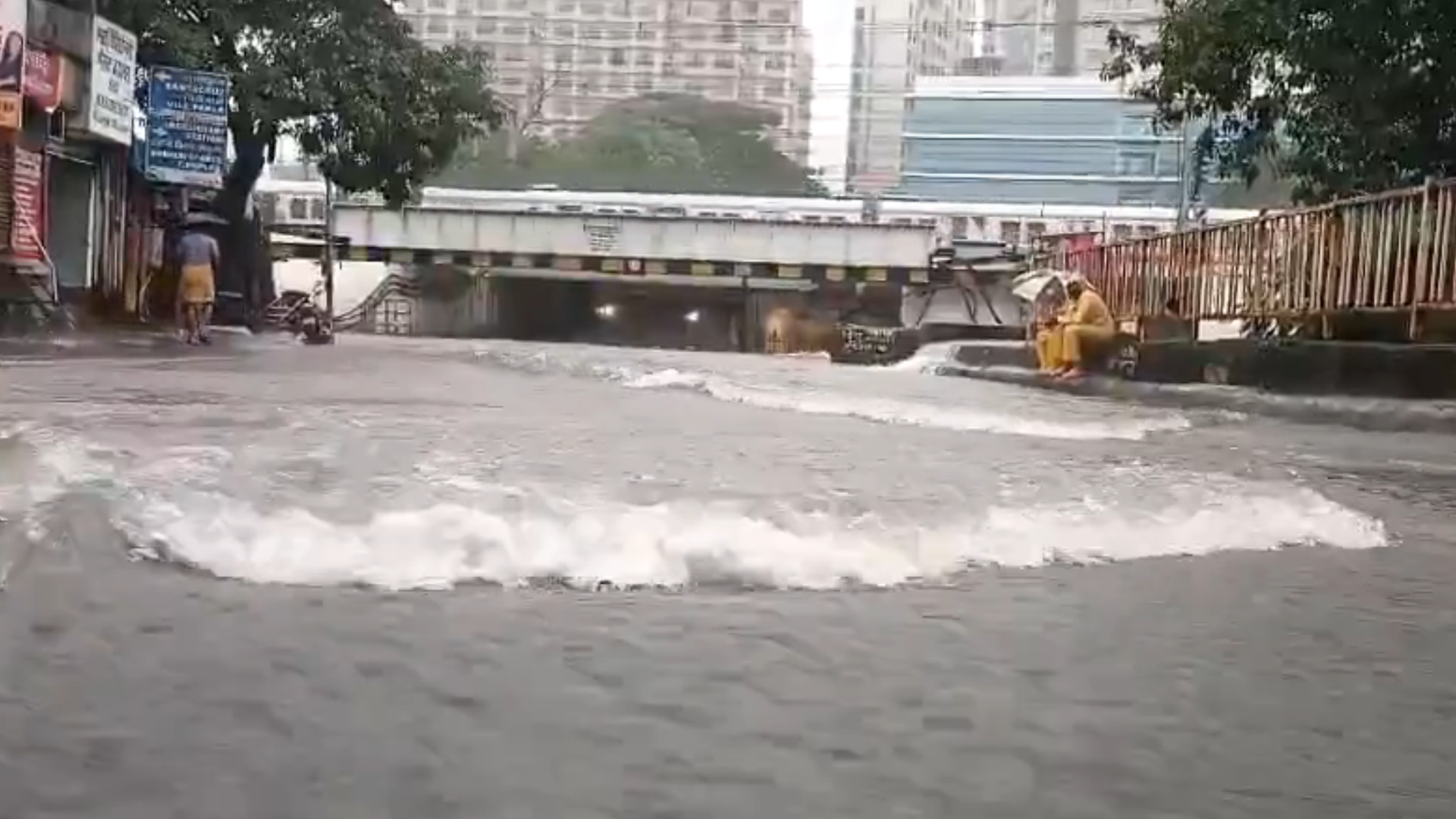
Mumbai is reeling under a brutal monsoon assault, as torrential rains inundated low-lying areas, brought traffic to a standstill, delayed trains and flights, and forced the shutdown of schools, colleges, and government offices.

Citywide Shutdown and Safety Measures

The Brihanmumbai Municipal Corporation declared a holiday for all government and semi-government offices, urging private firms to allow work-from-home arrangements. Educational institutions, including senior colleges across the Konkan region, were also shut to ensure student safety. These decisions came after the India Meteorological Department (IMD) issued a “red alert” for Mumbai and surrounding districts, warning of “very heavy to extremely heavy” rainfall and gusty winds up to 55-65 kmph.

Mumbai Police and other civic authorities advised residents to stay indoors, avoid unnecessary travel, and steer clear of coastal areas during high tide.

Rainfall and Waterlogging Impact

In a 24-hour period ending at 8 AM, Mumbai’s island city, eastern and western suburbs recorded rainfalls averaging 186.43 mm, 208.78 mm, and 238.19 mm respectively. Notable downpour included Vikhroli at approximately 195 mm, Santacruz around 238 mm, Byculla 241 mm, Juhu 222 mm, and Bandra 211 mm. Massive waterlogging was reported across areas such as Borivali, Andheri, Sion, Dadar, Gandhi Market, Parel, and Matunga—hampering both pedestrian and vehicular movement.

Transport Chaos: Trains, Flights, Roads

Despite the deluge, Western Railway reassured commuters that local train services would continue, tweeting, “We won’t stop, we won’t pause.” Still, delays were common, especially on central and harbour lines, and stations like Sion to Kurla and Mankhurd were impacted. Some low-lying tracks experienced minor submersion, though operations remained functional.

On the roads, traffic crawled due to submerged streets. BEST buses were rerouted at various points to avoid the worst-hit segments. Meanwhile, flight operations took a major hit: numerous flights were delayed, with about 11 go-arounds recorded and five flights diverted. IndiGo, SpiceJet, and Akasa issued travel advisories urging passengers to check flight statuses.

Nature’s Wrath: High Tides and Dangerous River Levels

Mumbai’s coastal geography compounded the crisis. High tide peaks at 3.75 metres at 9:16 AM and 3.14 metres at 8:53 PM risked worsening flooding. The Mithi River, overflowed dangerously, prompting evacuation efforts in Kurla West’s Kranti Nagar, where residents were relocated to safer ground.

Regional Fallout and Casualties

The monsoon’s wrath extended beyond Mumbai. Maharashtra as a whole suffered significant impacts, with reports indicating at least six deaths across the state, notably from incidents like wall collapses and electrocution. This marked one of the deadliest episodes of the season so far.

Historical Perspective and City Resilience

Mumbai’s vulnerability to flooding is well-known. The 2005 deluge saw over 900 mm of rainfall in a single day, catastrophic infrastructure failures, and widespread paralysis. The city’s drain-choked urban fabric, low-lying terrain, and dense habitation magnify the consequences of heavy monsoon spells. Yet today’s weather, although severe, hasn’t matched that historic catastrophe.

Outlook: Cautious Vigilance Continues

Authorities are maintaining high alert across Mumbai. IMD’s forecast indicates the rains may persist over the coming hours, and strong winds continue to veneer the threat of further disruptions. Disaster response teams are on standby, coordinating drainage efforts, rescue operations, and infrastructure checks.

Also Read: INDIA Bloc Mulls Impeachment Motion Against Chief Election Commissioner Amid Voter Roll Row

Gaza: Imminent Israeli Offensive Triggers Mass Displacement as Ceasefire Hopes Flicker Amid Crisis


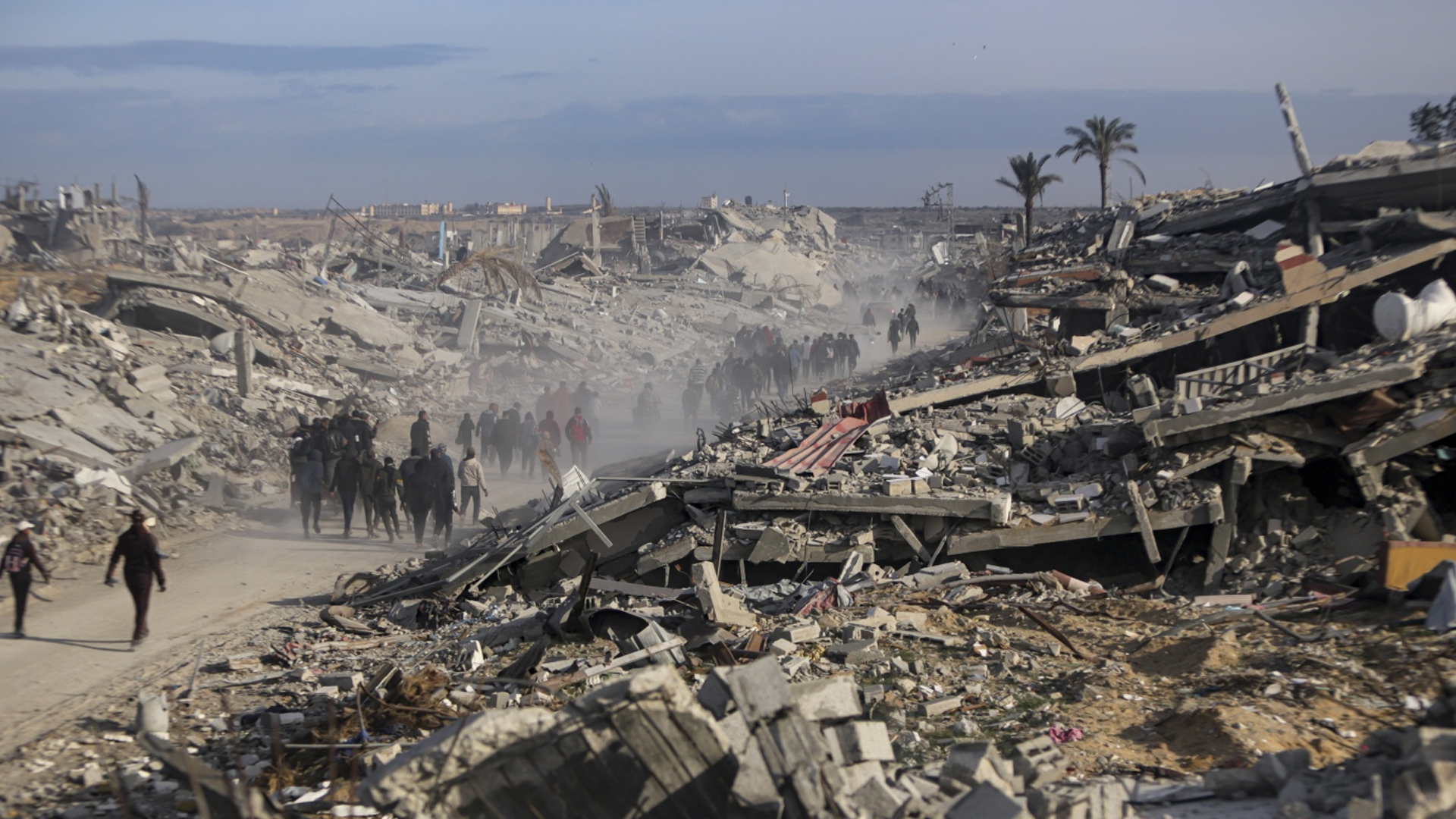
Fearing an imminent Israeli ground offensive, thousands of Palestinians have fled their homes in eastern Gaza City for the south and west of the enclave, as Israeli bombardments continue to devastate the territory. Israel’s military push aims to seize Gaza City, described by Prime Minister Benjamin Netanyahu as Hamas’ last major urban stronghold. But the looming offensive has raised alarm among mediators, families of hostages, and international observers who warn of catastrophic consequences.

Exodus from Gaza City

Since August 10, escalating Israeli strikes have forced waves of Palestinians to leave neighborhoods in the east of Gaza City. The United Nations Office for the Coordination of Humanitarian Affairs (OCHA) estimates that over 1.35 million people in Gaza are already in need of emergency shelter, with displacement numbers expected to surge if a ground operation begins. Palestinian shelter manager Ahmed Mheisen said nearly 1,000 families from Beit Lahiya alone have left for the south in recent days.

The shelter needs remain dire. Mheisen stressed that at least 1.5 million tents would be required to accommodate the displaced, yet Israel has allowed only around 120,000 tents into Gaza during a brief January–March ceasefire. Residents describe their plight as waiting for “a death sentence.” One Gaza City businessman, Tamer Burai, said he was preparing to move his entire family south to avoid sudden invasion-related casualties.

Ceasefire Diplomacy Intensifies

Amid the escalating crisis, Hamas announced on Monday (August 18) that it had accepted a new ceasefire proposal put forward by Egyptian and Qatari mediators, backed by the United States, without requesting amendments. A Hamas source confirmed that the group, along with other Palestinian factions, had agreed to resume talks on the U.S.-proposed framework for a 60-day truce and a partial release of hostages.

The breakthrough came after months of stalemated negotiations. The last round of talks in July ended in a deadlock, with both sides blaming each other for the collapse. Now, mediators see Hamas’ acceptance as a potential opening for renewed dialogue, though it remains unclear whether Israel will endorse the plan.

Israeli officials remain cautious. The military has warned that expanding operations into Gaza City could endanger the lives of the 50 remaining hostages believed to be held there and embroil Israeli forces in prolonged urban guerrilla warfare.

Hostage Families Voice Fears

The fate of hostages remains central to the conflict’s political and social dimensions inside Israel. Families of those kidnapped during Hamas’ October 7, 2023, attacks continue to demand a deal that secures their release. “I’m scared that my son would be hurt,” said Dani Miran, whose son Omri is among the captives, in a recent interview in Tel Aviv. Many hostage families joined one of the largest anti-government protests since the war began, urging Netanyahu to prioritize negotiations over military escalation.

The protests reflect a deepening divide in Israel, where anger over the government’s handling of the conflict has grown. Tens of thousands took to the streets this week, with many calling for elections and a leadership change if no deal materializes soon.

Mounting Humanitarian Catastrophe

The humanitarian toll in Gaza remains devastating. Nearly 75% of the enclave is already under Israeli military control, according to official estimates, with Gaza City now the focus of operations. International aid agencies warn that further incursions will trigger mass casualties and worsen shortages of food, medicine, and clean water.

The United Nations has described the displacement crisis as “unprecedented.” At least 1.5 million people are at immediate risk of losing shelter, while aid access remains severely restricted. “The people of Gaza City are like someone awaiting execution,” said one displaced resident.

Protests in Gaza and Pressure on Hamas

Inside Gaza, calls are growing for Hamas to act swiftly in the talks to prevent the offensive. A coalition of trade unions has scheduled a protest in Gaza City for Thursday, with participants demanding both an end to the war and faster engagement by Hamas in ceasefire negotiations. Social media campaigns have also amplified these demands, highlighting a rare wave of public dissent against Hamas amid the destruction.

The Road Ahead

While Hamas’ acceptance of the ceasefire proposal is seen as a significant diplomatic step, the path to peace remains uncertain. Netanyahu’s government continues to frame the war as an existential struggle to dismantle Hamas’ capabilities, even as international pressure mounts for restraint.

Egyptian and Qatari mediators, working closely with U.S. officials, are now expected to intensify shuttle diplomacy in the coming days. Analysts say this moment may represent one of the last viable opportunities to halt the bloodshed before Israel launches its long-feared offensive on Gaza City.

Also Read: Thousands Rally in Tel Aviv Demanding End to Gaza War and Hostage Release