rotating globe
7 Apr 2026


PM Modi to Meet China’s Top Diplomat Wang Yi as Signs of Thaw Emerge in Bilateral Ties


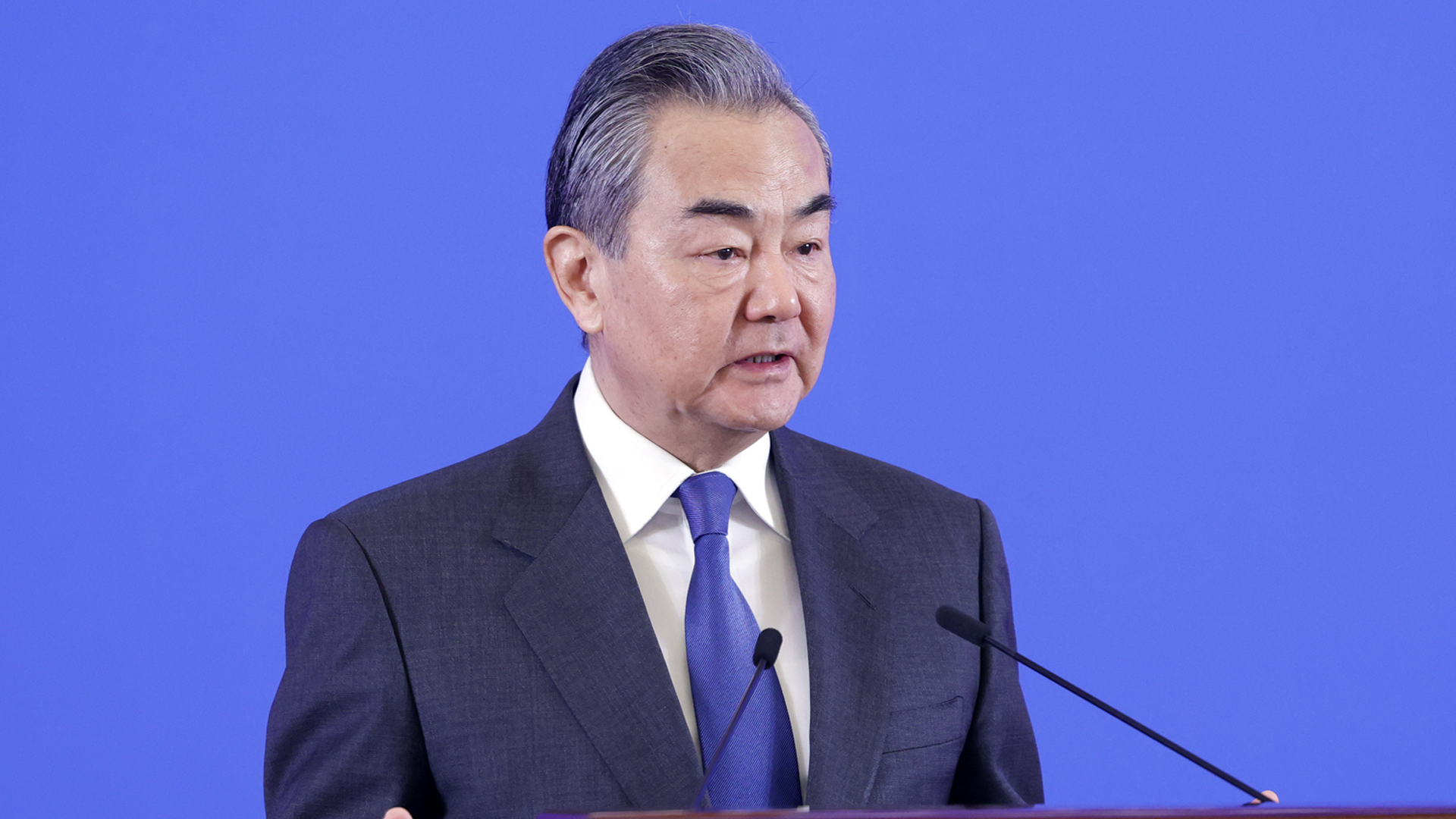
Prime Minister Narendra Modi is set to meet China’s top diplomat, Wang Yi, in New Delhi on Tuesday, marking a potential breakthrough in efforts to normalize relations between the two Asian powers. The meeting comes after nearly five years of strained ties following the deadly border clashes in Ladakh’s Galwan Valley in 2020, which derailed the bilateral relationship and stalled high-level political engagement.

According to officials, the talks will focus on finding ways to rebuild trust and cooperation while addressing the long-standing border disputes that remain the biggest obstacle in India-China relations. Wang Yi, a veteran diplomat who currently serves as China’s Foreign Minister and a key foreign policy advisor to President Xi Jinping, arrived in India after attending multilateral engagements in Southeast Asia. His visit comes at a time when both nations are reassessing their strategic positions amid global economic and security realignments.

The Modi-Wang meeting is being closely watched by the international community, as India and China together account for over one-third of the world’s population and play pivotal roles in global trade and geopolitics. With tensions simmering along the Line of Actual Control (LAC), the two sides have held multiple rounds of military and diplomatic-level talks but have yet to achieve a complete disengagement of troops in contested areas.

Indian officials have indicated that while the border issue remains central, the discussions could also touch on expanding economic cooperation and resuming stalled exchanges in culture, trade, and people-to-people ties. The recent momentum in talks follows a series of interactions between Indian External Affairs Minister S. Jaishankar and Wang Yi, who have been engaging regularly on the sidelines of multilateral forums such as BRICS, SCO, and the G20.

Experts note that the decision by Prime Minister Modi to personally meet Wang Yi highlights New Delhi’s willingness to explore a pragmatic approach without compromising on sovereignty concerns. Analysts also see the move as part of India’s broader diplomatic balancing act, with the country simultaneously strengthening ties with the United States, Japan, and other Quad members while not shutting the door on dialogue with China.

For China, the outreach reflects its interest in stabilizing ties with India at a time when Beijing is grappling with slowing economic growth and increasing strategic pushback from the West. “India is central to the future of Asia’s stability, and for China, mending ties is critical to avoid prolonged confrontation along the border,” said a senior Asia policy expert.

While expectations from the talks remain cautious, observers believe that the Modi-Wang meeting could pave the way for a possible bilateral summit later this year, perhaps on the sidelines of upcoming multilateral gatherings. Any significant progress would require tangible steps on the border issue, but both governments are signaling a readiness to at least reopen channels of high-level communication that have been largely frozen since 2020.

The outcome of Tuesday’s talks could shape the trajectory of India-China relations for years to come. A successful reset would not only reduce the risk of border flare-ups but also open up new avenues for regional cooperation in trade, climate change, and global governance.


Heartbeat of a Black Hole: IIT Guwahati & ISRO Decode Cosmic Flickers Mystery


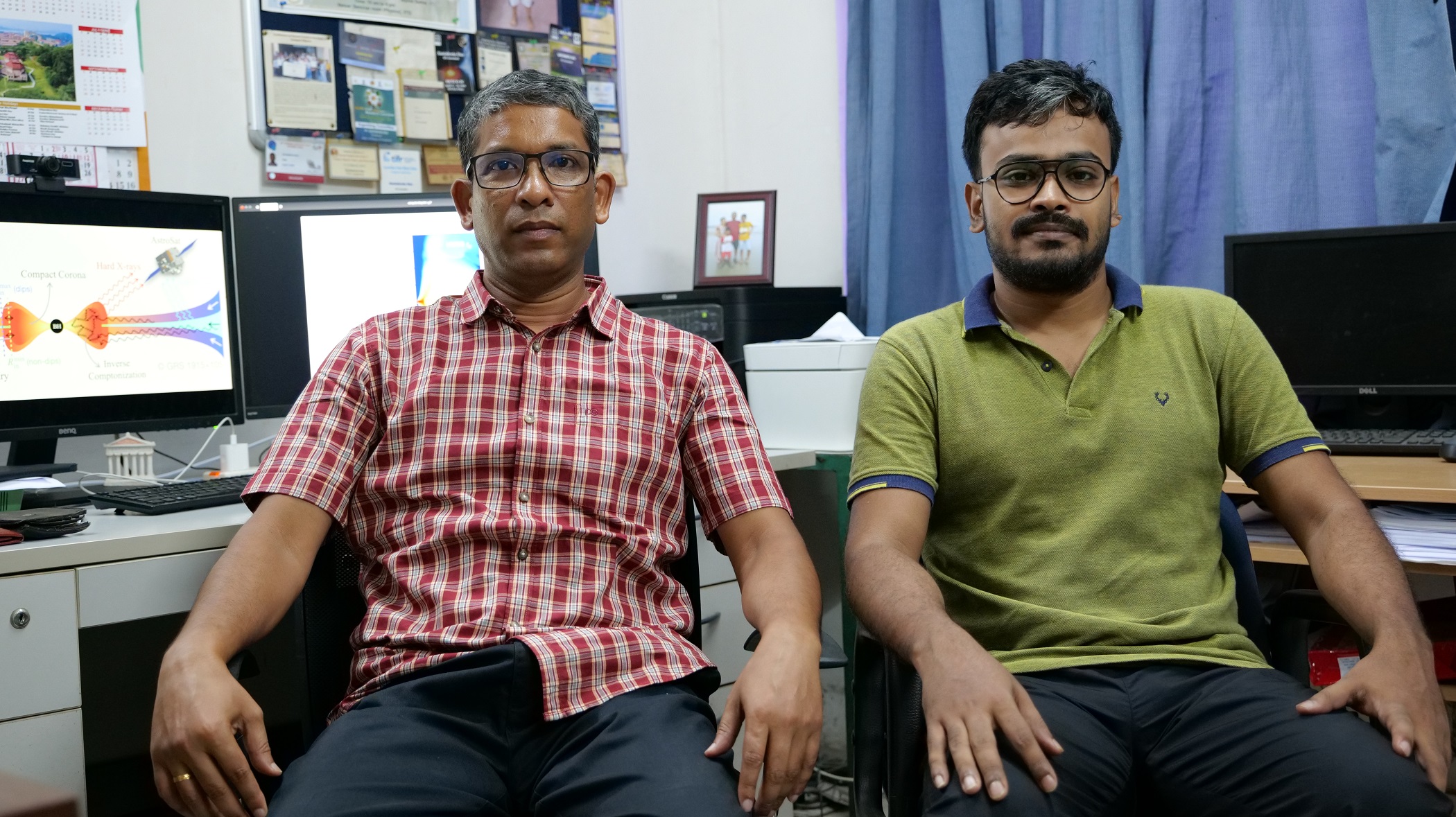
Guwahati: Black holes are often imagined as silent cosmic giants, swallowing everything in their path. But scientists from IIT Guwahati, ISRO’s U. R. Rao Satellite Centre (URSC), and the University of Haifa, Israel, have found that one such black hole, located about 28,000 light-years away, sends out an unusual message, flickering X-ray signals that act like a heartbeat in space.

The team used India’s space observatory AstroSat to study GRS 1915+105, a black hole already famous for its energetic activity. They observed that its X-ray brightness shifted between bright and dim phases, each lasting a few hundred seconds. Remarkably, during the bright phases, the black hole flickered nearly 70 times per second, while the flickering completely vanished in the dimmer phases.

“We have found the first evidence of rapid X-ray flickering, repeating nearly 70 times per second, during high-brightness phases. Interestingly, these fast flickers disappear during the low-brightness phases. This was possible only because of AstroSat’s powerful observational capability,” explained Prof. Santabrata Das, Department of Physics, IIT Guwahati.

A Breathing Corona

The researchers traced the flickers to the corona, a region of superheated plasma that surrounds the black hole. Far from being fixed, the corona was found to be dynamic. When the black hole shines brighter, the corona becomes more compact and hotter, giving rise to rapid flickers. In dim phases, it expands and cools, silencing them.

“Our study provides direct evidence for the origin of X-ray flickering. We have shown that this behaviour is linked to modulations in the corona surrounding the black hole,” said Dr. Anuj Nandi, URSC, ISRO.

The Bigger Picture

This discovery sheds light on how black holes feed, grow, and release energy. By tracking these signals, scientists gain insights into the extreme gravitational and thermal conditions near a black hole’s edge. Such findings also deepen our understanding of how black holes may influence the galaxies around them.

The study, published in the Monthly Notices of the Royal Astronomical Society, was co-authored by Prof. Das and research scholar Mr. Seshadri Majumder of IIT Guwahati, Dr. Nandi of ISRO, and Dr. Sreehari Harikesh of the University of Haifa.

The flickering heartbeat of GRS 1915+105 is a reminder that black holes are not silent voids but dynamic, evolving systems, offering us a rare window into the mysteries of the universe.

Also Read: INDIA Bloc Mulls Impeachment Motion Against Chief Election Commissioner Amid Voter Roll Row

INDIA Bloc Mulls Impeachment Motion Against Chief Election Commissioner Amid Voter Roll Row


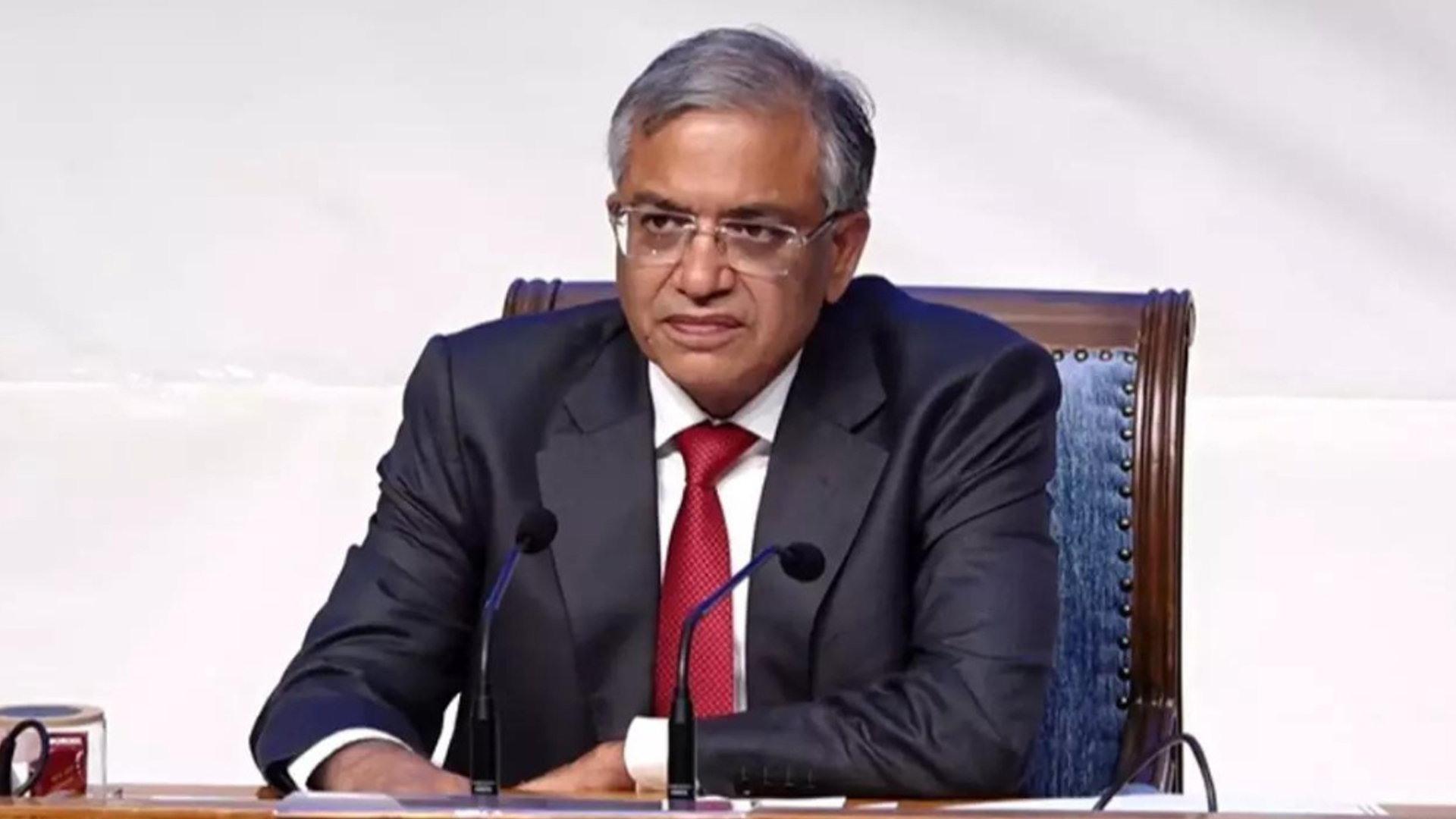
The Opposition INDIA bloc is considering moving an impeachment motion against Chief Election Commissioner (CEC) Gyanesh Kumar, The Hindu reported on Monday, citing sources familiar with the development.

According to the report, the decision was taken during a meeting of INDIA bloc floor leaders, who have been mounting pressure on the Election Commission of India (ECI) over what they allege are large-scale irregularities in the preparation of electoral rolls ahead of the Lok Sabha elections.

The move follows a press conference by the CEC in New Delhi, where he sought to respond to the Congress party’s allegations of voter theft and bias in favour of the ruling party.

Constitutional Procedure

Under the Chief Election Commissioner and Other Election Commissioners (Appointment, Conditions of Service and Term of Office) Act, 2023, the CEC can only be removed in the same manner and on the same grounds as a Supreme Court judge. This means both Houses of Parliament must pass a motion with a two-thirds majority for the removal to take effect.

While the Opposition lacks the numerical strength to push such a motion through, a senior INDIA bloc leader told The Hindu that the move is intended to register their protest against what they allege is partisan conduct by the poll body.

Opposition Campaigns Against Voter Roll Revision

The bloc has also announced a series of protests targeting the special intensive revision (SIR) of electoral rolls. As part of this campaign, Leader of the Opposition in the Lok Sabha Rahul Gandhi launched the “Voter Adhikar Yatra” in Bihar on Sunday (August 17, 2025).

Opposition parties allege that the revision exercise is marred by widespread malpractice, resulting in the deletion and manipulation of names to favour the ruling dispensation.

Election Commission’s Defence

Responding to the mounting criticism, the Election Commission issued a detailed statement on Saturday (August 16, 2025), insisting that “utmost transparency is the hallmark of electoral roll preparation as per law, rules and guidelines.”

The Commission said its processes are decentralised and multi-layered, involving Electoral Registration Officers (EROs), usually Sub-Divisional Magistrates, and Booth Level Officers (BLOs). Draft electoral rolls, it explained, are shared in both digital and physical formats with all recognised political parties and uploaded on the EC website. A full one-month window is provided for citizens and political parties to file claims and objections before the rolls are finalised.

“The appropriate time to raise any issue with the electoral rolls would have been during the claims and objections period,” the statement said. “Had these issues been raised at the right time through the right channels, it would have enabled the concerned SDM/EROs to correct the mistakes, if genuine, before those elections.”

The Commission further clarified that a two-tiered appeals process is available: the first at the District Magistrate level and the second with the Chief Electoral Officer of each state or Union Territory.

Political Parties’ Role

The poll panel appeared to directly counter the Opposition’s charges by stating that some political parties and their booth-level agents (BLAs) had failed to scrutinise the electoral rolls when they were published. “Some political parties and individuals are raising issues about errors in electoral rolls, including those prepared in the past,” it said.

“ECI continues to welcome the scrutiny of electoral rolls by political parties and any elector. It will help SDMs/EROs to remove the errors and purify the electoral rolls, which has always been the objective of the Commission,” the statement added.

What Lies Ahead

The INDIA bloc’s impeachment plan is unlikely to succeed in parliamentary terms given its lack of numbers. However, the move signals a strategy of sustained pressure on the Election Commission, which the Opposition accuses of compromising democratic fairness.

The ECI, on its part, is set to hold another press conference in New Delhi to address questions surrounding the electoral rolls and to reinforce its position that the revision process adheres strictly to legal safeguards and transparency norms.

As the standoff intensifies, the credibility of the electoral system remains at the heart of the dispute — a contest between the Opposition’s charge of voter theft and the Commission’s defence of its procedures.

Also Read: Delhi Schools Evacuated After Bomb Threat Emails Trigger Panic in Dwarka

China Hands Over Third Hangor-Class Submarine to Pakistan, Boosting Naval Power in Indian Ocean


China has delivered the third of the eight advanced Hangor-class submarines to Pakistan, further strengthening Islamabad’s naval fleet and enhancing its maritime presence in the Indian Ocean. The submarine was officially launched at a ceremony in Wuhan, Hubei province, on Thursday, August 14, 2025, according to China’s state-run Global Times.

The third delivery comes just months after the second submarine was handed over in March this year. The first of the series was launched in 2024. These transfers form part of a broader Sino-Pakistani naval modernization program that aims to boost Pakistan’s maritime security capabilities and safeguard its sea lines of communication.

Vice Admiral Abdul Samad, Pakistan’s Deputy Chief of Naval Staff (Projects-2), said during the ceremony that the Hangor-class submarines would be “instrumental in sustaining regional power equilibrium and ensuring maritime stability.” He emphasized that the submarines’ advanced weaponry and sensors would give Pakistan a stronger hand in deterring threats and balancing rival naval powers.

Features of the Hangor-Class Submarines

Chinese military experts quoted in Global Times described the Hangor-class as equipped with strong underwater combat capabilities, comprehensive sensor systems, excellent stealth characteristics, high mobility, long endurance, and formidable firepower. The submarines are based on China’s Type 039A/041 Yuan-class design, which has been the backbone of the People’s Liberation Army Navy’s diesel-electric submarine fleet.

Each Hangor-class submarine can reportedly carry heavyweight torpedoes and anti-ship cruise missiles, significantly extending Pakistan’s strike capability in the Arabian Sea. Their advanced air-independent propulsion (AIP) systems allow them to remain submerged longer than conventional diesel-electric submarines, making them harder to detect.

A Long-Term Maritime Partnership

China and Pakistan have been close defense partners for decades, with Beijing serving as Islamabad’s primary source of military hardware. According to the Stockholm International Peace Research Institute (SIPRI), more than 80 percent of Pakistan’s arms imports over the past five years have come from China. These include modern naval frigates, J-10CE fighter jets, VT-4 battle tanks, and reconnaissance vessels.

In 2022, China delivered the first batch of J-10CE fighters to Pakistan, which were later deployed in the country’s western border regions. Pakistan also jointly produces the JF-17 fighter jet with China, underscoring their deep defense-industrial collaboration.

The submarine program represents the most ambitious naval project between the two countries so far. In 2015, Pakistan signed a deal with China to acquire eight Hangor-class submarines, with four to be built in China and four at Karachi Shipyard & Engineering Works (KS&EW). The contract, valued at around USD 4-5 billion, was one of the largest defense deals in Pakistan’s history. The project is scheduled to be completed by 2028.

Regional Implications

The strengthening of Pakistan’s submarine fleet comes at a time of heightened strategic competition in the Indian Ocean Region. India, which already operates a fleet of Scorpène-class submarines and nuclear-powered boats, views the China-Pakistan naval collaboration with concern. Indian naval strategists warn that combined Chinese and Pakistani deployments could complicate New Delhi’s maritime security calculus.

The Gwadar port in Pakistan’s Balochistan province, developed with Chinese investment under the China-Pakistan Economic Corridor (CPEC), is widely seen as a key node in Beijing’s “string of pearls” strategy to expand its presence across the Indian Ocean. Chinese submarines have already been spotted operating in the Arabian Sea in recent years, raising questions about long-term Chinese naval access to Gwadar.

A Symbol of Deepening Ties

For Pakistan, the Hangor-class submarines not only modernize its navy but also symbolize the strategic trust underpinning its relationship with China. For Beijing, the transfers are part of a broader effort to project influence in the Indian Ocean and counterbalance India and its partners, including the United States.

Also Read: Pakistan Resumes Rescue as Flash Floods Claim Over 300 Lives; Monsoon Death Toll Rises to 657


Pakistan Resumes Rescue as Flash Floods Claim Over 300 Lives; Monsoon Death Toll Rises to 657


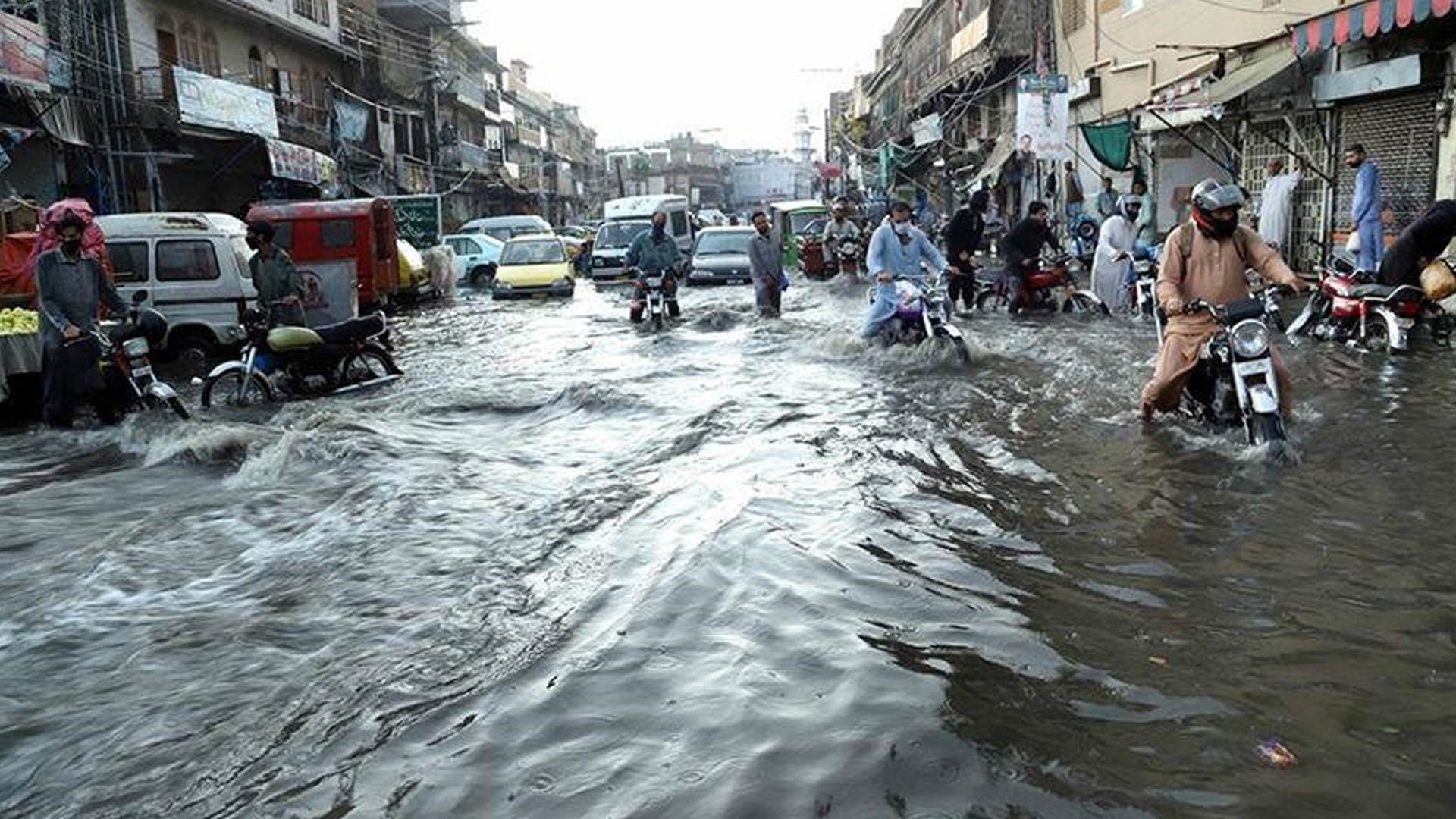
Rescue and relief efforts resumed on Monday (August 18, 2025) in northwest Pakistan, where flash floods triggered by days of torrential monsoon rains have killed over 300 people. Authorities had been forced to suspend operations for several hours due to continuing downpours, further complicating access to the hardest-hit regions.

The National Disaster Management Authority (NDMA) confirmed that the rains, which began on Friday (August 15), have caused widespread devastation across northern districts, including landslides, flash floods, and infrastructure damage. The worst-affected area is Buner district, where officials report over 200 fatalities.

Cloudburst Worsens Crisis in Buner

According to meteorological officials, Buner was struck by a cloudburst — a rare and devastating phenomenon in which more than 100 millimeters of rain falls within an hour in a small area. The district received over 150 mm of rain in just one hour on Friday morning, overwhelming rivers and streams. Entire neighborhoods were washed away, with homes, vehicles, and farmland submerged or destroyed.

Local government officer Abid Wazir told reporters that ongoing rainfall forced rescue teams to halt operations temporarily on Monday. “Our priority is now to clear the roads, set up bridges, and bring relief to the affected people,” he said.

Relief Measures and Humanitarian Aid

Information Minister Attaullah Tarar confirmed that relief consignments have reached flood-affected areas, including food, medicines, blankets, tents, electric generators, and de-watering pumps. The NDMA said medical teams and emergency shelters are being deployed to assist displaced families.

Authorities are working to restore key road links to ensure relief goods can reach remote mountain villages. With communication networks damaged in several areas, coordination has been a major challenge.

Widespread Monsoon Devastation

The floods in Buner are part of a larger monsoon disaster gripping Pakistan. Since late June, torrential rains and flooding have killed at least 657 people nationwide, with thousands more displaced. Sindh and Punjab provinces have also seen severe flooding, though the scale of destruction in Khyber Pakhtunkhwa province’s hilly terrain has been particularly devastating.

In 2022, Pakistan witnessed one of its deadliest monsoon seasons in living memory, when unprecedented flooding killed over 1,700 people and submerged one-third of the country. Experts and humanitarian agencies fear a similar scenario could unfold if rainfall persists at current levels.

Forecast of Continued Heavy Rain

The Pakistan Meteorological Department has warned that the active weather system is likely to bring more heavy to very heavy rainfall over the coming days, with risks of further flooding, landslides, and infrastructure damage in northern and southern regions. The system is expected to remain active until early September.

The NDMA has urged residents in vulnerable areas to move to safer locations and warned local administrations to stay on high alert. Disaster management teams have been instructed to prepare contingency plans to deal with worsening conditions.

As Pakistan grapples with the unfolding crisis, international humanitarian organizations have begun coordinating with federal and provincial authorities to provide emergency aid. The scale of damage and loss of life underscores the country’s vulnerability to increasingly erratic monsoon patterns, a trend many scientists link to climate change.

Pakistan’s Troubled History with Floods

Pakistan has a long and tragic history of deadly floods, with some of the worst disasters in South Asia’s recent memory occurring within its borders. The 2010 floods remain the most catastrophic, affecting nearly 20 million people. Triggered by unusually heavy monsoon rains, those floods submerged one-fifth of the country, destroyed vast swathes of farmland, and left nearly 2,000 dead. Entire communities were displaced for months, and the economic toll was estimated at over $40 billion, dealing a crippling blow to Pakistan’s fragile economy.

More recently, the 2022 floods once again brought the country to its knees. That year, record-breaking monsoon rainfall—linked by scientists to climate change—killed over 1,700 people and affected more than 33 million. At its peak, a third of the country lay underwater, and millions were left homeless. The destruction of crops, livestock, and infrastructure deepened food insecurity and triggered a humanitarian crisis that took months of international aid to stabilize.

Experts warn that the frequency and intensity of such disasters are increasing as rising global temperatures alter rainfall patterns in South Asia. Pakistan, despite contributing less than 1% to global emissions, remains one of the countries most vulnerable to climate-induced flooding.

Also Read: Delhi Schools Evacuated After Bomb Threat Emails Trigger Panic in Dwarka

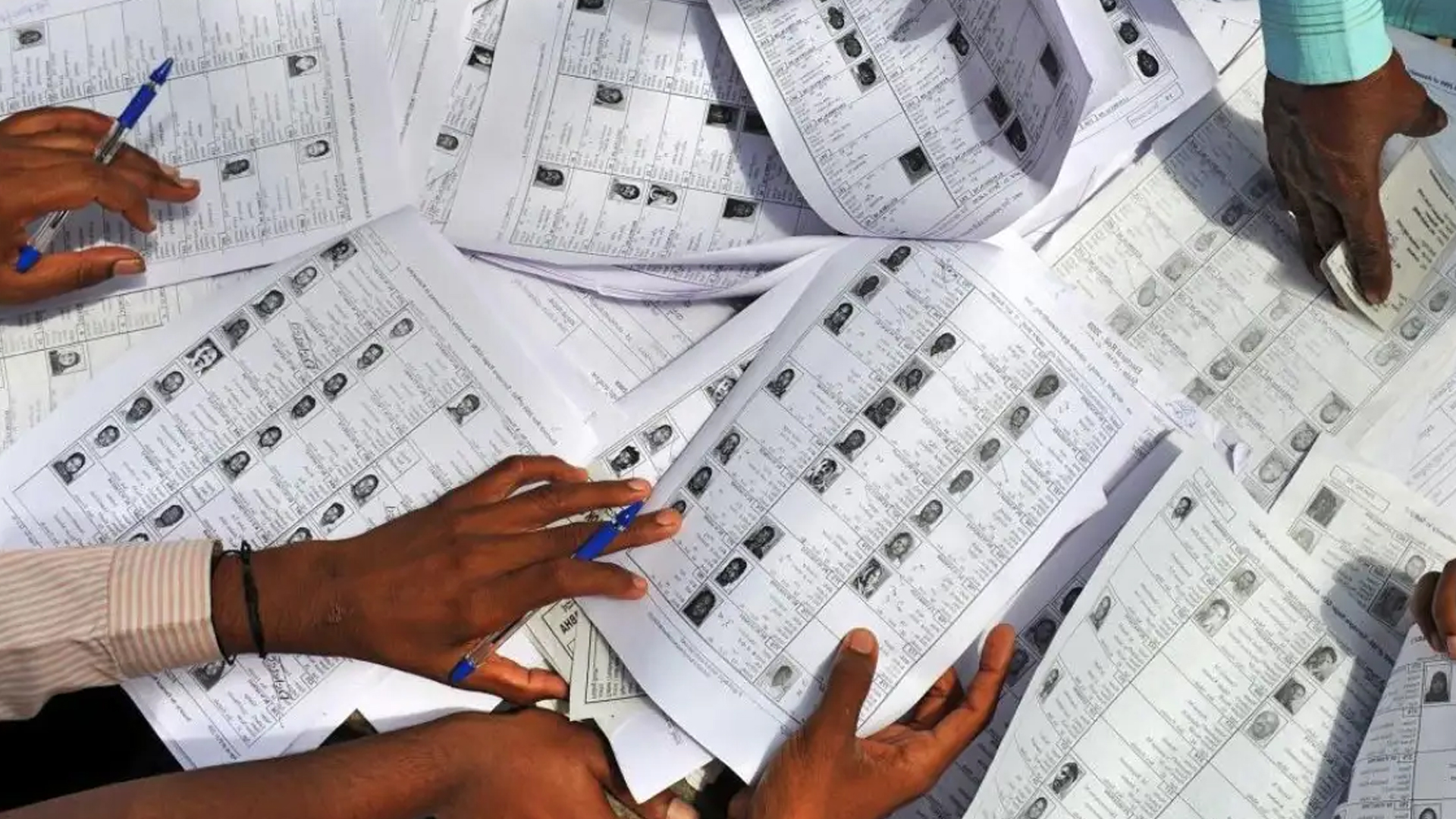
65 Lakh Names Removed from Bihar Voter Rolls: ECI Publishes Deleted List


Patna: The Election Commission of India (ECI) on Monday released the names of 65 lakh voters who have been removed from the draft electoral rolls as part of the ongoing Special Intensive Revision (SIR) exercise in Bihar. The move comes against the backdrop of a Supreme Court directive requiring the Commission to make the deletions public by August 19 and to file a compliance report with the court by August 22.

According to officials, the deleted names fall under the ‘ASD’ category — Absentee, Shifted, and Dead voters. These lists are being published booth-wise across the state, with Chief Electoral Officer (CEO) of Bihar confirming that ASD lists have already been displayed in several districts including Rohtas, Begusarai, and Arwal.

Supreme Court Push for Transparency

The Supreme Court, hearing petitions on alleged large-scale voter deletions in Bihar, had directed the ECI to ensure that citizens whose names were removed could verify the action. Civil society groups and opposition parties had raised concerns that the deletions may disproportionately impact marginalized communities, migrants, and first-time voters. The apex court underlined that transparency in the electoral process was essential to ensure free and fair elections, and hence mandated the public display and online publication of ASD voter lists.

What is Special Intensive Revision?

The Special Intensive Revision (SIR) is an extraordinary exercise undertaken by the Election Commission to clean up the electoral rolls, particularly ahead of major elections. While the standard revision of rolls takes place annually, the SIR is invoked when there are widespread complaints of inaccuracies, duplicate entries, or suspected manipulation of voter lists.

In Bihar, the SIR was initiated after concerns were raised in 2023 about inflated voter rolls in several districts. Reports suggested that the names of deceased individuals and those who had migrated out of the state continued to feature on electoral lists, raising the risk of bogus voting.

Under the current SIR exercise, officials have undertaken door-to-door verification in select constituencies. Booth-level officers (BLOs) were tasked with physically checking the status of voters, cross-verifying with Aadhaar and other government records, and flagging ASD cases.

Concerns Over Scale of Deletions

The removal of 65 lakh names — roughly 10% of Bihar’s electorate — has triggered concern among political parties. Opposition leaders argue that such a large-scale deletion, if not carefully verified, could disenfranchise genuine voters, particularly migrant workers who often move in and out of the state.

ECI officials, however, maintain that the exercise is necessary to maintain the integrity of the rolls. “The purpose is not to deny anyone their right to vote but to ensure that electoral rolls are accurate and reflect only genuine, eligible voters,” a senior ECI official said. The Commission has assured that anyone wrongly deleted will have the opportunity to reapply and have their name reinstated before the final rolls are published.

Next Steps

The ECI is expected to upload the ASD voter lists on its official portal in the coming days, making it easier for citizens to check their status. Additionally, the Commission has launched awareness campaigns urging voters to verify their names and submit claims or objections where necessary. The final electoral rolls will be prepared after these claims are settled.

Also Read: Delhi Schools Evacuated After Bomb Threat Emails Trigger Panic in Dwarka

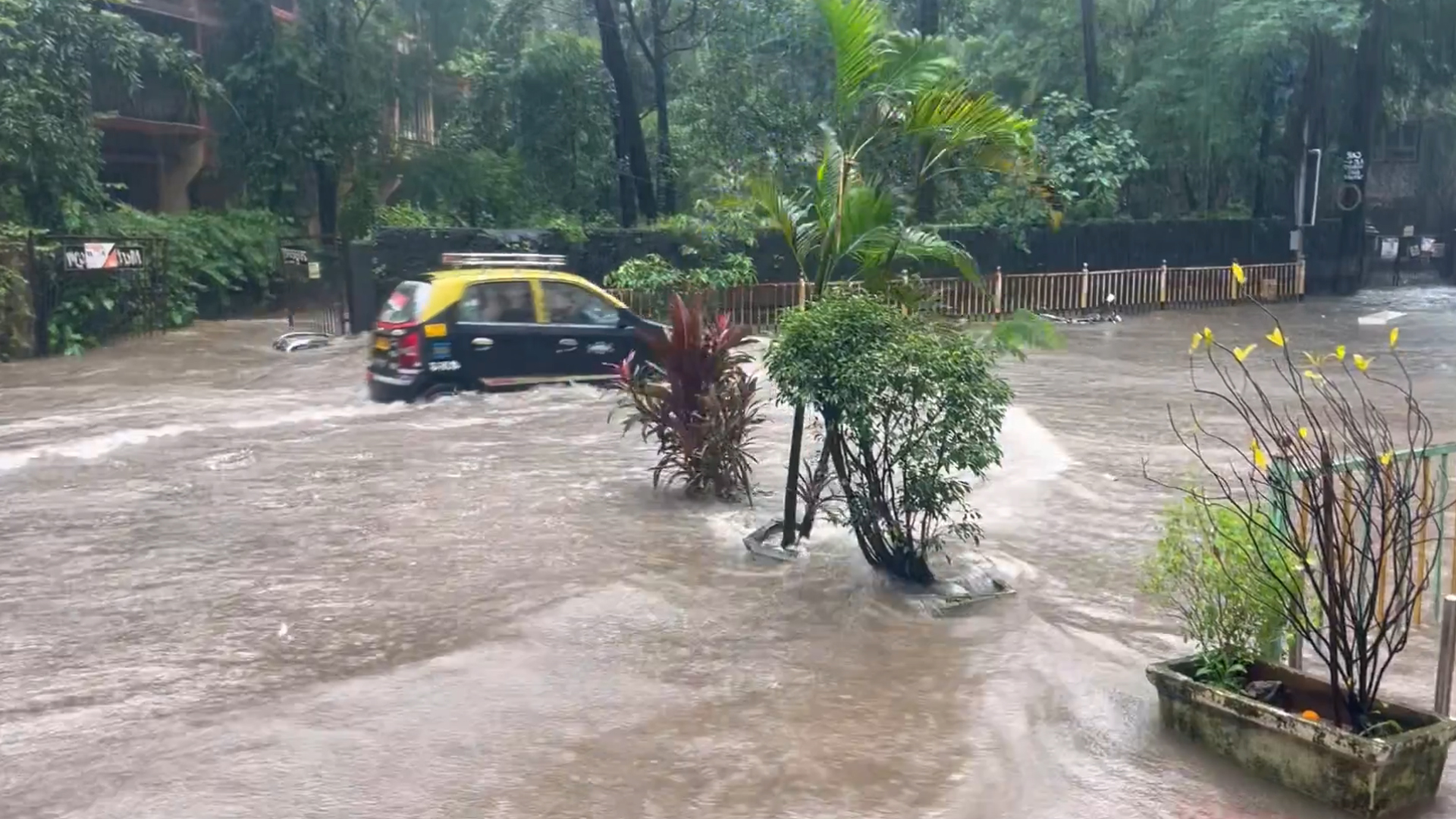
Mumbai Hit by Three Days of Intense Rain, Schools Closed and City Paralyzed


Mumbai: Heavy rains continued to pound Mumbai and surrounding districts for the third consecutive day on Monday, forcing authorities to shut schools and colleges in the afternoon session as a precautionary measure. The India Meteorological Department (IMD) issued a red alert for Mumbai, Thane, and Raigad districts until Tuesday, warning of “extremely heavy rainfall” likely to exceed 204.5 mm in 24 hours.

The Brihanmumbai Municipal Corporation (BMC) Commissioner and Administrator Bhushan Gagrani directed all educational institutions operating after 12 p.m. to remain closed, citing safety concerns amid waterlogging and traffic disruptions. “We appeal to citizens to avoid stepping out unless absolutely necessary,” the civic body posted on X.

Widespread Disruption Across City

The relentless downpour since early morning led to severe waterlogging in low-lying areas including Andheri Subway, Lokhandwala Complex, and Sion, hampering vehicular movement. Traffic was particularly slow along the Western Express Highway, one of the city’s busiest corridors.

Local trains – considered Mumbai’s lifeline – were delayed by 15 to 20 minutes on most suburban routes, officials said. However, bus services run by the Brihanmumbai Electric Supply and Transport (BEST) undertaking were not diverted, though services were impacted by waterlogged roads.

Flight operations at Mumbai’s Chhatrapati Shivaji Maharaj International Airport were also affected, with delays of up to 30 minutes reported on several domestic and international routes. Airport officials said visibility remained a concern during heavy spells.

Rainfall Data and Alerts

According to the BMC’s automatic weather stations, rainfall intensified after 9 a.m. on Monday. Areas recorded significant precipitation: Tata Power Chembur reported 91.5 mm, Vikhroli 78.5 mm, Juhu 60.0 mm, Sion 58.5 mm, Bandra 50.0 mm, Santacruz 47.2 mm, and Colaba 29.0 mm.

The IMD said the Konkan belt, including Ratnagiri and Raigad, has been receiving heavy rainfall, while Palghar, Sindhudurg, Aurangabad, Jalgaon, Jalna, Nanded, Hingoli, and Parbhani are under an orange alert. A yellow alert has been issued for other districts in Maharashtra.

The IMD added that Mumbai, Thane, and Raigad will remain on red alert until August 19, after which the intensity may reduce to orange alert on August 20 and yellow alert on August 21.

Impact Beyond Mumbai

In Thane district, several areas reported flooding, prompting disaster management teams to remain on high alert. In Raigad, rivers were flowing close to danger levels, and authorities warned of possible landslides in hilly terrain due to saturated soil.

The National Disaster Response Force (NDRF) has deployed four teams in Mumbai and adjoining districts as a precaution. Fishermen along the Konkan coast have been advised not to venture into the sea due to rough weather conditions.

Public Safety Advisory

The BMC has urged residents to remain indoors and report emergencies to its main control room helpline at 1916. “We request all citizens to cooperate with civic staff and follow updates from official channels,” said a senior BMC official.

Monday marked the third straight day of intense precipitation across Mumbai, with forecasts indicating that the city will continue to face disruptions until midweek.

Also Read: Thousands Rally in Tel Aviv Demanding End to Gaza War and Hostage Release


Delhi Schools Evacuated After Bomb Threat Emails Trigger Panic in Dwarka


New Delhi: Panic gripped the Dwarka locality of the national capital on Monday morning after three prominent schools received bomb threat emails, forcing an immediate evacuation of hundreds of students. The Delhi Police confirmed that Delhi Public School (DPS) Dwarka, Modern Convent School, and Shree Ram World School in Sector 10 were targeted in the coordinated threat.

The alarming emails, sent through a common ID, were received around school hours, triggering swift action by both school authorities and law enforcement agencies. As soon as the threats surfaced, staff members rushed to evacuate classrooms, with children ushered out to safe assembly points. Parents were alerted and began gathering outside the campuses, adding to the chaos.

Delhi Police Commissioner Sanjay Arora said multiple agencies had been pressed into action. “Teams from the bomb disposal squad, fire department, and dog squad have been deployed at the schools. A thorough search operation is underway. Cyber teams are working to trace the origin of the emails, including the IP address of the sender,” he told reporters.

Videos from the scene showed anxious parents waiting outside the barricaded gates while security personnel combed through the buildings. Many parents expressed anger and concern over the safety of their children, urging authorities to act swiftly.

A senior fire department official confirmed that precautionary sweeps were being carried out in and around the school premises. “Our teams are coordinating with the police. As of now, no suspicious object has been recovered, but checks are continuing,” the official said.

This incident comes against the backdrop of a spate of hoax bomb threats reported in several Indian cities in recent months. Officials said it was too early to determine whether Monday’s emails were part of the same pattern or a fresh attempt to create panic.

For now, security officials have urged calm while investigations continue. “All necessary measures are being taken to ensure the safety of children and staff. We are treating the matter with utmost seriousness,” the Delhi Police said in a statement.

Parents, however, remained visibly shaken, with many saying they were reluctant to send their children back until clarity emerged. By afternoon, searches were still ongoing, and police assured that a detailed update would be shared once the operations concluded.

Also Read: Thousands Rally in Tel Aviv Demanding End to Gaza War and Hostage Release


Trump Pressures Zelenskyy to Drop NATO Bid and Crimea Return at High-Stakes Washington Summit


In a late-night post on Truth Social, U.S. President Donald Trump declared that Ukrainian President Volodymyr Zelenskyy could end the war with Russia “almost immediately” if he abandoned Ukraine’s long-standing aspirations of reclaiming Crimea and joining NATO. The message, delivered hours before a White House summit with Zelenskyy and top European leaders, underscored Trump’s willingness to reshape negotiations around concessions Kyiv has repeatedly ruled out.

Trump’s comments have unsettled European diplomats who fear the U.S. administration is pushing Ukraine toward a land-for-peace arrangement. His remarks follow last week’s Trump-Putin summit in Alaska, which many analysts described as a diplomatic win for the Russian leader and a blow to Kyiv’s security prospects.

Zelenskyy arrived in Washington on Sunday night alongside a delegation of European leaders including UK Prime Minister Keir Starmer, French President Emmanuel Macron, German opposition leader Friedrich Merz, and European Council President Donald Tusk. Italian Prime Minister Giorgia Meloni, Finnish President Alexander Stubb, and European Commission President Ursula von der Leyen also joined, signaling a show of transatlantic unity. The leaders are expected to reaffirm support for Ukraine’s territorial integrity, resist any forced concessions, and demand robust security guarantees.

In a collective statement issued ahead of the Oval Office talks, European leaders stressed that Ukraine must receive “ironclad security guarantees” as part of any eventual peace deal, and that Russia cannot be rewarded with territorial gains for its aggression.

The U.S. special envoy for Ukraine, Steve Witkoff, said Moscow had tentatively agreed to allow Western nations to extend security protections to Ukraine similar to NATO’s Article 5 guarantee—though outside the NATO framework. Such a plan would not entail Ukraine’s formal membership in the alliance or deployment of U.S. forces on Ukrainian soil but could provide a collective defense umbrella backed by Washington and its allies.

Zelenskyy has maintained that peace must be durable and consistent with Ukraine’s constitution, which prohibits the ceding of territory. He insisted that negotiations must be grounded on current front lines, not on Russia’s territorial demands, and called for practical protections “on land, in the air, and at sea” with strong European involvement.

The White House summit comes at a critical moment. Trump has abandoned his earlier demand for a ceasefire as a precondition for talks, now favoring direct negotiations between Kyiv and Moscow. Meanwhile, Russian forces have stepped up attacks on Ukrainian cities, including deadly drone strikes in Kharkiv, in what many see as an attempt to increase pressure ahead of the talks.

For Zelenskyy, the meeting represents a high-stakes balancing act: resisting U.S. pressure for concessions while securing meaningful guarantees of Western support. For Europe, it is a test of whether transatlantic unity can hold in the face of Trump’s unorthodox diplomacy. The outcome of Monday’s discussions may shape not only Ukraine’s future but also the stability of the wider European security order.

Also Read: Thousands Rally in Tel Aviv Demanding End to Gaza War and Hostage Release


Millennials Grapple with Rising Joint Pain; Low Vitamin D to Blame


Joint pain is no longer just a concern for those who have crossed 50; it is now creeping into the lives of millennials, many of whom are experiencing persistent aches, stiffness, and discomfort in their joints without any clear reason. Health experts have rung the alarm already as a growing number of young adults report these symptoms, often linked to a mix of vitamin D deficiency, sedentary routines, and minimal sun exposure. Medical professionals are weighing in on why this trend is on the rise and what can be done to prevent long-term damage.

The Hidden Impact of Indoor Lifestyles

“Vitamin D is essential for calcium absorption, bone strength, and muscle function,” says Dr. Srisanat Rao, Orthopedic Surgeon at Zynova Shalby Hospital, Mumbai. “The modern lifestyle that is by and large dominated by screen time, desk jobs, and limited sun exposure has led to a silent epidemic of Vitamin D deficiency among millennials.”

Dr. Rao reveals that nearly 60% of millennials tested show signs of low Vitamin D. “This not only causes immediate joint pain and fatigue but increases long-term risks of osteoporosis, fractures, and joint degeneration,” he adds.

Lifestyle Fixes Are the First Line of Defense

Dr. Upasana Garg, Regional Technical Chief at Apollo Diagnostics, urges the millennials too towards the importance of early diagnosis. “Tests like Vitamin D3, B12, calcium levels, and bone density screening are essential and can now be booked online,” she says. “With at-home sample collection becoming the norm, there’s no excuse to delay getting tested.”

She explains that symptoms such as mood swings, muscle cramps, fatigue, and bone aches are often ignored until they affect mobility. “Regular health checks can be life-changing. With timely intervention, bone health can be restored.”

Protecting Your Bones: Precautions & Tips

Joint pain may feel unexpected in your 30s or 40s, but simple, consistent habits can make a big difference to your bone health.

Start with regular checkups. If you spend most of your time indoors or at a desk, it’s important to get annual tests for Vitamin D, calcium, B12, and bone density. Many labs now offer home sample collection, making it easy to stay on track.

Get a healthy dose of sunlight. Just 15–30 minutes of early morning or late afternoon sun can help your body naturally produce Vitamin D. Try to expose your arms and legs briefly without sunscreen during this time.

Eat with your bones in mind. Include calcium-rich foods like dairy, leafy greens, almonds, and tofu in your meals. Add Vitamin D sources like egg yolks, fatty fish, and fortified cereals to your diet.

Only take supplements if needed. If you’re deficient, your doctor might suggest Vitamin D3 or calcium supplements. Avoid self-medicating because too much Vitamin D can be harmful.

Stay active. Weight-bearing exercises like walking, yoga, and resistance training help keep bones strong. If you sit for long periods, take short movement breaks throughout the day.

Cut back on bone-harming habits. Limit caffeine, alcohol, and avoid smoking, as they can weaken your bones over time.

With just a few lifestyle tweaks, you can stay mobile, strong, and pain-free well into the future.

With a lot of health awareness programs being conducted at workplaces and in residential societies, it is important to pay attention to regular health check-up notifications. This can help curb any symptoms of joint pain, the moment busy millennials or anyone is able to pick up the sign and adopt the right self-care routine.