rotating globe
7 Apr 2026


Thousands Rally in Tel Aviv Demanding End to Gaza War and Hostage Release


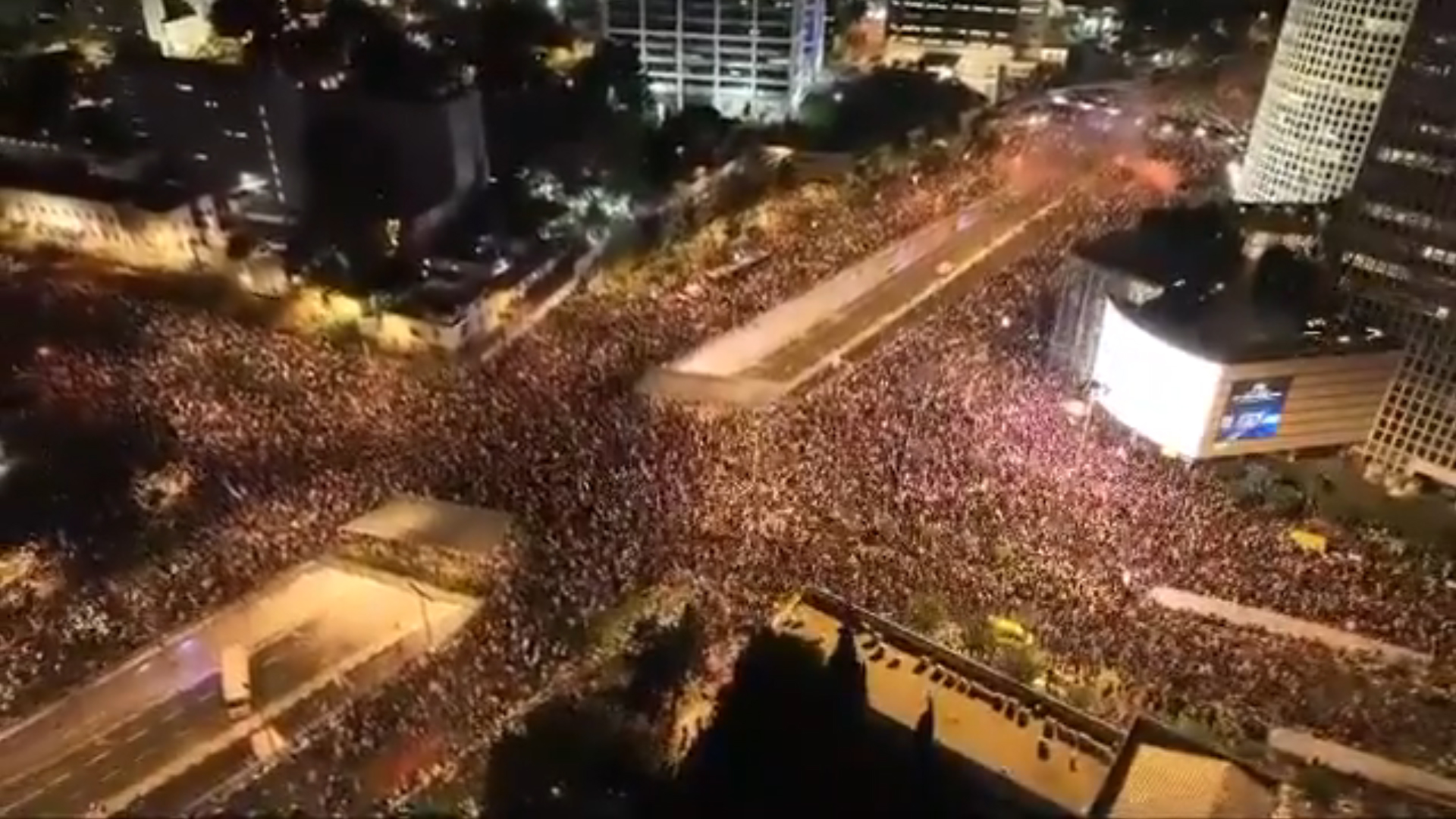
Tens of thousands of Israelis poured into Tel Aviv’s Hostage Square on the evening of Sunday, August 17, in what became one of the most significant domestic mass protests since the Gaza conflict began in October 2023. The day was marked by a countrywide “day of stoppage”—a general strike and coordinated protests—organized by the Hostages and Missing Families Forum. Their demands were clear: an immediate end to the war in Gaza and a comprehensive deal to free hostages.

Protest organizers estimated that around 500,000 people joined the demonstration in Tel Aviv alone, while as many as one million took part across Israel. Participants firmly echoed cries of “Bring them all home! Stop the war!”—a refrain that reverberated throughout the evening.

Families of hostages played a leading role in the protests. Einav Zangauker, mother of hostage Matan, demanded “a comprehensive and achievable agreement and an end to the war,” condemning the current military campaign as having devolved from righteous to “pointless.” In a newly released video obtained on the same day, a visibly weak and frail Matan spoke to his family, urging them to save the hostages “before it’s too late.”

Throughout the day, protestors shut down roads, set tires ablaze, blocked highways, and organized sit-ins—even targeting the homes of government members. Authorities responded with force: dozens of arrests—reports range between 30 and nearly 40—were made, and police used water cannons to disperse demonstrators, especially in Jerusalem and Tel Aviv.

The domestic unrest unfolded amid mounting tensions: Israel’s security cabinet had recently approved an expansive military offensive to seize Gaza City, prompting deep concern among protestors and international observers about the humanitarian repercussions. Gaza’s toll remains devastating—over 61,500 to 61,900 deaths have been reported by Gaza’s health ministry since the war began, though accurate figures are difficult to confirm.

The Israeli government, led by Prime Minister Benjamin Netanyahu, defended the ongoing offensive, arguing that ending the war before defeating Hamas would jeopardize Israel’s security and hinder hostage recovery. Far-right ministers Bezalel Smotrich and Itamar Ben-Gvir denounced the protests, warning they “play into the hands of Hamas” and weaken Israel’s position. Opposition voices, including former captives and politicians like Benny Gantz, accused the government of harming hostage families and bearing responsibility for the prolonged captivity.

Meanwhile, regional mediators, particularly from Egypt and Qatar, intensified efforts to broker a 60-day truce deal that would include a phased hostage release. This diplomatic push unfolded even as Israel prepared for a sweeping military operation potentially requiring the evacuation of civilian populations across Gaza.

Also Read: SC Reserves Interim Order on Delhi-NCR Stray Dog Issue; Divided Views Emerge in Court


India’s Hockey Icon, Olympic Hero Dr. Vece Paes passes away at 80


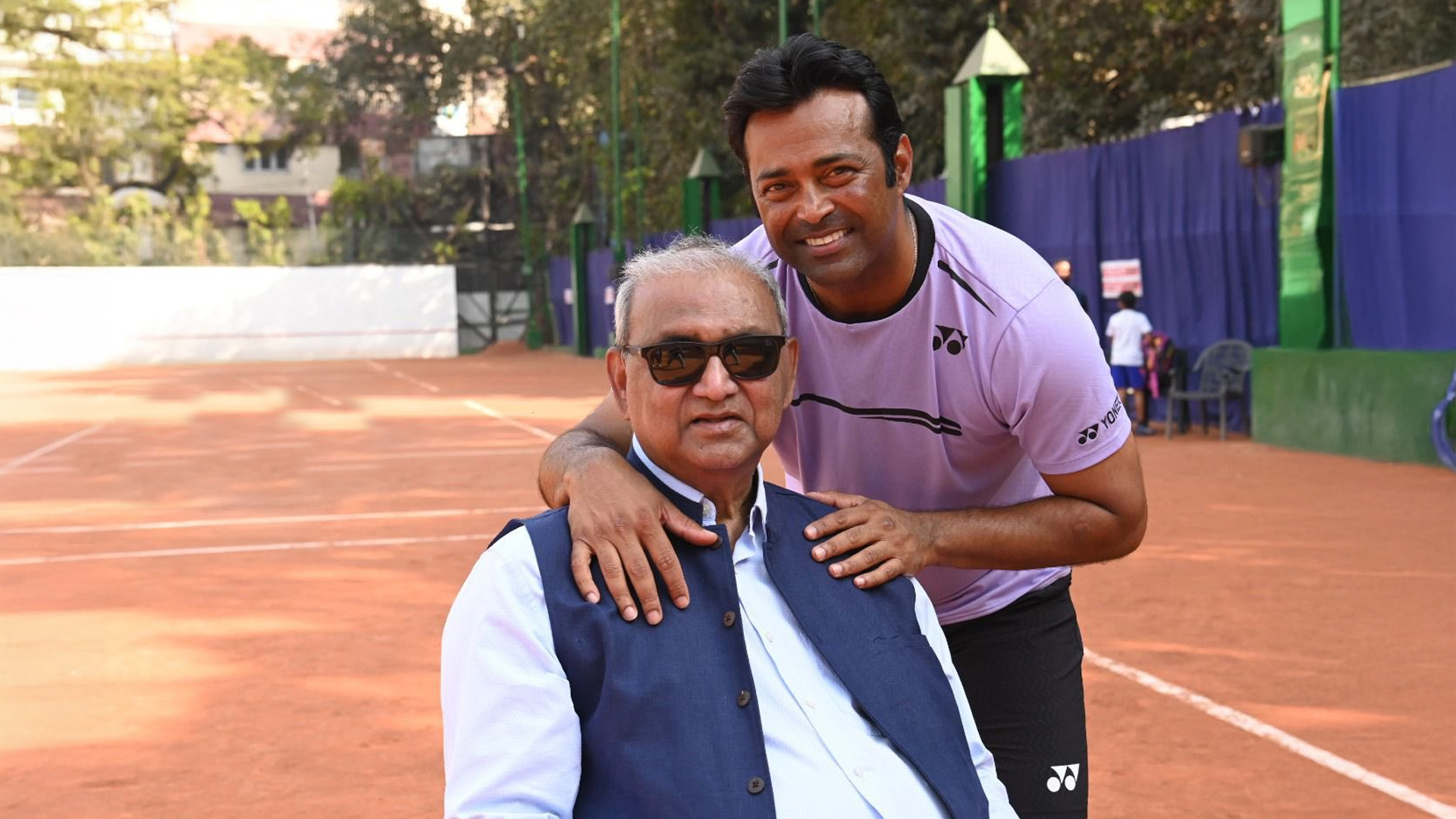
Kolkata: Dr. Vece Paes, an esteemed Olympic hockey hero from the 1972 Munich Games and father of tennis icon and Olympic medallist Leander Paes, passed away on August 14 at the age of 80. A respected figure in Indian sport both on and off the field, he had been battling advanced Parkinson’s disease and was recently hospitalised in Kolkata.

A gifted midfielder, Dr. Paes had made his international debut in 1966 while still a medical student and played a key role in India’s campaigns at both the 1971 World Cup and the 1972 Olympics. In India, he represented iconic clubs like Mohun Bagan and East Bengal, helping them secure multiple Beighton Cup and Calcutta League titles.

His contributions to Indian sport were not just confined to the playing field. A qualified doctor, Dr. Paes, became a pioneer in sports medicine. He served as a medical consultant with top sports bodies, including the BCCI and Asian Cricket Council, and played a pivotal role in establishing anti-doping education programs in India. His dual expertise as an Olympian and healer made him a favorite among athletes.

Further on in his career, Dr Vece Paes also served as President of the Indian Rugby Football Union (1996–2002) and of the Calcutta Cricket and Football Club, laying the foundation to his multi-sport legacy.

Dr. Vece Paes is survived by his wife Jennifer, a former national basketball player, his son, and two daughters. His sporting legacy lives on through his son Leander Paes, one of India’s most decorated tennis players and the 1996 Atlanta Olympics bronze medallist. Together, they form a rare father-son duo of Indian Olympic medallists.

Tributes from the sports fraternity honour Dr. Paes not only for his Olympic success and contributions as a compassionate sports physician but also as a visionary who championed Indian sport on the world stage.

India Earns S&P Global Ratings Upgrade to ‘BBB’ on Growth Strength, Fiscal Discipline


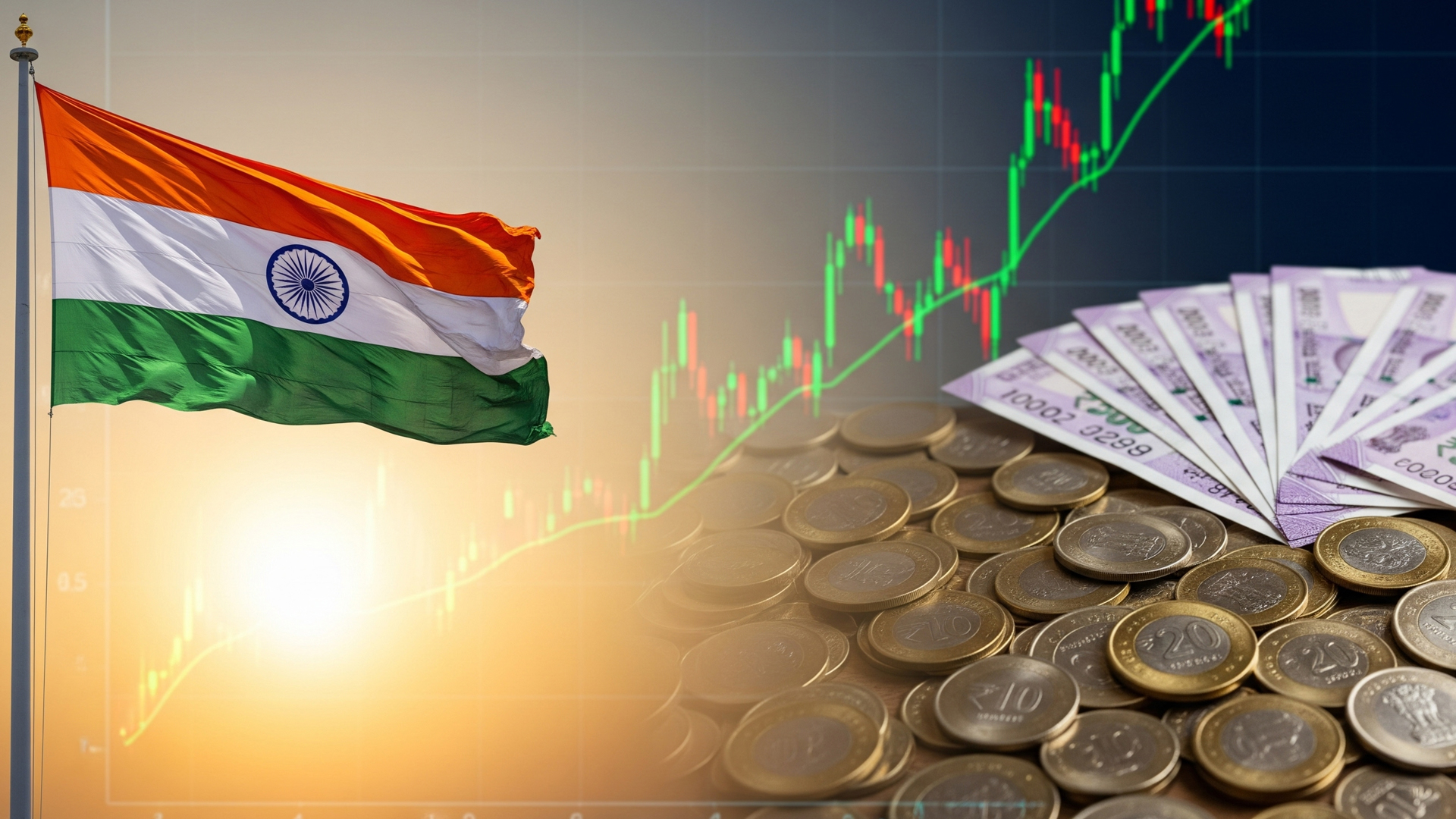
Credit ratings agency S&P Global has upgraded India’s long-term sovereign credit rating to ‘BBB’ from ‘BBB-’, citing the country’s strong economic resilience, robust growth track record, and steady fiscal consolidation. The outlook remains stable, signalling the agency’s confidence that India’s policy stability and high infrastructure investment will underpin long-term growth.

Alongside the long-term upgrade, India’s short-term sovereign credit rating has been raised to ‘A-2’ from ‘A-3’. This marks the first upward revision of India’s sovereign credit rating in nearly two decades, following the last upgrade in 2006.

Why the Upgrade Happened

S&P pointed to India’s strong post-pandemic recovery as a key factor behind the decision. Between FY22 and FY24, India’s real GDP growth averaged 8.8%, the highest among Asia-Pacific economies. Over the next three years, GDP is expected to expand at an annual average of 6.8%, driven by robust domestic demand and sustained public investment.

“India remains among the best performing economies in the world. These growth dynamics have a moderating effect on the government debt-to-GDP ratio, despite still-wide fiscal deficits,” S&P said in its assessment.

The agency forecasts that in FY26, real GDP growth will likely be 6.5%, supported by healthy consumer spending and strong public investment momentum.

Market Response

The announcement boosted investor sentiment. The Indian rupee strengthened to ₹87.58 per dollar, while the benchmark 10-year government bond yield eased by 7 basis points to 6.38% shortly after the news broke.

Limited Impact from U.S. Tariffs

S&P also addressed the potential impact of proposed U.S. tariffs on Indian exports, noting that the effects would likely be manageable. “India is relatively less reliant on trade, and about 60% of its economic growth stems from domestic consumption,” the agency observed.

Exports to the U.S., India’s largest trading partner, account for just 2% of GDP. With exemptions in sectors such as pharmaceuticals and consumer electronics, only about 1.2% of GDP is exposed to the tariff threat.

On the oil front, S&P said that any fiscal cost from switching away from Russian crude would be “modest” due to the narrow price gap between Russian oil and global benchmarks.

Infrastructure Push a Key Growth Driver

The report praised improvements in the quality of government spending over the last 5–6 years. India’s central capital expenditure is set to rise to ₹11.2 trillion in FY26, equivalent to 3.1% of GDP, up from 2% a decade ago.

When combined with state-level capital investments, total public infrastructure spending is expected to reach around 5.5% of GDP, a level that S&P notes is “on par or higher than sovereign peers.”

Better connectivity and infrastructure, the agency said, will help remove bottlenecks that have historically slowed India’s long-term growth.

What Could Push Ratings Higher or Lower

According to S&P, India’s ratings could be raised further if the fiscal deficit narrows meaningfully and government debt falls below 60% of GDP on a structural basis. A continued rise in infrastructure investment, coupled with fiscal adjustments, could help strengthen India’s public finances.

Conversely, ratings could come under pressure if there is “an erosion of political commitment” to fiscal discipline or if economic growth slows significantly.

A Rare Upgrade After Years of Stability

India’s ratings outlook was last revised to Positive from Stable in 2024, breaking a decade-long stretch during which the outlook had remained unchanged after a shift from Negative to Stable in the early 2010s. Despite those outlook changes, the rating itself had stayed at BBB- since 2006.

With this latest move, India moves up one notch to BBB, still in the investment-grade category but now with a stronger position in global credit markets — a shift that could help lower borrowing costs and attract greater foreign investment.

Also Read: Massive Cloudburst Triggers Flash Flood in J&K’s Kishtwar; Yatra Suspended

Massive Cloudburst Triggers Flash Flood in J&K’s Kishtwar; Yatra Suspended


Kishtwar: Heavy casualties are feared after a massive cloudburst triggered a flash flood in Jammu and Kashmir’s Chashoti area on Wednesday afternoon, sweeping away parts of the pilgrimage route and forcing the suspension of the annual Machail Mata Yatra.

At least 10 people are feared dead, though the official toll is yet to be confirmed. Chashoti, the starting point of the pilgrimage to the Himalayan shrine of Mata Chandi in Kishtwar district, is also the last motorable village before the trek begins.

Visuals from the scene showed panicked pilgrims being evacuated from rising waters as rescue teams battled difficult conditions.

Two teams of the National Disaster Response Force (NDRF) have been deployed, with more reinforcements expected. The district administration has mobilised police, army, and State Disaster Response Force (SDRF) personnel for the rescue.

Union Minister Jitendra Singh, who represents the Udhampur constituency, said he was informed about the cloudburst by Leader of Opposition in the J&K Assembly and local MLA Sunil Kumar Sharma.

Lieutenant Governor Manoj Sinha expressed his grief over the incident. “Anguished by cloudburst in Chashoti Kishtwar. Condolences to bereaved families and prayers for quick recovery of injured. Directed Civil, Police, Army, NDRF and SDRF officials to strengthen the rescue and relief operations and ensure all possible assistance is provided to the affected,” Sinha said.

Heavy Rains Batter Northern States

The disaster comes amid days of intense rainfall across North India, which has triggered floods, landslides, and disruptions in Himachal Pradesh, Uttarakhand, and Jammu and Kashmir.

The India Meteorological Department (IMD) has issued multiple red and orange alerts in the past week, warning of heavy to very heavy rainfall in the Himalayan region. Himachal Pradesh has already reported several cloudburst incidents this monsoon, while swollen rivers in Uttarakhand have forced authorities to halt the annual Char Dham Yatra on multiple occasions for safety reasons.

In Jammu and Kashmir, parts of the Chenab Valley and higher reaches of the Pir Panjal range have been lashed by torrential rains since early August, raising the risk of flash floods and landslides. Officials say the fragile mountainous terrain, combined with saturated soil from continuous rain, significantly increases the likelihood of sudden cloudburst events like Wednesday’s.

The Machail Mata Yatra, which attracts thousands of pilgrims annually, passes through some of the most remote and weather-vulnerable terrain in Kishtwar. Authorities have appealed to pilgrims and tourists to avoid travelling to the region until conditions improve.

Rescue operations are continuing in Chashoti, with officials warning that the casualty figure could rise as more areas are reached. The administration is also assessing damage to infrastructure, including roads and bridges, that connect remote mountain villages to the rest of the district.

Also Read: Typhoon Podul Makes Landfall in Taiwan, Triggering Major Disruptions Across the South


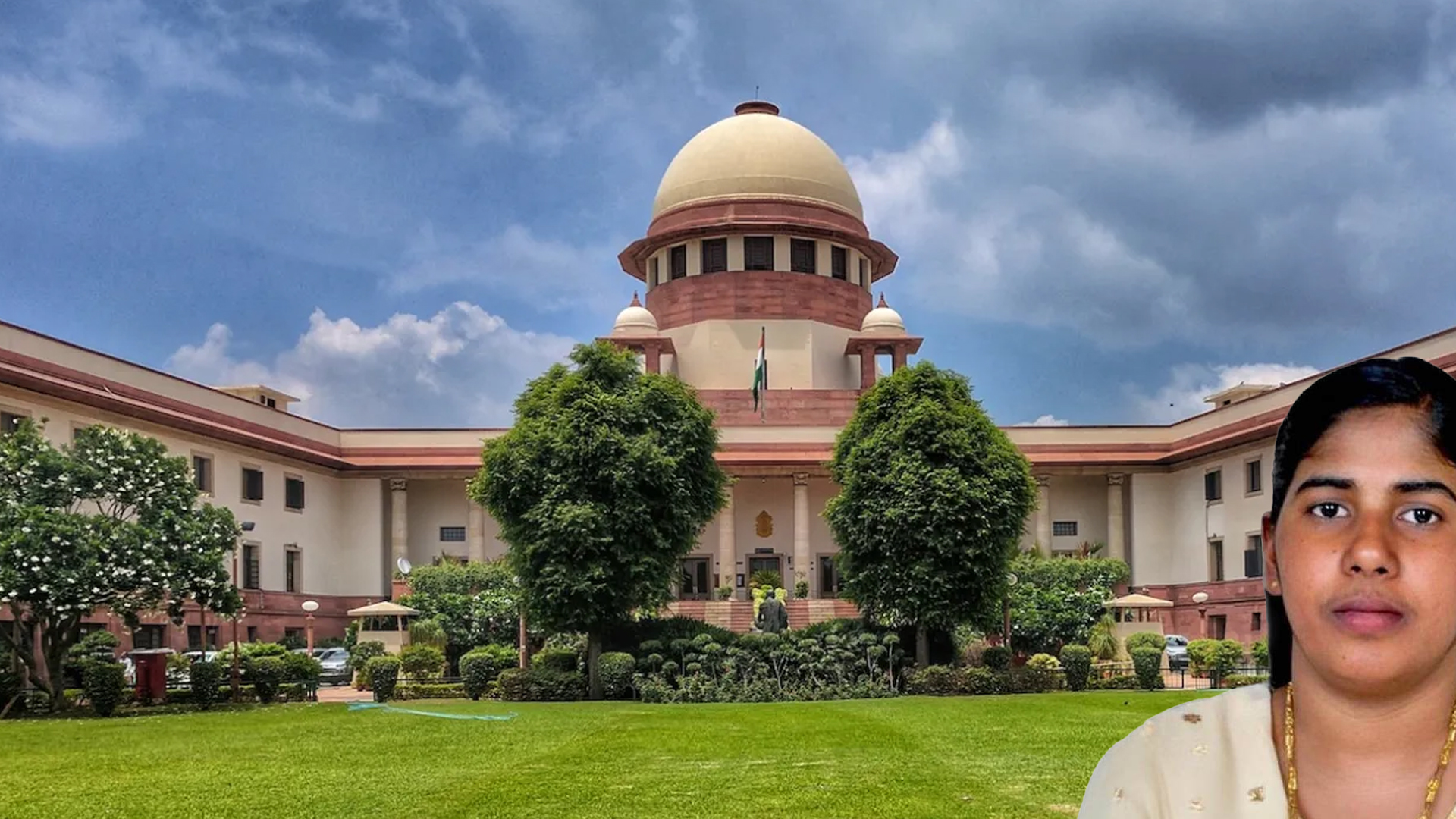
No Immediate Threat to Indian Nurse Nimisha Priya on Yemen Death Row, Supreme Court Told


New Delhi, Aug 14: The Supreme Court was informed on Thursday that there is “no immediate threat” to Indian nurse Nimisha Priya, who is on death row in Yemen for the 2017 murder of her business partner. The apex court subsequently adjourned the case for eight weeks.

Priya, 38, hails from Palakkad in Kerala and has been imprisoned in Sana’a, the capital of Yemen, since her conviction. In 2017, a Yemeni court found her guilty of murdering her business partner, Talal Abdo Mahdi, allegedly by drugging and killing him. She was sentenced to death in 2020, and her final appeal was rejected in 2023.

The Supreme Court was hearing a plea filed by the Save Nimisha Priya International Action Council, an organisation that has been providing her with legal and diplomatic support. The petition seeks a direction to the Central government to use diplomatic channels to save Priya from execution.

Appearing before a Bench of Justices Vikram Nath and Sandeep Mehta, the petitioner’s counsel requested an adjournment, saying, “Negotiations are going on. As of now, there is no immediate threat. Kindly adjourn it by four weeks. Hopefully, everything will be over by that time.”

The Bench instead listed the matter for hearing after eight weeks. The petitioner’s counsel told the court that they would mention the case again if any urgency arose.

Last month, the apex court was informed that Priya’s execution — originally scheduled for July 16 — had been stayed. On July 18, the Centre assured the court that all possible efforts were being made to ensure Priya’s safe return, adding that diplomatic channels were being explored.

The petitioner organisation has urged the Centre to send an official delegation to Yemen to meet the victim’s family for negotiations. Under Sharia law, the victim’s family can pardon an accused in exchange for diyya or “blood money.” The petitioner’s counsel has argued that this legal provision should be explored as a means of securing Priya’s release.

The Bench noted that the petitioner could make a formal representation to the government in this regard.

Earlier this year, Priya’s mother travelled to Yemen to negotiate directly with the victim’s family. She was granted permission to travel by the Delhi High Court.

On July 17, the Ministry of External Affairs stated that India was in touch with Yemeni authorities as well as “certain friendly nations” to reach a “mutually agreeable solution.” The case, however, remains highly sensitive, given Yemen’s strict enforcement of its criminal laws and the ongoing civil conflict in the country, which complicates diplomatic efforts.

According to Yemeni court records, Priya and Mahdi had been running a medical business together. The prosecution alleged that she administered a sedative to Mahdi and subsequently caused his death. Priya has maintained that the killing was accidental and that she acted in desperation over personal and business disputes.

With negotiations ongoing, Priya’s fate now hinges on diplomatic manoeuvring and the willingness of the victim’s family to accept blood money. The Supreme Court will revisit the matter in October unless an urgent development requires earlier intervention.

Also Read: SC Reserves Interim Order on Delhi-NCR Stray Dog Issue; Divided Views Emerge in Court


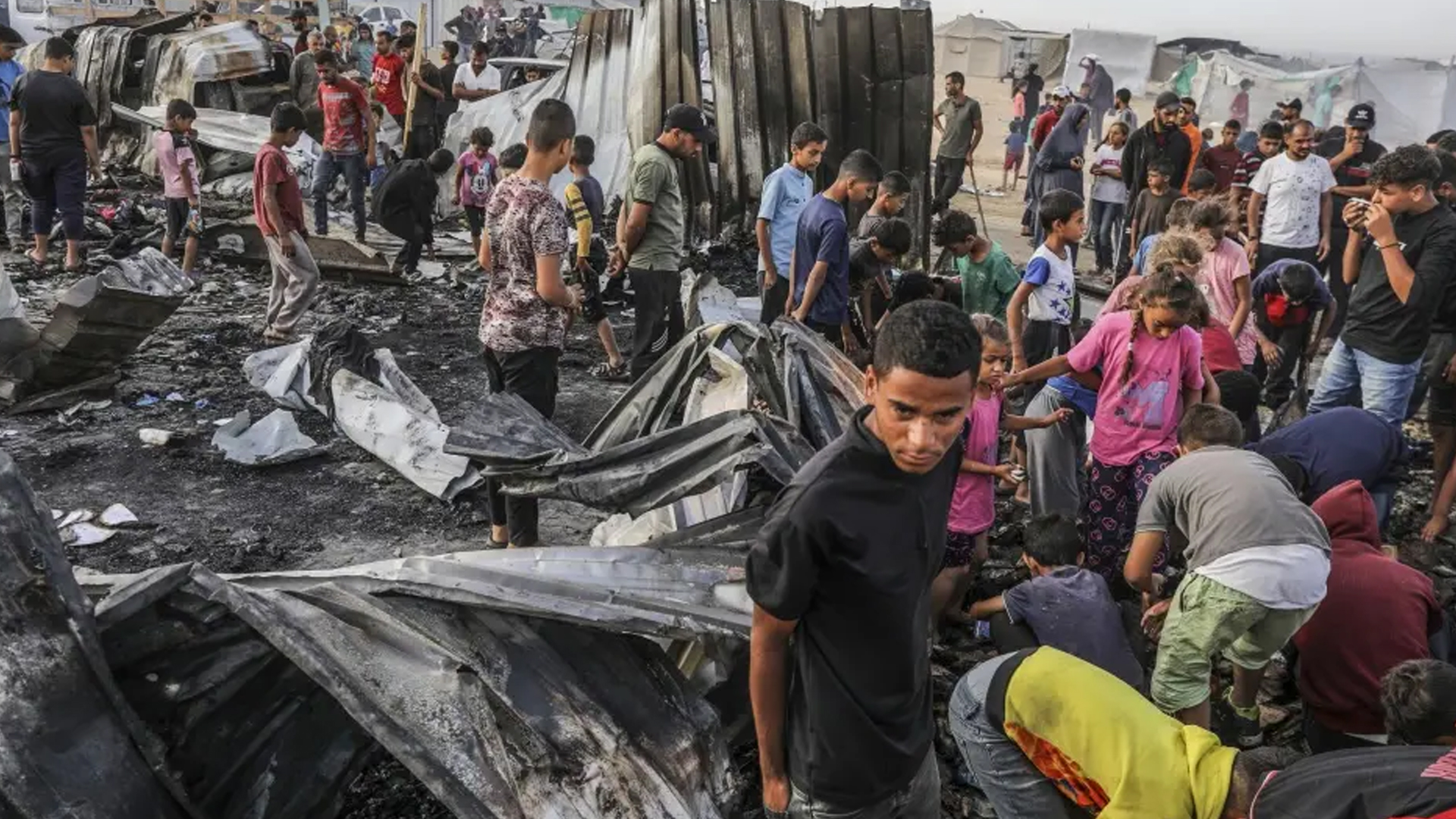
Aid Blocked, Heat Soars, and Settlements Expand: Gaza Faces Escalating Crisis


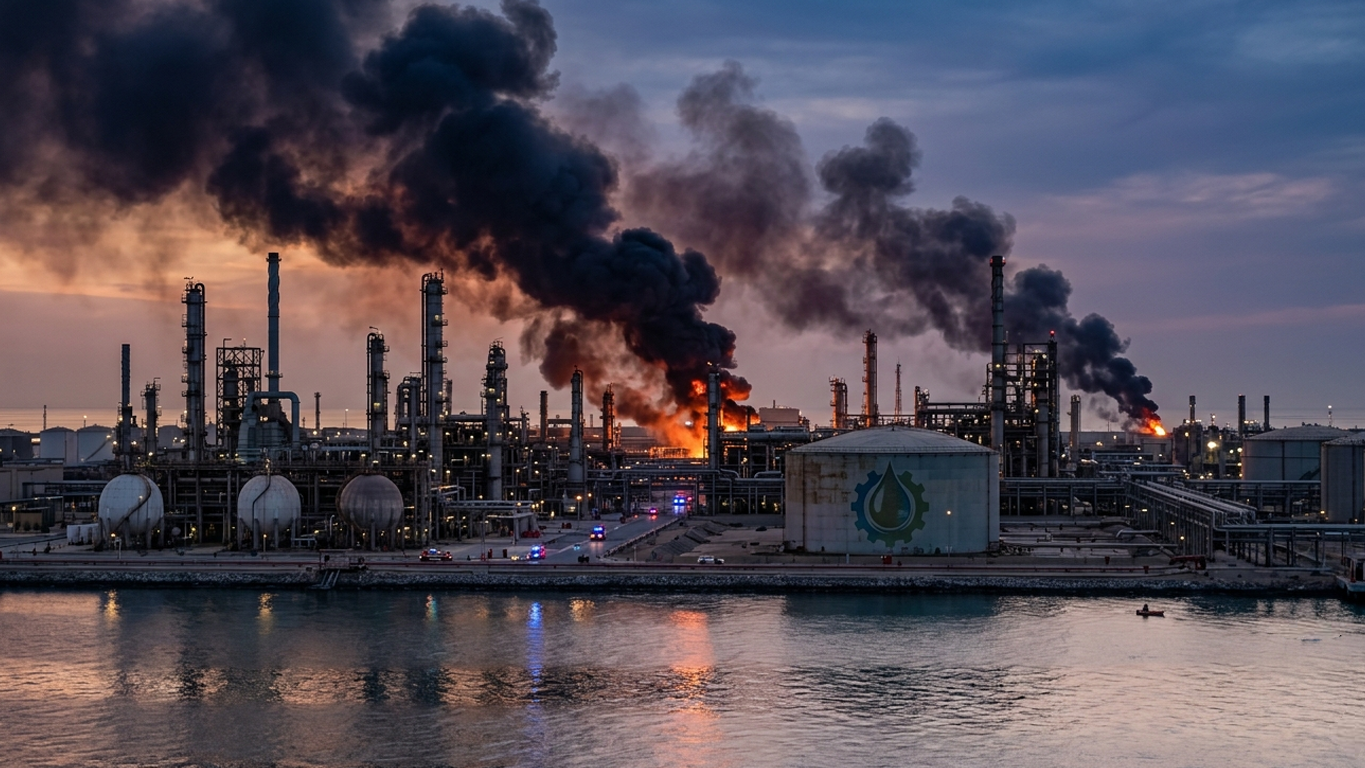
More than 100 international NGOs have accused Israel of weaponising humanitarian aid in Gaza, saying most major agencies have been unable to deliver a single truck of supplies since early March. Despite Israeli authorities insisting there are no limits on humanitarian aid entering the territory, the groups report that dozens of requests to bring in food, medicine, water, and shelter items have been rejected on the grounds that the organisations are “not authorised to deliver aid.”

In July alone, more than 60 requests were denied. The resulting backlog has left millions of dollars’ worth of goods stranded in warehouses in Jordan and Egypt, while hospitals run short of basic supplies and civilians face death from hunger and preventable illnesses. Many of the organisations affected have worked in Gaza for decades.

The NGOs link the obstruction to new registration rules introduced in March, which allow Israeli authorities to reject applications based on vague criteria such as alleged “delegitimisation” of the state. Aid agencies say the process is being used to control independent organisations and censor humanitarian reporting.

Jolien Veldwijk, CARE’s country director, said the group has been unable to deliver any of its $1.5 million worth of pre-positioned supplies into Gaza since the full siege was imposed on 2 March. Oxfam reports over $2.5 million worth of goods blocked from entering.

The signatories have called on governments and donors to pressure Israel to end the restrictions, open all land crossings, and ensure agencies can operate without compromising independence or staff safety.

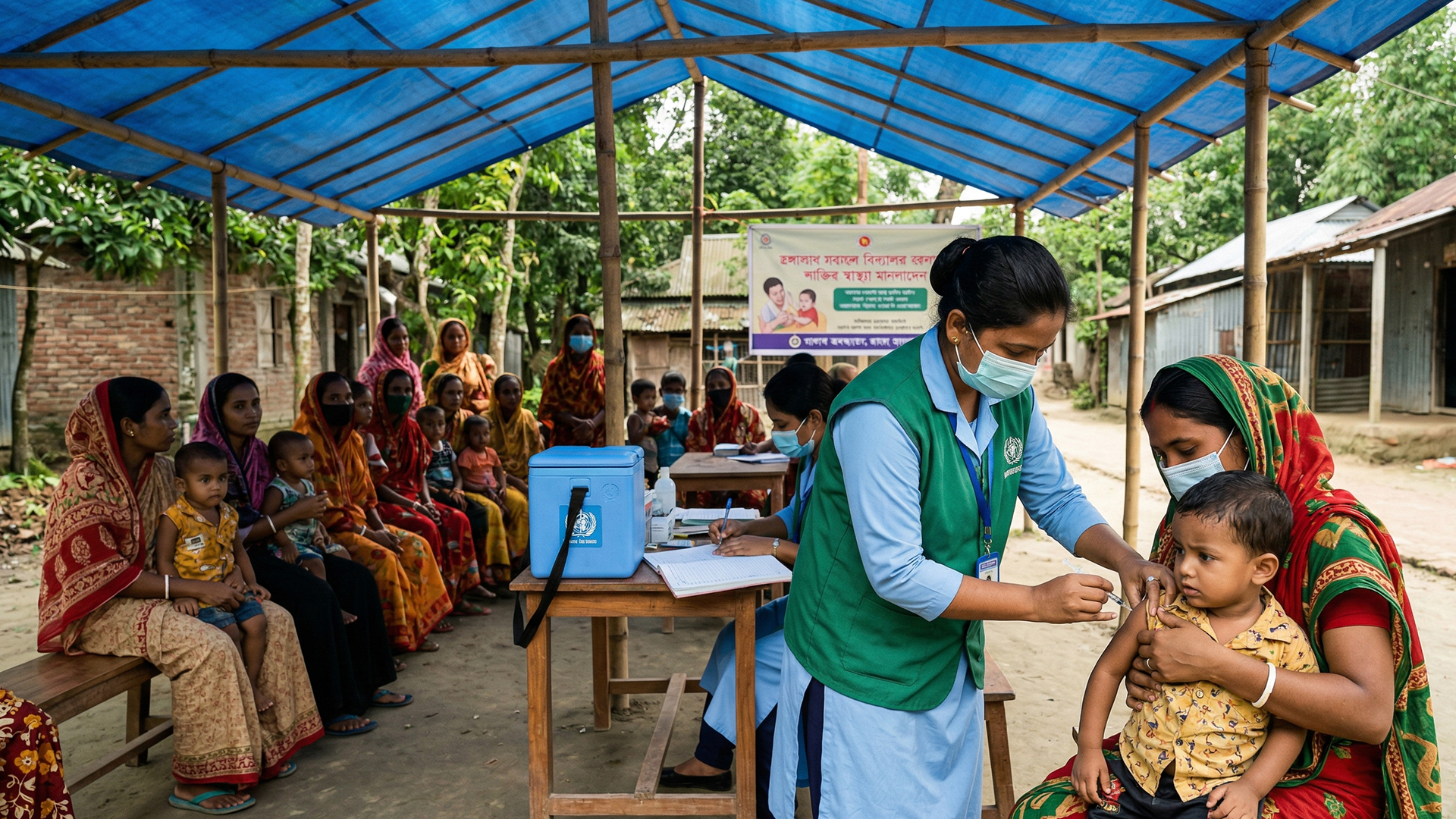
The World Health Organization (WHO), in a statement carried by the United Nations Office for the Coordination of Humanitarian Affairs (OCHA), described the entry of medical supplies into Gaza as “difficult and ever changing,” despite the delivery of 80 trucks of supplies since June 25. Many critical items, including ICU beds, anaesthesia machines, and cold chain medicines, have been denied entry, while clearance processes for goods arriving via Ben Gurion Airport remain slow.

WHO said it has delivered 6,000 blood units to Al Shifa and Nasser hospitals, but these cover only a fraction of the urgent needs as health facilities face mass casualty incidents and rising cases of infectious disease. Fuel shortages for generators and the lack of spare parts are further crippling the 230 health points still partially functional across Gaza.

The UN agency for Palestinian refugees (UNRWA) has also sounded the alarm over extreme heat, with temperatures now exceeding 40°C. Limited access to water has led to increasing dehydration, while bombardments and forced displacement continue. With electricity and fuel supplies dwindling, there is “no relief from the extreme heat,” UNRWA said, reiterating its call for an immediate ceasefire.

In parallel, tensions are escalating in the occupied West Bank, where Israeli advocacy group Peace Now has condemned new settlement expansion plans announced by Israel’s far-right finance minister Bezalel Smotrich. The plans include tenders for more than 3,000 housing units in the controversial E1 settlement project between Jerusalem and Ma’ale Adumim — a project frozen for decades due to strong international opposition.

Smotrich declared that the approval “buries the idea of a Palestinian state” and continues his government’s de facto sovereignty plan, connecting Ma’ale Adumim to Jerusalem. Peace Now warned that the E1 plan would divide the West Bank into northern and southern regions, undermining the possibility of a Palestinian urban area linking East Jerusalem with Bethlehem and Ramallah.

“This is deadly for the future of Israel and for any chance of achieving a peaceful two-state solution,” the group said. “We are standing at the edge of an abyss, and the government is driving us forward at full speed.”

SC Reserves Interim Order on Delhi-NCR Stray Dog Issue; Divided Views Emerge in Court

The Supreme Court on Thursday reserved its interim order on the contentious issue of managing the stray dog population in the National Capital Region (NCR). The three-judge bench, headed by Justice Vikram Nath and comprising Justices Sandeep Mehta and N V Anjaria, heard extensive arguments from the government, animal rights organisations, and senior advocates representing both sides of the debate.

Justice Nath, making an oral observation during the proceedings, said, “Everyone who has come to intervene must take responsibility.” The bench directed all intervenors to file affidavits with supporting evidence before the court finalises its decision.

The case stems from an August 11 order by a two-judge bench that directed the relocation of stray dogs from public streets to dedicated shelters. That order also stated that sterilised dogs should not be brought back to their original locations — a direction challenged by multiple animal welfare groups. The matter was reassigned to the three-judge bench by Chief Justice of India BR Gavai after a suo motu case initiated by another bench, led by Justice JB Pardiwala, created overlapping proceedings.

Government’s Argument: Relocation Over Sterilisation

Solicitor General Tushar Mehta, representing the government, argued strongly for removing strays from the streets, citing rising incidents of dog attacks. “Sterilisation does not stop rabies. Even if you immunise, that does not stop mutilation of children,” Mehta said, describing what he called a “vocal minority view against a silent majority view” favouring relocation. He also said existing rules were inadequate to address the dangers posed by aggressive strays.

Animal Rights Groups Push Back

On the other hand, senior advocates Kapil Sibal, Abhishek Manu Singhvi, and Sidharth Luthra appeared for various animal rights groups and individuals. They sought a stay on the August 11 order, contending it violated the 2023 Animal Birth Control (ABC) Rules. These rules classify stray dogs as “community animals,” protect them from displacement after sterilisation, and allow for community feeding in designated areas. The lawyers stressed that relocation without rehabilitation could result in cruelty and logistical failures.

Background

India’s stray dog population has long been a flashpoint for urban policy. While animal welfare laws prohibit indiscriminate culling, periodic public outrage over dog bites — especially involving children — has driven calls for stricter control measures. In Delhi and NCR, municipal bodies have relied largely on sterilisation drives and vaccinations under the ABC programme, though their effectiveness has been questioned. The August 11 Supreme Court order marked a shift by calling for permanent relocation instead of release-back-to-territory after sterilisation.

The bench has reserved its interim order, with all intervenors now required to submit affidavits backed by factual data. Until the order is issued, the August 11 directions remain in force, keeping the debate alive between public safety advocates and animal rights defenders.

Heavy Rainfall Batters North India, IMD Issues ‘Red Alert’ for Delhi


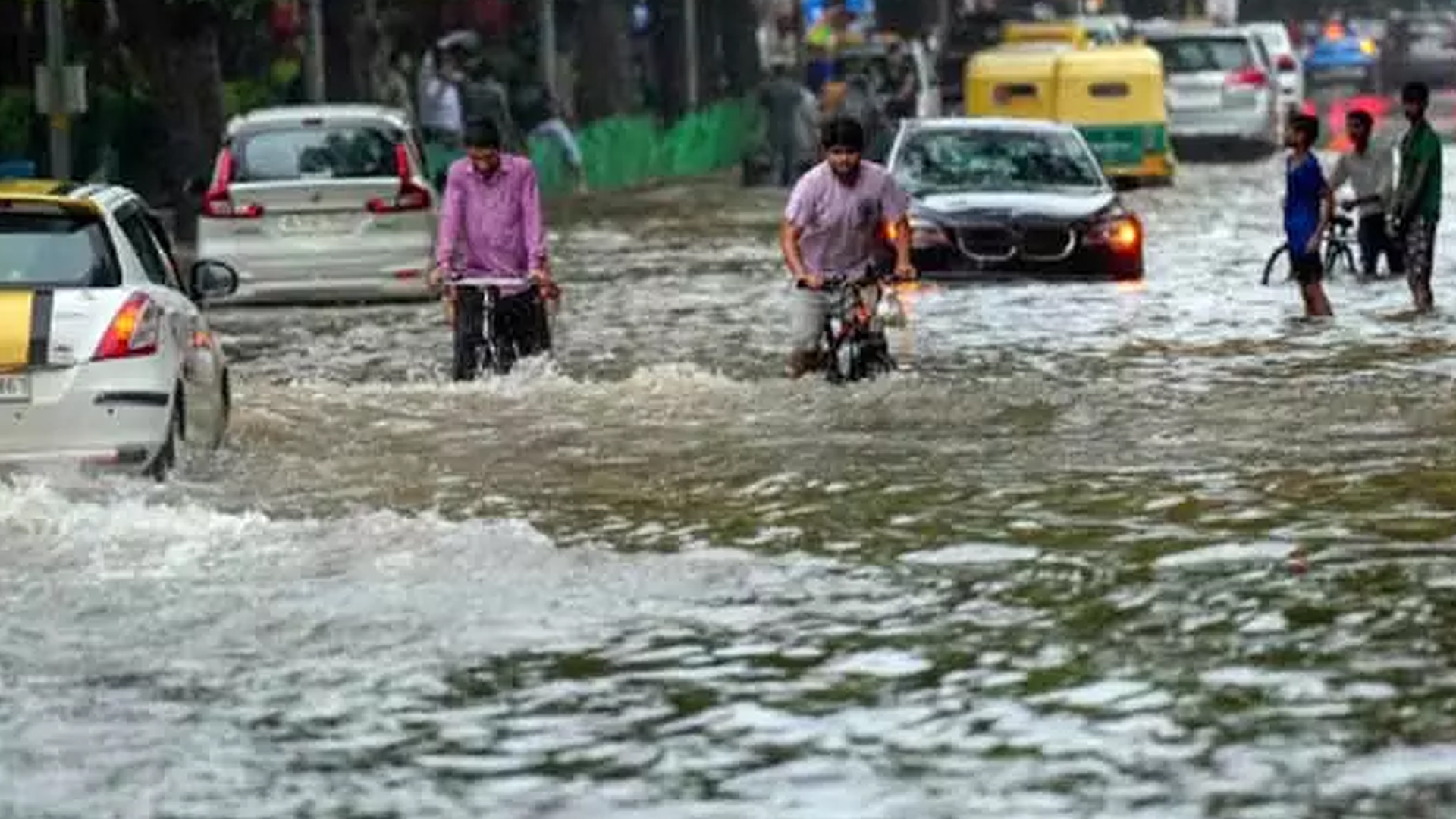
Heavy monsoon rains lashed large parts of North India on Wednesday, causing severe flooding, traffic disruptions, and landslides in multiple states. The India Meteorological Department (IMD) issued a ‘red alert’ for Delhi, warning of extremely heavy rainfall and urging residents to stay indoors unless necessary.

In the national capital, the torrential downpour inundated low-lying areas, brought vehicular movement to a crawl, and triggered widespread waterlogging. Commuters faced long delays on arterial roads like Ring Road, Mathura Road, and NH-48. Delhi Traffic Police reported numerous breakdowns and accidents due to slippery conditions. The Yamuna River’s water level, already running high from upstream rainfall, is expected to rise further, raising concerns over possible breaches in embankments.

Neighboring states were also hit hard. In Haryana and Uttar Pradesh, heavy showers disrupted daily life, with several villages in western UP reporting water entering homes. In Gurugram, residents experienced hours-long traffic snarls as underpasses filled with rainwater, forcing diversions.

Himachal Pradesh and Uttarakhand faced even more severe consequences as relentless rain triggered landslides and flash floods. In Himachal’s Mandi and Kullu districts, multiple stretches of the Chandigarh–Manali highway were blocked by debris, leaving hundreds of vehicles stranded. The state disaster management authority confirmed several houses had been damaged and rescue teams were working round the clock to evacuate residents from high-risk zones.

In Uttarakhand, rivers and streams swelled dangerously, prompting authorities to suspend the Char Dham Yatra temporarily in certain stretches for safety reasons. Landslides blocked key roads leading to pilgrimage sites in Rudraprayag and Chamoli districts. The state government advised tourists and pilgrims to avoid non-essential travel until the weather improved.

The IMD has attributed the intense rainfall to the combined influence of the monsoon trough lying close to the foothills of the Himalayas and a low-pressure area over eastern Uttar Pradesh. Meteorologists warned that the heavy rain spell could continue for the next 48 hours in several parts of North India, particularly in Himachal Pradesh, Uttarakhand, Punjab, Haryana, and Delhi-NCR.

National Disaster Response Force (NDRF) teams have been deployed in vulnerable districts across Himachal, Uttarakhand, and Delhi to assist in rescue and relief operations. Boats have been stationed in flood-prone pockets of the Yamuna floodplain to ensure quick evacuations if water levels rise further.

Meanwhile, Delhi’s civic authorities have activated emergency control rooms and set up temporary shelters for those affected by flooding. The Delhi Jal Board issued an advisory warning of possible contamination in tap water and urged residents to boil water before use. Hospitals have also been put on alert to handle any surge in water-borne diseases following the floods.

With more rain in the forecast, authorities across the region are bracing for potential escalation in flooding and landslides. The IMD urged the public to monitor weather updates closely, avoid unnecessary travel, and follow safety advisories to minimize risks.

Trump proposes trilateral summit—but Ukraine remains sidelined


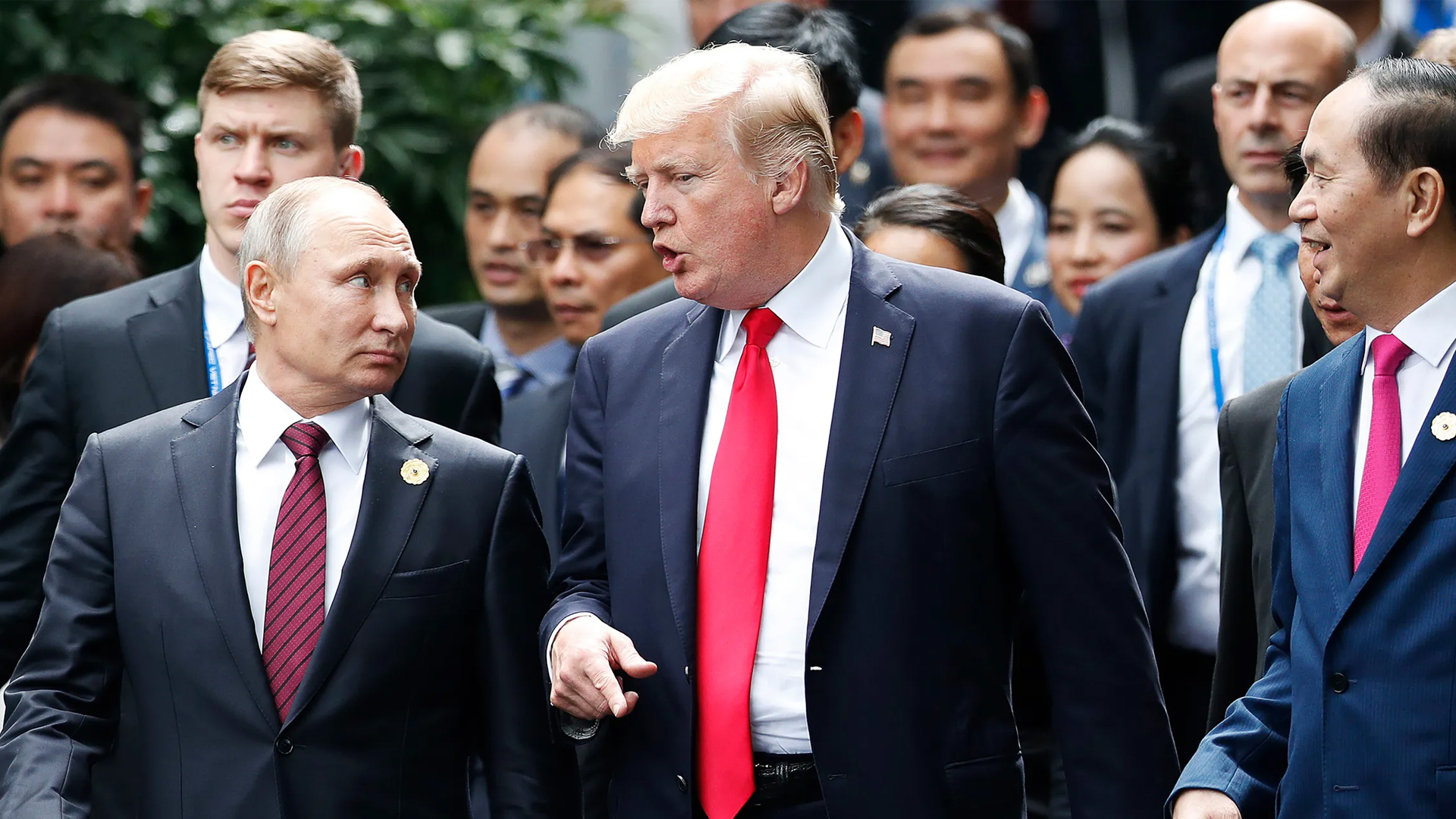
President Donald Trump announced on August 13, 2025, that if his scheduled meeting with President Vladimir Putin in Anchorage on Friday (August 15) goes well, he will seek an immediate follow-up summit with both Putin and Ukrainian President Volodymyr Zelenskyy present. Trump said, “If the first one goes okay, we’ll have a quick second one,” but warned that the second meeting could be off the table if Putin appears insincere.

Despite Trump’s outreach, Zelenskyy was not invited to the Alaska meeting, fueling fears that any Russia–U.S. deal might exclude Ukraine and impose unfavorable terms. Critics warn this could legitimize Russian gains or pressure Kyiv into territorial concessions.

European and Ukrainian pressure for ceasefire and no land swaps

In the lead-up to the summit, Zelenskyy joined a virtual roundtable with European leaders—others included German Chancellor Friedrich Merz, French President Emmanuel Macron, UK PM Keir Starmer, NATO and EU chiefs—to press Trump to ensure any negotiations begin with a ceasefire and include Ukraine at the center. Macron emphasized Trump’s commitment that “territories belonging to Ukraine cannot be negotiated” without Kyiv’s consent.

Ukraine signaled openness to a phased ceasefire, including an initial aerial truce, but cautioned that Vladimir Putin was unlikely to follow through. Zelenskyy also questioned Putin’s sincerity, saying, “I have told my colleagues… that Mr Putin definitely does not want peace.”

Trump threatens “very severe consequences” amid lack of sanctions follow-through

Trump, who previously imposed—and then softened—sanction threats on Russia’s trading partners, reiterated on August 13 that Russia would face “very severe consequences” if it refused to agree to a ceasefire during the Alaska talks. However, he declined to specify the form these consequences would take, leaving uncertainty about their seriousness or implementation.

The diplomatic stand-off comes amidst intensified Russian military operations in eastern Ukraine. On August 12, Russian forces advanced about 110 sq km in a single day—the largest such gain since May 2024—according to analysis of battlefield data. This push, especially near the coal-mining town of Dobropillia, raised the stakes for Ukraine. In response, Ukrainian authorities have evacuated civilians and urgently reinforced the front lines.

With the Alaska summit scheduled for August 15, 2025, Trump aims to begin with a bilateral “listening exercise” with Putin—before prompting a possible trilateral meeting involving Kyiv. European and Ukrainian allies stress that peace negotiations should start with a ceasefire and exclude any forced territorial concessions to Russia. Meanwhile, the surging Russian offensive underscores the urgency and peril of sidelined diplomacy.

All eyes will now turn to Friday’s Anchorage summit: will Trump secure a credible ceasefire framework, and will Ukraine’s voice finally be central to any peace initiative—or will the diplomatic momentum falter?

Indian Olympic Association Approves 2030 Commonwealth Games Bid


India has taken a major step toward hosting the 2030 Commonwealth Games after the Indian Olympic Association (IOA) unanimously approved the country’s bid during a Special General Meeting held in New Delhi on Wednesday. This decision brings India closer to staging the prestigious multi-sport event on home soil for the first time since the 2010 Games in New Delhi.


With Canada withdrawing its bid in June, India now faces fewer competitors, with Nigeria and a handful of other nations remaining in the race. The final bid submission deadline is August 31, adding urgency to the preparations.


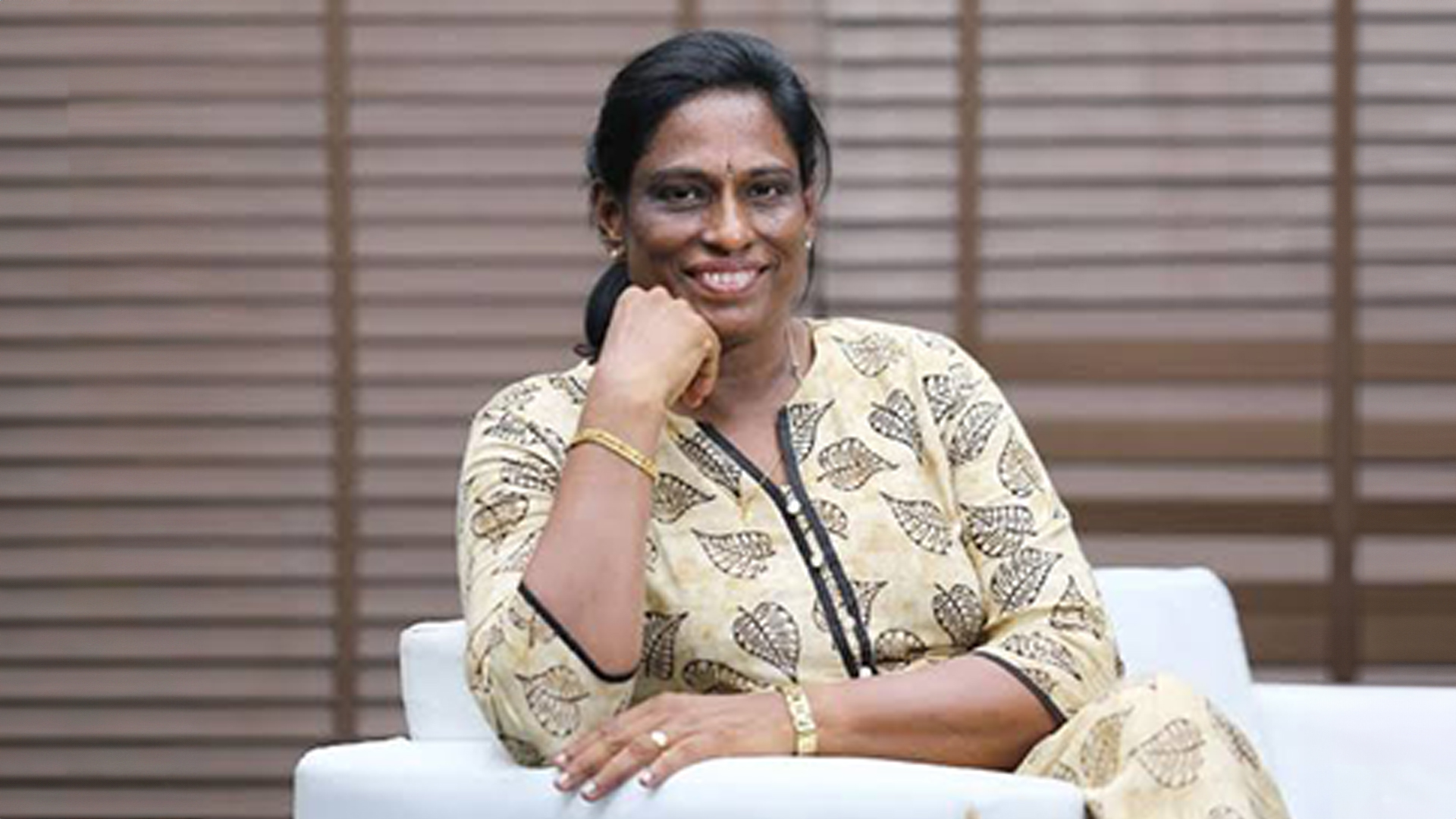
IOA President PT Usha expressed satisfaction with the unanimous decision but remained cautious about confirming Ahmedabad as the host city. While Ahmedabad is currently the front-runner, having recently hosted Commonwealth Sport officials for venue inspections, Delhi and Bhubaneswar are also under consideration due to their strong sports-friendly infrastructure.


Ahmedabad has welcomed Director of Games Darren Hall and state officials, and a larger inspection team is expected soon, signaling significant momentum for the city’s bid.


The move recalls India’s most successful Commonwealth Games, the 2010 Delhi event, where the country earned a record 101 medals, including 38 golds. By contrast, India won 61 medals at the 2022 Birmingham Games, its second-best recent showing.


India’s 2030 bid aims to revive the Games with a full program, unlike the scaled-down 2026 Glasgow edition, which will exclude several major sports such as hockey, badminton, wrestling, and shooting. IOA officials have pledged an inclusive Games, featuring all medal sports and advocating for the addition of traditional Indian sports like kho kho and kabaddi to add a unique cultural element.


The final host city will be decided by the Commonwealth Sport General Assembly in Glasgow this November. For India, winning the bid would not only mean hosting a major sporting event but also demonstrating its growing capacity and ambitions on the global stage.

With the decision deadline fast approaching, Indian sports fans are hopeful the country will once again host the Commonwealth Games, bringing world-class competition to home soil and a chance to cheer on their athletes.