rotating globe
7 Apr 2026


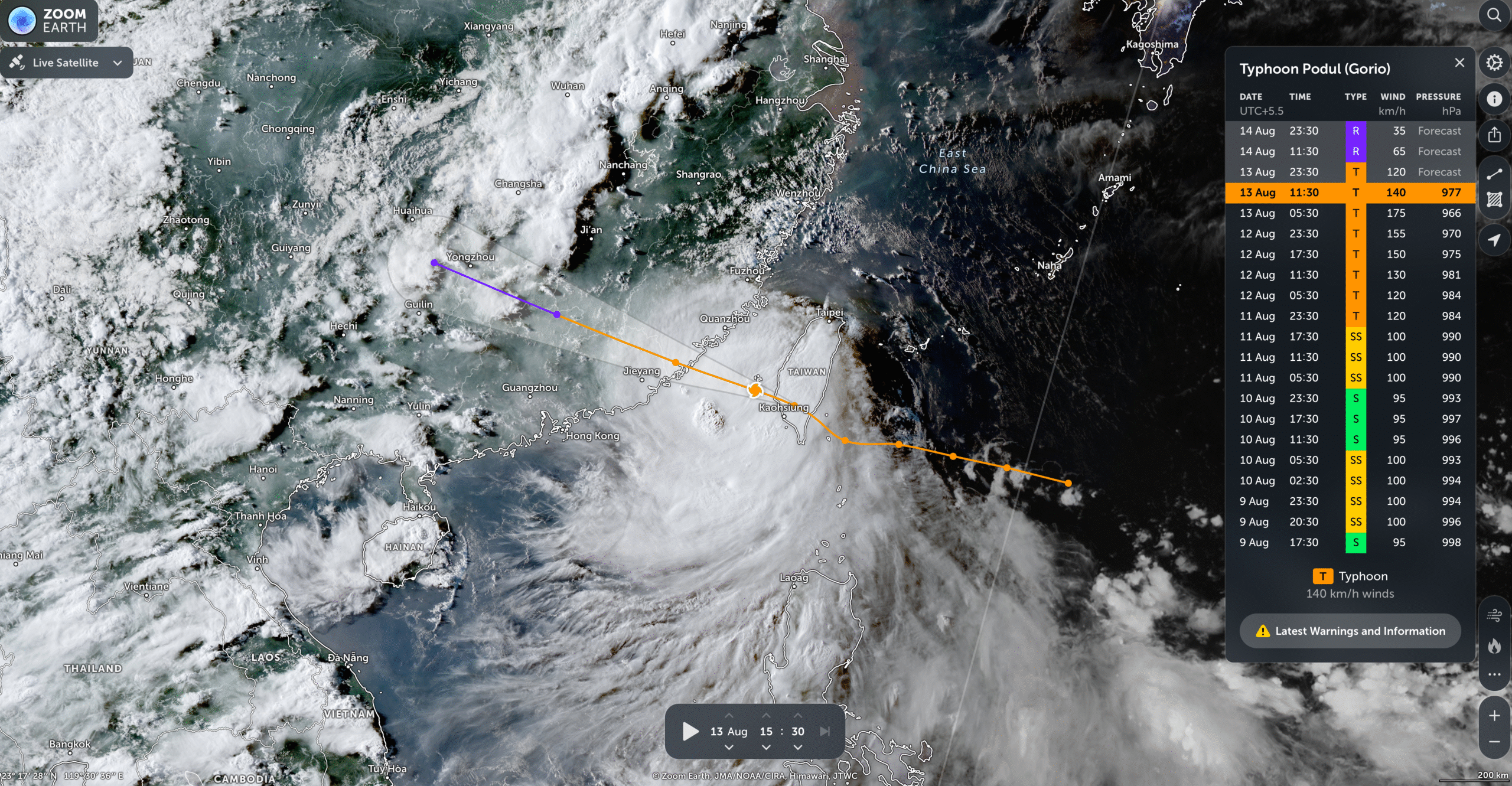
Typhoon Podul Makes Landfall in Taiwan, Triggering Major Disruptions Across the South


Typhoon Podul struck southeastern Taiwan on Wednesday, August 13, bringing wind gusts of up to 191 kph (118 mph) as it made landfall near Taitung County at around 1 p.m., according to the Central Weather Administration (CWA). The powerful storm forced shutdowns across nine cities and counties, including southern metro areas Kaohsiung and Tainan, prompting evacuations and widespread cancellations of flights, school, and business activities.

Authorities evacuated over 5,500 residents, particularly those still reeling from July’s devastating storm damage. The military stood ready with more than 31,500 personnel prepared to assist in rescue and relief efforts.

Air travel came to a complete halt: all 252 domestic flights and 129–155 international flights were grounded, largely affecting departures from Kaohsiung and Taoyuan airports. Rail services along the west coast were curtailed, southeastern train routes cancelled, ferry crossings suspended, and schools and businesses shuttered across southern regions.

Podul left a trail of destruction: more than 134,500 households lost power, while 33 people were injured and a fisherman remains missing after being swept out to sea during a storm surge. Downed trees, street signs, and flooding were reported in central and southern districts, compounding infrastructure strain.

“Kaohsiung, Tainan and Chiayi will become major rainfall hotspots,” warned CWA Administrator Lu Kuo-chen, noting that mountain regions could receive between 400 to 600 mm (16–24 inches) of rain by Thursday. Several southern mountainous zones have already received over a year’s worth of rainfall in the past month, raising serious concerns about landslides and further flooding.

Taiwan, home to 23 million people, experiences frequent typhoons between July and October. However, climate experts warn that warming oceans and atmosphere are intensifying storms, resulting in heavier rainfall and stronger winds.

Earlier storms, including Typhoon Danas in early July and extreme rains in late July, already inflicted heavy damage, leaving five dead, three missing, and dozens injured while severely disrupting agriculture and power supply. Today’s arrival of Podul threatens to exacerbate these ongoing humanitarian and infrastructure crises.

As Podul moves across the island and heads toward China’s Fujian and Guangdong provinces later this week, emergency crews across Taiwan remain on high alert. Shelters are activated, and transport networks await restoration, even as residents brace for the storm’s full impact and possible aftershocks.

Given the mounting risk of landslides, flash floods, and structural damage, the coming 24–48 hours will be crucial in safeguarding lives and restoring normalcy across the battered southern and central regions of Taiwan.

ED Questions Suresh Raina in Onex Bet App Probe, Celebrity Endorsements Under Scrutiny


Veteran cricketer Suresh Raina is being questioned by the Enforcement Directorate (ED) over alleged promotion of the Onex bet app, suspected to be an illegal gambling platform. Investigators are probing whether Raina was aware of the app’s surrogate links to unlawful betting sites and if he received payments, including in cash. The ED alleges he benefited from “proceeds of crime” under the Prevention of Money Laundering Act. The case is part of a wider crackdown, with over 100 celebrities, including Yuvraj Singh, Shikhar Dhawan, Hrithik Roshan, Rana Daggubati, and Tamannaah Bhatia, under the scanner in similar betting app probes.

Trump Orders National Guard on Washington DC Streets Amid ‘Lawless City’ Claim


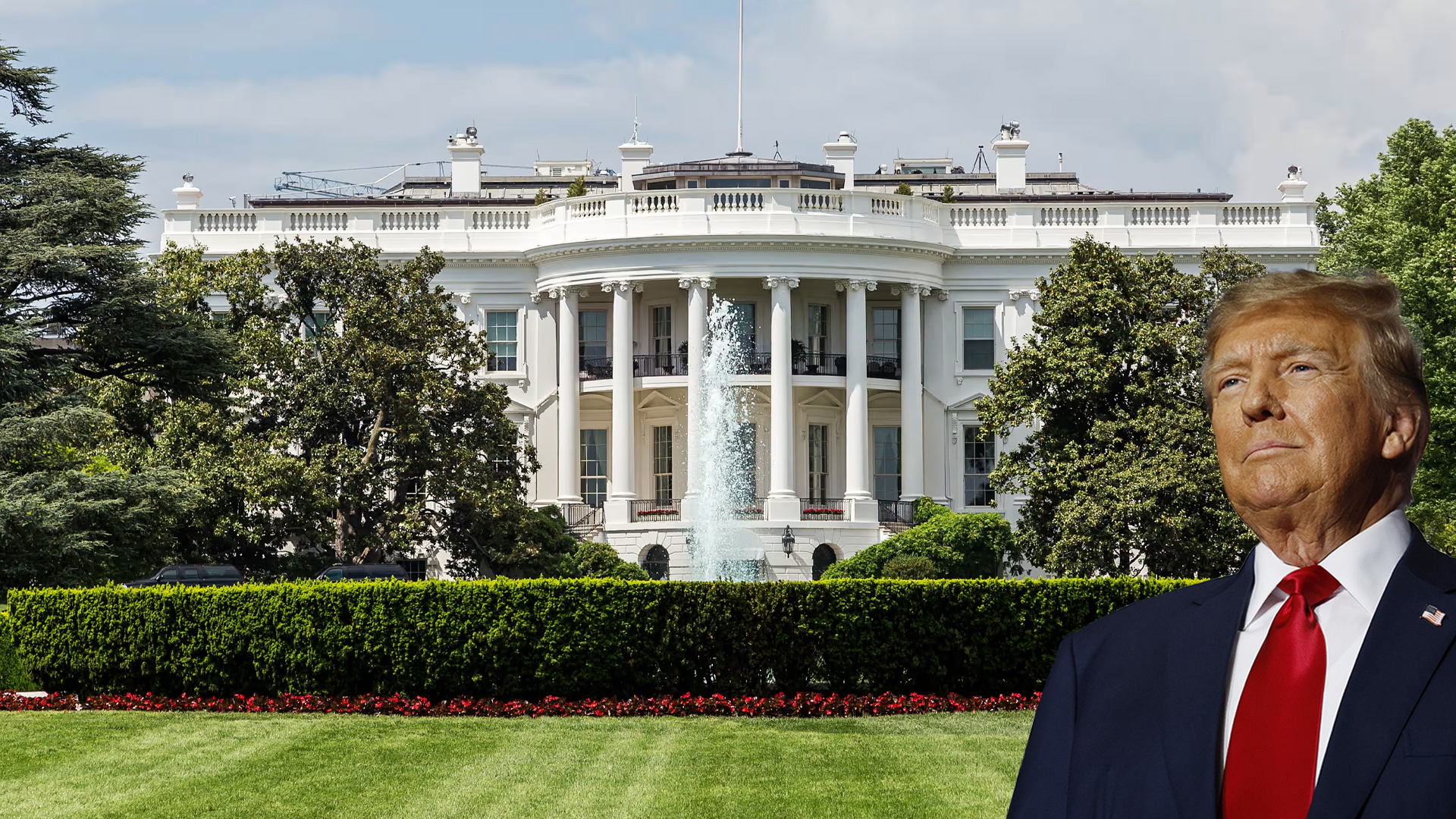
The Washington DC National Guard began deploying on the city’s streets Tuesday night, following President Donald Trump’s order to mobilize the force and assume control of the city’s police department. The move, which the White House says is aimed at tackling crime, comes despite official statistics showing violent crime at a 30-year low.

According to administration officials, a small contingent of the roughly 800 Guard members designated for the mission had already arrived by Tuesday afternoon, with more expected in the coming days. The deployment follows what the White House described as a “massive law enforcement surge” on Monday night, involving around 850 officers and federal agents, resulting in 23 arrests.

White House Press Secretary Karoline Leavitt said those arrested faced charges ranging from homicide and firearms offenses to narcotics distribution, fare evasion, lewd acts, and stalking. Authorities also seized six illegal handguns during the operation. “This is only the beginning,” Leavitt said. “Over the next month, the Trump administration will relentlessly pursue and arrest every violent criminal in the district who undermines public safety.”

Mayor Muriel Bowser, who has had a cautious working relationship with Trump since his return to power in January, said she expected Guard personnel to be stationed on federal property, including parks, monuments, and government buildings. Speaking during a community discussion, she noted the situation could change depending on federal directives.

Critics have condemned the move as an overreach of federal authority and an attempt to undermine the autonomy of the District of Columbia’s local government. Some have characterized the deployment as an authoritarian measure designed to distract from political controversies, including renewed media scrutiny over the Jeffrey Epstein case files.

Trump’s administration has also announced stricter enforcement of laws affecting homeless individuals in the capital. Leavitt stated that people living on the streets will be offered shelter and access to addiction or mental health services, but those who refuse could face fines or jail time under existing ordinances.

Despite tensions over the federal intervention, Bowser has said she will work “side by side” with federal partners to maximize the use of additional personnel. She met with Attorney General Pam Bondi on Tuesday and indicated that the Metropolitan Police Department, led by Chief Pamela Smith, would coordinate closely with incoming federal officers and Guard units.

“What I’m focused on is making the most of the resources available to us to reduce crime,” Bowser said. “Our police department is the best in the business, and my priority is to ensure that any outside personnel are effectively integrated into our efforts.”

Officials have also discussed contingency plans for responding to potential cloudbursts and ensuring minimal disruption to residents, though no curfew or citywide emergency order has been issued.

The National Guard mission is expected to remain in place for at least a month, with federal officials hinting at the possibility of an extension depending on the administration’s assessment of crime trends.

SC to Examine Plea for ‘Creamy Layer’ Within SC/ST Quotas, Rekindling Potential Clash With Government


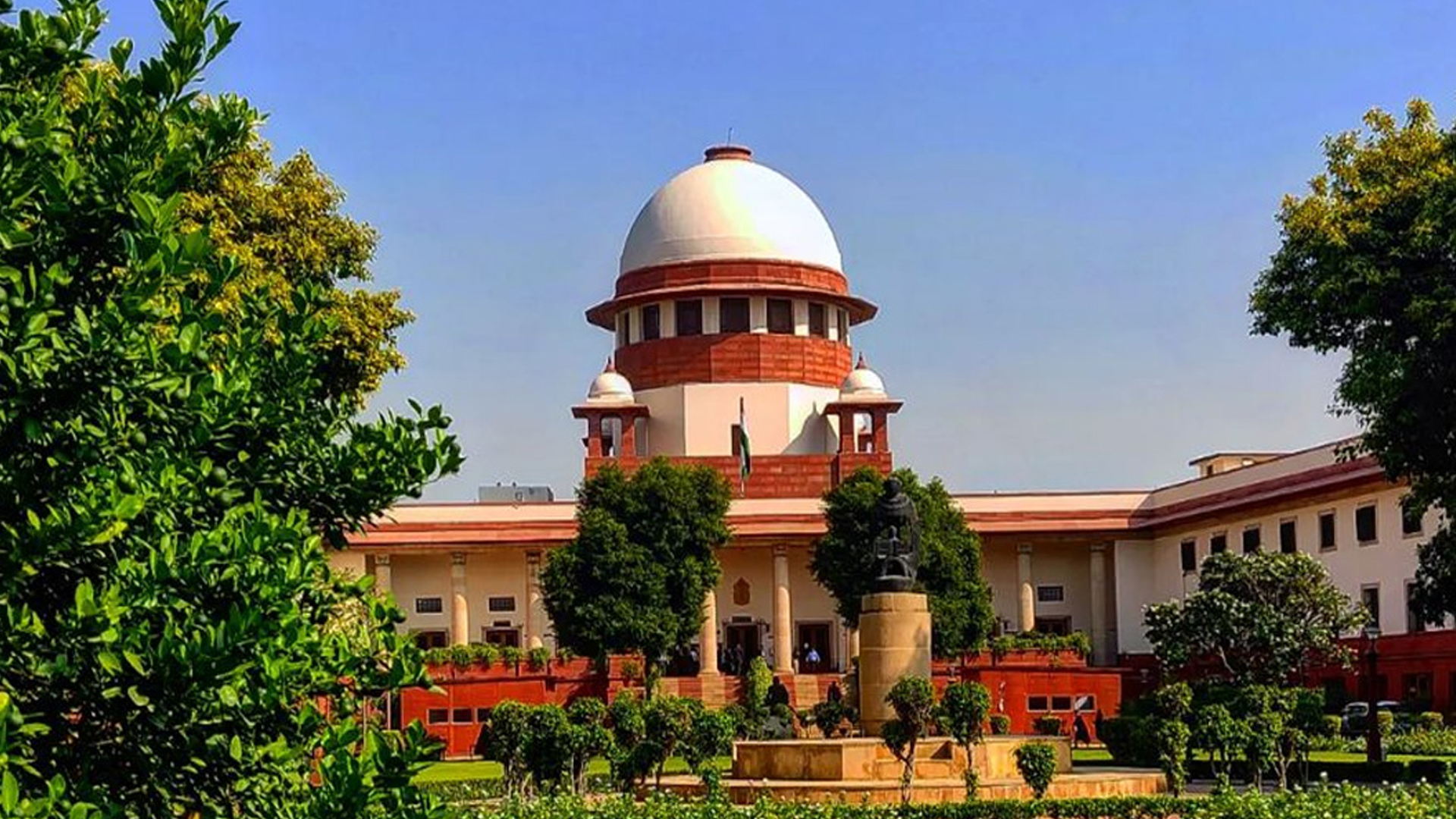
The Supreme Court on Tuesday agreed to examine a plea seeking the introduction of an income-based prioritisation system—similar to the “creamy layer” concept in Other Backward Classes (OBC)—to ensure a more equitable distribution of reservation benefits among Scheduled Castes (SC) and Scheduled Tribes (ST).

A Bench of Justices Surya Kant and Joymalya Bagchi issued notice to the Union government on a petition by Ramashankar Prajapati, who argued that the current reservation policy disproportionately benefits relatively well-off groups within the SC/ST categories while the most deprived sections remain trapped in extreme poverty.

“There is an urgent need to integrate economic criteria into the reservation policy,” Mr. Prajapati, represented by advocates Sandeep Singh and Reena N. Singh, told the court. He proposed a two-tier quota system within the SC/ST framework, prioritising individuals from economically weaker sections before extending benefits to those with greater financial stability.

The petition emphasised that this would not involve any reduction in the percentage of reservation allotted to SC/ST communities. Instead, it sought to “refine” the system to serve its intended purpose more effectively. “This reform does not aim to abolish or undermine caste-based reservations but to make them more targeted,” the counsel submitted.

Justice Kant observed that the matter revolved around the state’s capacity to assess economic conditions within these communities. Listing the case for October 10, the Bench underlined the need to proceed carefully given the sensitivity of the reservation policy and the likelihood of divergent opinions.

The petitioner cited the Supreme Court’s own seven-judge Constitution Bench verdict in State of Punjab vs. Davinder Singh (August 2024), where Justice B.R. Gavai had advocated the exclusion of the affluent “creamy layer” even among SC/ST beneficiaries to achieve true equality. Justice Gavai had noted that the criteria for exclusion in SC/ST quotas could be different from those used for OBCs, potentially factoring in economic, occupational, and geographic indicators.

Mr. Prajapati argued that a small but influential section of SC/ST families had repeatedly availed of quota benefits, securing top government positions, financial security, and elite education, thereby creating “intra-community economic stratification.” Those still facing severe economic distress, he said, were being crowded out.

While the court’s decision to examine the plea marks a new phase in the debate, the government’s position on the issue has been unequivocal.

In August 2024, the Union Cabinet categorically stated that the creamy layer principle does not apply to SC/ST reservations.

Following a Cabinet meeting, Union Minister Ashwini Vaishnaw told reporters that the decision was based on the constitutional provisions framed by B.R. Ambedkar. “There is no provision of creamy layer in Babasaheb’s Constitution. It is only as per Babasaheb’s Constitution that reservations for SC/ST should be provided,” he said. The Cabinet’s deliberations came shortly after the Supreme Court’s judgement permitting states to sub-categorise SCs and STs.

Prime Minister Narendra Modi had also personally reassured BJP MPs from SC and ST communities that the creamy layer concept would not be introduced for their quotas in jobs and education. At a meeting attended by Law Minister Arjun Ram Meghwal, Parliamentary Affairs Minister Kiren Rijiju, and others, the Prime Minister said the government would preserve the existing framework in its entirety. Mr. Meghwal later told the Lok Sabha that the ‘creamy layer’ principle was not part of the court’s sub-categorisation judgement.

The petition before the court also pointed out that while political reservations have ensured significant representation of SC/ST leaders in legislatures, this political empowerment has not necessarily translated into widespread socio-economic development for the entire community. Instead, economic and educational gains have remained concentrated in the hands of the better-off sections.

Revanth Reddy Orders 72-Hour High Alert in Telangana as Heavy Rain Looms


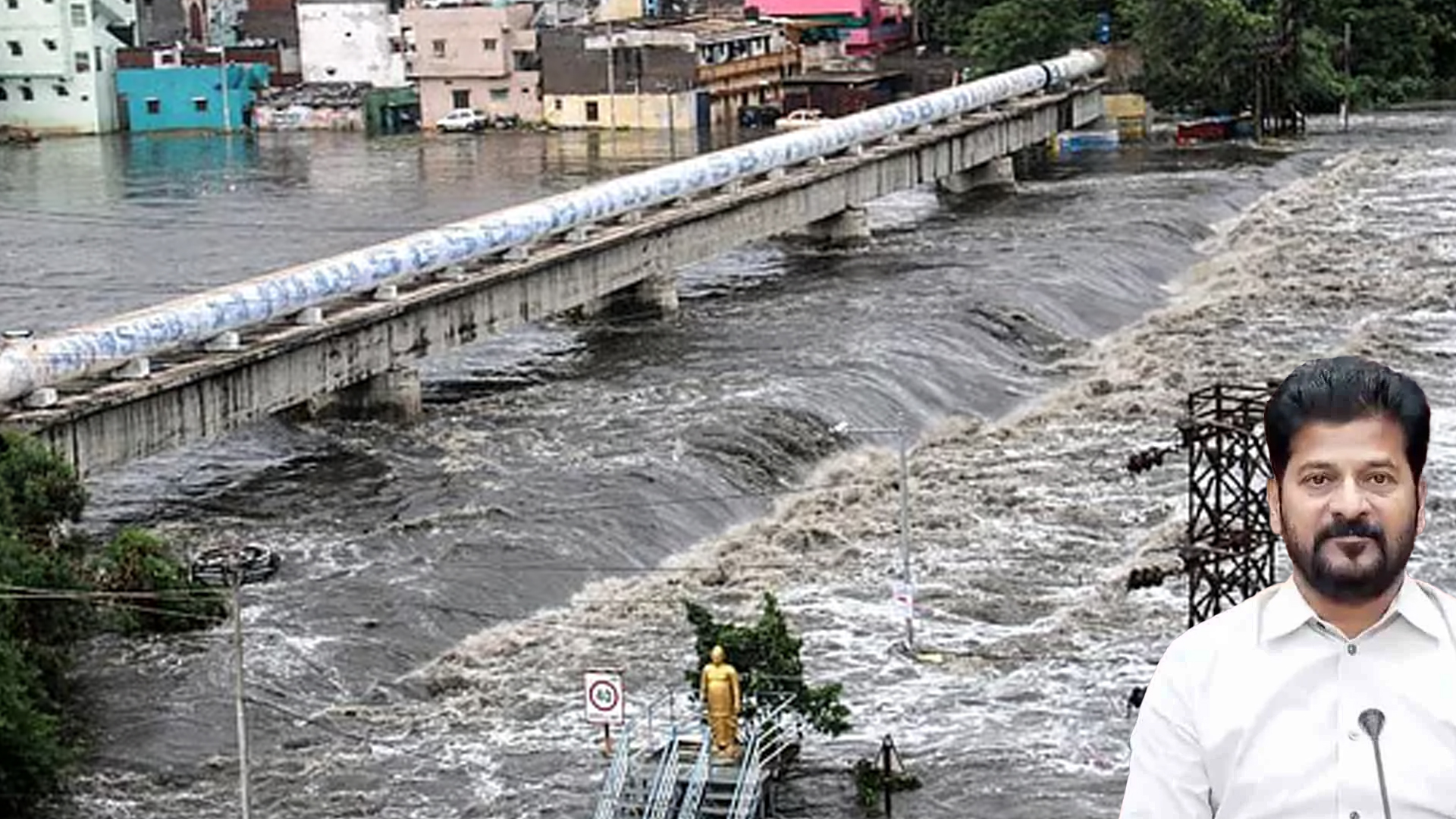
Telangana Chief Minister A Revanth Reddy has directed the state administration to remain on high alert for the next three days, as the India Meteorological Department forecasts heavy to very heavy rainfall across several districts.

Chairing a video conference with senior officials and district administrations on Tuesday, Reddy stressed that all government machinery must be prepared to act swiftly to prevent loss of life and property. “The administration should remain alert for the next 72 hours. People in low-lying areas must be continuously warned about the situation,” he said, instructing that developments be reported regularly to the Integrated Command Control Room.

Officials have been told to evacuate residents from flood-prone areas to safer locations and ensure relief shelters are ready. The Chief Minister ordered the cancellation of all official leave, ensuring that personnel across departments are available round-the-clock. He assured that the government would provide the necessary financial support to handle any emergency effectively.

Highlighting the risks, Reddy recalled the recent extreme rainfall in Khammam, where 42 cm fell in just two hours. “The administration should be prepared for such situations,” he cautioned. He also called on the Energy Department to have mobile transformers and generators ready in case of power outages, and asked civic bodies to inspect drainage systems frequently to prevent flooding.

The Chief Minister warned against the spread of misinformation and urged the media to avoid creating unnecessary panic. The Information and Public Relations Department has been tasked with issuing accurate, timely updates to the press.

For Hyderabad, Reddy directed that measures be taken to prevent people from entering areas where water levels could reach dangerous heights. Police in all three commissionerates have been instructed to involve law and order personnel in managing traffic and ensuring smooth movement during heavy rains.

Reddy also emphasised preparedness for sudden cloudburst events. District authorities have been told to declare holidays for educational institutions if conditions worsen and to coordinate with IT companies to facilitate work-from-home arrangements for employees. The aim, he said, is to minimise road traffic during periods of intense rainfall.

An emergency toll-free number will be set up to receive public complaints and distress calls. The Chief Minister further instructed police and municipal bodies to actively monitor vulnerable spots in cities and towns, ensuring timely interventions.

“We must ensure there is no scope for loss of lives or damage to property,” Reddy said, underscoring that disaster response must be proactive, not reactive.

With the state bracing for potentially dangerous weather conditions, officials are now racing to mobilise resources, strengthen communications, and reinforce flood-prevention measures. The next 72 hours, the Chief Minister warned, will be critical in safeguarding the people of Telangana.

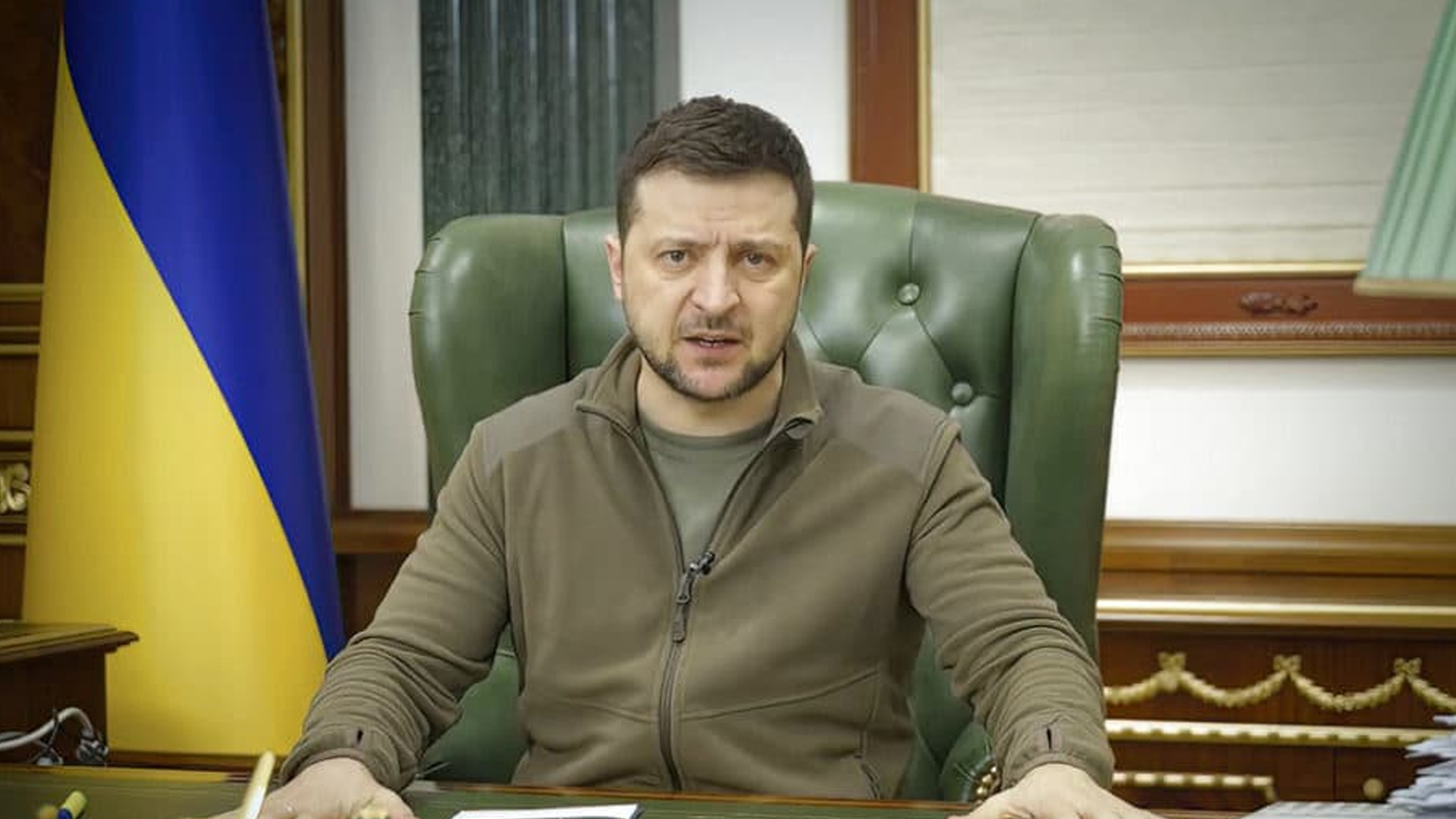
Ukraine President Zelenskyy Heads to Berlin for Pre-Trump-Putin Summit Talks


Ukrainian President Volodymyr Zelenskyy will travel to Berlin on Wednesday, August 13, 2025, for talks with German Chancellor Friedrich Merz and other European leaders ahead of the highly anticipated Trump-Putin summit later this week, the German government announced.

Merz has called a series of virtual meetings in an effort to ensure that the voices of European and Ukrainian leaders are heard before a summit from which they have been sidelined. The day will begin with Zelenskyy meeting European leaders to coordinate positions, followed by a virtual call with U.S. President Donald Trump and Vice President J.D. Vance. The final session will bring together leaders from the “coalition of the willing,” countries prepared to help police any eventual peace agreement.

Trump has said he wants to determine whether Russian President Vladimir Putin is serious about ending the war, now in its fourth year. However, his remarks suggesting that Ukraine should give up some Russian-held territory have alarmed Kyiv and European capitals. Trump has also floated the idea of land swaps, though it remains unclear what territory Putin might be willing to surrender.

European leaders and Ukraine fear that Putin, who launched the largest land war in Europe since 1945 and has used Russia’s energy dominance to pressure the EU, could walk away with favorable concessions and shape the framework of a peace deal without their participation. Many in Europe worry that if Putin secures a win in Ukraine, he could next target an EU or NATO member state.

On Tuesday, August 12, Zelenskyy said Putin is demanding that Ukraine withdraw from the remaining 30 percent of Donetsk region still under its control as part of a proposed ceasefire deal — a condition he flatly rejected. Zelenskyy reaffirmed that Ukraine will not cede any territory it currently holds, calling such a move unconstitutional and warning it would simply serve as a launchpad for future Russian aggression.

He also expressed frustration that U.S.-led diplomatic efforts to end the war have not addressed Kyiv’s key demands, which include binding security guarantees to deter future Russian attacks and the formal inclusion of European countries in the negotiation process.

Just three weeks after returning to office, the Trump administration removed the prospect of Ukraine joining NATO — a longstanding demand from Putin — and signaled that the EU and Ukraine would need to take primary responsibility for European security while Washington focuses on other priorities.

Trump has further strained relations with NATO allies by pressuring them over defense spending and imposing a 5 percent tariff on most EU imports, citing U.S. national security concerns.

Senior EU officials believe Trump may be content with brokering only a ceasefire in Ukraine, viewing it as a step toward his broader geopolitical aims. They suspect he is more interested in recalibrating U.S.-Russia relations, expanding trade with Moscow, and rehabilitating Putin’s international standing than in securing a comprehensive peace that addresses Europe’s long-term security concerns.

As the Berlin talks unfold, both Kyiv and European capitals are bracing for a high-stakes week that could redefine the trajectory of the war — and Europe’s security landscape for years to come.

Drug-Resistant Bacteria Surge Poses New Deadly Threat in War-Torn Gaza: Lancet Study


War-ravaged Gaza is now confronting a dangerous new health crisis, with antibiotic-resistant diseases spreading rapidly across the territory and endangering millions of residents already grappling with severe shortages of medical supplies and humanitarian aid, The Guardian reported.

According to a peer-reviewed research comment published in The Lancet Infectious Diseases on Tuesday — the first such publication since the war between Israel and Hamas began in October 2023 — multi-drug-resistant bacteria are becoming increasingly prevalent in Gaza. Experts warn this could result in longer, more severe illnesses, faster transmission of infectious diseases, and higher death rates.

“The 22-month-long war has crippled Gaza’s healthcare system, leaving tens of thousands injured and many others suffering from malnutrition,” The Guardian noted. “High levels of drug-resistant bacteria would mean more illness for longer periods, a rapid spread of infections, and a significant rise in fatalities.”

An epidemiology adviser to Médecins Sans Frontières (MSF) — who co-authored the research — described the findings as deeply worrying. “This will mean longer and more serious illnesses and a high risk of transmission to others,” the adviser told The Guardian. “It means an increased risk of death from really common infections. It means more amputations. It’s a horrible picture.”

The study is based on 1,300 samples collected over a 10-month period last year from patients at al-Ahli Hospital in Gaza — one of the few remaining facilities with a functional microbiology laboratory. Researchers found that two-thirds of the samples contained multi-drug-resistant bacteria.

One of the study’s authors, Bilal Irfan, called the results “particularly alarming,” stressing that the actual scale of the crisis is likely far worse. “We don’t even know the true scale because of the destruction of almost all the laboratories and the killing of a lot of the medical staff,” Irfan told The Guardian. “So to even get a small insight into what is happening in Gaza is extremely important.”

The collapse of Gaza’s healthcare system has severely hindered disease monitoring and treatment. Hospitals have been bombed, medical workers killed or displaced, and supply lines for essential drugs disrupted. As a result, even basic infections can now become fatal due to the lack of effective antibiotics.

Experts warn that the spread of drug-resistant bacteria in such conditions is a public health emergency that could have long-term consequences not only for Gaza but also for neighbouring regions. With cross-border movements of patients and aid workers, resistant infections could spread beyond the enclave’s borders.

The situation adds a deadly new dimension to the humanitarian crisis in Gaza, where residents are already struggling with limited access to clean water, food, and shelter. Health organisations, including MSF, have repeatedly called for unimpeded humanitarian access and the urgent restoration of medical infrastructure to prevent the crisis from escalating further.

As the war continues, the rise of antibiotic resistance threatens to claim more lives in Gaza — not just from bullets and bombs, but from infections that, under normal circumstances, would be easily treatable.

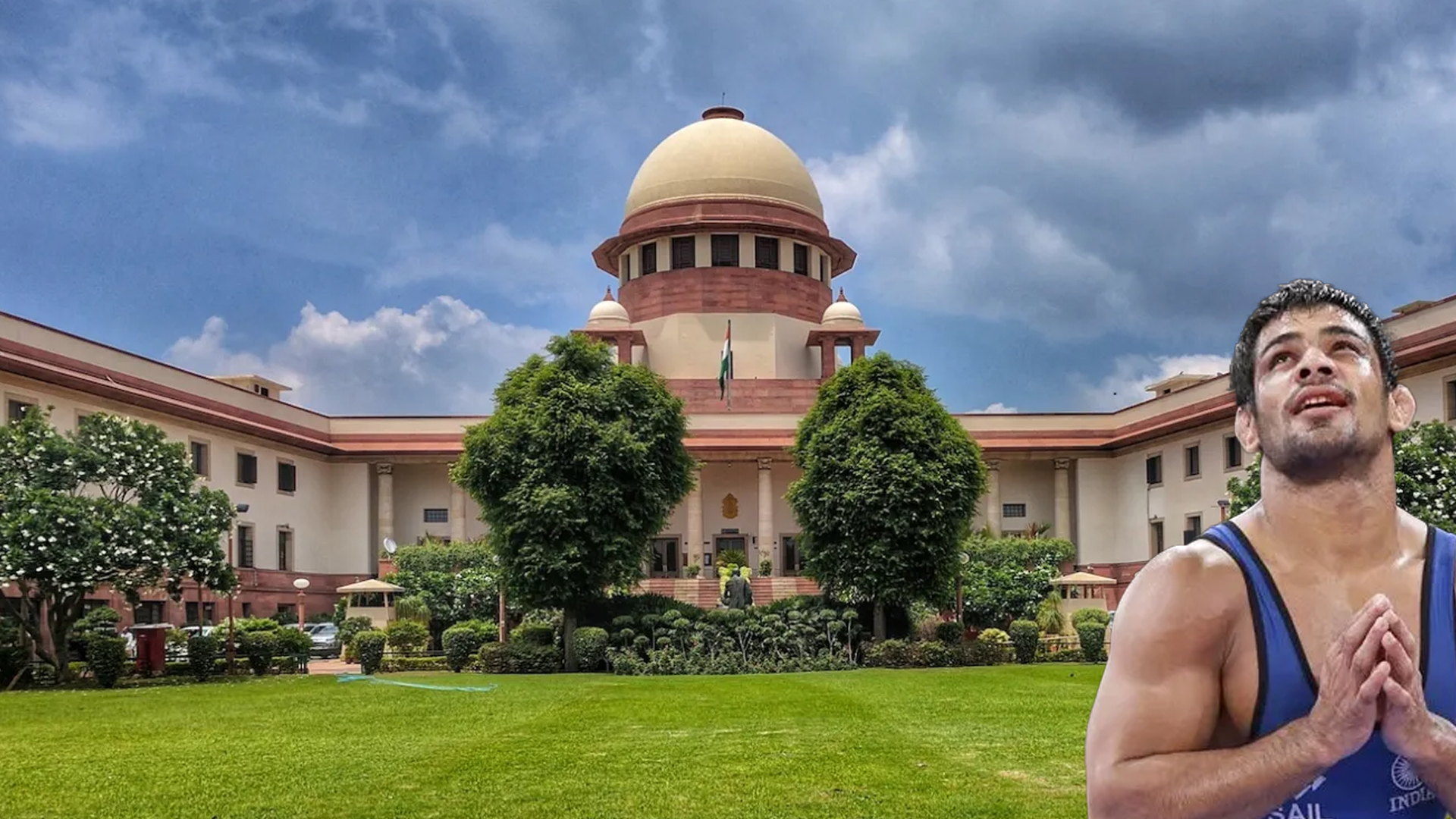
Supreme Court Revokes Bail for Wrestler Sushil Kumar in Murder Case


The Supreme Court on August 13 cancelled the bail granted to Olympic medallist Sushil Kumar in the 2021 murder case of junior national wrestling champion Sagar Dhankar. A Bench of Justices Sanjay Karol and Prashant Kumar Mishra overturned the Delhi High Court’s March 4 order and directed Kumar to surrender within a week. Kumar and others are accused of assaulting Dhankar at Delhi’s Chhatrasal Stadium over a property dispute, leading to his death from cerebral injuries caused by a blunt object. Two of Dhankar’s friends were also injured in the attack.

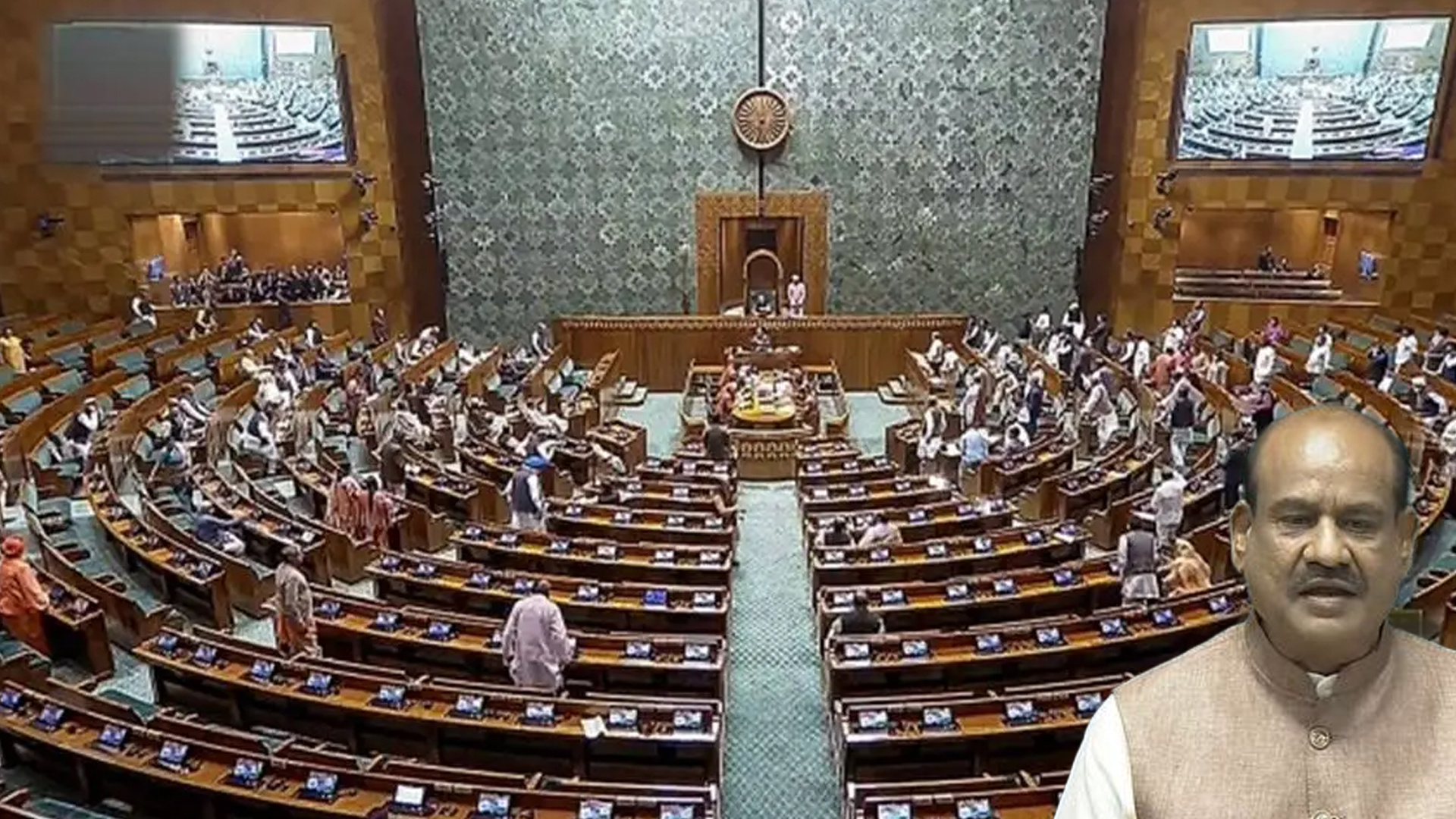
Lok Speaker Om Birla Forms High-Level Panel to Probe Justice Yashwant Varma in Rare Removal Process


Lok Sabha Speaker Om Birla has formally set in motion the process to consider the removal of Justice Yashwant Varma of the Allahabad High Court by appointing a three-member inquiry panel under Section 3(2) of the Judges (Inquiry) Act, 1968. The move follows allegations linked to the discovery of burnt currency notes at Justice Varma’s official residence in Delhi earlier this year.

The panel will comprise Supreme Court judge Justice Aravind Kumar, Madras High Court Chief Justice Manindra Mohan Shrivastava, and senior Karnataka lawyer B V Acharya. Their mandate is to examine the charges against Justice Varma and submit findings that will determine whether impeachment proceedings should proceed in Parliament.

Justice Varma was transferred from the Delhi High Court back to the Allahabad High Court in March, shortly after the alleged discovery of burnt currency. Then Chief Justice of India (CJI) Sanjiv Khanna had set up an in-house inquiry led by the Chief Justices of the Punjab and Haryana, Himachal Pradesh, and Karnataka High Courts. That panel reportedly recommended that Justice Varma resign — advice he declined. Last week, the Supreme Court dismissed his plea challenging the CJI’s recommendation for his removal.

The new committee is led by Justice Aravind Kumar, who joined the Supreme Court in February 2023 after serving as Chief Justice of the Gujarat High Court. A legal practitioner since 1987, he built a career in both civil and criminal law, held senior government counsel positions, and was a Special Public Prosecutor for the CBI. Elevated to the Karnataka High Court bench in 2009, he later headed the Gujarat High Court before his elevation to the apex court. Known for judicial efficiency reforms, Justice Kumar has authored landmark rulings to streamline case management and promote alternative dispute resolution.

Justice Manindra Mohan Shrivastava, currently Chief Justice of the Madras High Court, began his legal career in 1987 and was designated a Senior Advocate in 2005. Appointed to the Chhattisgarh High Court in 2009, he later served in the Rajasthan High Court, where he acted as Chief Justice on multiple occasions. His judgments have advanced transgender rights, reinforced judicial discipline, and upheld parity for Ayurvedic doctors in retirement benefits. He is due to retire in March 2026 unless elevated to the Supreme Court.

The third member, B V Acharya, is a veteran of the Karnataka Bar with more than six decades of legal experience. A five-term Advocate General of Karnataka, Acharya has served governments across party lines. He is best known nationally for prosecuting the disproportionate assets case against former Tamil Nadu Chief Minister J Jayalalithaa, a politically charged trial that he pursued despite intense pressure, eventually securing her conviction.

The formation of this committee marks a significant step in a rare judicial accountability process. If the panel’s report supports the allegations, Parliament could move to impeach Justice Varma — a measure seldom used in India’s constitutional history.

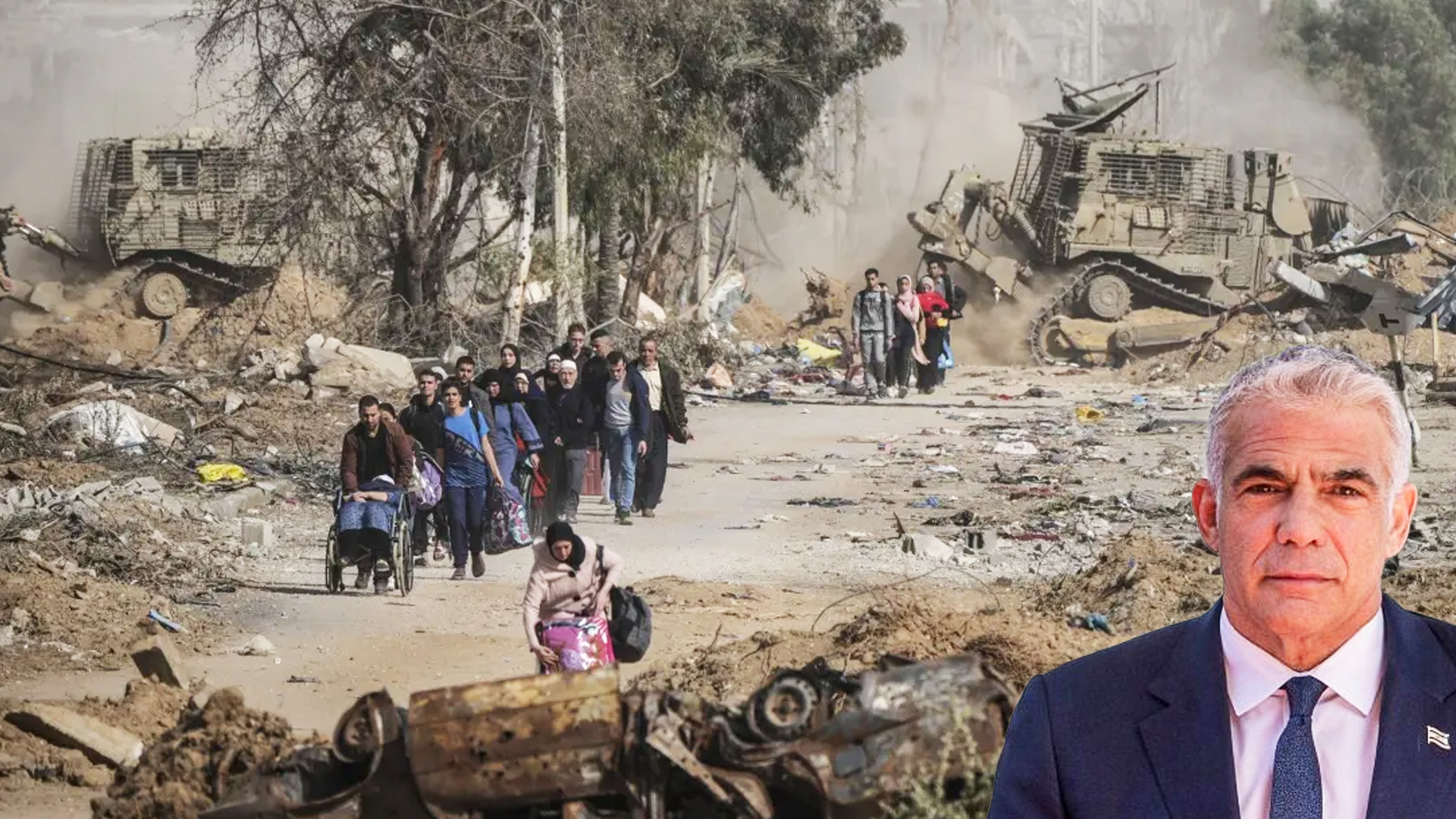
Israeli Opposition Leader Backs Nationwide Strike to Demand Hostages’ Return Amid Gaza Crisis


Israeli opposition leader Yair Lapid on Tuesday (August 12, 2025) threw his weight behind calls for a general strike on Sunday, August 17, in solidarity with the families of hostages still held in Gaza. “Strike out of solidarity. Strike because the families have asked, and that’s reason enough,” Lapid wrote on X, Israel’s microblogging platform. He urged all Israelis—“even supporters of the current government”—to participate, emphasising the action is non-partisan and rooted in shared Jewish values and responsibility.

Who is calling for this strike?

This initiative was first proposed by roughly 20 parents of hostages still in Gaza. The Hostages and Missing Families Forum, the primary group representing relatives of those kidnapped during Hamas’s October 7, 2023 attack, also endorsed the strike on Monday. They stressed the strike was a moral imperative: “Allow a citizens’ strike, from the grassroots to the top… The moment has come to act… 675 days of captivity and war must end.”

Government and union response

Despite this, Israel’s main trade union, Histadrut, declined to join in the strike. Instead, it has offered to back “workers’ solidarity demonstrations” and permit employees to attend such protests but stopped short of endorsing a full work stoppage. Histadrut chairman Arnon Bar-David emphasized that striking “would not help the campaign” but committed to facilitating individual participation.

Institutions and local authorities join in

Echoing the strike call, over 70 local authorities and several leading Israeli universities—including Hebrew University of Jerusalem, Technion, and Open University—declared they would allow staff and students to participate in solidarity events on August 17. Tech firms and the Israel Bar Association also pledged support, reinforcing the movement’s broad-based backing.

Why the strike now?

The backdrop to this demand is the Israeli security cabinet’s recent decision to expand military operations into Gaza City—a move many fear could endanger both the remaining hostages and Israeli soldiers. Critics, including military leaders, rights groups, and opposition figures, warned it marked a “dangerous escalation” with significant humanitarian and strategic costs.

Of the 251 people abducted during the October 7 attack, 49 remain in captivity, although the Israeli military reports 27 are believed to be deceased. Hamas recently released videos showing two remaining hostages in severely emaciated condition, heightening public concern.

Opposition’s growing chorus

Lapid and other figures have framed the strike as a moral imperative transcending politics. “Strike so that… being Israeli, first and foremost, means having a heart,” Lapid implored. The initiative echoes earlier protests, including a general strike declared by Histadrut in September 2024, which was halted by court order for being deemed political.

What happens next?

As the strike approaches, attention will center on turnout and broader impact. With increasing public outcry and institutional support, Sunday’s action could mark a pivotal moment in domestic pressure for a ceasefire and hostage deal. Whether the government responds by seeking negotiations remains uncertain.