rotating globe
7 Apr 2026


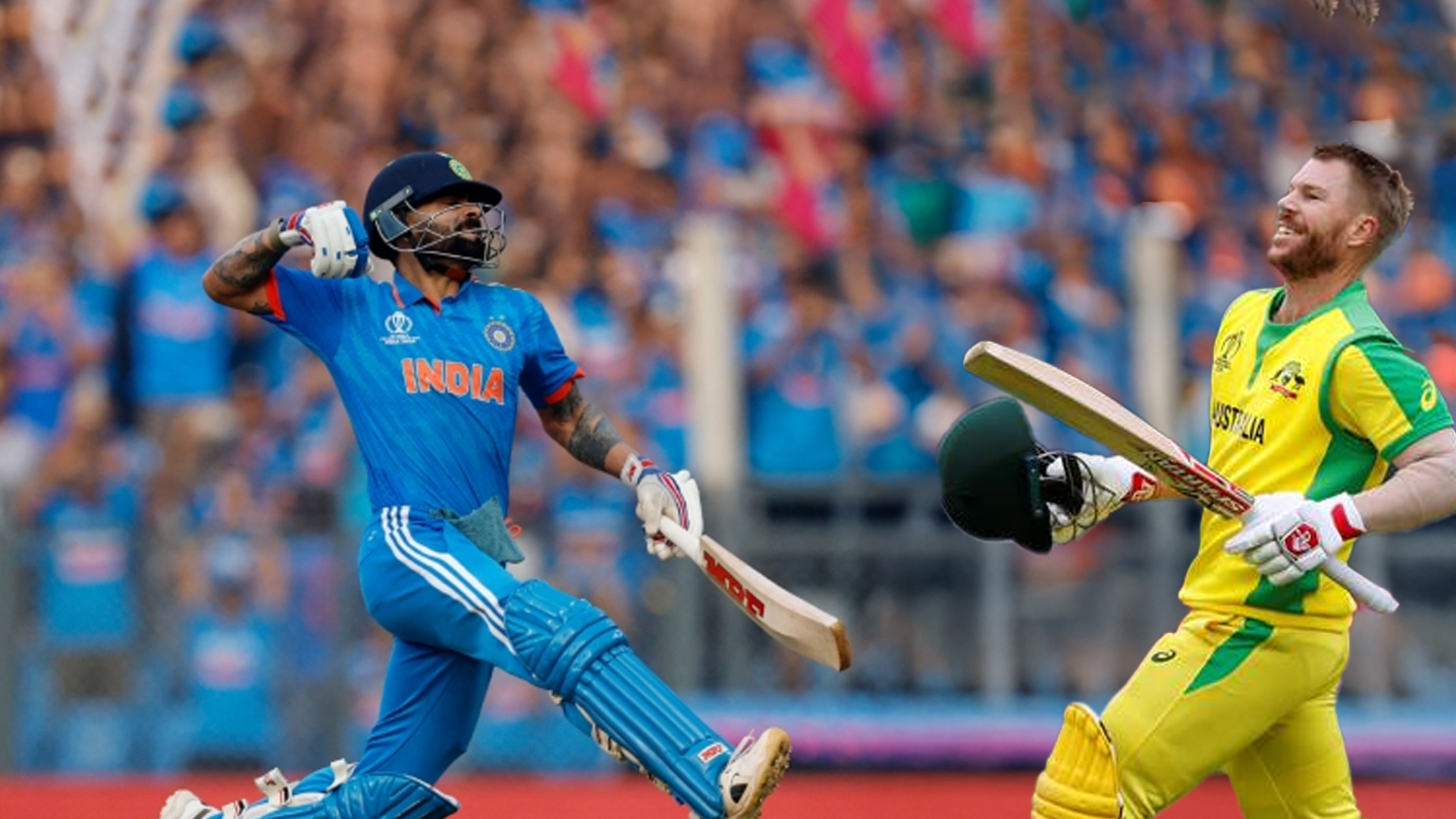
David Warner Surpasses Virat Kohli to Enter Top Five T20 Run-Scorers


Australian veteran David Warner has overtaken Virat Kohli to become the fifth-highest run-getter in T20 cricket. Warner achieved the milestone with a 71-run knock for London Spirit against Manchester Originals in The Hundred. He now has 13,545 runs in 419 matches, edging past Kohli’s 13,543. Despite his innings, Spirit lost chasing 164. Warner tops this year’s The Hundred charts with 150 runs in three games. Chris Gayle remains T20’s all-time leader with 14,562 runs.

PM Modi Expected to Address UN General Assembly in September; Trump to Speak on Opening Day


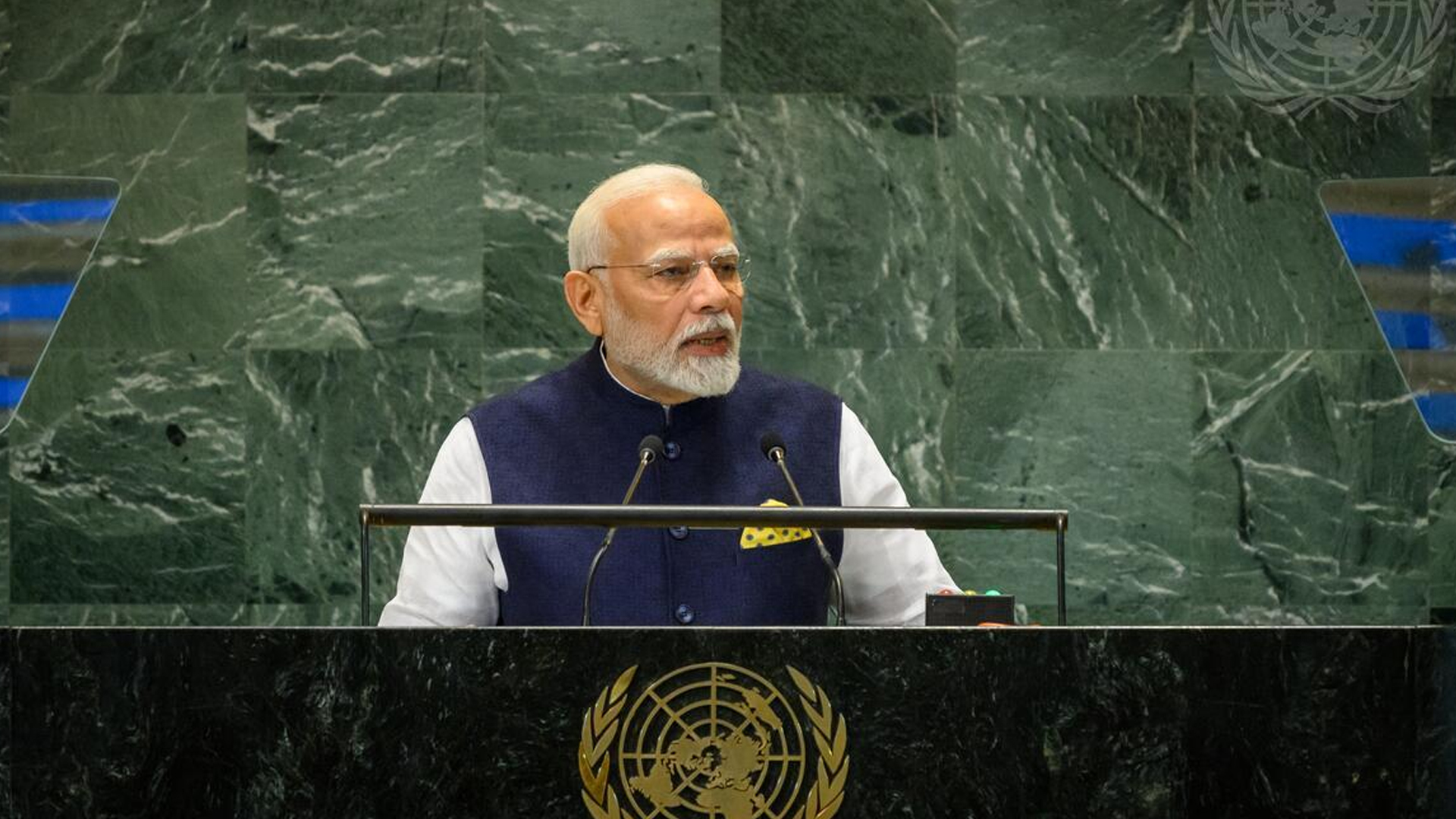
Prime Minister Narendra Modi is expected to represent India at the upcoming annual high-level session of the United Nations General Assembly (UNGA) in September, according to a provisional list of speakers released by the United Nations.

The 80th session of the UNGA will formally open on September 9 at the UN headquarters in New York. The highlight of the session, the high-level General Debate, will take place from September 23 to 29. World leaders, foreign ministers, and high-level envoys from across the globe are scheduled to address the gathering during this week, setting out their national and global priorities on pressing issues ranging from security and development to climate change and international cooperation.

As per long-standing UN tradition, Brazil will deliver the first address of the General Debate on September 23, a custom dating back to the early years of the organisation. The United States, as the host country, will follow immediately after. This year, U.S. President Donald Trump is slated to speak on the opening day, marking his first address to the UNGA since returning to the White House for his second term. His remarks will be closely watched for signals on U.S. foreign policy priorities, especially on trade, security alliances, and multilateral engagement.

Prime Minister Modi’s speech will be one of the most anticipated interventions during the week, with expectations that he will highlight India’s positions on key global challenges. These could include the need for comprehensive UN reforms, climate action, sustainable development goals, counter-terrorism measures, and equitable access to technology and resources for the Global South. Modi is also likely to underline India’s growing role as a bridge between developed and developing nations and may reference New Delhi’s diplomatic efforts on issues such as energy security, global health preparedness, and digital cooperation.

The session comes at a time of heightened global uncertainty, with ongoing geopolitical tensions, economic slowdowns, and the urgent push to meet the 2030 Sustainable Development Goals. The debate will provide leaders with a platform to reaffirm multilateralism and outline strategies for collective action.

India’s participation this year is expected to be particularly significant given its continued advocacy for reforms to the UN Security Council, where it has long sought a permanent seat. Modi’s address may also reference India’s role in peacekeeping operations, disaster relief, and humanitarian aid. Additionally, with the recent rise in climate-related disasters, he may call for stronger global commitments on climate finance and technology transfer to help developing nations adapt to changing environmental realities.

The UNGA’s General Debate is one of the most visible events in international diplomacy, offering a rare opportunity for leaders to speak directly to a global audience and to each other, outside the framework of formal negotiations. The addresses delivered often set the tone for bilateral and multilateral engagements on the sidelines of the session.

Final confirmation of the speaking order will come closer to the session’s start, but the provisional list already sets the stage for a week of high-profile diplomacy in New York.

China’s Chikungunya Surge Rings Alarm Bells Across Asia


China is confronting a sudden and significant outbreak of chikungunya, with thousands of new cases emerging in Guangdong province over the past week. The mosquito-borne disease, known for its intense joint pain and high fever, is raising health concerns not only within China but across the region. In severe cases, chikungunya can cause lasting health complications, including damage to the heart.

The US Centers for Disease Control and Prevention (CDC) has issued a travel advisory for Guangdong, urging travellers to take stringent preventive measures.

What is chikungunya?

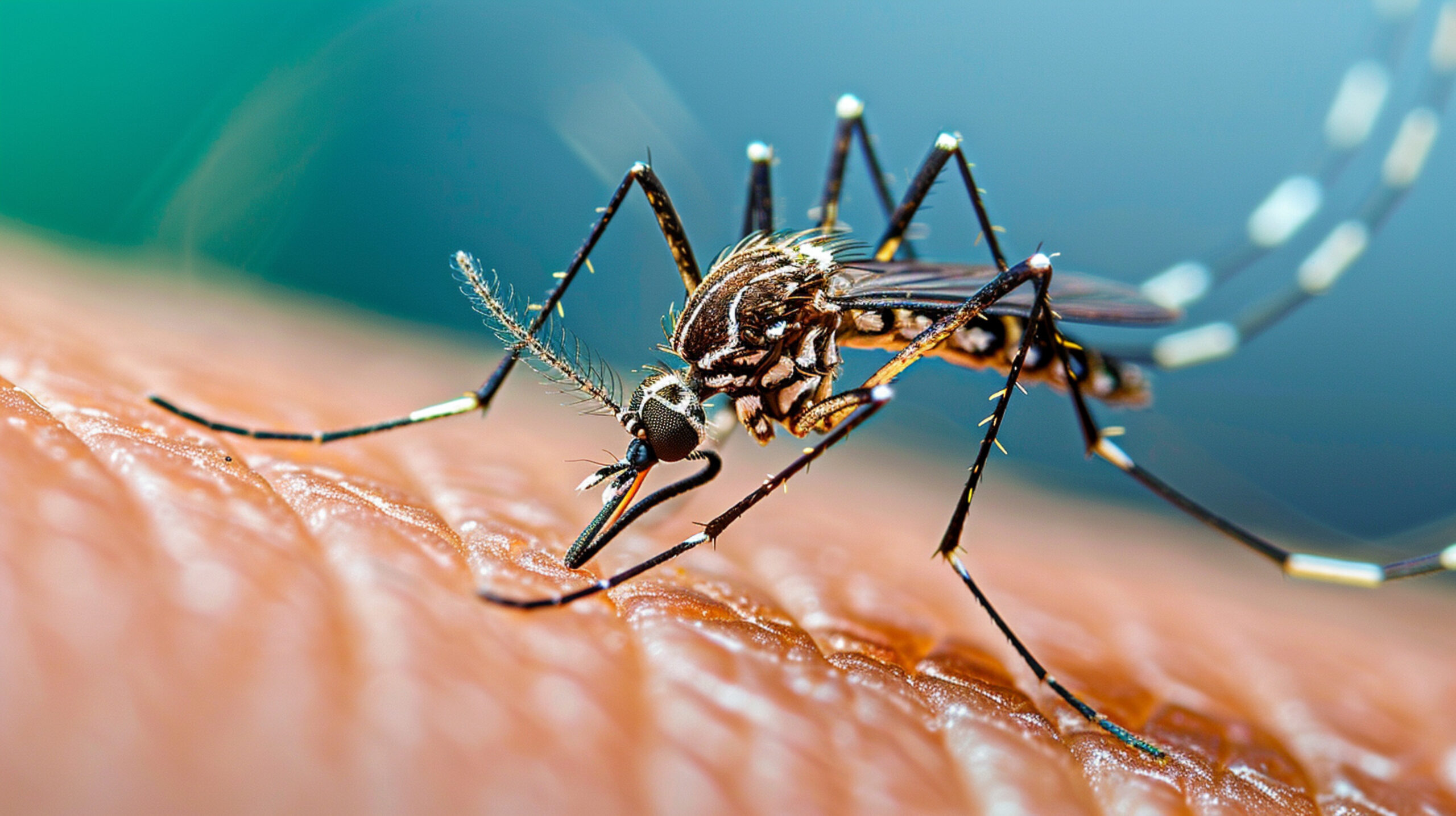
Chikungunya is a viral illness first detected in Africa in 1952. It spreads primarily through the bites of infected Aedes aegypti and Aedes albopictus mosquitoes. After being bitten, symptoms usually develop within three to seven days. These include intense joint pain, fever, headaches, muscle aches, swelling in the joints, and skin rashes.

Most people recover within one to two weeks. However, in some cases, pain and swelling can persist for months or even years. Rarely, the disease can lead to serious complications such as heart damage, particularly in the elderly, infants, and those with weakened immune systems. While there is no specific treatment for chikungunya, vaccines are available for certain travellers, according to the CDC.

China’s current situation

The latest outbreak has recorded around 7,000 cases, mainly in Guangdong Province and its city of Foshan. Authorities have launched aggressive mosquito-control campaigns, distributing nets and spraying insecticides in homes, streets, and workplaces.

There are reports that some infected individuals have been placed in hospital isolation, prompting comparisons to the strict containment measures seen during China’s COVID-19 response.

Containment measures in Guangdong

Local health officials have escalated their response. Soldiers have been deployed to fog streets, parks, and public spaces with insecticides. Community health workers are inspecting homes and neighbourhoods for stagnant water, a prime breeding ground for mosquitoes.

Where else is chikungunya spreading?

Chikungunya thrives in tropical and subtropical climates. As of August 1, 2025, the CDC has issued travel health notices for outbreaks in Guangdong (China), Bolivia, Kenya, Madagascar, Mauritius, Mayotte, Réunion, Somalia, and Sri Lanka.

The agency also lists countries with an elevated risk, including Brazil, Colombia, India, Mexico, Nigeria, Pakistan, the Philippines, and Thailand.

Why India should pay attention

India’s monsoon season, with its combination of warm weather, high humidity, and frequent waterlogging, creates ideal conditions for mosquito breeding. The situation in Guangdong should serve as a warning for Indian health authorities to intensify mosquito-control measures.

Preventing chikungunya begins with reducing exposure to mosquito bites. Experts recommend wearing long-sleeved clothing, applying insect repellent, using mosquito nets, and keeping windows and doors closed or screened. Eliminating stagnant water from surroundings—such as uncovered tanks, plant pots, and clogged drains—can significantly reduce breeding sites.

If symptoms appear, individuals should rest, stay hydrated, and seek medical advice. Early attention can reduce the risk of severe complications.

ECI compromised? Supreme Court Flags Errors in Bihar Draft Voter Roll


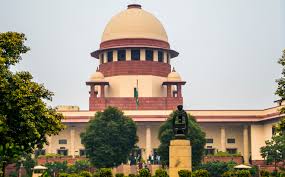
The Supreme Court on Tuesday (August 12, 2025) acknowledged that “mistakes” may have occurred in the preparation of Bihar’s draft electoral roll but pointed to the Election Commission of India’s (ECI) willingness to correct them. This came as petitioners alleged that the ongoing Special Intensive Revision (SIR) had already resulted in the mass exclusion of voters.

Hearing a challenge to the SIR, a Bench of Justices Surya Kant and Joymalya Bagchi was told by senior advocate Gopal Sankaranarayanan that the Court had earlier promised to “step in” if mass exclusion occurred. “This has happened. Sixty-five lakh people have been excluded from the draft roll published on August 1,” he said.

Representing the ECI, senior advocate Rakesh Dwivedi conceded that errors could occur “here and there” but stressed the roll was still in draft form and could be corrected by Booth Level Officers. He claimed that “on a conservative estimate” 6.5 crore electors need not produce fresh documents as they were already on the 2003 roll, when the last intensive revision occurred.

Petitioners, however, described the exercise as disproportionately harmful to Bihar’s poor and marginalised. Senior advocate Kapil Sibal said many excluded individuals were alive despite being marked as deceased, citing one constituency where 12 such cases were found. He argued that most residents lacked the documents demanded by the ECI for citizenship verification, with only 3.05% of Bihar’s population possessing birth certificates.

Senior advocate A.M. Singhvi added that records could have been lost due to floods, migration, or the absence of digitisation. “Determination of citizenship is not the role of the ECI. If crores of people are already on the electoral roll, the poll body cannot ask them to prove citizenship again,” he said, calling it a case of “presumptive exclusion.”

Justice Kant pushed back on these concerns, noting that Bihar had high Aadhaar and Electors’ Photo Identity Card coverage—87%—which, while not conclusive, could serve as proof of citizenship. He warned against “sweeping statements” about document scarcity, pointing out that similar challenges would apply to other states.

The Bench also questioned the need for an SIR so soon after a summary revision in January 2025. Activist Yogendra Yadav, appearing in person, argued that SIRs globally tend to exclude a quarter of the population, particularly the poor, when the onus shifts from the state to citizens. He described the current Bihar revision as potentially “the largest disenfranchisement not only in India’s history, but in any democracy,” noting that unlike the 2003 process—when officers verified voters house-to-house—this exercise presumed exclusion unless voters reapplied.

Advocate Prashant Bhushan accused the ECI of withholding data on the reasons for deletions—death, traceability, duplication, or migration—even though it had the exact figures. He said many deletion forms simply cited “BLOs have not recommended” without explanation.

While the Court signalled openness to address genuine grievances, it stressed that petitioners must provide concrete lists of affected voters to enable corrective action. The hearing will continue.

US Declares Balochistan Liberation Army and Majeed Brigade as Foreign Terrorist Organisations


The United States has officially designated the Balochistan Liberation Army (BLA) and its faction, the Majeed Brigade, as Foreign Terrorist Organisations (FTOs), intensifying its counterterrorism stance in the region. The decision, announced on Monday (August 11), follows years of violent attacks attributed to the group, including recent high-profile incidents.

The BLA was first labelled a Specially Designated Global Terrorist (SDGT) entity in 2019 after a string of deadly assaults. Since then, the outfit has claimed responsibility for further attacks, many of which were carried out by the Majeed Brigade, its suicide attack unit. The US State Department stressed that the latest classification underscores Washington’s continued determination to disrupt and dismantle terrorist networks.

“This designation reflects our ongoing commitment to combating terrorism,” the State Department said in a statement. “Such measures are a key tool in preventing support, both financial and logistical, from reaching terrorist organisations.”

The designations, made under Section 219 of the Immigration and Nationality Act and Executive Order 13224, take effect once published in the Federal Register. Being listed as an FTO imposes strict legal penalties on anyone providing material support to these groups, while also freezing any US-based assets.

A History of Violence

The BLA, a separatist militant group operating mainly in Pakistan’s Balochistan province, has long been linked to insurgent activities against the state. In 2024, the group claimed responsibility for suicide bombings near Karachi airport and at the Gwadar Port Authority Complex — two strategically sensitive locations.

More recently, in March 2025, the BLA carried out one of its deadliest attacks in recent years, hijacking the Jaffar Express train travelling from Quetta to Peshawar. The incident resulted in the deaths of 31 civilians and security personnel, with over 300 passengers held hostage before being released. The bold and brutal nature of the attack drew widespread condemnation both domestically and internationally.

The Majeed Brigade, named after BLA’s founding members, has been responsible for numerous high-casualty suicide operations, often targeting Pakistani security forces and strategic infrastructure.

Part of a Wider Counterterrorism Sweep

The announcement comes just weeks after the US designated The Resistance Front (TRF) — a Lashkar-e-Taiba proxy operating in Jammu and Kashmir — as both an FTO and an SDGT. The TRF had claimed responsibility for the April 22, 2025 Pahalgam terror attack in India, which killed 26 people, including tourists.

According to the State Department, TRF and its aliases have been formally added to Lashkar-e-Taiba’s existing terrorist designations, and the LeT’s status as an FTO has been reaffirmed after review.

The US says such actions are essential to cutting off the channels that allow these groups to recruit, plan, and execute attacks. By expanding the list of designated organisations, Washington aims to increase the political and financial cost of supporting violent extremist movements.

While Pakistan has long urged international recognition of the threat posed by Baloch separatist militants, the latest US move could have broader diplomatic implications, particularly in the security cooperation framework between the two countries.

iOS 26 Beta 5 Brings “Liquid Glass” Look, Bouncy Animations, AI Maps — and Much More


Apple has released the fifth Developer Beta of iOS 26, adding a fresh layer of polish to its upcoming operating system ahead of its expected public launch in September. The update introduces visual enhancements, subtle interface tweaks, and functional upgrades aimed at refining the overall iPhone experience.

Bouncy Animations for a Livelier Interface

One of the most noticeable changes in iOS 26 Developer Beta 5 is the addition of “bouncy” animations across the interface. In the revamped Control Center, switching between different toggle pages now features a spring-like effect, making transitions feel more fluid and engaging. This animation style has also been extended to the lock screen passcode interface, where number keys now bounce subtly when tapped.

The change is part of Apple’s broader push to make UI interactions feel more dynamic and responsive, bringing an extra dose of playfulness to routine actions like unlocking the device or navigating settings.

Control Center Functional Upgrades

In addition to the visual tweaks, the Control Center now offers a small but meaningful usability improvement: Wi-Fi networks are now clearly marked as password-protected with a lock icon. This change allows users to quickly determine whether they can join a network without diving into the Settings app.

Dynamic Island Gets More Functional

Apple has also refined Dynamic Island features in this beta. A new low-battery alert now appears when the iPhone’s battery level drops to 20%. The alert offers a convenient shortcut to enable Low Power Mode directly from the notification, removing the need to navigate through menus.

September Release in Sight

The Developer Beta 5 release suggests Apple is nearing the final stretch in testing iOS 26. The public version is widely expected to debut alongside the iPhone 17 lineup in September. These refinements—ranging from small visual flourishes to functional updates—show Apple’s continued focus on blending aesthetic appeal with practical utility.

Developers testing this beta have noted that while no major new features have been introduced since earlier betas, the cumulative improvements are aimed at ensuring a polished, stable release. Apple typically reserves its most significant feature reveals for early betas, leaving the later ones to fine-tune animations, transitions, and system performance.

Why These Updates Matter

Though seemingly minor, interface animations and subtle usability tweaks can have a significant impact on user experience. Apple’s design philosophy has long emphasized fluidity, and the latest changes reinforce this commitment. The added convenience of seeing Wi-Fi network security status at a glance, combined with smarter battery alerts, illustrates how small touches can enhance day-to-day usability without overwhelming users with new menus or settings.

With just weeks to go before the final release, iOS 26 is shaping up to be a refinement-focused update—one that doesn’t radically change how you use your iPhone, but makes the experience smoother, smarter, and more visually delightful.

Priyanka Gandhi Slams Indian Govt’s Silence on Gaza Crisis, Draws Sharp Rebuttal from Israeli Envoy


Congress general secretary Priyanka Gandhi on Tuesday accused the Bharatiya Janata Party (BJP)-led central government of turning a blind eye to what she described as Israel’s “genocide” in Gaza, drawing a swift and sharp rebuttal from Israel’s Ambassador to India, Reuven Azar.

Her remarks came as the death toll from nearly two years of conflict in Gaza climbed to about 60,000, with Reuters reporting that many of the recent deaths were linked to starvation and malnutrition. Distressing images of emaciated children have been widely shared online, intensifying international outrage against Israel.

Posting on X in the early hours, Gandhi alleged: “The Israeli state is committing genocide. It has murdered over 60,000 people, 18,430 of them children. It has starved hundreds to death, including many children, and is threatening to starve millions. Enabling these crimes through silence and inaction is itself a crime.”

She went on to criticise the Indian government directly, saying, “It is shameful that the Indian Government stands silent as Israel unleashes this devastation on the people of Palestine.”

Azar hit back publicly, urging Gandhi not to rely on what he termed “Hamas numbers.” Quoting her post on X, the envoy wrote: “What is shameful is your deceit. Israel killed 25,000 Hamas terrorists. The terrible cost in human lives stems from Hamas’s tactics — hiding among civilians, firing rockets, and shooting at people trying to evacuate or receive aid. Israel has delivered 2 million tonnes of food into Gaza, but Hamas seizes it, creating hunger. Gaza’s population has grown 450% in 50 years; there is no genocide. Don’t buy Hamas numbers.”

Gandhi’s criticism also extended to the killing of five Al Jazeera journalists in an Israeli strike near Al-Shifa Hospital in Gaza City. She described the attack as “cold blooded murder” and said, “The immeasurable courage of those who dare to stand for the truth will never be broken by the violence and hatred of the Israeli state.”

Al Jazeera identified one of the journalists killed as Anas al-Sharif, saying he and four colleagues were inside a tent used by media personnel when it was hit in what the network called a targeted attack. The Israeli military later confirmed the strike, claiming it had killed a Hamas cell leader posing as an Al Jazeera journalist.

Gandhi praised the slain reporters for their commitment to truth, adding: “In a world where much of the media is enslaved to power and commerce, these brave souls reminded us of what true journalism is. May they rest in peace.”

This is not the first time she has spoken out strongly against Israel’s actions in Gaza. Earlier this year, she condemned an Israeli assault that reportedly killed 400 civilians, including 130 children.

On Monday, the UN Human Rights Office condemned the strike on the journalists’ tent, calling it a “grave breach of international humanitarian law” and urging “immediate, safe and unhindered access to Gaza for all journalists.” The agency said at least 242 Palestinian journalists have been killed since 7 October 2023.

Heavy Rains Trigger Flooding in Himachal & Uttarakhand, Flash Floods Ravage Uttarkashi


India is in the grip of intense monsoon activity, with extreme rainfall causing widespread flooding and landslides—particularly in Himachal Pradesh and Uttarakhand, where red alerts have been issued.

Uttarakhand Hit Hard

On August 5, a devastating flash flood struck Dharali village in Uttarkashi district. The deluge—likely triggered by a cloudburst or glacial lake outburst—swept through the hamlet, destroying homes, hotels, orchards, and farmland. At least four people were confirmed dead, and authorities say 43 individuals remain missing, with locals fearing the toll could be significantly higher. Rescue operations have been hindered by heavy debris and continued rainfall.

Rescue efforts involving the Indian Army, NDRF, and SDRF have evacuated hundreds, including via helicopters. Still, poor terrain and blocked roads continue to slow operations. A landslide near Netala has rendered the Uttarkashi–Gangnani road impassable.

Damage to the local economy is severe—Dharali’s renowned apple orchards and farmland have been buried under 30 feet of debris, with estimated losses of ₹70–80 lakh. About 4.5 hectares of horticultural land have been devastated.

Wider Monsoon Disruption

A red alert remains active in Uttarakhand, prompting authorities to shut down schools and halt the Kedarnath Yatra to safeguard residents and pilgrims. The IMD warns of ongoing heavy rainfall through August 15, raising concerns about fresh landslides and flooding.

Though specific details from Himachal Pradesh weren’t in the latest bulletins, regional alert systems remain active amid the overall monsoon escalation.

Climate and Infrastructure Concerns

This flash flood adds to a larger pattern of climate-related disasters in Uttarakhand—over the past decade, such events have claimed more than 700 lives. Local voices, including community activists, have blamed reckless construction and encroachment in ecologically fragile zones for worsening the catastrophe. These factors underscore the urgent need for better urban planning and disaster preparedness.

Supreme Court’s order for Removal of Stray Dogs in Delhi-NCR a Betrayal of Compassion: Rahul Gandhi


In a landmark judgment on August 11, 2025, India’s Supreme Court issued an urgent directive mandating the removal of all stray dogs from the streets of Delhi-NCR—spanning Delhi, Noida, Gurugram, and Ghaziabad—and their relocation to shelters within eight weeks. The ruling comes amid heightened concern over rabies and dog bite incidents, particularly among children. Authorities were instructed to sterilize, vaccinate, and permanently house the animals away from public spaces, while citizens were warned that obstructing the process could result in legal penalties.

Court’s Rationale and Directives

The bench of Justices J.B. Pardiwala and R. Mahadevan expressed deep concern over the “extremely grim” dog bite situation, declaring that no dog—sterilized or not—should roam public areas. The court found the practice of sterilizing and releasing strays back into the same neighborhoods “absurd” and demanded enforcement measures inclusive of CCTV-monitored shelters, trained staff for sterilization and vaccination, and a dedicated helpline to report dog bite cases.

Implementation Challenges and Expert Criticism

The directive poses a formidable logistical hurdle: Gurgaon alone has roughly 50,000 stray dogs but only 100 shelter slots, exposing a vast infrastructure deficit. The total strain across the NCR could amount to an estimated ₹15,000 crore burden on municipal bodies. Conservationists have warned of a potential “vacuum effect,” where the removal of dogs could trigger more aggressive behaviors among remaining strays and increased risk of zoonotic diseases.

Public Safety vs. Animal Welfare: A Divisive Debate

While the court emphasized that public safety should override sentimental considerations, critics argue that the ruling undermines established humane practices. Animal rights groups like PETA have denounced the move as unrealistic and unethical, calling instead for targeted sterilization, mass vaccination, and community care as the proven solutions.

Prominent figures including actress Janhvi Kapoor, Varun Dhawan, and Raveena Tandon have voiced their opposition, advocating instead for community-based efforts that respect the bond between strays and urban residents.

Political Backlash: Rahul Gandhi Speaks Out

Congress leader Rahul Gandhi strongly condemned the Supreme Court’s decision, branding it a “step back from decades of humane, science-backed policy.” On X, he denounced the directive as “cruel, short-sighted, and a betrayal of compassion.” He urged authorities to prioritize shelters, sterilization, vaccination, and community care as balanced solutions that uphold both public safety and animal welfare.

Next Steps

Authorities in the region now face the daunting task of rapidly constructing and staffing shelters, creating helplines, and ensuring compliance—all under the tight eight-week deadline imposed by the judiciary. The case highlights the friction between speedy crisis response and sustainable, humane governance. Policymakers must now navigate how to preserve public safety without sacrificing ethical treatment of animals.


Trump Federalizes DC Police, Deploys National Guard Amid Criticism of Crime Narrative


On August 11, 2025, President Donald Trump issued a sweeping order placing Washington, D.C. Metropolitan Police Department (MPD) under federal control for up to 30 days under Section 740 of the District of Columbia Home Rule Act. 

The move, designed to address a perceived surge in violence and lawlessness, includes the deployment of 800 National Guard troops to support law enforcement efforts. The initiative draws widespread condemnation from D.C. officials and experts who cite sharply declining crime rates as contradictory to Trump’s assertions.

At a televised press conference, Trump declared the action a “historic” step to “rescue our nation’s capital from crime, bloodshed, bedlam, and squalor.” He dubbed the day “Liberation Day in DC” and warned that federal interventions could spread to other cities, including New York and Chicago. Attorney General Pam Bondi was placed in charge of the MPD, with DEA Administrator Terry Cole named interim police commissioner, while Defense Secretary Pete Hegseth signaled that additional federal forces, including 120 FBI agents, were being mobilized for night patrols. 

Trump painted a grim picture of the city, asserting that Washington was “overtaken by violent gangs and bloodthirsty criminals” and contending that its murder rate surpassed that of locales such as Bogotá or Mexico City—even as official D.C. crime statistics tell a strikingly different story. 

Contrary to the president’s remarks, data reveals a different reality. According to the Metropolitan Police Department, violent crime has plummeted to a 30-year low, with a 26% decline reported in 2025. FBI Director Kash Patel inadvertently highlighted the discrepancy during the event, noting that the U.S. murder rate is on track to be the lowest in modern history. 


‘Unsettling, unprecedented’

The federal takeover has triggered fierce backlash. Mayor Muriel Bowser called the action “unsettling and unprecedented” but acknowledged that under the Home Rule Act, she had little choice but to comply. Civil rights groups have denounced the move as an alarming erosion of local governance and potentially unconstitutional. Critics point to parallels with authoritarian overreach and the dangers of normalizing militarized law enforcement in civic life.Section 740 of the Home Rule Act empowers the president to federalize DC police in emergency situations but restricts abuse by mandating either a return to local control after 30 days or explicit congressional approval for extension. The DC version of the National Guard, unlike in states, falls under federal authority, granting the administration broad operational authority. 

This extraordinary federal assertion follows earlier deployments to cities like Los Angeles in the summer. Legal scholars caution that such actions may set dangerous precedents in democratic governance. Observers say any long-term federal control risks undermining the Home Rule principles governing the capital.