rotating globe
6 Apr 2026


India and Qatar Forge Stronger Economic Ties Amid Global Trade Challenges


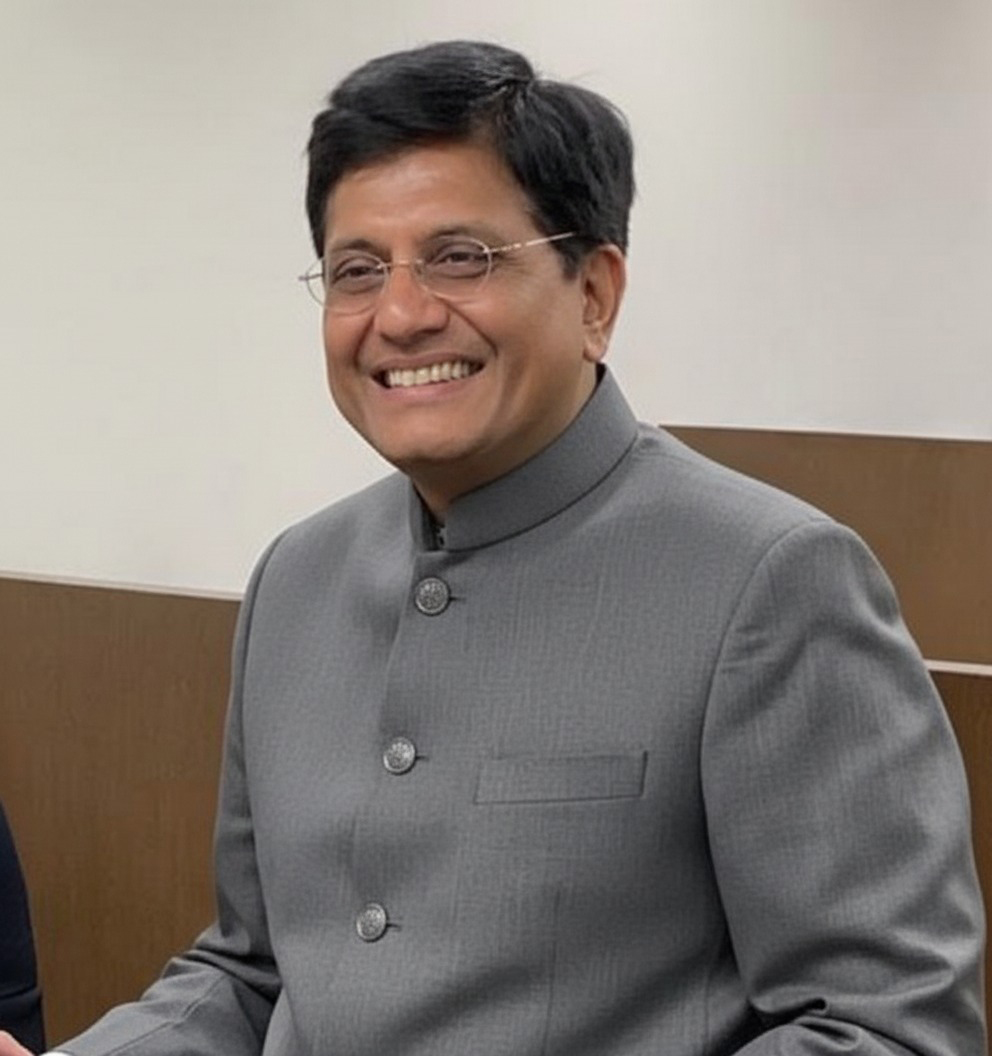
In the face of shifting global trade dynamics, India and Qatar are intensifying their economic collaboration, aiming to diversify relations beyond traditional energy exports. Commerce and Industry Minister Piyush Goyal announced on August 29, 2025, that negotiations for a Free Trade Agreement (FTA) with Oman are nearing completion, and Qatar has expressed interest in initiating similar discussions.

Minister Goyal emphasized India’s commitment to supporting exporters amid global uncertainties, attributing some challenges to unilateral actions by other nations. He assured that the government is actively consulting with stakeholders, including Indian missions abroad, to explore alternative export destinations and bolster domestic consumption through reforms like the Goods and Services Tax (GST).

India’s share in global trade remains modest at approximately 2%. However, Minister Goyal highlighted that about 40% of items exported to the U.S. are unaffected by the recent 50% tariff increase, suggesting a limited impact on India’s overall export performance.

Bilateral trade between India and Qatar has seen fluctuations, declining from $18.77 billion in 2022-23 to $14 billion in 2023-24. Despite this dip, Qatar remains a significant partner, ranking among India’s top three Gulf Cooperation Council (GCC) investors. Qatar’s Commerce and Industry Minister, Sheikh Faisal bin Thani bin Faisal Al Thani, reaffirmed Qatar’s readiness to expedite negotiations for a Bilateral Investment Promotion and Protection Agreement (BIPA) with India, aiming to enhance industrial collaboration and diversify energy trade.

During the India-Qatar Business Forum held in February 2025, both nations agreed to elevate their relationship to a “strategic partnership,” setting a target to double bilateral trade to $28 billion within the next five years. Discussions focused on expanding cooperation into emerging sectors such as artificial intelligence, quantum computing, and semiconductors. Minister Goyal emphasized the need to transition from energy-centric trade to include new-age technologies, inviting Qatari businesses to explore investment opportunities in India.

The forum also witnessed the signing of two memorandums of understanding (MoUs): one between the Confederation of Indian Industry (CII) and the Qatari Businessmen Association, and another between Invest India and Invest Qatar. These agreements aim to foster joint ventures, foreign direct investment, technology partnerships, and policy-driven collaborations between the two nations.

In addition to trade and investment initiatives, the countries are enhancing digital connectivity. The National Payments Corporation of India has partnered with Qatar National Bank to introduce Unified Payments Interface (UPI) services in Qatar, facilitating seamless digital transactions for Indian expatriates and businesses operating in both countries.

As India and Qatar navigate the complexities of global trade, their strengthened economic ties reflect a shared vision for mutual growth and resilience. By diversifying trade partnerships and embracing technological advancements, both nations aim to fortify their economic landscapes and contribute to a more balanced global trade environment.

Also Read: Severe Flooding Hits Punjab and North India, Displacing Thousands
India’s Shrimp Exporters Face Crisis as U.S. Imposes 50% Tariff


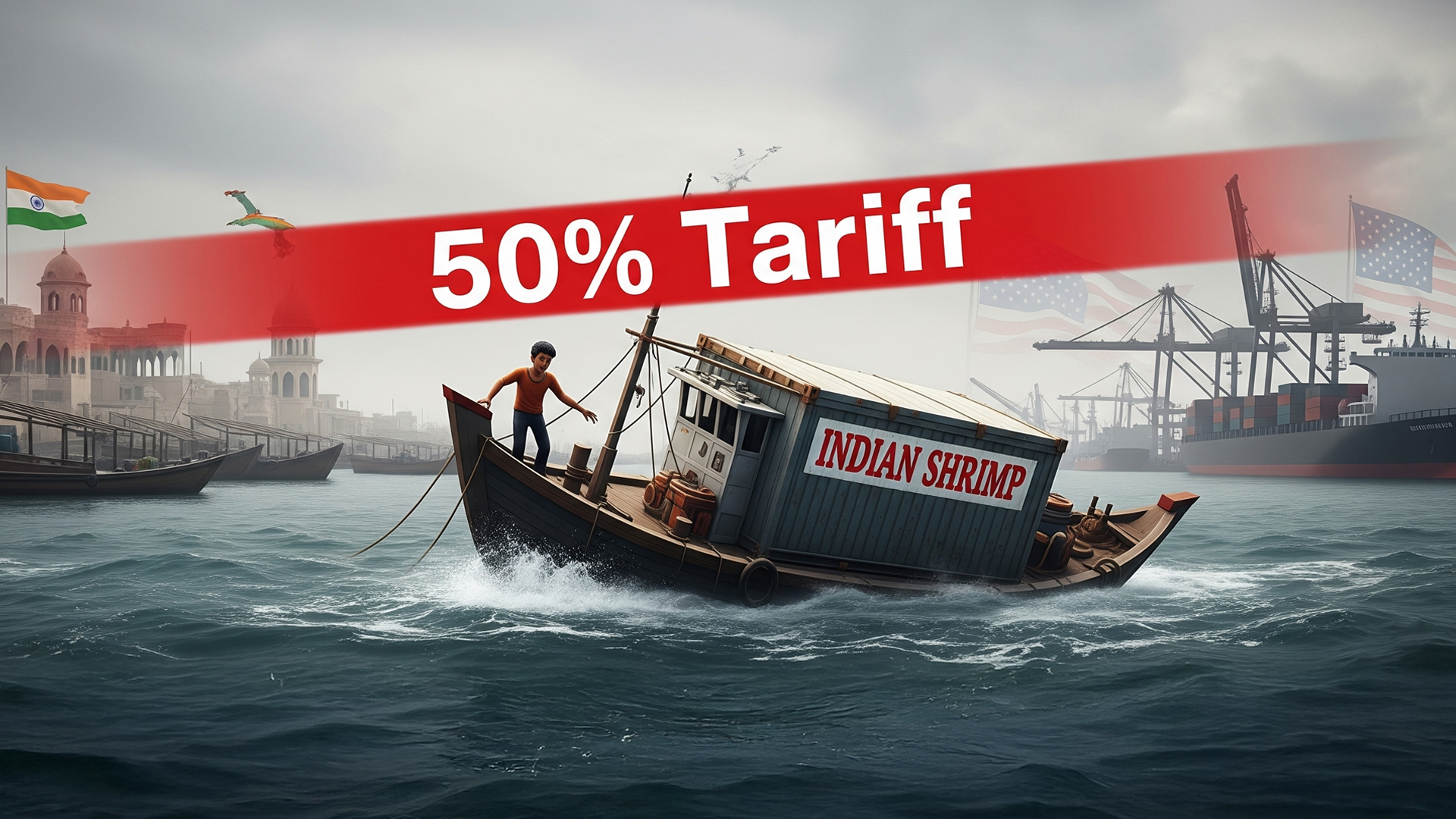
India’s shrimp industry is confronting a severe downturn following the United States’ imposition of a 50% tariff on Indian shrimp imports, effective August 27, 2025. The tariff includes a 25% reciprocal duty and a 25% penalty linked to India’s purchase of Russian oil, pushing the total burden to over 58%. The move threatens to make Indian shrimp exports to the U.S. increasingly uncompetitive, dealing a significant blow to one of the country’s key seafood sectors.

The U.S. has traditionally been the largest market for Indian shrimp, accounting for nearly half of the country’s $7 billion seafood export industry. Despite previous anti-dumping and countervailing duties, the U.S. market remained lucrative due to easy access, repeat customer approvals, and high profit margins. Many Indian exporters, including major firms in Andhra Pradesh, Odisha, and Tamil Nadu, reported a sharp decline in shipments following the tariff hike. Some processors noted that shipments in August dropped from 100 containers to fewer than 25, reflecting the immediate impact of escalating costs that could not be passed on to buyers.

CRISIL Ratings has projected an 18-20% decline in India’s shrimp export revenues this fiscal year, even after a temporary surge in shipments during the first quarter in anticipation of the tariff hike. The agency highlighted that lower revenues, combined with reduced operating margins—expected to fall to a decadal low of 5.0-5.5%—would strain the financial health of shrimp exporters. Companies heavily reliant on the U.S. market are expected to face increased credit pressure, with interest coverage likely to moderate from 4.8 times last fiscal to 3.3 times this year.

The tariff increase is likely to have broader implications for shrimp farmers as well. Many farmers, particularly in Andhra Pradesh, are reconsidering investment in shrimp culture due to higher production costs, which include land lease, seed, feed, and investments in aeration and biosecurity. Rising risks of disease, lower harvests, and unprofitable global prices have already encouraged some to diversify into alternative, lower-risk crops. The new U.S. tariffs are expected to accelerate this trend, potentially affecting long-term shrimp production and supply.

While India enjoys strong domestic infrastructure and distribution networks in the U.S., other exporting nations such as Ecuador, Vietnam, Indonesia, and Thailand now gain a competitive edge with tariffs significantly lower than India’s. This shift is expected to reduce India’s share in the U.S. shrimp market, although CRISIL notes that exports to alternative markets such as the U.K., China, and Russia may partially offset losses in the second half of the fiscal year.

The Odisha government has announced interim support measures for the seafood sector, including interest subvention on working capital for processors and potential assistance for workers in shrimp and related industries. Nevertheless, the sector faces immediate challenges, including falling volumes, shrinking sales of high-value large shrimps, and eroded profit margins, all of which threaten the sustainability of shrimp farming and export operations.

The U.S. tariff imposition has also affected market sentiment, with shares of leading exporters such as Avanti Feeds and Apex Frozen Foods declining by up to 12%. The sudden policy change underscores the vulnerability of India’s shrimp industry to global trade shifts and emphasizes the need for diversification of export markets and increased domestic consumption to sustain the sector in the long term.

Also Read: Severe Flooding Hits Punjab and North India, Displacing Thousands

World is Not Just Watching But Also Counting on India: PM Modi in Japan


Tokyo: Prime Minister Narendra Modi landed in Tokyo on Friday for a two-day visit to attend the 15th India–Japan Annual Summit and address the India–Japan Joint Economic Forum alongside Japanese Prime Minister Shigeru Ishiba. This marks Modi’s first standalone visit to Japan in nearly seven years, highlighting the deepening strategic significance of the bilateral partnership.

In a powerful opening at the Economic Forum, Modi said, “The world is not just watching but also counting on India.” He urged global investors to see India as more than just an opportunity; it is a focal point of growth. Modi hailed Japan’s vital role in India’s development journey, noting over $40 billion in investments in metro rail, semiconductors, manufacturing, and startups. Calling Japan a “tech powerhouse” and India a “talent powerhouse,” he urged businesses to strengthen collaborations under the theme of “Make in India, Make for the World.”

Modi also underlined the synergy he envisions between the two nations: “Technology of Japan and the talent of India can together lead the tech revolution of this century.” A 2024 survey by the Japan Bank for International Cooperation (JBIC) ranked India as the most attractive medium-term investment destination for Japanese companies, especially in automobiles, electronics, chemicals, and machinery. Modi’s visit is seen as a chance to build on this momentum and push the partnership forward.

Technology and Trade at the Core

On Saturday, Modi and Ishiba are scheduled to visit Tokyo Electron’s semiconductor plant and the Tohoku Shinkansen factory in Sendai. A key outcome could be an agreement to deploy Japanese E-10 coaches on India’s Mumbai–Ahmedabad High-Speed Rail (bullet train) project by 2030, a flagship symbol of the nations’ technology cooperation.

Bilateral trade remains robust, with volumes reaching $22.85 billion in FY 2023–24, though the balance continues to tilt in Japan’s favour. Between April 2024 and January 2025, trade stood at $21 billion. India currently ranks 18th among Japan’s trading partners, while Japan is 17th for India.

The visit also carries a strong strategic dimension. Defence cooperation has expanded since the signing of the Acquisition and Cross-Servicing Agreement (ACSA) in 2020, reinforced by regular “2+2” ministerial dialogues and joint naval exercises.

His visit has placed business, technology, and security at the heart of India–Japan ties, while reaffirming their shared role in the Indo-Pacific. As Modi concludes his Tokyo engagements and proceeds to Tianjin for the SCO Summit, the outcomes of this visit are expected to set the stage for deeper cooperation, fresh opportunities, and new milestones in the India–Japan partnership.

Also Read: PM Modi to Visit China for First Time in Seven Years Amid Efforts to Repair Bilateral Ties


Severe Flooding Hits Punjab and North India, Displacing Thousands

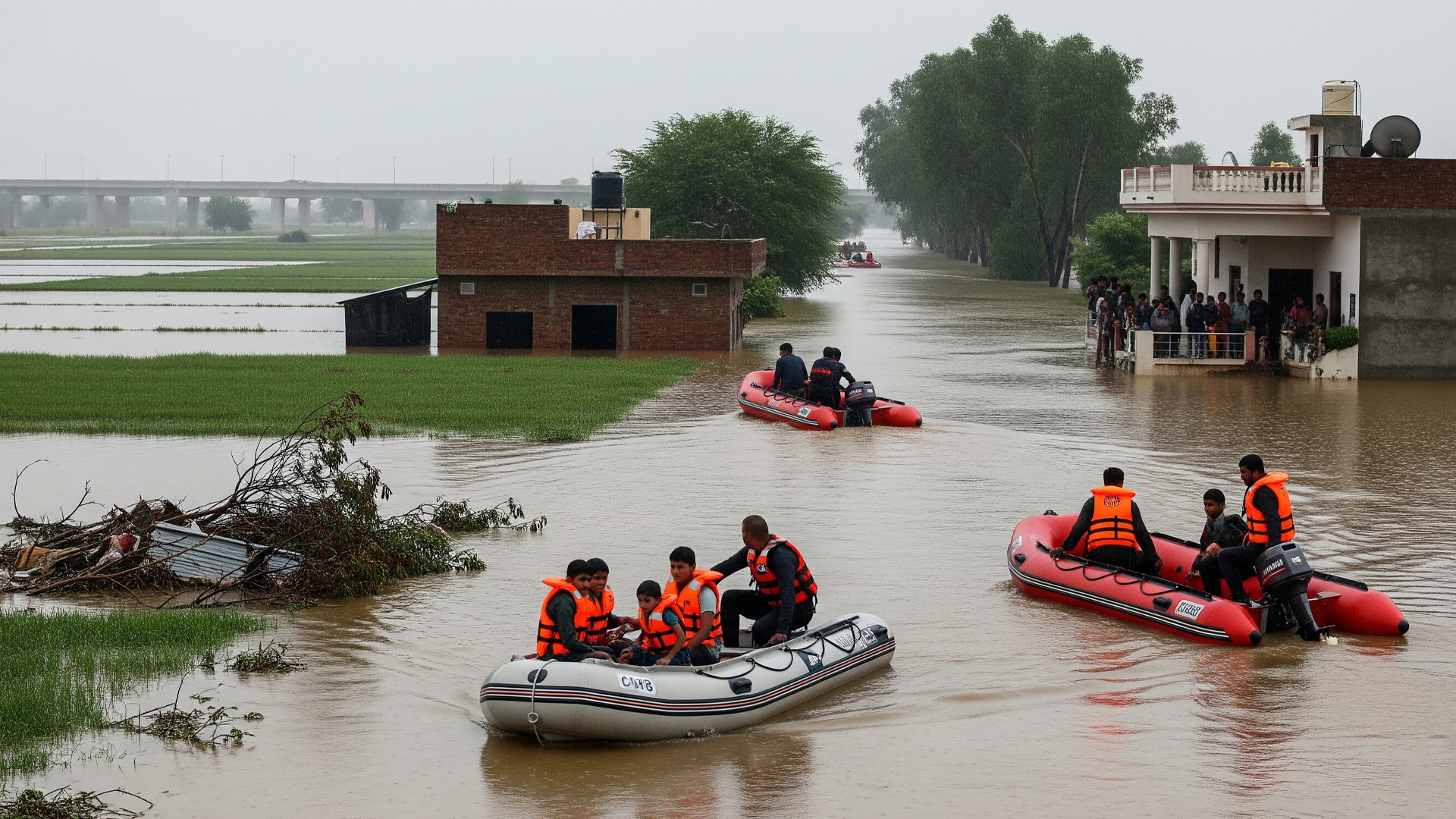
New Delhi / Chandigarh: Heavy monsoon rains and overflowing rivers have triggered widespread flooding across northern India, leaving hundreds of thousands displaced and causing significant damage to homes, infrastructure, and crops. In Punjab, the SAS Nagar administration issued a flood warning Friday morning after water discharge in the Ghaggar River crossed 70,000 cusecs at 8 a.m., urging residents of nine villages along the Dera Bassi subdivision embankments to stay alert and be ready to move to safer ground.

The affected villages include Tiwana, Khajoor Mandi, Sadhanpur, Sarsini, Alamgir, Dangdhera, Mubarikpur, Mirpur, and Bakarpur. Authorities linked the surge to heavy rainfall in the catchment area and the opening of Sukhna Lake gates. Residents were advised to avoid riverbanks, move livestock to higher ground, keep essential documents and medicines accessible, and assist the elderly and children during any evacuation. The administration has also urged people to rely on official updates and avoid attempting crossings at inundated causeways.

The region’s vulnerability was highlighted by repeated closures at local choke points such as the Mubarikpur causeway, where high flows have previously caused water to enter homes. Officials noted that embankment strengthening near Tiwana after last year’s floods has held up during recent high flows, though erosion-prone stretches continue to be monitored. Stone revetments and studs have been installed along critical stretches to help mitigate further damage.

Beyond Punjab, Himachal Pradesh has faced landslides and road blockages due to heavy rain. The Chandigarh-Manali highway was blocked near Banala in Mandi district shortly after reopening, and over 500 roads across the state remain closed. In Chamba, the Ravi River’s flooding destroyed seven houses in Bharmour, while around 3,000 pilgrims remain stranded on the Manimahesh trek as rescue operations continue.

Uttarakhand’s Uttarkashi district also experienced flash floods earlier this month, resulting in at least five deaths and leaving dozens missing. The disaster was reportedly triggered by a cloudburst or glacial lake outburst flood, complicating relief efforts due to the region’s difficult terrain.

Across the border in eastern Pakistan, rivers including the Ravi, Sutlej, and Chenab have overflowed, affecting more than 1.2 million people and displacing nearly 250,000. At least 15 deaths have been reported in Gujranwala and surrounding areas, and over 1,400 villages have been inundated. Authorities have established hundreds of relief and medical camps, but the scale of the disaster has overwhelmed local infrastructure. Pakistan’s officials have accused India of releasing large volumes of water without warning, which compounded the floods’ impact.

Also Read: Heavy Rain Lashes Kerala: IMD Issues Orange and Yellow Alerts for Multiple Districts

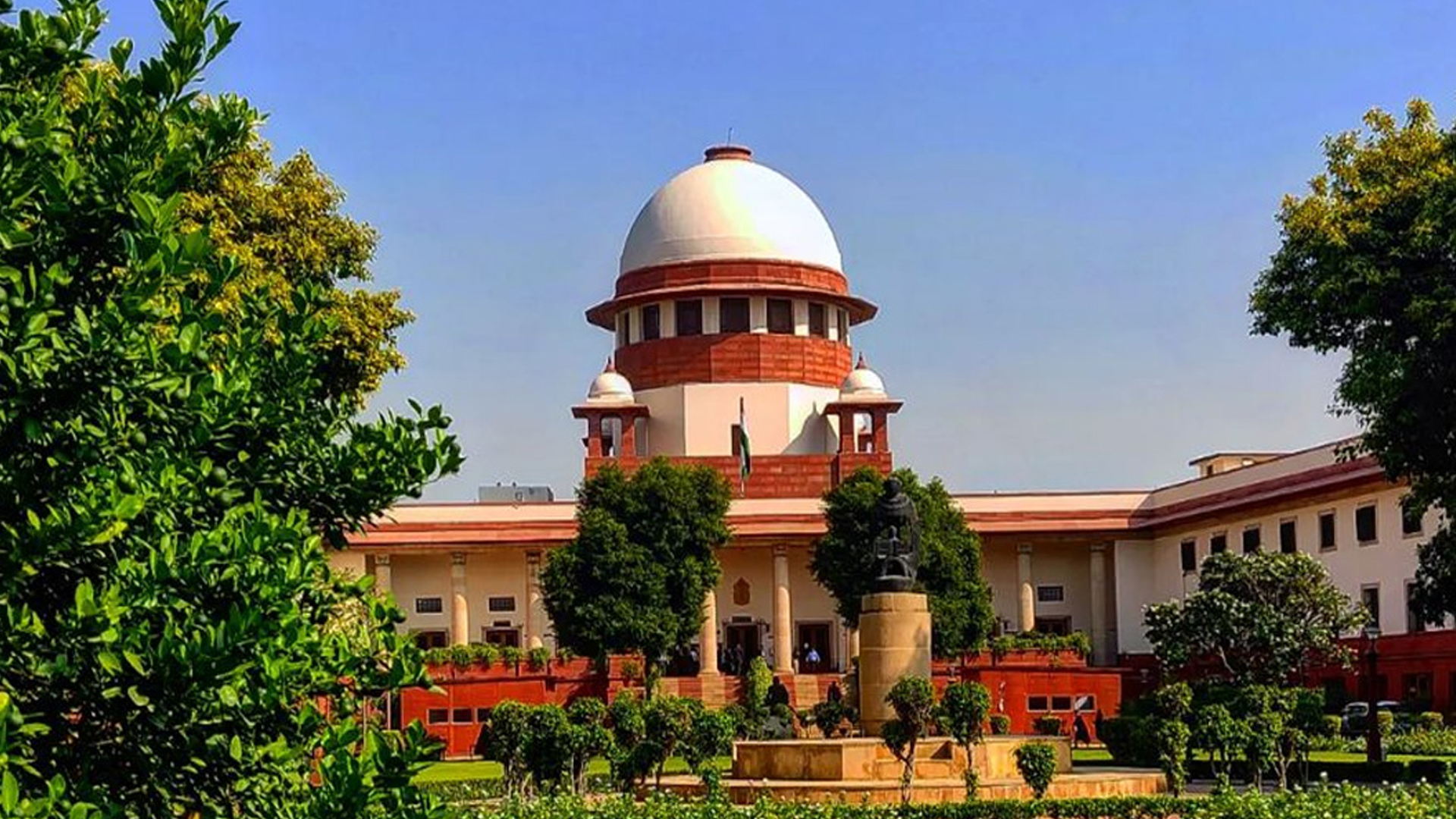
Centre Tells Supreme Court: States Cannot Challenge President or Governor’s Actions on Bills


New Delhi: In a significant development, the Centre has informed the Supreme Court that state governments cannot file writ petitions under Article 32 of the Constitution to challenge the actions of the President or Governors concerning bills passed by state assemblies. This assertion was made by Solicitor General Tushar Mehta during a hearing on August 28, 2025, before a five-judge bench led by Chief Justice of India B.R. Gavai.

The matter arose from a reference made by President Droupadi Murmu, seeking the Court’s opinion on whether states can invoke Article 32, which guarantees the right to constitutional remedies, to address alleged violations of fundamental rights by the President or Governors. The reference also sought clarification on the scope of Article 361, which provides immunity to the President and Governors from being answerable to any court for the exercise and performance of their powers and duties.

Mehta argued that Article 32 is designed to protect individuals’ fundamental rights against state actions and does not confer any rights upon the state itself. He emphasized that since states do not possess fundamental rights, they cannot approach the Supreme Court under Article 32. Furthermore, he contended that the judicial power of the Supreme Court under Article 131, which deals with disputes between states or between the Union and states, is subject to provisions under Article 262, which pertains to the adjudication of disputes relating to water of inter-State rivers or river valleys. Therefore, he argued, Article 32 jurisdiction is barred by Article 131 in such cases.

The Tamil Nadu government, which has been at the forefront of challenging the withholding of assent to bills by Governors, opposed the Centre’s argument. Tamil Nadu contended that the Governor’s role is largely ceremonial and that indefinite withholding of assent to bills undermines the democratic process. The state argued that such actions violate the constitutional scheme and impede the legislative will of the people.

The Supreme Court’s inquiry into this matter raises important questions about the balance of power between the Union and state governments, the scope of judicial review, and the interpretation of constitutional provisions. The Court’s decision could have far-reaching implications for federal governance and the protection of democratic processes in India.

As the Court deliberates on these complex constitutional issues, the outcome will likely shape the future dynamics of Centre-state relations and the functioning of democratic institutions in the country.

Also Read: Adani Group Posts Record Profits, Plans Major Expansion Across Energy, Transport, and Infrastructure

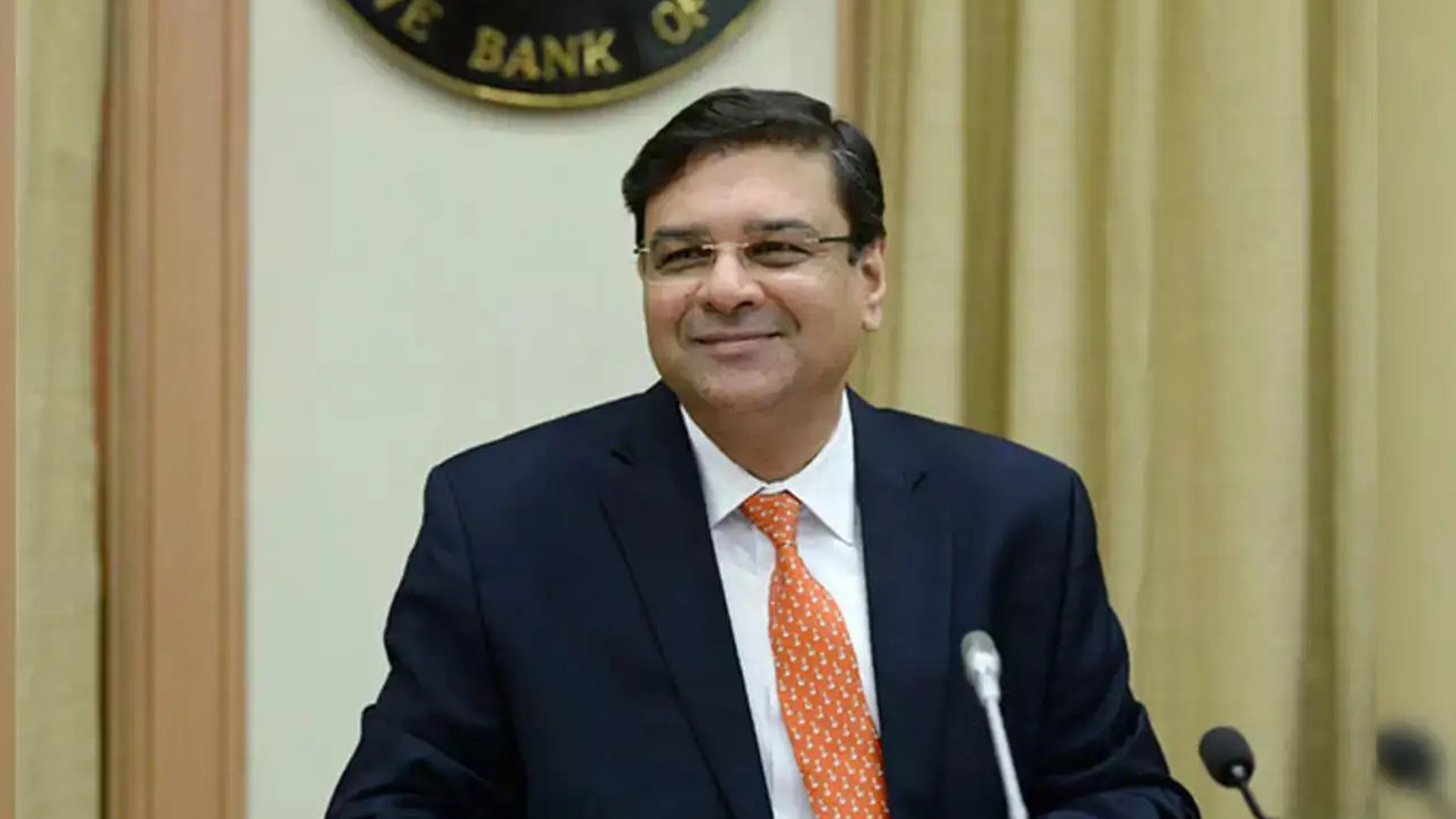
Urjit Patel Returns to Policy Stage as India’s Voice at the IMF


New Delhi: After nearly seven years away from India’s central banking spotlight, Dr. Urjit Patel, the former governor of the Reserve Bank of India, is set to take on a new and highly visible role. The government has appointed him as India’s Executive Director at the International Monetary Fund (IMF), a position that has been vacant since the abrupt early exit of Krishnamurthy Subramanian in April. Patel’s tenure at the IMF is slated for three years from the date he assumes charge, or until further notice.

The Executive Director post at the IMF is far more than a ceremonial assignment. Patel will sit on the Fund’s executive board, deliberating on policies that shape the economic future of member nations, approving financing to help countries address temporary balance-of-payments challenges, and guiding programs to strengthen financial systems worldwide. The role places him at the heart of international economic policymaking, giving India a platform to influence global fiscal and monetary trends.

Urjit Patel’s return is notable not just for the responsibilities it entails, but also for the journey that brought him here. He first joined the RBI as deputy governor in January 2013, helping steer the central bank through a period of significant reform. When he became governor in September 2016, he was the first to implement monetary policy through the newly formed Monetary Policy Committee, an innovation designed to bring greater transparency and consistency to India’s interest rate decisions. Under his watch, the RBI adopted a flexible inflation-targeting framework, successfully bringing down the country’s consumer price index inflation to 3.3 per cent in 2017 and four per cent in 2018, from 6.7 per cent in 2014.

Yet, Urjit Patel’s tenure was not without turbulence. Tensions with the government grew over the management of the RBI’s reserves and the country’s economic capital framework. While the central bank sought to maintain substantial reserves as a buffer, the finance ministry argued that excess funds should be returned to the government. Patel has described in memoirs how Prime Minister Narendra Modi personally intervened, noting that the RBI “could not be squatting on excess capital like a snake sits on a treasure.”

Another area of friction was India’s insolvency and bankruptcy framework. Urjit Patel lamented that reforms aimed at creating a transparent, time-bound process for recovering debts were being weakened, creating disorder in the system. His February 2018 circular on stressed asset resolution, which aimed to enforce a structured mechanism for banks to recover bad loans, faced intense criticism and was ultimately struck down by the Supreme Court.

Despite these challenges, Patel left the RBI with a reputation for rigor, independence, and expertise, qualities that the government now appears to recognize once again. He has spent the intervening years as chairman of the National Institute of Public Finance and Policy in New Delhi, continuing to shape debates on fiscal policy and public finance.

At the IMF, Patel will have a stage to bring his experience to the global arena. As India’s representative, he will help navigate complex multilateral discussions on economic stability, development, and reform, while ensuring the country’s voice is heard in decisions that affect the financial health of nations worldwide.

For Patel, the appointment represents a return not only to policymaking but also to international engagement, a chance to combine decades of domestic expertise with a growing role on the world stage. In a landscape where economic decisions ripple across borders, his stewardship at the IMF promises to be watched closely, both at home and abroad.

Heavy Rain Lashes Kerala: IMD Issues Orange and Yellow Alerts for Multiple Districts


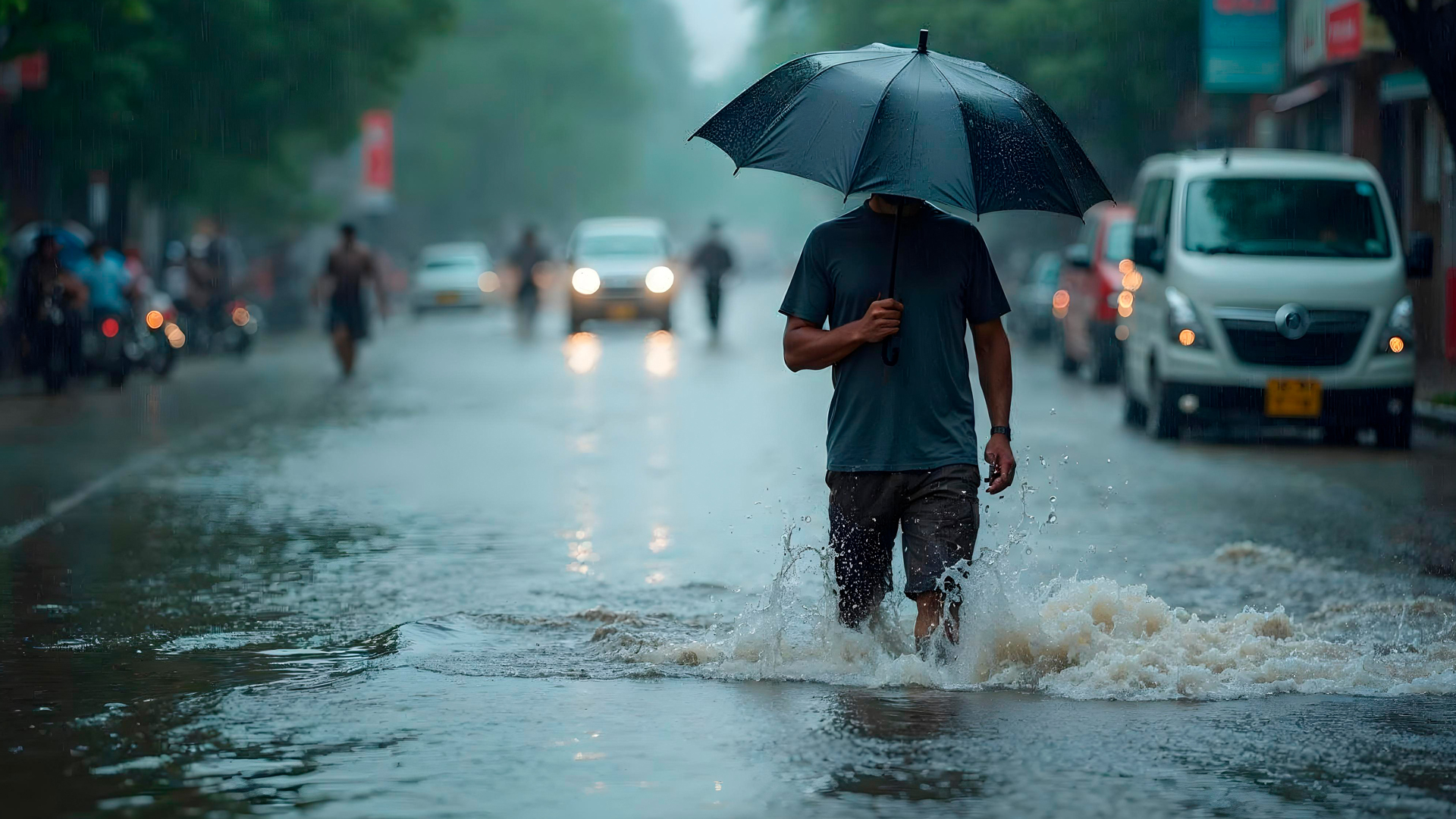
Thiruvananthapuram: The India Meteorological Department (IMD) has issued a series of heavy rain alerts across Kerala, warning of very heavy rainfall in several districts today, Thursday, August 28. The alerts include both orange and yellow warnings, urging residents to prepare for possible disruptions and localised flooding.

The India Meteorological Department has placed six districts under an orange alert today, indicating the likelihood of very heavy rainfall ranging between 115.6 mm and 204.4 mm within 24 hours. The districts expected to be affected are Ernakulam, Thrissur, Kozhikode, Wayanad, Kannur, and Kasaragod. These regions are likely to witness intense spells of rain throughout the day, with possible risks including flash floods, urban waterlogging, and landslides in hilly areas.

In addition, a yellow alert signaling heavy rainfall between 64.5 mm and 115.5 mm has been issued for several districts over two days. On Thursday, August 28, Pathanamthitta, Kottayam, Idukki, Palakkad, and Malappuram are under alert. On Friday, August 29, the alert extends to Idukki, Ernakulam, Thrissur, Palakkad, Malappuram, Kozhikode, Wayanad, Kannur, and Kasaragod. Residents in these districts are advised to remain cautious, especially in low-lying and landslide-prone areas.

With heavy rainfall continuing across Kerala, authorities have issued safety guidelines to minimize risks. People are advised to avoid non-essential travel during downpours, as waterlogged roads and low visibility can be hazardous.

Residents near rivers, canals, and low-lying areas should stay away from waterlogged zones, while those in landslide-prone areas are urged to keep emergency kits ready, including essentials like food, water, medicines, and important documents. Fishermen and coastal communities are also being warned to remain cautious, as wind activity over the Arabian Sea may strengthen, making sea conditions unsafe.

The public is encouraged to follow real-time updates from the IMD and the Kerala State Disaster Management Authority to stay informed and avoid misinformation.

Kerala has seen active monsoon conditions throughout August, and forecasts suggest continued rain in the coming days. While no red alerts have been issued, the spread of orange and yellow warnings across several districts highlights the need for continued caution and preparedness.

Also Read: EY Report Projects India as World’s Second-Largest Economy by 2038 Despite US Tariffs

India Launches First National Biofoundry Network to Boost Bioeconomy


New Delhi: Union Science and Technology Minister Dr. Jitendra Singh on Wednesday launched India’s first National Biofoundry Network (NBN), calling it a landmark initiative to position biotechnology as a key enabler of India’s economy, environment, and employment under the BioE3 Policy.

The launch event, titled “One Year of BioE3: From Policy to Action,” also saw the announcement of the BioE3 Challenge for Youth, which invites innovative biotech ideas from students, researchers, startups, and young professionals across India.

The NBN brings together six institutions that will collaborate to support proof-of-concept development, enhance biomanufacturing infrastructure, and drive employment generation in science and technology. These biofoundries will serve as hubs for rapid prototyping and development of biotech applications in areas like healthcare, agriculture, clean energy, and the environment.

“India’s bioeconomy has grown from $10 billion in 2014 to $165.7 billion in 2024, and we now aim for $300 billion by 2030,” said Dr. Singh. “The National Biofoundry Network will play a vital role in accelerating indigenous biomanufacturing and converting lab-scale innovations into scalable solutions.”

Dr. Singh emphasized that the BioE3 Policy is more than just a research initiative and that it is a forward-looking strategy to create sustainable economic opportunities through biotechnology.

“It’s about startups, jobs, and a future-ready ecosystem. We are building a biomanufacturing platform that can transform the lives of ordinary citizens,” he noted.

To empower the next generation, the newly launched BioE3 Challenge for Youth encourages participants from school students (classes 6–12) to early-career researchers to submit ideas for designing safe, sustainable, and impactful biological solutions. Beginning October 2025, top winners each month will receive ₹1 lakh, and selected proposals will be eligible for up to ₹25 lakh in funding from BIRAC, along with mentorship and development support.

Principal Scientific Advisor Dr. Ajay Kumar Sood emphasized the role of talent in driving technological innovation and said, “No technology can thrive without skilled people. The Department of Biotechnology is nurturing a robust ecosystem of trained professionals essential for biotech advancement.”

The BioE3 framework is also being implemented at the state level, with the Assam government signing an MoU to establish a dedicated BioE3 Cell and roll out a customized action plan. Internationally, Indian missions in 52 countries have provided feedback and support for the policy, with the Ministry of External Affairs working alongside the Department of Biotechnology to coordinate follow-up actions.

With these developments, India is positioning itself as a global leader in biotechnology, aiming not just for scientific excellence, but for scalable, sustainable impact.


Also Read: Adani Group Posts Record Profits, Plans Major Expansion Across Energy, Transport, and Infrastructure

Motorola Launches Buds Loop and Buds Bass in India with Bose Audio and ANC


Motorola has launched two new true wireless earbuds in India, the Moto Buds Loop and Moto Buds Bass,  giving users a choice between a premium, Bose-powered open-ear design and a budget-friendly in-ear option with active noise cancellation.

The Moto Buds Loop, priced at ₹7,999, is designed for comfort and clarity. Featuring 12mm ironless drivers and audio tuning by Bose, the earbuds aim to deliver immersive spatial sound with an open-ear design. A dual-microphone system supported by CrystalTalk AI ensures background noise is filtered out during calls.

Additional smart features include Moto AI and Smart Connect, allowing seamless switching between Motorola and Lenovo devices. The Loop is IP54-rated for sweat and splash resistance, and supports up to 8 hours of playback on a single charge, with the case extending total battery life to 39 hours. A 10-minute charge provides up to 3 hours of use. It will be available from September 1 in a Trekking Green finish.

Meanwhile, the more affordable Moto Buds Bass, priced at ₹1,999, packs impressive features for its price point. It includes 12.4mm composite dynamic drivers, Hi-Res LDAC audio, and Super Bass. The earbuds also support spatial audio and Active Noise Cancellation up to 50dB, with modes like Transparency, Adaptive, and ANC Off.

Each earbud is equipped with a triple-microphone setup, powered by CrystalTalk AI for enhanced voice clarity and ENC (Environmental Noise Cancellation). Connectivity is handled by Bluetooth 5.3 with Google Fast Pair support. Users can adjust EQ settings and touch controls through the companion app.

In terms of battery, the Buds Bass offers up to 7 hours of playback (ANC off) and a total of 48 hours with the case. A 10-minute quick charge provides 2 hours of listening, and the case fully recharges in 90 minutes. The earbuds weigh 51 grams and come with an IP54 rating.

The Moto Buds Bass will go on sale from September 8 and will be available in Dark Shadow, Blue Jewel, and Posy Green finishes. Both models will be available on Flipkart, Motorola.in, and select retail outlets across India.


Also Read: EY Report Projects India as World’s Second-Largest Economy by 2038 Despite US Tariffs

Adani Group Posts Record Profits, Plans Major Expansion Across Energy, Transport, and Infrastructure


The Adani Group, one of India’s largest business conglomerates, has posted record profits, showing that its energy, transport, and infrastructure projects are growing faster than ever. The group plans massive investments over the next year, aiming to expand its footprint across the country.

Over the past year, Adani’s combined companies earned ₹90,572 crore, a 10 percent increase from the previous year. In the first quarter of this financial year alone, earnings reached a record ₹23,793 crore, highlighting continued growth across airports, ports, power plants, cement, and other major projects.

Much of this growth came from newer or rapidly expanding businesses, including Adani Enterprises’ (AEL) airport ventures, Adani Green Energy (AGEL), Adani Energy Solutions (AESL), Adani Ports & SEZ (APSEZ), and Ambuja Cements. These areas offset slower performance in AEL’s older businesses, which saw lower trade volumes and fluctuating prices in some operations.

The group’s finances remain strong, with one of the lowest debt-to-earnings ratios globally and cash reserves of ₹53,843 crore. Funds generated from operations after taxes reached ₹66,527 crore, while total assets now stand at ₹6.1 lakh crore, including ₹1.26 lakh crore added in the past year.

Core Infrastructure businesses—including airports, energy, and ports—contributed 87 percent of total profits. AGEL’s power generation capacity grew 45 percent year-on-year to 15,816 megawatts, thanks to new solar, wind, and hybrid plants. AESL secured a major transmission project, raising its under-construction order book to ₹59,304 crore. APSEZ handled 121 million tonnes of cargo in the first quarter, up 11 percent, while passenger traffic at Adani airports rose 3 percent to 23.4 million. Ambuja Cements is on track to expand production to 118 million tonnes per year by March 2026 from the current 105 million tonnes.

The group is also pushing forward in clean energy, commissioning India’s first off-grid 5 MW green hydrogen pilot plant. Seven of eight major ongoing projects, including the Ganga Expressway, are more than 70 percent complete.

Looking ahead, Adani plans to invest ₹1.5-₹1.6 lakh crore over the next year to grow its energy, transport, and infrastructure operations. Strong cash reserves ensure the group can meet debt obligations while funding ambitious projects.

With rising profits, continued investment, and disciplined financial management, the Adani Group is positioned for further growth. Its expansion across renewable energy, ports, airports, and cement will play a key role in India’s infrastructure development and economic growth in the years ahead.