rotating globe
6 Apr 2026


EY Report Projects India as World’s Second-Largest Economy by 2038 Despite US Tariffs


India is on track to become the world’s second-largest economy by 2038, with a projected GDP of $34.2 trillion (PPP), according to the August 2025 issue of EY Economy Watch. The report comes a day after the United States imposed steep 50 per cent tariffs on Indian goods, highlighting India’s resilience amid global trade challenges.

EY’s analysis places India alongside the world’s five largest economies—China, the US, Germany, and Japan—while noting that India’s growth trajectory is uniquely strong. The report cites favorable demographics, high savings and investment rates, fiscal sustainability, and rising domestic demand as key drivers of India’s long-term economic potential.

China, while projected to maintain the world’s largest economy by 2030 with $42.2 trillion GDP (PPP), faces constraints due to an ageing population and rising debt levels. The US remains strong but contends with high debt exceeding 120 per cent of GDP and slower growth prospects. Germany and Japan, despite their advanced economies, are limited by high median ages and reliance on global trade. In contrast, India combines a youthful population, a skilled workforce, and a sustainable fiscal outlook, giving it the most favorable long-term growth trajectory.

EY India’s Chief Policy Advisor, DK Srivastava, said, “India’s comparative strengths, including its young and skilled workforce, robust saving and investment rates, and relatively sustainable debt profile, will help sustain high growth even in a volatile global environment. By building resilience and advancing capabilities in critical technologies, India is well-placed to move closer to its Viksit Bharat aspirations by 2047.”

The report highlights that India’s median age is 28.8 years in 2025, providing a demographic dividend that supports both productivity and consumption. Government debt-to-GDP is projected to decline from 81.3 per cent in 2024 to 75.8 per cent by 2030, while other major economies face rising debt burdens. The International Monetary Fund projects India’s economy to reach $20.7 trillion (PPP) by 2030, reinforcing EY’s outlook of India’s ascent to the world’s second-largest economy by 2038.

EY cites several factors behind India’s sustained growth. High savings and investment rates are fueling capital formation, while fiscal consolidation is improving sustainability. Structural reforms such as the Goods and Services Tax (GST), the Insolvency and Bankruptcy Code (IBC), financial inclusion via UPI, and production-linked incentives are strengthening competitiveness across industries.

Public investment in infrastructure and the adoption of emerging technologies—including artificial intelligence, semiconductors, and renewable energy—are also highlighted as critical to long-term economic resilience. These measures are expected to enhance India’s industrial capacity, foster innovation, and maintain growth momentum despite external shocks such as trade tariffs.

While the US tariffs have sparked concerns for sectors like textiles and apparel, EY notes that India’s macroeconomic fundamentals and proactive policy measures provide a strong buffer against global disruptions. By leveraging its demographic advantage, sustaining fiscal prudence, and investing in technology-driven growth, India is positioned to maintain a robust trajectory toward becoming a $34.2 trillion economy by 2038.

PM Modi to Visit China for First Time in Seven Years Amid Efforts to Repair Bilateral Ties


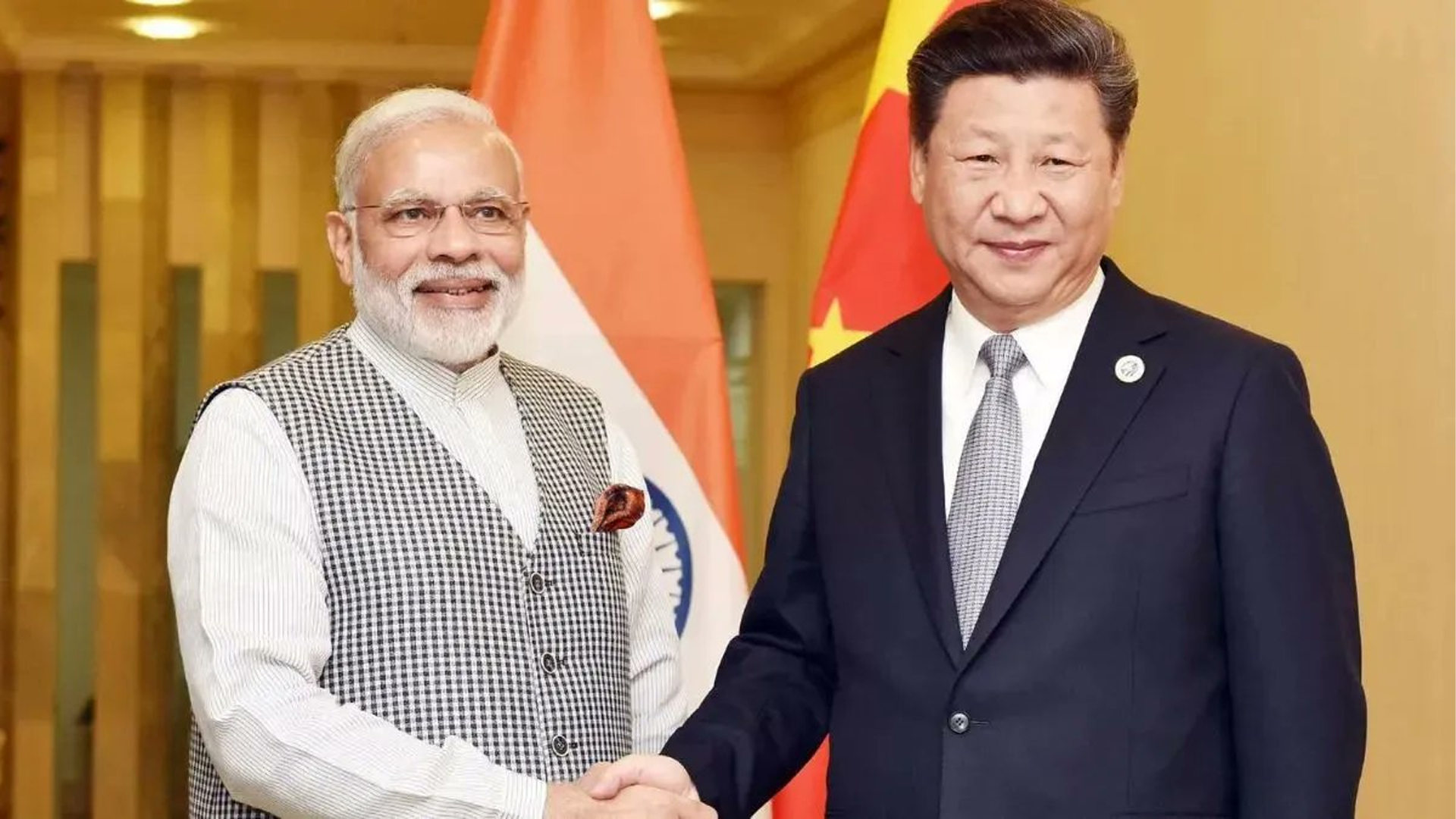
Prime Minister Narendra Modi is set to visit China from August 31 to September 1, 2025, to attend the Shanghai Cooperation Organisation (SCO) summit in Tianjin. This marks his first visit to China in over seven years, amid a period of strained relations between the two countries.

The last significant meeting between PM Modi and Chinese President Xi Jinping occurred on October 23, 2024, on the sidelines of the BRICS summit in Kazan, Russia. Prior to that, Modi’s last official visit to China was in 2018. Since then, diplomatic relations between India and China have experienced turbulence, stemming from border tensions, trade disputes, and regional security concerns.

The bilateral relationship faced a major setback in May 2020, when a military standoff along the Line of Actual Control (LAC) in eastern Ladakh escalated following Chinese incursions. The confrontation led to casualties on both sides and strained diplomatic ties. Both nations engaged in multiple rounds of military and diplomatic talks to ease tensions and restore stability along the border.

In October 2024, India and China reached a Border Patrol Agreement to de-escalate tensions and restore normal patrol activities in disputed areas such as the Depsang Plains and Demchok. This agreement was seen as a significant step toward stabilizing border relations and rebuilding trust. However, challenges have persisted. In May 2025, India reportedly discovered evidence of Chinese assistance to the Pakistan military during hostilities following Operation Sindoor, raising concerns over China’s support for regional adversaries and complicating bilateral ties further.

During the SCO summit, PM Modi is expected to hold bilateral discussions with President Xi Jinping on regional security, trade, connectivity, and other global issues. The summit brings together over 20 world leaders, including Russian President Vladimir Putin, and is seen as an opportunity to strengthen ties within the Global South and address shared challenges.

In addition to border and security discussions, the visit may address economic cooperation, technological partnerships, and people-to-people exchanges, including the resumption of the Mansarovar Yatra, Chinese tourist visas, and the revival of direct flights between the two countries. Analysts note that rebuilding trust after years of tension requires careful diplomacy, as both nations seek to balance strategic rivalry with economic collaboration.

As PM Modi prepares for this significant diplomatic engagement, global observers will closely watch the outcomes of his interactions with President Xi Jinping and other leaders at the SCO summit. The visit carries the potential to further stabilize India-China relations, foster regional cooperation, and enhance dialogue on pressing geopolitical and economic issues.


Also Read: White House Trade Advisor Labels Ukraine Conflict as ‘PM Modi’s War’ Amid Rising US-India Tensions

Pope Leo XIV Urges Ceasefire Amid Escalating Humanitarian Crisis in Gaza


Pope Leo XIV has issued a powerful appeal for an immediate and permanent ceasefire in Gaza, highlighting the escalating humanitarian disaster that has left thousands starving and displaced. Speaking during his weekly general audience at the Vatican on August 27, 2025, the pontiff condemned the ongoing violence and called for the protection of civilians, the release of hostages, and the facilitation of humanitarian aid. He emphasized the necessity of adhering to international humanitarian law, including the prohibition of collective punishment and forced displacement of populations.

The Pope’s remarks come amid a dire situation in Gaza, where health authorities reported that ten Palestinians, including two children, died from starvation in the past 24 hours. This brings the total number of famine-related deaths to 313, with 119 of the victims being children. The United Nations has officially declared a famine in Gaza, warning that without urgent intervention, more people will face severe food insecurity.

Despite international calls for a ceasefire, Israeli military operations have intensified, particularly around Gaza City. Israeli forces targeted Hamas strongholds, resulting in at least 76 additional deaths in the past day. The Israeli government has indicated plans for a new offensive in Gaza City, which is densely populated with about one million residents, raising concerns about civilian safety and mass displacement.

Religious leaders in Gaza have vowed to remain in the region to care for the vulnerable population. Church officials stated that they will continue to provide shelter and assistance to those unable to flee, despite Israeli evacuation orders. They emphasized that forced displacement would be a death sentence for many who are already weakened by hunger and illness.

The international community remains divided over the conflict. While most members of the United Nations Security Council have declared the famine in Gaza a “man-made crisis” and called for an immediate ceasefire, the United States has not fully endorsed these calls. Diplomatic efforts continue, with Qatar acting as a mediator in ceasefire talks, although it has criticized Israel for not seeking a resolution.

Over the last 22 months of conflict, nearly 63,000 Palestinian lives have been lost, with the current siege and military operations worsening the humanitarian situation. Civilians in Gaza have faced repeated displacement, severe shortages of food and medicine, and deteriorating health and sanitary conditions, increasing the risk of disease outbreaks.

The Pope’s call for peace underscores the urgent need for a comprehensive and lasting resolution to the crisis. He urged all parties to respect human life, facilitate the safe entry of humanitarian aid, and abide by international law. Religious leaders and humanitarian organizations have echoed the pontiff’s appeal, stressing that immediate action is needed to prevent further famine-related deaths.

The situation in Gaza remains tense, with Israeli tanks continuing operations in northern and western sectors of Gaza City, while humanitarian conditions deteriorate. Efforts to evacuate civilians have been hampered by logistical challenges and resistance from those too weak or malnourished to move. Local churches have become critical shelters, providing food, medical aid, and protection to the most vulnerable.

Also Read: White House Trade Advisor Labels Ukraine Conflict as ‘PM Modi’s War’ Amid Rising US-India Tensions

India Extends Cotton Import Duty Exemption Amid U.S. Tariff Pressures on Textile Sector


In a strategic move to support its beleaguered textile industry, the Indian government has extended the exemption of import duties on cotton until December 31, 2025. This decision aims to mitigate the adverse effects of the recent 50% U.S. tariff on Indian goods, which has significantly impacted the country’s textile exports.

The Finance Ministry’s announcement on August 28, 2025, extends the previously granted duty exemption, which was set to expire on September 30. The extension is intended to provide textile manufacturers with a longer window to place cotton import orders, thereby stabilizing raw material costs and ensuring uninterrupted production during the critical festival season.

The U.S. tariff, implemented on August 27, 2025, has been a significant blow to India’s textile sector. The Apparel Export Promotion Council (AEPC) reported that the U.S. market accounts for approximately 33% of India’s garment exports. The sudden imposition of the 50% tariff has led to order cancellations and a slowdown in new orders, particularly affecting exporters in Gujarat, a state that contributes to 30% of India’s textile exports.

In response, the Indian government has also been in discussions with industry bodies to explore alternative markets and strategies to mitigate the impact of the U.S. tariffs. The AEPC has been actively engaging with the Ministry of Commerce & Industry, seeking support measures such as loan repayment relief and financial aid for exporters.

The cotton import duty exemption is part of a broader set of measures aimed at bolstering the textile sector. The government has been working to enhance domestic cotton production through increased Minimum Support Prices (MSP) and improved procurement mechanisms. However, the exemption is expected to have implications for domestic cotton farmers, as it may affect the demand for locally produced cotton during the peak harvesting season.

The extension of the cotton import duty exemption is seen as a temporary relief measure. The government has indicated that it will continue to monitor the situation closely and take further steps as necessary to support the textile industry and ensure its competitiveness in the global market.

North India Faces Widespread Flooding and Landslides Amid Torrential Rains


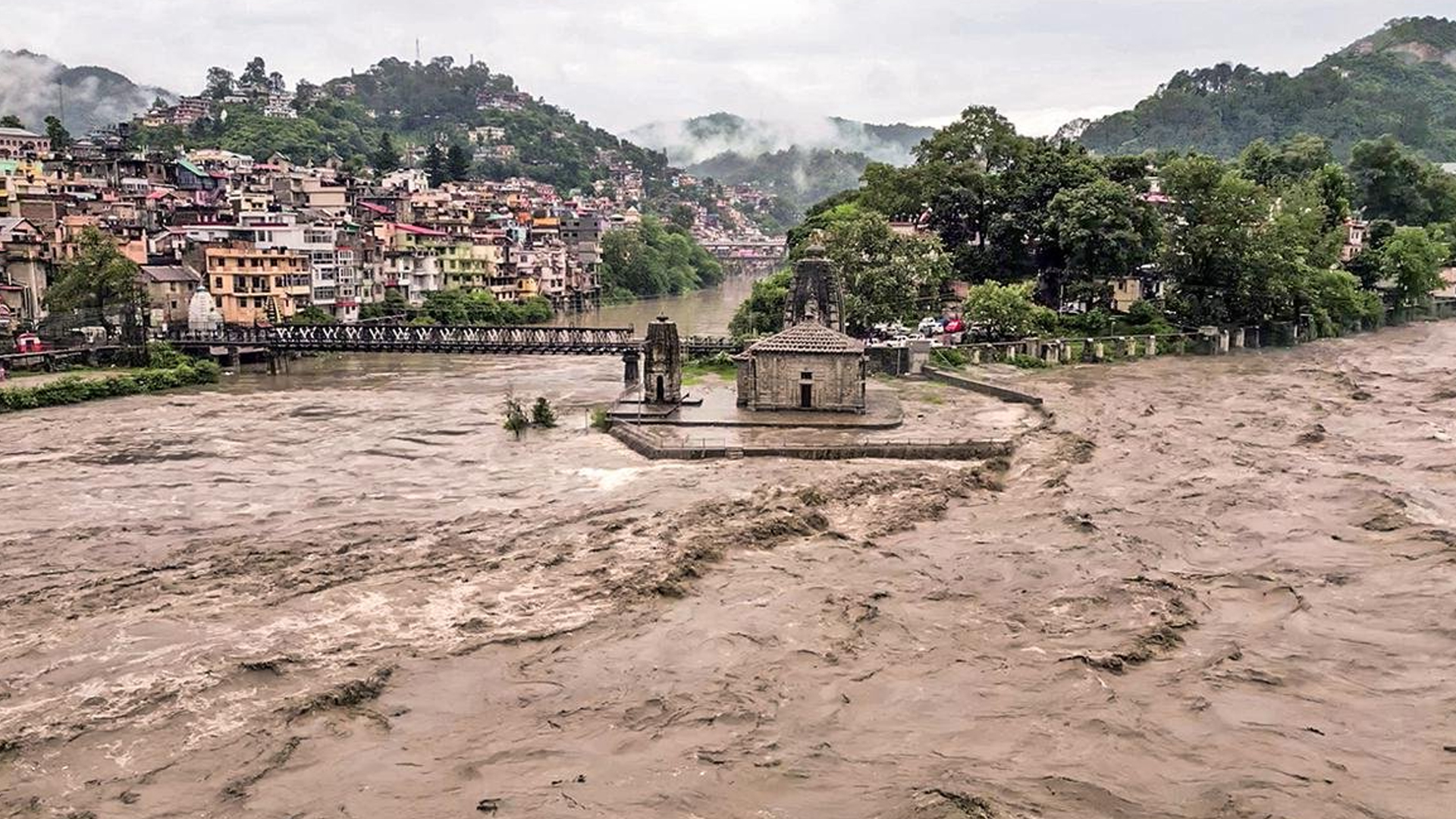
North India continues to grapple with the devastating impact of incessant monsoon rains, which have caused extensive flooding, landslides, and severe disruptions across multiple states. As of 11 am on August 28, 2025, the death toll in Jammu and Kashmir has risen to 41, with 34 casualties resulting from the Vaishno Devi landslide, one of the deadliest incidents in the region this monsoon season. The swollen Tawi River, locally known as Surya Putri, has inundated hundreds of homes, submerged farmland, destroyed livestock, and displaced more than 6,000 residents within a single day. Authorities have described the situation as “critical,” warning that continued heavy rainfall could exacerbate the crisis.

In Himachal Pradesh, the torrential downpour has triggered landslides that have damaged key infrastructure. The Chandigarh-Manali Highway remains closed following a landslide in Banala, while restoration work is underway. In Kullu district, heavy rains have washed away portions of the highway as the Beas River surged, cutting off road links between Mandi and Kullu. All vehicular traffic on this route has been suspended, and local authorities have issued travel advisories warning residents and tourists to avoid these regions. Meanwhile, the Jammu-Srinagar National Highway (NH-44) has been closed for vehicular movement from Jakeni (Udhampur) towards Srinagar due to extensive damage at several points between Jakheni and Chenani. No movement is permitted from Nagrota, affecting both passenger and goods transportation.

In Delhi, the River Yamuna has crossed the danger mark, flowing at 205.39 meters as of 9 pm on August 27, compared to the danger threshold of 205.33 meters. Authorities have set up flood relief camps in Mayur Vihar to accommodate residents living in low-lying areas near the river. Local residents have moved into these temporary shelters, with officials emphasizing the importance of evacuation to prevent casualties. The India Meteorological Department (IMD) has issued a “Thunderstorm with rain” forecast for Delhi from August 28 through August 31, indicating that the risk of further flooding remains high.

The Vaishno Devi Shrine Board has assumed responsibility for sending the bodies of landslide victims to their native places. Fourteen victims are receiving treatment at the Shri Mata Vaishno Devi Narayana Superspeciality Hospital. BJP MP Jugal Kishore Sharma confirmed that the Shrine Board has taken steps to ensure the safe return of the deceased to their families. The landslide at the pilgrimage site has compounded the region’s already challenging rescue and relief operations, with local authorities and disaster management teams working tirelessly to evacuate stranded residents and provide immediate medical assistance.

Beyond Jammu and Kashmir and Delhi, the broader northern plains, including parts of Punjab and Himachal Pradesh, have been affected by rivers overflowing due to snow-fed Himalayan tributaries and heavy upstream rainfall. Agricultural lands have been submerged, affecting thousands of farmers, while damage to rural infrastructure—including roads, bridges, and electricity networks—has disrupted daily life. Train services have been suspended along key routes in the region, and schools and universities in Kashmir and Himachal Pradesh have remained closed as a precautionary measure.

Authorities have emphasized the importance of coordinated rescue efforts, with disaster response teams deployed across multiple states. The IMD continues to monitor rainfall patterns and river levels closely, issuing warnings where necessary. The coming days are expected to be critical, as sustained rainfall may lead to further flooding and landslides, potentially endangering more lives and causing additional property damage.

Also Read: Monsoon Chaos Unfolds Across Jammu & Kashmir and Beyond

White House Trade Advisor Labels Ukraine Conflict as ‘PM Modi’s War’ Amid Rising US-India Tensions


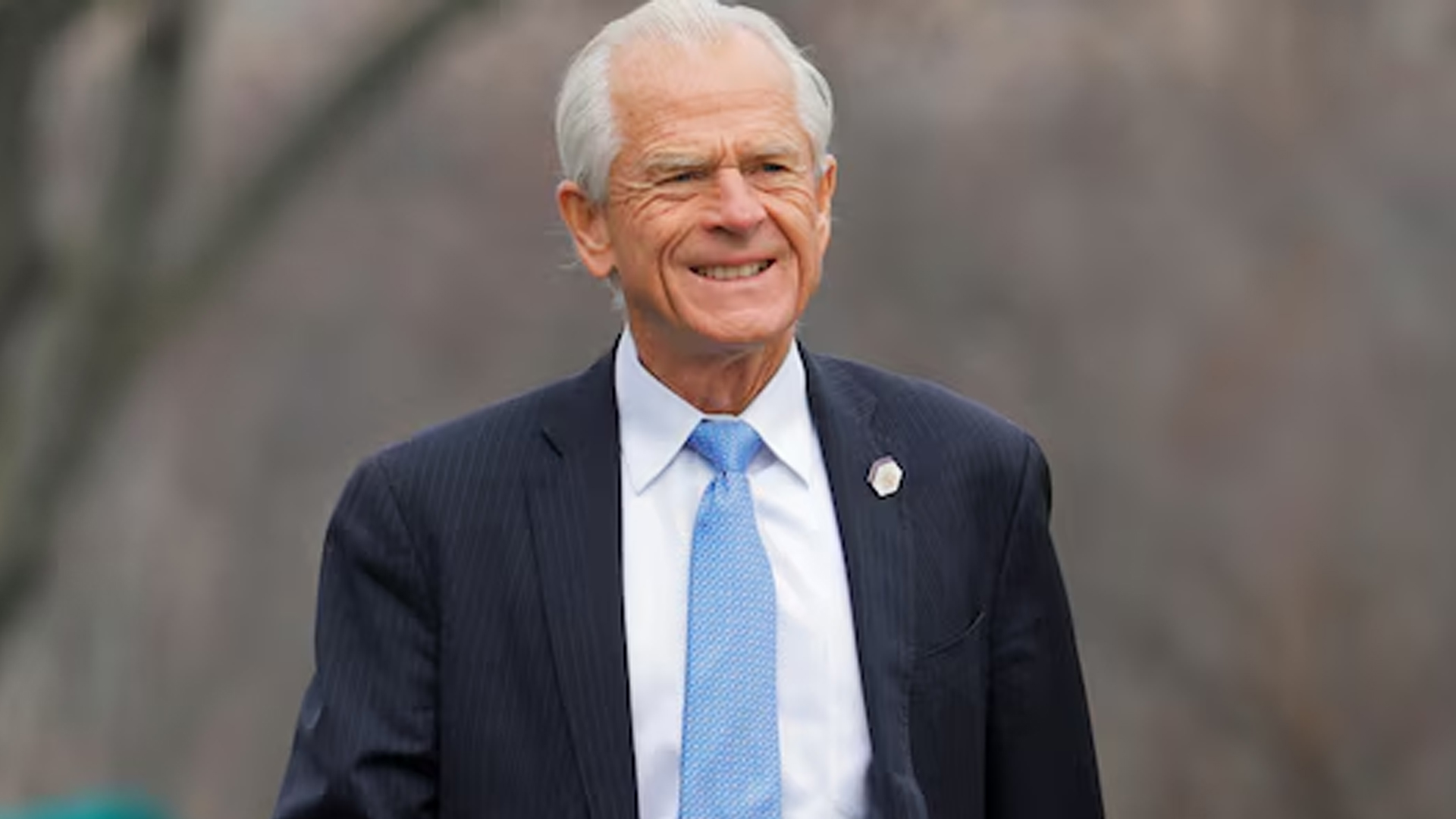
White House trade advisor Peter Navarro has intensified criticism of India’s continued purchase of discounted Russian crude oil, labeling the ongoing Ukraine conflict as “PM Modi’s war.” In a recent Bloomberg interview, Navarro contended that India’s actions are undermining Western efforts to support Ukraine and are detrimental to American consumers and businesses. He accused India of exacerbating the financial burden on American taxpayers by indirectly funding Russia’s military actions through its oil purchases. “Ukraine comes to us and Europe and says give us more money (for its war). Everybody in America loses because of what India is doing,” Navarro stated. “The taxpayer loses because we got to fund Modi’s war.”

Navarro also criticized India’s trade policies, describing them as “arrogant” and accusing the country of prioritizing its energy needs over global democratic values. He urged India to align more closely with democratic nations, stating, “India, you’re the biggest democracy in the world. Okay? Act like one. Side with the democracies.”

These remarks come amid escalating tensions between the U.S. and India. On August 27, 2025, the U.S. government imposed a 50% tariff on Indian goods, effective immediately. This move is part of a broader strategy to pressure India into ceasing its Russian oil imports, which have been a significant source of revenue for Moscow amid ongoing sanctions.Despite these pressures, India has maintained its stance, citing the need to secure affordable energy supplies for its growing economy.

The U.S. has intensified pressure on India to cease its Russian oil imports, which have been a significant source of revenue for Moscow amid ongoing sanctions. Despite these pressures, India has maintained its stance, citing the need to secure affordable energy supplies for its growing economy.

Navarro’s comments reflect the broader geopolitical tensions between the U.S. and India, as both nations navigate their respective interests in a complex global landscape. While the U.S. seeks to isolate Russia economically, India continues to engage with Moscow, balancing its energy needs with its foreign policy objectives.

As the situation develops, it remains to be seen how these tensions will affect U.S.-India relations and the broader international response to the ongoing conflict in Ukraine.

Also Read: India Finalizes CCUS Mission Roadmap Amid Ambitious Gas Expansion Plans

Aatmanirbhar Bharat Sets Sail: Two Stealth Frigates Commissioned into Indian Navy


Vishakhapatnam: The Indian Navy on Tuesday commissioned two state-of-the-art stealth frigates, INS Udaygiri and INS Himgiri, in a historic ceremony at the Naval Base in Visakhapatnam, marking the first time two major warships built at different Indian shipyards have been inducted simultaneously.

Defence Minister Rajnath Singh presided over the commissioning ceremony, which officials described as a significant milestone in India’s journey toward defence self-reliance. INS Udaygiri was constructed by Mazagon Dock Shipbuilders Ltd. (MDL) in Mumbai, while INS Himgiri was built by Garden Reach Shipbuilders and Engineers (GRSE) in Kolkata.

Both frigates feature over 75% indigenous content, reflecting India’s growing shipbuilding capabilities under the Aatmanirbhar Bharat initiative.

Symbols of National Resolve

During the ceremony, Singh said, “These ships are more than metal and machinery, they are symbols of our national resolve. I extend my congratulations to the Indian Navy, our defence shipbuilders, and every Indian. This is the realisation of a long-held dream, made possible by our vision and collective effort.”

The Defence Minister emphasized the strategic importance of the location, stating that Visakhapatnam was chosen for its strategic and cultural significance for such a transformative event.

Singh highlighted the vessels’ role in empowering India’s maritime capabilities, stating that with the induction of the two warships, the Indian Navy had been further strengthened as a Blue Water Navy. He said India was now equipped not only to protect its coasts but also to operate in the farthest parts of the Indian Ocean, whether it was combating piracy, countering smuggling and terrorism, or providing disaster relief.

Naval Leadership Signals Readiness

Chief of Naval Staff Admiral Dinesh Kumar Tripathi reinforced the Navy’s operational readiness, making reference to recent military operations.  “Operation Sindoor is not over, but it is merely paused. If the situation demands, the Indian Navy will be the first to act,” he said.

The Admiral noted that recent naval deployments had demonstrated India’s growing deterrent power at sea, forcing regional naval forces into defensive positions.

INS Udaygiri and INS Himgiri are part of Project 17 (Shivalik-class) frigates, equipped with advanced stealth features, modern propulsion systems, and indigenous weapons and sensors. The vessels are designed for full-spectrum missions under Blue Water conditions. Also, INS Udaygiri holds the distinction of being the fastest ship of her class to be delivered post-launch. Both frigates have been assigned to the Eastern Fleet, enhancing India’s ability to safeguard maritime interests across the Indian Ocean Region.

The commissioning ceremony concluded with the hoisting of the Indian tricolour aboard both vessels, witnessed by naval officers, shipbuilders, and defense officials in attendance.

Also Read: Tropical Storm Kajiki Leaves Trail of Death and Destruction Across Southeast Asia


Tropical Storm Kajiki Leaves Trail of Death and Destruction Across Southeast Asia


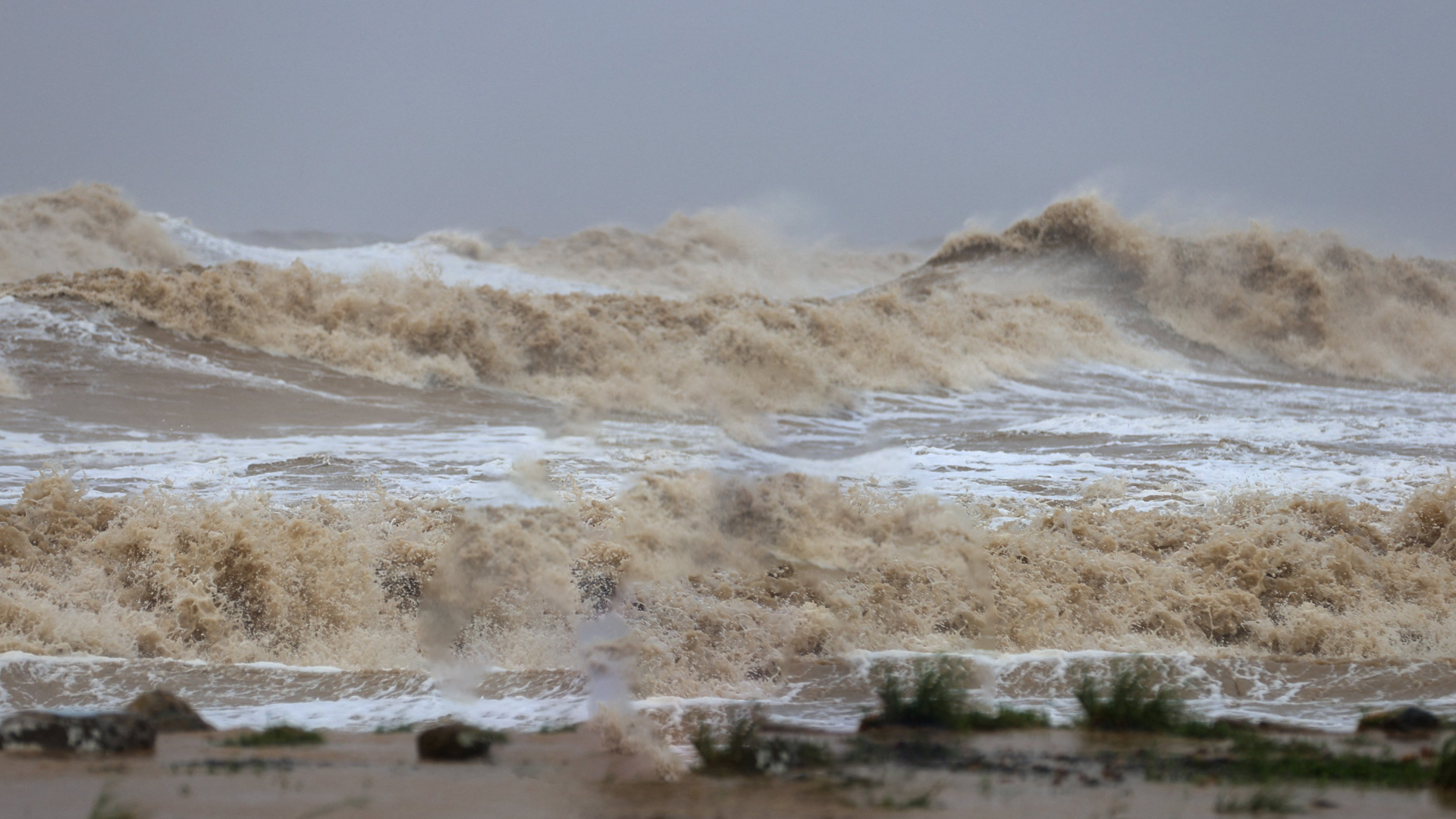
Tropical Storm Kajiki has unleashed devastating floods and landslides across Southeast Asia, leaving at least nine people dead and several missing as of August 27, 2025. The storm, which made landfall in central Vietnam on August 25, has weakened into a low-pressure system but continues to bring heavy rain, triggering widespread damage in Vietnam and Thailand.

In Vietnam, torrential rains and powerful winds caused severe flooding and landslides across several northern and central provinces. Seven people have been confirmed dead, one is missing, and at least 34 others are injured. Nearly 20 centimeters of rain fell overnight in parts of the northeast, overwhelming rivers and submerging urban areas, including parts of Hanoi. Hundreds of homes and infrastructure have been damaged, with authorities maintaining flood warnings for riverside communities. Emergency services have been deployed to assist residents, and evacuation efforts remain ongoing in high-risk zones as more rainfall is expected.

In Thailand, the remnants of Kajiki have caused deadly landslides and flash floods in the northern provinces. A major landslide in Mae Chaem district, Chiang Mai province, killed two people and left a 12-year-old girl missing after it struck around 2:50 a.m. on August 27, destroying at least seven houses. Heavy rainfall has inundated multiple communities, leaving homes damaged and roads impassable. Flash floods have caused injuries and forced several evacuations in other northern regions. Thai authorities have issued severe weather alerts for five northern provinces, warning residents living near rivers, foothills, and mountainous areas to be on high alert for further landslides and flooding.

The storm’s impact has extended beyond Vietnam and Thailand. Before moving westward, Kajiki battered China’s southern Hainan Island with strong winds and heavy rain, disrupting transportation and damaging property. While the storm has weakened significantly, its lingering moisture continues to fuel dangerous weather conditions across Southeast Asia. Governments in affected countries are maintaining close monitoring and deploying resources to support relief operations.

Scientists have long warned that climate change is intensifying tropical storms in the region. Warmer sea surface temperatures are fueling cyclones to develop closer to land, intensify more rapidly, and last longer, increasing risks for both coastal and inland communities. With Southeast Asia’s densely populated cities and vulnerable rural areas, extreme weather events like Kajiki underscore the urgent need for improved disaster preparedness, resilient infrastructure, and climate adaptation strategies.

As rescue and relief operations continue, local authorities are urging residents in vulnerable regions to remain vigilant and follow official safety instructions. Emergency response teams are working around the clock to restore power, clear debris, and provide shelter for displaced families. Although Kajiki has weakened, meteorologists warn that persistent rainfall could exacerbate flooding and landslide risks in the coming days. The storm’s devastation serves as another stark reminder of the escalating climate challenges facing Southeast Asia.

Also Read: Goodbye Green Card, Hello Gold Card? US Proposes H-1B Visa Overhaul

India to Become a Top 5 Sporting Nation by 2047: Mansukh Mandaviya


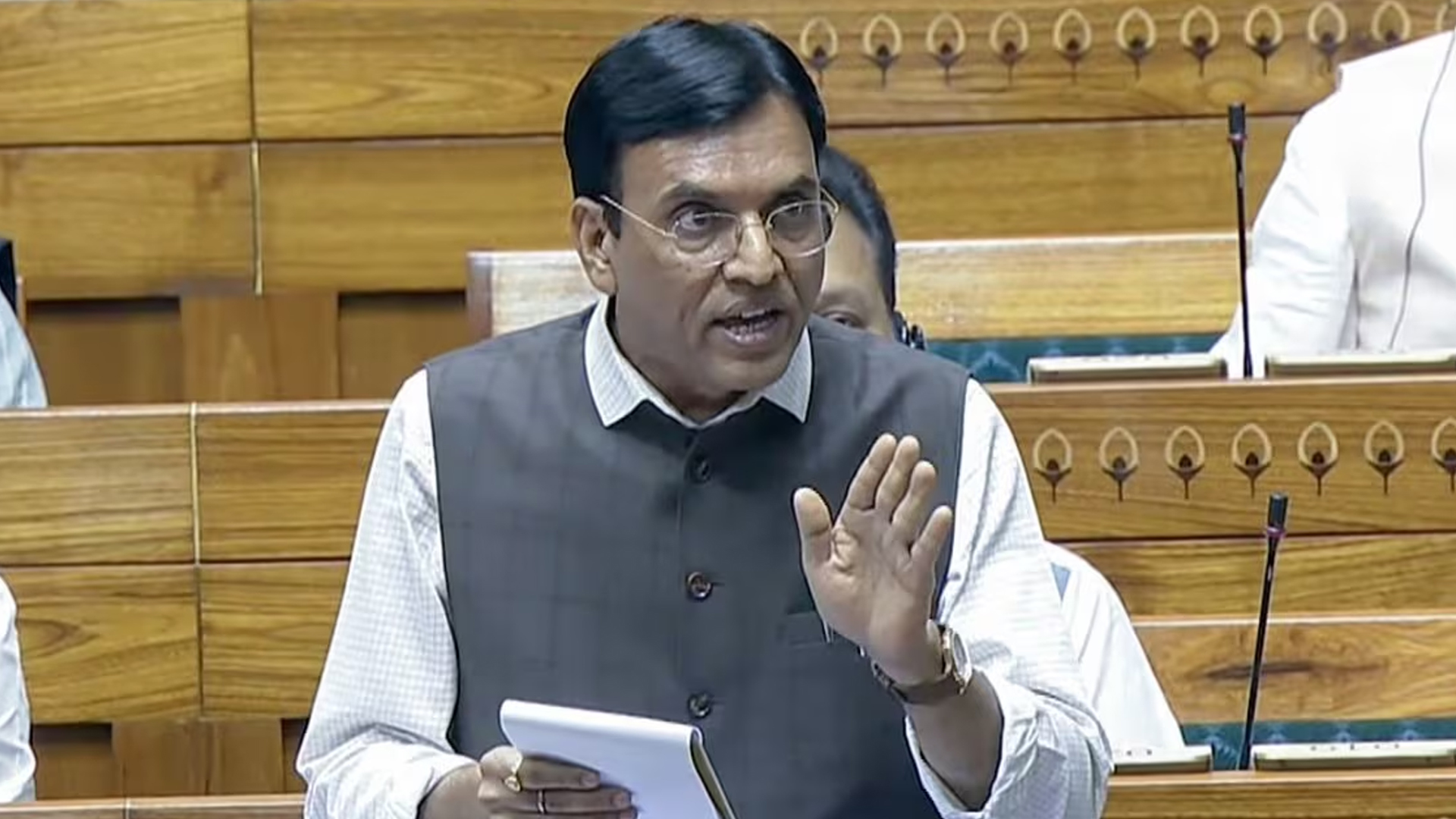
Ahmedabad: India has set a long-term, high-impact goal to be among the top five sporting nations in the world by 2047, coinciding with the country’s 100th year of independence. Union Sports Minister Mansukh Mandaviya described it as a national mission to transform India into a global sporting force. “We are committed to building a world-class sporting ecosystem—one that produces champions and unites the nation,” Mandaviya said during the Commonwealth Weightlifting Championships in Ahmedabad.

The Sports Minister outlined a phased roadmap to achieve this vision. The first phase aims for India to enter the top 10 sporting nations by 2036, the same year the country is bidding to host the Olympic Games. The second phase targets a rise into the top five by 2047. Mandaviya emphasized that this timeline is not symbolic; it is actionable and supported by strong policy measures, investments, and infrastructure development.

Several initiatives are driving India’s transformation in sports. The Target Olympic Podium Scheme (TOPS) provides world-class training, coaching, and financial support to elite athletes, while Khelo India focuses on grassroots talent development and building sports infrastructure. The Fit India Movement promotes a national culture of fitness to strengthen the athletic base from the ground up. Recently, the government introduced a new Sports Governance Bill designed to bring greater transparency, accountability, and athlete-first governance to national sports federations. Mandaviya highlighted that the legislation ensures athletes are at the center of decision-making and increases women’s representation across sports bodies.

The Sports Minister also credited Prime Minister Narendra Modi’s leadership for embedding sports into the national development narrative. From increased budget allocations to international partnerships, Mandaviya said the government’s support has been unprecedented. “Good governance, professional coaching, and scientific training are the pillars of our vision,” he added.

India’s recent performances at the Olympics, Paralympics, and global championships have shown glimpses of its potential. With the 2047 vision backed by structured planning, policy reform, and strategic investment, India aims to move from a rising participant to a consistent medal-winning nation on the world stage.

Landslide Near Vaishno Devi Shrine Claims 32 Lives Amid Severe Rains in Jammu


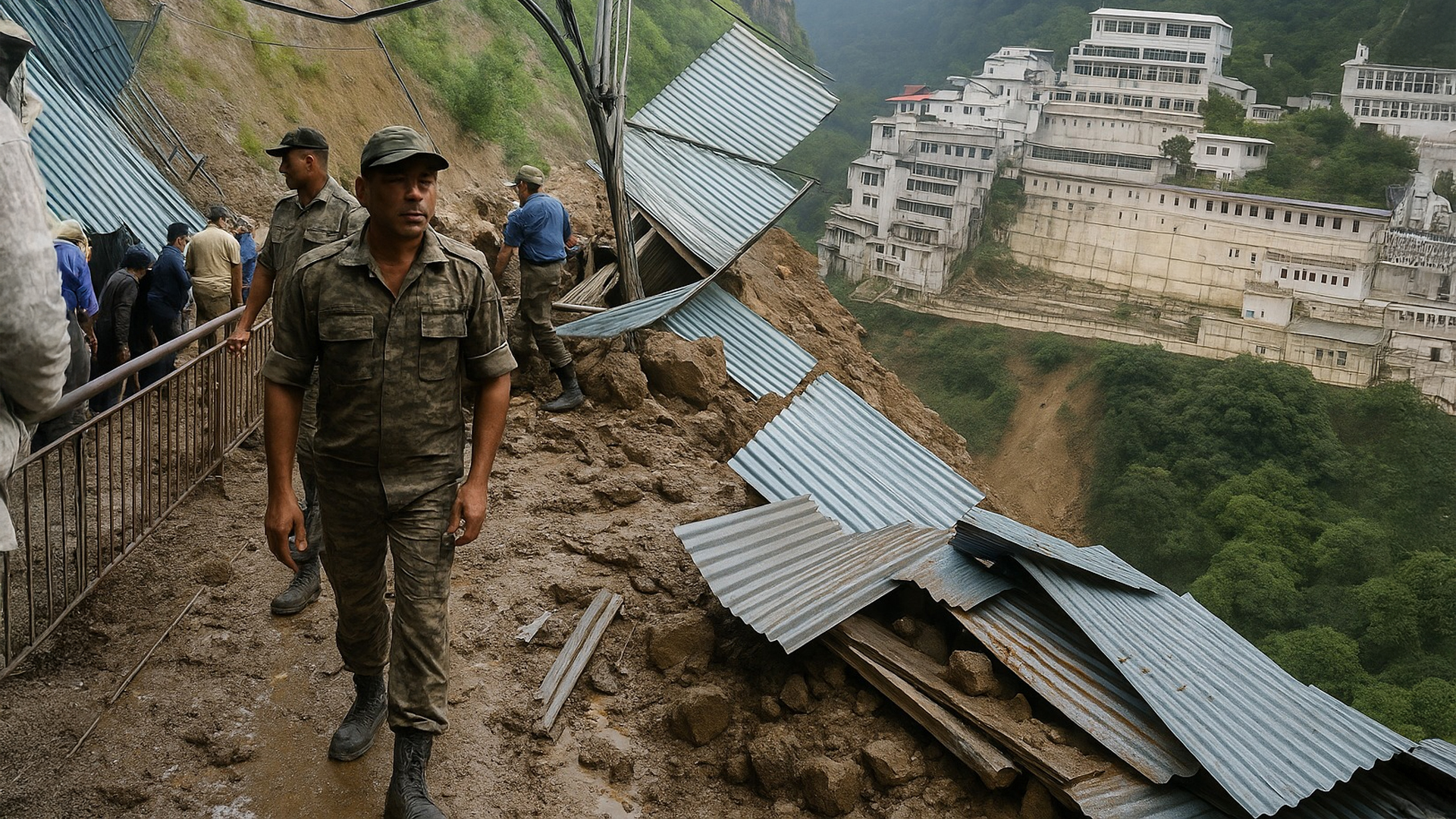
At least 32 people were killed and over 20 injured after a massive landslide struck the pilgrimage route to the Vaishno Devi shrine in Jammu and Kashmir’s Reasi district on Tuesday, August 26, 2025. The disaster occurred near Adh Kunwari, approximately halfway along the 12-kilometer trek from Katra town to the hilltop shrine, during relentless heavy rainfall.

The victims, primarily pilgrims, had taken shelter under an iron shed near the Inderprastha Bhojnalaya at Adh Kunwari due to the incessant rains. The landslide buried the structure, leading to the tragic loss of life. Rescue operations are ongoing, with teams working to clear debris and search for any individuals who may still be trapped.

In response to the tragedy, the Shri Mata Vaishno Devi Shrine Board suspended the yatra on the Himkoti route immediately following the incident. Subsequently, the pilgrimage was halted on the traditional route as well, pending further orders. Authorities have also suspended train services to the region, leaving many devotees stranded.

The heavy rains have caused widespread disruption across Jammu and Kashmir. Major highways, including the Jammu-Srinagar and Batote-Doda-Kishtwar national highways, have been closed due to landslides and flooding. Local roads in areas such as Doda-Bhaderwah, Thathri-Tanta, and Dhara-Jai have also been rendered impassable. Seventeen houses and several government properties have been damaged, and three footbridges have been washed away.

In Jammu city, several areas are waterlogged, with water entering residences and shops. The administration has ordered the closure of all government and private schools in Jammu province for Wednesday, August 27, 2025. Power outages have affected large parts of the region, and mobile networks are largely down, complicating rescue and relief efforts.

Chief Minister Omar Abdullah expressed his distress over the situation, noting significant communication disruptions and the challenges faced by relief teams. He highlighted the difficulties in accessing information and coordinating rescue operations due to the widespread network failures.

Prime Minister Narendra Modi has expressed his condolences over the loss of lives in the landslide. In a message on X (formerly Twitter), he stated, “The loss of lives due to a landslide on the route to the Shri Mata Vaishno Devi Temple is saddening. My thoughts are with the bereaved families. May the injured recover at the earliest. The administration is assisting all those affected. My prayers for everyone’s safety and well-being.”

As rescue operations continue, authorities are urging residents and pilgrims to stay away from water bodies and rivers, as the water levels in the Tawi and Chenab rivers remain high. The Indian Meteorological Department has issued warnings of more heavy rains in the coming days, raising concerns about the potential for further landslides and flooding in the region.

The tragedy near the Vaishno Devi shrine is the latest in a series of weather-related disasters in the region. Earlier this month, a cloudburst in Kishtwar district’s Chisoti village resulted in the deaths of 65 people, mostly pilgrims, and left more than 100 injured. The recurring incidents underscore the vulnerability of the region’s infrastructure and the urgent need for improved disaster preparedness and response mechanisms.

Rescue and relief operations are expected to continue throughout the day, with authorities working to provide assistance to those affected by the disaster. The situation remains critical, and officials are closely monitoring developments as they unfold.

Also Read: Monsoon Chaos Unfolds Across Jammu & Kashmir and Beyond