rotating globe
6 Apr 2026


Indian Football Facing Risk of Suspension Again: Here’s Why


Indian football is facing the risk of suspension from FIFA and the Asian Football Confederation (AFC) after both bodies issued a joint ultimatum to the All India Football Federation (AIFF) demanding the adoption and ratification of a new constitution by October 30, 2025. The letter, addressed to AIFF President Kalyan Chaubey on August 26, expressed “profound concern” over the federation’s prolonged delay in finalizing its constitution, a matter that has been pending before the Supreme Court since 2017. FIFA and AFC warned that failure to meet the deadline could lead to suspension, barring national teams and clubs from all international competitions and jeopardizing India’s bid to host the 2036 Olympic Games in Ahmedabad.

The world governing bodies instructed the AIFF to secure a definitive order from the Supreme Court approving the revised constitution, ensure its alignment with mandatory FIFA and AFC statutes, and obtain formal ratification at the next AIFF General Body meeting. The letter emphasized that non-compliance would compel FIFA and AFC to refer the matter to their decision-making bodies, including the possibility of suspension.

The AIFF has faced repeated governance crises. In August 2022, FIFA suspended India for “third-party interference” after a Supreme Court-appointed Committee of Administrators temporarily ran the federation. That suspension was lifted within two weeks after the committee was dissolved and Chaubey won the elections, defeating former footballer Bhaichung Bhutia. The current concern arises from the continued absence of a clear governance framework, which FIFA and AFC described as creating an untenable vacuum and legal uncertainty at the core of Indian football.

The impasse has already affected domestic football operations. Clubs and players face uncertainty over the domestic competition calendar, and commercial partnerships beyond December 2025 remain unconfirmed. Essential functions relating to development, competitions, and marketing are increasingly compromised, raising concerns about the financial stability of the football ecosystem. Reports from FIFPRO indicated that several clubs have unilaterally terminated player contracts, directly affecting players’ livelihoods and careers.

The Supreme Court is scheduled to hear the case concerning the Master Rights Agreement between AIFF and its commercial partner Football Sports Development Limited (FSDL) on August 28, 2025. The agreement, which governs commercial rights for the Indian Super League (ISL), expires on December 8. FSDL recently put the upcoming season on hold, citing uncertainty over the Master Rights Agreement renewal, which has forced at least three clubs to suspend operations or delay salaries and prompted all 11 ISL clubs to warn of an “existential crisis.” On August 22, the Supreme Court allowed AIFF and FSDL to hold talks to explore interim measures to start the season on time. Chaubey said the federation would endeavor to arrive at mutually agreeable solutions with FSDL in good faith, while clubs pushed for an early judgment to prevent further disruption to players, staff, and the football calendar.

FIFA and AFC officials highlighted that the ongoing governance crisis has precipitated a “profoundly negative impact” on Indian football. They stressed that the AIFF must implement the revised constitution to safeguard the operational and financial integrity of the sport in the country. The federation now faces a strict timeline to secure Supreme Court approval, ensure compliance with international statutes, and ratify the constitution in order to avoid suspension and maintain India’s participation in global football.

Goodbye Green Card, Hello Gold Card? US Proposes H-1B Visa Overhaul


The Trump administration is preparing significant changes to the U.S. immigration system, focusing on the H-1B visa and green card programs. Commerce Secretary Howard Lutnick criticized the current H-1B system, describing it as inadequate and unfair to American workers. In response, the administration plans to introduce a “Gold Card” program aimed at attracting high-net-worth individuals to invest in the U.S. economy, providing a new pathway to permanent residency.

The H-1B visa program allows U.S. employers to hire foreign workers in specialty occupations. Critics have long argued that the program can displace American workers and be exploited for low-cost labor. The Trump administration intends to overhaul this system by replacing the lottery-based allocation with a wage-based and merit-driven approach. By prioritizing highly skilled immigrants who earn higher wages, the administration aims to ensure that the program benefits the U.S. economy by attracting top talent while safeguarding opportunities for American workers.

In addition to H-1B reforms, the administration has proposed the Gold Card investor visa. Under this program, foreign nationals would be required to invest $5 million in U.S. projects in exchange for permanent residency and a pathway to citizenship. The Gold Card is designed to replace the existing EB-5 investor visa program, which has been criticized for its complexity and limited economic impact. By requiring significant investment, the program seeks to attract affluent individuals who can contribute meaningfully to the U.S. economy through job creation, spending, and tax contributions.

The Gold Card also offers certain tax advantages. Investors under this program would not be liable for federal income tax on earnings generated outside the United States. The initiative targets wealthy foreign investors and entrepreneurs, offering a streamlined route to residency and citizenship in return for capital inflows that support economic growth. While proponents argue that this program will bolster the U.S. economy and create employment opportunities, critics warn that it could lead to security concerns, potential misuse, and increased inequality in access to residency.

The proposed changes to the H-1B system may have a substantial impact on Indian professionals, who constitute a significant portion of H-1B visa holders. A merit- and wage-based system could limit opportunities for entry-level or lower-paid positions, particularly in the IT sector. However, the Gold Card program may provide an alternative pathway for wealthy Indian investors seeking U.S. residency, emphasizing financial contribution as a criterion rather than employment in specialized occupations.

The Trump administration has stressed that these reforms are designed to attract the best talent and investment to the country. By overhauling the H-1B visa program and introducing the Gold Card, the administration aims to align immigration with U.S. economic priorities, ensuring that skilled professionals and capital inflows contribute directly to national growth and competitiveness.

These proposed reforms represent a major shift in U.S. immigration policy. While they are intended to attract high-skilled immigrants and affluent investors, they also raise questions about fairness, equity, and potential socioeconomic implications. As the administration moves forward with these proposals, careful attention will be needed to balance economic benefits with equitable access, national security, and the long-term interests of American workers.

Also Read: Global Condemnation After Israeli Strike Kills Five Journalists in Gaza Hospital

Global Condemnation After Israeli Strike Kills Five Journalists in Gaza Hospital


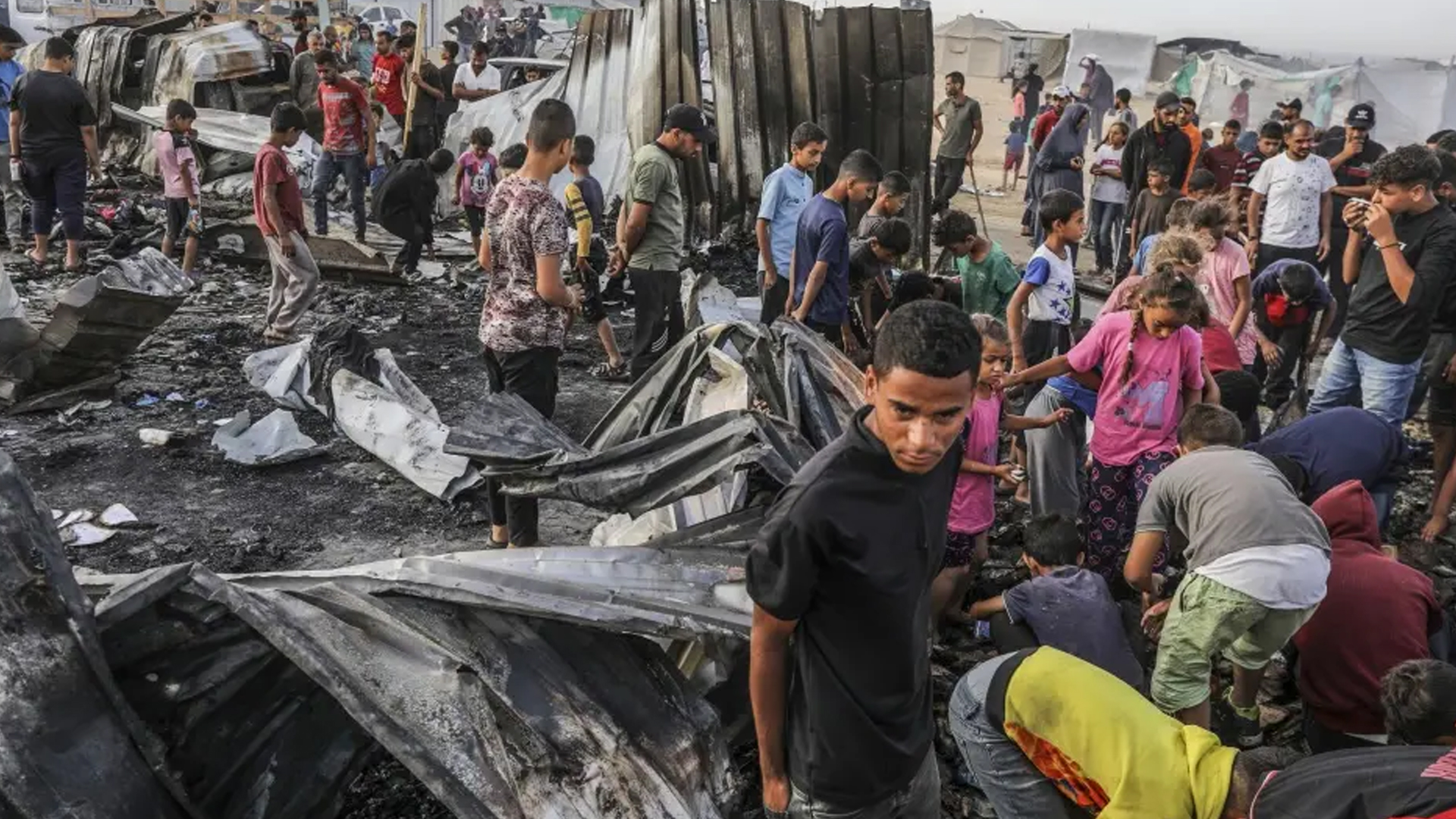
The international community has expressed widespread outrage following an Israeli airstrike on Nasser Hospital in Khan Younis, southern Gaza, on August 25, 2025, which claimed the lives of five journalists and at least 20 other individuals. The attack, described as a “double-tap” strike—where a second missile hit minutes after the first—has drawn condemnation from governments, media organizations, and human rights groups worldwide.

India termed the killings “shocking and deeply regrettable.” External Affairs Ministry spokesperson Randhir Jaiswal emphasized that India has always condemned the loss of civilian lives in conflict zones and noted that Israeli authorities had initiated an investigation into the incident. India’s reaction reflects broader concern for the safety of journalists and civilians amid escalating hostilities.

The United Nations called for accountability, urging Israel to conduct a transparent and thorough investigation. UN officials underscored the need for all parties in the conflict to respect international humanitarian law and ensure the protection of journalists reporting from conflict zones. The UN highlighted Israel’s previous lapses in resolving similar incidents, stressing that consistent enforcement of protections is vital.

The European Union also expressed strong concern, with several senior diplomats urging EU member states to take collective measures to uphold international law and protect civilian and media personnel in conflict areas. Human rights organizations have stressed the importance of safeguarding journalists and holding perpetrators accountable for attacks on media workers.

Media organizations worldwide condemned the strike as an assault on press freedom. The Committee to Protect Journalists and the Palestinian Journalists Syndicate described the killings as a deliberate attack on journalists, highlighting the risks faced by media personnel in conflict zones. Al Jazeera, one of the affected outlets, denounced the attack, calling it an attempt to silence reporting from Gaza.

The journalists killed in the Nasser Hospital strike were Hussam al-Masri, a Reuters cameraman; Mariam Abu Dagga, a freelance journalist for the Associated Press; Mohammed Salama, an Al Jazeera cameraman; Moaz Abu Taha, a freelance photographer; and Ahmed Abu Aziz, a correspondent for Middle East Eye and Quds News Network. The attack also claimed the lives of medical staff, a paramedic, and other civilians, while approximately 50 people were injured.

This incident is part of a broader, alarming pattern in which journalists covering the Israel-Hamas conflict face extreme dangers. According to the Committee to Protect Journalists, at least 192 journalists have been killed in Gaza over the 22-month conflict, making it one of the deadliest situations for media personnel worldwide. Comparatively, 18 journalists have been killed in the war in Ukraine during the same period, underscoring the extraordinary risks in Gaza.

International media and advocacy organizations have called for urgent measures to protect journalists and civilian infrastructure in Gaza. They stress that attacks on hospitals, media offices, and other non-combatant targets violate international humanitarian law and undermine the global commitment to press freedom.

The attack on Nasser Hospital has intensified scrutiny on Israel’s military operations in Gaza, with global leaders, human rights groups, and media organizations urging restraint and accountability. The incident has highlighted the precarious situation of journalists reporting from active conflict zones and the urgent need for mechanisms to protect them.

As investigations proceed, the international community continues to demand justice for the victims and increased measures to safeguard journalists working under life-threatening conditions. The deaths of Hussam al-Masri, Mariam Abu Dagga, Mohammed Salama, Moaz Abu Taha, and Ahmed Abu Aziz serve as a stark reminder of the perils faced by journalists and the critical importance of protecting those who risk their lives to report the truth.

Also Read: Monsoon Chaos Unfolds Across Jammu & Kashmir and Beyond

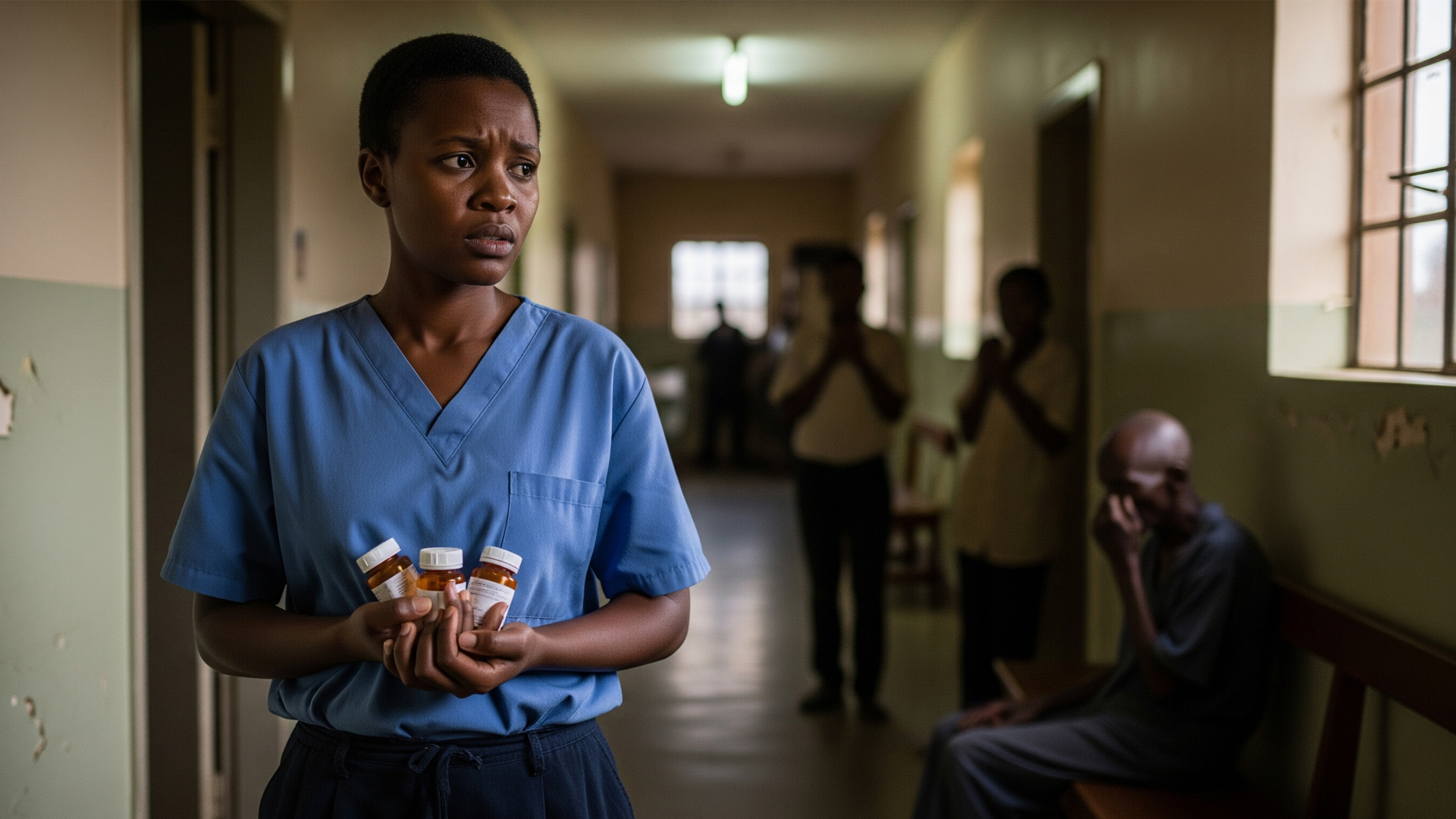
Botswana Declares Public Health Emergency Amid Economic Strain and Aid Cuts


Botswana has declared a national public health emergency following critical shortages of essential medicines and medical supplies. President Duma Boko announced the crisis on August 25, attributing the collapse of the medical supply chain to depleted government coffers and significant reductions in foreign aid, particularly from the United States.

The Ministry of Health had previously suspended non-urgent surgeries on August 4 due to shortages of medications for chronic conditions such as hypertension, diabetes, cancer, asthma, and eye diseases. Additionally, basic surgical supplies, including bandages and sutures, were reported to be in short supply. The government has allocated 250 million pula (approximately £13.8 million) for emergency procurement, with the military overseeing distribution to ensure equitable access.

President Boko criticized the Central Medical Stores (CMS), the state procurement agency, for inefficiencies and inflated pricing. While CMS quoted 705 million pula for a year’s worth of necessary medicines, an emergency task force obtained a much lower estimate of 80 million pula. Analysts have highlighted longstanding issues within CMS, including corruption allegations and procurement failures, which have exacerbated the crisis.

The healthcare system’s challenges are compounded by Botswana’s economic downturn. The country, traditionally reliant on diamond exports, has faced a prolonged slump in global diamond prices. In 2024, rough diamond sales fell by 49.2%, significantly impacting national revenue. The government has been forced to make drastic fiscal adjustments, including expenditure cuts and increased borrowing, leading to a projected budget deficit of 11% of GDP in 2025.

Further straining the healthcare sector, Botswana has experienced reductions in international aid. The United States, a major donor, had previously funded about one-third of Botswana’s HIV response through the President’s Emergency Plan for AIDS Relief (PEPFAR) and the Global Fund. However, in January 2025, the U.S. government announced a halt to foreign aid payments, including approximately $67 million allocated to Botswana’s health programs. While some funding has since been restored, the uncertainty has disrupted ongoing HIV/AIDS initiatives.

Despite these challenges, Botswana has made significant strides in combating HIV/AIDS. The country has achieved a dramatic reduction in mother-to-child transmission rates, earning recognition from the World Health Organization for eliminating vertical HIV transmission as a public health threat. However, the recent funding cuts threaten to reverse these gains, particularly in pediatric HIV treatment and prevention programs.

In response to the multifaceted crisis, President Boko has emphasized the need for economic diversification. The government has secured a $12 billion investment agreement with Qatar’s Al Mansour Holdings, targeting sectors such as infrastructure, energy, mining, and tourism. This strategic partnership aims to reduce Botswana’s dependence on diamond exports and promote sustainable economic development.

India Finalizes CCUS Mission Roadmap Amid Ambitious Gas Expansion Plans


The Union Government is finalizing the roadmap and financial outlay for the much-anticipated Carbon Capture, Utilisation and Storage (CCUS) Mission, a critical initiative to reduce industrial carbon emissions, said Rajnath Ram, advisor for energy, natural resources, and environment at Niti Aayog. Speaking at the Third Energy Summit of the Indo-American Chamber of Commerce in New Delhi on August 26, Ram stated, “We are working on finalising the mission roadmap. Discussions are also ongoing to finalize the total outlay.”

CCUS is a transformative technology that captures carbon dioxide (CO2) from industrial plants and power generation facilities before it enters the atmosphere. Captured CO2 can either be utilized to produce chemicals, building materials, synthetic fuels, or other industrial products, or permanently stored in geological formations such as depleted oil and gas reservoirs and saline aquifers. CCUS is regarded as a cornerstone of India’s net-zero and energy transition ambitions, enabling emissions reduction in sectors that are otherwise difficult to decarbonize, such as cement, steel, and refineries.

Experts emphasize that CCUS offers both environmental and economic advantages. Beyond reducing greenhouse gas emissions, it supports the development of a circular carbon economy by turning captured CO2 into commercially valuable products. Pilot projects are expected to be rolled out across key industrial clusters to validate technological, economic, and operational viability, paving the way for wider adoption in the coming years.

Ramnath Ram also highlighted India’s focus on natural gas as a low-carbon bridge fuel. With the government targeting a 15% share of gas in the overall energy mix by 2030, consumption is projected to rise two to three times, reaching an estimated 180–200 billion cubic metres. “If we want to achieve 15% of gas in our energy basket by 2030, consumption needs to increase substantially,” he said, emphasizing that assured long-term supply, domestic exploration, and cost-effective procurement are critical.

The strategy includes mapping domestic basins to maximize indigenous resources and reduce import dependence, alongside promoting domestic production of compressed biogas (CBG) and other renewable gas alternatives. Ram noted that scaling up CBG and similar initiatives is essential for meeting energy security goals while supporting the country’s carbon reduction targets.

The integration of CCUS with a growing natural gas infrastructure forms a central pillar of India’s energy transition. By deploying low-carbon technologies, expanding domestic energy resources, and securing global supply chains, India aims to balance industrial growth with climate commitments. CCUS adoption will also stimulate private sector investment, technology transfer, and green job creation, reinforcing the nation’s role in global decarbonization efforts.

As the government finalizes the CCUS Mission, stakeholders anticipate a phased rollout of pilot projects, policy incentives for industrial adoption, and strategic partnerships with international technology providers. Together with India’s gas expansion plans, CCUS is expected to play a pivotal role in achieving climate targets, enhancing energy security, and ensuring sustainable industrial growth.

Also Read: Australia Expels Iran Ambassador After ‘Tehran-Directed Attacks on Jewish Community’

Monsoon Chaos Unfolds Across Jammu & Kashmir and Beyond


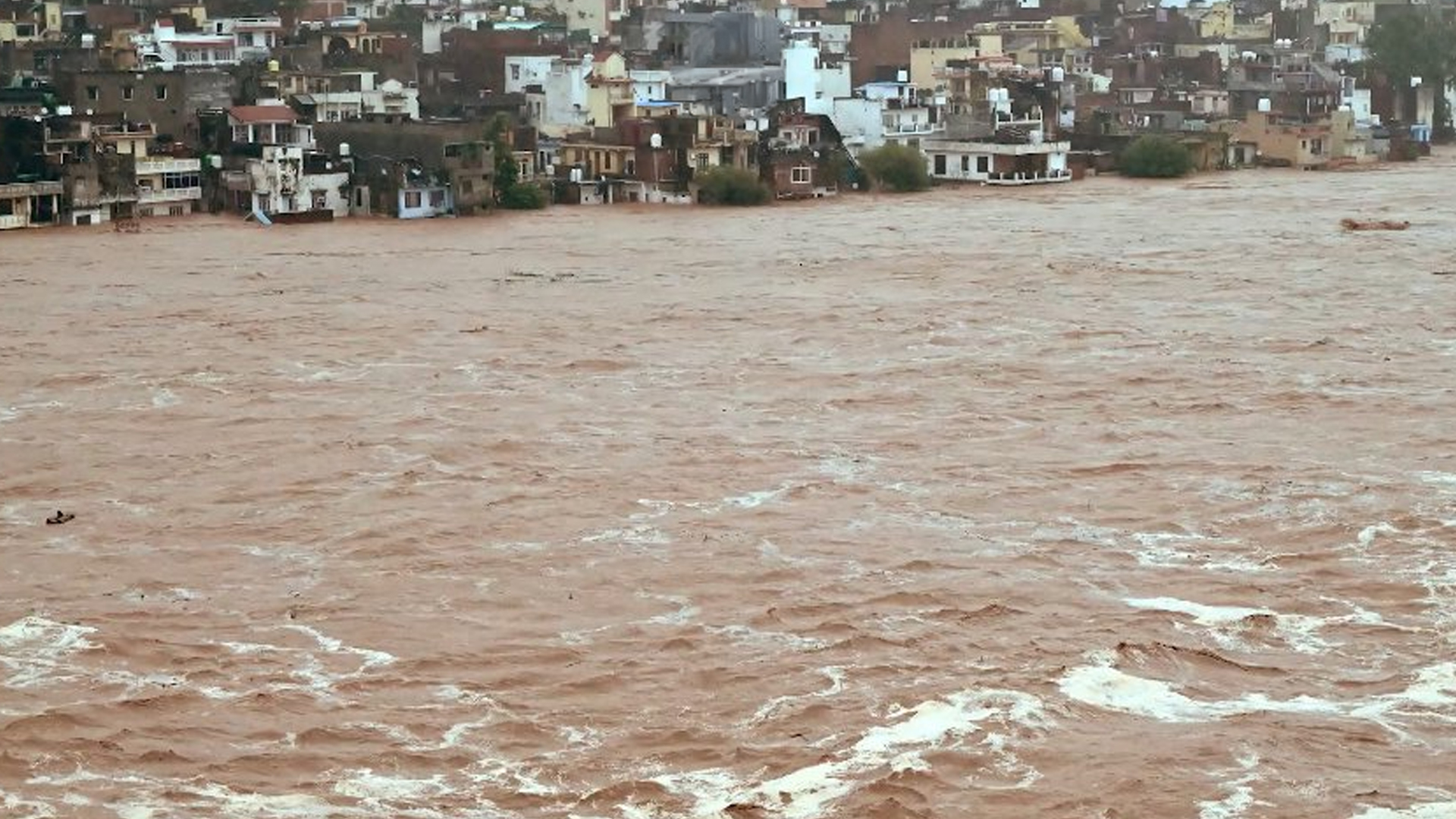
Jammu & Kashmir (J&K) continues to reel under an unprecedented monsoon assault. Relentless rainfall has devastated the region, triggering floods, landslides, and infrastructure destruction. On Tuesday, a portion of the Fourth Tawi River bridge in Jammu collapsed amidst ferocious downpours, stranding several vehicles perilously close to being swept away by the surging waters. Chilling visuals captured cars hanging precariously and dramatic rescue efforts by civilians and police just moments before the structure gave way. Simultaneously, the region’s rivers—including the Tawi, Chenab, Basantar, and Ravi—overflowed beyond alert levels, inundating low-lying areas, submerging roads, and paralyzing vital transportation routes.

Rail services were severely impacted: 18 trains were cancelled, numerous others short-terminated, and key routes like Chakki River and Jammu Tawi were suspended due to track damage. Schools and government offices across Jammu remain closed, with exams for Classes 10 and 11 postponed as communication lines — including mobile and internet services — collapsed in many areas.

Landslides and Flash Floods Cause Fatalities

A landslide struck the pilgrims’ route to the revered Mata Vaishno Devi shrine, claiming at least 30 lives. Pilgrims were caught off guard as boulders and debris came crashing down, prompting immediate rescue operations by Army units and local agencies.

In the Doda district, a cloudburst in the Charu Nallah area of Bhalesa triggered flash floods that submerged homes and killed three residents. Infrastructure like the Mughal Maidan bridge in Kishtwar also collapsed under the deluge’s force.

Across J&K, fatalities are mounting. Combined with previous flash floods—including one in Kishtwar earlier this month that killed 65—total lives lost in the region since June now exceed 60.

Situation Snapshot:

Region Key Impact Casualties/Disruption
Jammu & Kashmir Bridge collapse, landslides, flooded rivers 60+ dead, transport & communication down
Doda/Kishtwar Cloudburst-triggered flash floods Multiple bridge collapses, 3+ killed
Pilgrimage Route (Vaishno Devi) Landslide on route ~30 pilgrims killed
India–Pakistan Border Flood alerts via diplomacy amid IWT suspension Large-scale evacuations in Pakistan
Punjab (India) Rivers overflowing, infrastructure damage Building collapse, boy electrocuted, mass evacuations

Diplomatic Ripples: Flood Alerts Amid Treaty Tensions

Amid this environmental crisis, India issued a rare flood alert to Pakistan about the Tawi River’s swelling waters, marking the first such diplomatic contact since the suspension of the Indus Waters Treaty (IWT) after the April Pahalgam terror attack.

Pakistan responded with large-scale evacuations. Over 150,000 residents in eastern Punjab—particularly around the Ravi, Sutlej, and Chenab rivers—were moved to safety as India released dam water and warned of potential flooding. The move intensified criticism from Pakistan, with officials asserting that India bypassed formal treaty-based channels in favor of ad-hoc diplomacy.

North India Also Takes the Brunt

Neighboring Punjab, India, saw widespread inundation. Rivers including Ravi, Beas, Sutlej, and Ujh burst their banks, flooding villages and agricultural fields. Physical infrastructure suffered: an old bridge collapsed, roads were submerged, and crucial embankments weakened or failed.

Casualties and damages there included an 11-year-old boy’s death by electrocution in Barnala and multiple building collapses in Amritsar. Rescue teams from the Army, BSF, and local police responded with boats and helicopters to evacuate affected populations. Community kitchens and shelters were activated to support evacuees.

Punjab recorded a staggering 1,643% excess rainfall in just 24 hours, with more rain forecasted—raising concerns about further deterioration and prolonged disruptions.

Everest-Sized ‘Devil Comet’ May Hold Clues to How Earth Got Its Water


Scientists have uncovered compelling new evidence that a massive comet, known as the “Devil Comet,” may have played a critical role in delivering water to our planet. So, next time you happen to catch a glimpse of a comet streaking across the night sky, don’t just admire its beauty, consider it a cosmic delivery truck carrying something incredibly important: water.

The Mysterious Devil Comet

Comet 12P/Pons-Brooks, nicknamed the Devil Comet for its distinctive horn-like shape, measures roughly the size of Mount Everest. Unlike typical comets, this celestial body is cryovolcanic, erupting water and gases from its icy interior like a frozen volcano. These eruptions occur roughly every 15 days as the comet rotates, creating a unique and dynamic surface. Scientists studied it using powerful telescopes in Chile and Hawaii.

Water’s Cosmic Fingerprint

The origin of Earth’s water has puzzled scientists for decades. One long-standing hypothesis suggests that comets bombarded the early Earth, delivering water and possibly organic molecules essential for life. However, previous studies showed that most comets’ water didn’t match the isotopic signature of Earth’s oceans.

Recent observations using the Atacama Large Millimeter/submillimeter Array (ALMA) in Chile and NASA’s Infrared Telescope Facility (IRTF) in Hawaii reveal that the Devil Comet’s water vapor exhibits a deuterium-to-hydrogen ratio strikingly similar to that of Earth’s oceans. This isotopic “fingerprint” suggests that comets like 12P/Pons-Brooks could indeed have been major contributors to Earth’s water supply.

Unlocking Earth’s Origins

This discovery not only strengthens the idea that comets delivered water to early Earth but also highlights that comets are active, evolving bodies rather than inert ice balls. The cryovolcanic activity observed on the Devil Comet offers new insights into the dynamic nature of these space objects.

Comet 12P/Pons-Brooks orbits the Sun every 71 years and was last visible during the April 2025 total solar eclipse, providing a rare opportunity for detailed study. Its next approach won’t be until late in the 21st century, making this a pivotal moment for researchers.

Also Read: Australia Expels Iran Ambassador After ‘Tehran-Directed Attacks on Jewish Community’

Digital Privacy Meets Tax Enforcement as CBDT Aligns with DPDP


New Delhi: In a significant move to modernise India’s digital governance landscape, the government has announced that digital data accessed by Income Tax (I-T) officials will be handled in full compliance with the Digital Personal Data Protection (DPDP) Act.

This update follows the presidential assent to the new Income Tax Act 2025 on August 22. The Act, replacing the Income Tax Act of 1961, will take effect from April 1, 2026, and aims to simplify tax administration while strengthening digital enforcement mechanisms. 

Redefining ‘Computer Systems’ for Better Access

While presenting the Bill in the Rajya Sabha, Finance Minister Nirmala Sitharaman highlighted the need to empower tax officials to access digital devices during investigations. She noted that some individuals attempt to block access by claiming their devices do not fall under the legal definition of a “computer system.”

To counter this, the new Act expands that definition, aiming to close loopholes often exploited by tax evaders.

CBDT Assures Adherence to Privacy Protocols

Addressing concerns over potential privacy violations, RN Parbat, Member (Legislation) at the Central Board of Direct Taxes (CBDT), confirmed that tax officials will follow strict guidelines laid out under the DPDP Act.

“We will work in tandem with the Data Protection Act. Clear instructions on managing digital data during searches and seizures will be included in the Standard Operating Procedure (SoP),” he stated.

Despite the expanded enforcement scope, Parbat reiterated the department’s trust-based approach: “We believe in our taxpayers. Of the many returns filed, only around two lakh are scrutinised annually.”

Simplified Tax Compliance on the Horizon

To make compliance easier for taxpayers, the CBDT also plans to introduce standardised and digital-friendly tax forms. This includes smart forms for TDS, TCS, and advance tax filings, part of the broader effort to modernise tax administration.

DPDP Act Moves Closer to Implementation

More than 16 months after it was passed, the DPDP Act is finally nearing operational rollout. The Home Ministry has approved the draft rules, and the Ministry of Electronics and Information Technology (MeitY) is set to release them for public consultation shortly. Final rules will be notified and implemented in phases.

Stronger Safeguards and Penalties Introduced

The DPDP Act outlines a robust framework for digital privacy, covering key principles like user consent, data minimisation, purpose limitation, and rights to access or delete data. Companies will be required to disclose what personal data they collect, how it is used, and how long it will be retained.

Special provisions will apply for minors, and some exemptions may be granted in specific contexts. A new Data Protection Board will be set up to resolve disputes between users and data-handling entities.

Entities found violating the Act could face penalties of up to ₹250 crore per breach.

Australia Expels Iran Ambassador After ‘Tehran-Directed Attacks on Jewish Community’


Australia’s national security agency has confirmed that Iran orchestrated at least two antisemitic attacks on Australian soil, leading to the expulsion of Tehran’s ambassador and the announcement of new counterterrorism measures.

The Australian Security and Intelligence Organisation (ASIO) revealed that the Islamic Revolutionary Guard Corps (IRGC), Iran’s paramilitary force, directed these attacks through intermediaries operating within Australia. The incidents targeted the Adass Israel Synagogue in Melbourne and Lewis’s Continental Kitchen in Bondi, Sydney, both of which have significant Jewish associations.

ASIO’s Director-General, Mike Burgess, stated that the attacks were part of a broader strategy to “undermine social cohesion and sow discord” within the Australian community.

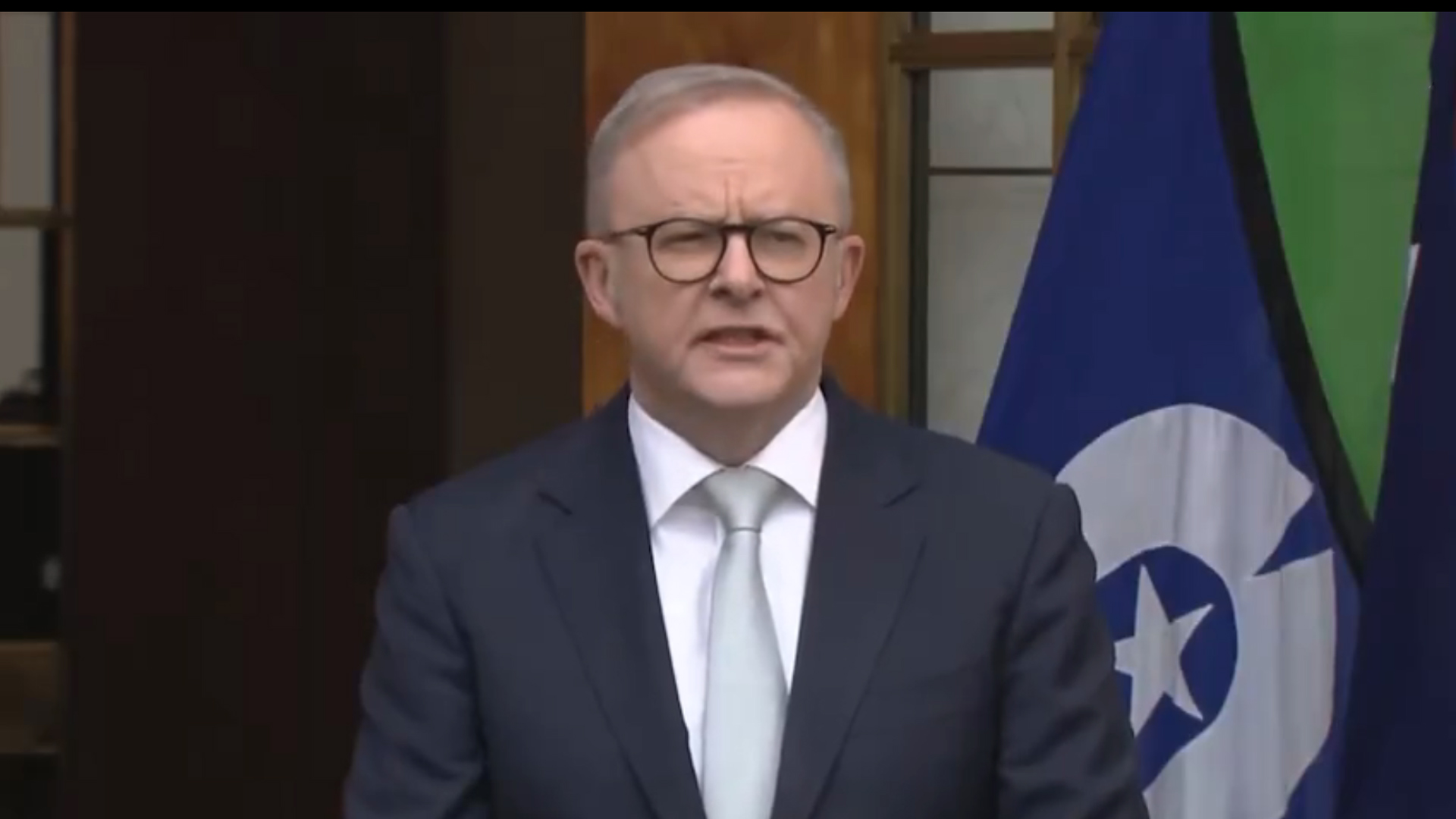
In response, Prime Minister Anthony Albanese condemned the attacks as “extraordinary and dangerous acts of aggression orchestrated by a foreign nation on Australian soil.” He emphasized that these actions were attempts to “undermine social cohesion and sow discord in our community,” describing them as totally unacceptable. The Australian government has expelled Iran’s ambassador, Ahmad Sadeghi, and suspended operations at its embassy in Tehran. Additionally, six Iranian diplomatic staff members were relocated to a third country for safety. The IRGC will be officially designated as a terrorist organization, with legislation to be introduced in federal parliament.

The attacks have drawn widespread international condemnation. The Israeli embassy in Canberra supported the Australian government’s actions, stating that Iran’s regime poses a threat not only to Jews or Israel but to the entire free world, including Australia. The United States and France also expressed concern, with U.S. President Donald Trump stating he was “not happy about it” and French President Emmanuel Macron calling the attacks “intolerable.”

These developments highlight the increasing concerns over foreign interference and the safety of religious communities in Australia. The government’s swift response underscores its commitment to protecting its citizens and upholding national security.

The incidents follow a months-long wave of antisemitic attacks across Australia. In December, the Adass Israel Synagogue was firebombed, and federal police investigations have pointed to criminal intermediaries being hired by foreign actors rather than purely ideologically motivated offenders. Two men have since been arrested in connection with the synagogue attack. The AFP has coordinated with international partners, including the Five Eyes intelligence alliance, to investigate the broader network behind these incidents.

Burgess clarified that while Iran was behind specific attacks, the agency does not believe the country is responsible for every antisemitic incident in Australia. He described the operations as involving a “layer cake of cut-outs” – intermediaries paid to carry out attacks on behalf of the IRGC – aimed specifically at disrupting social cohesion.

The Albanese government has called the measures its “most serious response” to foreign interference since the post-war period. Opposition leader Sussan Ley described Iran’s actions as “brazen attempts to cleave apart our social cohesion” and supported the government’s decisive steps.

At Least 20 Killed, Including Five Journalists, in Israeli Strikes on Gaza’s Nasser Hospital


At least 20 people, including five journalists, were killed on Monday when Israeli forces struck Nasser Hospital in southern Gaza, according to health officials and multiple international news agencies. The first bombing hit the top floor of the hospital, killing Reuters journalist Hussam al-Masri and others. Minutes later, a second strike hit the same location as rescuers and journalists rushed to aid the wounded, a tactic widely referred to as a “double tap” attack.

Video footage broadcast by AlGhad TV captured the devastating moments. Civil defense workers in bright orange vests and journalists were seen shielding themselves seconds before the second explosion, which left bodies of first responders and reporters lying amid rubble and dust. The Associated Press, Reuters, and Al Jazeera confirmed the deaths of Mariam Abu Dagga of AP, Mohammed Salam of Al Jazeera, photojournalist Moaz Abu Taha, and Ahmad Abu Aziz of Quds Feed, while Reuters photographer Hatem Khaled was wounded.

The strike has sparked international condemnation. UK Foreign Secretary David Lammy called for an immediate ceasefire, tweeting that civilians, healthcare workers, and journalists must be protected. French President Emmanuel Macron described the attack as “intolerable,” while US President Donald Trump expressed concern, telling reporters, “I’m not happy about it.” Israeli Prime Minister Benjamin Netanyahu described the incident as a “tragic mishap” and expressed regret, though Israel has historically justified strikes on hospitals and journalists by alleging connections to Hamas, claims widely disputed by journalistic organizations.

The Committee to Protect Journalists (CPJ) condemned the attack, emphasizing that 193 Palestinian journalists have been killed since the outbreak of the conflict on October 7, 2023—more than the total killed globally in the previous three years. Sara Qudah, CPJ regional director, stated, “These unlawful killings must end now. The perpetrators must no longer be allowed to act with impunity.”

Journalists killed in Monday’s strikes were recognized for their dedication to reporting in hazardous conditions. Mariam Abu Dagga, 33, freelanced for AP and other outlets, covering the dire conditions in Nasser Hospital where doctors struggled to treat children suffering from starvation and conflict-related injuries. She reportedly instructed friends not to cry at her funeral, emphasizing the importance of preserving her legacy for her 13-year-old son, Ghaith.

Ahmad Abu Aziz, based at Nasser Hospital, had previously reported on the trauma of working in Gaza, including the destruction of his own home. Mohammed Salam of Al Jazeera and Moaz Abu Taha also contributed to frontline reporting under extreme risk, highlighting the humanitarian crisis in the region.

Israeli military officials stated that the chief-of-staff had ordered a preliminary investigation, claiming that Israel does not intentionally target journalists and expressed regret for injuries to uninvolved personnel. However, past inquiries into alleged misconduct in Gaza have largely gone unresolved. A recent report found that 88% of Israeli investigations into war crime allegations in Gaza were closed or left unresolved. The investigation into the killing of Palestinian-American journalist Shireen Abu Akleh in 2022 remains incomplete.

The attack comes amid Israel’s near-total restrictions on international media coverage of the conflict, forcing Palestinian journalists to report under extreme danger, with limited access to food, medical care, and protective resources.

Also Read: India Holds Firm Against US Pressure Amid Soaring Tariffs on Indian Goods