rotating globe
6 Apr 2026


Apple Koregaon Park Set to Open in Pune: Here’s What to Expect


Apple is all set to make its mark in Pune with the grand opening of its first retail store, Apple Koregaon Park, on September 4 at 1 p.m. IST. More than just a store, Apple Koregaon Park promises to be a hub of creativity, innovation, and community engagement, reflecting Apple’s growing presence and commitment to India’s vibrant tech ecosystem.

The store’s façade and barricade, unveiled ahead of the launch, are adorned with a stunning design inspired by the peacock, India’s national bird, symbolizing pride, elegance, and color. This creative touch aligns with the aesthetic theme unveiled for Apple Hebbal in Bengaluru, Apple’s other upcoming retail location. Together, these stores represent Apple’s third and fourth retail footprints in India, blending world-class design with local culture.

Inside, visitors will discover Apple’s complete lineup of products — from iPhones and MacBooks to Apple Watches and accessories. But the experience goes beyond shopping. Customers can interact with trained Specialists, Geniuses, Creatives, and business-focused teams who provide tailored guidance, hands-on demos, and support for both personal and professional needs.

Apple’s “Today at Apple” sessions are set to be a highlight, offering free, immersive workshops on photography, music, art, coding, and more. These sessions are designed to inspire creativity and learning, making the store a place where ideas and innovation come to life.

The Pune store also integrates Apple’s digital-first services, allowing visitors to schedule appointments or shop with a Specialist over video calls. The revamped Apple Store app ensures a seamless, personalized, and secure shopping experience, bridging the gap between online and in-person engagement. Ahead of the opening, Apple has released curated Apple Music playlists inspired by Pune, exclusive wallpapers, and other engaging content to celebrate the city’s unique character.

This launch comes shortly after Apple announced its Bengaluru Hebbal store, signaling a clear strategy to expand its retail and service presence in India. These stores are not just about selling devices — they are carefully designed spaces where technology, education, and community intersect, inviting visitors to explore, create, and connect.

With Apple Koregaon Park, Pune joins the map of cities where Apple seeks to create more than a shopping experience: a destination for learning, discovery, and inspiration. The store reflects Apple’s philosophy of blending cutting-edge technology with creativity and local culture, providing a space where every visitor can experience innovation in a uniquely Indian context.

Also Read: ED Raids AAP Leader Saurabh Bhardwaj’s Residence in Hospital Construction Scam Probe

US Imposes 50% Tariffs on Indian Goods, Threatening Export Sector


India is facing a major economic setback as the United States formally announced a 50% tariff on Indian products, effective from August 27, 2025. The decision comes after India’s continued imports of Russian crude oil, which the US has described as a threat to its national security and foreign policy interests. The move follows the collapse of trade deal negotiations and rising diplomatic tensions between the two countries.

The US Customs and Border Protection (CBP) clarified that the new duties would apply to products entering the United States for consumption or withdrawn from warehouses for consumption from 12:01 a.m. Eastern Daylight Time on August 27. Certain items, including passenger vehicles, iron and steel, copper, pharmaceuticals, and electronics, are exempt from the tariffs. However, a wide range of other products, including textiles, gems and jewelry, leather goods, machinery, furniture, and marine products, will face the increased duties.

Industry experts estimate that about 55% of India’s $87 billion worth of merchandise exports to the US could be affected. Sectors such as diamond polishing, shrimp, home textiles, carpets, ready-made garments, chemicals, agrochemicals, capital goods, and solar panel manufacturing are expected to experience substantial challenges. Exporters have warned that shipments could decline by 20–30% beginning September, and US buyers have reportedly halted new orders amid tariff uncertainty.

The tariffs add to existing financial pressures on Indian exporters. Crisil Ratings noted that the move could make exports unviable for several sectors, particularly those with high exposure to the US market. Analysts also cautioned that the tariffs could create secondary effects, including a slowdown in US demand and shifts in global trade dynamics, as other nations like China and Vietnam potentially absorb demand previously met by Indian suppliers.

Indian officials have defended the country’s oil trade decisions as necessary for national energy security. External Affairs Minister S. Jaishankar criticized the US action as “unjustified and unreasonable,” highlighting that other major importers of Russian oil have not faced similar sanctions. Prime Minister Narendra Modi emphasized that India would continue to protect its farmers, small businesses, and national interests, asserting that the country will remain resilient against external pressures.

Despite these tensions, India has expressed a willingness to continue trade negotiations. However, the cancellation of planned talks in August has dampened prospects for a quick resolution. The US administration has tied the tariffs to broader diplomatic efforts related to ending the war in Ukraine, citing India’s Russian oil imports as a security concern.

Economists warn that the escalating trade dispute could have wider repercussions for the global economy, including increased inflation and slower growth. Indian policymakers may need to implement measures to support affected industries and workers as exporters navigate higher costs and disrupted supply chains.

With the tariff deadline approaching, India-US trade relations are entering a critical phase. While India remains committed to its foreign policy priorities, the economic fallout from the tariffs could require strategic adjustments to sustain trade ties and protect the competitiveness of Indian exporters in the US market.

Also Read: ED Raids AAP Leader Saurabh Bhardwaj’s Residence in Hospital Construction Scam Probe
ED Raids AAP Leader Saurabh Bhardwaj’s Residence in Hospital Construction Scam Probe


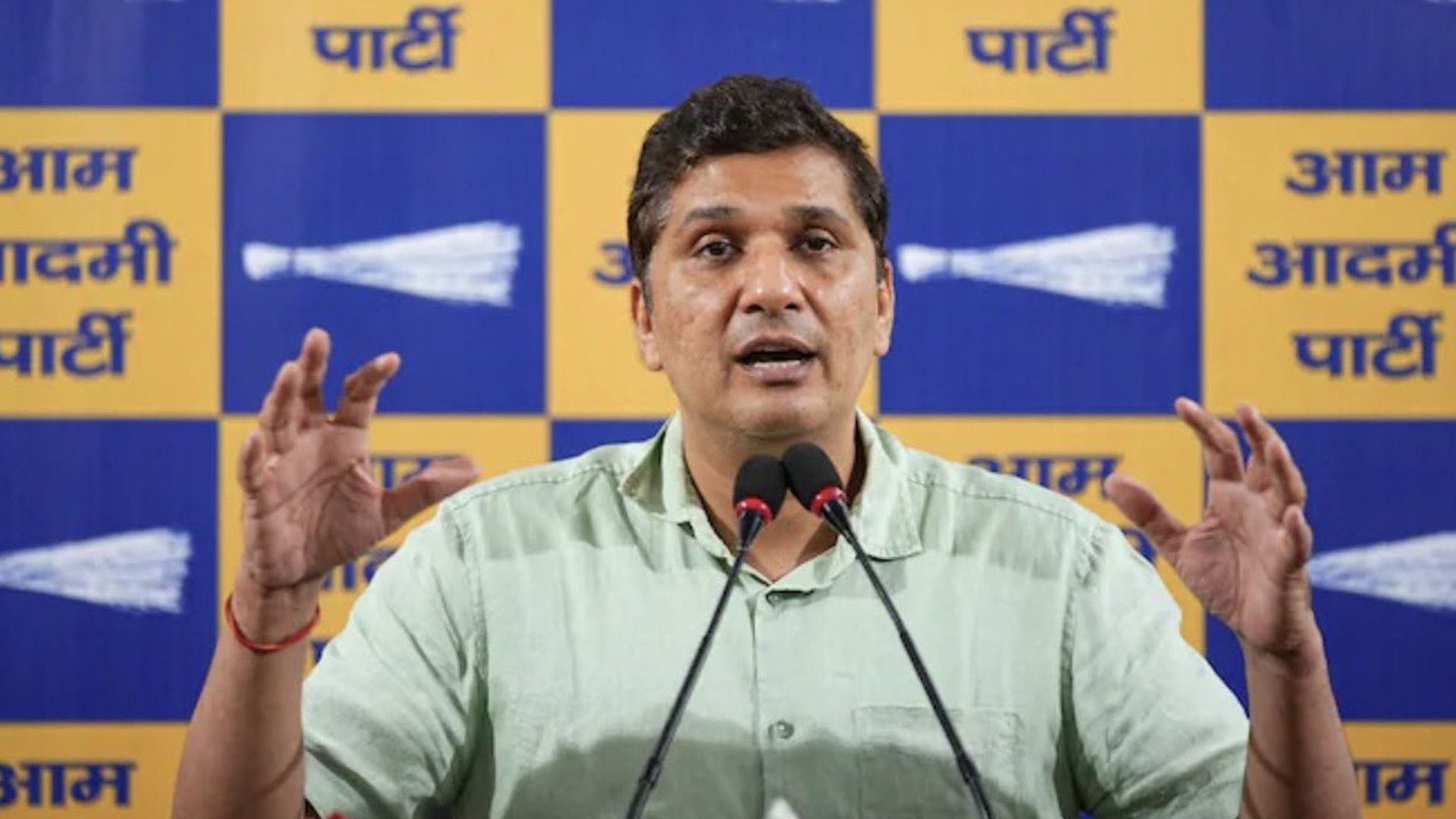
The Enforcement Directorate (ED) on Tuesday conducted raids at 13 locations across Delhi-NCR, including the residence of Aam Aadmi Party (AAP) leader and former Delhi Health Minister Saurabh Bhardwaj. The raids form part of a money laundering investigation linked to alleged irregularities in the construction of 24 hospitals during the AAP-led Delhi government’s tenure in 2018-19.

The probe was initiated after then Leader of the Opposition in the Delhi Assembly, Vijender Gupta, filed a complaint alleging financial misconduct in the projects. According to officials, the construction of the hospitals, with a total sanctioned cost of Rs 5,590 crore, was marred by delays, cost escalations, and questionable allocations, which remain unexplained. The Delhi government’s Anti-Corruption Branch (ACB), in its preliminary findings, claimed evidence of cost inflation, misallocation of funds, and delays in sanctioning and construction across the city’s 24 hospital projects.

The Directorate of Vigilance (DoV) had earlier sought permission from the central government to initiate a probe against Bhardwaj and former Health Minister Satyender Jain under the Prevention of Corruption Act. While several senior AAP leaders, including ex-Chief Minister Arvind Kejriwal and ex-Deputy CM Manish Sisodia, have faced corruption charges in other cases, this is the first time Bhardwaj has been accused of corruption by a central investigative agency. Known as a policy-focused leader and a media-savvy troubleshooter, Bhardwaj’s previously clean image has amplified the political impact of the ED action.

The timing of the probe comes amid political turbulence for the AAP, following its defeat in the Delhi Assembly elections earlier this year, where the party won 22 seats against the BJP’s 48. Post-poll reshuffles saw Sisodia and Jain taking responsibility for AAP operations in Punjab, while Bhardwaj was appointed the Delhi AAP president, tasked with galvanising party workers and positioning the opposition effectively against the BJP government. Analysts suggest that the current probe could dampen the morale of the party’s Delhi cadre, while also placing pressure on the AAP in Punjab as it gears up for the next Assembly elections slated for early 2027.

The complaint in the alleged hospital construction scam accused the then AAP government of engaging in deliberate delays, inflating project costs, rejecting cost-effective solutions, and creating idle assets, resulting in significant losses to the government exchequer. The ACB submitted its report to the DoV earlier this year, prompting the latter to seek sanction from the President to enable a full investigation against Bhardwaj and Jain. Approval from the central government would allow the ACB to conduct the probe under the Prevention of Corruption Act, escalating the matter further for the AAP leadership.

In response, the AAP has rejected the allegations, calling them politically motivated. The party stated that the hospitals were critical for strengthening Delhi’s health infrastructure, particularly during the Covid-19 pandemic, when seven of these hospitals were intended to add approximately 7,000 ICU beds. The party argued that no revised files with inflated costs were submitted to ministers and accused the BJP-led Centre of withholding funds and “weaponising” investigative agencies.

Bhardwaj himself has maintained that delays and cost increases are common in government projects, suggesting that instead of accusing party leaders of corruption, the focus should be on bureaucratic accountability. Nevertheless, the ED’s raids underscore heightened scrutiny of the AAP and its key leaders, intensifying the political confrontation between the BJP and the ruling party in Delhi. The investigation is ongoing, and further developments are expected in the coming weeks.

Also Read: IMD Flags Red Alert for Downpours Across North India, Yamuna Edges Dangerously High

IMD Flags Red Alert for Downpours Across North India, Yamuna Edges Dangerously High


The India Meteorological Department has sounded a red alert across significant parts of North India, warning of “very heavy to extremely heavy rainfall” amid an active monsoon regime. The storm system has already caused major disruptions—roads are washed out, rail links suspended, rivers are rising, and affected communities are on high alert.

In Jammu and Kashmir, the red alert spans the Jammu region—including Reasi, Jammu, Samba, Kathua, Udhampur, Doda, and now Kishtwar—where sudden downpours threaten flash floods and landslides. Multiple roads have been shuttered: the vital Jammu–Srinagar highway remains blocked due to landslides and falling rocks in Ramban, and access routes including the Padder Road near Traith Nallah in Kishtwar and roads at Ramnagar–Udhampur and Jangalwar–Thathri have been compromised. Rail service on the PTKC–KNDI section is halted, with trains being diverted via alternate routes.

Himachal Pradesh faces a similar danger. Districts like Chamba, Mandi, and Kangra are under a red alert for blanket warnings of severe rain, lightning, and storms. Flash floods and landslides have already claimed lives: three pilgrims perished during the Manimahesh Yatra after being trapped by landslides and high-altitude illness, bringing the Yatra’s toll to seven. Across the state, over 790 roads—four of which are national highways—lie blocked, nearly a thousand power transformers have failed, and hundreds of water schemes are impaired. The death toll from monsoon devastation in Himachal now stands at 306, with losses estimated in the thousands of crores.

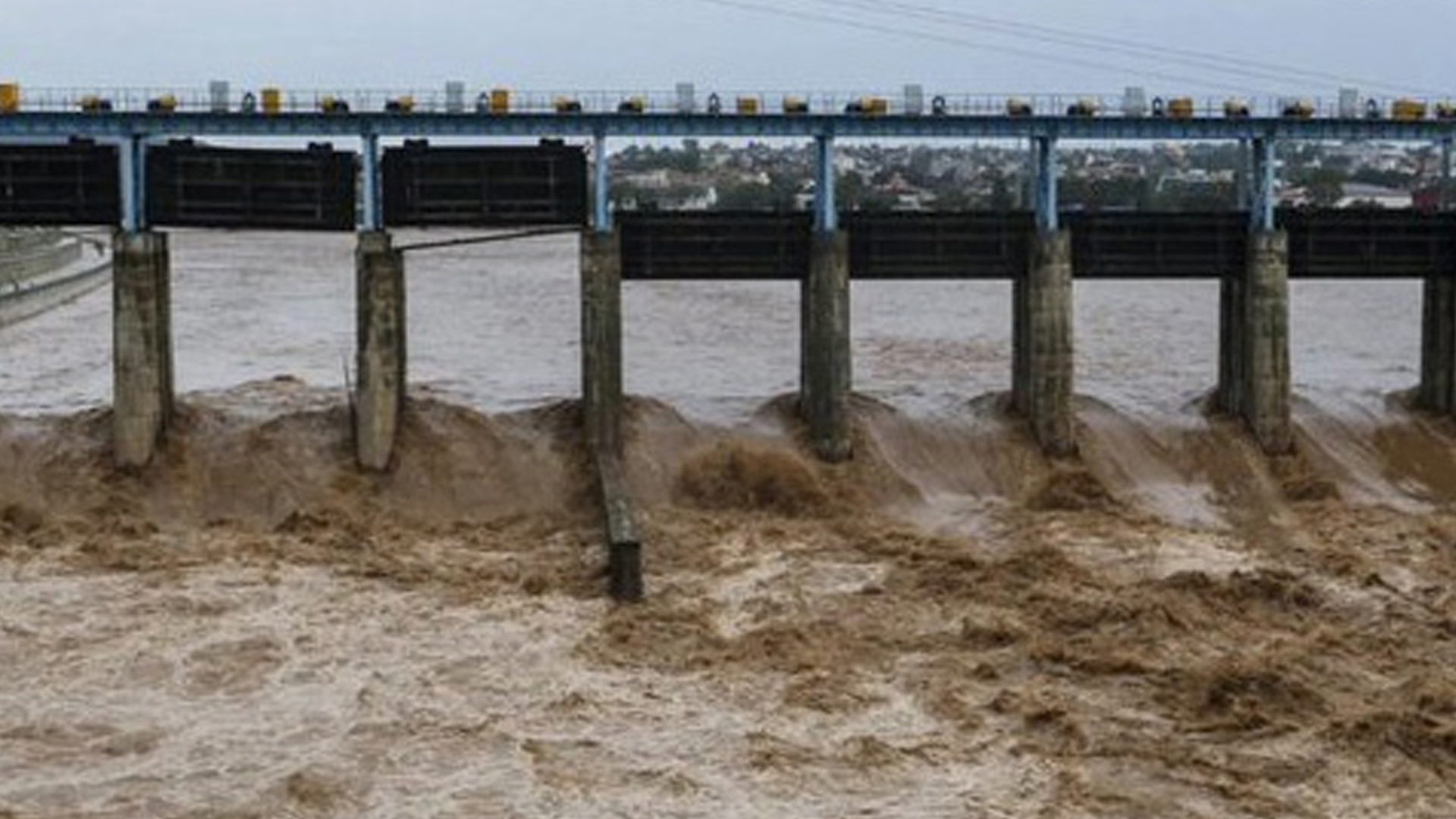
Punjab, too, is staggering under rainfall extremes. Over the weekend, it received 1,272 percent excess rain—Sangrur saw 220 mm, Phagwara 160 mm—throwing urban and farm regions into chaos. The Sutlej River swelled dangerously after a massive release of water from the Harike headworks, flooding villages in Fazilka and Ferozepur. Evacuations are underway in India and neighbouring Pakistan as communities brace for rising waters.

In the capital region, the Yamuna River continues to hover just below its danger mark of 205 metres; sightings from the Old Yamuna bridge show water levels brushing close to this threshold. The IMD has issued an orange to red warning for intense rain spells over Delhi, Haryana—including Gurugram and Faridabad—and adjoining areas, urging caution as the deluge shows no sign of abating.

Rajasthan and Delhi are also bracing for sustained rain. The IMD predicts heavy downpours in parts of West Rajasthan, while an orange alert has been raised for major cities like Delhi, Mumbai, and areas across Haryana. These alerts are accompanied by forecasts for thunderstorms, gusty winds, and continued rainfall, driving a stabilized yet volatile monsoon in the region.

Worryingly, the IMD has also highlighted serious risks to standing crops, especially in Punjab, Haryana, Uttarakhand, and Himachal Pradesh, where flash floods pose immediate threats. The persistent inclement weather has prompted agencies to caution against farming losses and urge readiness for escalating disasters.

Also Read: Supreme Court: Death Sentences Can Be Challenged Under Article 32

Typhoon Kajiki Leaves Trail of Devastation in Vietnam, Rains Spread Across Southeast Asia


Typhoon Kajiki battered Vietnam’s north-central coast before weakening into a tropical depression over Laos on Tuesday morning, August 26, 2025, killing at least three people and injuring ten. The storm inflicted widespread destruction, damaging nearly 7,000 homes, submerging about 28,800 hectares of rice fields, and felling approximately 18,000 trees. A total of 331 electricity poles were reported downed, causing extensive blackouts across provinces including Thanh Hoa, Nghe An, Ha Tinh, Thai Nguyen, and Phu Tho. Authorities warned of continued torrential rainfall—up to 150 millimeters within six hours—raising the threat of flash floods and landslides in northern Vietnam.

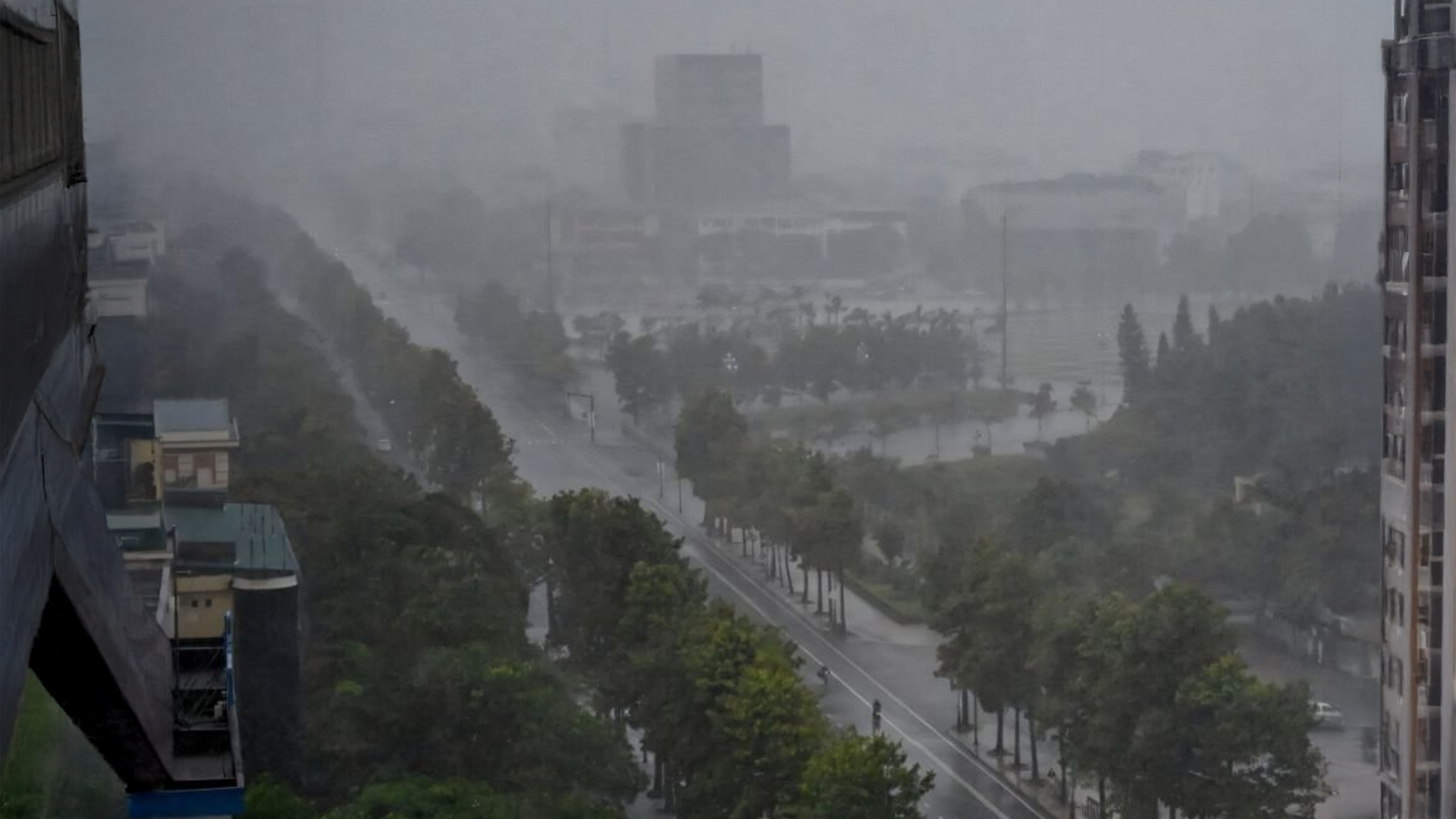
In the capital, Hanoi, streets were heavily flooded during Tuesday morning’s downpour, halting traffic and submerging vehicles up to their roofs. Residential areas were surrounded by floodwaters, while West Lake, the city’s largest, overflowed. Several villages in Bac Ninh province were reported cut off as floodwaters rose.

Authorities had launched massive preemptive evacuations ahead of the storm, moving nearly 600,000 residents from vulnerable coastal areas in provinces like Thanh Hoa, Quang Tri, Hue, and Danang. More than 16,500 soldiers and 107,000 paramilitary personnel were deployed for rescue and relief operations. Two regional airports and numerous schools were closed, while flights were canceled as part of safety measures.

Kajiki had earlier skirted southern China’s Hainan Island, prompting the shutdown of businesses and public transport in Sanya City. The storm’s high winds and heavy rains forced extensive preparations along the Chinese coastline before it moved toward Vietnam.

Beyond Vietnam, the remnants of Kajiki are affecting parts of Southeast Asia, particularly Thailand, where authorities issued warnings of heavy rain, flash floods, landslides, and rough seas. Forecasters expect waves of two to three meters along the Andaman Sea and Gulf coasts, reaching over three meters during intense storms. Residents in foothill and low-lying areas were urged to remain on high alert as emergency crews prepared for potential evacuations.

Experts point to deeper climatic factors at play. A recent study highlights how warming seas are causing tropical cyclones in Southeast Asia to form closer to land, intensify more rapidly, and linger longer—particularly threatening urban areas. The rapid intensification of Kajiki and its wide-reaching impact reinforce concerns about the region’s vulnerability to climate change.

National meteorological agencies predict that although Kajiki has weakened, rainfall will continue across northern regions of Vietnam, with localized accumulations above 200 millimeters in areas like Thanh Hoa, Quang Tri, and the Red River Delta. Coastal monitoring stations recorded dangerously high winds before the storm subsided, prompting local governments to maintain emergency protocols until weather conditions stabilize.

Vietnam’s recovery efforts are now underway, with local officials assessing damage and working to restore power, transportation, and infrastructure services. Reports indicate that beyond the submerged rice paddies, around 2,200 hectares of other crops were also affected, compounding fears of economic losses for farmers. Over one million households have experienced outages, and crews are racing to repair power lines and clear debris.

The scale of destruction comes at a critical time for Vietnam, with National Day events approaching next week to mark the country’s 80th anniversary. Officials face mounting pressure to restore normalcy and ensure public safety as communities grapple with the aftermath of Typhoon Kajiki. Rescue teams remain on standby as forecasts warn of further rainfall and unstable conditions in mountainous areas, where landslide risks remain high.

Also Read: Why Has Supreme Court Ordered SIT Probe Into Allegations Against Vantara?

Why Has Supreme Court Ordered SIT Probe Into Allegations Against Vantara?


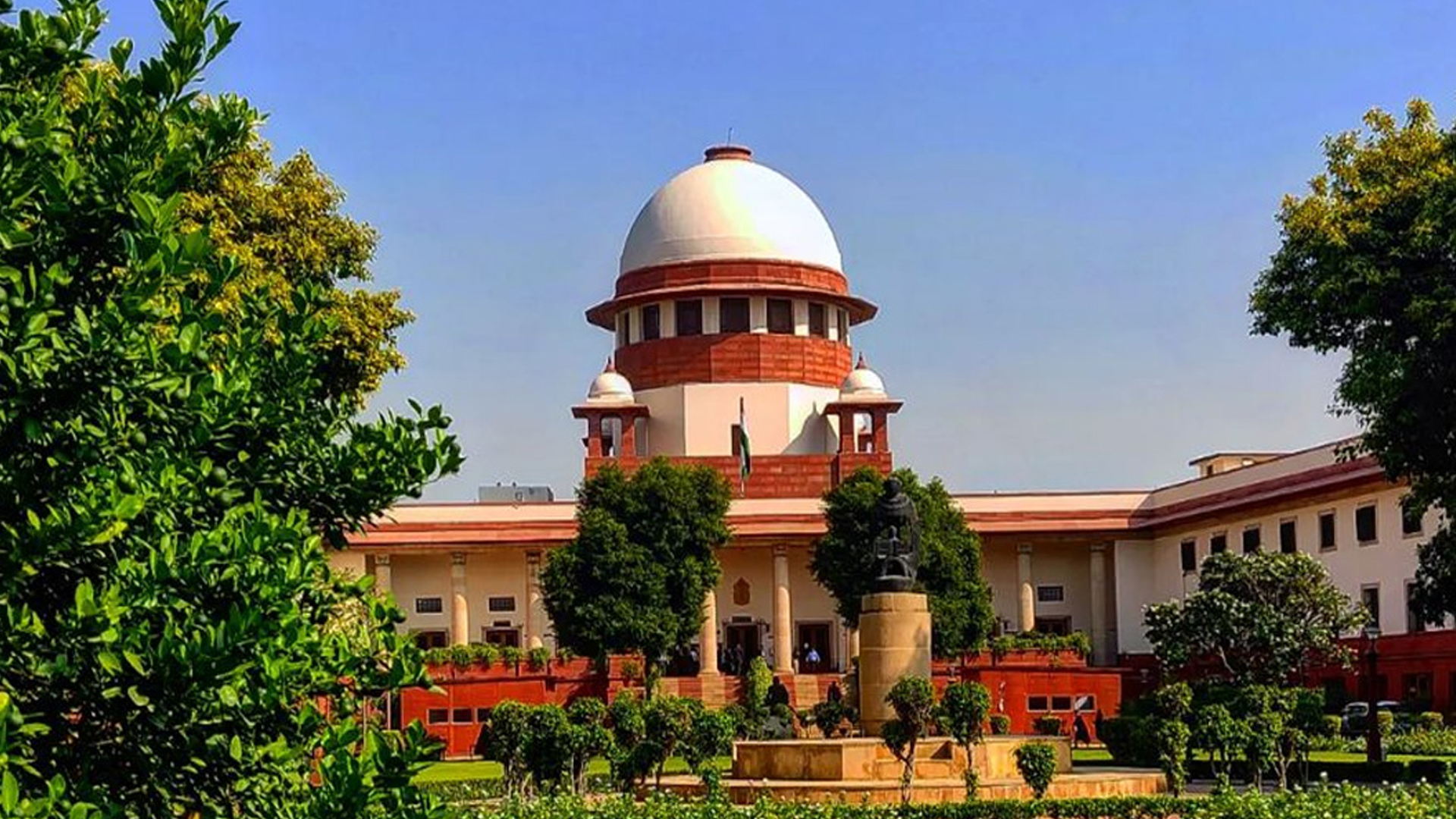
New Delhi: The Supreme Court has ordered an independent fact-finding investigation into allegations against Vantara, the animal rescue and rehabilitation facility owned by Reliance Industries, following petitions accusing the centre of illegal acquisition of animals, mistreatment, and financial irregularities. A Bench of Justices Pankaj Mithal and P.B. Varale constituted a Special Investigation Team (SIT) chaired by former apex court judge Justice J. Chelameswar to examine the complaints and submit a report by September 12.

The top court said that while the petitions were based primarily on media reports and lacked substantive evidence, the nature of allegations warranted a deeper probe to ensure transparency and accountability. “Ordinarily, a petition resting on such unsupported allegations does not deserve in law to be entertained rather warrants dismissal in limine. However, in the wake of the allegations that the statutory authorities or the courts are either unwilling or incapable of discharging their mandate… we consider it appropriate in the ends of justice to call for an independent factual appraisal,” the Bench observed.

Maintaining that the order was not an indictment of either Vantara or regulatory authorities, the court clarified that the inquiry was solely fact-finding in nature. “This order neither expresses any opinion on the allegations made in the petitions nor should it be construed to have cast any doubt on the functioning of any of the statutory authorities or the private respondent, Vantara,” the judges said.

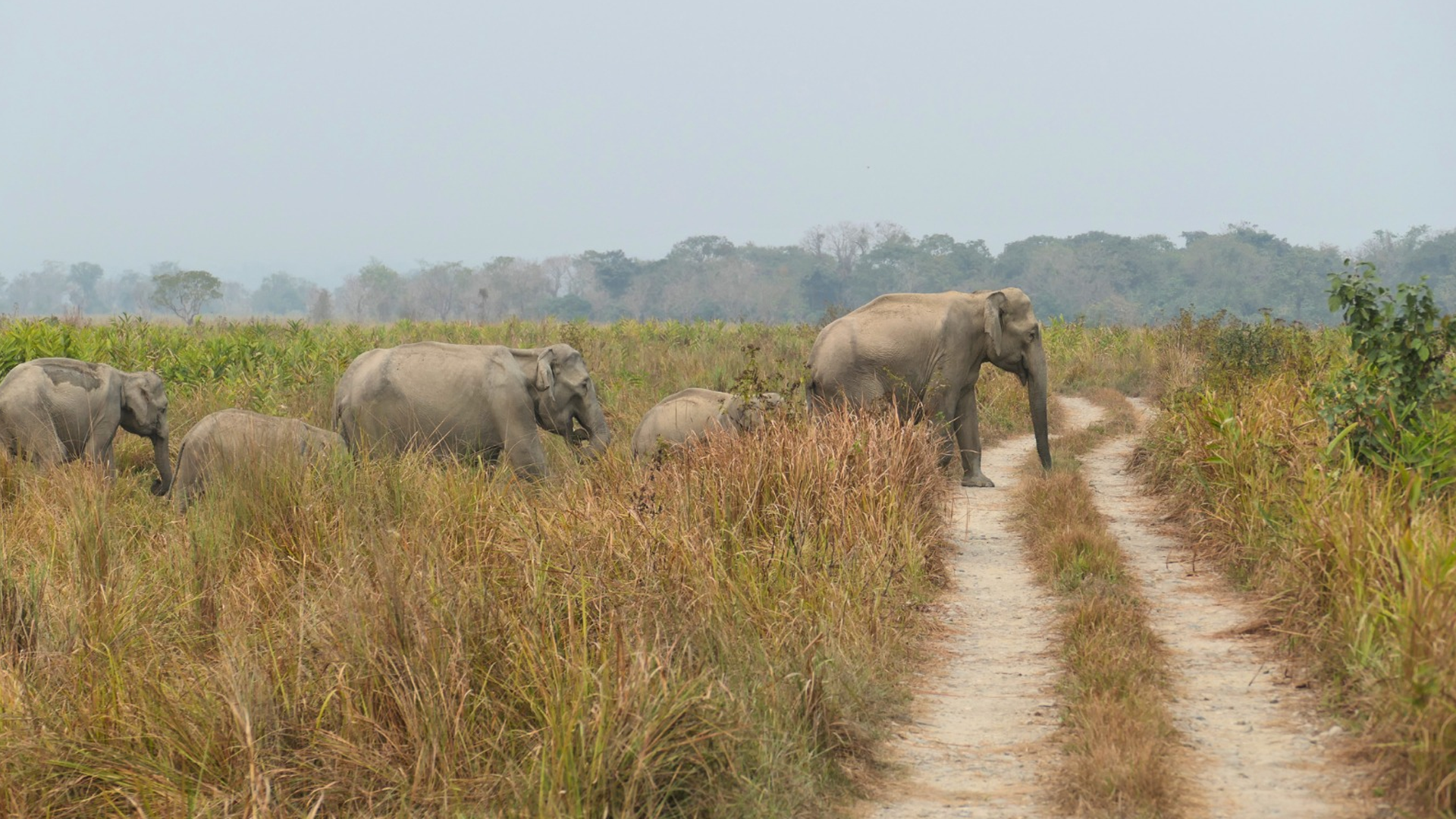
The SIT, which will begin work immediately, will investigate Vantara’s acquisition of animals from India and abroad, particularly elephants, and examine compliance with the Wild Life (Protection) Act, 1972, as well as rules governing zoos and international conventions such as the Convention on International Trade in Endangered Species of Wild Fauna and Flora (CITES). It will also probe adherence to standards of animal husbandry, veterinary care, and animal welfare, alongside allegations concerning water and carbon credit utilisation, biodiversity programmes, and financial irregularities.

Besides Justice Chelameswar, the SIT comprises Justice Raghavendra Chauhan, former Chief Justice of Uttarakhand and Telangana High Courts; Hemant Nagrale, former Mumbai Police Commissioner; and Anish Gupta, Additional Commissioner, Customs. The team has been tasked with engaging petitioners, officials, regulators, intervenors, and even journalists who wish to present evidence. The matter will next be heard on September 15.

Vantara Responds With ‘Full Cooperation’

In response to the Supreme Court’s order, Vantara issued a statement pledging complete cooperation with the inquiry. “We acknowledge the order of the Supreme Court with utmost regard. Vantara remains committed to transparency, compassion and full compliance with the law. Our mission and focus continues to be the rescue, rehabilitation and care of animals,” ANI quoted the statement.

The Reliance-owned zoological facility, conceptualised by Anant Ambani and located in Jamnagar, Gujarat, emphasised that its work is rooted in animal welfare and conservation. “We will extend full cooperation to the Special Investigation Team and continue our work sincerely, always placing the welfare of animals at the heart of all our efforts. We request that the process be allowed to take place without speculation and in the best interest of the animals we serve,” the statement added.

Allegations and Controversy

The SIT was constituted following two petitions filed by advocate C.R. Jaya Sukin and one Dev Sharma, who accused Vantara of unlawful acquisition of animals, particularly elephants, mistreatment of animals in captivity, financial misconduct, and violations of environmental and trade regulations. The petitions also raised questions about the centre’s location near an industrial zone and alleged misuse of resources such as water and carbon credits.

The Bench noted that the petitions heavily relied on news reports and had yet to provide substantial proof. However, given the scope of allegations and concerns over the effectiveness of regulatory oversight, the court deemed an independent inquiry necessary. “Considering the sweep of the allegations made in the petitions inviting a counter from the private respondent or any other party will not serve much purpose,” the order stated.

Vantara, which spans over 3,000 acres and houses numerous rescued species, has been presented by Reliance Industries as a world-class facility dedicated to animal rescue and rehabilitation. However, the centre has faced mounting scrutiny from wildlife activists and some environmental groups who argue that it functions more as a private collection than a conservation initiative.

The Supreme Court’s decision signals a critical examination of the facility’s practices, including animal imports, breeding programmes, and conservation claims. The SIT will not only verify compliance with domestic and international laws but also examine allegations of wildlife smuggling, money laundering, and regulatory lapses.

For now, the court has stressed that the investigation is meant to establish facts rather than pass judgment. The coming weeks are expected to bring clarity on the operations of one of India’s most high-profile animal care facilities.

Also Read: Dhankhar Resigned Due to Health Reasons, Not Under “House Arrest”: Amit Shah

India-Germany Ink ₹70,000 Cr Submarine Deal: A New Depth in Maritime Dominance


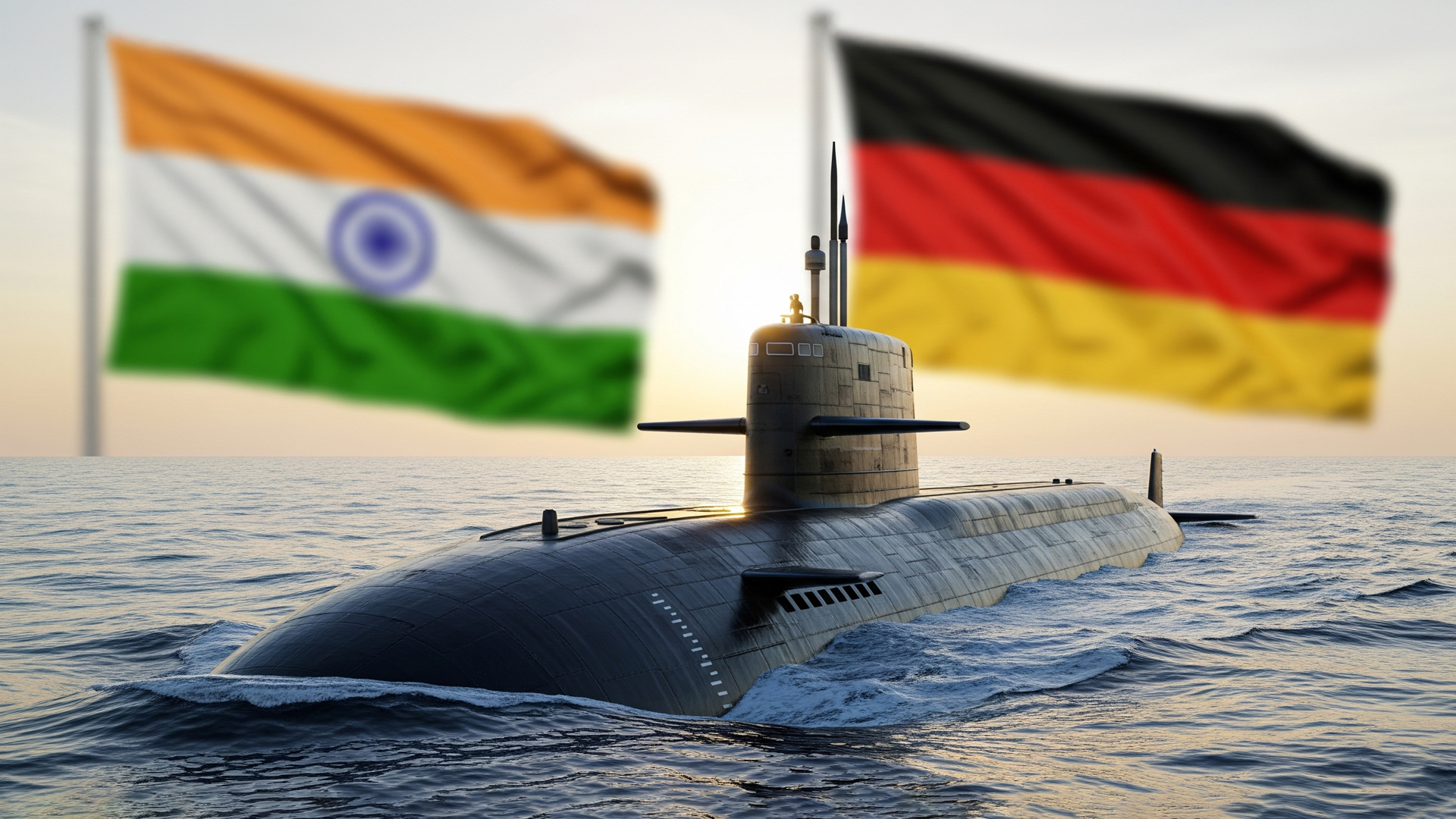
New Delhi: In a landmark move to bolster its naval might, India has cleared a ₹70,000 crore defense deal with Germany to build six cutting-edge submarines under the long-awaited Project-75 India (P-75I). The Defence Ministry has authorized Mazagon Dock Shipbuilders Limited (MDL) to begin formal negotiations with Thyssenkrupp Marine Systems (TKMS), Germany’s leading submarine manufacturer.

Strategic Edge Beneath the Surface

The submarines will feature Air-Independent Propulsion (AIP), allowing them to stay submerged for up to three weeks without surfacing, which is  a game-changing advantage in underwater warfare. All six submarines will be built in India, with German technology support, significantly boosting indigenous defense manufacturing under the ‘Aatmanirbhar Bharat’ initiative.

Reviving a Stalled Project

After years of delays, the project has gained fresh momentum. With MDL-TKMS emerging as the only compliant bid, the government moved swiftly to initiate talks, expected to start by the end of August. The first submarine is projected for delivery within 6–7 years of signing.

Market Reaction & Industrial Impact

The announcement triggered a nearly 4% surge in MDL’s stock, reflecting market confidence in India’s biggest-ever submarine construction project. The deal is expected to create high-tech jobs, energize defense R&D, and elevate India’s shipbuilding sector.

Filling a Critical Naval Gap

India’s current fleet of 16 conventional submarines is aging. The new boats will bridge critical capability gaps as delays continue in retrofitting AIP into older Scorpene-class vessels. Project-75I aims not just to replenish, but redefine India’s underwater warfare edge in a region where maritime tensions are rising. This deal marks more than defense procurement; it is a declaration of India’s intent to lead in undersea warfare, deepen strategic ties with Germany, and take control of its maritime future. 


India Holds Firm Against US Pressure Amid Soaring Tariffs on Indian Goods


Union Agriculture Minister Shivraj Singh Chouhan on Monday reaffirmed India’s commitment to protecting its farmers, saying the country had resisted calls to open its agricultural markets to foreign imports despite mounting trade tensions with the United States. Speaking at the 12th convocation ceremony of the Indian Institute of Science Education and Research, Chouhan said India’s refusal to compromise reflects its determination to safeguard the livelihoods of its small-scale farmers and fishermen.

“The world wanted us to agree to their demands,” Chouhan said, in a clear reference to the United States. “They asked us to open our doors for their agricultural produce. They farm on hectares of land with genetically modified seeds and receive subsidies. Our small farmers could not have withstood the competition. We chose to stand firm in the national interest.”

Chouhan stressed that India will not sign any trade agreements that undermine its farmers, adding that the country is no longer intimidated by external pressure. “They thought we would be scared. But this is today’s Bharat, which is brimming with confidence,” he said. He also called on citizens to support Prime Minister Narendra Modi’s appeal to buy indigenous goods, saying domestic consumption would create jobs and strengthen the economy.

Tensions between New Delhi and Washington have escalated in recent months following the decision by US President Donald Trump to double tariffs on Indian goods to 50 per cent, including an additional 25 per cent duty. The move was widely seen as retaliation for India’s continued purchase of discounted Russian crude oil despite US calls to reduce energy ties with Moscow. The Trump administration has also voiced concerns about India’s protectionist agricultural policies and high tariffs on American exports.

The latest tariff hike marks one of the steepest in recent years, targeting a wide range of Indian goods, from textiles and leather to steel, aluminium, and certain agricultural exports. US officials argue that India’s policies create an uneven playing field for American producers. Trump has repeatedly emphasized a need for “reciprocal trade,” pointing to India’s own import duties on products such as American apples, almonds, and pulses.

The escalating trade dispute has revived memories of earlier tensions during Trump’s first term, when Washington revoked India’s special trade status under the Generalized System of Preferences (GSP) in 2019. That move affected billions of dollars’ worth of Indian exports and set off a series of tariff retaliations by both sides. The renewed tariffs in 2025 underscore a broader shift in US trade policy, which has become more aggressive toward countries seen as benefiting from American markets without providing equivalent access.

For India, however, the stakes are particularly high in the agricultural sector. Indian policymakers have long resisted opening the country’s markets to large-scale imports of subsidized crops, arguing that doing so would devastate millions of smallholder farmers who depend on agriculture for survival. India’s agricultural sector employs nearly half of its workforce, and leaders across party lines have historically opposed trade deals that threaten farm incomes.

Analysts note that the current standoff reflects a deeper geopolitical shift. While the US has sought closer ties with India to counter China’s influence, trade disputes have become a recurring source of friction. India’s refusal to scale back Russian crude imports, despite Western sanctions, has added another layer of tension. At the same time, India is keen to project itself as an independent economic power, emphasizing domestic manufacturing and self-reliance through initiatives such as “Atmanirbhar Bharat.”

Chouhan’s remarks highlight the government’s strategy to stand firm in trade negotiations, even at the cost of higher tariffs. “We will never sign an agreement that goes against the interests of our people,” he said, underscoring India’s willingness to weather short-term economic pressure to protect its farmers and workers.

Supreme Court: Death Sentences Can Be Challenged Under Article 32


New Delhi: In a significant ruling, the Supreme Court of India held that a death sentence can be challenged under Article 32 of the Constitution if there has been a breach of procedural safeguards mandated by law, particularly those laid down in its landmark 2022 judgment in Manoj v. State of Madhya Pradesh.

A three-judge bench comprising Justices Vikram Nath, Sanjay Karol, and Sandeep Mehta declared that even if the conviction and sentence have attained finality, the sentencing process can still be revisited if it is shown that the constitutional rights of the accused, especially under Articles 14 and 21, have been violated due to non-compliance with procedural safeguards.

Background of the Dupare Case

Vasanta Sampat Dupare was sentenced to death for the 2008 rape and murder of a four-year-old girl in Nagpur. His conviction was upheld by the trial court, the Bombay High Court (Nagpur bench), and the Supreme Court in 2014. After his review, curative, and mercy petitions were all rejected, Dupare filed a fresh plea under Article 32.

He argued that his sentencing had ignored key safeguards laid out in the Manoj judgment, like considering mitigating factors, psychological evaluations, and ensuring a fair, individualized process before imposing the death penalty.

Key Observations by the Court

The Supreme Court held that procedural lapses in the sentencing phase of a death penalty case could form valid grounds for constitutional scrutiny under Article 32. It noted that, “It is not the conviction but only the sentencing part that can be reopened under Article 32, where it is shown that due procedure was not followed.”

However, the Court cautioned against opening the floodgates to routine challenges to death sentences under Article 32. Such petitions would only be entertained in cases where there is a clear and demonstrable violation of procedural safeguards that go to the root of fairness and dignity guaranteed by the Constitution.

Impact on the Dupare Case

While the conviction of Dupare remains upheld, the Supreme Court set aside the death sentence because procedural safeguards were not adequately followed. The case has now been referred to the Chief Justice of India for re-listing before an appropriate bench to conduct a fresh hearing on the sentence alone, in line with Manoj guidelines.

Significance of the Ruling

This judgment reinforces the importance of individualized sentencing in capital cases, which the Court first emphasized in Manoj v. State of MP (2022). That ruling mandated that trial and appellate courts must thoroughly examine the convict’s background, psychological health, and mitigating circumstances before awarding the death penalty.

The present ruling affirms that these safeguards are not mere formalities but constitutional imperatives, and their violation can justify judicial review even at the final stage.

Also Read: Trump Nominates Sergio Gor as US Ambassador to India: All You Need to Know


India Issues Flood Alert to Pakistan Despite Water Treaty Suspension


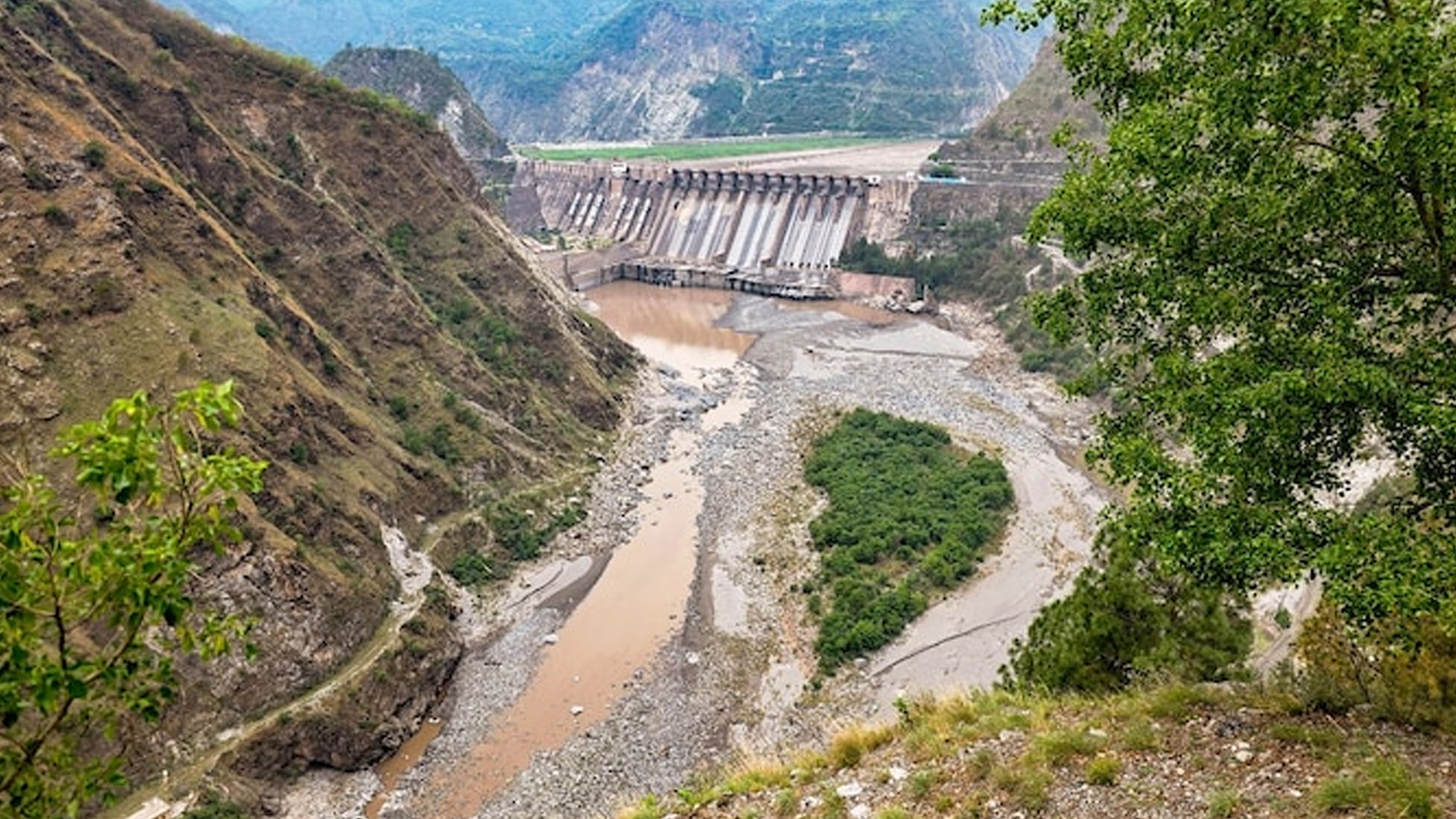
India, despite having suspended the Indus Waters Treaty (IWT), has issued a flood warning to Pakistan via a diplomatic channel. This unusual move, bypassing the official treaty mechanisms, was a direct communication from the Indian High Commission in Islamabad to Pakistani authorities. The alert was a humanitarian gesture in response to heavy rainfall and potential flooding in the Tawi River region of Jammu.

Record Rainfall Triggers Flood Risk

The flood alert was prompted by one of the heaviest August downpours in Jammu in over a century, with some areas receiving 190.4 mm of rainfall in just 24 hours. This led to widespread flooding in low-lying localities and caused the swelling of several rivers, including the Tawi, Chenab, Ujh, Ravi, and Basantar. Disaster response units were deployed to manage the situation.

Suspension of the Indus Waters Treaty

The IWT, established in 1960, governs the sharing of the Indus River system between the two nations. However, India formally placed the treaty in abeyance following a terrorist attack in Pahalgam. New Delhi cited cross-border terrorism, outdated terms, and Islamabad’s refusal to renegotiate as the reasons for its decision.

Diplomatic Fallout and Broader Implications

Pakistan reacted strongly to the treaty’s suspension, calling it an “act of war” and retaliating by revoking bilateral agreements, suspending trade, and limiting diplomatic staff. Pakistan also vowed to lodge formal protests with the United Nations and the World Bank. 

Even as the water-sharing framework is suspended, India’s decision to alert Pakistan about flood risks stands out as a humanitarian gesture amid escalating tensions. It marks the first time such health and safety-related information has been shared through diplomatic channels instead of the technical treaty mechanism.

Also Read: Delhi Metro Implements First Fare Hike Since 2017: Here’s All You Need to Know