rotating globe
6 Apr 2026


Nepal Joins India-Led International Big Cat Alliance to Strengthen Global Conservation Efforts


Kathmandu/New Delhi: Nepal has officially joined the International Big Cat Alliance (IBCA) by signing the Framework Agreement, the alliance announced on Saturday. The move marks a significant step in global efforts to protect and conserve big cat species across their natural habitats.

The IBCA is an India-led, multi-country and multi-agency coalition comprising over 90 countries, both big cat range nations and others with a vested interest in conservation. The alliance aims to safeguard seven iconic big cat species: tiger, lion, leopard, snow leopard, cheetah, jaguar, and puma.

“With snow leopard, tiger, and common leopard in its landscape, Nepal’s joining the IBCA will strengthen global collaboration for big cat conservation,” the IBCA said in a statement. It also congratulated the Government of Nepal, calling this a “significant step towards shared ecological security.”

Nepal has emerged as a global success story in big cat conservation, nearly tripling its tiger population from just 121 in 2009 to 355 in 2022, according to its most recent census.

The International Big Cat Alliance was launched by Prime Minister Narendra Modi on April 9, 2023, in Mysuru, Karnataka, as a platform to unite nations in addressing threats to big cat species and their ecosystems. India, with its long-standing leadership in tiger conservation and strong models for species like the lion, leopard, and snow leopard, aims to share its expertise and drive collective action.

Through the IBCA, member countries can share knowledge, pool resources, and develop collaborative solutions for big cat conservation on a global scale.

Trump Nominates Sergio Gor as US Ambassador to India: All You Need to Know


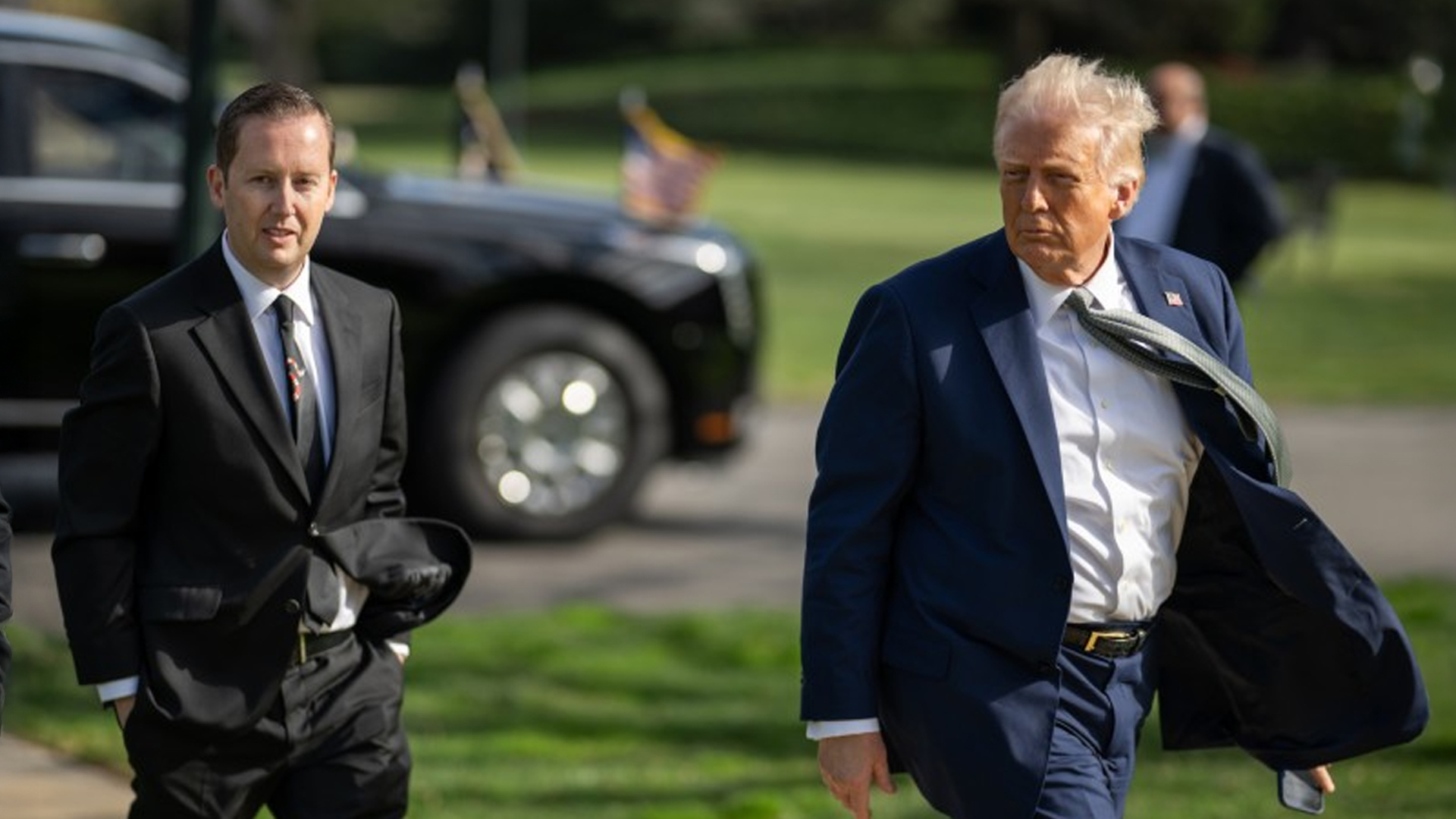
US President Donald Trump has nominated Sergio Gor, head of the White House Presidential Personnel Office, as the next US ambassador to India. Gor, 38, is considered one of Trump’s closest aides, and his nomination comes at a time when ties between New Delhi and Washington face significant strain. The position has been vacant for nearly eight months following the departure of Joe Biden-era envoy Eric Garcetti in January.

Gor’s nomination is notable not only because of his close association with Trump but also because he has been appointed Special Envoy for South and Central Asian Affairs alongside the ambassadorship. The Bureau of South and Central Asian Affairs is responsible for US policy and relations with countries across the region, including Afghanistan, Bangladesh, Bhutan, India, Pakistan, Sri Lanka, Nepal, and several Central Asian nations. The dual appointment is unusual and signals the strategic weight Trump is placing on the role.

Gor has been a key figure in Trump’s political orbit for years. In his current role at the White House, he is known for rigorously vetting Presidential appointees for loyalty to Trump. He previously ran a political action committee supporting Trump ahead of the 2024 elections and co-founded Winning Team Publishing with Donald Trump Jr. in 2021. The publishing house released several books centered on Trump’s presidency.

Born in 1986 in Uzbekistan, then part of the Soviet Union, Gor’s original surname was Gorokhovsky, which he later shortened. US media outlets have noted his reputation as a staunch Trump loyalist and strategist.

Gor’s confirmation process could take time, as the Senate must approve all ambassadorial nominations. After the President formally submits a nominee’s name, the Senate Foreign Relations Committee reviews the nomination, often holding hearings before forwarding it to a full Senate vote. Only after Senate approval can Gor assume the role. This process has historically been lengthy; Garcetti’s appointment took nearly two years amid scrutiny over misconduct allegations against one of his aides.

Trump’s announcement of Gor’s nomination on Truth Social framed the move as part of a broader regional strategy: “For the most populous Region in the World, it is important that I have someone I can fully trust to deliver on my Agenda and help us, MAKE AMERICA GREAT AGAIN!” Trump has previously voiced displeasure over India’s trade ties with Russia and its reluctance to open its agricultural markets to US imports, making his administration’s policy direction toward New Delhi closely watched.

Reactions from US officials and analysts suggest that Gor’s nomination signals an intent to elevate the diplomatic channel between Trump and Prime Minister Narendra Modi’s government. Secretary of State Marco Rubio described Gor as “an excellent representative of America in one of the most important relationships our nation has in the world.” A Politico report quoted a source close to the administration as saying, “The president is sending a powerful signal to the Modi government by sending an envoy that is very personally close to him. Sergio is a clear signal that negotiations need to be serious and that all messages come from the president.”

Steve Bannon, Trump’s former senior adviser, also highlighted Gor’s close access to the Oval Office: “Does he have a deep knowledge base of Indian policy issues? He doesn’t, but this guy’s a quick study. He not just has access to the president…but he has a unique trust. The president trusts this guy, that he’s dealing with him straight.”

If confirmed, Gor will take charge of a key diplomatic post at a time when Washington and New Delhi’s relations are being closely watched by global observers.

Global Agencies Highlighting Positive Shift in India’s Economic Outlook


New Delhi: Fitch Ratings on Monday affirmed India’s sovereign credit rating at ‘BBB-’ with a stable outlook, citing the country’s sustained economic growth and progress in fiscal management. According to Fitch, India’s performance in GDP growth and external finances provides a foundation for improvements in structural metrics over time.

Fitch projected India’s GDP growth at 6.5% for the fiscal year ending March 2026 (FY26), unchanged from FY25, and well above the median of 2.5% for countries with a ‘BBB’ rating. The agency noted that while growth momentum has slowed over the past two years, India’s economic performance remains stronger than that of its peers. It added that proposed reforms to the goods and services tax (GST), if implemented, could support consumption and offset some risks to growth.

The agency highlighted that a record of delivering growth alongside macro stability and steps to improve fiscal credibility could allow steady improvement in structural indicators, including GDP per capita. This would also increase the potential for debt levels to decline gradually over the medium term. At the same time, Fitch pointed to high fiscal deficits and debt compared with peer countries, as well as governance and structural indicators, as continuing constraints on the rating.

Fitch’s affirmation follows S&P Global Ratings’ upgrade of India’s long-term sovereign rating to ‘BBB’ from ‘BBB-’ on August 14, 2025, the first such upgrade in more than 18 years. S&P maintained a stable outlook, citing India’s economic resilience, fiscal consolidation, and measures to improve spending quality as supporting factors. The agency emphasized that sustained political stability and investment in infrastructure would contribute to long-term growth.

S&P also highlighted that domestic consumption, which accounts for around 60% of economic growth, reduces India’s exposure to external shocks, including U.S. tariffs and fluctuations in global oil prices. Any fiscal cost of switching from Russian crude is expected to be limited due to small price differentials with current international rates.

The Ministry of Finance welcomed S&P’s decision, noting that it reflects the stability provided by government policy and confirms that India’s economy is responsive to reforms. According to the ministry, the rating recognizes enhanced monetary policy measures that anchor inflation expectations, ongoing fiscal consolidation, and improvements in spending efficiency.

The financial markets reacted to the ratings announcements with increased activity in government securities. According to Vishal Goenka, co-founder of IndiaBonds.com, higher sovereign ratings improve risk-adjusted returns for investors, attracting foreign portfolio investments. He noted that these inflows could also support lower bond yields in the near term, while strengthening investor confidence in India’s debt markets.

Fitch emphasized that structural reforms, including GST rationalization, remain important for sustaining growth. The government has proposed a two-tier GST structure of 5% and 18% for merit and standard goods and services, alongside a 40% rate for a small group of items, replacing the current 12% and 28% slabs. Implementation of these reforms could further support consumption and reinforce economic momentum.

Taken together, Fitch’s affirmation and S&P’s recent upgrade indicate a broader shift in global assessments of India’s economic and fiscal trajectory. Both agencies recognize the role of policy measures, infrastructure investment, domestic consumption, and fiscal consolidation in supporting growth and gradually reducing debt. These developments are likely to encourage capital flows into India, positioning the country as an attractive destination for global investors seeking emerging market opportunities.

The convergence of positive ratings signals that global agencies view India’s economic structure as increasingly aligned with medium-term stability, providing a platform for sustainable investment inflows and reinforcing its presence in global financial markets.

Delhi Metro Implements First Fare Hike Since 2017: Here’s All You Need to Know


New Delhi: Starting Monday, August 25, 2025, travelling by Delhi Metro will cost more, as the Delhi Metro Rail Corporation (DMRC) has revised fares for the first time since 2017. The hike ranges from ₹1 to ₹4 across all lines, while fares on the Airport Express Line will increase by up to ₹5.

DMRC says the fare revision is “nominal” and essential to meet rising operational and maintenance costs, but many commuters are questioning the timing and transparency of the decision.

New Fare Structure

The revised Delhi Metro fare structure, effective Monday to Saturday, is now based on travel distance. Short journeys up to 2 km will cost ₹11, while trips between 2–5 km are priced at ₹21. Fares rise progressively with distance: ₹32 for 5–12 km, ₹43 for 12–21 km, ₹54 for 21–32 km, and a maximum of ₹64 for journeys beyond 32 km. These changes reflect a modest increase of ₹1 to ₹4 compared to the previous fare system.

On Sundays and national holidays, commuters will benefit from reduced fares. The cost for trips up to 5 km remains fixed at ₹11, while 5–12 km is priced at ₹21, 12–21 km at ₹32, 21–32 km at ₹43, and journeys over 32 km will cost ₹54. DMRC has retained journey time limits based on distance, ranging from 65 to 180 minutes, to help regulate travel flow and manage system efficiency. Time limits remain in place based on distance, ranging from 65 to 180 minutes.

Reasons for the Hike

This is the first fare increase since 2017, following recommendations by the Fourth Fare Fixation Committee. DMRC cites inflation, rising energy costs, and maintenance expenses as key reasons. Officials say the revision ensures the metro system remains financially sustainable without placing a significant burden on passengers.

Commuter Backlash

Despite DMRC’s assurance that the hike is minor, many commuters have taken to social media to express frustration. One user wrote: “I already spend ₹130 a day, now it’ll be ₹140. Why are fares rising faster than salaries?” Another questioned the timing: “What additional services are being offered with this hike?”

Frequent travelers, especially those with long commutes, are feeling the pinch most. Even a ₹4 increase can add up significantly over a month.

Airport Express Line Also Affected

The premium Airport Express Line, known for its faster travel and comfort, has seen the steepest rise, up to ₹5. While the route targets air travelers, airport staff and regular commuters who rely on it are also impacted.


Why a Parliamentary Committee wants Tea Board of India to become more ‘aggressive’


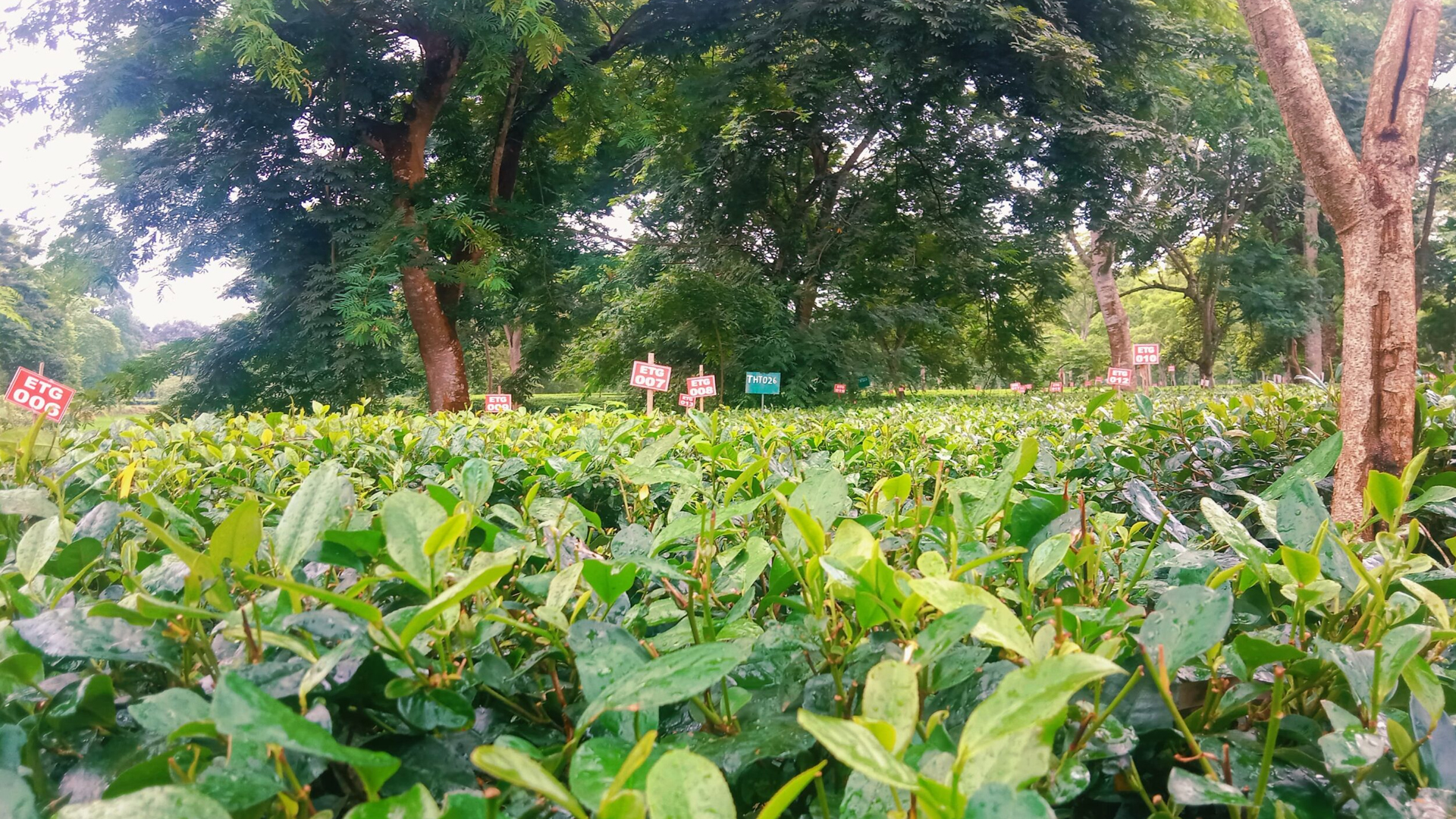
New Delhi: India’s tea industry, long regarded as a cornerstone of the nation’s agricultural and cultural heritage, is being urged to adopt more aggressive and diversified strategies to strengthen its global footprint. In its 194th report on “Performance Evaluation and Review of Some Commodity Boards,” presented during the current Parliament session, the Department-related Parliamentary Standing Committee on Commerce called on the Tea Board of India to focus on collaborations with international food and beverage chains, digital storytelling, and promotion of Geographical Indication (GI) and specialty teas.

India, which produces about 1,382 million kilograms of tea annually, ranks as the world’s second-largest producer and fourth-largest exporter. Despite its dominant position in cultivation, the Committee noted that Indian tea requires a coordinated global branding strategy to compete in high-value international markets. It highlighted the importance of leveraging the country’s rich tea heritage, diverse flavor profiles, and distinctive regional identities to create a strong global appeal.

The report emphasized the promotion of GI teas such as Darjeeling, Assam, and Nilgiris through comprehensive marketing campaigns, tea festivals, roadshows, and tasting sessions across metropolitan and Tier-II cities. Ensuring compliance with international safety standards, including residue testing and certification, was also recommended to facilitate access to premium global markets. The Committee encouraged tie-ups with international retail chains, hotels, and online platforms to increase visibility and sales abroad, while also urging the Tea Board to support small and medium exporters through financial incentives and simplified documentation processes. Strengthening market intelligence units to provide exporters with timely data on pricing, trends, and emerging opportunities was identified as another critical measure.

Domestically, the panel suggested engaging institutional buyers such as railways, airlines, and government departments while promoting specialty and value-added teas to health-conscious and premium consumers. While acknowledging the Board’s efforts in social media promotion, the Committee recommended larger-scale campaigns highlighting the health benefits, sustainability, and heritage of Indian teas to appeal to younger audiences. Integrating tea promotion with national campaigns such as Incredible India and organizing High Tea events through Indian Missions abroad were seen as effective ways to strengthen India’s tea profile internationally.

The report also stressed the need to diversify into emerging markets in Asia, Africa, and Latin America to reduce reliance on traditional buyers. Coordinated engagement with international stakeholders and collaboration with other government departments were suggested to enhance visibility. To improve the culture of organic certification and GI tagging, the Committee recommended grassroots awareness campaigns, simplification of certification procedures, and financial support to cover associated costs. Capacity-building initiatives, including training on documentation and compliance standards, regional facilitation centers, and organic resource hubs, were advised to strengthen producer capabilities. Regional workshops in tea-growing belts such as Darjeeling, Assam, and Nilgiris were proposed to foster pride in origin-based identity, while collective certification through cooperatives and producer groups was recommended to reduce individual burden and strengthen traceability.

The Committee concluded that region-specific marketing strategies highlighting cultural narratives, flavor diversity, and health benefits, combined with collaborations with international chains and digital storytelling through influencers and visual media, can help establish strong global brand identities for Indian GI and specialty teas. Such measures are expected to enhance both domestic appreciation and international recognition, ensuring Indian tea secures its rightful place in the global market.

Israel Expands Gaza Offensive as Strikes Spill Over to Yemen, Humanitarian Crisis Deepens


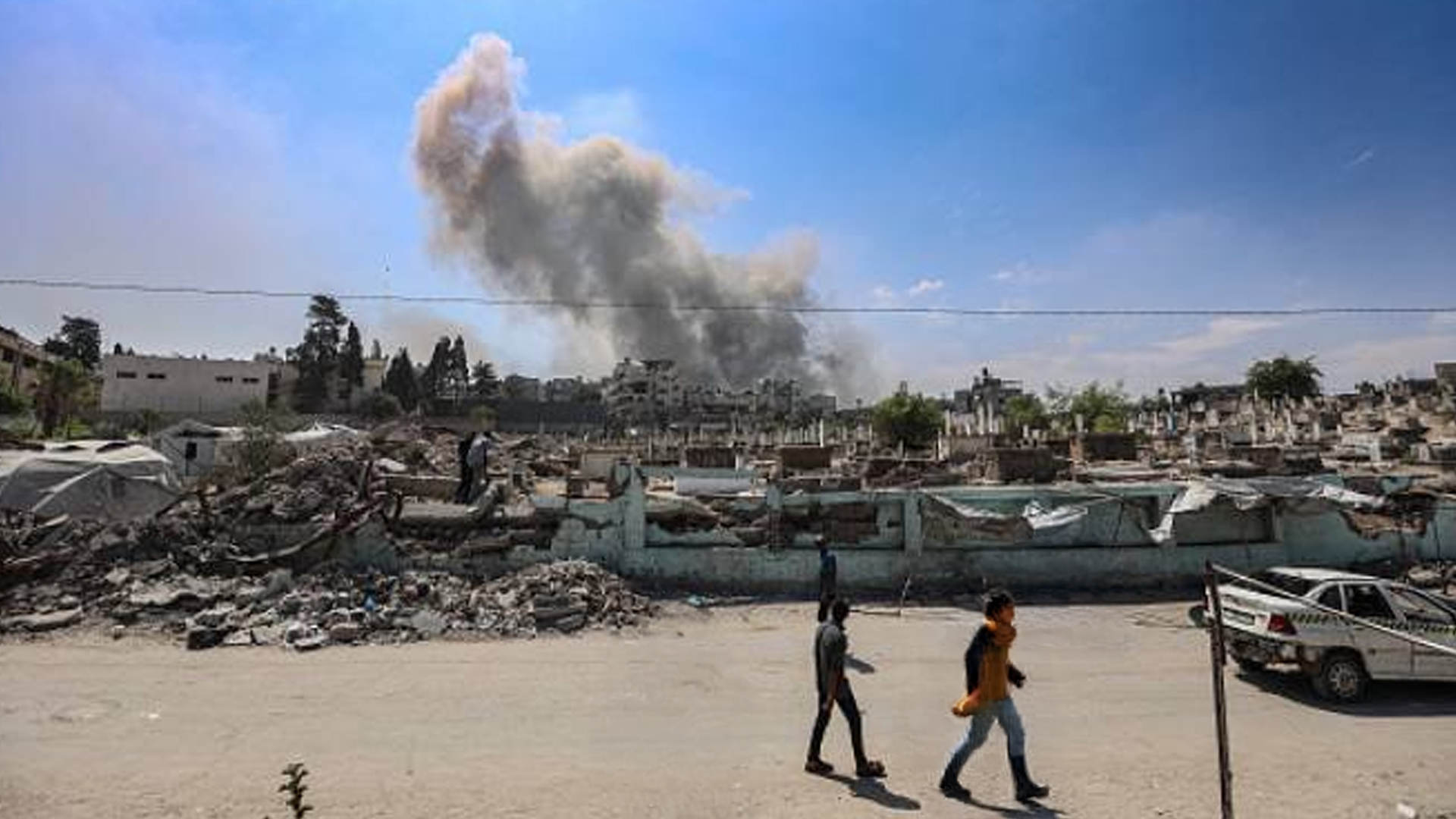
Israeli forces have intensified their offensive on Gaza City, targeting the eastern and northern outskirts with aircraft and tanks, destroying homes and infrastructure, and prompting widespread panic among residents. Continuous overnight explosions were reported in the Zeitoun and Shejaia areas, while tanks shelled streets and houses in Sabra and northern Jabaliya. Fires lit the skies as thousands fled, though many residents, citing fear, hunger, and lack of resources, said they could not leave. Gaza City is home to roughly half of Gaza’s two million residents, and a few thousand have already evacuated with whatever belongings they could carry.

Israeli Defence Minister Israel Katz has vowed to continue the offensive, stating that Gaza City would be razed unless Hamas ends the conflict on Israel’s terms and releases hostages still held. Hamas condemned the planned takeover as evidence that Israel is not serious about a ceasefire and blamed Israeli Prime Minister Benjamin Netanyahu for the hostages’ lives.

The humanitarian situation is deteriorating rapidly. UN-backed experts warned of an “entirely man-made” famine in Gaza City and surrounding areas. The Integrated Food Security Phase Classification (IPC) said starvation is spreading quickly and could cause avoidable deaths unless humanitarian aid reaches the population immediately. The Gaza health ministry reported eight more deaths from malnutrition and starvation on Sunday, raising the total to 289, including 115 children, since the start of the war. Gaza’s civil defence agency said at least 42 people were killed in Israeli attacks on Sunday alone, including eight in Sabra. Four Palestinians seeking food aid were killed by Israeli troops while approaching a distribution point in the Netzarim corridor, highlighting the extreme risks faced by civilians trying to access essential resources.

The crisis in Gaza has attracted global attention. Israel faces allegations of genocide at the International Court of Justice, with over 60,000 people reported killed since the conflict began. The International Criminal Court (ICC) issued arrest warrants for Netanyahu and former Defence Minister Yoav Gallant, and had also targeted Hamas military chief Mohammed Deif before his reported death.

The violence has extended beyond Gaza, with Israeli airstrikes hitting Yemen’s capital, Sana’a, in retaliation for Houthi missile attacks toward Israel. Houthi health officials reported six fatalities and 86 injuries in the strikes. The Israeli military said its targets included a military compound housing the presidential palace, two power plants, and a fuel storage site, stating that the attacks responded to repeated Houthi missile and UAV strikes against Israeli territory. This marked the first use of ballistic missiles carrying submunitions from Yemen toward Israel, according to Israeli sources.

The escalation reflects a broader regional dimension of the Gaza conflict. Since October 2023, the Houthis, who are Iran-aligned, have attacked vessels in the Red Sea and launched missile strikes on Israel in solidarity with Palestinians. Israel has consistently retaliated against Houthi-controlled areas, including the strategic Hodeidah port. Houthi officials, including Abdul Qader al-Murtada, have pledged continued support for Palestinians in Gaza, emphasizing that they will act regardless of the sacrifices involved. The strikes on Yemen underscore the conflict’s spillover effects, raising the risk of broader regional instability.

In summary, the humanitarian crisis in Gaza is deepening amid relentless Israeli bombardment, with civilians trapped in a city facing repeated airstrikes and rising starvation. Meanwhile, the conflict has drawn in neighboring Yemen, where Israeli strikes in retaliation for Houthi attacks have resulted in civilian casualties and extensive infrastructure damage. As efforts by Egypt and Qatar to mediate a ceasefire continue, the region faces escalating violence, growing international scrutiny, and a pressing need for humanitarian intervention.

Dhankhar Resigned Due to Health Reasons, Not Under “House Arrest”: Amit Shah


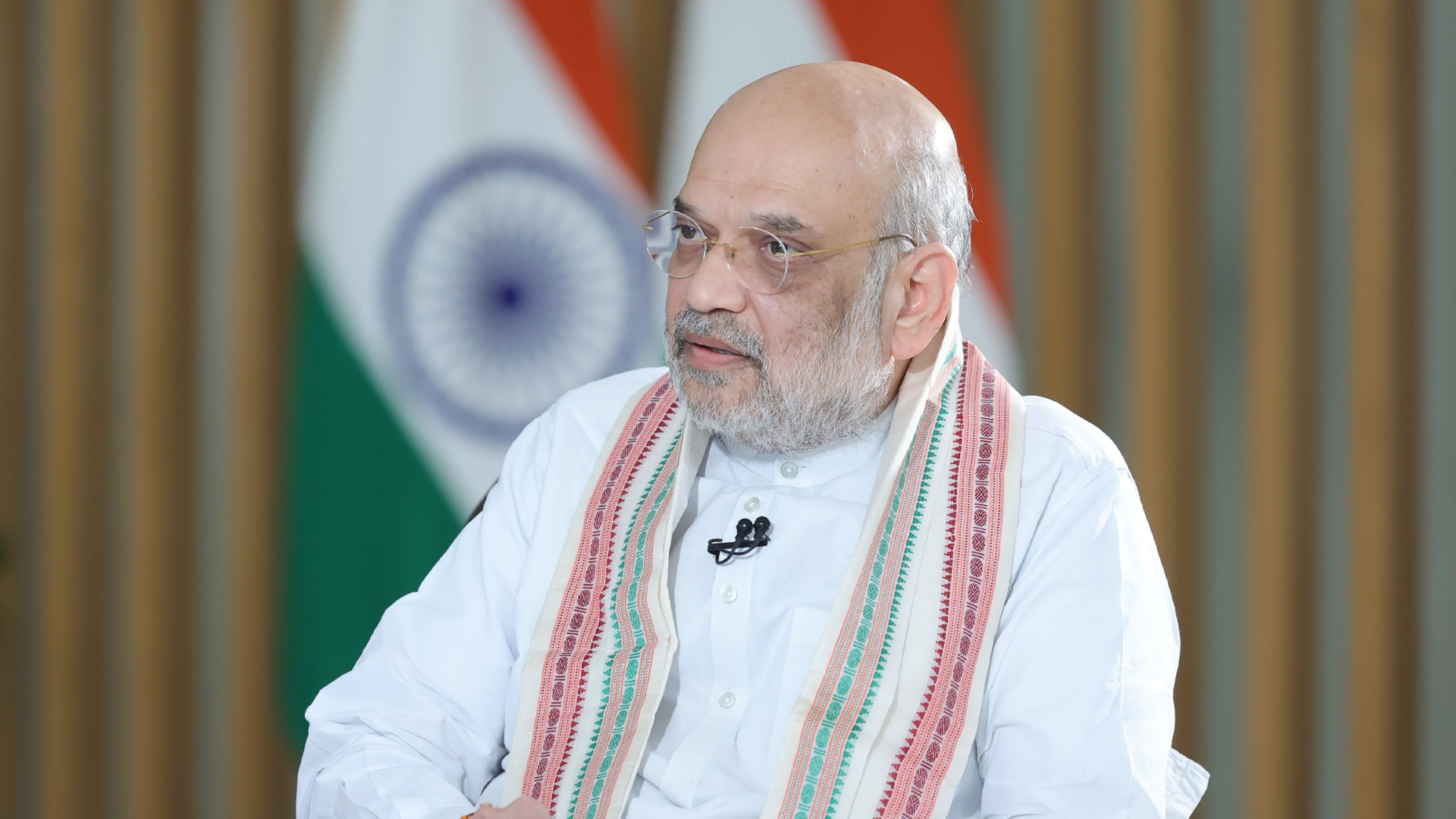
New Delhi: Union Home Minister Amit Shah on Monday (August 25, 2025) dismissed Opposition claims regarding Jagdeep Dhankhar’s resignation as Vice-President, stating that the decision was purely due to health reasons. Speaking in an interview with ANI, Mr. Shah emphasized that the former Vice-President’s resignation letter clearly cited personal health concerns and expressed gratitude toward the Prime Minister, ministers, and government officials for their support during his tenure.

Addressing the Opposition’s assertions that Dhankhar was under “house arrest,” Mr. Shah rejected the claims and urged people not to overinterpret the resignation. “Dhankhar held a constitutional post and discharged his duties as per the Constitution. He resigned due to personal health reasons. One should not deliberate much on the issue,” he said.

Mr. Shah also accused the Opposition, particularly the Congress party, of attempting to mislead the public amid repeated electoral setbacks. “They want to create a kind of illusion among the people, but they will definitely not succeed, because our direct interaction with the people is many times greater than theirs. After losing three elections, I think the level of frustration is such that the normal sense of judgment, especially of Rahul Gandhi, has been lost,” he remarked.

On the presence of CISF personnel inside the Parliament, Mr. Shah clarified that all security personnel in the premises are considered Marshals and operate under the authority of the Speaker or Chairperson of the House. “The identity of the force itself does not matter. Earlier, it used to be personnel from the Delhi Police; now it is CISF,” he said, adding that Marshals enter the House only when ordered by the Speaker.

Speaking on the Constitutional Amendment Bill aimed at disqualifying Prime Ministers, Chief Ministers, and other ministers if they are arrested and detained for 30 consecutive days on serious criminal charges, Mr. Shah expressed confidence that the legislation will be passed in Parliament. He added that several members of the Congress and opposition may support it, citing the importance of upholding morality and the moral high ground.

He further insisted that the Bills are not targeted at any specific party or leader and that courts will act as a safeguard against potential misuse. “The legislation offers fairness, allowing any leader who secures bail—even after 30 days—to take the oath and return to office. Our main point is that no one can run the government from jail. If they get bail within 40 days, they can retake the oath,” Mr. Shah said, emphasizing that this provision should reassure leaders about their return to office after securing bail.

ANI reported that the Home Minister’s comments come amid heightened political debate following Dhankhar’s resignation, with the Opposition raising questions about procedural transparency and the circumstances surrounding his departure.

Also Read: A Scientific Game-Changer: The World’s First Lab-Grown Living Skin

Cloudburst Triggers Flash Floods in Tharali, Chamoli; Two Missing, Roads Blocked


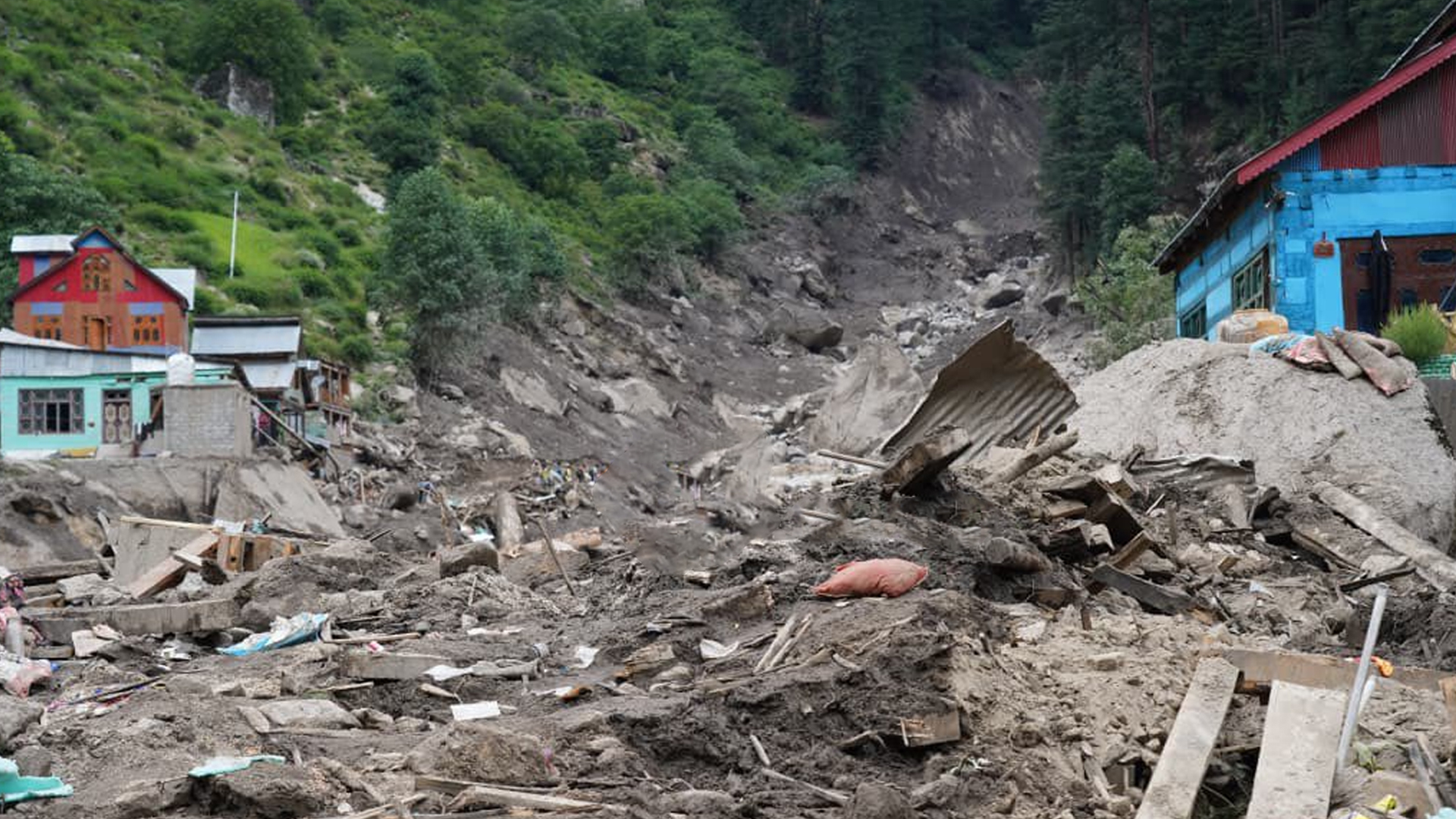
Chamoli: A sudden and violent cloudburst struck Tharali tehsil in Uttarakhand’s Chamoli district late Friday night, August 23, unleashing torrential rainfall and flash floods that devastated large parts of the region. The deluge, which began around 2 a.m., caused widespread damage to homes, government offices, and infrastructure while leaving two people missing.

The cloudburst triggered an overflow of the Tunri Gadhera rain drain, sending a torrent of water and debris surging through residential areas, markets, and official premises. The residence of the Sub-Divisional Magistrate (SDM), government buildings, and several parts of Tharali Bazaar were filled with sludge and debris. Nearby localities including Kedarbgarh, Radibgarh, and Chepdon were badly hit, with vehicles and houses buried under thick layers of mud and stones. Witnesses and officials described scenes of devastation up to one kilometer from the tehsil office, where debris and uprooted trees turned roads into muddy trenches and left vehicles stranded or swept away.

Authorities confirmed that a 20-year-old woman from Sagwara village was feared buried under debris, while another person remained missing from Chepdon market. Alternate reports suggested that one person was trapped, while another was unaccounted for, reflecting the chaotic and evolving nature of the disaster response.

The district administration, State Disaster Response Force (SDRF), National Disaster Response Force (NDRF), and police teams launched rescue operations through the night, with the Indian Army quickly deploying Humanitarian Assistance and Disaster Relief (HADR) columns from Rudraprayag and Joshimath. Army teams also brought in medical units, drones, and search-and-rescue dogs to assist in locating missing persons and clearing blocked roads. Relief camps have been set up for displaced families, while emergency supplies, including food, blankets, and medical assistance, are being distributed in affected areas.

Chief Minister Pushkar Singh Dhami is personally monitoring developments, coordinating with officials on the ground, and has assured that all possible support will be extended to those affected. District Magistrate Sandeep Tiwari and Additional District Magistrate Vivek Prakash are supervising operations in Tharali, where heavy machinery is being used to clear roads and remove debris. Schools across three development blocks have been closed as a precautionary measure, and the administration remains on high alert in anticipation of further rainfall.

The floods have crippled transportation networks in Chamoli district. The Karnaprayag–Gwaldam National Highway, a vital link to Tharali, has been buried under debris, while connecting routes, including the Tharali–Sagwara and Dungri roads, remain impassable due to landslides and flooding. These obstructions have complicated the movement of rescue teams and delayed the delivery of relief material to remote villages.

The India Meteorological Department has issued an orange alert for heavy rainfall in Chamoli and neighboring districts, warning of thunderstorms and lightning through August 25. The region has been experiencing relentless monsoon activity this month, with earlier cloudbursts in parts of Uttarakhand, including a devastating event in Dharali, Uttarkashi, that claimed several lives and destroyed tourism infrastructure. The latest incident in Chamoli adds to growing concerns about the increasing frequency of extreme weather events in the fragile Himalayan terrain.

Residents in low-lying areas near the Pindar River and Tunri Gadhera stream remain on edge as authorities monitor water levels. Emergency teams are working around the clock to restore access to cut-off areas and provide immediate assistance to families who lost their homes or livelihoods. Volunteers, along with state agencies, have joined hands in distributing food, medicines, and essentials to flood victims.

As search operations continued through Saturday, rescue teams were racing against time to locate the two missing individuals. The Chamoli administration has urged residents to remain vigilant and avoid unnecessary travel, warning of further landslides and flash floods due to the continuing heavy rainfall.

‘Mosquito Terminator Train’ Flagged Off in Delhi to Curb Dengue and Malaria


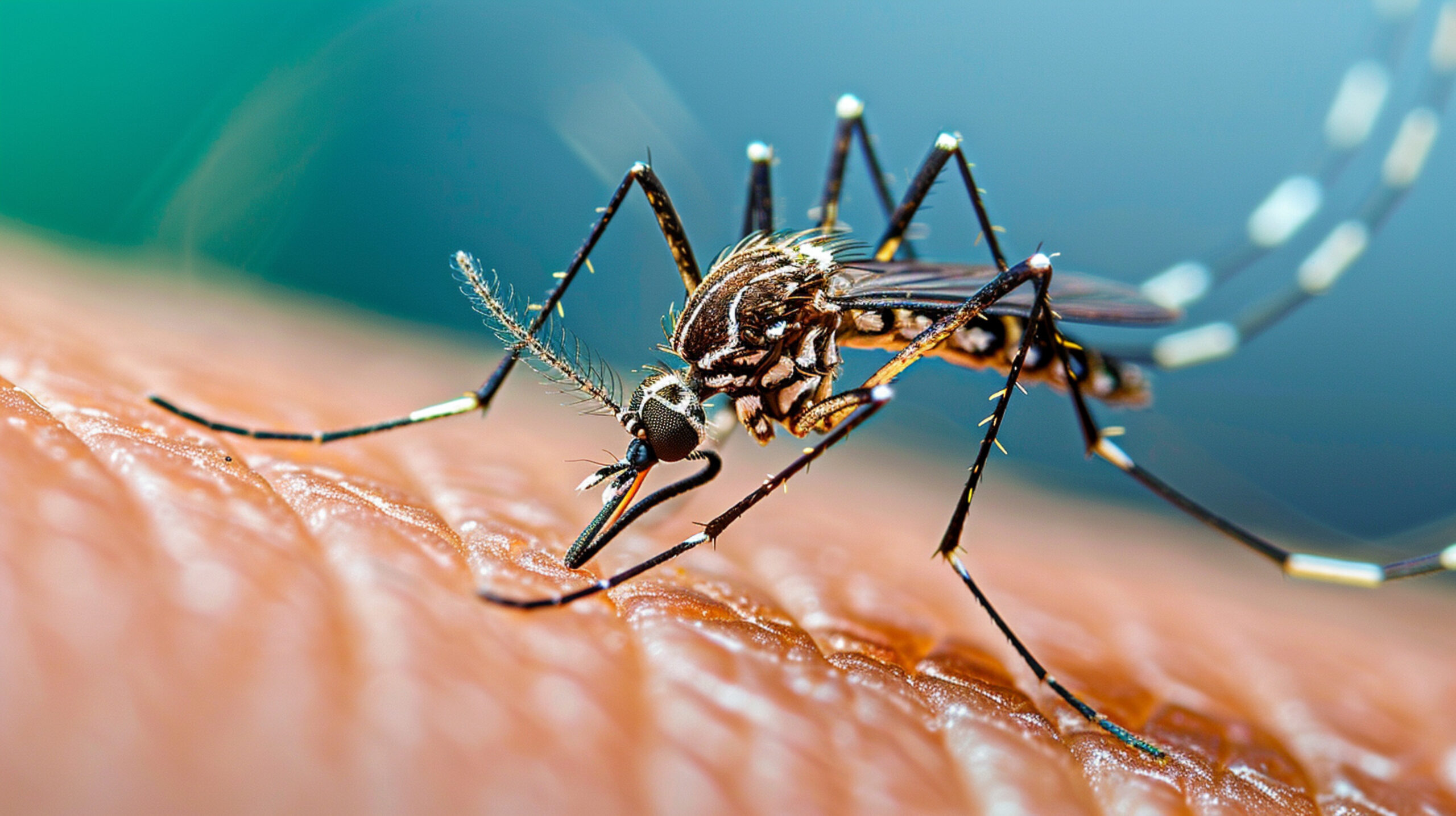
New Delhi: As Delhi braces for another challenging monsoon season, the city has rolled out a unique solution to tackle a familiar menace: mosquitoes. In a joint effort with Northern Railway, the Municipal Corporation of Delhi (MCD) has launched the “Mosquito Terminator Train”, which is  a mobile anti-larval unit that will spray insecticides along railway tracks, where stagnant water often becomes a breeding ground for disease-spreading mosquitoes.

The train was flagged off from New Delhi Railway Station by Mayor Raja Iqbal Singh, who called it “not just a train, but a shield” to protect citizens from mosquito-borne illnesses like dengue, malaria, and chikungunya.

Spraying Where Humans Can’t Reach

At first glance, it may look like just another train,  but it’s far from ordinary. Equipped with a high-powered sprayer mounted on a truck placed atop a flatbed wagon, the Mosquito Terminator can cover up to 60 metres on both sides of the track with larvicide. These are areas that are nearly impossible to reach manually, places where water often collects and mosquitoes thrive unnoticed.

“It’s a powerful tool that reaches where our health workers can’t,” said Mayor Singh, highlighting its importance during the rainy season when mosquito populations typically surge.

Monsoon Mission: Zero Breeding Grounds

MCD Commissioner Ashwini Kumar called the initiative part of a broader “mission mode” campaign to eliminate mosquito breeding across the city. The train will continue its rounds until September, with regular spraying scheduled along vulnerable stretches of track.

But officials are clear: they can’t do it alone. “The success of this campaign also depends on citizens. We urge everyone to check for stagnant water in their surroundings. Even a flowerpot tray can become a breeding ground,” Kumar said.

Early signs suggest these efforts are paying off — MCD reports a noticeable drop in dengue cases this year compared to last, giving hope that the aggressive anti-mosquito strategy is working.

Citywide Action: Beyond the Railway Tracks

The Terminator Train is just one part of Delhi’s larger battle against mosquitoes. Across the city, teams have stepped up fogging drives, sprayed larvicide in drains, and intensified cleanliness efforts — particularly in flood-prone colonies.

Chief Minister Rekha Gupta has also called for an early and proactive approach, instructing officials to issue warnings before fining homes with breeding spots and encouraging the use of larvivorous fish in water bodies to naturally control mosquito populations.

So far, more than 500,000 homes have been fogged, larvae have been cleared from 71,000 locations, and biological control methods have been deployed at nearly 300 sites.

Railway tracks, often overlooked, are one of the biggest culprits during monsoon. With puddles forming easily and going unnoticed, they become perfect breeding grounds. The Mosquito Terminator Train offers a smart and effective way to tackle the problem at its source.

Also Read: Government Hikes Renewal Charges for 20-Year-Old Vehicles


Trump Threatens ‘Massive’ Sanctions on Russia as Putin–Zelenskyy Summit Stalls Amid Escalating Strikes


U.S. President Donald Trump has renewed his threat to hit Russia with “massive” sanctions or tariffs within two weeks if there is no tangible movement toward a Ukraine peace deal—an ultimatum he framed one week after his Alaska summit with Vladimir Putin. Trump’s remarks, delivered in Washington on August 22, underscored his irritation at Moscow and followed a Russian strike on a U.S.-owned factory in western Ukraine that injured workers.

Kyiv and Moscow remain far apart on both process and substance. Russia’s foreign minister, Sergei Lavrov, reiterated that “there is no meeting planned” between Putin and Ukrainian President Volodymyr Zelenskyy, saying a leaders’ summit would only be possible once an agenda is agreed—language that echoes Moscow’s long-standing preconditions. Zelenskyy countered that Russia is stalling and “doing everything it could to prevent a meeting.”

On the ground, the conflict remains intense. The Russian strike that angered Trump hit an American-owned electronics plant in Mukachevo, Zakarpattia, this week, sparking a fire and injuring staff. Initial injury tallies have varied as authorities update assessments: some reports cited six wounded, while others noted higher figures into the teens. Regardless of the exact count, the episode highlighted risks to foreign commercial assets amid ongoing attacks on Ukraine’s energy and industrial infrastructure.

Putin, meanwhile, struck an upbeat tone on U.S.–Russia relations. During a visit to a nuclear research center on Friday, he said there was “light at the end of the tunnel” and praised Trump’s leadership, signaling Moscow’s hope for deeper bilateral ties, including potential Arctic and Alaska projects, even as the Ukraine talks stall.

Substantively, Russia’s position remains anchored in territorial demands. Moscow has pushed Kyiv to accept loss of control in parts of eastern and southern regions and floated a freeze of current front lines in other areas it claims, while hinting it could relinquish small pockets elsewhere. Kyiv rejects negotiations “under the barrel of a gun,” although Zelenskyy has softened earlier demands for a lengthy ceasefire as a precondition to leader-level talks. The broader U.S.-led diplomatic effort continues to focus on future security guarantees for Ukraine; Trump has suggested Moscow signaled openness to some Western guarantees, but Russia has publicly cast doubt on any such arrangements discussed without its direct consent.

Against this backdrop, Trump showed reporters a photo from the Alaska red-carpet meeting and mused that Putin “may be coming” to the 2026 FIFA World Cup in North America, hedging that it depends “on what happens.” Russia remains suspended from FIFA and UEFA competitions following its 2022 invasion of Ukraine and did not take part in 2026 qualifying. Any Putin “attendance” would be as an invited dignitary, not as part of a participating team.

Strategically, casualty estimates—already in the hundreds of thousands—continue to climb, with both sides targeting energy infrastructure. Kyiv insists that durable peace requires credible guarantees and the restoration of sovereignty, while Moscow seeks recognition of its claims and a front-line freeze it can portray as a victory. For Washington, the two-week window Trump set is meant to catalyze movement: sanctions or tariffs if Moscow blocks talks, and restraint if negotiations advance. Whether that pressure changes Kremlin calculations remains unclear; Lavrov’s “no meeting planned” line suggests Moscow prefers to hold leverage until terms look more favorable.