rotating globe
6 Apr 2026


Government Hikes Renewal Charges for 20-Year-Old Vehicles


New Delhi:  In an effort to phase out older, more polluting vehicles from Indian roads, the Union Ministry of Road Transport and Highways has announced a steep hike in registration renewal fees for vehicles that are over 20 years old.

According to the latest notification from the Ministry, the renewal fee for light motor vehicles (LMVs) — including private cars — has been doubled from Rs 5,000 to Rs 10,000. Similarly, for two-wheelers that have crossed the 20-year mark, the fee has gone up from Rs 1,000 to Rs 2,000.

The revised rates, finalised on August 21, apply to all vehicles older than 20 years. There is no change in renewal fees for vehicles aged between 15 and 20 years.

Here’s a quick look at the updated fees for vehicles older than 20 years:

  • Cars (LMVs): Rs 10,000

  • Motorcycles: Rs 2,000

  • Three-wheelers / Quadricycles: Rs 5,000 (up from Rs 3,500)

  • Imported two/three-wheelers: Rs 20,000

  • Imported four-wheelers and above: Rs 80,000

Vehicles between 15 and 20 years old remain unaffected by this change.

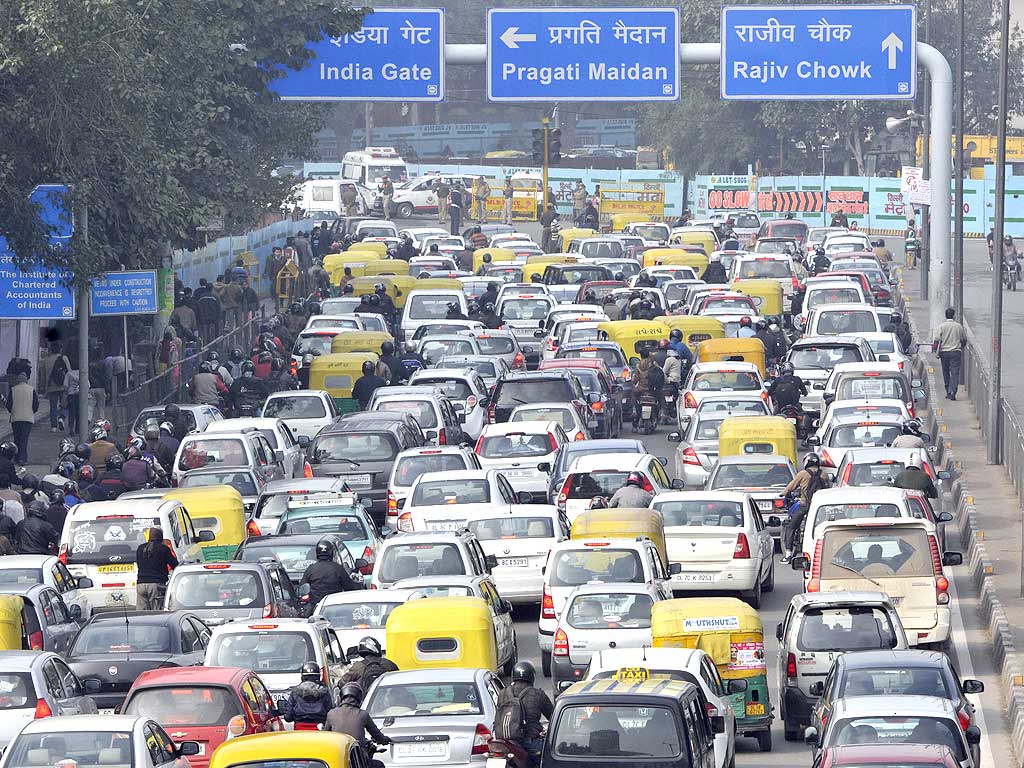
This move is part of a broader push by the central government to modernise India’s vehicle fleet and reduce pollution, especially in urban areas. Officials say that older vehicles — particularly those manufactured before the implementation of modern emission norms — tend to emit higher levels of pollutants and are less fuel-efficient.

“A vehicle running beyond 20 years tends to be more harmful to the environment. These revised fees are intended to discourage long-term use of outdated and polluting models,” said a senior official from the Ministry.

Policy vs. Legal Relief

The fee hike comes at a time when the legal position on ageing vehicles is still evolving. Earlier this month, the Supreme Court directed that no coercive action should be taken against diesel vehicles older than 10 years and petrol vehicles older than 15 years in the Delhi-NCR region, offering temporary relief to thousands of vehicle owners.

However, the Ministry’s latest move signals that the long-term policy direction remains focused on environmental sustainability and the gradual removal of outdated vehicles from Indian roads.

A Scientific Game-Changer: The World’s First Lab-Grown Living Skin


Imagine a future where a severe burn victim receives a skin graft that’s not just a patch, but a living, breathing part of their body. That future is getting closer, thanks to a team of Australian scientists who have created the world’s first fully functional, lab-grown human skin complete with its own blood supply.

This isn’t just another scientific experiment; it’s a monumental leap forward in regenerative medicine. The breakthrough, led by researchers at the University of Queensland’s Frazer Institute, could revolutionize treatments for burns, skin diseases, and even transplants.

Previous attempts at creating skin in a lab were limited. They often lacked the intricate systems that make real skin so resilient. But this new bioengineered skin is different. It’s incredibly lifelike, containing everything from blood vessels and nerves to hair follicles and immune cells.

“This is the most life-like skin model that’s been developed anywhere in the world,” said lead researcher Dr. Abbas Shafiee, “and it will allow us to study diseases and test treatments more accurately.”

The team used cutting-edge stem cell technology to achieve this. They started with adult human skin cells and “reprogrammed” them into induced pluripotent stem cells (iPSCs)—the kind that can transform into any cell in the body. They then cultivated these cells in petri dishes, where they grew into miniature skin structures. The most crucial step? They used the same stem cells to create tiny blood vessels and added them to the growing skin.

The result is a model that behaves just like the real thing, which is a huge deal for medical research. Scientists have long struggled to effectively study skin diseases like psoriasis and eczema because they lacked realistic models. Now, they can closely observe how these conditions develop and test new drugs with a reliability that wasn’t possible before.

After six years of dedicated work, the team is now focused on the next big step: turning this lab creation into a practical treatment. Their goal is to revolutionize how skin grafts are created, offering new hope and better outcomes for millions of patients worldwide. This isn’t just a scientific paper; it’s a promise of a better, healthier future.


Supreme Court Allows Aadhaar for Voter Roll Revisions, Urges Parties to Aid Excluded Voters in Bihar


The Supreme Court of India has directed the Election Commission of India (ECI) to accept Aadhaar as a valid document for voters seeking inclusion during the ongoing Special Intensive Revision (SIR) of electoral rolls in Bihar. The move aims to make the revision process more voter-friendly and ensure that eligible citizens are not left out of the electoral process.

A bench of Justices Surya Kant and Joymalya Bagchi emphasized that applications for re-inclusion can be submitted either online or in person, accompanied by Aadhaar or any of the other 11 documents previously recognized by the ECI. The ruling reflects the court’s push for transparency and inclusivity in the electoral process.

The SIR exercise had previously removed around 65 lakh names from the draft electoral rolls, drawing criticism from citizens and political parties alike. The ECI has now published the list of deleted voters to enable public verification and allow claims for inclusion. Citizens can check booth-wise details, searchable by EPIC number, along with the reason for exclusion. Each district’s website is hosting this data, and a consolidated state-level list is available on the Bihar Chief Electoral Officer’s portal.

The Supreme Court expressed concern over political parties’ apparent inaction in assisting voters whose names were deleted. The court noted that Booth Level Agents (BLAs), who are associated with political parties and familiar with local communities, should actively help verify whether excluded voters are genuinely absent, deceased, or have shifted residence. Only a negligible number of objections had been filed by BLAs, despite the large-scale deletions.

The court also welcomed the ECI’s report that approximately 85,000 new voters have come forward to be added to the rolls during the SIR process. Notices displayed at polling booths in districts like Rohtas, Begusarai, and Arwal now inform citizens about the possibility of filing claims for inclusion, accompanied by a copy of their Aadhaar card. The apex court stressed that no eligible voter should be left without recourse.

The revision process, which began in the context of the upcoming Bihar Assembly elections, is being closely monitored by the Supreme Court to ensure fairness and transparency. Interim measures mandated by the court include the online publication of the names of excluded voters, reasons for exclusion, and accessible channels for submitting claims for correction.

The court’s directives are a significant step in addressing concerns about voter disenfranchisement and procedural lapses in electoral roll revisions. Observers note that the inclusion of Aadhaar, combined with proactive engagement from political parties and BLAs, is likely to improve public confidence in the electoral process.

As the SIR continues, authorities have been urged to maintain clear communication with voters, display updated lists at booths, and ensure the availability of online tools to facilitate claims. The Supreme Court’s interventions underscore its commitment to protecting the democratic rights of citizens and ensuring that every eligible voter has the opportunity to participate in the elections.

Also Read: West Bengal Suspends Four Electoral Officials Amid Alleged Voter Roll Irregularities

ISRO Saw Exponential Rise in Missions Over Past Decade, Says Chairman V Narayanan


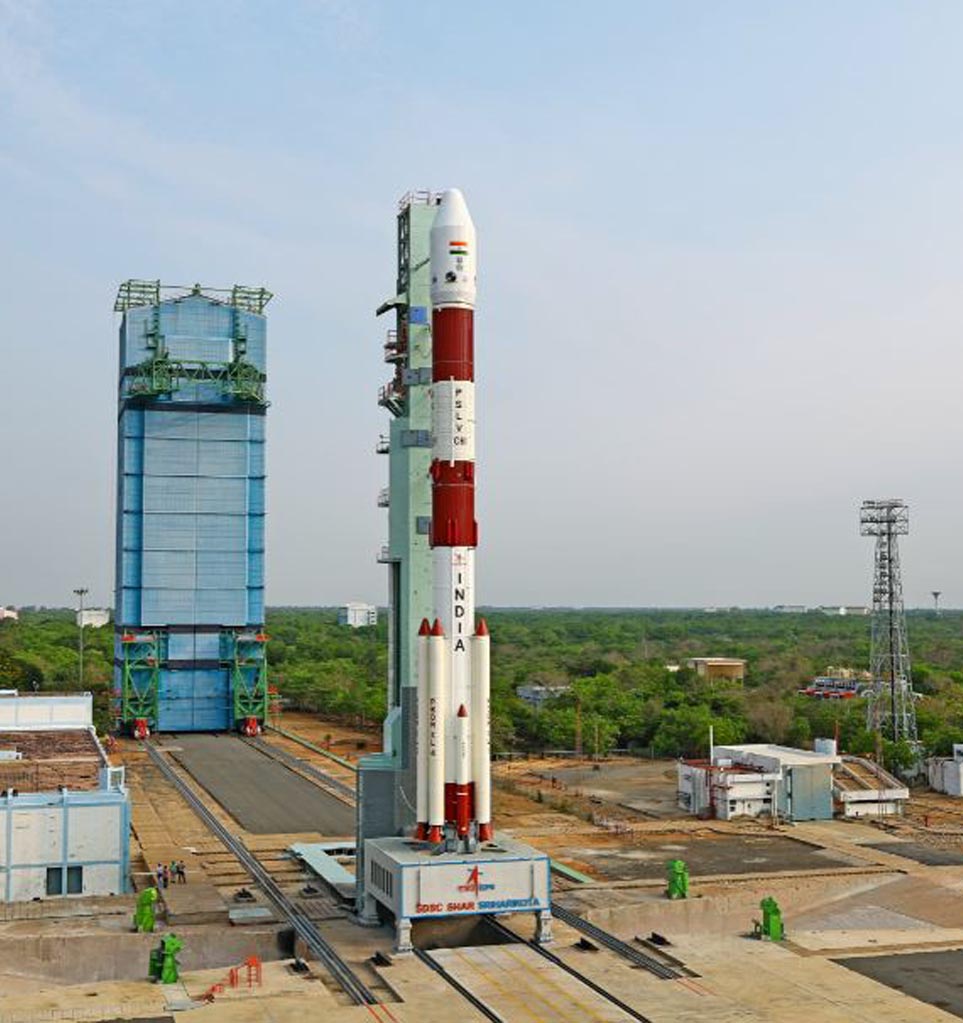
New Delhi: Reflecting India’s accelerating progress in space exploration, ISRO has nearly doubled its number of missions between 2015 and 2025 compared to the previous decade, ISRO Chairman V. Narayanan stated on Thursday, August 21.

Speaking at a high-profile press conference in New Delhi, alongside Union Minister Jitendra Singh and Gaganyaan astronauts Group Captains Shubhanshu Shukla and Prasanth Nair, Narayanan described the past 10 years as a “phenomenal, exponential” phase in India’s space journey.

“In the last 10 years, ISRO has almost doubled its number of missions compared to 2005–2015. Just in the last six months, we’ve successfully completed three major missions,” he said.

Among those, the Chairman highlighted the Axiom-4 mission, which brought back Group Captain Shubhanshu Shukla, the first Indian astronaut to return from the International Space Station (ISS), marking a historic milestone for the country’s human spaceflight efforts.

Gaganyaan Set for Major Milestone in December

Narayanan also announced that the first uncrewed mission under the Gaganyaan programme, known as G1,  is on track for a December 2025 launch. This flight will carry Vyommitra, ISRO’s half-humanoid robot designed to simulate human responses in space, paving the way for India’s first crewed space mission.

“This is a critical preparatory step for sending Indian humans into space. Vyommitra will help us better understand space conditions ahead of the crewed flight,” he noted, thanking Prime Minister Narendra Modi for greenlighting the Gaganyaan programme back in 2018.

India to Launch 6,500-kg US Satellite; G20 Satellites in the Pipeline

Looking ahead, Narayanan revealed that a NASA-ISRO collaboration is set to launch in the next 2-3 months, with India’s launch vehicle carrying a 6,500-kg American communication satellite into orbit.

He added that India has so far launched 433 foreign satellites from 34 countries, strengthening its position as a reliable commercial space launch provider.

In a further boost to international cooperation, Narayanan confirmed that India is working to provide G20 satellites to partner countries, a continuation of its vision for shared development in space.

“After Modi became PM, we built and donated the South Asian satellite to neighbouring countries. Now, we are developing a G20 satellite under the same spirit of collaboration,” he said.

Private Sector & Startups Fueling India’s Space Ambitions

The ISRO chief also credited India’s thriving startup ecosystem for fueling innovation in the space sector. From a single startup a decade ago, the country now boasts over 300 space startups, two of which have already conducted suborbital missions independently.

West Bengal Suspends Four Electoral Officials Amid Alleged Voter Roll Irregularities


The West Bengal government has suspended four electoral officials and initiated departmental proceedings against them for alleged irregularities in the revision of electoral rolls, though it has stopped short of registering First Information Reports (FIRs), raising questions over full compliance with directives from the Election Commission (EC).

The action comes just a week after Chief Secretary Manoj Pant appeared before the EC in New Delhi, where sources indicate he was given a deadline of August 21 to suspend the officers and initiate criminal proceedings by filing FIRs. While the state government has implemented the suspension and departmental inquiry directives, no FIRs have yet been lodged, according to an official at the State Secretariat.

The suspended officials include two Electoral Registration Officers (EROs) and two Assistant Electoral Registration Officers (AEROs) from South 24 Parganas and Purba Midnapore districts. They are alleged to have committed irregularities in the voter rolls of the Baruipur East and Moyna Assembly constituencies. The officials in question have been identified as Debottam Dutta Chowdhury (ERO) and Tathagata Mandal (AERO) from Baruipur East, and Biplab Sarkar (ERO) and Sudipta Das (AERO) from Moyna.

Election Commission sources say the accused officials are facing serious allegations, including sharing of login credentials, unauthorized access, and breaches of data security protocols during the electoral roll revision process. Such lapses are viewed by the EC as a direct threat to the integrity of the electoral process. “The commission is closely monitoring the situation and expects the state to take timely and stringent action against officials found guilty of procedural violations,” said an EC official.

The suspension of these officers is part of a broader effort by the EC to ensure transparency and credibility in the electoral roll revision process across the country. Electoral roll revisions are critical in maintaining accurate voter data and preventing manipulation, especially in constituencies where margins of victory can be narrow.

Political observers note that the EC’s directive to suspend officials and register FIRs reflects its growing concern over data security and the possibility of malpractice in the electoral process. While departmental proceedings allow for administrative inquiry and potential penalties within the bureaucracy, FIRs are considered crucial for establishing criminal accountability, particularly in cases of deliberate tampering or negligence.

The West Bengal government has maintained that it is committed to following the EC’s instructions but has emphasized that departmental investigations are underway to ascertain the facts before any criminal cases are lodged. State officials have also indicated that additional internal checks and audits are being conducted in other districts to ensure that no similar irregularities exist elsewhere.

The situation has sparked debate among political parties and civil society groups in the state, with calls for more robust measures to protect the integrity of the electoral system. Analysts say that how the state handles FIR filings and further disciplinary measures could set a precedent for accountability in electoral administration across India.

As the EC continues to monitor the developments, attention remains on whether West Bengal will take the next step to file FIRs against the officials, thereby fully complying with the commission’s directives and reinforcing the credibility of the voter roll revision process ahead of upcoming elections.

Also Read: India Confirms No USAID Funds for Voter Turnout Initiatives

India Confirms No USAID Funds for Voter Turnout Initiatives


The Indian government has clarified that the United States Agency for International Development (USAID) did not provide or receive funding of $21 million for voter turnout initiatives in India between fiscal years 2014 and 2024. The clarification was provided in a written response to a question from CPI(M) MP John Brittas in the Rajya Sabha on Thursday, August 21, 2025.

Minister of State for External Affairs Kirti Vardhan Singh stated that USAID/India has not implemented any voter turnout-related projects in the country. The statement follows longstanding reports suggesting the agency’s involvement in increasing voter participation during Indian elections.

The response detailed that on February 28, 2025, the Ministry of External Affairs (MEA) had formally requested the U.S. Embassy in New Delhi to provide comprehensive data on all USAID-funded or assisted projects in India over the previous decade, excluding those conducted under seven official Partnership Agreements with the Indian government. The request also sought a list of NGOs or implementing partners involved in such initiatives.

On July 2, the U.S. Embassy shared information covering USAID funding in India from 2014 to 2024, including implementing partners, objectives, and outcomes of each activity. The Embassy reiterated that no funds were allocated for voter turnout activities.

Singh further stated that the Embassy had conveyed its plans to conclude all USAID operations in India by August 15, 2025. In a subsequent communication on August 11, the U.S. Embassy confirmed that the seven Partnership Agreements with the Indian government would also officially close from the same date.

The minister noted that while the USAID review is ongoing in the United States, the U.S. Department of Government Efficiency (DOGE) announced on February 16, 2025, the cancellation of $486 million in global USAID funding, including the previously cited $21 million allocation for voter turnout projects in India.

USAID formally ceased operations in India on July 1, 2025. Approximately 83% of its programs were terminated, and 94% of its staff were laid off. The U.S. State Department assumed responsibility for the remaining 17% of operations and foreign aid management. The complete closure of USAID is scheduled for September 2, 2025.

In response to Brittas’ query on the detailed expenditure of USAID projects over the past three years, Singh confirmed that a beneficiary-wise breakdown of allocations for 2022, 2023, and 2024 has been provided to the Ministry and appended as Annexure-A in the parliamentary response.

This follows a similar question raised by Brittas in March 2025 regarding USAID activities in India. The government’s clarification underscores that the agency’s operations in the country were limited to existing partnership projects and did not include any voter turnout initiatives.

The Rajya Sabha response comes amid wider scrutiny of foreign aid programs in India, highlighting transparency and accountability in international funding collaborations.

Also Read: UN-Backed Group to Officially Declare Famine in Gaza Amid Worsening Humanitarian Crisis


UN-Backed Group to Officially Declare Famine in Gaza Amid Worsening Humanitarian Crisis


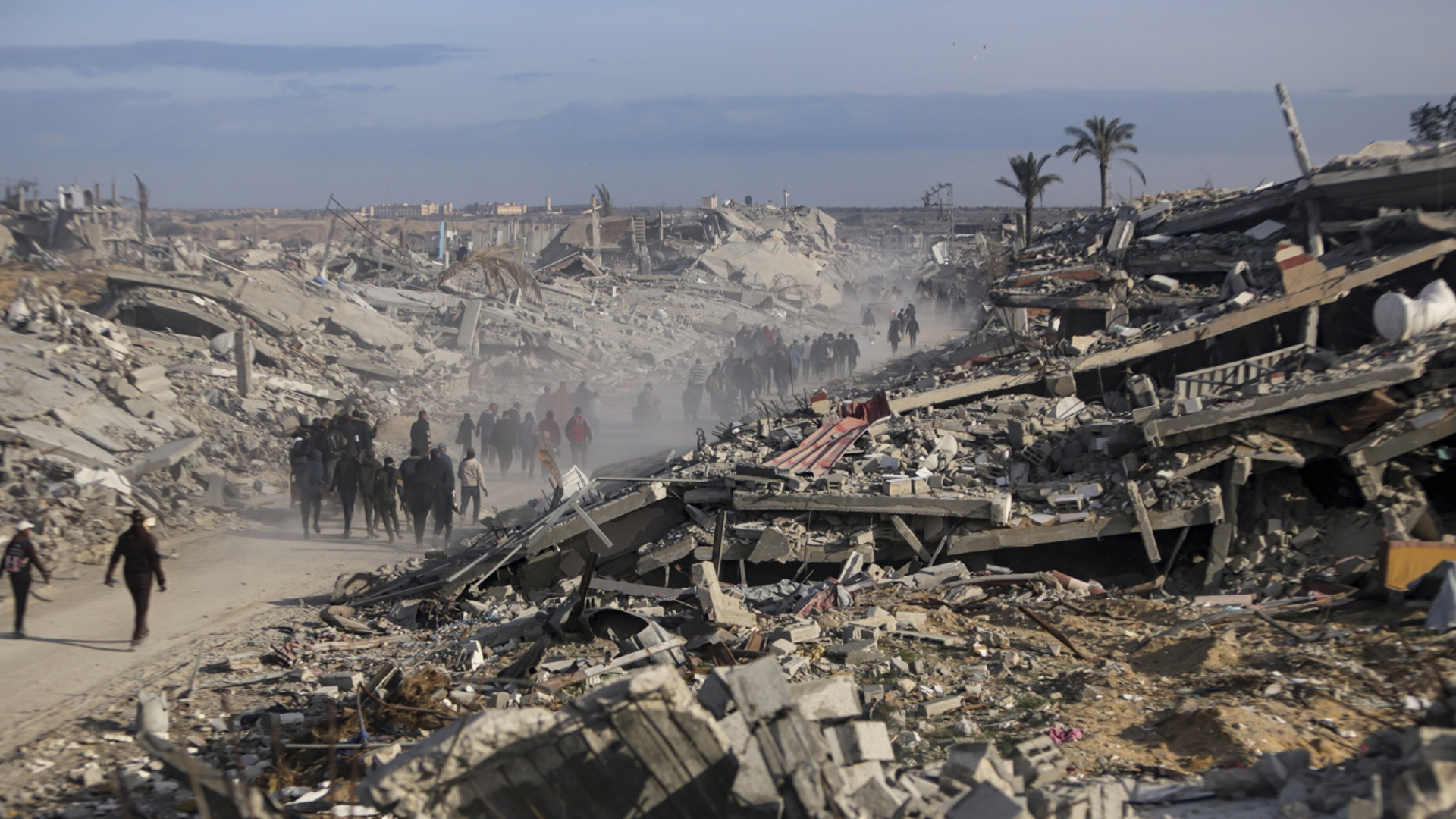
For the first time in its history, a famine is set to be formally declared in Gaza, according to a report from the UN-backed Integrated Food Security Phase Classification (IPC), a globally recognized system that monitors food insecurity and malnutrition. The declaration, expected to be issued imminently, will cover Gaza City and parts of the central and southern territories, though data from northern Gaza remains insufficient for official classification, despite conditions there being widely regarded as catastrophic.

The famine declaration is based on strict internationally recognized criteria. At least 20 percent of households must face an extreme lack of food, 30 percent of children must suffer from acute malnutrition, and the death rate from starvation must reach two people per 10,000 per day. According to preliminary assessments, these thresholds have now been met in Gaza City, home to roughly 500,000 residents and the last major urban center in the territory that has not been completely reduced to rubble. Aid officials note that northern Gaza, which has been heavily bombarded and largely destroyed, is likely experiencing even more severe conditions, though precise data remains scarce due to access challenges.

The IPC, established in 2004, has only formally declared famine four times globally, most recently in Sudan last year. Prior to this declaration, the organization had issued warnings of impending famine in Gaza but refrained from making a formal pronouncement, citing insufficient hard data. The upcoming announcement underscores the gravity of the humanitarian crisis that has been exacerbated by Israel’s ongoing military operations in the territory. Israeli forces are currently advancing toward Gaza City, intensifying the blockade and limiting the flow of food, water, and medical supplies.

Humanitarian agencies have repeatedly highlighted the deteriorating conditions in Gaza. The World Food Programme (WFP) and UNICEF have warned that millions of people are facing food insecurity, with children being particularly vulnerable to acute malnutrition. Hospitals are under severe strain, running low on critical medical supplies, while the civilian population is increasingly reliant on humanitarian aid for basic sustenance. Human Rights Watch and other monitoring organizations have emphasized that prolonged sieges and active combat operations in densely populated areas are significantly contributing to malnutrition and civilian casualties.

Despite mounting evidence, the Israeli government continues to deny that famine conditions exist in Gaza. Officials maintain that humanitarian aid is being delivered and that the security measures in place are necessary to address threats posed by Hamas and other militant groups. However, aid agencies operating in the region contend that restrictions on the movement of goods and people, combined with the destruction of infrastructure, are making it nearly impossible for residents to access sufficient food and water.

The declaration of famine carries profound implications for international humanitarian efforts. It is likely to trigger increased aid flows from the United Nations, donor governments, and non-governmental organizations, while drawing heightened global attention to the escalating crisis. Experts warn that without immediate intervention to restore food supply chains and medical support, the death toll could rise sharply, especially among children and the elderly.

Also Read: Trump Administration to Review 55 Million U.S. Visa Holders; Social-Media “Anti-Americanism” Checks Expanded

India vs Pakistan Asia Cup Match Gets Green Light from Government


The India vs Pakistan match in the upcoming Asia Cup will go ahead as planned, following a formal statement from the Ministry of Youth Affairs and Sports. The ministry outlined a clear distinction between bilateral and multilateral sporting engagements with Pakistan, allowing India to participate in tournaments where Pakistan is one of several competing nations.

This clarification comes amid growing political tensions between the two neighbours and public debate over whether India should face Pakistan in international sports events.

Bilateral Freeze Still in Place

The Indian government has maintained its policy of not engaging in bilateral cricket series with Pakistan, a stance in place since 2012-13 due to ongoing diplomatic and security concerns. As per the policy, Indian teams will not tour Pakistan, and vice versa, for exclusive bilateral competitions.

India Will Play in Multilateral Events

While bilateral ties remain frozen, the government confirmed that India will continue to participate in multilateral tournaments such as the Asia Cup, ICC World Cups, and Champions Trophy. These events, organised by international sporting bodies, involve multiple nations and are viewed as separate from bilateral political issues.

This decision ensures that Indian athletes are not restricted from participating in global competitions, regardless of Pakistan’s involvement.

Neutral Venues Confirmed for India-Pakistan Matches

The policy also supports the continued use of neutral venues for any India-Pakistan matches in tournaments hosted outside India. This approach was previously used during the 2023 Asia Cup, where India’s matches were played in Sri Lanka despite Pakistan being the official host.

A similar “hybrid model” is expected to be followed for the 2025 ICC Champions Trophy, which is scheduled to be held in Pakistan.

Boosting India’s Global Sports Hosting Ambitions

The policy update is part of a broader push by India to position itself as a preferred host for major international sporting events. As part of this effort, the Ministry announced a streamlined visa process for foreign athletes, officials, and representatives of international sports bodies.

This move aims to enhance India’s reputation as a reliable and welcoming destination for global sports tournaments.

High-Stakes Match Set for September 14

The India vs Pakistan group-stage match is set for September 14 at the Dubai International Cricket Stadium in the UAE. Both teams are in Group A, and depending on the tournament’s progression, they could face each other up to three times, including in the Super 4 stage and possibly the final.

This match is expected to draw massive global viewership, given the intense history and rivalry between the two sides.

Clarification Follows Tensions and Boycott Calls

The government’s statement comes amid heightened tensions, especially after a recent terror attack in Jammu and Kashmir. The incident led to public calls, including from former cricketers, for India to withdraw from matches against Pakistan. The official stance now confirms that sporting decisions in multilateral formats will go forward as scheduled. The bilateral cricket ties remain off the table, but India will continue facing Pakistan in multilateral events, ensuring that fans will witness the iconic clash in the Asia Cup next month.


SC Modifies Stray Dog Rule: Vaccinated Dogs Released, Public Feeding Banned


New Delhi: Aiming to balance animal welfare with public safety, the Supreme Court of India has issued a revised directive on managing stray dogs, prohibiting public feeding on streets and in public places nationwide. The court has mandated that municipal authorities in every ward establish dedicated feeding zones to manage the stray dog population responsibly.

Ban on Public Feeding, Feeding Zones Required

The decision, handed down by a three-judge bench comprising Justices Vikram Nath, Sandeep Mehta, and N.V. Anjaria, modifies an earlier ruling and addresses growing public safety concerns. The court’s order was a direct response to reports of “untoward incidents” and “difficulties for people walking on the streets” caused by unregulated feeding. The ruling makes it clear that any individual found violating the new rule will face legal action.

Addressing Public Safety Concerns

The court’s directive follows intense deliberations and arguments from various stakeholders. Senior advocates had earlier argued before the bench that there were insufficient shelter homes to house all stray dogs, and they criticized municipal bodies for their failure to effectively implement sterilization and immunization programs. The Delhi government also submitted data on dog bites and rabies-related deaths, underscoring the serious public health risks associated with the unmanaged stray dog population.

Animal Birth Control Guidelines

In its judgment, the bench clarified that stray dogs picked up for animal birth control programs should be returned to the same location after vaccination and sterilization. The only exceptions to this rule are dogs that are rabid, suspected of having rabies, or exhibiting aggressive behavior.

Nationwide Implementation

This move is seen as a significant step towards a more structured and humane approach to managing the stray animal population. The court also expanded the scope of the matter to include all States and Union Territories, ensuring a nationwide application of the new guidelines.

NGO Compensation Ordered

In a notable part of the judgment, the court directed that non-governmental organizations involved in the case be compensated with a one-time payment of ₹25,000 for their efforts in setting up facilities, while simultaneously stating they would not be allowed to make further legal submissions.

Local Authorities Must Act

The ruling emphasizes the need for local authorities to be proactive, a point on which the court had previously expressed strong disapproval. By mandating dedicated feeding zones, the Supreme Court aims to streamline the process of caring for stray animals while mitigating the risks to public life and convenience.


Trump Administration to Review 55 Million U.S. Visa Holders; Social-Media “Anti-Americanism” Checks Expanded


The Trump administration has begun a sweeping review of more than 55 million people who currently hold valid U.S. visas, with the State Department confirming that all foreign nationals on visas are subject to “continuous vetting” for potential ineligibility and possible revocation. The move, first reported by the Associated Press, means visas may be cancelled if officials find indicators such as overstays, criminal activity, threats to public safety, terror activity, or material support to terrorist organizations. If a visa is revoked while the individual is in the United States, they would become subject to deportation. The State Department also said that since January, more than 6,000 student visas have been revoked for overstays and various violations, most commonly for criminal offenses and alleged support for terrorism. 

The review coincides with a broader tightening of immigration screening. U.S. Citizenship and Immigration Services (USCIS) said it is expanding social-media checks and will consider whether applicants have espoused “anti-American” or antisemitic ideologies when adjudicating immigration benefits. A USCIS spokesperson said immigration benefits are “a privilege, not a right,” underscoring the agency’s commitment to rigorous screening.

State Department officials reiterated that continuous vetting applies even after a visa is issued and the holder has entered the country, a posture framed as a national-security safeguard. Independent reporting also details new scrutiny of student and exchange visas, with some applicants required to provide access to their online activity during the application process.

The administration’s latest guidance follows several months of stepped-up actions targeting short-term visas and student categories, including episodic pauses in processing and subsequent reinstatements of some students whose visas were initially revoked. Officials have also suggested that activities connected to campus protests could be weighed in the broader assessment of eligibility, a stance that civil-liberties advocates warn risks conflating protected speech with national security concerns. 

The policy evolution builds on a years-long trend toward deeper digital scrutiny that began with expanded social-media collection under “extreme vetting” protocols introduced in 2017. Then, consular officers were authorized to request supplemental information—including five years of social-media identifiers—via the DS-5535 form for applicants warranting additional review. While that earlier regime targeted a small subset of cases, the current framework extends active monitoring to all visa holders and explicitly elevates ideological criteria in certain adjudications. Legal groups argue that such standards are vague and could chill speech or enable viewpoint discrimination, while the administration contends the measures are necessary to protect public safety and U.S. interests.

Policy analysts note the operational and diplomatic ramifications of universal post-issuance vetting: resources could be diverted to screening individuals who live abroad on multi-entry tourist visas and may not reenter the United States soon, and allies could respond with reciprocal measures. Universities and business groups, meanwhile, warn that heightened uncertainty could deter international students and skilled workers, complicating recruitment and harming U.S. competitiveness.

For now, the immediate effect is twofold: an expansive State Department review that can trigger real-time visa cancellations and removals, and a USCIS adjudications posture that explicitly scrutinizes online speech and associations for signs of “anti-Americanism” or antisemitism. Administration officials maintain that the effort targets public-safety risks and legal violations. Critics say the scope and ideology-based elements raise First Amendment and due-process concerns that are likely to be tested in court.

Also Read: Israel Initiates Gaza City Assault, Mobilises 60,000 Reservists