rotating globe
6 Apr 2026


India Rejects Bangladesh’s Allegations of Awami League Activity on Its Soil


New Delhi: India on Wednesday firmly denied allegations made by the Bangladeshi government that offices linked to the banned Awami League party were operating in Kolkata and New Delhi, allegedly engaging in activities hostile to Dhaka.

In response to the claims, India’s Ministry of External Affairs (MEA) rejected the accusations as “misplaced,” asserting that no political activity targeting another country is permitted on Indian soil.

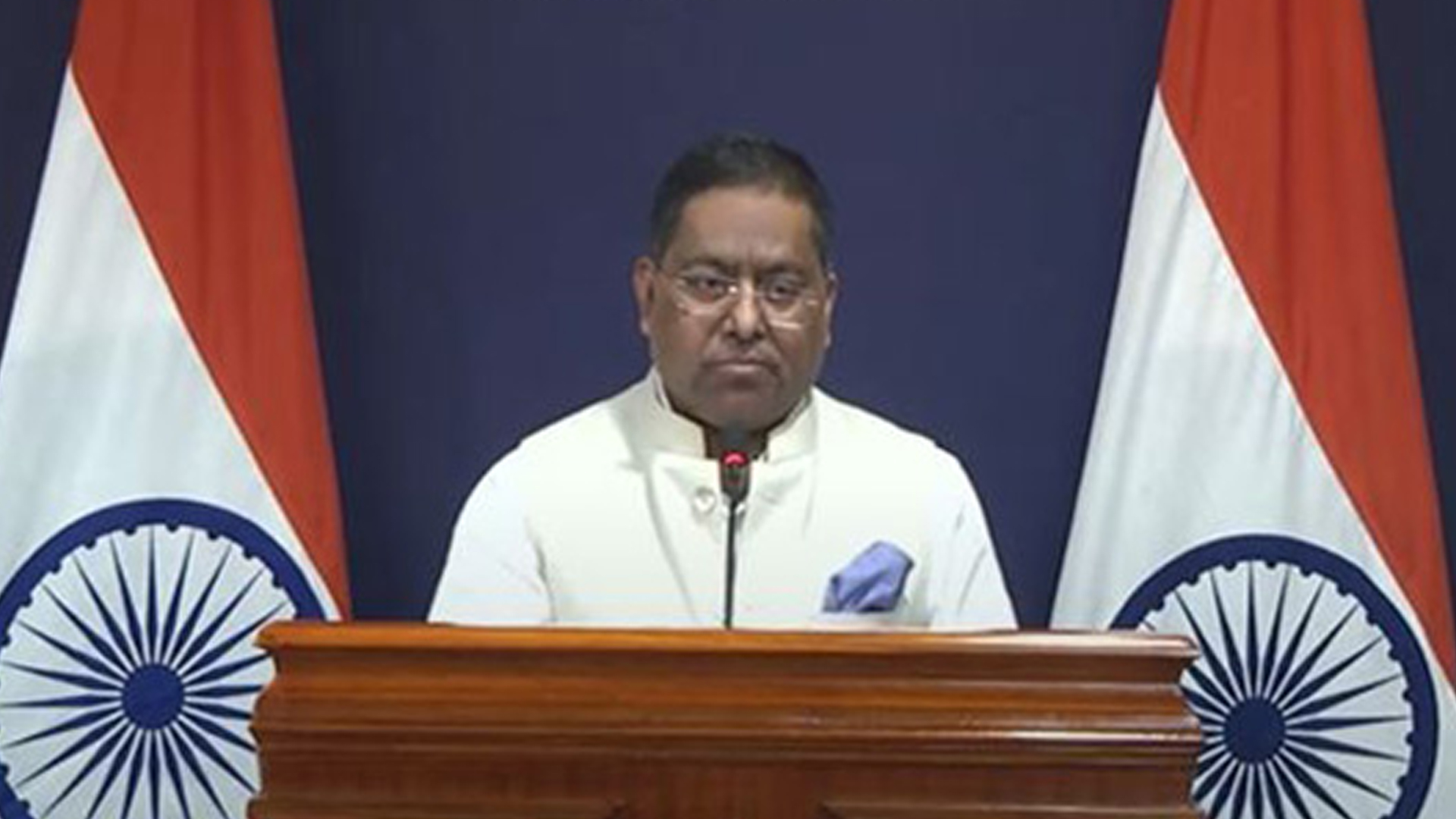
Responding to media queries, MEA spokesperson Randhir Jaiswal said the Indian government had no knowledge of any such activities taking place.

“The Government of India is not aware of any anti-Bangladesh activities by purported members of the Awami League in India or of any action that is contrary to Indian law. The Government does not allow political activities against other countries to be carried out from Indian soil. The press statement by the interim government of Bangladesh is thus misplaced,” Jaiswal said.

Dhaka Raises Concerns Over Alleged Exiled Activity

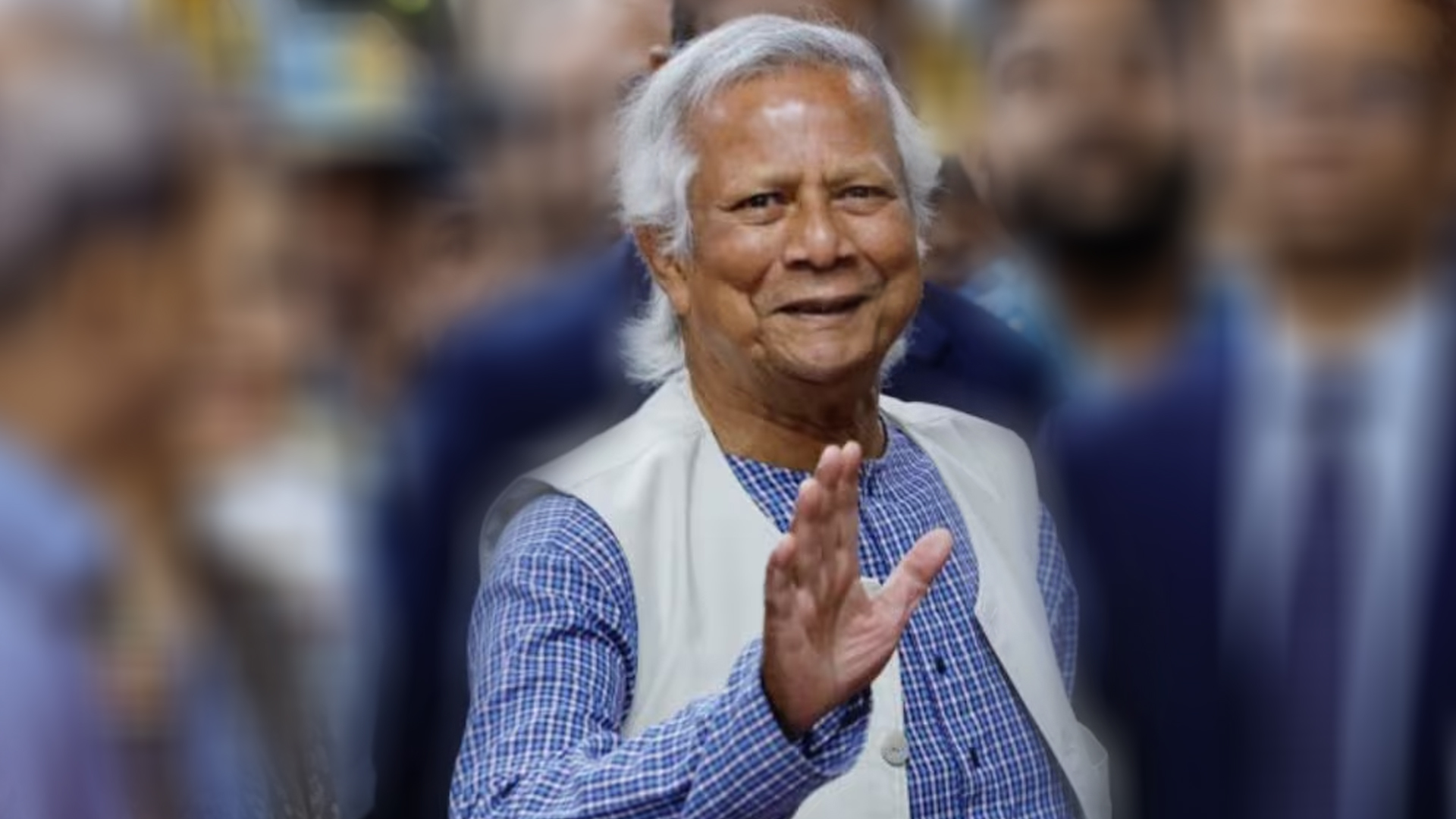
Earlier this week, the Bangladeshi foreign ministry issued a sharply worded statement claiming that “Awami League-linked offices” were being run from Indian cities by party leaders and activists who had crossed the border into exile. Dhaka urged New Delhi to “immediately ensure the closure” of these offices, calling their activities “an affront to the people and State of Bangladesh.”

In a post on X (formerly Twitter), the foreign ministry warned that these alleged operations could damage “long-term friendship and multifarious engagements” between the two neighbours and threaten “mutual trust and respect between two people.”

The statement further alleged that political campaigns targeting the Bangladeshi state were being conducted by absconding members of the now-banned party.

Awami League Under Pressure After Protests

The Awami League, led by former Prime Minister Sheikh Hasina, has faced intense pressure since widespread student-led protests erupted across Bangladesh last year, demanding political reform and accountability.

Accused of authoritarian rule and facing growing unrest, Hasina stepped down earlier this year. She is currently living in exile, and her party has been banned by the country’s interim government.

Hasina and her supporters have dismissed the allegations against them as politically motivated, calling the legal and political action part of a broader effort by rivals and Islamist forces to eliminate her legacy from Bangladesh’s political landscape.

New Delhi Calls for Free and Fair Elections

While rejecting Dhaka’s claims, India reiterated its commitment to supporting democracy in its eastern neighbour.

“We believe that free, fair, and inclusive elections should be held at the earliest in Bangladesh, to ascertain the will and mandate of the people,” the MEA stated.

India and Bangladesh have long shared close diplomatic, economic, and cultural ties, particularly during Hasina’s years in power. However, recent political upheaval and shifting dynamics in Dhaka appear to be testing that historically strong relationship.

Also Read: Israel Initiates Gaza City Assault, Mobilises 60,000 Reservists


NIA Arrests Key Aide in 2019 Ramalingam Murder Case Linked to PFI


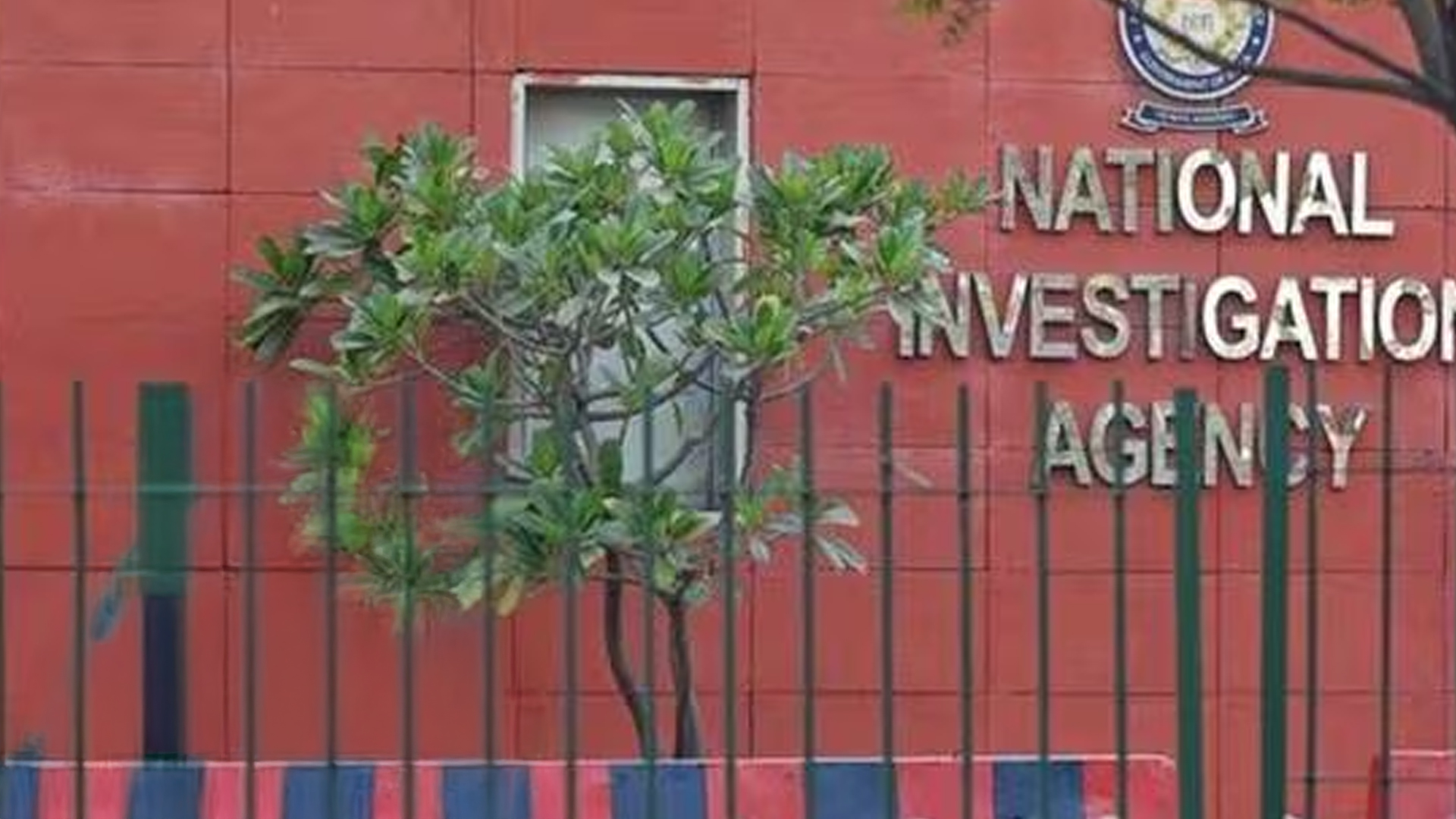
The National Investigation Agency (NIA) has arrested one more accused in connection with the 2019 murder of Pattali Makkal Katchi (PMK) functionary Ramalingam in Tamil Nadu, a case that has been linked to the banned Popular Front of India (PFI). The arrest follows extensive searches across nine locations in the state, the agency said in a statement on Thursday.

According to the NIA, the accused, identified as Imthathullah, proprietor of the Ambur Biryani Hotels in Kodaikanal, was taken into custody for “knowingly and voluntarily harbouring” three proclaimed offenders wanted in the Ramalingam murder case. The agency alleged that Imthathullah had sheltered the absconding men at his hotel outlets between 2021 and 2024.

The searches were carried out in Dindigul and Tenkasi districts on Wednesday morning as part of the agency’s continuing efforts to track down those evading arrest. During the operation, incriminating documents and digital devices were seized, which the NIA said would be examined for further leads.

The 2019 Murder Case

Ramalingam, a PMK party worker, was brutally hacked to death on February 5, 2019, at Paku Vinayakam Thoppu in Thanjavur district. Investigators alleged that his murder was orchestrated by members and office bearers of the PFI in an attempt to create communal tensions and spread fear.

The NIA, which took over the case from the Tamil Nadu Police in March 2019, filed a chargesheet against 18 accused before a special court in Chennai by August that year. Of the accused, six remained absconding.

In subsequent years, the agency has steadily tracked down several of the missing accused. In 2021, one of the absconders, Rahman Sadiq, was arrested. In November 2024, the NIA arrested Abdul Majeed and Shahul Hameed—both earlier proclaimed offenders—from the Poombarai area of Kodaikanal. During the same operation, the agency also apprehended another alleged harbourer, Mohammed Ali Jinnah, who was named as the 19th accused in the case.

Two Similar Names, One Still Absconding

The investigation has been complicated by the involvement of two accused with almost identical names — Mohammed Ali Jinnah and Mohammed Ali Jinna. While Jinnah was arrested last year, Jinna continues to remain on the run. Officials clarified that the two are distinct individuals and both have been named in the case at different stages.

Along with Jinna, two more proclaimed offenders — Burhanudeen and Nafeel Hasan — are still absconding. All three hail from Thanjavur district and were reportedly local office bearers of the PFI. The NIA has announced a cash reward of ₹5 lakh each for credible information leading to their arrest.

PFI’s Ban and Wider Crackdown

The Ramalingam case is one among several across India linked to the Popular Front of India, which was banned by the Union government in September 2022 under the Unlawful Activities (Prevention) Act (UAPA) for alleged involvement in terror activities and radicalisation. The outfit, which had a strong presence in states like Kerala, Tamil Nadu, and Karnataka, has been accused by security agencies of fomenting communal unrest and aiding extremist groups.

With Imthathullah’s arrest, the NIA has further tightened its net around those accused of shielding the masterminds and perpetrators of the Ramalingam killing. However, the continued absconding of three key figures underscores the challenges that remain in fully closing the case.

Also Read: Israel Initiates Gaza City Assault, Mobilises 60,000 Reservists

Massive Russian Drone and Missile Strike on Ukraine; Security Talks Intensify


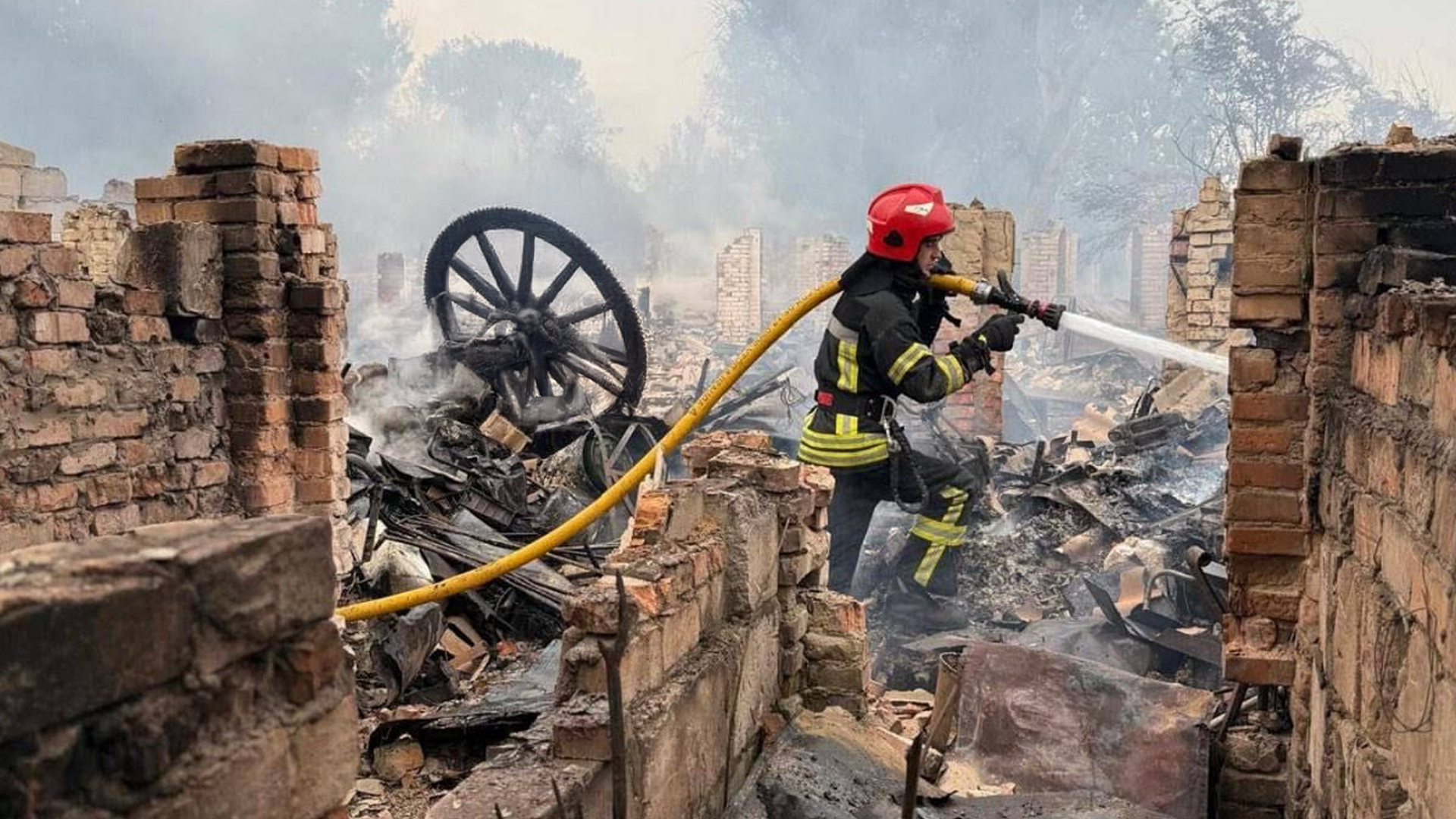
In one of the year’s largest aerial assaults, Russia launched 574 drones and 40 missiles overnight in a sweeping strike that focused on western regions of Ukraine, far from the eastern frontlines. According to the Ukrainian Air Force, the attacks killed at least one person and wounded 15 others, as reported by the Associated Press.

In a notable escalation, Ukraine’s Foreign Minister Andrii Sybiha reported that a major American electronics manufacturer, producing goods such as coffee machines, was among the facilities hit in western Ukraine. This marks a significant strike on civilian infrastructure and raises questions about supply chain vulnerabilities in regions considered relatively safe, the Associated Press noted.

President Volodymyr Zelenskyy denounced the attack as a sign of unrelenting aggression, saying it was carried out “as if nothing were changing at all.” He criticized the blow as wasteful, saying Russia “wasted several cruise missiles against an American business” producing everyday utilities, according to the Associated Press.

The strikes coincided with renewed efforts led by the U.S. to secure a peace settlement after more than three years of war following Russia’s invasion. Diplomatic discussions are ongoing amid the mounting pressure to resolve the conflict, especially given the extensive destruction and continued Russian resistance to meaningful negotiations, reported both AP and Reuters.

At a recent summit in Washington, President Donald Trump pledged support for security guarantees for Ukraine, though he stopped short of offering full NATO membership. This reassurance includes an “Article 5–like” pledge from the United States and European partners—a significant step, though it remains undefined, according to Reuters.

However, analysts warn that these assurances may fall short if not backed by concrete military support. Russian officials have dismissed peace efforts that exclude Moscow, insisting any security framework must involve Russian input, as reported by Reuters and AP.

Zelenskyy is pushing to finalize the architecture of these guarantees within 10 days, in anticipation of direct talks with Russian President Vladimir Putin, potentially in a trilateral format involving President Trump, according to reports from AP and Reuters.

Yet, the direction of U.S. support remains ambiguous. Skeptics note that while Trump and European leaders publicly back Ukraine, the absence of a clearly defined, enforceable framework could undermine its effectiveness—especially amid Russia’s continued military offensives. The assault underscores the fragile momentum toward peace and the urgent need for a strong, actionable security plan, Reuters reported.

Also Read: Frank Caprio, TV’s ‘Kindest Judge,’ Dies at 88 After Battle With Cancer

Israel Initiates Gaza City Assault, Mobilises 60,000 Reservists

Israel has launched the first phase of a major military offensive to seize Gaza City, deploying up to 60,000 reservists and entering into combat on the city’s outskirts. The Israel Defense Forces (IDF) announced the commencement of “preliminary operations,” and spokesperson Effie Defrin confirmed that troops are already positioning around key access points. The mobilisation comes even as the government contemplates a new ceasefire proposal that Hamas has accepted, aimed at pausing nearly two years of conflict.

The offensive, reportedly part of Operation Gideon’s Chariots II, was formally announced on August 20, although military activity, including incursions into central Gaza neighbourhoods, had begun earlier. The build-up signals an intensified campaign to dismantle Hamas’s control in the city.

Amid the intensification of fighting, mediators from Egypt and Qatar are negotiating terms for a ceasefire, possibly including a 60-day pause contingent on partial hostage release—an idea analysts say may influence Israel’s strategic decisions.

United Nations Secretary-General António Guterres has issued an urgent call for a ceasefire, warning that continued fighting in Gaza City will lead to catastrophic civilian casualties. He also highlighted the need for unimpeded humanitarian access and criticised Israel’s announcement of a controversial new settlement in the West Bank.

In a parallel escalation, Israel has granted final approval for the settlement plan in the E1 area, which would significantly expand housing east of Jerusalem and effectively divide the West Bank. The project has drawn condemnation from the international community, including the UN and several European states, as a major blow to prospects for a two-state solution.

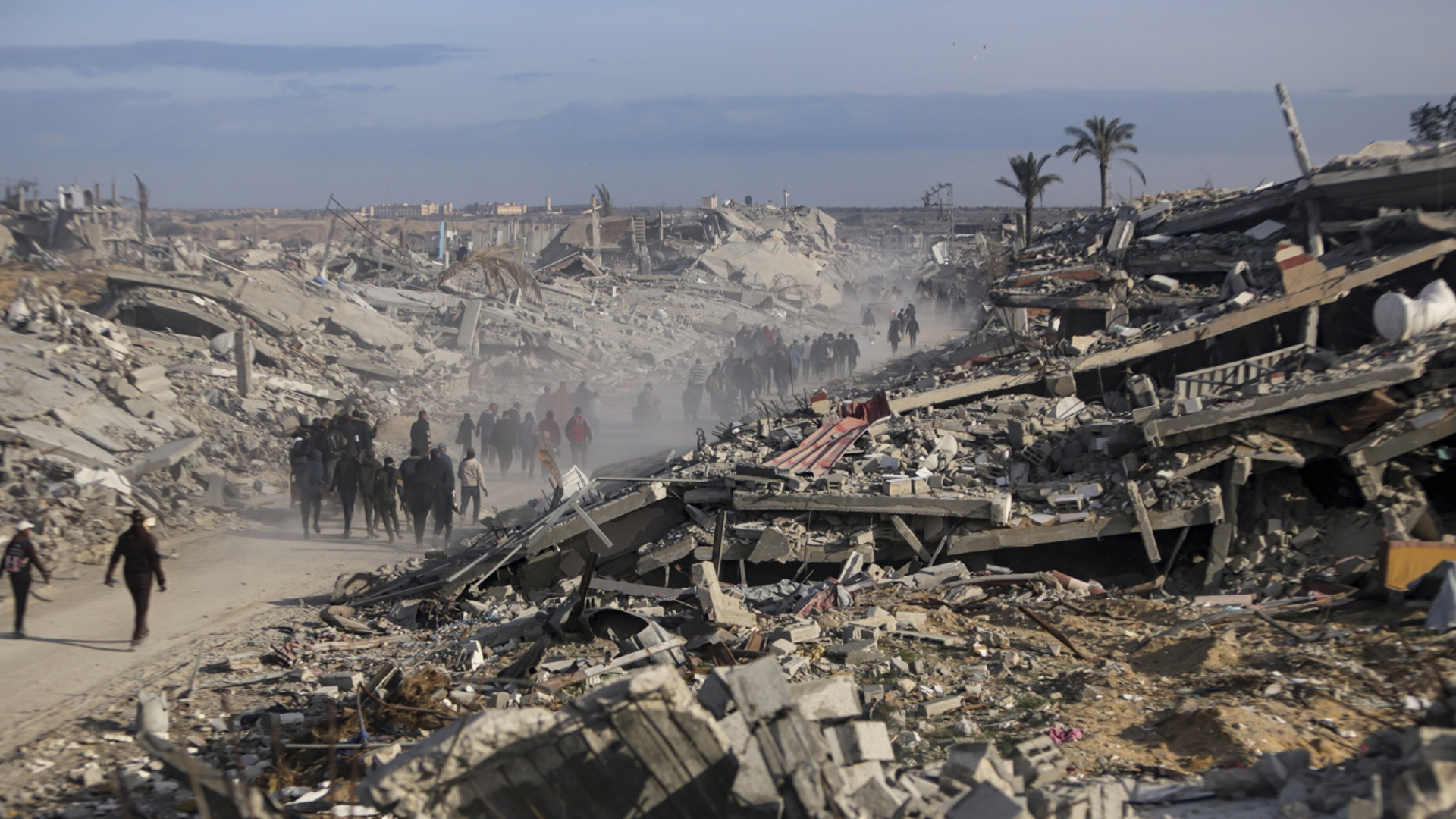
Inside Gaza, residents report devastating destruction in eastern neighbourhoods like Zeitoun, where buildings have been demolished and civilians are fleeing in droves amidst a deepening humanitarian crisis. Aid groups continue to report widespread displacement, food shortages, and collapsing infrastructure.

Israel’s advance comes amid high stakes: Prime Minister Netanyahu has raised the tempo for ground operations even as international pressure mounts to shift toward diplomacy. The US remains a significant, if quiet, voice in the evolving scenario; European leaders and the UN continue to decry both the offensive and settlement moves as violations of international norms. Meanwhile, pundits suggest Israel’s mobilisation may be aimed both at military objectives and applying pressure in hostage talks.

Also Read: UIDAI Partners with Starlink to Enable Aadhaar-Based KYC for Indian Customers

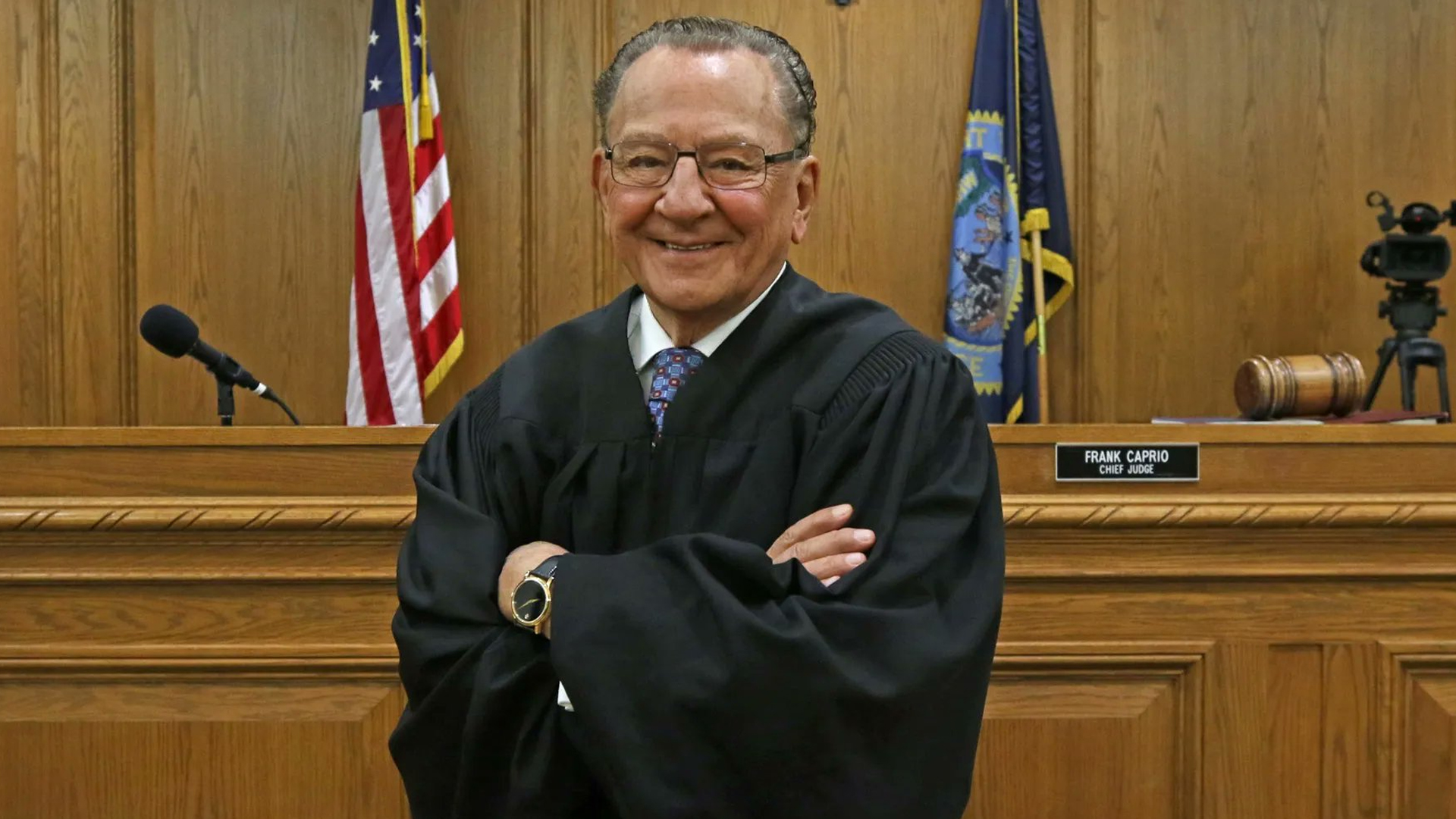
Frank Caprio, TV’s ‘Kindest Judge,’ Dies at 88 After Battle With Cancer


Frank Caprio, the retired municipal judge from Providence, Rhode Island, who became a viral sensation for his compassion in the courtroom and as the host of Caught in Providence, has died at the age of 88. His family announced on his official social media accounts on Wednesday (August 20, 2025) that he “passed away peacefully” after a long battle with pancreatic cancer.

Caprio’s unique blend of empathy and humor made him an unlikely global celebrity. His televised courtroom and bite-sized online clips featured him listening patiently, cracking jokes, and often dismissing minor infractions with a touch of humanity. These moments, which ranged from forgiving parking tickets to consoling grieving parents, earned him more than a billion views across social media platforms.

Unlike many of the combative or stern judges portrayed on television, Frank Caprio developed a reputation as “America’s kindest judge.” In Caught in Providence, which aired locally for years before gaining national exposure on ABC and later finding a huge audience on YouTube and Facebook, Caprio would often call children to the bench to “help” decide cases, turning courtroom appearances into moments of levity.

“I hope that people will take away that the institutions of government can function very well by exercising kindness, fairness, and compassion,” Caprio once said in 2017. “We live in a very contentious society. I would hope that people will see that we can dispense justice without being oppressive.”

Born Francesco Caprio in 1936 in Providence’s Federal Hill neighborhood, he was the second of three sons in an Italian American family. His father was a milkman and his mother a homemaker. Caprio worked his way through school, graduating from Providence College and later earning his law degree from Suffolk University Law School. He was first appointed to the Providence Municipal Court in 1985 and went on to serve nearly four decades on the bench before retiring in 2023.

His philosophy on justice was deeply rooted in his upbringing. “The phrase, ‘With liberty and justice for all’ represents the idea that justice should be accessible to everyone. However it is not,” he once said in a widely shared video. “Almost 90% of low-income Americans are forced to battle civil issues like health care, unjust evictions, veterans benefits and, yes, even traffic violations, alone.”

In recent years, Frank Caprio also used his platform to raise awareness about pancreatic cancer after revealing his diagnosis in late 2023. He shared updates on his treatment journey with remarkable openness, often urging people to value compassion in both public service and personal life. Just last week, he posted a short video asking his supporters to keep him in their prayers after a hospital setback.

Tributes poured in from across Rhode Island and beyond. Rhode Island Governor Dan McKee praised Caprio as “a symbol of empathy on the bench, showing us what is possible when justice is tempered with humanity.” U.S. Senator Jack Reed called him “a Rhode Island treasure” who demonstrated that “kindness is not weakness, but strength.”

His family remembered him as “a devoted husband, father, grandfather, great-grandfather, and friend,” adding: “Beloved for his compassion, humility, and unwavering belief in the goodness of people, Judge Caprio touched the lives of millions through his work in the courtroom and beyond.”

Even those outside the legal world were quick to share memories. Robert Leonard, a restaurateur who co-owned a business with Caprio, described him as “all around wonderful” and said, “There is nothing he wouldn’t do for you if he could do it.”

Caprio is survived by his wife, Joyce, with whom he shared more than six decades of marriage, along with their five children and many grandchildren. His brother, Joseph A. Caprio, served as Rhode Island’s General Treasurer.

While Caught in Providence has ended, its clips continue to circulate online, immortalizing a judge who reminded millions that justice and kindness can coexist.

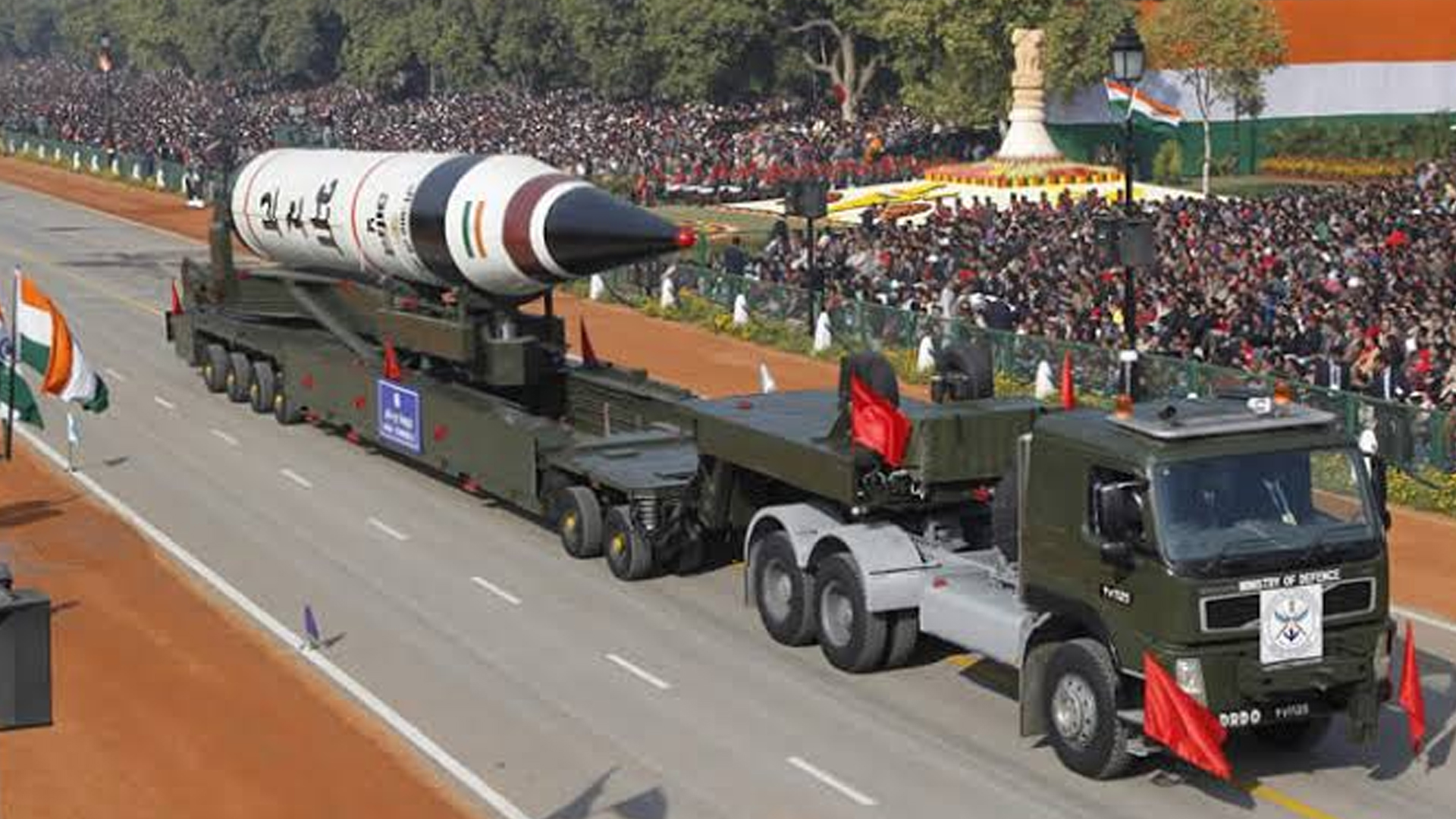
India Conducts Successful Agni-5 Missile Test as Modi Prepares for China Summit


New Delhi: India has successfully test-fired its indigenously developed Agni-5 missile, an intermediate-range ballistic weapon capable of carrying nuclear warheads to targets deep inside China.

The missile was launched from Odisha on Wednesday and “validated all operational and technical parameters,” the Defence Ministry said. With a range of over 5,000 km, the Agni-5 brings both China and Pakistan within striking distance.

Strategic Timing

The test comes just days before Prime Minister Narendra Modi is expected to travel to China for the Shanghai Cooperation Organisation (SCO) summit in Tianjin, his first visit there since 2018. It also follows Chinese Foreign Minister Wang Yi’s trip to New Delhi, where both sides signalled a cautious thaw in ties.

Relations have been strained since the deadly 2020 border clashes in the Himalayas. However, the two countries have recently resumed commercial flights suspended during the pandemic, and Beijing has reopened pilgrimage routes to Tibet for Indian citizens after a five-year freeze.

“Stable, predictable, constructive ties between India and China will contribute significantly to regional as well as global peace and prosperity,” Modi said after meeting Wang earlier this week.

Broader Geopolitical Context

India’s missile programme is central to its defence posture against both China and Pakistan. The test comes amid ongoing friction with Islamabad, which New Delhi blames for a recent militant attack in Kashmir that killed 26 people. The two countries, both nuclear powers, came dangerously close to open conflict earlier this year.

China, meanwhile, remains Pakistan’s closest defence partner, supplying more than 80% of its imported weapons, according to data from the Stockholm International Peace Research Institute (SIPRI).

Also Read: India Rejects Nepal’s Objection to Lipulekh Border Trade Resumption, Cites Historical Precedent


CCPA Cracks Down on Rapido: ₹10 Lakh Fine, Mandatory Refunds


The Central Consumer Protection Authority (CCPA) has fined ride-hailing company Rapido ₹10 lakh for misleading advertisements and unfair trade practices, while also directing it to issue unconditional cash refunds to users.

Misleading Promises

The regulator’s action was triggered by Rapido’s promotional campaigns—“Guaranteed Auto” and “Auto in 5 min or get ₹50.” Investigations revealed that the promised ₹50 compensation was never provided in cash. Instead, users were given “Rapido coins” valid for just seven days and redeemable only on bike rides, which the CCPA described as a coercive tactic to push repeat usage.

Widespread Impact

Rapido operates in over 120 cities, and the “misleading” advertisements were actively run for nearly 1.5 years (around 548 days) in multiple regional languages across the country. During this period, the company received over 1,200 complaints, nearly half of which remain unresolved. These included issues such as overcharging, delayed refunds, and driver misconduct.

Given the wide reach and prolonged duration of the campaign, the CCPA—established under Section 10 of the Consumer Protection Act, 2019—said it “found it necessary to step in to safeguard consumer interests.”

Legal Mandate

Empowered under Sections 10, 20 and 21 of the Act, the CCPA has the authority to protect, promote and enforce consumer rights, including curbing misleading advertisements and unfair trade practices. Accordingly, it has imposed a monetary penalty on Rapido and ordered corrective action.

Orders to Rapido

The company has been ordered to:

  • Immediately withdraw and discontinue all misleading advertisements.
  • Refund ₹50 in cash to all affected users without any conditions.
  • Submit a full compliance report to the authority within 15 days.

Also Read: Manu Bhaker Wins 10m Air Pistol Bronze at Asian Championships


India Rejects Nepal’s Objection to Lipulekh Border Trade Resumption, Cites Historical Precedent


New Delhi on Wednesday (August 20, 2025) dismissed Nepal’s protest against the resumption of India-China border trade through the Lipulekh Pass in Uttarakhand, asserting that Kathmandu’s claims were “neither justified nor based on historical facts.”

The Ministry of External Affairs (MEA) spokesperson Randhir Jaiswal stated, “Our position in this regard has been consistent and clear. Border trade between India and China through Lipulekh Pass had commenced in 1954 and has been going on for decades. This trade had been disrupted in recent years due to COVID and other developments, and both sides have now agreed to resume it.”

The announcement came after China’s Foreign Minister Wang Yi visited India on August 19, during which both sides agreed to restart trade through three border points: Lipulekh Pass in Uttarakhand, Shipki La Pass in Himachal Pradesh, and Nathu La Pass in Sikkim.

Nepal’s Objection

Soon after the announcement, Nepal’s Ministry of Foreign Affairs (MoFA) issued a statement objecting to the move. “The Nepalese government is clear that the official map of Nepal has been included in the constitution of Nepal and that the map shows Limpiyadhura, Lipulekh and Kalapani east of the Mahakali River as integral parts of Nepal,” it said.

Nepal’s stance is rooted in the 2020 release of its updated political map, which included these disputed territories. The map was passed through Nepal’s parliament and incorporated into its constitution despite objections from India. Kathmandu maintains that Lipulekh, Limpiyadhura, and Kalapani fall east of the Mahakali River, making them part of Nepal’s Dharchula district.

India’s Firm Response

The MEA reiterated India’s rejection of Nepal’s position. “As regards territorial claims, our position remains that such claims are neither justified nor based on historical facts and evidence. Any unilateral artificial enlargement of territorial claims is untenable,” Jaiswal said. He emphasized that India remains open to dialogue with Nepal to resolve “agreed outstanding boundary issues” through diplomacy.

The Lipulekh Pass is strategically significant, lying near the trijunction between India, Nepal, and China. India regards it as part of Uttarakhand’s Pithoragarh district, while Nepal claims it as part of its territory.

Political Overtones in Nepal

The dispute has domestic political resonance in Nepal. Former Prime Minister and main opposition leader K. P. Sharma Oli of the CPN-UML has consistently taken a hard line on the issue. During his tenure in 2020, his government spearheaded the release of Nepal’s new map. In 2021, while inaugurating the 10th general convention of the CPN-UML, Oli vowed to “take back” Kalapani, Lipulekh, and Limpiyadhura from India through dialogue if his party regained power.

Oli repeated similar claims this week, reiterating that the territories would be restored to Nepal if the CPN-UML comes back to power. His comments, analysts suggest, are aimed at consolidating nationalist sentiment amid Nepal’s volatile political climate.

Diplomatic Context

The controversy unfolds just as India and Nepal are attempting to improve bilateral ties. Foreign Secretary Vikram Misri visited Kathmandu on August 17–18, extending an invitation to Prime Minister Oli to visit New Delhi in September. The diplomatic outreach was seen as part of India’s efforts to reset ties after years of strain caused by the border map controversy.

However, the Lipulekh issue threatens to complicate this momentum. For Nepal, the dispute touches upon sovereignty and territorial integrity, while for India, it intersects with its strategic ties with China and its control over Himalayan trade routes.

Observers note that while both countries have managed to keep economic cooperation steady, the territorial disagreement has repeatedly strained political relations. Analysts also caution that Beijing’s role adds another layer of complexity, as China maintains strong ties with Nepal and benefits from the resumption of cross-border trade with India.

Strategic Importance

Lipulekh is not just a commercial route but also a critical military and pilgrimage passage. It is a gateway to Kailash Mansarovar in Tibet, a major pilgrimage site for Indians. The route has been developed by India over the years, including the construction of a road link inaugurated in 2020, which further triggered Nepal’s protests.

While both India and Nepal have expressed willingness to engage diplomatically, their positions on Lipulekh remain deeply divergent. The renewed border trade with China is expected to strengthen India’s connectivity with Tibet but is likely to keep Kathmandu’s concerns alive in regional geopolitics.

Also Read: Online Gaming Ban: Govt Cites ₹20,000 Crore Loss, Industry Warns of 200,000 Job Cuts

UIDAI Partners with Starlink to Enable Aadhaar-Based KYC for Indian Customers


Elon Musk’s Starlink has partnered with the Unique Identification Authority of India (UIDAI) to introduce Aadhaar-based verification for its Indian customers. Announced on August 20 by the Ministry of Electronics & IT, the initiative aims to make the Know Your Customer (KYC) process quicker, paperless, and fully compliant.

Aadhaar meets satellite internet

The ministry said that Aadhaar’s e-KYC and face authentication solution will allow Starlink users to sign up easily and securely. The system, already popular for its convenience, will make customer verification “smooth, secure and very easy,” officials noted. Importantly, Aadhaar authentication will remain voluntary, consistent with existing regulations.

The collaboration was described as a “synergy of trust and technology”, linking one of the world’s most ambitious satellite internet providers with India’s well-established digital identity system. Officials added that the move demonstrates the reliability and scalability of Aadhaar’s digital infrastructure on a global stage.

A formal nod

Starlink has been officially appointed as a Sub-Authentication User Agency and Sub-eKYC User Agency under UIDAI. The announcement took place in the presence of UIDAI CEO Bhuvnesh Kumar, Deputy Director General Manish Bhardwaj, and Parnil Urdhwareshe, Director of Starlink India.

“It highlights how Aadhaar can drive innovation in service delivery while ensuring transparency and accountability,” the ministry said in its statement.

Starlink’s India rollout

Earlier this month, Union Telecom Minister Jyotiraditya Scindia confirmed that Starlink had secured a Unified Licence from the Department of Telecommunications (DoT). This green light allows the company to provide satellite-based broadband services in India.

Starlink’s low-Earth orbit satellite network is expected to bridge connectivity gaps in remote and rural areas, offering reliable high-speed internet where traditional networks fall short. Its services will cater to households, enterprises, and institutions that need dependable connectivity.

Growing competition

Starlink has planned a measured entry into a competitive arena, where other satellite internet providers such as Bharti Group-backed Eutelsat OneWeb and Jio SES are also preparing to launch services in India, pending spectrum allocation.

But beyond market rivalry, the Starlink-UIDAI partnership carries broader significance. It represents the coming together of global satellite innovation with India’s trusted digital backbone. If the Aadhaar-enabled onboarding proves successful, it could become a model for how advanced technologies can integrate with local infrastructure to deliver reliable and inclusive connectivity across India.


Online Gaming Ban: Govt Cites ₹20,000 Crore Loss, Industry Warns of 200,000 Job Cuts


A major conflict is brewing between India’s government and its burgeoning online gaming industry. At the heart of the debate is a simple question: should the government protect citizens from financial loss, or should it protect a thriving industry that provides thousands of jobs and generates significant revenue? The government has taken a firm stand, claiming that real-money gaming is draining a staggering ₹20,000 crore from households each year. To combat this, the Promotion and Regulation of Online Gaming Bill, 2025, has been passed in the Lok Sabha. The bill proposes a complete ban on games like fantasy sports, rummy, and poker, where players bet real money, while actively promoting e-sports and social gaming.

Why the Government Is Taking Action

The government, in several media reports, has said it believes this issue is a “major problem for society” and is prioritizing the welfare of its citizens over potential tax revenue. The official data suggests that a massive 45 crore Indians are losing money on these platforms annually.

The new bill is designed to be tough on platforms but lenient on players, who are seen as victims. It targets the companies, advertisers, and payment gateways that facilitate real-money gaming. Offenders could face up to three years in prison or a fine of ₹1 crore.

The Industry’s Pushback

The gaming industry is fighting back. Three major industry bodies—the All India Gaming Federation (AIGF), the Federation of Indian Fantasy Sports (FIFS), and the E-Gaming Federation (EGF) have sent a letter to Home Minister Amit Shah, pleading for a change of heart.

They argue that a blanket ban would be catastrophic. Roland Landers, CEO of AIGF, stated that the ban would “destroy 200,000 jobs, shut down 400 companies, and wipe out a ₹2 trillion sector.” He also highlighted that the industry paid over ₹20,000 crore in taxes last year.

The industry points to its economic impact as proof of its legitimacy. Major platforms like Dream11, Gameskraft, Games24x7, and MPL reported a combined revenue of nearly ₹13,000 crore in fiscal year 2024. Furthermore, the sector attracted ₹25,000 crore in foreign investment until 2022.

A Clash Over Control

This isn’t the first time the government has tried to rein in the industry. In 2023, it raised the Goods and Services Tax (GST) on real-money gaming to 28%. However, officials claim that companies have found ways to bypass these regulations.

With the new bill, the government is drawing a clear line, distinguishing between “toxic” money gaming and “healthy” e-sports, which it believes can generate jobs without causing financial harm. The standoff presents a stark choice: protect citizens from financial ruin or protect one of India’s fastest-growing startup ecosystems. The final decision could shape the future for millions of Indian gamers.