rotating globe
6 Apr 2026


Manu Bhaker Wins 10m Air Pistol Bronze at Asian Championships


Indian shooting sensation Manu Bhaker continued her stellar run by winning bronze in the women’s 10m air pistol at the Asian Shooting Championship 2025 in Shymkent, Kazakhstan, on Tuesday. The 23-year-old Olympic medallist displayed her trademark composure and precision, reinforcing her status as one of India’s most decorated shooters.

Bhaker entered the final after posting a strong qualification score of 583, finishing third. In a high-pressure final against some of Asia’s finest markswomen, she held her nerve to secure the bronze medal. China’s Qianke Ma claimed gold with 243.2 points, narrowly beating Korea’s Jiin Yang, who took silver at 241.6.

This latest medal adds to Bhaker’s already remarkable career, which includes two Olympic medals, 22 World Championships and World Cup medals, and 10 Asian Games and Championships medals. Born in 2002, she made history at the 2024 Paris Olympics by becoming the first Indian woman shooter to win an Olympic medal and the first Indian to win two medals at a single Olympic Games. She was also awarded India’s highest sporting honour, the Khel Ratna, in 2025.

Since starting her shooting career in 2016, Bhaker has consistently broken records and barriers. In 2018, she became the youngest Indian to win a World Cup gold, and she has since remained a dominant force on the international stage. Her poise, focus, and resilience make her a role model for aspiring shooters across the country.

Bhaker’s contribution extended to the team event, where she, alongside Suruchi Singh and Palak, secured bronze with a combined score of 1730. While other Indian shooters competed strongly, Bhaker’s performance once again highlighted her ability to deliver when it matters most.  In the junior women’s event, Rashmika Sahgal won gold, scoring 241.9 points ahead of Korea’s Seunghyun Han (silver) and Yejin Kim (bronze) to add more glory to India.

With every medal, Manu Bhaker continues to inspire a new generation of Indian athletes. Her journey reflects not only exceptional skill but also the determination and discipline required to excel at the highest level, ensuring her place among India’s sporting legends.


India Clears ₹85,500 Crore Deal for Tejas Jets and AEW&C Aircraft


The government has approved the acquisition of 97 Tejas Mark-1A fighter jets and six airborne early-warning and control (AEW&C) aircraft, a deal valued at nearly ₹85,500 crore, to support the Indian defence sector. 

The Cabinet Committee on Security (CCS) gave the green light on Tuesday, allocating ₹66,500 crore for the Tejas fighters and about ₹19,000 crore for the AEW&C fleet. The decision comes as the Indian Air Force (IAF) prepares to retire its ageing MiG-21 squadrons, marking a pivotal step in strengthening the country’s aerial combat and surveillance capabilities while advancing the “Make in India” programme.

Tejas to Fill the MiG-21 Void

The Tejas Mark-1A, developed by Hindustan Aeronautics Limited (HAL), is a modernised version of the indigenous Tejas jet, featuring superior avionics, radar, and weapons integration. This is HAL’s second major Tejas Mk1A contract after the 2021 order.

Deliveries are expected to begin this financial year, with the first six jets arriving in FY26. With earlier engine supply issues now resolved, HAL is scaling up its production capacity—targeting 24–30 aircraft a year through a new assembly line in Nashik alongside its Bengaluru facilities.

The acquisition is critical for the IAF, whose fighter strength is set to drop to a low of 29 squadrons as MiG-21s are phased out. The new fleet will not only bridge this gap but also strengthen India’s preparedness against evolving threats amid growing China–Pakistan military coordination.

Eyes in the Sky

Equally significant is the nod for six AEW&C aircraft. Built on Airbus A-321 platforms, these planes will be equipped with advanced radars and electronic systems capable of providing 300-degree coverage. They are slated for delivery by 2033–34, offering a major boost to India’s airborne surveillance and early-warning network.

Market Cheers Defence Push

The mega order sparked a rally in defence stocks. HAL’s share price rose 2.6% to ₹4,560, extending its year-to-date gains to nearly 10%, while other defence PSUs also saw strong buying.

Brokerage firm UBS retained its “Neutral” view on HAL with a ₹4,900 target price, citing execution timelines as the key factor to watch. Among 22 analysts tracking HAL, 17 recommend a Buy, three suggest Hold, and two advise Sell.

With around 180 Tejas Mark-1A jets now lined up for production, HAL is entering a crucial phase that will shape India’s defence manufacturing for the next decade. The clearances rank among the largest defence deals in years, signalling a decisive push to equip the IAF with modern aircraft while moving away from foreign dependence.

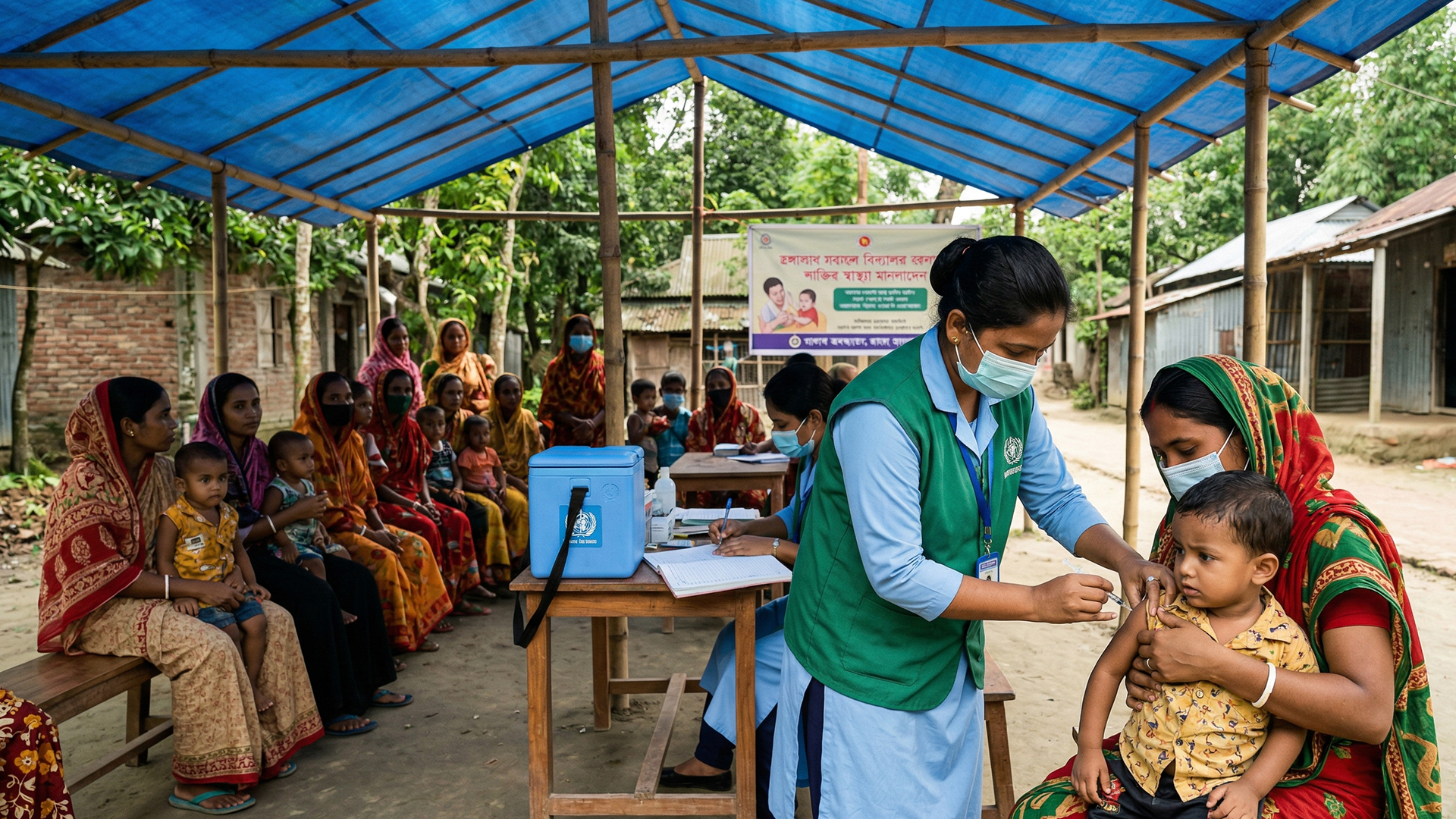
Also Read: WHO Confirms Rubella Elimination in Nepal: India Nears the Finish Line


From Battlefields to Classrooms: Operation Sindoor Becomes Part of NCERT Syllabus


Operation Sindoor, a significant event in the recent history of India, has been added to the curriculum for students in Classes 3 to 12 by the National Council of Educational Research and Training (NCERT), as a step to enrich its curriculum by incorporating lessons from contemporary history and civic life.

The new syllabus is specifically designed to highlight not just the strike, but also the unity and resilience shown by people after the terror attack.

The operation, which was India’s retaliatory strike after the April 22 Pahalgam terror attack that killed 26 civilians, will now be studied under two distinct modules: “Operation Sindoor: A Saga of Valour” for junior classes (3–8) and “Operation Sindoor: A Mission of Honour and Bravery” for senior students (9–12).

The new modules emphasize that the operation was “not just a military response, but a promise to protect peace and honor the lives lost.” According to the curriculum, students will learn how ordinary citizens across the country stood united in the face of tragedy. The content highlights nationwide candlelight marches, black armband protests by Muslim communities in cities like Hyderabad and Lucknow, and shopkeepers in Kashmir shutting down their markets to condemn the killings. The secondary stage content notes that this response “breaks stereotypes and shows the real voice of peace-loving people.”

The curriculum also delves into the details of the military action itself. In a pre-dawn strike on May 7, 2025, ‘Operation Sindoor’ saw Indian forces strike nine terror bases across Pakistan and Pakistan-occupied Jammu and Kashmir (PoJK). The Army neutralised seven camps, while the Air Force hit Lashkar-e-Taiba and Jaish-e-Mohammed strongholds in Muridke and Bahawalpur. NCERT underlines that the strikes were carried out with precision to ensure no civilian casualties.

To provide historical context, the modules draw comparisons to India’s past military responses, including the 2019 Balakot air strikes and the wars of 1947, 1965, 1971, and 1999. Students will also be introduced to modern defense systems like the S-400, which played a crucial role in countering enemy aerial threats during the mission. The name “Sindoor” was chosen as a tribute to the widows of the terror victims, symbolizing solidarity and respect.

By including Operation Sindoor, NCERT aims to instill lessons of courage, unity, and resilience in young minds, reinforcing the idea that India’s strength lies not just in its armed forces but in its people standing together for a shared purpose.

Also Read: Mountains Under Siege: As Himalayan Disasters Worsen, Experts Issue Stark Warning


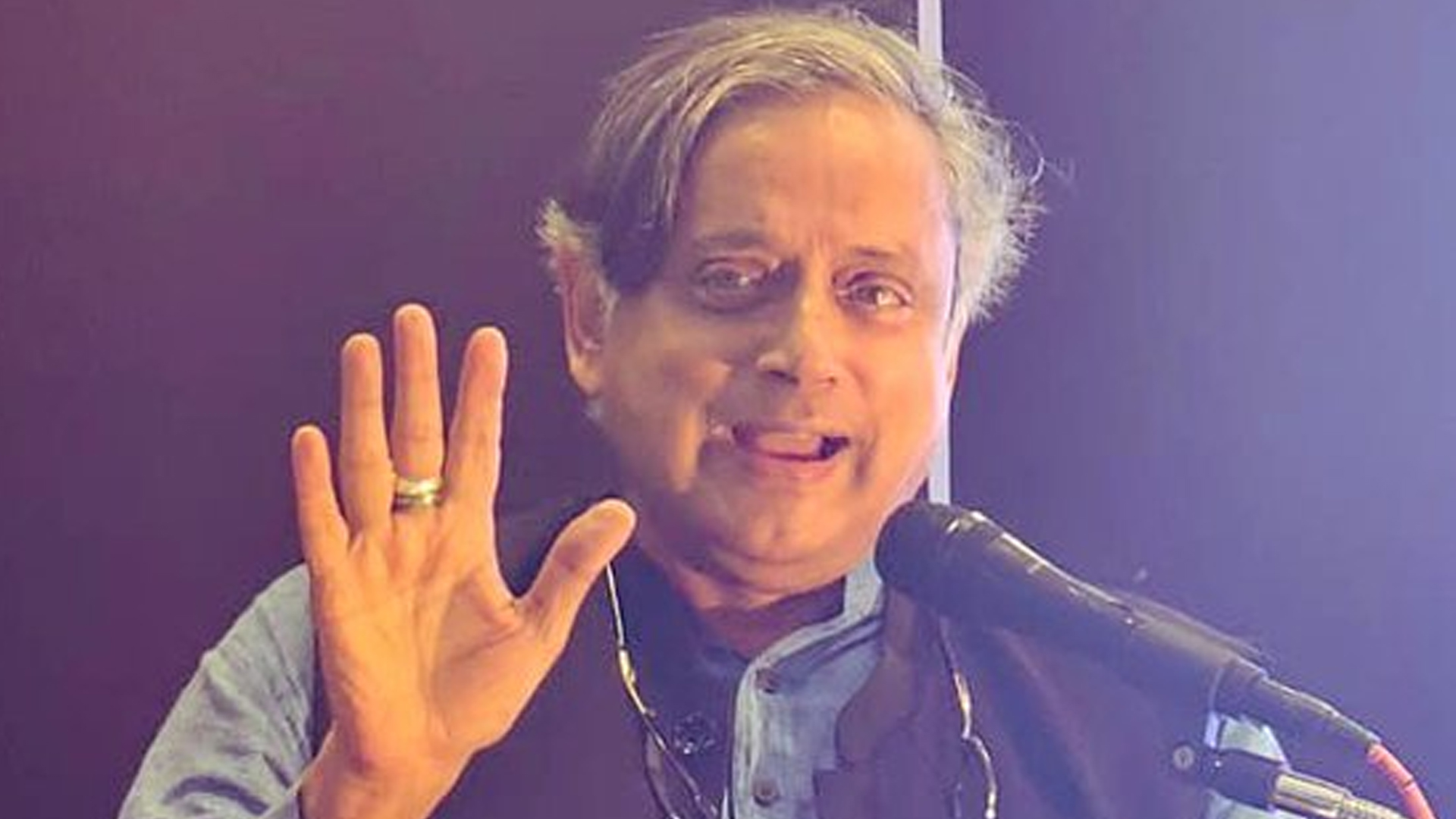
Shashi Tharoor Sides Against Congress Stand on ‘Remove PM, CMs’ Bill


New Delhi: A fresh set of bills introduced by the Modi government has sparked political uproar and exposed divisions within the Congress party, with senior leader Shashi Tharoor backing the proposal even as his colleagues mounted strong opposition.

Union Home Minister Amit Shah on Tuesday tabled three bills in the Lok Sabha, including the Constitution (One Hundred and Thirtieth Amendment) Bill, 2025, that mandate the removal of the Prime Minister, Chief Ministers, and other ministers if they are detained for 30 consecutive days or more on charges carrying a minimum sentence of five years.

Currently, under the Representation of the People’s Act, 1951, elected representatives are disqualified only after conviction in cases involving two years or more of imprisonment. The new provisions, if enacted, would extend accountability much further, creating automatic disqualification even without a conviction.

Tharoor states this as ‘Common Sense’.

In a striking departure from the Congress stance, Shashi Tharoor described the proposal as both logical and democratic.

“If you spend 30 days in jail, can you continue to be a minister? This is a matter of common sense,” Tharoor told NDTV. “Anyone who does anything wrong should be liable to punishment and should not hold a high constitutional office.”

He further welcomed the government’s decision to send the bills for parliamentary committee scrutiny, saying the process would allow for thorough examination before implementation. His endorsement, however, has deepened his reputation as a Congress leader unafraid of charting an independent course.

The Congress differs in perspective.

Other Congress leaders strongly disagreed with Tharoor’s assessment. Priyanka Gandhi Vadra denounced the legislation as “draconian”, warning that it could easily be misused against opposition leaders.

“A Chief Minister could be arrested on flimsy or fabricated charges and removed from office even before trial or conviction. This is dangerous for democracy,” she said.

Party general secretary KC Venugopal also criticised the move, calling it a “diversionary tactic” designed to deflect attention from pressing national concerns such as unemployment and inflation. According to him, the government’s move reflects a political strategy rather than a genuine effort to strengthen accountability.

The argument on accountability continues.

The bills have already triggered a broader national debate over the balance between ensuring accountability of high office-bearers and protecting the principles of due process. Proponents argue that the public must be able to trust their leaders, and anyone facing serious criminal allegations should step aside. Opponents, however, point to the growing concerns over the misuse of investigative agencies, which could make the new laws a tool for silencing dissent.

What is the political implication? 

The episode resurfaces the existing churn within the Congress party, with Tharoor repeatedly diverging from the party line on key issues. For the government, his support provides an unexpected validation from across the aisle, even as the opposition prepares to mount a united resistance.

As the bills head to committee review, they are set to remain a political flashpoint, raising questions about both the integrity of governance and the resilience of India’s democratic safeguards.


Crime, Terror Links: Why the U.S. has Revoked Over 6,000 Student Visas


Washington: For thousands of international students, the dream of studying in America has suddenly ended. The U.S. State Department confirmed on Monday that more than 6,000 student visas have been revoked, citing violations ranging from overstaying and criminal offences to suspected links with terrorism.

The sweeping action reflects President Donald Trump’s tougher stance on immigration and the increasing scrutiny of student communities, once seen largely as cultural ambassadors but now under the lens of national security.

Tragedy Rekindles Immigration Debate

The announcement came days after a tragedy in Florida reignited political debate. A semi-truck, driven by Harjinder Singh, an undocumented immigrant from India, attempted a wrong U-turn on the turnpike. The truck jackknifed, colliding with a minivan and killing three people. Investigators later found Singh had obtained a commercial driver’s license in California despite lacking legal status.

The Department of Homeland Security seized on the case to criticise Democratic-run states, accusing them of ignoring risks. “How many more innocent people have to die before leaders put safety before politics?” DHS officials posted online.

Who Lost Their Visas

Among the revoked visas, officials said around 4,000 were tied to crimes such as assault, burglary, or driving under the influence of drugs and alcohol. Another 200–300 were linked to suspected terrorism, with rules defining ineligibility as engaging in, or supporting, terrorist activities.

But not all cancellations were linked to violence. Some students found their visas cancelled after joining protests supporting Palestinians during the Gaza war. The administration argued that such activism threatened U.S. foreign policy and carried antisemitic undertones, a claim rights groups dispute.

Trump’s Harder Line

Since taking office, Trump has ordered tighter vetting of student visa applicants, with U.S. diplomats abroad asked to examine social media histories and political activity. Secretary of State Marco Rubio said “hundreds, perhaps thousands” of students lost visas because their actions clashed with U.S. foreign policy interests.

Trump has also aimed at universities, accusing campuses of tolerating antisemitism. Harvard has been singled out, with threats of frozen funding and loss of tax-exempt status. The moves have alarmed educators, even as some European nations offer research grants to attract displaced scholars.

Clash of Security and Free Speech

Critics argue that revoking visas over protests risks silencing voices and undermining free speech rights protected by the U.S. Constitution. Supporters insist the measures are necessary to keep the country safe.

For now, the cancellation of over 6,000 student visas is more than a policy decision; it is a reminder of how the intersection of immigration, politics, and security continues to reshape the lives of students who once saw the U.S. as a safe place to learn and grow.

Also Read: Mumbai Rains Trigger Chaos: Monorail Rescues, Floods, and Rising Toll Across Maharashtra


Mountains Under Siege: As Himalayan Disasters Worsen, Experts Issue Stark Warning


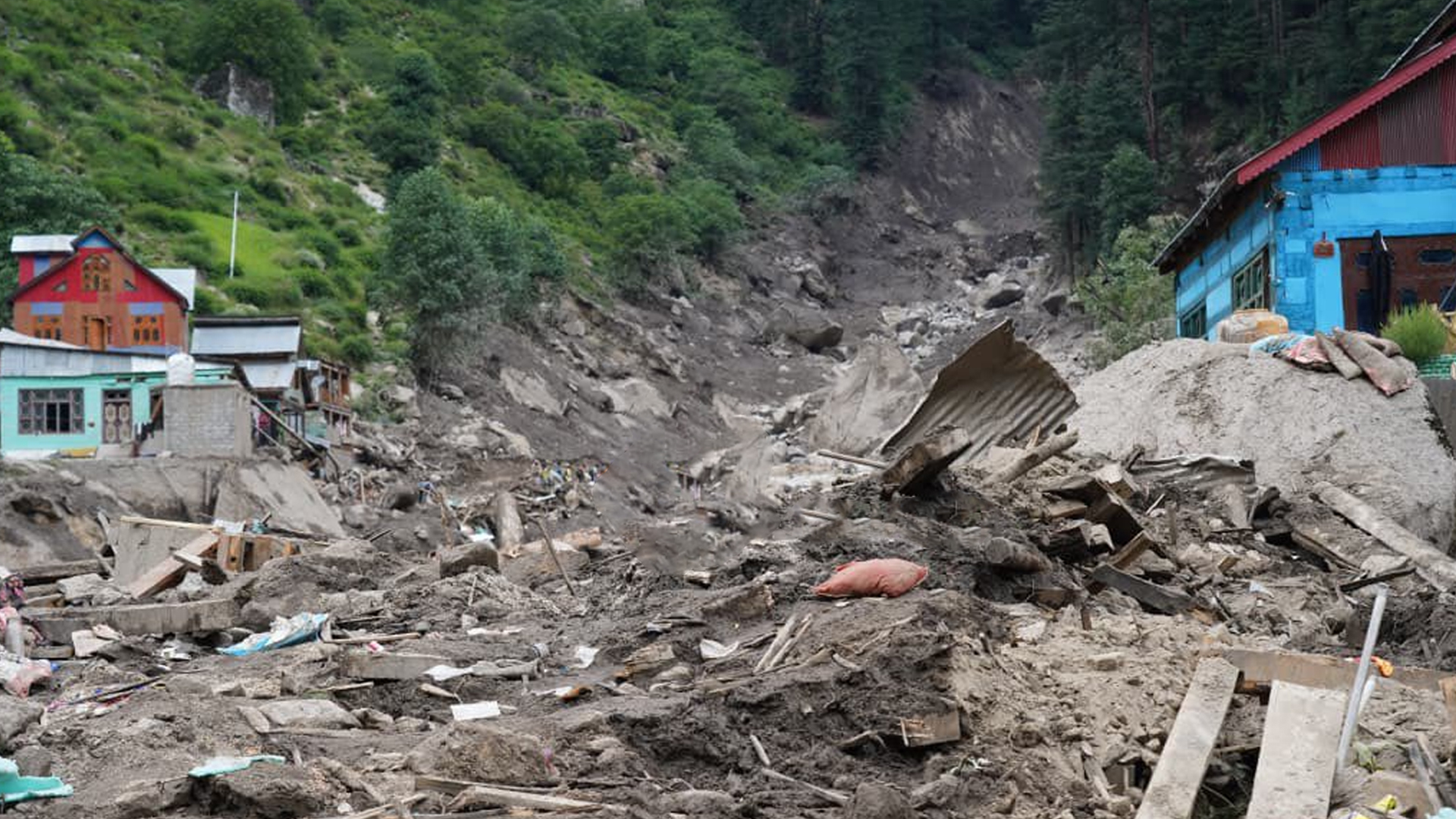
Guwahati: The Himalayas, long regarded as the water tower of Asia and a cradle of diverse cultures, are increasingly becoming the stage for recurring natural disasters. The Integrated Mountain Initiative (IMI), a civil society platform representing communities across the Indian Himalayan Region (IHR), has sounded the alarm over the rising frequency and intensity of such calamities, urging India to adopt a mountain-centric development model.

The 2025 monsoon season laid bare the fragility of the Himalayan ecosystem. Flash floods, landslides, and cloudbursts across eight states left more than 400 people dead, damaged over 35,000 homes, and inflicted economic losses of up to ₹3,500 crore. According to IMI, the disasters are no longer isolated incidents but interconnected crises, fueled by climate change, reckless infrastructure expansion, and inadequate planning.

A Pattern of Destruction

An analysis by IMI shows that since 2022, the Himalayas have endured extreme weather for at least 822 days, leading to 2,683 deaths across 13 states and Union Territories. The 2025 season added another grim chapter. Himachal Pradesh, the hardest hit, recorded 261–263 deaths and damages exceeding ₹2,200 crore as landslides and cloudbursts wiped out villages, blocked over 350 roads, and disrupted power and water supplies.

In Arunachal Pradesh, 44 lives were lost and more than 2,000 people displaced in Changlang district alone. Across the state, 61,000 residents were affected. Jammu & Kashmir saw over 60 deaths and more than 100 people missing after August cloudbursts triggered flash floods. In Mizoram, nearly 600 landslides killed five people and displaced hundreds, while in Assam and Manipur, floods ravaged farmland and homes, impacting nearly 800,000 people.

“Each event is often reported as a separate tragedy, but when seen together, the scale of crisis becomes clearer,” said Roshan Rai, Secretary of IMI. “The Himalayan region has become a multi-hazard landscape where disasters are interlinked. We need to redefine development pathways that respect ecological limits.”

Climate Change and Poor Planning

Scientists have long warned that the Himalayas are among the regions most vulnerable to climate change. Although the mountains contribute little to global greenhouse gas emissions, rising temperatures are destabilizing glaciers, intensifying rainfall, and magnifying disaster risks. These risks are compounded by haphazard construction, unchecked tourism, road cutting, and poorly regulated hydropower projects.

“Improper planning and extractive development have magnified the impacts on the ground,” IMI observed. Fragile slopes stripped of vegetation give way under heavy rain, while encroachments on riverbeds and wetlands worsen flooding.

The implications stretch far beyond the mountains themselves. The Himalayas feed the Ganges and Brahmaputra river basins, sustaining agriculture, drinking water, and livelihoods for millions downstream. Disruption to forests, rivers, and springs in the IHR threatens national water security.

Towards Mountain-Centric Development

IMI’s recommendations combine immediate and long-term measures. In the short term, it has urged the adoption of advanced weather forecasting systems, AI-enabled disaster prediction tools, stricter building codes, and community disaster shelters. It has also called for prohibiting large-scale earthworks during the monsoon season.

For the long run, the group advocates a river basin and landscape approach to development. This includes sustainable land-use planning, eco-sensitive hydropower policies, protection of wetlands and traditional water systems, and investment in green infrastructure such as bioengineered roads and slope stabilization.

Community involvement is seen as central to resilience. IMI emphasizes empowering local people with early-warning tools, conservation knowledge, and livelihood alternatives such as agroforestry and ecotourism. It has also urged greater cooperation between Himalayan states and neighboring countries, arguing that disasters do not respect political boundaries.

A Warning Too Clear to Ignore

The disasters of 2025, IMI said, have delivered a “grave and bitter truth”: that climate-related catastrophes are fast becoming “business as usual” in the Himalayas. Without urgent course correction, the region’s socio-ecological balance will remain under siege, with ripple effects destabilizing communities across India’s heartland.

For mountain communities, the message is urgent: their resilience depends not only on relief after disasters, but on a fundamental rethink of how development in the fragile Himalayas is planned and pursued.

Also Read: Hamas ‘Agrees’ to 60-Day Ceasefire Proposal As Israel Weighs Response

Pakistan Reels as Flash Floods Kill Hundreds Amid Ongoing Monsoon Fury


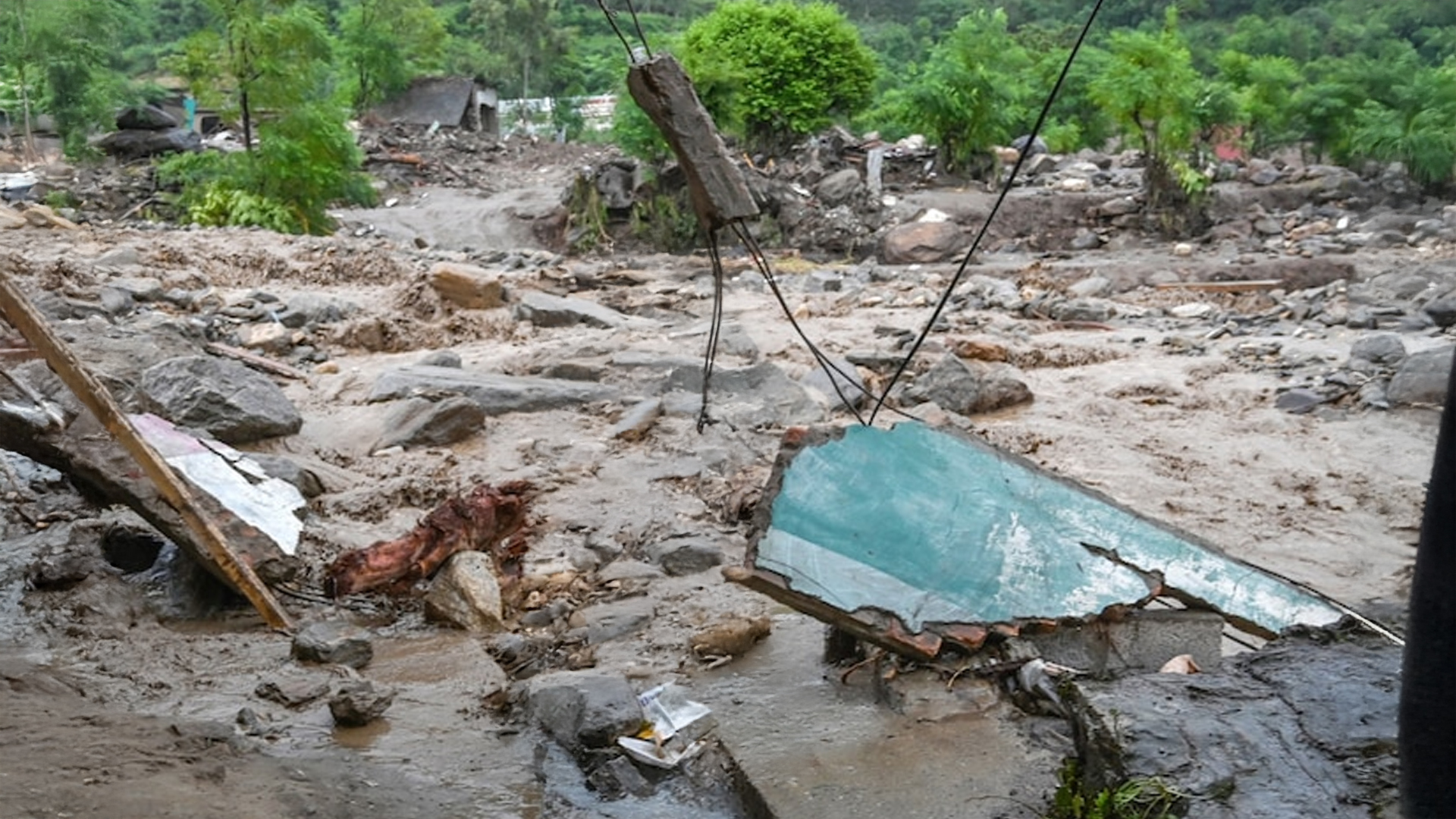
Pakistan continues to reel from devastating flash floods and cloudbursts over the past five days, marking the deadliest phase of this year’s monsoon season. The deluge, driven by intensified weather patterns due to climate change, has wrought widespread destruction across the north and south of the country, leaving an unfolding humanitarian crisis in its wake.

Wave of Tragedy Across the Mountains

Since late June, heavier-than-normal monsoon rains have taken a staggering toll—more than 700 lives lost and nearly 25,000 people evacuated across the country.

The northwestern province of Khyber Pakhtunkhwa (KP) has borne the brunt of the disaster. At least 365 people have perished in just five days, with Buner district alone accounting for over 200 fatalities following an intense cloudburst that unleashed more than 150 mm of rain within a single hour—devastating villages in minutes and displacing residents with near-zero warning.

Similarly catastrophic flooding occurred in Swabi’s Dalori Bala village, where rescue teams discovered around 30 bodies buried under debris, and several individuals remain unaccounted for.

Infrastructure Struggles and Restoration Progress

In a bid to restore normalcy, authorities have managed to reinstate 70% of electricity and reopen most damaged roads in the north and northwest. Engineers, alongside military doctors and disaster teams, are delivering essential aid including food, generators, dewatering pumps, and temporary shelters.

South Feels the Impact Too

The monsoon’s reach has extended deep into the south—Karachi has flooded, disrupting traffic, power, and air travel, while claiming several lives. Provinces such as Sindh and Balochistan are wrestling with similar devastation, with dozens reported dead and houses destroyed.

Government Mobilizes Relief and Aid

In response to the crisis, Pakistan’s Economic Coordination Committee approved a federal relief package totaling $20.8 million (Rs 5.8 billion), aimed at funding emergency assistance. The government has committed resources toward rebuilding, displacement support, and relief operations led by the military and civil authorities.

A Climate Crisis in Motion

Experts warn that cloudbursts are becoming more frequent and destructive, fueled by warmer air holding greater moisture. In Pakistan and India, such concentrated downpours in mountainous regions like KP and Kashmir are increasingly overwhelming local infrastructure, as forecasting remains a challenge.

The 2025 floods bear unsettling resemblance to the catastrophic 2022 floods that submerged a third of Pakistan and claimed nearly 1,760 lives. That disaster revealed the country’s vulnerability to climate shocks, weak infrastructure, and delayed disaster response—a vulnerability now being tested again.

Also Read: Mumbai Rains Trigger Chaos: Monorail Rescues, Floods, and Rising Toll Across Maharashtra

Mumbai Rains Trigger Chaos: Monorail Rescues, Floods, and Rising Toll Across Maharashtra


Mumbai and large parts of Maharashtra reeled under relentless monsoon downpours on Tuesday, August 19, 2025, with record-breaking rainfall bringing the financial capital to a standstill. Two monorail trains carrying more than 700 passengers came to a sudden halt mid-track, prompting a massive rescue operation, while at least 21 lives were lost statewide in rain-related incidents over the last five days.

Monorail Scare: Hundreds Rescued

The heaviest drama unfolded on Mumbai’s elevated monorail network, where torrential rains disrupted services and left two trains stranded between stations. More than 500 passengers were evacuated from a train stuck between Mysore Colony and Bhakti Park, while another 200 were rescued from a stalled train between Acharya Atre and Wadala.

Mumbai Fire Brigade Chief Ravindra Ambulgekar described the operation as “daring and meticulously coordinated.” Panic gripped passengers, with some even preparing to jump off the elevated tracks. “We immediately placed jumping sheets on the ground under the tracks and deployed officers into the coaches to calm people down. Our priority was to prevent panic from turning into tragedy,” Ambulgekar said. All passengers were eventually brought to safety.

City Under Water

Mumbai recorded nearly 350 mm of rainfall in 24 hours, with more than 200 mm falling in just six hours — conditions officials compared to a “cloudburst-like situation.” Several areas, including Vikhroli, Byculla, Juhu, and Santacruz, registered rainfall well above 200 mm. At the peak of the deluge, the swollen Mithi river crossed the danger mark, forcing the evacuation of 350 people to safer locations.

Deputy Chief Minister Eknath Shinde, who toured affected areas, said 525 pumps were pressed into service across the city. “What happened in Mumbai on Tuesday was almost a cloudburst. The pumping stations were working non-stop to keep the city functional,” he said.

Transport Paralysis

The downpour severely disrupted Mumbai’s transport network. Local trains, the city’s lifeline, were suspended for nearly eight hours on the Central Railway mainline after water rose above the tracks in low-lying sections such as Sion and Kurla. Services between CSMT and Thane resumed only by evening, while operations on the harbour line remained suspended late into the night.

Road traffic too was crippled, with waterlogging reported across several arterial routes. Emergency crews were deployed to clear stranded vehicles and restore mobility.

Tragedy in Nanded, Vidarbha, and Beyond

While Mumbai bore the brunt of urban flooding, rural Maharashtra was equally battered. At least eight people died in Nanded district following flooding triggered by a cloudburst-like event. In Gadchiroli, a man was swept away in an overflowing stream as incessant rains forced the closure of 12 roads, including national and state highways.

The India Meteorological Department issued a red alert for Chandrapur district, forecasting extremely heavy rainfall, while Nagpur, Gondia, Gadchiroli, and Wardha were placed under an orange alert. In Pune, authorities warned that red alerts would remain in place for the Ghat areas for two more days.

Across Thane and Palghar districts, more than 1,100 people were shifted to temporary shelters as rivers swelled and houses were inundated. Wall collapses and road cave-ins further complicated relief efforts.

Mounting Toll and Misinformation

According to the state disaster management department, Maharashtra has recorded 21 deaths due to rain-related incidents since August 15, with Nanded accounting for the highest toll.

Amid the crisis, misinformation also spread rapidly. A fake message circulated on social media claimed schools and colleges in Mumbai would remain shut on Wednesday due to a red alert. The Brihanmumbai Municipal Corporation dismissed the message as “fake” and clarified no such order had been issued.

Looking Ahead

With forecasts warning of continued heavy rains, the Maharashtra government has put disaster response teams on high alert. Five NDRF teams remain stationed in Mumbai, while civic authorities have been tasked with monitoring vulnerable areas.

For millions across the state, however, Tuesday’s deluge underscored the precarious balance between extreme weather events and urban preparedness. From stranded commuters to flooded villages, Maharashtra’s monsoon woes once again highlighted the urgent need for resilient infrastructure and timely relief efforts.

Also Read: Hamas ‘Agrees’ to 60-Day Ceasefire Proposal As Israel Weighs Response

Tata Motors Revs Back Into South Africa’s Passenger Car Market With Bold SUV Push


India’s Tata Motors has made a comeback to South Africa’s passenger vehicles market after a six-year hiatus, betting on a new portfolio of SUVs and a compact hatchback to capture buyers in one of Africa’s most competitive automotive landscapes.

At a high-profile launch in Johannesburg on Tuesday, Tata introduced four new models—the Punch compact SUV, the Curvv coupe-inspired SUV, the Tiago hatchback, and its premium Harrier SUV. All are combustion-engine vehicles and will be available for purchase starting September. The move marks a significant re-entry for Tata, which had exited South Africa’s passenger car market in 2019 after years of mixed consumer response to models like the Indica hatchback.

“We have listened, we have learned, and we have tailored our offering to meet South Africa’s needs,” said Shailesh Chandra, Managing Director for Tata Passenger Vehicles and Tata Electric Mobility.

The relaunch comes at a time when Chinese automakers are rapidly expanding their footprint in South Africa, offering competitively priced models across different powertrains, including hybrids and electric vehicles. Companies like Chery, BYD, Beijing Automotive, and Great Wall Motors (GWM) have seized significant market share, challenging Japanese and European incumbents while squeezing space for new entrants.

Thato Magasa, Tata Motors Passenger Vehicles’ newly appointed country head, outlined the company’s ambitions: “Our aspiration, as part of our mid-term plan, is to be among the top five passenger vehicle players in South Africa, targeting a 6 to 8 percent market share.” Tata will initially operate through 40 dealerships nationwide, expanding to 60 by 2026.

Partnering With South Africa’s Largest Auto Distributor

To power its return, Tata has partnered with Motus Holdings, South Africa’s leading automotive group. Motus will serve as the exclusive distributor, responsible for import, distribution, and sales. Industry analysts say this tie-up gives Tata a stronger footing than in its earlier foray, when brand perception challenges and limited after-sales networks hindered growth.

In the next phase of expansion, Tata plans to introduce its popular Nexon and Sierra SUVs to the South African market. These models are expected to bring greater variety to the portfolio and potentially pave the way for Tata’s electric offerings, depending on demand and infrastructure readiness.

Betting on Affordability

Tata’s comeback also highlights a wider shift in the South African auto sector. Consumers are increasingly looking for budget-friendly vehicles amid rising living costs, making affordability a decisive factor in car-buying decisions. This trend has boosted imports from India and China, raising concerns about the long-term health of South Africa’s domestic auto industry, which contributes significantly to jobs and exports.

Still, South Africa remains a vital market for foreign automakers. Passenger car sales have been steadily rising, and industry players see potential for both growth and diversification. Tata, which maintained its commercial vehicle presence even after exiting the passenger car space, is hoping its dual reputation for rugged reliability and cost efficiency will resonate this time around.

As Tata seeks to rewrite its passenger car story in South Africa, its challenge will be to balance affordability with quality and brand trust—key factors that will decide whether it can outpace Chinese rivals and carve a lasting presence in the market.

Also Read: Hamas ‘Agrees’ to 60-Day Ceasefire Proposal As Israel Weighs Response

Hamas ‘Agrees’ to 60-Day Ceasefire Proposal As Israel Weighs Response


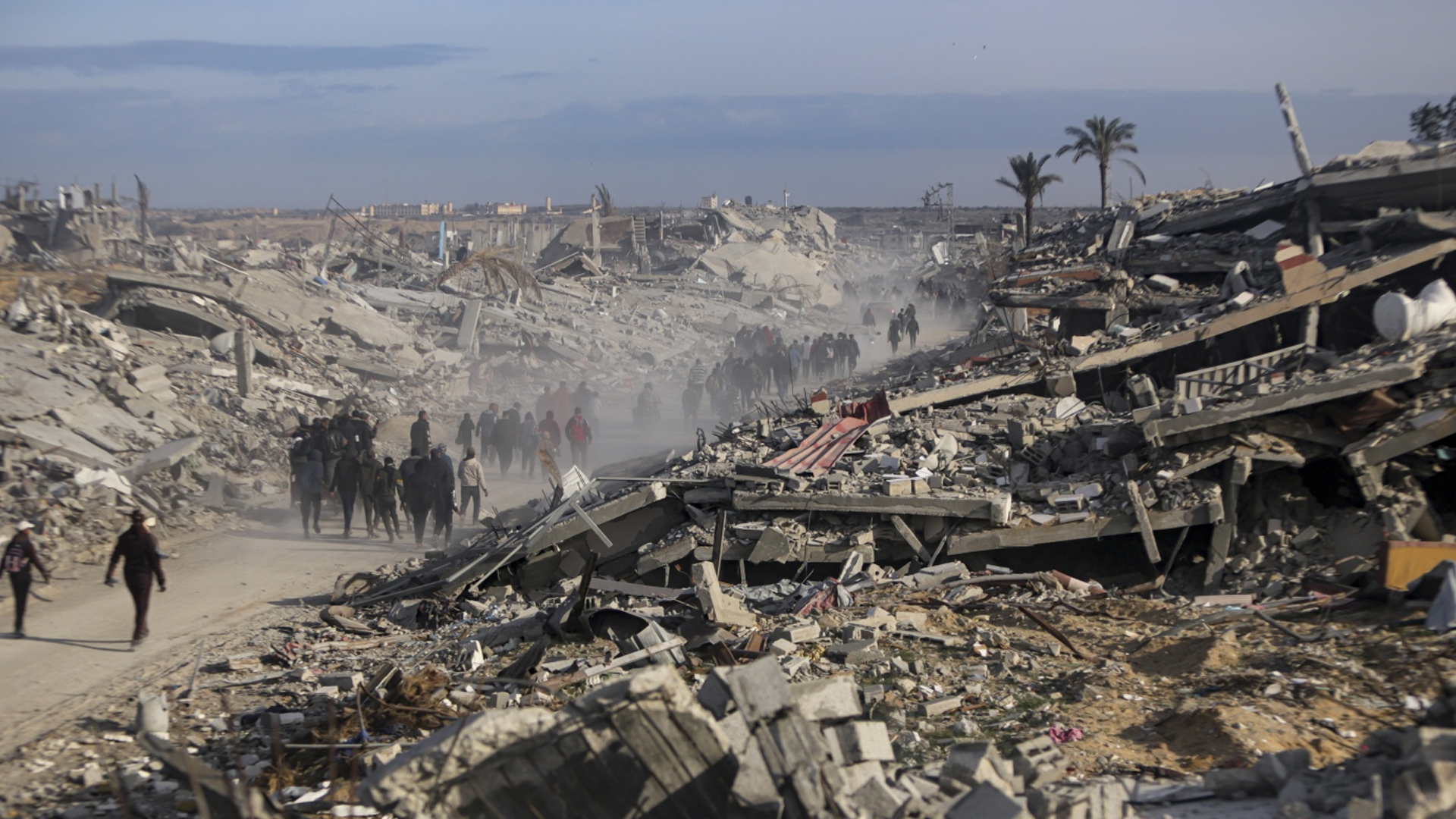
A new wave of diplomacy may be emerging in the two-year-long Gaza conflict after Hamas formally accepted a ceasefire proposal that includes a 60-day truce and the phased release of hostages. But Israel, firm on its demand that all captives be freed before any deal, has yet to respond.

Hamas Signals Acceptance of Fresh Truce Plan

On Monday, Egyptian and Qatari mediators forwarded a ceasefire proposal to Israel following Hamas’s positive response. The plan mirrors a previously accepted outline and includes a 60-day ceasefire, simultaneous release of some Israeli hostages and Palestinian prisoners, partial military withdrawal, and increased humanitarian aid access into Gaza. Hamas and allied factions confirmed their acceptance, drawing cautious optimism from mediators who noted the plan was “almost identical” to past versions.

Israel’s Unchanged Stance

Despite diplomatic momentum, Israel’s position remains unchanged. A senior Israeli official reiterated that “all 50 hostages must be released” to conclude the war. The government is reviewing the proposal and is expected to deliver a response “by Friday.” Meanwhile, Israel continues planning its offensive to capture Gaza City.

Civilian Crisis Intensifies Amid Fighting

Fighting continues on the ground. On Tuesday alone, at least 20 Palestinians were killed in ongoing Israeli airstrikes, shelling, and drone attacks, primarily in Gaza City. Civil defense officials described the situation as “very dangerous and unbearable,” especially in densely populated neighborhoods.

The humanitarian crisis deepens: Gaza’s health ministry reports over 62,000 civilian deaths since the war began, including nearly 19,000 children. Aid groups warn of mass starvation as food deliveries remain severely constrained.

Heightened International and Domestic Pressures

Israel is facing mounting international condemnation and internal dissent. Tens of thousands of Israelis marched in Tel Aviv demanding a hostages ceasefire deal. At the same time, far-right ministers have denounced any agreement with Hamas and called for the continuation of Israel’s military operations.