rotating globe
2 Apr 2026


Pakistan: Bomb Blast in Quetta Kills 10, Injures Over 30


At least 10 people were killed and more than 30 others injured on Tuesday (September 30, 2025) after a powerful bomb attack targeted the Frontier Constabulary (FC) in Quetta, the capital of Pakistan’s restive Balochistan province.

The blast occurred on a busy street near the main gate of the FC headquarters, sending shockwaves across the city. Residents reported hearing the explosion from miles away, while ambulances and rescue workers rushed to the site to evacuate the wounded. The injured were taken to nearby hospitals, where officials warned that the death toll could rise due to the critical condition of several victims.

Provincial Health Minister Bakhat Kakar confirmed the fatalities and said emergency protocols had been activated at hospitals in Quetta. He expressed concern that the number of casualties might increase as doctors continued to treat those gravely injured.

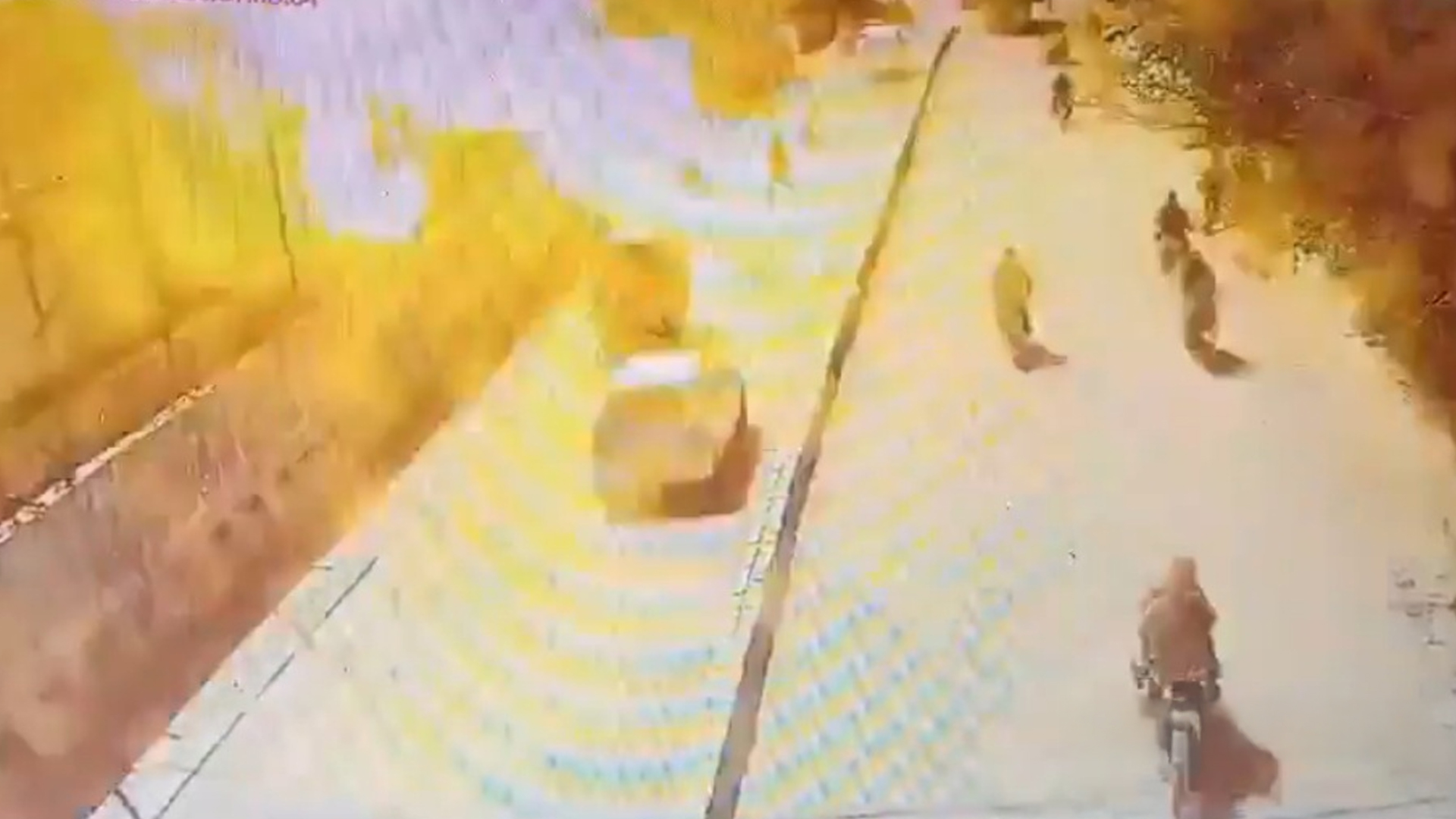
CCTV footage aired on local television channels appeared to show a car stopping in front of the FC compound before detonating. Moments later, heavy gunfire erupted, with security personnel engaging the attackers. The explosion damaged nearby vehicles, shattered windows in surrounding buildings, and left the area strewn with debris.

Balochistan Chief Minister Sarfraz Bugti, according to a PTI report, strongly condemned the attack and confirmed that four assailants were shot dead by security forces in the aftermath of the blast. “Terrorists cannot break the nation’s resolve through cowardly acts, and the sacrifices of our people and security forces will not go in vain,” he said in a statement. Bugti reiterated his government’s commitment to ensuring peace and security in the province.

No group immediately claimed responsibility for the bombing. However, suspicion is likely to fall on Baloch separatist groups that have repeatedly targeted civilians and security forces in the province. The Baloch Liberation Army (BLA), which is banned in Pakistan, has claimed responsibility for a series of similar attacks in the past.

The attack highlights the persistent insecurity in Balochistan, a resource-rich province bordering Afghanistan and Iran that has been the scene of a decades-long separatist insurgency. Insurgent groups, including the BLA, demand independence from the Pakistani state and frequently strike at security installations, government facilities, and civilian targets.

Tuesday’s blast comes just weeks after another deadly attack in Quetta, when a suicide bomber detonated explosives outside a stadium following a nationalist party’s rally, killing at least 13 people and injuring 30 more. That incident, too, underscored the fragile security situation in the provincial capital despite an intensified counter-insurgency campaign by Pakistani security forces.

Quetta, home to both government institutions and a large military presence, has often been at the epicenter of militant violence. The FC, a paramilitary force operating under the interior ministry, plays a central role in counter-insurgency operations in Balochistan and is frequently targeted by insurgent groups.

Also Read: PM Modi, World Leaders Welcome Donald Trump’s 20-Point Gaza Peace Plan

Sunfeast Ad Pulled After ‘Misleading’ Claim Sparks Backlash


The power of the ‘honest’ speech can move mountains in no time. This is how, in just a few hours, a short digital film by ITC’s Sunfeast Dark Fantasy brand went from social media rollout to public retraction. The campaign, which showed a child gleefully swapping vegetables for chocolate-filled biscuits in her lunchbox, was meant to be playful. Instead, it struck a raw nerve with parents, nutrition experts, and health-conscious audiences.

The pushback was led by health educator and influencer Revant Himatsingka, popularly known as Food Pharmer, who called out the ad for glamorising unhealthy food choices. In a video that quickly went viral, he unpacked the product’s contents such as refined flour, sugar, palm oil, and hydrogenated fats while questioning the dangerous messaging that processed snacks could replace vegetables. “This isn’t just a harmless biscuit,” he cautioned, “it’s a misleading message to parents.”

Within hours of the criticism, Sunfeast responded by withdrawing the ad and issuing a public clarification. The company admitted the storyline might have been “misinterpreted” and stressed it never intended to undermine vegetables as part of children’s meals. Still, it instructed all platforms to take down the campaign immediately.

Himatsingka, while appreciative of the quick corrective action, stressed that this is about responsibility, not brand-bashing. “I’m not against any company,” he said. “I’m against irresponsible advertising,  especially when children are the target.”

For many parents, the episode is more than a corporate apology; it’s a reminder to read between the lines of glossy campaigns. Clever advertising may sell biscuits, but mindful choices , both by brands and families are what truly nourish the next generation.

Also Read: PM Modi, World Leaders Welcome Donald Trump’s 20-Point Gaza Peace Plan
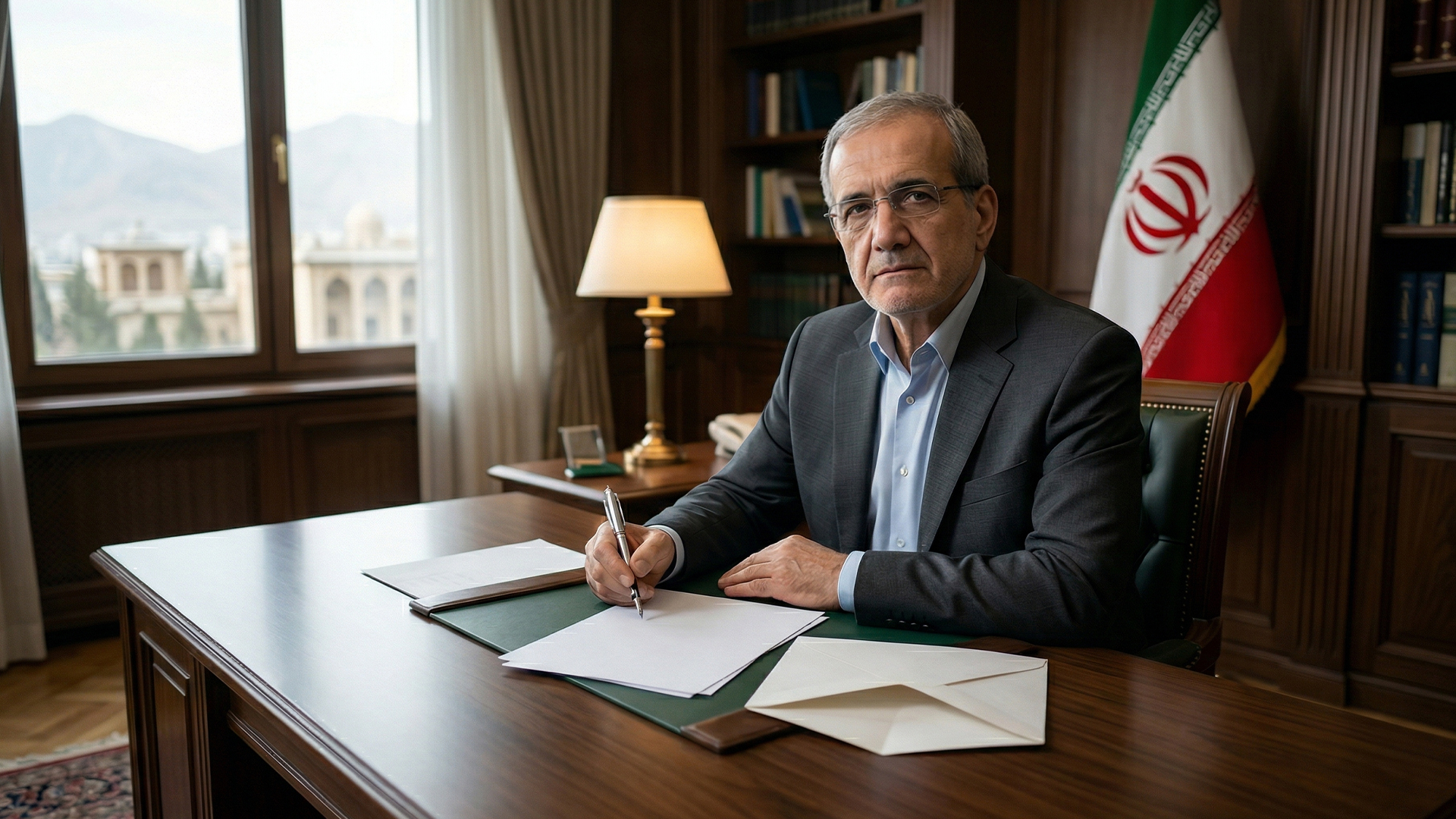
 

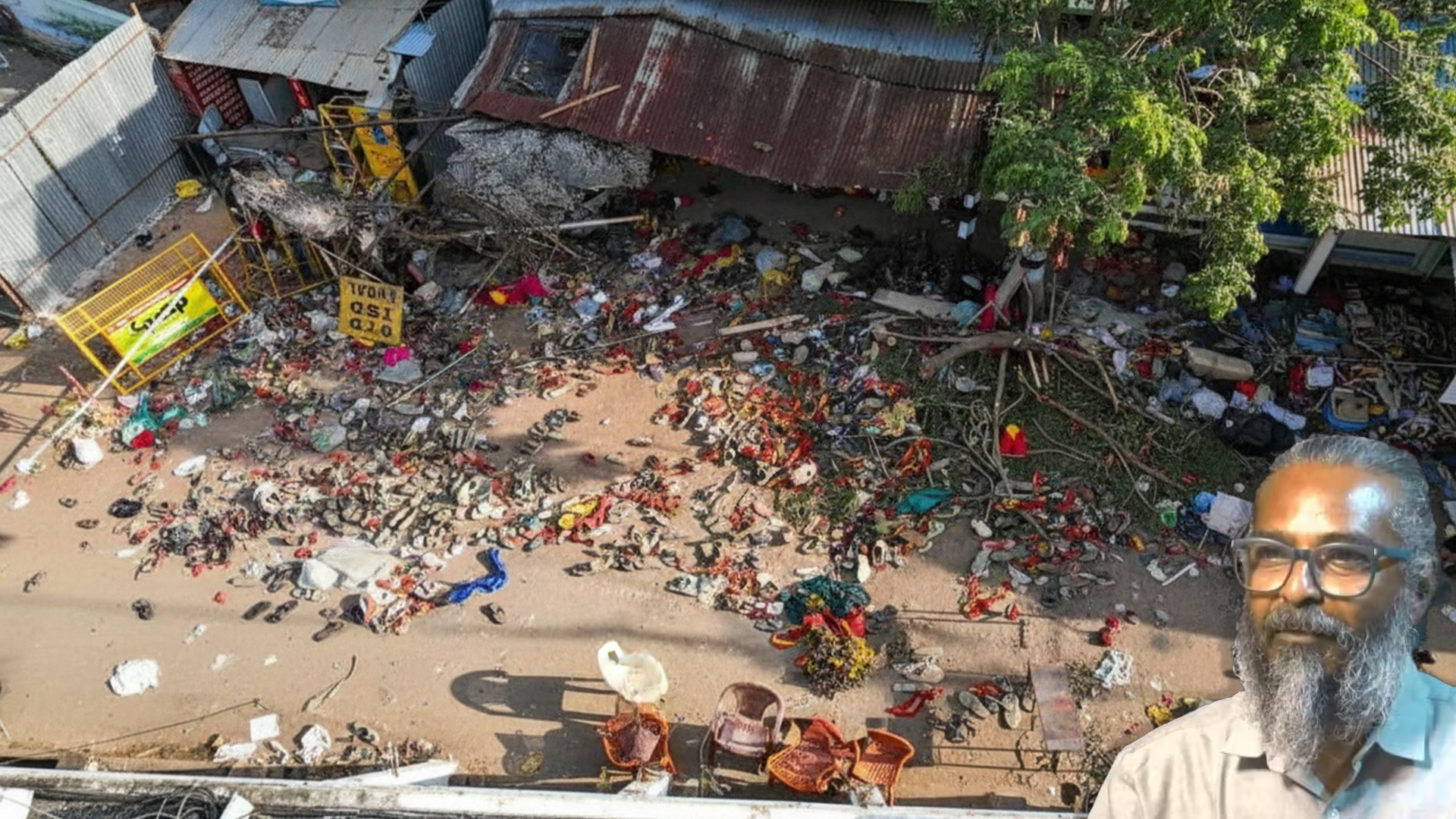
Karur Stampede: YouTuber Among Those Arrested Over Misinformation


The Cyber Crime Wing of the Greater Chennai City Police on Tuesday arrested YouTuber Felix Gerald from his residence in Nungambakkam, accusing him of spreading misinformation about the stampede at actor and Tamilaga Vettri Kazhagam (TVK) leader Vijay’s political rally in Karur. The incident, which occurred on Saturday (September 27, 2025), claimed 41 lives.

Police said Gerald had uploaded a video attributing motives to the state government in connection with the tragedy. The video, which went viral with more than one million views on YouTube within 24 hours, is among several posts flagged by authorities as attempts to incite panic and discontent online.

Gerald’s arrest comes a day after police detained three others — Sagayam, a BJP functionary from Perumbakkam, and two TVK cadres, Sivanesan of Mangadu and Sarathkumar of Avadi — for allegedly circulating false claims related to the stampede.

Meanwhile, opposition groups have intensified demands for an independent investigation, with a petition seeking transfer of the case to the Central Bureau of Investigation (CBI) now before the Madras High Court. The court is scheduled to hear the matter today.

In an official statement, Greater Chennai Police said 25 accounts had been booked for sharing “rumours and malicious theories” about the Karur tragedy. “Strict action will be taken against anyone posting or forwarding content that causes fear or disrupts public order,” the statement said, warning that even retweets could attract legal consequences.

The arrests mark an escalation in the state’s response to the online fallout of the Karur stampede, which has emerged as both a political and public order flashpoint in Tamil Nadu.

Also Read: Afghanistan’s Digital Lifeline Severed in Taliban Crackdown

Microsoft Introduces Agent Mode and Office Agent in 365 Copilot


Microsoft has launched a significant upgrade to its Microsoft 365 Copilot suite, bringing “vibe working” into Office applications through Agent Mode and Office Agent. The new features aim to transform how users create and manage documents, spreadsheets, and presentations by leveraging advanced AI reasoning models. Users can now initiate tasks with simple prompts and iteratively collaborate with Copilot, allowing the AI to orchestrate multi-step workflows and deliver polished outputs. Microsoft detailed the update in a blog post on September 29, 2025.

Agent Mode, currently available in Excel and Word, allows users to produce high-quality AI-generated spreadsheets and documents directly within the apps they use daily, with PowerPoint support expected soon. Office Agent extends the experience into Copilot chat, generating ready-to-use Word documents and professional PowerPoint presentations. This marks a shift toward agentic productivity, where human oversight guides AI-generated outputs.

Excel, long recognized as a versatile tool for data modeling, often requires advanced expertise to fully leverage. Agent Mode aims to democratize access to these capabilities by enabling AI to “speak Excel” natively. The feature is built on the richness of Excel artifacts and OpenAI’s latest reasoning models, allowing users to generate outputs, validate results, correct errors, and iterate until the outcome meets their requirements.

Microsoft highlights that the system functions like having an Excel expert at your disposal, with the user steering the process. SpreadsheetBench evaluations show Agent Mode achieving 57.2% accuracy across a variety of spreadsheet tasks, underscoring its potential for practical use in real-world scenarios.

Practical prompts for Agent Mode in Excel include generating financial monthly close reports for businesses, building loan calculators with detailed payment schedules, and creating personal budget trackers with conditional formatting and visual summaries. For instance, users can ask, “Run a full analysis on this sales data set. I want to understand some important insights to help me make decisions about my business. Make it visual,” and Agent Mode will produce formulas, new sheets, and visualizations while providing a summary of insights and validation steps.

In Word, Agent Mode transforms document creation into a conversational process. Users can instruct Copilot to summarize customer feedback, draft monthly reports, update executive summaries, or refine document styles according to brand guidelines. The AI drafts content, suggests improvements, and engages interactively, enabling faster iteration, more insightful ideas, and polished documents. Sample prompts include updating monthly reports with new data, creating project summaries with actionable next steps, or applying consistent formatting across a document.

Office Agent in Copilot chat extends these capabilities into a chat-first experience. Users can request PowerPoint decks or Word documents and collaborate with the AI in real time. The system begins by clarifying the user’s intent, including details like file length, visual themes, key focus areas, and audience. It then performs deep research, reasoning over relevant information, and generating outputs with quality checks integrated throughout the process. Users can tweak visuals, adjust formatting, and revise content interactively, or hand off the material to PowerPoint or Word for finalization. Example prompts include drafting a restaurant pop-up kitchen plan, creating retirement savings presentations for employees, or evaluating social media trends in specific industries.

Agent Mode for Excel is now available in the Frontier program for Microsoft 365 Copilot licensed customers as well as Microsoft 365 Personal and Family subscribers, initially on the web with desktop support coming soon. Agent Mode in Word is also rolling out in the Frontier program, with availability on the web immediately and desktop access forthcoming. Office Agent in Copilot chat is available today to Microsoft 365 Personal and Family subscribers in the United States, supporting English language output on the web.

Microsoft positions these updates as a step toward a new pattern of human-agent collaboration in workplace productivity. By combining AI reasoning with familiar Office tools, users can delegate complex, multi-step tasks to Copilot while retaining oversight and guidance. The company anticipates that this approach will expand across more Microsoft 365 applications in the future, further integrating AI into everyday workflows.

Also Read: Canada Designates Lawrence Bishnoi Gang as Terrorist Entity

Leh Breathes 4 Hour Freedom Window, Curfew Eases


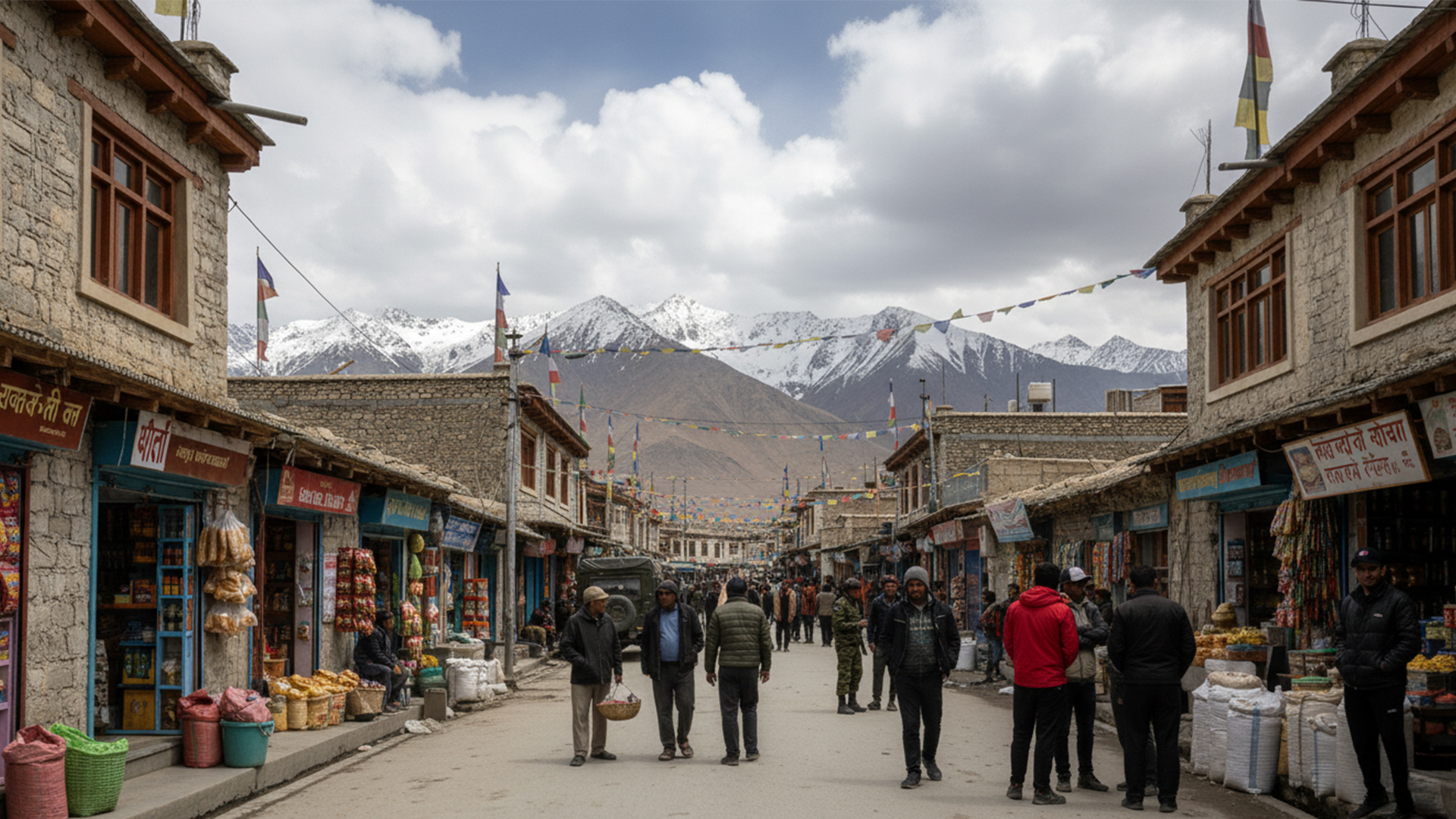
For the first time in days, Leh seemed to have stirred back to life on Tuesday, 30th September. After nearly a week of silence under curfew, the mountain town saw residents step out cautiously as authorities gave a four-hour window to buy essentials. This was a much-needed respite as shops opened their shutters, queues formed at bakeries and grocery stores, and the streets, once emptied by fear, echoed again with footsteps.

This gentle yet fragile return to routine, yet not normalcy, came after one of the worst spells of unrest the region has witnessed in recent years. There was a trigger of anger over Ladakh’s long-standing demand for statehood and Sixth Schedule protections, which boiled over into deadly violence earlier in the week, killing at least four people. The unrest has left not just physical scars but a deep unease and uncertainty in the minds of the people of Ladakh.

With the arrest of noted climate activist Sonam Wangchuk, booked under the National Security Act, the protests have flared up even more. For many young Ladakhis, Wangchuk is a voice for their ecological and political anxieties, and his detention has come to symbolise what they see as the silencing of dissent.

What followed was definitely going to affect every civilian as schools were shut down, movement was restricted, and more than 50 people were detained. Even Saturday’s brief reprieve was under the loom of tension, with security forces maintaining a watchful presence at key intersections.

Ladakh’s protests speak to deeper wounds that show fears of political marginalisation, shrinking job opportunities for locals, and the fragile Himalayan environment at risk from unchecked development. These concerns are known to all, but ones that many feel have been ignored since the region lost its special status in 2019.

For now, life in Leh is limping back to breathe fresh air freely, one step at a time. As long as the clouds of uncertainty hover, it is quite a task to clear the Himalayan air of the chaotic gravel of unrest. All they wish for is to be heard and to be shared with solutions for their genuine concerns. 

Also Read: Wangchuk Shifted to Jodhpur Jail Amid Protests

Canada Designates Lawrence Bishnoi Gang as Terrorist Entity


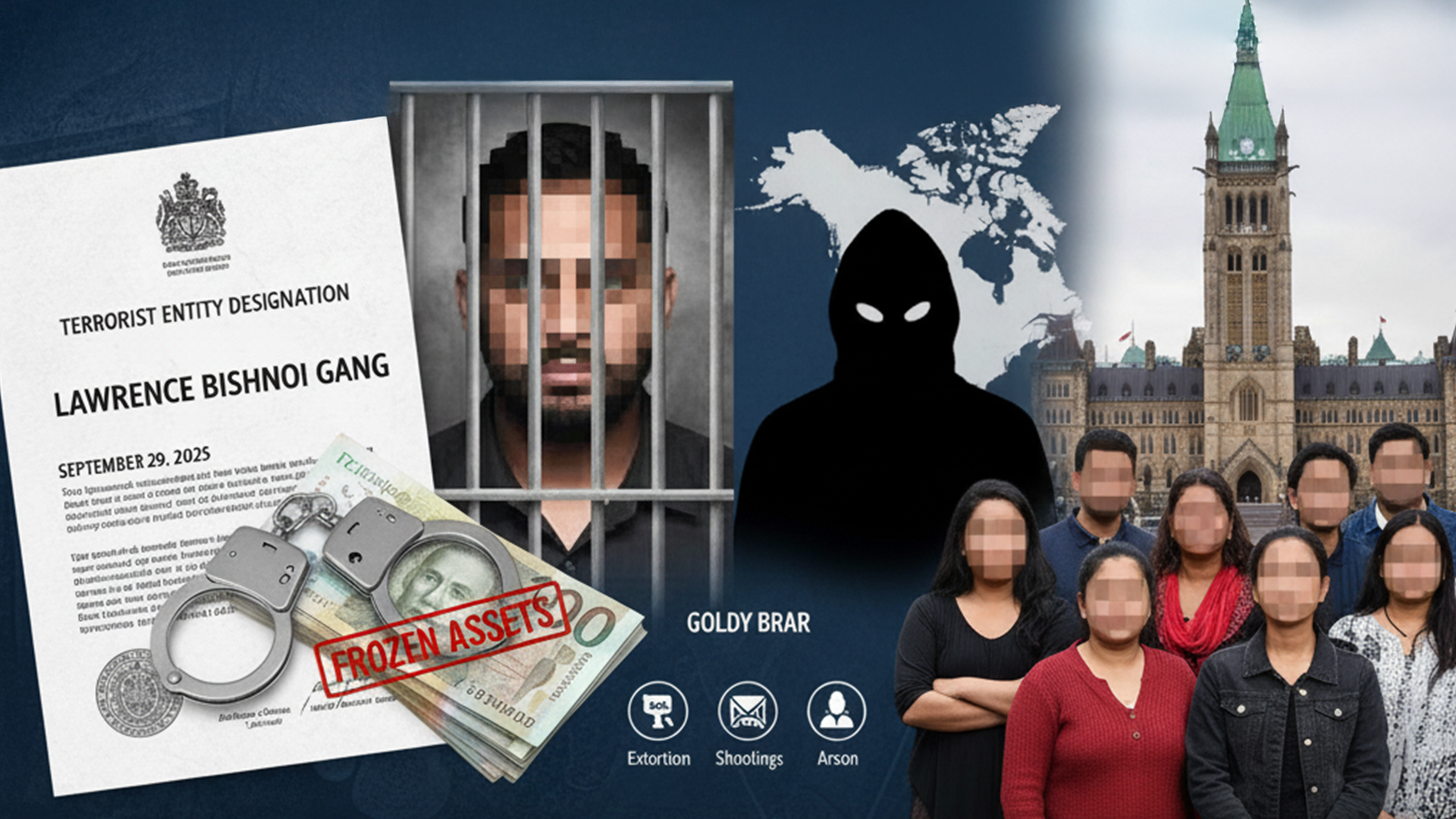
On September 29, 2025, Canada officially designated the Lawrence Bishnoi gang as a terrorist entity under its Criminal Code. This designation empowers Canadian authorities to seize assets and freeze accounts linked to the gang, as well as prosecute individuals providing support or resources to the organization.

The decision follows allegations from the Royal Canadian Mounted Police (RCMP) that the gang has been involved in a series of violent acts, including the 2023 murder of Canadian Sikh activist Hardeep Singh Nijjar in British Columbia.

The Bishnoi gang, led by Lawrence Bishnoi—currently incarcerated in India—has been accused of orchestrating criminal activities from prison through associates, notably Goldy Brar, who is believed to be based in Canada. The gang’s operations reportedly involve extortion, shootings, and arson, creating a climate of fear within diaspora communities. Public Safety Minister Gary Anandasangaree emphasized that the designation provides Canadian law enforcement with “powerful and effective tools” to confront and halt the gang’s activities.

The move has garnered support from various political leaders. British Columbia Premier David Eby and Alberta Premier Danielle Smith have both welcomed the designation, viewing it as a necessary step to protect communities from organized crime. The World Sikh Organization also expressed approval, while calling for further accountability for those orchestrating the violence.

However, the designation has raised concerns among some experts, who questioned uestioned whether the gang meets the legal definition of a terrorist entity, suggesting that the process may have become politicized. Such designations could set a precedent for future listings of groups that may not meet established criteria, they believe.

The Bishnoi gang’s activities have strained diplomatic relations between Canada and India. India has denied allegations of involvement in the gang’s operations and has called for the extradition of individuals linked to the group. Despite these tensions, recent discussions between national security advisers from both countries have indicated a potential thaw in relations, with a focus on combating transnational organized crime and extremism.

The Canadian government’s decision to designate the Bishnoi gang as a terrorist entity marks a significant escalation in its efforts to address the growing threat of international crime and extremism within its borders. As investigations continue, authorities are expected to intensify their focus on dismantling the gang’s network and preventing further violence.

Also Read: PM Modi, World Leaders Welcome Donald Trump’s 20-Point Gaza Peace Plan

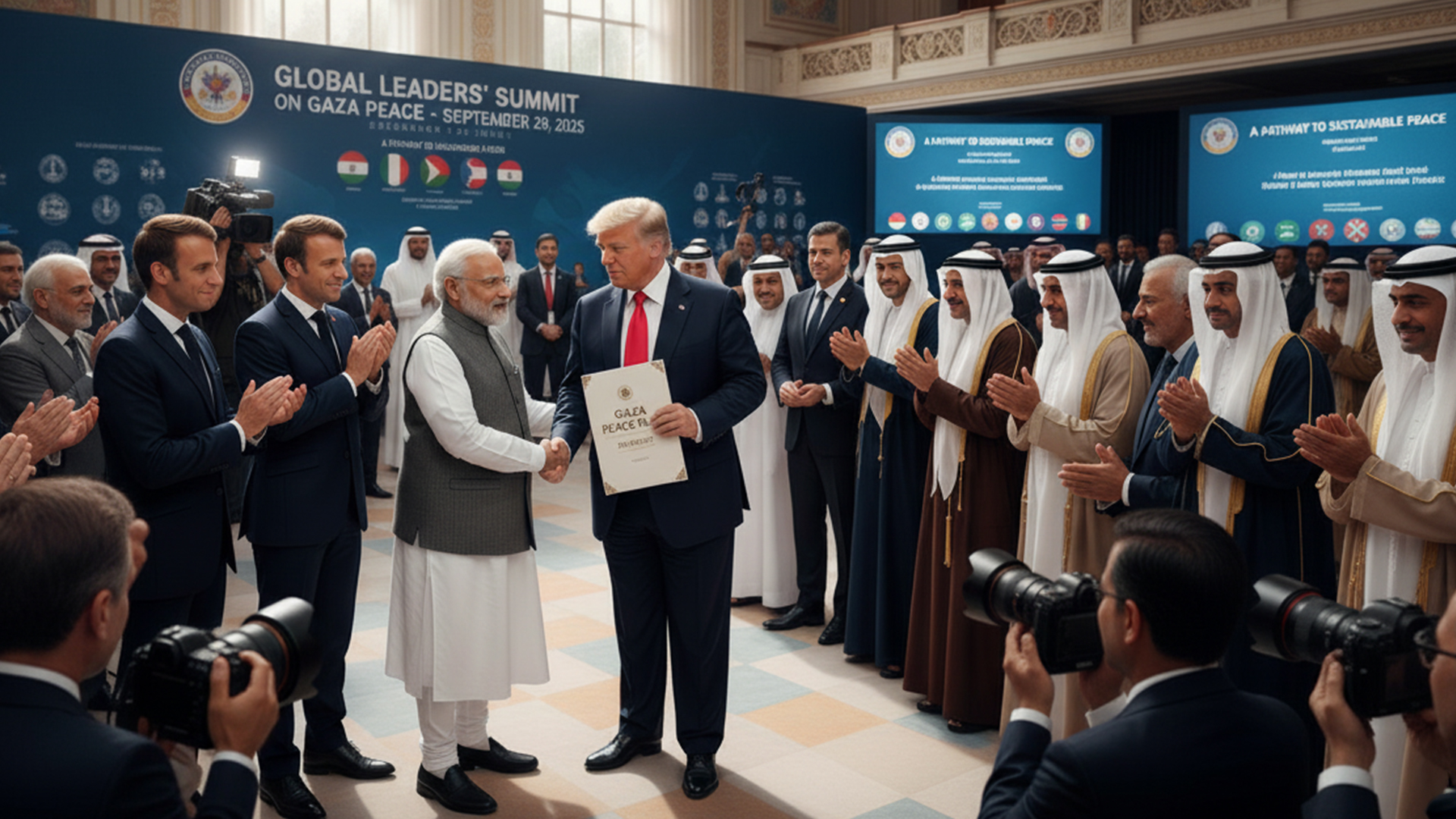
PM Modi, World Leaders Welcome Donald Trump’s 20-Point Gaza Peace Plan
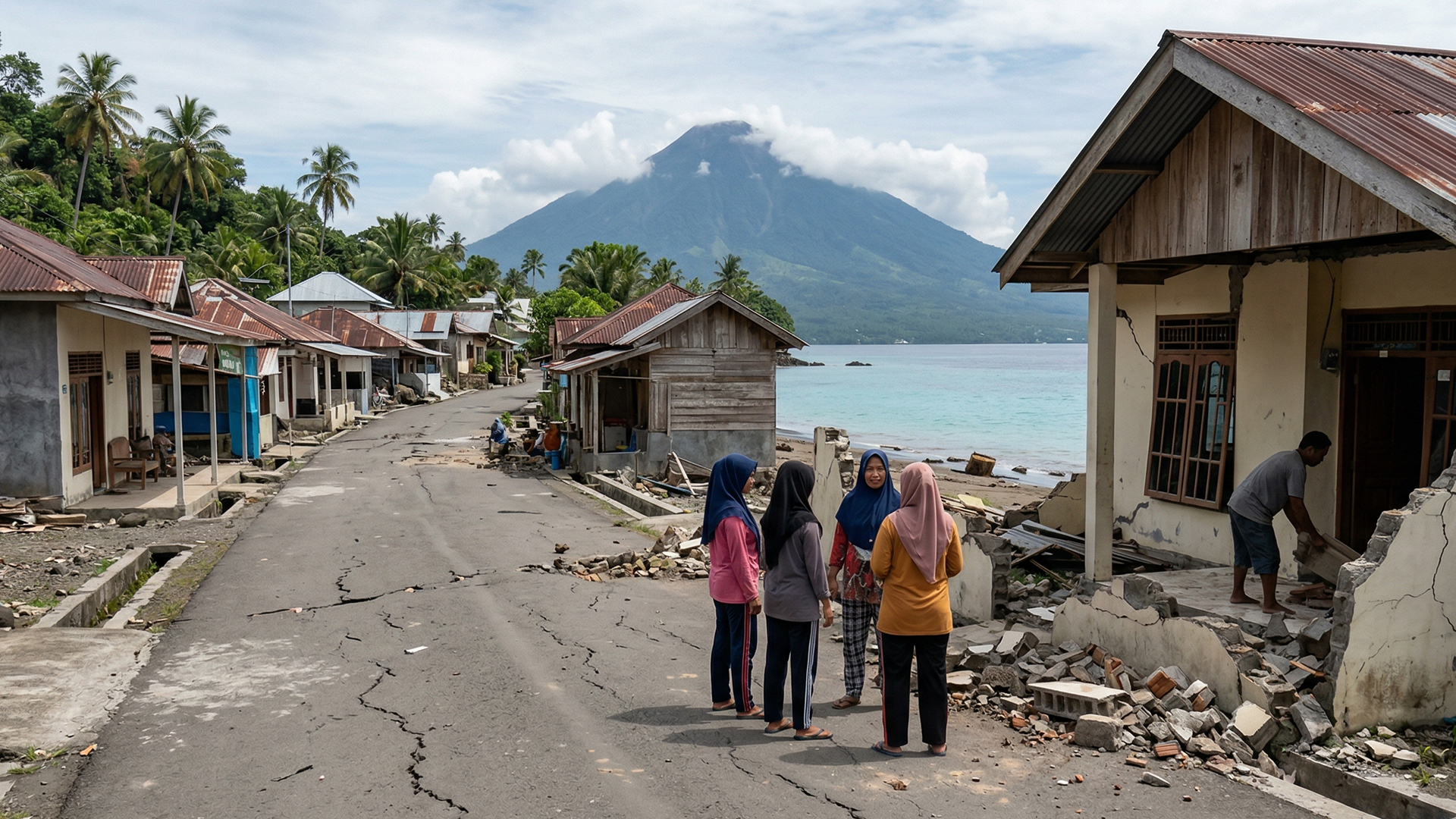

Prime Minister Narendra Modi on Tuesday expressed support for the 20-point peace proposal for Gaza announced by U.S. President Donald Trump on Monday, September 29, 2025. The initiative aims to end the ongoing conflict between Israel and Hamas militants and mandates the return of all hostages, both living and deceased, within 72 hours of a ceasefire.

In a post on X, Mr. Modi described the plan as a “comprehensive effort to end the Gaza conflict,” providing “a viable pathway to long-term and sustainable peace, security and development for the Palestinian and Israeli people, as also for the larger West Asian region.” He added that India hopes all parties involved will rally behind the initiative to achieve a durable resolution.

Trump’s proposal outlines key measures, including an immediate exchange of hostages and a staged withdrawal of Israeli forces from Gaza. The plan envisages a transitional technocratic governance structure in Gaza, supervised by a “Board of Peace” led by Trump and former UK Prime Minister Tony Blair, which would oversee security, humanitarian aid, and reconstruction efforts. Israel would release 1,950 Palestinian detainees, including 250 serving life sentences, in return for the return of Israeli hostages. Full withdrawal of Israeli forces would occur in stages, contingent on the demilitarization of Gaza.

The Palestinian government welcomed the proposal and pledged to implement reforms outlined by the U.S., signaling readiness to cooperate in bringing the peace plan to fruition.

Several Arab nations also voiced support. The Foreign Ministers of Saudi Arabia, Jordan, the United Arab Emirates, Qatar, and Egypt, in a joint statement on Monday, confirmed their willingness to collaborate with the U.S. and relevant stakeholders to finalise and implement the agreement. Other Arab and Islamic Foreign Ministers expressed similar support for the peace efforts.

European leaders also welcomed the plan. French President Emmanuel Macron noted the importance of securing the release of all hostages and called on Israel to engage fully, while urging Hamas to comply immediately. “I expect Israel to engage resolutely on this basis. Hamas has no choice but to immediately release all hostages and follow this plan,” he said in a statement.

British Prime Minister Keir Starmer similarly welcomed the initiative, urging all parties to work with the U.S. administration to finalise and implement the agreement. He stressed that Hamas should accept the plan, lay down arms, and release the remaining hostages to end the humanitarian crisis.

The 20-point plan comes amid escalating tensions in Gaza and widespread international calls for an urgent resolution to the conflict. The proposal has been framed as a pathway not only to cease hostilities but also to establish mechanisms for sustainable peace and reconstruction in the region.

Hamas has not formally accepted the proposal. A Hamas official stated that the group received the plan and would review it in good faith. However, Hamas officials have criticized the plan, stating it closely mirrors Israel’s vision and offers no guarantees for Palestinian rights. They rejected calls for demilitarization, asserting that Gaza’s weapons defend freedom, not aggression.

Global leaders’ support underscores the international community’s expectation that Israel, Hamas, and other stakeholders collaborate to achieve immediate humanitarian relief and a longer-term political settlement. The plan’s emphasis on a swift ceasefire and hostage return is seen as central to stabilising the region and preventing further escalation.

Also Read: Peace Icon Tarnished Ahead of Gandhi Jayanti in London

Peace Icon Tarnished Ahead of Gandhi Jayanti in London


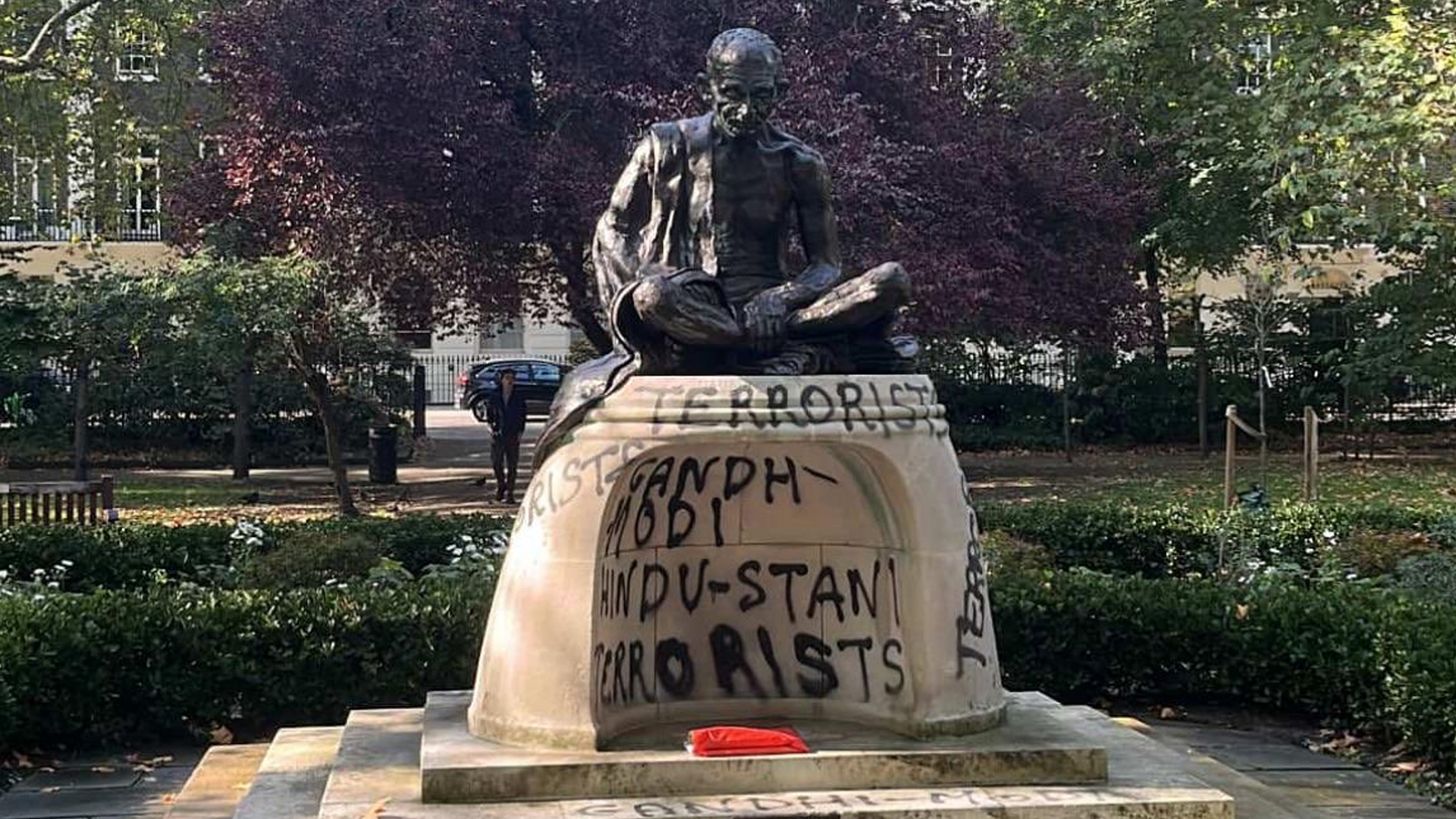
With just days remaining before Mahatma Gandhi’s 156th birth anniversary and the International Day of Non-Violence, two statues of the global peace icon in London were vandalised, prompting anger and sadness within the Indian community and official circles.

One statue in Parliament Square, installed in 2015, was splattered with red paint. Another, located in Tavistock Square and sculpted by Fredda Brilliant, depicts Gandhi seated cross-legged. This statue, unveiled in 1968, was defaced with graffiti labeling Gandhi, Indian Prime Minister Narendra Modi, and the word “Hindustani” as “terrorists.” Tavistock Square’s statue has long served as a focal point for commemorations on Gandhi Jayanti.

The Indian High Commission in London condemned the vandalism as “cowardly” and “shameful,” particularly as the world prepares to remember Gandhi’s message of truth and non-violence. Officials have visited the sites and are coordinating with Camden Council and the Metropolitan Police to restore the statues and strengthen their protection.

No suspects have been identified yet, though investigations are ongoing. The incidents have reignited concerns over the security of cultural monuments and brought renewed debate about Gandhi’s contested legacy in the UK. A similar act of vandalism was reported in Leicester in 2014.

For many, the damage goes beyond physical harm. Gandhi’s statues abroad symbolize not only India’s history but also the universal power of peaceful resistance, an inspiration for movements such as the American civil rights struggle and the fight against apartheid. As voices rise in condemnation, many feel that defacing Gandhi’s statues on the eve of his birthday strikes at the very foundation of peace itself.

Also Read: Trump’s YouTube Lawsuit Ends with $24.5M Settlement

Trump’s YouTube Lawsuit Ends with $24.5M Settlement


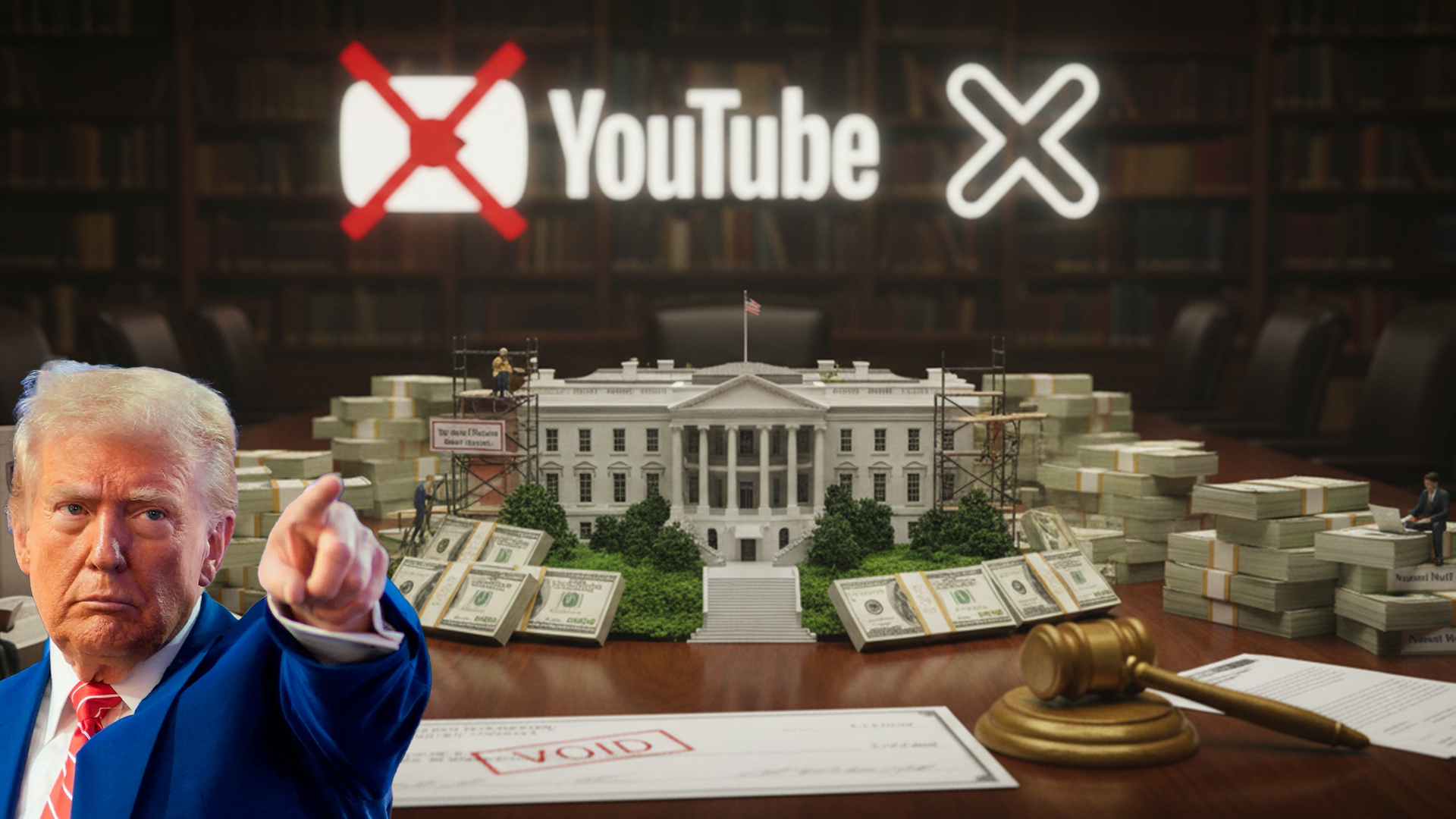
In a surprising twist to draw close to a long legal battle, YouTube has agreed to pay $24.5 million to settle a lawsuit filed by President Donald Trump over the suspension of his channel following the unrest at the U.S. Capitol in January 2021.

This agreement ends one of several high-profile legal battles Trump initiated against major tech platforms after being removed from their services during the final days of his previous term. While YouTube denies any wrongdoing, this settlement spares both parties a prolonged court fight that was set for October 6 in California.

A substantial portion of the settlement, $22 million, will be donated to the Trust for the National Mall, a nonprofit that plans to utilize the funds for constructing a new White House State Ballroom, a project backed by President Trump himself. The remaining $2.5 million will be divided among co-plaintiffs, including the American Conservative Union and writer Naomi Wolf.

The highlight is that YouTube is not required to alter any of its content moderation policies or platform features as a result of this agreement.

This settlement also marks the conclusion of a trio of lawsuits Trump filed against major tech companies in 2021. Earlier this year, Meta, Facebook’s parent company, settled for $25 million, while X—formerly Twitter—agreed to a $10 million settlement.

In 2023, Trump’s YouTube channel was reinstated after being frozen following the Capitol unrest.

Also Read: Historic India-Bhutan Rail Project at ₹4,000 Crore


Afghanistan’s Digital Lifeline Severed in Taliban Crackdown


Life in Afghanistan has taken a harsh digital silence as the country dives into one of its most severe internet and mobile communication blackouts since the Taliban’s return to power. What began as scattered restrictions on fiber-optic internet access has escalated to a near-complete shutdown, silencing millions under the pretext of enforcing morality.

According to advocacy groups like NetBlocks, Afghanistan’s connectivity has dropped to nearly 1 percent of normal capacity, cutting off most citizens from the digital world. The blackout unfolded in stages, with the first blow coming when fiber-optic services went dark, followed by the fluctuations in mobile network service. This sweeping digital arrest follows a controversial decree by Taliban Supreme Leader Hibatullah Akhundzada, banning fiber-optic internet to prevent what officials describe as “immorality.”

The crackdown didn’t hit uniformly at first. The early victims of this nationwide internet ban were provinces, including Balkh, Baghlan, Badakhshan, Kunduz, Nangarhar, and Takhar. Soon, the blackout spread across major cities, including Kabul. Despite relying on social media to broadcast their messages globally, the Taliban government has not publicly acknowledged the shutdown.

For ordinary Afghans, the blackout is not just a technical inconvenience; it is a profound wrenching of daily life and freedoms. Imagine when journalists in key regions are cut off from news, leaving no chance for independent reporting.  Women and girls, already barred from formal education beyond grade six, have lost their crucial lifeline to online learning. Businesses relying on digital platforms have ground to a halt, leaving entrepreneurs in limbo.

Families are painfully severed from loved ones abroad, and the public’s ability to share news, ideas, and maintain connections within and beyond borders has been stripped away. This blackout starkly highlights the growing isolation and censorship under Taliban rule, dimming hopes for greater openness in the near future.

In the midst of this digital silence, Afghanistan’s voices, especially those of its marginalized citizens, are deafening to the ears as the world watches helplessly. The blackout serves as a stark reminder that for many here, the fight for basic rights and access to the world remains a daily struggle.

Also Read: Nepal Unrest: Travel Bans on Former PM Oli, Senior Officials