rotating globe
3 Apr 2026


Devastating Rains in Uttarakhand: 10 Missing in Chamoli, 2,500 Stranded in Mussoorie


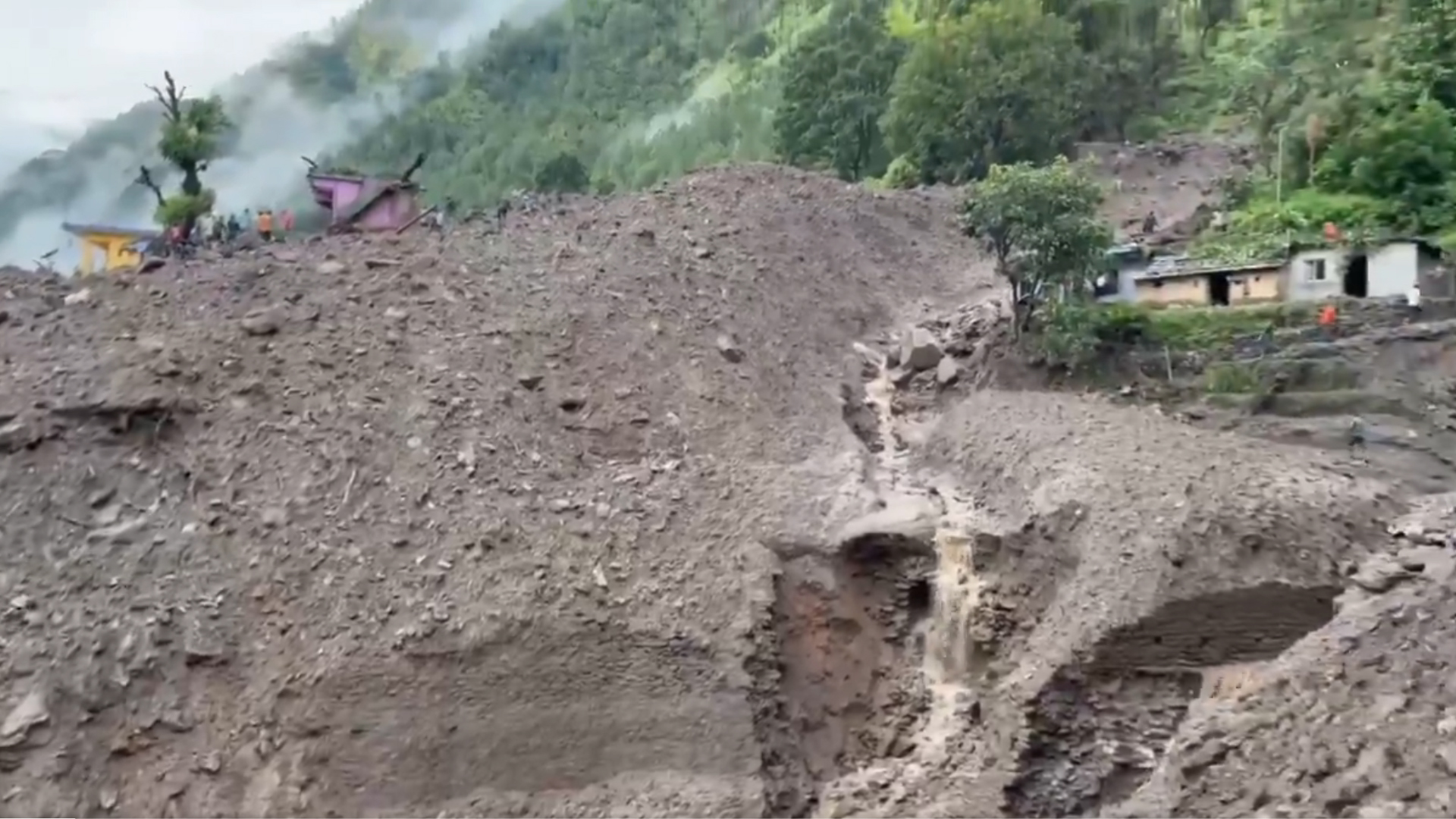
Torrential rains and cloudbursts have unleashed widespread devastation across Uttarakhand, claiming lives, destroying homes, and cutting off key tourist destinations. In Chamoli district, a cloudburst early Thursday morning caused the collapse of six buildings in the Kuntari Lagafali area of Nandanagar, leaving 10 people missing, including two children and several elderly residents.

Rescue operations are ongoing, with teams from the NDRF, SDRF, local police, and medical units deployed to the disaster site. Officials have confirmed that the search is being hampered by debris and unstable terrain.

Simultaneously, in Mussoorie, continuous heavy rainfall and landslides have damaged key roads, severing road connectivity between the popular hill station and Dehradun. Over 2,500 tourists have been stranded as both the main Dehradun–Mussoorie highway and alternative routes have been blocked or rendered unsafe.

In a show of solidarity, members of the Mussoorie Hotel Owners’ Association are offering free overnight stays and meals to stranded tourists who were scheduled to check out on the day of the disruption.

Authorities have begun constructing a Bailey bridge near Kolhukhet to restore partial access for light vehicles, while a longer alternative route via Vikasnagar has also been opened. Restoration work is ongoing, although it is challenging due to unstable weather conditions.

The rainfall-related disasters across the state have so far claimed at least 15 lives, with several others reported missing. Infrastructure damage includes roads, bridges, and embankments, particularly in Dehradun and the surrounding districts.

The Uttarakhand government has urged residents and tourists to avoid travel to vulnerable areas as more rain is expected in the coming days. Search-and-rescue operations are likely to continue across multiple districts as weather conditions remain precarious.

Also Read: Dehradun Deluge: 101-Year Rainfall Record Broken as Monsoon Chaos Hits Uttarakhand
ECI Eases Voter Verification, Majority May Skip Document Submission


The Election Commission of India (ECI) is set to simplify the voter verification process in the upcoming Special Intensive Revision (SIR) of electoral rolls. According to ECI officials, more than half of the electorate in most states may not have to submit any documents to cast their vote. This is because their names are already included in the last SIR conducted between 2002 and 2004, which will act as the baseline for the current revision.

For example, in Bihar, around 60% of voters listed in the 2003 electoral roll will be exempt from providing proof of birth or residence. Only the remaining 40%, who were not part of the previous list, will need to submit one of the prescribed documents, such as Aadhaar cards, passports, school certificates, or family registers, to establish their eligibility.

Currently, voters must provide one of 11 specified documents to verify their identity at polling stations. The proposed changes aim to reduce this requirement, allowing many voters to authenticate themselves without presenting physical documents. This move is designed to lower barriers to voting and boost participation, especially among marginalized groups and first-time voters.

The ECI has instructed Chief Electoral Officers (CEOs) to make previous electoral rolls accessible online to help with the verification process. This initiative is part of the commission’s broader effort to modernize electoral practices, making voting more inclusive, efficient, and accessible.

The nationwide SIR exercise is expected to begin soon, with completion aimed before the end of the year. The Election Commission remains committed to maintaining accurate and up-to-date electoral rolls, thereby ensuring the integrity and inclusiveness of India’s democratic process.

Also Read: Adani-led Colombo Port Terminal to Double Capacity Ahead of Schedule

Adani-led Colombo Port Terminal to Double Capacity Ahead of Schedule


The Adani Group, along with Sri Lankan and Indian partners, is accelerating the development of the Colombo West International Terminal (CWIT) in Sri Lanka, aiming to double container capacity well ahead of schedule.

The $840 million deep-water terminal, led by Adani Ports and Special Economic Zone (APSEZ), is now expected to be fully operational by late 2026, months before the original February 2027 deadline. The first phase of the terminal, equipped with fully automated systems, was launched in April 2025.

Once complete, CWIT will be able to handle 3.2 million TEUs (twenty-foot equivalent units) annually, significantly boosting Sri Lanka’s port capacity and positioning Colombo as a major transshipment hub in the Indian Ocean.

The Colombo West International Terminal (CWIT) is being developed through a strategic public-private partnership that brings together international expertise and local oversight. Adani Ports holds a 51% majority stake, making it the lead investor in the project. John Keells Holdings (JKH), one of Sri Lanka’s largest listed companies, owns 34%, while the Sri Lanka Ports Authority (SLPA) retains the remaining 15%. This ownership structure ensures a balanced collaboration that supports both commercial efficiency and national interest in a key regional infrastructure asset.

The project is part of a 35-year build-operate-transfer (BOT) agreement and represents the first foreign investment in the Port of Colombo.

Although the developers initially sought $553 million in funding from the U.S. International Development Finance Corporation (DFC), the proposal was later withdrawn. Adani and partners opted instead for internal financing and a structured capital management plan, allowing construction to move forward without delays.

The terminal is a key strategic asset in the region, especially as India and China vie for influence in the Indian Ocean. With more than 60% of Colombo’s transshipment volumes linked to India, the terminal is seen as a vital link in regional trade networks.

The project also fits into Adani’s broader expansion strategy in Sri Lanka, including proposed renewable energy investments—though previous disagreements over wind energy contracts had strained ties.

Despite earlier concerns about foreign influence and national security, particularly from Indian political circles regarding potential Chinese control. Sri Lanka’s government has framed the deal as a win for economic development and sovereignty.

Also Read: Why Has Adani Group Barred Sanctioned Vessels from Ports?

Nepal Observes National Day of Mourning Following Deadly Gen Z Protests


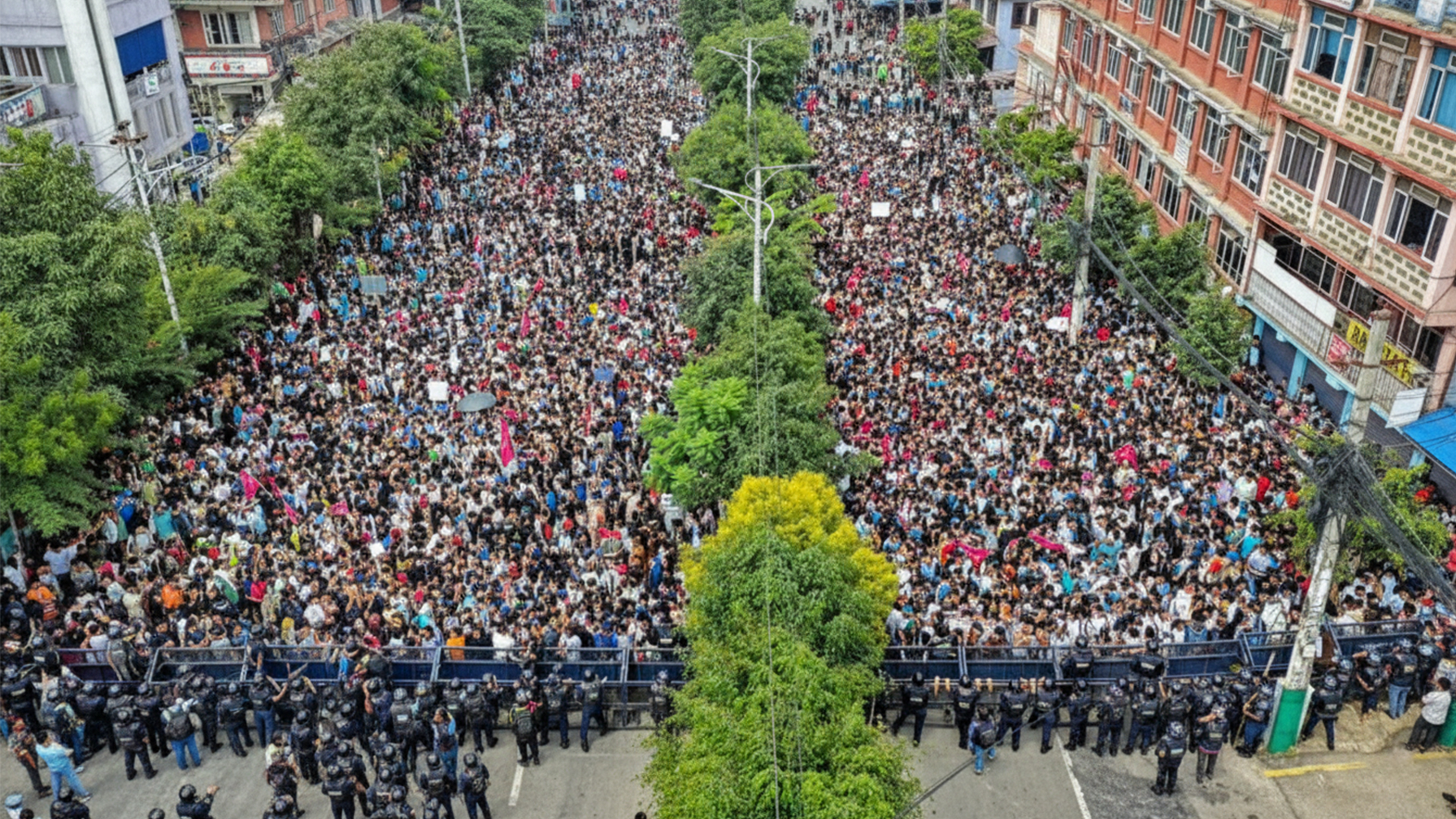
All government offices and educational institutions remained closed across Nepal on Wednesday (September 17, 2025) as the country observes a “national day of mourning” in honour of those killed during Gen Z protests.

“In memory of those who died during the protests organised by the Gen Z generation on September 8 and 9, the Government of Nepal has decided to observe a national day of mourning on Wednesday, September 17,” said a statement issued by the Home Ministry on Tuesday.

The tragic protests, which shook the nation, saw 72 people—including three policemen—lose their lives, while hundreds of others sustained injuries. The violence prompted Prime Minister K.P. Sharma Oli to resign on September 9, shortly after hundreds of protesters entered his office demanding accountability for police actions that resulted in at least 19 deaths during the initial demonstrations. On Sunday (September 14), Prime Minister Sushila Karki declared those killed during the protests as “martyrs,” a move that underscores the government’s recognition of the scale and impact of the uprising.

Nepal’s embassies and missions abroad also observed the day of mourning, closing their offices and flying the national flag at half-mast. The protests, organised primarily by the Gen Z generation, were rooted in a combination of political frustration, economic instability, and youth disenchantment with traditional governance structures. Analysts suggest that young Nepalis have grown increasingly frustrated with stagnant economic opportunities, corruption, and repeated political instability, which culminated in the mass mobilisations of early September.

The demonstrations, initially intended as peaceful rallies, quickly turned violent. Houses of political leaders, government offices, business establishments, and shopping complexes were set on fire. The Department of Police has reported that at least 121 four-wheelers and 158 two-wheelers were destroyed during the unrest. Ministries across Nepal have now begun assessing the damage, both in terms of property and public infrastructure, as the government looks to restore order and rebuild.

Despite the chaos of the past week, life in Kathmandu returned to normal on Wednesday. Pedestrians and vehicles were seen moving freely across the streets, while markets buzzed with activity in anticipation of the upcoming Vijaya Dashami and Deepawali festivals. Departmental stores, shopping malls, and local grocers reported heavy footfall, reflecting a public desire to resume everyday routines even amid the lingering grief and political uncertainty.

The Gen Z protests mark a turning point in Nepal’s political landscape. Observers note that the uprising has forced policymakers to confront the demands and grievances of the younger generation more directly. From calls for government accountability to structural reforms in governance and policing, the impact of these protests is expected to shape Nepalese politics in the months and years ahead.

While the country mourns its dead, the recent unrest also serves as a stark reminder of the growing influence of youth movements in shaping national discourse. The government’s challenge now is to address the underlying causes of dissent, rebuild public trust, and ensure that the aspirations of Nepal’s younger generation translate into constructive reforms rather than further unrest.

BlackBuck to Exit Bengaluru’s ORR Over Traffic Chaos and Infrastructure Woes


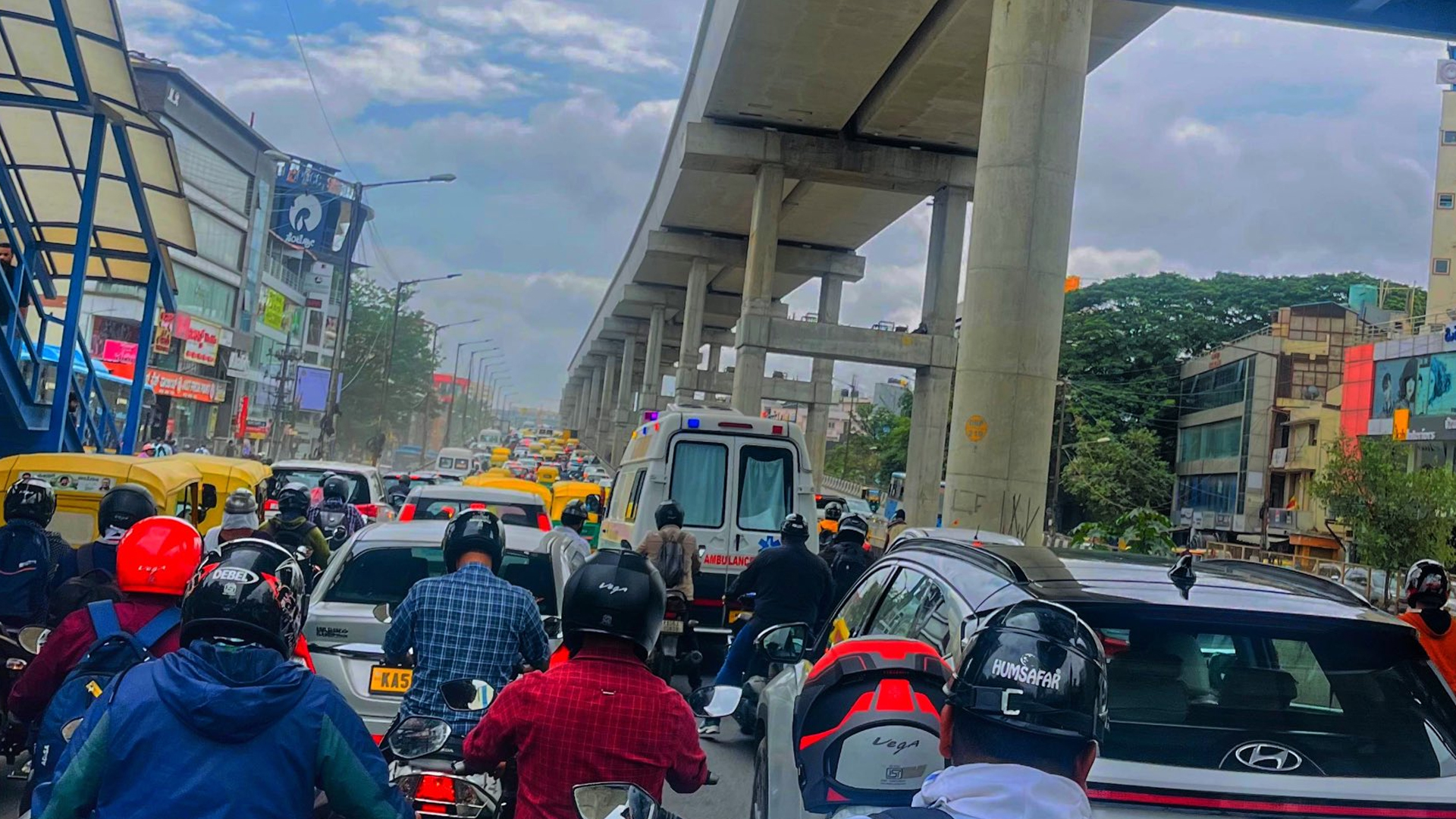
Logistics-tech firm BlackBuck has announced its decision to relocate from Bengaluru’s Outer Ring Road (ORR) area in Bellandur, citing severe traffic congestion and deteriorating infrastructure that has made daily commuting unsustainable for its employees.

The company’s co-founder and CEO, Rajesh Kumar Yabaji, shared the update on X (formerly Twitter), writing, “ORR (Bellandur) has been our ‘office + home’ for nine years, but it was getting very hard to continue. We have decided to move out.”

Yabaji noted that employees were spending more than 1.5 hours commuting one way, largely due to pothole-ridden roads and dust-filled air. He added, “There’s the lowest intent to fix them. I don’t see this changing in the next five years.

His post, which garnered over 83,000 views, struck a chord with many online. One user responded, “Great decision. Real estate in ORR is overpriced, builders quote more than Chicago or Dubai rates for infrastructure that resembles Somalia.”

BlackBuck’s move has amplified concerns among Bengaluru’s tech community about the city’s infrastructure crisis.

Krishna Kumar Gowda, General Secretary of the Greater Bengaluru IT Companies & Industries Association, called the development a wake-up call. “Companies are being forced out due to poor infrastructure, slow traffic, endless potholes, and unreliable commutes. The government must urgently act. We’re ready to collaborate on solutions.”

He urged authorities to provide a transparent action plan to improve roads, expand metro coverage, and enhance public utilities across the ORR corridor—a hub that houses hundreds of IT and tech companies.

Traffic along the ORR has worsened in 2025, with many firms ending remote and hybrid work models, forcing thousands of employees back into daily commutes. The existing road network, already under strain, has struggled to cope.

In response to growing criticism, Deputy Chief Minister D.K. Shivakumar recently announced a ₹1,100 crore investment to improve Bengaluru’s roads and civic infrastructure. He directed civic bodies to fast-track pothole repairs and submit progress timelines.

BlackBuck’s decision signals a broader shift among tech firms reassessing their office locations based on livability and accessibility, not just real estate value. If unresolved, Bengaluru’s infrastructure challenges could continue to drive talent and companies away from its key tech corridors.

Also Read: Anandkumar Velkumar Wins India’s First Speed Skating Gold

India Clears Ships for Nayara’s Domestic Fuel Supply Amid Dollar Trade Hurdles


India has authorized four foreign-flagged vessels to transport fuel produced by Nayara Energy along the country’s west coast, addressing logistical challenges faced by the EU-sanctioned company. The Directorate General of Shipping approved these ships to facilitate the coastal movement of fuel to major consumption centers such as Maharashtra, Mangalore, Chennai, and parts of Andhra Pradesh and Odisha. This decision aims to ease domestic supply disruptions caused by earlier shipping restrictions.

Despite this progress on the domestic front, Nayara Energy’s international trade remains severely constrained due to ongoing banking restrictions. The company, which owns a 20 million tonnes per year oil refinery in Vadinar, Gujarat, supplies fuels like petrol and diesel to Hindustan Petroleum Corporation Ltd (HPCL). Since August, Nayara has been sourcing crude oil exclusively from Russia, as banks have refused to process payments for crude oil from other suppliers like Iraq and Saudi Arabia.

The Indian government has instructed UCO Bank to create a mechanism to facilitate dollar payments for Nayara’s crude imports and fuel exports. However, UCO Bank has expressed its inability to move forward after its UAE correspondent bank, Mashreq Bank, declined to process transactions linked to Nayara. This disruption in dollar payment channels is a significant hurdle in Nayara’s non-Russian overseas trade.

These challenges stem from sanctions imposed by the European Union in response to the ongoing Ukraine conflict. In July, the EU banned imports of petroleum products made from Russian crude, effective January 2026. The sanctions also targeted Russian and international firms managing shadow fleet vessels, traders of Russian crude oil, and Nayara Energy itself. These sanctions have disrupted Nayara’s operations and led to the resignation of several company executives.

While the approval of vessels for domestic fuel supply offers some relief, Nayara Energy continues to face substantial obstacles in its international trade due to persistent dollar transaction restrictions and broader geopolitical sanctions. The company’s ability to navigate these challenges will be critical to maintaining its position in India’s fuel market amid ongoing global uncertainties.

Also Read: Dehradun Deluge: 101-Year Rainfall Record Broken as Monsoon Chaos Hits Uttarakhand

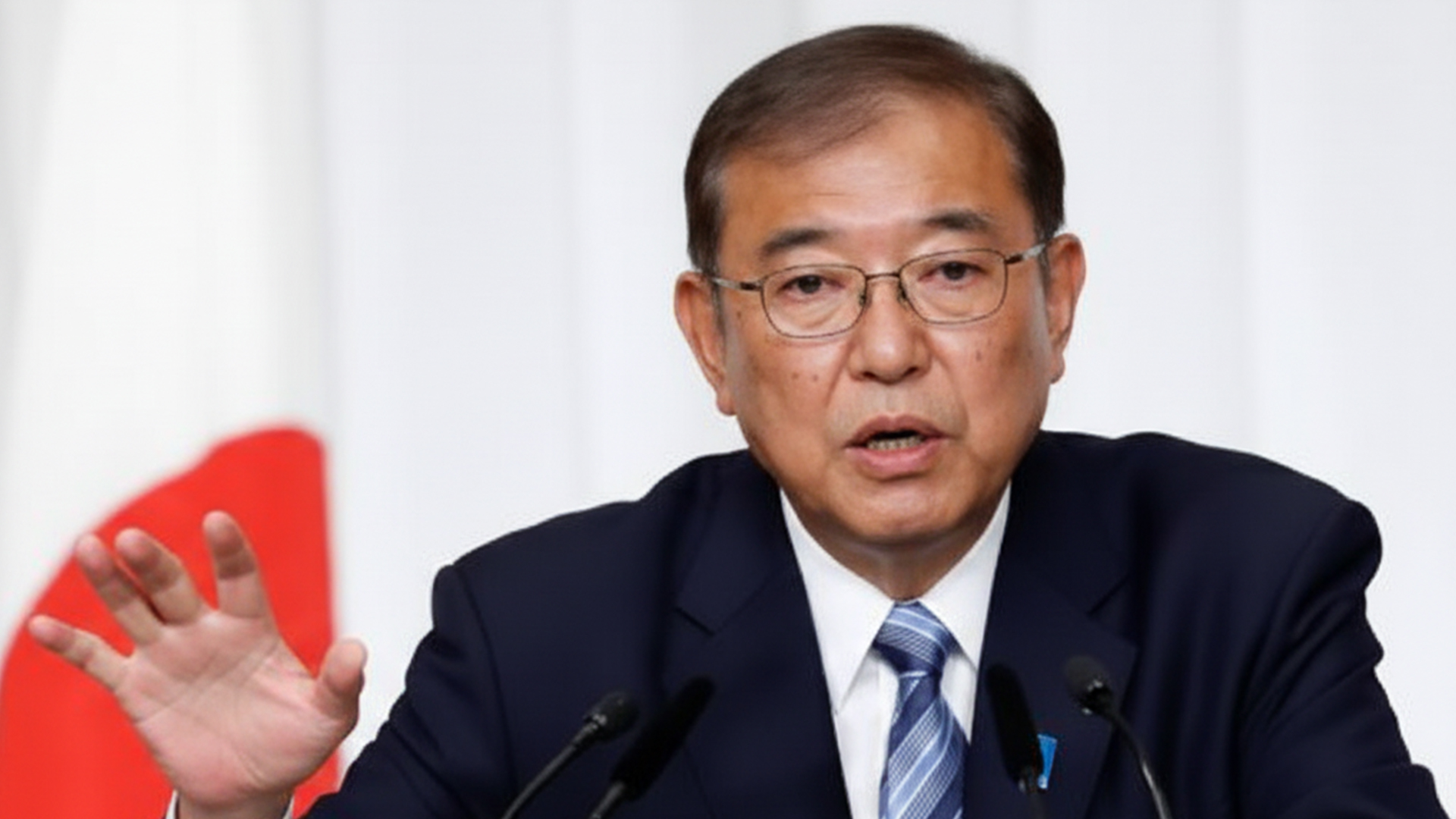
Japan’s Prime Minister Shigeru Ishiba Resigns Amid Political Turmoil


Japan’s Prime Minister Shigeru Ishiba has announced he will resign as leader of the ruling Liberal Democratic Party (LDP) following the party’s heavy losses in the July parliamentary elections. The move signals a major shift in Japan’s political landscape and sets the stage for a competitive leadership race to determine the country’s next prime minister.

The LDP suffered significant setbacks in the elections, losing its majority in both the upper and lower houses of parliament and weakening its coalition with the Komeito party. Despite initial resistance to stepping down, Ishiba cited the recent finalization of a crucial U.S.–Japan tariff agreement as a reason for delaying his resignation, stating it was now time to “pass the baton to the next generation.”

Ishiba will remain in office until a new party leader is chosen, with the LDP leadership election scheduled for October 4. The winner is expected to be confirmed as prime minister by parliament soon after.

Several prominent figures have declared their candidacies. Shinjiro Koizumi, the Minister of Agriculture and Forestry and son of former Prime Minister Junichiro Koizumi, has emerged as a front-runner, backed by Finance Minister Katsunobu Kato. Koizumi’s campaign emphasizes reform and economic revitalization.

Chief Cabinet Secretary Yoshimasa Hayashi has also announced his bid, advocating for a balanced approach that promotes both stability and growth. Other contenders include former Foreign Minister Toshimitsu Motegi, who supports the Bank of Japan’s plan to gradually normalize its ultra-easy monetary policy, and former Internal Affairs Minister Sanae Takaichi, who would become Japan’s first female prime minister if elected.

The leadership contest comes amid ongoing challenges for Japan, including rising inflation, economic uncertainty, and public dissatisfaction. The new prime minister will face the urgent task of navigating domestic reforms while maintaining Japan’s key international relationships, particularly with the United States.

The outcome of this leadership race will not only determine the future direction of Japan’s policies but also carry significant implications for regional stability and the global economy.

Also Read: Trump Extends TikTok Deadline to December 16 Amid U.S.-China Deal

Trump Extends TikTok Deadline to December 16 Amid U.S.-China Deal


U.S. President Donald Trump has extended the deadline for TikTok’s U.S. operations until December 16, 2025, allowing more time to finalize a deal that would transfer the app’s U.S. assets from its Chinese parent company, ByteDance, to American ownership. This marks the fourth extension since the original deadline of January 19, 2025, set by the Protecting Americans from Foreign Adversary Controlled Applications Act (PAFACA). The law mandates that ByteDance divest from TikTok or face a nationwide ban due to national security concerns over user data privacy and potential influence operations.

The latest extension follows a framework agreement reached between U.S. and Chinese officials during a meeting in Madrid. U.S. Treasury Secretary Scott Bessent and Chinese Vice Premier He Lifeng led the discussions, aiming to address security concerns while allowing TikTok to continue operating in the U.S. The proposed deal involves a consortium of American investors, including Oracle, Silver Lake, and Andreessen Horowitz, acquiring an 80% stake in TikTok’s U.S. operations. ByteDance would retain a minority interest of 19.9% and continue to license its Chinese-developed algorithm to the new entity.

President Trump has expressed the importance of keeping TikTok operational in the U.S., citing its popularity among younger voters and its role in his 2024 election campaign. He has previously stated that he “hates to see value like that thrown out the window,” referring to the app’s influence and reach.

Despite the progress, the deal has faced criticism from some lawmakers and national security experts. Concerns persist over ByteDance’s continued involvement through the algorithm licensing agreement, with some arguing that it could still pose risks related to data privacy and content manipulation. The House Select Committee on China has emphasized the need for stringent safeguards to ensure that the Chinese government cannot access U.S. user data.

The framework agreement also includes provisions for Oracle to manage all U.S. user data at its Texas facilities, addressing concerns about data security. Additionally, the new U.S.-based TikTok app will operate on a separate algorithm and data system, distinct from the global version.

As the December 16 deadline approaches, the Trump administration is expected to continue negotiations with ByteDance and the involved investors to finalize the deal. A scheduled call between President Trump and Chinese President Xi Jinping is anticipated to further solidify the agreement and address any remaining issues.

The outcome of these negotiations will have significant implications for the future of TikTok in the U.S., as well as for broader U.S.-China relations and the global tech landscape. Stakeholders are closely monitoring developments, as the deal could set a precedent for how foreign-owned tech companies are regulated and operate within the United States.

Also Read: Anandkumar Velkumar Wins India’s First Speed Skating Gold

Khalistani Outfit Sikhs for Justice Warns of Siege on Indian Consulate in Vancouver


Sikhs for Justice (SFJ), a US-based pro-Khalistan organization, has issued a fresh threat to “siege” the Indian Consulate in Vancouver on Thursday, September 18, 2025. The group has urged the Indo-Canadian community to avoid the consulate premises on that day, escalating tensions between pro-Khalistan activists and Indian diplomatic missions in Canada.

SFJ released a provocative poster depicting Indian High Commissioner Dinesh Patnaik with a target on his face, accusing Indian consulates in Canada of running espionage operations against Khalistani activists and referendum campaigners. The group alleges that despite investigations announced by Canadian Prime Minister Justin Trudeau into Indian agents’ involvement in the 2023 assassination of pro-Khalistan leader Hardeep Singh Nijjar, surveillance by Indian operatives continues unabated.

The assassination of Nijjar in Surrey, British Columbia, sparked significant diplomatic strain between India and Canada. SFJ claims that the Royal Canadian Mounted Police (RCMP) had to place Inderjeet Singh Gosal, who succeeded Nijjar as the head of the Khalistan Referendum campaign, under witness protection due to threats linked to the ongoing investigation.

Adding to concerns, a recent Canadian government report highlighted that extremist Khalistani groups—including Babbar Khalsa International and the International Sikh Youth Federation (ISYF), both designated as terrorist organizations under Canada’s Criminal Code receive financial support from individuals and networks based in Canada. The report further noted that these groups are now operating through decentralized networks, making it harder to track and counter their activities.

The Indian Ministry of External Affairs and the Indian Consulate in Vancouver have not yet issued a response to the latest threat by SFJ.

The looming siege has raised alarm within the Indo-Canadian community and diplomatic circles, as authorities brace for potential unrest and heightened security measures in Vancouver.

Also Read: UN Commission Concludes Israel Committed Genocide in Gaza, Cites Netanyahu and Top Officials

Dehradun Deluge: 101-Year Rainfall Record Broken as Monsoon Chaos Hits Uttarakhand


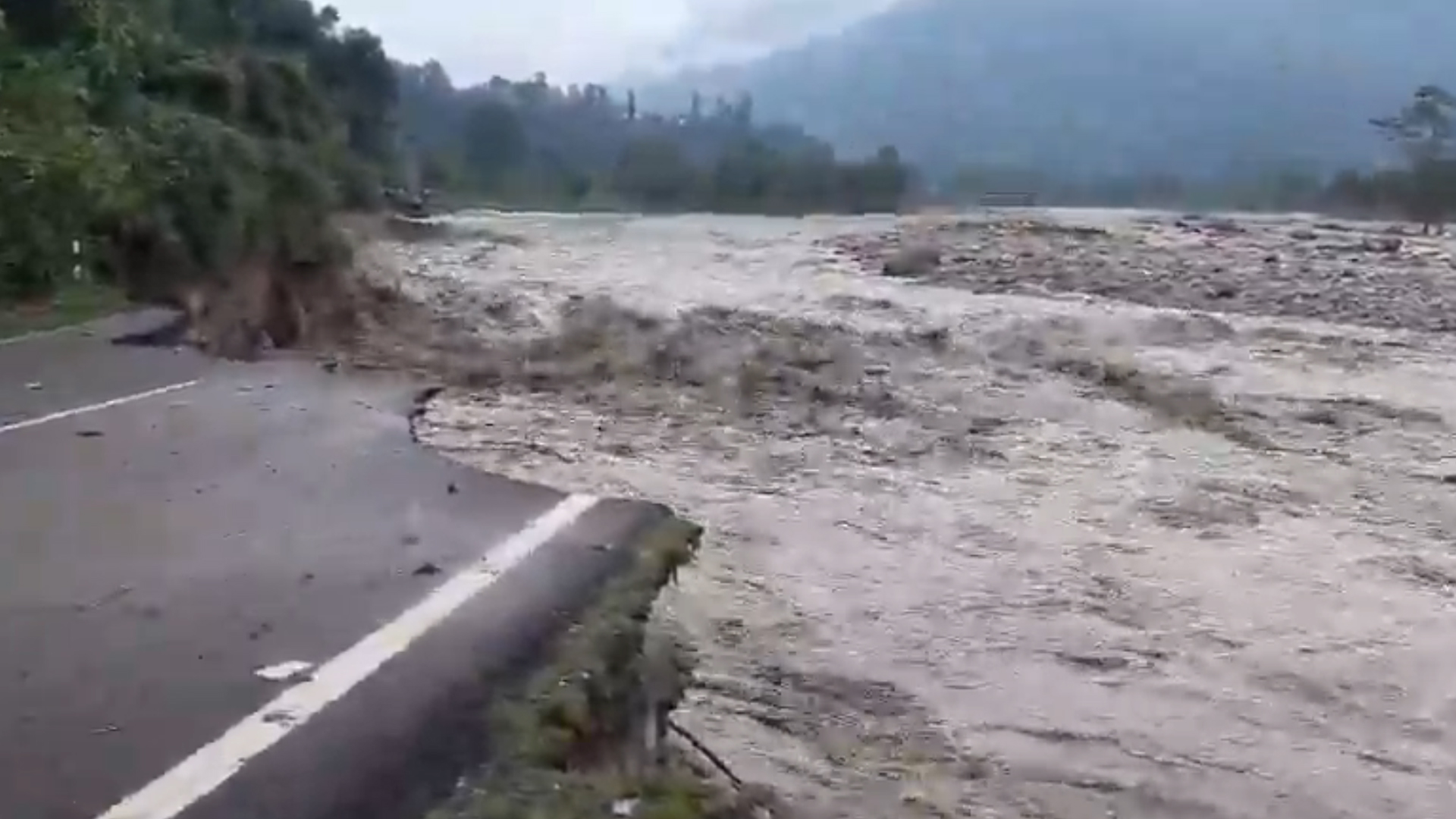
Uttarakhand is grappling with the worst monsoon fury in over a century as relentless heavy rains, including a catastrophic cloudburst near Sahastradhara in Dehradun, have caused widespread flooding, landslides, and loss of life. The city of Dehradun shattered a 101-year-old single-day September rainfall record, receiving 264 mm of rain within 24 hours, breaking the previous record of 212.6 mm set in 1924.

The cloudburst early Tuesday caused the Tamsa River to swell rapidly, flooding nearby areas and damaging key infrastructure, including the Maldevta road and the Dehradun–Mussoorie route. Rescue teams rushed to save people trapped by rising waters, including five individuals rescued near Sahastradhara. Across Uttarakhand, at least 15 people have died, with 16 others missing and over 900 stranded due to blocked roads and landslides.

Neighboring Himachal Pradesh has also been severely affected by the ongoing rains. In Kangra district alone, the toll stands at 55 deaths, with damages exceeding ₹603 crore. A landslide in Mandi caused a house to collapse, trapping three residents.

The floods reached sacred sites such as the Tapkeshwar Mahadev temple along the Tons River, where water levels rose to 10–12 feet inside the cave, nearly submerging the Hanuman statue. Thankfully, the temple’s sanctum sanctorum remained unharmed.

Besides Dehradun, several other towns, including Narendra Nagar, Kathgodam, Nainital, Mussoorie, Rishikesh, and Uttarkashi, have reported heavy rainfall ranging from 66 mm to 200 mm. These regions have experienced floods, landslides, road blockages, and structural damage, with Dehradun’s IT Park and Rajpur Road suffering extensive waterlogging and business disruptions.

The India Meteorological Department (IMD) has issued a red alert for Dehradun, Haridwar, Tehri, and nearby districts, warning of continued heavy rain and the risk of further floods and landslides. With a 21% surplus in seasonal rainfall this year, the region’s soil is saturated and highly vulnerable.

Chief Minister Pushkar Singh Dhami visited the hardest-hit areas of Maldevta and Kesarwala, calling the situation a “big disaster.” The state government has activated emergency control rooms and is coordinating rescue and relief operations. Prime Minister Narendra Modi toured affected areas in Dehradun and announced a ₹1,200 crore relief package, praising the efforts of rescue teams.

Rescue operations are ongoing with the National Disaster Response Force (NDRF), State Disaster Response Force (SDRF), police, and public works teams working together. Authorities have urged people to avoid traveling in areas prone to flooding and landslides. Schools in Dehradun and Rishikesh remain closed, and several highways, including routes to Mussoorie and Yamunotri, are blocked.

Environmental experts have expressed alarm over Uttarakhand’s vulnerable ecosystem, highlighting that deforestation, unchecked urban growth, and inadequate drainage systems have exacerbated the flooding. They caution that without adopting sustainable development practices, such extreme weather events are likely to become more frequent and severe.

With heavy rains expected to continue for at least the next two days, Uttarakhand remains on high alert. Authorities urge residents to stay informed about official advisories and prioritize their safety.

Also Read: Severe Flooding and Rescue Operations in Dehradun Amidst Red Alert