rotating globe
3 Apr 2026


Indian-Origin Motel Manager Beheaded in Texas, Co-worker Arrested


A 50-year-old Indian-origin motel manager was brutally beheaded in front of his wife and son following a dispute over a washing machine at a Dallas motel, police said.

Chandra Mouli “Bob” Nagamallaiah, originally from Karnataka, was killed on the morning of September 10, 2025, at the Downtown Suites motel after an altercation with his co-worker, 37-year-old Yordanis Cobos-Martinez.

According to Dallas Police, Cobos-Martinez became enraged when Nagamallaiah asked someone else to relay instructions instead of addressing him directly. Surveillance footage showed Cobos-Martinez retrieving a machete and attacking Nagamallaiah, who fled toward the motel office. Despite attempts by his wife and 18-year-old son to intervene, the assault continued.

Cobos-Martinez, who has a criminal record including previous arrests for auto theft and assault, was arrested at the scene and charged with capital murder. He is being held without bond and could face life imprisonment or the death penalty if convicted.

The Consulate General of India in Houston expressed condolences and confirmed it is providing support to the family. “We are in touch with the family and offering all possible assistance,” the consulate said in a statement.

Nagamallaiah was remembered as a devoted husband and father. A fundraiser has been set up to assist with funeral expenses and support his son’s education. Funeral services are scheduled for Saturday.

Also Read: Brazil’s Supreme Court Sentences Former President Jair Bolsonaro to 27 Years for Coup Attempt

India Announces $680 Million Support Package for Mauritius During PM Talks in Varanasi


In a major step toward deepening bilateral ties, India on Thursday announced a $680 million assistance package for Mauritius, focusing on infrastructure development, maritime security, and economic cooperation. The announcement came during official talks between Prime Minister Narendra Modi and his Mauritian counterpart Navinchandra Ramgoolam, who is on a state visit to India. The two leaders met in Varanasi, marking a symbolic and strategic moment in the growing partnership between the two Indian Ocean nations. The meeting follows Modi’s own visit to Mauritius in March 2025.

Strategic and Economic Assistance

The $680 million assistance package comprises a combination of grants and lines of credit, with approximately $25 million allocated as direct budgetary support. The funding will back several key development projects in Mauritius, including the redevelopment of Port Louis port, expansion of national highways and ring roads, and modernization of the Air Traffic Control (ATC) tower at Sir Seewoosagur Ramgoolam International Airport. Additionally, there will be targeted investment in healthcare and social infrastructure to support inclusive growth.

As part of efforts to deepen economic ties, both countries also agreed to explore trading in local currencies, aiming to reduce reliance on international intermediaries and promote more resilient bilateral commerce.

Maritime Security & the Chagos Backing

Maritime cooperation was a central focus, with agreements on hydrography, ocean surveillance, and the development of Mauritius’ maritime domain. Significantly, Mauritius reaffirmed its support for India’s continued presence in the Chagos Archipelago, even as the island nation pursues its sovereign claim over the territory.

India, in turn, reiterated its support for Mauritius’ position on the Chagos dispute and pledged greater collaboration in securing the Indian Ocean Region under its broader MAHASAGAR initiative (Mutual and Holistic Advancement for Security and Growth Across Regions).

Deepening Ties

The visit saw the signing of multiple MoUs covering sectors such as education, technology, capacity building, and finance. Both leaders underscored the importance of people-to-people ties, with PM Ramgoolam acknowledging India’s pivotal role in Mauritius’ development journey.

“This partnership reflects our shared history, values, and commitment to regional peace and prosperity,” Prime Minister Modi said during a joint statement.

Ramgoolam, in turn, called India a “trusted friend and indispensable partner” and expressed gratitude for India’s timely and continued support.

This matched with India’s Neighbourhood First and Security and Growth for All in the Region (SAGAR) policies, positioning India as a first responder and net security provider in the Indian Ocean.

The two leaders will next meet at upcoming international forums, where they are expected to further push for reforms in global governance and sustainable development priorities for small island nations.

Also Read: Why Has Adani Group Barred Sanctioned Vessels from Ports?

Netanyahu Signs Controversial West Bank Settlement Expansion, Rejects Palestinian Statehood


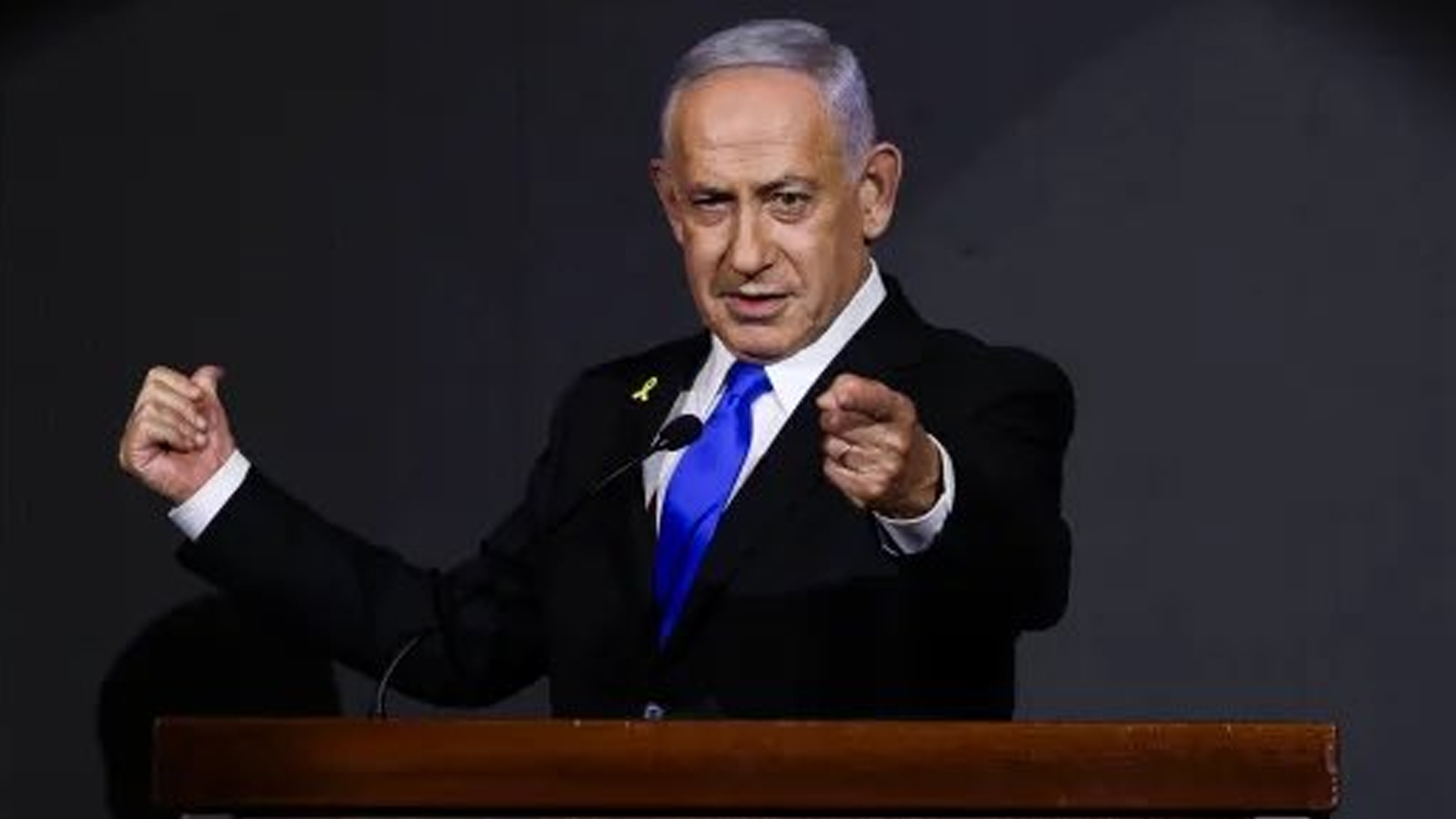
Israeli Prime Minister Benjamin Netanyahu has formally signed a controversial “umbrella agreement” to advance a major settlement expansion in the West Bank, effectively ruling out the establishment of a Palestinian state. The plan, centered on the Maale Adumim settlement, includes the construction of thousands of new housing units and infrastructure upgrades, notably in the E1 area—a strategic zone connecting Maale Adumim to East Jerusalem.

During the signing ceremony on September 11, 2025, Netanyahu declared that there will never be a Palestinian state, emphasizing Israel’s sovereignty over the area. He was joined by far-right Finance Minister Bezalel Smotrich, who has previously stated that such projects aim to “bury the idea of a Palestinian state.”

The E1 project, which has been stalled since 2012 due to international opposition, received final approval from the Israeli Defence Ministry’s planning commission last month. The plan involves the construction of approximately 3,400 housing units, along with the development of roads and other infrastructure, at an estimated cost of nearly $1 billion.

Critics argue that the E1 expansion would sever the West Bank and isolate East Jerusalem, undermining the feasibility of a contiguous Palestinian state. The international community, including the United Nations, European Union, and various human rights organizations, has condemned the settlement expansion, viewing it as illegal under international law and a significant obstacle to peace.

The timing of the announcement adds to the controversy. Just days earlier, Israel attempted to target Hamas leaders in Qatar, an action that drew widespread condemnation. The settlement expansion plan is seen by many as a further step in entrenching Israeli control over the West Bank, particularly in areas claimed by Palestinians for a future state.

In response to the announcement, Palestinian officials and advocacy groups have called for international intervention to halt the expansion and reaffirm support for a two-state solution. The United Nations has reiterated its stance that Israeli settlements in the occupied West Bank are illegal and constitute a violation of international law.

The U.S. administration, while not explicitly endorsing the settlement plan, has expressed concern over actions that could undermine the prospects for peace. Previous U.S. statements indicated support for Israeli sovereignty over parts of the West Bank, but the administration’s position on the E1 project remains cautious.

As construction plans move forward, the international community watches closely, with many fearing that the expansion could further inflame tensions in the region and diminish the possibility of a negotiated settlement between Israel and the Palestinians. Analysts suggest that the project could lead to renewed unrest and complicate diplomatic efforts, particularly as Western governments prepare to recognize Palestinian statehood at the United Nations General Assembly later this month.

The approval of the E1 expansion marks one of the most significant developments in Israeli settlement policy in recent years, highlighting the challenges of advancing peace negotiations amid ongoing territorial disputes and regional security concerns.

Indian Railways Launches Parcel Train Service to Transport Kashmir Apples to Delhi


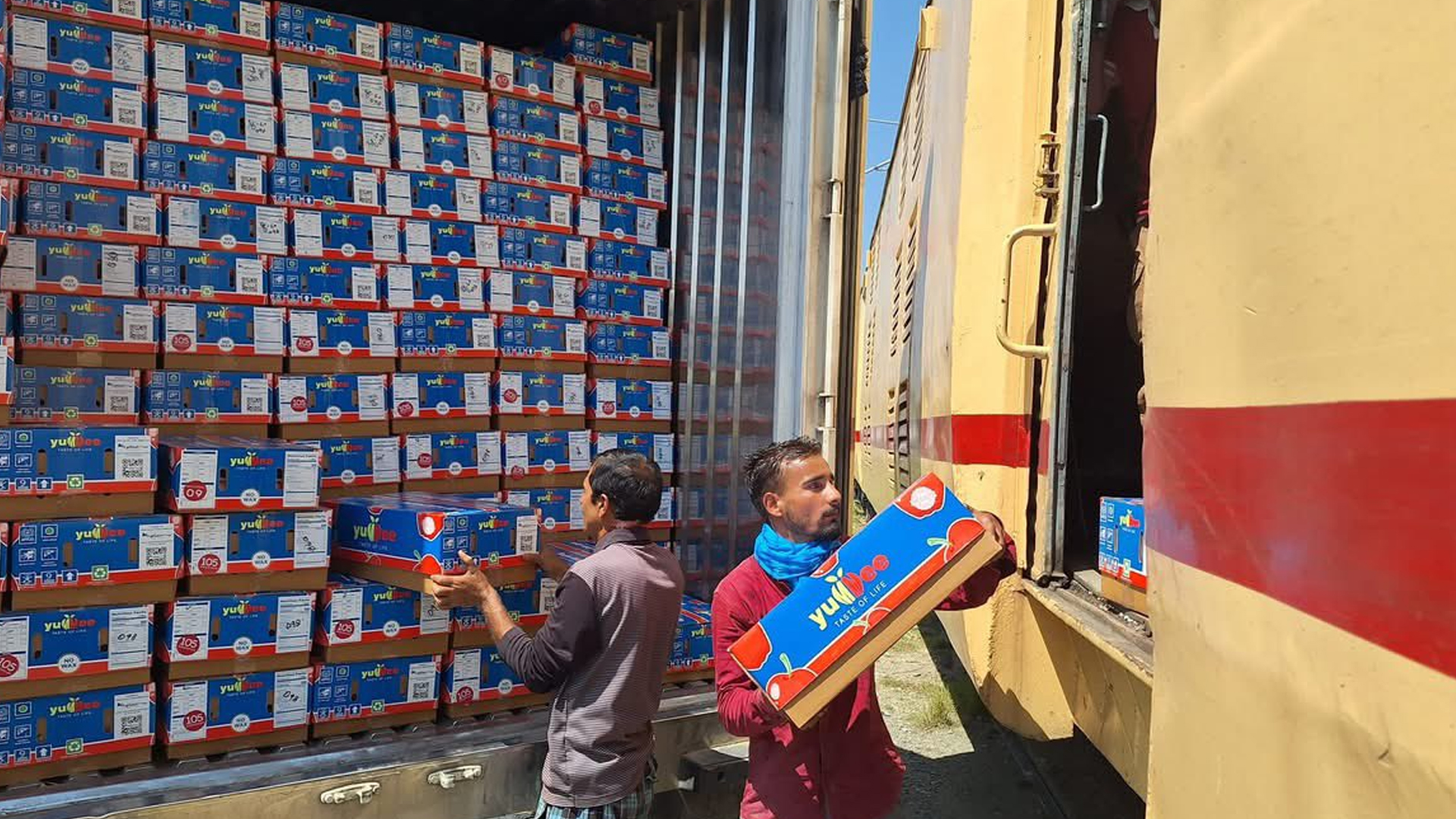
In a major boost to Kashmir’s apple industry, Indian Railways has introduced a dedicated parcel train service to transport fresh apples from Kashmir to Delhi. This initiative aims to tackle the long-standing challenge faced by apple growers caused by frequent disruptions on the Srinagar-Jammu National Highway, which often results in significant losses due to delays and spoilage.

The first special train carrying apples departed from Budgam in Kashmir on September 11, 2025, en route to Jammu, marking the beginning of a new rail-based supply chain. Over the years, thousands of fruit-laden trucks have been stranded for days on the highway due to blockades and adverse weather conditions, leading to spoilage of perishable varieties such as the ‘Delicious’ apple.

The newly launched rail service promises a faster and more reliable transportation mode, reducing dependency on roadways prone to frequent closures. By facilitating direct access to markets in Delhi, the service is expected to improve the quality and shelf-life of apples reaching consumers, thus supporting farmers with better returns.

Fruit growers and stakeholders have welcomed the initiative but have also called for a more permanent solution. The Kashmir Valley Fruit Growers-cum-Dealers Union has urged the establishment of a direct rail link between Kashmir and Delhi, bypassing intermediate stops like Katra, to further expedite shipments and minimize transit times.

This parcel train service aligns with the government’s broader efforts to enhance infrastructure and connectivity in Jammu and Kashmir. By improving logistical networks for perishable goods, Indian Railways aims to strengthen the region’s horticulture sector, providing stability and growth opportunities for local farmers.

Also Read: Chandrapuram Ponnusamy Radhakrishnan Sworn in as India’s 15th Vice President

Nepal Anti-Corruption Protests Leave 51 Dead


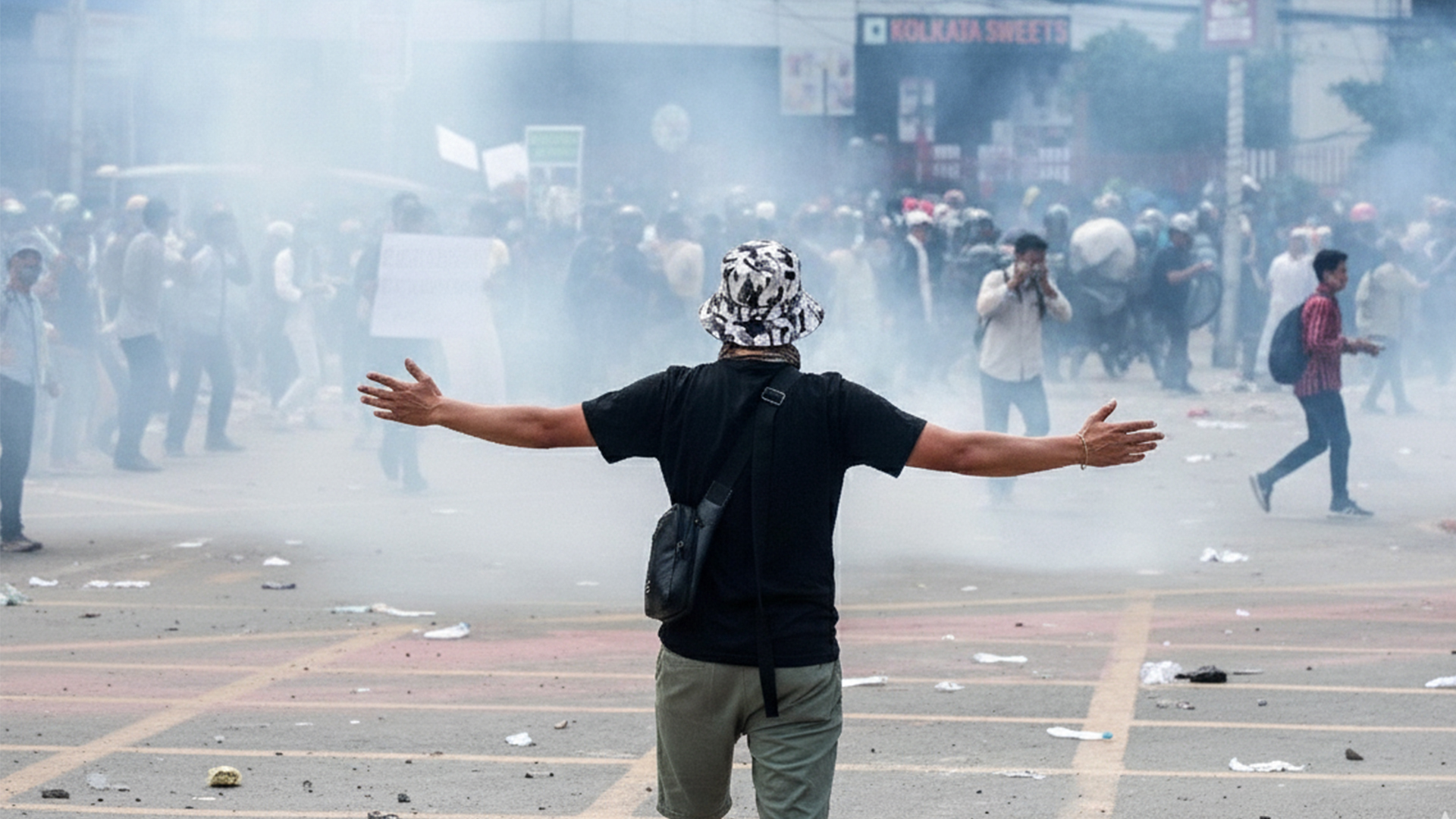
At least 51 people have died amid violent anti-corruption protests in Nepal this week, with the unrest leading to the resignation of Prime Minister K.P. Sharma Oli and the imposition of a nationwide curfew by the army.

The protests, which began on September 8, were triggered by a government ban on several social media platforms and widespread public frustration over corruption and poor governance. Demonstrations escalated rapidly, culminating in the storming of the parliament building and Oli’s resignation on September 9. The army subsequently took control of the streets in Kathmandu, enforcing a curfew to restore order.

Among the dead, police confirmed that at least 21 were protesters, while three were law enforcement personnel. Many of the casualties resulted from clashes during the initial police crackdown on September 8, when demonstrators defied restrictions and gathered in large numbers.

In the chaos, over 13,500 prisoners escaped from jails across Nepal, representing one of the largest mass prison breaks in the country’s history. Authorities have managed to recapture some, but more than 12,500 remain at large. Several escapees have reportedly crossed into neighboring India, prompting heightened security measures along the border.

The unrest also caused widespread damage to property, with protesters targeting government buildings, luxury hotels, and residences associated with political leaders. Fires destroyed parts of the parliament complex and other infrastructure, amplifying the sense of lawlessness that gripped the capital. While some protest leaders have sought to distance themselves from the violence, public anger continues to focus on systemic corruption and wealth inequality.

Amid the political vacuum, talks are ongoing between the president, protest representatives, key political figures, and the army to determine the formation of an interim government. Former Chief Justice Sushila Karki has been suggested as a potential candidate to lead a transitional administration, but no agreement has been reached. The army remains a central actor in negotiations, maintaining security while the nation searches for a path forward.

The recent turmoil has highlighted the fragility of Nepal’s political institutions and the intensity of public discontent. Analysts note that while calls for accountability and reforms resonate with many citizens, the scale of violence and lawlessness risks deepening instability in the country.

Also Read:Brazil’s Supreme Court Sentences Former President Jair Bolsonaro to 27 Years for Coup Attempt

Chandrapuram Ponnusamy Radhakrishnan Sworn in as India’s 15th Vice President


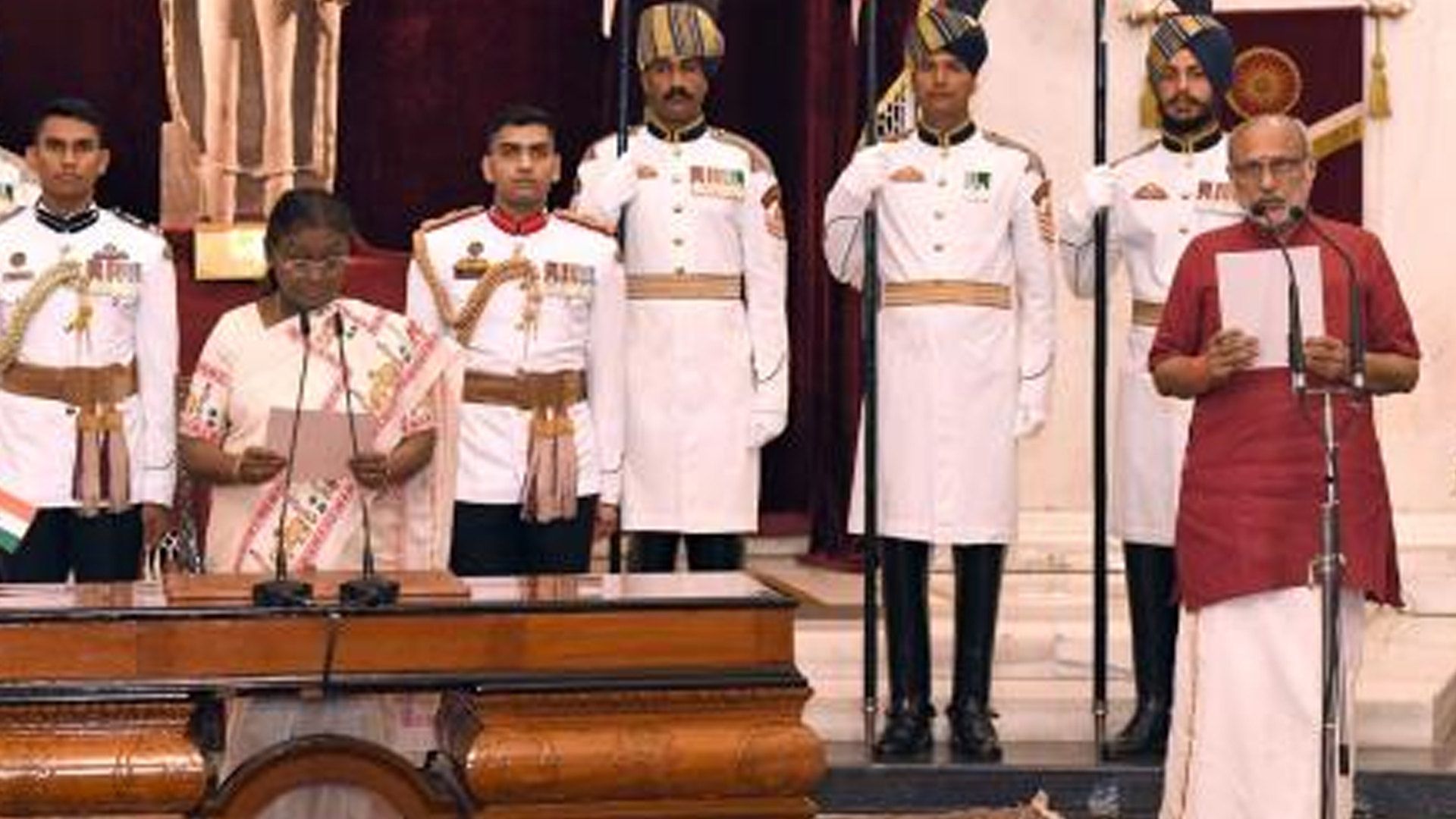
On Friday, September 12, 2025, Chandrapuram Ponnusamy Radhakrishnan was sworn in as the 15th Vice President of India during a formal ceremony at Rashtrapati Bhavan in New Delhi. President Droupadi Murmu administered the oath of office to the 67-year-old leader, who donned a red kurta for the occasion. The event was attended by dignitaries including Prime Minister Narendra Modi, Home Minister Amit Shah, Defence Minister Rajnath Singh, BJP President J.P. Nadda, and former Vice Presidents Hamid Ansari and Venkaiah Naidu.

Radhakrishnan’s election to the vice-presidency followed his victory in the vice-presidential election held on September 9, 2025. He secured 452 first-preference votes, defeating the opposition’s candidate, retired Justice B. Sudershan Reddy, who received 300 votes. The election was necessitated by the resignation of the then incumbent, Jagdeep Dhankhar, on July 21 due to health issues.

Background and Political Career

Born on October 20, 1957, in Tiruppur, Tamil Nadu, Radhakrishnan began his political journey as a member of the Rashtriya Swayamsevak Sangh (RSS) and later joined the Bharatiya Janata Party (BJP) in 1980. He was first elected to the Lok Sabha in 1998 from Coimbatore, defeating the incumbent M. Ramanathan of the DMK. He was re-elected in 1999, contributing to the BJP’s presence in Tamil Nadu. Radhakrishnan served as the state president of the BJP in Tamil Nadu from 2004 to 2006 and was involved in organizing the party’s state unit in Kerala during the 2000s.

In 2016, Radhakrishnan was appointed as the Chairman of the Coir Board of India, a position he held until 2020. He has also been a member of the BJP’s national executive. In recent years, he served as the Governor of Maharashtra, Jharkhand, Telangana, and Puducherry, positions that allowed him to engage with various regional issues and governance challenges.

Vice-Presidential Election and Aftermath

The vice-presidential election was held following the resignation of Jagdeep Dhankhar. Radhakrishnan’s candidacy was endorsed by the National Democratic Alliance (NDA), while the opposition parties, under the INDIA alliance, fielded Justice B. Sudershan Reddy. Despite the opposition’s efforts, Radhakrishnan secured a decisive victory, reflecting the NDA’s strong presence in the electoral college.

In the aftermath of the election, Gujarat Governor Acharya Devvrat was assigned the additional responsibility of discharging the duties of the Governor of Maharashtra until a full-time replacement is appointed.

Radhakrishnan’s election as Vice President is notable for several reasons. He is the third Tamilian to hold this position, following Sarvepalli Radhakrishnan and R. Venkataraman. His appointment underscores the BJP’s strategy to strengthen its presence in southern India and to present a leader with extensive experience in both governance and party organization.

As Vice President, Radhakrishnan will also serve as the ex-officio Chairman of the Rajya Sabha, a role that involves overseeing legislative proceedings and ensuring the smooth functioning of the upper house of Parliament. His extensive experience in public life and governance is expected to contribute to the effective discharge of his duties in this capacity.

The ceremony at Rashtrapati Bhavan marked a significant moment in India’s political landscape, reflecting the country’s democratic processes and the continuity of its constitutional institutions.

Also Read: Supreme Court Refuses to Block India–Pakistan Asia Cup Match, Citing Lack of Urgency

Rifle Recovered in Charlie Kirk Assassination Case as Investigation Widens


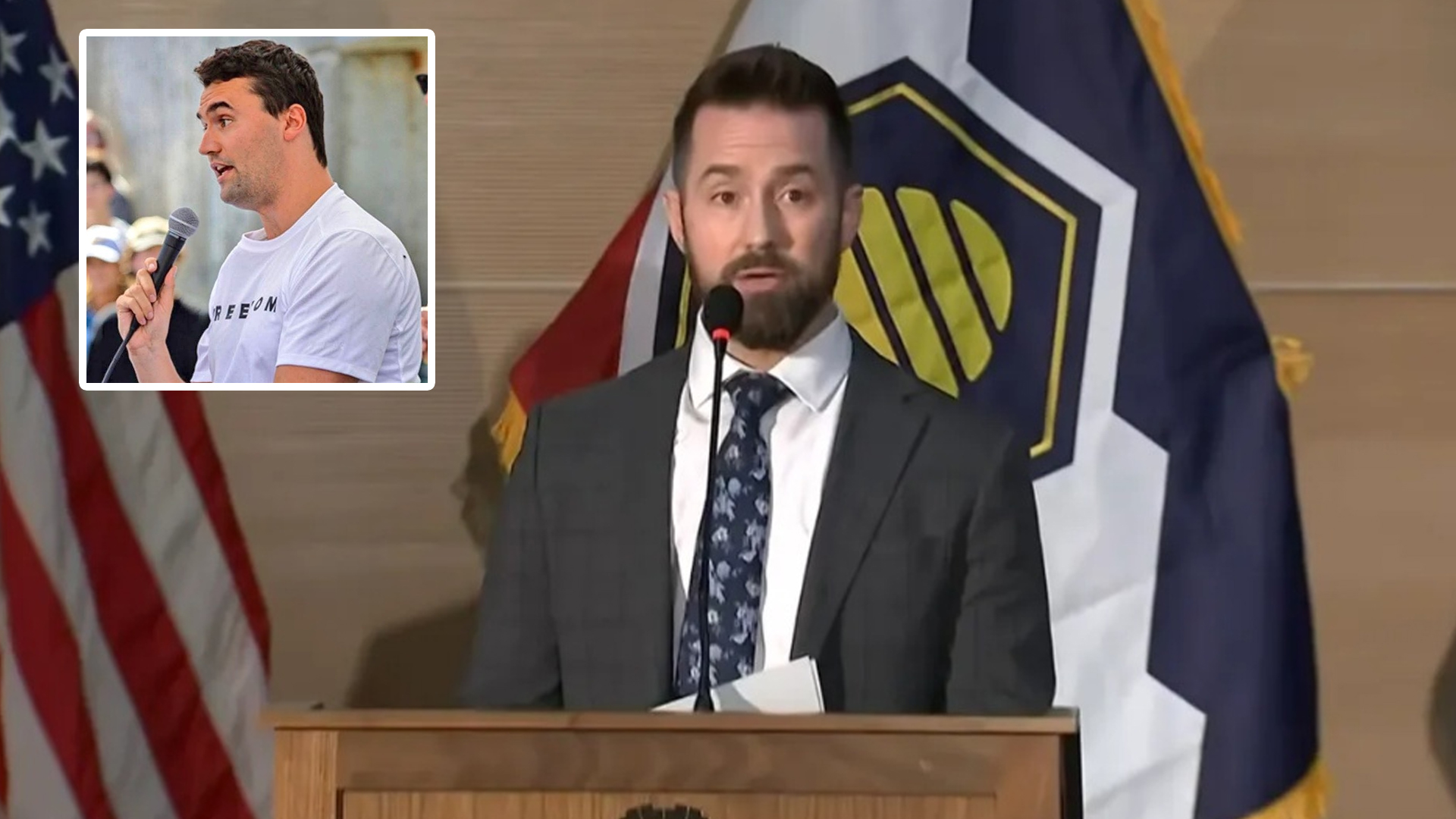
Authorities investigating the assassination of conservative activist Charlie Kirk have recovered a high-powered Mauser .30 caliber bolt-action rifle believed to have been used in the attack. The weapon was found hidden in a wooded area near Utah Valley University, close to the suspected escape route of the shooter. Loaded with ammunition and partially disassembled, the rifle is now being analyzed at a federal lab for forensic clues that may help identify the shooter and uncover the motive behind the killing.

The attack took place on September 10, 2025, when Charlie Kirk, the 31-year-old founder and CEO of Turning Point USA, was addressing a crowd on campus. As he fielded questions on social issues, including gun violence, a sniper concealed on a rooftop fired a single shot, striking him in the neck. Kirk collapsed moments later and was declared dead. The FBI, which is leading the investigation, believes the suspect escaped by jumping from the roof and fleeing into a nearby neighborhood. Surveillance footage shows a figure running across the rooftop before making his way off campus.

Officials describe the suspect as likely being of college age and blending in with the university community prior to the attack. The area surrounding the university, including nearby woods where the rifle was found, has been secured as investigators comb through additional evidence. Two individuals detained earlier in connection with the shooting were later released after authorities determined they had no involvement.

The FBI has released images of a person of interest wearing a hat, sunglasses, and dark clothing and is offering a reward of up to $100,000 for information leading to the suspect’s identification and arrest.

The assassination has drawn national attention and widespread condemnation. President Donald Trump, a close ally of Charlie Kirk, has paid tribute to the slain activist, announcing that Kirk will be posthumously awarded the Presidential Medal of Freedom, the country’s highest civilian honor. Vice President J.D. Vance and his wife plan to visit Kirk’s family in Salt Lake City, highlighting the deep personal and political ties that Kirk maintained within conservative circles.

The governor of Utah pledged to ensure the shooter is held accountable, citing the state’s death penalty statutes. The attack has also prompted bipartisan expressions of grief and concern. Former Arizona Congresswoman Gabrielle Giffords, herself a survivor of gun violence, extended condolences to Kirk’s family, while youth organizations across the political spectrum decried the act and called for efforts to counter rising political extremism.

The assassination comes amid a disturbing rise in politically motivated attacks across the country. Recent incidents include shootings of public officials, arson attacks, and threats targeting both Democratic and Republican figures. Kirk’s murder has intensified fears about the increasing polarization and weaponization of political discourse.

The university has closed its campus until September 15, and security has been bolstered as investigators continue to trace the shooter’s movements. Helicopters patrol the area, and officers are canvassing neighborhoods for leads.

As the investigation unfolds, officials remain focused on uncovering who orchestrated the attack and why. The recovered rifle, now under forensic examination, is expected to be central to identifying the suspect and determining whether the shooting was part of a larger extremist plot or the act of a lone attacker. Authorities have reiterated the importance of safeguarding democratic dialogue while preventing further violence from erupting.

Also Read: Chandrapuram Ponnusamy Radhakrishnan Sworn in as India’s 15th Vice President

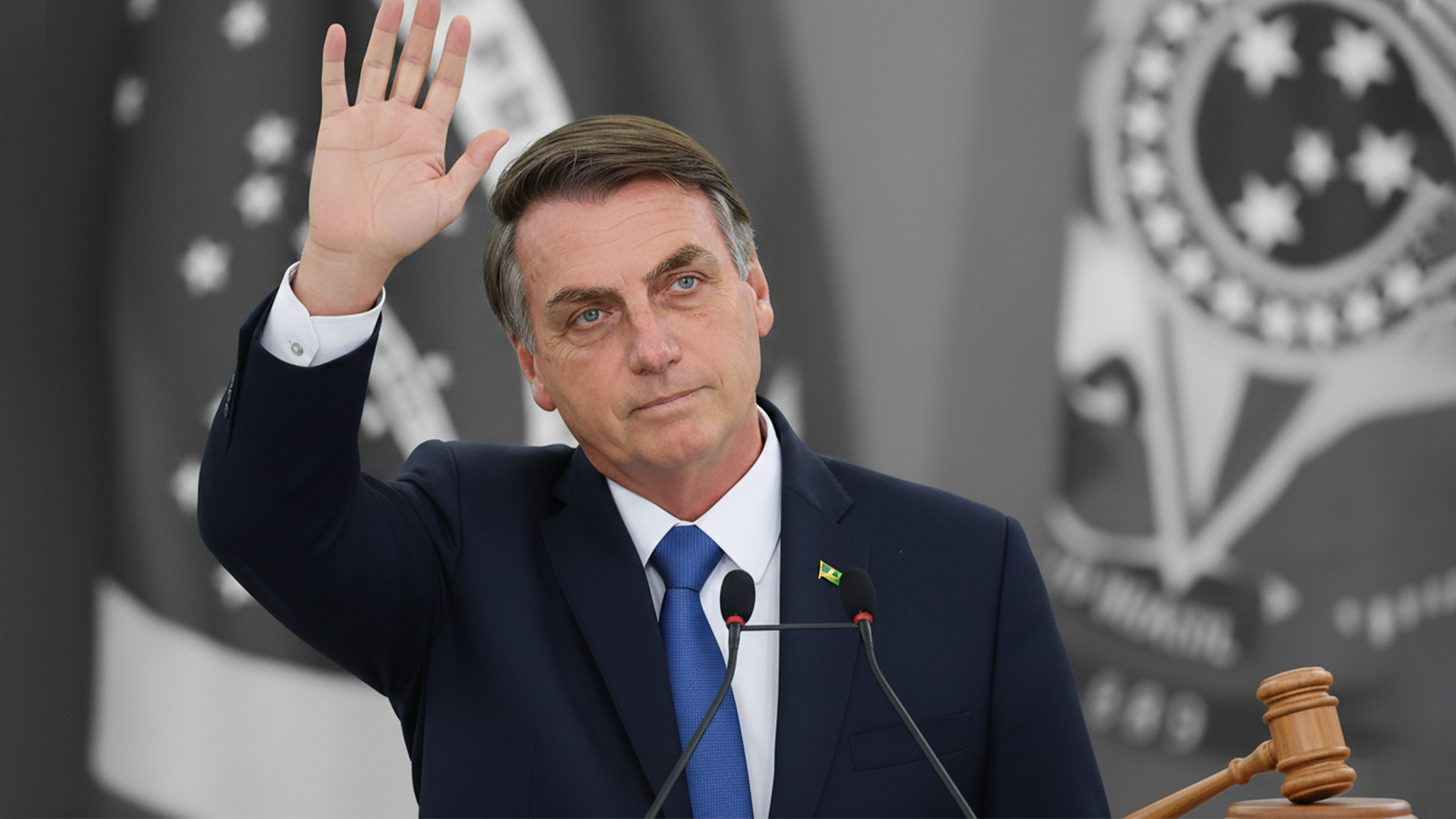
Brazil’s Supreme Court Sentences Former President Jair Bolsonaro to 27 Years for Coup Attempt


In a landmark ruling on September 11, 2025, Brazil’s Supreme Court sentenced former President Jair Bolsonaro to 27 years and three months in prison for orchestrating a failed coup to retain power after his 2022 electoral defeat. The panel of five justices convicted Bolsonaro on five counts, including leading a criminal organization and attempting to violently overthrow democratic institutions. This marks the first time a former Brazilian president has been convicted for undermining democracy.

Bolsonaro, currently under house arrest in Brasília, denies the charges and plans to appeal the verdict. The case, known as AP 2668, has been a focal point of national and international attention, highlighting Brazil’s commitment to upholding democratic principles.

Coup Plot and January 8 Riots

The conviction stems from Bolsonaro’s alleged involvement in a conspiracy to annul the 2022 election results and retain power. Evidence presented during the trial indicated that Bolsonaro and his associates planned to assassinate President Luiz Inácio Lula da Silva and orchestrated the January 8, 2023, riots in Brasília, where government buildings were stormed by armed supporters. The Supreme Court characterized Bolsonaro as the head of a criminal organization intent on reinstalling a dictatorship.

International Reactions and Diplomatic Tensions

The ruling has strained relations between Brazil and the United States. U.S. President Donald Trump expressed his disapproval, stating he was “very unhappy” with the conviction and described Bolsonaro as an “outstanding leader.” Secretary of State Marco Rubio labeled the trial a “witch hunt” and announced that the U.S. would respond accordingly, though specific measures were not detailed.

In retaliation, President Trump had previously imposed a 50% tariff on Brazilian goods, a move that was partially reversed after exemptions were granted to certain items. Additionally, the U.S. Treasury Department sanctioned Supreme Court Justice Alexandre de Moraes, accusing him of suppressing freedoms and authorizing arbitrary detentions.

Brazil’s Foreign Ministry condemned these actions, asserting that the U.S. was interfering in Brazil’s judicial processes and undermining its sovereignty.

Despite the conviction, Bolsonaro remains a significant political figure in Brazil. His supporters, including allies in Congress, are exploring avenues to grant him amnesty or reduce his sentence. However, legal experts suggest that such efforts may face significant challenges, given the gravity of the charges and the strength of the judicial process.

The ruling has been hailed as a victory for Brazil’s democratic institutions, demonstrating the judiciary’s resolve in holding leaders accountable. It also sends a strong message against authoritarianism and the erosion of democratic norms in Latin America.

As Bolsonaro prepares to appeal, the case continues to unfold, with potential implications for Brazil’s political landscape and its relations with the international community. The outcome of this process will likely influence how governments in the region respond to threats against democratic governance in the years ahead.

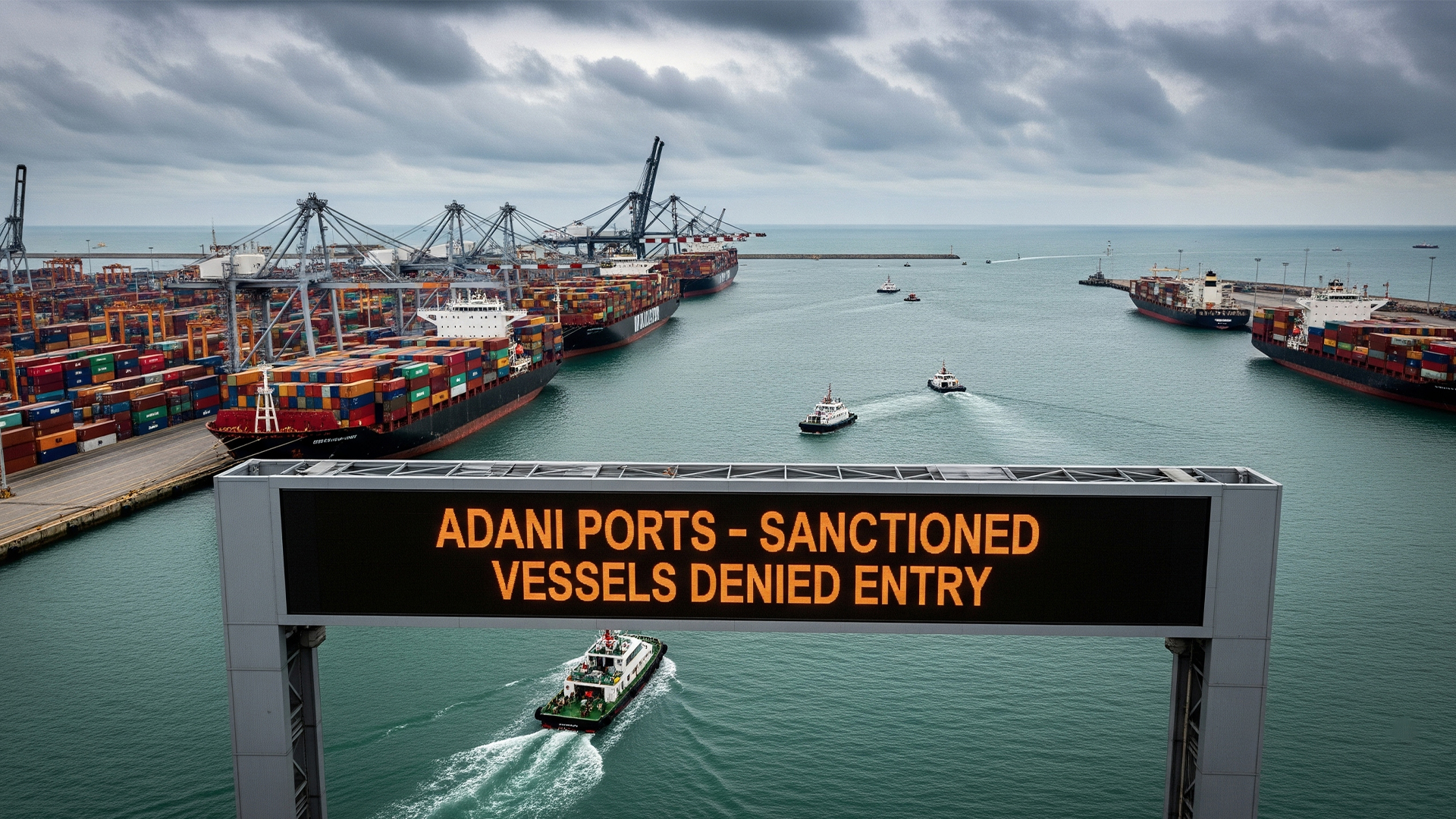
Why Has Adani Group Barred Sanctioned Vessels from Ports?


Adani Ports and Logistics, India’s largest private port operator, has announced that vessels sanctioned by the United States, European Union, and United Kingdom will no longer be allowed to dock at any of its 14 ports. The new rule, effective immediately, is aimed at aligning operations with global trade regulations and reducing the risks linked to ships associated with Russian or Iranian oil transport.

Under the new policy, vessel operators must submit written assurance that their ships are not on any sanctions lists at the time of nomination. The move reflects Adani Ports’ effort to ensure compliance with international trade and security norms at a time when geopolitical tensions are influencing global shipping patterns.

The decision comes amid increased scrutiny of vessels linked to Russia and Iran, especially those operating through the so-called “shadow fleet” to move crude oil despite sanctions. Although India is not bound by all Western sanctions, it has been monitoring activities around oil shipments and related transactions.

The new rules could affect several Indian refineries that rely on Adani’s port services for importing crude oil. HPCL-Mittal Energy Ltd, which runs a refinery in Punjab, receives its crude supply through Adani’s Mundra Port. Indian Oil Corporation, the country’s largest refiner, also imports crude through multiple ports, including those operated by Adani. These restrictions could lead to disruptions in supply chains and may push refineries to seek alternative routes or sources.

Adani’s decision reflects a cautious approach to avoid potential penalties while keeping in step with evolving global standards. It also aligns with wider efforts to limit sanctioned trade and improve oversight in the shipping sector.

As trade routes and global energy supplies continue to face uncertainties, this move highlights the challenge faced by port operators in balancing smooth operations with regulatory compliance. It is also likely to influence how shipping companies and energy suppliers adjust to changing rules and trade frameworks in the coming years. The development adds another layer of complexity to India’s efforts to manage energy imports while staying aligned with international trade expectations.

Also Read: Meta and TikTok Win Legal Challenge Against EU Tech Fees, but Won’t Get Money Back

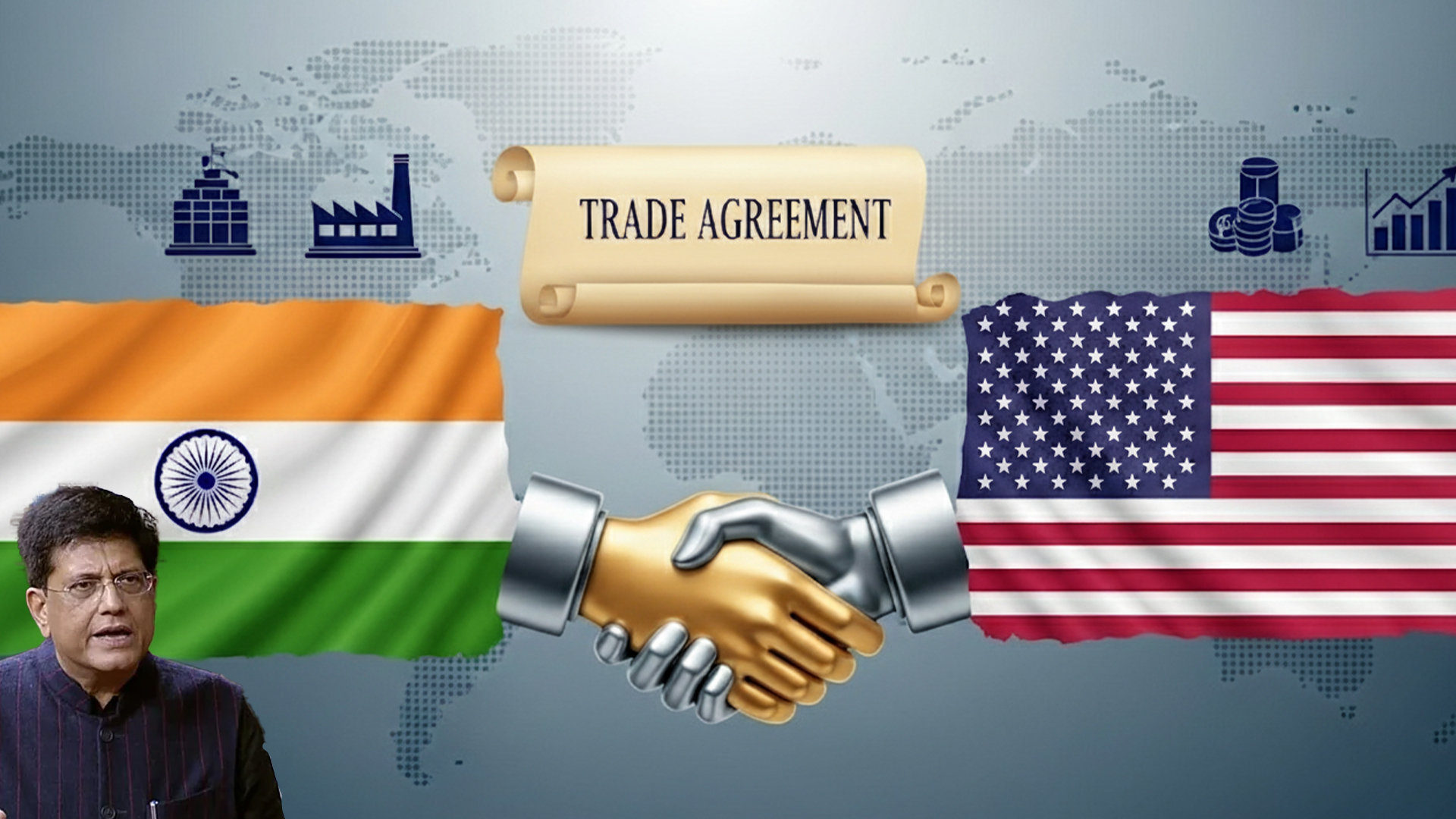
Piyush Goyal Confirms India, US to Seal First Phase of Trade Deal by Nov 2025


India is actively engaged in negotiations with the United States to finalize a Free Trade Agreement (FTA), Commerce and Industry Minister Piyush Goyal announced on Wednesday. The talks aim to deepen bilateral trade relations and reduce trade barriers, marking a significant step toward strengthening economic ties between the two countries.

Addressing the progress, Goyal expressed optimism that the first tranche of the trade deal could be concluded by November 2025. While geopolitical issues have caused some delays, both sides remain committed to expediting negotiations as outlined in previous high-level discussions.

“This agreement will pave the way for greater market access and create opportunities across sectors for both India and the US,” the minister said. India is also pursuing similar trade partnerships with other countries like New Zealand, reflecting a broader strategy to diversify its global trade portfolio.

On the subject of US-imposed tariffs, particularly the 50% punitive duties levied on certain Indian exports during the Trump administration, Goyal downplayed their economic impact. He noted that only around 2% of India’s GDP is exposed to these tariffs, and ongoing domestic reforms have bolstered India’s economic resilience.

“The tariff impact on our economy is limited and manageable,” Goyal added, highlighting that India’s trade policies and reforms continue to focus on enhancing competitiveness and market diversification.

This planned FTA is part of a larger vision to expand India-US trade volumes, with a target of reaching $500 billion in bilateral commerce by 2030. As talks progress, both countries aim to finalize a multi-sectoral agreement that benefits businesses and consumers on both sides.

India’s active engagement in these trade negotiations underscores its strategic approach to strengthening global economic ties and navigating complex trade environments. The anticipated November 2025 milestone marks an important phase in this evolving partnership.

Also Read: Gadkari Defends E20 Fuel Rollout, Calls for GST Relief to Boost Auto Industry