rotating globe
3 Apr 2026


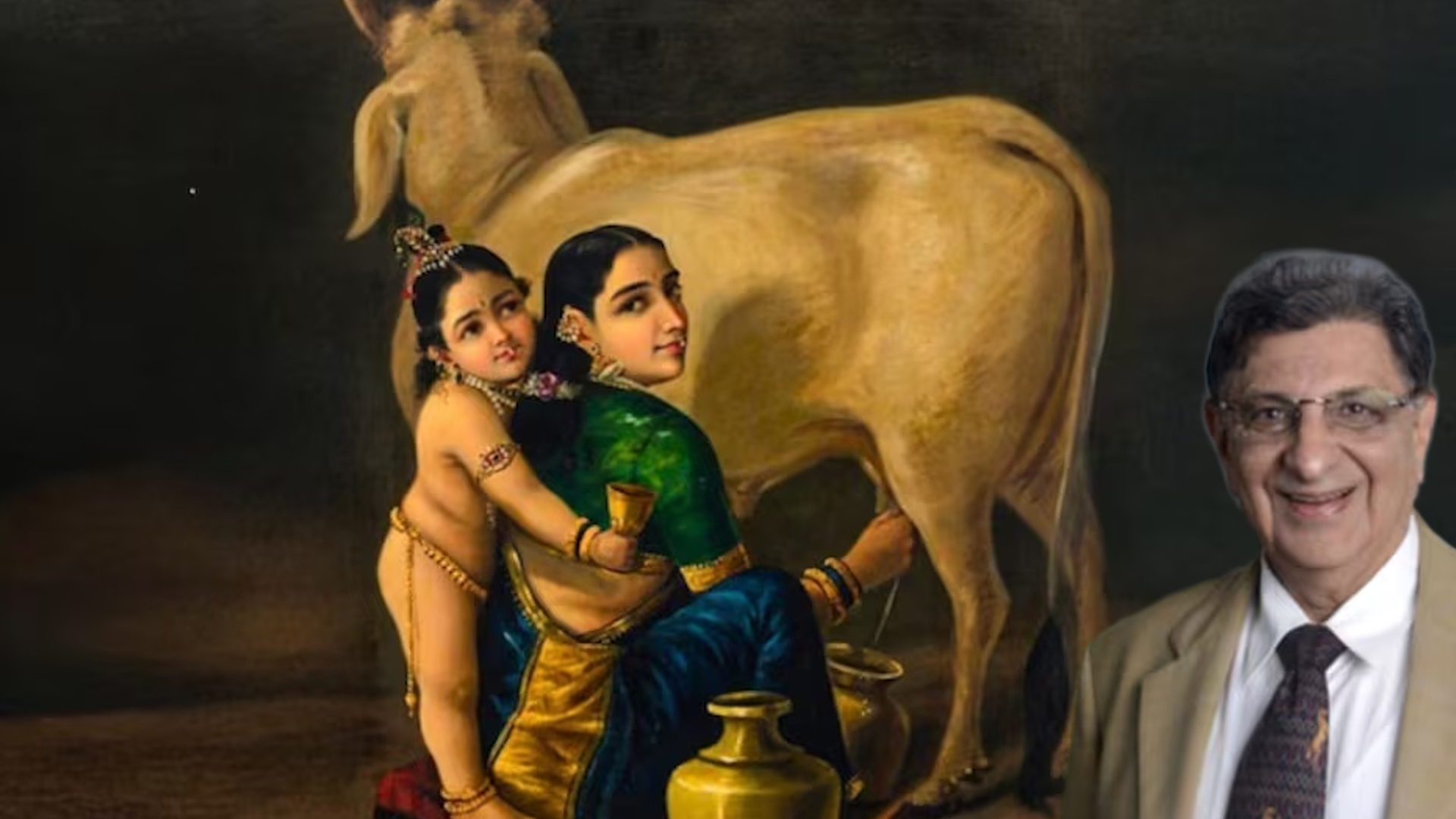
Gadkari Defends E20 Fuel Rollout, Calls for GST Relief to Boost Auto Industry


Union Minister Nitin Gadkari on Thursday robustly defended the government’s E20 petrol rollout programme, dismissing claims of a paid campaign against him and urging policymakers to extend GST relief to consumers scrapping old vehicles. Speaking at the 65th Society of Indian Automobile Manufacturers (SIAM) Annual Convention, Gadkari reiterated the government’s commitment to promoting cleaner fuels and supporting the auto industry.

Addressing concerns surrounding the E20 fuel initiative, Gadkari said, “All testing agencies have confirmed there is no problem with implementation,” and asserted that allegations made against the rollout were unfounded. His remarks followed the Supreme Court’s recent dismissal of petitions challenging the Ethanol Blending Programme, which mandates the sale of petrol blended with 20% ethanol.

Gadkari emphasised that the programme aligns with broader national interests by supporting sugarcane farmers, reducing dependence on crude oil imports, and strengthening energy security. He expressed frustration at external interference, questioning whether “someone from outside the country” should dictate India’s fuel policy.

In his address, the minister urged the automobile industry to accelerate the adoption of biofuel-powered vehicles as a step toward combating pollution. He also proposed that the Finance Minister consider providing GST incentives for customers who scrap old vehicles and purchase new ones, arguing that such a measure would benefit both consumers and manufacturers.

Expressing gratitude to automakers for their role in implementing stricter emission norms, Gadkari thanked them for transitioning from BSIV to BSVI standards and pledged that India would continue aligning with global benchmarks such as the BSVI rollout and Corporate Average Fuel Efficiency (CAFE) standards.

Looking ahead, Gadkari projected a decline in logistics costs, estimating that they would fall to 9% of India’s GDP by the end of 2025. He called for industry collaboration to drive innovation and infrastructure improvements that would enhance efficiency across supply chains.

Gadkari’s remarks underscore the government’s strategic push for cleaner energy solutions while reinforcing its support for the auto sector amid global environmental concerns and evolving fuel technologies. With the Supreme Court’s endorsement and growing policy support, the E20 programme is poised to remain a cornerstone of India’s sustainable energy and transportation agenda.

Also Read: PM Modi Condemns Israeli Airstrikes in Qatar, Emphasizes Respect for Sovereignty

“Block Everything” Protests Sweep Across France, Hundreds Arrested


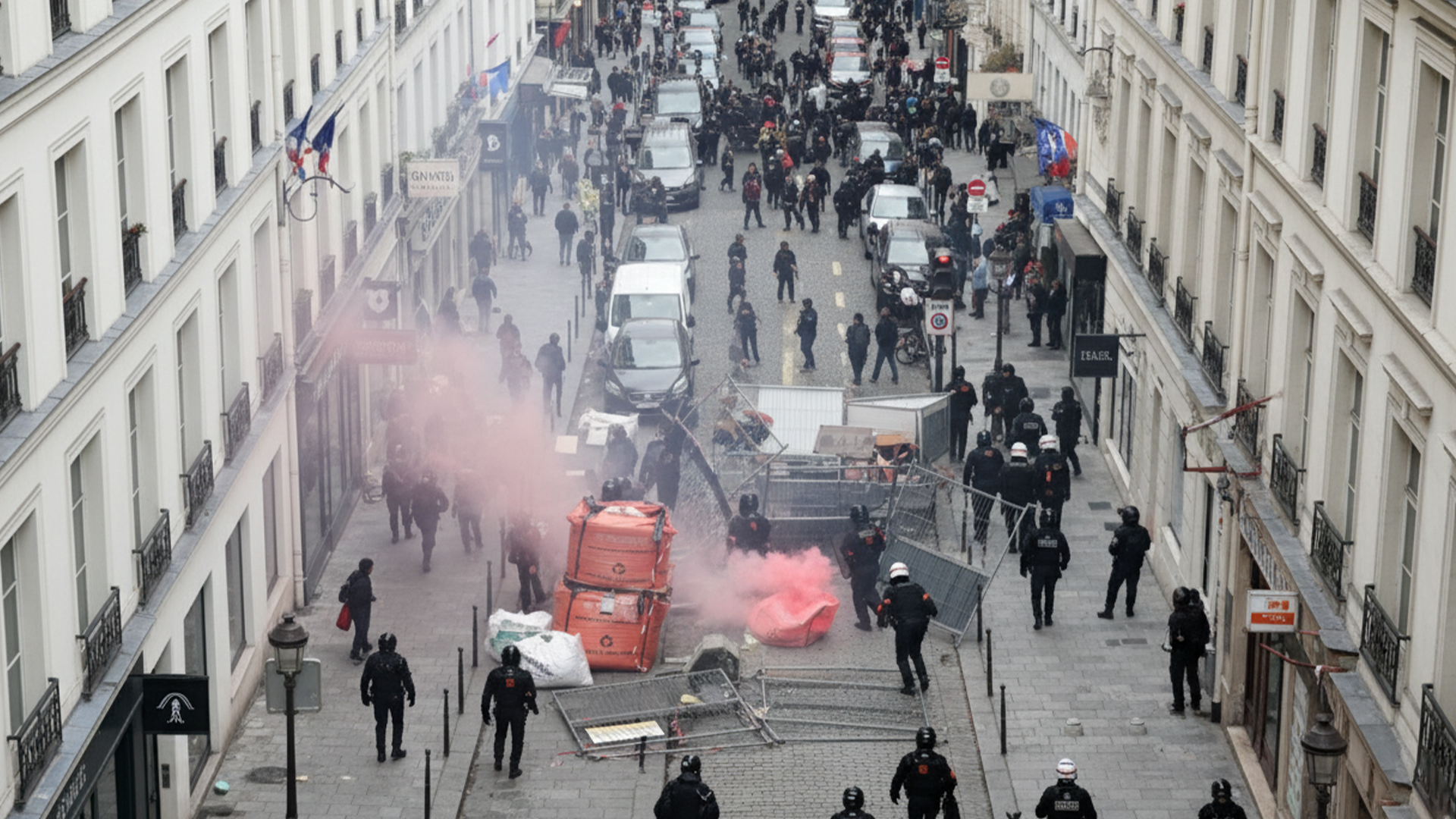
 A nationwide wave of protests erupted across France on Wednesday under the banner of the “Block Everything” movement, as demonstrators voiced their outrage against President Emmanuel Macron’s government and its controversial austerity measures.

Protesters took to the streets in major cities, including Paris, Nantes, Montpellier, Toulouse, Bordeaux, Marseille, and Lyon, blocking highways, setting up burning barricades, and clashing with police. In Paris alone, riot police used tear gas to disperse crowds, leading to nearly 200 arrests. Across the country, over 300 people were detained as authorities deployed roughly 80,000 security personnel to contain the unrest.

The protests were triggered by Macron’s recent reappointment of Prime Minister Sébastien Lecornu, who replaced his predecessor after opposition to €44 billion in planned budget cuts. What began as a right-wing online movement against these cuts quickly expanded, attracting left-wing groups and forming a broad coalition united in opposition to austerity policies and government dysfunction.

Demonstrators are demanding the cancellation of the planned spending cuts and increased funding for vital public services, such as schools and hospitals. The movement draws parallels to the Yellow Vest protests of 2018-2019, featuring significant participation from young people and students calling for social justice, equality, and political reform.

Despite Interior Minister Bruno Retailleau’s assertion that efforts to “block everything” and shut down the country largely failed due to swift police action, the protests underscore deep divisions within French society over economic policy and governance. The unrest adds to the political challenges facing Macron’s administration as it navigates mounting public discontent.

Also Read: PM Modi Condemns Israeli Airstrikes in Qatar, Emphasizes Respect for Sovereignty

NASA Bars Chinese Nationals Amid Renewed Space Rivalry with China


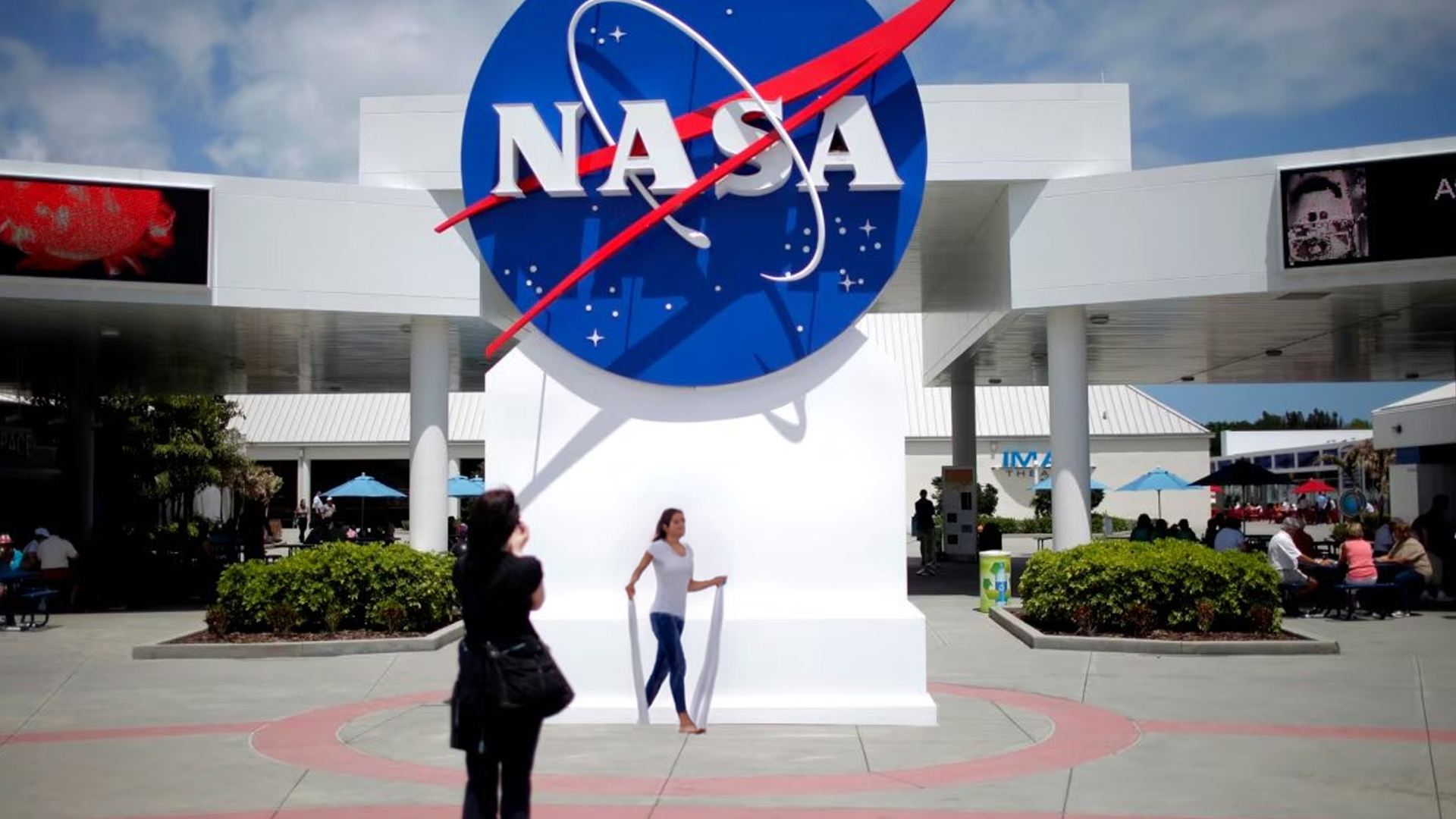
NASA has begun barring Chinese nationals—even those with valid visas—from participating in its programs, highlighting the escalating space competition between the United States and China. The policy shift, first reported by Bloomberg News and later confirmed by NASA, reflects growing concerns over security and intensified geopolitical tensions.

“Nasa has taken internal action pertaining to Chinese nationals, including restricting physical and cybersecurity access to our facilities, materials and network to ensure the security of our work,” NASA press secretary Bethany Stevens said on Wednesday.

Previously, Chinese nationals had been allowed to contribute to research projects as contractors or students, though they were not employed as NASA staff. However, on September 5, several affected individuals told Bloomberg anonymously that they had suddenly been locked out of IT systems and barred from attending in-person meetings.

The move coincides with rising anti-China rhetoric from the Trump administration and the intensifying space race between the two superpowers. The United States, through its Artemis program—which aims to return astronauts to the moon by 2027—is grappling with cost overruns and delays. Meanwhile, China’s space program, with its goal of landing taikonauts by 2030, has been making steady progress and meeting critical deadlines.

“We’re in a second space race right now,” NASA’s acting administrator Sean Duffy said during a Mars discovery-related news conference. “The Chinese want to get back to the moon before us. That’s not going to happen. America has led in space in the past and we are going to continue to lead in space in the future.”

China is also pursuing the ambitious objective of returning samples from Mars, with a robotic mission scheduled to launch in 2028 and deliver Martian rocks to Earth by 2031. In contrast, the Trump administration’s proposed budget signals an intent to cancel the planned Mars Sample Return mission, a collaboration between NASA and the European Space Agency, suggesting it could be replaced by a crewed mission—though details remain unclear.

As space exploration becomes a critical domain of national security and technological supremacy, the exclusion of Chinese nationals from NASA’s facilities underscores the broader competition shaping the future of space endeavors. With both nations racing to achieve unprecedented milestones, the space frontier has once again become a focal point of global strategic rivalry.

Also Read: Conservative Leader Charlie Kirk Shot Dead at 31, Leaving a Profound Mark on U.S. Politics

PM Modi Condemns Israeli Airstrikes in Qatar, Emphasizes Respect for Sovereignty

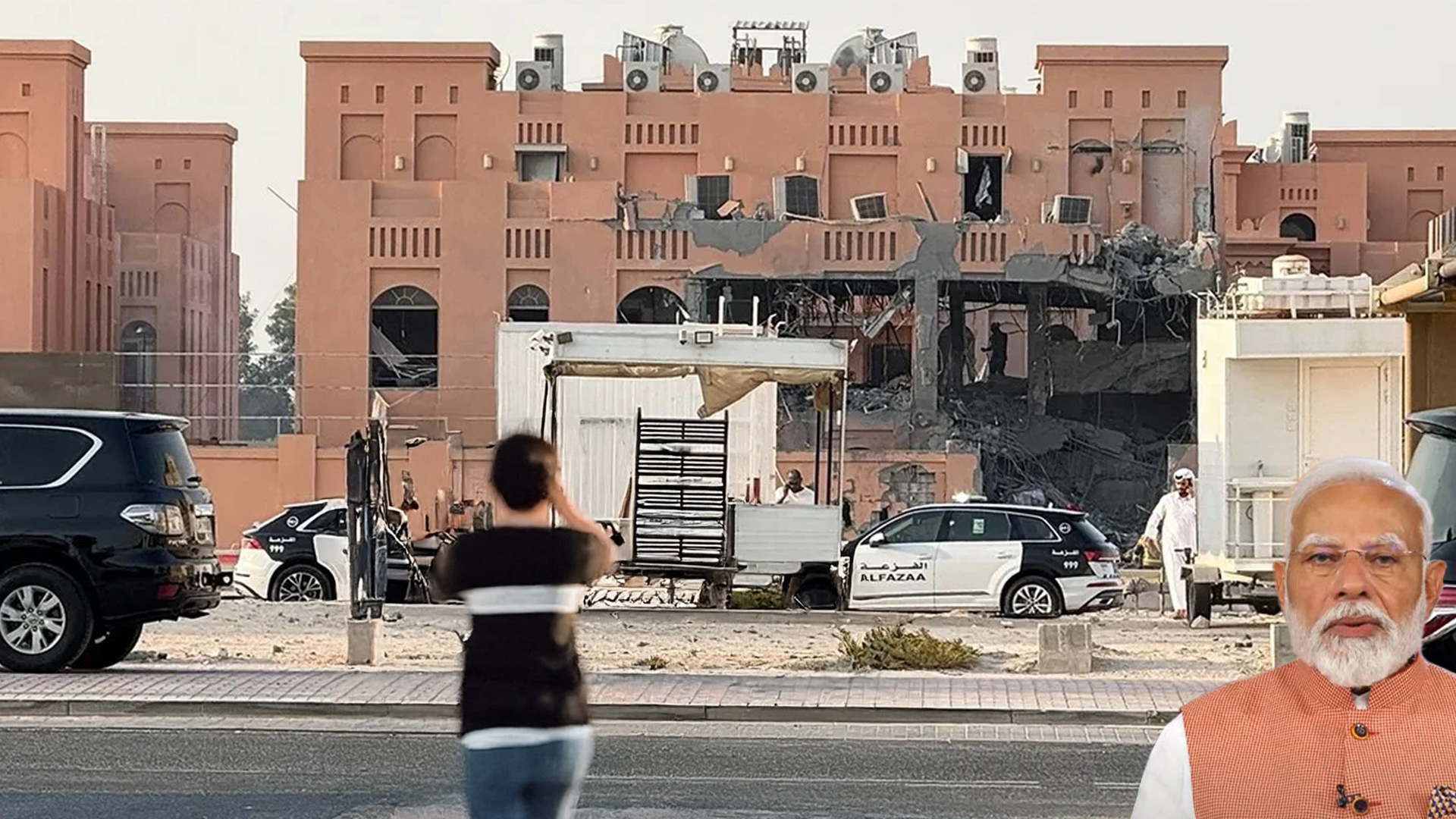
Prime Minister Narendra Modi has condemned Israeli airstrikes in Doha, Qatar, describing the attacks as a violation of Qatar’s sovereignty. In a rare public rebuke of Israel, Modi emphasized India’s support for the Gulf nation and called for restraint and dialogue to maintain peace in the region. The strikes targeted a Hamas delegation in Qatar’s capital, escalating tensions in the already volatile Middle East.

On September 10, 2025, PM Modi spoke directly with Qatari Emir Sheikh Tamim Bin Hamad Al-Thani to express India’s deep concern over the attack. Modi’s official statement, shared on social media, declared, “India condemns the violation of the sovereignty of the brotherly State of Qatar.” He called for restraint, dialogue, and diplomacy to resolve conflicts and stressed the importance of maintaining peace and stability in the region.

While Modi did not explicitly name Israel, the remarks were widely understood as a direct response to the Israeli Air Force’s operation against Hamas leaders in Doha. Qatar’s government swiftly condemned the strikes as a blatant breach of international law and a serious threat to its sovereignty. Qatar also criticized Israeli Prime Minister Benjamin Netanyahu for accusing Qatar of harboring Hamas, calling his comments reckless and an attempt to justify actions condemned worldwide.

This incident highlights India’s careful balancing act in the Middle East, where it maintains strong relationships with multiple countries. India’s condemnation reflects its commitment to respecting national sovereignty and international law, even when addressing actions taken by key allies.

As tensions continue to rise, calls from India and other international actors for dialogue and peaceful resolution are becoming more urgent.


Supreme Court Refuses to Block India–Pakistan Asia Cup Match, Citing Lack of Urgency


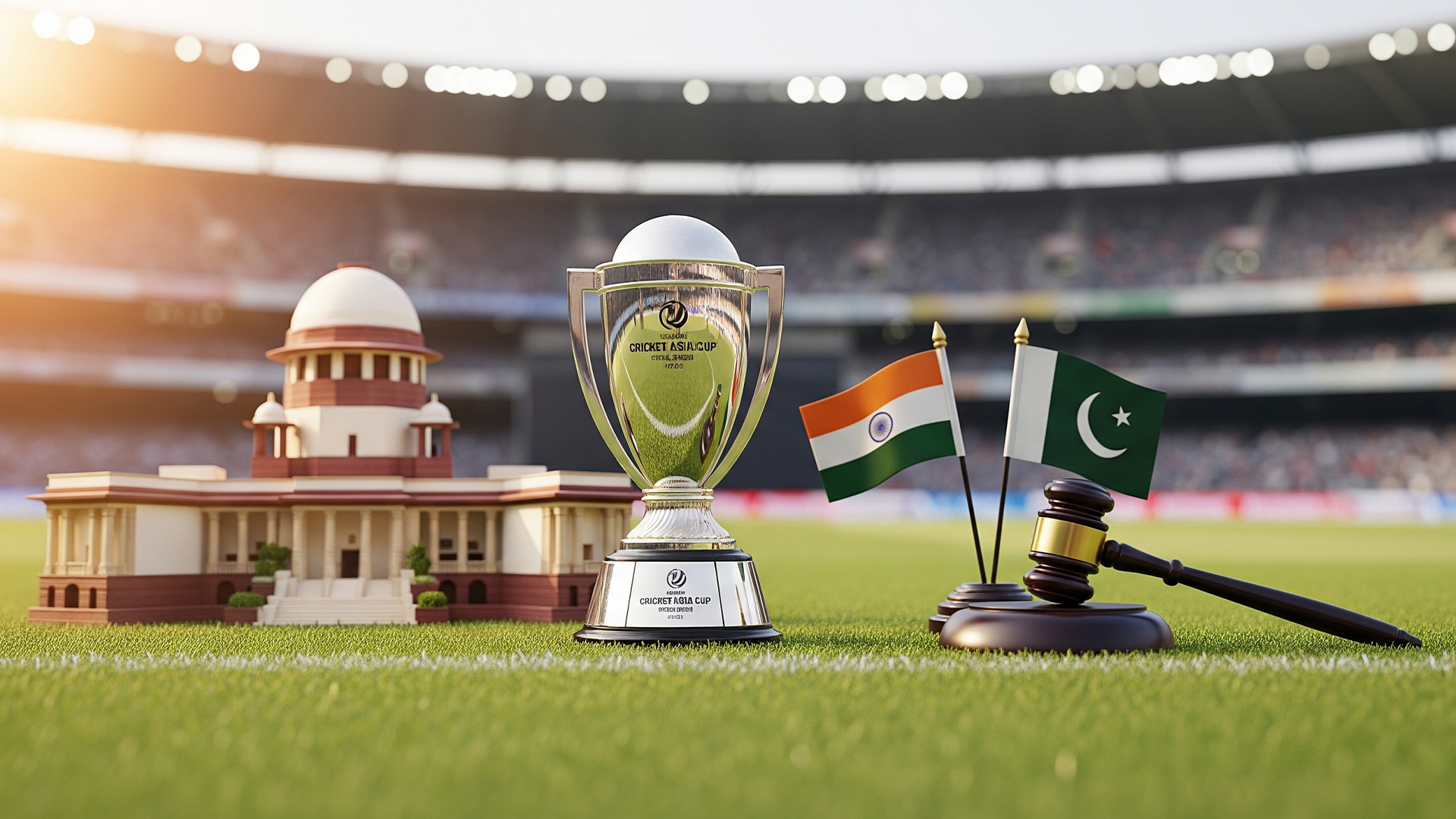
The Supreme Court on Thursday declined to entertain a petition seeking to halt the upcoming India–Pakistan cricket match scheduled for September 14 as part of the Asia Cup T20 tournament. The Bench, comprising Justices J.K. Maheshwari and Vijay Bishnoi, refused to list the matter for urgent hearing, emphasizing that it was merely a sporting event.

The petition, filed by four law students, argued that hosting the match in the wake of the Pahalgam terror attack and Operation Sindoor was “against the national interest” and dishonoured the sacrifices of soldiers and civilians who lost their lives. The plea also warned that such an event could deeply wound the sentiments of bereaved families and undermine national morale.

During the hearing, the petitioners’ counsel urged the court to list the matter for Friday, highlighting that the match was set to take place on Sunday. However, the Bench remained firm, with Justice Maheshwari remarking, “What is the urgency? It’s a match, let it be.” The Bench further stated that even if the petition risked becoming infructuous, it would not entertain it.

The petition underscored that engaging in sporting events with a country accused of harbouring terrorists sends the wrong message, particularly when Indian soldiers are laying down their lives. It argued that entertainment should never supersede national dignity, security, or the sacrifices of armed forces personnel.

Besides seeking cancellation of the match, the petitioners urged the government to enforce the National Sports Governance Act, 2025, and bring cricket—particularly “season ball” formats—under a recognised National Sports Federation. They also demanded that the Board of Control for Cricket in India (BCCI) be regulated by the Ministry of Youth Affairs and Sports, arguing that the body’s governance should fall under national oversight.

While the court did not address the petition’s merits, its refusal to intervene highlights the judiciary’s reluctance to interfere with sporting schedules, even amid heightened national security concerns.

Also Read: C.P. Radhakrishnan Elected as India’s 15th Vice President in Resounding NDA Victory

Milk Prices to Fall ₹3-4 Per Litre From Sept 22


With a strong objective to benefit millions of consumers, the government has decided to exempt packaged milk from the 5% Goods and Services Tax (GST), leading to a reduction in milk prices from September 22 onwards. Popular brands such as Amul and Mother Dairy are expected to lower their prices by ₹3 to ₹4 per litre following the tax exemption.

The GST Council’s decision aims to ease the financial burden on households amid rising inflation, making an essential commodity like milk more affordable for Indian families.

While consumers enjoy lower prices, dairy farmers will continue to receive fair payment for their produce. Recently, the Indore Cooperative Milk Union increased the procurement price for farmers by over 2%, raising it from ₹820 to ₹840 per kilogram of milk fat, effective from September 11, 2025. This move is aimed at supporting farmers’ livelihoods and promoting sustainable dairy farming practices.

The GST exemption on packaged milk will directly reduce monthly grocery bills for households, ensuring better access to this nutritional staple. The price revisions are expected to take effect immediately from September 22, benefiting consumers across urban and rural areas alike.

This development underscores the government’s commitment to making essential commodities more affordable and accessible for every Indian household.

Also Read: Govt Waives Public Consultations for Mining of Critical and Atomic Minerals

Meta and TikTok Win Legal Challenge Against EU Tech Fees, but Won’t Get Money Back


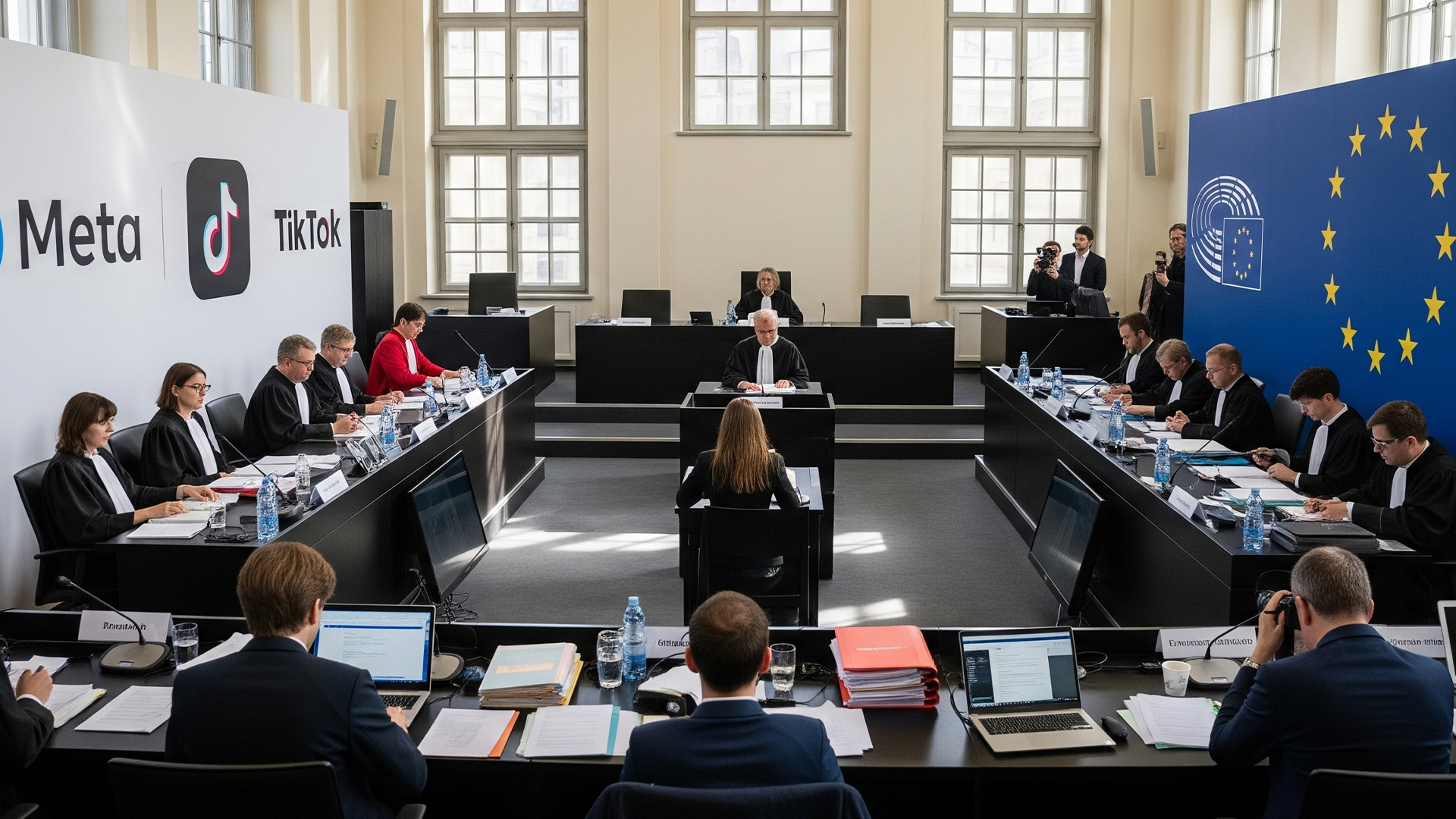
Meta, the parent company of Facebook, and TikTok have won a legal case against the European Union over the way a fee was calculated that they were required to pay. However, they will not get the money they already paid back, as the EU now has to change how it calculates the fee.

The fee, set at 0.05% of a company’s global yearly income, was meant to cover the EU’s cost of making sure these large tech platforms follow new rules under the Digital Services Act (DSA). This law, which came into effect in November 2022, asks major online platforms to take stronger action against illegal and harmful content, or face fines of up to 6% of their global earnings.

The fee’s size was based on how many users each platform has every month and whether it made a profit or not in the previous year. Meta and TikTok argued that this method was unfair and made them pay more than they should.

A court in Luxembourg agreed with them, saying that the EU should have used a different legal process to create the rules for calculating the fee. The judges gave the EU 12 months to fix the issue by using the proper legal procedure.

However, the court did not order the EU to return the money the companies had already paid for 2023. A spokesperson for the European Commission, which enforces EU laws, said the decision was only about how the rules were made—not about whether the fee itself was right. The spokesperson added that the Commission would now follow the proper steps to update the fee rules.

TikTok welcomed the ruling, saying it would closely monitor how the new rules are developed. Meta also expressed support, saying the case highlighted problems with the way the fee was applied. A spokesperson pointed out that companies losing money shouldn’t be forced to pay high fees while others with smaller user bases cover more of the costs.

Besides Meta and TikTok, other large tech companies such as Amazon, Apple, Google, Microsoft, Booking.com, Snapchat, and Elon Musk’s X are also required to pay this fee.

Also Read: Apple Unveils Sleek New Designs, Power-Packed Features with iPhone 17 Series and Apple Watch 11

Conservative Leader Charlie Kirk Shot Dead at 31, Leaving a Profound Mark on U.S. Politics


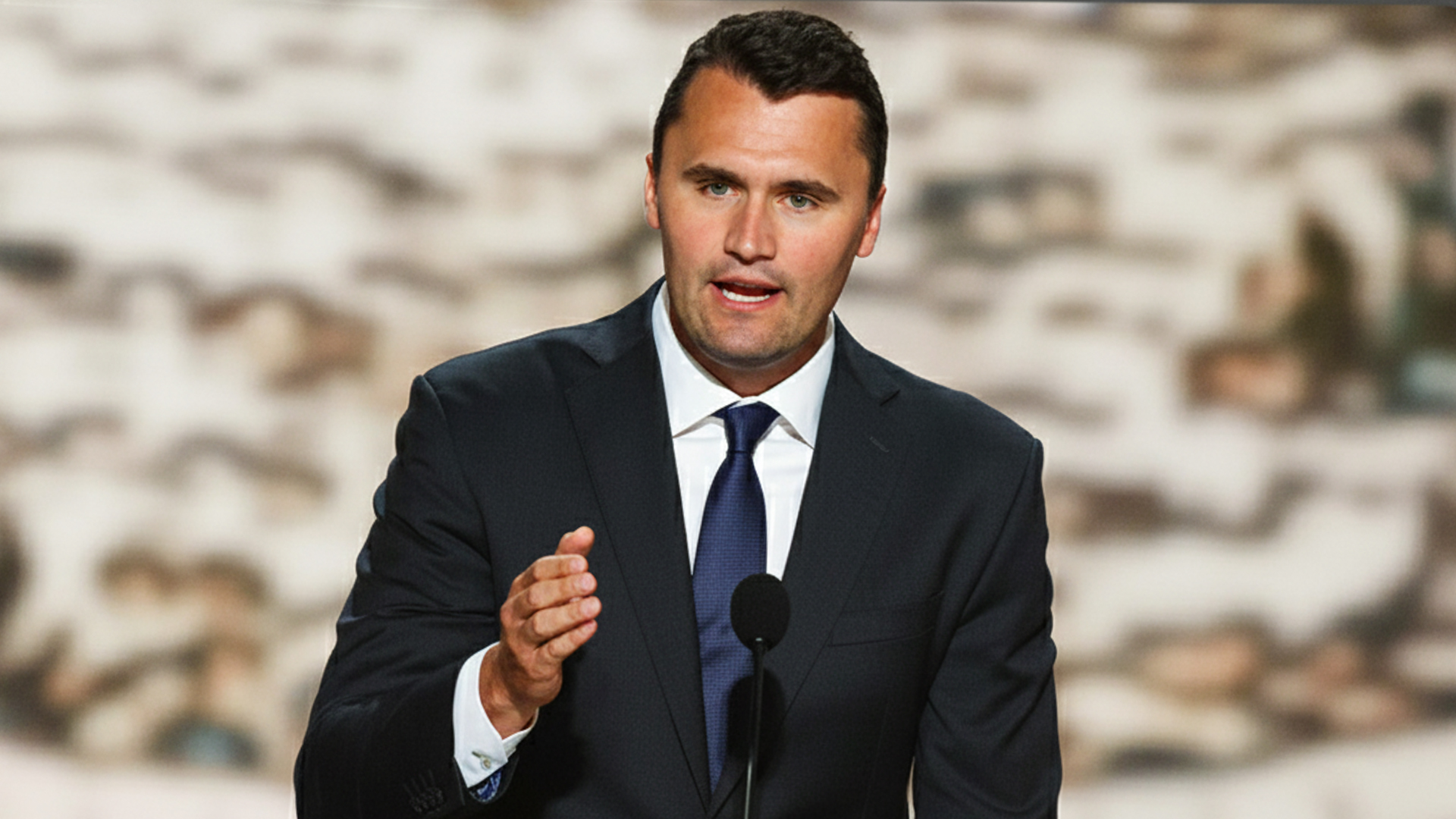
Charlie Kirk, the influential conservative leader and founder of Turning Point USA, was shot dead earlier today at Utah Valley University while addressing college students as part of a fall speaking tour. The 31-year-old father of two had risen from obscurity to become one of the foremost voices of the modern conservative movement and a close confidant of former President Donald Trump.

Kirk’s death came during a debate with a student about mass shootings involving transgender individuals when, according to videos, he was attacked. The act of political violence has sent shockwaves through the country, highlighting the growing polarization of America’s political landscape.

Born and raised in the Chicago suburbs, Kirk became politically active in high school but did not complete college. Instead, he founded Turning Point USA in 2012 with the goal of mobilizing young conservatives on college campuses. Over the next decade, the organization expanded into a powerful force in American politics, reaching high school students, churches, and broader media platforms.

His show, The Charlie Kirk Show, aired on the Real America’s Voice network and became one of the nation’s most widely followed conservative podcasts. His debates with liberal students were frequently posted online, amassing millions of views and drawing attention to his unapologetic conservative stance. He was an advocate for many of Trump’s policies and became a trusted voice for Republican voters, particularly among younger men.

Kirk’s influence extended far beyond media. He helped build Turning Point’s voter outreach, including door-to-door campaigns in battleground states like Arizona and Wisconsin during the 2024 election, contributing to Trump’s victories in those areas. The organization’s annual America Fest conference became a marquee event for conservative thinkers, activists, and influencers.

Despite his popularity, Kirk’s views often diverged from those of many younger voters. An evangelical Christian, he opposed same-sex marriage, abortion rights, and marijuana legalization, and frequently criticized the feminist movement, advocating for traditional family roles. These positions placed him at odds with broader youth trends but did not deter his supporters.

Charlie Kirk also fostered the next generation of conservative leadership, mentoring figures like Rep. Anna Paulina Luna, who went on to win a seat in Congress. His outreach extended into Republican state parties, helping shape leadership in key battlegrounds across the country.

Former President Trump mourned his passing, stating, “No one understood or had the heart of the youth in the United States of America better than Charlie. He was loved and admired by all, especially me.”

Even critics acknowledged his ability to galvanize younger voters. California Governor Gavin Newsom, a Democrat, invited Kirk as his first podcast guest earlier this year, admitting that even his own family had been captivated by the conservative firebrand.

Also Read: US Firm Signs $500 Million Deal with Pakistan to Unlock Trillion-Dollar Mineral Treasure

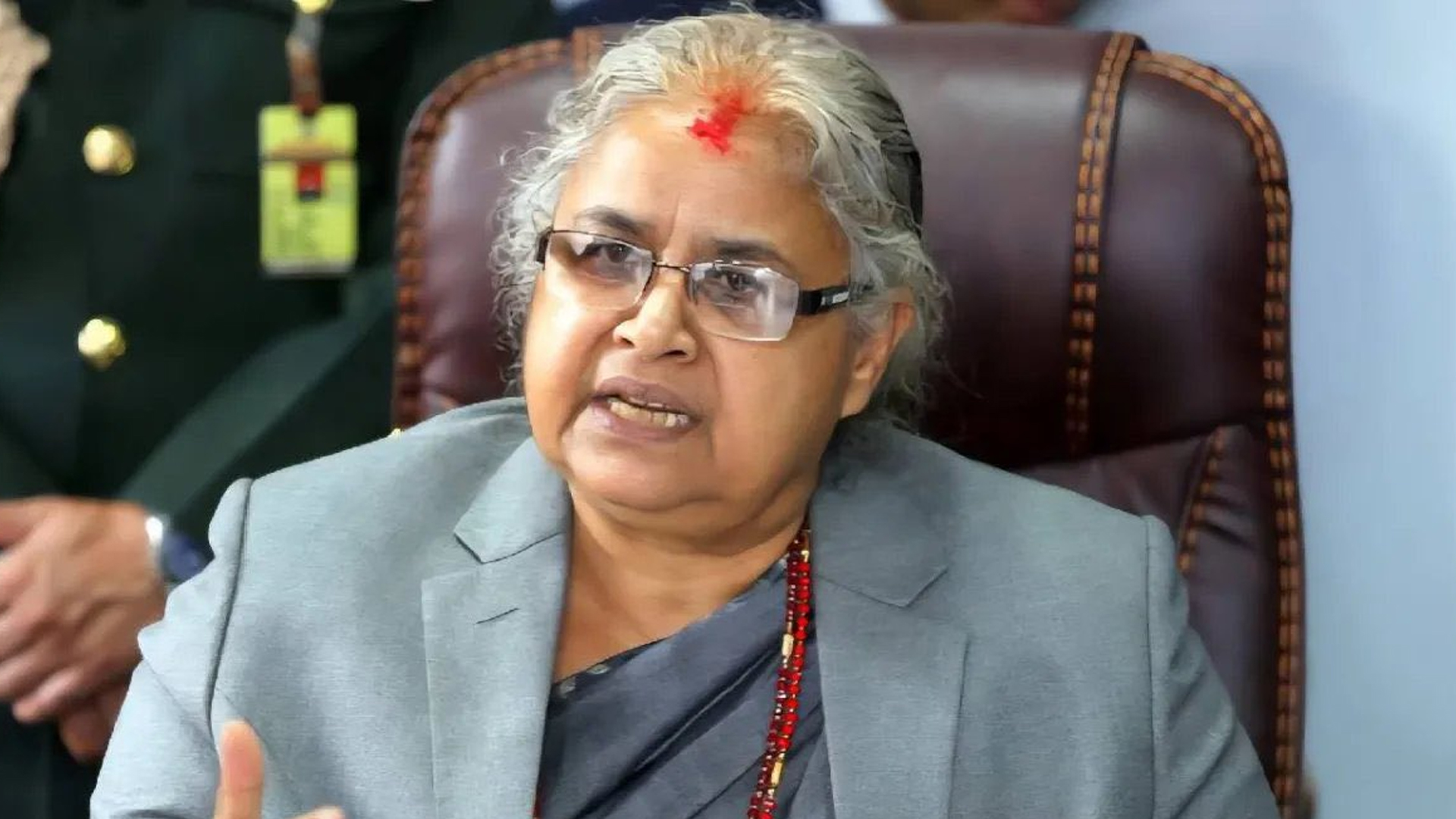
Nepal’s Gen Z Backs Former Chief Justice Sushila Karki as Interim Leader Amid Political Turmoil


In the wake of unprecedented youth-led protests that have shaken Nepal, former Chief Justice Sushila Karki has emerged as the leading candidate to head an interim government. The protests, sparked by a controversial social media ban and fueled by widespread disillusionment with entrenched political elites, culminated in the resignation of Prime Minister K P Sharma Oli.

The ensuing unrest led to at least 30 deaths and over 1,000 injuries, prompting the military to impose curfews and deploy troops to restore order. The army extended prohibitory orders in three districts of Kathmandu Valley—Kathmandu, Lalitpur, and Bhaktapur—while allowing public movement during specific windows. As of September 11, 2025, curfew orders remain partially in force, though life in the capital region is gradually returning to normal.

The Gen Z-led movement, characterized by its digital savviness and demand for systemic change, has rallied behind Sushila Karki, Nepal’s first female Chief Justice. Known for her integrity and anti-corruption stance, Karki is viewed as a neutral figure capable of leading the country through this turbulent period. Her nomination has been endorsed by various stakeholders, including Kathmandu Mayor Balen Shah, who has also emerged as a prominent youth leader advocating for reform. Shah, a former rapper turned politician, has expressed support for Karki’s candidacy, highlighting the generational shift in Nepal’s political landscape.

The military’s involvement has been pivotal in managing the crisis. Army Chief General Ashok Raj Sigdel engaged in consultations with protest representatives, signaling a willingness to facilitate a peaceful transition. Despite initial tensions, the army’s approach aims to balance maintaining order with supporting democratic processes.

However, divisions within the protest movement persist, with some factions advocating for republican ideals and others favoring a constitutional monarchy. This reflects deeper societal debates about Nepal’s governance and political direction.

Even as troops continue to patrol the streets, the situation remains mostly peaceful in other parts of the country, aside from isolated incidents such as two deaths and several injuries resulting from military gunfire during a thwarted prison escape southeast of Kathmandu. These events underscore the challenges of stabilizing the nation while safeguarding human rights.

The selection of an interim leader is crucial not only for restoring stability but also for addressing the deep-seated issues of corruption and governance that have fueled the protests. Karki’s appointment could represent a turning point for Nepal’s political evolution, potentially opening the door for reforms and renewed public trust in democratic institutions.

As of now, the country stands at a crossroads. The coming days will be critical in determining Nepal’s political trajectory, as leaders and citizens alike seek a path forward in a time of uncertainty. The resolve of the Gen Z movement and the military’s cautious engagement will likely shape the outcome in ways that could redefine Nepal’s future.

Also Read: Govt Waives Public Consultations for Mining of Critical and Atomic Minerals

Govt Waives Public Consultations for Mining of Critical and Atomic Minerals


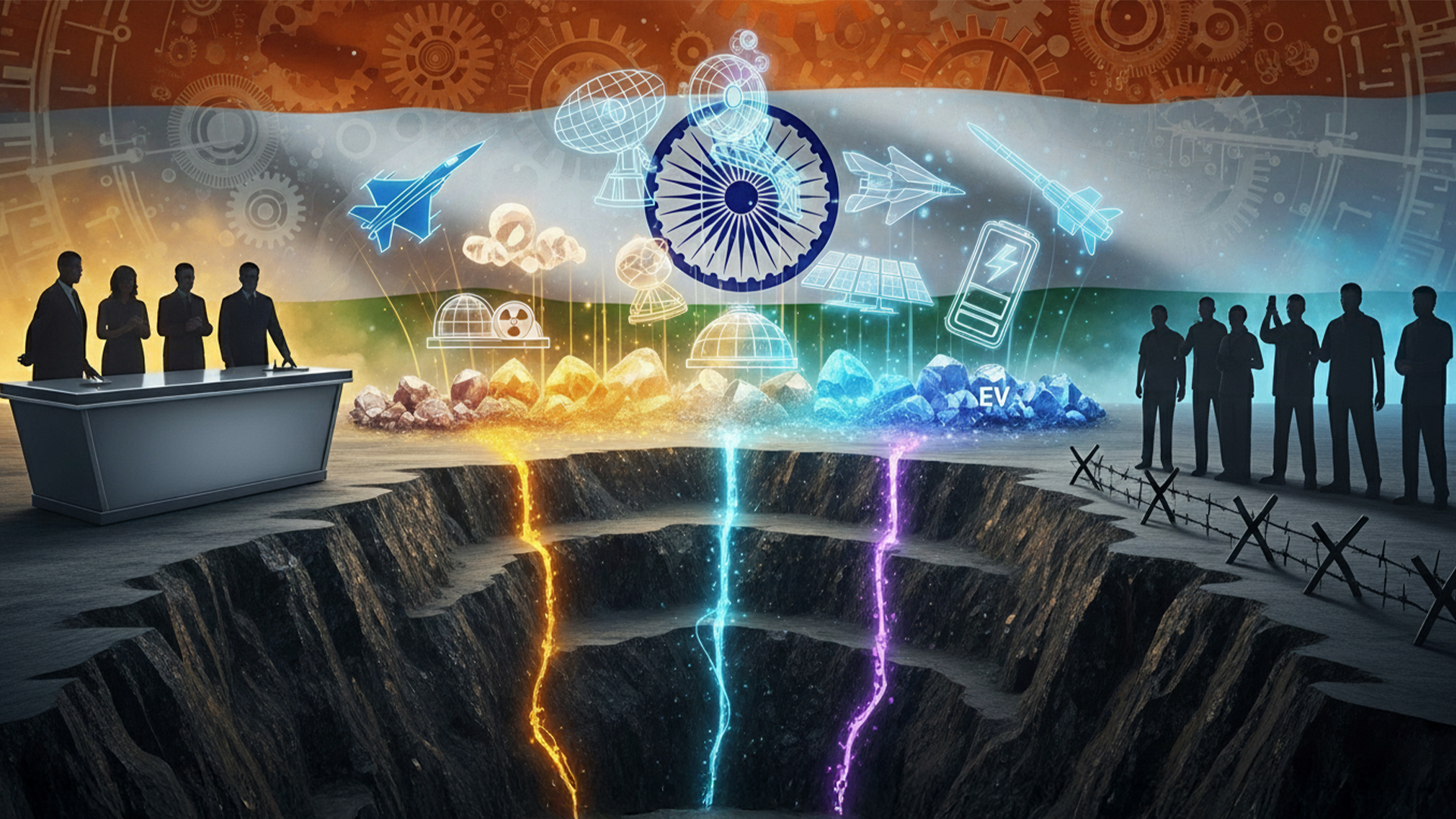
The Indian government has announced a major policy shift, exempting mining projects involving critical, strategic, and atomic minerals from the requirement of public consultations under the Environmental Impact Assessment (EIA) process. The decision is aimed at fast-tracking mining approvals to bolster national security, defence preparedness, and energy self-reliance.

The Ministry of Environment, Forest and Climate Change (MoEFCC) issued an office memorandum on September 8, implementing the exemption following requests from the Ministry of Defence and the Department of Atomic Energy (DAE). The exemption applies to minerals classified under Part B (atomic) and Part D (critical and strategic) of the Mines and Minerals (Development and Regulation) Act, 1957.

Minerals Covered

The move impacts the mining of atomic minerals such as uranium, thorium, monazite, and zircon, as well as critical and strategic minerals including lithium, cobalt, rare earth elements (REEs), vanadium, graphite, titanium, tungsten, and tantalum. These minerals are essential for sectors like nuclear energy, defence systems, clean energy, and electronics.

While public hearings will no longer be required for such mining projects, they will still be subject to central-level appraisal by expert environmental committees.

Strategic Justification

In its August 4 request, the Defence Ministry stressed the strategic importance of rare earths and other critical minerals in military technologies like radar, sonar, avionics, and precision weapons, warning against over-reliance on imports. The DAE, in a letter dated August 29, highlighted the urgency of increasing thorium and uranium production to support India’s nuclear energy roadmap, especially the third-stage thorium reactor program.

Part of Broader Reform

The exemption is part of broader efforts to streamline clearances. The MoEFCC has recently created a separate category for critical minerals on its Parivesh portal and revised forest clearance rules to facilitate defence and strategic projects.

This is meant to accelerate domestic mineral production, reduce import dependence, and support India’s energy transition and defence goals. However, it has sparked concern among environmentalists and civil society groups, who warn that removing public participation could weaken environmental oversight and marginalize affected communities.

Also Read : US Firm Signs $500 Million Deal with Pakistan to Unlock Trillion-Dollar Mineral Treasure