rotating globe
3 Apr 2026


US Firm Signs $500 Million Deal with Pakistan to Unlock Trillion-Dollar Mineral Treasure


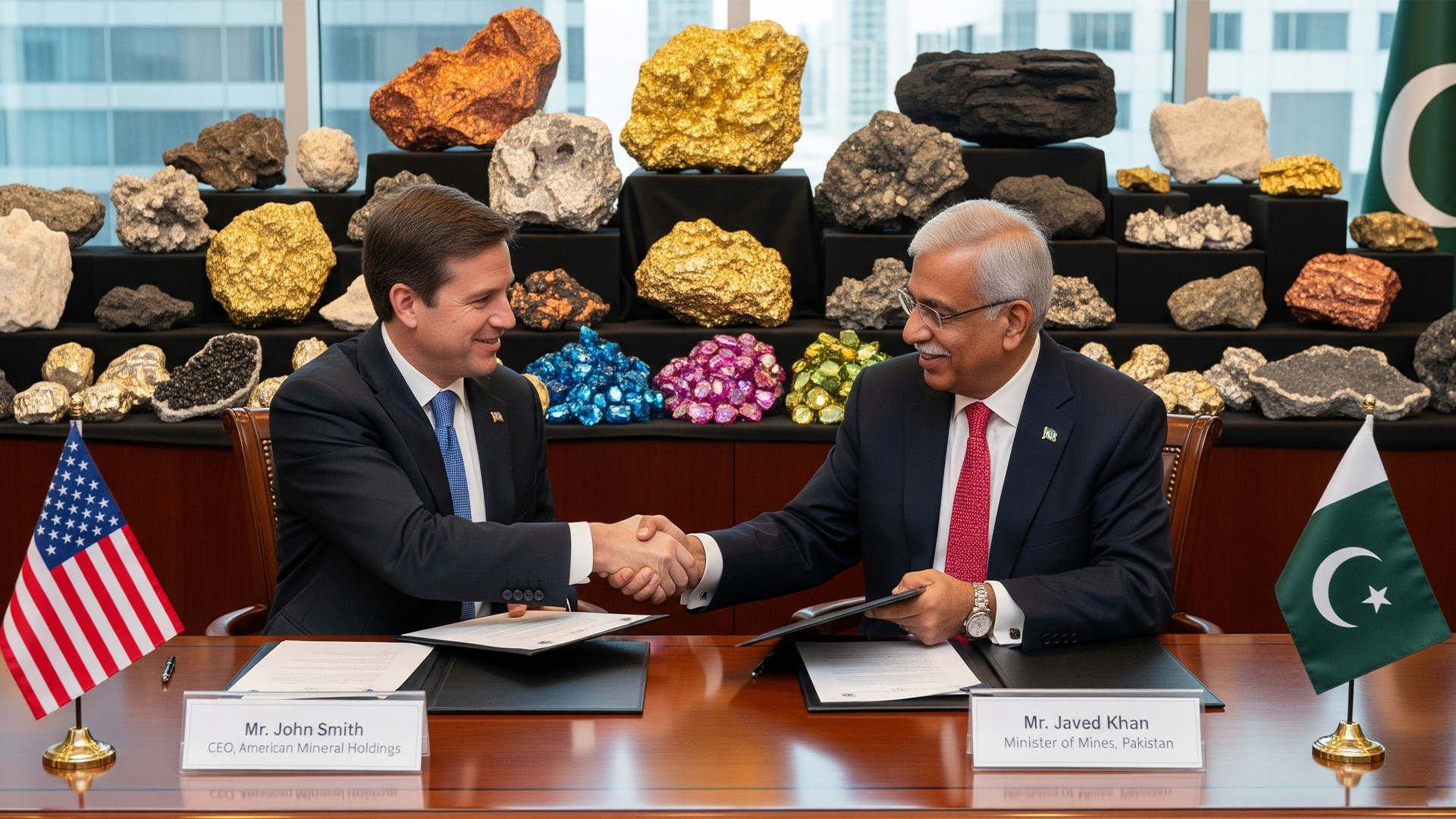
Pakistan has secured a landmark $500 million investment from US-based US Strategic Metals (USSM) to develop its critical minerals sector, a move that officials are calling a significant milestone in deepening economic cooperation between the two countries.

The agreement was formalized through a Memorandum of Understanding (MoU) signed on Monday between USSM and Pakistan’s Frontier Works Organization (FWO), the country’s largest miner of critical minerals. The partnership aims to establish a state-of-the-art poly-metallic refinery in Pakistan, focusing on processing essential minerals such as antimony, copper, gold, tungsten, and rare earth elements (REEs). These materials are crucial for advanced manufacturing, clean energy technologies, and defense applications.

This initiative forms part of a broader global effort to diversify supply chains for critical minerals, reducing reliance on traditional sources while enhancing supply resilience. The project is expected to create numerous jobs, boost local economies, and position Pakistan as a key player in the global minerals market.

Prime Minister Shehbaz Sharif, along with senior government officials, met with the USSM delegation to discuss the strategic importance of Pakistan’s mineral wealth. The discussions highlighted how tapping into these resources could play a vital role in global technological progress and energy transitions. The partnership reflects a growing commitment by both nations toward sustainable development and long-term economic growth.

The US Embassy in Islamabad welcomed the deal, emphasizing its potential to strengthen economic relations. Acting Deputy Chief of Mission Zach Harkenrider, who accompanied the USSM delegation, noted that the agreement represents a step forward in fostering bilateral ties and advancing mutual interests. Similarly, US Chargé d’Affaires Natalie Baker highlighted the strategic value of such collaborations, underscoring that President Donald Trump’s administration had prioritized agreements involving critical minerals due to their significance for national security and global prosperity.

Pakistan’s mineral reserves, estimated to be worth trillions of dollars, are largely concentrated in Balochistan, a province beset by insurgency and security challenges. In response, the US State Department recently designated the Balochistan National Army and its militant wing as foreign terrorist organizations. Additional deposits have been discovered in Sindh, Punjab, and Khyber Pakhtunkhwa, further expanding the country’s resource potential.

Several global mining firms, including Canada’s Barrick Gold, which holds a 50% stake in the Reko Diq gold mine, are already active in the region. Monday’s agreement is expected to attract more American investors, exploring avenues for sustainable extraction, processing, and export of minerals.

The partnership is set to commence immediately with the export of readily available resources, including antimony, copper, gold, tungsten, and rare earth elements. Later phases will involve infrastructure development and value-added processing facilities aimed at maximizing the economic benefits from these resources.

With this deal, US officials believe that more companies will be encouraged to invest in Pakistan’s mining and minerals sector. For Pakistan, unlocking the potential of its mineral reserves represents not only a pathway out of its financial difficulties but also an opportunity to transform its economic landscape and strengthen its role on the global stage.

Also Read: Election Commission Holds Crucial Meeting on Nationwide Special Intensive Revision of Voter Rolls


Election Commission Holds Crucial Meeting on Nationwide Special Intensive Revision of Voter Rolls


A pivotal meeting is currently underway at the Election Commission of India (ECI) where senior officials are engaging with State election officers to review preparations for implementing the Special Intensive Revision (SIR) of electoral rolls across the country.

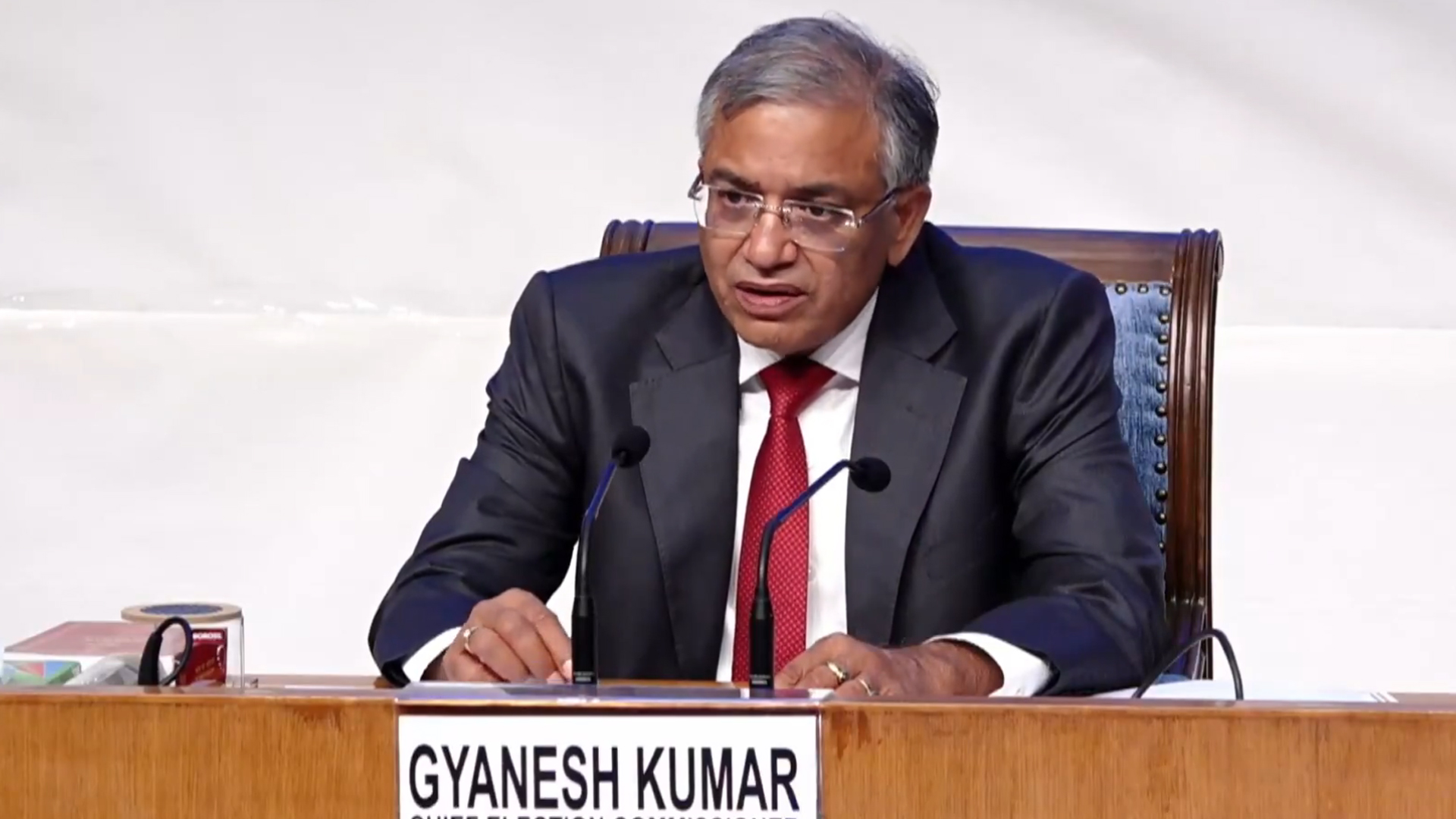
During the full-day session, top ECI representatives are expected to present the policy framework and operational strategy for SIR, while the Chief Electoral Officer of Bihar will share insights from the State’s experience in executing the process. This marks the third meeting of its kind since Gyanesh Kumar assumed office as Chief Election Commissioner in February, but the discussion gains added weight as it centers on a nationwide rollout.

The Commission has confirmed that following the exercise in Bihar, the revision will be extended to cover all states. Officials are hinting that the initiative could be launched later this year, ahead of the 2026 Assembly elections in Assam, Kerala, Puducherry, Tamil Nadu, and West Bengal.

The primary objective of the revision is to identify and exclude illegal foreign migrants from electoral rolls by verifying their birthplace and other eligibility criteria. This development is particularly significant amid intensified crackdowns across multiple states on undocumented migrants, including those from Bangladesh and Myanmar.

The ECI has stressed that the exercise is essential to fulfill its constitutional duty of maintaining the integrity of voter lists. As part of the process, election officials will conduct door-to-door verification to ensure accurate and error-free voter data.

In light of allegations from opposition parties claiming that voter data manipulation favours the ruling party, the Commission has introduced additional safeguards. A new declaration form will be required for individuals applying to enroll as voters or shifting from another state. Applicants must affirm that they were born in India before July 1, 1987, and submit documents verifying their birth details or those of their parents. Another option allows applicants to claim birth in India between July 1, 1987, and December 2, 2004, with supporting evidence.

However, the process has drawn criticism, particularly in Bihar, where opponents argue that many eligible voters risk being disenfranchised due to stringent documentation requirements. The Supreme Court has directed the ECI to ensure that no eligible citizen is excluded during the revision.

Meanwhile, some states have begun publishing past voter lists as references for the current exercise. For example, the Delhi CEO’s website hosts the 2008 electoral roll, from when the last SIR was conducted in the capital, while Uttarakhand’s 2006 roll is now accessible online. Bihar’s revision is using the 2003 voters’ list as its reference point, with most states having carried out roll revisions between 2002 and 2004.

With these developments, the Election Commission aims to balance constitutional obligations, electoral integrity, and public trust as it prepares for a rigorous and expansive voter roll revision across India.

Also Read: C.P. Radhakrishnan Elected as India’s 15th Vice President in Resounding NDA Victory

Assam’s Oldest Planters’ Body Warns of Brewing Crisis in Tea


By Roopak Goswami

The Assam Tea Planters’ Association (ATPA)—founded in 1935 and the oldest body of indigenous planters in Assam—has issued a sharp warning that the tea industry is at a breaking point.

ATPA Chairman Samudra P. Baruva stressed that survival now depends on a decisive pivot to quality, defined not just by flavor but by compliance with FSSAI (Food Safety and Standards Authority of India) standards. He noted that a significant portion of teas listed at the Guwahati and Siliguri auctions this year failed compliance checks, driving major packers toward South Indian teas and even cheaper imports from Africa. “Major buyers are losing interest in Assam and West Bengal teas—an alarming trend,” Baruva said.

“The time has come to make a decisive shift toward quality,” ATPA Chairman Samudra P. Baruva said in a strongly worded statement. “Quality doesn’t just mean taste—it means compliance with FSSAI standards, which is crucial for restoring credibility in the market.”

Founded in 1935 by indigenous planters, ATPA said the current crisis stems from rampant overcropping, which has flooded markets with low-grade teas, dragging down prices to unsustainable levels. According to FAITTA (Federation of All India Tea Traders’ Associations), many teas listed at the Guwahati and Siliguri auctions this year failed to comply with food safety standards, pushing major buyers toward South Indian and even African imports. “Major packeteers are losing interest in Assam and West Bengal teas—an alarming trend,” Baruva warned.

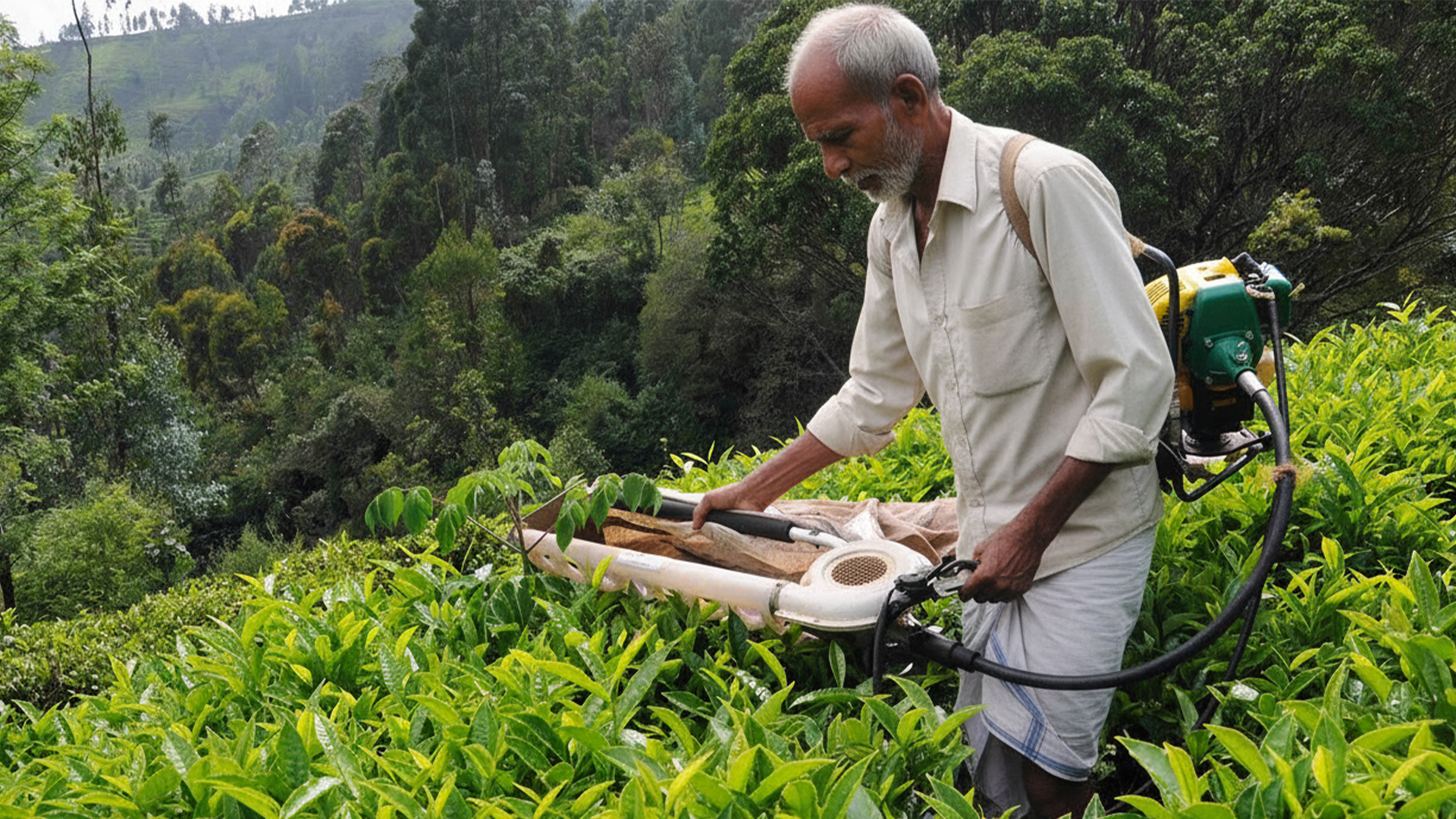
To restore buyer confidence, ATPA is calling for a holistic shift in industry practices. It argues that green leaf should be priced at a minimum of ₹25 per kilo with quality benchmarks to discourage substandard plucking, and that the Tea Board must strictly enforce standards in frontier regions such as Arunachal Pradesh, Nagaland, and Bihar. The association further emphasizes that small tea growers need targeted support, including subsidies for better plucking technology, while India’s exporters must be incentivized to compete with cheaper origins like Kenya and Sri Lanka.

Equally, ATPA is pushing for tighter checks on imported teas to prevent them from undermining local markets, alongside a unified branding effort to educate consumers about the superior quality of Indian teas.

The planters’ body has defended industry measures such as 100% dust auctions and early factory closures. Baruva said these were “self-regulation mechanisms” designed to weed out poor-quality teas and restore long-term market credibility.

With millions of livelihoods across Assam and West Bengal tied to tea, ATPA stressed the urgency of collective action. “This is not just about economics—it’s about preserving the identity and heritage of Assam,” Baruva said. “The time to act is now.”

Also Read: C.P. Radhakrishnan Elected as India’s 15th Vice President in Resounding NDA Victory

Israel’s Strike on Hamas in Qatar Sparks Global Outrage, Jeopardizes Peace Efforts


Israel’s surprise airstrike in Doha, the capital of Qatar, targeting Hamas officials has triggered a wave of international condemnation and raised serious concerns about the future of peace negotiations in Gaza. The attack, carried out late Tuesday night, killed six individuals, including the son of exiled Gaza chief Khalil al-Hayya, but Hamas reported that its senior leadership, including ceasefire negotiators, survived.

The strike targeted a residential area in Doha’s Leqtaifiya district, where members of Hamas’s political bureau were meeting to discuss a potential ceasefire with mediation from Qatar and the United States. The Israeli military, in a joint statement with its security agency, said it conducted a precision operation “prior to which measures were taken to mitigate harm to civilians, including the use of targeted munitions and intelligence verification.”

The attack came just hours after Israel’s military warned Gaza City’s residents to evacuate before launching an offensive aimed at seizing control of Hamas’s last stronghold. The United Nations has repeatedly warned that the humanitarian crisis in Gaza has reached catastrophic levels, with hundreds of thousands of residents living under famine-like conditions.

U.S. involvement in the episode has been controversial. White House officials confirmed that Washington had been informed of Israel’s plans prior to the strike, and President Donald Trump directed his Middle East envoy, Steve Witkoff, to alert Qatari authorities. However, Qatari officials claimed they only received a warning as the explosions began, undermining the White House’s attempts to manage the fallout.

Speaking on social media, Trump distanced himself from the attack, saying it was an independent Israeli operation. “This was a decision made by the prime minister Netanyahu; it was not a decision made by me,” Trump wrote on his Truth Social account. He added that although the U.S. had tried to warn Qatar, it was “unfortunately too late.”

The White House’s response, however, sought to balance condemnation with continued support for its allies. Press Secretary Karoline Leavitt stated, “Unilaterally bombing inside Qatar, a sovereign nation and close ally of the United States that is working very hard in bravely taking risks with us to broker peace, does not advance Israel or America’s goals.” She emphasized that while eliminating Hamas remained a legitimate objective, attacking a trusted partner was a grave misstep.

Israeli Prime Minister Benjamin Netanyahu accepted full responsibility for the strike. “Today’s action against the top terrorist chieftains of Hamas was a wholly independent Israeli operation,” Netanyahu said in a statement. “Israel initiated it, Israel conducted it, and Israel takes full responsibility.”

Qatar, long a key mediator in Middle Eastern conflicts, reacted strongly. Prime Minister Sheikh Mohammed bin Abdulrahman Al Thani denounced the attack as “state terrorism” and warned that Qatar reserves the right to respond. He insisted that Doha’s efforts to mediate peace were integral to its national identity and would continue despite Israeli aggression.

The Arab League echoed Qatar’s condemnation. Secretary General Ahmed Aboul Gheit accused Israel of violating Qatar’s sovereignty and acting with impunity. Turkey’s foreign ministry similarly accused Israel of “adopting terrorism as state policy.”

The attack also prompted reactions in Europe. UK Prime Minister Keir Starmer condemned the assault as a blatant violation of sovereignty and warned that it could inflame tensions across the region. However, UK sources confirmed that Starmer still planned to meet Israeli President Isaac Herzog in London.

This strike further complicates ongoing ceasefire negotiations. Along with the U.S. and Egypt, Qatar has spearheaded efforts to bring Hamas to the table after the October 2023 conflict escalated into a full-scale war. Hamas, which controls Gaza, claimed that proposals under consideration were genuine efforts to achieve peace, dismissing Israeli accusations of duplicity.

With tensions escalating, the international community now faces a critical test: whether it will continue to support diplomatic channels or allow military actions to derail peace efforts. As Doha reels from the blast, the question remains whether dialogue can be salvaged amid growing distrust, rising casualties, and deepening geopolitical divides. The coming days will be decisive for both the fate of Gaza and the broader stability of the Middle East.

Also Read: C.P. Radhakrishnan Elected as India’s 15th Vice President in Resounding NDA Victory

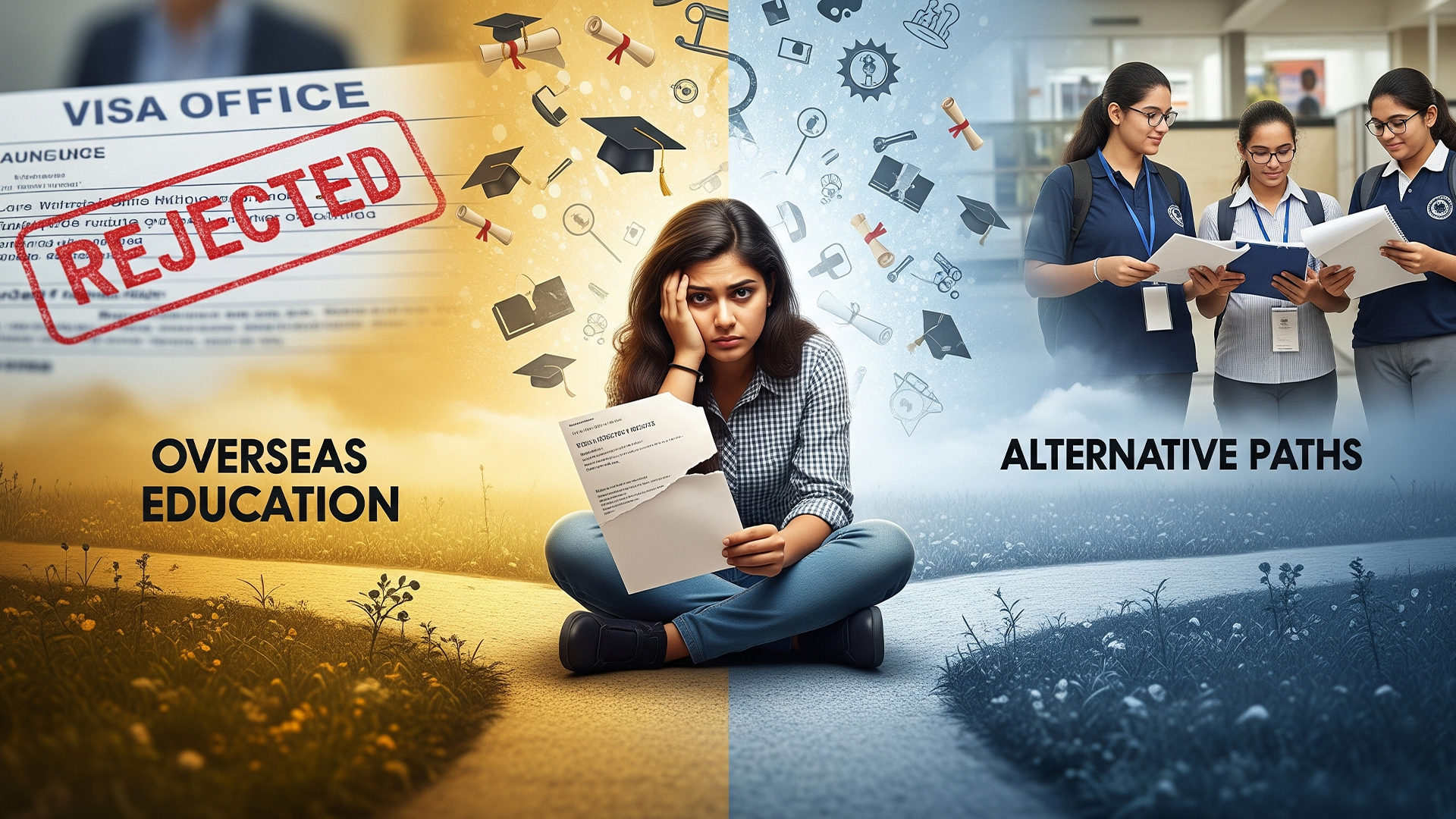
From Canada to Germany: Indian Students Reroute Amid 80% Visa Rejections


In a sweeping shift that’s reshaping global student mobility, Canada has rejected nearly 80% of Indian student visa applications in 2025, the highest rate in over a decade. As a result, Germany has emerged as a leading alternative, witnessing a significant rise in Indian student enrolment amid its affordable education system and more welcoming immigration policies.

The move, driven by tighter immigration rules and reduced study permit caps, has disrupted study plans for thousands of Indian students and triggered a noticeable shift in global education trends.  According to official data, the overall visa rejection rate for study permit applications to Canada has spiked to approximately 62%, with Indian applicants being disproportionately affected. This sharp rise from the 52% rejection rate in 2024 follows a series of stringent policy changes introduced by Canadian immigration authorities.

Tighter Rules, Higher Barriers

Canada’s revised immigration policies have significantly raised the bar for international students by introducing multiple new hurdles. The government has imposed a national cap on study permits, limiting approvals to 437,000—a nearly 10% decrease from 2024. Financial requirements have also doubled, with applicants now needing to demonstrate access to at least CA$20,635 (around ₹12.7 lakh). Additionally, visa applications must include detailed study plans and adhere to stricter documentation standards. The popular Student Direct Stream (SDS), which once fast-tracked processing for students from 14 countries, including India, has been discontinued.

Post-study work permits have become harder to obtain, requiring students to meet higher language proficiency levels (B1/B2 CEFR) and enroll exclusively in approved programs. Furthermore, practices like “flagpoling” to renew permits and applying for extensions under “maintained status” after rejection are no longer permitted, tightening the pathway for many aspiring students.

Germany Becomes the Go-To Destination

As Canada imposes stricter immigration controls, Germany has emerged as a top alternative for Indian students, with enrollment numbers rising sharply from 49,500 in 2023 to nearly 60,000 in 2025, according to data from the German Federal Statistical Office.

This trend is echoed in the upGrad Transnational Education (TNE) Report 2024–25, which highlights a significant shift in student preferences: Germany’s share of Indian applicants surged from 13.2% in 2022 to 32.6% in 2025, while Canada’s share fell drastically from 17.85% to just 9.3%. The United States also saw a 13% year-on-year decline in applications from India.

Germany’s growing popularity is largely due to its affordable or tuition-free education, favorable post-study work options, and a stable, student-friendly immigration environment.

Choices for Indian Students 

Experts suggest that Indian students will need to adapt by diversifying their target countries and investing more in planning and documentation. Countries like Germany, the UAE, Ireland, and the Netherlands are expected to benefit from Canada’s policy shift.

“Canada’s message is clear: quality over quantity,” said an immigration consultant based in Toronto. “But in doing so, they risk losing global talent to more welcoming countries.”

With nearly 2 million Indian students expected to go abroad by 2027, the battle for global education markets is only just beginning. For now, Germany appears to be winning the race.

Also Read: Israel’s Strike on Hamas in Qatar Sparks Global Outrage, Jeopardizes Peace Efforts

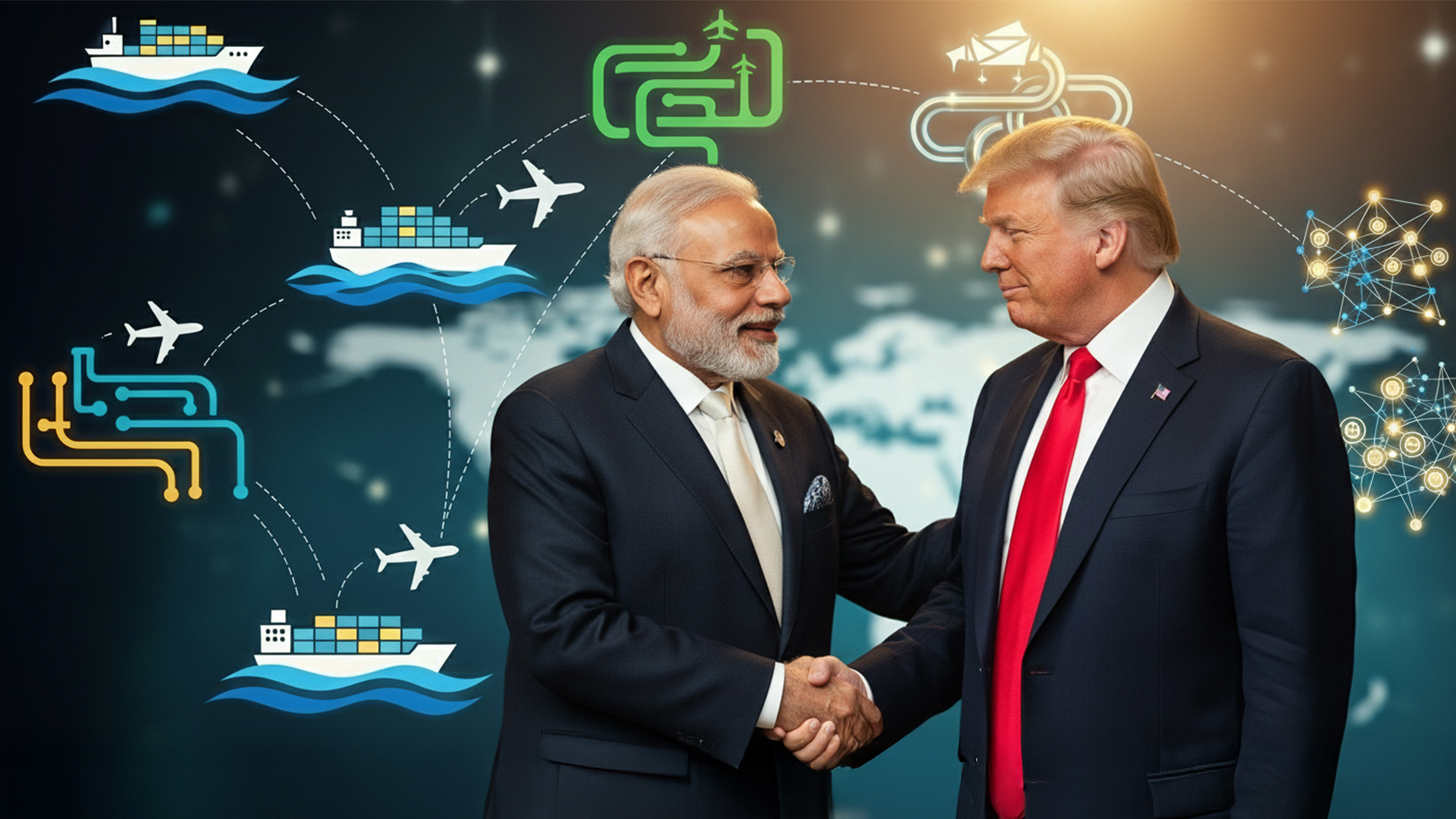
Modi, Trump Reaffirm Friendship as India–US Trade Talks Gain Momentum


As India and the United States navigate complex trade negotiations, leaders from both nations have publicly expressed confidence in finding common ground. U.S. President Donald Trump, in a recent statement, said he is looking forward to speaking with his “very good friend” Prime Minister Narendra Modi and reaffirmed his belief that the ongoing trade talks will lead to a “successful outcome.”

The two countries are working through a range of unresolved issues, including tariff disputes, regulatory access, and India’s continued imports of discounted Russian oil, an area that has drawn criticism from Washington amid ongoing sanctions related to the Ukraine conflict.

Trump emphasized that the relationship between India and the U.S. remains strong, describing the two nations as “great friends” and long-term partners. “There are some differences, yes,” he said, “but we are working through them. I’m confident we’ll reach an agreement that benefits both countries.”

Prime Minister Modi responded warmly to Trump’s comments, calling the United States a “natural partner” and noting the strong foundation of trust and cooperation that underpins bilateral relations. Modi expressed hope that the current discussions would unlock new opportunities for economic collaboration and reinforce shared values.

“India and the U.S. have always worked together with mutual respect,” Modi said. “Our teams are in constant dialogue, and I am confident we can resolve outstanding issues swiftly.”

The renewed diplomatic momentum comes at a pivotal time. Trade relations had cooled in recent years due to a series of tariff increases and divergent policy stances, especially around energy and digital trade. However, both governments appear eager to reset the narrative and move toward a more comprehensive economic partnership.

Analysts believe that reaching a deal could send a strong geopolitical signal, especially in the context of the Indo-Pacific strategy and the evolving global trade landscape.

For now, the tone from both Washington and New Delhi suggests a shared commitment to cooperation, with the personal rapport between Modi and Trump playing a key role in pushing talks forward.

Also Read: Peter Navarro Issues Stark Trade Warning to India Amid Tariff Dispute and Russian Oil Imports

Apple Unveils Sleek New Designs, Power-Packed Features with iPhone 17 Series and Apple Watch 11


Apple’s latest product launch event on Tuesday focused on bold new designs and engineering innovations that push the boundaries of smartphone and wearable technology. The spotlight was on the all-new iPhone Air—Apple’s thinnest smartphone ever at just 5.6mm—alongside the next-generation iPhone 17 lineup and the Apple Watch Series 11, each boasting enhanced performance, durability, and cutting-edge features.

The ultra-slim iPhone Air demanded a complete redesign of internal components to fit into its sleek frame without compromising on performance or battery life. Apple achieved this by eliminating the physical SIM slot and introducing advanced vapor-cooled thermals, allowing the phone to run at peak performance without overheating. It is powered by the new A19 Pro chip, which offers superior processing capabilities compared to the base iPhone model. CEO Tim Cook described the lineup as “unlike anything we’ve ever created,” emphasizing that “design is not just how something looks or feels; design is also how it works.”

The iPhone Air’s 6.5-inch display, dubbed a “paradox you have to hold to believe,” features ProMotion technology and an impressive 3000 nits of brightness. The camera system includes a 48MP dual fusion setup—offering four times the resolution of its predecessor—and a large 18MP square front Centrestage camera, which enables landscape selfies without rotating the device. These features are standard across all iPhone 17 models.

The standard iPhone 17 offers incremental upgrades but continues to focus on refined aesthetics and user experience, while the iPhone 17 Pro and Pro Max models stand out for their robust durability and professional-grade capabilities. They are equipped with a total of eight advanced lenses and provide digital zoom up to 40x, delivering creative flexibility across ultra-wide and extreme telephoto perspectives. A new 48MP fusion telephoto lens offers 4x zoom at 100mm and 8x zoom at 200mm—Apple’s longest optical reach to date. A 56% larger sensor, improved 3D sensor shift stabilization, and an updated photonic engine with machine learning enhance image clarity and low-light performance. Professional photographers and videographers will appreciate features like ProRes RAW and other advanced video tools.

Beyond smartphones, the event also introduced the Apple Watch Series 11, which now includes a 5G modem and improved battery life in a thinner, sturdier design with liquid glass casing. A new blood pressure monitor helps detect hypertension patterns, while an updated sleep score feature uses overnight data to offer health insights. The Apple Watch SE receives upgrades with faster charging and longer battery life, while the Apple Watch Ultra 3 adds satellite connectivity, Emergency SOS, and a 42-hour battery life for endurance-focused users.

The pricing for the new lineup reflects Apple’s premium positioning. The iPhone 17 (256GB) starts at Rs 82,900, with the ultra-thin iPhone Air (256GB) at Rs 1,19,900. The iPhone 17 Pro (256GB) is priced at Rs 1,34,900, and the iPhone 17 Pro Max (256GB) tops the range at Rs 1,49,900. In the wearables segment, the Apple Watch Series 11 (42mm) is available at Rs 46,900, the Apple Watch Ultra (49mm) at Rs 89,900, and the Apple Watch SE (40mm) at Rs 25,900. Apple’s audio accessory, the AirPods 3, is priced at Rs 25,900.

Apple’s new lineup reinforces its commitment to blending refined aesthetics with powerful technology. From the ultra-thin iPhone Air to the feature-packed Pro models and health-focused wearables, the company continues to set benchmarks in design, performance, and user experience. With this launch, Apple not only caters to tech enthusiasts and creative professionals but also expands its appeal to a broader audience seeking innovative, high-quality devices.

Also Read: OPEC+ to Increase Oil Production by 137,000 Barrels Per Day Starting October 2025

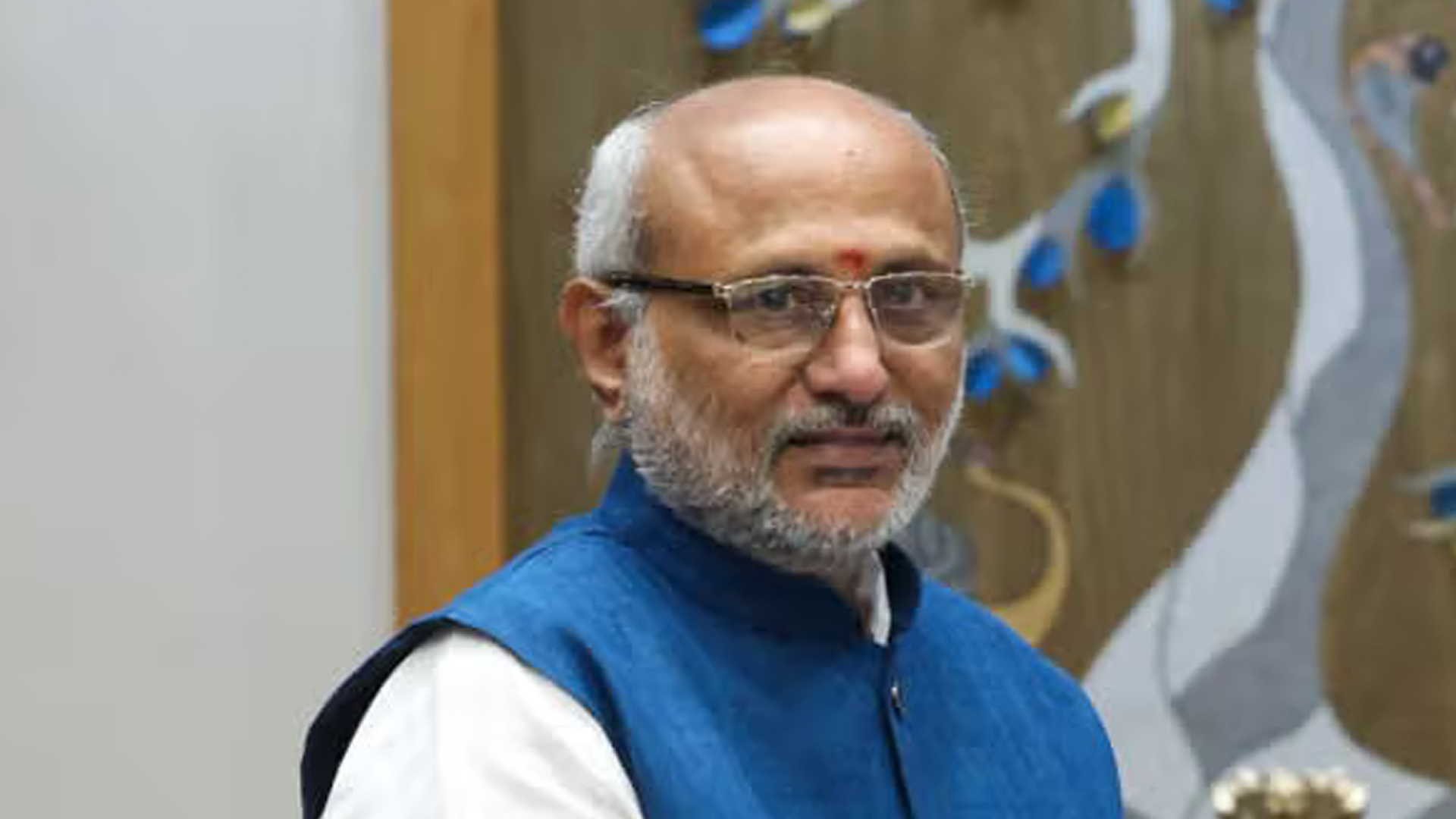
C.P. Radhakrishnan Elected as India’s 15th Vice President in Resounding NDA Victory


 In a clear victory for the National Democratic Alliance (NDA), senior BJP leader and Maharashtra Governor C.P. Radhakrishnan was elected the 15th Vice President of India on Monday, defeating opposition nominee and retired Supreme Court judge Justice B. Sudershan Reddy by a wide margin.

Radhakrishnan secured 452 votes, well above the required majority of 377 in the electoral college comprised of 780 Members of Parliament from the Lok Sabha and Rajya Sabha. Justice Reddy, backed by the opposition INDIA bloc, polled 300 votes, while 15 ballots were declared invalid, triggering speculation of cross-voting and internal dissent within the opposition alliance.

The election, held earlier in the day in Parliament House, saw 767 MPs cast their votes, with a turnout of over 98%. The results were officially declared by P.C. Mody, Secretary-General of the Rajya Sabha and the Returning Officer.

A Veteran from Tamil Nadu

At 67, Radhakrishnan brings decades of public service to the role. A two-time Member of Parliament from Coimbatore, he is known for his long-standing association with the Rashtriya Swayamsevak Sangh (RSS) and his reputation for discipline, simplicity, and administrative acumen.

With this win, he becomes the third leader from Tamil Nadu to hold the office of Vice President, after R. Venkataraman and M. Venkaiah Naidu. His nomination and election are being seen as a strategic move by the BJP to consolidate support in southern India, where the party has been actively working to expand its footprint.

National Leaders React

Prime Minister Narendra Modi congratulated Radhakrishnan, calling him “a dedicated public servant whose commitment to nation-building and the welfare of the underprivileged has been unwavering.”

President Droupadi Murmu also conveyed her greetings and was confident that his “wealth of experience and calm leadership” would uphold the dignity and constitutional responsibilities of the Vice President’s office.

Leaders from Maharashtra, where Radhakrishnan currently serves as Governor, expressed pride in his elevation. Chief Minister Eknath Shinde, Deputy CM Devendra Fadnavis, and Deputy CM Ajit Pawar praised his administrative record. Union Minister Piyush Goyal said the victory reflects the “nation’s faith in quiet, value-based leadership.”

Opposition Faces Setback

The INDIA bloc, which had projected the Vice Presidential contest as an ideological battle against the NDA, faced an embarrassing setback. Despite claims of complete unity, Justice Reddy’s vote count fell short of expectations, highlighting cracks within the alliance and raising questions about cohesion ahead of the 2026 general elections.

In his post-result statement, Justice Reddy congratulated Radhakrishnan and said: “This is a moment to reaffirm our faith in democratic values. The struggle for constitutional ideals, justice, and federalism will continue with greater resolve.”

Several opposition leaders, speaking off record, acknowledged the possibility of cross-voting, while others blamed a lack of coordination and mixed messaging within the alliance.

Responsibilities Ahead

Radhakrishnan is expected to be sworn in later this month, succeeding Jagdeep Dhankhar, whose tenure concludes soon. As Vice President, he will serve as the ex officio Chairman of the Rajya Sabha, responsible for presiding over sessions of the Upper House and ensuring legislative proceedings in an orderly manner.

His tenure begins at a critical time, as Parliament prepares for a high-stakes winter session, with several contentious bills on the agenda and political tensions running high in the lead-up to the 2026 Lok Sabha elections.

A Quiet, Yet Strategic Shift

“This win is both a political message and a structural shift,” said political commentator Ruchi Sharma. “The BJP is showing it can elevate second-rung leaders with clean images and regional roots, while the opposition still struggles to align beyond symbolism.”

Political analysts view Radhakrishnan’s victory as not only a numerical success but also a symbolic assertion of the BJP’s evolving strategy, promoting leaders from non-Hindi-speaking states, rewarding loyalty over limelight, and projecting a narrative of quiet, grounded leadership.

Also Read: Nepal Protests Spiral Into Violence; Army Takes Control as PM Oli Resigns

Nepal Protests Spiral Into Violence; Army Takes Control as PM Oli Resigns


Nepal has plunged into political turmoil after massive protests led by students escalated into violence, forcing Prime Minister K.P. Sharma Oli to resign on Monday. The unrest, initially triggered by the government’s ban on social media, quickly transformed into a nationwide movement against corruption, government apathy, and perceived elite indifference to ordinary citizens’ struggles.

The student-led “Gen Z” protests began as demonstrations against the social media ban but soon attracted broader public participation, including youth groups and civil society actors. Over the weekend, protests spread to multiple cities, culminating in the storming of government buildings, arson attacks, and vandalism. By Monday, at least 19 people had died amid escalating confrontations.

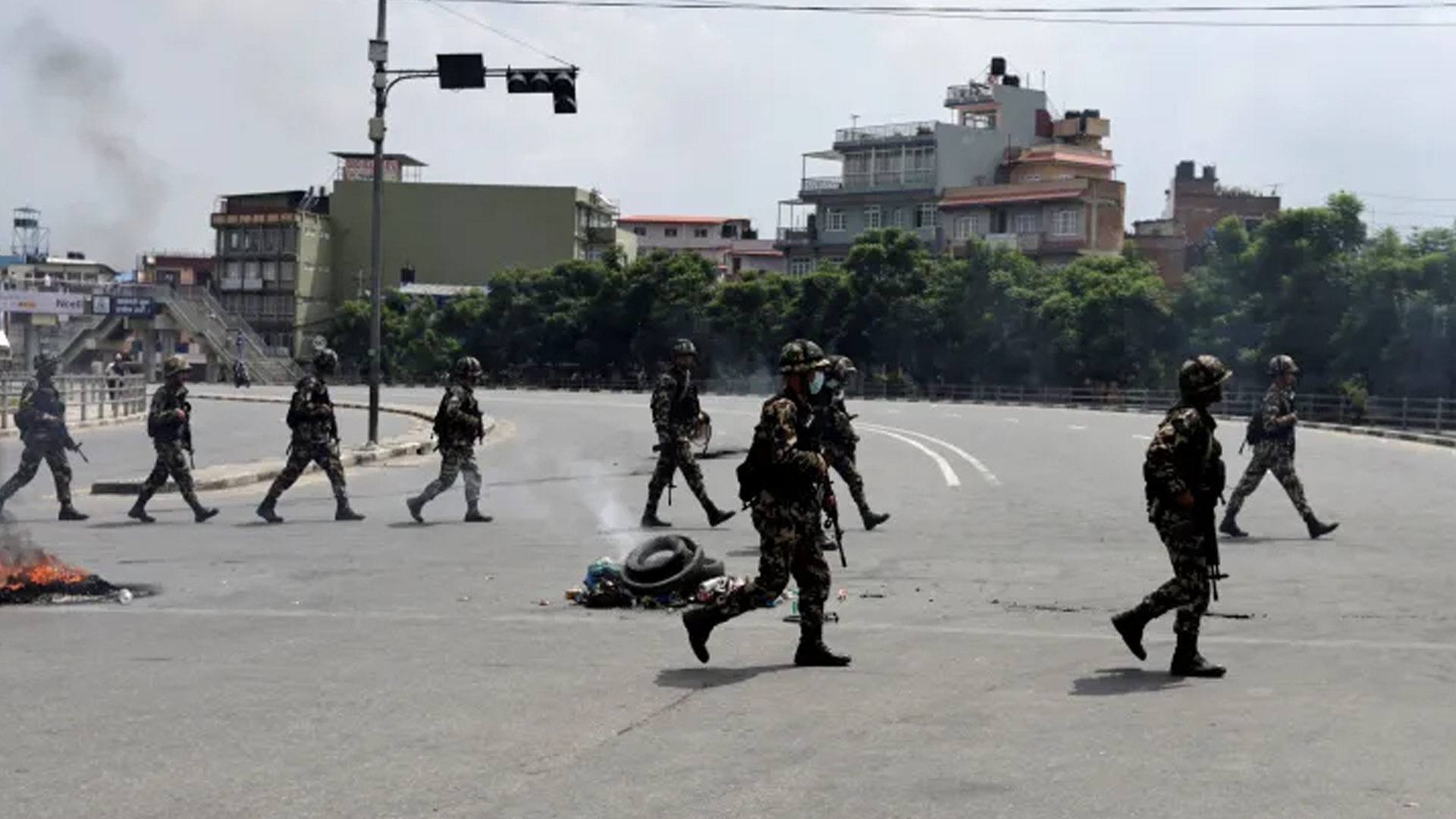
In a dramatic turn of events, the Nepal Army assumed control of security operations from Tuesday night. Soldiers took over key installations, including the Tribhuvan International Airport and the government’s secretariat at Singhdurbar, after protesters attempted to breach them. Army spokesperson Raja Ram Basnet confirmed that troops were deployed to curb further destruction and protect civilians. “We are trying to normalise the situation first. We are committed to protecting life and property,” he said.

The army also took control of Kathmandu’s airport after agitators tried to enter the premises, prompting a partial shutdown of flights. Air India, IndiGo, and Nepal Airlines cancelled several flights between New Delhi and Kathmandu, leaving nearly 700 Indian travelers stranded. Among those affected are tourists from Kerala, with the Union Minister urging the Ministry of External Affairs to ensure their safety. The Uttar Pradesh government issued helpline numbers and set up a control room in Lucknow to assist stranded Indian nationals.

In response to the worsening situation, the Indian government advised its citizens in Nepal to remain indoors and avoid unnecessary travel. Meanwhile, border states like Uttarakhand heightened security. Chief Minister Pushkar Singh Dhami directed authorities to conduct thorough checks along border areas and monitor social media to prevent the spread of misinformation.

On the diplomatic front, Nepali President Ram Chandra Paudel sought to ease tensions through dialogue. He called for calm and urged protest leaders and political stakeholders to engage in negotiations. “In a democracy, the demands raised by citizens can be addressed through dialogue and negotiation,” his statement read. A delegation of protestors is expected to meet with him and army officials later Wednesday.

Despite the curfew and army presence, protests continue in parts of the capital and neighboring cities. The streets of Kathmandu remained deserted early Wednesday, with residents only venturing out to procure essentials. The army warned against exploiting the situation, stating that some groups were inciting further violence to cause chaos.

The situation along the India-Nepal border remains tense. At the Sonauli crossing in Uttar Pradesh’s Maharajganj district, a surge of tourists returning from Nepal was observed as many cut short their trips. One group from Bhopal, comprising 60 senior citizens, reported being stranded after flights were cancelled and airport access was restricted.

The political crisis in Nepal is seen as a major test for the country’s fragile democracy. Analysts point to long-standing governance issues, corruption allegations, and the failure of successive governments to address unemployment and economic stagnation as root causes. With PM Oli’s resignation, the next steps toward political stability remain uncertain. However, the army’s intervention, President Paudel’s call for dialogue, and international attention—including from India—suggest that authorities are keen to prevent further deterioration.

Also Read: India Advises Caution for Nationals in Nepal Amid Deadly Protests

16-Year-Old Abhimanyu Mishra Stuns World Champion Gukesh at Grand Swiss


In a dramatic twist at the FIDE Grand Swiss 2025, 16-year-old American grandmaster Abhimanyu Mishra pulled off one of the biggest upsets in recent chess history by defeating reigning world champion D Gukesh. The victory makes Mishra the youngest player ever to beat a sitting world champion in classical chess, surpassing even Gukesh’s own record.

The clash, held during the third round of the prestigious tournament, saw grandmasters from around the world pause their games to witness the tense battle unfold. Gukesh, who made headlines earlier this year after claiming the world title at just 18, found himself on the back foot against Mishra’s composed and aggressive play.

The Indian champion appeared to struggle under time pressure after an early g-pawn push, choosing a defensive setup that eventually crumbled. Mishra capitalized on the errors, with the game culminating in Gukesh’s resignation on move 61. The victory sparked visible excitement among the spectators—and quiet disbelief on the champion’s face.

“It wasn’t a very clean game,” Mishra admitted to FIDE post-match, “but I’m really happy with the result.” The teen, already the youngest grandmaster in history at age 12, added that the tournament was going better than expected: “I think I’m at par with them,” he said, referring to Gukesh and fellow Indian star R Praggnanandhaa.

The setback adds pressure to Gukesh’s title defense campaign, especially after being held to a draw by 14-year-old Turkish prodigy Yagiz Kaan Erdoğmuş in the previous round.

It was a tough day overall for the Indian contingent, with Praggnanandhaa also suffering a surprise loss to Germany’s Matthias Bluebaum. However, Arjun Erigaisi delivered a much-needed win for India, defeating England’s Nikita Vitiugov to stay in contention.

The Grand Swiss, one of the key events on the road to the Candidates Tournament, continues to showcase a generational shift in global chess, where teenage prodigies are not just competing but rewriting the record books.

Also Read: Hockey Glory Returns: India Wins Asia Cup After Eight Years