rotating globe
3 Apr 2026


Google Agrees to Blur Satellite Images in South Korea


Google announced on Tuesday, September 9, 2025, that it will comply with South Korea’s demand to blur sensitive satellite images on its mapping services. This decision marks a significant shift in the tech giant’s approach to operating in South Korea, where it has faced nearly two decades of regulatory challenges concerning geospatial data.

South Korea enforces stringent laws requiring that core geospatial data be stored locally within the country. These regulations are rooted in national security concerns, particularly the protection of sensitive military infrastructure from potential foreign surveillance. As a result, foreign companies like Google have been unable to access detailed mapping data, hindering their ability to provide comprehensive navigation services. Domestic firms such as Naver and Kakao have dominated the mapping market, offering services tailored to local needs and preferences.

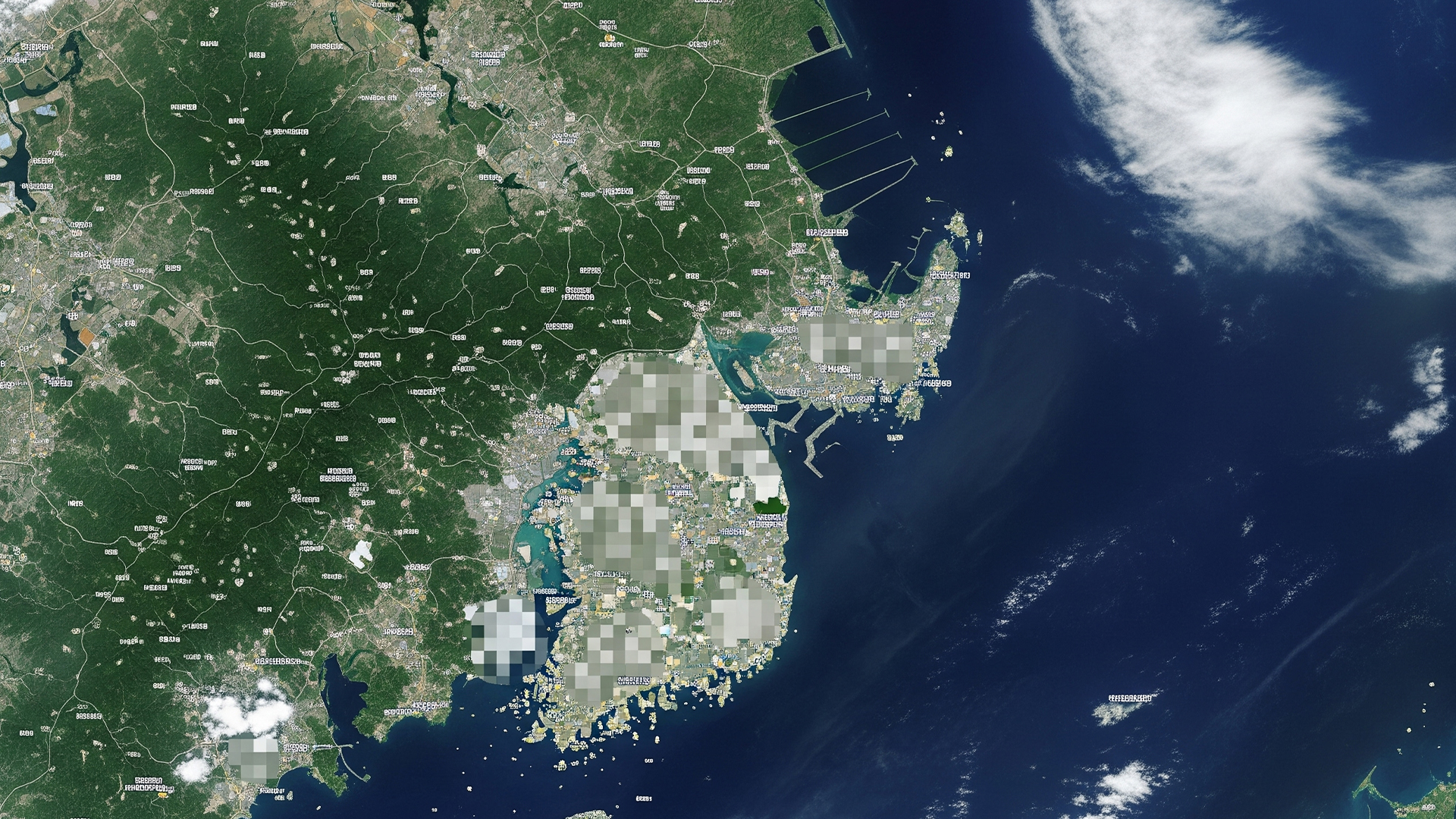
In response to the government’s demands, Google has agreed to blur satellite images of sensitive sites and remove geographic coordinates of security locations from its mapping services. The company confirmed its commitment to these measures, stating that it would “invest a lot of time and resources” to ensure compliance 

This concession is part of a broader effort by Google to navigate the regulatory landscape in South Korea. The company has also proposed acquiring imagery from approved Korean third parties to enhance the accuracy of its maps while adhering to local laws

South Korea remains one of the few countries where international mapping services like Google Maps face significant operational limitations. The restrictions have led to a fragmented digital navigation experience for users, particularly foreign visitors who are accustomed to seamless mapping services in other regions. While Google’s recent compliance may improve its standing in the South Korean market, the company continues to face challenges in obtaining full access to the detailed mapping data necessary for optimal service delivery.

The South Korean government has indicated that discussions regarding the export of high-precision map data are ongoing. While Google has made concessions, the final decision on allowing the export of detailed mapping data remains pending. The outcome of these discussions will determine the extent to which international companies can operate within South Korea’s geospatial data framework.


OPEC+ to Increase Oil Production by 137,000 Barrels Per Day Starting October 2025


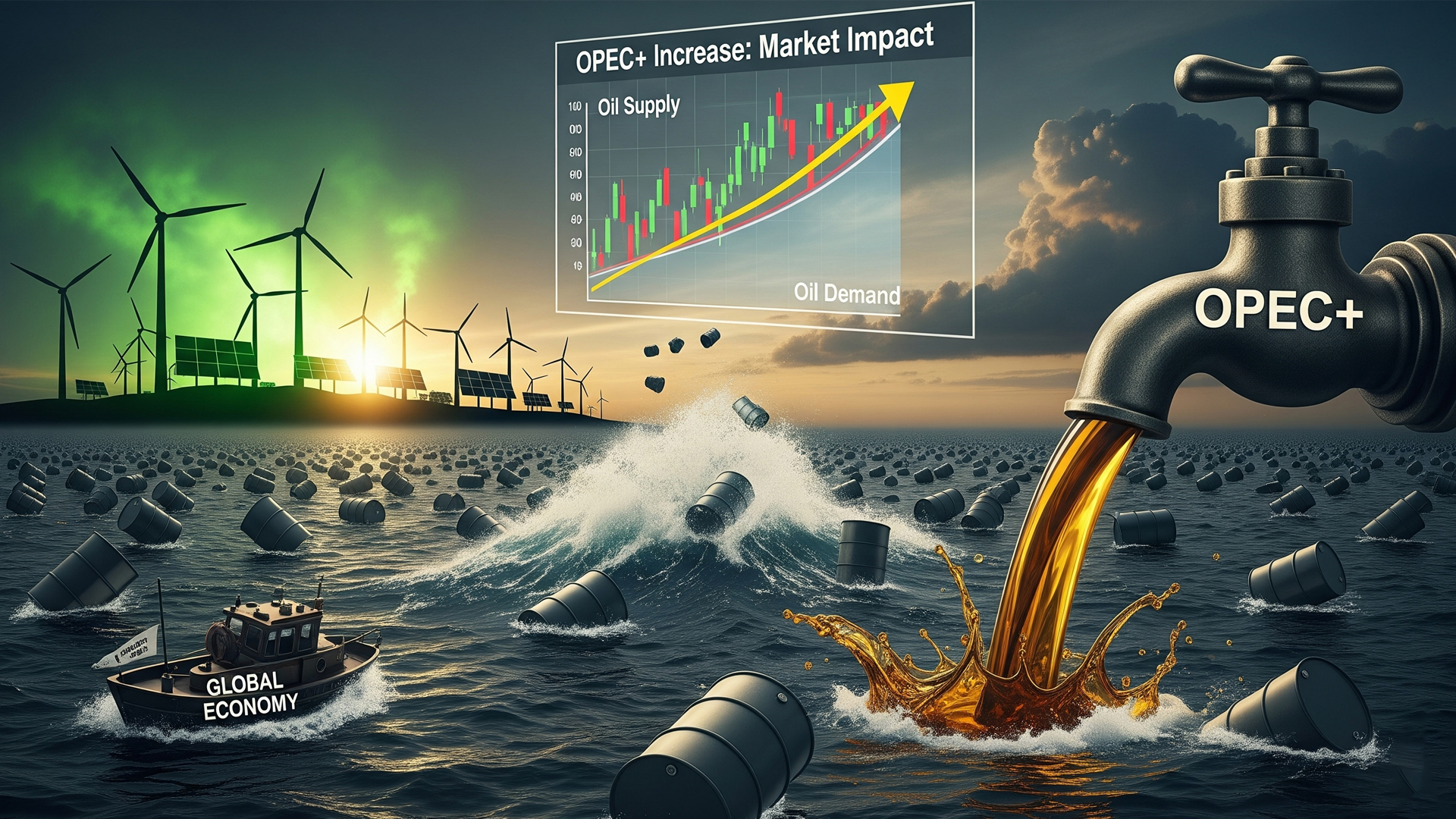
The Organization of the Petroleum Exporting Countries and allies (OPEC+) has announced a cautious increase in oil production by 137,000 barrels per day (bpd), effective from October 2025. This incremental rise is part of a broader strategy by the oil cartel to regain market share amid fluctuating global demand.

The production boost forms a segment of a larger plan to return approximately 1.65 million bpd to the market, which was previously withheld to stabilize prices. The decision reflects OPEC+’s continuous efforts to fine-tune supply levels in response to evolving market dynamics and maintain its stronghold in the global oil market.

Despite the planned increase, oil prices have remained relatively stable. Analysts attribute this resilience to a combination of factors, including potential new U.S. sanctions on Russia and a technical market rebound, which have balanced out the impact of additional supply.

This latest production adjustment follows recent incremental hikes by OPEC+, including a 138,000 bpd rise in April and 411,000 bpd increases in May, June, and July. The August and September hikes furthered the group’s efforts to return to pre-cut production levels.

Prashant Vasisht, Senior VP at ICRA, said OPEC’s output hike will likely push prices down due to an oversupplied market, economic challenges, and slow demand growth as major consumers shift to greener energy.

Nitin Tiwari, VP at PhillipCapital, added that crude prices may stay flat or decline, as OPEC focuses on gaining market share rather than supporting prices, especially with lowered demand forecasts for 2025-26 by the IEA.

Market observers will be closely monitoring how this adjustment impacts global oil prices and demand in the coming months.

Also Read: China Criticizes U.S. 50% Tariffs on India, Urges Strengthened Bilateral Economic Ties

PM Modi Visits Flood-Hit Himachal Pradesh and Punjab Amid Escalating Crisis


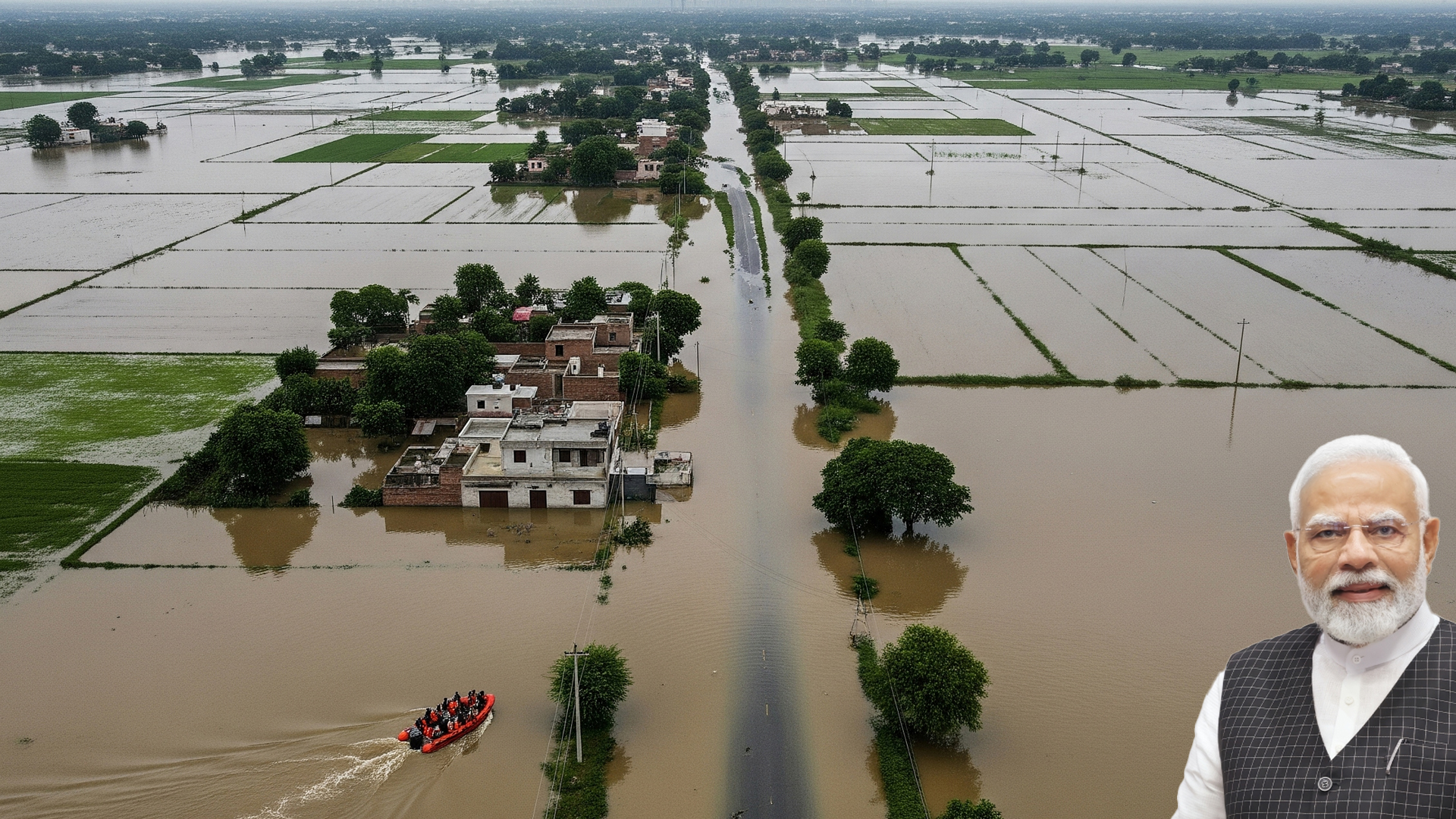
Prime Minister Narendra Modi on Tuesdayvisited Himachal Pradesh and Punjab to assess the devastating impact of monsoon floods that have ravaged the northern states. The visit comes as the affected regions face one of the worst natural disasters in recent memory, with widespread damage to life, property, and agriculture.

The Prime Minister began his day in Himachal Pradesh, conducting an aerial survey of areas hit by landslides and flash floods. The state has reported over 370 deaths and severe infrastructure damage, with roads, bridges, and homes washed away. Rescue operations led by the National Disaster Response Force (NDRF) and State Disaster Response Force (SDRF) are ongoing in coordination with local authorities.

Following his visit to Himachal, PM Modi flew to Punjab, where floods caused by the swelling of the Sutlej, Beas, and Ravi rivers have submerged more than 1,400 villages and affected over 3.5 million people. The state government confirmed 48 deaths and damage to around 1.84 lakh hectares of farmland, resulting in economic losses exceeding ₹13,000 crore. In Gurdaspur, the Prime Minister interacted with flood victims, rescue teams, and state officials, reviewing relief measures and ensuring coordination between central and state agencies.

Speaking on social media before his visit, PM Modi expressed solidarity with those affected, stating, “The Government of India stands shoulder to shoulder with those affected in this tragic hour.” Punjab BJP chief Sunil Jakhar noted that the Prime Minister has been closely monitoring the situation and expressed concern over the scale of the disaster.

Security arrangements were tightened in Gurdaspur to ensure smooth functioning during the visit. Discussions with state officials focused on relief distribution, infrastructure repair, and long-term rehabilitation. The central government has announced financial aid and additional resources to support recovery efforts.

Political reactions have intensified, with opposition parties calling for increased support and transparency in relief distribution. The visit also highlighted the need for greater cooperation between state and central governments in managing climate-induced disasters.

As PM Modi wrapped up his visit on Tuesday evening, officials confirmed that immediate relief efforts would be expanded and that long-term reconstruction plans would be initiated in coordination with local authorities. The affected communities continue to receive support as the states brace for further challenges in the aftermath of the floods.

Also Read: China Criticizes U.S. 50% Tariffs on India, Urges Strengthened Bilateral Economic Ties

Peter Navarro Issues Stark Trade Warning to India Amid Tariff Dispute and Russian Oil Imports


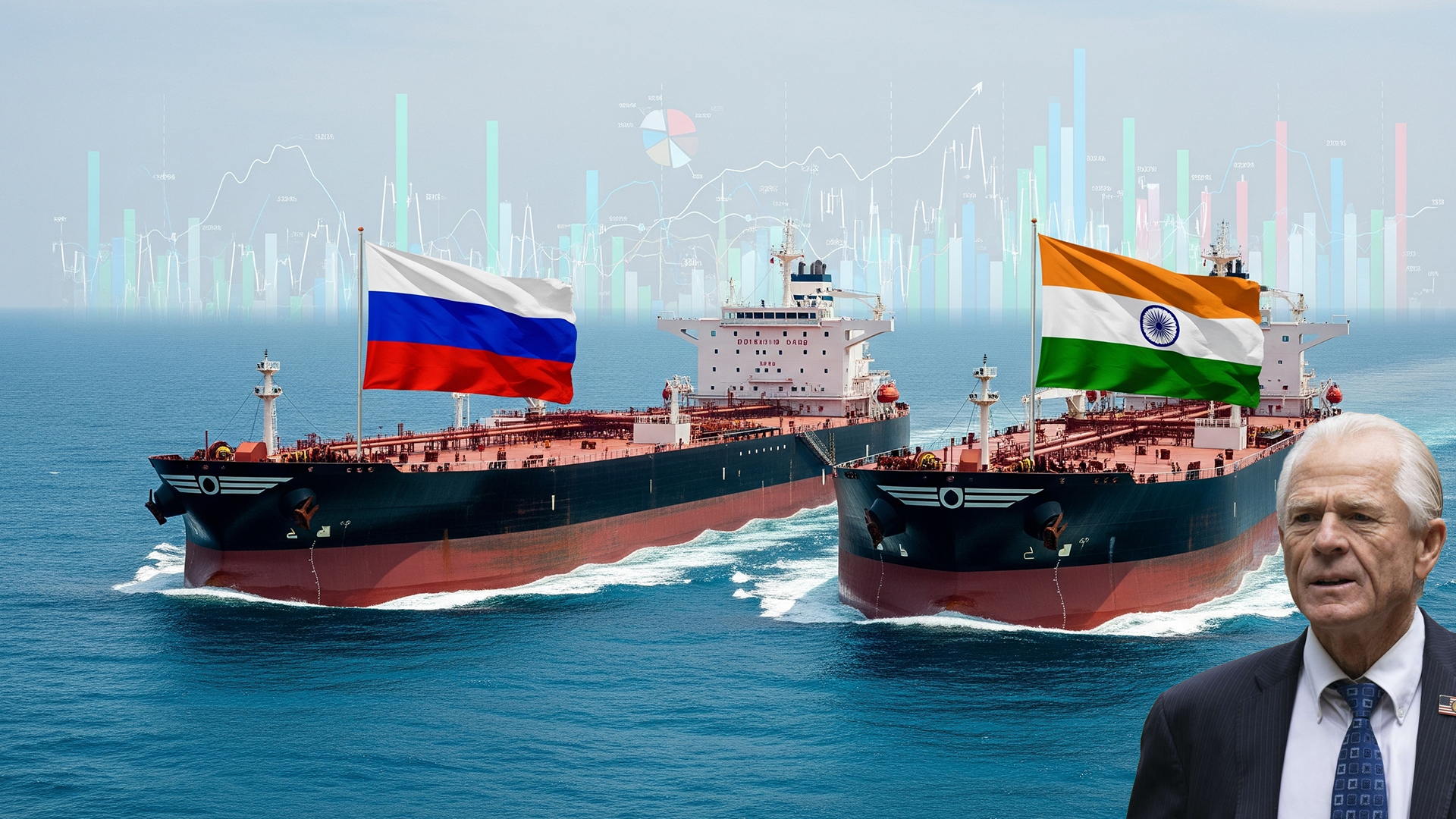
Peter Navarro, senior trade advisor to U.S. President Donald Trump, has intensified his criticism of India, warning that continued trade tensions and India’s ongoing purchase of Russian oil could have severe consequences for bilateral relations.

In a recent interview with ‘Real America’s Voice,’ Navarro referred to India as the “Maharajah of tariffs,” highlighting what he perceives as the highest import duties among major economies. He emphasized that if India does not adjust its trade policies, it risks aligning more closely with Russia and China, a move he suggests would not bode well for India’s future.

Navarro also condemned India’s increased imports of Russian crude oil since the onset of the Ukraine conflict, labeling these transactions as “blood money.” He argued that such actions indirectly support Russia’s war efforts, thereby complicating the United States’ position and potentially increasing American taxpayers’ financial burdens.

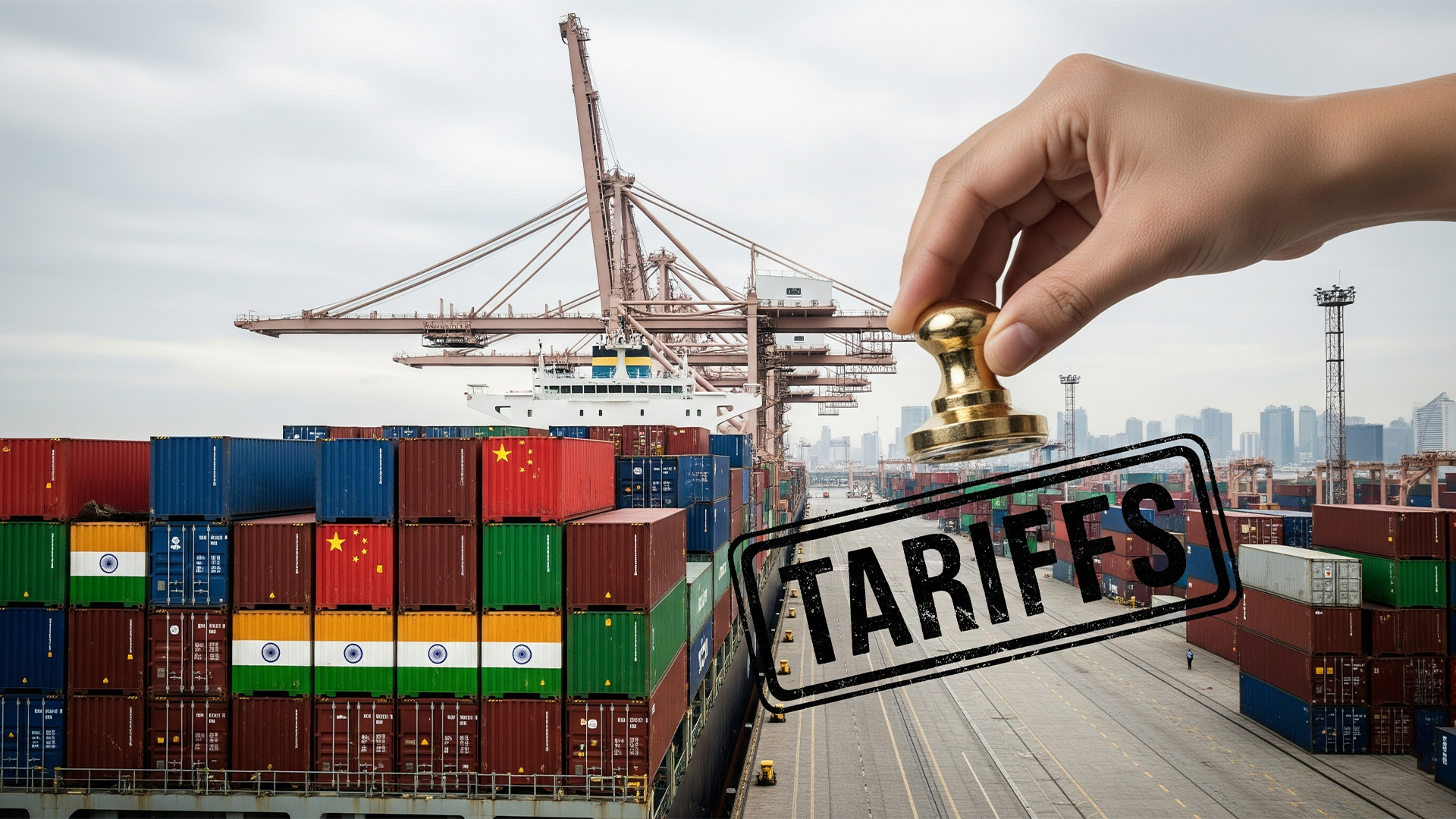
This rhetoric comes on the heels of the U.S. imposing a 50% tariff on Indian goods, a move that has strained diplomatic ties. Navarro contrasted India’s stance with that of other U.S. allies, such as the European Union, Japan, South Korea, the Philippines, and Indonesia, which he claims have moved closer to Washington through new trade agreements.

In a broader critique, Navarro dismissed the BRICS alliance—comprising Brazil, Russia, India, China, and South Africa—as inherently unstable, stating, “They all hate each other.” He likened their trade practices to “vampires” exploiting the United States, suggesting that these nations benefit disproportionately from trade with the U.S.

These comments have sparked significant backlash. Indian officials and analysts have criticized Navarro’s remarks as misinformed and counterproductive. External Affairs Minister S. Jaishankar recently emphasized the importance of maintaining open global trade during a BRICS meeting, urging member nations not to complicate the ongoing trade situation.

As tensions escalate, the future of U.S.-India trade relations remains uncertain. Analysts warn that continued confrontational rhetoric could undermine efforts to strengthen ties between the two nations, which have been pivotal in countering China’s growing influence in the Indo-Pacific region.

Also Read: India Advises Caution for Nationals in Nepal Amid Deadly Protests

Israel Orders Full Evacuation of Gaza City Amid Escalating Military Offensive


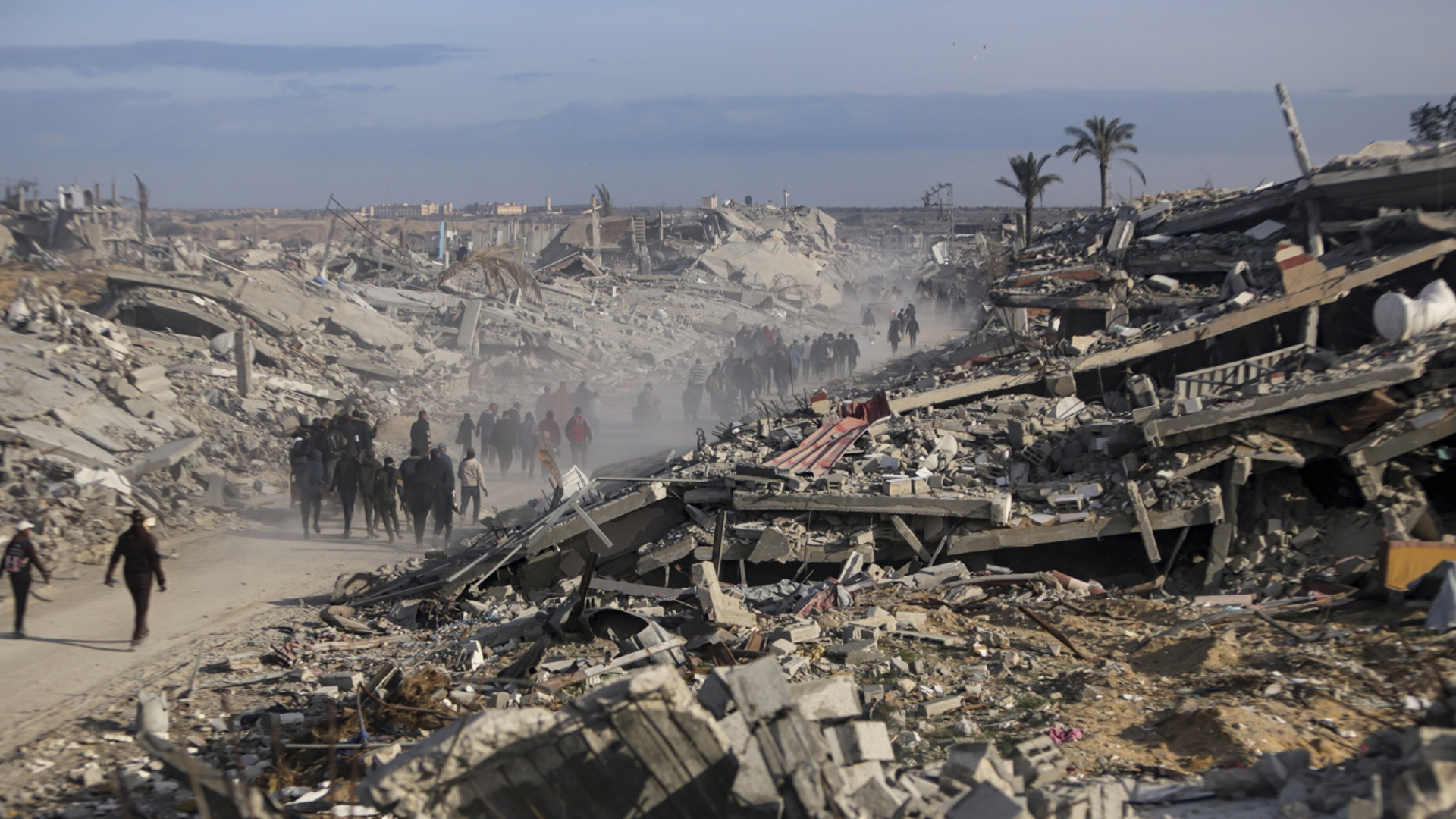
On September 9, 2025, the Israeli military issued an unprecedented full evacuation order for Gaza City, signaling a significant escalation in its ongoing military campaign against Hamas. This directive affects approximately one million residents of the city, urging them to vacate immediately ahead of a planned ground operation aimed at seizing control of the urban center.

Prime Minister Benjamin Netanyahu emphasized the urgency of the situation, stating that Israeli forces were preparing for a “manoeuvre” in Gaza City, which he described as a critical step in dismantling Hamas’s remaining strongholds.

The evacuation order comes after a series of intensified airstrikes targeting high-rise buildings in Gaza City, which Israel claims were used by Hamas for military purposes. Defense Minister Israel Katz reported the demolition of 30 such buildings, while Netanyahu asserted that at least 50 “terror towers” had been destroyed, framing these actions as a prelude to a major ground incursion. The military is directing civilians to move south to the overcrowded humanitarian zone in al-Mawasi, though aid organizations caution that there is insufficient infrastructure to support such a large-scale displacement.

This development has sparked panic among Gaza City’s residents, many of whom are already grappling with the effects of prolonged conflict and a growing humanitarian crisis. Since the war began after Hamas’s attack on Israel on October 7, 2023, over 64,000 Palestinians have been killed, and most of Gaza’s population has been displaced, according to Gaza’s health ministry. The United Nations and various humanitarian organizations have expressed deep concern over the deteriorating conditions, including widespread famine and the destruction of essential infrastructure.

International critics argue that Israel’s plan to demilitarize Gaza and extend security control could exacerbate the humanitarian plight of the 2.2 million people living there. The ongoing conflict has led to severe shortages of food, water, and medical supplies, with health officials reporting that 370 people, including 131 children, have died from malnutrition and starvation caused by acute food shortages. Despite efforts to distribute aid, including over 1,900 trucks supplying food, agencies and foreign officials say more is needed to address the crisis.

The evacuation order and subsequent military actions have complicated ongoing ceasefire negotiations. Qatar has been actively mediating talks in Doha, urging Hamas to accept a U.S.-backed ceasefire-hostage proposal, which Israel has indicated it supports. However, the escalation in military operations raises questions about the feasibility of reaching a peaceful resolution and the potential for further civilian suffering.

As the situation develops, the international community continues to monitor the humanitarian impact of the conflict and the prospects for a lasting ceasefire. The full-scale evacuation of Gaza City marks a pivotal moment in the ongoing war, with significant implications for both the region’s stability and the lives of its residents.

Also Read: India Advises Caution for Nationals in Nepal Amid Deadly Protests

India Advises Caution for Nationals in Nepal Amid Deadly Protests


The Ministry of External Affairs (MEA) on Tuesday, September 9, 2025, advised Indian nationals in Nepal to exercise caution and strictly follow the guidelines issued by Nepali authorities amid escalating protests that have already claimed dozens of lives. The ministry also expressed deep condolences over the loss of lives during the unrest.

“We are closely monitoring the developments in Nepal since yesterday and are deeply saddened by the loss of many young lives,” the MEA said in its statement. “Our thoughts and prayers are with the families of the deceased. We also wish for the speedy recovery of those injured.”

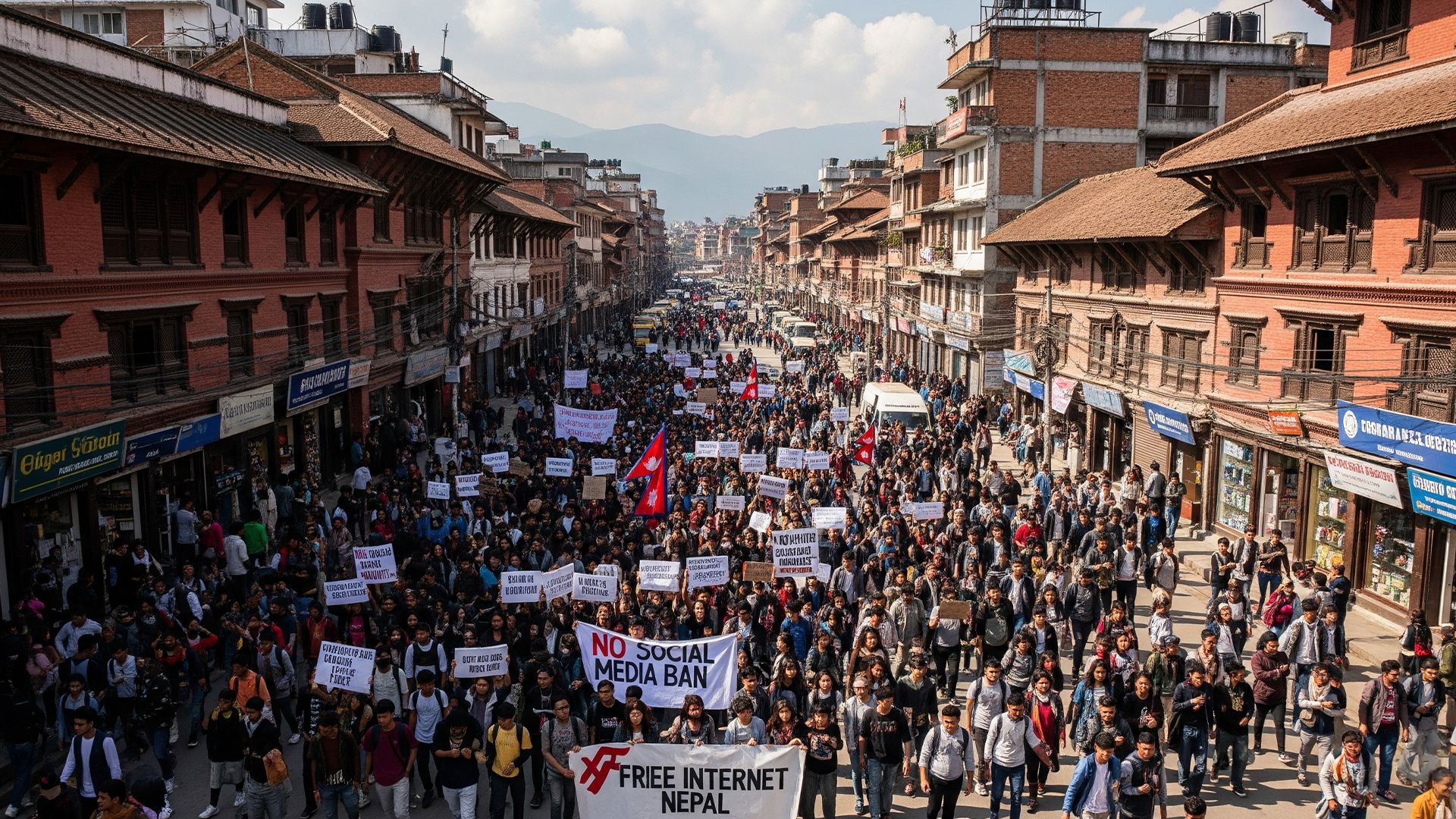
The protests erupted across multiple cities in Nepal on Monday, September 8, after the government led by Prime Minister K.P. Sharma Oli imposed a sweeping ban on social media platforms, including X, Instagram, Facebook, and WhatsApp. The government cited failure to comply with Nepal’s mandatory registration requirements as justification for the ban. Free speech advocates, however, alleged that the move was aimed at suppressing dissent and controlling online narratives. By late Monday night, facing mounting public pressure, the government revoked the ban.

The demonstrations turned violent, with security forces using rubber bullets and live rounds to disperse crowds. According to the Ministry of Health and Population, at least 19 people were killed and more than 300 injured, with casualties reported from hospitals across the country. The protests were particularly intense in cities like Kathmandu, Pokhara, Butwal, Dharan, Ghorahi, and Itahari.

The unrest was largely driven by Nepal’s tech-savvy younger generation, often referred to as “Gen Z,” who led calls against corruption, nepotism, and misgovernance. The protests have been described as a spontaneous uprising triggered by the social media blackout but fueled by deeper grievances about political dysfunction and governance failures.

In a statement released following the violence, Prime Minister Oli defended the ban, blaming “infiltrators” for inciting unrest and expressing sorrow over the loss of lives. Meanwhile, Nepal’s Cabinet announced the formation of an inquiry committee to investigate the events of the day.

Responding to the crisis, the MEA’s advisory to Indian citizens underscores India’s concern over the situation in its neighboring country. The statement further stressed India’s role as a close friend and neighbor, urging all parties to exercise restraint and resolve issues through peaceful dialogue.

The advisory also reflects growing regional concerns about the role of digital platforms in shaping public discourse and mobilizing mass movements. The incident in Nepal mirrors broader global debates over the balance between state control, regulation, and free expression online.

Also Read: Nepal’s Youth Riot Over Social Media Ban and Corruption Allegations

Kerala Facing Alarming Surge in Brain-Eating Amoeba Cases?


Kerala is grappling with a concerning uptick in cases of primary amoebic meningoencephalitis (PAM), a rare and often fatal brain infection caused by the free-living amoeba Naegleria fowleri. As of September 9, 2025, five fatalities have been reported within a month, highlighting the urgency of the situation.

The latest victim, a 56-year-old woman named Shobhana from Vandoor in Malappuram district, succumbed to the infection while undergoing critical treatment at Kozhikode Medical College Hospital. Her death on Thursday came just two days after another patient, 45-year-old Ratheesh from Sulthan Bathery, died from the same infection at the same facility. Health officials noted that Ratheesh had pre-existing cardiac complications, which may have contributed to the severity of the disease.

Currently, 11 patients exhibiting symptoms of PAM are being treated and monitored at Kozhikode Medical College Hospital.

PAM is a rare but devastating infection caused by Naegleria fowleri, an amoeba typically found in warm, contaminated freshwater environments. The infection occurs when water containing the amoeba enters the body through the nose, often during activities such as swimming, diving, or bathing in infected water bodies. Once in the nasal passages, the amoeba travels to the brain, leading to inflammation and tissue destruction.

Symptoms of PAM begin 1–12 days after exposure and can include headache, fever, nausea, vomiting, stiff neck, confusion, lack of attention to people and surroundings, loss of balance, and hallucinations. The disease progresses rapidly, and death usually occurs within 1 to 18 days after symptoms begin. According to the Centers for Disease Control and Prevention (CDC), of the 164 reported cases in the United States between 1962 and 2023, only four individuals survived.

Globally, Naegleria fowleri has been detected in every country except Antarctica. Between 1965 and 2018, a total of 381 PAM cases were reported worldwide, with the number of cases increasing by 1.6% each year during that period. In India, Kerala has reported a significant number of cases, with over 20 instances of Naegleria fowleri infections, including seven in the past two months alone.

In other countries, such as Pakistan, there has been a rise in Naegleria fowleri cases in recent years, with over a hundred deaths reported since the first infection in 2008. Similarly, South Korea reported its first death from the brain-eating amoeba in 2022, with a total of 381 cases reported globally by that time.

Health Advisory and Preventive Measures

In response to the outbreak, Kerala’s Health Department has issued special guidelines to healthcare professionals regarding treatment protocols. The infection is not transmitted from person to person but is contracted when contaminated water enters the body through the nose. Health advisories recommend avoiding swimming in freshwater lakes and stagnant ponds, particularly during the warm summer months when water levels are low and temperatures are higher, conditions in which the amoeba thrives.

Individuals are also advised to ensure their water supply is clean and chlorinated and to avoid allowing water to enter the nasal passages during bathing or ritual purification practices.

Also Read: Nepal’s Youth Riot Over Social Media Ban and Corruption Allegations

China Criticizes U.S. 50% Tariffs on India, Urges Strengthened Bilateral Economic Ties


In a pointed response to the Trump administration’s imposition of a 50% tariff on Indian imports, China’s Ambassador to India, Xu Feihong, condemned the move as “unfair and unreasonable,” urging both nations to bolster their economic cooperation to counteract the escalating trade tensions.

Speaking at a press conference in New Delhi, Ambassador Xu characterized the U.S. tariffs as a form of “unilateralism and acts of bullying,” emphasizing that such protectionist measures disrupt the multilateral trading system and harm global economic stability. He stated, “The United States has long benefited from free trade. But now it is using tariffs as a weapon to demand exorbitant prices. The 50% tariff on India is unfair, unreasonable, and China firmly opposes it.”

Ambassador Xu highlighted the complementary nature of the Indian and Chinese economies, noting that both countries are home to vast populations and dynamic markets. He invited Indian businesses to invest in China, offering a “fair, just, and non-discriminatory” business environment, and called for increased bilateral trade and investment.

The ambassador also addressed concerns over the India-China border dispute, stating that recent agreements have led to a de-escalation of tensions. He dismissed suggestions that Pakistan’s relationship with China negatively affects India-China relations, asserting that bilateral ties are not influenced by third-party dynamics.

Ambassador Xu further emphasized the shared challenges both nations face, particularly in combating terrorism. He reaffirmed China’s commitment to working with India and the international community to address this issue, highlighting the importance of cooperation in ensuring regional and global security.

This diplomatic exchange underscores the complex interplay between trade policies and geopolitical relations. While the U.S. tariffs have strained Indo-American ties, they have also prompted China to position itself as a potential partner for India, seeking to capitalize on the shifting dynamics of global trade and politics.

Ambassador Xu recalled remarks by Chinese President Xi Jinping during his meeting with Prime Minister Narendra Modi on August 31 on the sidelines of the Shanghai Cooperation Organisation (SCO) summit. President Xi noted that “China and India are at a very special stage of development and as the two biggest and very important emerging economies, China and India should focus on development and promotion of mutual support, mutual complementarity and mutual success.” Prime Minister Modi, in turn, stressed that “India-China cooperation will make the 21st century a genuine Asian century,” underlining the importance of economic cooperation between the two sides.

As India navigates these external pressures, the government’s response to China’s overtures will be closely watched, particularly in light of recent efforts to stabilize relations with Beijing and address longstanding border issues. With global economic uncertainty intensifying, both nations stand to benefit from increased coordination and mutual support.

The ambassador’s remarks reinforce China’s intent to strengthen ties with India, presenting an alternative path for cooperation at a time when protectionist policies threaten global trade. Whether India chooses to deepen engagement with China or pursue diversified partnerships in the face of tariff-induced disruptions will be a defining challenge for policymakers in the months ahead.

Also Read: Supreme Court Directs EC to Consider Aadhaar for Voter Identity in Bihar’s Electoral Roll Revision

Thailand’s Supreme Court Orders Former PM Thaksin Shinawatra to Serve One Year in Jail


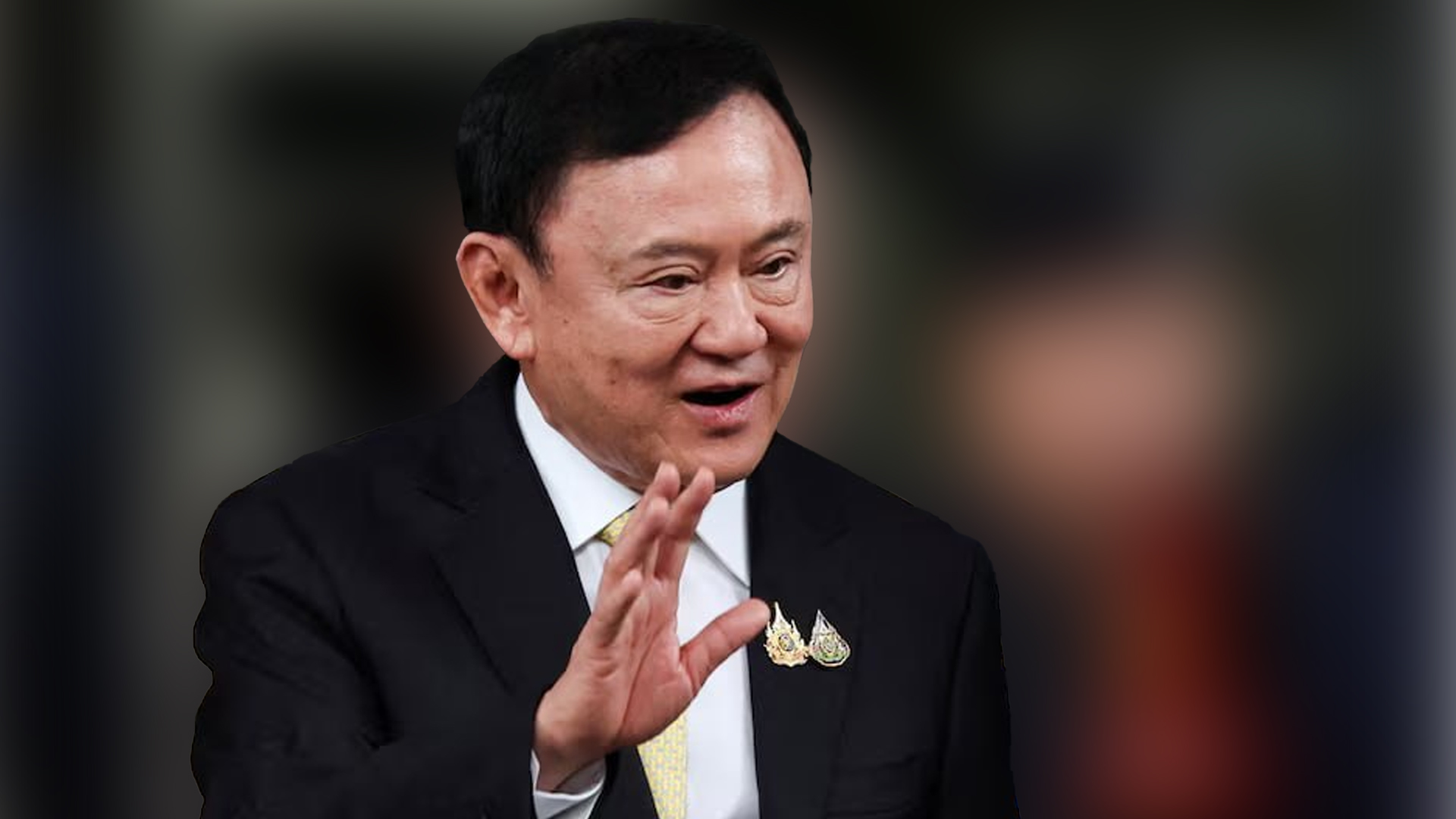
Thailand’s Supreme Court on Tuesday ordered former Prime Minister Thaksin Shinawatra to serve one year in prison, in a decisive judicial ruling that marks another major blow to the powerful Shinawatra political dynasty that has shaped the country’s political landscape for more than two decades.

The court ruled that Thaksin must serve prison time he avoided while under hospital detention, following his return from 15 years of self-imposed exile. Police were set to take him into custody, a Reuters reporter at the court said, though Thaksin had not yet left the premises at the time of reporting.

Thaksin’s return in 2023 was met with both curiosity and controversy. After being briefly imprisoned, he was swiftly transferred to a hospital due to reported heart trouble and chest pains, prompting widespread scepticism and public outrage. His eight-year sentence for conflicts of interest and abuse of power had been commuted to one year by the king, and he was released on parole after only six months—most of which he spent in the VIP wing of a hospital, fuelling perceptions of preferential treatment.

This latest ruling comes amid a broader political reckoning for the Shinawatra family. Just 11 days earlier, Thaksin’s daughter and political heir, Paetongtarn Shinawatra, was removed as Prime Minister by the courts. She became the sixth premier from or supported by the Shinawatra clan to be ousted through judicial or military intervention, underscoring the judiciary’s tightening grip on political influence in Thailand.

The fall of Paetongtarn’s government plunged the country into days of political uncertainty, culminating in a parliamentary vote that saw Anutin Charnvirakul, a former ally, elected as Thailand’s new Prime Minister. Anutin’s rise represents a significant defeat for Thaksin’s Pheu Thai Party, once regarded as an unstoppable political force. His appointment, swiftly endorsed by the monarchy, signals a shift in Thailand’s political order and the weakening of the Shinawatra legacy.

Thaksin, dressed in a suit and a yellow tie symbolic of royal allegiance, arrived at the Supreme Court with his family and greeted media workers outside. A small group of red-shirted supporters held placards and his photographs, expressing loyalty even amid his legal downfall.

Analysts view the court’s ruling as part of a broader effort to reduce the political dominance of entrenched families and curb corruption. It also reflects public frustration over perceived abuses of power and unequal treatment by the justice system.

Thailand’s political future now hinges on how Anutin’s administration manages this transition, while reconciling public sentiment and international expectations. The ruling against Thaksin is widely seen as both a judicial assertion of accountability and a moment of reckoning for a family whose influence once seemed untouchable.

As Thailand enters this next phase, observers anticipate heightened political polarization but also renewed efforts toward legal and institutional reform aimed at ensuring fairness and restoring public trust.

Also Read: Apple’s Awe-Dropping Event Set to Unveil iPhone 17 Pro Series

Nepal’s Youth Riot Over Social Media Ban and Corruption Allegations


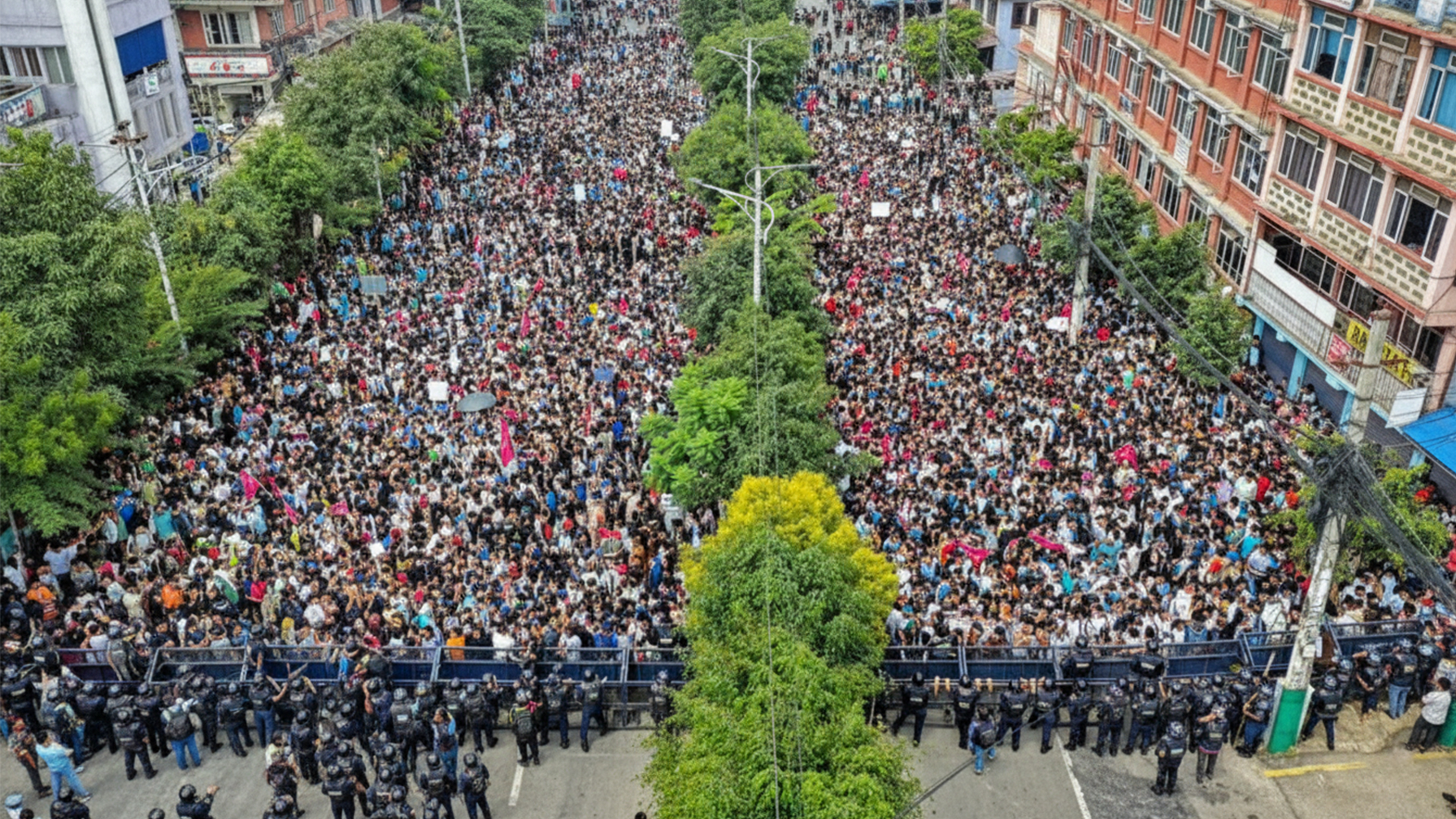
Nepal is witnessing unprecedented youth-led protests as thousands of young demonstrators take to the streets against the government’s ban on 26 major social media platforms and alleged deep-rooted corruption.

The ban, enacted by Prime Minister KP Sharma Oli’s administration, blocks platforms including Facebook, X (formerly Twitter), YouTube, WhatsApp, LinkedIn, Reddit, and Signal after the companies failed to register under new government regulations. Authorities cite concerns over misinformation and fake accounts as justification, but critics decry it as political censorship.

Protests erupted on September 4 and escalated rapidly, and reports state that young demonstrators, mostly Gen Z, clashed violently with police outside the Parliament in Kathmandu. Riot forces deployed tear gas, rubber bullets, and water cannons to disperse crowds, resulting in a few deaths, leaving more than 80 injured so far. A curfew has been imposed in the capital’s government district.

The protests have gained support from key figures, including Kathmandu Mayor Balen Shah, who called for political restraint, and former Nepal Electricity Authority chief Kulman Ghising, who stressed demands for good governance. The movement is also fueling the viral “Nepo Kid” campaign, spotlighting privileges enjoyed by politicians’ children amid widespread corruption.

With nationwide demonstrations spreading, Nepal faces mounting pressure as its youth demand restoration of digital freedoms and government transparency. The government’s next steps will be critical in determining whether the unrest escalates further or leads to meaningful reform.