Historic India-Bhutan Rail Project at ₹4,000 Crore
30 Sep 2025
India is all set to strengthen its ties with its immediate neighbour, Bhutan, and this time, along the railway line. Railway Minister Ashwini Vaishnaw and Foreign Secretary Vikram Misri announced that the two cross-border railway projects to connect Bhutan with the Indian railway network, and the overall cost of the initiative is estimated at ₹4,033 crore.
As per the plan, the first railway line will connect Kokrajhar in Assam to Gelephu in Bhutan, covering 69 km, which is about 66.6 km in India and 2.4 km in Bhutan. The second line will run from Banarhat in West Bengal to Samtse in Bhutan, spanning 20 km, with 17.4 km in India and 2.1 km in Bhutan.
The Kokrajhar–Gelephu line, costing ₹3,456 crore, will cover six stations, two major bridges, 29 large bridges, 65 minor bridges, a flyover, and 39 underpasses. This might take 4 years for completion. The Banarhat–Samtse line, with a budget of ₹577 crore, will include two stations, one major bridge, 24 minor bridges, an overpass, and 37 underpasses, and is expected to be ready in three years.
Further, both lines will be fully electrified and equipped with modern signalling systems. With the new technology in place, these lines can also support advanced trains, including Vande Bharat.
Foreign Secretary Misri mentioned that the project is meant to expand trade and bring ease in connectivity. Also, now that Gelephu is being developed as a “Mindfulness City,” and Samtse as an industrial hub, it will open new areas for business. India will fund the domestic segments, while the Bhutanese sections will be supported under India’s aid to Bhutan’s 13th Five-Year Plan. These rail links are an excellent opportunity to increase trade, development, and employment for the people in Bhutan.
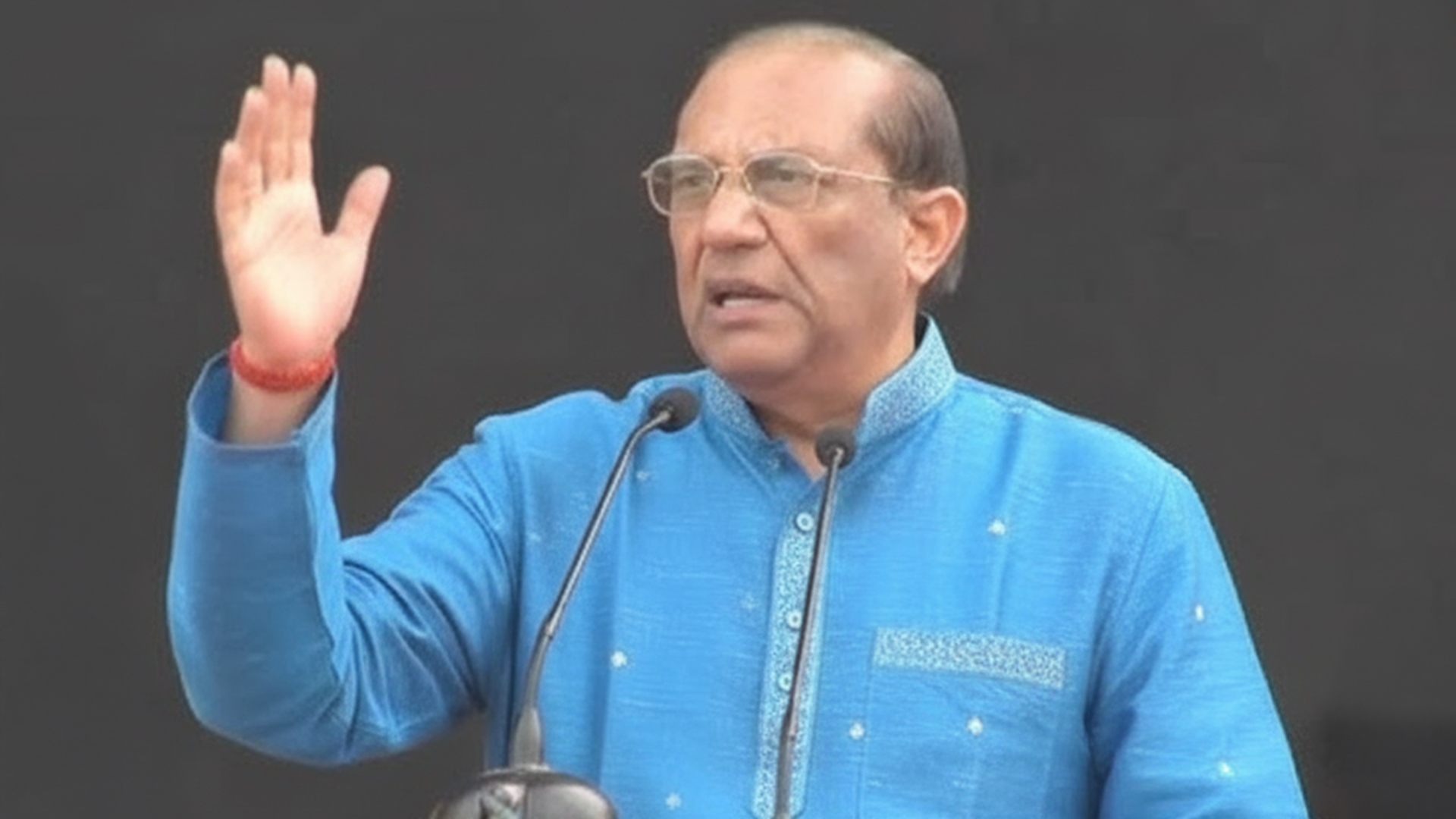
Veteran BJP leader and revered statesman Shri. Vijay Kumar Malhotra breathed his last on Tuesday morning at AIIMS, New Delhi. He was 93, and he leaves behind a strong legacy of integrity and diligence in Delhi’s political history to inspire others.
Malhotra holds a record for becoming a five-time Member of Parliament and a two-time MLA. He had his share of early phenomenal wins in his political career, which won him waves of accolades in the political fraternity. It was during the 1999 Lok Sabha elections that he defeated former Prime Minister Manmohan Singh. He was the first president of the Delhi BJP and one of the key architects of the party’s early growth in the capital. He walked his talk and stood by his discipline in politics, modest lifestyle, and unwavering dedication towards his service for the people. In fact, he remained active in public life well into his 80s.
Quite a coincidence that his death came just a day after the inauguration of the Delhi BJP’s first permanent state office, which was Mr. Malhotra’s long-cherished goal and had been tirelessly worked toward its completion. Prime Minister Narendra Modi paid tribute, calling Malhotra an ‘outstanding leader’ with a deep knowledge about people’s concerns, and acknowledged that his sincere contributions to Parliament and services focused on the BJP’s growth in Delhi will always be remembered by all.
Beyond the persona of a politician, he was regarded as a mentor, a builder, and a man of quiet conviction. A scholar in Hindi literature, he was also a strong advocate for education and sports, helping promote chess and archery through key roles in their associations. As his soul departs the world, Shri. Vijay Kumar Malhotra leaves behind the qualities of consistency, humility, and service for every party member and political generation to follow.
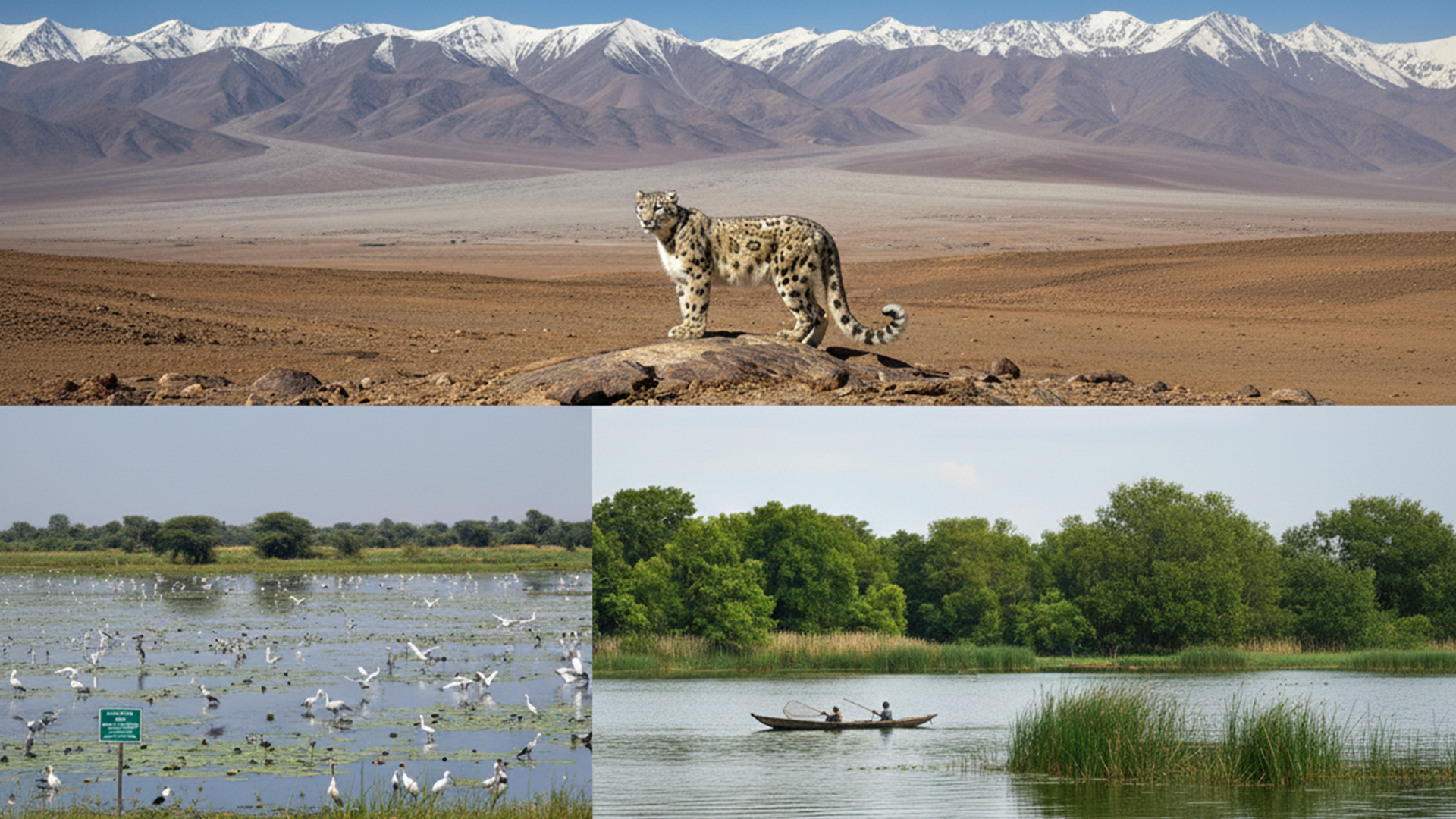
When it comes to protecting nature, India has always stood ahead, and recently, there have been two wins for conservation. The Cold Desert Biosphere Reserve in Himachal Pradesh has been included in UNESCO’s prestigious World Network of Biosphere Reserves, while Bihar secured two new Ramsar wetlands.
The Cold Desert, famed for its stark high-altitude landscapes and species like the snow leopard, is now India’s 13th biosphere site recognized by UNESCO. The decision was announced at the 37th session of UNESCO’s Man and the Biosphere Programme. Environment Minister Bhupender Yadav called it “a proud moment,” underscoring India’s resolve to align sustainable development with ecological preservation.
In Bihar, Gokul Jalashay in Buxar (448 hectares) and Udaipur Jheel in West Champaran (319 hectares) were added to the global Ramsar list. With these, India now hosts 93 Ramsar sites spanning more than 1.36 million hectares. These wetlands are vital for biodiversity, groundwater recharge, and sustaining local economies.
Together, the two recognitions not only strengthen India’s environmental credentials but also highlight its growing global leadership in balancing conservation and community well-being.
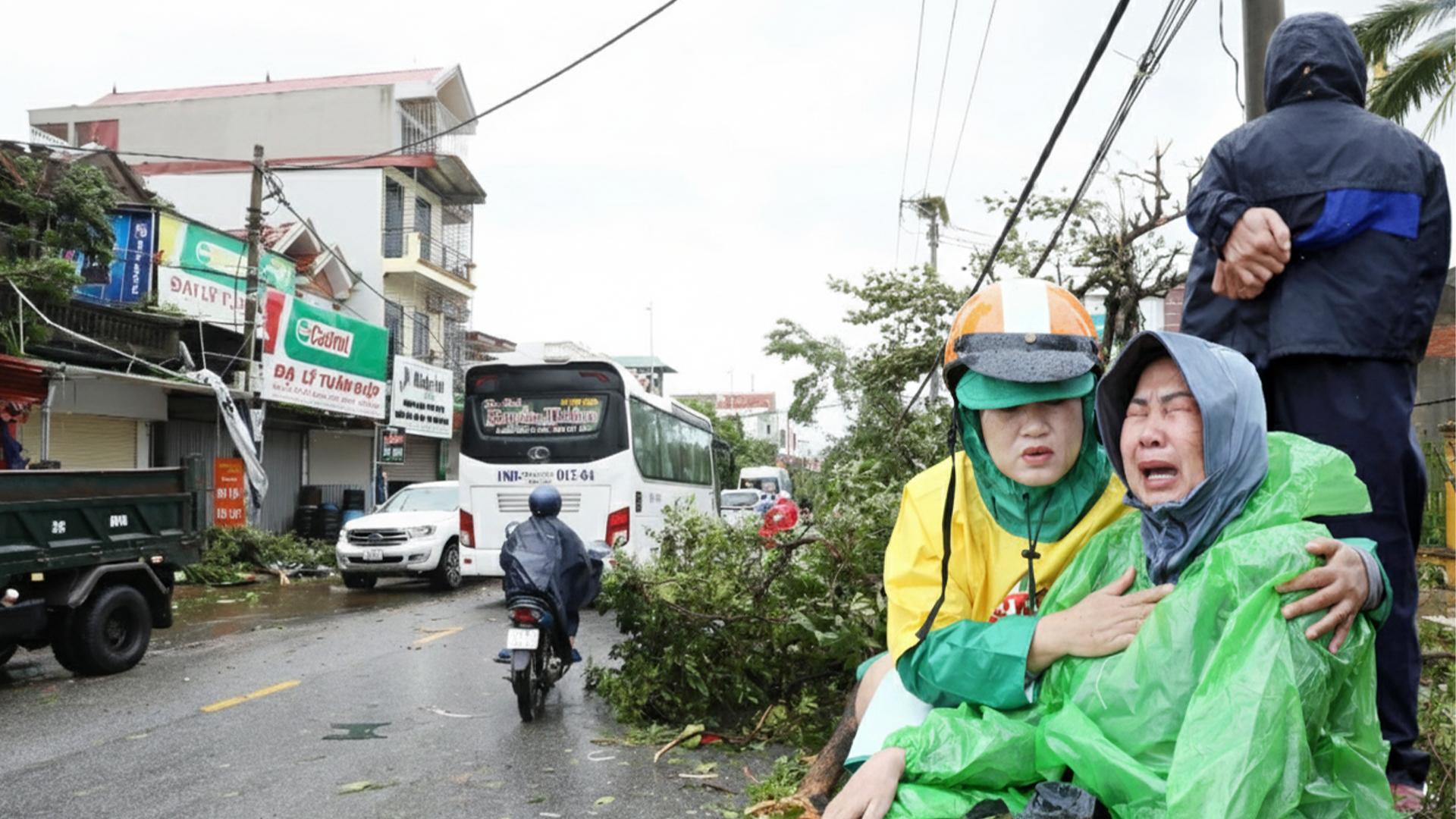
Typhoon Bualoi slammed into central Vietnam on September 29, leaving at least 11 people dead, 13 missing, and dozens injured as fierce winds and torrential rains swept across multiple provinces. The storm caused widespread destruction, prompting Prime Minister Pham Minh Chinh to order swift recovery efforts and emergency support.
With wind speeds up to 117 km/h and waves reaching eight meters, Bualoi struck provinces including Ha Tinh, Quang Tri, Ninh Binh, and Thanh Hoa. Among the missing are 17 fishermen caught in rough seas off Quang Tri, with one boat losing contact entirely. Casualties were also reported due to flooding and fallen trees.
By midday, authorities recorded 11 deaths, 33 injuries, and significant property losses. In Ha Tinh alone, over 42,000 homes, 167 schools, and 12 medical facilities were damaged. Nearly 1,400 hectares of crops and aquaculture areas were flooded.
The Prime Minister extended condolences to affected families and directed local authorities to prioritize search and rescue operations. He also ordered free medical treatment for the injured and funeral assistance for the deceased. Defense and public security forces have been deployed to support recovery and restore essential infrastructure.
Bualoi weakened to a tropical depression as it moved into Laos by the afternoon, but continued to bring heavy rains to northern Vietnam, raising the risk of floods and landslides.
Over 28,500 people were evacuated before landfall. With its long coastline, Vietnam remains highly vulnerable to destructive typhoons during storm season.
YouTube Expands Low-Cost Premium Lite Subscription in India
29 Sep 2025
YouTube is set to expand its low-cost “Premium Lite” subscription tier to users across India, the Google-owned video platform announced on September 29. Priced at Rs 89 per month, Premium Lite aims to offer an ad-free viewing experience for popular video categories, including gaming, comedy, cooking, and educational content, while keeping music content, music videos, and Shorts ad-supported. Unlike standard YouTube Premium, subscribers of this tier will not be able to play videos in the background or download them for offline viewing.
The introduction of Premium Lite is part of YouTube’s broader strategy to grow its subscriber base in India, a market with rapidly increasing internet penetration and rising demand for digital content. The subscription tier, which was first piloted in markets such as the United States earlier this year, will be rolled out nationwide in the coming weeks.
This launch follows other recent subscription experiments by YouTube in India and abroad. In May, the platform piloted a two-person Premium subscription allowing members to share their Premium or Music Premium benefits with another household member. The shared Premium plan is priced at Rs 219 per month in India, while the shared Music Premium costs Rs 149 during the pilot phase. Standard YouTube Premium subscriptions in the country start at Rs 89 for students, Rs 149 for individuals, and Rs 299 for families, while Music Premium plans are priced at Rs 59 for students, Rs 119 for individuals, and Rs 179 for families. In August 2024, YouTube raised prices across all subscription tiers by 12 to 58 percent.
Globally, YouTube has seen strong growth in its subscription offerings. As of March, the platform reported crossing 125 million subscribers across Music and Premium services, contributing to Alphabet’s total paid subscriptions of over 270 million. Alphabet CEO Sundar Pichai noted that YouTube and Google One have been key drivers of this growth. While the company does not break down YouTube’s revenue each quarter, it revealed in October 2024 that the platform’s revenue exceeded $50 billion over the preceding four quarters, highlighting the increasing importance of subscriptions alongside advertising revenue.
With the launch of Premium Lite, YouTube is providing an accessible entry point for viewers who want an ad-free experience without committing to the full benefits of Premium. The move underscores the platform’s effort to diversify its offerings and capture a broader audience in India, where subscription-based digital services are rapidly gaining traction.
Air Arabia Unveils One Million Seat Sale from INR ₹6,000
29 Sep 2025
Air Arabia, the leading low-cost carrier in the Middle East and North Africa, has launched a ‘Super Seat Sale’ offering 1 million discounted seats starting from ₹6,038 (AED 139) for one-way flights. The promotional period runs from September 29 to October 12, 2025, with travel dates valid between February 17 and October 24, 2026.
This sale applies to nonstop flights from major Indian cities, including Mumbai, Delhi, Bengaluru, Chennai, Hyderabad, Ahmedabad, Kolkata, Jaipur, Nagpur, Goa, Thiruvananthapuram, Kochi, Coimbatore, and Kozhikode, to key UAE destinations such as Sharjah, Abu Dhabi, and Ras Al Khaimah.
Travelers booking under this promotion can also take advantage of Air Arabia’s extensive network with convenient connections from the UAE to popular international cities across Europe, Africa, and Asia. Destinations include Munich, Milan, Prague, Vienna, Warsaw, Athens, Moscow, Baku, Tbilisi, Nairobi, and Cairo.
Air Arabia operates over 200 routes from its hubs in Sharjah, Morocco, and Egypt, offering affordable travel options across the Middle East, North Africa, and beyond. The airline emphasizes safety, convenience, and value, making this sale an attractive opportunity for travelers planning trips in 2026.
Tickets are available for booking via Air Arabia’s official website and authorized travel agents. With limited seats available at these discounted prices, early booking is highly recommended.
Northeast India’s Tourism Struggles to Expand Despite Govt Efforts
29 Sep 2025
Guwahati: For more than a decade, the Government of India has made sustained efforts to put Northeast India on the country’s tourism map. From cultural showcases to skill development programs, the Ministry of Tourism has invested heavily in campaigns promoting the region as India’s “unexplored paradise.”
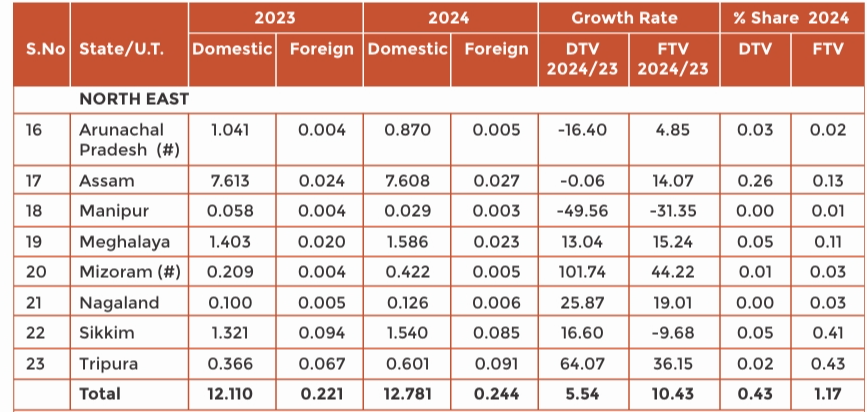
Yet, despite these initiatives, the numbers paint a sobering picture: the Northeast accounted for just 0.43% of India’s domestic tourist visits and 1.17% of foreign tourist arrivals in 2024, according to the India Tourism Data Compendium 2025.
The eight states of Northeast India are blessed with scenic natural beauty, salubrious weather, rich biodiversity, rare wildlife, historical sites, distinct cultural and ethnic heritage, and warm, welcoming people.
The region offers unforgettable experiences for tourists interested in wildlife, religious, cultural, and ethnic tourism, river cruises, golf, and a host of other activities.
The latest data reveals that the eight northeastern states collectively hosted 12.78 million domestic tourists and 0.244 million foreign tourists in 2024. While these figures mark modest growth of 5.54% and 10.43%, they remain marginal compared to the tens of millions of visitors drawn annually to states like Uttar Pradesh, Tamil Nadu, or Rajasthan.
For domestic tourist visits, the top five states were Uttar Pradesh (646.81 million; 21.94%), Tamil Nadu (306.84 million; 10.41%), Karnataka (304.56 million; 10.33%), Andhra Pradesh (290.27 million; 9.85%), and Rajasthan (230.08 million; 7.80%), together accounting for 60.38% of total domestic visits.
In the case of foreign tourists, Maharashtra (3.70 million; 17.69%), West Bengal (3.12 million; 14.92%), Uttar Pradesh (2.27 million; 10.83%), Gujarat (2.27 million; 10.86%), and Rajasthan (2.07 million; 9.90%) led the numbers, collectively attracting 64.34% of total foreign visits. No monuments from the Northeast featured among the top ten most visited monuments for either domestic or foreign tourists.
The only positive trend has been the relatively higher share of foreign tourists compared to domestic visitors. In 2024, the region welcomed 244,000 foreign tourists, accounting for 1.17% of national foreign tourist visits—nearly three times higher in relative terms than domestic arrivals.
The Ministry of Tourism has consistently emphasized the region’s potential. One of its flagship initiatives, the International Tourism Mart (ITM), is held annually in the Northeast to showcase its destinations, products, and culture.
The most recent edition took place in Kaziranga, Assam, from November 26 to 29, 2024, bringing together domestic and international buyers, sellers, and policymakers to promote the region globally. In parallel, the Ministry has invested in building human capital to strengthen tourism infrastructure.
Through its Central Institutes of Hotel Management (CIHMs) in Guwahati and Shillong, it provides professional education and training in hospitality, creating a skilled workforce. Additionally, under the Capacity Building for Service Providers (CBSP) scheme, skill development programs provide education, training, and certification to service providers across various levels of the hospitality sector.
Despite these efforts, the Northeast’s share of India’s tourism remains minimal.
Assam remains the anchor, attracting 7.61 million domestic tourists in 2024, though domestic growth stagnated at -0.06%, even as foreign arrivals rose by 14.07%. Assam’s share of India’s total tourism remains just 0.26% for domestic and 0.13% for foreign tourists.
Smaller states, however, are driving the most growth. Mizoram recorded a 101.74% increase in domestic visitors and 44.22% in foreign arrivals, while Tripura surged with 64.07% growth in domestic arrivals and 36.15% in foreign arrivals, now holding the region’s highest share of India’s foreign tourist inflow at 0.43%.
Meghalaya saw a 13.04% rise in domestic and 15.24% in foreign arrivals, while Sikkim grew domestically by 16.6%, though foreign arrivals declined by 9.68%.
Nagaland recorded respectable growth, driven by the Hornbill Festival, though numbers remain modest. Arunachal Pradesh faced a 16.4% fall in domestic arrivals, despite a slight rise in foreign visitors. Manipur, impacted by unrest, suffered the steepest decline: domestic arrivals fell by 49.56% and foreign arrivals by 31.35%.
The latest figures highlight a central paradox: even as the government ramps up promotion, training, and infrastructure-building, the Northeast continues to attract only a sliver of India’s tourists.
Structural issues such as poor connectivity, inadequate last-mile facilities, restricted access in sensitive areas, and lingering safety concerns persist.
The Northeast’s diversity—from the palaces of Tripura and monasteries of Sikkim to Meghalaya’s living root bridges and Arunachal’s wild landscapes—is unmatched. While initiatives like ITM, CIHMs, and CBSP have recognized this potential, translating them into visible growth on the ground remains a challenge.
Until that happens, the Northeast will continue to be a region of immense promise, waiting to convert its natural and cultural wealth into measurable tourism growth.
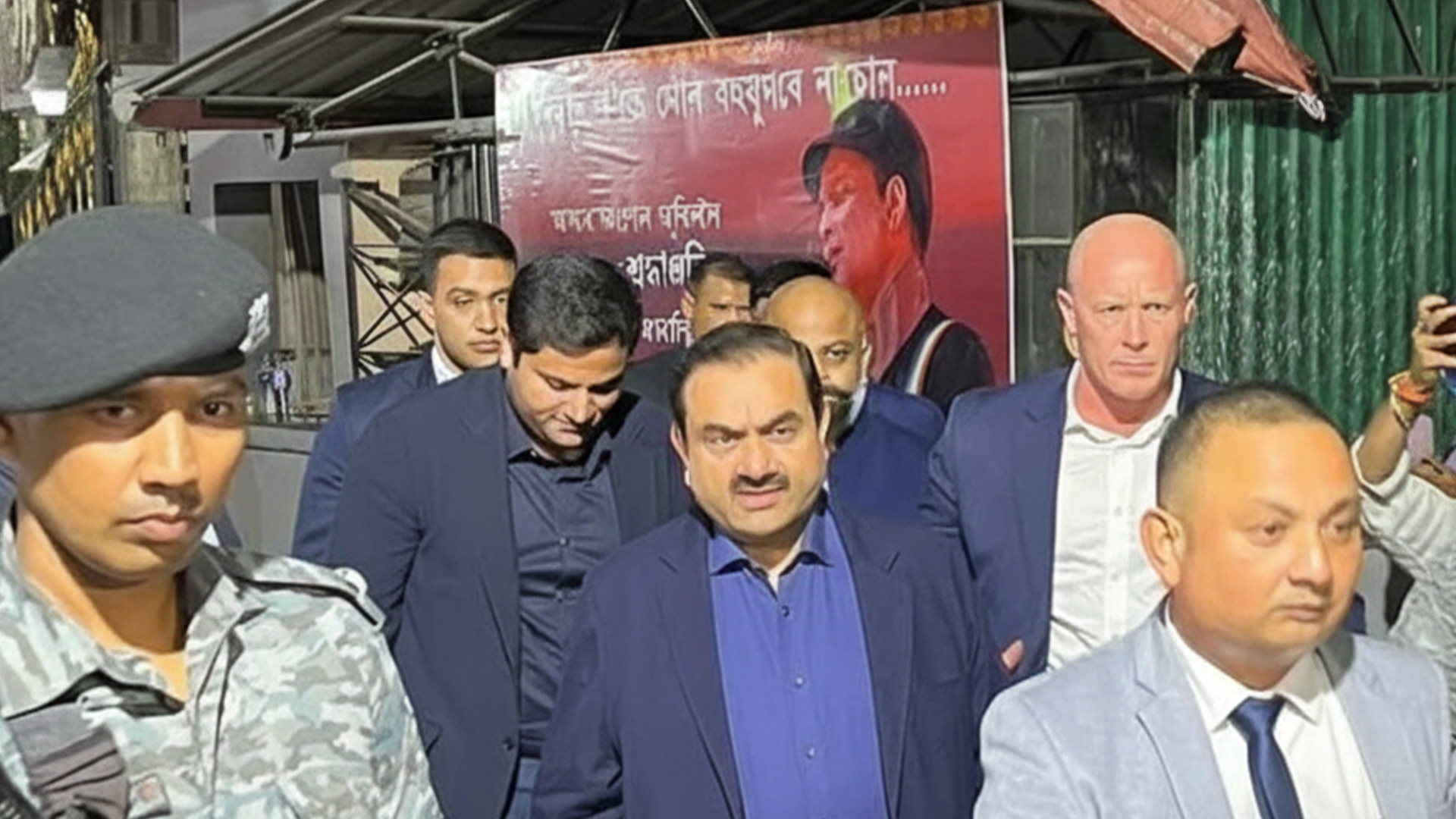
In a touching tribute, Gautam Adani, the chairman of the Adani Group, along with his son Jeet Adani, visited the home of beloved Assamese singer Zubeen Garg in Guwahati to pay their respects to the late music legend.
The father-son duo spent a quiet, heartfelt half-hour at Garg’s residence in the Kahilipara area, meeting with his wife Garima Saikia Garg. Though no official announcements were made, the visit spoke volumes about the deep admiration for Zubeen’s contributions to Assamese culture and music.
Zubeen Garg’s sudden passing on September 19 in Singapore left a profound void in the hearts of his fans and the people of Assam. Known for his soulful voice and relentless passion, Zubeen was much more than a singer, he was a symbol of Assamese pride and identity.
Even Prime Minister Narendra Modi acknowledged this, calling Zubeen the “Kohinoor of Assamese culture” in his recent radio address, reflecting the singer’s extraordinary influence.
Gautam Adani’s visit is a poignant reminder of how Zubeen’s legacy touched lives across different spheres, transcending the world of music to inspire a whole community. It’s a moment of collective mourning, respect, and hope that his spirit will continue to shine through Assam’s rich cultural tapestry.
Nepal Unrest: Travel Bans on Former PM Oli, Senior Officials
29 Sep 2025
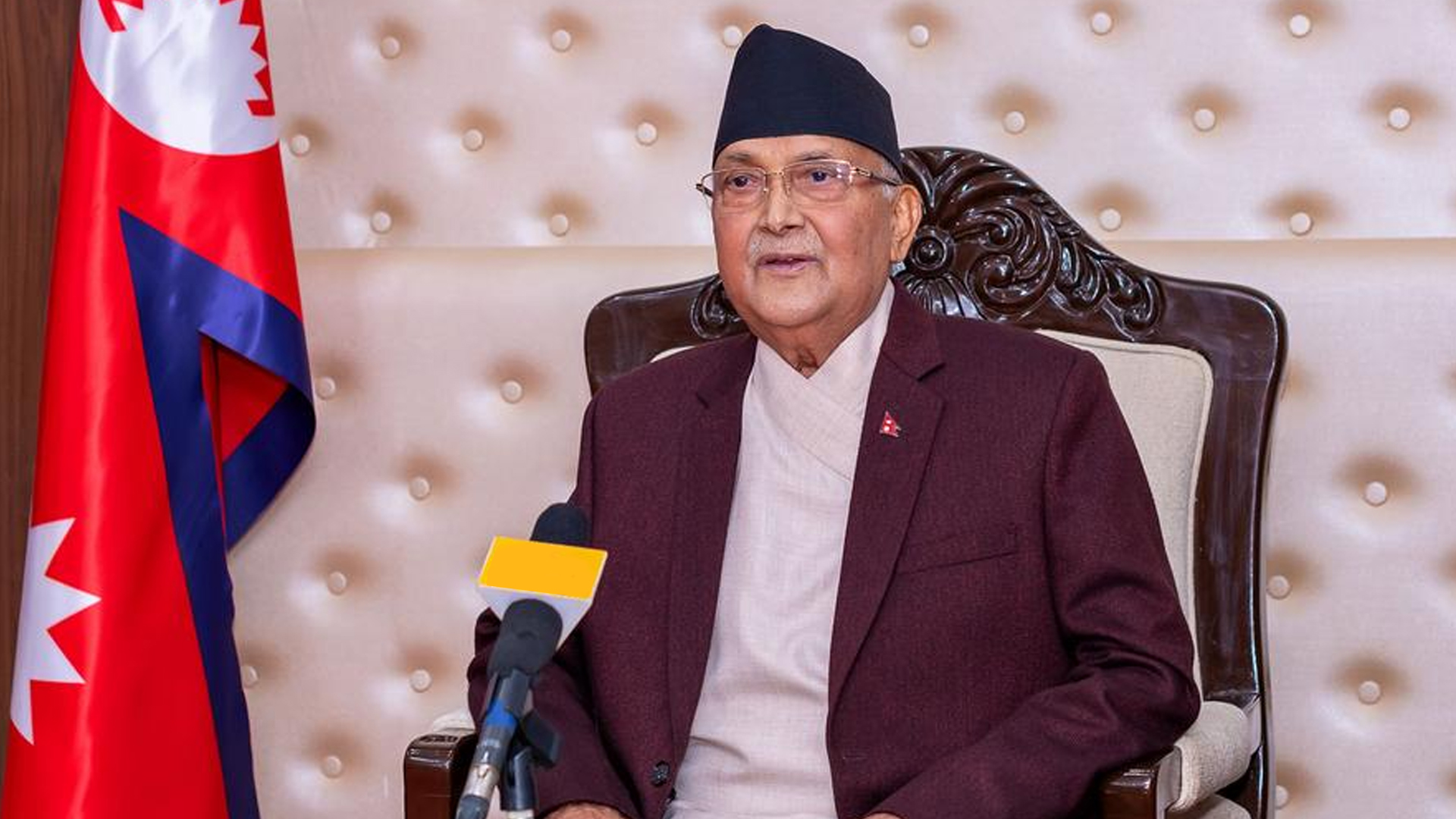
Nepal has imposed travel restrictions on former Prime Minister K.P. Sharma Oli and four senior officials as part of an investigation into the violent unrest that rocked the country earlier this month, Interior Minister Om Prakash Aryal said on Monday.
The restrictions, recommended by a commission set up to probe the violence, came into effect immediately. Commission member Bigyan Raj Sharma stated that the five men must obtain permission to leave the Kathmandu Valley, as they “may need to appear for investigation at any time.” The officials affected include former Home Minister Ramesh Lekhak, former Head of the National Investigation Department Hutaraj Thapa, and two other senior bureaucrats.
The unrest began on September 8, 2025, with youth-led protests triggered by a brief social media ban, economic hardship, and allegations of corruption. The protests escalated quickly into nationwide demonstrations following a violent crackdown. Over two days of clashes, at least 73 people were killed, and several government buildings, including Parliament and administrative offices, were burned down. The unrest contributed to the collapse of the sitting government.
Interim Prime Minister Sushila Karki, who has been leading the country since the collapse, announced the formation of a commission to investigate the incidents. The commission recommended the travel restrictions on September 28, citing the need for the former officials to be available for questioning.
The unrest also caused significant disruption to Nepal’s economy. The Federation of Nepalese Chambers of Commerce and Industry (FNCCI) estimated that private sector losses, including damage to the automobile, hotel, and retail sectors, reached approximately $600 million.
Former Prime Minister Oli, who was ousted amid the crisis, has attributed the violence to “infiltrators” and suggested that weapons used during the protests came from outside sources. He has denied direct responsibility for the unrest and called for a thorough investigation to identify those behind the bloodshed.
Authorities have warned that the travel restrictions are not temporary precautions but are part of an ongoing effort to ensure accountability and facilitate the investigation. The Interior Ministry emphasized that the five officials may face summons at short notice and must remain within the jurisdiction of the Kathmandu Valley unless formally permitted to travel.
The protests reflected deep-seated frustration among Nepal’s younger population. Analysts note that the combination of social media restrictions, economic grievances, and perceptions of corruption mobilized Gen Z protesters in a movement that quickly gained nationwide momentum.
Following the unrest, the government faced the challenge of maintaining order while respecting the democratic rights of citizens. The interim administration has expressed commitment to holding elections as scheduled in March 2026 and restoring stability in the country.
While the immediate focus is on investigating the recent violence, authorities are also addressing the broader social and economic consequences of the unrest. Security measures remain heightened in major cities, and several investigations are ongoing into how weapons and resources may have contributed to the scale of the protests.
The travel bans signal the government’s intent to involve senior former officials in the probe and ensure that accountability measures cover both political and bureaucratic leadership during the crisis. Officials and observers are closely monitoring developments as Nepal prepares for its next national elections, which are expected to be critical in shaping the country’s democratic transition and governance structures.
3,000 GST-Related Complaints Since Tax Cuts, Govt Steps Up Monitoring
29 Sep 2025
The National Consumer Helpline (NCH) has received 3,000 complaints from consumers since the government implemented reduced GST rates, Consumer Affairs Secretary Nidhi Khare said on Monday.
“We have so far received 3,000 consumer complaints. These are being referred to the Central Board of Indirect Taxes and Customs (CBIC) for further action,” Khare was quoted as per a PTI report.
The complaints primarily relate to concerns that some retailers are not passing on the benefits of GST rate reductions to consumers, instead using misleading discount practices.
“The Consumer Affairs Ministry is closely monitoring such instances where consumers may be cheated,” Khare added. She also noted that the ministry is deploying artificial intelligence and chatbot technology to better track complaints across sectors.
The government had earlier reduced GST rates on several essential goods and services to ease the financial burden on consumers. However, reports of retailers not reflecting the lower taxes in final prices prompted authorities to strengthen their monitoring systems.
Through the combined use of AI-driven tools and the NCH, the ministry aims to ensure transparency and safeguard consumer interests while holding businesses accountable for adhering to the new tax rates.