rotating globe
3 Apr 2026


Supreme Court Directs EC to Consider Aadhaar for Voter Identity in Bihar’s Electoral Roll Revision


The Supreme Court of India has instructed the Election Commission (EC) to consider accepting Aadhaar cards as an additional document for verifying voter identity in the ongoing Special Intensive Revision (SIR) of electoral rolls in Bihar. This directive aims to facilitate the inclusion of eligible voters who may have been excluded from the draft electoral rolls.

A bench comprising Justices Surya Kant and Joymalya Bagchi clarified that while Aadhaar can be accepted as the 12th prescribed document for identification purposes, it should not be regarded as proof of citizenship. The court emphasized that only genuine citizens are entitled to vote and cautioned against the inclusion of illegal immigrants in the electoral rolls. The EC has been directed to verify the authenticity of Aadhaar details submitted by voters to ensure the integrity of the electoral process.

This development follows a series of legal proceedings concerning the SIR exercise in Bihar, the first such revision since 2003. The exercise has led to a reduction in the total number of registered voters from 7.9 crore to 7.24 crore, prompting allegations from opposition parties that the process may disenfranchise certain sections of the electorate. Parties such as the Rashtriya Janata Dal (RJD) and the All India Majlis-e-Ittehadul Muslimeen (AIMIM) have petitioned for extensions to the deadlines for filing claims and objections, arguing that many voters are at risk of exclusion.

The EC maintains that the revision aims to cleanse the electoral rolls by removing names of deceased individuals, duplicate entries, and illegal immigrants. The commission reported that 99.5% of Bihar’s 7.24 crore electors in the draft roll had already submitted eligibility documents. The final electoral roll for Bihar is scheduled to be published on September 30.

In response to the court’s directive, the EC has agreed to consider Aadhaar as a valid document for voter identity verification in the SIR process. However, the commission has also been instructed to ensure the genuineness of the Aadhaar details provided by voters to prevent fraudulent inclusions. The court’s intervention underscores the importance of maintaining an accurate and inclusive electoral roll while safeguarding against potential misuse.

The SIR exercise in Bihar continues to be a subject of intense scrutiny and debate. The Supreme Court’s involvement highlights the critical balance between updating electoral rolls to reflect current demographics and ensuring that eligible voters are not unjustly excluded. As the final publication date approaches, the EC’s adherence to the court’s directives will be pivotal in determining the credibility and fairness of the electoral process in Bihar.

Also Read: GST Cut Sparks Rally: Tata Motors, M&M, Bajaj Auto Shine

GST Cut Sparks Rally: Tata Motors, M&M, Bajaj Auto Shine


The Indian auto rally broadened on Monday, with strong buying seen across auto component makers, commercial vehicle manufacturers, and two-wheeler stocks. Investor sentiment remained upbeat following GST-led price cuts, improving infrastructure outlook, and upward revisions in target prices by leading brokerages.

Shares of Bharat Forge surged nearly 6%, while Ashok Leyland climbed over 4%, as the market priced in expectations of higher demand for commercial vehicles and components amid increased freight movement and a pickup in infrastructure projects. Analysts cited the GST rate reduction and festive season tailwinds as catalysts for volume recovery in the CV and auto parts segment.

Two-wheeler giants Bajaj Auto, Hero MotoCorp, and TVS Motor recorded gains between 3% and 4%, as Bank of America (BofA) raised their target prices, citing improving retail sentiment and expected volume traction in the coming months. However, BofA retained a Neutral stance, pointing to a still-fragile rural recovery and rising competition in the segment.

Maruti Suzuki rose 1.6%, with investors optimistic about possible price reductions in its entry-level models. While the company has not made a formal announcement, Chairman R.C. Bhargava suggested that discounts of up to ₹45,000 on the Alto and ₹70,000 on the WagonR are being considered in response to recent GST revisions. BofA maintained a Buy rating and raised its target price to ₹17,000, citing potential demand acceleration in the mass-market segment.

Eicher Motors, parent of Royal Enfield and a player in the commercial and agricultural vehicle space, gained over 2%. BofA revised its target price upward, citing improved margin visibility, a favorable product mix, and potential benefits from the GST cut on tractors, a segment that contributes significantly to the company’s revenue.

The broad-based rally reflects growing investor confidence across the entire auto sector,  from passenger cars and two-wheelers to commercial vehicles and component suppliers. Analysts believe the recent GST cuts will enhance vehicle affordability and stimulate demand just ahead of the festive season.

“Investors are starting to price in the widespread impact of the GST reduction,” noted an analyst at a domestic brokerage. “Whether it’s scooters, trucks, or spare parts — the benefits are expected to ripple across the entire automotive value chain.”

The rally signals renewed optimism among investors about the sector’s near-term prospects, fueled by government reforms, festive buying, and improving macroeconomic factors. With GST cuts becoming effective in late September, coinciding with key festival periods, analysts expect the auto industry to see robust demand growth in the coming months.

Also Read: IPL Ticket Prices to Rise Sharply as GST Hiked to 40% Under New Tax Regime

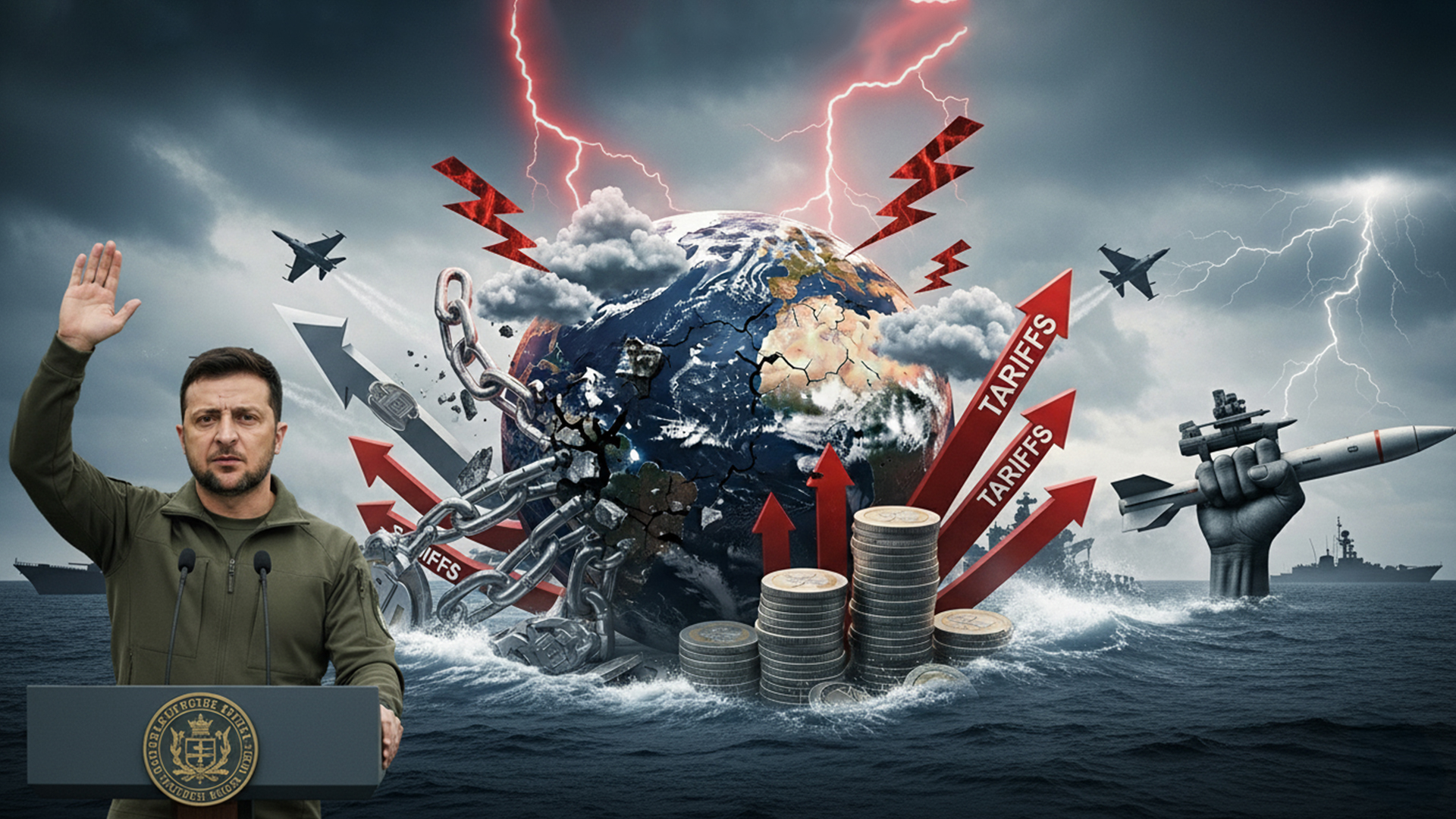
Zelenskyy Endorses U.S. Tariffs on Nations Trading with Russia Amid Escalating Conflict


Ukrainian President Volodymyr Zelenskyy has expressed strong support for the United States’ decision to impose tariffs on countries maintaining economic ties with Russia, including India. In a recent interview, Zelenskyy stated, “I think the idea to put tariffs on countries who are continuing to make deals with Russia… I think this is the right idea.” He emphasized the necessity of halting all energy imports from Russia and severing economic dealings to effectively counter Moscow’s aggression.

This endorsement comes in the wake of a significant escalation in hostilities. On September 7, 2025, Russia launched its most extensive aerial assault on Ukraine since the onset of the war, deploying over 800 drones and missiles. The attack targeted multiple cities, including Kyiv, where the main government building was struck, resulting in at least four fatalities and numerous injuries.

President Zelenskyy condemned the assault as a blatant act of aggression and a clear indication that Russian President Vladimir Putin is testing the resolve of the international community. He called for a unified and robust response, urging partners to back their statements with concrete actions such as sanctions and trade restrictions on Russia.

In response to the escalating situation, U.S. President Donald Trump has imposed significant tariffs on countries that continue to engage in trade with Russia. These measures include a 50% tariff on goods from India, 50% on Brazilian imports, 39% on Swiss products, and 35% on Canadian exports. The U.S. administration justifies these tariffs as a necessary step to penalize nations that are indirectly supporting Russia’s war efforts through continued economic relations.

While these tariffs have sparked debates regarding their potential economic impact, they also underscore the growing international pressure on countries to reassess their trade relationships with Russia. The situation remains fluid, with ongoing discussions among global leaders about the most effective strategies to deter further aggression and support Ukraine in its defense efforts.

Also Read: Hockey Glory Returns: India Wins Asia Cup After Eight Years

Hockey Glory Returns: India Wins Asia Cup After Eight Years


India displayed a commanding performance to defeat defending champions South Korea 4-1 in the Men’s Asia Cup 2025 final, lifting their fourth title and securing direct qualification for the 2026 FIH Hockey World Cup.

Playing in front of a packed home crowd at the newly built Rajgir Hockey Stadium, India set the tone early with a first-minute goal from Sukhjeet Singh, assisted by skipper Harmanpreet Singh. Korea struggled to recover as India continued to dominate possession and pace.

Dilpreet Singh doubled India’s lead in the 28th minute and struck again in the third quarter to make it 3-0. Amit Rohidas added a fourth goal via a penalty corner in the final quarter, leaving South Korea with little chance of a comeback. Son Dain scored a late consolation for Korea in the 51st minute.

India’s journey to the final was marked by consistency and flair. The team remained undefeated throughout the tournament, registering key victories over China (7-0) and Malaysia (4-1) in the Super 4s stage. They topped the standings to secure a place in the final.

This win ends India’s eight-year wait for an Asia Cup title, their last victory came in 2017. The team now joins Pakistan with four titles, second only to South Korea, who have five.

Head coach Craig Fulton praised the team’s discipline and execution, while captain Harmanpreet Singh called it a “proud moment” for Indian hockey. In recognition of their performance, Hockey India announced ₹3 lakh for each player and ₹1.5 lakh for the support staff.

Beyond the trophy, this victory holds strategic importance as it guarantees India a place in the 2026 World Cup, to be co-hosted by Belgium and the Netherlands.

The final also marked a proud moment for Bihar, as Rajgir hosted its first major international hockey event, with thousands turning out in support.

With the Asia Cup now secured, India turns its focus to preparing for the global stage, with renewed confidence and growing expectations.

Also Read: From Exhilarating Highs to Frustrating Lows — Why It’s a Great Time to Be a Fan of Indian Badminton

Apple’s Awe-Dropping Event Set to Unveil iPhone 17 Pro Series


Apple’s highly anticipated “Awe-Dropping” event is scheduled for Tuesday, September 9, 2025, at 10:30 PM IST. The company is expected to unveil the iPhone 17 series, with particular attention on the iPhone 17 Pro models, which are rumored to bring major upgrades in design, performance, and camera capabilities.

The iPhone 17 Pro models are likely to feature a shift from a titanium frame to an aluminum body, aimed at reducing production costs and improving signal reception. The Pro devices are expected to retain their 6.3-inch and 6.9-inch sizes while introducing a half-aluminum, half-glass back design with a redesigned camera bump.

In terms of performance, the iPhone 17 Pro is expected to be powered by Apple’s new A19 Pro chip and equipped with 12GB of RAM, ensuring smoother multitasking and enhanced gaming experiences. Display improvements are also anticipated, with brighter panels designed to improve visibility under direct sunlight, making the devices more suitable for extended outdoor use.

Camera upgrades are among the most talked-about features. Reports suggest the iPhone 17 Pro will include a 48-megapixel telephoto lens with up to 8x optical zoom and a variable aperture system for better depth-of-field control. The devices are also expected to incorporate a vapor chamber cooling system to manage heat during intensive tasks such as gaming or extended video recording. Battery capacity is projected to increase, with the eSIM version featuring 3,988 mAh and the standard model 4,252 mAh, accommodating the enhanced performance and features.

On the software side, iOS 26 is likely to accompany the launch, bringing new capabilities such as real-time translation, advanced call handling, and messaging improvements. The iPhone 17 Pro may also feature a smaller Dynamic Island, thanks to a new “metalens” design for Face ID components, offering a sleeker front display.

Leaked reports suggest that the iPhone 17 Pro could start at ₹89,900 in India, with pre-orders expected to open on September 12 and the official release likely on September 19. While these details are yet to be confirmed by Apple, the new devices are generating significant anticipation among consumers and tech enthusiasts alike.

The event is expected to provide a comprehensive look at how Apple intends to push the boundaries of smartphone performance, camera technology, and design. Analysts and fans alike are closely watching for any announcements regarding other Apple products that might be unveiled alongside the iPhone 17 series, as the company has in the past used such events to showcase complementary devices and software updates.

As Apple prepares to reveal the iPhone 17 Pro, expectations are high for a blend of aesthetic refinements, hardware innovation, and software enhancements, signaling another step forward in the company’s smartphone lineup.

Also Read: Myanmar: Aung San Suu Kyi’s Health Deteriorates, Son Appeals for Urgent Medical Attention

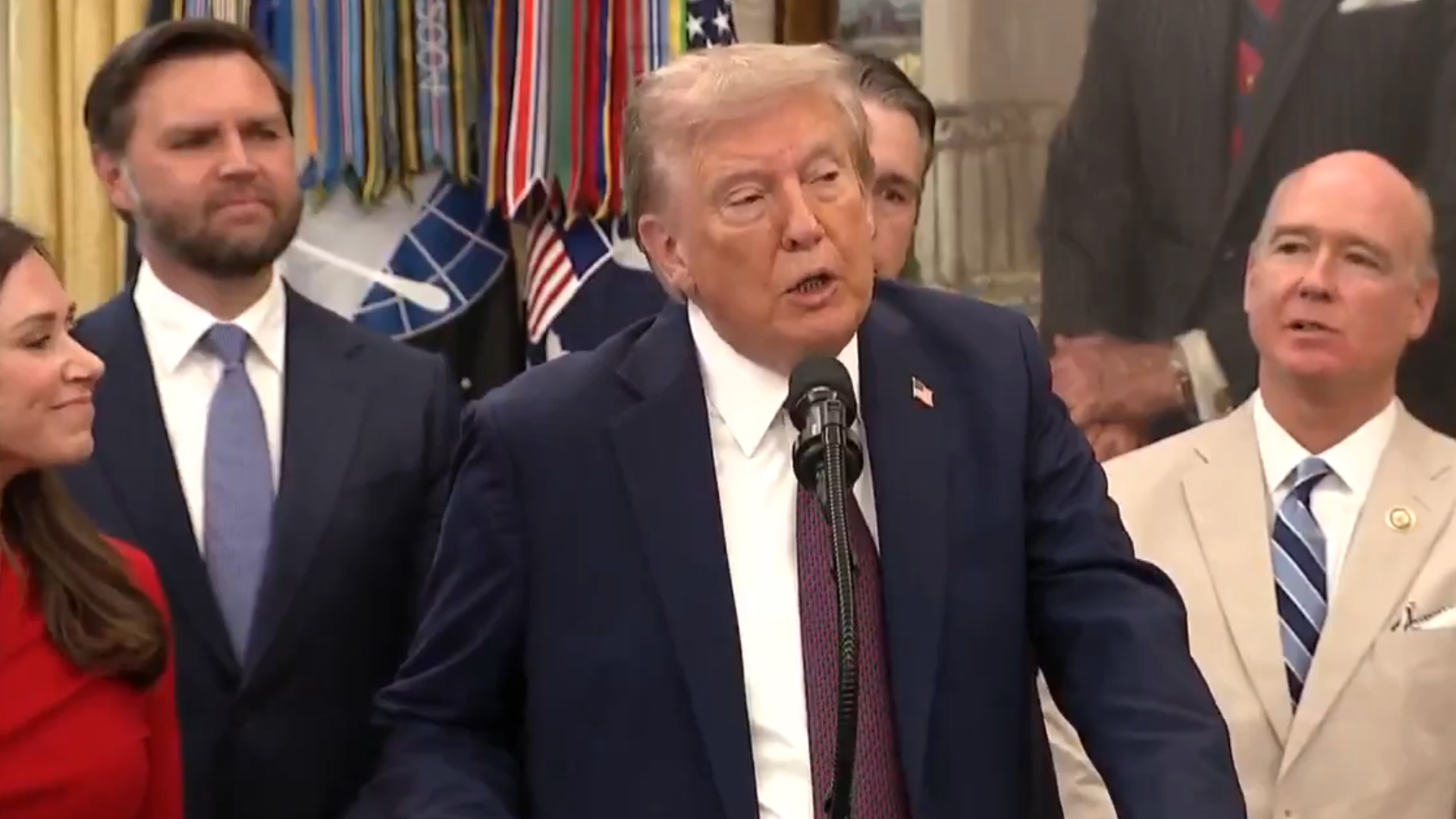
Trump Issues Final Ultimatum to Hamas Amid Hostage Negotiations


U.S. President Donald Trump has issued what he termed his “last warning” to Hamas, urging the Palestinian militant group to accept a proposed deal for the release of hostages held in Gaza. In a post on his Truth Social platform on Sunday, Trump stated, “The Israelis have accepted my Terms. It is time for Hamas to accept as well.” He emphasized the finality of his warning, declaring, “I have warned Hamas about the consequences of not accepting. This is my last warning, there will not be another one!”

In response, Hamas acknowledged receiving ideas from U.S. mediators regarding a ceasefire deal in Gaza. The group expressed its willingness to engage in discussions to develop these ideas further, without providing specific details. Hamas reiterated its readiness for negotiations to release all hostages in exchange for a “clear announcement of an end to the war” and the complete withdrawal of Israeli forces from the enclave.

President Trump, while traveling back to Washington from New York, expressed optimism about the possibility of reaching a deal. He stated, “I think we’re going to have a deal on Gaza very soon,” without offering additional specifics. Trump added that he believed all hostages would be returned, whether alive or deceased, saying, “I think we’re going to get them all.”

According to a report from Israel’s N12 News, Trump has proposed a new ceasefire agreement to Hamas. Under this proposal, Hamas would release all remaining 48 hostages on the first day of a truce in exchange for the release of thousands of Palestinian prisoners held in Israel. Further negotiations would then take place during the ceasefire to discuss an end to the war. An unnamed Israeli official confirmed that Israel is “seriously considering” Trump’s proposal but did not elaborate on its details.

The hostage crisis began in October 2023 when Hamas militants launched an attack on Israel, resulting in the deaths of approximately 1,200 individuals and the abduction of over 250 hostages. Since then, Israel has initiated a military response, leading to widespread devastation in Gaza, with tens of thousands of Palestinian casualties and the displacement of the entire population. The conflict has drawn international criticism, with accusations of war crimes directed at both sides, which they deny.

As of September 2025, approximately 50 hostages remain in Gaza, with only 20 believed to be alive. Hamas has offered to exchange some hostages for a temporary ceasefire, while President Trump insists on the release of all captives as a prerequisite for any deal. Israeli Prime Minister Benjamin Netanyahu has outlined that peace will only come with the complete release of hostages, Hamas’s disarmament, Israeli security control, and the establishment of a new civilian administration in Gaza. Hamas, however, demands an end to the war and Israel’s full withdrawal from Gaza.

The international community continues to monitor the situation closely, with hopes that the renewed negotiations will lead to a resolution of the ongoing conflict and the safe return of all hostages.

Also Read: Myanmar: Aung San Suu Kyi’s Health Deteriorates, Son Appeals for Urgent Medical Attention

Punjab Urges Central Govt for ₹20,000 Crore Relief as Flood Toll Mounts


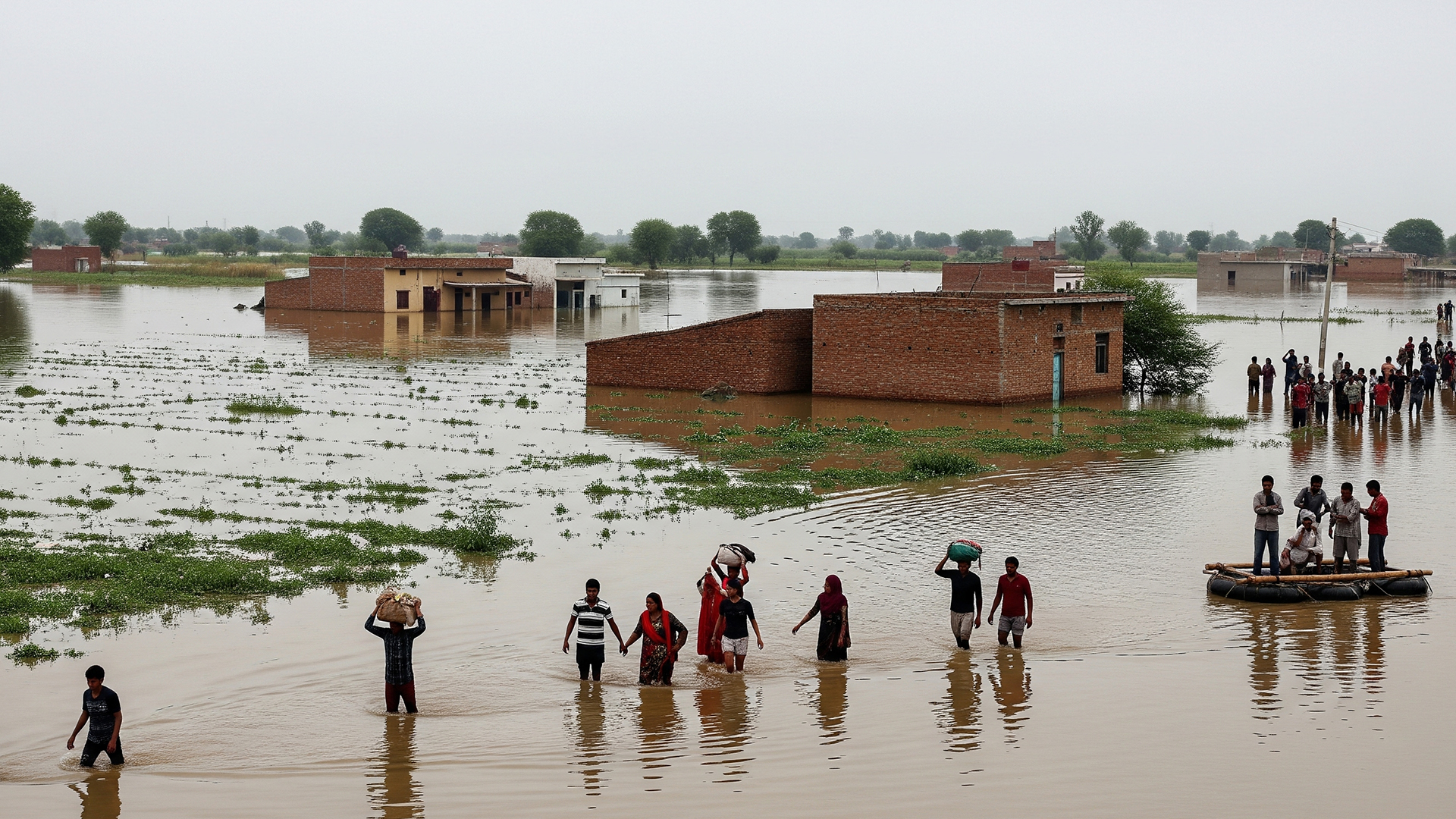
Chandigarh: Punjab Cabinet Minister Aman Arora has urged Prime Minister Narendra Modi to announce a ₹20,000 crore relief package for the flood-stricken state during his scheduled visit on September 9. The unprecedented floods have wreaked havoc across Punjab, displacing lakhs of people and damaging vast tracts of agricultural land, livestock, and infrastructure. Arora welcomed the Prime Minister’s visit but emphasized the urgency of immediate financial assistance to aid recovery efforts.

“Even though the Prime Minister has not uttered a word yet for the flood-hit Punjab, he is our Prime Minister and I welcome him with folded hands for his visit. I also expect that he should be seen standing by Punjab during his visit,” Arora said at a press briefing in Chandigarh. Referring to Chief Minister Bhagwant Mann’s appeal to the central government for the release of ₹60,000 crore of pending funds, he added, “That is Punjab’s right and it should be released.”

Widespread Devastation and Human Toll

The floods, attributed to swollen rivers and heavy rainfall in upstream regions of Himachal Pradesh, Jammu and Kashmir, as well as localized downpours, have affected over 2,000 villages across Punjab. The state’s disaster management authority estimates that nearly 3.9 lakh people have been displaced, many living in makeshift shelters or relief camps. As of September 8, 2025, the official death toll stands at 48, though civil society groups and local media suggest that the real number could be higher given the difficult access to affected areas.

The districts of Gurdaspur, Amritsar, Ferozepur, and Fazilka are among the worst-hit. In these regions, floodwaters have submerged thousands of acres of crops, including wheat, paddy, and vegetables, leading to an estimated agricultural loss of over ₹3,000 crore. Thousands of livestock, essential for the rural economy, have been washed away or succumbed to disease outbreaks due to stagnant floodwaters. Damage to homes, roads, and power infrastructure is extensive, with some estimates putting repair costs at over ₹5,000 crore.

According to the Punjab agriculture department, the next sowing season is under grave threat. Silt deposits have covered large stretches of farmland, rendering them temporarily unusable without significant intervention. Farmers are being permitted to remove silt from their fields under government supervision, but mechanization and compensation remain critical concerns.

Relief Operations and Central Support Demands

Punjab has set up more than 200 relief camps across affected districts, with medical teams and food distribution centers operational around the clock. Veterinary teams have been dispatched to mitigate the impact on livestock, and efforts are underway to supply clean drinking water, basic medicines, and temporary shelter materials.

Despite the state government’s efforts, local administrations are facing significant hurdles. Roads and bridges connecting flood-hit regions are damaged, complicating logistics and delaying aid. Arora highlighted these challenges, stating that the Centre’s intervention is essential not just in the form of monetary support but also through coordination in supply chain management and emergency services.

A Call for Structural Support

Beyond immediate relief, experts are warning that Punjab’s long-term agricultural sustainability could be jeopardized if systemic changes are not made. Climate scientists and water management specialists point out that erratic monsoon patterns and upstream dam releases have compounded the disaster. Calls for improved river basin management, better forecasting systems, and crop insurance coverage have grown louder.

Minister Arora’s plea for ₹20,000 crore is seen not only as compensation but as a crucial lifeline for recovery. In parallel, Chief Minister Mann’s demand for the release of ₹60,000 crore from state funds has gained traction among civil society groups and opposition leaders alike.

Also Read: Court Rules Against Paranjoy Guha Thakurta & Others in Adani Defamation Suit

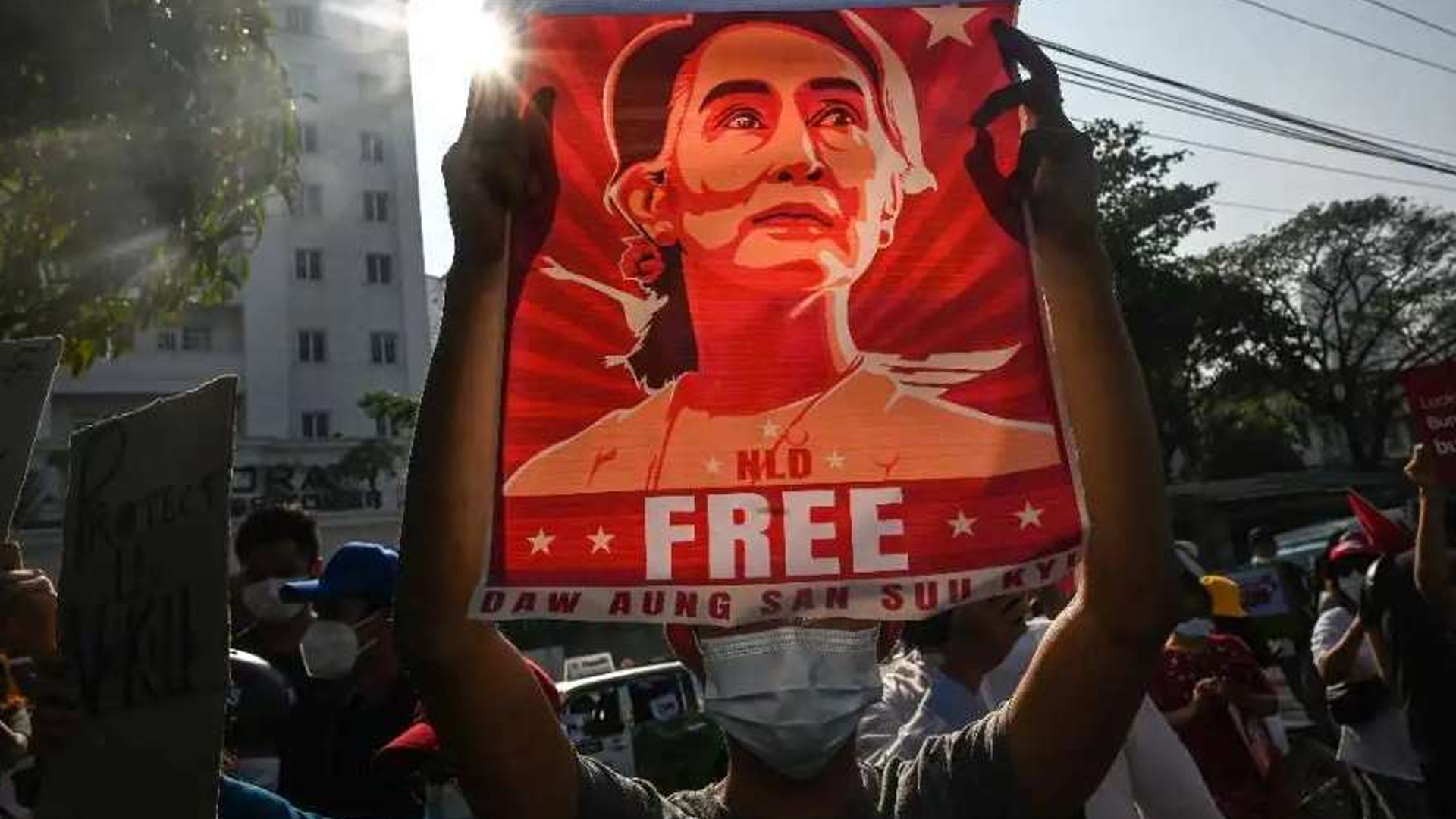
Myanmar: Aung San Suu Kyi’s Health Deteriorates, Son Appeals for Urgent Medical Attention


Myanmar’s detained former leader, Aung San Suu Kyi, is experiencing significant health issues while in military custody, according to her son, Kim Aris. The 80-year-old Nobel Peace Prize laureate, who has been imprisoned since the 2021 coup that ousted her government, is reportedly suffering from worsening heart problems and other ailments, including bone and gum issues.

Aris expressed deep concern for his mother’s well-being, stating that without proper medical examinations, it is impossible to assess her condition accurately. He emphasized the lack of updates and the inability to confirm whether she is even alive. Aris further revealed that Suu Kyi had requested to see a cardiologist about a month ago, but it remains unclear whether that request was granted.

In addition to heart complications, Aris noted that Suu Kyi has been dealing with bone and gum problems and may have sustained injuries during the devastating earthquake in March, which killed more than 3,700 people. In a video message on social media, he urged authorities to release all political prisoners, describing their detention as “cruel and life-threatening.”

Military Junta Denies Health Concerns

In response to the reports, a spokesperson for Myanmar’s military-backed interim government dismissed the claims as politically motivated fabrications. The military spokesman, Zaw Min Tun, told state media that concerns about Suu Kyi’s health were being spread to distract from military chief Min Aung Hlaing’s visit to China, where he met with President Xi Jinping and attended a military parade. “Daw Aung San Suu Kyi’s health is good. They are fabricating this information because we are in China and our Myanmar leader is doing so many activities and they want to hide this news,” he asserted.

Suu Kyi has been serving a 27-year prison sentence on charges including incitement, corruption, and election fraud, all of which she denies. Her last public appearance was in court in May 2021, only months after the coup. At that time, state television showed her seated in the dock, wearing a surgical mask.

The military regime justified its takeover by alleging widespread fraud in the November 2020 elections, in which Suu Kyi’s party had secured a landslide victory. However, election monitors found no evidence of electoral malpractice. Since the coup, Myanmar has been engulfed in violence, with mass protests violently suppressed and armed resistance escalating in multiple regions.

The international community, including governments and rights organizations, has repeatedly condemned Suu Kyi’s detention and called for her release. Foreign observers have pointed out that the ongoing political crisis has led to a humanitarian catastrophe, with thousands displaced and livelihoods destroyed.

The military-backed interim government plans to hold elections in multiple phases beginning in late December. Anti-junta groups, including Suu Kyi’s National League for Democracy, have either boycotted or been barred from participating. Western governments have criticized the elections as an effort to consolidate military rule rather than a genuine democratic process.

Legacy and Detention

Born in 1945 to General Aung San, the architect of Myanmar’s independence, Suu Kyi became a symbol of resistance against authoritarianism. Following her mother’s illness in 1988, she returned to Myanmar from Oxford University and joined nationwide protests against military rule, eventually forming the National League for Democracy. Over the years, she became the country’s most prominent pro-democracy leader.

Suu Kyi has spent nearly two decades in detention, including around 15 years under house arrest. In September 2023, her party alleged that Myanmar’s military was endangering her life by depriving her of medical care and food. Recent reports indicate she has suffered dizzy spells, vomiting, and inability to eat due to dental infections.

Educated at Oxford, Suu Kyi married British scholar Michael Aris in 1972, with whom she had two sons. She later emerged as a global advocate for nonviolent resistance and democracy, receiving international accolades for her leadership.

Also Read: Tamil Nadu Secures ₹15,516 Crore in Investments During CM Stalin’s Europe Visit

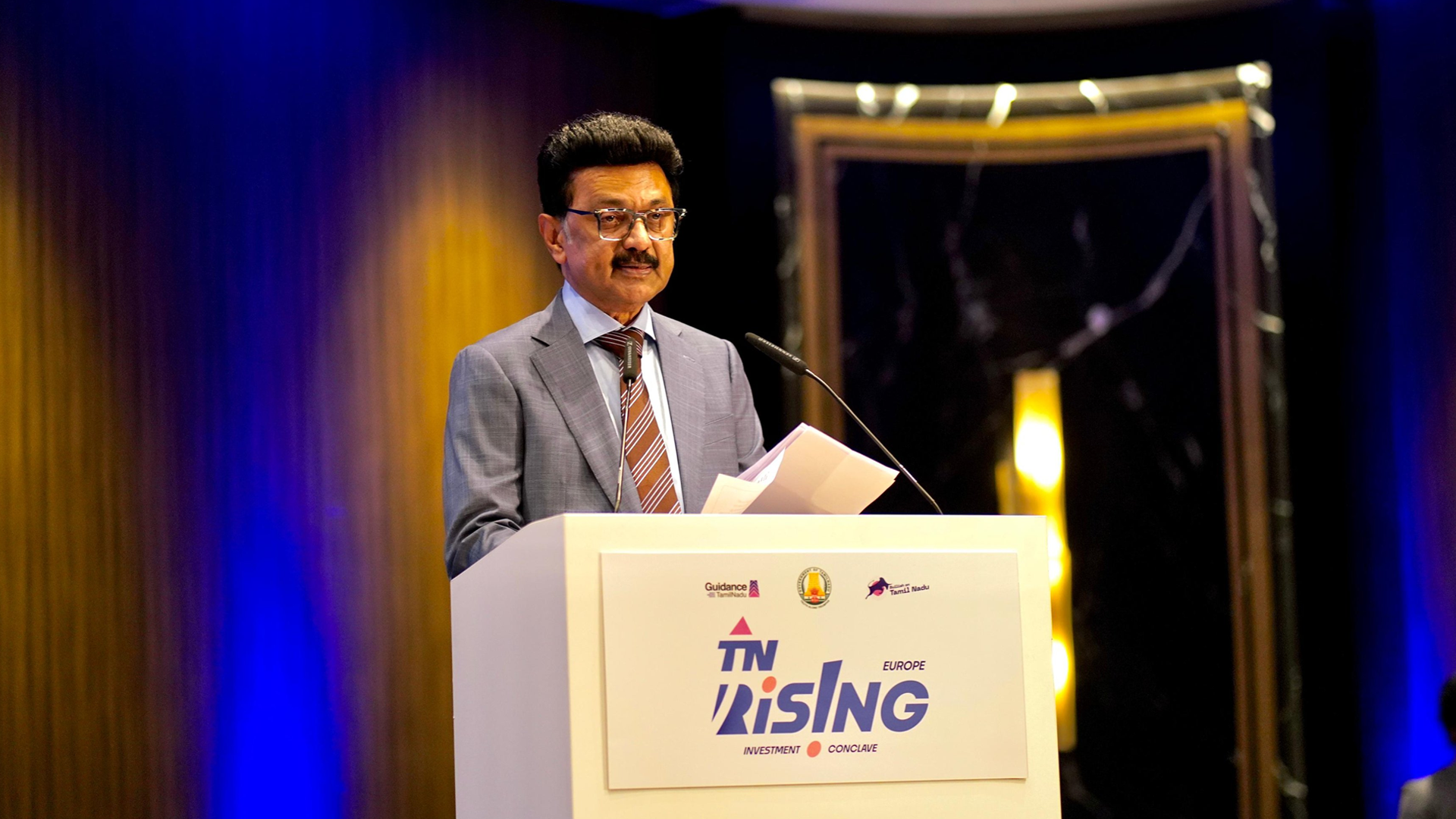
Tamil Nadu Secures ₹15,516 Crore in Investments During CM Stalin’s Europe Visit


Chennai: Tamil Nadu secured ₹15,516 crore in investment commitments during Chief Minister M.K. Stalin’s official visit to Germany and the United Kingdom. A total of 33 memoranda of understanding (MoUs) were signed, with projects expected to create approximately 17,613 jobs across sectors such as electric vehicles, pharmaceuticals, automotive, and skill development.

The UK-based Hinduja Group committed ₹7,500 crore to establish a comprehensive electric vehicle (EV) ecosystem in Tamil Nadu. The initiative will focus on EV cells, battery energy storage systems, and charging infrastructure, with potential employment generation exceeding 1,000 jobs. AstraZeneca announced a ₹176 crore investment to expand its Global Innovation and Technology Centre in Chennai, marking the company’s third strategic investment in the state in two years.

BMW reaffirmed its commitment to Tamil Nadu’s automotive sector, particularly in electric mobility, as part of the state’s push to position itself as a leader in sustainable transportation solutions. In the area of skill development, agreements were finalized with German institutions to implement the dual vocational training model. The program is expected to begin with 120 students, with plans to scale up to 20,000 trainees in the coming years.

Describing the visit as “fulfilling and a huge success,” Chief Minister Stalin noted that 10 new companies have expressed interest in investing in Tamil Nadu, while 17 existing enterprises have chosen to expand operations within the state. These developments underscore the increasing confidence global investors have in the region’s industrial and technological capabilities.

In addition to the signing of investment agreements, Chief Minister Stalin engaged with members of the Tamil diaspora in the United Kingdom, urging them to remain united and contribute to the state’s development. During the visit, he unveiled a portrait of social reformer Periyar E.V. Ramasamy at the University of Oxford and participated in academic events, including the ‘Self-Respect Movement and its Legacies Conference.’ He also visited sites significant to Indian and global thinkers, such as the tomb of Karl Marx, the residence of Dr. B.R. Ambedkar, and memorials dedicated to Tamil literary and spiritual figures.

The Chief Minister further announced that he would inaugurate a unit of Delta Electronics in Hosur on September 11, supported by a ₹2,000 crore investment. He is also scheduled to lay the foundation for projects worth ₹1,100 crore and stated that an investors’ meet will be organized in Hosur, following the model of Thoothukudi, to attract additional investment proposals.

The agreements signed during the visit cover a range of initiatives that are aligned with Tamil Nadu’s long-term economic and industrial strategies. They are expected to bolster sectors that contribute significantly to employment generation, technological advancement, and sustainable development, while reinforcing the state’s position as a preferred destination for global investors. The investments also aim to address skill gaps through targeted training programs and enhance infrastructure across critical industries.

Also Read: Court Rules Against Paranjoy Guha Thakurta & Others in Adani Defamation Suit
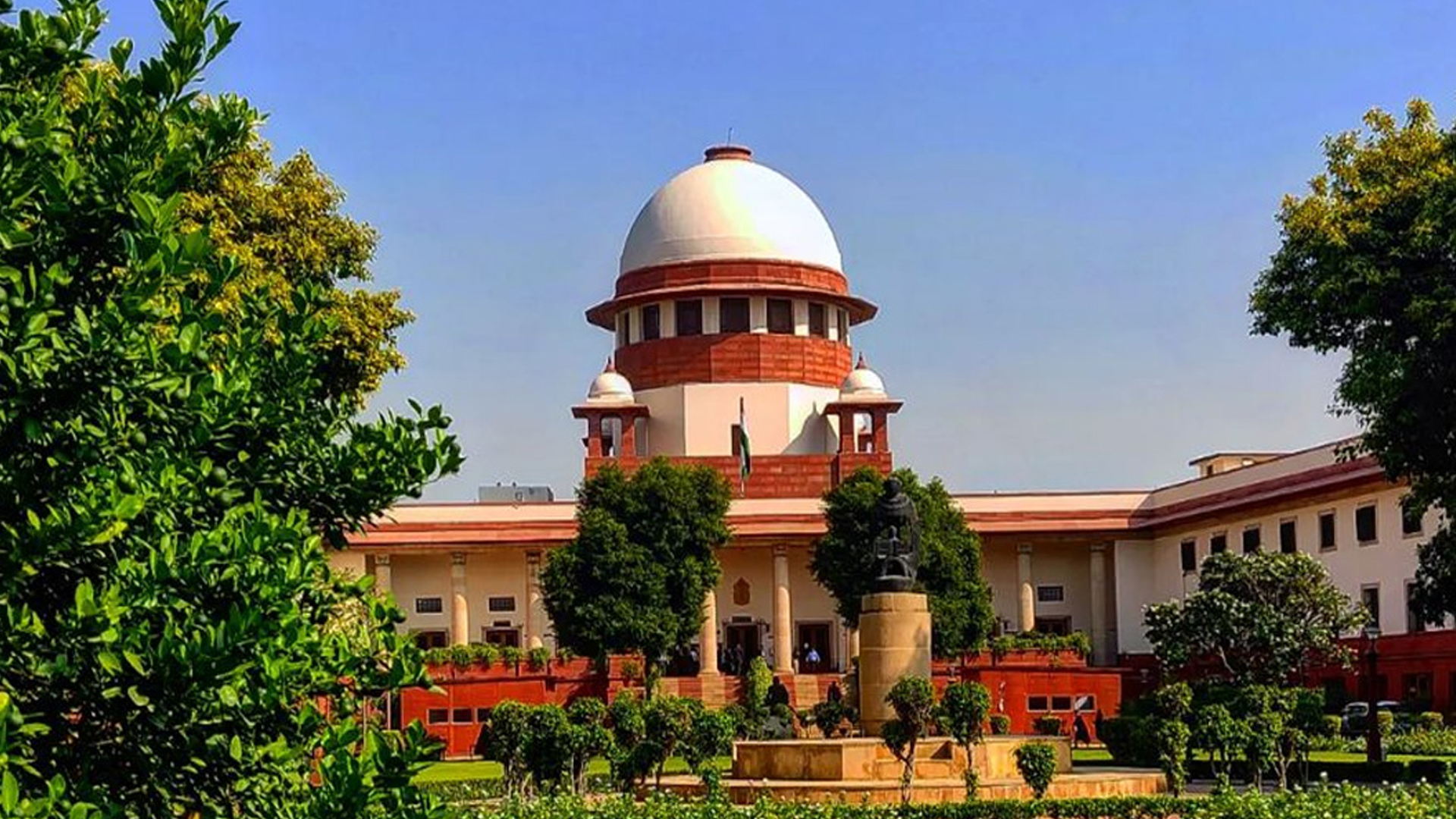
From Exhilarating Highs to Frustrating Lows — Why It’s a Great Time to Be a Fan of Indian Badminton


By Bhavya Narayan

Indian badminton continues to live in the space between exhilarating breakthroughs and sobering setbacks — and Paris offered the latest snapshot.

At the 2025 BWF World Championships, Satwiksairaj Rankireddy and Chirag Shetty banked a second Worlds medal with bronze in men’s doubles. PV Sindhu rolled back the years to upset the World No. 2, only to fall a round later. HS Prannoy dragged a top seed to the brink in a thriller and still went home early. Lakshya Sen, a Paris 2024 Olympic semi-finalist, ran into the sport’s form player on day one and could not punch through. Mixed doubles flirted with a first-ever Worlds medal, and women’s doubles were ravaged by withdrawals and early exits. It was all there — the highs and lows that have defined India’s season.

Men’s singles: Prannoy’s heart and Lakshya’s hard lessons
If there is a single athlete who embodies Indian badminton’s grit, it is HS Prannoy. In Paris he reeled in World No. 2 Anders Antonsen from a game down, carved out three match points, and still lost 8-21, 21-17, 21-23 in a match that swung on inches. At 33, he was candid: his body no longer bounces back the way it used to, and he is likely to choose his shots carefully from here. It was a defeat that felt like a victory until the final rally — glorious resistance, and yet another reminder that margins are tiny at the very top.

Lakshya Sen’s year has been sharper in contrast. The high-water mark remains Paris 2024, where he became the first Indian man to reach an Olympic singles semi-final and finished an agonising fourth after a bronze-medal loss to Lee Zii Jia. Less than 13 months later, the draw gods were unkind: he opened at Worlds against World No. 1 Shi Yu Qi and went out in straight games. The take-away is two-fold. Lakshya has proved he belongs in the sport’s top tier on the biggest stage; the task now is to turn those deep runs into consistent week-in, week-out results, and to engineer better early-round protection via ranking points.

PV Sindhu: a familiar surge, and the next act
Sindhu’s fortnight in Paris was the clearest signal yet that her reboot is real. After an injury-interrupted 2024 and a hamstring issue that forced her to miss the Asia Mixed Team event earlier this year, she changed gears with a new coach and a fresh training block. The outcome: a measured, mature takedown of China’s World No. 2 Wang Zhiyi in the round of 16 and an all-action quarter-final she narrowly lost to Indonesia’s Putri Kusuma Wardani.

For a player who measures seasons by medals, falling one step short will sting. But stylistically there were encouraging signs — crisper first-three-shot patterns, more patient rally construction, and the familiar kill when the opening came. The ‘final-week player’ version of Sindhu is not gone; she is actively trying to summon it more often.

Men’s doubles: Satwik-Chirag’s floor is a medal
Reddy–Shetty now carry a medal aura. Their bronze in Paris — their second at the Worlds — felt less like a surprise and more like the minimum you expect of them now. They have learned how to manage tournament weeks, to ride momentum in faster halls, and to scrap when the shuttle drags. That they still left the arena ruing chances says something about how high they have raised the bar.

Remember, this comes a year after a quarter-final exit at the Paris Olympics to their Malaysian nemeses Aaron Chia and Soh Wooi Yik. The trend line, however, remains upward: India’s first Asian Games men’s doubles champions (2023) are, on balance, entering every big draw among the two or three pairs to beat. The next leap is fitness and freshness deep into weekends — exactly what India’s doubles coach has flagged as the difference between bronze and Sunday.

Mixed doubles: a door finally creaks open
India has never won a mixed doubles medal at the Worlds. In Paris, Dhruv Kapila and Tanisha Crasto came as close as any Indian pair has in recent memory — upsetting fifth seeds Tang Chun Man and Tse Ying Suet to reach the last eight before losing to eventual world champions Chen Tang Jie and Toh Ee Wei.

It was not quite history, but it felt like a hinge moment: India showed it can generate threats in a discipline long dominated by China, Japan, Malaysia, and Indonesia. With more time together, better serve-return numbers, and specialised mixed-doubles coaching, that quarter-final wall begins to look less like concrete and more like plywood.

Women’s doubles: depth, then disruption
For a stretch across late 2023 and early 2025, India’s women’s doubles appeared to be assembling depth. Treesa Jolly and Gayatri Gopichand, coach Pullela Gopichand’s daughter, climbed the rankings with a string of steady results; Ashwini Ponnappa partnered Tanisha Crasto to encouraging wins; younger pairs gained seasoning on the World Tour.

Then injuries and withdrawals blew holes in the hull. Treesa–Gayatri missed key events with shoulder and back trouble and pulled out of the World Championships close to the draw. In Paris, the replacement pairs — Priya Konjengbam–Shruti Mishra and Rutaparna–Swetaparna Panda — were hustled out in the opening round. On paper, this is a temporary dip. In practice, it underlines how fragile momentum can be in doubles: one niggle can undo months of positional chemistry and leave draw slots exposed.

The pattern line: peaks and plateaus
Zoom out, and the pattern is clear. Since 2017, India has lived on a steady diet of epochal highs — World and Olympic medals in singles, a Thomas Cup crown in 2022, an Asian Games team title in 2023, and a men’s doubles pair ranked No. 1 — and equally visible troughs: injury cycles, shallow mixed doubles returns, and a women’s doubles pipeline constantly resetting. As one recent analysis framed it, the sport is at a mild crossroads: the global field is deeper, the tactical ceiling keeps rising, and India must decide whether to double down on the current cohort or accelerate a broader refresh. The answer, predictably, is both.

What the big four tell us
HS Prannoy still beats the world’s most elite players on feel, variation, and bravery at the end of long rallies. The cost is that his body pays a toll to stay fast, hit as powerfully as he does, and produce those near-impossible performances. The calendar management he hinted at after Paris — fewer starts, targeted peaks — ought to be embraced by the system. Protect the asset and pick the hills worth dying on.

Lakshya Sen has the game to live in the top eight permanently — tight defence, quick racket head, cat’s reflexes that buy him time, and a willingness to play at the tape. The work now is structural: small improvements in lift depth when under pressure, a more reliable short serve under heat, and a season plan that banks ranking points outside the five super-majors so he avoids murderous first rounds.

PV Sindhu looks close to that familiar “second-week” machine again. The Wang Zhiyi upset was built on first-shot clarity and purposeful court positioning — vintage Sindhu. The quarter-final loss a day later showed what still needs sharpening: shot tolerance in slow patches and the ability to flip a tactical script mid-match. The new coaching setup and the decision to reset after the hamstring scare indicate a camp that knows exactly what it is chasing in the last phase of a storied career.

Satwik–Chirag set the competitive standard for India in 2023–25. Their bronze was secured not because they were red-hot, but because their B-game has matured: tempo control on serve-receive, fewer cheap errors, and better “body-line” attacks when opponents sit on the lines. The coaching note is obvious: keep them fresh. Their explosiveness is a weapon, but only if they are arriving on semi-final Saturdays with enough in the legs to play two high-octane matches back-to-back.

Systems, not slogans
The road ahead is less about slogans and more about systems. Three ideas stand out.

  1. Calendar curation and sports science. India’s best are still playing too many heavy weeks. Peak-for-purpose programming — where training blocks, minor events, and signature tournaments are sequenced — must become non-negotiable. Singles bodies and doubles pair dynamics both benefit from freshness. (Prannoy’s own hints are a good template.)
  2. Specialised doubles coaching. Mixed doubles’ quarter-final in Paris was not a fluke; it was a product of a pairing finally spending time together and believing in set plays. Doubling the investment in mixed-specific patterns — serve-third ball aggression, woman-at-the-net variations, man’s mid-court interceptions — can open a podium door that has stayed stubbornly shut. Women’s doubles, likewise, needs continuity of pairings and a fit-for-purpose rehab pipeline so injuries do not cascade into missed qualification windows.
  3. Domestic pressure from below. The senior core is proven. What India now requires is internal competition — the kind that keeps selection honest and training brutal. That means more depth on the Challenge/International Series tiers, more smart scheduling for the 18-to-22 cohort, and support for two-discipline athletes until they settle. It is no accident that countries with thick pipelines dominate the back half of tournaments.

The verdict
Where it stands now, Indian badminton is neither in decline nor at a perfect peak. It is poised. The Worlds showed that India is still in the medal picture in men’s doubles and women’s singles on the biggest stage. It also showed that men’s singles depth still swings on form and fitness, that mixed doubles have real headroom, and that women’s doubles requires an urgent stabilisation plan. To convert this blend into a sustainable era, India must be as relentless with systems as its athletes are with shuttles.

The upside is obvious. Prannoy’s courage, Lakshya’s ceiling, Sindhu’s muscle memory, Satwik–Chirag’s consistency, Dhruv–Tanisha’s spark, and the promise of a healthy Treesa–Gayatri give India multiple ways to win. The risk is equally clear: a few injuries, a few bad draws, and the narrative flips to “what might have been.” For a country that has learned to live with both joy and jeopardy in badminton, that tension is nothing new. What matters is the next step — and in this sport, as in life, that step is everything.

Also Read: Court Rules Against Paranjoy Guha Thakurta & Others in Adani Defamation Suit