rotating globe
4 Apr 2026


Court Rules Against Paranjoy Guha Thakurta & Others in Adani Defamation Suit


In a significant legal development with wide-ranging implications for press freedom, online platforms and corporate reputation, a Delhi court has granted an interim injunction to Adani Enterprises (AEL) in its defamation suit against journalist Paranjoy Guha Thakurta, four other writers and a set of foreign-linked organisations and intermediaries.

The order, delivered on 6 Sep 2025 by Senior Civil Judge Anuj Kumar Singh, restrains the defendants from publishing, distributing or circulating unverified and defamatory articles, social media posts and videos targeting the Adani Group. It also directs that existing defamatory material be removed within five days, while intermediaries such as website hosts and registrars must comply within 36 hours of being notified under the Information Technology (Intermediary Guidelines and Digital Media Ethics Code) Rules, 2021.

The injunction represents a major interim victory for Adani Enterprises, which has argued that a coordinated global smear campaign has harmed not only its own reputation but also India’s broader economic credibility. The matter is next scheduled for hearing on 9 October 2025.

The case arises from a complaint filed by Adani, which alleged that a set of websites — paranjoy.in, adaniwatch.org, and adanifiles.com.au — had repeatedly published false and malicious content accusing the Group of corruption, political patronage, crony capitalism, bribery and stock manipulation.

Alongside Paranjoy Guha Thakurta, the complaint named journalists Ravi Nair, Abir Dasgupta, Ayaskant Das and Ayush Joshi as defendants, along with the Bob Brown Foundation (Australia), Dreamscape Networks (Singapore), GetUp Ltd (Australia) and domain registrars associated with the allegedly defamatory websites. A category of unidentified “John Doe” defendants was also included to capture unknown individuals circulating similar content.

Adani Enterprises, represented by senior advocate Jagdeep Sharma, advocate Vijay Aggarwal and a battery of other lawyers, argued that these actors were aligned with “anti-India interests” and were deliberately undermining projects that are critical to India’s infrastructure and energy security. The plaint said the publications had caused significant reputational damage, driven away investors, delayed projects in Australia, Africa, Bangladesh and Israel, and wiped billions from market value.

The company also linked the smear campaign to the fallout from the January 2023 Hindenburg report, which it said had already triggered panic in markets by falsely predicting a 90% collapse in Adani stock values. The defendants, it argued, had repeatedly referenced the Hindenburg claims to perpetuate sensationalism. Notably, the short-selling firm Hindenburg Research, which published the 2023 report, had shut down after losing its credibility.

The complaint stressed that Adani Enterprises is the flagship of the Adani Group, which is engaged in large-scale projects across energy, infrastructure, logistics and consumer essentials. It pointed to the Group’s $15 billion in revenues, international assets such as the Haifa Port in Israel, coal operations in Australia and power plants in Jharkhand, arguing that its reputation is central to its ability to raise funds and execute projects worldwide.

The complaint asserted that the Adani name, under which more than 80 companies, trusts and institutions operate, is a “reputed global brand recognised by the general public” — one that is being unfairly maligned through “agenda-driven” websites and content designed to serve foreign political and financial interests.

In its 14-page order, the Court examined whether Adani had established the three key requirements for interim relief: a prima facie case, balance of convenience and irreparable injury if relief were denied.

The Court concluded that Adani had met all three tests. It noted that defamatory content “may cause strain to the balance sheet, delay execution of projects, wipe off billions worth of investors’ money, create panic in the market and lead to loss of goodwill and reputation at a global scale.”

Judge Singh emphasised that while the Constitution guarantees freedom of speech under Article 19(1)(a), this right is not absolute and is subject to reasonable restrictions under Article 19(2), including protection of reputation. He drew on Supreme Court precedents including Subramanian Swamy v. Union of India (2016), which affirmed that reputation is a fundamental right under Article 21.

Citing judgments in Shashi Tharoor v. Arnab Goswami, Naveen Jindal v. Zee Media, and Swami Ramdev v. Juggernaut Books, the Court reiterated that media freedom must be tempered by responsibility, and that trial by media can cause “irreparable, irreversible, and incalculable harm.”

The order granted several key injunctions sought by Adani:

Removal of defamatory content: Defendants must expunge incorrect, unverified and prima facie defamatory material from their websites, articles, social media posts and tweets within five days.

Takedown by intermediaries: Platforms hosting the material must remove or disable access within 36 hours of notice, while preserving records for 180 days.

Ban on further defamatory statements: Defendants are restrained from publishing or circulating any new unverified or defamatory statements against Adani until the next hearing.

Liberty to extend scope: Adani is permitted to notify intermediaries of additional links, URLs or posts, which must then be removed under the Court’s directions.

At the same time, the Court clarified that its order should not be construed as a blanket gag on fair, verified and substantiated reporting of court proceedings or investigations. “This order shall not have a bearing on the merits of the matter,” Judge Singh noted.

The case and order are likely to reignite debate over the balance between corporate reputation and media freedom in India. Critics may argue that interim injunctions risk chilling investigative journalism, especially when applied to foreign NGOs and websites that have reported on Adani’s global projects.

However, senior media lawyers point out that the Court explicitly distinguished between fair reporting and unverified defamatory attacks. By directing removal only of “prima facie defamatory” content, while leaving space for substantiated reporting, the Court attempted to strike a balance between protecting reputation and safeguarding free speech.

The injunction also highlights the growing role of IT intermediaries in defamation disputes. By invoking the 2021 IT Rules, the Court placed legal responsibility on platforms and registrars to act swiftly, within 36 hours, when notified of defamatory material. This could set a precedent for more aggressive enforcement of intermediary obligations in defamation cases.

With the injunction in place, the defendants — including Paranjoy Guha Thakurta and the operators of the foreign-linked websites — will have to decide whether to comply, contest the order at the next hearing, or appeal. The matter is slated to come up on 9 Oct 2025 for further arguments on the merits.

The interim relief marks another assertive step in Adani’s broader legal strategy to counter narratives it views as false and malicious. Legal circles say Adani is likely to file criminal defamation complaints soon against a prominent YouTuber and a blogger in a local court in Gujarat, where the Group is headquartered.

The Court’s injunction order in Adani Enterprises Ltd. v. Paranjoy Guha Thakurta & Ors. is not the final word in the case, but it is a significant marker in the ongoing tension between corporate reputation and investigative scrutiny.

By granting interim relief and compelling removal of defamatory content, the Court recognised the tangible financial and reputational harm alleged by Adani. At the same time, by explicitly protecting fair and verified reporting, it acknowledged the constitutional imperative of press freedom.

As the case moves forward, its outcome will be closely watched — not only by the parties involved, but also by journalists, activists, investors and policymakers grappling with the boundaries of free speech in a digital era where narratives spread faster, further and with higher stakes than ever before.

Also Read: Adani Power, Bhutan’s DGPC Join Hands for Landmark Wangchhu Hydropower Project

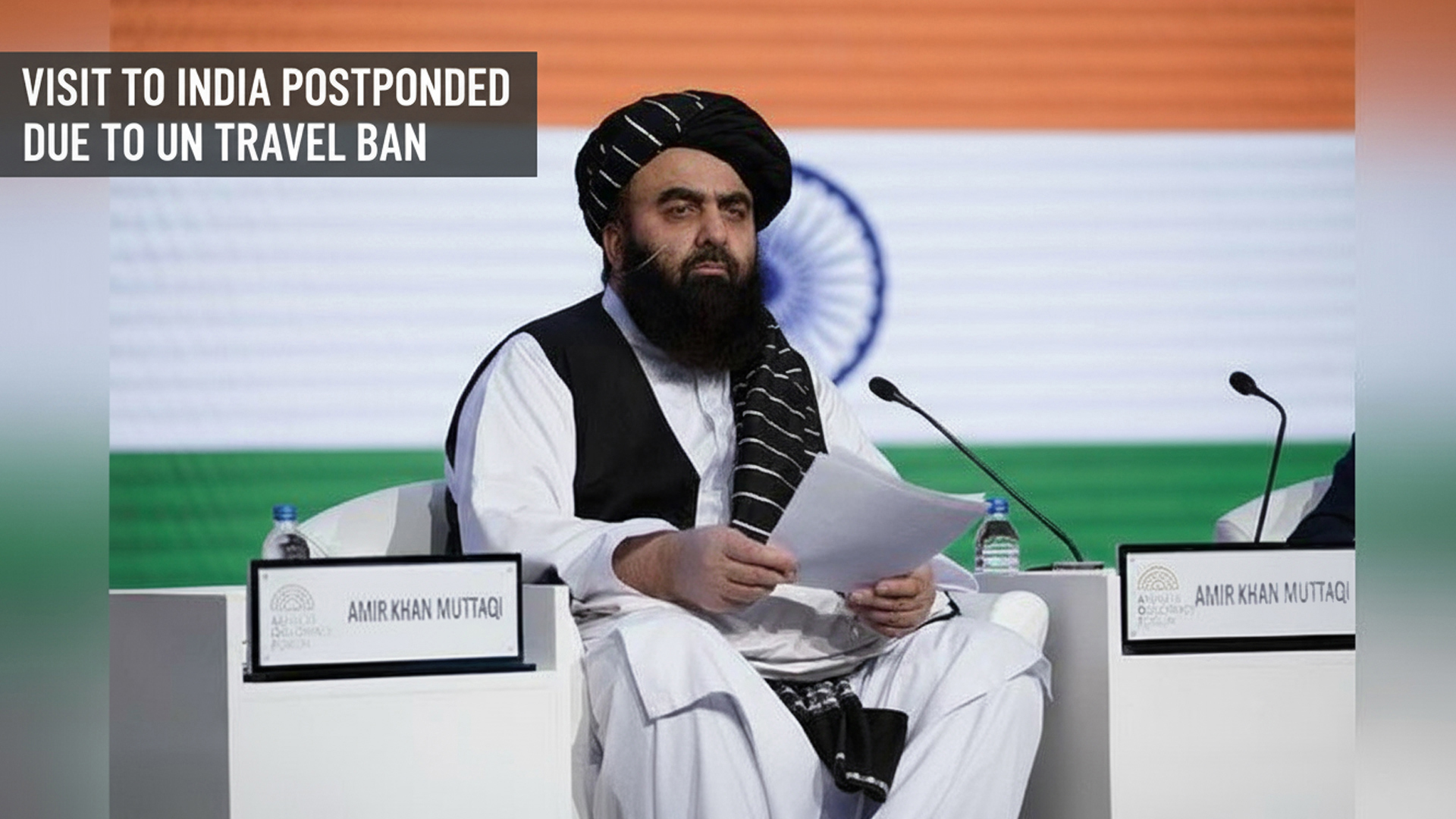
Afghan Foreign Minister Muttaqi’s Visit to India Postponed Due to UN Travel Ban


Afghan Foreign Minister Amir Khan Muttaqi’s planned visit to India this month has been called off due to an existing travel ban imposed under UN Security Council sanctions. The Taliban’s top diplomat was unable to secure a waiver for the trip, leading to the postponement. Had it occurred, the visit would have marked the first ministerial delegation from Kabul to New Delhi since the Taliban’s takeover of Afghanistan in August 2021.

The UN Security Council sanctions require Taliban leaders to obtain travel exemptions for foreign visits. According to sources, Muttaqi’s failure to obtain such a waiver led to the cancellation of the trip.

In response to inquiries about the visit, Indian External Affairs Ministry spokesperson Randhir Jaiswal refrained from providing specific details. He reiterated India’s longstanding ties with the Afghan people and its continued support for their aspirations and developmental needs. Jaiswal also noted that India continues to engage with Afghan authorities and would provide updates as necessary.

The proposed visit was expected to be a significant diplomatic engagement between India and the Taliban-led Afghan government. In May, External Affairs Minister S. Jaishankar held a phone conversation with Muttaqi, marking the highest level of contact between New Delhi and Kabul since the Taliban’s ascent to power.

India has not yet officially recognized the Taliban government and continues to advocate for the formation of a truly inclusive administration in Kabul. Additionally, New Delhi maintains that Afghan soil should not be used for any terrorist activities against any country.

Apple Expands Retail Footprint in India with Bengaluru and Pune Stores, Reports $9 Billion Revenue Rise


Apple has opened two new flagship retail stores in Bengaluru and Pune, taking the total number of official Apple Stores in India to four. This strategic expansion aligns with the tech giant’s growing focus on India, where it recorded $9 billion in annual revenue, a 13% increase over the previous year.

The newly launched Apple Hebbal, located in Bengaluru’s Phoenix Mall of Asia, opened on September 2, 2025, followed shortly by Apple Koregaon Park in Pune. Apple CEO Tim Cook personally announced the openings on X (formerly Twitter), emphasizing the company’s commitment to delivering premium customer experiences across India.

Each store offers Apple’s full suite of services, including Genius Bar support, personalized shopping assistance, and “Today at Apple” creative sessions. Importantly, all Apple retail operations in India are carbon neutral and powered entirely by 100% renewable energy.

This retail expansion complements Apple’s broader India strategy, which includes local manufacturing of the iPhone 16 and preparations for domestic production of the iPhone 17. As Apple strengthens its “Make in India” drive, industry observers expect more store openings before the end of 2025.

Apple’s aggressive India push underscores the market’s growing importance for the company, both as a consumer base and a manufacturing hub.

Delhi grapples with flooded streets as the Yamuna levels begin to recede


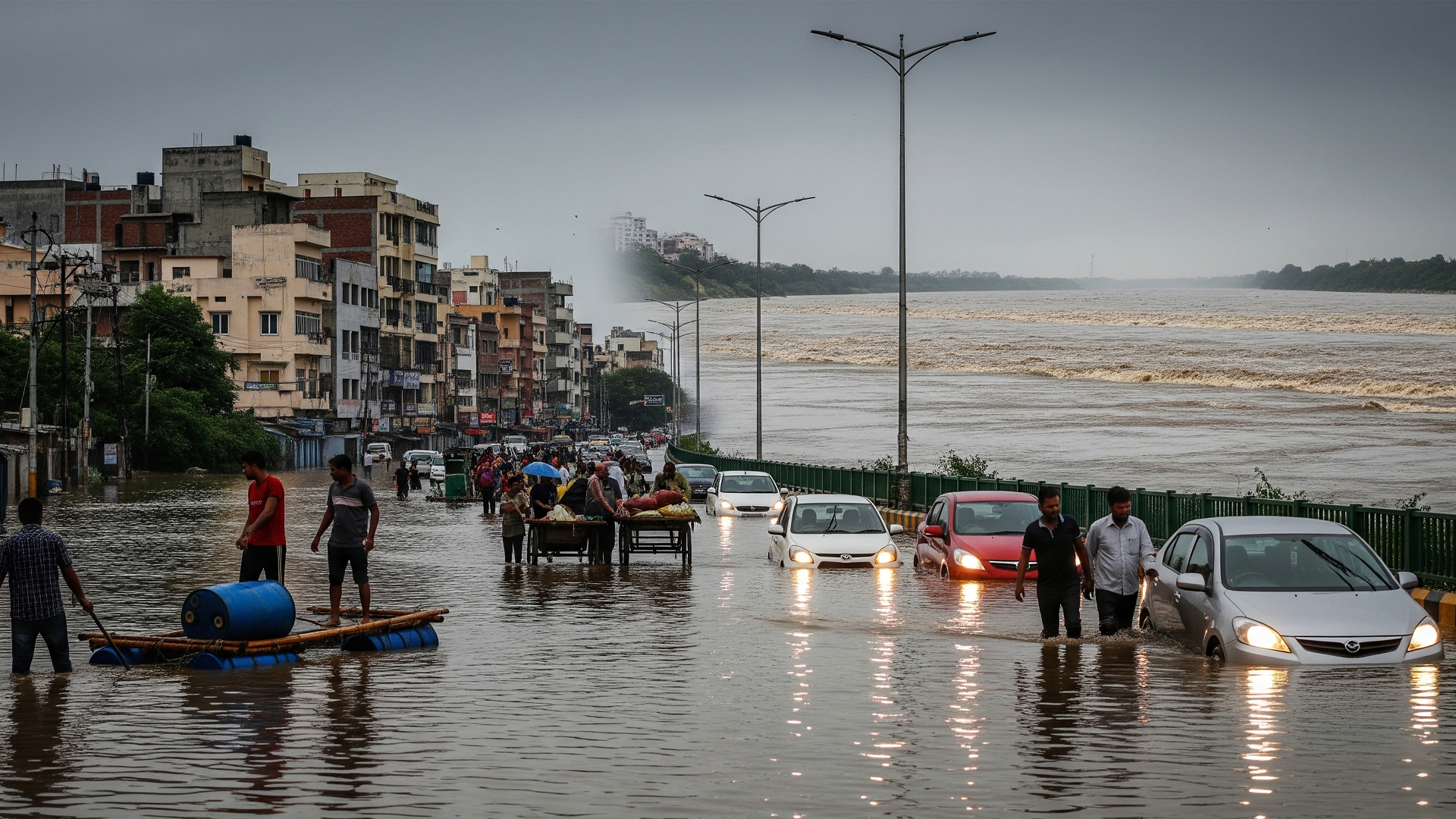
Large parts of the national capital remained underwater on Friday, even as the Yamuna River’s water level showed a marginal decline. Low-lying areas across Delhi and the NCR continued to face severe waterlogging, with residents wading through knee-deep water and using makeshift boats to navigate submerged streets.

The worst-affected localities include Kashmere Gate, Yamuna Bazaar, Monastery Market, Mayur Vihar, and Bela Road near the Vidhan Sabha, where roads remain inundated and traffic remains severely disrupted. In several places, vehicles stalled mid-route and water entered homes, forcing many families to relocate temporarily or remain stranded indoors.

At Shri Swaminarayan Temple, floodwaters breached compound walls and flowed into adjacent residential areas. In Mayur Vihar, relief camps that were previously set up for displaced residents have now begun to wind down their operations, even though accessibility to the area remains limited due to residual flooding.

Emergency teams and volunteers were seen assisting residents—some carrying essential supplies, others rescuing stranded pets—underlining the scale of disruption to both human and animal life.

“Water is receding, but very slowly,” said a Public Works Department (PWD) official. “Drainage infrastructure is under immense pressure, especially in areas close to the Yamuna. Our teams are working continuously to clear key routes and restore movement.”

Despite a slight drop in river levels, areas such as Civil Lines and Bela Road remain severely affected, with commuters reporting massive traffic jams and hazardous road conditions. Some residents turned to inflatable boats and carts to reach nearby markets or workplaces.

Government response and advisories

The Delhi government has deployed teams across multiple districts to manage the situation. Emergency drainage operations are underway, and officials have urged residents in flood-prone zones to stay indoors unless necessary.

Mobile pumps, dewatering machines, and barricades have been deployed in severely affected areas. Authorities have also issued advisories warning people to stay away from the swollen Yamuna and to avoid driving or walking through flooded roads.

Flooding triggered by relentless rains

This latest flooding episode follows days of intense monsoon rainfall across northern India. On September 4, the Yamuna breached its danger mark, prompting the closure of roads, suspension of local train services in some pockets, and evacuations around Loha Pul (Iron Bridge) and other heritage sites.

This marks the second major flood event in Delhi this monsoon season, once again highlighting the city’s vulnerable drainage systems and the lack of preparedness in river-adjacent neighbourhoods.

Urban planners and environmentalists have long warned about the need for better flood management infrastructure in the capital, especially with changing climate patterns contributing to more intense and unpredictable rainfall.

PM Modi’s Manipur Visit Only a Beginning, Says Gaurav Gogoi


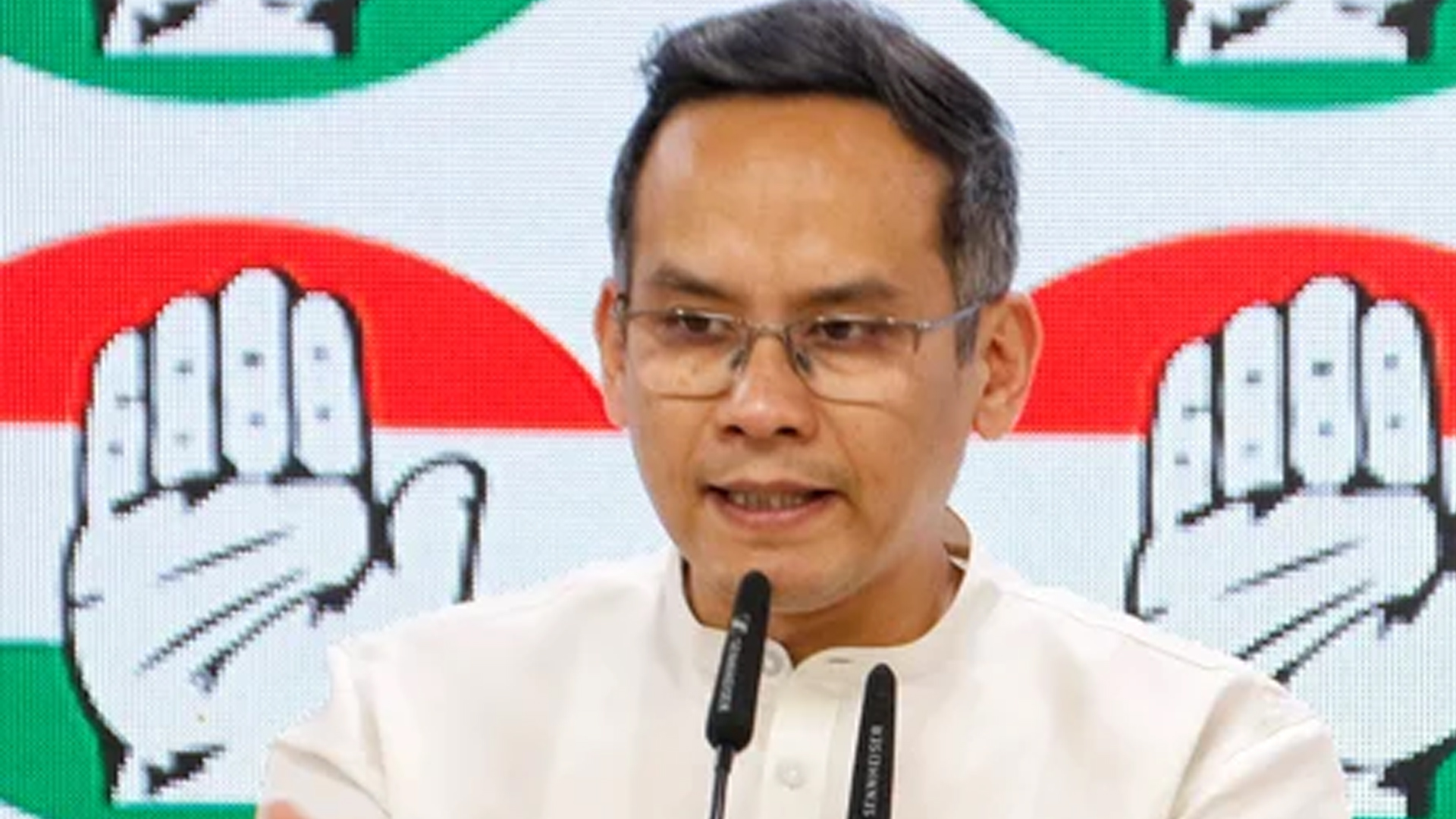
Senior Congress leader Gaurav Gogoi has said that Prime Minister Narendra Modi’s likely visit to Manipur should not be seen as the end of a process, but rather the start of a long journey to restore peace in the strife-torn State.

Speaking on the sidelines of a programme in Guwahati on Friday (September 5, 2025), Gogoi, the Deputy Leader of the Opposition in the Lok Sabha, said: “We cannot say that normalcy has returned to Manipur. There is no elected government, so Modi’s visit should not be seen as the end goal. It is only a beginning on a long journey to bring peace, justice, reconciliation and democracy back to Manipur.”

Emphasising the need for healing among communities, he added: “I hope that the BJP understands that the PM’s visit is not the end but only the beginning — one that has come very late.”

According to the Assam Congress president, the visit should have been scheduled much earlier. “The likely visit of the PM should have been planned two years ago, and there are still many more milestones to overcome. As they say, justice delayed is justice denied, and the people of Manipur have been denied the PM’s presence for far too long,” he said.

Gogoi also suggested that the Prime Minister must begin his visit by offering an apology. “When the PM arrives, the first thing he should do is apologise to the people of Manipur for not showing up over the last two years,” he said.

Prime Minister Modi is expected to visit Manipur on September 13. The Congress has termed the visit “too little, too late.”

On Assam Chief Minister Himanta Biswa Sarma’s remarks that the SIT will submit its report on alleged links between Pakistan national Ali Tauqeer Sheikh and his partners in India on September 10, Gogoi said the Congress would continue to expose the “scams” of the BJP government.

The Chief Minister has repeatedly targeted Gogoi over allegations involving his wife Elizabeth Colburn, claiming she had links with Pakistan’s spy agency ISI and “good relations” with the Pakistan Army, and that Gogoi himself had stayed in the neighbouring country for 15 days “in a personal, not official, capacity.”

Turning to the Union Home Ministry’s new Immigration and Foreigners’ (Exemption) Order, 2025, Gogoi said it undermines the Assam Accord and should have been debated in Parliament first. The order allows minorities from Bangladesh, Pakistan and Afghanistan — including Hindus, Sikhs, Buddhists, Jains and Christians — who entered India until December 31, 2024, to stay on humanitarian grounds.

Gogoi was attending a media interaction of INDIA bloc Vice-Presidential candidate B. Sudershan Reddy. “As a former Chief Justice of the Gauhati High Court, he is familiar with the situation in Assam and the other northeastern States,” he said.

“He understands the political complexities of a State like Manipur and has the knowledge, wisdom and experience to voice the concerns and aspirations of the Northeast at the highest forum,” Gogoi noted, expressing confidence that Reddy “would perform beyond people’s expectations.”

Adani Power, Bhutan’s DGPC Join Hands for Landmark Wangchhu Hydropower Project


A new chapter in India-Bhutan ties is about to unfold. Adani Power Ltd. and Bhutan’s state-owned Druk Green Power Corp. Ltd. (DGPC) have signed a set of landmark agreements to develop the 570 MW Wangchhu hydroelectric project, a venture that blends engineering ambition with regional cooperation.

The agreements — a Shareholders Agreement, a Concession Agreement with the Royal Government of Bhutan, and an in-principle Power Purchase Agreement — clear the way for construction of the ₹6,000 crore project. It will be developed on a Build, Own, Operate, Transfer (BOOT) model, eventually handing ownership back to Bhutan.

For Bhutan, whose mountain rivers already power much of its economy, the Wangchhu project is expected to ease the crunch of its peak winter demand, when hydropower generation dips. In the summer, the project will channel surplus electricity to India, reinforcing the two neighbours’ energy interdependence.

“The Wangchhu hydroelectric project will critically meet Bhutan’s peak winter demand, when hydro power generation is low. During the summer months, it would export power to India,” said SB Khyalia, CEO, Adani Power.

DGPC’s Managing Director Dasho Chhewang Rinzin pointed to the larger significance of the partnership: “The project, on completion, will not only help ensure Bhutan’s energy security but also help further strengthen grid connectivity between Bhutan and India.”

The Wangchhu venture is not a standalone effort. It is the first project under a memorandum of understanding signed in May this year between the Adani Group and DGPC to jointly develop 5,000 MW of hydropower capacity in Bhutan. Officials on both sides say discussions are already underway for additional projects.

Hydropower has long been the lifeline of Bhutan, contributing significantly to government revenues and exports, most of which flow to India. For India, importing clean power from Bhutan fits neatly into its climate commitments and its drive to expand cross-border electricity trade. The Wangchhu project, therefore, is as much about diplomacy as it is about development.

Construction is expected to begin in the first half of 2026, with completion targeted within five years. If timelines hold, the project could emerge as a symbol of how private players like the Adani Group are increasingly shaping the contours of regional energy cooperation.

Beyond the numbers and agreements, however, lies a story of two neighbours turning natural resources into shared opportunity. The Wangchhu’s fast-flowing waters will soon power homes, businesses, and industries on both sides of the border — a reminder that in South Asia, energy is not just an economic asset but also a bridge of friendship.

Also Read: IPL Ticket Prices to Rise Sharply as GST Hiked to 40% Under New Tax Regime

IPL Ticket Prices to Rise Sharply as GST Hiked to 40% Under New Tax Regime


Cricket fans will have to shell out more to attend Indian Premier League (IPL) matches starting later this month, as the government has revised the Goods and Services Tax (GST) on high-value event tickets to 40%, up from the earlier 28%. The hike comes into effect on September 22, 2025, and is part of a sweeping overhaul of the GST structure aimed at simplifying tax slabs and boosting revenue from premium services.

Under the new two-tier GST regime, featuring standard rates of 5% and 18%, a new 40% slab has been introduced for what the government classifies as “luxury entertainment,” which includes tickets to IPL matches, high-end concerts, and similar premium experiences.

Sharp Rise in IPL Ticket Costs

The steep hike in GST is expected to significantly affect the affordability of IPL tickets, which are already among the costliest in Indian sports. Under the revised tax rate of 40%, a ticket that previously cost ₹1,280 (including 28% GST on a ₹1,000 base price) will now cost ₹1,400, an increase of ₹120. Similarly, a ₹2,000 ticket will rise from ₹2,560 to ₹2,800, and a ₹5,000 ticket will jump from ₹6,400 to ₹7,000, reflecting an increase of ₹240 and ₹600, respectively. Beyond the base ticket price, fans may also face higher booking and stadium service charges, making the experience of watching IPL matches live significantly more expensive.

Mixed Bag of Reactions 

The increase in ticket prices has faced backlash from event organizers and cricket fans alike, who fear that the higher tax could reduce stadium attendance and make live matches less accessible to middle-income audiences. Some franchise officials have expressed concerns that placing IPL tickets in such a high tax bracket likens the sport to luxury indulgences, potentially sending the wrong message about its role as entertainment. Similarly, many fans, particularly younger individuals and students, feel that the rise will make attending matches even more unaffordable than before.

Officials from the Finance Ministry have defended the move, stating that the 40% GST slab is intended to target discretionary, high-end spending while simplifying the overall tax structure for the general public.

The tax hike is likely to reshape how franchises price tickets and how fans experience the IPL. While television and streaming viewership may remain unaffected, in-stadium turnout could see a drop, unless franchises or state governments offer subsidies or rebates.

With the next IPL season just months away, teams, sponsors, and fans alike are watching closely to see how the new tax dynamics will play out.

Harvard Wins Legal Battle Over Trump’s $2.6 Billion Funding Freeze


Harvard University has secured a major legal victory after a U.S. federal judge struck down the Trump administration’s freeze of more than $2.6 billion in research funding, calling the move unconstitutional and politically motivated.

The ruling, issued by U.S. District Judge Allison Burroughs, found that the funding cuts were not based on legitimate policy concerns but were instead an attempt to punish Harvard for refusing to comply with political demands from the administration.

“The government cannot use its spending power to silence or coerce institutions into conformity with its views,” Judge Burroughs wrote in her decision.

The Background

The Trump-era funding freeze was initiated following public criticism of Harvard’s handling of campus protests and allegations of antisemitism. Federal officials accused the university of failing to act and used that as a basis to suspend billions in research support. However, internal records revealed that the freeze followed failed efforts by the administration to influence Harvard’s internal governance and campus policies.

Harvard filed a lawsuit in response, arguing that the move violated its First Amendment rights and threatened the foundation of academic freedom.

Impact of the Ruling

The court’s decision orders an immediate restoration of funding, which affects hundreds of research projects across science, medicine, and technology. It also restricts future administrations from using federal funding as leverage to influence university operations without due legal process.

Legal experts say the ruling reinforces a critical boundary between federal authority and institutional independence.

“This isn’t just a win for Harvard,  it’s a win for academic institutions across the country,” said Harvard President Alan Garber in a statement. “The court has reaffirmed that research and inquiry must remain free from political interference.”

Reactions to the ruling were sharply divided.

The Trump campaign called the decision “judicial overreach,” claiming that no institution has a guaranteed right to taxpayer funding and vowing to appeal the ruling.

On the other hand, civil liberties organizations and academic leaders hailed the verdict as a key defense of higher education.

“Public universities and private institutions alike now have a stronger legal footing to resist politically motivated funding threats,” said a spokesperson for the American Council on Education.

With the appeals process expected to begin soon, legal observers predict the case could reach higher courts, possibly even the U.S. Supreme Court. In the meantime, Harvard will regain access to the blocked funds, and its research programs will resume full operations.


Zelensky to Meet European Leaders Amid Renewed Russian Hostilities as Putin Vows to Continue Fight


Ukrainian President Volodymyr Zelensky is set to meet with key European leaders in Paris on September 4, 2025, as part of ongoing efforts to secure increased military and diplomatic support amid escalating tensions with Russia. This summit, known as the “Coalition of the Willing,” is hosted by French President Emmanuel Macron and brings together representatives from NATO and European Union nations.

Zelensky’s visit follows a series of intensified Russian attacks on Ukraine, including a massive aerial assault involving over 500 drones and missiles targeting critical civilian infrastructure and energy facilities. The strikes have resulted in several injuries and widespread power outages, deepening the humanitarian crisis.

During the summit, Zelensky called for stronger sanctions against Russia and greater military aid from European and NATO allies. He emphasized the urgent need for security guarantees in the event of any future peace agreements to ensure Ukraine’s sovereignty and territorial integrity.

NATO Secretary General Mark Rutte underscored the importance of bolstering European defense capabilities, warning against complacency in the face of Russia’s ongoing militarization. U.S. President Donald Trump also participated via video call, suggesting potential diplomatic avenues including a meeting between Zelensky and Russian President Vladimir Putin, though without offering specific commitments.

Meanwhile, Putin has reiterated his resolve to continue military operations in Ukraine, despite expressing hope for a diplomatic resolution. His recent engagements with leaders from China, North Korea, and India have heightened concerns among European nations regarding Russia’s international alliances.

The diplomatic summit comes at a critical juncture, with Ukraine seeking to consolidate international support as the conflict shows no signs of abating. Observers note that the outcome of these talks could significantly influence the trajectory of the war and the broader geopolitical landscape.

North India Flood Updates: Heavy Rains Continue to Batter Punjab, Delhi Braces for More


Heavy monsoon rains have unleashed catastrophic floods across northern India, causing widespread destruction and disruption in Delhi-NCR, Punjab, Jammu & Kashmir, and Himachal Pradesh. The relentless downpour has swollen rivers, submerged villages, and led to significant loss of life and property, prompting urgent rescue and relief operations.

In Delhi, the Yamuna River surged past its danger mark, reaching 207.48 meters, well above the critical level of 205.33 meters. This alarming rise forced the evacuation of vulnerable neighborhoods such as Majnu Ka Tila and Madanpur Khadar, with residents moved to makeshift shelters. The Old Railway Bridge was shut down as a precaution. Floodwaters inundated markets and streets, paralyzing daily life, while a portion of the National Highway 44 flyover in Alipur collapsed, exacerbating the chaos. Nearby areas in Noida and Ghaziabad also faced severe flooding, with residents forced to navigate waist-deep water in multiple sectors.

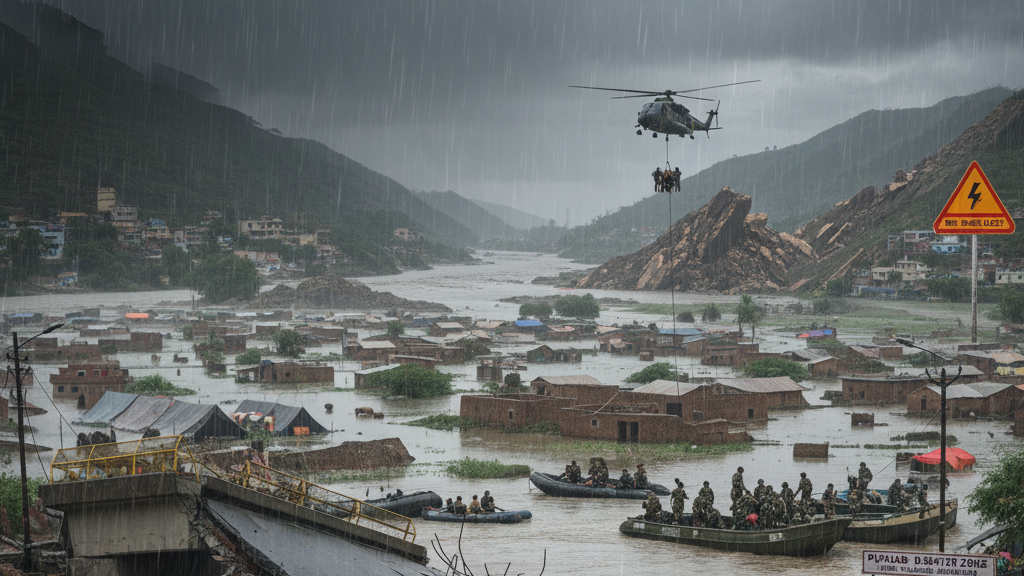
Punjab has borne the brunt of the crisis, declared a disaster zone, as all 23 districts report flooding. Over 1,200 villages are submerged, affecting approximately 355,000 people. The state has reported at least 37 fatalities and extensive damage to infrastructure and crops. Large-scale rescue efforts are underway, with the Indian Army evacuating over 5,500 civilians, and relief camps established to support displaced populations. Educational institutions have been closed until September 7 as a precaution.

Jammu & Kashmir is grappling with high water levels in the Jhelum River, particularly in Srinagar’s Rammunshibagh area, where flood alerts remain in place for Anantnag and Baramula districts. Landslides triggered by the heavy rains have complicated relief efforts, especially around critical infrastructure like the Ratle hydroelectric project.

Himachal Pradesh is also contending with severe flooding and landslides, resulting in significant damage and disruption. The state government continues to issue warnings and coordinate emergency response, with the flood toll in the region rising steadily.

The India Meteorological Department (IMD) has issued various weather alerts, including a yellow watch for heavy rainfall in Delhi-NCR and orange flood warnings in Jammu & Kashmir. Residents are urged to stay vigilant, avoid non-essential travel, and follow official advisories as the situation evolves.

Authorities are mobilizing all available resources to manage this unprecedented natural disaster and provide relief to affected communities across the region.