rotating globe
4 Apr 2026


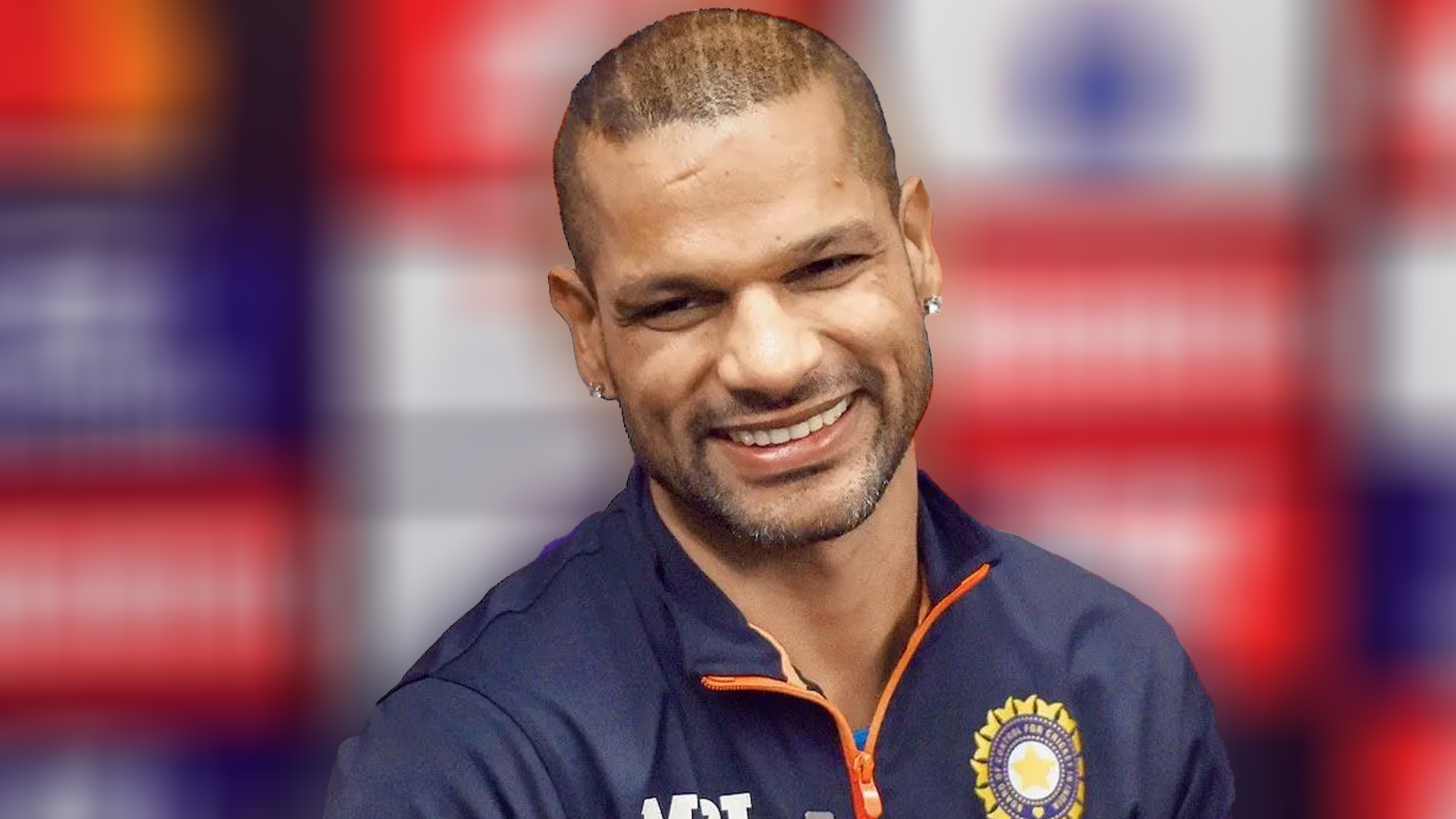
Enforcement Directorate Summons Former Cricketer Shikhar Dhawan in Online Betting Scam Probe


The Enforcement Directorate (ED) has summoned former Indian cricketer Shikhar Dhawan for questioning in connection with an ongoing investigation into an illegal online betting platform. The 39-year-old sportsman is expected to appear before the agency to provide his statement under the Prevention of Money Laundering Act (PMLA).

The probe by the ED centers around the financial transactions linked to the betting app 1xBet, which allegedly defrauded several investors and users of significant sums of money while evading substantial tax payments. Dhawan is believed to be involved due to his promotional activities for the platform on social media channels.

This development comes after the ED summoned another former cricketer, Suresh Raina, who was recently questioned regarding his endorsements of the same betting application. The investigation also extends to other celebrities, including actors and television personalities, suspected of promoting such illegal betting operations.

The ED’s ongoing crackdown aims to dismantle the network facilitating these unlawful activities and hold accountable all individuals associated with the promotion and operation of illegal betting platforms in India.

As the inquiry progresses, more high-profile names are expected to be called in for questioning as part of the broader effort to curb illegal online betting practices.


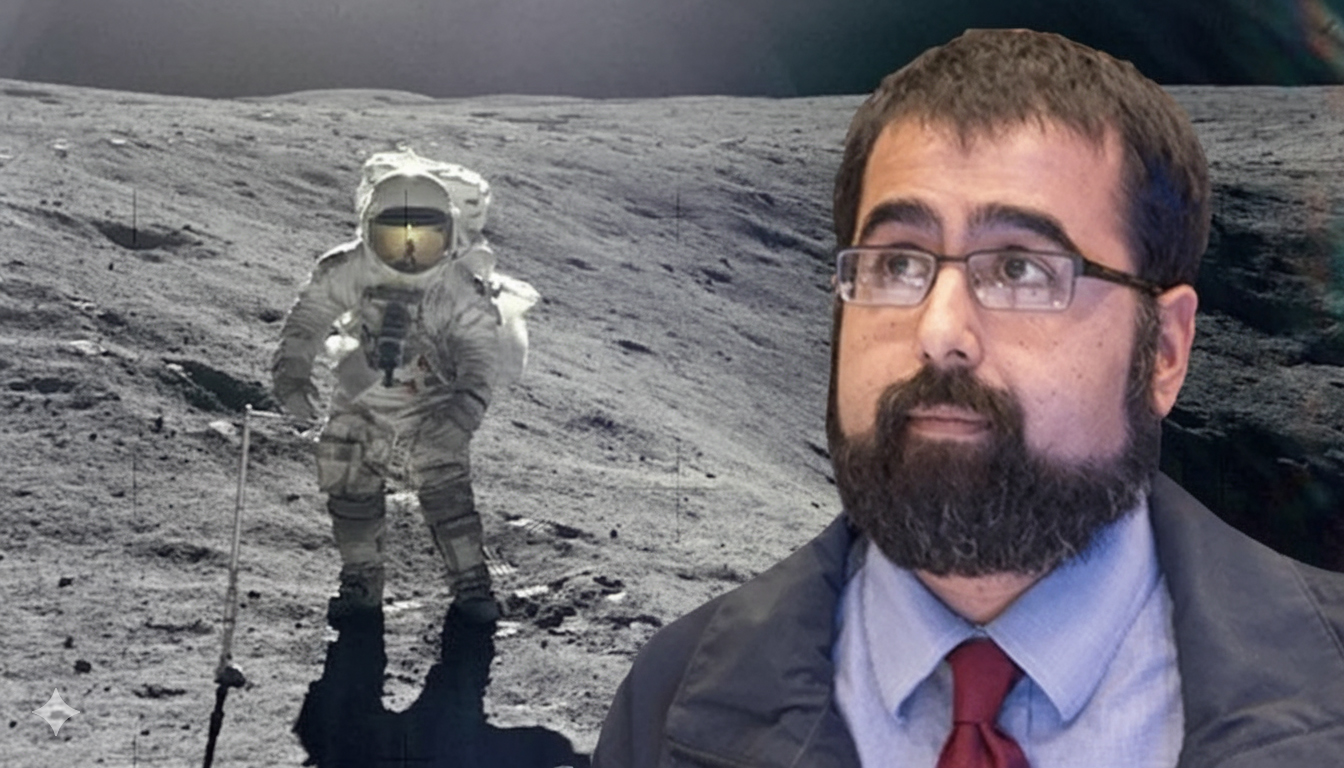
Indian-American Amit Kshatriya named NASA’s Chief Operating Officer, To Spearhead Moon and Mars Programs


Amit Kshatriya, an Indian-American NASA veteran, has been appointed as Associate Administrator and Chief Operating Officer (COO), the highest-ranking civil service position at NASA. Acting NASA Administrator Sean P. Duffy announced the appointment on September 3, 2025.

With over 20 years of experience, Kshatriya has been a key figure in NASA’s human space exploration efforts, particularly the Artemis program aimed at returning humans to the Moon and planning future missions to Mars. He will now serve as Duffy’s chief advisor and oversee NASA’s 10 center directors and various mission directorates from Headquarters in Washington, D.C.

Kshatriya began his NASA career in 2003 as a software and robotics engineer, focusing on the robotic assembly of the International Space Station (ISS). Between 2014 and 2017, he was a space station flight director, managing operations for the ISS. In 2021, he moved to NASA Headquarters in the Exploration Systems Development Mission Directorate, playing a pivotal role in Artemis I,  the first mission in NASA’s return to lunar exploration.

As deputy head of NASA’s Moon to Mars Program, Kshatriya oversaw crewed mission planning and implementation for the Artemis program, including the development of the Space Launch System (SLS) rocket, Orion spacecraft, and Exploration Ground Systems. His leadership ensured these critical programs aligned with NASA’s long-term goals of lunar exploration and Mars missions.

Throughout his career, Kshatriya has received several NASA awards, including the Outstanding Leadership Medal for his role as lead flight director for the 50th ISS expedition and the Silver Snoopy Award, which astronauts grant for contributions to flight safety.

Born in Brookfield, Wisconsin, and raised in Katy, Texas, Kshatriya is the son of first-generation Indian immigrants. He holds a Bachelor’s degree in Mathematics from the California Institute of Technology (Caltech) and a Master’s degree in Mathematics from the University of Texas at Austin. He is one of the few individuals to serve as a mission control flight director, highlighting his exceptional expertise in space operations.

Kshatriya’s appointment marks a significant step in NASA’s commitment to advancing human space exploration. With his extensive experience and vision, he is set to lead the agency’s ambitious lunar and Martian missions, helping maintain the U.S.’s leadership in space innovation.


Modi Government Unveils ₹48,000 Cr GST Overhaul, Markets Surge on Consumption Push


 In a bold pre-festive economic stimulus, the Modi government has announced a ₹48,000 crore Goods and Services Tax (GST) relief package aimed at boosting consumption, reviving demand, and supporting key sectors like automobiles, FMCG, and infrastructure. The announcement, made by Finance Minister Nirmala Sitharaman, comes weeks after Prime Minister Narendra Modi hinted at major tax reforms during his Independence Day address.

GST Push for Growth

The market welcomed the move with enthusiasm, pushing benchmark indices higher and triggering sharp rallies in consumption-led stocks. Analysts are calling it a well-timed policy reset with the potential to add over ₹2.4 lakh crore to the economy, even as questions loom over its fiscal cost and political intent.

Markets Respond Positively 

The Sensex and Nifty posted strong gains, with investors cheering the targeted tax cuts. The auto index surged more than 3%, while FMCG and cement stocks also rallied as traders rotated into demand-linked themes.

Leading brokerages, including Jefferies and Morgan Stanley, revised India’s near-term growth outlook upward, citing the stimulus’s potential to raise GDP by 50 to 70 basis points in FY26.

Top Sector Winners

The sectors poised to benefit the most from the ₹48,000 crore GST reform include automobiles, FMCG, and cement. In the automobile sector, the reduction in GST on two-wheelers and entry-level cars is expected to significantly boost volumes, particularly in price-sensitive segments of the market. The FMCG industry stands to gain through improved profit margins and greater flexibility in pricing, especially for essential mass-consumption products. Meanwhile, the cement sector is likely to benefit from reduced construction costs, which could accelerate activity in the real estate and infrastructure spaces. Collectively, these sectors are expected to lead the earnings recovery cycle, as the tax reforms begin to translate into higher sales volumes during the upcoming festive season.

 Pre-Election Push

With assembly elections looming in states like Bihar and Maharashtra, the GST relief is also being viewed as a political maneuver aimed at reinforcing rural and middle-class support. The tax cuts strategically target voter-heavy demographics — a move reminiscent of earlier pre-election policy sops.

“This reform ticks both boxes — economic stimulus and political signaling,” said a political economist at NIPFP.

Investor Sentiments

Domestic mutual funds and institutional investors have begun rotating into sectors expected to benefit directly from the reform. Foreign Institutional Investors (FIIs), who net sold ₹35,000 crore in Indian equities in August, may revisit their stance amid improved policy clarity and demand forecasts. Fund managers are particularly bullish on auto ancillaries, rural FMCG plays, white goods, and building materials.

Key Indicators to monitor

In the months ahead, several key indicators will be critical to assessing the impact of the GST reforms. These include monthly automobile sales, particularly in the two-wheeler and entry-level car segments, alongside rural FMCG volume growth and dispatch data for cement and other building materials. Additionally, trends in monthly GST collections and overall tax buoyancy will offer valuable insights into the strength of the consumption rebound. If these indicators show sustained improvement, the economy could enter a virtuous growth cycle well before FY26.


IIT Madras Tops NIRF 2024 for Sixth Year; IISc Bengaluru Leads Universities


For the sixth year in a row, IIT Madras has been named India’s best overall higher education institution in the latest National Institutional Ranking Framework (NIRF) 2024 results. Meanwhile, the Indian Institute of Science (IISc) Bengaluru continues to hold its place as the country’s top university and research powerhouse.

The rankings, released by the Ministry of Education, celebrate the consistent hard work and academic brilliance of these institutions, setting new benchmarks for students and educators across the nation.

IIT Madras maintained its remarkable streak by topping both the overall and engineering categories, reflecting its ongoing commitment to innovation, quality teaching, and cutting-edge research. IISc Bengaluru retained the top position in the university category, with Jawaharlal Nehru University (JNU) and Jamia Millia Islamia (JMI) also making strong showings.

In medical sciences, AIIMS Delhi remained the gold standard for education and research, while the Indian Institute of Management (IIM) Ahmedabad continued to lead the management rankings, underscoring its lasting reputation. Among colleges, Delhi’s Hindu College and Miranda House stood out by securing the first and second positions, with St. Stephen’s College and Ramakrishna Mission Vidyamandira sharing the third spot.

The rankings also highlighted regional excellence, with Tamil Nadu and Karnataka emerging as key hubs of higher education. Tamil Nadu’s IIT Madras and Karnataka’s IISc Bengaluru, along with Manipal Academy of Higher Education (MAHE), secured prominent positions, reflecting the growing strength and diversity of India’s academic landscape.

This year, the NIRF introduced new categories, including Open Universities and Skill Universities, recognizing the evolving nature of education in India. Additionally, the Ministry of Education is considering adding sustainability as a future evaluation criterion, signaling a commitment to environmental and social responsibility in higher education institutions.

The NIRF rankings serve as a crucial guide for students and families making education choices while encouraging institutions to maintain and elevate their standards. More than just numbers, the rankings tell a story of dedication, passion, and progress in India’s dynamic education system.


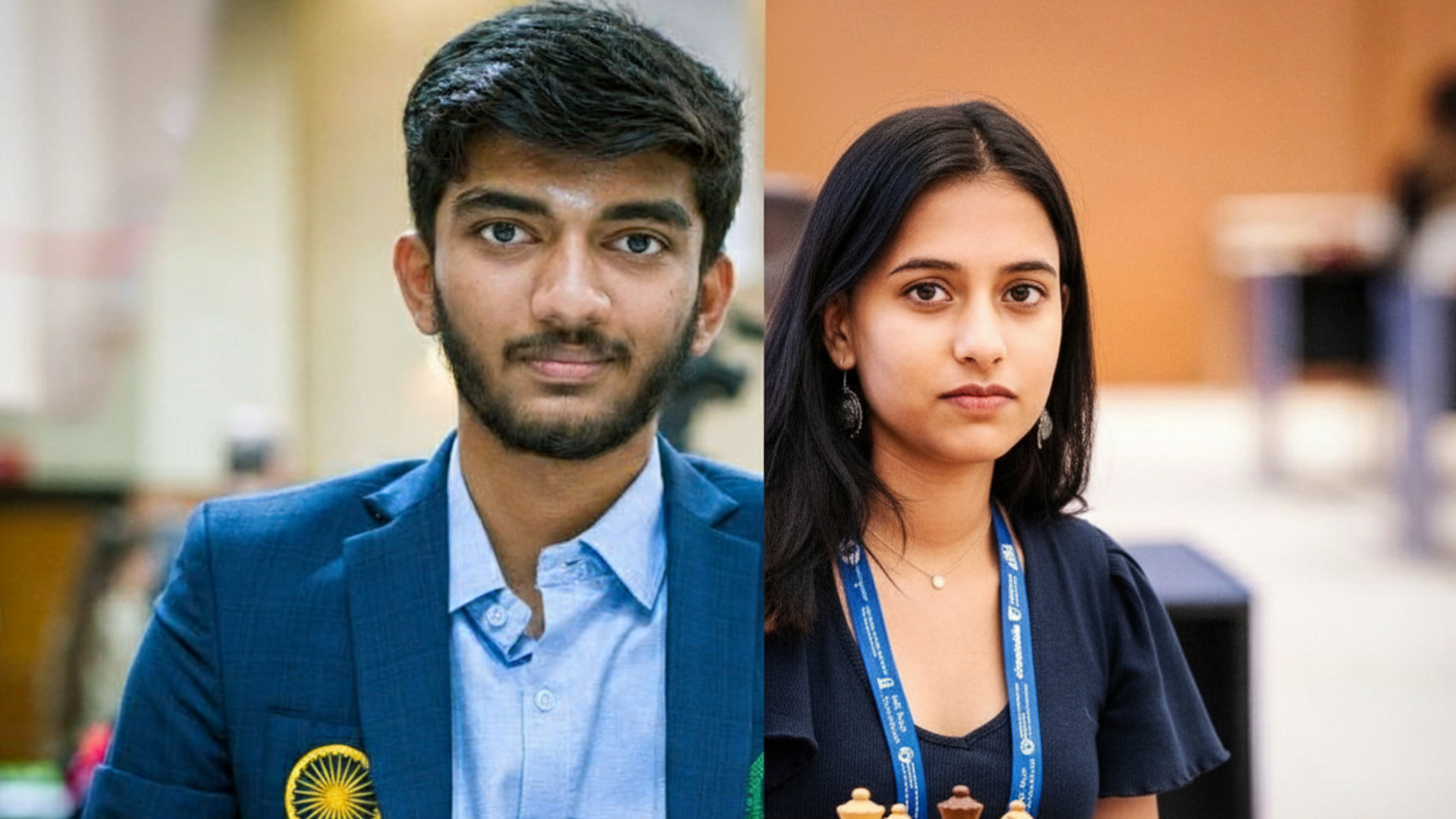
Gukesh, Divya Lead Indian Challenge at 2025 FIDE Grand Swiss in Uzbekistan


As the prestigious 2025 FIDE Grand Swiss Tournament gets underway in Samarkand, Uzbekistan, all eyes are on India’s teenage chess prodigies, World Champion D Gukesh and Women’s World Cup winner Divya Deshmukh, who are making headlines not just for their participation but for the bold paths they’ve chosen on the global stage.

Gukesh in Action Despite Ineligibility for Candidates

At just 19, Gukesh enters the event as the reigning World Champion. Although ineligible for the 2026 Candidates Tournament due to his champion status, Gukesh has opted to compete in the Grand Swiss to maintain a competitive rhythm and silence critics questioning the legitimacy of his world title.

His participation also serves as critical preparation for the FIDE World Cup, set to be held in Goa later this year, where top performers will earn berths for the 2026 Candidates.

Divya Deshmukh Makes History in Open Section

Equally noteworthy is Divya Deshmukh’s decision to play in the open section of the tournament, making her the only Indian female player in that category. Already qualified for the Women’s Candidates Tournament, the 19-year-old Nagpur-based WGM is taking on higher-rated opposition in a bid to push her limits and target the elite 2700 Elo mark, an extremely rare feat in women’s chess.

Speaking before the tournament, Divya expressed her intent to “challenge herself against the strongest players in the world” and contribute to India’s growing influence on the global chess scene.

India’s Growing Chess Footprint

India has fielded a strong contingent of 15 players at the event, underlining its emergence as a chess powerhouse. With young stars like Gukesh and Divya at the forefront, the tournament reflects both individual ambition and a broader national resurgence in international chess.

As the rounds progress, all eyes will be on the Indian duo, symbols of a new generation eager to redefine global chess dominance.

K Kavitha Quits BRS and MLC Post Amidst Family Feud and Political Fallout


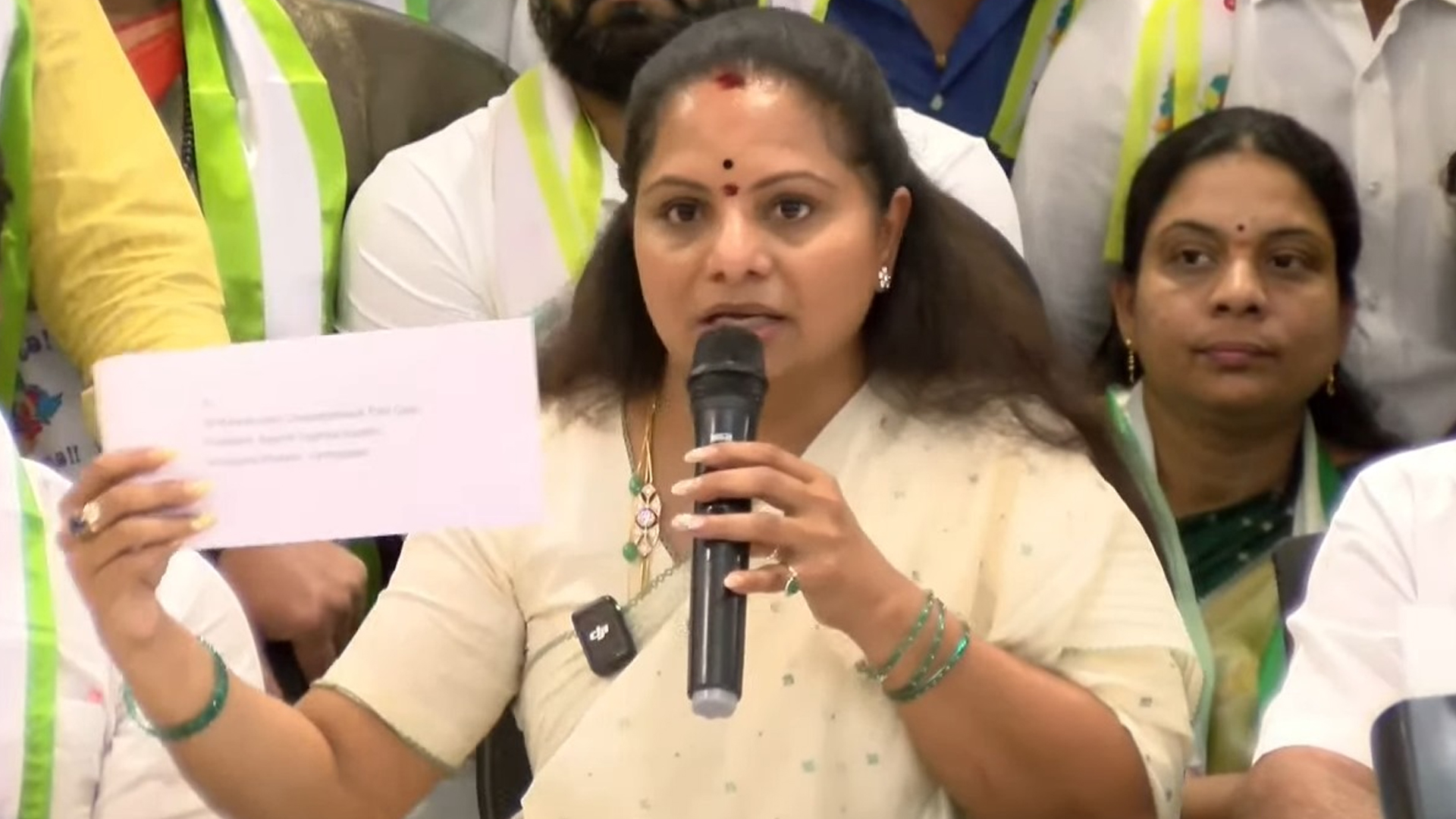
On September 3, 2025, K Kavitha, a well-known Telangana leader and daughter of former Chief Minister K. Chandrashekar Rao (KCR), took a shocking step by resigning from the Bharat Rashtra Samithi (BRS) party and giving up her seat in the Legislative Council. This decision came just a day after she was suspended from the party over allegations of anti-party activities.

Speaking at an emotional press conference, Kavitha didn’t hold back her feelings. She accused her own cousins, former minister T. Harish Rao and Rajya Sabha MP J. Santosh Kumar, of plotting against her and her father. She believes their actions have even sparked a CBI investigation into KCR’s role in the Kaleshwaram irrigation project, a flagship development initiative in Telangana.

Kavitha also expressed deep hurt over the lack of support from her brother, K.T. Rama Rao (KTR), the BRS Working President. She described being targeted by a “malicious campaign” within the party and felt abandoned by those closest to her.

Despite stepping away from the party and her legislative role, Kavitha made it clear that she hasn’t decided what’s next for her politically. She isn’t joining any other party for now and plans to consult with her supporters before charting her future course.

With her taking this dire step, it exposes deep cracks within Telangana’s ruling family and raises fresh questions about the unity and future of the BRS. All eyes are now on Kavitha as the state watches how this personal and political drama unfolds.


Assam Government Confers Citizenship to Three Foreigners Under CAA


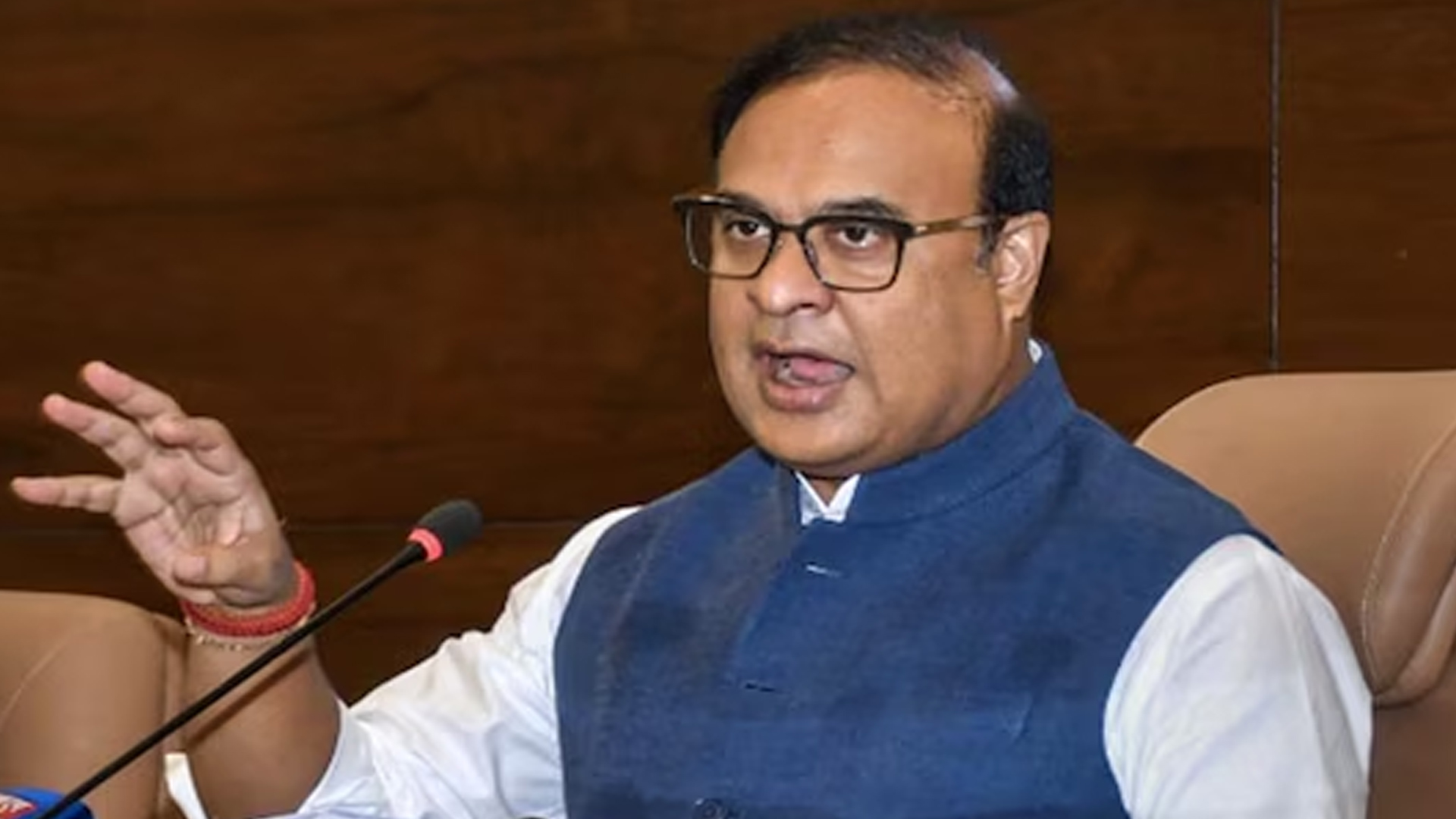
Assam Chief Minister Himanta Biswa Sarma has confirmed that three foreign nationals have been granted Indian citizenship in the state under the provisions of the Citizenship (Amendment) Act (CAA), 2019. This marks one of the initial instances of citizenship being conferred under the controversial law within Assam.

The Citizenship (Amendment) Act offers a pathway to Indian citizenship for non-Muslim refugees,  specifically Hindus, Sikhs, Buddhists, Jains, Parsis, and Christians,  who fled religious persecution in neighboring countries such as Afghanistan, Bangladesh, and Pakistan before December 31, 2014. Under Section 6B of the Indian Citizenship Act, 1955, eligible applicants can apply for citizenship through a streamlined naturalization process.

The Assam government has been actively facilitating applications under the CAA. The Border Police have been directed to advise potential beneficiaries to submit their claims through the official online portal, ensuring a transparent and systematic procedure.

While the granting of citizenship to these three individuals signals progress in implementing the CAA, it has reignited debates across Assam. The state, which has a long history of complex migration patterns and demographic concerns, remains divided on the issue. Supporters argue that the law provides refuge to persecuted minorities, while opponents fear it could impact Assam’s socio-political balance and undermine the Assam Accord.

As the CAA’s implications continue to unfold, the Assam government has reiterated its commitment to balancing the concerns of its indigenous population with legal obligations under the Act. The latest development is expected to influence ongoing discussions on citizenship policies and migration management in the state.


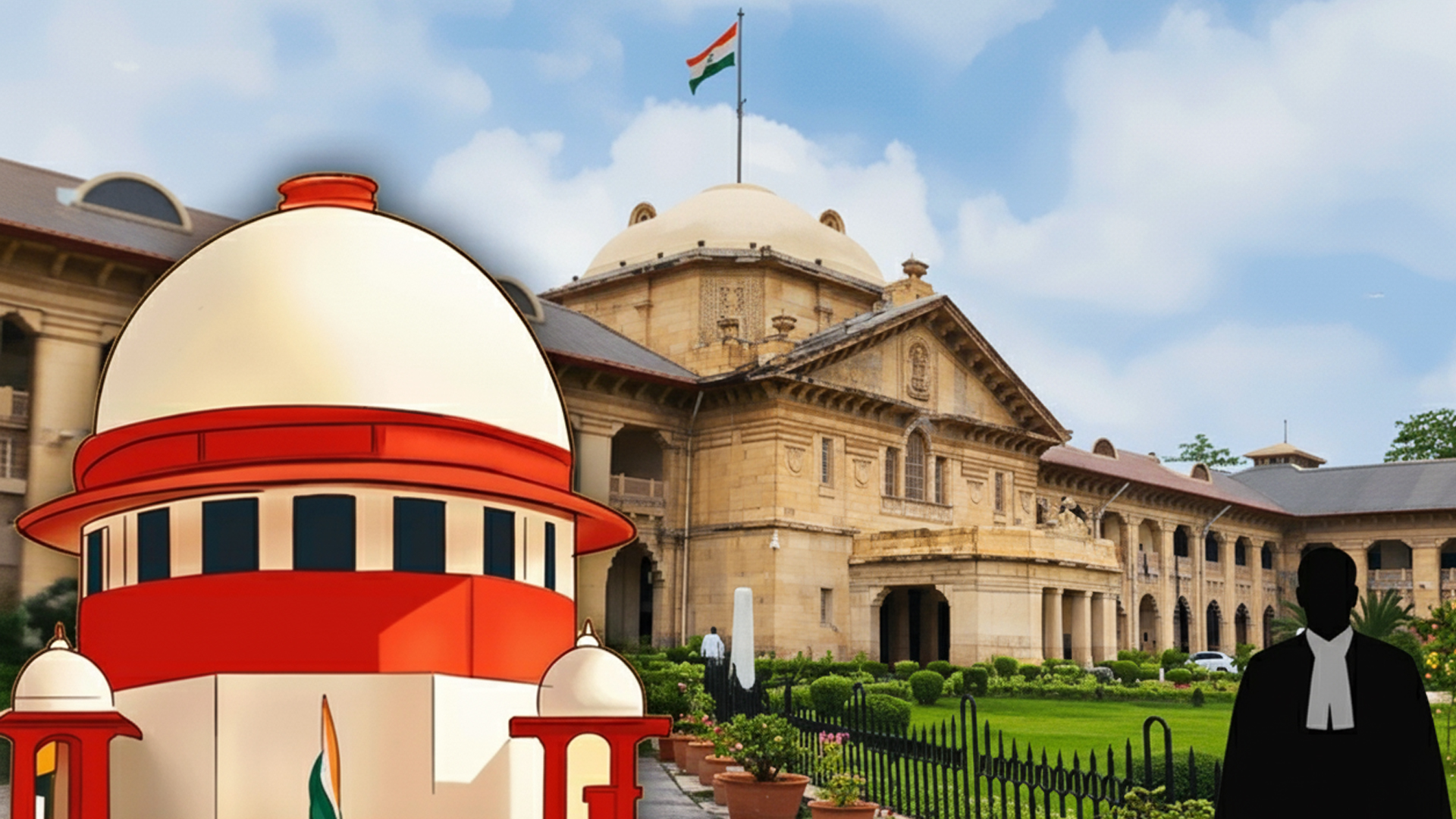
Supreme Court Collegium Recommends Appointment of 26 Judges to Allahabad High Court


The Supreme Court Collegium has recommended the appointment of 26 new judges to the Allahabad High Court, including 14 judicial officers and 12 practicing lawyers, in a bid to strengthen the court’s capacity and address the mounting backlog of cases. The proposal, now pending government approval, aims to expedite justice delivery in one of India’s busiest high courts.

The Allahabad High Court, known for its extensive jurisdiction and heavy caseload, has been grappling with a substantial number of pending cases. The proposed appointments are expected to fill numerous vacancies, strengthening the court’s capacity to deliver timely judgments and reducing the backlog significantly.

The Collegium’s recommendation now awaits approval from the central government. Historically, delays in government clearance of judicial appointments have raised concerns within the judiciary. The Supreme Court has repeatedly emphasized the importance of swift appointments to maintain the effectiveness of the judicial system.

Legal experts and stakeholders are closely monitoring the government’s response, which will be critical in determining how soon the new judges can be inducted. If approved, this move will mark a crucial step toward addressing the case backlog in the Allahabad High Court and could serve as a model for other high courts facing similar challenges.

Also Read: Bombay High Court Orders Mumbai Streets Cleared as Maratha Quota Protests Disrupt City

U.S. Military Strike in Caribbean Kills 11 on Alleged Venezuelan Drug Boat


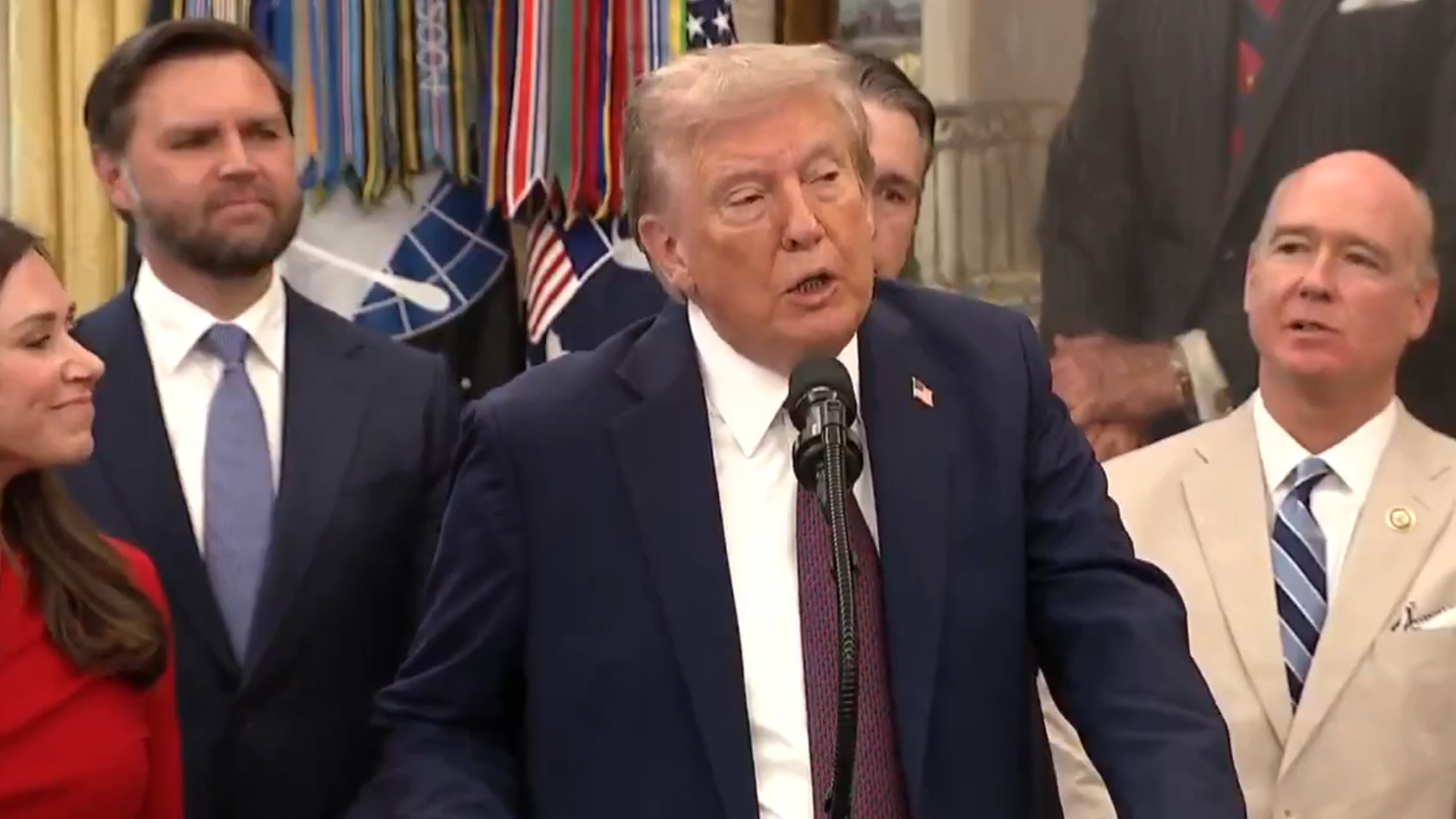
The U.S. military carried out a deadly strike on a vessel off the coast of Venezuela on Tuesday, killing 11 people and escalating its fight against drug trafficking in the Caribbean. President Donald Trump confirmed the operation, saying the boat was carrying a large shipment of drugs and was linked to the Venezuelan gang Tren de Aragua, which the U.S. has designated a terrorist group.

“This was a drug-carrying boat, and a lot of drugs were on board,” Trump said, sharing drone footage that appeared to show the boat exploding and catching fire at sea. The Pentagon has yet to release detailed information about the mission, including the type or amount of drugs involved.

The strike is part of a wider U.S. military buildup in the region. In recent weeks, the U.S. deployed thousands of troops, warships, and surveillance aircraft to the southern Caribbean, aiming to disrupt the flow of narcotics into the United States. This buildup has been met with sharp criticism from Venezuela’s government.

Venezuelan officials have denied the U.S. accusations and questioned the authenticity of the drone footage, suggesting it might have been artificially created. Reuters found no evidence that the video was manipulated but continues to investigate.

President Nicolás Maduro condemned the U.S. military presence in the Caribbean, calling it the greatest threat South America has seen in a century. The Venezuelan government declared itself ready to defend the country against what it called an “unjustifiable and criminal” threat.

Human rights advocates and experts have raised concerns about the use of lethal force in the strike, questioning whether such actions are lawful or proportional when targeting suspected drug traffickers.

The U.S. has also increased pressure on Maduro by doubling its reward for information leading to his arrest to $50 million. The ongoing military and political tensions signal a sharp escalation in the U.S. approach to combating drugs and organized crime in the region.

As of now, the Pentagon has not provided further details, and investigations into the strike and the video footage are ongoing.

Xi Declares China “Unstoppable” at Military Parade; Putin and Kim Join in Rare Show of Unity


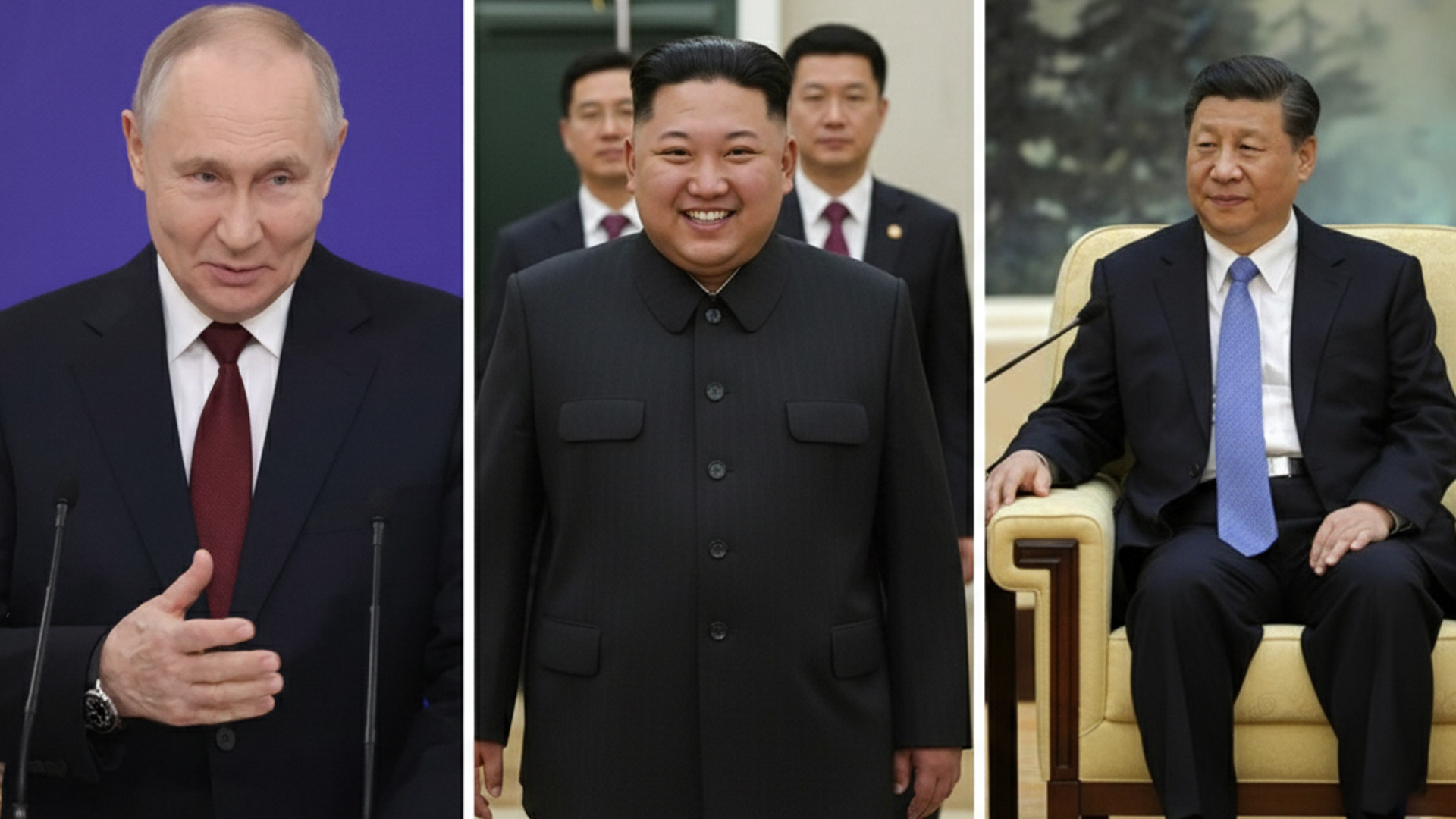
Chinese President Xi Jinping declared that China’s rise is “unstoppable” as he presided over a grand military parade in Beijing on Tuesday, flanked by Russian President Vladimir Putin and North Korean leader Kim Jong Un. The rare joint appearance of the three leaders comes amid escalating tensions with the West and was widely seen as a symbolic show of unity among authoritarian powers.

The parade, marking the 80th anniversary of the end of World War II, featured the largest display of military hardware China has ever presented on home soil, including hypersonic missiles, intercontinental ballistic missiles, stealth drones, cyber warfare units, and unmanned underwater vehicles.

“The great rejuvenation of the Chinese nation is an unstoppable historical process,” Xi said during his speech in Tiananmen Square. “The world must choose: peace or war, dialogue or confrontation, cooperation or conflict.”

A Strategic Alliance on Display

The presence of Putin and Kim alongside Xi marked the first joint public appearance of the three leaders, underlining what analysts describe as a growing strategic axis aimed at challenging U.S. dominance and the Western-led international order.

Putin, continuing to face international sanctions over the war in Ukraine, used the platform to reinforce Moscow’s commitment to a “multipolar world.” Kim’s appearance, while more symbolic, further affirmed North Korea’s alignment with Beijing and Moscow in opposition to Western influence in East Asia.

State media from China, Russia, and North Korea emphasized themes of sovereignty, resistance to Western interference, and shared historical sacrifices in the face of imperialism.

Trump Responds: “A Conspiracy Against the U.S.”

Former U.S. President Donald Trump reacted to the parade via Truth Social, calling the trilateral display a “conspiracy against the United States.” He urged Xi, Putin, and Kim not to forget America’s role in defeating fascism during WWII and warned of their growing coordination.

“They’re conspiring against the U.S.,” Trump wrote. “Let them remember who saved the world from tyranny.”

Despite the strong rhetoric, Trump reiterated that he had maintained a “very good relationship” with Xi during his presidency, while asserting that American military power remains unrivaled.

Global Implications and Rising Concerns

The high-profile event is the latest in a series of moves by China to project global influence and assert its leadership in the developing world. The public unity between the three leaders has sparked fresh concerns among U.S. allies in Asia and Europe.

“This isn’t just about military posturing,” said Dr. Eleanor Hayes, a senior analyst at the International Institute for Strategic Studies. “It’s a calculated message, not just to Washington, but to the world, that an alternative power structure is taking shape.”

With geopolitical flashpoints simmering from Taiwan to Ukraine, and the Korean Peninsula to the South China Sea, Western leaders are now recalibrating their diplomatic and defense strategies in anticipation of potential shifts in the balance of global power.

A Show of Strength, a Signal of Intent

While the parade was meticulously staged for domestic audiences,  reinforcing Xi’s image as a strong leader amid economic headwinds, it also served as a bold geopolitical signal. Analysts suggest that the increasingly public partnership among China, Russia, and North Korea could result in closer military, economic, and technological cooperation in the years ahead.

As the dust settles on the grand spectacle in Beijing, one thing is clear: the world is watching closely as global alliances harden, and a new era of strategic rivalry continues to unfold.

Also Read: India Pushes Back at U.S. Over Russian Oil Imports, Citing Market Stability and Sovereignty