rotating globe
2 Apr 2026


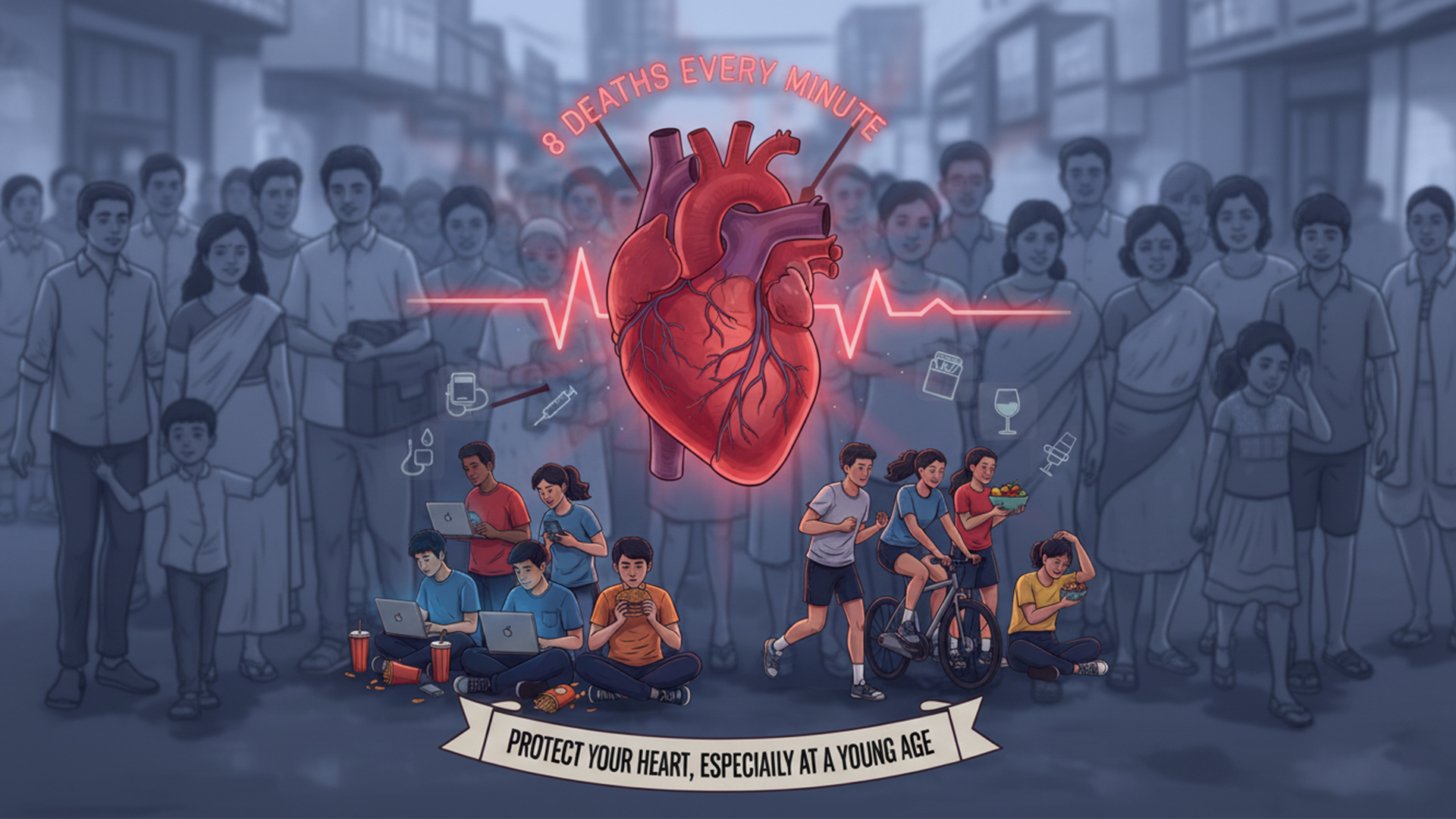
Rising Heart Disease in SE Asia, Gen Z at Risk


On World Heart Day 2025, the World Health Organization (WHO) has issued a critical warning about the escalating cardiovascular disease (CVD) crisis in Southeast Asia. Heart disease remains the leading cause of death in the region, claiming eight lives every minute, with nearly half of these deaths occurring prematurely, in people under 70 years.

Dr. Catharina Boehme, Officer-in-Charge at WHO South-East Asia, highlighted major risk factors including high blood pressure, diabetes, tobacco use, harmful alcohol consumption, unhealthy diets rich in salt and fat, and physical inactivity. Disturbingly, about 85% of individuals with hypertension and diabetes in the region do not have their conditions under control, increasing their risk of fatal heart events.

Despite efforts to improve care, reaching over 90 million people, significant challenges remain, including poor regulation and enforcement of policies around tobacco and unhealthy foods.

In Hyderabad, doctors report a rising number of heart attacks and strokes in younger patients. Dr. A. Ravikanth, head of cardiology at Kamineni Hospital, said that in just one month, 15 to 20 young people, many without traditional risk factors like diabetes, were admitted with serious cardiac events. He recalled treating a man in his twenties whose heart damage resembled that of a much older patient.

Experts link these cases to lifestyle changes such as sedentary behavior, unhealthy diets, prolonged screen time, and increased stress. Dr. A. Sai Ravi Shankar from Aster Prime Hospital cited research showing that over seven hours of daily screen time can raise heart disease risk, a trend visible among students in Hyderabad’s coaching centers.

Dr. B. Hygriv Rao of KIMS Hospital advises young people to balance study and work with physical activity and to reduce leisure screen time to protect their heart health.

This World Heart Day, experts urge early screening, lifestyle changes, and better management of risk factors to save lives. The message is clear – Don’t miss a beat. Take care of your heart.

Also Read: India Clinches 9th Asia Cup 2025 Title Amid Controversy

Kerala’s Fiscal Paradox: How Bottles and Tickets Keep the State Afloat


By Arun M Nair

Thiruvananthapuram: Behind the enviable social indicators of Kerala lies an unusual revenue model. Liquor queues and lottery counters, more than factories or trade, sustain the state’s treasury—a dependence that fuels welfare but also raises questions of cost and conscience.

On any given evening in Kerala, queues form outside BEVCO and Consumerfed outlets, the state-run liquor stores. A few paces away, roadside lottery vendors wave colourful tickets at passers-by, calling out the day’s jackpot. Together, these two scenes capture the paradox of Kerala’s economy: its welfare state is bankrolled not by factories or oil wells, but by liquor bottles and lottery stubs.

The numbers are telling. In 2024–25, liquor sales through BEVCO crossed Rs 19,500 crore, bringing the treasury nearly Rs 15,000 crore in taxes. For years, the state-run lottery was also seen as a matching contributor. Daily draws and festival “bumper” tickets created the impression that lottery sales rivalled liquor in filling the exchequer.

However, recent clarifications from Finance Minister K.N. Balagopal have punctured this belief. He pointed out that lottery sales figures are often quoted in gross terms, masking the high costs of running the system.

As per the 2024–25 budget, total lottery ticket sales are projected at Rs 13,244 crore. But after payouts—prize money, agents’ commissions, staff salaries, and promotions—the net gain for the state is only about Rs 1,022 crore.

The picture, then, is more modest: liquor remains the true heavyweight, while the lottery provides only a fraction of the perceived bounty.

Critics argue that such dependence comes at a cost. Surveys estimate 32.9 lakh people in Kerala consume liquor, with more than 83,000 battling addiction. The lottery, too, often draws in those least able to afford repeated losses. Yet for a cash-strapped government balancing welfare schemes and salaries, these inflows, however uneven, are hard to replace.

Kerala’s fiscal story thus remains one of paradox. The state is celebrated for its literacy, healthcare, and social achievements. But behind the progress lies a BEVCO queue and a lottery seller’s call—two unlikely symbols of an economy caught between welfare needs and social costs.

Also Read: Kerala cannot afford to normalise police brutality: Here’s Why

India Clinches 9th Asia Cup 2025 Title Amid Controversy
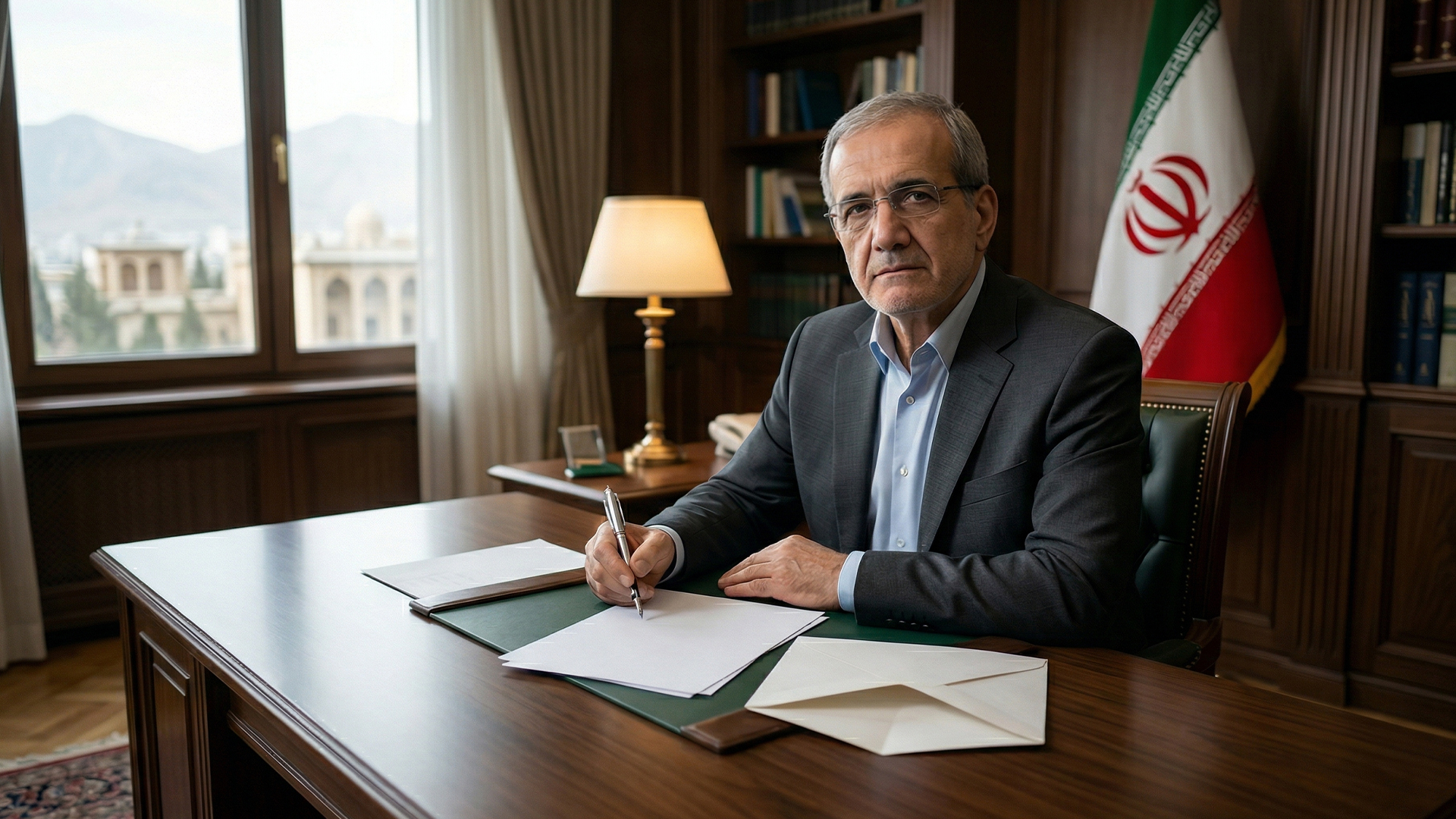

India once again showcased their cricketing grit and resilience by clinching their ninth Asia Cup title in a nail-biting final against arch-rivals Pakistan in Dubai. Despite early setbacks and a tense atmosphere fueled by off-field tensions, young Tilak Varma’s calm and composed innings helped India cross the finish line, giving fans yet another memorable victory to celebrate. But while the cricket on the field was thrilling, the match was also marked by moments that reminded everyone how deep political issues still run between these two passionate cricketing nations.

Chasing a modest target of 147, India faced early trouble at 10/2 but steadied their innings with Varma’s unbeaten 69 off 53 balls. His performance guided India to victory with 11 balls to spare, extending their unbeaten streak against Pakistan in international cricket to seven matches.

However, the final was overshadowed by political tensions. Indian captain Suryakumar Yadav and his team refused to shake hands with Pakistani players during the toss and post-match ceremonies, citing diplomatic strains after recent conflicts. The Asian Cricket Council (ACC) had advised both teams to skip the customary handshakes, but tensions remained high.

The post-match trophy ceremony was delayed over an hour as India refused to accept the Asia Cup trophy from ACC Chairman Mohsin Naqvi, who is also the Pakistan Cricket Board chief. Indian players Varma, Abhishek Sharma, and Kuldeep Yadav collected their prize money separately. Instead of celebrating with the official trophy, India’s team held a mock trophy, underscoring the ongoing political discord.

In recognition of their win, the Board of Control for Cricket in India (BCCI) announced a record prize money of ₹21 crore for the players and support staff.

India’s win adds to their cricketing legacy but also highlights how political tensions continue to affect the sport. Balancing competition with diplomacy remains crucial to keep cricket a unifying force in the region.

Also Read: Vijay’s Karur Rally Stampede Leaves Over 40 Dead

Himachal Showcases Horticultural Excellence at World Food India 2025


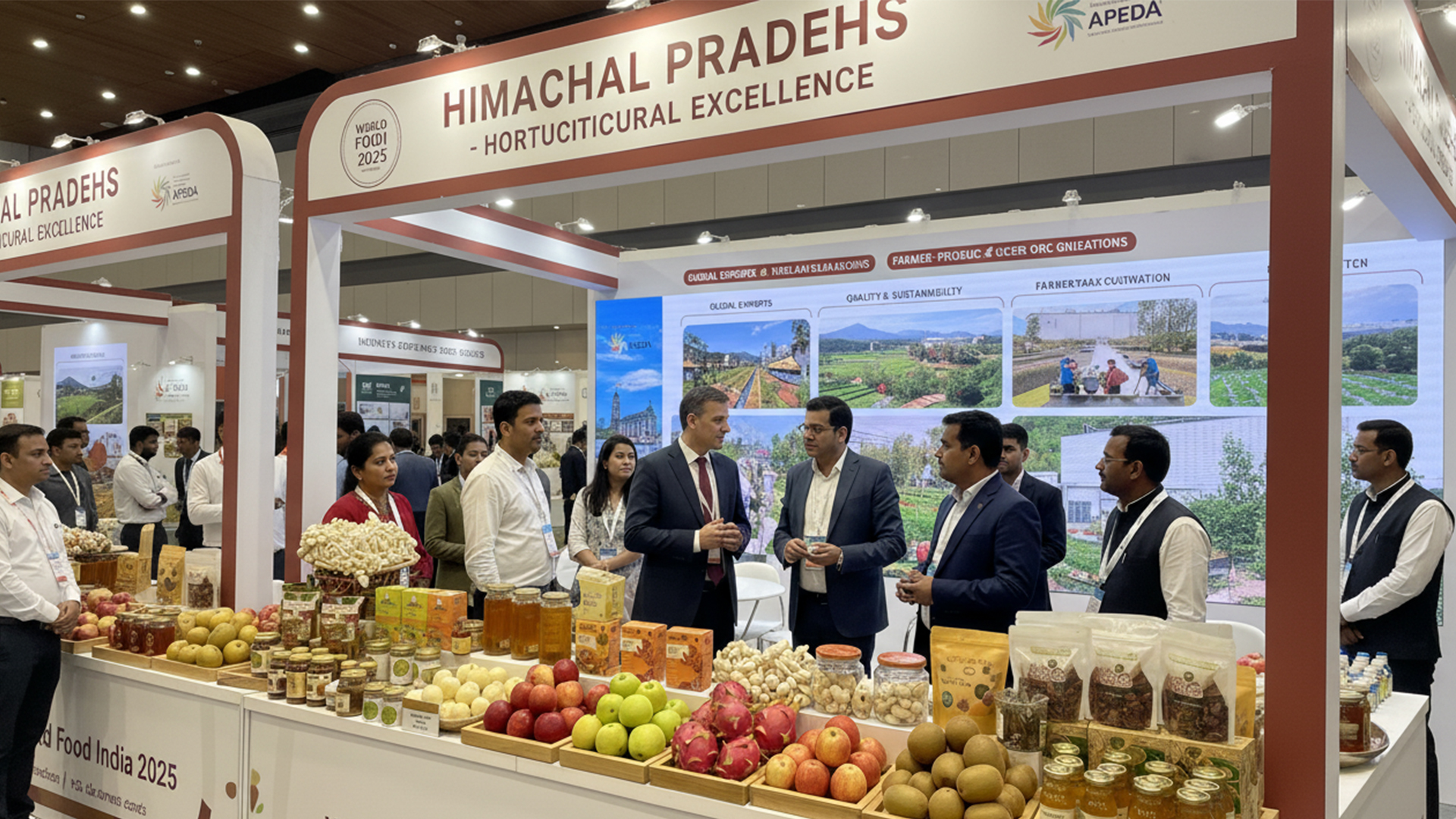
Himachal Pradesh made a strong impression at the 4th edition of World Food India 2025, held from September 25 to 28 at Bharat Mandapam, New Delhi. Organized by the Ministry of Food Processing Industries, the event brought together over 1,700 exhibitors and international delegates from more than 100 countries.

The state’s Department of Horticulture led the Himachal Pavilion, showcasing a diverse range of fresh and value-added horticultural products. Highlights included apples, kiwi, dragon fruit, mushrooms, and unique items like Seabuckthorn Shots, Guchhi Tea, Red Rice Tea, artisanal honey, bee-wax candles, lemongrass oil, and cordyceps cultivation.

The delegation, headed by Director of Horticulture Vinay Singh, included senior officials and progressive farmers focused on modernizing Himachal’s horticulture sector. The aim was to combine tradition with innovation, enabling farmers to access high-value markets while maintaining quality and sustainability.

The event provided a platform for key business interactions. Backed by APEDA, the state delegation held B2B meetings with international buyers, including Roycr Foods (Canada), Lulu Group, and Healthy Food Mart (Cambodia), exploring opportunities for global exports.

The initiative also focused on aligning Himachal’s produce with international branding, packaging, and food safety standards. Plans are underway to enhance cold storage and controlled atmosphere infrastructure, strengthen farmer-producer organizations, and improve market linkages.

Himachal’s participation highlighted its growing role as a hub of high-quality horticulture, innovation, and agro-entrepreneurship on the global stage.

Also Read: India Clinches 9th Asia Cup 2025 Title Amid Controversy

IAS Rajeev Verma Named New Chief Secretary of Delhi


Senior IAS officer Rajeev Verma, from the 1992 batch of the AGMUT cadre (Arunachal Pradesh-Goa-Mizoram and Union Territories), has been appointed as the new Chief Secretary of the National Capital Territory of Delhi. His appointment will take effect from October 1, 2025, or upon joining, whichever is later. Verma will succeed Dharmendra, who is retiring on September 30, 2025.

Before this assignment, Verma served as the Chief Secretary of Chandigarh, where he was responsible for overseeing the administration of the union territory.  The Ministry of Home Affairs approved his transfer and appointment to Delhi, and this was officially notified by the government.

Rajeev Verma has over 30 years of experience in administrative roles across various Union Territories and states under the AGMUT cadre. Known for his effective governance and development initiatives, Verma has handled diverse portfolios related to urban management, infrastructure development, and public administration. His expertise in managing complex bureaucratic setups is expected to benefit Delhi’s multifaceted governance structure.

Delhi’s Chief Secretary role comes with significant responsibilities. One of Verma’s immediate priorities will be to push forward the critical mission of cleaning and rejuvenating the Yamuna River, which faces severe pollution and ecological degradation. This environmental effort is crucial for the health and sustainability of the capital.

Additionally, Delhi’s administrative framework involves coordination between multiple agencies, including the state government, municipal bodies, and central authorities. Managing urban infrastructure, improving public services, and maintaining law and order in a densely populated and politically complex city will test Verma’s leadership and administrative skills.

Rajeev Verma’s appointment is seen as a strategic move to strengthen Delhi’s governance, leveraging his extensive experience to address the capital’s pressing challenges effectively.


Vijay’s Karur Rally Stampede Leaves Over 40 Dead


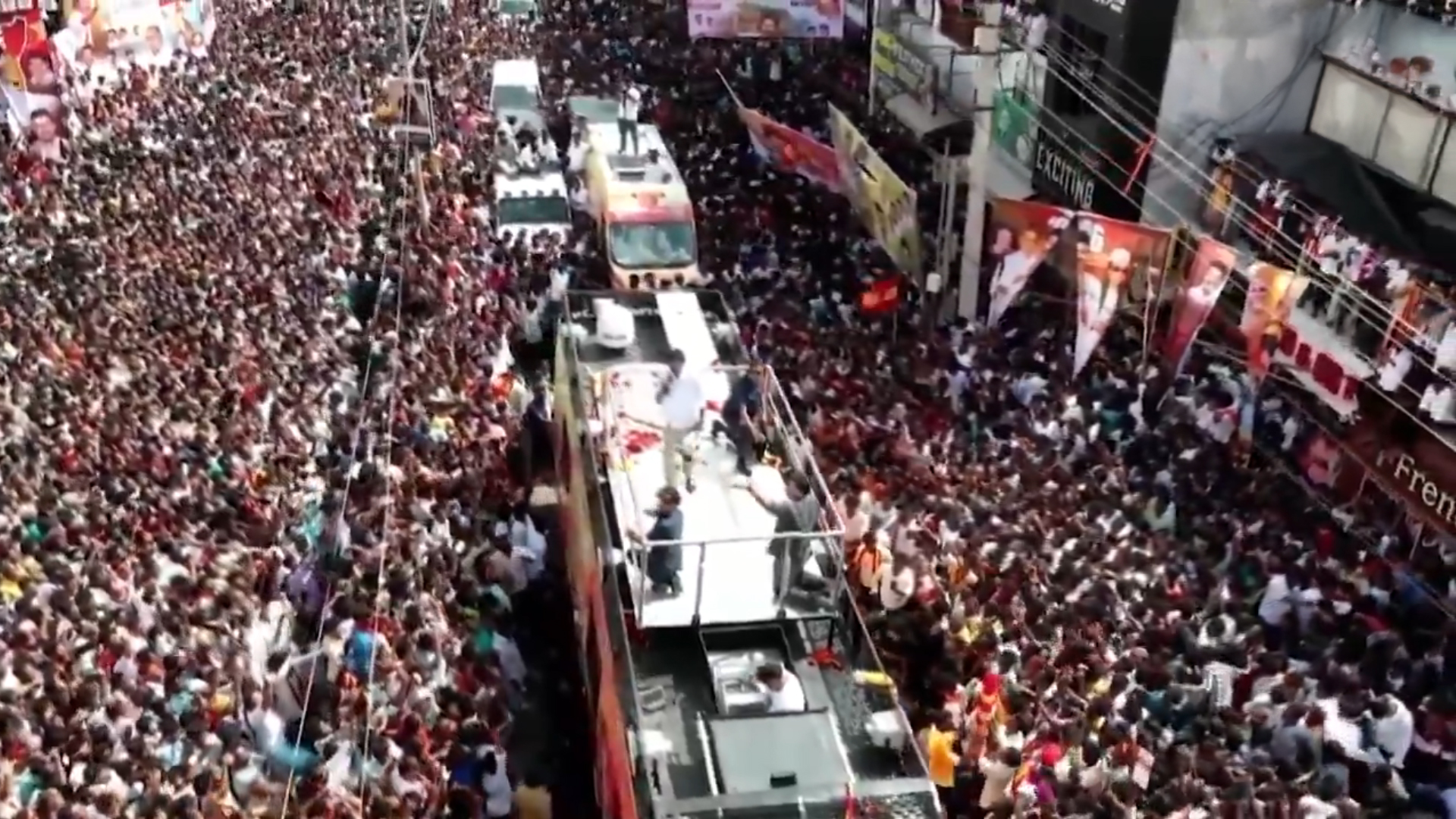
What was meant to be a celebration of political change turned into a heartbreaking tragedy in Tamil Nadu’s Karur district, where a massive crowd gathered for a rally organised by Tamilaga Vettri Kazhagam (TVK), the newly launched party of actor-turned-politician Vijay. A deadly stampede during the event has claimed more than 40 lives, with dozens more injured, many of them women and children.

A political rally organised by actor-turned-politician Vijay ended in tragedy on September 27, 2025, when a stampede claimed at least 40 lives and left dozens more injured in Tamil Nadu’s Karur district.

The event, hosted by Vijay’s newly formed party, Tamilaga Vettri Kazhagam (TVK), drew thousands of supporters. The stampede occurred during the distribution of gifts and welfare items. As the crowd surged forward, panic broke out. In the chaos, many—mostly women and children—were crushed or trampled underfoot.

“I lost my mother and sister in seconds,” said Rajeshwari, who had come to the event with her family. “They just wanted to see Vijay. It was supposed to be a happy day.”

Police and emergency responders rushed to the scene, but narrow access points and a lack of proper crowd control made rescue efforts difficult. Witnesses described heartbreaking scenes of volunteers trying to pull people from the crush, while others wept beside the bodies of loved ones.

Authorities have since registered a criminal case against three senior TVK organisers, accusing them of negligence. Officials revealed that TVK had declined police suggestions to hold the rally in a more open, secure location.

The tragedy has sparked national outrage. Congress leader Rahul Gandhi expressed deep sorrow and spoke directly with Vijay, urging local Congress workers to assist with relief efforts. “Deeply saddened,” he posted on social media. “My thoughts are with the victims’ families.”

Vijay also issued a heartfelt statement: “My heart is shattered. I extend my deepest condolences. We will offer every possible support to the families.”

Tamil Nadu Chief Minister M.K. Stalin has announced compensation for the victims’ families and ordered an inquiry into the mishap. “The loss of innocent lives is unacceptable,” he said.

What began as a political rally ended as one of Tamil Nadu’s worst crowd disasters, leaving a community shattered and raising urgent questions about public safety at mass gatherings.

S. Jaishankar Urges BRICS to Defend Multilateral Trade


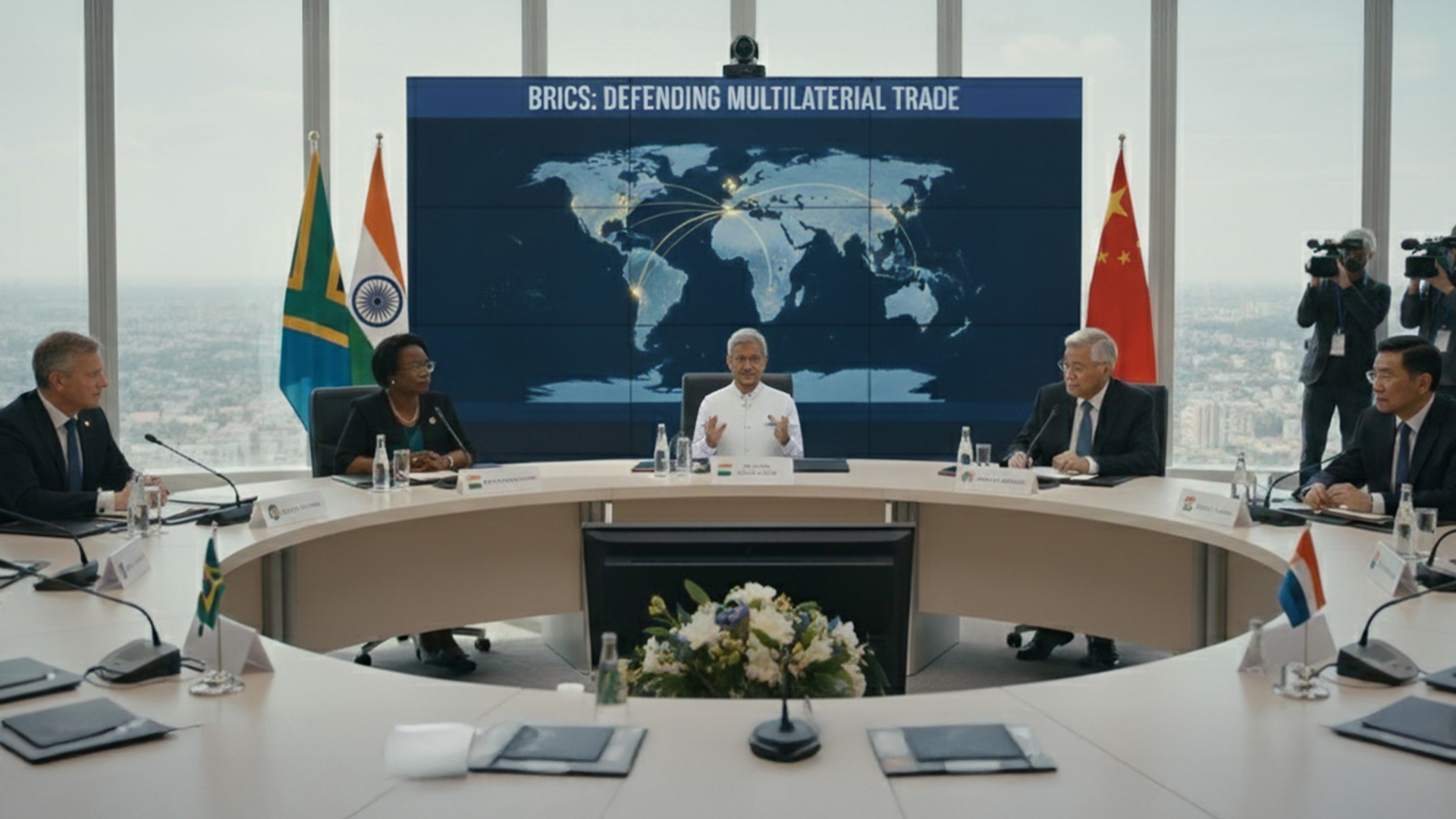
External Affairs Minister S. Jaishankar has called on BRICS nations to defend the multilateral trading system as global protectionism and tariff volatility threaten international commerce. Speaking on the sidelines of the UN General Assembly (UNGA) session during a meeting of the Bloc’s foreign ministers, Mr. Jaishankar emphasized the importance of dialogue, diplomacy, and adherence to international law in a turbulent global environment.

“When multilateralism is under stress, BRICS has stood firm as a strong voice of reason and constructive change,” Mr. Jaishankar said in a social media post. He added that rising protectionism, tariff fluctuations, and non-tariff barriers are affecting trade flows, and BRICS must play a proactive role in upholding the principles of a rules-based international trading system.

Mr. Jaishankar’s remarks come weeks after the United States imposed 50% tariffs on Indian exports, including an additional 25% penalty related to India’s purchase of Russian oil, among the highest tariffs levied globally. Against this backdrop, he highlighted the need for BRICS to advocate for fair and equitable trade while advancing collective reforms in international institutions.

He also stressed the necessity for comprehensive reform of the United Nations, particularly the Security Council, urging BRICS to amplify its call for changes that better reflect contemporary geopolitical realities. “Technology and innovation will define the next phase of BRICS cooperation,” he noted, pointing to the bloc’s potential to lead in emerging areas while supporting sustainable development.

Looking ahead to India’s chairship of BRICS in 2026, Mr. Jaishankar outlined priorities including food and energy security, climate action, and sustainable development, driven by digital transformation, startups, innovation, and strengthened development partnerships.

During the UNGA session, Mr. Jaishankar engaged in a series of bilateral and multilateral discussions. He met counterparts from Sierra Leone, Romania, Cuba, Austria, Brazil, South Africa, Indonesia, Russia, Uruguay, Colombia, and Antigua and Barbuda. In discussions with UAE Deputy Prime Minister and Foreign Minister Abdullah bin Zayed Al Nahyan, the leaders exchanged perspectives on strengthening bilateral cooperation.

He described a “lively discussion” with Austrian Foreign Minister Beate Meinl-Reisinger on geopolitics and the strategic choices facing India and Europe. Mr. Jaishankar also held talks with IBSA (India-Brazil-South Africa) ministers, where the grouping called for transformative reforms in the UN Security Council.

With Russian Foreign Minister Sergey Lavrov, he discussed bilateral ties, the Ukraine conflict, and developments in West Asia. He co-chaired the India-CELAC Foreign Ministers’ Meeting alongside Colombia’s Rosa Yolanda Villavicencio, where the two sides agreed to strengthen cooperation across agriculture, trade, health, digital technology, disaster response, and capacity building, while exploring emerging areas such as artificial intelligence, critical minerals, space, and renewable energy.

The External Affairs Minister underscored the shared urgency of reforming multilateral institutions to better represent the voice of the Global South, emphasizing India’s commitment to global partnerships that foster inclusive growth, technology-led innovation, and sustainable development.

Mr. Jaishankar’s engagements at the UNGA reflect India’s broader strategy of consolidating alliances, advocating for fair trade, and positioning itself as a leader in multilateral diplomacy while preparing for its BRICS chairship next year.

Also Read: Wangchuk Shifted to Jodhpur Jail Amid Protests

Kidney Cancer Cases Set to Double by 2050


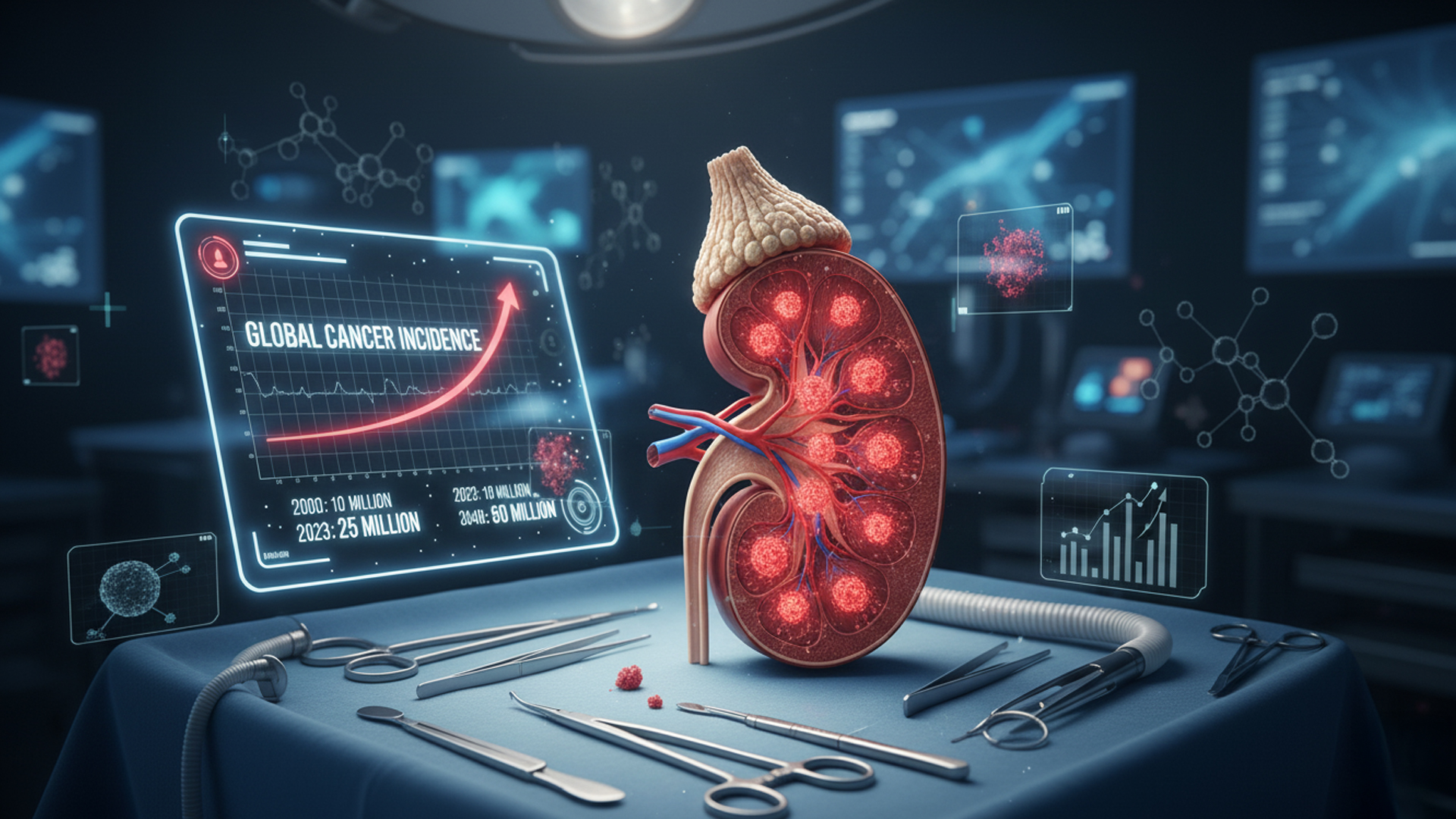
Kidney cancer cases are projected to nearly double globally by 2050, according to experts, highlighting a growing health concern that could affect hundreds of thousands of people worldwide. In 2022 alone, an estimated 435,000 new cases and 156,000 deaths were reported, and researchers warn that these numbers are likely to rise sharply in the coming decades. Much of this increase is attributed to lifestyle-related factors such as obesity, smoking, lack of exercise, diabetes, and hypertension—conditions that are largely preventable.

The disease, most commonly diagnosed in individuals between the ages of 65 and 74, tends to develop silently. Many patients remain unaware until the cancer reaches an advanced stage, making early detection particularly important. Men are at a higher risk compared to women, while children are rarely affected. Because of the subtle nature of its onset, kidney cancer is often discovered incidentally during scans or tests for unrelated health issues.

Medical professionals advise paying close attention to warning signs that could indicate the presence of kidney cancer. Visible or microscopic blood in the urine, persistent pain between the ribs and waist, unexplained lumps or swelling in the abdomen or neck, loss of appetite, and ongoing fatigue can all signal underlying problems. Other possible indicators include sudden weight loss, high temperature, excessive sweating, anemia, elevated blood pressure, and high calcium levels. Experts stress that even minor symptoms should prompt consultation with a healthcare professional to rule out serious conditions.

The link between lifestyle and kidney cancer cannot be overstated. Maintaining a healthy weight through a balanced diet and regular physical activity, monitoring and controlling blood pressure and blood sugar levels, and avoiding tobacco use can substantially reduce the risk of developing the disease. Researchers emphasize that adopting these preventive measures not only lowers cancer risk but also contributes to overall health and longevity.

Healthcare providers are increasingly advocating for regular screenings, particularly for individuals over 50 or those with pre-existing conditions such as obesity, diabetes, or hypertension. Early detection dramatically improves treatment options and outcomes, allowing for less invasive interventions and higher survival rates. In addition, public health campaigns aimed at raising awareness about lifestyle risks and symptoms are being promoted to educate communities about preventive strategies.

As the incidence of kidney cancer continues to rise, experts highlight the importance of a proactive approach. Recognizing subtle warning signs, making informed lifestyle choices, and seeking medical advice promptly can collectively help reduce the impact of this growing health challenge. The emphasis is clear: awareness, prevention, and early action are key to combating the silent but significant threat of kidney cancer.

Also Read: Ozempic Set to Launch in India as Obesity Cases Rise

This October, A Celestial Spectacle Awaits Stargazers


As autumn settles in, October 2025 promises a sky brimming with cosmic wonders. From a luminous supermoon to meteor showers that paint the night with streaks of light, this month offers numerous opportunities for skywatchers to indulge in the beauty of the universe.

Super Harvest Moon: October 6

The month kicks off with the Super Harvest Moon on October 6. This full moon, appearing larger and brighter than usual, occurs when the moon is near its perigee, the closest point to Earth. Traditionally, the Harvest Moon rises closest to the autumn equinox, providing farmers with extended evening light to gather crops. This year’s timing makes it a perfect occasion for stargazers to witness its grandeur.

Draconid Meteor Shower: October 6–10

Peaking on the evenings of October 7 and 8, the Draconid meteor shower offers a spectacle for those with clear skies. Originating from the comet 21P/Giacobini-Zinner, this shower is known for its unpredictability. While it typically produces around 10 meteors per hour, past events have seen bursts of over 1,000 meteors in a short span. Observers can look towards the Draco constellation to catch these fleeting meteors.

Mercury’s Evening Appearance: October 5

On October 5, Mercury will make one of its best evening appearances of the year. As the smallest planet in our solar system, Mercury can be challenging to spot. However, on this date, it will be positioned favorably just after sunset, offering a brief window for observers to catch a glimpse of this elusive planet.

Orionid Meteor Shower: October 21–22

The Orionid meteor shower, a product of Halley’s Comet, peaks on October 21–22. During its peak, observers can expect up to 20 meteors per hour, with the meteors radiating from the constellation Orion. The combination of a new moon and the shower’s peak provides optimal conditions for viewing.

Comet C/2025 R2 (SWAN) and C/2025 A6 (Lemmon): October 20–23

A rare celestial event occurs between October 20 and 23 when two bright comets, C/2025 R2 (SWAN) and C/2025 A6 (Lemmon), will be visible in the night sky. Both comets are expected to reach a magnitude of 4, making them potentially visible to the naked eye under dark skies. Their simultaneous appearance, coinciding with the Orionid meteor shower, offers a unique opportunity for skywatchers.

Ceres at Peak Brightness: October 2

Dwarf planet Ceres reaches its peak brightness on October 2. Located in the asteroid belt between Mars and Jupiter, Ceres is the largest object in that region. While it requires a telescope to view, its peak brightness makes it a noteworthy event for amateur astronomers.

Saturn’s Close Approach: October 5

On October 5, Saturn will be positioned favorably for observation. As the sixth planet from the Sun, Saturn’s iconic rings make it a favorite among stargazers. This close approach provides an excellent opportunity to observe the planet’s features through telescopes.

New Moon: October 21

The new moon on October 21 offers the darkest skies of the month, ideal for observing deep-sky objects like galaxies and nebulae. Without the moon’s light pollution, the night sky becomes a canvas for the cosmos.

First Quarter Moon: October 29

Rounding off the month, the first quarter moon on October 29 provides a balanced illumination of the lunar surface. It’s an excellent time for lunar observations, as the shadows cast by the sun highlight the moon’s craters and maria.

As October unfolds, the night sky becomes a theater of celestial events. Whether you’re a seasoned astronomer or a casual observer, this month offers numerous opportunities to marvel at the wonders above. Remember to find a dark spot away from city lights, bring a comfortable chair, and enjoy the cosmic show.

No Sanctions on Russian Oil Purchases, Asserts Hardeep Puri


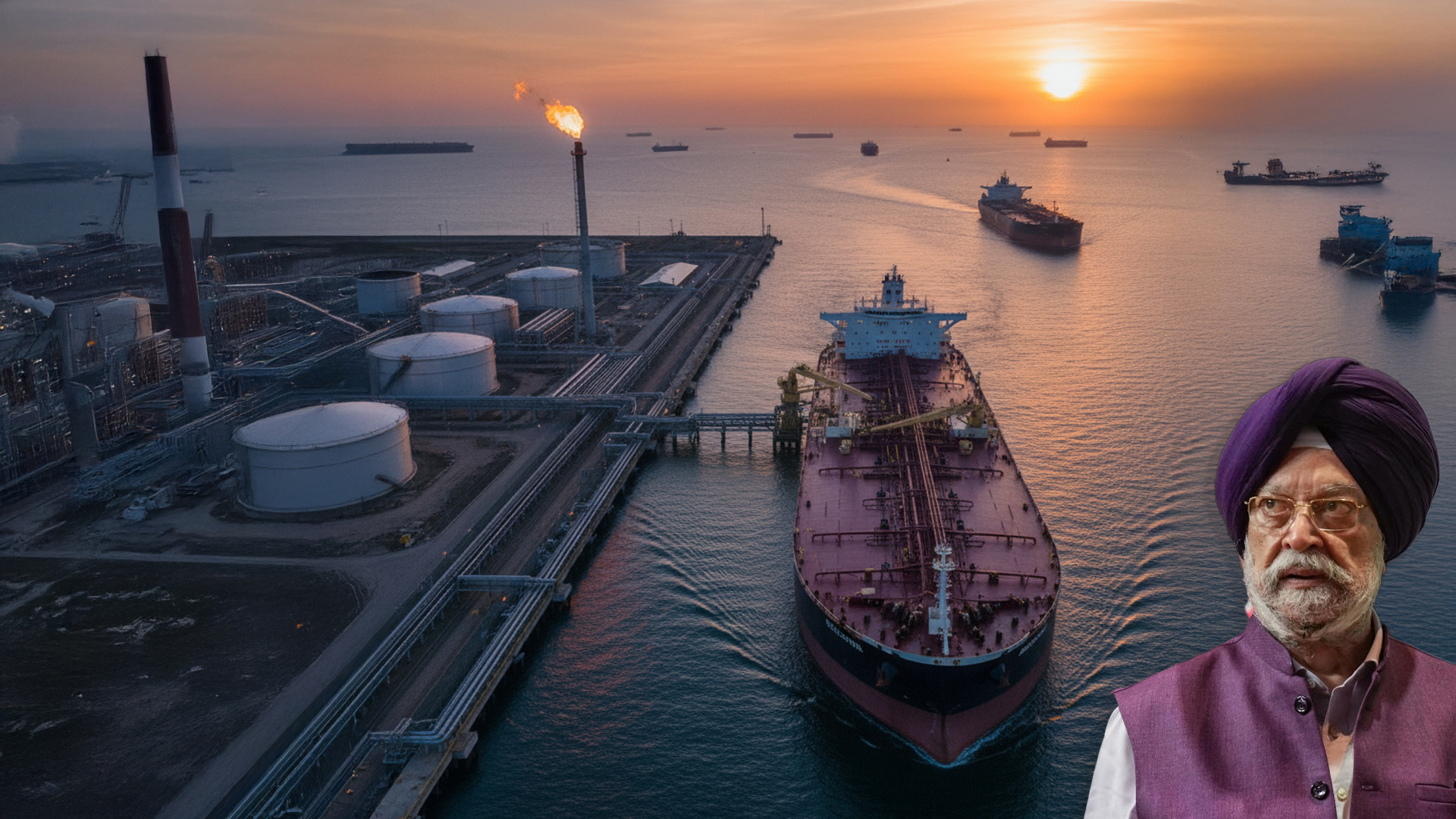
Union Petroleum and Natural Gas Minister Hardeep Singh Puri reaffirmed India’s position on importing crude oil from Russia, stating unequivocally that there are no international sanctions prohibiting such purchases. His comments come amid escalating pressure from the United States, which has imposed additional tariffs on Indian imports, citing concerns over India’s continued oil trade with Russia.

During a media interaction on Friday, Minister Puri emphasized that while price caps have been established for Russian oil, no sanctions exist that would prevent nations from purchasing it. He cautioned that disrupting supplies from Russia, the world’s second-largest oil producer, could lead to significant global economic consequences. “Energy is something you cannot do without… If you remove the second-largest producer, you will have to cut consumption. The consequences are pretty serious,” Puri remarked.

India’s imports of Russian crude have surged in recent years, driven by discounted prices amid Western sanctions on Russia. In 2024, India became the largest importer of Russian oil, surpassing China, and now accounts for approximately 35-40% of its oil imports from Russia. Despite this, Minister Puri reiterated India’s commitment to complying with international sanctions when imposed, citing past adherence to sanctions on Iran and Venezuela.

The United States has responded to India’s oil imports from Russia by imposing a 25% punitive tariff on Indian exports, including crude oil and arms. U.S. officials have linked the reduction of Russian oil imports to the progress of trade negotiations with India, suggesting that curbing such imports is essential for advancing the trade deal.

In defense of India’s energy strategy, Minister Puri pointed out that many countries, including China, Turkey, Japan, and members of the European Union, continue to purchase oil from Russia. He questioned the consistency of Western policies, noting that these nations are not facing similar sanctions despite their ongoing trade relations with Russia.

As global energy markets remain volatile, India’s stance on Russian oil imports underscores its strategic approach to energy security. The government continues to monitor international developments and engage in diplomatic efforts to balance its energy needs with its international obligations.

Also Read: Over 10,000 New Medical Seats Approved to Boost Healthcare