rotating globe
2 Apr 2026


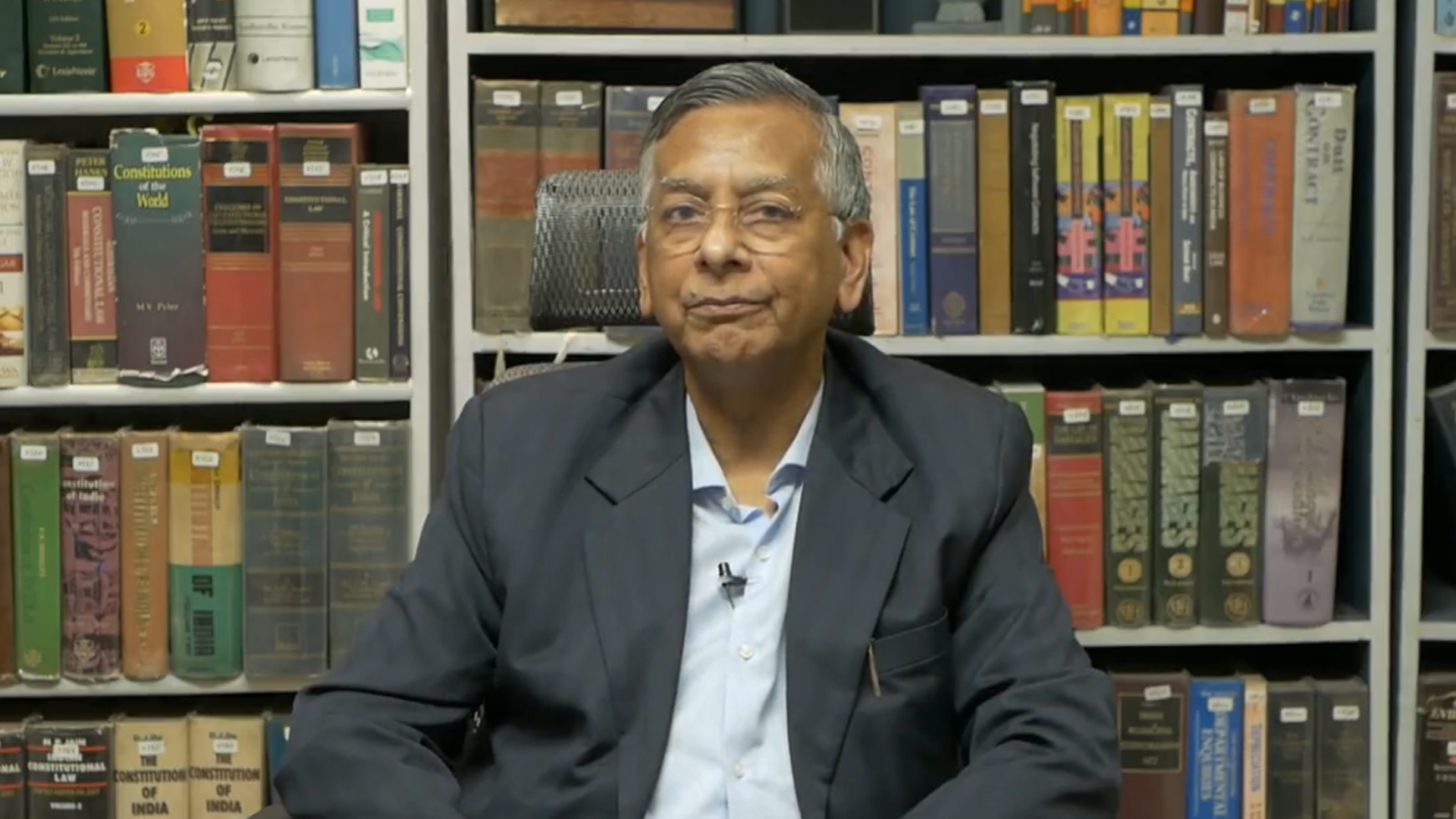
Attorney General R. Venkataramani’s Tenure Extended by Centre


The Union Government has extended the tenure of Senior Advocate R. Venkataramani as the Attorney General for India for an additional two years, effective from October 1, 2025. A notification issued by the Ministry of Law and Justice confirmed the reappointment, which will now run until September 30, 2027.

Venkataramani, who assumed office as the 16th Attorney General on October 1, 2022, succeeded K.K. Venugopal. With over four decades of legal experience, he has represented the central government, various state governments, public sector undertakings, and universities before the Supreme Court and High Courts. His expertise spans constitutional law, taxation, and public law.

Expressing gratitude upon his reappointment, Venkataramani remarked, “To be of service to the nation, how can one say no to any such opportunity?” His tenure extension ensures continuity in the country’s highest legal office, which plays a crucial role in advising the government on constitutional and legal matters.

As Attorney General, Venkataramani has been involved in significant legal proceedings, including representing India before the UN Human Rights Committee in 2024 and at the G20 Prosecutors General Conference in October 2024. His reappointment reflects the government’s confidence in his legal acumen and commitment to upholding the rule of law.

The Attorney General of India is a constitutional position appointed by the President under Article 76(1) of the Constitution, on the advice of the Union Government. The role entails being the chief legal advisor to the government and representing it in the Supreme Court.

Venkataramani’s extended tenure is expected to provide stability and continuity in the government’s legal affairs, ensuring effective representation and counsel in the nation’s highest courts.

Also Read: Wangchuk Shifted to Jodhpur Jail Amid Protests

Ozempic Set to Launch in India as Obesity Cases Rise


Danish pharmaceutical major Novo Nordisk is preparing to launch Ozempic (semaglutide) in India, expanding its footprint in the country’s fast-growing diabetes and obesity treatment market. Originally approved in 2017 for type-2 diabetes, Ozempic has gained global attention for its effectiveness in weight management.

The launch follows the introduction of Wegovy-Novo’s obesity-focused version of semaglutide in India earlier this year. Ozempic will join the company’s existing GLP-1 (glucagon-like peptide-1) drug portfolio, which includes Rybelsus, an oral semaglutide tablet.

Globally, Ozempic generated over $17 billion in sales last year. Its arrival in India comes amid growing competition, especially from Eli Lilly’s Mounjaro, which entered the market in March. According to PharmaTrac, Mounjaro reported ₹154 crore in sales within five months, while Wegovy reached ₹19 crore in just three months.

A Novo Nordisk spokesperson said the company sees India as a key strategic market and is committed to expanding access to innovative treatments for chronic diseases. Pricing for Ozempic in India has yet to be announced.

Notably, semaglutide’s Indian patent is set to expire in March 2026, potentially opening the door for generic competitors from companies such as Sun Pharma, Cipla, Biocon, Dr. Reddy’s, and Zydus Lifesciences.

India has an estimated 101 million people with type‑2 diabetes and 254 million affected by obesity, making it one of the world’s largest markets for metabolic therapies. Experts note that beyond weight loss, Ozempic may also reduce the risk of cardiovascular events and kidney disease, positioning it as a holistic treatment option.


Over 10,000 New Medical Seats Approved to Boost Healthcare


The government has taken a positive step to address the shortage of medical professionals and strengthen the country’s healthcare system.  On September 24, 2025, the Union Cabinet of India, chaired by Prime Minister Narendra Modi, approved the addition of 10,023 new medical seats across government medical colleges and hospitals, backed by an investment of ₹15,034 crore over four years. This investment of ₹15,034 crore over four years is a key step towards the government’s ambitious goal of creating 75,000 additional medical seats within five years.

Since 2013-14, India has nearly doubled its number of medical colleges, growing from 387 to 808 in 2025-26. During this period, undergraduate medical seats have increased by 141%, and postgraduate seats by 144%. Despite this rapid growth, India continues to face a shortage of doctors and specialists, particularly in rural, tribal, and remote areas.

To address this challenge, the government approved 5,000 postgraduate and 5,023 undergraduate seats to be added in existing government colleges and hospitals by 2028-29. Approximately 68.5% of the ₹15,034 crore investment will come from the Union government, with the remaining funds provided by state governments. Each seat requires an investment of about ₹1.5 crore.

In addition, new regulations introduced in 2025 now allow experienced government specialists to join as faculty members without mandatory senior residency, expanding the pool of qualified educators and enabling faster growth in medical education.

This initiative aims to enhance healthcare access across underserved regions, improve the quality of medical education to meet international standards, and position India as a global destination for affordable healthcare. It will also generate new jobs across the healthcare ecosystem, from doctors and researchers to support staff, driving socio-economic growth.

Prime Minister Modi highlighted that this expansion will ensure skilled medical professionals reach every corner of India, bringing the country closer to achieving universal health coverage and equitable healthcare for all.

Also Read: Ozempic Set to Launch in India as Obesity Cases Rise

Indian Diplomat Gahlot Shatters Pakistan’s Kashmir Claims at UN


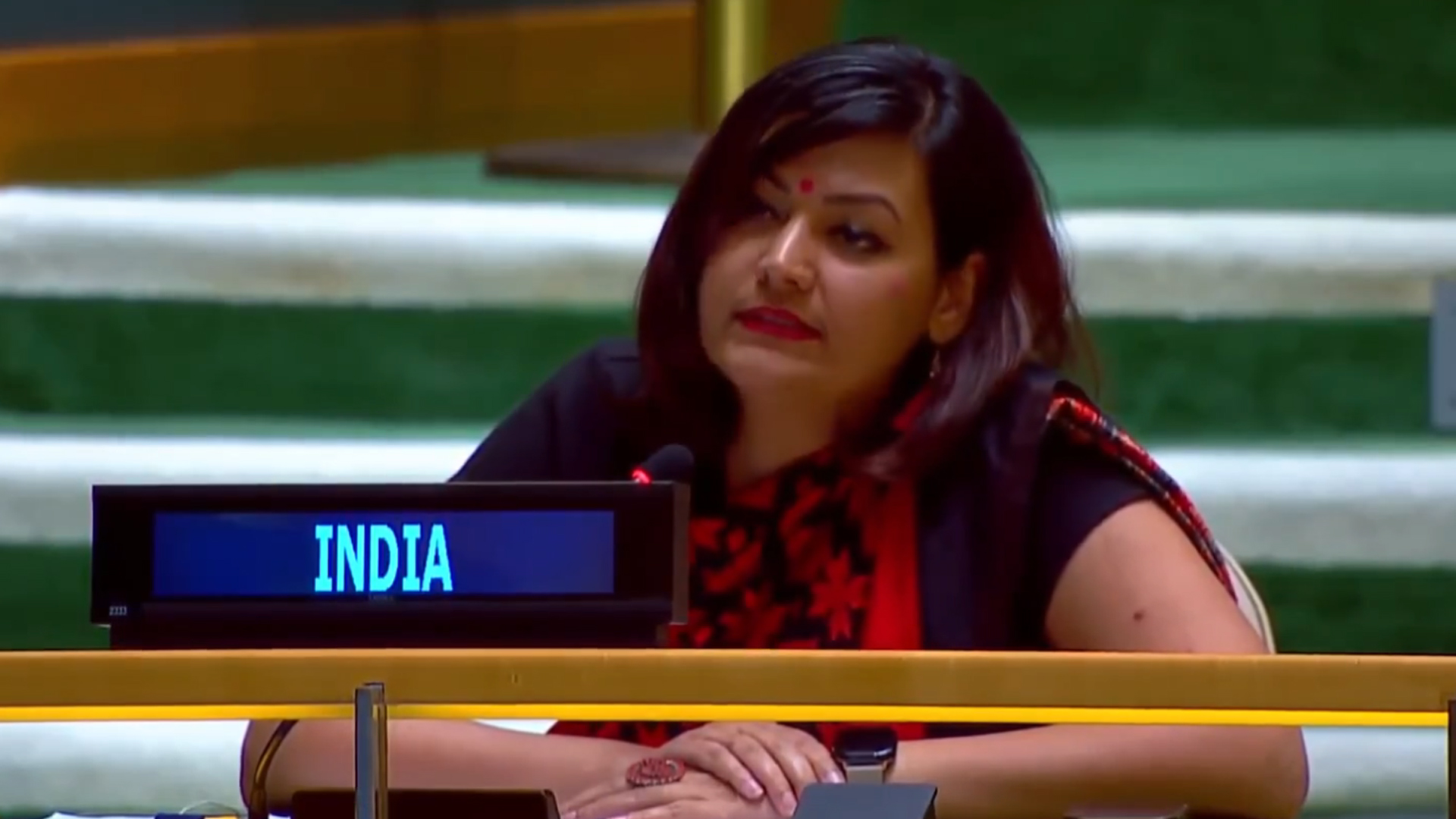
In a moment that resonated across diplomatic circles, Petal Gahlot, First Secretary at India’s Permanent Mission to the United Nations, delivered a pointed and articulate rebuttal to Pakistan Prime Minister Shehbaz Sharif’s remarks at the UN General Assembly. Her response, which called out Pakistan’s “absurd theatrics,” underscored India’s firm stance on cross-border terrorism and reaffirmed its position on Jammu and Kashmir.

Gahlot’s statement gained international attention for its clarity and composure. She emphasized that “no degree of drama can conceal the facts,” urging Pakistan to dismantle terror networks operating from its soil and hand over individuals involved in terrorism.

Beyond her powerful presence at the UN, Petal Gahlot has a strong and diverse professional background. She was appointed First Secretary in July 2023, after serving as Under Secretary in the Ministry of External Affairs’ European West Division from 2020 to 2023. During this time, she was also posted at Indian missions in Paris and San Francisco.

Gahlot’s academic credentials are equally impressive. She completed her undergraduate degree in political science, sociology, and French literature from St. Xavier’s College, Mumbai. She went on to pursue a master’s degree in political science and government from Lady Shri Ram College for Women, University of Delhi, and holds another master’s in language interpretation and translation from the prestigious Middlebury Institute of International Studies at Monterey.

Apart from her diplomatic work, Gahlot is also a passionate musician. She shares her guitar performances on social media, with renditions of “Bella Ciao” and “Lost On You” gaining particular attention.

With a blend of intellectual depth, diplomatic skill, and artistic flair, Petal Gahlot has emerged as a dynamic and rising voice in Indian diplomacy, confidently representing the country on one of the world’s most important platforms.

Also Read:

New 2% Cess on Movies, TV to Aid Karnataka Cine Workers


The Karnataka government has unveiled plans to introduce a 2% cess on movie tickets and television entertainment subscriptions aimed at funding welfare schemes for cine and cultural activists. This initiative is part of the Karnataka Cine and Cultural Activists (Welfare) Act, 2024, designed to provide social security and financial support to individuals working across the film and cultural sectors.

Under the proposed legislation, the cess will be levied uniformly on all movie tickets across theatres and multiplexes in the state, as well as on subscription fees for television entertainment channels. The draft rules specify a cess rate of 2%, subject to review every three years.

The act broadly defines cine and cultural activists to include all personnel involved in the industry — from artists such as actors, dancers, and musicians to technical, manual, supervisory, and other workers — ensuring a wide range of industry members benefit from welfare provisions.

This proposal comes in the wake of the Karnataka High Court’s recent stay on the state government’s order capping movie ticket prices at ₹200. While the price cap aimed to make cinema more affordable for audiences, it faced pushback from multiplex owners and some film producers, who challenged it as arbitrary.

Funds collected through the cess will be managed by the Karnataka Cine and Cultural Activists Welfare Board, which will oversee the allocation and distribution of welfare benefits to eligible individuals.

Officials say the move underscores Karnataka’s commitment to supporting the livelihood and welfare of those contributing to the state’s vibrant film and cultural landscape.

Also Read: AFSPA Renewal Maintains ‘Disturbed’ Status in Manipur, Nagaland, Arunachal

AFSPA Renewal Maintains ‘Disturbed’ Status in Manipur, Nagaland, Arunachal


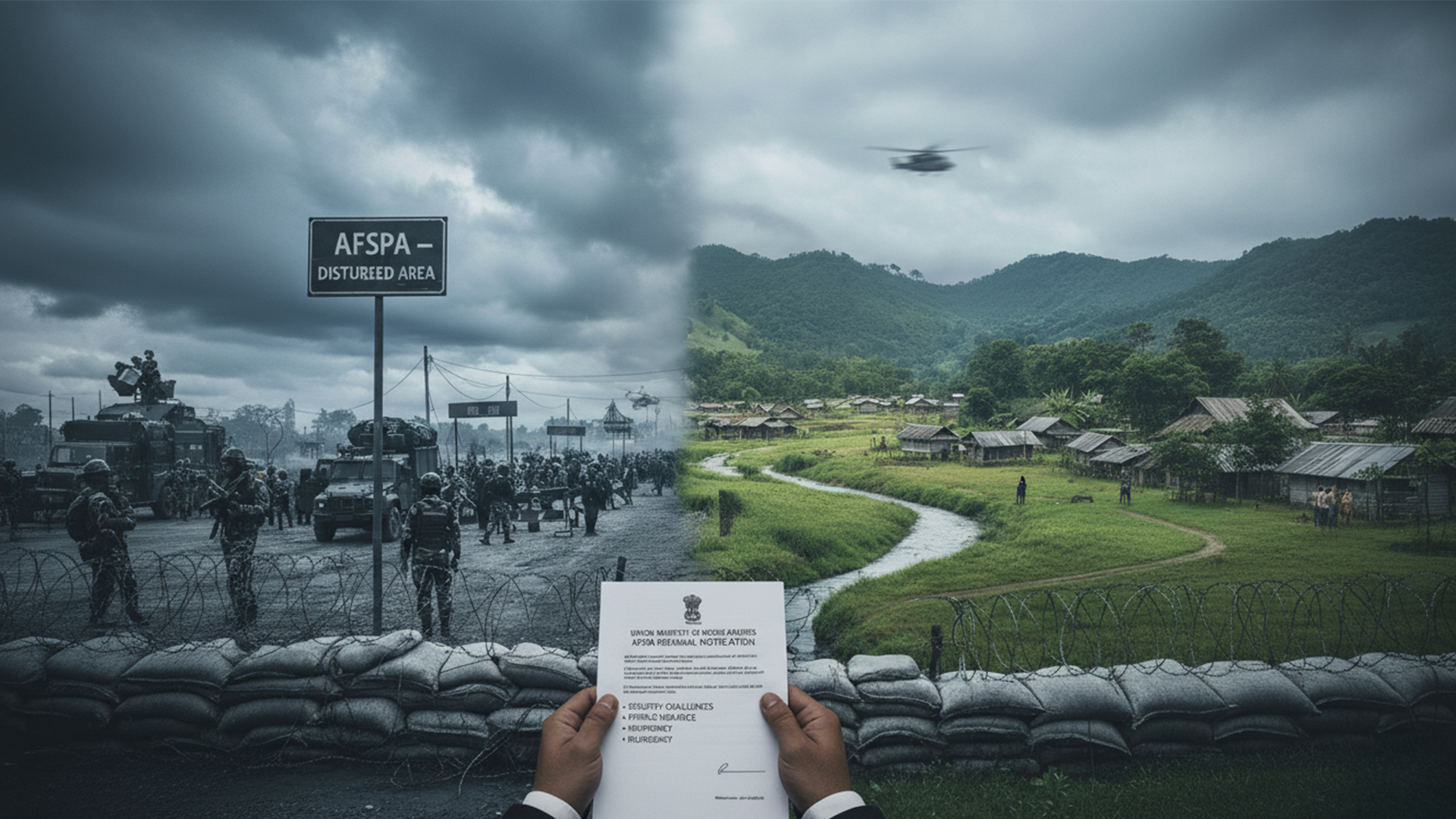
The Union Ministry of Home Affairs has extended the Armed Forces (Special Powers) Act (AFSPA) for six more months in selected areas of Manipur, Nagaland, and Arunachal Pradesh due to continuing security challenges in these northeastern states.

In Manipur, AFSPA will remain in force across the entire state except for 13 police station areas in five districts: Imphal West, Imphal East, Thoubal, Bishnupur, and Kakching. This extension follows a review of the law and order situation, which remains fragile due to ongoing ethnic violence that has claimed over 250 lives since May 2023.

In Nagaland, the act is extended in eight districts-Dimapur, Niuland, Chumoukedima, Mon, Kiphire, Noklak, Phek, and Peren, along with 21 police station areas in five other districts. The government cited persistent insurgency and security concerns as reasons for the extension.

For Arunachal Pradesh, AFSPA will continue in the districts of Tirap, Changlang, and Longding, as well as three police station areas in Namsai district, which borders Assam. These areas have faced ongoing security issues that necessitate the continued application of the act.

The AFSPA grants the armed forces broad powers, including the authority to arrest without a warrant and to use force,  including lethal force, in designated “disturbed areas.” However, the law remains controversial, with critics pointing to allegations of human rights violations.

The government’s decision to renew AFSPA underscores the complex security situation in Northeast India, where ethnic tensions and insurgent activities continue to challenge peace and stability.

Also Read: Ladakh Protests Escalate; Wangchuk Arrested, Internet Cut

Wangchuk Shifted to Jodhpur Jail Amid Protests


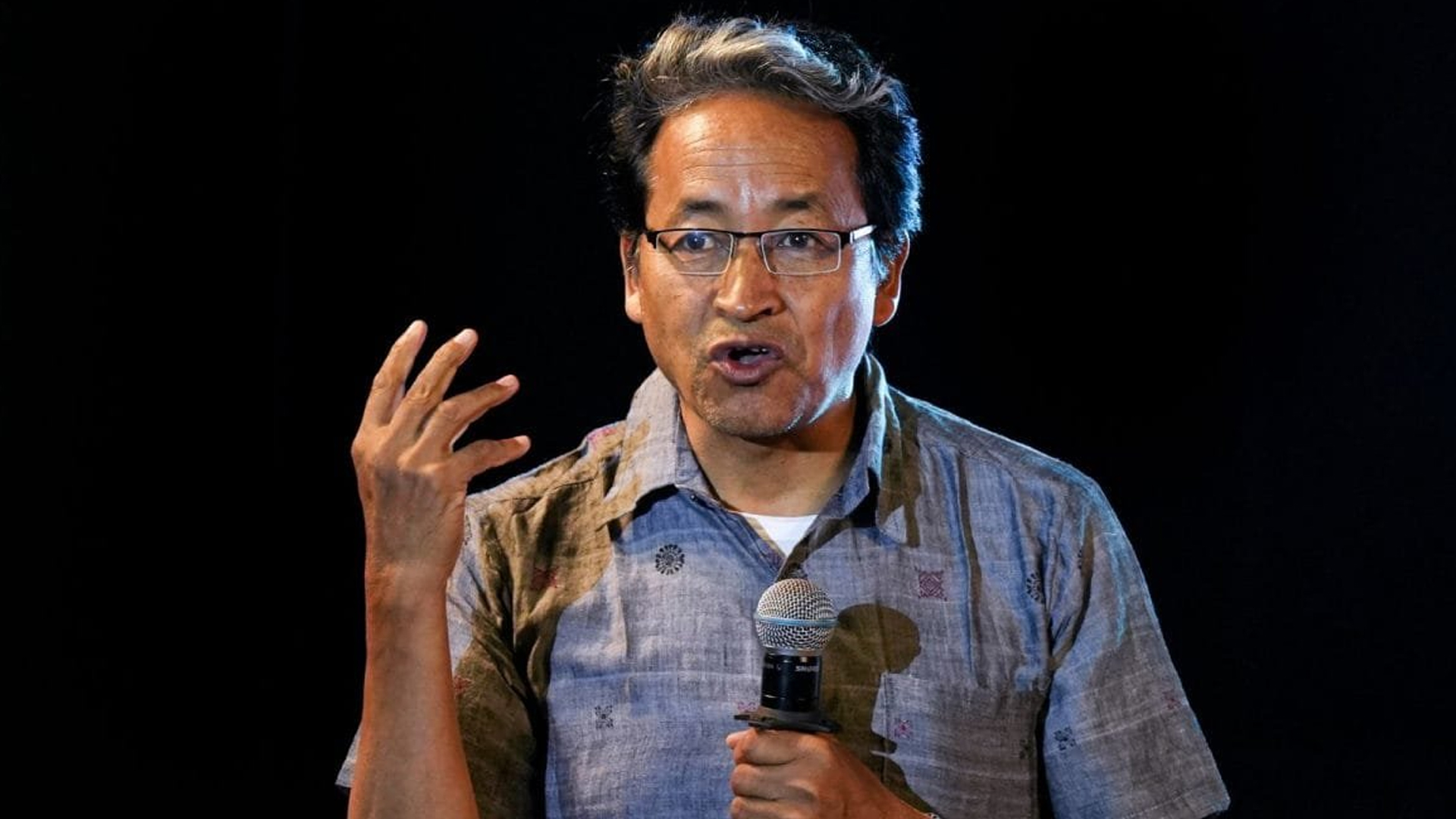
Prominent Ladakh activist and climate reformer Sonam Wangchuk was arrested on Thursday, minutes before he was scheduled to address a virtual press conference. His detention comes amid escalating tensions in Ladakh following violent protests demanding statehood and constitutional safeguards. The government also imposed an internet shutdown in Leh, further fueling concerns of a crackdown on dissent.

The protests erupted after two weeks of Wangchuk’s hunger strike advocating for greater autonomy and protections under the Sixth Schedule of the Indian Constitution. Clashes between protesters and police resulted in four deaths and dozens of injuries. Demonstrators targeted government buildings and vehicles in an unprecedented show of anger against perceived broken promises by authorities since Ladakh lost its autonomous status in 2019.

Authorities invoked the National Security Act (NSA) to detain Wangchuk, accusing him of making “provocative statements” that incited the unrest. He was subsequently transferred to Jodhpur Central Jail in Rajasthan due to security concerns. In addition, the Ministry of Home Affairs revoked the foreign funding license of his non-profit organization, alleging financial violations—a move Wangchuk’s supporters say is politically motivated.

The timing of Wangchuk’s arrest, just before his planned press briefing, and the abrupt internet blackout drew widespread condemnation. Opposition leaders, civil rights groups, and activists decried the actions as a suppression of democratic rights and an attempt to silence peaceful advocacy.

Wangchuk, a globally recognized innovator whose life inspired the film 3 Idiots, denies any role in inciting violence. He attributes the protests to public frustration over unfulfilled government promises regarding job security, cultural preservation, and environmental protection in the strategically sensitive region.

As Ladakh’s political unrest deepens, calls grow louder for dialogue and democratic engagement rather than punitive measures. Wangchuk’s detention has intensified the region’s volatility, raising questions about the future of dissent and governance in Ladakh.

Also Read: H-IB Row: S. Jaishankar Advocates ‘Global Workforce’ Model

Messi’s Magic Secures Miami’s Playoff Spot


Lionel Messi once again proved unstoppable, guiding Inter Miami to a decisive 4-0 victory over New York City FC at Citi Field and sealing the club’s place in the 2025 MLS playoffs. The Argentine legend scored twice and assisted once, bringing his season tally to an unmatched 24 goals and 13 assists, setting a new MLS record with 37 goal contributions and overtaking LAFC’s Denis Bouanga and Nashville’s Sam Surridge in the Golden Boot race.

Messi’s first strike came in the 74th minute, when he latched on to a precise through-ball from former Barcelona teammate Sergio Busquets, lifting a delicate chip over goalkeeper Matt Freese. He doubled his tally 12 minutes later, finishing off Marcelo Weigandt’s pass, aided by a clever decoy run from Luis Suárez.

Suárez, back from a three-match suspension, also found the net, converting a penalty that Messi generously allowed him to take despite being on a hat-trick. Head coach Javier Mascherano praised both Messi’s brilliance and the team’s unity, stressing that maintaining momentum is key as Miami pushes for home-field advantage in the postseason.

With eight multi-goal games in his last 12 appearances, Messi continues to showcase his enduring class and leadership, leaving fans and rivals wondering if anyone can stop Miami’s charge for the Supporters’ Shield. Next up, Miami faces Toronto FC as they look to close out the regular season in dominant fashion.

Also Read: BCCI, PCB File Complaints with ICC Amid Rising Tensions in Asia Cup

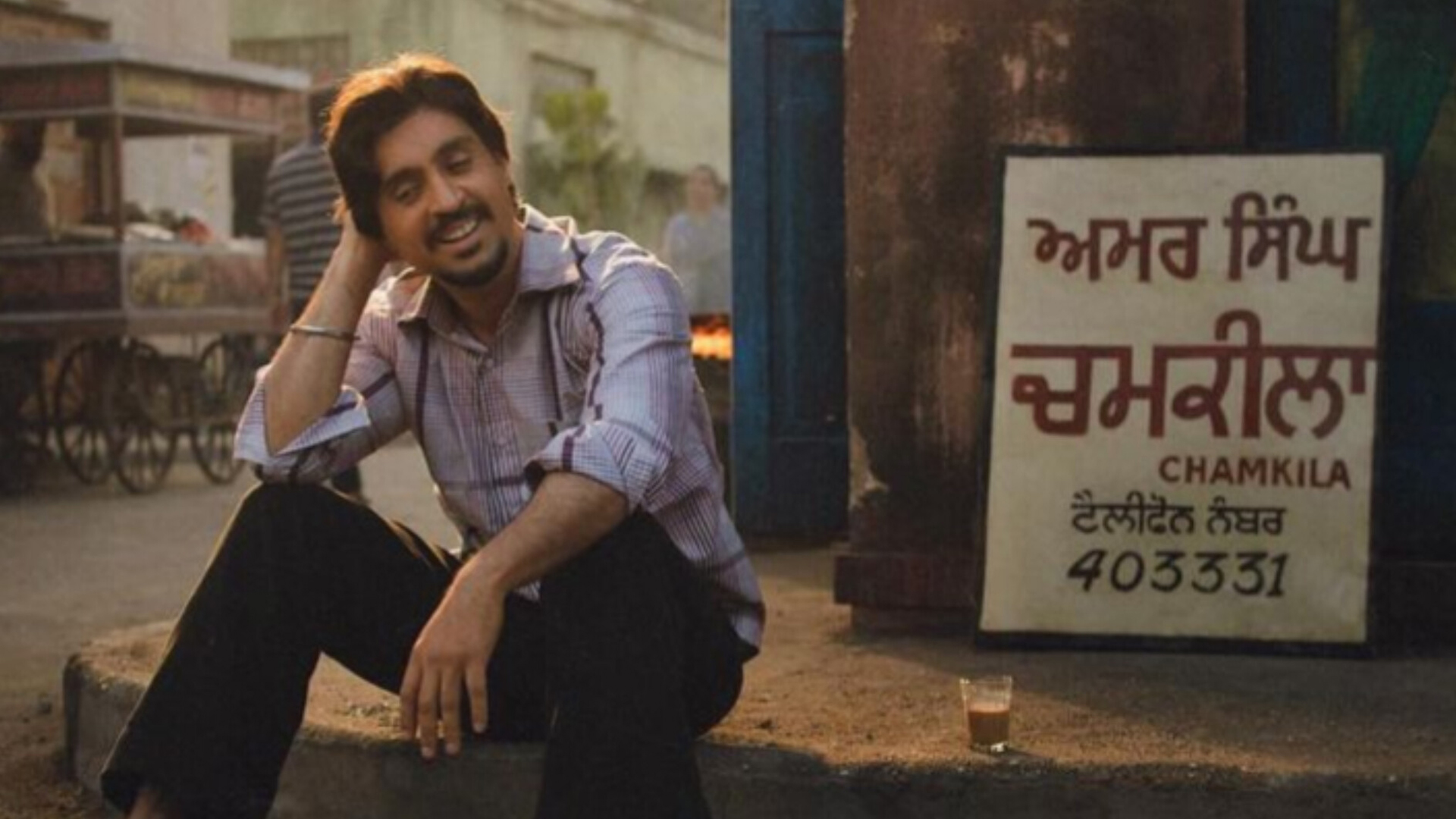
Diljit Dosanjh Nominated for 2025 Emmy for ‘Amar Singh Chamkila’


Bollywood and Punjabi superstar Diljit Dosanjh has received a nomination for the 2025 International Emmy Awards, recognizing his performance in the Netflix film Amar Singh Chamkila. The announcement was made on Thursday by the International Academy of Television Arts & Sciences, which revealed a total of 62 nominees across 16 categories this year.

Dosanjh secured his nomination in the Best Performance by an Actor category, while Amar Singh Chamkila was also nominated under the TV Movie/Mini-Series category. Reacting to the recognition on Instagram, Dosanjh credited filmmaker Imtiaz Ali, writing, “It’s all because of Imtiaz Ali sir @netflix_in.” Ali, in turn, congratulated Dosanjh, posting, “Making us proud @dilijitdosanjh!!! So well deserved.”

The Netflix production Amar Singh Chamkila explores the life, music, and career of the legendary Punjabi folk singer, often hailed as the “Elvis of Punjab.” Chamkila’s groundbreaking style and tragic demise have left an indelible mark on Punjabi music and culture. Released in April 2024, the show received widespread critical acclaim for its storytelling, performances, and detailed portrayal of Chamkila’s life. Dosanjh’s nuanced performance as the iconic singer has been particularly praised, capturing both the charisma and vulnerability of the artist.

This year, the International Emmy nominations span multiple countries, highlighting global talent. Dosanjh will compete against David Mitchell (Ludwig, United Kingdom), Oriol Pla (I, Addict, Spain), and Diego Vasquez (One Hundred Years of Solitude, Colombia) in the Best Performance by an Actor category.

Other nominees this year include Art Matters with Melvyn Bragg (United Kingdom), DJ Mehdi: Made in France(France), Herchcovitch; Exposto (Brazil), and Ryuichi Sakamoto: Last Days (Japan) in the Arts Programming category, demonstrating the diverse international landscape represented at the awards.

The International Emmy Awards, which recognize excellence in television programming produced outside the United States, are widely regarded as one of the most prestigious honors in global television. The awards ceremony will celebrate achievements in various categories, from acting and directing to arts and factual programming, spotlighting content that resonates with international audiences.

For Dosanjh, this nomination marks a significant milestone in his career, reflecting his growing presence in global entertainment and his ability to bring Indian stories to an international platform. Fans and critics alike have hailed his performance as a career-defining role, further cementing his status as one of India’s most versatile and acclaimed actors.

Also Read:

OpenAI’s New ChatGPT Pulse Offers Custom Daily Updates


OpenAI has rolled out ChatGPT Pulse, a new feature designed to provide proactive, personalized daily updates to ChatGPT Pro users on iOS and Android devices. Unlike the traditional reactive AI experience, Pulse aims to act as a proactive assistant by delivering tailored content every morning without requiring users to input prompts.

Pulse works by conducting overnight research, gathering and synthesizing information from a user’s chat history, connected apps such as Gmail and Google Calendar, and areas of interest specified by the user. The AI then delivers a set of visual update cards covering topics like workout plans, meal suggestions, reminders, news, and more,  all curated to meet individual user needs.

Users can further customize the updates by using a “curate” feature, which lets them guide the AI on specific topics or preferences they want to prioritize. This approach helps users who might struggle with formulating detailed prompts and offers an easy way to stay organized and informed.

Privacy and safety are key priorities for OpenAI with Pulse. The company assures that the data collected remains private and will not be used to train AI models for other users. Safety mechanisms are also in place to avoid reinforcing unhealthy patterns or presenting harmful content.

Currently, ChatGPT Pulse is available in preview mode exclusively to ChatGPT Pro mobile subscribers. OpenAI plans to expand access to the feature to more users, including ChatGPT Plus subscribers, in the near future.

By enabling AI to anticipate and prepare relevant information proactively, OpenAI is pushing the boundaries of AI assistance. ChatGPT Pulse represents a step toward more personalized, anticipatory AI that can help users make progress toward their goals even when they are not actively engaging with the system.

Also Read: Google and Qualcomm Unveil Ambitious Plan for Android-Powered PCs