rotating globe
3 Apr 2026


H-IB Row: S. Jaishankar Advocates ‘Global Workforce’ Model


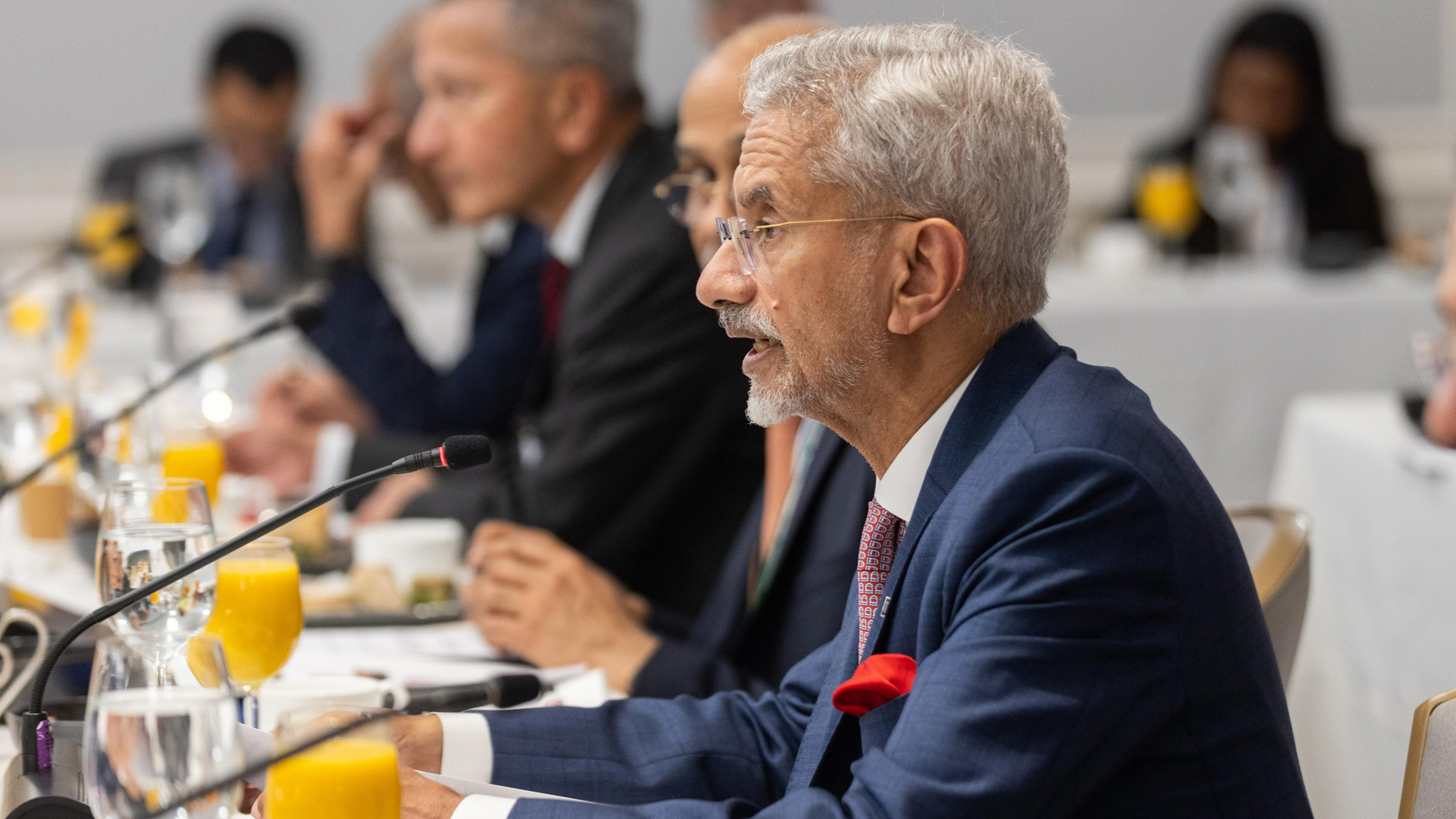
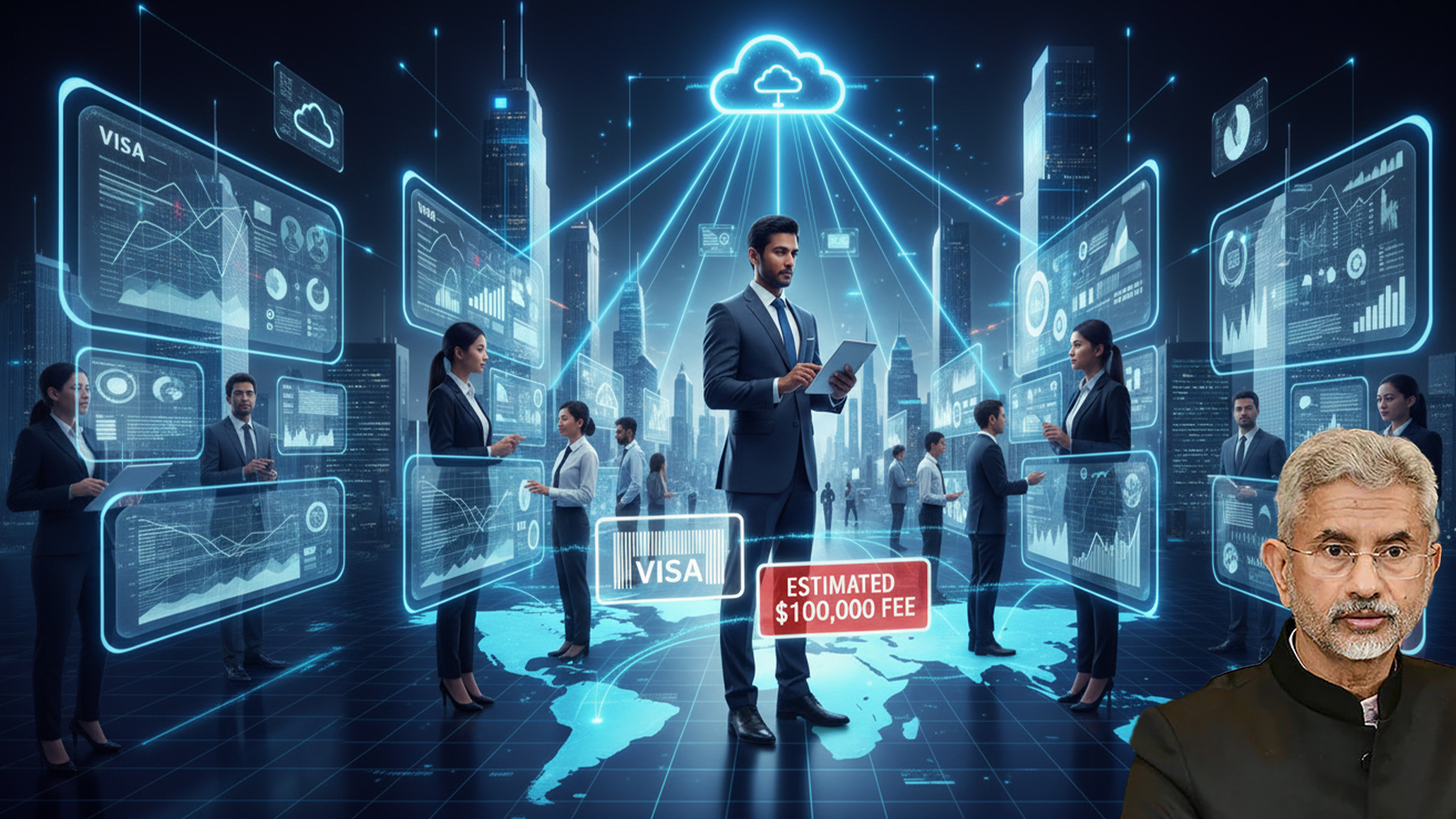
Days after U.S. President Donald Trump announced a new $100,000 fee on H-1B visas, India’s External Affairs Minister S. Jaishankar called for the creation of a “global workforce” model to address today’s evolving talent and demographic realities. Speaking on Thursday at the ‘At the Heart of Development: Aid, Trade, and Technology’ event, organised by the Observer Research Foundation (ORF) on the sidelines of the UN General Assembly, Jaishankar highlighted the growing limitations of relying solely on national demographics to meet global talent requirements.

“Where that global workforce is to be housed and located may be a matter of political debate. But there’s no getting away from the reality. Demands cannot be met in many countries purely out of national demographics,” Jaishankar said. He argued that nations must design a more acceptable, contemporary, and efficient framework that allows labour mobility across distributed global workplaces.

The minister warned that traditional models of workforce allocation are increasingly inadequate in a multipolar and turbulent world. He stressed that global labour mobility and strategic workforce distribution are critical to addressing gaps created by demographic shifts and rising skill demands.

Jaishankar also predicted the emergence of new trade arrangements and partnerships driven by necessity rather than tradition, as countries seek to diversify their economic and strategic ties. “Countries today will feel the desire, sometimes even the compulsion, to have new partners and new regions,” he said. He added that despite growing global turbulence, trade “does find a way,” facilitated by enhanced infrastructure, digital platforms, and connectivity networks.

Highlighting India’s approach to self-reliance and capacity-building, Jaishankar pointed to the importance of constructing multipolarity through national experiences that can be shared internationally. He cited India’s Digital Public Infrastructure as an example of a system that is far more adaptable, relevant, and transposable for diverse societies compared with European or American models.

Addressing the challenges of unpredictability and volatility in global politics, Jaishankar emphasized that resilience is now central to diplomacy. “You have to de-risk, hedge, safeguard yourself against unforeseen contingencies, and really build policy and plans around that. That’s a very big challenge for the entire world,” he said.

He further underscored that de-risking strategies must go beyond supply chains to encompass protection against over-dependence on specific markets or connectivity nodes, as the global economic chain has become “far more risky and difficult to assume.”

Jaishankar’s remarks come amid heightened global discussions on workforce migration, talent mobility, and the implications of U.S. visa reforms, including the recent H-1B fee hike. The minister’s call for a distributed, flexible, and globally integrated workforce reflects India’s broader strategic vision for navigating complex geopolitical and economic landscapes while leveraging national innovations for global applicability.

Also Read: 18 Districts in Orissa on Rain Alert

 

Sikh Grandma Deported After 30 years in the U.S.


Harjit Kaur, a 73-year-old Sikh woman originally from Punjab, India, was deported from the United States after spending more than three decades there. Kaur came to the U.S. in 1992 as a single mother with two sons and lived in the country while regularly reporting to immigration authorities.

Despite her long stay, her asylum application was denied in 2012, and she remained under supervision by U.S. Immigration and Customs Enforcement (ICE). On September 8, during a routine immigration check in San Francisco, ICE officers detained her and later transferred her to the Mesa Verde Processing Center in Bakersfield, California.

Kaur was deported on September 23 and arrived at Delhi’s Indira Gandhi International Airport. Her lawyer, Deepak Ahluwalia, expressed strong criticism of the way she was treated, stating that she was handcuffed during transport, denied basic necessities, and not allowed to say goodbye to her family or collect her personal belongings. The family had arranged her travel documents and requested that she be placed on a commercial flight, but ICE ignored these requests.

The deportation sparked protests in California, where around 200 people gathered near the El Sobrante Sikh Gurdwara to demand her release. ICE officials responded by stating that Kaur had exhausted all legal options, including appeals, and that the deportation was conducted according to U.S. law.

This case has brought renewed attention to the treatment of undocumented immigrants in the U.S., especially those who have lived in the country for many years, raising concerns about the human impact of deportation policies.

Also Read: 18 Districts in Orissa on Rain Alert
Trump Approves TikTok U.S. Ownership Deal


U.S. President Donald Trump has signed an executive order approving a landmark $14 billion deal that transfers majority ownership of TikTok’s American operations to U.S. investors, including Oracle co-founder Larry Ellison and private equity firm Silver Lake. The move, aimed at addressing long-standing national security concerns over the app’s Chinese parent company ByteDance, ensures TikTok remains available to its 170 million U.S. users.

Under the agreement, U.S. investors will control about 80% of TikTok’s American business, while ByteDance’s stake will fall below 20%, leaving it without authority over content moderation or the app’s closely guarded algorithm. Trump hailed the deal as a breakthrough, adding that Chinese President Xi Jinping had given his approval. “They’re on board,” he said, marking a rare point of consensus between Washington and Beijing.

Vice President J.D. Vance, who played a key role in negotiations, emphasized that U.S. oversight of TikTok’s algorithm was non-negotiable. “This deal ensures American users are protected from foreign manipulation,” he said.

The executive order comes on the heels of legislation signed by President Joe Biden, mandating that ByteDance divest its U.S. interests or face a nationwide ban. The Biden administration has not yet responded to Trump’s decision, raising questions about how the deal will move forward.

Analysts note that while the agreement signals a major step toward resolving fears of foreign influence, significant details remain. Some suggest China’s approval may be linked to wider trade and diplomatic talks underway between the two nations.

If completed, the TikTok agreement could redefine how governments exert control over foreign-owned digital platforms, setting a precedent for similar actions in the United States and beyond.

Also Read: Trump Administration Now Proposes Wage-Based H-1B Selection

India’s First AI Command Centre Launched in Tirumala


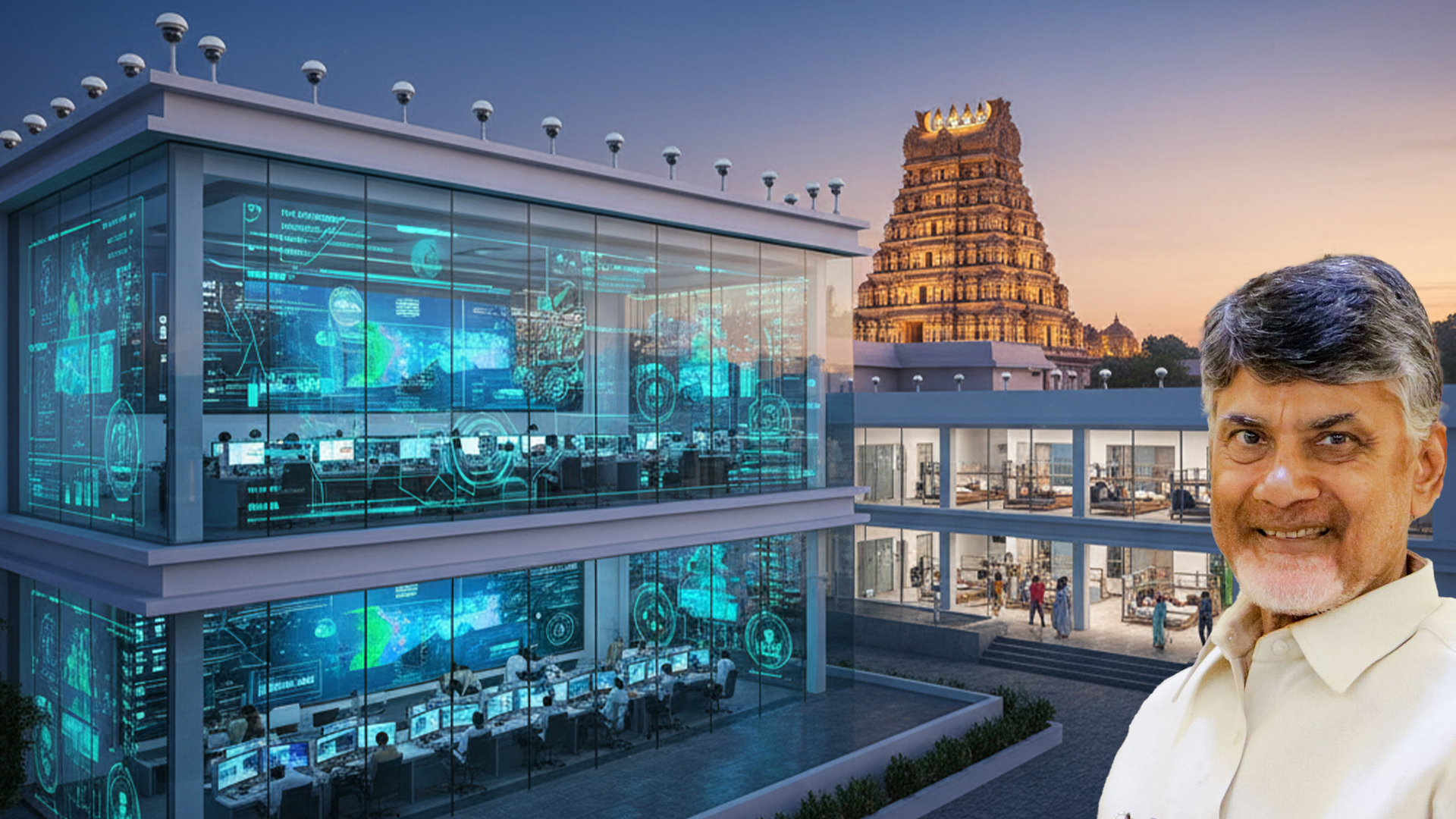
Chief Minister N. Chandrababu Naidu inaugurated the Integrated Command and Control Centre (ICCC) in Tirumala, which is touted as India’s first AI-driven operations hub designed specifically for managing pilgrim crowds.

The centre, located at the Vaikuntham Queue Complex-I, is equipped with advanced surveillance systems, 3D situational maps, real-time dashboards, and a dedicated operations team. Built to manage the heavy influx of devotees in one of India’s busiest pilgrimage sites, the facility uses a network of over 6,000 CCTV cameras to monitor real-time crowd movement, predict surges, streamline queue management, enhance safety, and detect potential cyber threats.

Over 6,000 AI-enabled cameras feed into the system, which processes hundreds of thousands of data inputs per minute and monitors millions of events daily. Authorities say the technology will significantly reduce wait times and improve response coordination during peak pilgrimage seasons.

Alongside the command centre, CM Naidu, joined by Vice President C.P. Radhakrishnan, also unveiled a new Pilgrim Amenities Complex, which can accommodate up to 4,000 visitors. The facility includes dormitories, locker systems, and 24/7 hot water services.

The initiative is part of a broader push to modernize infrastructure and enhance the pilgrimage experience in one of India’s most visited spiritual destinations.

Also Read: Cabinet Approves ₹69,725 Cr Plan for India’s Maritime Sector

From Chips to Ships, Modi Champions ‘Atmanirbhar Bharat’


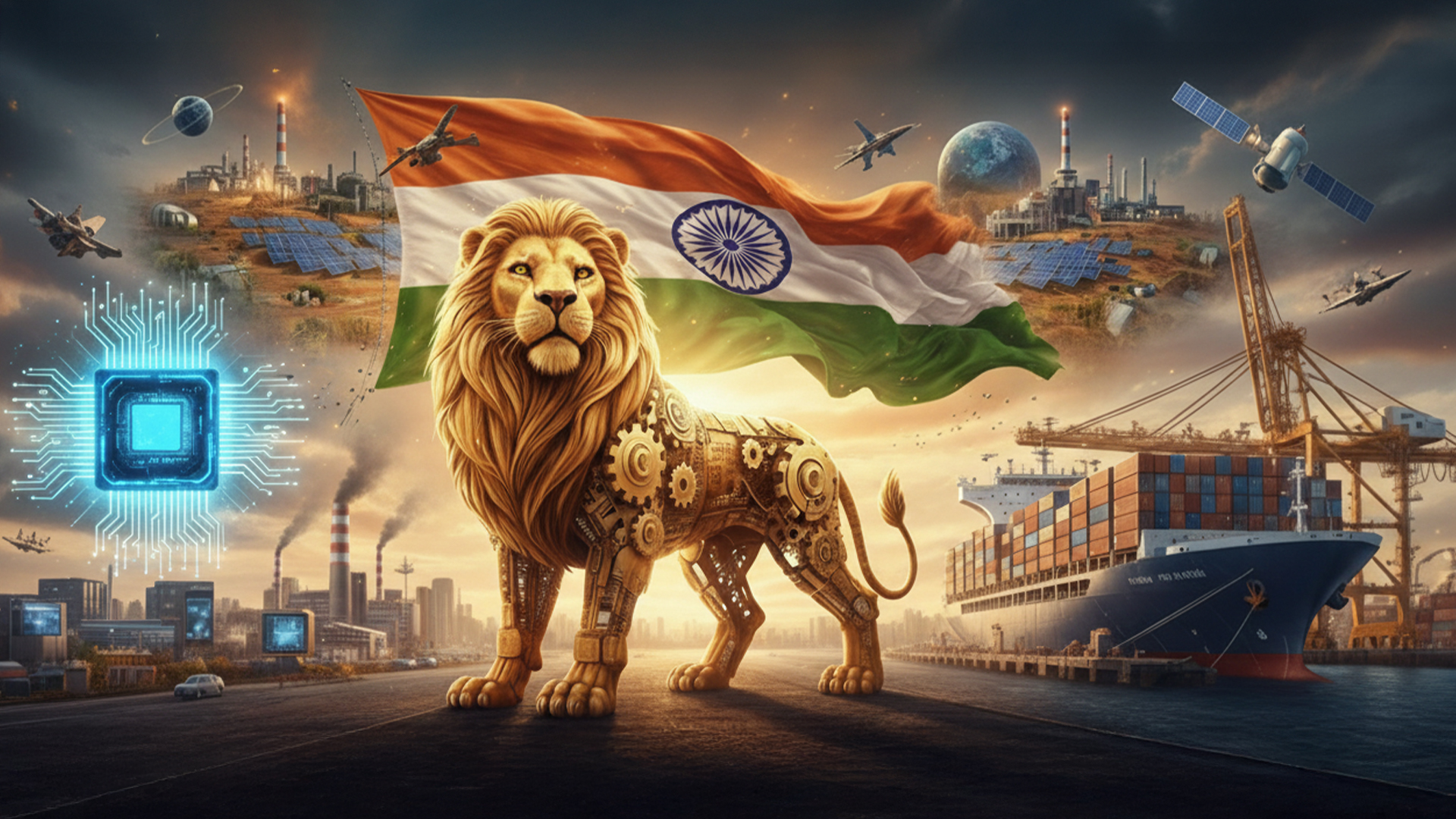
Prime Minister Narendra Modi marked the 11th anniversary of the ‘Make in India’ initiative by reaffirming the government’s commitment to transforming India into a global manufacturing powerhouse. Addressing the Uttar Pradesh International Trade Show (UPITS-2025), Modi outlined a vision of producing everything from “chips to ships” domestically under the Atmanirbhar Bharat (Self-Reliant India) campaign.

Stressing the strategic importance of self-reliance, PM Modi said, Nothing can be more helpless than being dependent on others. The more a country stays dependent on others, the more its growth is going to be compromised.” His remarks come amid escalating trade tensions with the United States, which recently imposed higher tariffs on Indian exports, prompting renewed calls to support Swadeshi goods.

Highlighting government backing for domestic manufacturing, he pointed to the ₹69,725 crore Cabinet-approved package to boost shipbuilding and maritime industries. The move aims to strengthen local capabilities, reduce import dependence, and generate employment opportunities.

The Prime Minister also cited reforms to ease business operations, including the removal of over 40,000 compliance requirements and the decriminalization of more than 1,000 laws, creating a more conducive environment for innovation and entrepreneurship.

Launched in 2014, Make in India has made significant strides in sectors like electronics, defense, and renewable energy. With a renewed focus on self-reliance, the government aims to cement India’s position in the global manufacturing arena while encouraging citizens to buy locally made products.

As India navigates shifting global trade dynamics, domestic production and innovation are set to play a pivotal role in shaping the country’s economic future, making Atmanirbhar Bharat both a strategic imperative and a national movement.

Also Read: Adani Energy Becomes India’s First 100% Zero-Waste Utility

18 Orissa Districts on Rain Alert


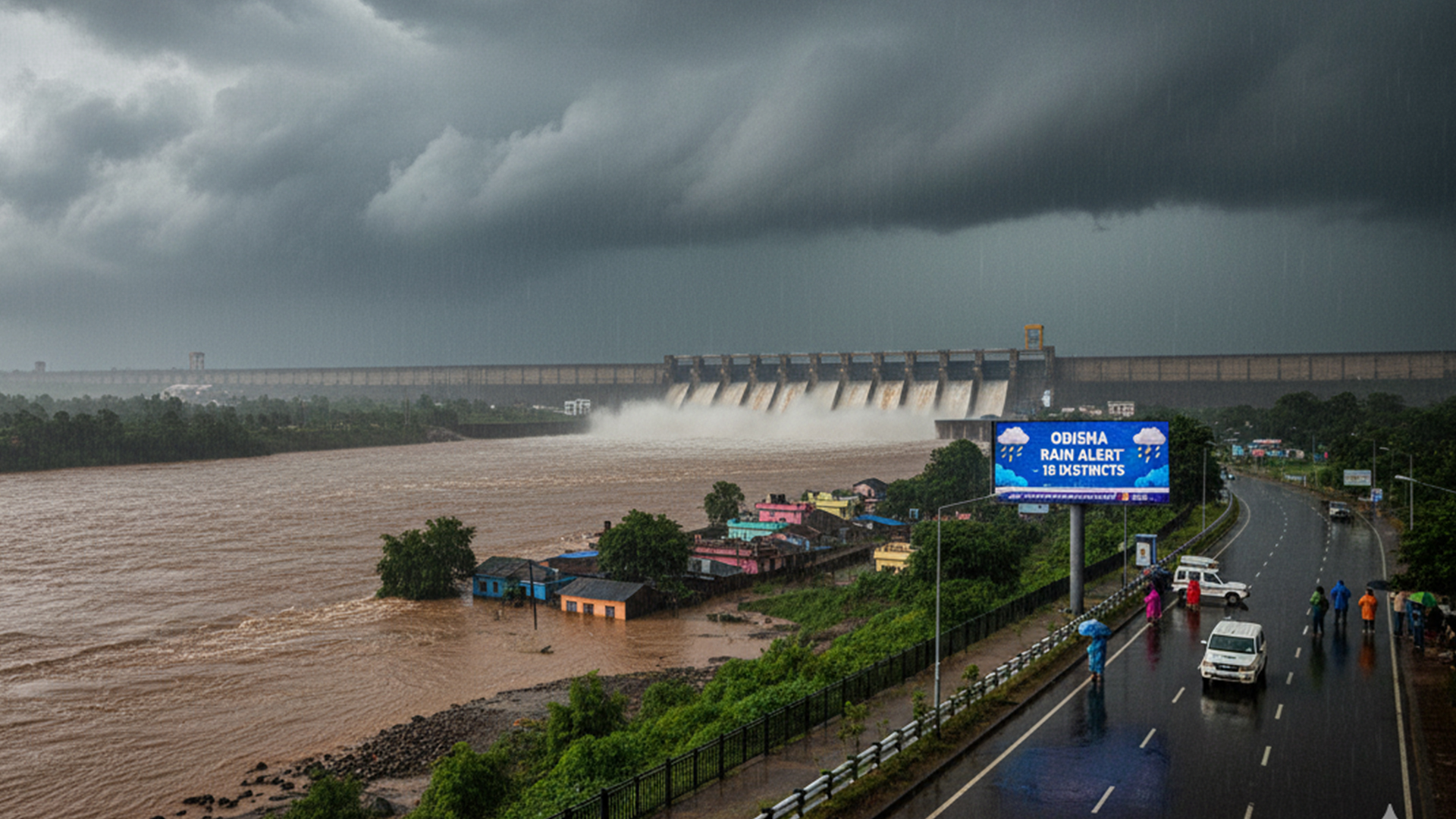
The Odisha government has placed major districts on high alert as a low-pressure area over the Bay of Bengal had intensified into a depression by Thursday evening. This developing system is likely to trigger widespread downpour, raising concerns of potential floods and impacting large parts of the state.

The India Meteorological Department (IMD) says the system will likely move west-northwest and cross the south Odisha–north Andhra Pradesh coast by Friday morning. The districts of Malkangiri, Koraput, and Nabarangpur are forecast to receive extremely heavy rainfall, with other southern and coastal districts also expected to experience intense showers.

In response, the state’s Special Relief Commissioner (SRC) has instructed collectors to activate local disaster response plans. District administrations have cancelled leave for government employees and placed ODRAF, fire services, and local response teams on standby. Vulnerable areas are being closely monitored.

The 18 districts under alert include Gajapati, Ganjam, Rayagada, Kalahandi, Kandhamal, Puri, Khurda, Cuttack, Jagatsinghpur, Kendrapara, Balasore, Nuapada, and others. Heavy rain could also affect parts of the Mahanadi river basin.

To manage potential flood risks, authorities have opened 20 sluice gates of the Hirakud Dam to ease water pressure. Discharge levels at the Mundali barrage are expected to reach nearly 6 lakh cusecs by Friday.

While reservoir levels in the southern region remain manageable, officials are closely watching for any rise in river levels. The SRC has appealed to the public to follow advisories and stay alert to weather updates.

Also Read: Deadly Clashes in Ladakh, 4 Killed

Cabinet Approves ₹69,725 Cr Plan for India’s Maritime Sector


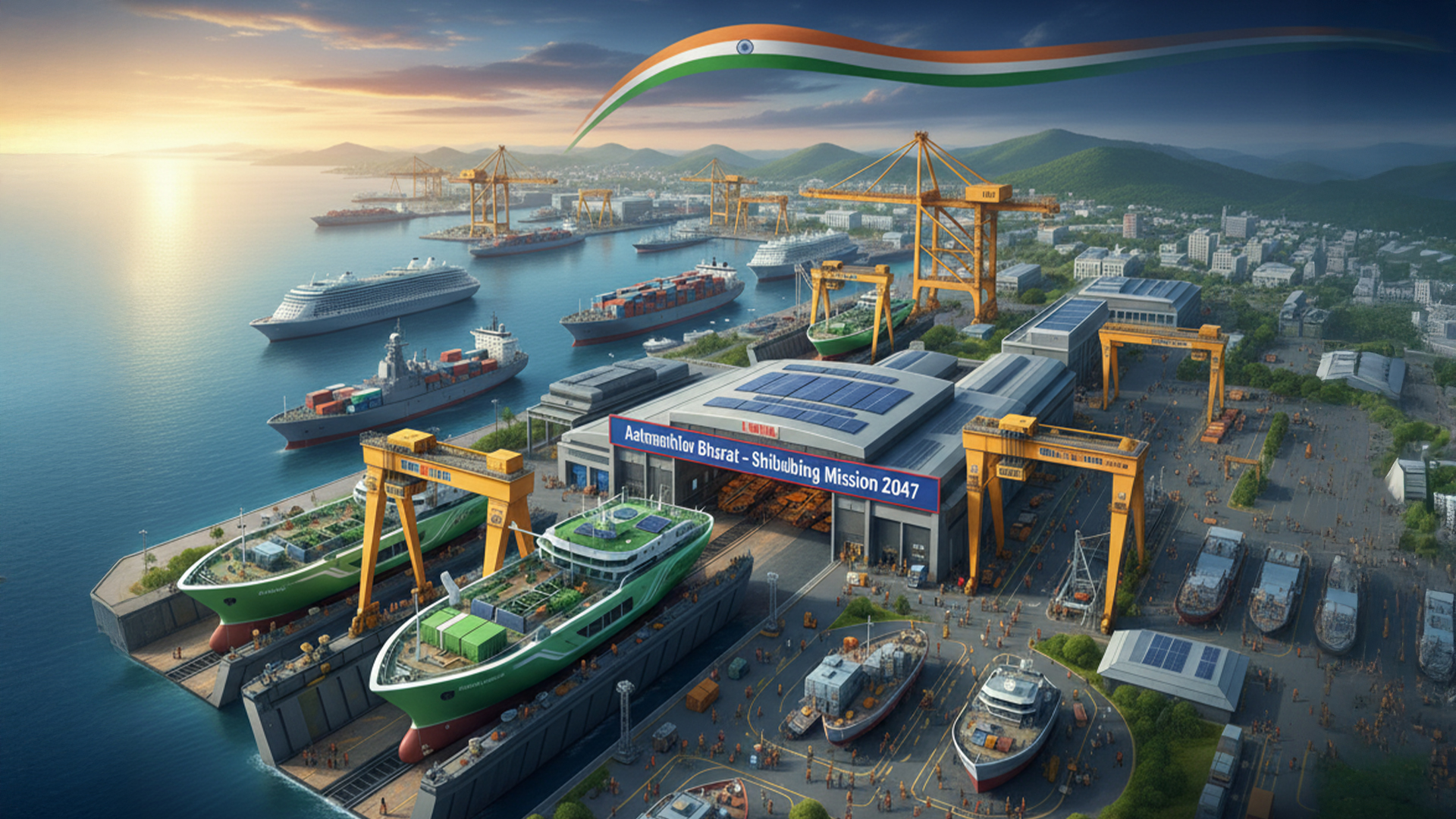
Aiming to revive India’s domestic shipbuilding and maritime capabilities, the Union Cabinet on Wednesday approved a ₹69,725 crore infrastructure package for the sector. The initiative is also designed to promote sustainable growth and generate employment across the maritime ecosystem. Another key goal is to cut dependence on imported ships and strengthen India’s maritime sector.

The ₹69,725 crore package includes several key initiatives to strengthen India’s shipbuilding and maritime sector.

“The initiative will boost national security, strengthen supply chains, and enhance India’s strategic self-reliance, advancing Aatmanirbhar Bharat and global competitiveness in shipping and shipbuilding,” the Cabinet said.  

The Shipbuilding Financial Assistance Scheme (SBFAS), with ₹24,736 crore, will support domestic shipbuilders until 2036, providing up to 25% financial aid for green, hybrid, and specialized vessels, while introducing a Shipbreaking Credit Note to encourage recycling of older ships. 

The Maritime Development Fund (MDF), worth ₹25,000 crore, will offer long-term financing for maritime projects through a ₹20,000 crore Maritime Investment Fund and a ₹5,000 crore Interest Incentivization Fund to lower borrowing costs. 

Additionally, the Shipbuilding Cluster Development Scheme, with ₹19,989 crore, aims to develop new and existing shipyards, enhance technical capabilities, and promote skill development. The National Shipbuilding Mission will oversee these initiatives, ensuring coordinated and cohesive growth across the sector.

The government expects the reforms to generate about 3 million direct and indirect jobs, attract investments of ₹4.5 lakh crore, increase shipbuilding capacity by 4.5 million Gross Tonnage, and enable the construction of over 2,500 vessels, including eco-friendly and specialized ships.

This ambitious plan is part of India’s long-term vision to become a global leader in shipbuilding by 2047, leveraging its extensive coastline and rich maritime heritage.

Also Read: Google and Qualcomm Unveil Ambitious Plan for Android-Powered PCs

Google and Qualcomm Unveil Ambitious Plan for Android-Powered PCs


In a significant development at the Snapdragon Summit 2025, Google and Qualcomm have announced a groundbreaking initiative to merge Android and ChromeOS into a unified operating system tailored for desktop computing. This collaboration aims to deliver a seamless computing experience across mobile and PC platforms, leveraging Google’s AI advancements and Qualcomm’s cutting-edge hardware.

During the summit, Google’s Rick Osterloh confirmed the company’s efforts to create a common technical foundation for PCs and smartphones. He emphasized that this project would integrate Google’s AI stack, including Gemini models and the Assistant, into the PC domain, enhancing productivity and user experience. Qualcomm CEO Cristiano Amon expressed enthusiasm about the project, describing a prototype device as “incredible” and aligning with the vision of converging mobile and PC technologies.

The new operating system is expected to incorporate features from both Android and ChromeOS, offering a cohesive environment for users. By combining the strengths of both platforms, Google aims to provide a versatile and efficient computing experience that caters to the needs of modern users.

This initiative also aligns with Qualcomm’s recent unveiling of the Snapdragon 8 Elite Gen 5 chipset, designed to power high-end Android devices. The new chip features a third-generation Oryon CPU, offering significant improvements in performance and efficiency, making it well-suited for the demands of desktop computing.

Industry analysts anticipate that this collaboration will position Android as a formidable competitor in the PC market, challenging traditional operating systems and offering consumers a more integrated and versatile computing experience. The integration of advanced AI capabilities and high-performance hardware is expected to set new benchmarks in the industry.

As the project progresses, further details about device specifications, software features, and release timelines are expected to be announced. Both companies are committed to delivering a product that meets the evolving needs of users and sets a new standard in the computing landscape.

For now, the Android-powered PC remains in development, with prototypes and early demonstrations showcasing its potential. Tech enthusiasts and industry stakeholders eagerly await more information as Google and Qualcomm continue to refine and expand upon this ambitious project.

Also Read: Deadly Clashes in Ladakh, 4 Killed

Adani Energy Becomes India’s First 100% Zero-Waste Utility


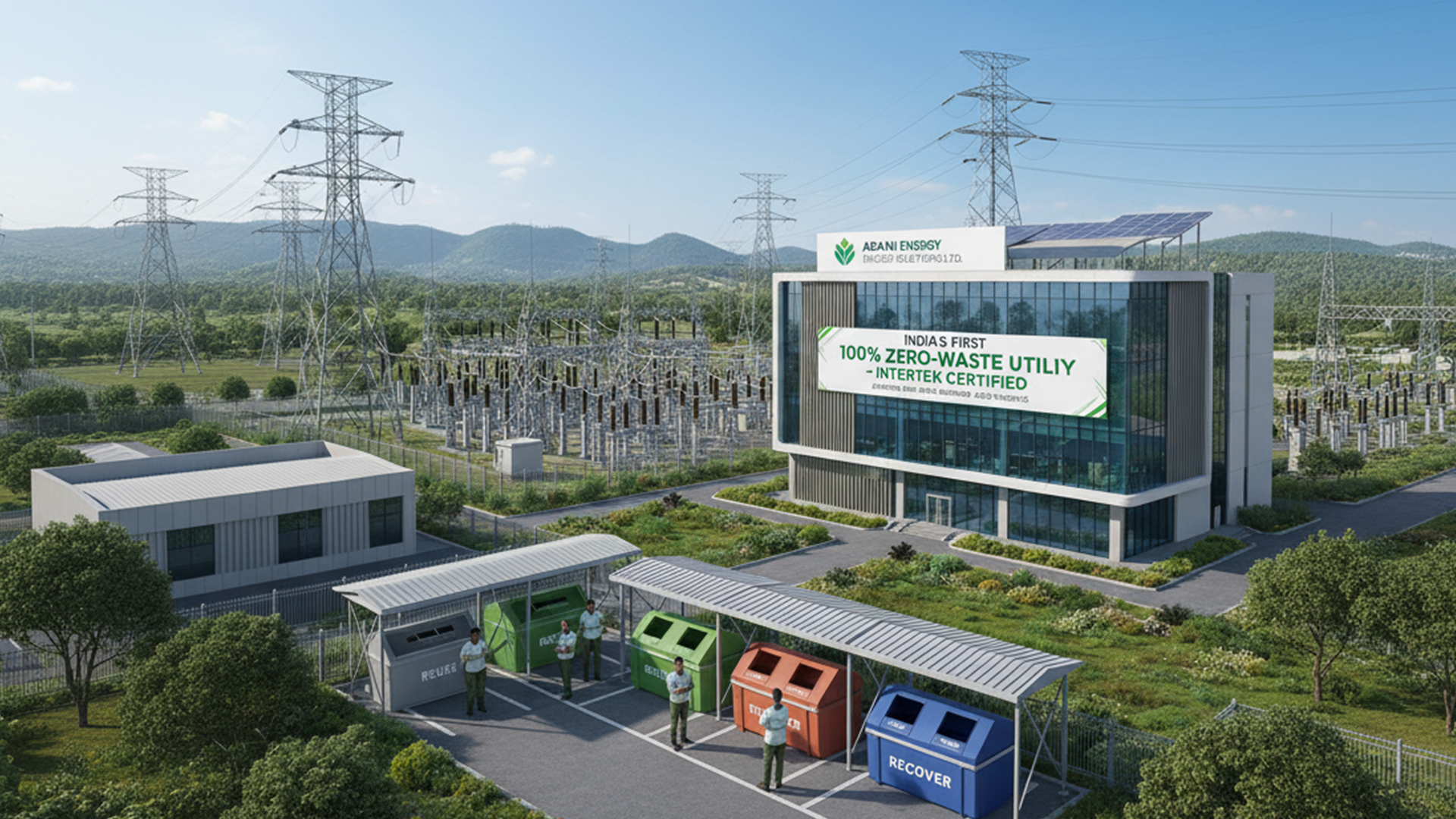
Adani Energy Solutions Ltd. (AESL) has achieved Zero-Waste-to-Landfill (ZWL) certification across all its corporate and operational sites, becoming India’s first transmission utility to divert 100% of its waste from landfills. The certification, awarded by Intertek, recognizes AESL’s efforts in reducing, reusing, recycling, and recovering waste across 54 locations in 16 states.

Over the past three years, AESL has maintained diversion rates above 99%, steadily progressing to the milestone of 100% waste diversion in 2025. This achievement reflects the company’s strong commitment to sustainability and ESG goals, aiming to rank among the top global electric utilities in ESG benchmarking.

AESL’s extensive operations, including power transmission, distribution, smart metering, and cooling solutions, cover a transmission network of 26,696 circuit kilometers and a distribution network serving over 12 million consumers, making the zero-waste achievement across such a widespread footprint particularly significant.

By ensuring no waste reaches landfills, AESL sets a benchmark in environmental responsibility for India’s energy sector.

Also Read: Jaishankar Engages in Strategic Bilateral Talks with Global Counterparts at UNGA 80

EAM Jaishankar holds bilateral talks with global counterparts at UNGA


External Affairs Minister S. Jaishankar held a series of significant bilateral meetings on the sidelines of the 80th United Nations General Assembly in New York, engaging with counterparts from Mexico, Cyprus, and Pacific Island nations. These discussions underscored India’s commitment to strengthening international partnerships and addressing global challenges collaboratively.

In his meeting with Mexican Foreign Minister Alicia Bárcena, Jaishankar emphasized the importance of enhancing bilateral ties and exploring new avenues for cooperation. The leaders discussed areas of mutual interest, including trade, technology, and regional security, aiming to build a robust framework for future collaboration.

With Cyprus, Jaishankar reaffirmed India’s support for the country’s sovereignty and territorial integrity. The conversation also touched upon regional stability and the potential for increased economic and cultural exchanges between the two nations.

Engaging with representatives from Pacific Island countries, Jaishankar reiterated India’s commitment to the Forum for India-Pacific Islands Cooperation (FIPIC). He highlighted initiatives aimed at sustainable development, climate resilience, and capacity building, emphasizing India’s role in supporting the unique challenges faced by Pacific nations.

These engagements reflect India’s proactive approach to multilateral diplomacy and its dedication to fostering partnerships that address shared global concerns. By strengthening ties with diverse nations, India aims to contribute to a more inclusive and resilient international order.