rotating globe
3 Apr 2026


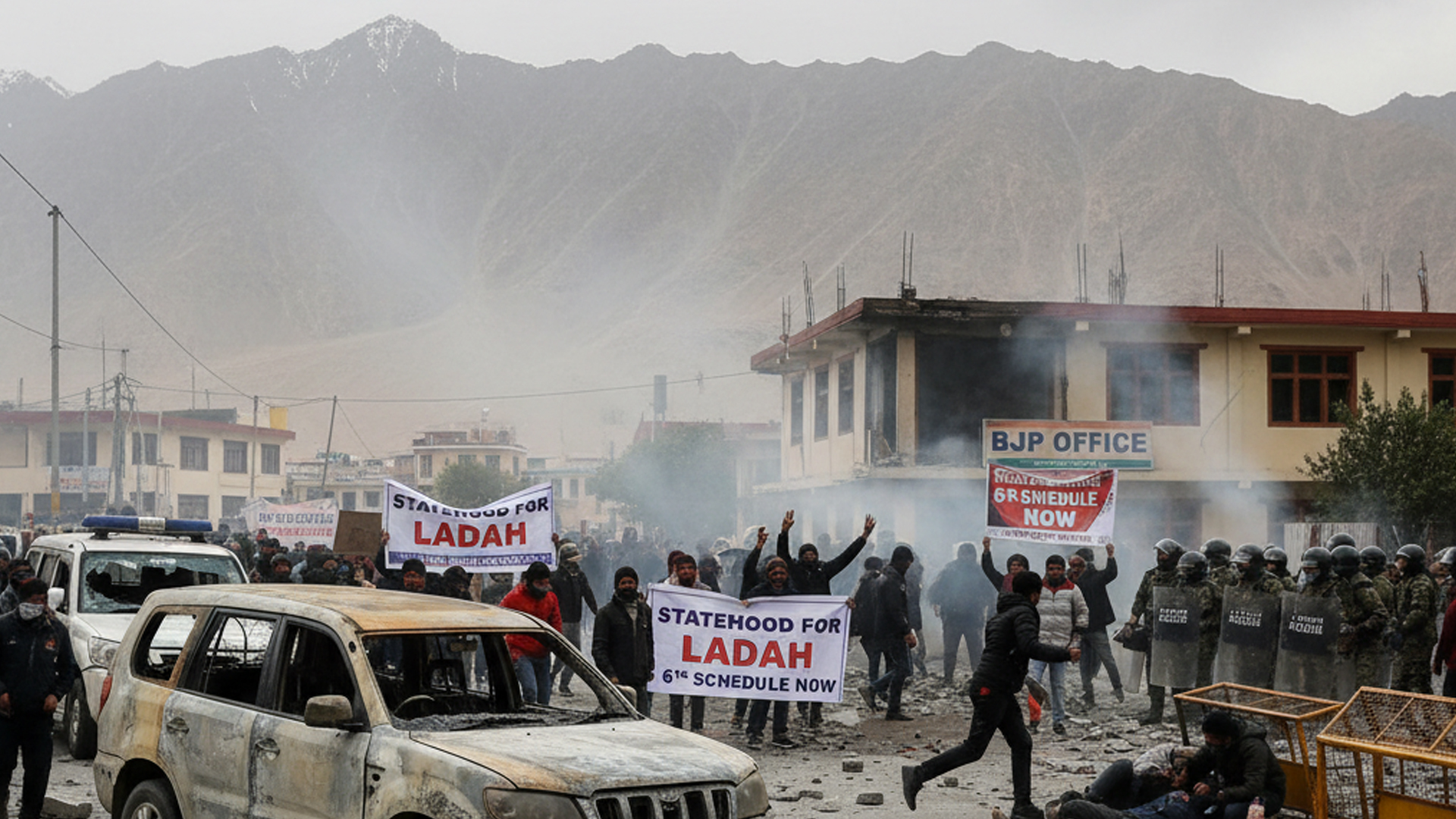
Deadly Clashes in Ladakh, 4 Killed


Protests in Leh demanding statehood for Ladakh and constitutional safeguards under the Sixth Schedule turned violent on Wednesday, leaving four people dead and more than 50 injured.

The demonstrations, led by the Leh Apex Body (LAB) and Kargil Democratic Alliance (KDA), turned violent after clashes with security forces, prompting prohibitory orders in Leh and deployment of extra paramilitary troops.

The Union Home Ministry alleged that climate activist Sonam Wangchuk had instigated the crowd through provocative remarks. The BJP also accused the Congress of fuelling the unrest, naming a local councillor as an instigator. Wangchuk, who ended his 15-day hunger strike the same day, appealed for peace, saying Ladakh’s fight “is for survival, not violence.”

Opposition leaders, including Mehbooba Mufti and Omar Abdullah, criticised the Centre for failing to address Ladakh’s concerns. CPI(M) leader M.Y. Tarigami said the unrest was the result of “unmet promises and prolonged silence from Delhi.”

The Ministry of Home Affairs has scheduled fresh talks with LAB and KDA on October 6.

Elsewhere, Kolkata recorded its heaviest rainfall in 37 years, killing at least 12 people, while economists expect the RBI to hold the repo rate at 5.5% at its upcoming policy review.

For Ladakh, the day underscored the growing urgency of its demand. Six years after being carved into a Union Territory, the region continues to seek constitutional protections to safeguard its fragile ecology, culture, and identity.

Also Read: EC Rolls Out E-Sign for Voter Deletions

Chhattisgarh Liquor Scam: Ex-CM’s Son Arrested Again


Chhattisgarh’s Anti-Corruption Bureau (ACB) and Economic Offences Wing (EOW) have re-arrested Chaitanya Baghel, the son of former Chief Minister Bhupesh Baghel, in connection with the state’s multi-crore liquor scam. Chaitanya had been in judicial custody since July 18, following his initial arrest by the Enforcement Directorate (ED) for alleged money laundering activities linked to the scam.

On Wednesday, the ACB/EOW obtained a production warrant and took Chaitanya into their custody, along with co-accused Dipen Chawda. Both individuals were subsequently presented before a special court under the Prevention of Corruption Act, which remanded them to ACB/EOW custody until October 6. The agencies are investigating the criminal aspects of the case, including charges of cheating, forgery, and criminal conspiracy.

The alleged liquor scam, estimated at over ₹2,500 crore, is said to have occurred between 2019 and 2022 during the Congress-led government in Chhattisgarh. Investigators claim that Chaitanya Baghel played a central role in the syndicate, personally handling around ₹1,000 crore of illicit proceeds. These funds were allegedly generated through commissions on official liquor sales, proceeds from unaccounted or illegal liquor, and bribes from distillers forming a cartel to control the state’s liquor business.

The Enforcement Directorate has filed multiple prosecution complaints in the case, alleging that the scam resulted in a significant loss to the state exchequer and enriched the liquor syndicate beneficiaries. Chaitanya’s lawyer has criticized the re-arrest, labeling it a “pressure tactic” without substantial evidence. The defense contends that Chaitanya’s name was included in the chargesheets only after statements from another accused, Laxmi Narayan Bansal, regarding the handling of ₹1,000 crore.

The investigation continues to unfold, with authorities examining the extent of the alleged corruption and its impact on the state’s finances. The case has garnered significant political attention, given Chaitanya’s familial ties to the former Chief Minister.

Also Read: Bill Gates Donates $912M to Fight Global Diseases

BCCI, PCB File Complaints with ICC Amid Rising Tensions in Asia Cup


The ongoing Asia Cup 2025 has witnessed escalating tensions between the Board of Control for Cricket in India (BCCI) and the Pakistan Cricket Board (PCB), leading both boards to lodge formal complaints with the International Cricket Council (ICC).

On September 25, the BCCI filed an official complaint against Pakistani cricketers Haris Rauf and Sahibzada Farhan, accusing them of engaging in provocative on-field behavior during the Super 4s match between India and Pakistan on September 21. Rauf allegedly made gestures mimicking a fighter jet and displayed a ‘6-0’ signal, a reference to the disputed claim that six Indian Air Force aircraft were downed during Operation Sindoor in May. Farhan reportedly celebrated his half-century with a gun-firing gesture using his bat. The BCCI has submitted video evidence to the ICC and is seeking strict action against the players involved.

In response, the PCB lodged a complaint against Indian captain Suryakumar Yadav, citing his post-match comments on September 14, where he dedicated India’s victory to the victims of the Pahalgam terror attack and expressed solidarity with the armed forces involved in Operation Sindoor. The PCB alleges that these remarks were politically charged and violated the ICC Code of Conduct. The ICC has acknowledged the complaint and is reviewing the matter, with a potential hearing involving Yadav, match referee Richie Richardson, and representatives from both boards.

These developments have added a political dimension to the cricketing rivalry between India and Pakistan, with both boards accusing each other of unsporting behavior. The ICC’s forthcoming decisions will be crucial in addressing these issues and maintaining the integrity of the sport.

Also Read: ICC Suspends USA Cricket Over Governance Breaches

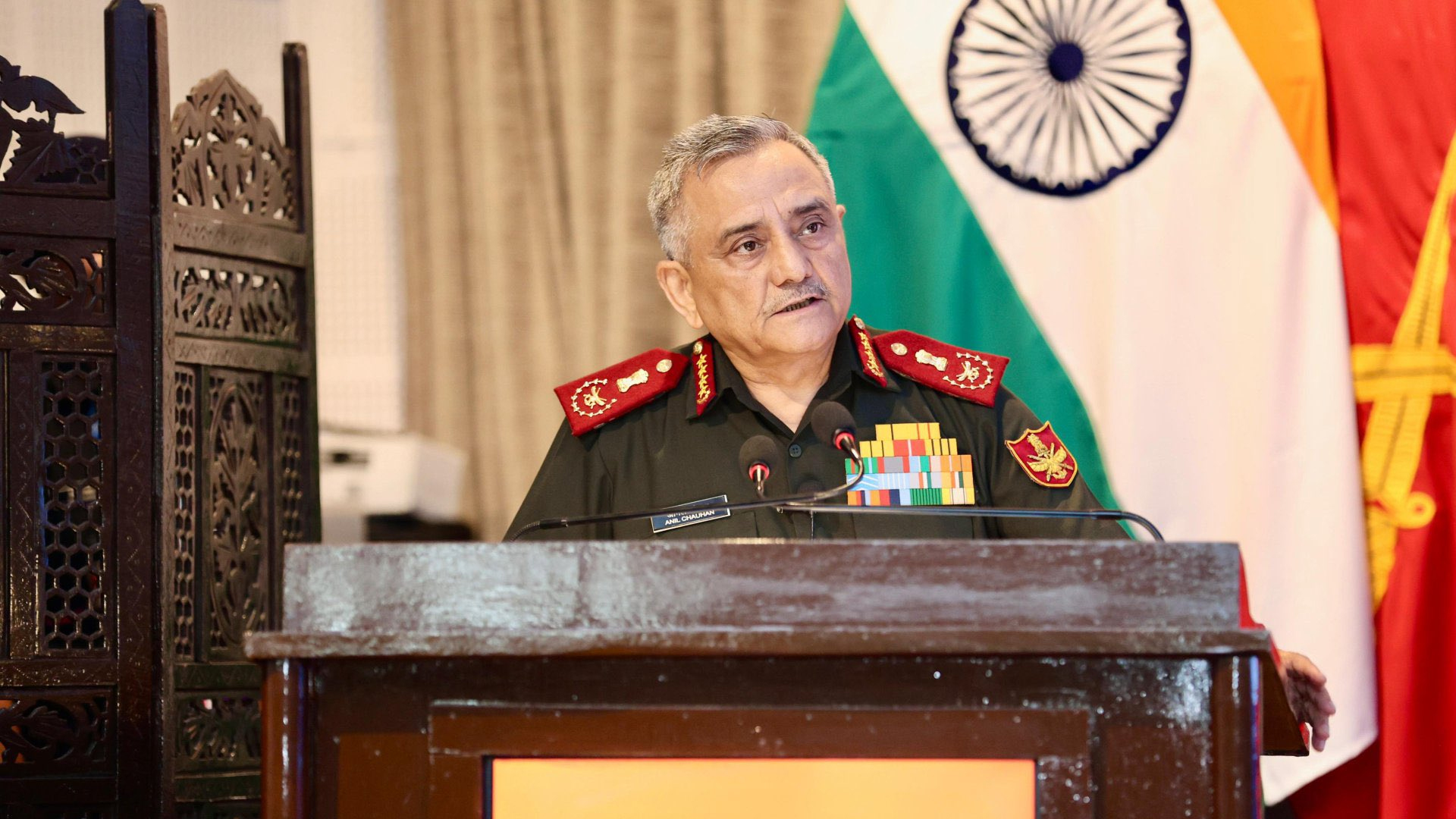
Government Extends General Anil Chauhan’s Tenure as Chief of Defence Staff


The Government of India has extended the tenure of General Anil Chauhan as Chief of Defence Staff (CDS) and Secretary of the Department of Military Affairs (DMA) until May 30, 2026, or until further orders. This decision, approved by the Appointments Committee of the Cabinet (ACC) on September 24, 2025, comes as General Chauhan approaches the age of 65, the upper age limit for the CDS position. He was appointed to the role on September 28, 2022.

General Chauhan’s extension underscores the government’s confidence in his leadership, particularly as he continues to steer significant military reforms, including the creation of Integrated Theatre Commands. These reforms aim to enhance jointness and operational efficiency among the Army, Navy, and Air Force. The establishment of such commands has been a subject of ongoing deliberation within the military establishment. The extension ensures continuity in these critical initiatives.

Prior to his appointment as CDS, General Chauhan had a distinguished military career, including commanding the Eastern Command and serving as the Director General of Military Operations. His extensive experience and strategic insights have been pivotal in advancing India’s defense modernization efforts.

The extension of General Chauhan’s tenure is seen as a strategic move to maintain stability and momentum in India’s defense reforms during a period of evolving security challenges.

Also Read: Election Commission Introduces E-Sign Verification for Voter Deletion Requests

India Successfully Tests Agni-Prime Missile from Rail-Based Mobile Launcher


India has achieved a significant milestone in its defense capabilities with the successful test launch of the Agni-Prime intermediate-range ballistic missile from a rail-based mobile launcher. This unprecedented launch, conducted on September 24, 2025, marks India’s entry into an exclusive group of nations capable of deploying canisterized missile systems from mobile rail platforms.

The Agni-Prime missile, developed by the Defence Research and Development Organisation (DRDO), is designed to strike targets up to 2,000 kilometers away. The rail-based mobile launcher enhances the missile’s mobility, enabling rapid deployment across the national railway network with minimal preparation time. This capability significantly reduces the missile’s vulnerability to preemptive strikes and strengthens India’s strategic deterrence.

Defence Minister Rajnath Singh lauded the achievement, emphasizing that the launch was executed under full operational conditions. He highlighted that the system’s design allows for cross-country mobility and launch within a short reaction time while maintaining reduced visibility. Congratulating the DRDO, the Strategic Forces Command (SFC), and the Armed Forces, Singh said the successful test underscores India’s growing technological prowess in advanced missile systems.

The missile is equipped with independent launch capabilities, state-of-the-art communication systems, and advanced protection mechanisms. During the launch, its trajectory was tracked by multiple ground stations, and the operation met all mission objectives, demonstrating the reliability and operational readiness of this futuristic rail-based system. Senior scientists from DRDO and officers from the Strategic Forces Command witnessed the test, affirming the precision and effectiveness of the deployment.

This development follows the recent induction of the “road mobile” variant of Agni-Prime into service after a series of successful flight trials. It comes just over four-and-a-half months after heightened military tensions in the region, showcasing India’s commitment to maintaining strategic preparedness. The successful integration of the missile with the rail-based mobile launcher represents a significant advancement in India’s defense capabilities, combining mobility, rapid reaction, and advanced technology.

In addition to the Agni-Prime, India has also recently conducted successful test launches of other missile systems, including the short-range ballistic missiles Prithvi-II and Agni-I, validating the operational readiness of the country’s strategic arsenal. The Agni-Prime’s rail-based launch test not only enhances national security but also positions India as a leading power in advanced missile technology, reinforcing its role as a formidable force in regional and global security dynamics.

Also Read: Election Commission Introduces E-Sign Verification for Voter Deletion Requests

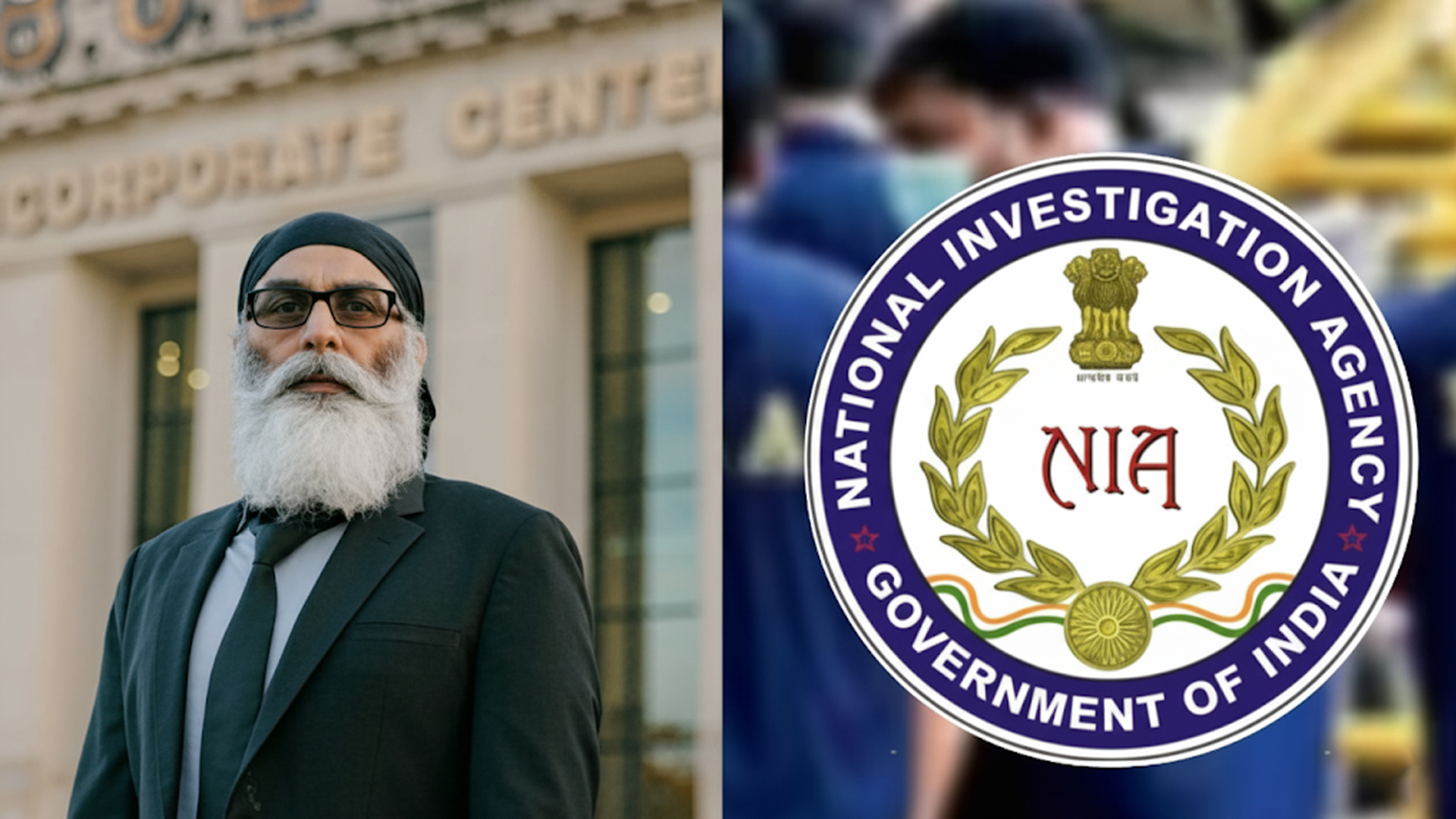
NIA Files UAPA Case Against Gurpatwant Singh Pannun


The National Investigation Agency (NIA) has registered a case under the Unlawful Activities (Prevention) Act (UAPA) against Gurpatwant Singh Pannun, the US-based general counsel of the banned pro-Khalistan group Sikhs for Justice (SFJ). The action follows Pannun’s virtual press conference on August 10, 2025, where he allegedly offered a reward of ₹11 crore to “Sikh soldiers” to prevent Prime Minister Narendra Modi from hoisting the national flag at the Red Fort on Independence Day.

The FIR, filed on August 19 under instructions from the Union Home Ministry, alleges that Pannun’s statements and actions were aimed at disrupting India’s sovereignty and territorial integrity. According to the agency, Pannun unveiled a map depicting a proposed Khalistan that would encompass Punjab, Delhi, Himachal Pradesh, and Uttar Pradesh, and announced the formation of a “Shaheed Jatha” to carry out anti-national activities. The NIA cited videos posted on the SFJ’s social media channels as evidence of the threats and conspiracies.

This is the seventh FIR registered by the NIA against Pannun, who has been designated an individual terrorist by the Indian government. The SFJ, founded by him, was banned under the UAPA due to its alleged involvement in separatist activities, incitement of violence, and efforts to undermine the territorial integrity of India. Indian authorities have consistently flagged the organization’s cross-border operations and have been pursuing legal action to curtail its influence.

The NIA has also arrested one of Pannun’s associates in connection with the case, signaling ongoing investigations into the network supporting the SFJ. The agency is working to identify additional individuals involved in planning or facilitating activities against the Indian state and to assess the full extent of Pannun’s operations from abroad.

India has repeatedly sought international cooperation to counter the SFJ’s activities, highlighting the organization’s use of foreign soil to plan and promote separatist campaigns. In March 2025, Indian authorities requested the United States to designate the SFJ as a terrorist organization, citing concerns over its operations in the US and its role in inciting violence against India.

The FIR against Pannun underscores India’s continued vigilance against external threats to national security and the government’s intent to prevent any attempts to incite violence or disrupt the functioning of constitutional processes. Authorities maintain that cross-border and online threats to national sovereignty will be met with strict enforcement of legal provisions, including the UAPA, to ensure the safety and integrity of the nation.

The NIA’s action has been welcomed by officials as a necessary step to uphold law and order, sending a strong message that attempts to threaten India’s leadership or territorial unity will not be tolerated.

Also Read: Bill Gates Donates $912M to Fight Global Diseases

EC Rolls Out E-Sign for Voter Deletions


The Election Commission of India (ECI) has launched a new e-sign feature on its ECINet portal and mobile app to strengthen the verification process for voter registration, deletion, and correction requests. This new system requires applicants to authenticate their identity using an Aadhaar-linked mobile number, aiming to prevent fraudulent manipulations of voter data.

Under the updated process, applicants submitting Form 6 (new registration), Form 7 (voter deletion or objection), and Form 8 (corrections) must verify their Aadhaar number through an OTP sent to their registered Aadhaar-linked phone. This additional step helps ensure that only legitimate requests are processed, protecting voters against unauthorized changes.

The move comes in the wake of allegations during Karnataka’s 2023 Assembly elections, where thousands of voter deletion requests were reportedly filed without the consent of the affected voters. Reports indicated misuse of online forms, with OTPs being sent to phone numbers unlinked to the original voters, raising concerns about the integrity of the electoral rolls.

To address these issues, the ECI’s new e-sign system redirects users to a secure external portal managed by the Centre for Development of Advanced Computing (CDAC) for Aadhaar-based authentication. Only after successful verification are applications submitted back to the ECINet portal.

ECINet itself is a consolidated platform that combines around 40 prior election-related portals and services into a single, streamlined interface, making it easier for voters and officials to handle electoral processes digitally.

The introduction of the e-sign verification is seen as a critical step toward safeguarding voter data, enhancing transparency, and bolstering confidence in India’s electoral system.

Also Read: Election Commission rolls out coloured candidate photos on EVMs for Bihar polls

Purnia Airport Terminal Opens, Accelerating Bihar’s Aviation Growth


Marking a key milestone in Bihar’s infrastructure development, the newly launched interim terminal at Purnia Airport ushers in enhanced connectivity for the Seemanchal region and the state’s aviation network. Prime Minister Narendra Modi officially inaugurated the terminal, highlighting a key milestone in Bihar’s aviation development. Completed in less than five months, the terminal is now operational, connecting one of Bihar’s historically underserved areas to the rest of the country through commercial flights.

This development is part of a larger push to modernize infrastructure across the state, with over ₹40,000 crore allocated for projects enhancing transport, agriculture, and public services. For the Seemanchal region, the terminal also represents a broader commitment to inclusive growth, improved mobility, and regional empowerment.

Alongside the Purnia terminal, Bihar is witnessing a wave of aviation upgrades. Patna’s Jay Prakash Narayan International Airport has unveiled a new terminal designed to handle 10 million passengers annually. Bihta Airport, under construction with a ₹1,400 crore investment, will serve western Patna and act as a major alternative hub. Darbhanga Airport, operational under the UDAN scheme, now connects North Bihar with major cities like Delhi, Mumbai, and Bengaluru. Gaya Airport continues to grow as both a spiritual and international gateway, especially for Buddhist pilgrims and tourists.

Beyond air travel, associated infrastructure projects such as railway track doubling (Bhagalpur–Dumka–Rampurhat), proposed high-speed corridors, and irrigation-focused river-linking efforts (Kosi–Mechi) reflect a coordinated vision to transform mobility and accessibility in the state.

Bihar’s aviation growth is not just a milestone in transportation, but also a statement of intent. Once known for lagging in connectivity, the state is now carving out a place for itself on India’s aviation map, unlocking new opportunities for commerce, tourism, and development.

Also Read: India Accelerates Plans for “Bodyguard” Satellites After Close Orbital Encounter

Kolkata Records Third-Highest September Rainfall Since 1978


Kolkata woke up on Tuesday, September 23, to its third-wettest September day in nearly five decades, as heavy rains dumped 251.4 millimeters over 24 hours, according to the Indian Meteorological Department (IMD). The rainfall, the highest in the city since 1986, marked the sixth-highest single-day total ever recorded in Kolkata.

The downpour peaked between 2:30 a.m. and 5 a.m., when nearly 185 millimeters of rain fell, narrowly missing cloudburst conditions, which require over 100 millimeters per hour. IMD officials attributed the intense spell to a low-pressure system that formed on Monday and moved toward coastal Gangetic West Bengal, creating a strong convergence of moisture over the city. Doppler radar images indicated cloud formations reaching heights of five to seven kilometers, intensifying the rainfall.

The heavy rain triggered widespread flooding across Kolkata and its suburbs. Neighborhoods near the Adiganga canal, normally efficient in draining water, were inundated as the canal overflowed, preventing natural runoff. Streets in low-lying areas were submerged, leaving residents stranded and forcing authorities to open school buildings as temporary shelters. The Kolkata Police and municipal authorities mobilized to provide food and aid to displaced families. Mayor Firhad Hakim described the flooding as “unprecedented,” highlighting the strain even on areas typically considered flood-resilient.

While the rains disrupted daily life, including transportation and local markets, the IMD said the current low-pressure system is expected to weaken by Wednesday. However, another system is forecast to form over the Bay of Bengal around September 25, potentially intensifying into a depression and crossing the South Odisha–North Andhra Pradesh coast around September 27. This could bring further light to moderate rainfall across Bengal, with isolated heavy showers in some districts over the next week.

Authorities issued warnings for fishermen along the West Bengal–Odisha coast to avoid venturing into rough seas until September 27, cautioning residents against sheltering under trees or electric poles due to risks of lightning strikes. Despite the flooding, the Met department noted that the rain may ease in West Bengal before the start of the Durga Puja festivities, allowing preparations for the festival to continue largely uninterrupted.

This monsoon season has already seen extreme rainfall events across India, including cloudbursts in Uttarakhand and Himachal Pradesh. Chennai experienced a similar downpour on August 31, receiving 270 millimeters of rain in a single day, underscoring the intensity of rainfall events in urban centers this year.

The September 23 deluge serves as a stark reminder of Kolkata’s vulnerability to sudden, heavy rainfall, highlighting the need for continued vigilance and disaster preparedness as the city braces for possible further impacts from the Bay of Bengal system.

Authorities continue to monitor water levels and coordinate relief operations, urging residents in flood-prone zones to exercise caution and stay informed as weather conditions evolve.

Also Read: Bill Gates Donates $912M to Fight Global Diseases

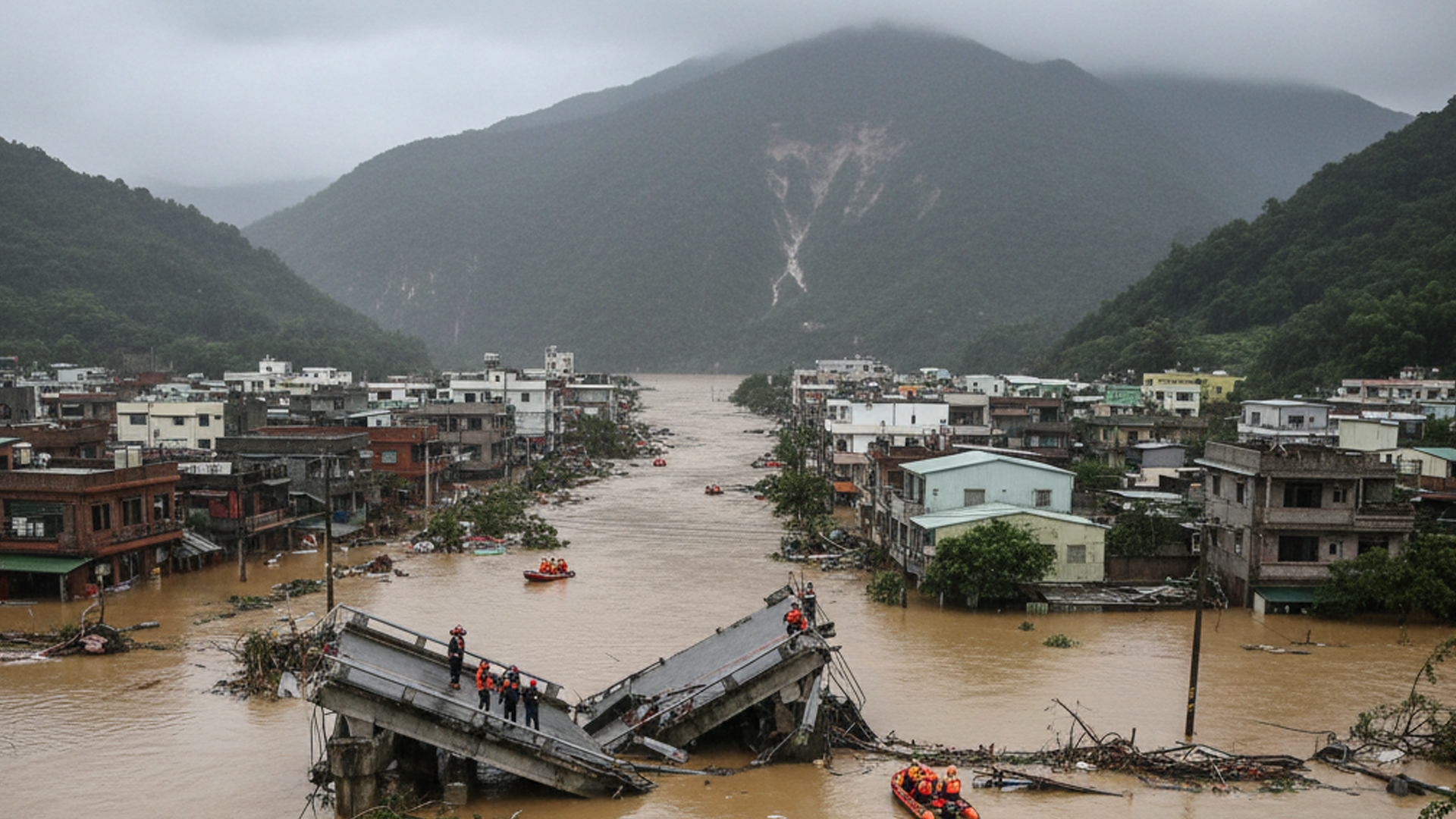
At Least 14 Dead as Taiwan’s Hualien County Hit by Lake Breach During Typhoon Ragasa


At least 14 people were killed and 18 injured after a decades-old lake barrier burst in eastern Hualien County on Tuesday, following torrential rains from Super Typhoon Ragasa, Taiwanese authorities said Wednesday, September 24, 2025. The breach sent a surge of muddy floodwaters into nearby towns, destroying a bridge and leaving a trail of devastation in its wake.

The National Fire Agency reported that 124 people remained missing in the aftermath of the disaster, while thousands of residents were evacuated across Taiwan as the storm continued to pound the island. More than 7,600 people were moved to safer locations, with emergency services scrambling to reach isolated communities cut off by flooding and landslides.

“It was like a volcano erupting. The muddy floodwaters came roaring straight into the first floor of my house,” Hsu Cheng-hsiung, 55, a neighborhood leader in Kuang Fu township, told AFP, recounting the terrifying moments as the barrier gave way. Hsu’s home, along with others in the vicinity, was inundated within minutes, forcing residents to flee for their lives.

Local resident Yen Shau, 31, described the scene as “a disaster movie.” He said that only an hour before the lake burst, people were still shopping at local supermarkets and stores, unaware of the impending calamity. “Within minutes, the water had risen to halfway up the first floor,” he said. Even after the initial surge, he remained on high alert, shoveling thick layers of mud from his home on Wednesday. “The mud was just too deep, too deep to dig out,” he added.

Footage released by the fire agency captured the scale of destruction, showing flooded streets, half-submerged vehicles, and uprooted trees strewn across Hualien County. Rescue teams faced enormous challenges navigating debris-laden waters to reach stranded residents, with helicopters deployed to airlift those trapped by the rising floodwaters.

Taiwan experiences frequent tropical storms between July and October, and this year has already seen multiple deadly events. Earlier in July, Typhoon Danas swept across southern Taiwan, dumping more than 50 centimeters of rain over a weekend, resulting in two deaths and hundreds of injuries. Typhoon Ragasa, considered more severe, brought heavy rainfall and strong winds across the island, exacerbating existing vulnerabilities in infrastructure and natural barriers.

Hualien County, located on Taiwan’s rugged eastern coast, is particularly susceptible to landslides and flash floods due to its mountainous terrain. The breached lake barrier, constructed decades ago to regulate water flow, had not faced a storm of this magnitude in recent memory. Officials warned that extreme weather, fueled by climate change, continues to increase the risk of infrastructure failure, calling for urgent reinforcement and disaster preparedness measures.

Local authorities have launched search and rescue operations, focusing on the most affected areas in Kuang Fu township. Emergency shelters are providing temporary accommodation, food, and medical care for displaced families. The central government has mobilized additional resources to support recovery efforts, including military personnel and heavy machinery to clear debris and restore access to cut-off areas.

President Tsai Ing-wen expressed condolences for the victims and called for immediate support to affected families. She urged local governments to intensify disaster response coordination and emphasized the importance of infrastructure upgrades to prevent similar tragedies in the future.

As the storm subsides, Taiwan faces a daunting recovery, with residents grappling with the loss of homes, livelihoods, and loved ones. Authorities continue to monitor weather conditions, warning that secondary floods and landslides remain possible in regions affected by Typhoon Ragasa. The full extent of the damage is still being assessed, but early reports underscore the severe human and material cost of the disaster in Hualien County.

Also Read: Global Fossil Fuel Plans Threaten Paris Agreement Goals, Warns 2025 Production Gap Report