rotating globe
3 Apr 2026


Over 200 Fall Sick After Eating Adulterated Buckwheat Flour in Delhi


More than 200 people were hospitalised in northwest Delhi on Tuesday after consuming suspected adulterated buckwheat flour (kuttu ka atta), widely used during Navratri fasts. The incident has sparked a public health scare and prompted an official probe.

Symptoms, including nausea, vomiting, abdominal pain, dizziness, and diarrhea, were reported by residents in the early morning, with the first emergency calls coming from Jahangirpuri around 6:00 AM. Most affected individuals were fasting for Navratri and had consumed buckwheat-based foods the previous night.

Patients were taken to local hospitals, including Babu Jagjivan Ram Memorial Hospital, where over 200 cases of suspected food poisoning were recorded. Most cases were mild, and many patients were discharged after initial treatment.

Cases were concentrated in localities such as Jahangirpuri, Mahendra Park, Swaroop Nagar, Samaypur, Bhalswa Dairy, and Lal Bagh. Authorities suspect the illnesses were caused by a contaminated batch of flour sold by vendors in these areas.

The Delhi Police and Food Safety Department have begun an investigation. Samples of the flour are being tested, and officials have launched public warnings and vendor inspections. Loudspeaker announcements were made in affected areas, urging residents to avoid consuming unverified buckwheat flour.

“We suspect a specific batch was contaminated and widely distributed ahead of the festival,” a senior official said.

The incident has drawn criticism from the Aam Aadmi Party (AAP), which blamed the BJP-led Delhi government for failing to regulate food quality during festivals. Delhi minister Saurabh Bharadwaj accused the administration of ignoring health concerns while “celebrating with dandiya.”

Residents are advised to consume only sealed and branded flour and seek medical help if symptoms appear. Authorities are tracing supply chains and have promised strict action against those responsible for the adulteration.

With Navratri ongoing, officials stress the importance of food safety vigilance amid rising demand for fasting-related products.

Also Read: Bill Gates Donates $912M to Fight Global Diseases

Trump Administration Now Proposes Wage-Based H-1B Selection


The Trump administration on Tuesday proposed changes to the H-1B visa selection process that would give preference to higher-paid and more highly skilled workers, according to a Federal Register notice. The move comes days after the White House announced a $100,000 fee for new H-1B visas, sparking concern across the U.S. technology and startup sectors.

Under the proposed rules, if applications exceed the statutory cap of 85,000 visas in a given year, petitions from employers offering higher wages would receive priority. The Department of Homeland Security said the change is intended to “better protect Americans from unfair wage competition from foreign workers.” The proposal also introduces wage tiers to determine selection order in the lottery system.

The notice indicates that the new process, if finalized, could apply to the 2026 H-1B lottery, which begins with the registration period in March. DHS estimates that the total wages paid to H-1B workers could increase to $502 million in fiscal year 2026, with further growth expected in subsequent years.

U.S. Citizenship and Immigration Services will allow a 30-day public comment period on the proposal, beginning Wednesday. Officials said the public input will help shape the final regulation, which could take months to implement.

The proposal is likely to affect small businesses that rely on H-1B workers. DHS estimates that about 5,200 small firms may face significant economic impact from the new fee and wage-based selection process. Tech companies and startups have already expressed concern that the combination of the $100,000 fee and wage-focused lottery could exacerbate talent shortages and increase operational costs.

Industry analysts noted that the changes could prompt some firms to shift work overseas rather than paying higher wages in the United States. Indian IT companies, which have traditionally been major H-1B beneficiaries, may accelerate remote operations in India for U.S. clients in response to the proposal.

The move follows a broader immigration crackdown under President Trump, including past efforts to limit citizenship eligibility for children of undocumented immigrants and proposals for mass deportations. The administration has cited protecting U.S. workers and ensuring fair competition as the primary rationale for revising the H-1B system.

Companies affected by the proposed changes are now reviewing their hiring and relocation strategies, while employees holding or seeking H-1B visas are closely monitoring developments. The public comment period and subsequent regulatory review will determine whether the proposal becomes final and how it will affect the technology sector and broader workforce in the United States.

‘Bombs Its Own People’: India Launches Scathing Attack on Pakistan at UNHRC


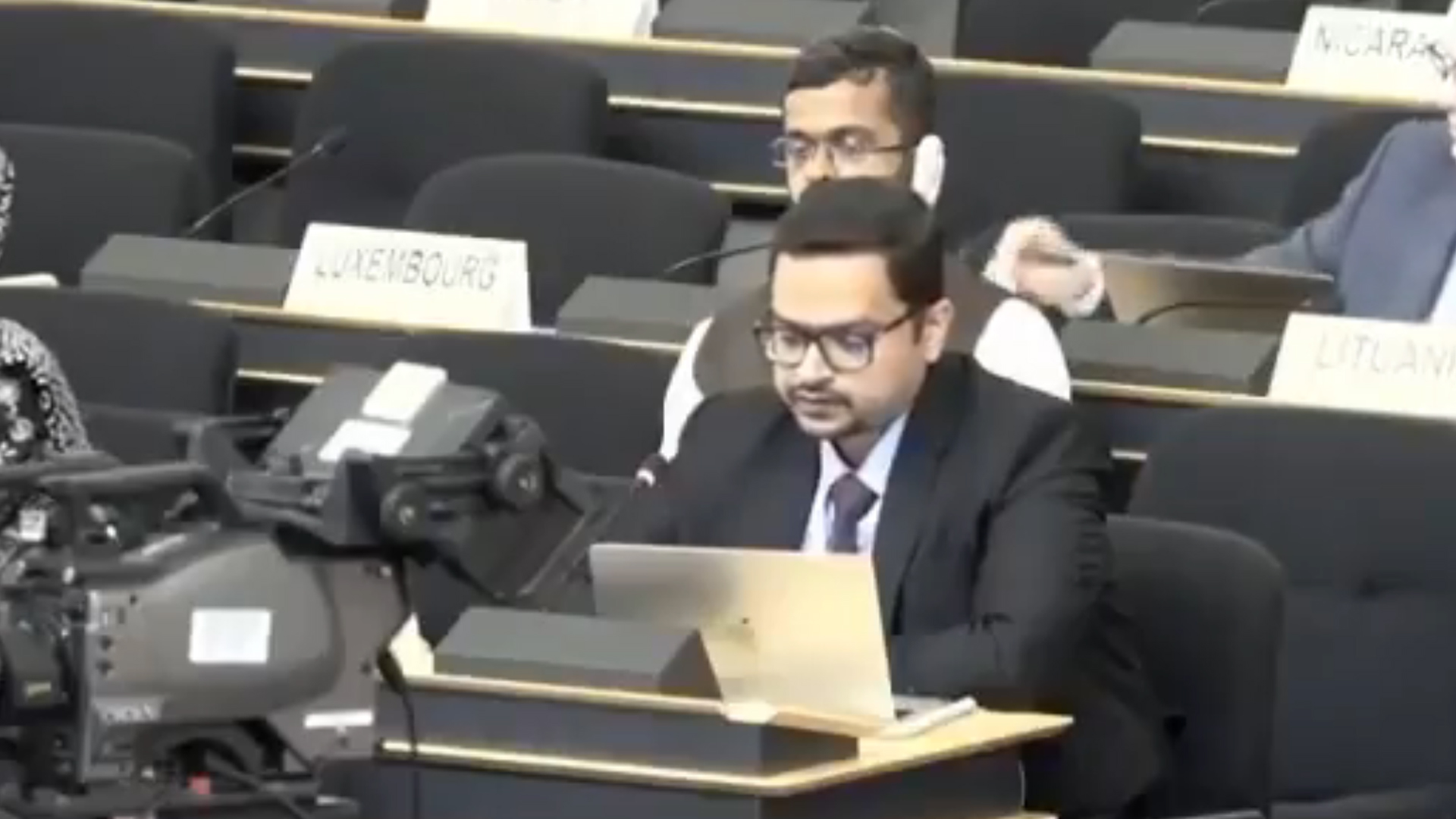
On September 23, 2025, India launched a sharp attack on Pakistan at the United Nations Human Rights Council (UNHRC) in Geneva, accusing Islamabad of “bombing its own people” following a deadly explosion in Khyber Pakhtunkhwa’s Tirah Valley.

Speaking during Agenda Item 4 of the session, Indian diplomat Kshitij Tyagi criticized Pakistan for misusing the UNHRC platform to make “baseless and provocative statements” against India. He said Pakistan should focus on resolving its internal crises, including a faltering economy, military dominance, and human rights violations, rather than targeting India. Tyagi urged the Council to remain “universal, objective, and non-selective” in addressing human rights issues, emphasizing that lasting progress depends on dialogue, cooperation, and capacity-building with the consent of the state concerned.

Tyagi’s remarks came in the wake of an explosion at a compound linked to the Pakistani Taliban in Tirah Valley, which killed at least 24 people, including 10 civilians. Opposition lawmakers and local residents claimed the blast resulted from Pakistani military airstrikes, while officials maintained it was caused by explosives stored at the site. The discrepancy in accounts has further inflamed public anger and highlighted the dangers faced by civilians in the region.

The Human Rights Commission of Pakistan condemned the loss of civilian life and called for accountability, while the Khyber Pakhtunkhwa provincial government announced compensation for victims’ families and promised support to affected communities. The incident has drawn renewed attention to the ongoing conflict in Pakistan’s northwest, where military operations against militant groups such as Tehrik-e-Taliban Pakistan (TTP) have repeatedly endangered civilians.

India’s intervention at the UNHRC underscores long-standing tensions between New Delhi and Islamabad. Tyagi highlighted the need for the Council to prioritize universal principles and avoid country-specific biases, noting that selective focus on certain states can distract from broader global human rights challenges. “Far from advancing the Council’s core mandate, selective scrutiny reinforces perceptions of bias,” he said, urging a forward-looking and non-politicized approach.

The Tirah Valley explosion, which occurred in a region long affected by insurgency and militant activity, has intensified scrutiny over Pakistan’s military operations and their impact on civilians. Local residents reported widespread destruction, with homes and infrastructure damaged alongside the loss of life. The incident has sparked calls for independent investigations and stronger safeguards to protect civilians in conflict zones.

Observers note that India’s strong stance at the UNHRC reflects a broader diplomatic strategy to hold Pakistan accountable for human rights violations, including terrorism-related activities and the treatment of minorities within its borders. The statement also seeks to reinforce India’s call for impartiality and fairness in international human rights forums, emphasizing that constructive engagement should focus on resolution and protection rather than political posturing.

As the situation in Khyber Pakhtunkhwa develops, the international community is closely monitoring responses from both Pakistan and multilateral institutions. Analysts suggest that the incident could further complicate regional security dynamics, highlighting the fragility of civilian protection measures in areas affected by prolonged insurgency.

India’s position at the UNHRC demonstrates its intent to leverage international platforms to address concerns about cross-border militancy and human rights abuses, while simultaneously advocating for balanced treatment of all member states. The developments in Tirah Valley remain a stark reminder of the human cost of conflict and the need for coordinated international attention to prevent further civilian casualties.

Also Read: France Officially Recognizes Palestinian State at UN Summit Amid Global Divisions

ICC Suspends USA Cricket Over Governance Breaches


The International Cricket Council (ICC) has suspended the membership of USA Cricket with immediate effect, citing multiple breaches of its obligations as a member board, including significant governance failures and a lack of recognition by the country’s Olympic body.

In a statement released after its latest board meeting, the ICC said USA Cricket had failed to operate with a functional governance structure and did not meet the criteria required for continued membership.

“USA Cricket has not fulfilled its membership obligations, particularly in relation to governance and financial management,” the ICC said. “There is also an ongoing failure to be recognized by the United States Olympic and Paralympic Committee (USOPC).”

The suspension follows ongoing concerns regarding administrative instability within USA Cricket. The ICC highlighted issues such as unresolved conflicts of interest, non-transparent election processes, and irregularities in board appointments.

The recent termination of USA Cricket’s partnership with American Cricket Enterprises (ACE), the commercial entity responsible for organizing Major League Cricket, further intensified scrutiny of the board’s operations.

Despite the suspension, U.S. national teams will continue to compete in ICC-sanctioned events, including the upcoming ICC tournaments. The global body confirmed it would oversee all operational and administrative matters related to the teams until further notice.

The ICC also announced plans to establish a Normalization Committee, which will be responsible for overseeing structural reforms within the organization and defining a pathway toward reinstatement.

This is not the first time cricket governance in the United States has come under the ICC’s scanner. In 2017, the United States of America Cricket Association (USACA), USA Cricket’s predecessor, was expelled from ICC membership due to similar governance failures.

The timeline for potential reinstatement remains unclear, with the ICC stating that a review will only be considered once USA Cricket demonstrates meaningful progress toward compliance with its membership obligations.


Vice Admiral Arti Sarin Appointed First Woman DG of Armed Forces Medical Services


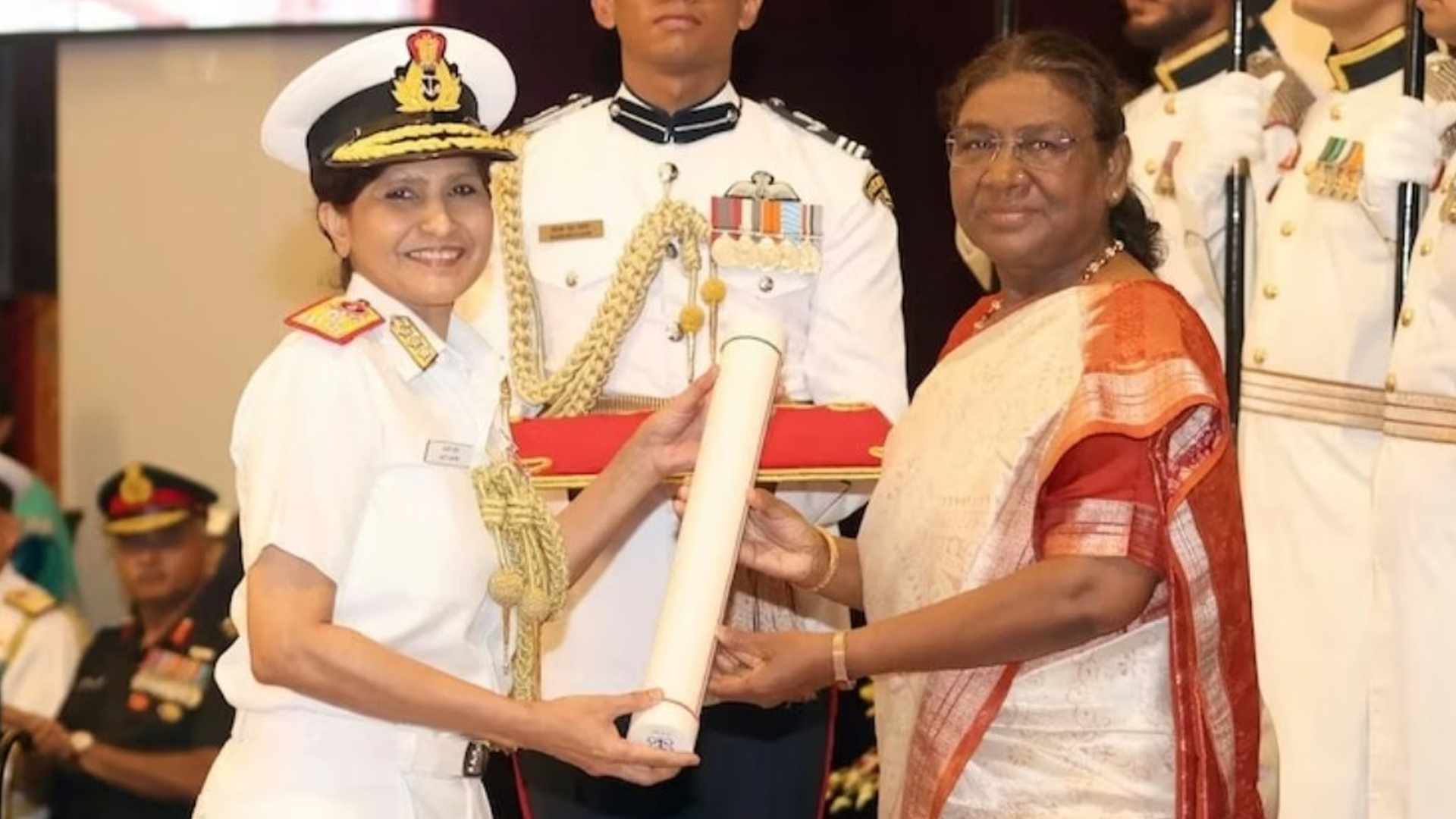
In a historic first, Vice Admiral Arti Sarin has been appointed as the Director General of the Armed Forces Medical Services (DGAFMS), becoming the first woman officer to lead the tri-services medical establishment.

An alumnus of the Armed Forces Medical College, Pune, Sarin was commissioned in 1985 and went on to specialise in Radiodiagnosis and Radiation Oncology, with advanced training at the Tata Memorial Centre, Mumbai, and the University of Pittsburgh, USA. Over her distinguished four-decade career, she has held key leadership roles, including Commandant of INHS Asvini in Mumbai and Command Medical Officer of both the Southern and Western Naval Commands.

Sarin played a pivotal role during the COVID-19 pandemic, overseeing quarantine facilities and medical preparedness, and has also served in challenging operational areas such as Kupwara in Jammu & Kashmir.

For her exemplary service, she has been decorated with the Ati Vishisht Seva Medal (2024) and the Vishisht Seva Medal (2021), along with commendations from the Army, Navy, and Air Force.

Hailing from a naval family, Sarin’s achievement marks a significant milestone in the Armed Forces, breaking gender barriers and setting a new precedent in military medical leadership.

Also Read: India and Morocco Sign MoU to Strengthen Defence Cooperation

Bill Gates Donates $912M to Fight Global Diseases


Microsoft co-founder and philanthropist Bill Gates has donated $912 million to the Global Fund, a major step in the fight against AIDS, tuberculosis, and malaria. Speaking at the Goalkeepers Summit in New York, Gates appealed to governments worldwide not to back away from health funding, despite mounting financial pressures.

Gates painted a stark picture of the stakes. “A kid born in northern Nigeria has a 15% chance of dying before age five. You can either be part of improving that or act like that doesn’t matter,” he said, stressing that millions of children in low-income countries could be at risk if aid continues to fall.

The new pledge mirrors the Gates Foundation’s contribution in 2022 under the Global Fund’s three-year cycle. But Gates cautioned that philanthropy alone cannot fill the gap left by shrinking government support. Global development assistance has dropped 21% between 2024 and 2025, reaching its lowest level in 15 years.

Gates highlighted the importance of sustaining and expanding primary healthcare, vaccines, and innovative treatments, including the long-acting HIV prevention drug lenacapavir. He also praised Spain for increasing its support, boosting contributions to the Global Fund by 12% and to Gavi, the vaccine alliance, by 30%.

Reaffirming his personal commitment, Gates said he plans to donate nearly his entire fortune by 2045, accelerating this timeline to meet urgent global health needs. “We can’t wait. Every life matters, and every action counts,” he added.

Also Read: India and Morocco Sign MoU to Strengthen Defence Cooperation

India: Marginal Drop in Polluted River Stretches, Yamuna Among Most Contaminated


The number of polluted river stretches in India has seen a slight decline, dropping from 311 in 2022 to 296 in 2023, according to a new assessment report released by the Central Pollution Control Board (CPCB) on Monday. The report, which analyzed water quality data from 2,116 locations across 32 states and Union Territories, found that these 296 stretches span 271 rivers. Maharashtra continues to lead with the highest number of polluted stretches at 54.

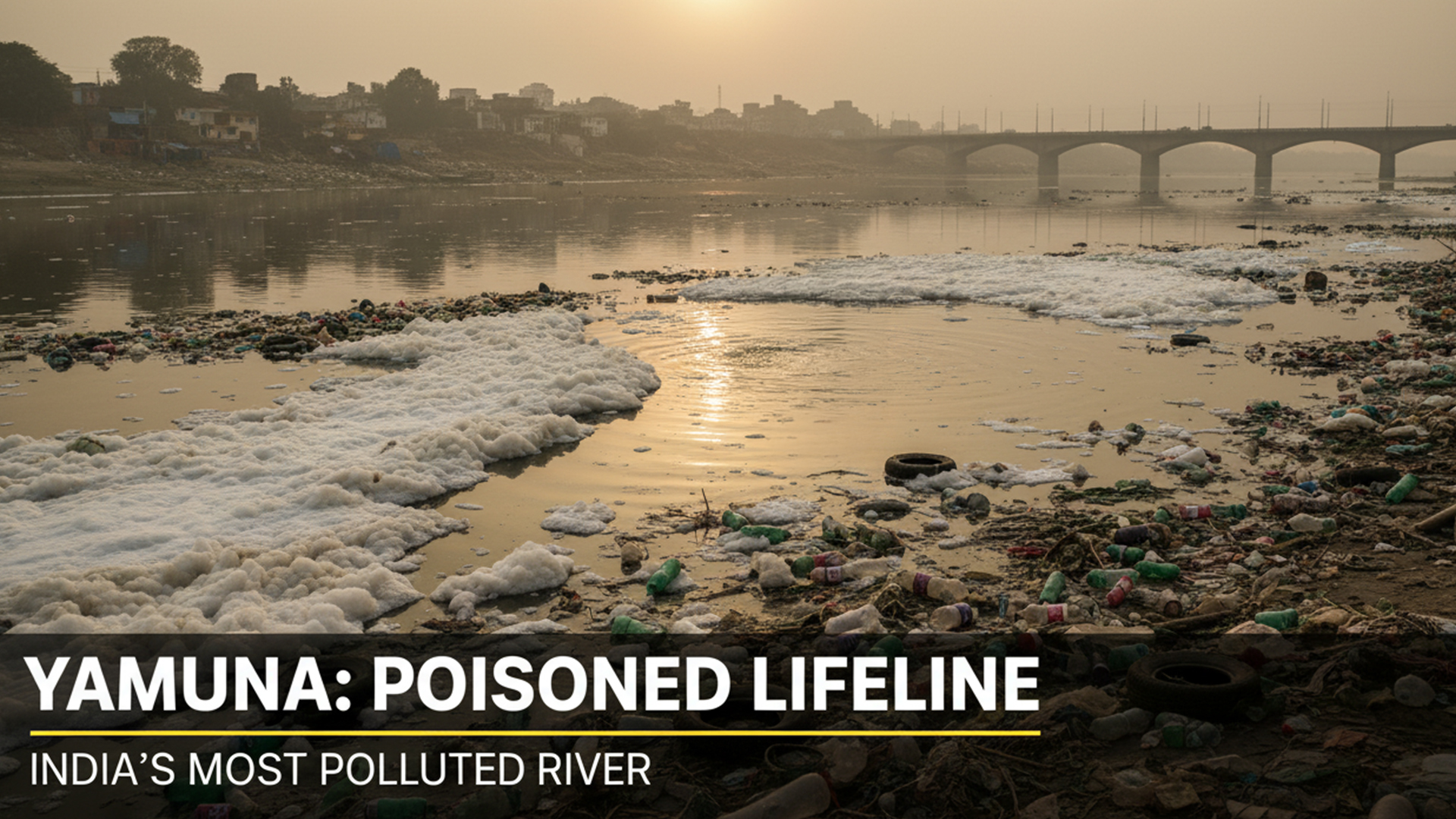
Despite the overall decline, the Yamuna river in Delhi remains one of the most polluted river stretches in the country. The CPCB’s assessment identified the stretch from Palla to Asgarpur as having exceptionally high levels of organic pollution, measured in terms of Biochemical Oxygen Demand (BOD). Monitoring at seven key locations along this stretch—including Palla, Wazirabad, ISBT Bridge, ITO Bridge, Nizamuddin, Okhla after meeting Shahdara drain, and Asgarpur village—showed that BOD levels reached up to 83 mg/L, nearly 27 times above the permissible limit of 3 mg/L. The report also highlights that water quality at all these locations failed to meet basic environmental standards, indicating an urgent need for intervention.

Other rivers across India have also recorded polluted stretches, though some have shown improvement. Priority 1 stretches—those with BOD levels exceeding 30 mg/L, indicating the highest pollution—have reduced from 46 stretches in 2022 to 37 this year. These stretches are spread across 14 states, with Tamil Nadu, Uttar Pradesh, and Uttarakhand each having five, Gujarat four, and Karnataka three. Notable examples include the Sabarmati river in Ahmedabad, the Chambal stretch from Nagda to Gandhisagar dam in Madhya Pradesh, and the Tungabhadra and Sarabanga rivers in Karnataka and Tamil Nadu, respectively.

Several other rivers showed deterioration in water quality over the year. These include the Jhelum in Jammu and Kashmir; Ganga, Ramrekha, and Sikrahna in Bihar; Hasdeo and Mahanadi in Chhattisgarh; Sal and Mapusa in Goa; Cauvery and Tungabhadra in Karnataka; Periyar in Kerala; Amba and Savitri in Maharashtra; Krishna in Telangana; and Kosi in Uttarakhand. The CPCB emphasized that river catchment and basin management, floodplain protection, and the treatment of sewage water are critical measures for reversing this trend.

The report underscores the significance of ongoing initiatives under the National Water Quality Monitoring Programme, which tracks water quality at 2,155 locations on 645 rivers in collaboration with state pollution control boards. Since 2018, following directives from the National Green Tribunal (NGT), river rejuvenation committees have been set up across states to develop action plans for reducing pollution. While the overall number of polluted stretches has marginally decreased and some stretches have moved from higher to lower priority categories, the persistence of highly polluted rivers like the Yamuna highlights the continuing challenge of river conservation in India.

The CPCB report calls for stronger interventions at local and state levels to improve water quality, particularly for rivers in urban and industrial zones. Experts emphasize that the Yamuna, as a critical lifeline for Delhi, requires immediate attention to prevent ecological collapse and safeguard public health, alongside sustained efforts for pollution control in other affected rivers nationwide.

Also Read: Super Typhoon Ragasa Slams Philippines, Heads Towards China

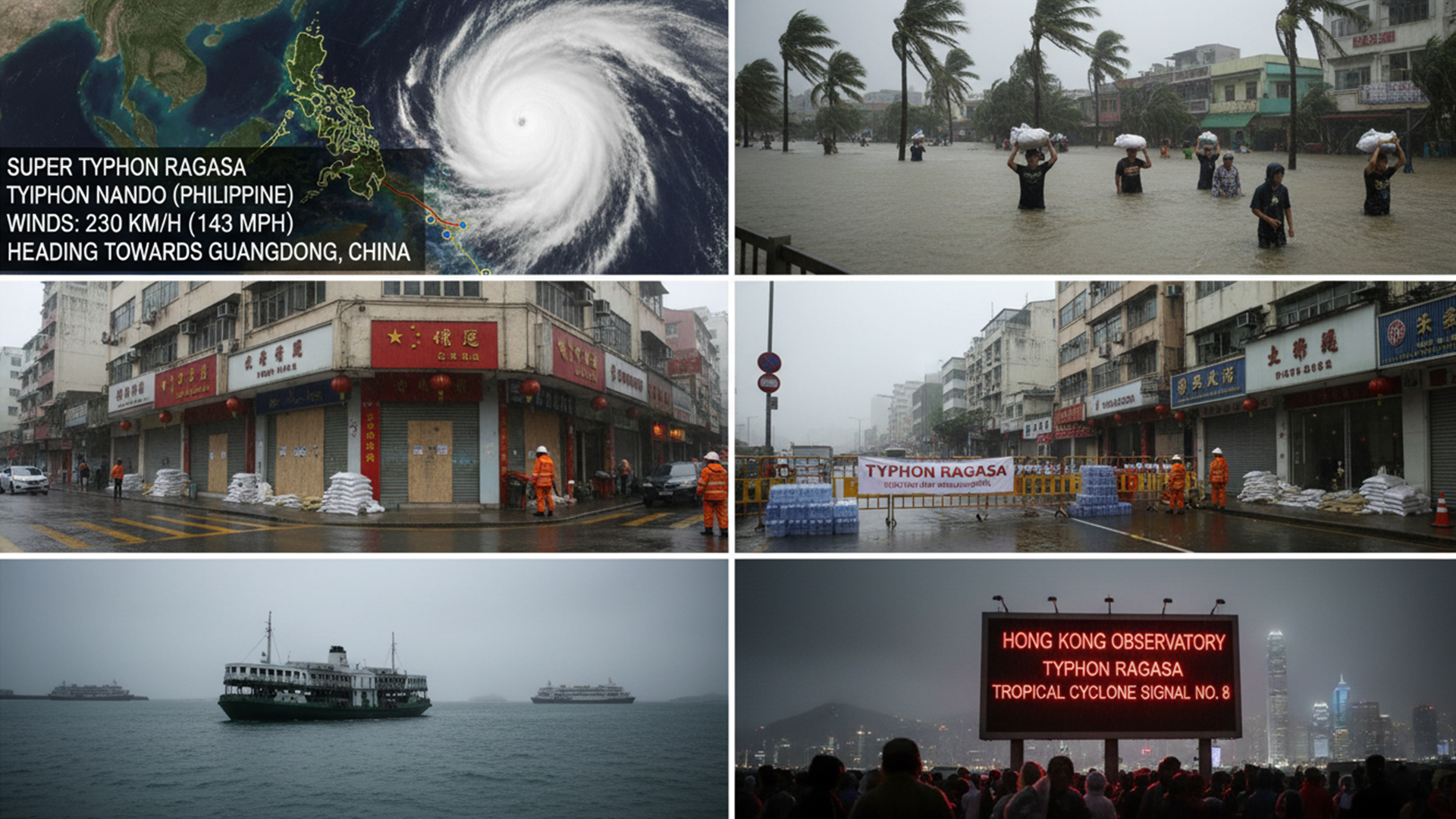
Super Typhoon Ragasa Slams Philippines, Heads Towards China


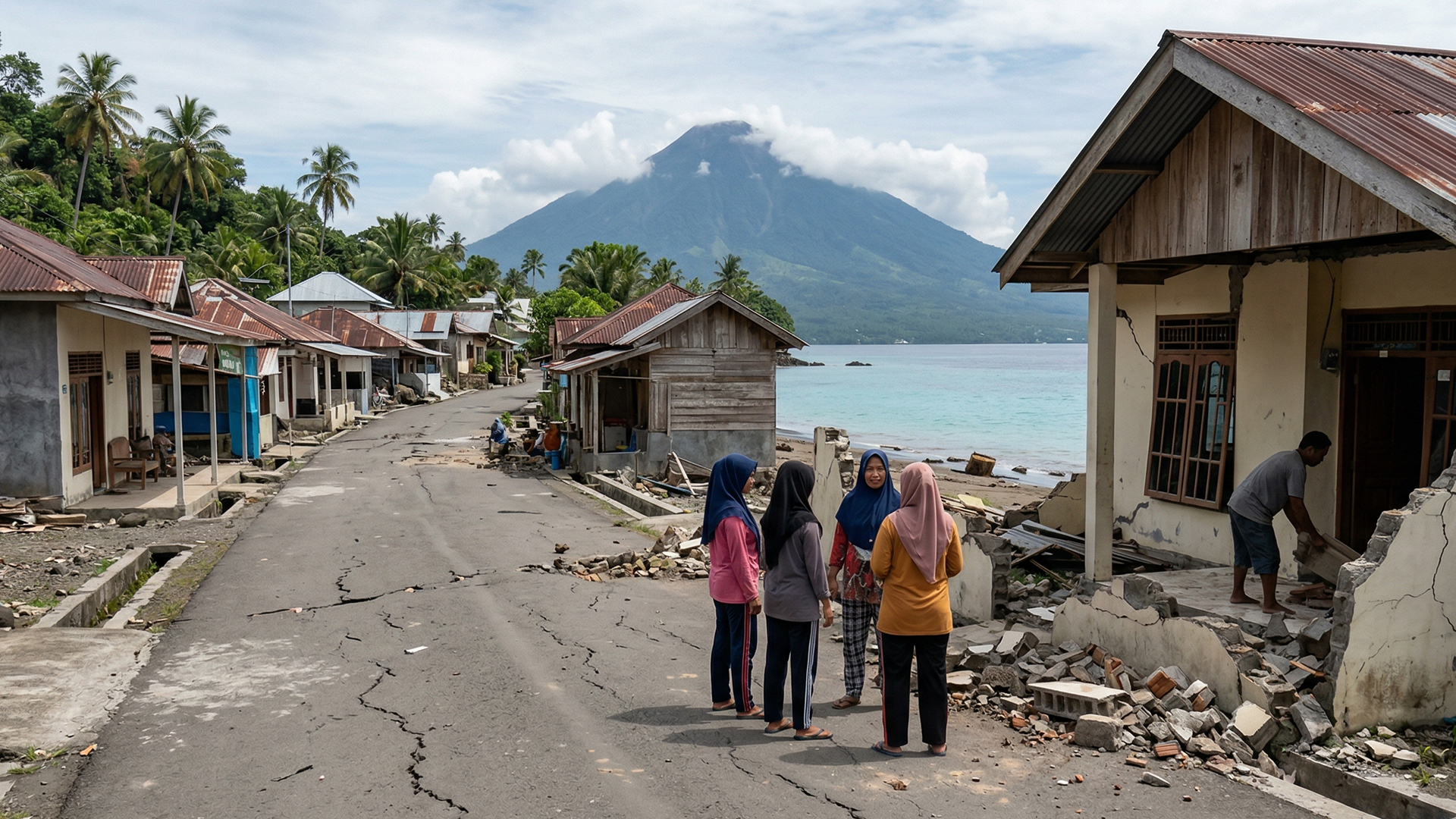
One of the strongest storms to hit Asia in recent years, Super Typhoon Ragasa,  known locally in the Philippines as Nando, has battered northern Philippine islands and is now closing in on southern China, triggering mass evacuations, flight cancellations, and widespread shutdowns.

Packing sustained winds of nearly 230 km/h (143 mph) near its centre, Ragasa has unleashed torrential rains, floods, and landslides across the Philippines. Authorities confirmed at least three fatalities, while thousands of residents have been forced to evacuate from vulnerable coastal and low-lying areas. Power outages, blocked roads, and suspension of ferry services have added to the disruption. Schools and government offices across affected provinces remain closed.

The storm is now churning across the northern South China Sea at about 22 km/h (14 mph) and is expected to make landfall along Guangdong’s coast, between Shenzhen and Xuwen County, within the next 24 hours.

China has stepped up emergency preparations. In Guangdong province, schools and businesses have been ordered shut, flights and trains suspended, and ports sealed off. Local governments have set up evacuation centres and distributed sandbags and barriers in flood-prone districts. Residents in coastal towns are stockpiling essentials in anticipation of the storm’s impact.

In Hong Kong, the observatory has issued a Tropical Cyclone Signal No.8, one of the city’s highest-level typhoon alerts, warning of fierce winds and heavy rain.

Ragasa’s intensity places it among the most powerful typhoons to strike the region in recent years, raising concerns over widespread flooding, potential storm surges, and extended infrastructure damage in both the Philippines and southern China.

As the typhoon continues its west-northwest trajectory, disaster response teams across Asia remain on high alert, with authorities urging residents to stay indoors and comply with safety advisories.

Also Read: France Officially Recognizes Palestinian State at UN Summit Amid Global Divisions

IT Minister Ashwini Vaishnaw Switches to Zoho, Backs Swadeshi Vision


Union IT and Communications Minister Ashwini Vaishnaw has announced that he is moving to Zoho, a homegrown software platform, for creating documents, spreadsheets, and presentations. The decision comes in support of Prime Minister Narendra Modi’s call to strengthen India’s “Swadeshi” vision by promoting indigenous products and services.

Vaishnaw shared the update on social media, describing Zoho as “our own Swadeshi platform.” His switch is being seen as a symbolic endorsement of India’s growing software ecosystem, which is increasingly positioning itself as an alternative to global giants like Microsoft 365 and Google Workspace.

Zoho founder Sridhar Vembu welcomed the move, calling it a “huge morale boost” for his team. “Our engineers have been working for over two decades to build this suite of products. Such recognition from the IT Minister is deeply encouraging,” he said.

Founded in 1996, Zoho has grown into a globally respected software company, offering cloud-based business applications to millions of users. The minister’s adoption of Zoho is expected to inspire wider use of Indian technology platforms across government and corporate circles, aligning with the broader “Make in India” and “Digital India” initiatives.

Also Read: India-US Ties Highlighted as ‘Critical’ by Secretary Rubio at UNGA Meet

Floods Bring Kolkata to Halt, Durga Puja Plans Delayed; 5 Dead


Kolkata has been brought to a standstill as unprecedented heavy rains lash the city, recording an astonishing 1,423 mm of rainfall,  the highest in over a decade. The intense downpour, caused by a low-pressure system over the Bay of Bengal, has severely impacted the southern and eastern parts of the city, with areas like Garia Kamdahari receiving 332 mm, Jodhpur Park 285 mm, and Kalighat 280 mm in just a few hours.

Widespread flooding has submerged streets, homes, and public spaces, with water levels rising to knee-deep in low-lying areas. Tragically, five people have died due to electrocution in different parts of the city, while many others have sustained injuries amid the chaos.

Public transportation services have been heavily disrupted. Metro operations between Shaheed Khudiram and Maidan stations have been suspended, with limited services running between Dakshineswar and Maidan. Suburban trains, buses, trams, and taxis are facing severe delays due to waterlogged routes, further crippling daily commutes.

The torrential rains have also hit preparations for the upcoming Durga Puja festival, damaging many pandals and causing organizers to scramble to protect idols and decorations.

Air travel is similarly affected, with airlines like Air India and IndiGo issuing advisories about potential flight delays and urging passengers to check their flight status before traveling.

The India Meteorological Department (IMD) has issued an orange alert for South Bengal, warning of continued heavy rainfall in the coming days. In response, the Kolkata Municipal Corporation has mobilized suction trucks and pumps to clear flooded areas and restore normalcy as quickly as possible.

Residents are advised to stay indoors, avoid waterlogged zones, and follow official updates as the city grapples with this unprecedented weather crisis.

Also Read: India and Morocco Sign MoU to Strengthen Defence Cooperation