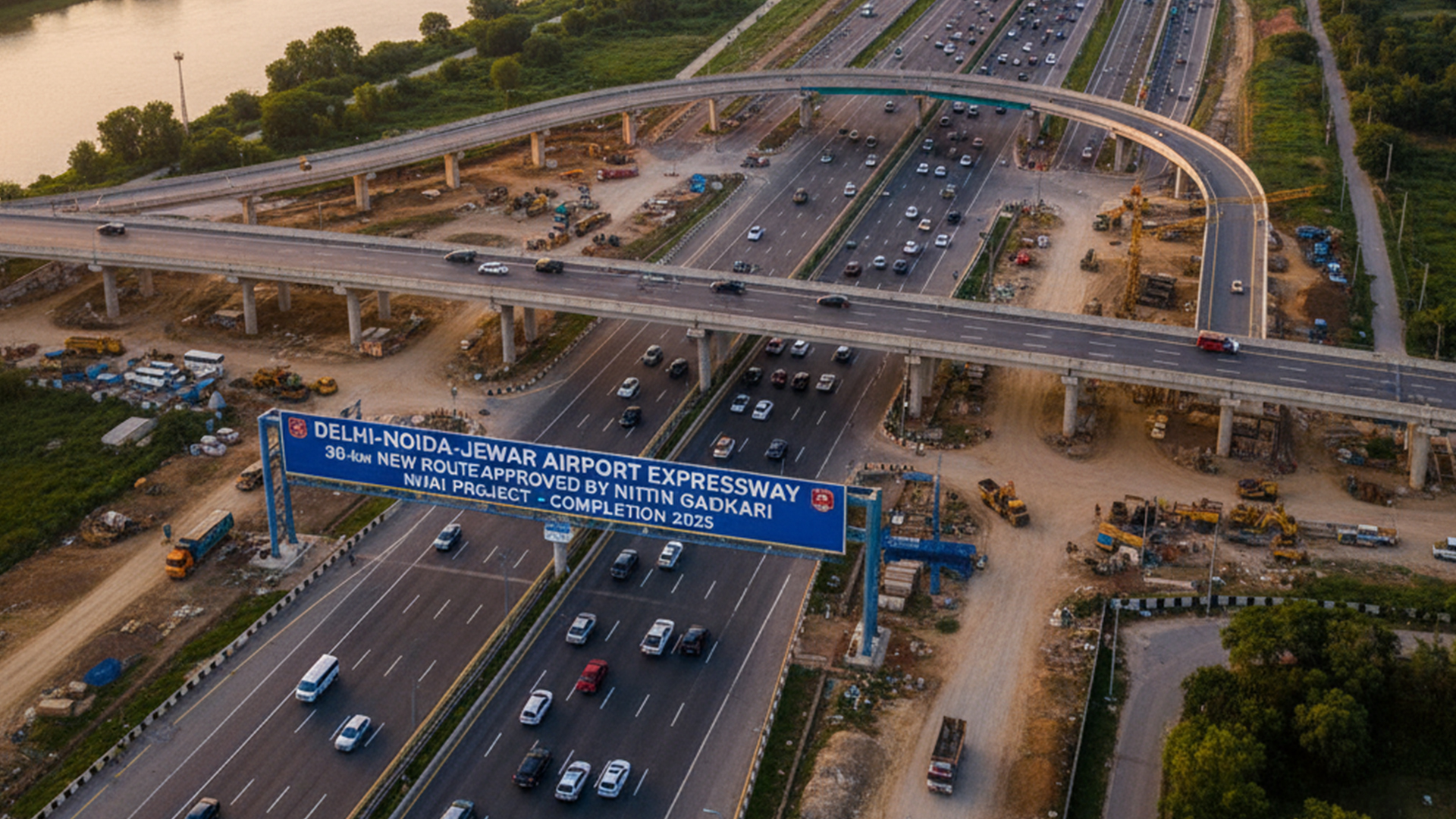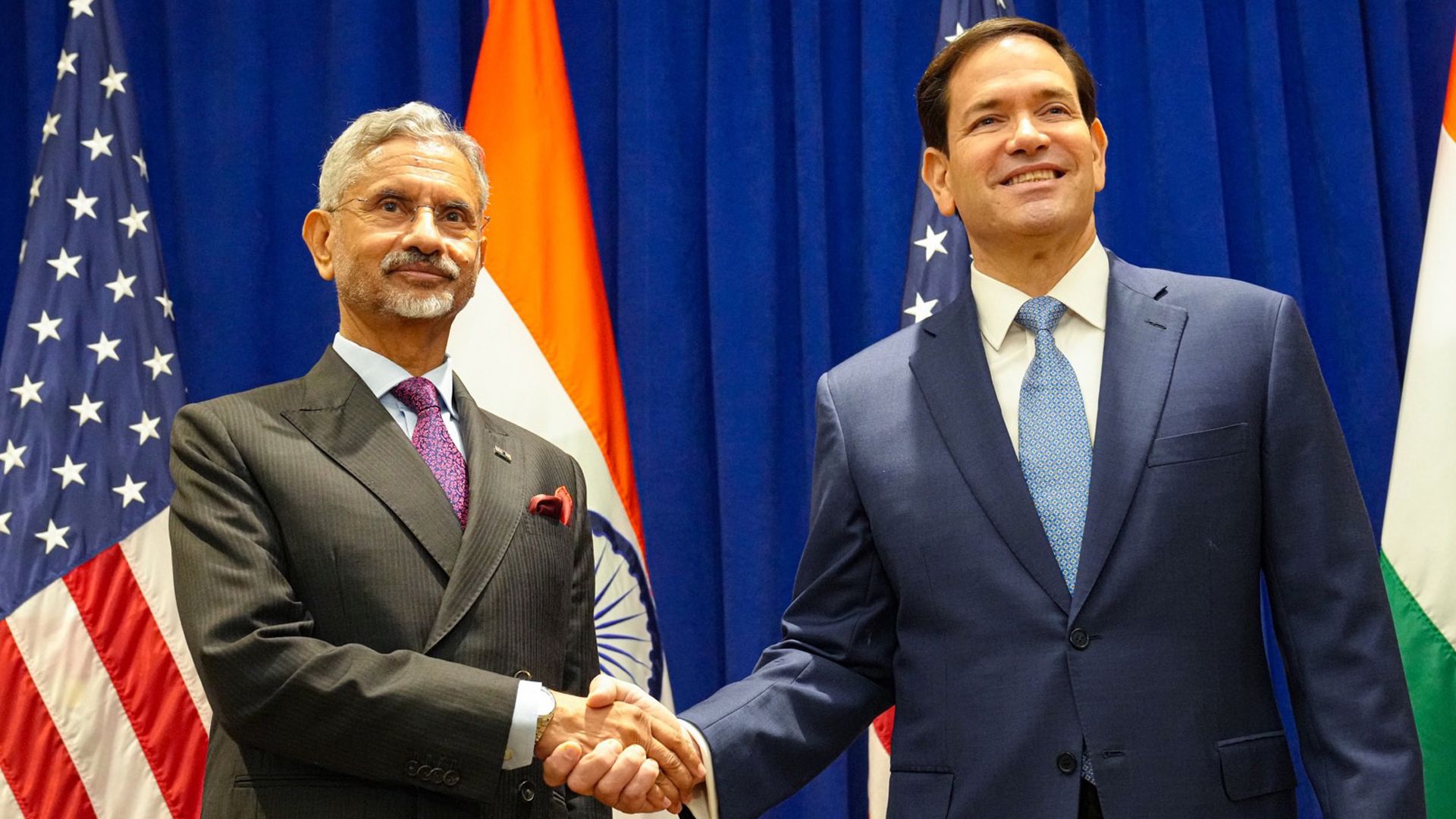
rotating globe
3 Apr 2026


India-US Ties Highlighted as ‘Critical’ by Secretary Rubio at UNGA Meet


US Secretary of State Marco Rubio underlined the “critical importance” of India’s relationship with the United States during a meeting with External Affairs Minister S. Jaishankar on the sidelines of the 80th United Nations General Assembly session in New York. The discussions focused on strengthening strategic cooperation between the two nations across trade, defence, energy, pharmaceuticals, and critical minerals.

According to Rubio, the talks were centered on aspects of the bilateral partnership aimed at “enhancing prosperity for both nations.” He tweeted, “Met with Indian External Affairs Minister S Jaishankar at UNGA. We discussed key areas of our bilateral relationship, including trade, energy, pharmaceuticals, and critical minerals and more to generate prosperity for India and the United States.”

An official release from the US Department of State acknowledged India’s continued engagement on multiple fronts and reaffirmed New Delhi’s pivotal role in Washington’s foreign policy framework. The statement emphasized that both leaders agreed to continue working together to promote a free and open Indo-Pacific region, including through the Quad, the informal strategic forum of the United States, India, Japan, and Australia.

The meeting, which lasted approximately an hour, marked the first interaction between Rubio and Jaishankar since the United States imposed a 50 percent tariff on Indian goods following New Delhi’s purchase of Russian oil. The hike in H-1B visa fees to $100,000 was also part of the discussions. Sources familiar with the meeting described it as “positive,” noting that both sides spoke candidly about the range of issues and agreed to maintain sustained engagement to make progress on priority areas.

Jaishankar also took to social media after the meeting, stating, “Good to meet @SecRubio this morning in New York. Our conversation covered a range of bilateral and international issues of current concern. Agreed on the importance of sustained engagement to progress on priority areas. We will remain in touch.” His remarks indicated that sensitive issues, including tariffs and visa fee hikes, were discussed constructively.

Trade, defence, and energy cooperation have remained central to India-US relations, with both nations emphasizing the strategic and economic importance of deepening ties. Critical minerals and pharmaceuticals were also discussed as areas where mutual collaboration could enhance technological and industrial capabilities. The two sides reiterated their commitment to leveraging joint initiatives to strengthen economic resilience and regional security in the Indo-Pacific.

The meeting comes amid heightened geopolitical tensions and economic pressures, including the US administration’s recent policy shifts affecting Indian exports and the tech sector. Analysts said the dialogue between Rubio and Jaishankar signals Washington’s recognition of India as a key partner in global trade, technology, and security, despite short-term disagreements on tariffs and visa issues.

Observers noted that the sustained engagement agreed upon during the UNGA session could pave the way for a more predictable and collaborative framework for resolving bilateral trade disputes, visa policies, and broader strategic cooperation. Both sides are expected to continue high-level interactions in the coming months to ensure that shared priorities, including economic growth, defence collaboration, and regional stability, remain on track.

The meeting reflects the broader US approach of viewing India as a critical partner in advancing a rules-based global order, reinforcing the significance of ongoing dialogue even amid policy differences.

Also Read: U.S. Court Examines Potential Breakup of Google’s Ad Tech Business

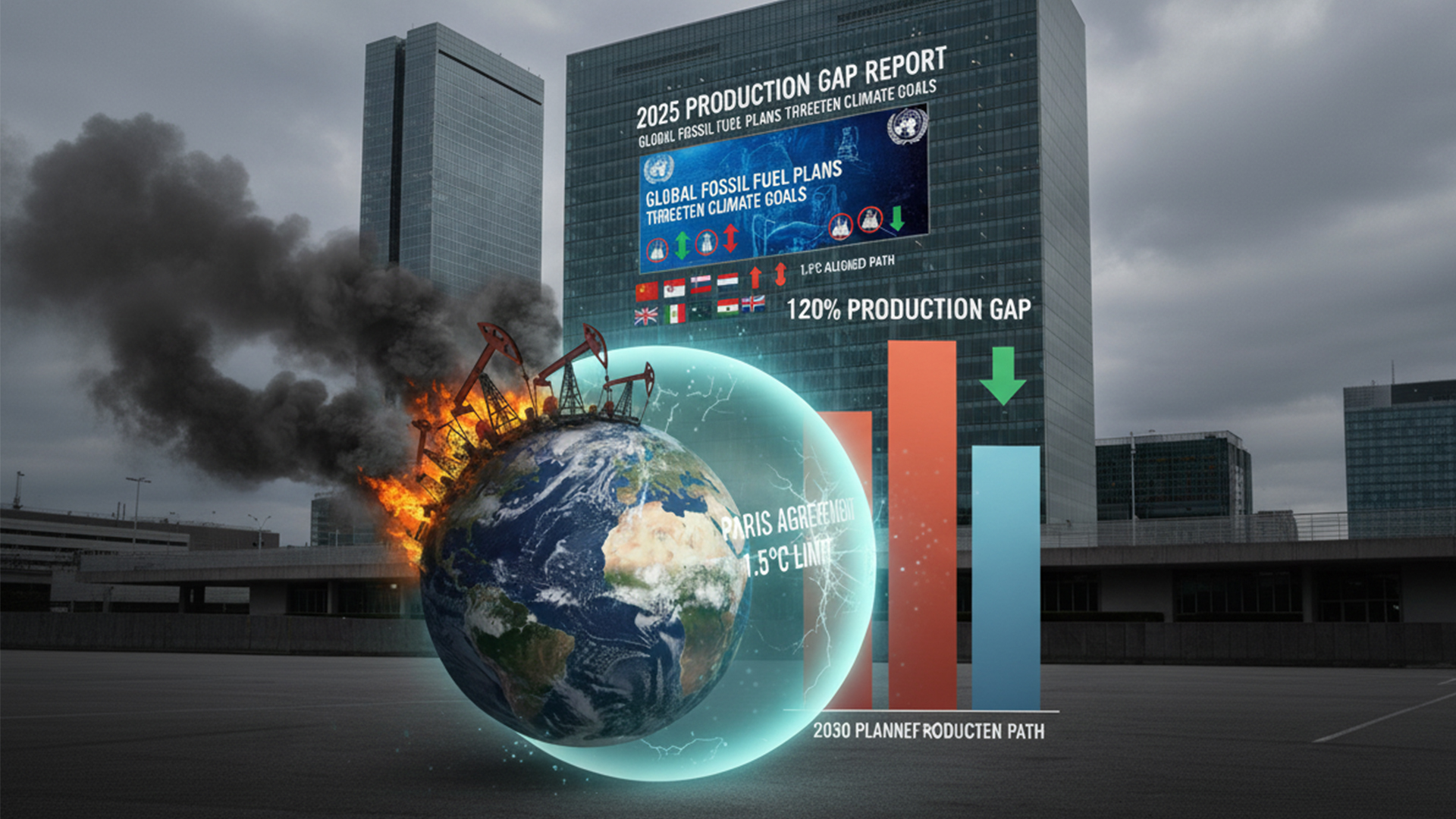
Global Fossil Fuel Plans Threaten Paris Agreement Goals, Warns 2025 Production Gap Report


A new report released ahead of a special high-level climate action event at the United Nations General Assembly underscores the growing gap between global fossil fuel production plans and the targets set by the Paris Agreement. The 2025 Production Gap Report, published by the Stockholm Environment Institute, Climate Analytics, and the International Institute for Sustainable Development, reveals that governments collectively plan to produce more than double the volume of fossil fuels in 2030 than would be consistent with limiting global warming to 1.5°C above pre-industrial levels. This represents a 120% increase over the 1.5°C pathway and a 77% increase over the 2°C pathway.

The report highlights that, despite the Paris Agreement’s goal to limit global warming, fossil fuel production plans have continued to rise. In 2023, the gap was 110% above the 1.5°C pathway and 69% above the 2°C pathway. This trend is particularly concerning as fossil fuels account for approximately 75% of global greenhouse gas emissions.

Notably, India is among the countries where fossil fuel production plans have increased. The report indicates that India’s coal production by 2030 is projected to exceed previous plans, contributing to the widening production gap. This is despite India’s efforts to expand clean energy sources, such as solar and wind power. In the first half of 2025, India’s power-sector carbon dioxide emissions declined by 1% year-on-year, marking only the second such drop in nearly 50 years. This decline was primarily due to a combination of record-breaking clean energy additions, milder weather that reduced electricity demand, and a surge in hydropower output.

The report also notes that 11 of the 20 major fossil fuel-producing countries, including the United States, Russia, China, and Saudi Arabia, plan to increase fossil fuel production by 2030. Only a few countries, such as the United Kingdom, Australia, and Norway, have committed to reductions. Experts urge governments to urgently reverse this trend and shift investments toward renewable energy, emphasizing that continued overproduction accelerates depletion of the global carbon budget.

In response to these findings, UN Secretary-General António Guterres convened a special high-level event on climate action during the UN General Assembly to bring renewed focus to the climate crisis. The event aims to galvanize international support for more ambitious climate commitments ahead of the upcoming climate conference in Brazil later this year.

The 2025 Production Gap Report serves as a stark reminder of the urgent need for governments to align their fossil fuel production plans with the Paris Agreement’s climate targets. Without significant policy changes and a concerted global effort to transition away from fossil fuels, the goal of limiting global warming to 1.5°C remains increasingly out of reach.

Also Read: U.S. Court Examines Potential Breakup of Google’s Ad Tech Business
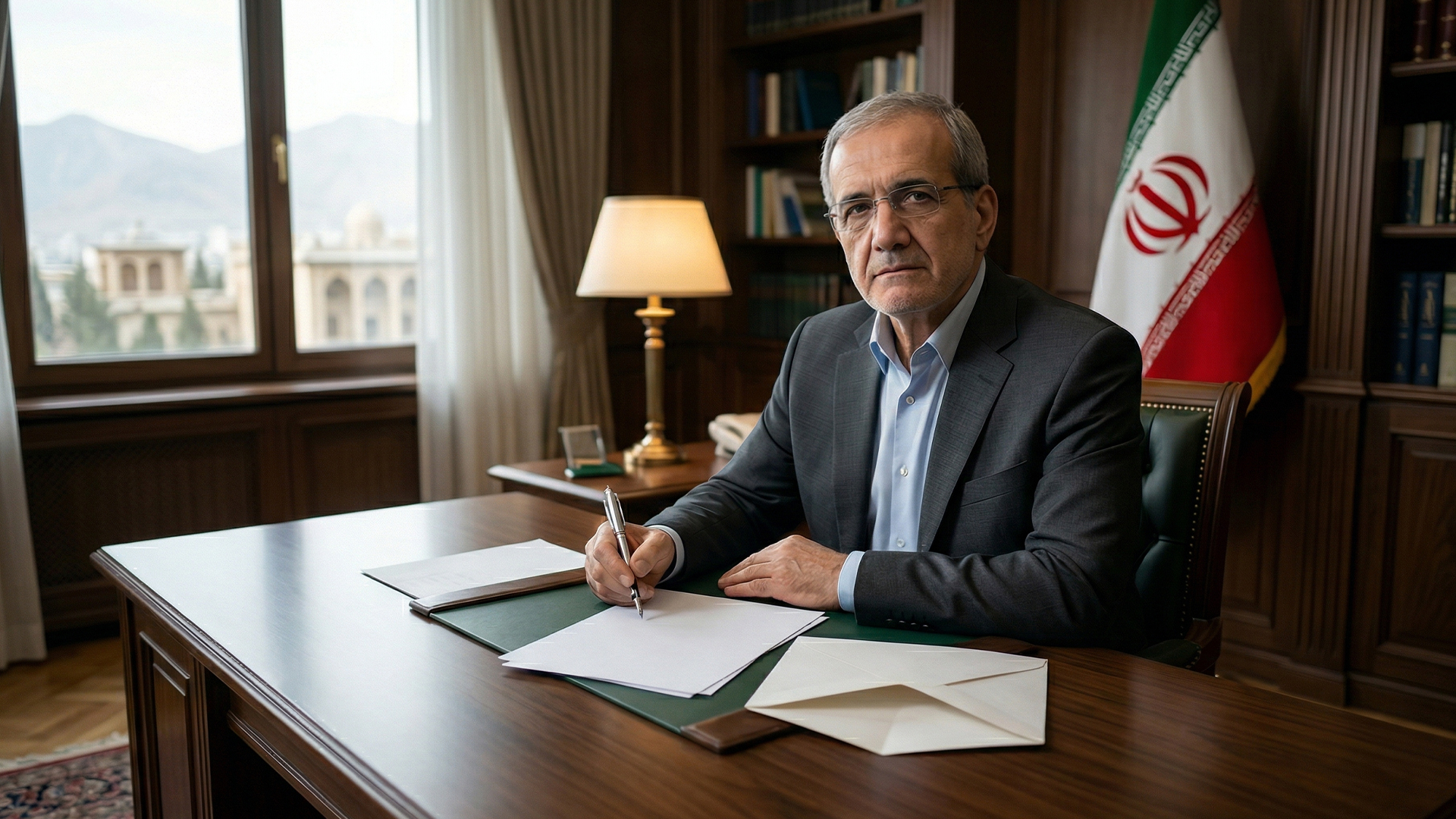
Dembélé and Bonmatí Win 2025 Ballon d’Or Awards


Ousmane Dembélé and Aitana Bonmatí were named the winners of the 2025 Ballon d’Or awards in Paris on Monday night, as football’s most prestigious individual honors highlighted both a dramatic personal comeback and continued dominance at the top level.

Dembélé, 28, claimed the men’s Ballon d’Or after a resurgent season with Paris Saint-Germain, scoring 25 goals in 20 games following a mid-season tactical shift. The French forward, once plagued by injuries and inconsistency during his time at Barcelona, delivered an emotional acceptance speech, thanking his family and club for their support during what he called “the hardest and most beautiful year” of his career.

Spain and Barcelona midfielder Aitana Bonmatí won the Ballon d’Or Féminin for the third consecutive year. Despite Barcelona falling short in the Champions League final and Spain finishing runners-up at the 2025 European Championship, Bonmatí was widely praised for her consistent brilliance and leadership on the field.

Other major awards included the Kopa Trophy for best young men’s player, awarded to 18-year-old Lamine Yamal of Barcelona, and the Yashin Trophy for best goalkeeper, which went to PSG’s Gianluigi Donnarumma. Chelsea’s Hannah Hampton received the women’s Yashin Trophy, while Arsenal striker Viktor Gyökeres was honored with the Gerd Müller Trophy as top scorer.

Paris Saint-Germain was named Best Men’s Club of the Year, with Arsenal receiving the women’s equivalent. England manager Sarina Wiegman was awarded the Johan Cruyff Trophy for Best Women’s Coach.

This year’s ceremony marked a generational shift in world football, with rising stars stepping into the spotlight as long-standing legends such as Lionel Messi and Cristiano Ronaldo were absent from the nominations for the first time in over 15 years.

Also Read: U.S. Court Examines Potential Breakup of Google’s Ad Tech Business

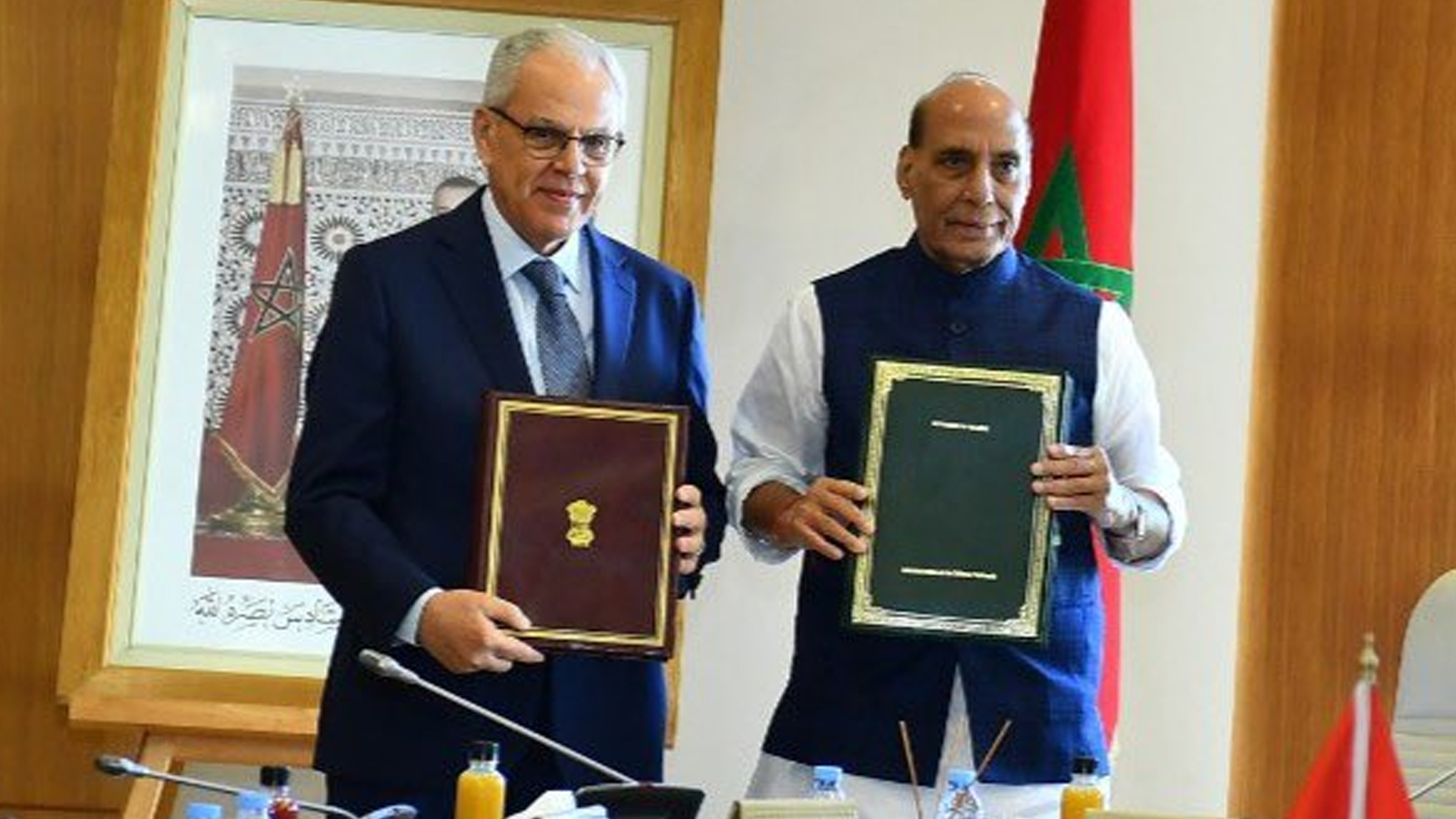
India and Morocco Sign MoU to Strengthen Defence Cooperation


India and Morocco have signed a landmark Memorandum of Understanding (MoU) to boost bilateral defence cooperation, marking a significant step in enhancing their strategic partnership. The agreement was signed in Rabat by Indian Defence Minister Rajnath Singh and Moroccan Minister Delegate for National Defence Administration, Abdeltif Loudiyi.

The MoU establishes a comprehensive framework for cooperation in various defence-related areas, including military training, capacity building, defence industry collaboration, and exchange of expertise. It also paves the way for joint military exercises, sharing of best practices, and coordination in fields such as counter-terrorism, cyber security, maritime security, and peacekeeping operations.

To further facilitate these engagements, India announced the establishment of a dedicated Defence Wing at its Embassy in Rabat. This move is expected to streamline communication and coordination between the two countries’ defence establishments.

Highlighting India’s growing capabilities in the defence manufacturing sector, the MoU also promotes collaboration in defence production, including co-development and co-production of military equipment. India showcased its advanced technologies in areas like unmanned aerial systems and anti-drone solutions, positioning itself as a potential partner to meet Morocco’s operational requirements.

The agreement holds strategic importance, particularly as both nations strive to expand their influence across the Indian Ocean and Atlantic maritime regions. It reflects India’s broader efforts to deepen defence ties with African nations and to project its defence diplomacy as part of its global outreach.

The MoU is viewed as a milestone in India-Morocco relations, marking a shift in their traditionally cordial ties toward a more robust and multifaceted strategic partnership.

France Officially Recognizes Palestinian State at UN Summit Amid Global Divisions


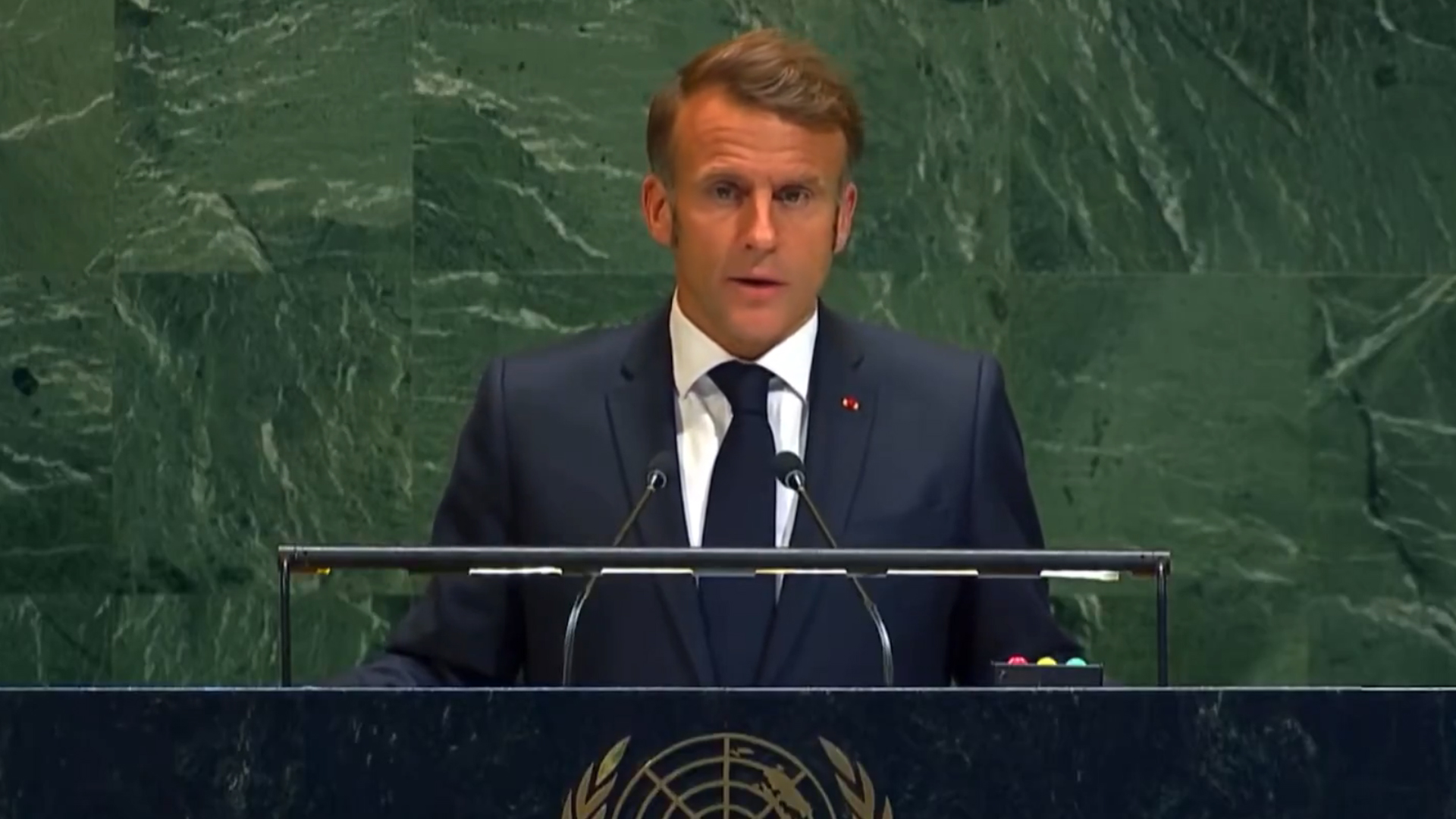
In a landmark move at the United Nations General Assembly on September 22, 2025, French President Emmanuel Macron announced France’s official recognition of the State of Palestine.

This declaration, made during a high-level summit co-hosted with Saudi Arabia, marks a significant shift in international diplomacy concerning the Israeli-Palestinian conflict.

President Macron emphasized that the recognition was not merely symbolic but a necessary step toward achieving lasting peace in the region.

He stated that “the time has come to end the war in Gaza, the massacres, and the death.” Macron framed the decision as a strategic step against Hamas, asserting that empowering a reformed Palestinian Authority (PA) would help marginalize the militant group and pave the way for a two-state solution.

The announcement was met with applause from many in the assembly, including Palestinian President Mahmoud Abbas, who addressed the summit virtually after being denied a visa by the U.S.

He commended the 149 nations that had already recognized a Palestinian state and called for Hamas to surrender its weapons to the PA.

France’s decision aligns with similar moves by other countries, including the United Kingdom, Canada, Australia, and several European nations such as Belgium, Luxembourg, Malta, and Monaco.

With these additions, approximately three-quarters of UN member states have now recognized Palestine.

UN Secretary-General António Guterres supported the recognition, stating that Palestinian statehood is a “right, not a reward.”

He condemned the ongoing violence and settlement expansion, urging all parties to halt actions that undermine the prospects for a two-state solution.

However, the move has faced strong opposition from Israel and the United States. Israeli officials dismissed the initiative, with Prime Minister Benjamin Netanyahu warning that such recognition could lead to annexation of parts of the West Bank.

The U.S. administration, under President Donald Trump, also criticized the recognition, warning of potential Israeli retaliation and claiming the move could embolden Hamas.

In response to the escalating conflict in Gaza, President Macron proposed the establishment of a UN-mandated international stabilization force to oversee the disarmament of Hamas and support the PA in governing Gaza, the West Bank, and East Jerusalem.

The plan aims to marginalize Hamas by excluding it from power and providing security and training to the PA police force.

The diplomatic developments in New York coincide with intensified military actions in Gaza City, where Israeli forces have launched a new ground offensive, resulting in significant casualties.

The humanitarian crisis continues to worsen, with tens of thousands displaced since mid-August.

Arab and Muslim leaders are set to meet with President Trump to discuss their separate plan for a stabilization force in Gaza.

They are likely to insist that the PA be given a future role in governance and that any roadmap to a two-state solution exclude further Israeli settlements or annexation of the West Bank.

As the international community grapples with these developments, the recognition of Palestine by France and other nations underscores a growing global consensus in favor of a two-state solution.

However, the stark divisions between key international actors, particularly Israel and the U.S. on one side and France and its allies on the other, highlight the complexities and challenges that lie ahead in achieving lasting peace in the region.

Also Read: U.S. Court Examines Potential Breakup of Google’s Ad Tech Business
U.S. Court Examines Potential Breakup of Google’s Ad Tech Business


Google faces renewed scrutiny in federal court on Monday as U.S. government lawyers push for the breakup of the company’s advertising technology operations. The case marks the second major antitrust challenge against the California-based tech giant this year, following a separate court decision earlier in September that rejected a government demand to divest parts of Google’s broader empire.

Monday’s trial focuses on Google’s ad tech “stack,” the suite of tools that publishers use to sell digital ads and advertisers use to purchase them. Earlier this year, U.S. Federal Judge Leonie Brinkema ruled that Google held an illegal monopoly in this sector. The current phase of the trial will determine the remedies the company must implement to address its dominant market position.

The U.S. Department of Justice is seeking the divestiture of Google’s ad publisher and exchange operations and proposes that the company be barred from operating an ad exchange for a decade following the divestitures. Google contends that these measures are technically unfeasible, exceed the court’s findings, and could negatively affect the digital advertising market.

In Europe, regulators have also targeted Google’s ad tech business. The European Commission recently fined the company 2.95 billion euros ($3.47 billion) for market control, ordering behavioral remedies rather than structural separation.

This trial follows an earlier U.S. case in which Google was found to hold an illegal monopoly in online search. While the government had sought a divestiture of Google’s Chrome browser, the court instead required the company to share data with competitors, a decision that contributed to a significant rise in Alphabet’s stock value.

The outcome of the current ad tech trial is expected to influence future rulings in related antitrust cases, as the Biden administration continues a bipartisan push against the market dominance of major technology firms. The U.S. currently has five pending antitrust lawsuits against leading tech companies, reflecting intensified regulatory oversight of the digital economy.

Also Read: GST 2.0 Rolls Out: Tax Relief on Essentials, Autos

Karnataka Begins Caste Survey Amid Controversy


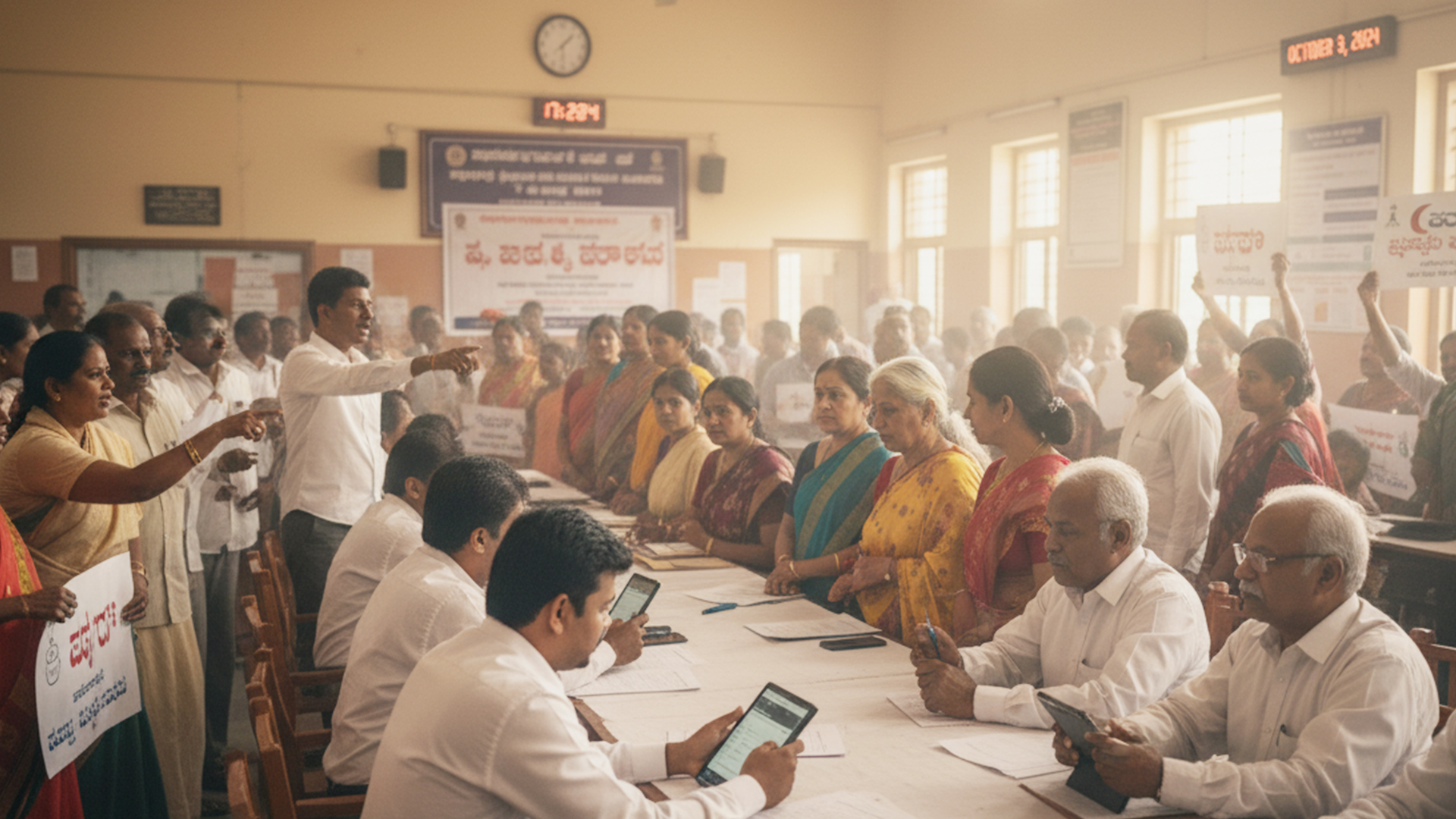
Karnataka has launched its much-anticipated socio-educational survey, commonly known as the caste census, aiming to collect detailed data on the state’s social, economic, educational, and caste composition. The survey started today and will continue until October 7, covering roughly 7 crore people across 2 crore households.

Conducted by the Karnataka State Commission for Backward Classes, this survey follows a similar effort in 2015 that was discontinued due to concerns about its methodology. Around 1.75 lakh enumerators, primarily government school teachers, have been mobilized for the task. The government has allocated an estimated ₹420 crore for the exercise.

Enumerators will use a 60-question app featuring Aadhaar integration, face recognition, and geo-tagging of households through electricity meter numbers. Each household will be assigned a Unique Household ID (UHID) to ensure accurate verification and avoid duplication. Ration card and Aadhaar details will be linked to mobile numbers during data collection. A helpline and online option are also available for those unable to participate in person.

The survey has sparked debate over caste and religious identity. To avoid controversy, the government has masked certain caste names with Christian prefixes, such as “Kuruba Christian” and “Brahmin Christian,” in the app’s dropdown menus. However, individuals can still self-identify freely. Following objections, 57 Christian-caste categories were removed from the official list.

Political opposition, particularly from the BJP, has criticized the survey, accusing the ruling Congress government of creating divisions within Hindu communities. Some Congress members have also expressed concerns, arguing that caste identities should not apply to those who have converted to other religions.

Various community groups, including Vokkaligas, Veerashaiva-Lingayats, Kurubas, Muslims, and Brahmins, are deliberating on how their members should respond. Vokkaliga leaders have advised followers to identify as Hindu and list “Vokkaliga” as their caste, minimizing sub-caste mentions.

Critics have also questioned the short timeframe, comparing it to Telangana’s caste survey, which took 65 days to cover only half the population. Calls for extending the survey duration or conducting it in phases have been made to ensure accuracy.

The Karnataka government defends the survey, citing the need to update the backward classes list and improve policy-making and welfare delivery. The survey is carried out under Section 11(1) of the Karnataka State Commission for Backward Classes Act, 1995, which requires a review every ten years.

Results from the survey are expected to impact reservation policies and social justice initiatives across Karnataka.

Also Read: Thousands Mourn Assam’s Icon Zubeen Garg at Guwahati Farewell

Thousands Mourn Assam’s Icon Zubeen Garg at Guwahati Farewell


Thousands of grieving fans thronged Sarusajai Stadium in Guwahati on Monday, September 22, 2025, to pay their last respects to Assam’s cultural icon, Zubeen Garg. The 52-year-old singer, whose untimely death in Singapore on Friday, September 19, sent shockwaves across the Northeast, lay in a glass casket draped with a traditional Assamese gamosa, drawing an overwhelming outpouring of love and grief.

Fans began queuing through the night, waiting hours under the scorching sun to catch a final glimpse of the beloved singer. Many offered flowers and gamosas, while others recorded the emotional farewell on their mobile phones. Despite the intense heat, hundreds of mourners sang Garg’s iconic songs outside the stadium, refusing to leave even after paying tribute. Medical teams treated several people who fell ill from the heat and fatigue.

Prominent personalities, including singer Papon, joined the throngs of mourners, many visibly breaking down as they bowed before ‘Zubeen da’. Garg’s wife, Garima, expressed heartfelt gratitude for the “overwhelming love and blessings” shown by fans.

The singer’s mortal remains had reached Guwahati on Sunday, September 21, from Singapore, where he tragically drowned while swimming. His body was first taken to his residence at Kahilipara, with thousands lining the 25-km stretch from the airport to pay homage. Crowds had already begun gathering at the Arjun Bhogeswar Baruah Sports Complex in Sarusajai from Saturday evening, swelling into lakhs by Sunday, braving both heavy rains and heat to mourn their beloved star.

Assam Chief Minister Himanta Biswa Sarma personally inspected the site of Garg’s cremation at Kamarkuchi NC village in the Sonapur revenue circle near Guwahati on Sunday night. “All necessary works like earth filling and boundary preparation will be completed to preserve the sanctity of the place,” he said in a post on X, adding that his officers would work through the night to prepare the site.

The cabinet had decided to cremate Zubeen Garg at Kamarkuchi in accordance with the family’s wishes for a final resting place in or near Guwahati. There had also been demands from the people of Jorhat, where the singer spent his formative years, that the cremation be held there. Garg will be cremated with full state honours on Tuesday, September 23, with heavy vehicle movement on the adjacent highway restricted to ensure smooth proceedings.

The State Government had initially declared a three-day mourning period until September 22, which has now been extended to coincide with the day of the cremation. Fans and admirers from across Assam and neighboring states continue to arrive in Guwahati to pay tribute to the singer whose contributions to Assamese music and culture made him a household name.

Zubeen Garg’s sudden passing has left a void in the cultural landscape of Assam. Known for his versatility across genres, his soulful voice, and his unwavering connection with his audience, Garg’s legacy is celebrated not just for music but for the profound influence he had on generations of Assamese youth. As the state prepares to bid its final farewell, the outpouring of grief underscores the deep bond between the singer and the people he inspired.

Also Read: GST 2.0 Rolls Out: Tax Relief on Essentials, Autos

Amazon, Flipkart Festive Sales Go Live: Big Deals, Bigger Smiles


India’s biggest online shopping festivals are back, and this year, they’re even more tempting for buyers. Amazon and Flipkart have launched their annual festive sales, marking the start of weeks of major discounts, deals, and shopping excitement just in time for Navratri and Diwali.

The Great Indian Festival (Amazon) and Big Billion Days (Flipkart) have already opened their doors to members who get early access. For everyone else, the sales will be live very soon, and there’s plenty to look forward to.

One big reason prices are looking better this year is a recent tax change. The government has reduced GST (Goods and Services Tax) on large appliances like air-conditioners, refrigerators, dishwashers, and TVs from 28% to 18%. That means lower prices on many of the items people often buy during the festive season.

Along with that, online shoppers can expect big discounts across a wide range of categories – smartphones, laptops, clothing, furniture, kitchen gadgets, and more. Some items are being offered at up to 80% off, and top brands like Samsung, Apple, LG, Godrej, and Whirlpool are part of the sale.

To make things easier for shoppers, both platforms are offering flexible payment options like “Buy Now, Pay Later” and no-cost EMIs. Extra discounts are also available for people using certain credit and debit cards.

Experts believe this festive season could set new records for online shopping, with millions of people expected to grab deals from their phones and laptops rather than heading to crowded markets. With the combination of lower taxes, better prices, and more payment flexibility, shoppers are expected to spend more this year than ever before.

These sales will continue through October, with fresh deals dropping regularly. So whether you’re eyeing a new phone, planning to upgrade your home appliances, or just want to stock up on festive clothes and gifts, this is one of the best times of the year to shop online.

Also Read: GST 2.0 Rolls Out: Tax Relief on Essentials, Autos

30-Km Expressway Approved for Delhi-Noida to Jewar Airport


The Delhi-Noida-Greater Noida region is set for a major connectivity upgrade with the approval of a new 30-kilometre expressway linking the area directly to the upcoming Jewar International Airport. The project, which will run along the Yamuna River parallel to the existing Noida-Greater Noida Expressway, aims to significantly ease traffic congestion and reduce travel time to the airport.

The proposal was championed by Gautam Buddha Nagar MP Dr Mahesh Sharma and recently received clearance from Union Minister for Road Transport and Highways Nitin Gadkari. Gadkari announced the approval during a plantation drive at the Jewar airport site, stating that the National Highways Authority of India (NHAI) will oversee the project’s implementation and assured that funding will not be a hurdle.

This new expressway is part of a broader ₹1.2 lakh crore infrastructure plan underway for the Delhi-NCR region, with nearly half the projects already completed. The government intends to invest an additional ₹40,000-50,000 crore in further development.

The expressway will connect Pushta Road with both the Noida-Greater Noida Expressway and the Yamuna Expressway, providing a direct route for travelers from Delhi to the Jewar airport without having to navigate the heavily congested Noida-Greater Noida Expressway, which currently handles around five lakh vehicles daily.

The project received in-principle approval earlier this year from the Noida Authority, with implementation initially planned by the Uttar Pradesh Expressway Industrial Development Authority (UPEIDA). However, the Centre has now proposed the NHAI take charge to ensure better funding and execution.

Jewar International Airport is slated to begin domestic and cargo operations by September 2025, with international flights expected to commence by November 2025, making the timely completion of the expressway crucial.

Also Read: Jaishankar to Meet U.S. Secretary Rubio Amid Trade Tensions