rotating globe
3 Apr 2026


Mohanlal Receives Dadasaheb Phalke, Dedicates to Malayalam Cinema


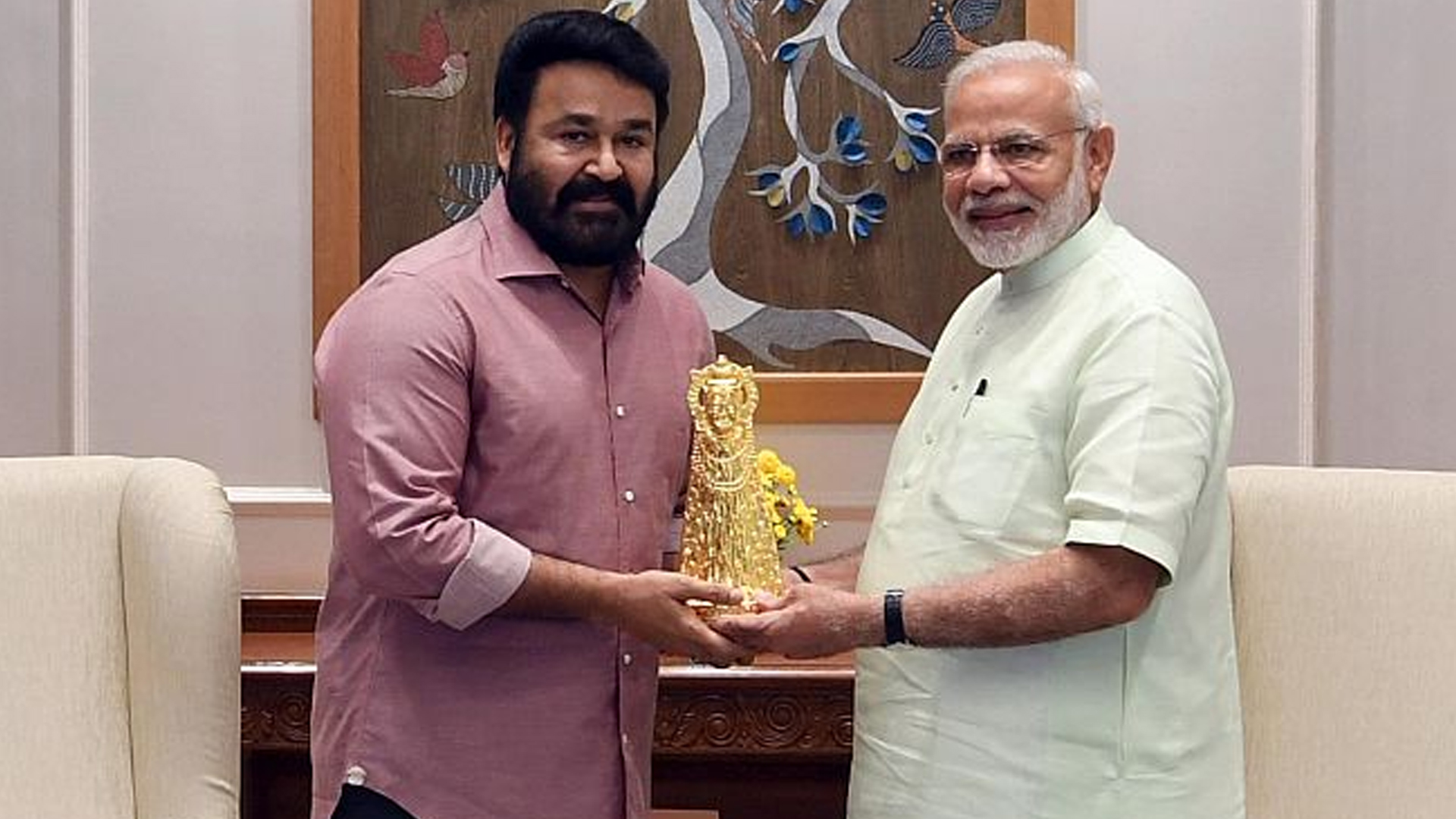
Legendary actor Mohanlal has been conferred with the Dadasaheb Phalke Award, India’s highest honour in cinema, for his outstanding contribution to the Indian film industry. The award, which recognises lifetime achievement in cinema, will be officially presented at the 71st National Film Awards in New Delhi.

Speaking in Kochi on Sunday, Mohanlal, the most revered Malayalam superstar,  dedicated the honour to the Malayalam film industry, calling it a recognition of the region’s artistic legacy and the people who shaped his career. “This is not just my award. I dedicate it to Malayalam cinema and all those who’ve walked with me on this journey,” he said. 

Prime Minister Narendra Modi congratulated the actor, calling him “a powerhouse of talent who has enthralled audiences across generations.” Andhra Pradesh Chief Minister N. Chandrababu Naidu and several industry peers also hailed the recognition.

With a career spanning over four decades and more than 350 films across five languages, Mohanlal is widely regarded as one of India’s most versatile actors. He has previously received the Padma Shri and Padma Bhushan, among numerous national and state awards.

Returning home to inform his mother of the news, Mohanlal described the moment as humbling and emotional. He added that the honour should inspire future generations of filmmakers and artists.

This is the first time in 20 years that a Malayalam cinema personality has received the Dadasaheb Phalke Award, last awarded to filmmaker Adoor Gopalakrishnan.

Also Read: GST 2.0 Rolls Out: Tax Relief on Essentials, Autos

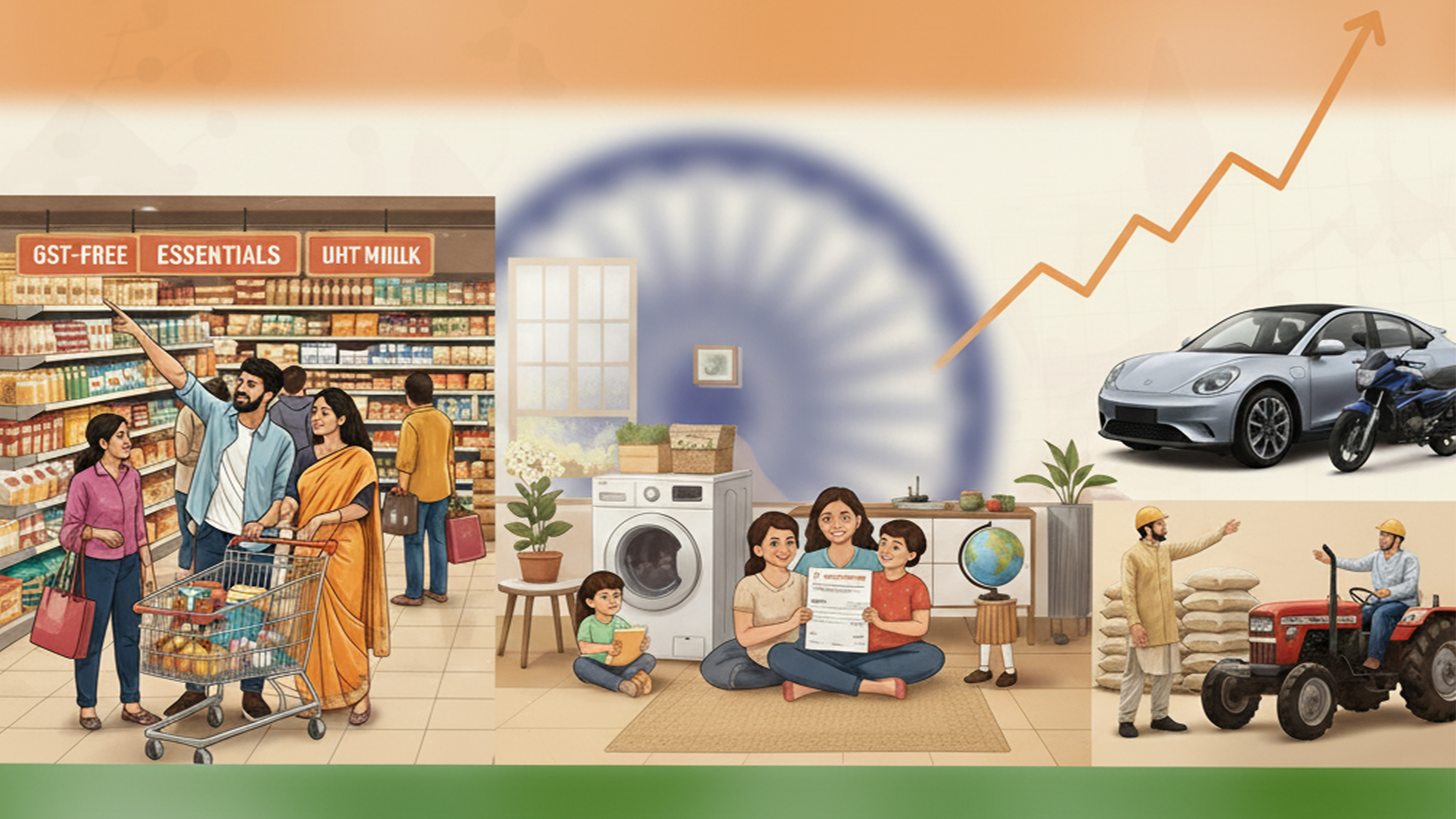
GST 2.0 Rolls Out: Tax Relief on Essentials, Autos


The Government of India has rolled out GST 2.0 reforms today, introducing wide-ranging reductions in GST rates on numerous goods and services. The move, aimed at easing costs for consumers and boosting economic growth, was approved by the GST Council and is expected to add nearly ₹2 lakh crore to the economy.

Key Changes for Consumers

Staple foods like chapati, paranthas, UHT milk, and paneer are now exempt from GST. Other items, including butter, ghee, dry fruits, cheese, jams, breakfast cereals, and ice cream, have been lowered to a 5% tax rate, reducing household grocery expenses.

Life and health insurance premiums are exempted from GST. Life-saving medicines, medical devices, and diagnostic kits have been placed under a 5% GST slab, helping reduce medical costs.

Electric vehicles (EVs) attract a reduced 5% GST rate to promote clean transport. Small cars and motorcycles (up to 350cc) now have an 18% tax, down from 28%, while larger vehicles remain taxed at 28%.

Tax on TVs, refrigerators, washing machines, dishwashers, and air conditioners has been cut from 28% to 18%, making these appliances more affordable.

Essential school supplies such as pencils, sharpeners, exercise books, and globes are GST-free, with footwear and textiles taxed at 5%.

Items like toothpaste, soaps, talcum powder, hair oil, kitchen utensils, umbrellas, bicycles, and bamboo furniture now come under a 5% GST bracket.

Spas, salons, gyms, yoga centres, and health clubs now attract 5% GST instead of 18%, although input tax credit benefits have been removed for these services.

The cement tax has been cut from 28% to 18%. Agricultural machinery, fertilisers, tractor parts, and sewing machines are taxed at 5%, aiding the rural and farm sectors.

Economy flight tickets and hotel rooms up to ₹7,500 per night now attract a 5% GST, lowering travel costs for many. Third-party insurance for goods vehicles has also been reduced.

Finance Minister Nirmala Sitharaman highlighted that these reforms will reduce the tax burden on consumers, boost affordability, and drive consumption. By rationalizing GST rates while adjusting input tax credits, the government aims to balance revenue needs with public benefit.

The GST 2.0 overhaul is expected to spur demand in sectors like automobiles, consumer durables, and housing, supporting job creation and sustainable economic growth.

Jaishankar to Meet U.S. Secretary Rubio Amid Trade Tensions


External Affairs Minister S. Jaishankar will meet U.S. Secretary of State Marco Rubio in New York on Monday, September 22, 2025, for bilateral discussions on the sidelines of the high-level 80th session of the U.N. General Assembly (UNGA).

This will be the first face-to-face meeting between Jaishankar and Rubio following President Donald Trump’s imposition of an additional 25% tariff on India for its purchases of Russian oil, taking the total levies imposed by the Trump administration to 50%. According to the State Department’s schedule, the meeting is set for Monday morning in New York City.

The two leaders last met in July in Washington, D.C., during the Quad Foreign Ministers’ meeting. The bilateral engagement coincides with India-U.S. discussions aimed at reaching an early conclusion of a trade agreement. A delegation led by Union Commerce and Industries Minister Piyush Goyal will also meet U.S. officials on Monday to advance negotiations for a mutually beneficial deal.

The Commerce Ministry noted that during the recent visit of U.S. Trade Representative officials to India on September 16, positive discussions were held across several trade issues, and both sides agreed to intensify efforts toward a conclusion.

Jaishankar arrived in New York on Sunday and began his engagements with a bilateral meeting with Philippine Secretary of Foreign Affairs Theresa P. Lazaro. “We followed up on the recent State Visit of President Marcos to India and discussed cooperation in the UN and Indo-Pacific region,” Jaishankar said.

Lazaro added that their discussions reaffirmed the commitment of the Philippines and India as Strategic Partners to strengthen cooperation in political, defence, security, and maritime domains.

During the UNGA week, Jaishankar will hold multiple bilateral and multilateral meetings and is scheduled to deliver India’s national statement at the General Debate on September 27 from the iconic UNGA podium.

Also Read: Will Trump Turn the Screws on Adani to Corner Modi?

India Speeds ‘Bodyguard’ Satellites After Close Call


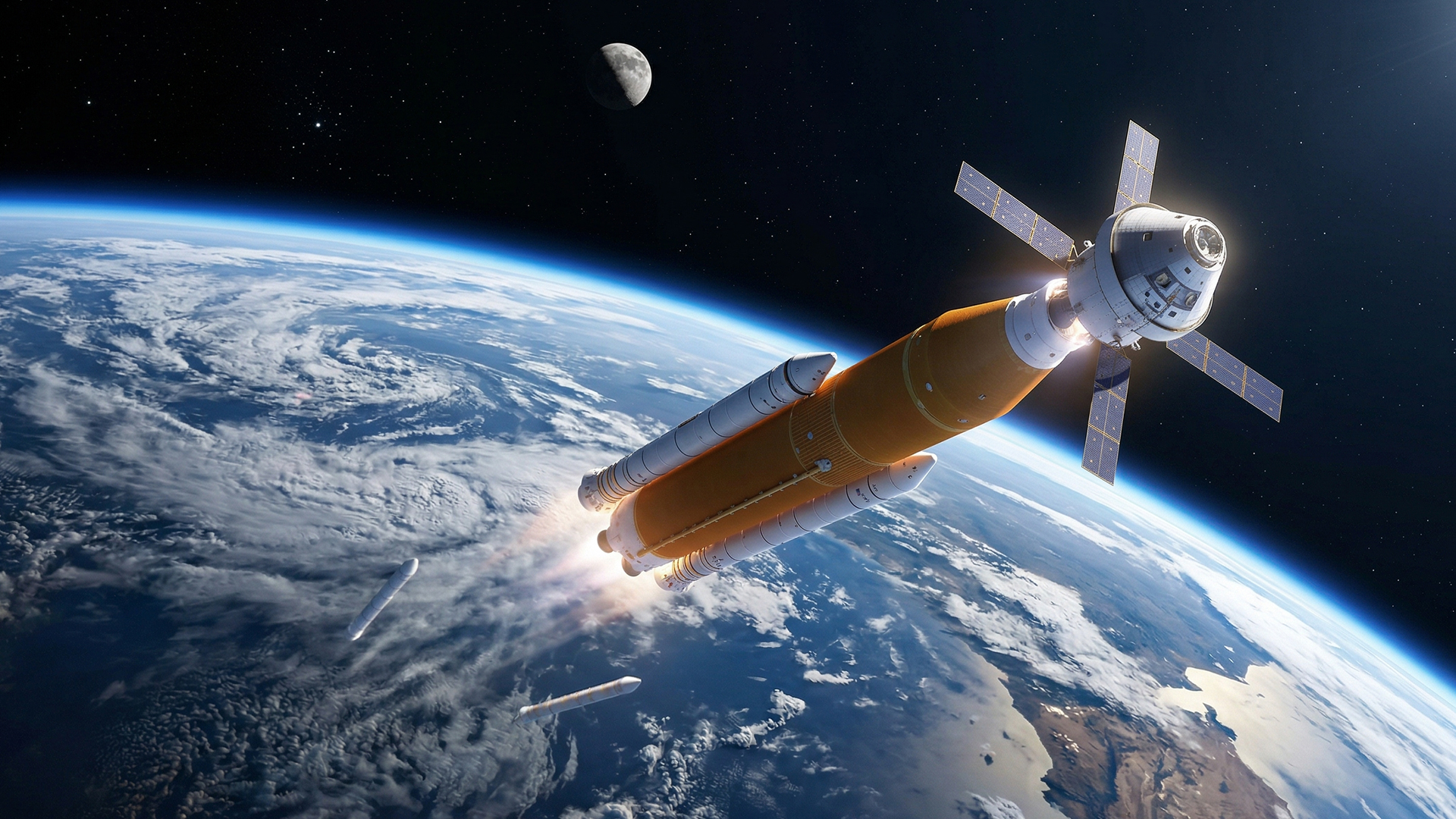
India is stepping up its space security measures by developing a fleet of “bodyguard” satellites to protect its valuable orbital assets. This move comes in the wake of a recent near-collision incident, where an unidentified satellite from a neighboring country came dangerously close within one kilometer to an Indian Space Research Organisation (ISRO) satellite operating in low Earth orbit.

The incident has highlighted the growing risks posed by the increasing congestion and potential hostility in space, prompting the Indian government to invest heavily in advanced surveillance and defense technologies. Working closely with innovative startups, India plans to launch a constellation of approximately 50 surveillance satellites by next year, with an initial investment of around $3 billion.

Key among the new technologies are Light Detection and Ranging (LiDAR) satellites designed to work alongside ground-based radar and telescopes to continuously monitor and track nearby space objects. This layered approach aims to provide early warnings of potential threats and prevent collisions or hostile actions against Indian satellites.

These initiatives form part of India’s broader Space-Based Surveillance (SBS) program, which envisions deploying satellites in both low Earth and geostationary orbits. The government’s push reflects a strategic priority to safeguard its space infrastructure and maintain a competitive edge amid an increasingly contested orbital environment.

As space becomes a critical frontier for national security and technological advancement, India’s proactive steps underscore its commitment to securing its presence in orbit and ensuring uninterrupted access to space-based services.

Also Read: Modi Unveils ₹34,200 Crore “Samudra se Samriddhi” Push

Will Trump Turn the Screws on Adani to Corner Modi?


BY BYRON NEALE

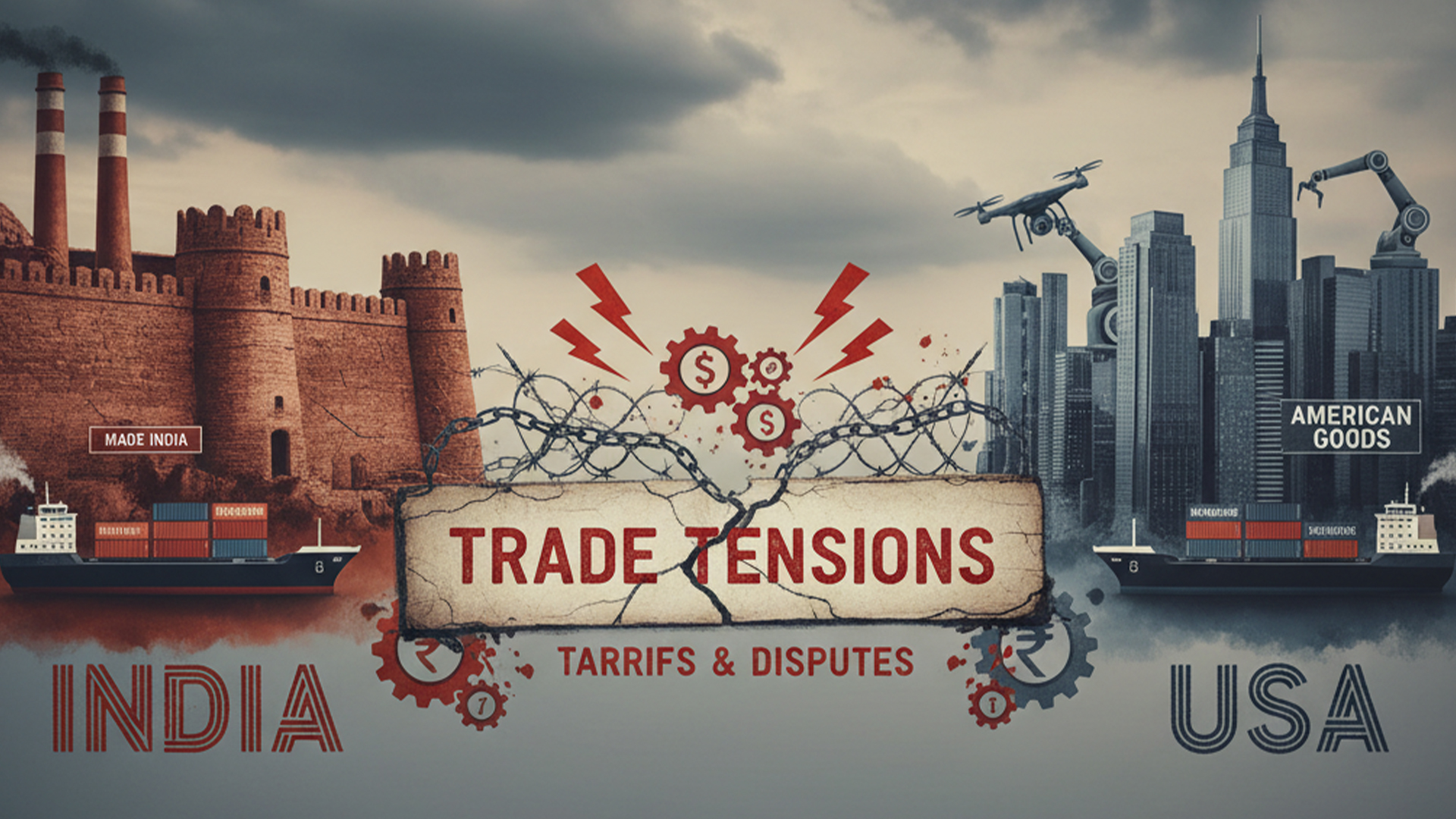
Donald Trump has rarely tolerated losing face. And yet, that’s exactly where he finds himself in the escalating standoff with India. After levying a brutal 50 percent tariff on Indian exports—first as “reciprocal” punishment, then as a chokehold tied to India’s continued purchase of discounted Russian oil—US President Trump expected India’s Prime Minister to blink. Instead, Narendra Modi doubled down, presenting calm defiance on the global stage and quietly rallying domestic industry to withstand the economic shock.

For Trump, this isn’t just about trade. It’s about control, optics and power. And now, with little leverage left on the tariff front and major US companies warning of blowback, his circle may be eyeing a darker, quieter lever: Adani.

The Adani Group, a sprawling conglomerate with major interests in India and abroad across energy, infrastructure and logistics, has long lived with controversy. In early 2025, Adani emissaries reportedly lobbied Trump administration officials in Washington, seeking to ease ongoing probes by the US Department of Justice and the US Securities and Exchange Commission. The probes had been initiated on the back of indictments secured by the outgoing Biden administration.

When Trump took office, the DoJ seemed uninterested in pushing the matter, signalling a transactional détente. But now, if Trump decides that Modi needs to be shown his place—or that his own narrative needs a hard pivot—resurrecting those dormant investigations could serve both aims. The DoJ and SEC hold the tools. All Trump needs right now is a motive, and the standoff with Modi may be all the provocation he requires.

It wouldn’t be the first time Trump has used institutions like bludgeons. During his first presidency, he consistently blurred the lines between legal authority and political strategy. If he believes that targeting Adani—a company closely linked to Modi’s domestic economic vision—can create pressure, it would align perfectly with his style: indirect, deniable and devastatingly effective.

This tactic would be more than symbolic. Adani is one of India’s most internationally exposed conglomerates. A wave of legal messages, subpoenas or enforcement actions from the DoJ or SEC could rattle investor confidence, slow infrastructure deals involving US companies and shift the conversation in India’s policy circles. If the Indian government sees Trump’s pressure campaign not as bluster but as credible economic sabotage, it may be forced to recalculate its defiant posture.

The problem for Trump is that India isn’t without counters. Modi has already moved swiftly to cushion the blow of US tariffs by slashing domestic taxes and removing key barriers to trade with other partners. And he could go further. India could pull policy levers that make life more difficult for American companies operating in its increasingly critical market. Big Tech, for instance, has benefited massively from India’s deregulation push. A significant portion of Apple’s global iPhone supply flows from India. Google is building its largest Asia-based data centre in Andhra Pradesh. Meta’s WhatsApp has woven itself into the fabric of Indian commerce and communication. IBM, Intel and others have integrated India into their strategic roadmaps.

These giant corporations have bet on India as a hedge against China. If Trump continues to antagonize Delhi and Indian policymakers decide to retaliate, these same firms could find themselves collateral damage in a larger geopolitical realignment. Even tiny regulatory shifts—around data localization, taxation or content moderation—could cost billions. And the threat of boycotts of US products and services, whipped up by nationalistic fervour, looms larger every week.

There’s another twist Trump may not have considered. For years, India kept TikTok out of its market, citing national security and data privacy. But if relations with Washington sour further, India might welcome the Chinese app’s return—not as a policy reversal, but as a message. If the US wants to play hardball, India has plenty of balls to throw.

What Trump risks, ultimately, is driving India further into the arms of China, Russia and the BRICS economic bloc, where Modi can leverage partnerships without the constant threat of humiliation. That would mark a strategic failure of historic proportions—undermining a decades-long US effort to pull India closer into its sphere of influence.

But Trump rarely thinks in terms of alliances or long games. He thinks in headlines, in wins and losses. And right now, he’s losing. If he listens to his most hawkish advisors, he might reach for the regulatory equivalent of a drone strike—reviving the Adani investigations as a show of force.

If Trump chooses to do so, the fallout won’t stop in Delhi. It’ll land squarely on Cupertino, Mountain View and Menlo Park. Because in today’s economy, punishing India is punishing American business. And using Adani as a pressure point might end up squeezing the wrong neck.

Also Read: Trump Reaffirms Close Ties with Modi Amid Trade Tensions

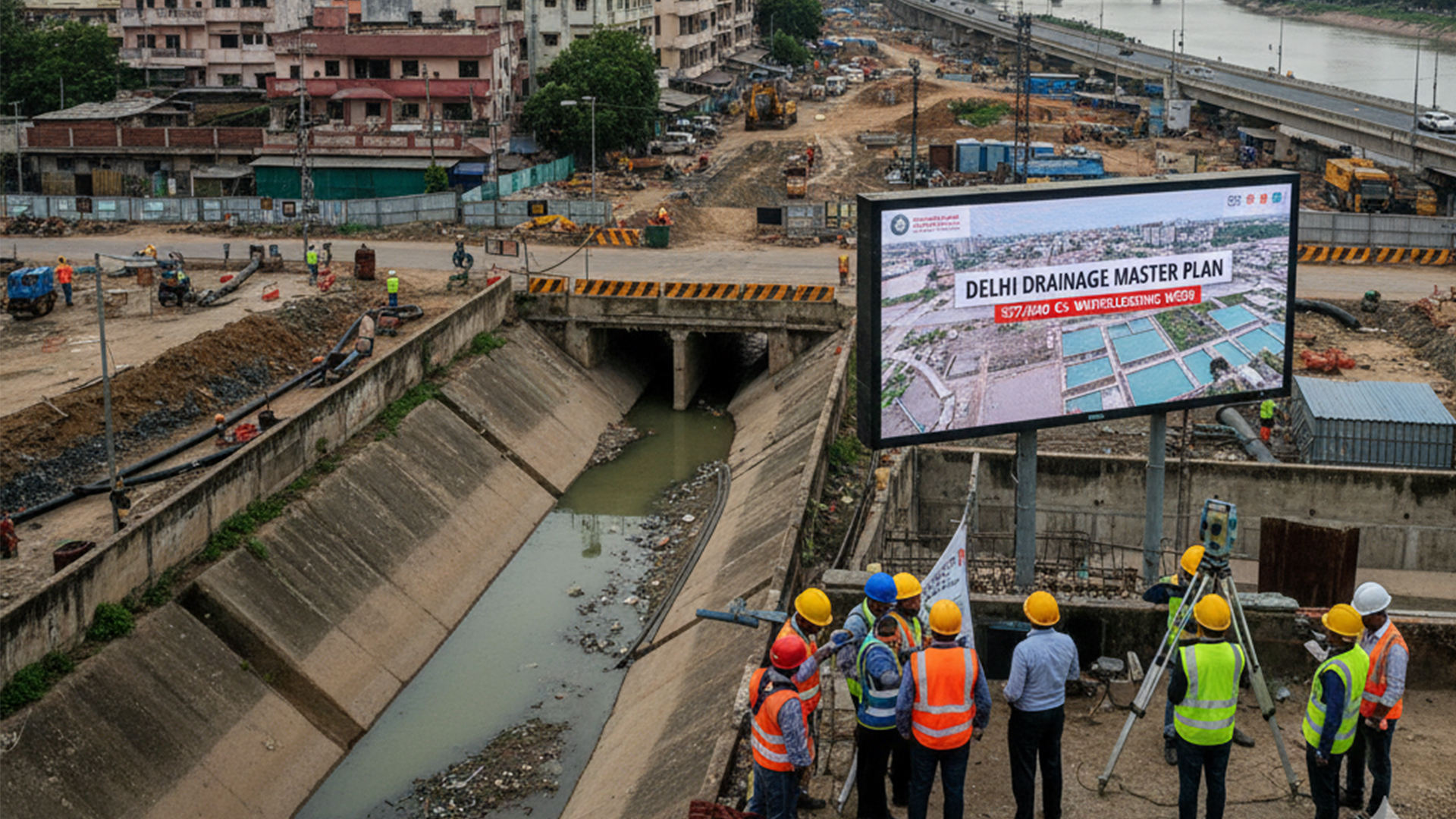
Delhi Launches ₹57,000 Crore Drainage Master Plan to End Waterlogging Woes


The Central government has announced a ₹57,000-crore drainage master plan to fix Delhi’s long-standing problems with waterlogging and poor drainage. This is the first major drainage plan for the city since 1976. Over the years, Delhi’s population has grown rapidly, from about 60 lakh to nearly 2.5 crore, putting huge pressure on its outdated and overloaded drainage system.

Under the new plan, the entire city has been divided into three main drainage areas: Najafgarh, Barapullah, and Trans-Yamuna. Each area will be studied in detail to find out where the problems are. Experts will carry out surveys and use modern technology to understand where drains are blocked, where water collects, and how water flows through the city. Based on this, old drains will be repaired, and new infrastructure will be built where needed.

The project will be carried out in five phases, with the most flood-affected areas being fixed first. The goal is to reduce waterlogging by 50% in the next three years and cut down on flood-related accidents by 30% in five years. The plan covers more than 18,900 kilometers of drainage lines across Delhi.

Several government departments will work together to make this plan a success, including the PWD, MCD, DDA, NDMC, and the Flood Control Department. The Union Minister in charge has said that the Centre will fully support the project, both financially and administratively.

This drainage plan is expected to make Delhi better prepared for heavy rains and prevent the kind of waterlogging that causes major problems for residents every year.

Also Read: Modi Unveils ₹34,200 Crore “Samudra se Samriddhi” Push

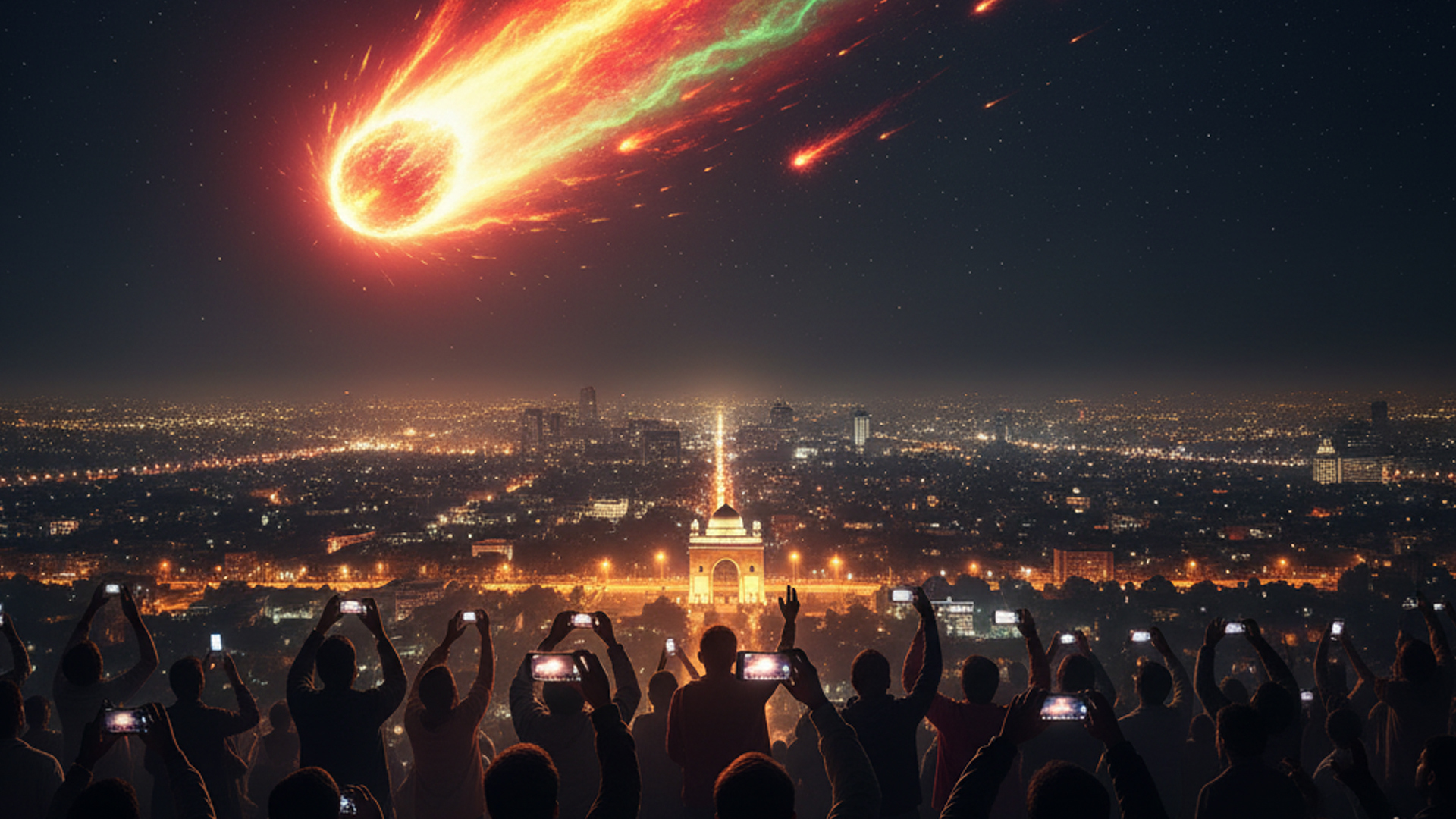
Rare Meteor Lights Up Delhi-NCR Night Sky, Captivates Thousands


A rare and dazzling meteor lit up the night sky over Delhi-NCR on Friday night, 19 September, leaving residents awestruck. The bright fireball was seen streaking across the sky around 8:45 PM, with clear visibility reported from Delhi, Noida, Gurugram, Ghaziabad, and even distant towns like Aligarh.

The meteor, likely a bolide, which is a large, bright meteor that explodes in the atmosphere, created a glowing trail as it broke apart mid-air. Social media was flooded with videos showing a fiery object illuminating the sky for several seconds before disintegrating.

Astronomers suggest the object burned up completely in the atmosphere, which explains the lack of damage or ground impact. A few people reported hearing a faint rumble, but no sonic boom or debris has been confirmed by authorities. In a moment of awe and shock, people said that it looked like a burning star falling from the sky. 

What made this event special was its brightness and the fact that it occurred over a heavily populated area with clear skies, allowing millions to witness the spectacle. While meteors frequently enter Earth’s atmosphere, most go unnoticed as they burn up quickly or occur over remote areas.

Experts suggested that the meteor fit the characteristics of a textbook bolide, exceptionally bright, breaking apart mid-air, and visible across a wide area. Such events are a rare spectacle, especially for those living in urban environments.

The event quickly went viral online, with hashtags like #MeteorInDelhi and #FireballInSky trending across platforms. While some initially speculated it might be satellite debris or a UFO, experts quickly confirmed it was a natural space object.

No official statement has been released by ISRO yet, but scientists are expected to study the meteor’s trajectory and origin using video and atmospheric data.

For many in Delhi-NCR, the brief flash of cosmic brilliance served as a reminder of the mysteries beyond our world and the rare beauty of the universe on full display, even above the busy lights of a city.

Also Read: The New Meta Ray-Ban Collab Will Change How You Think About Smart Glasses

Manipur: Two Assam Rifles Personnel Killed in Ambush


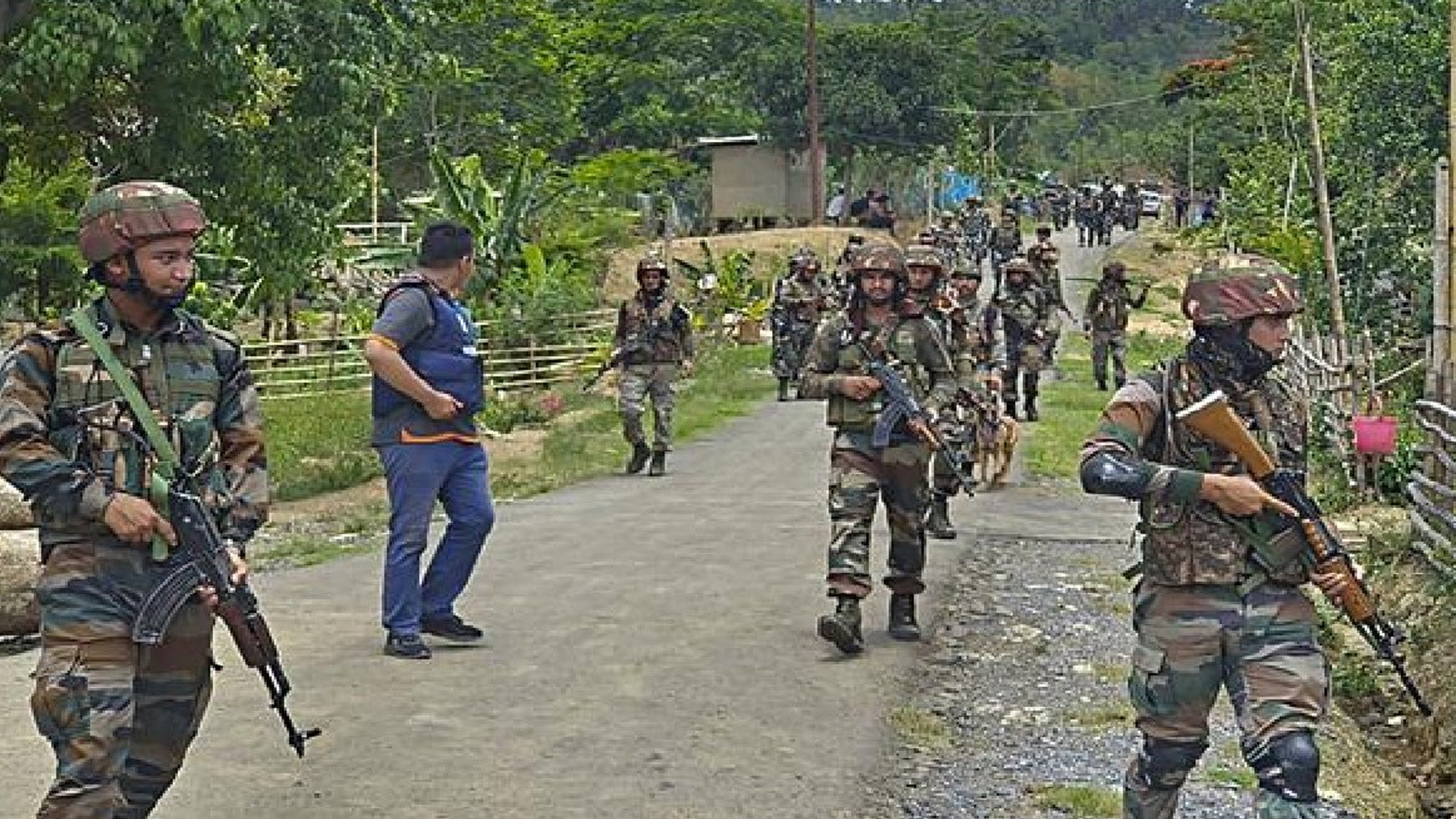
Two Assam Rifles (AR) personnel were killed and five others seriously injured when their vehicle was ambushed by unidentified gunmen in the Nambol area of Bishnupur district, Manipur, on Friday evening (September 19, 2025).

This is the first attack against central security forces deployed in the state since ethnic violence erupted between the Kuki-Zo and Meitei people in May 2023.

The deceased have been identified as Naib Subedar Shyam Gurung and Rifleman Ranjit Singh Kashyap. According to officials, the ambush took place on National Highway-2, the same road used by Prime Minister Narendra Modi during his visit to Churachandpur on September 13. Manipur has been under President’s Rule since February 13 this year.

The attackers, estimated to be three to four in number, reportedly opened fire on the AR vehicle with AK-47 rifles while it was on its way to Maibam. The personnel received little time to react, leading to the instant death of two jawans.

The assailants are suspected to have fled in a van, and search operations have since been launched. A senior security official said that the banned People’s Liberation Army (PLA), a valley-based Meitei insurgent group operating from Myanmar, is suspected to be behind the attack. The PLA, banned since 1979, has long sought the secession of Manipur from India.

The attack occurred in Nambol Sabal Leikai, which falls under one of the police stations denotified from the Armed Forces (Special Powers) Act (AFSPA) in March 2023 following an assessment of improved security conditions.

The Assam Rifles stated that the ambush occurred around 5:50 p.m., when a vehicle-based column was moving through the built-up area of Nambol Sabal Leikai under cover of darkness. Two personnel were killed and five injured in the attack.

The injured were evacuated to RIMS Hospital in Imphal and are said to be stable.

The Assam Rifles unit targeted in the ambush had been engaged in flood relief operations in recent days. Officials confirmed that no insurgent group has claimed responsibility so far, but combing operations are underway to track down those responsible.

Manipur Governor Ajay Kumar Bhalla condemned the attack, expressing grief over the loss of the soldiers and extending condolences to their families.

He conveyed prayers for the speedy recovery of the injured and stressed that such acts of violence would not be tolerated, reaffirming the administration’s commitment to ensuring peace and stability in the region.

Trump Slaps $100,000 Annual Fee on H-1B Visas


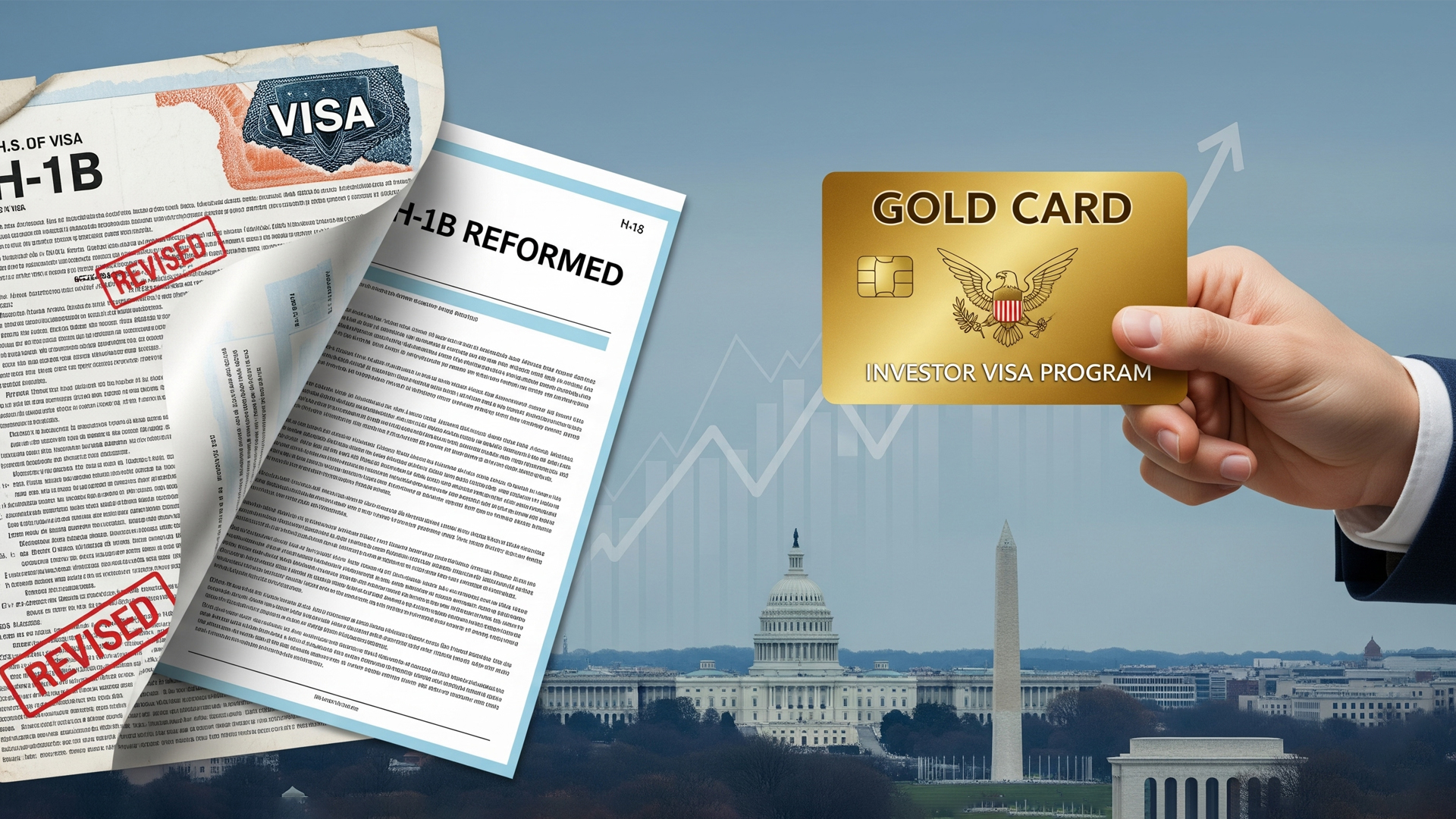
In a dramatic shift in U.S. immigration policy, President Donald J. Trump on September 19, 2025, signed a proclamation imposing a fee of $100,000 per year on H-1B visas. The rule applies both to new applicants and to renewals, effectively making the cost of retaining foreign workers significantly higher for American employers. The proclamation will take effect from September 21, 2025, with the Departments of Homeland Security and State required to verify compliance.

Announcing the move in the Oval Office, Trump described the H-1B programme as “one of the most abused visa systems,” arguing that many companies had used it to bring in lower-paid foreign workers to replace Americans. The fee, he said, was designed to ensure that only “extraordinary” individuals—those considered truly indispensable—would now be sponsored by companies. White House officials also projected that the measure could raise more than $100 billion for the U.S. Treasury, which the administration has pledged to use for tax cuts and debt reduction.

The impact on Indian workers is expected to be particularly severe. India has historically accounted for nearly 70 per cent of all H-1B visa beneficiaries, largely in the technology and engineering sectors. For Indian professionals already facing long waits for green cards, the new annual fee could mean employers may no longer find it viable to retain them, potentially forcing many to return home. Industry analysts warn that companies reliant on skilled Indian labour may be forced to rethink their hiring strategies or even shift parts of their operations overseas.

Commerce Secretary Howard Lutnick defended the decision, saying past immigration policy had admitted too many workers at the “bottom quartile” of the wage scale, a situation he described as illogical. The administration’s new approach, he argued, would prioritise only those at the very top of their fields, creating jobs rather than displacing American workers.

Alongside the H-1B fee, Trump also unveiled a new “Gold Card” programme, which offers a fast-track pathway to permanent residency for foreigners of extraordinary ability who are able to contribute at least $1 million to the U.S. Treasury, or $2 million if sponsored by corporations. He described it as a way to keep world-class talent in America while also generating revenue.

Critics, however, questioned both the legality and the economic wisdom of the measure. Immigration experts noted that such sweeping changes through a presidential proclamation could face legal challenges. Technology leaders warned the policy risks deterring global talent from coming to the United States, undermining the country’s innovation ecosystem. For now, uncertainty looms over the future of thousands of Indian workers and the American companies that depend on their expertise.

Also Read: Amazfit Launches Rugged T-Rex 3 Pro Smartwatch with Titanium Build

EU Proposes Full Ban on Russian LNG Imports by 2027


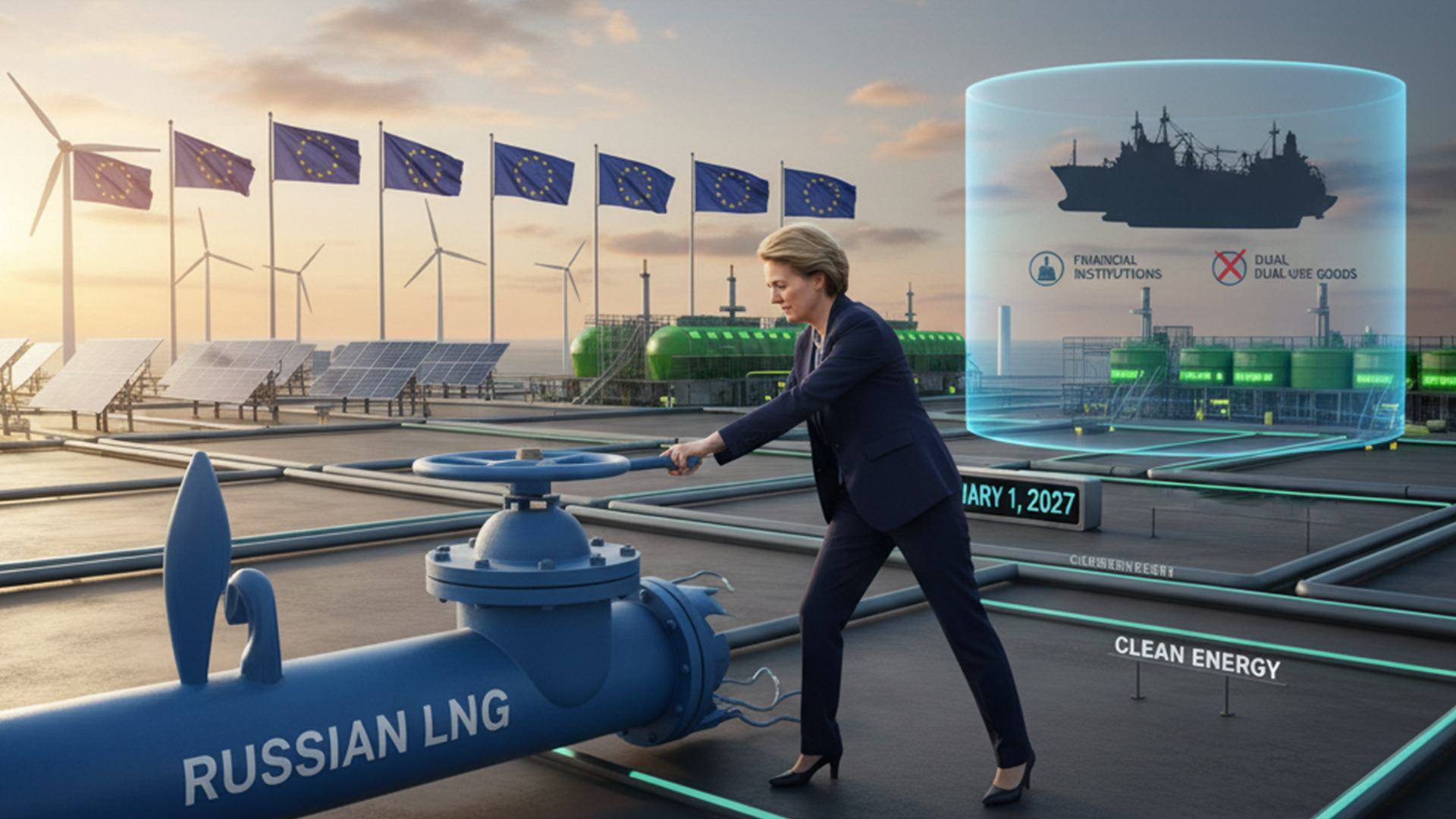
The European Commission is preparing a new round of sanctions against Russia that includes a proposal to ban imports of Russian liquefied natural gas (LNG) by January 1, 2027, according to sources familiar with the matter.

The initiative forms part of the European Union’s 19th sanctions package, aimed at further tightening economic pressure on Moscow as its war in Ukraine continues. In addition to LNG, the proposed measures target Russia’s so-called “shadow fleet” of oil tankers, as well as financial institutions, cryptocurrency networks, and entities supporting the Russian military-industrial complex.

European Commission President Ursula von der Leyen has urged all 27 member states to back the plan, emphasizing the need to cut off one of Russia’s remaining energy revenue streams.

“It is time to turn off the tap on Russian LNG,” von der Leyen said in a recent statement. “We must eliminate any loopholes that allow Russian fossil fuels to reach our markets through indirect routes.”

Although the EU has significantly reduced its reliance on Russian pipeline gas since the 2022 invasion of Ukraine, Russian LNG exports have continued to flow into several member states. The proposed 2027 deadline is seen as a compromise, giving countries time to diversify energy supplies and adapt infrastructure.

The sanctions package also expands restrictions on Russian maritime operations, particularly vessels operating under opaque ownership or using outdated safety standards. It further targets companies in third countries believed to be facilitating the transfer of dual-use goods—technologies or products that could serve both civilian and military applications.

The proposal will require unanimous approval from all EU member states. Diplomatic discussions are expected to intensify in the coming weeks.

If adopted, the LNG ban would mark one of the EU’s most significant steps yet in decoupling from Russian energy and curbing the Kremlin’s capacity to fund its military campaign in Ukraine.

Also Read: Trump Reaffirms Close Ties with Modi Amid Trade Tensions