rotating globe
3 Apr 2026


Tata Trustees Split on Mistry Term

Senior trustees, including Noel Tata and Venu Srinivasan, unlikely to back Mistry’s renewal

Tata Trusts, the philanthropic institution that holds a commanding majority stake in Tata Sons, is facing an unusual and increasingly visible governance rift. The term of trustee Mehli Mistry is nearing expiration on October 28, and senior trustees, including Chairman Noel Tata, Vice-Chairman Venu Srinivasan, and Vijay Singh, are unlikely to support his renewal. The shift marks a departure from the Trusts’ long-standing practice of unanimous approvals for trustee continuity.

This dispute comes on the heels of a flashpoint in September, when the Trusts voted against reappointing 77-year-old Vijay Singh to the Tata Sons board, an unprecedented decision in the Trusts’ recent history. Four trustees, including Mistry, opposed Singh’s continuation, citing concerns about governance norms, board representation, and strategic alignment at Tata Sons. The episode exposed two distinct schools of thought within the Trusts.

One faction, associated with Mistry, has argued for a stronger and more assertive voice for the Trusts at the Tata Sons board level, particularly as the group prepares to resolve the planned exit of minority shareholder Shapoorji Pallonji Group. The opposing faction, led by Noel Tata and Srinivasan, favours continuity of board leadership and a consensus-driven approach to preserve institutional stability and avoid signaling internal discord.

The tensions heightened further when Mistry indicated that his own renewal should be linked to unanimous trustee approvals for future reappointments, which is viewed by others as setting a potentially destabilizing precedent and challenging the Trust’s governance balance.

The matter has drawn the attention of senior members of the government, who have informally urged the Trusts’ leadership to maintain unity in the interest of financial-market stability and continuity at one of India’s most systemically significant business houses.

While recent meetings have been described as cordial, the underlying questions remain unresolved. The outcome will shape not only the future composition of the Trusts but also the governance architecture of the wider Tata Group, especially at a sensitive moment following the passing of Ratan Tata and the transition to a new leadership era.

Also Read: Justice Surya Kant Set to Take Charge as CJI

Justice Surya Kant Set to Take Charge as CJI
Known for empathetic jurisprudence, he will guide the judiciary through a phase of digital reform, backlog challenges, and evolving rights debates

Chief Justice of India Bhushan Ramkrishna Gavai has recommended Justice Surya Kant as his successor, initiating the formal process for the appointment of the 53rd Chief Justice of India. Justice Gavai is set to retire on November 23, 2025, and Justice Surya Kant is expected to assume office the following day, in keeping with the seniority convention. His tenure will continue until February 9, 2027, when he reaches the age of superannuation.

Justice Surya Kant was born on February 10, 1962, in Petwar village in Haryana’s Hisar district. A first-generation lawyer, he completed his graduation from Government Post-Graduate College, Hisar, and earned his law degree from Maharishi Dayanand University in 1984. He later obtained his Master of Laws from Kurukshetra University in 2011. His legal career has spanned several significant roles, including serving as Advocate General of Haryana, Judge of the Punjab & Haryana High Court, and Chief Justice of the Himachal Pradesh High Court. He was elevated to the Supreme Court on May 24, 2019.

Known for his clarity in constitutional interpretation and a jurisprudence shaped by accessibility and empathy, Justice Surya Kant has been part of key rulings relating to free speech, gender equality, state accountability, electoral transparency, and national security. He was on the bench that directed a suspension of the colonial-era sedition law pending review, pressed for disclosure of voter exclusions in Bihar’s electoral rolls, and upheld the One Rank–One Pension scheme for defence forces. He also emphasised that freedom of speech is not a licence to flout societal norms.

As the next Chief Justice, Justice Kant appears ready to take charge at a time when the judiciary continues to confront concerns over pendency of cases, delays in justice delivery, digital exclusion, and institutional transparency. He has himself articulated that the judiciary must evolve to meet challenges such as climate vulnerability, displacement, and technological change. His leadership is expected to focus on maintaining judicial independence while reinforcing public trust in the court system.

The recommendation now awaits formal notification from the government, after which the transition at the country’s highest judicial office will take effect.

Also Read: India Announces Winners of the Rashtriya Vigyan Puraskar 2025

Pilots Ask DGCA to Revoke Longer 787 Duty Hours

The Pilots called for the DGCA to revert to the previous flight duty time limits

The Airline Pilots’ Association of India (ALPA India) has formally requested the Directorate General of Civil Aviation (DGCA) to reconsider its recent decision to extend flight duty limits for two-pilot Boeing 787 Dreamliner operations.

The revised regulations increase the Flight Duty Time Limitation (FDTL) from 10 to 10.5 hours and the Flight Duty Period (FDP) from 13 to 14 hours.

ALPA India argues that these changes elevate the risk of fatigue-related errors, especially during long-haul flights that cross multiple time zones and operate during the night.

In a letter dated October 26, ALPA India emphasized that the original FDTL and FDP limits were established based on extensive scientific research into human fatigue and its impact on flight safety.

The association contends that the DGCA’s decision appears to prioritize operational convenience over pilot welfare and passenger safety.

Additionally, ALPA India highlighted concerns regarding the Boeing 787’s cockpit design, specifically the limited reclining capability of the captain’s seat. This restriction, mandated by a U.S. Federal Aviation Administration (FAA) directive, significantly diminishes the effectiveness of in-flight rest for pilots.

The association argues that the combination of extended duty hours and compromised rest conditions creates a “scenario ripe for fatigue-induced errors.”

To mitigate these risks, ALPA India has called for the DGCA to revert to the previous flight duty time limits and to mandate three-pilot crews for long-haul or night flights exceeding eight hours.

The association also urges the DGCA to conduct a comprehensive fatigue risk assessment in consultation with flight crew representatives before approving any further deviations from established safety standards.

The DGCA has yet to respond to ALPA India’s request. The outcome of this appeal could have significant implications for aviation safety standards and labor relations within India’s airline industry.

Also Read: Delhi Airport’s T2 Reopens with Smoother Travel Experience

India Announces Winners of the Rashtriya Vigyan Puraskar 2025

Awards recognise excellence across 13 scientific disciplines and collaborative research

The Indian government has announced the recipients of the Rashtriya Vigyan Puraskar 2025, honouring exceptional contributions in science, technology, and innovation. The awards are presented across four categories — Vigyan Ratna (lifetime achievement), Vigyan Shri (distinguished individual contribution), Vigyan Yuva–Shanti Swarup Bhatnagar (emerging scientists under 45), and the Vigyan Team Award (outstanding collaborative research).

This year’s awardees represent a wide spectrum of disciplines and reflect the nation’s growing leadership in scientific inquiry, applied research, and innovation-driven development. Each recipient has been recognised for work that demonstrates significant impact, academic excellence, and a commitment to advancing knowledge in the service of society.

The Vigyan Ratna was awarded posthumously to Prof. Jayant Vishnu Narlikar for his remarkable work in Physics.

Vigyan Shri recipients include scientists across domains such as Agricultural Science (Dr. Gyanendra Pratap Singh), Atomic Energy (Dr. Yusuf Mohammad Seikh), Biological Sciences (Dr. K. Thangaraj), Chemistry (Prof. Pradeep Thalappil), Engineering Sciences (Prof. Aniruddha Bhalchandra Pandit), Environmental Science (Dr. S. Venkata Mohan), Mathematics & Computer Science (Prof. Mahan Mj), and Space Science & Technology (Shri Jayan N).

The young scientist category (Vigyan Yuva–Shanti Swarup Bhatnagar) honoured a distinguished group, including Dr. Jagdis Gupta Kapuganti, Dr. Satendra Kumar Mangrauthia, Shri Debarka Sengupta, Dr. Deepa Agashe, Dr. Dibyendu Das, Dr. Waliur Rahaman, Prof. Arkaprava Basu, Prof. Sabyasachi Mukherjee, Prof. Shweta Prem Agrawal, Dr. Suresh Kumar, Prof. Amit Kumar Agarwal, Prof. Surhud Shrikant More, Shri Ankur Garg, and Prof. Mohanasankar Sivaprakasam.

The Vigyan Team Award was presented to the CSIR Aroma Mission Team for its notable work in agricultural science.
The awards cover 13 scientific disciplines—including Physics, Chemistry, Biological Sciences, Mathematics & Computer Science, Medicine, Engineering, Agricultural & Environmental Sciences, Atomic Energy, Space Science, Technology, and Innovation. Nominations for the 2025 cycle were accepted via the National Awards Portal.

This recognition is a testimony to India’s commitment to advancing high-impact research and innovation and aligning scientific leadership with national growth priorities.

Also Read: US to Track Foreign Travellers with Mandatory Biometric Exit Scans

Hurricane Melissa Strengthens to Category 4, Jamaica on Alert

Cuba and the Bahamas are also bracing for impact as the hurricane continues its westward path

Hurricane Melissa has rapidly intensified into a powerful Category 4 storm, with sustained winds reaching 145 mph, as it approaches Jamaica and other parts of the northern Caribbean. The U.S. National Hurricane Center has warned that the storm could escalate to Category 5 strength, bringing catastrophic conditions to the region.

In response to the imminent threat, the Government of Jamaica has ordered mandatory evacuations for seven flood-prone communities, including Port Royal in Kingston, Portland Cottage and Rocky Point in Clarendon, Old Harbour Bay in St. Catherine, and Taylor Land, New Haven, and Riverton City in St. Andrew. About 900 shelters have been activated nationwide to accommodate displaced residents.

Prime Minister Andrew Holness emphasized the severity of the situation, stating that the “entire Jamaica will be impacted” for multiple days.

The storm’s slow movement has raised concerns about prolonged exposure to hazardous conditions, including heavy rainfall, strong winds, and potential flooding. The Jamaican Meteorological Service has warned of rainfall totals ranging from 15 to 30 inches, with some areas possibly receiving up to 40 inches, leading to flash floods and landslides.

Residents in vulnerable areas have been urged to evacuate to designated shelters located outside high-risk zones. However, some individuals have expressed reluctance to leave their homes due to past negative experiences in shelters. For instance, residents of Port Royal, a coastal community, have opted to remain in their homes, citing concerns about safety and past incidents of theft in shelters.

As the storm approaches, both of Jamaica’s international airports have been closed, and authorities are on high alert to respond to any emergencies. The Caribbean Disaster Emergency Management Agency and international partners are coordinating efforts to provide assistance and resources to affected areas.

Hurricane Melissa has already caused significant damage in neighboring countries. In Haiti and the Dominican Republic, the storm has resulted in flooding, destroyed bridges, and isolated communities. At least three fatalities have been reported in Haiti, and several homes have been damaged or destroyed.

Cuba and the Bahamas are also bracing for impact as the hurricane continues its westward path.

Residents across the Caribbean are urged to stay informed through official channels and adhere to evacuation orders and safety guidelines to minimize the risk of harm as Hurricane Melissa approaches.

Also Read: Andhra, Odisha on Alert as Cyclone Montha Intensifies

Shreyas Iyer Battles Internal Bleeding After Sydney Fall

Indian vice-captain suffers spleen laceration during fielding in Sydney. recovery timeline remains uncertain

Shreyas Iyer’s memorable diving catch in the third ODI against Australia in Sydney has turned into a major health concern, leaving the India vice-captain admitted to the Intensive Care Unit of a Sydney hospital. The injury, initially appearing routine, was later confirmed to have caused internal bleeding and a laceration to the spleen,  a condition that required immediate medical intervention.

The incident occurred during the 34th over, when Iyer chased down a thick edge and flung himself full-length to complete a stunning catch. The dismissal drew applause, but the impact of the fall was severe. He was seen grimacing as he clutched his left rib area, and medical staff promptly escorted him off the field.

Following scans and diagnostic evaluations, doctors confirmed internal bleeding around the spleen. His vitals reportedly dipped shortly after the fall, prompting an emergency shift to ICU care for continuous monitoring. Specialists from both the touring medical unit and local hospital teams are overseeing his treatment, with the Board of Control for Cricket in India (BCCI) closely coordinating updates.

While the board has stated that Iyer is “stable and under observation,” medical experts indicate that the next 48 to 72 hours are critical. Recovery timelines in such cases vary widely, and any decision regarding travel or rehabilitation will depend on how the internal injuries respond to treatment.

The Indian dressing room has understandably been shaken. Iyer is not only a key figure in the batting line-up but also an important leader in the squad’s structure and planning. His absence, if prolonged, could influence India’s preparations for the upcoming series and tournaments.

For now, the focus remains firmly on his recovery. Fans, teammates, and the wider cricketing community have flooded social media with prayers and support. The dazzling moment that sparked cheers on the field now stands overshadowed by concern and the hope that Shreyas Iyer makes a full and timely return to the game he gives everything to.

Also Read: Andhra, Odisha on Alert as Cyclone Montha Intensifies

US to Mandate Biometric Exit Scans at Airports

Starting Dec 26, non-US citizens and Green Card holders will undergo biometric checks at entry and exit

Travelling in and out of the United States is about to change. From December 26, every non-US citizen,  including long-time residents, will have their biometric data recorded both when entering and leaving the country. The shift marks a major expansion of the nation’s border security system and will influence millions of journeys each year.

The new rule applies to all foreign nationals, from tourists and business travellers to international students, temporary workers, and permanent residents holding Green Cards. As per the updated procedures, travellers will have their photographs and other biometric identifiers captured and matched against their travel documents every time they cross the border.

Until now, biometric screening was standard mainly on arrival, while departures relied largely on airline records and passport scans. This left gaps in monitoring visa overstays and verifying traveller identities. The enhanced system is intended to create a complete entry-and-exit record for every non-citizen.

One notable change is the removal of age-based exemptions. Previously, children under 14 and adults over 79 were often exempt from fingerprinting and facial recognition checks. Under the new framework, all age groups will be included unless an individual is medically or physically unable to participate.

Authorities say the expanded system will help strengthen immigration enforcement, prevent document fraud, and improve the accuracy of travel records. The rollout will be gradual, as airports, seaports, and land crossings adapt their infrastructure and staffing.

For travellers, the policy may mean longer processing times, particularly during peak holiday and travel seasons. For Green Card holders, the change underscores that permanent residency still requires adherence to travel rules and documentation procedures.

Officials advise travellers to arrive earlier for international flights, keep travel papers easily accessible, and be prepared for additional identity checks becoming a routine part of travel.

Also Read: India and US Recalibrate Strategic Equation at ASEAN Summit

India and US Revise Strategic Equation at ASEAN Summit

Talks point to potential breakthroughs in trade, technology cooperation, and supply-chain security between India, the US, and ASEAN partners

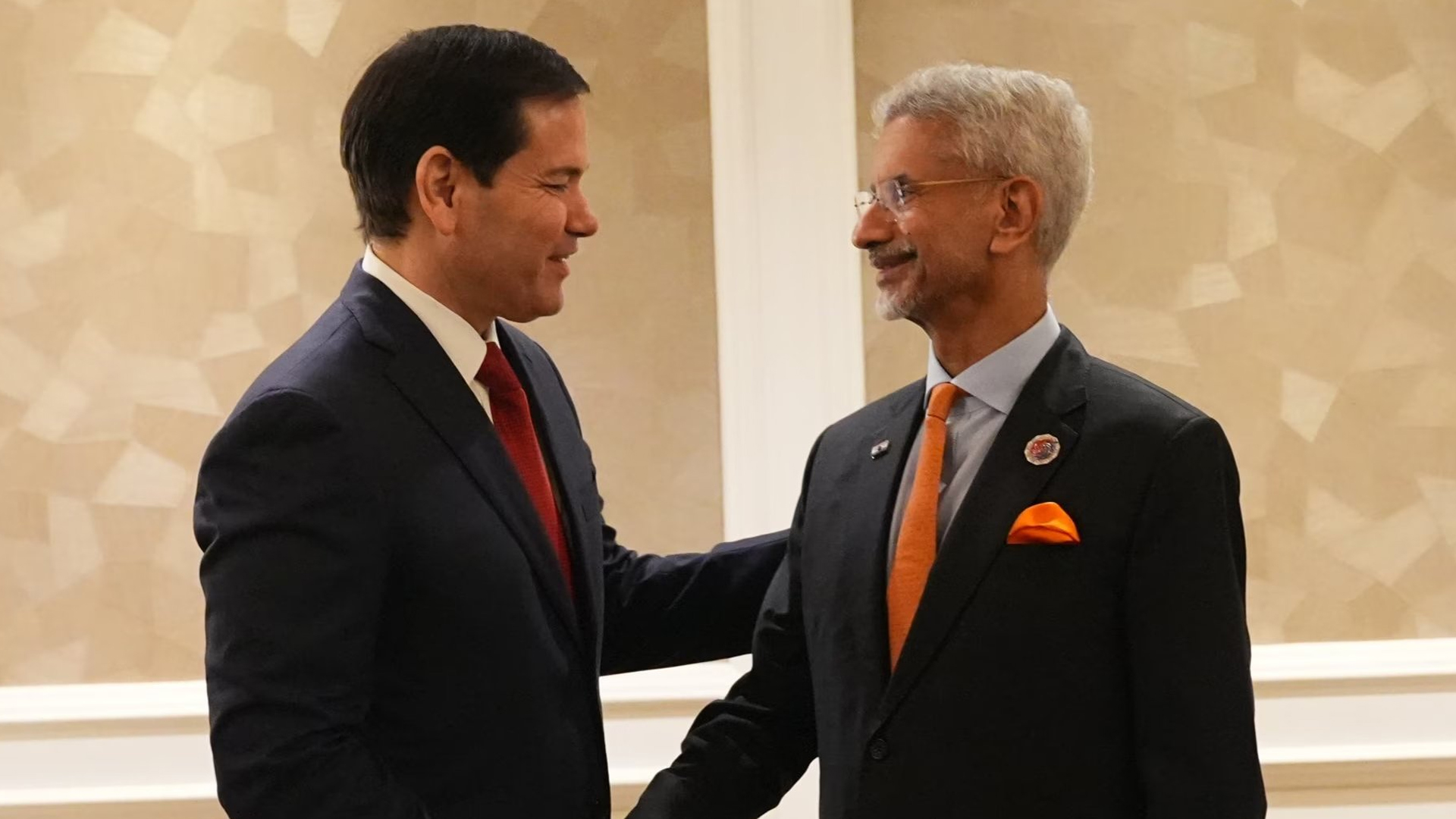
India and the United States signalled a renewed intent to refine and strengthen their strategic and economic relationship during a high-level meeting on the sidelines of the 47th ASEAN Summit in Kuala Lumpur. On October 27, External Affairs Minister S. Jaishankar held discussions with US Secretary of State Marco Rubio, with both sides reviewing bilateral ties, developments in the Indo-Pacific, and shared global concerns ranging from trade tensions to supply-chain resilience.

The interaction came at a crucial juncture. Five rounds of negotiations for an initial trade agreement between the two countries have already taken place, raising expectations that a breakthrough could be within reach. During the meeting, Jaishankar is understood to have conveyed that India welcomes closer cooperation but will not enter into any arrangement that limits its strategic autonomy or its ability to engage freely with other global partners.

The conversation with the United States was part of a broader diplomatic span for India at the summit. Jaishankar also held bilateral meetings with Malaysia’s Prime Minister Anwar Ibrahim, Singapore’s Foreign Minister Vivian Balakrishnan, Thailand’s Foreign Minister Sihasak Phuangketkeow, and South Korea’s Foreign Minister Cho Hyun. These engagements covered a wide canvas of topics like technology partnerships, semiconductor and electronics cooperation, defence production, shipbuilding, and the strengthening of supply chains across the Indo-Pacific corridor.

Together, these talks reflect India’s dual-track diplomacy, nurturing deep strategic cooperation with the United States while simultaneously expanding partnerships across Southeast Asia under the “Act East” policy. At a time when the region is witnessing accelerated geopolitical and economic shifts, New Delhi is positioning itself not simply as a participant but as a shaping force.

Also Read: Delhi Airport’s T2 Reopens with Smoother Travel Experience

Delhi Airport’s T2 Reopens with Smoother Travel Experience

Handles 120 domestic flights daily with self-bag drop, new boarding bridges, and digital assistance

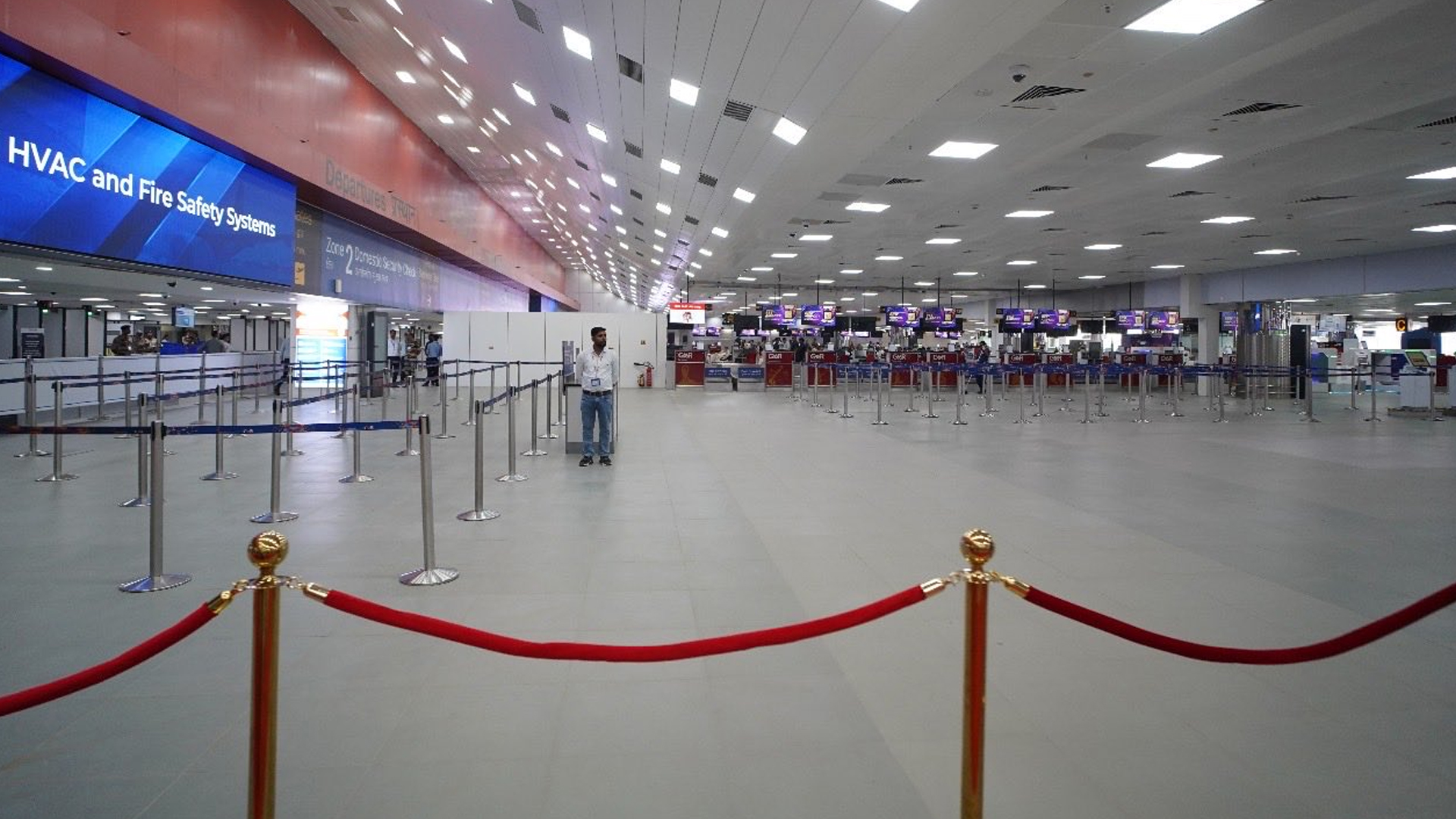
After months of renovation, Delhi’s Indira Gandhi International Airport has reopened its upgraded Terminal 2 (T2), aiming to offer a smoother, faster, and more comfortable travel experience. The revamped terminal will handle about 120 domestic flights a day, easing pressure on the busier Terminal 1 and Terminal 3, which have seen rising passenger numbers.

The redesign focuses on improving both efficiency and passenger comfort. One of the key additions is the self-baggage-drop facility, which allows travellers to check in their baggage independently. This feature is especially useful during peak travel hours, helping reduce queues and speeding up the check-in process.

Another major highlight is the installation of six new passenger boarding bridges. These come with cushioned interiors and swing-door access for better safety and boarding comfort. The infrastructure upgrade ensures smoother movement from terminal to aircraft and supports improved turnaround times for airlines.

To assist passengers navigating the terminal, T2 now includes a Virtual Information Desk, offering real-time flight updates, directions, and airport service information on a digital display. Additionally, brighter signage and upgraded display screens have been installed across the terminal to improve visibility and accessibility for travellers, including seniors and those with mobility challenges.

The reopening is part of Delhi Airport’s broader plan to rebalance flight operations. By shifting some domestic flights from other terminals, the airport aims to ease congestion, reduce waiting times, and enhance on-time performance. Airlines such as IndiGo and Air India will now operate select flights from T2, and passengers are advised to carefully check their terminal information before traveling.

T2 continues to offer convenient access to public transport. Travellers can use the Airport Express Line via the IGI Airport Metro Station located at Terminal 3, connected through shuttle services and walkways.

Airport authorities said the revamped terminal reflects the growing expectation for airports to deliver not just transit efficiency but a calmer, more intuitive travel environment.

Also Read: Andhra, Odisha on Alert as Cyclone Montha Intensifies

Andhra, Odisha on Alert as Cyclone Montha Intensifies

School closures, mass shelters, and coastal evacuations underway across Andhra, Odisha and beyond

As Cyclone Montha accelerates towards India’s east coast, state authorities in Andhra Pradesh and Odisha have activated full disaster-response mechanisms, issuing bulletins on anticipated landfall, heavy rainfall, and strong winds.

According to the India Meteorological Department (IMD), Montha is expected to intensify into a severe cyclonic storm by the morning of October 28. At landfall, sustained winds of 90–100 km/h, with gusts up to 110 km/h, are likely. Coastal regions may also experience extremely heavy rainfall of more than 21 cm in 24 hours. Multiple districts of both states are already under red and orange alerts.

In Andhra Pradesh, key coastal districts including Kakinada, East Godavari, West Godavari, Konaseema, and Eluru have been placed on high-alert status. School closures have been ordered across the affected region from October 27 through October 31. Over 6,000 people in 34 coastal villages in Konaseema have been shifted to relief shelters. Health authorities have prioritised the evacuation of vulnerable individuals. More than 400 expecting mothers nearing delivery have been moved to hospitals in secure zones. Telecom and power companies have been asked to ensure standby systems.

Across Odisha, eight southern districts, including Gajapati, Ganjam, Kandhamal, Kalahandi, Koraput, and Rayagada, have been declared red zones. State departments for energy, health, and agriculture have reviewed contingency plans and activated relief centres and cyclone shelters. Water-release schedules from reservoirs have been adjusted, and large-scale inspections of drainage and flood-prone areas are underway. Officials have canceled all leave and mobilised essential commodities in vulnerable locations.

Beyond the immediate landfall zone, Tamil Nadu has been placed under orange alerts for heavy rainfall, with districts like Tiruvallur, Kanchipuram, and Chennai expected to receive “heavy to very heavy” showers.  States such as Telangana and Chhattisgarh are also on alert for heavy rain and strong winds on October 28, even if they are not in the direct strike zone.

Authorities urge residents in coastal and low-lying areas to monitor weather updates, heed evacuation orders, and prepare essential supplies such as water, food, medicines, torch/cell-phone back-ups, and important documents. Fishermen are advised not to venture into the sea from October 25 through 29. Travel in vulnerable zones should be avoided, and families are encouraged to familiarise themselves with the nearest cyclone shelter or safe zone.

Also Read: Kerala Becomes India’s First Poverty-Free State on November 1