rotating globe
3 Apr 2026


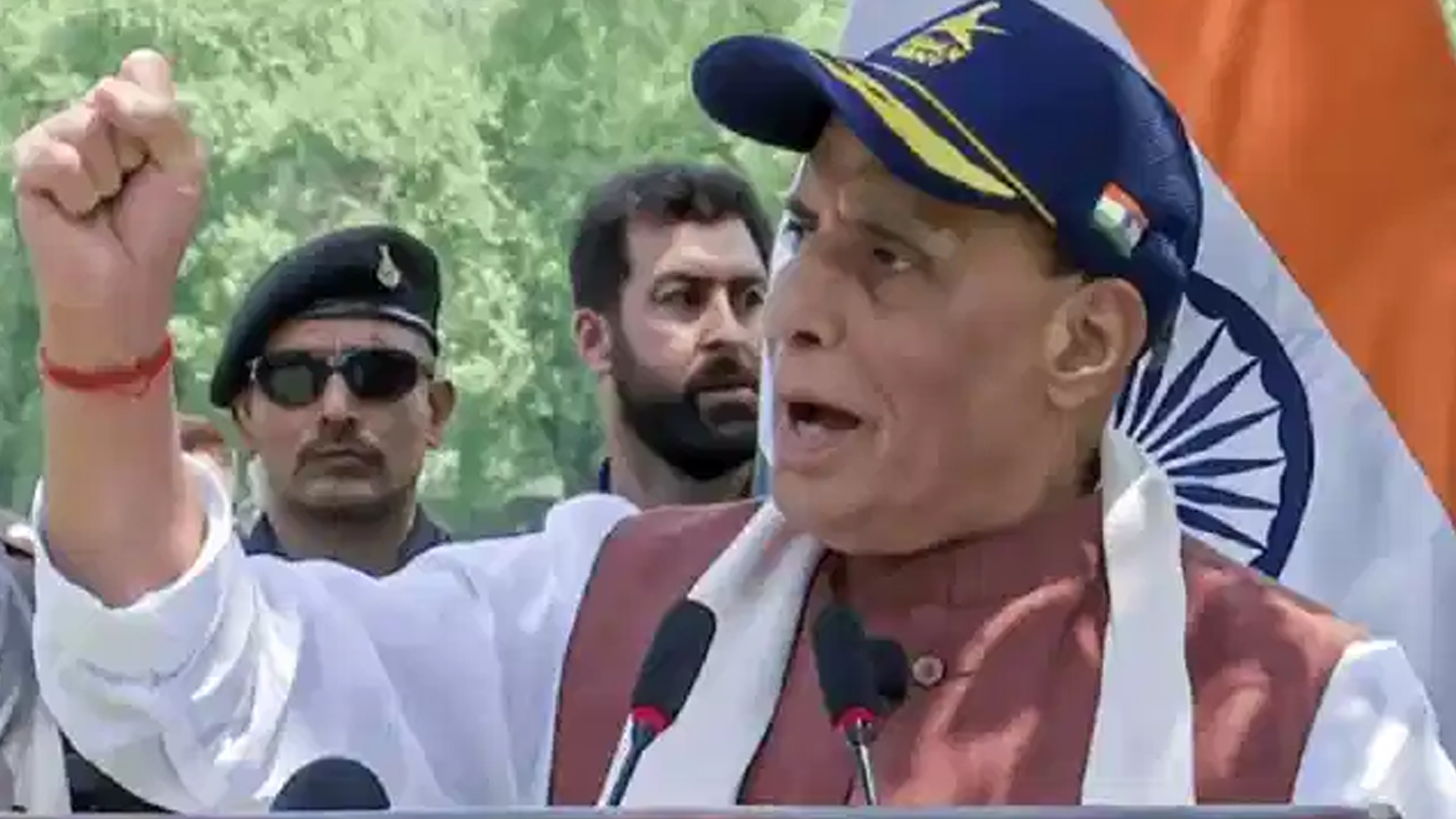
PM Modi to Virtually Attend ASEAN Summit in Malaysia

Malaysia, which holds the ASEAN chairmanship this year, had extended a formal invite to PM Modi for the summit gatherings

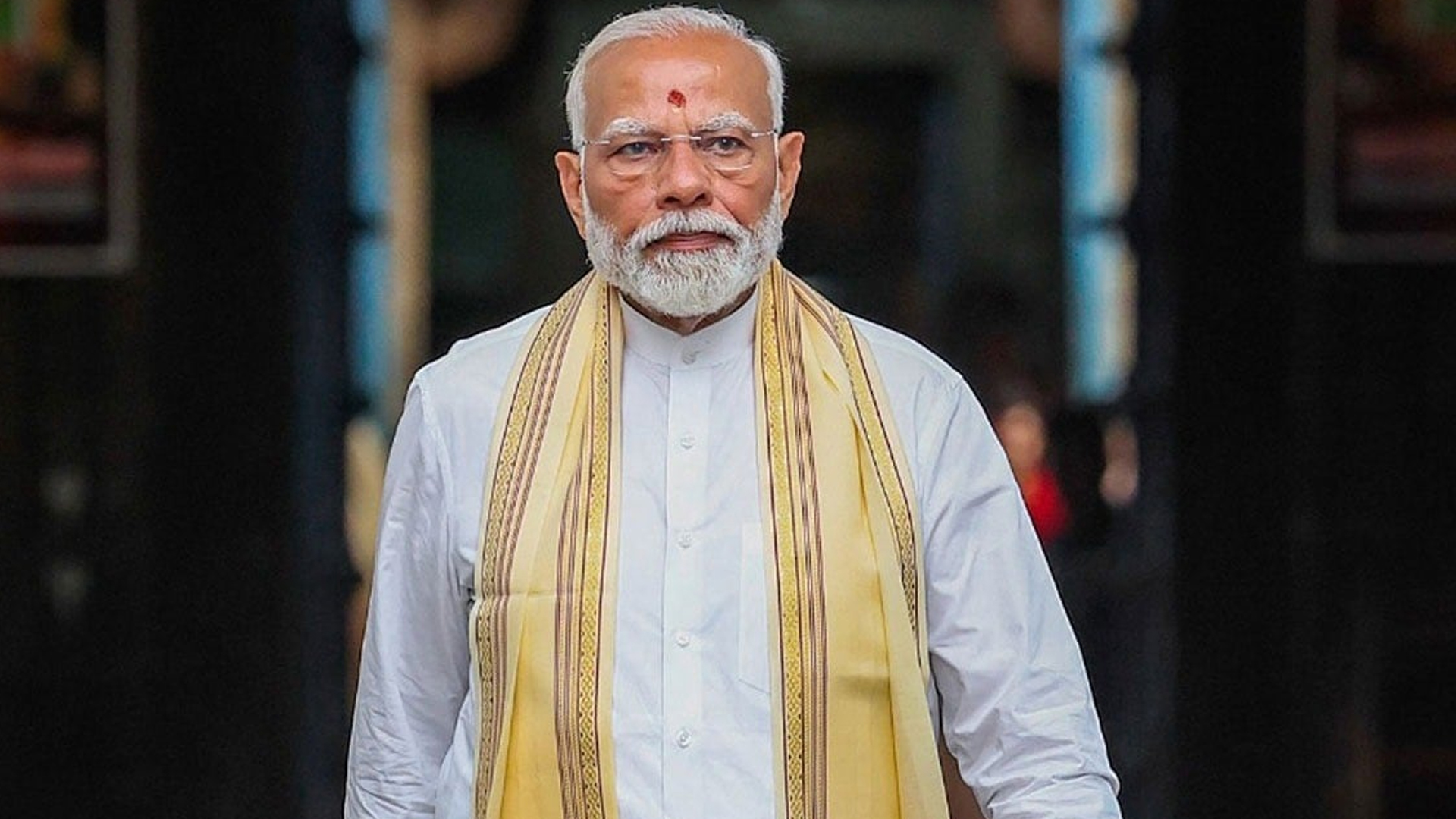
Prime Minister Narendra Modi will not attend the 47th Association of Southeast Asian Nations (ASEAN) Summit in Kuala Lumpur in person, but will instead participate virtually, news reports have confirmed.

The gathering, slated for October 26-28, is expected to host leaders of the ASEAN bloc and key partners including the United States and China.

Malaysian Prime Minister Anwar Ibrahim revealed that Modi informed him of his decision to join the summit remotely due to India’s Deepavali celebrations.

Modi later posted on X that he looked forward to “joining the ASEAN-India Summit virtually” and deepening the ASEAN-India comprehensive strategic partnership. Meanwhile, the Congress party questioned whether the decision signals avoidance of a bilateral meeting with U.S. President Donald Trump, who is expected to attend the Malaysian meeting.

India’s absence from Kuala Lumpur removes the possibility of a high-profile Modi–Trump encounter on the summit sidelines, complicating expectations of progress in India-U.S. trade talks.

The leadership change in participation also raises questions about India’s visibility in the ASEAN forum during a key period of regional diplomacy.

India has historically dispatched its prime minister to the ASEAN-India Summit, underscoring the importance it attaches to Southeast Asian ties.

The decision to forego an in-person presence this year is thus unusual and comes amid deepening international focus on India’s strategic engagements in the region.

Indian External Affairs Ministry officials cited scheduling conflicts as the reason for the change in format.

The summit comes at a time of heightened activity in the Indo-Pacific. Washington is expected to use the event as a platform to advance its strategic initiatives in the region, while Southeast Asian nations are seeking deeper alignment with India on trade, security and connectivity.

The shift to a virtual format by the Indian leader coincides with speculation over the U.S.’s recent 25 percent punitive tariffs on Indian goods and New Delhi’s balancing of its energy ties with Russia.

Modi’s announcement also underscores the impact of domestic considerations in shaping India’s diplomatic calendar.

Deepavali, the Hindu festival of lights, falls in the same period and is being cited as the official reason for Modi’s decision.

Analysts suggest that behind the scheduling explanation lie complex diplomatic dynamics, including sensitivities around a potential Modi–Trump meeting and India’s position on Russian oil imports.

Malaysia, which holds the ASEAN chairmanship this year, had extended a formal invite to Modi for the summit gatherings.

As confirmed by Anwar Ibrahim, Modi communicated his decision in a call with the Malaysian leader and conveyed best wishes for Malaysia’s chairmanship and upcoming summits. External Affairs Minister Subrahmanyam Jaishankar is expected to represent India on the ground in Kuala Lumpur while the prime minister participates online.

With key items on the agenda—including regional trade architecture, emerging Indo-Pacific partnerships and maritime security—the reduced stature of India’s delegation has drawn political commentary at home. Opposition voices suggested the move may carry wider strategic implications for India’s role in the ASEAN process and its engagement with the U.S.

As the summit unfolds, the focus will fall on whether India’s virtual participation impacts its influence in regional discussions and how New Delhi uses the platform to reinforce its ASEAN ties despite an altered mode of engagement.

Also Read: Saudi Arabia Abolishes Kafala System
West Bank Annexation Could Undermine Gaza Peace: Marco Rubio

Annexation of the West Bank is viewed as a significant red line by multiple Arab states

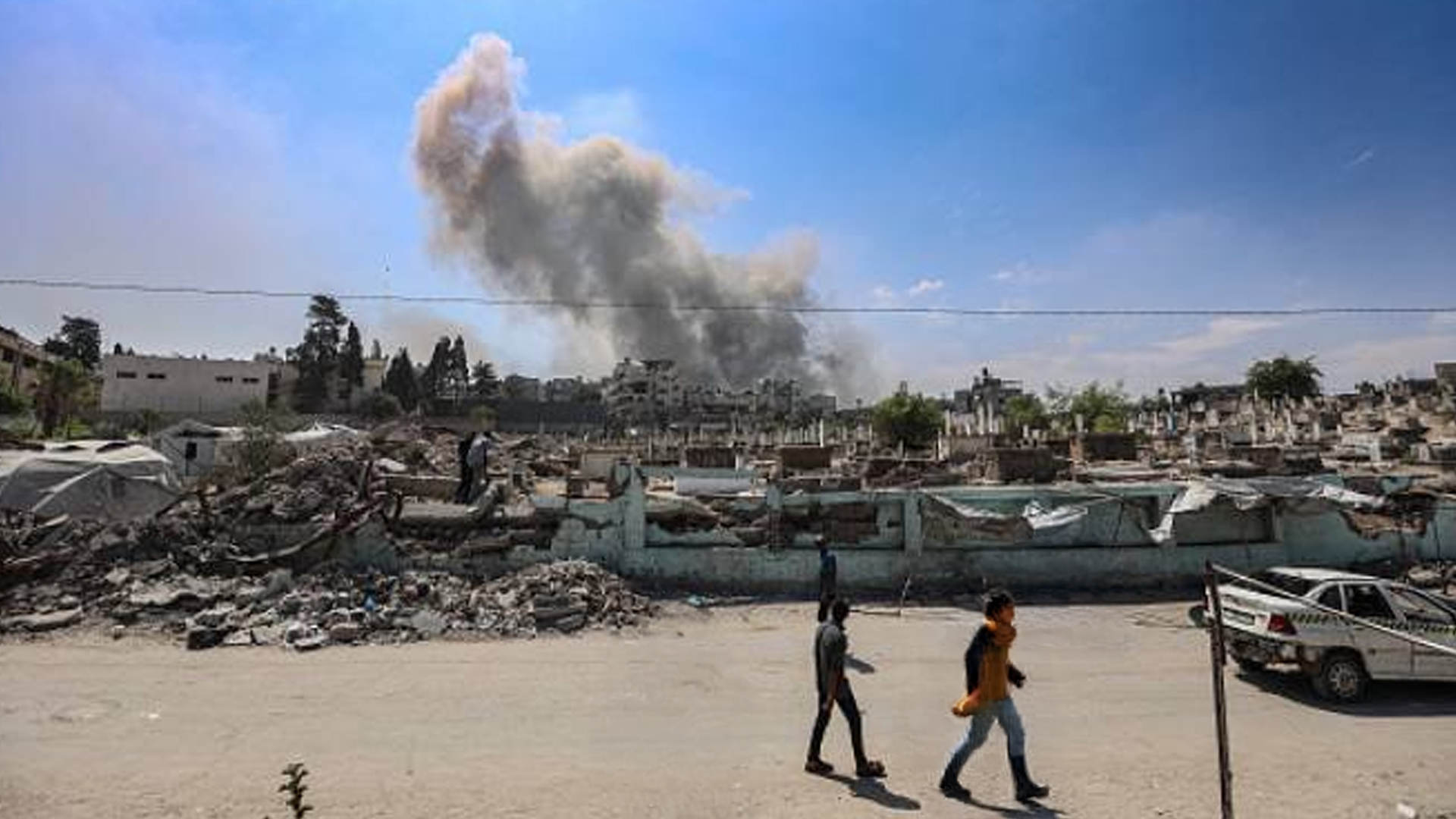
U.S. Secretary of State Marco Rubio warned on Wednesday that legislative efforts by Knesset members to extend Israeli law over the occupied West Bank could jeopardize President Donald Trump’s recently brokered cease-fire deal in Gaza.

Rubio made the remarks before departing for Israel, citing concerns that such a move may destabilize the fragile truce and broader diplomatic roadmap.

Rubio said the preliminary parliamentary vote—a narrow 25-24 approval to apply Israeli sovereignty over the West Bank—was “something that we… think might be counter-productive” at this stage.

He reiterated that the White House does not support annexation right now, and warned that it could undermine the peace deal the U.S. is seeking to build with regional partners.

The warnings come amid intensified U.S. diplomatic activity in the region after two years of war between Israel and Hamas, during which the cease-fire process has been hit by repeated violations and spikes in violence.

Rubio’s trip follows a visit by U.S. Vice President J.D. Vance and underscores Washington’s urgent effort to shore up the deal and prevent escalation.

Annexation of the West Bank is viewed as a significant red line by multiple Arab states, including the United Arab Emirates, which has warned that formal Israeli sovereignty over the territory would undermine normalization efforts and wider regional stability.

Analysts say Rubio’s intervention signals that the U.S. is aligning closer with Gulf concerns as it presses ahead with a post-war stabilization strategy.

Within Israel, the bill put forward by opposition lawmakers—and backed by far-right settlement advocates—has heightened tension within Prime Minister Benjamin Netanyahu’s coalition, as he seeks to balance nationalist pressures with U.S. diplomacy and Gulf relationships.

The narrow vote reflects deep divisions over how far and when sovereignty should be expanded.

While acknowledging that Israel is a democracy and the Knesset will make its own decisions, Rubio stressed the timing is critical.

He warned that any unilateral annexation could jeopardize the implementation of the U.S.-backed framework for Gaza, which hinges on hostages’ release, prisoner swaps, phased troop withdrawals, and the creation of a Palestinian force supported by Arab nations.

Rubio added that, though “every day there’ll be threats to it,” he believes the peace process remains ahead of schedule and that the fact the truce has held signals a window of opportunity.

The United States is reinforcing its role as mediator, stressing that annexation at this juncture would risk undermining momentum and isolating Israel diplomatically.

As Rubio prepares to meet Israeli leaders, the issue of Palestinian statehood and annexation looms large.

The outcome of this visit may define not only the fate of the Gaza agreement, but also the future of Israeli–Gulf ties and Washington’s credibility as a Middle East peace broker.

Also Read: Tamil Nadu Rains: IMD Downgrades Alert to Yellow

Saudi Arabia Abolishes Kafala System

Workers can now change jobs upon contract completion without requiring prior employer approval

In a significant labor reform, Saudi Arabia has officially abolished its decades-old Kafala system, a sponsorship framework that tied migrant workers’ residency and employment to individual employers.

This move, announced in June 2025, is set to impact approximately 13 million foreign workers, primarily from South and Southeast Asia, who have long faced restrictions on job mobility and limited labor protections.

Introduced in the 1950s, the Kafala system required migrant workers to have a local sponsor, or “kafeel,” who held significant control over their legal status.

Under this system, workers were unable to change employers, leave the country, or even file complaints without the sponsor’s consent. Critics have long described it as a form of modern-day slavery, citing frequent cases of exploitation and abuse.

The new labor reforms replace the Kafala system with a contractual employment model, granting workers greater autonomy.

Workers can now change jobs upon contract completion without requiring prior employer approval. They also have the right to exit, return, and travel permanently by electronically notifying their employer, eliminating the need for consent.

These changes align with Saudi Arabia’s Vision 2030, which aims to modernize the economy, attract foreign investment, and improve the kingdom’s human rights record by meeting international labor standards. The reforms are expected to enhance protections for workers, improve working conditions, and provide legal recourse against unfair treatment.

Among the affected migrant population are over 2.6 million Indian nationals, who have historically been among the most affected by the Kafala system’s restrictions. The reforms are expected to provide them with enhanced job mobility and legal protections, improving their welfare and overall working conditions in the kingdom.

Saudi Arabia joins Bahrain and the UAE in dismantling the Kafala system, signaling a broader shift in labor policies across the Gulf Cooperation Council countries. While Qatar and Oman still maintain versions of the system, the recent reforms in Saudi Arabia may encourage neighboring nations to reconsider their labor frameworks.

The abolition of the Kafala system marks a historic step toward improving the rights and freedoms of migrant workers in Saudi Arabia. While challenges remain, particularly in sectors like domestic work, the reforms represent a significant move toward aligning the kingdom’s labor practices with international standards and enhancing the dignity and autonomy of its migrant workforce.

Also Read: Tamil Nadu Rains: IMD Downgrades Alert to Yellow

Tamil Nadu Rains: IMD Downgrades Alert to Yellow

Deputy CM Udhayanidhi Stalin visited several flood-affected areas

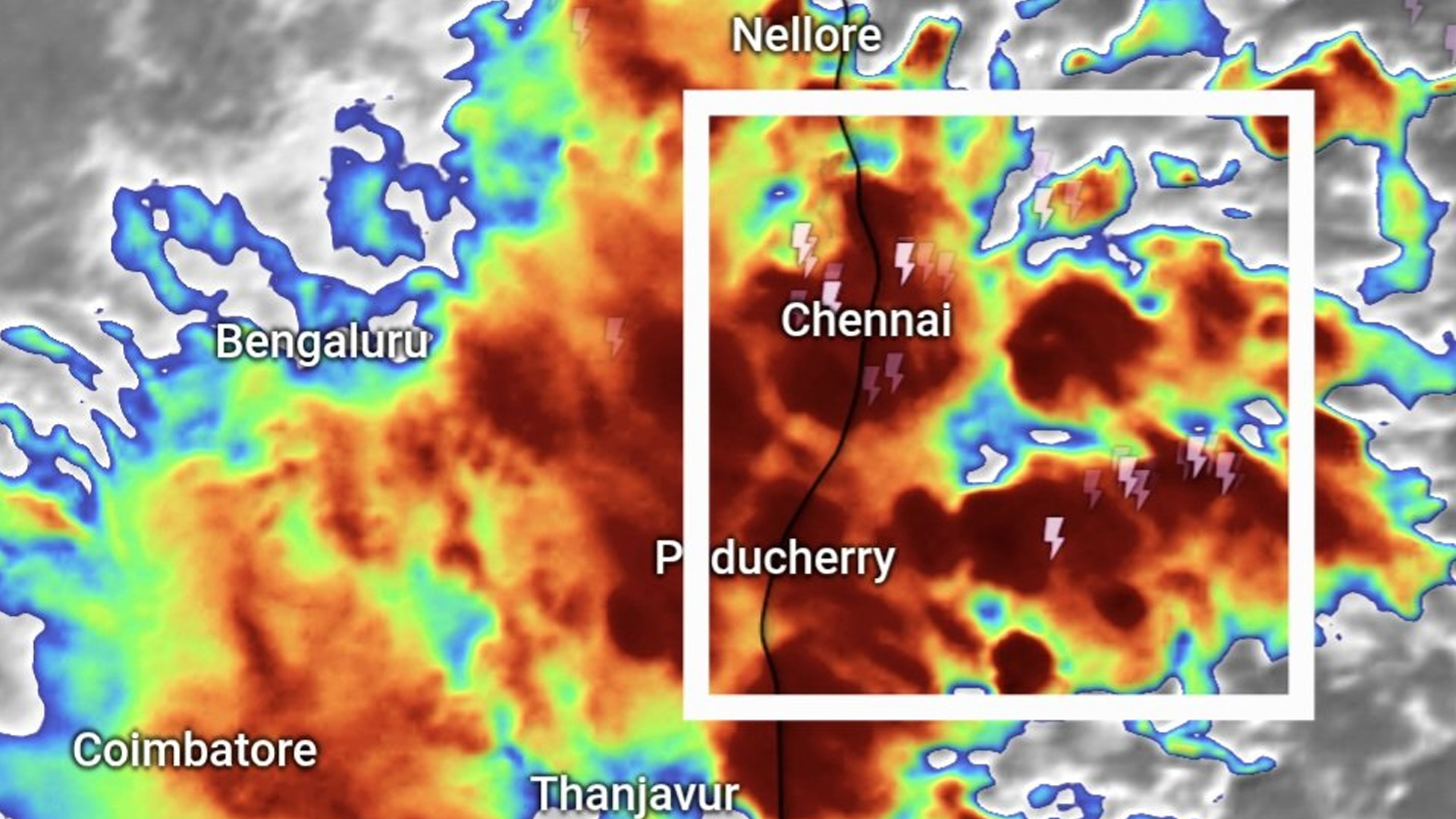
The India Meteorological Department (IMD) on Thursday, October 23, 2025, downgraded the earlier cyclone-related red alert to a yellow alert, even as Tamil Nadu continues to experience heavy rainfall from the northeast monsoon.

The yellow alert covers Chennai, Tiruvallur, Kancheepuram, Chengalpattu, and Ranipet districts, where isolated areas are expected to receive intense rainfall throughout the day. Other regions, including Thiruvallur, Tirunelveli, Kanyakumari, Thenkasi, Theni, Dindigul, and the hilly areas of Coimbatore, are likely to witness light to moderate showers, the IMD said.

The persistent rains have caused significant disruption across the state. Schools in Dharmapuri district were closed as a precautionary measure, while the Mettur Dam in Salem has reached full capacity.

The inflow at the dam stands at 36,484 cusecs per day, while around 35,741 cusecs are being released, prompting authorities to monitor downstream areas closely. Waterlogging and traffic disruptions have been reported in major cities, particularly in Chennai, where residents are being urged to exercise caution.

In response to the ongoing monsoon, Deputy Chief Minister Udhayanidhi Stalin inspected the Integrated Command and Control Center at Ripon Buildings in Chennai and visited several flood-affected areas alongside senior officials of the Greater Chennai Corporation (GCC).

He directed authorities to address public grievances promptly and ensure relief reaches those affected. Under the guidance of Chief Minister M.K. Stalin, the GCC has organized 106 kitchens across the city to provide food to approximately 1.46 lakh residents impacted by the rains.

While the weakening of the low-pressure area over the Bay of Bengal may bring temporary relief, the IMD has advised residents to remain vigilant as heavy showers continue across the state.

Meanwhile, AIADMK leader Edappadi K. Palaniswami visited Cauvery Delta districts, including Thanjavur, where paddy fields have been submerged. He inspected paddy storage facilities and interacted with farmers to assess the impact of the rain on crops.

Authorities continue to monitor the situation closely, coordinating relief and emergency measures. Residents are urged to follow official updates, avoid unnecessary travel in waterlogged areas, and take precautions during the ongoing monsoon.

Also Read: Bihar Elections: Tejashwi Yadav CM Face For Mahagathbandhan Alliance

Bihar Elections: Tejashwi Yadav CM Face For Mahagathbandhan Alliance

Mukesh Sahani was introduced as one of the deputy CM candidates

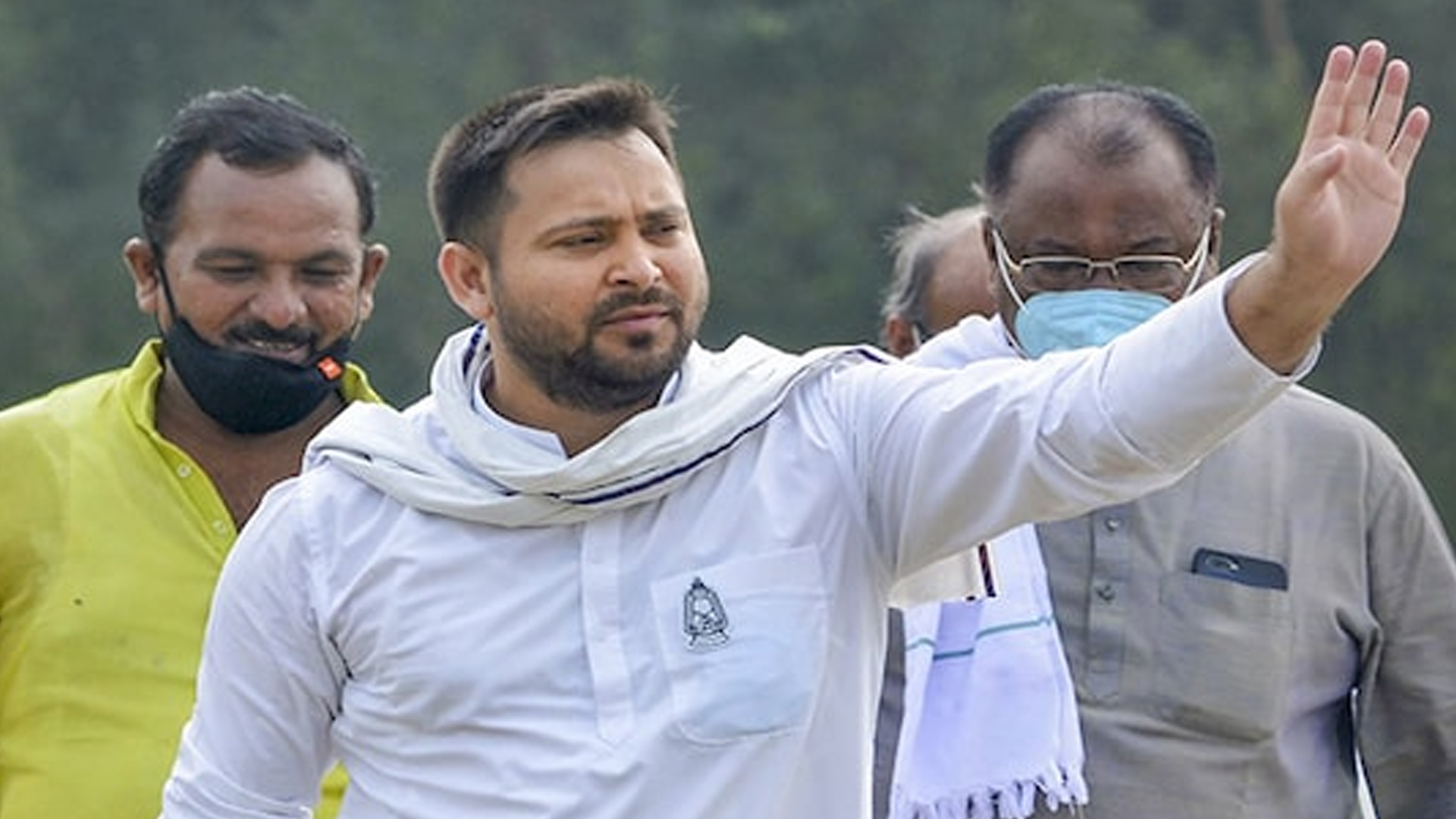
Tejashwi Yadav has been officially named the Chief Ministerial candidate for the Mahagathbandhan alliance in the upcoming 2025 Bihar Assembly elections.

The announcement was made on October 23, 2025, during a joint press conference in Patna, led by Congress leader Ashok Gehlot, who serves as the All India Congress Committee’s senior observer for the Bihar polls. The event also featured key leaders from alliance partners, including RJD, Congress, VIP, and CPI(ML).

Yadav, the leader of the Rashtriya Janata Dal (RJD) and former Deputy Chief Minister of Bihar, has been a prominent figure in state politics. His selection as the CM face aims to present a unified opposition front against the ruling National Democratic Alliance (NDA).

Gehlot emphasized the alliance’s commitment to addressing issues such as youth unemployment, farmer distress, and women’s empowerment, framing the election as a pivotal moment for Bihar’s future.

In addition to Yadav’s nomination, VIP Chief Mukesh Sahani was introduced as one of the deputy CM candidates. Gehlot indicated that another deputy CM nominee would be announced in due course. This move reflects the alliance’s strategy to balance representation among its diverse constituents.

The press conference also highlighted the alliance’s unity and readiness for the electoral challenge. Gehlot called on the NDA to declare their CM candidate, suggesting that the opposition’s clarity on leadership contrasts with the ruling coalition’s ambiguity.

Also Read: Russia Strikes Power Grid in Ukraine as Peace Talks Stall

Droupadi Murmu Becomes First Woman President to Offer Prayers at Sabarimala

The President's visit was part of her four-day official tour of Kerala, which began on October 21

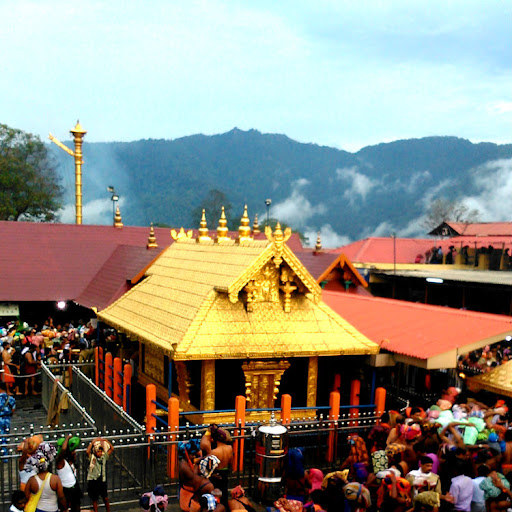
President Droupadi Murmu made history on Wednesday, October 22, 2025, by becoming the first woman President of India to offer prayers at the Sabarimala Lord Ayyappa Temple in Kerala. She is only the second sitting Indian President to visit the shrine; the first was V.V. Giri in the 1970s.

The President’s visit was part of her four-day official tour of Kerala, which began on October 21. Arriving at the Rajiv Gandhi Indoor Stadium Ground in Pramadom around 8:40 a.m., she was received by Kerala Devaswom Minister V.N. Vasavan, Member of Parliament Anto Antony, and other local officials.

From there, she traveled to Pampa in a specially arranged motorcade, where elaborate security and traditional arrangements had been made for her visit.

At Pampa, President Murmu began her pilgrimage by washing her feet in the Pampa River, in line with Ayyappa devotees’ purification ritual. She then proceeded to the Pampa Ganapathi Temple, where the Irumudi Kettu, the twin sacred bundle carried by devotees, was prepared and tied for her under the supervision of Melshanthi Vishnu Namboothiri.

Her Additional Private Secretary Saurabh S. Nair, Personal Security Officer Vinay Mathur, and son-in-law Ganesh Chandra Hombrom also participated in the ritual.

The President and her team then traveled in a special convoy of vehicles to Sabarimala Sannidhanam.

The hill temple and its surroundings were placed under unprecedented security cover, with the movement of other pilgrims prevented beyond the Nilakkal base camp during her visit period.

Upon reaching Sabarimala around 11:45 a.m., President Murmu climbed the Pathinettam Padi (18 sacred steps) to reach the sanctum sanctorum.

At the Sannidhanam, she was accorded a ceremonial reception with a purna kumbham by Tantri Kandararu Mahesh Mohanaru. She offered prayers to Lord Ayyappa and the upadevatas (sub-deities), before visiting the Malikappuram Devi Temple and the Vavar Swami shrine.

Travancore Devaswom Board (TDB) President P.S. Prashanth, Revenue and Devaswom Secretary M.G. Rajamanickam, and Sabarimala Melshanthi S. Arunkumar Namboothiri were among those who received the President at the temple.

Following the darshan, President Murmu was presented with a wooden carving of Ayyappa, a traditional memento, on behalf of the Travancore Devaswom Board by Minister V.N. Vasavan. Board members A. Ajikumar and P.D. Santhosh Kumar were present.

After lunch, the President rested briefly at the Devaswom Guest House before beginning her return journey.

Around 12:15 p.m., she left the Sannidhanam for Pampa. At 4:15 p.m., she departed for Thiruvananthapuram from the Pramadom helipad, where she was seen off by Minister Vasavan and MP Anto Antony, among others.

The President’s visit to Sabarimala is a significant moment in both religious and political history, considering the longstanding traditions and debates surrounding women’s entry into the temple. Her visit underscores a symbolic step forward in the evolving social landscape of the country.

Also Read: Russia Strikes Power Grid in Ukraine as Peace Talks Stall

Orionid Meteor Shower Lights US Skies

Stargazers across the U.S. were treated to dazzling streaks of light from the annual meteor shower

The Orionid meteor shower, one of the year’s most anticipated celestial events, dazzled observers across the United States on Tuesday night. Known for its bright, fast-moving meteors, the shower occurs annually as Earth passes through dust and debris left behind by Halley’s Comet.

This year’s peak coincided with a new moon, providing dark skies ideal for viewing. Meteor enthusiasts reported seeing up to 20 shooting stars per hour, some leaving luminous trails, or “trains,” that lingered for several seconds. The radiant point, near the Orion constellation, made the meteors appear to streak outward from the famous hunter’s belt, creating a spectacular visual effect.

Experts recommend watching the Orionids from midnight to dawn, when meteor activity is at its highest. Ideal viewing conditions include locations away from city lights, with eyes allowed 20–30 minutes to adjust to darkness. No special equipment is required, making the event accessible to casual skywatchers as well as seasoned astronomers.

The Orionid meteor shower was beautiful to watch for sky gazers as it showed a rare connection to Halley’s Comet, the famous visitor that graces our skies roughly every 76 years. For those who witnessed this spectacle, it was the best chance to witness the cosmic dance of debris and light, a fleeting reminder of the vast universe beyond.

This year’s show also coincided with the appearances of Comet Lemmon and Comet SWAN, visible in the northwest and southern skies, respectively, providing an extra treat for stargazers.

Also Read: Peru Declares 30-Day Emergency in Lima and Callao

Belgian Court Clears Mehul Choksi’s Extradition to India in PNB Fraud Case

Choksi has 15 days to appeal the decision to the Belgian Supreme Court

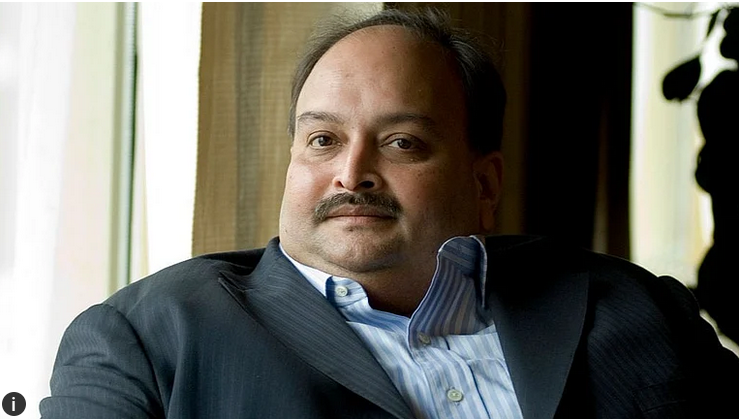
The Antwerp Court of Appeal in Belgium ruled in favor of extraditing fugitive diamond trader Mehul Choksi to India, rejecting his claims of political persecution and unfair trial. Choksi, arrested in Antwerp on April 11, 2025, faces charges related to the alleged ₹13,000 crore Punjab National Bank (PNB) fraud case.

The court found that the offenses cited by Indian authorities—criminal conspiracy, cheating, forgery, and corruption—are punishable under both Indian and Belgian law, satisfying the principle of dual criminality required for extradition.

However, it excluded one charge, “causing the disappearance of evidence,” as it is not recognized under Belgian law.

Choksi had argued that his extradition would violate his right to a fair trial under Article 6 of the European Convention on Human Rights, citing concerns about the independence of the Indian judiciary and the conditions in Indian prisons.

The court dismissed these claims, stating that he did not provide substantial evidence to support them. It also rejected his assertion that he was the subject of a political trial.

The court further noted that the alleged crimes occurred between December 31, 2016, and January 1, 2019, and that the statute of limitations had not expired in either India or Belgium.

It also found no evidence to support Choksi’s claim that the extradition request was politically motivated or that he would face mistreatment upon return to India.

Choksi has 15 days to appeal the decision to the Belgian Supreme Court. If the ruling stands, it will mark a significant step in India’s efforts to bring him to trial for his alleged role in the PNB fraud case. The Indian government has assured Belgian authorities that Choksi will be held under judicial supervision and provided adequate medical care upon extradition.

Also Read: Severe Rainfall Hits Tamil Nadu and Kerala

Severe Rainfall Hits Tamil Nadu and Kerala

Authorities in both states warned of continued heavy rainfall and thunderstorms across southern India

Intense rainfall lashed parts of Tamil Nadu and Kerala as a well-marked low-pressure area over the southwest Bay of Bengal intensified into a depression. The system moved northwestward, bringing heavy downpours across coastal and interior regions of both states and prompting the India Meteorological Department (IMD) to issue multiple alerts.

In Tamil Nadu, the northeast monsoon triggered widespread flooding and infrastructure strain. Several districts, including Chennai, Tiruvallur, and Ranipet, experienced extremely heavy rainfall, with totals exceeding 20 cm in isolated areas.

Major reservoirs like Chembarambakkam and Poondi saw a sharp rise in inflows, leading authorities to open floodgates to manage water levels and reduce flood risks. The Chembarambakkam reservoir, a key drinking water source for Chennai, recorded an inflow of 2,170 cubic feet per second, with water discharged into the Adyar River.

Southern districts such as Ramanathapuram, Sivaganga, and Kanyakumari reported heavy rainfall, waterlogging, and disruptions to daily life, while the Vaigai Dam approached full capacity, prompting flood alerts for multiple districts.

Kerala also faced severe rainfall, with red alerts issued for Idukki, Palakkad, and Malappuram districts, anticipating rainfall exceeding 20 cm within 24 hours. Educational institutions in these areas were closed as a precaution, while orange alerts were declared for other districts, including Kozhikode, Wayanad, and Kottayam. Residents were urged to remain vigilant, avoid unnecessary travel, and follow local authorities’ guidance to ensure safety.

Authorities in both states warned of continued heavy rainfall and thunderstorms across southern India, with potential travel disruptions, power outages, and localized flooding. Residents are advised to stay indoors during heavy rains and monitor updates from official sources to mitigate risks.

Also Read: RJD Unveils 143 Candidates for Bihar Elections