rotating globe
2 Apr 2026


Karnataka CM and Deputy CM meet for talks

Breakfast meeting brings Siddaramaiah and Shivakumar together as Congress reviews Karnataka’s leadership question

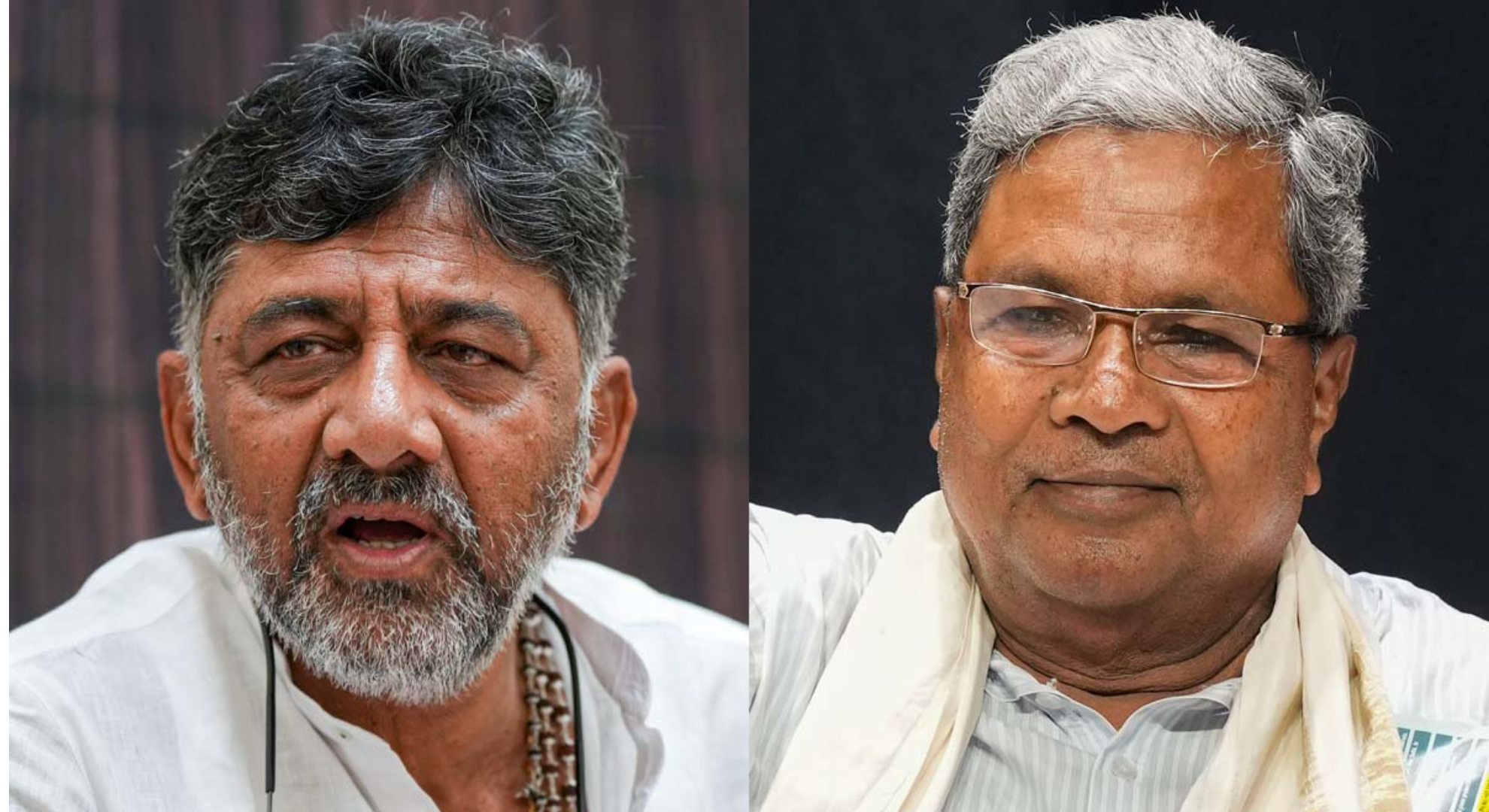
Karnataka’s political tension eased slightly on Saturday after Chief Minister Siddaramaiah and Deputy Chief Minister DK Shivakumar met for a breakfast discussion at the CM’s residence in Bengaluru. The meeting was arranged following a clear directive from the Congress high command, which has stepped in to calm the escalating leadership tussle in the state.

For days, Karnataka has been abuzz with speculation over whether the Congress will introduce a power-sharing arrangement between the two senior leaders. Supporters of Shivakumar, who also heads the state Congress unit, have been pushing strongly for a rotational chief ministership. They claim that an informal understanding was reached after the 2023 Assembly win to divide the five-year term between Siddaramaiah and Shivakumar.

Shivakumar, however, has publicly maintained a measured tone. On Friday, he signalled that he may travel to New Delhi soon and said Delhi was the party’s “temple,” emphasising that major decisions rest with the high command. He added that he was “not in a hurry” for the top post and would accept whatever the party decides. His guarded remarks followed days of political messaging, including a cryptic social media post about the importance of “keeping one’s word,” which was widely interpreted as a reference to the alleged power-sharing pact.

Siddaramaiah, for his part, has insisted that the mandate given to him in 2023 was for five years. However, after receiving a call from the central leadership, he invited Shivakumar for Saturday’s breakfast meeting and said the two would “discuss everything.” He also reiterated that he would abide by the decision taken by the party leadership.

The outcome of the meeting has not been disclosed, but party sources indicate that the high command is likely to take a final call soon. For now, the meeting serves as a temporary pause in the growing rift within Karnataka’s ruling party.


Also Read: AIADMK veteran Sengottaiyan joins Vijay’s TVK

India GDP surges 8.2% in Q2

Rural spending and government support fuel momentum as GST benefits begin to unfold

India’s GDP showed remarkable strength in the July–September quarter, expanding by 8.2% year-on-year, the fastest growth in six quarters. The impressive numbers arrived even before the full effects of recent GST rate cuts came into play, highlighting the resilience of the domestic economy.

The growth story is being led by industry and services, which surged by 8.1% and 9.2% respectively. Manufacturing plants hummed with activity, while the services sector, from trade to transport, recorded robust demand. The agriculture and mining sector grew more modestly at 3.1%, yet contributed to the overall healthy momentum.

Experts say the growth is largely fueled by rising rural demand, higher government spending, and strong export activity. Pre-festive season purchases also gave a boost, as households and businesses anticipated the benefits of lower GST rates, even though these changes are yet to fully impact the economy.

Yet, not all parts of the economy are keeping pace. Urban consumption and private investment remain subdued, suggesting that the current momentum leans heavily on government-led and rural activity. Economists caution that sustaining this growth will depend on reviving urban spending and private sector investment in the coming months.

Overall, the Q2 numbers signal optimism. India’s economy is not just growing; it is beginning to balance recovery across sectors, showing that targeted policy measures and rural resilience can drive robust growth. As GST benefits roll out and investment picks up, the stage is set for a stronger second half of FY 2025–26.

Analysts suggest that this quarter’s performance reflected a combination of strong policy support and resilient rural demand, and added that if investment and urban consumption picked up, India could sustain healthy growth through the rest of the fiscal year.

Also Read: US reviews green cards from 19 countries after shooting

Sennheiser debuts premium HDB 630 in India

New premium wireless headphones offer high-resolution audio and 60-hour battery life

Sennheiser, a leading audio company in Germany, has introduced its latest premium wireless headphones, the HDB 630, in India. This is an high-end product designed for listeners who want high-resolution, audiophile-level sound without the hassle of wires.

The headset brings together Sennheiser’s signature tuning with modern wireless tech, offering a clean, natural sound profile that focuses on clarity and detail. A newly developed transducer and acoustic design help the HDB 630 reproduce music the way it was recorded, with controlled bass, crisp treble, and smooth mids.

For those who want to customise their listening experience, the Sennheiser Smart Control app includes a parametric equaliser and a special Crossfeed mode. This feature softens left–right separation to create a more speaker-like feel, which many listeners find more natural for long sessions.

Despite being wireless, the headphones promise high-resolution audio playback up to 24-bit/96 kHz, whether you listen through Bluetooth or via USB-C. Sennheiser also includes a dedicated USB-C transmitter that helps deliver better sound quality even on devices that don’t support advanced codecs.

Comfort is a key part of the package. The over-ear design uses lightweight materials and soft protein-leatherette cushions to reduce fatigue during long listening hours,  something audiophiles and remote workers will appreciate. Battery life is another highlight, with up to 60 hours of playtime and a quick-charge option that gives 7 hours of use in just 10 minutes.

The Sennheiser HDB 630 is priced at ₹44,990 in India. Early buyers may also receive the Accentum Open earbuds worth ₹12,990 as part of an introductory offer.

With this launch, Sennheiser is positioning the HDB 630 as a blend of high-end sound quality and wireless convenience  which a premium option for anyone who wants an audiophile experience in everyday use.

Also Read: Cyclone Ditwah hits Tamil Nadu, Andhra by Nov 30

Cyclone Ditwah hits Tamil Nadu, Andhra by Nov 30

Red and orange alerts issued as heavy rain and strong winds loom

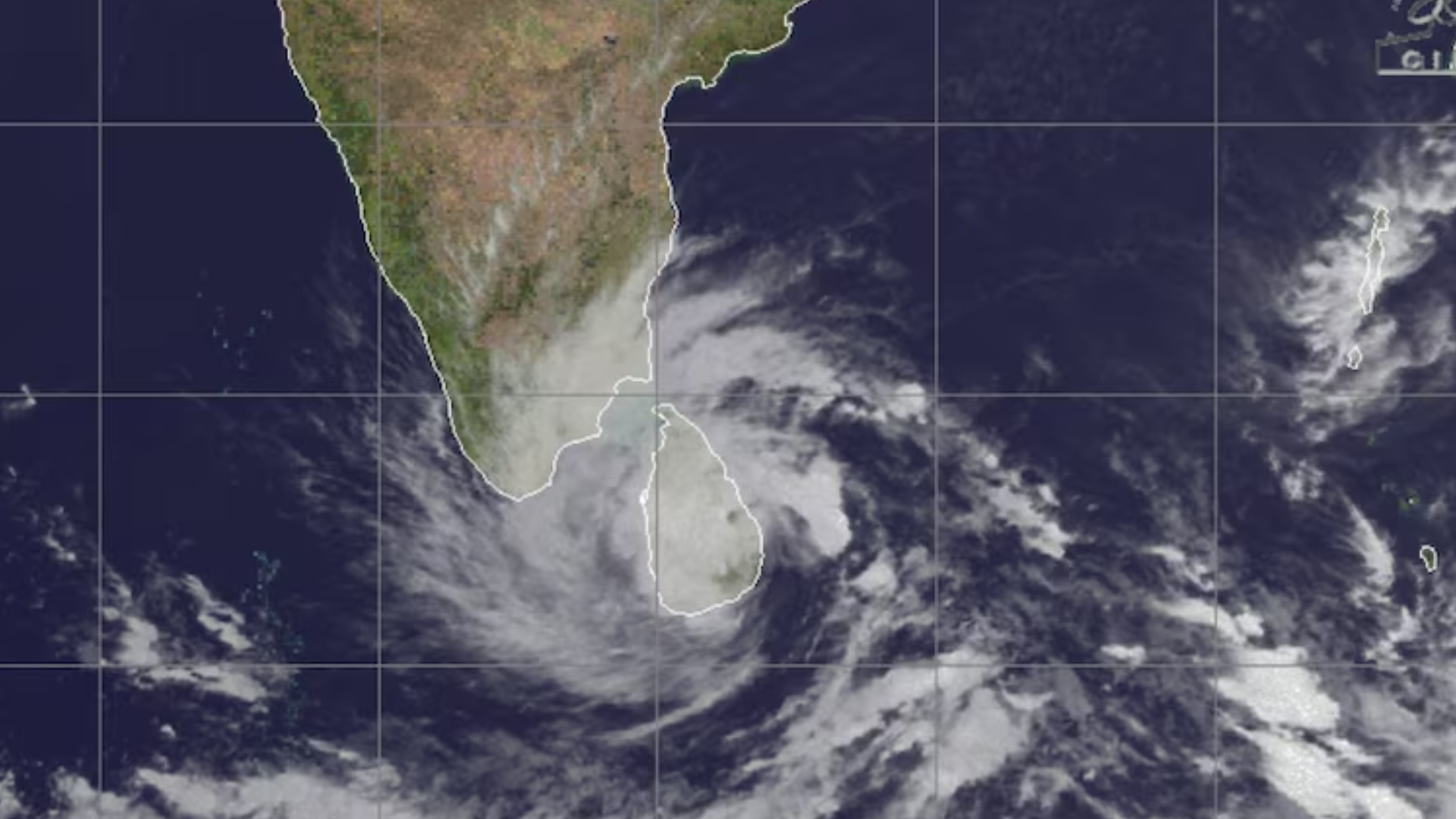
A powerful storm named Cyclone Ditwah is advancing steadily over the Bay of Bengal and is expected to make landfall between northern Tamil Nadu and southern Andhra Pradesh late on November 29 or early on November 30. Meteorologists warn that the cyclone could bring very heavy rainfall, gusty winds, and rough seas, making life challenging for residents along the coast.

The India Meteorological Department (IMD) has issued red alerts for districts including Thanjavur, Tiruvarur, Nagapattinam, and Mayiladuthurai, signaling the likelihood of extremely heavy rain, more than 20 cm in 24 hours. Coastal cities like Chennai, along with nearby districts, are under orange alert, while parts of Andhra Pradesh, especially south-coast and Rayalaseema regions, are also on high alert.

Authorities are urging fishermen to stay ashore and residents in low-lying areas to take precautions against possible flooding and waterlogging. Gale-force winds of 60–80 km/h, gusting up to 90 km/h, are expected along the coast, and the sea will be very rough.

Rain bands from Ditwah are likely to begin affecting southern India from November 29, with heavy rainfall and strong winds continuing through November 30 and into early December. Residents are being advised to stay updated, avoid unnecessary travel, and prepare for possible disruptions.

The name “Ditwah” was submitted by Pakistan to the WMO’s North Indian Ocean naming list. These names are used in rotation to help clearly identify cyclones and communicate warnings effectively.

The coming days will test the resilience of coastal communities, but timely alerts and careful preparation aim to keep lives and property safe.

Also Read: Sri Lanka floods kill 56, schools and offices shut

Imran Khan’s son demands proof of life now

Kasim claims father in solitary confinement while authorities deny

Kasim Khan, son of former Pakistan Prime Minister Imran Khan, has raised alarm over his father’s well-being, demanding proof that he is alive. He claims that Imran Khan has been held in “total isolation” for weeks at Adiala Jail, with no phone calls or family visits, despite court orders allowing such contact.

Kasim described the situation as “complete darkness,” accusing authorities of deliberately hiding his father’s condition. He warned that the government and its supporters could face legal and international accountability if the isolation continues.

The family has appealed to international human rights groups and democratic nations to intervene, calling for verification of Imran Khan’s health, access in line with court orders, and an end to the solitary confinement.

Authorities at Adiala Jail have denied the allegations, saying Imran Khan is in good health, receiving proper care, and that claims of mistreatment or secret transfers are baseless.

Imran Khan has been imprisoned since August 2023 on multiple charges, which he and his party describe as politically motivated.

Also Read: Deepti Sharma tops WPL 2026 auction at ₹3.2 cr

US reviews green cards from 19 countries after shooting

Authorities check immigrants from 19 high-risk nations following DC attack

In the wake of a deadly attack on two National Guard members near the White House, the US government has ordered a comprehensive review of all green cards held by immigrants from 19 countries deemed high-risk. One guard member has died, while the other remains critically injured.

The accused shooter, Afghan national Rahmanullah Lakanwal, arrived in the US under the 2021 evacuation program. Following the incident, former President Donald Trump directed a “full-scale, rigorous re-examination” of permanent residency permits for immigrants from the 19 specified nations. The countries under review include Afghanistan, Burma (Myanmar), Burundi, Chad, Republic of the Congo, Cuba, Equatorial Guinea, Eritrea, Haiti, Iran, Laos, Libya, Sierra Leone, Somalia, Sudan, Togo, Turkmenistan, Venezuela, and Yemen.

The review will be conducted by US Citizenship and Immigration Services (USCIS) and applies to current green card holders, as well as pending and new applications from these countries starting November 27, 2025. Officials have emphasized that the applicant’s country of origin will now be considered a key factor in eligibility assessments, highlighting national security as the top priority.

Supporters of this decision argue it is necessary to protect American citizens and prevent similar attacks in the future. Critics, however, warn that it unfairly targets immigrants based solely on nationality rather than individual behavior, calling it a form of collective punishment.

The green card review represents a significant tightening of US immigration policy, shifting from broader humanitarian resettlement programs to a more security-driven approach. Thousands of immigrants from the affected countries may now face renewed scrutiny, and those seeking asylum or permanent residency could encounter stricter standards and longer waiting times.

Authorities have pledged to balance safety with fairness, but the move has already sparked debates over civil liberties and the treatment of long-standing permanent residents from the 19 nations under review.

Also Read: National guard soldier killed in White House shooting

Sri Lanka floods kill 56, schools and offices shut

Heavy rains trigger floods and landslides, leaving hundreds stranded and rescue operations in full swing

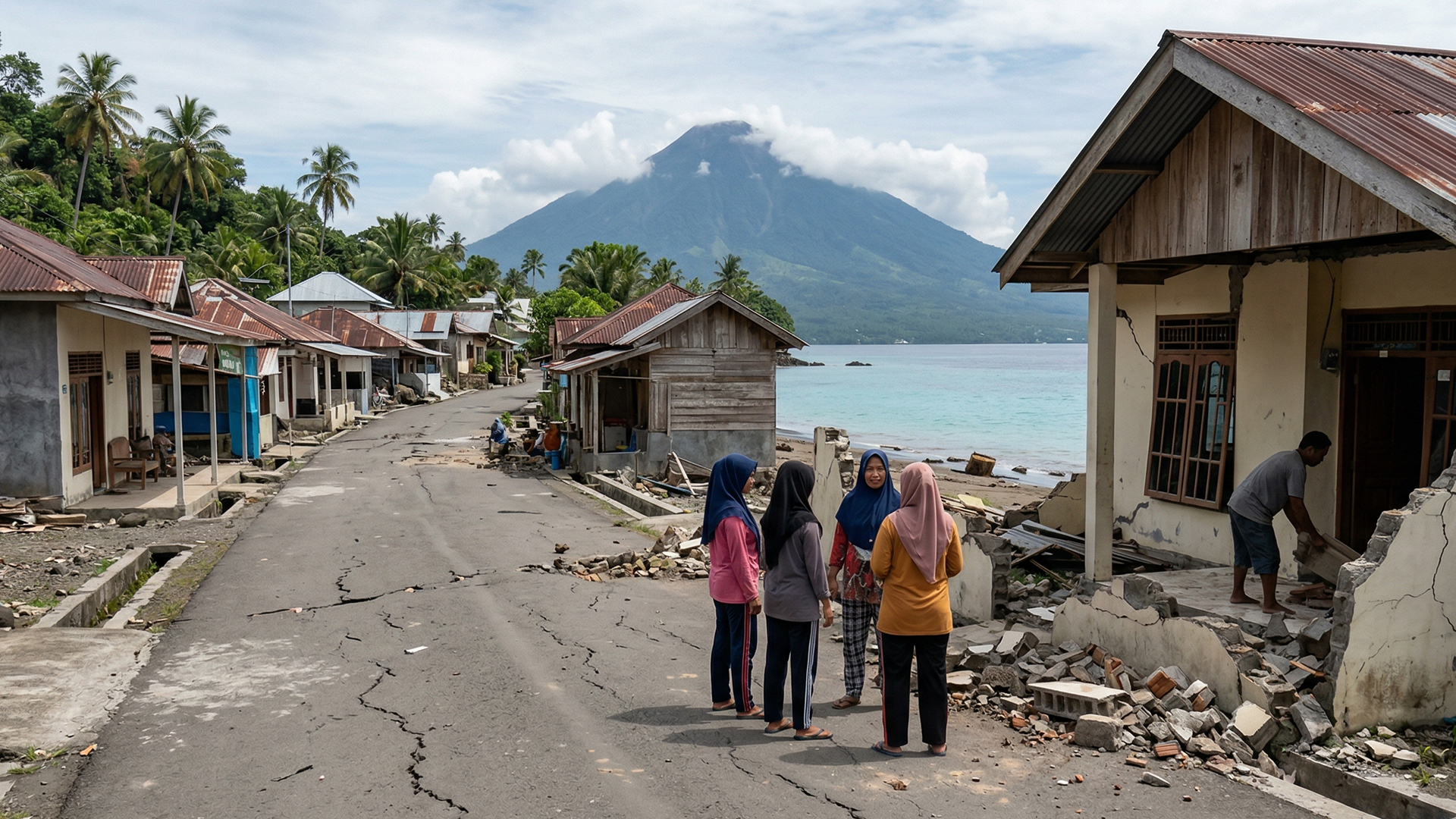
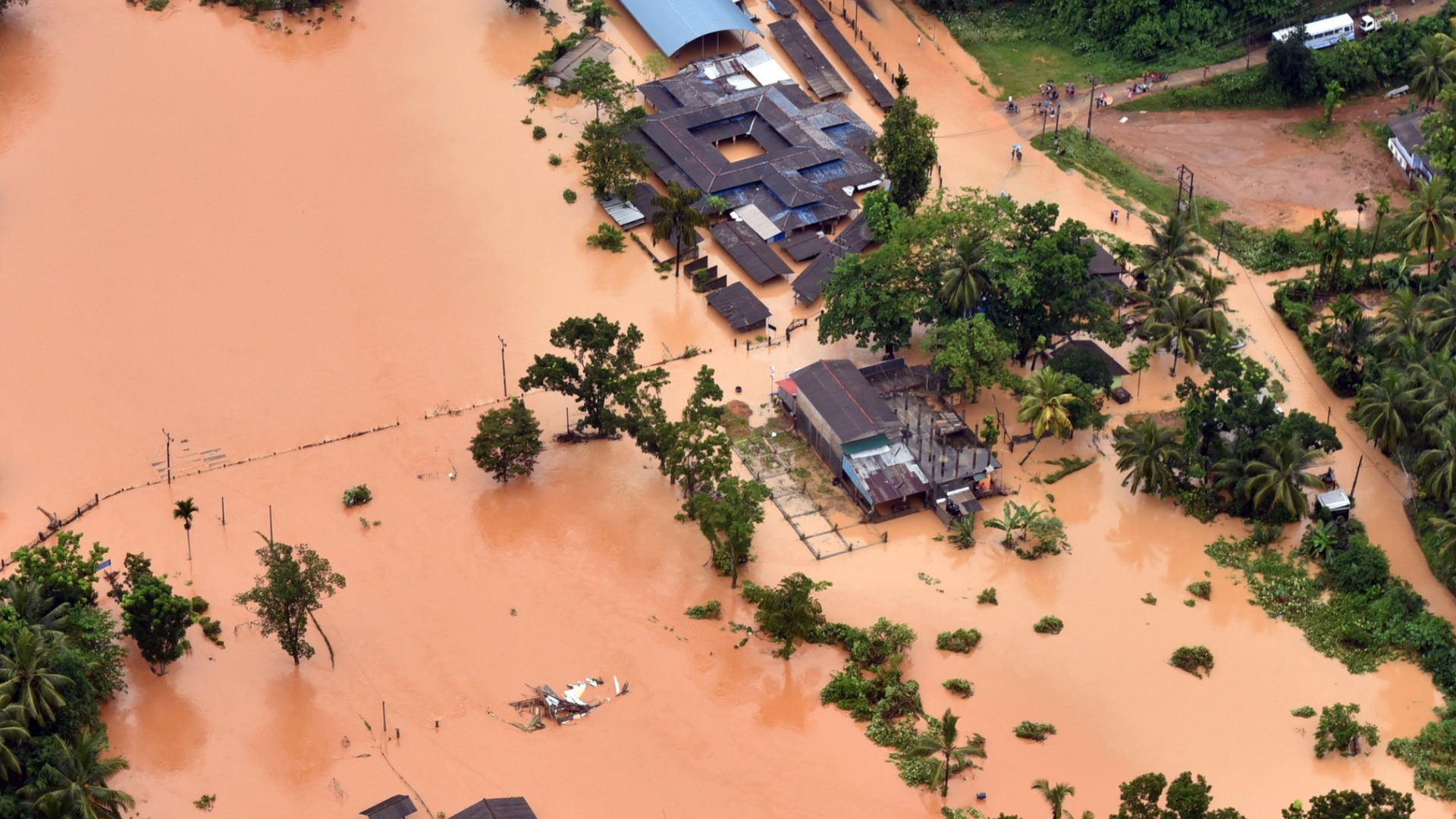
Heavy rains and flooding have wreaked havoc across Sri Lanka, killing at least 56 people and leaving many more injured or missing. The central and hilly districts, including Badulla and Nuwara Eliya, have been worst affected, where landslides have swept through villages, destroying homes and roads. Authorities say 21 people are still missing, and rescue teams continue to search for survivors as unstable conditions persist.

The floods and landslides have caused extensive damage to property and infrastructure. Over 600 houses have been damaged, while roads and railway lines have been blocked by mud, debris, and fallen trees, disrupting transport across affected regions. Tens of thousands of people, approximately 44,000 residents, have been impacted, with many forced to evacuate to temporary shelters.

In response to the disaster, the Sri Lankan government has closed all schools and government offices to ensure public safety. Passenger train services have been suspended, and major highways remain partially inaccessible due to floodwaters and landslide debris. Rivers and reservoirs in multiple regions have overflowed, exacerbating the flooding.

Rescue operations are in full swing. The military, navy, and disaster-management authorities are deploying helicopters, boats, and ground teams to evacuate stranded residents and deliver emergency supplies. Emergency shelters have been set up for displaced families, and officials are urging residents in low-lying and landslide-prone areas to move to safer locations.

The disaster has been aggravated by continuous rainfall, and meteorologists warn that heavy showers may continue, potentially causing further floods and landslides. Authorities are closely monitoring weather conditions and advising caution for communities in vulnerable areas.

Local residents have shared harrowing accounts of being trapped in their homes as floodwaters rose, while rescue teams work tirelessly to save those stranded. With the country grappling with widespread damage and displacement, Sri Lanka faces a challenging recovery period ahead.

Also Read: National guard soldier killed in White House shooting

President meets SC Judges on Constitution Day

Emphasises Constitution’s role in dignity, unity and accessible justice

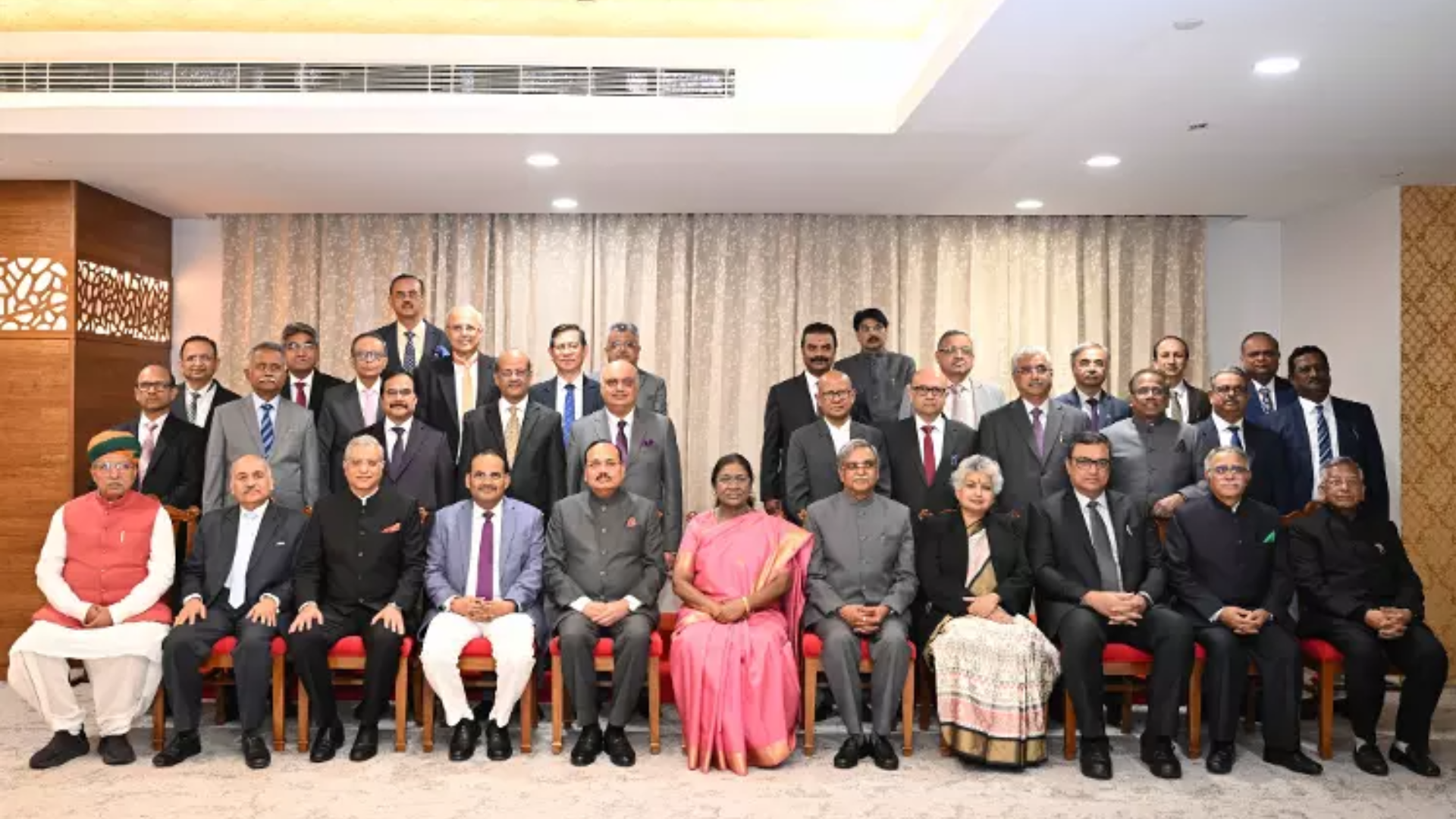
President Droupadi Murmu met judges of the Supreme Court of India, senior advocates, and top legal officials yesterday as part of Constitution Day celebrations. The President described the Constitution as the cornerstone of India’s social, economic, and political transformation, highlighting its central role in upholding individual dignity and national unity. She also stressed the importance of ensuring that legal aid reaches citizens at the grassroots level, making justice more accessible for all.

The celebrations coincided with the 76th Constitution Day, observed across India under the theme “Hamara Samvidhan – Hamara Swabhiman” (“Our Constitution – Our Pride”). Events across the country emphasised the enduring relevance of the Constitution and its role in shaping India’s democratic values. At the main ceremony held at the historic Central Hall of the old Parliament building, now known as Samvidhan Sadan, translations of the Constitution were released in nine Indian languages, including Malayalam, Telugu, Kashmiri, and Assamese. This move aims to make the nation’s foundational document accessible to a wider audience.

Chief Justice of India Surya Kant, speaking at the Supreme Court function, called for a uniform national judicial policy. He highlighted the need for consistency in judicial decisions across the country’s 25 High Courts and various benches of the Supreme Court, stressing that such a policy would reduce unpredictability in verdicts. Justice Kant further emphasised the shared responsibility of the Bar and the Bench in upholding the rule of law and ensuring harmony in judicial decisions.

Speaking at a separate event, Supreme Court Justice Prasanna Varale described the Constitution as a “living promise” to all citizens, urging continuous courage, integrity, and civic commitment to protect it. Experts and leaders at various functions reiterated that the Constitution is not merely a legal document but a living framework that guides governance, protects rights, and sustains democracy.

Also Read: Cyclone Ditwah to hit Tamil Nadu, Andhra by Nov 30