rotating globe
3 Apr 2026


NIA arrests Faridabad man aiding Red Fort bomber

Soyab is the seventh person held for assisting Dr Umar Un Nabi, the bomber behind the November 10 Delhi attack

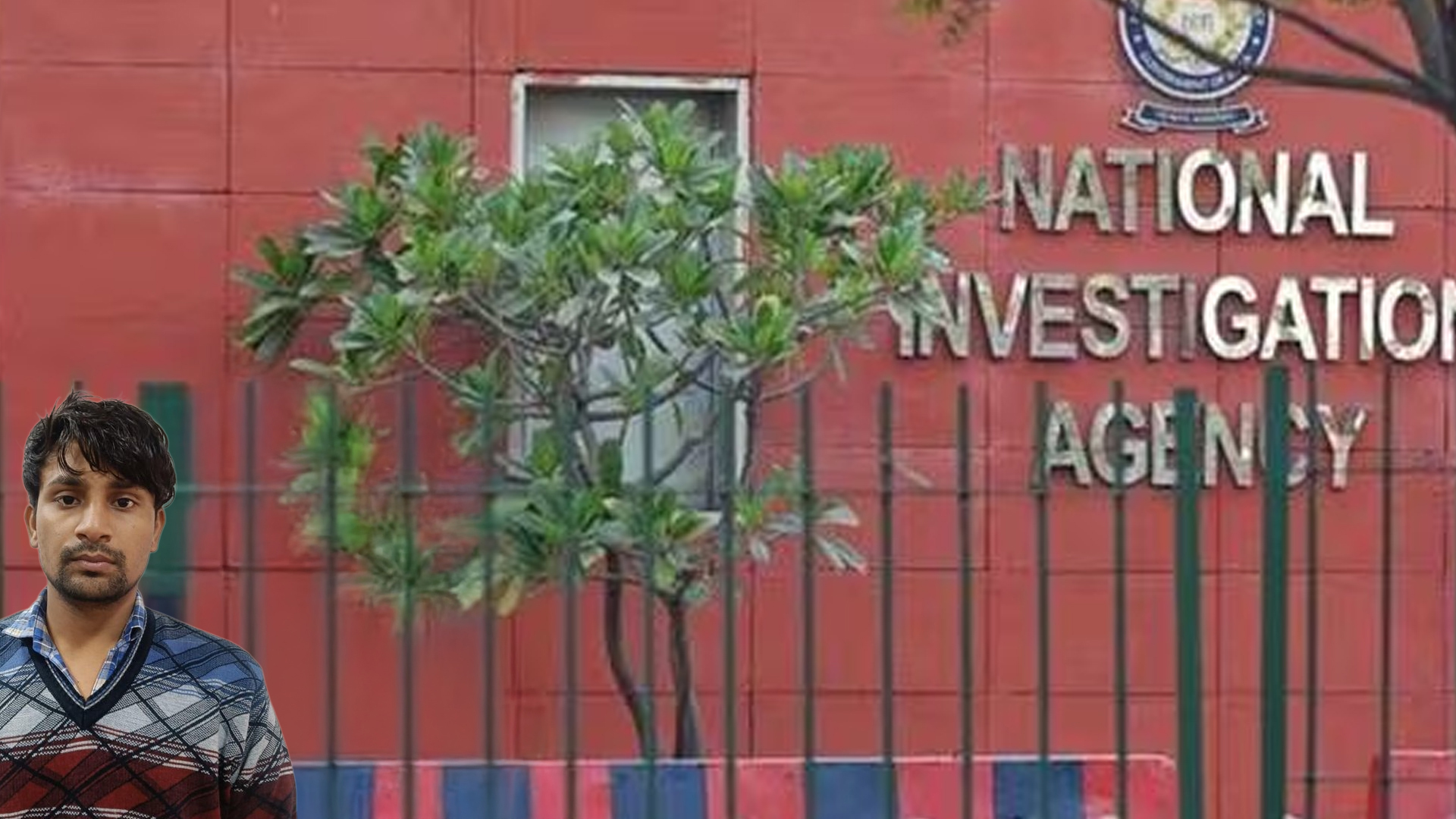
The National Investigation Agency (NIA) has arrested Soyab, a resident of Dhauj village in Faridabad, for his alleged role in the November 10 car blast near Delhi’s Red Fort. With this, the number of people arrested in the case has risen to seven. The agency says Soyab helped the main accused, Umar Un Nabi, by giving him shelter and offering other support just before the attack.

Investigators believe that Umar stayed at Soyab’s home while preparing for the blast. According to officials, Soyab also provided logistical help, which made it easier for Umar to carry out his plan. The NIA said his actions were part of a larger effort to hide the suspect and protect him from being tracked.

The deadly blast took place when a car filled with explosives detonated near the Red Fort metro station, killing several people and injuring many others. The explosion caused panic in the area and led to a major security operation. Later, DNA tests confirmed that the bomber was Umar Un Nabi, who worked as a doctor and assistant professor at a private university in Faridabad.

The NIA has already arrested six other people connected to the attack. They include individuals who allegedly helped Umar arrange the car, gather materials, or plan the operation. Some of them were also linked to him through work or personal connections.

With the arrest of Soyab, the agency believes it is getting closer to uncovering the full support network behind the attack. The investigation is still underway, and officials say more arrests are possible. The NIA is also carrying out searches in different states to find additional evidence and identify anyone else who may have helped Umar. The agency has said it remains committed to finding every person connected to the blast and bringing them to justice.

Also Read: PM Modi says Constitution empowers every Indian to dream

Ram Temple flag denotes cultural pride, unity

Temple completion marked by ‘Dharma Dhwaj’ ceremony. PM urges freedom, pride, and unity

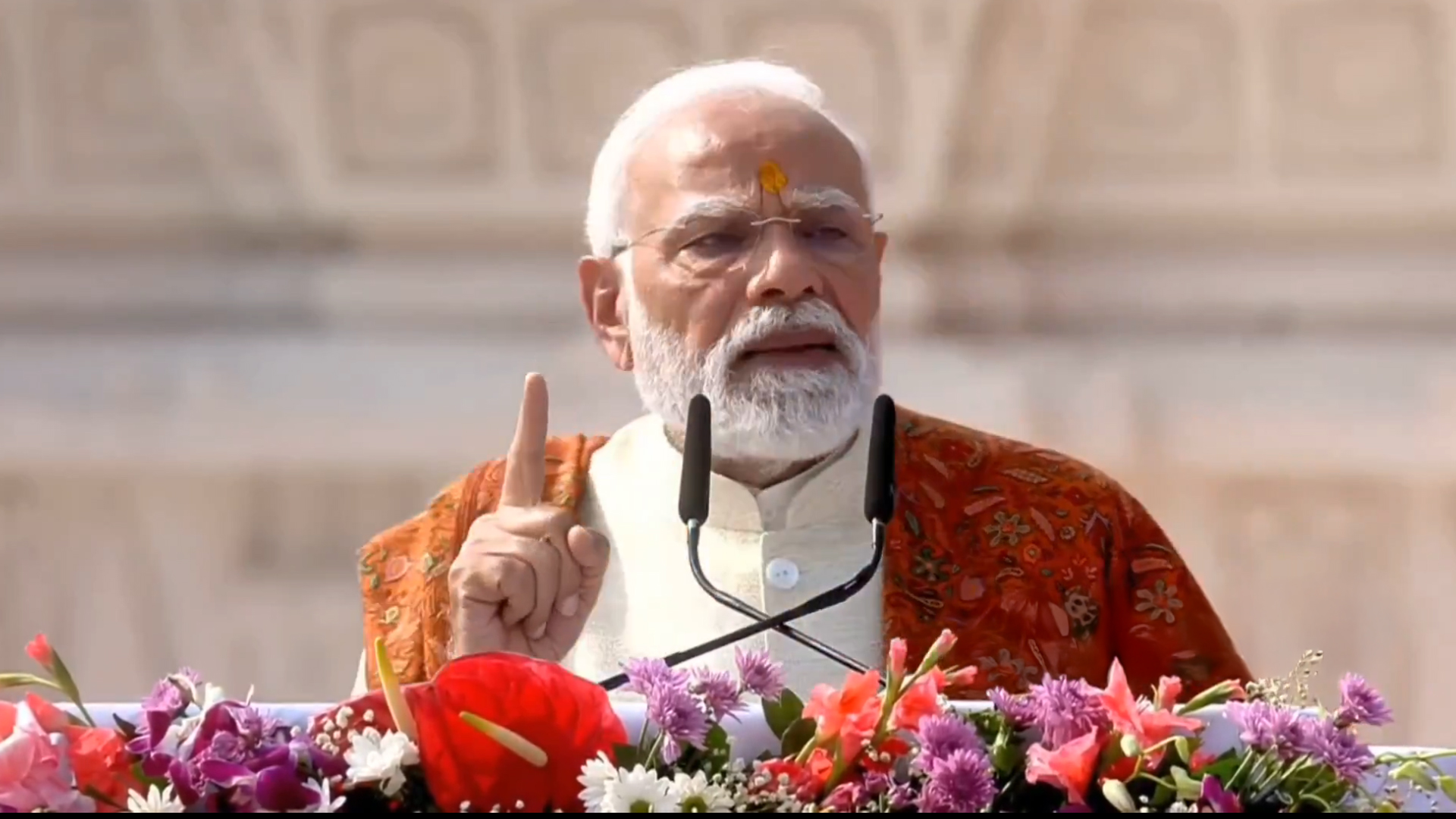
Prime Minister Narendra Modi on 25 November 2025 hoisted a saffron flag, known as the “Dharma Dhwaj,” atop the newly completed Ram Temple in Ayodhya. The ritual, called “Dhwaj Arohan,” is a traditional ceremony marking the completion of a sacred shrine and holds deep spiritual significance for millions of Hindus.

The flag measures 10 ft high and 20 ft long and is adorned with symbols including the Sun, the sacred “Om,” and the “Kovidara” tree. Each design element represents spiritual values such as dharma (righteousness), cosmic order, and the continuity of life. The ceremony was performed during the auspicious “Abhijit Muhurat,” coinciding with Vivah Panchami, a festival celebrating the divine wedding of Lord Ram and Sita.

In his address, Modi called the moment the fulfilment of a centuries-old spiritual aspiration, describing it as a revival of India’s civilisational identity. He urged citizens to shed what he referred to as the colonial-era “slave mentality” and embrace freedom, dignity, and confidence rooted in Indian heritage.

The Prime Minister also highlighted the inclusive aspects of the temple complex, pointing out shrines dedicated to historically marginalised communities. He framed the event as not only a religious milestone but also a symbol of unity and cultural pride.

The flag-hoisting is seen as a historic moment beyond religious significance, marking the literal completion of a long-awaited temple while inspiring millions with a sense of identity and belonging. For supporters, it is a moment of spiritual and cultural closure; for others, it carries political and social symbolism, reflecting broader themes of nationalism, heritage, and unity.

The “Dharma Dhwaj” atop the Ram Temple is now a lasting emblem of faith, tradition, and national pride, drawing attention nationwide and reinforcing the temple’s place in India’s cultural and spiritual landscape.

Also Read: PM Modi says Constitution empowers every Indian to dream
Trump envoys with Steve Witkoff head to Russia, Ukraine

Diplomatic efforts ramp up as Trump sends Witkoff and team to Moscow and Kyiv

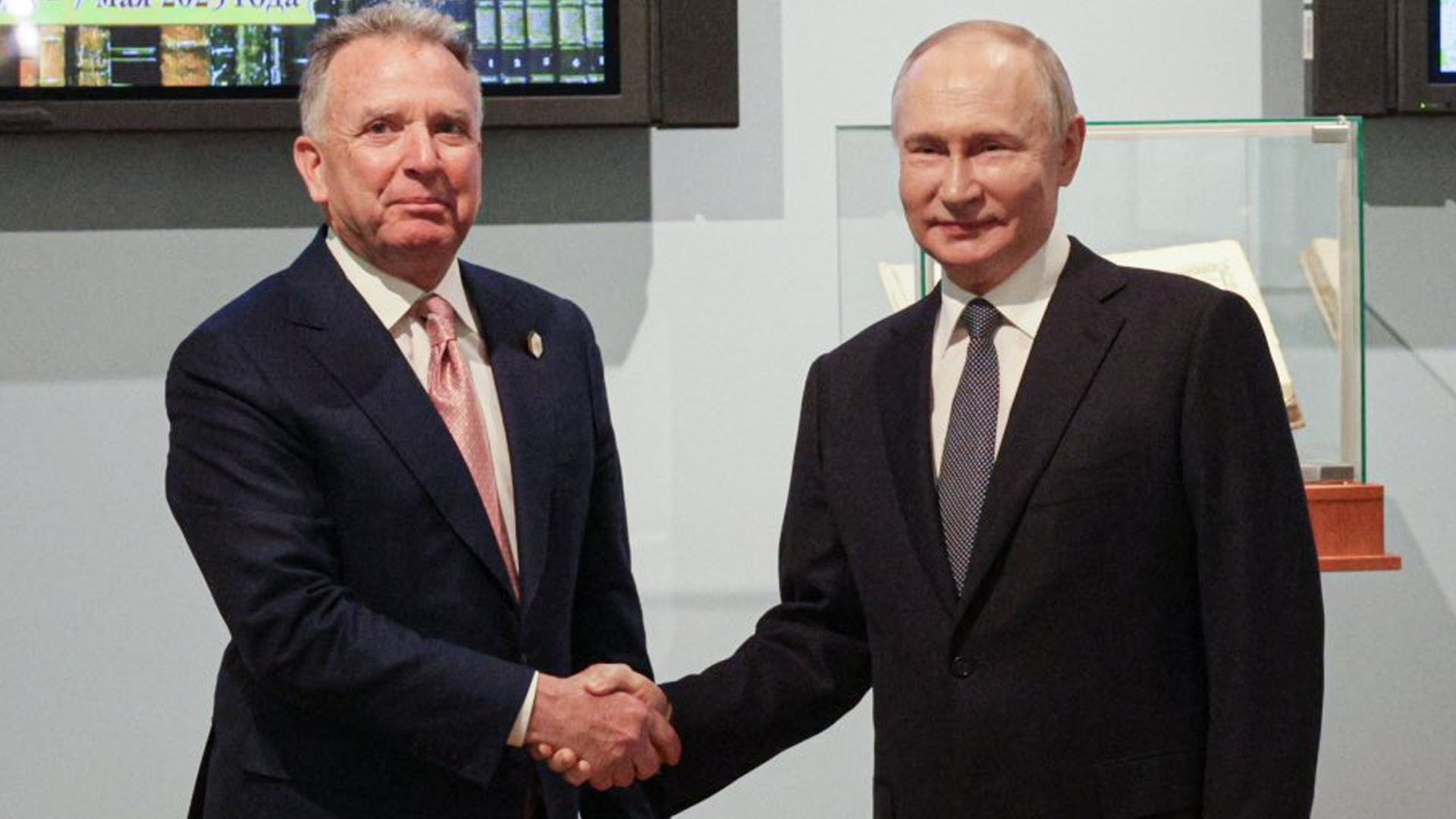
US President Donald Trump has said he is sending envoys, including Steve Witkoff, to Russia and Ukraine to discuss his peace plan for ending the ongoing war. Trump has reportedly revised his 28-point proposal and wants his representatives to meet Russian President Vladimir Putin in Moscow and Ukrainian leaders in Kyiv.

Trump said he might personally meet Putin and Ukrainian President Volodymyr Zelenskyy, but only once a deal is close to being finalized. His plan reportedly suggests that Ukraine cede the eastern Donbas region to Russia, a step seen by many as favoring Moscow. Trump argued that Russia could capture the area anyway if no agreement is reached.

While Trump’s envoys begin consultations, fighting continues. Recent Russian missile and drone attacks damaged buildings in Kyiv and cut off basic services in some areas.

European countries have expressed caution, noting they should play a role in any deal. Ukrainian officials say sensitive issues, including security guarantees and territorial sovereignty, need deeper discussion before agreeing to any plan.

The situation remains volatile, with hostilities ongoing even as diplomatic efforts continue. A successful peace deal would require agreement from all sides and support from European allies.

Trump’s envoy Witkoff is expected to travel to Moscow soon, while US Army Secretary Dan Driscoll will meet Ukrainian officials. The goal is to coordinate talks before any potential direct meeting between Trump and the leaders of Russia and Ukraine.

Also Read: Former CM Rabri Devi, son asked to vacate official homes

India cuts Russian oil imports in December

Western sanctions push refiners to scale back after months of heavy buying

India’s long run of high Russian oil imports is expected to slow sharply in December as tougher Western sanctions make trading harder and riskier for refiners. December imports are projected to fall to 600,000–650,000 barrels per day, the lowest level in at least three years. This marks a major shift from November, when India imported nearly 1.87 million barrels per day, one of the highest monthly volumes,  as refiners rushed to secure shipments before sanctions kicked in fully.

The sudden drop is mainly driven by stricter sanctions imposed by the United States, European Union and the United Kingdom. These sanctions target major Russian energy companies, including Rosneft and Lukoil, and have restricted global shipping, insurance and payment channels related to Russian crude. With these tighter rules, several Indian refiners now find it risky or unviable to continue buying large volumes.

Key refiners such as Hindustan Petroleum Corporation Ltd (HPCL), Mangalore Refinery and Petrochemicals Ltd (MRPL) and HPCL-Mittal Energy (HMEL) have already paused fresh purchases of Russian oil. Reliance Industries Ltd, one of India’s biggest buyers, is expected to process only the cargoes it had committed to before the sanctions deadline.

The only major exception is Nayara Energy, partly owned by Rosneft, which may continue to import Russian crude because of its closer ties. However, overall volumes from Russia are set to shrink significantly.

India had sharply increased Russian oil purchases since 2022 because of steep discounts. But the new sanctions have narrowed price benefits and increased compliance challenges. As a result, refiners are now turning to non-Russian suppliers in the Middle East and Africa to secure stable deliveries.

Also Read: Anthropic launches Claude Opus 4.5 with upgrades

China’s Shenzhou 22 to rescue stranded astronauts

Emergency spacecraft docks to secure safe return of astronauts from Tiangong space station

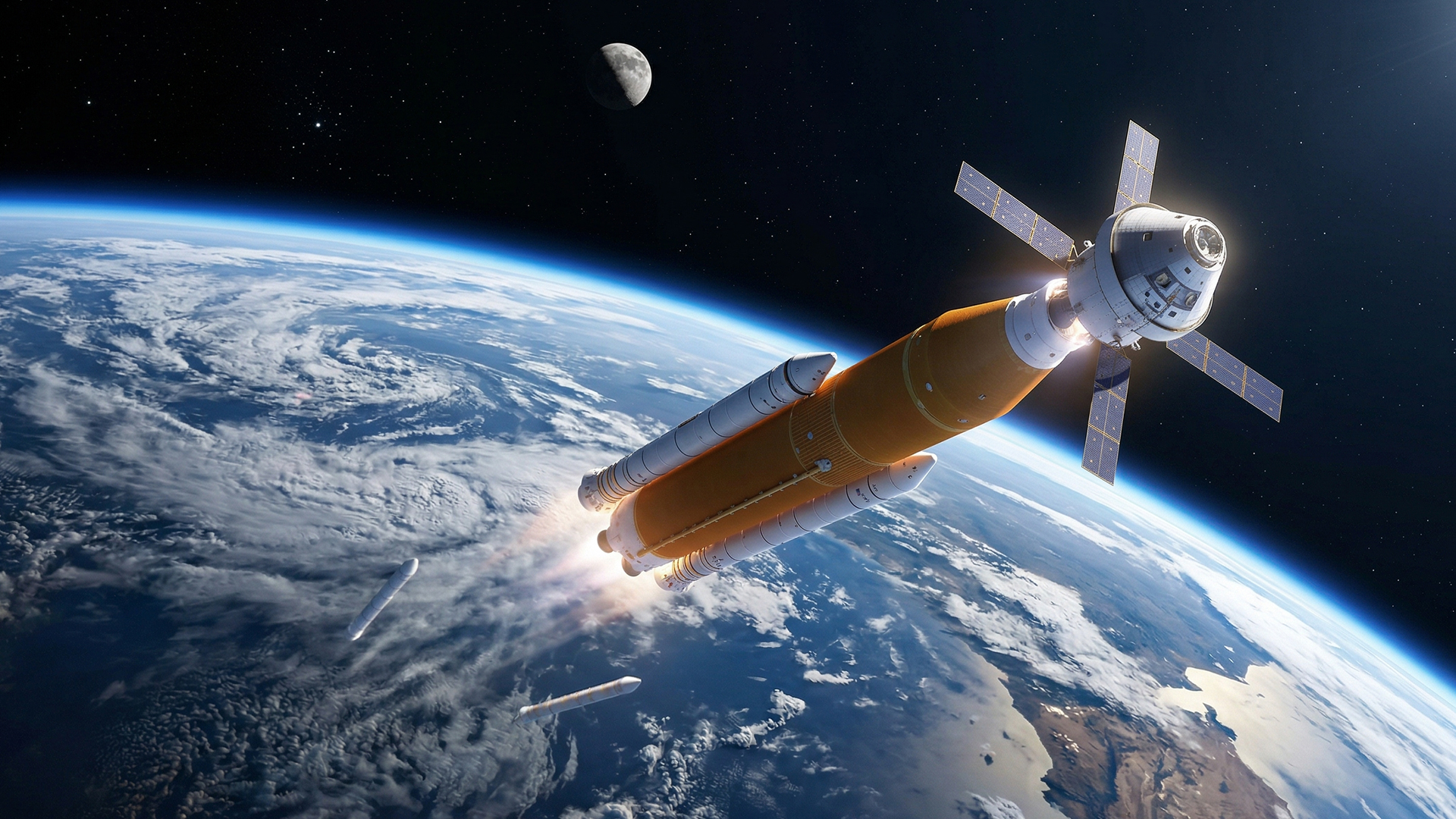
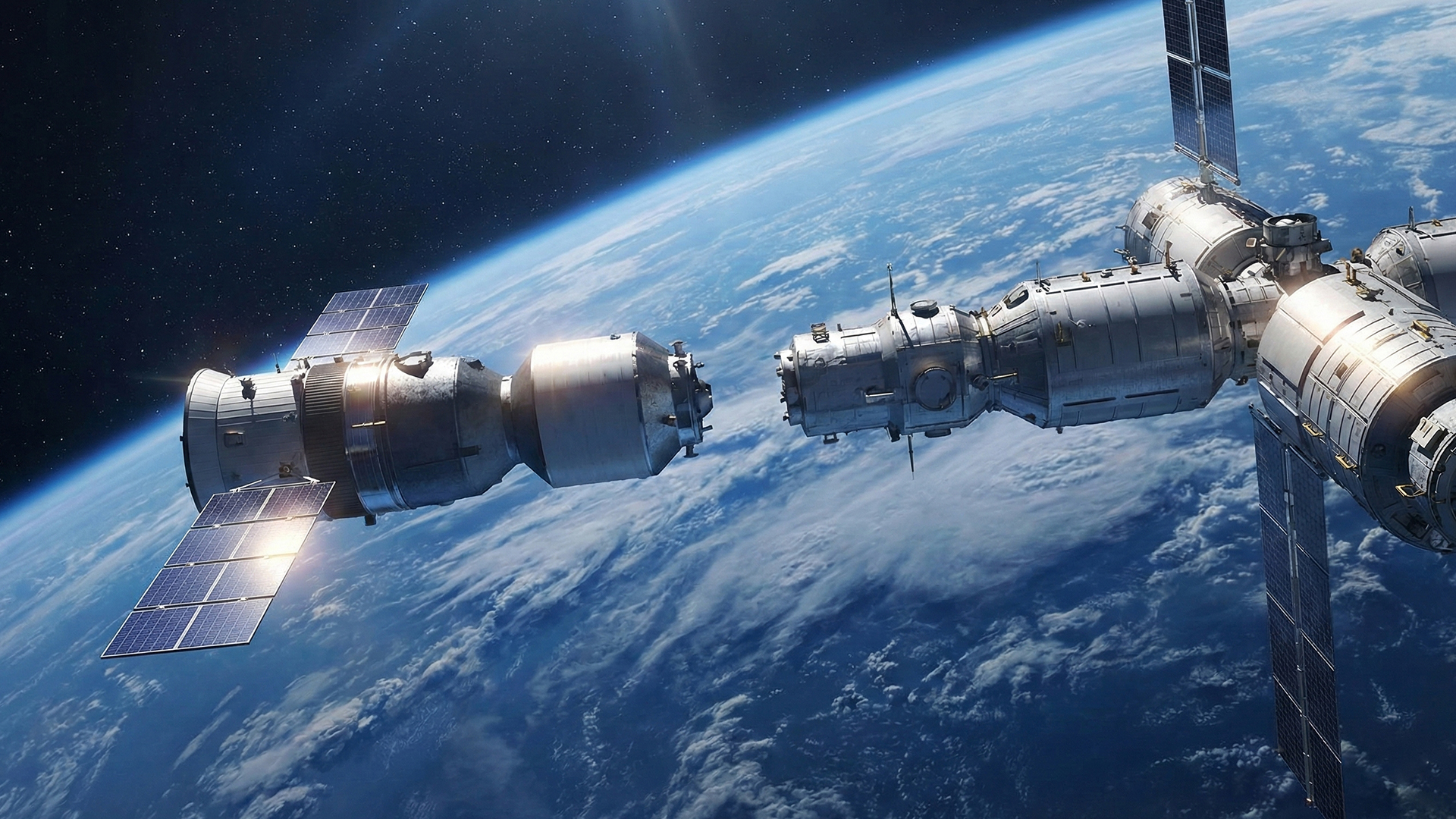
China has launched the uncrewed Shenzhou 22 spacecraft in an emergency mission to assist three astronauts stranded aboard the Tiangong space station. The mission was prompted by damage to the previous return capsule, Shenzhou 20, which left the crew without a reliable way to return to Earth.

Shenzhou 22 lifted off successfully on November 25, 2025, and docked with the space station just hours later. The spacecraft is designed to act as a lifeboat and bring the crew safely back to Earth. It is also carrying essential supplies and spare parts for the space station. The astronauts are expected to return home safely using Shenzhou 22 around April 2026.

The emergency arose when a window on Shenzhou 20 was damaged, most likely by space debris. As a result, the rotation schedule of crews was disrupted. The most recent crew had to use Shenzhou 21 to reach Tiangong, leaving the existing astronauts without a dedicated return vehicle. Shenzhou 22’s launch restored a safe return path, ensuring the crew’s safety.

This rapid response demonstrates China’s growing capability in space operations and highlights the risks posed by debris in orbit. Space agencies worldwide have long acknowledged the dangers of orbital debris, which can damage spacecraft and endanger astronauts. The Shenzhou 22 mission showcases both the challenges of human spaceflight and China’s preparedness to handle emergencies in orbit.

China’s Tiangong space station has been a key focus of the country’s ambitious space program. The station, orbiting around 400 kilometers above Earth, hosts regular missions involving experiments in microgravity, technology tests, and space science. The Shenzhou 22 mission adds an important safety dimension, showing that even in emergencies, the astronauts’ well-being remains a top priority.

Also Read: Trump sends envoys to Russia, Ukraine over peace plan

Former Bihar CM asked to vacate official homes

Lalu family’s Patna residences reassigned as new NDA government takes charge

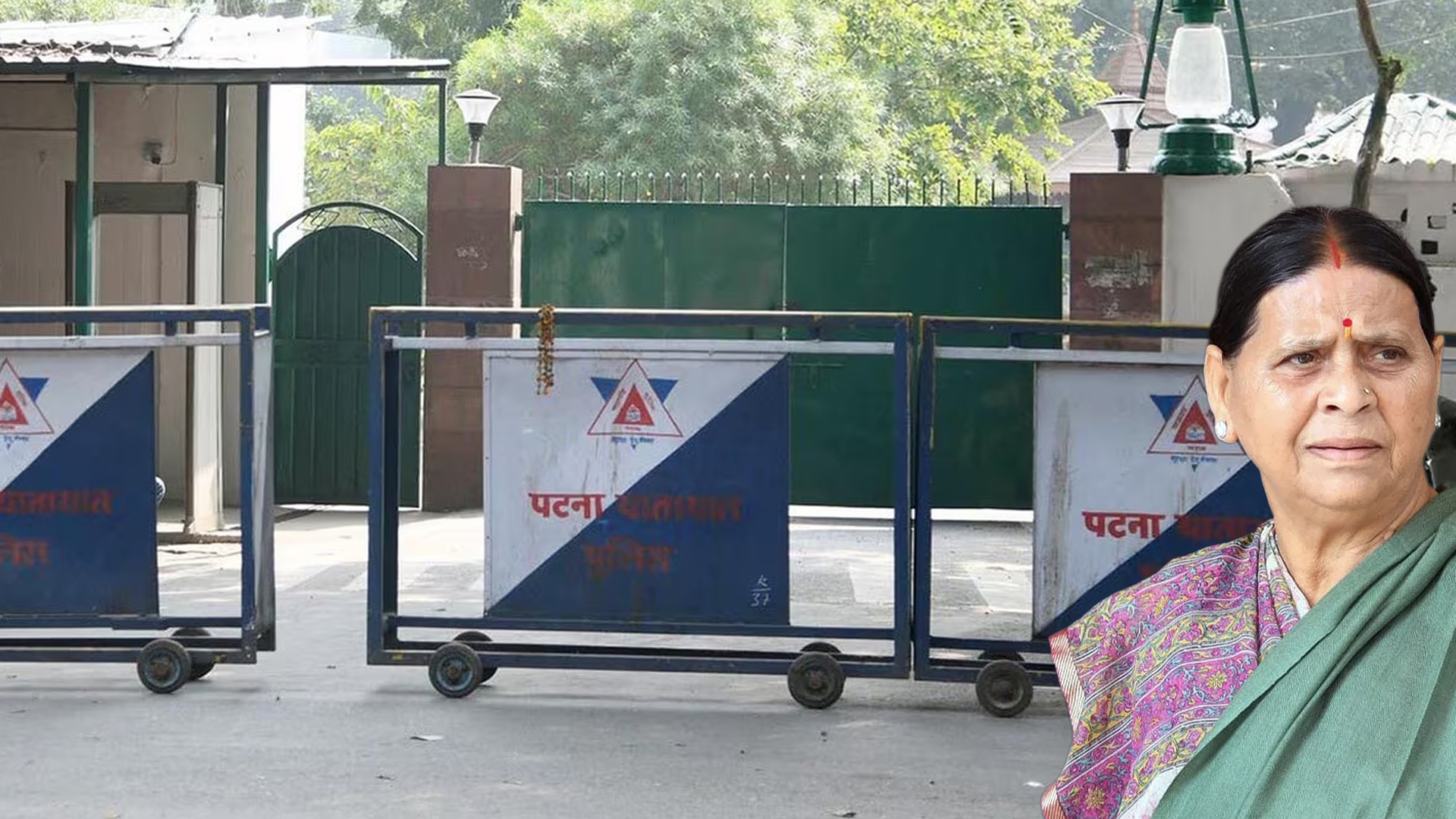
The Bihar government has intensified its reshuffle of official residences by asking former Chief Minister Rabri Devi and her son Tej Pratap Yadav to vacate the government bungalows they have occupied for nearly two decades. This marks a notable shift in the presence of the Lalu Prasad Yadav family in Patna amid the newly formed NDA administration.

Rabri Devi, who has lived at 10 Circular Road since 2005, is now being moved to 39 Hardinge Road, a government bungalow allotted according to her current position as Leader of the Opposition in the Bihar Legislative Council. Tej Pratap Yadav, too, has been asked to leave his official residence, reflecting the broader reallocation of government housing that typically follows a change in administration.

Officials describe the move as a routine administrative decision, part of the post-election reshuffle of official accommodations for political leaders. However, 10 Circular Road has historically been more than just a home, it has been a hub of political activity, family gatherings, and media interactions for the Yadav family over the years.

The decision is being viewed by many as symbolic, signaling the end of an era for the family’s long-standing dominance in Patna’s official and political spaces. While the government emphasizes adherence to rules, political observers see the reassignment as part of the NDA government’s effort to reorganize power structures and official privileges in the state capital.

Also Read: Ayodhya Ram Temple flag epitomises cultural pride, unity

Farmers mark 5-Year ‘Delhi Chalo’ anniversary

Chandigarh to host large protest demanding MSP, loan waivers

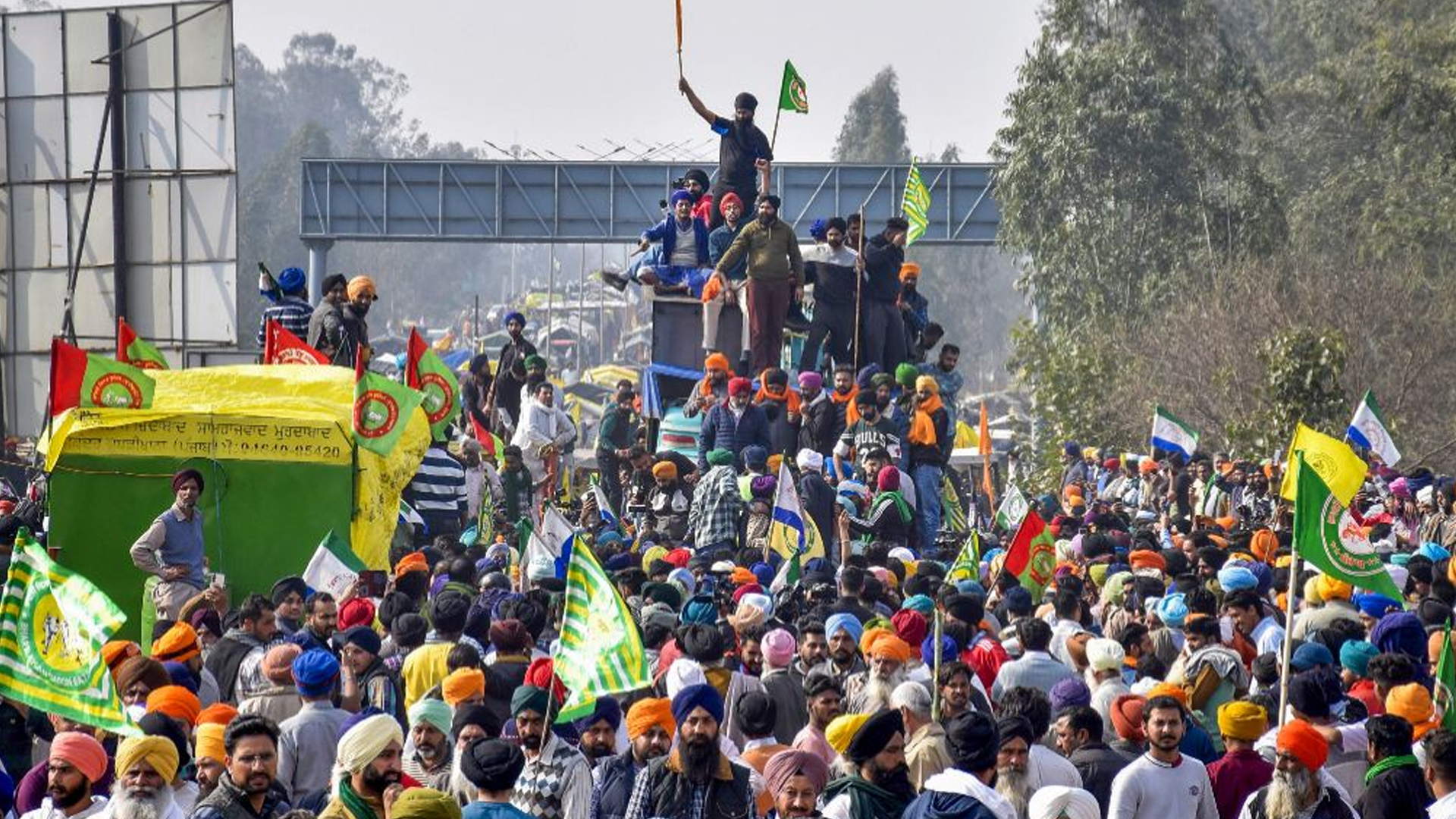
Five years ago, farmers from Punjab, Haryana, and nearby states began a historic march to Delhi, demanding their voices be heard. Today, the echoes of that movement return to Chandigarh, as thousands gather at Sector‑43 Dussehra Ground to mark the anniversary of the 2020 “Delhi Chalo” protest. That earlier protest had shaken the nation, ultimately leading to the repeal of three contentious farm laws after over a year of sit-ins at Delhi’s borders.

But for many farmers, the journey is far from over. The anniversary gathering is a call for justice and long-term security. They are pressing the government to pass a law guaranteeing Minimum Support Price (MSP) for crops, based on the recommendations of the Swaminathan Commission. Other demands include loan waivers, reversal of the Electricity Bill, repeal of labour codes, and restoration of fertiliser subsidies, measures they say are crucial to protect their livelihoods.

A detailed memorandum will be submitted to President Droupadi Murmu, reflecting the hopes and struggles of the farming community. Organizers insist the protest will remain peaceful, emphasizing dialogue over confrontation.

Chandigarh Police have prepared for the gathering with traffic restrictions and diversions, especially around key roads leading to Sector‑43, and are monitoring the movement of tractors and trolleys. For the farmers, the protest is both a reminder of what they achieved and a statement of what still remains to be done, securing fair prices, loan relief, and recognition of their indispensable role in feeding the nation.

This anniversary is a powerful reflection of solidarity, patience, and the enduring determination of India’s farmers, a story of resilience that continues to unfold.

Also Read: China launches Shenzhou 22 to aid astronauts

CISF heroes awarded for Operation Sindoor

19 brave personnels awarded for rescuing 250 civilians and protecting Uri installations under heavy shelling

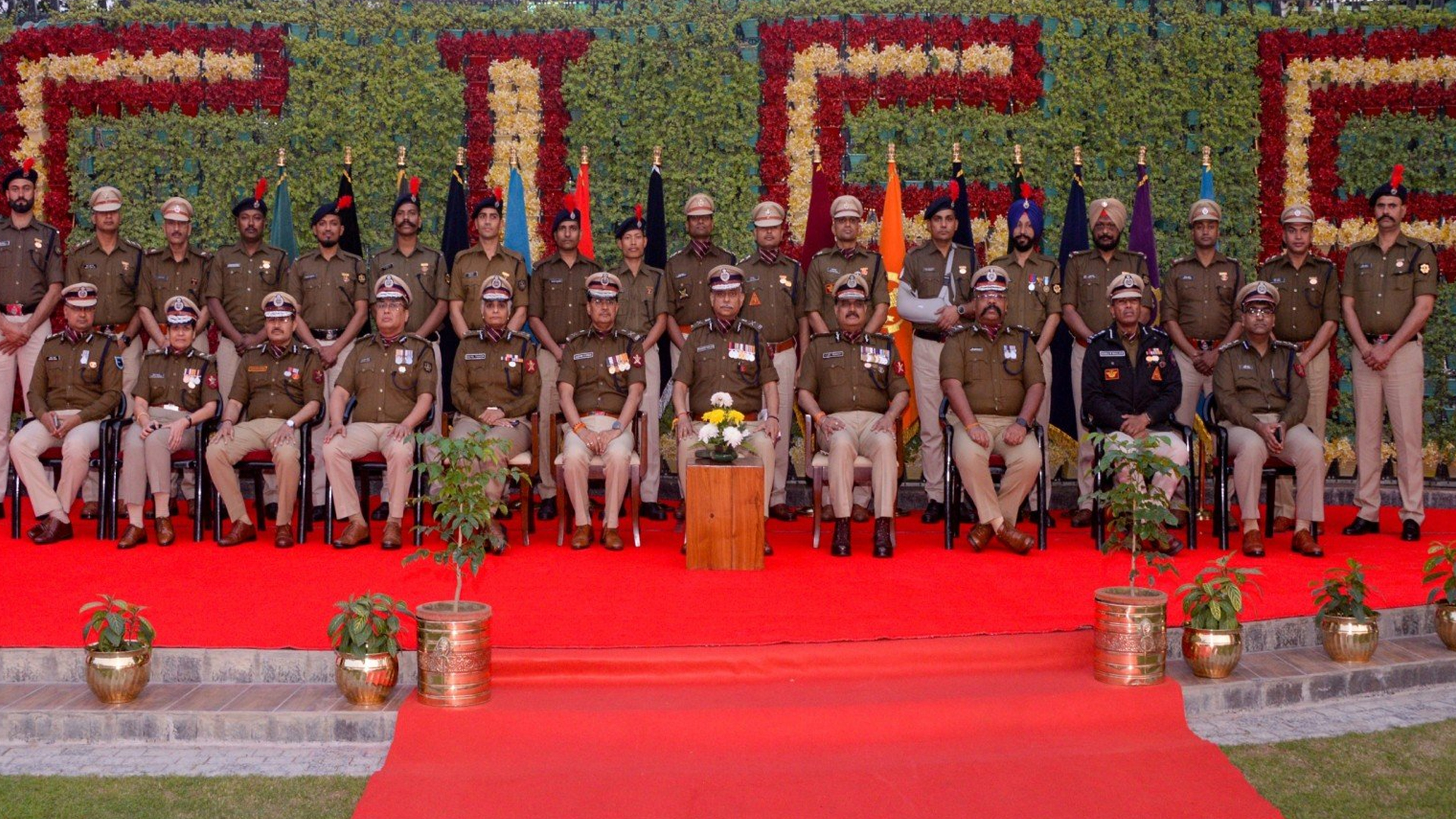
Nineteen CISF personnel were honoured with the Director General’s Disc for rescuing around 250 civilians and safeguarding the Uri hydropower projects during heavy Pakistani shelling in Operation Sindoor. Their swift evacuations, bunker reinforcement and protection of vital installations ensured zero casualties.