rotating globe
2 Apr 2026


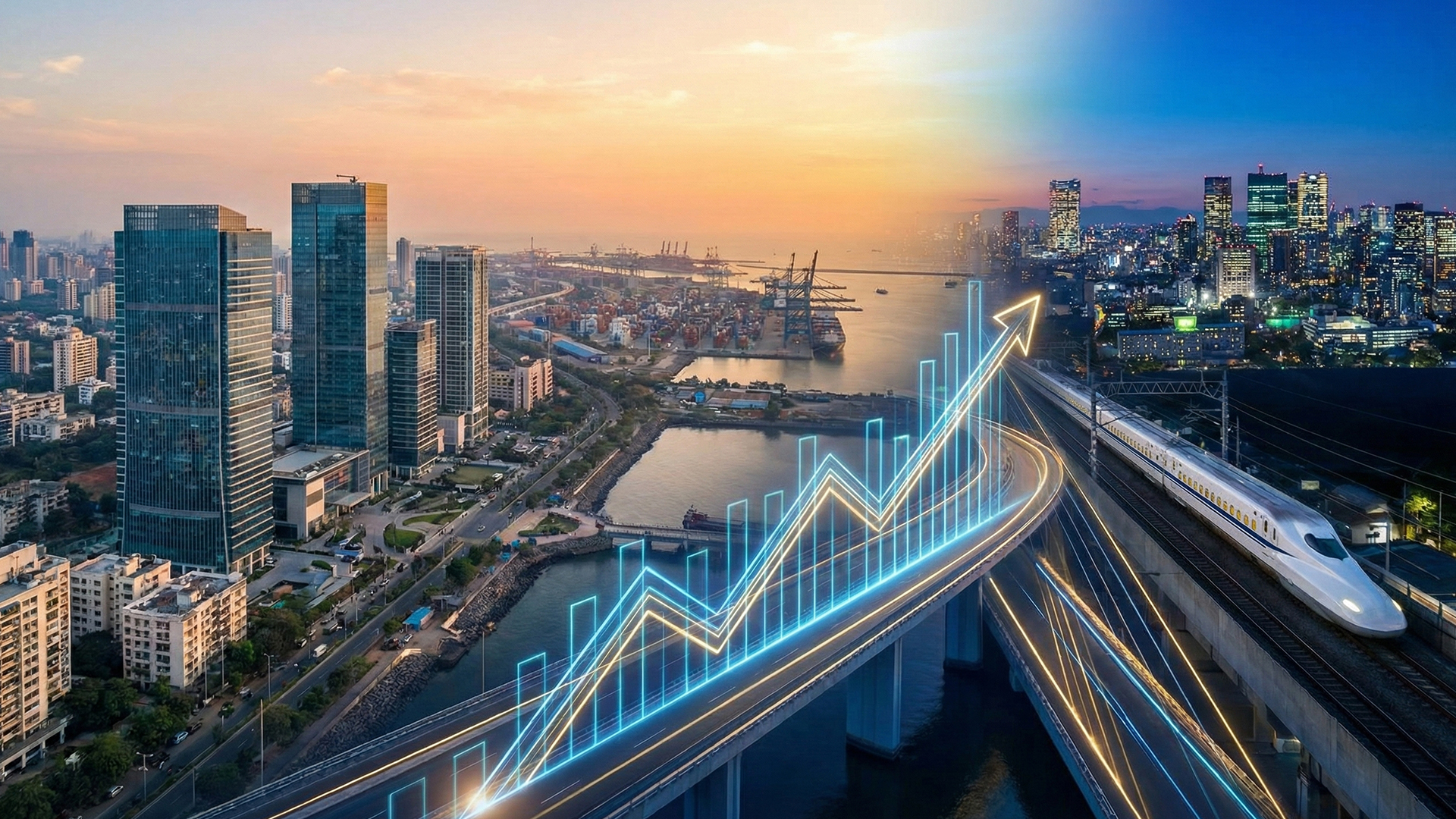
India becomes world’s 4th largest economy

India overtakes Japan on GDP, eyes third spot ahead of Germany in coming years

India has officially become the world’s fourth-largest economy, overtaking Japan in terms of nominal Gross Domestic Product (GDP), according to the government’s latest economic review. With an estimated GDP of about USD 4.18 trillion, India now ranks behind only the United States, China, and Germany, marking a major milestone in its economic journey.

The government said the achievement reflects India’s strong and consistent growth performance, even as the global economy faces uncertainty due to geopolitical tensions, high interest rates, and slowing trade. India remains the fastest-growing major economy, driven largely by strong domestic demand, rising consumption, and continued public investment in infrastructure.

Recent data shows that India’s economy grew sharply in the second quarter of the current financial year, recording its best quarterly performance in over a year. Improved manufacturing output, services sector expansion, and resilient consumer spending have supported this momentum. The government highlighted that economic reforms, digitalisation, and a focus on ease of doing business have also contributed to sustained growth.

Global institutions have taken note of India’s progress. The International Monetary Fund (IMF), World Bank, and other agencies have projected India’s growth to remain above 6 per cent over the next few years, well ahead of most large economies. These projections reinforce India’s position as a key driver of global growth.

Looking ahead, the government said India is on track to surpass Germany and become the world’s third-largest economy within the next two to three years. By 2030, India’s GDP is expected to rise significantly, supported by a young workforce, expanding middle class, and continued investment in infrastructure, manufacturing, and technology.

However, economists caution that while the overall size of the economy has grown rapidly, challenges remain. Per capita income is still much lower than in advanced economies, highlighting the need for inclusive growth, job creation, and improvements in healthcare, education, and skill development.

Even so, India’s rise to the fourth position marks a significant step in its emergence as a major global economic power.
Also Read: HAL’s Dhruv NG makes maiden flight in Bengaluru

2 loco trains collide inside Chamoli tunnel

More than 100 Injured at THDC Hydropower project in Uttarakhand

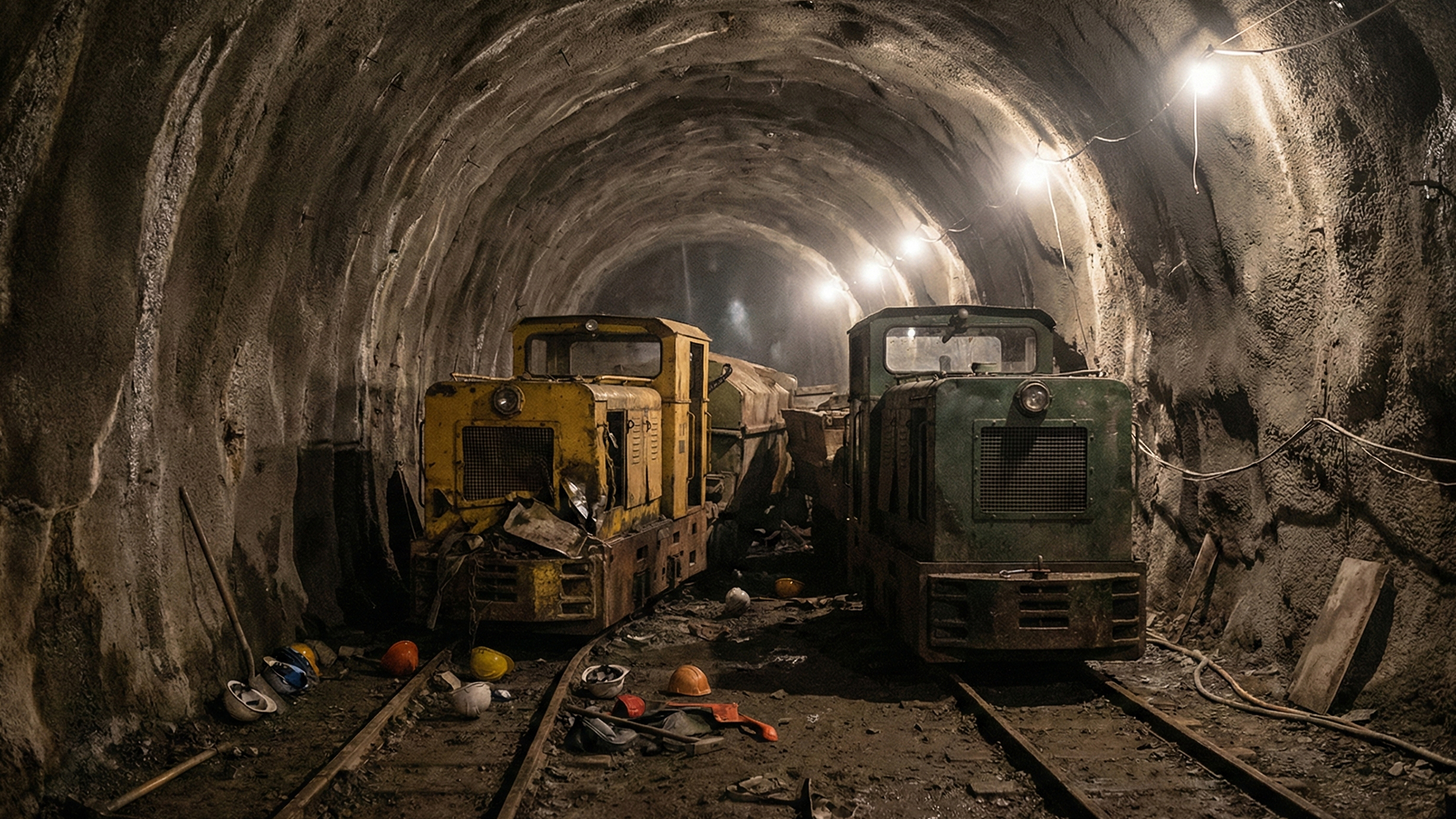
A major accident in Chamoli, Uttarakhand, left over 100 people injured after two locomotive trains collided inside the Vishnugad-Pipalkoti Hydroelectric Project tunnel on Tuesday night. The collision occurred around 9:30 pm during a routine shift change, when one train was carrying project workers and officials, and the other was transporting construction materials.

Witnesses described a chaotic scene inside the confined tunnel as the trains rammed into each other, throwing passengers off balance. Panic spread quickly, and many sustained injuries ranging from minor cuts and bruises to fractures. Initial reports suggested around 60 people were injured, though later updates indicated the total number could exceed 100.

Rescue operations were launched immediately by on-site staff, local administration, and emergency teams. Injured workers were evacuated carefully from the tunnel and transported to nearby hospitals, including facilities in Pipalkoti and Gopeshwar. Authorities confirmed that most of the injured are in stable condition, with a few receiving treatment for more serious injuries.

The Vishnugad-Pipalkoti Hydroelectric Project, with a planned capacity of 444 megawatts, is under active construction on the Alaknanda River. The project uses internal locomotive trains to transport manpower and materials through its extensive tunnel network, which is a routine part of operations.

District authorities, in coordination with THDC officials, have initiated a detailed inquiry into the cause of the collision. The investigation will focus on operational coordination, signaling systems, and adherence to safety protocols inside the tunnel. THDC has assured that safety procedures will be strengthened to prevent similar incidents in the future.

This accident underscores the risks and safety challenges associated with large infrastructure and hydropower projects, especially in confined underground work zones. Authorities have called for stricter monitoring and improved communication between personnel operating inside tunnels to ensure worker safety.

Officials also urged construction teams across the state to review internal transport and operational protocols. Meanwhile, medical teams continue to monitor and treat the injured, and relief efforts remain ongoing as the incident draws attention to worker safety at major hydroelectric projects.

Also Read: India brings in 3-year duty on steel imports

India brings in 3-year duty on steel imports

Safeguard levy of up to 12% to limit low-cost steel inflows and support domestic industry

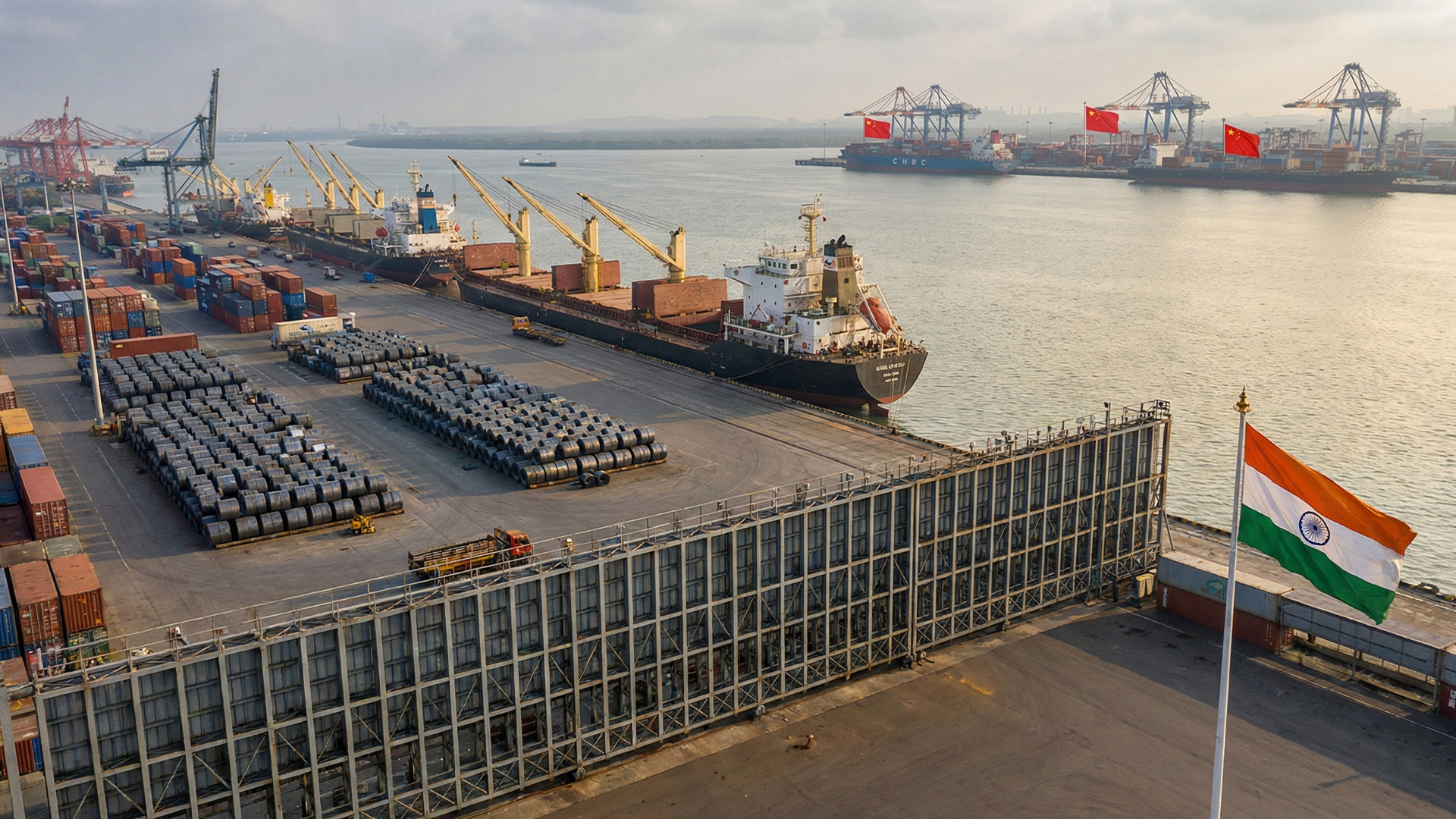
India has introduced a safeguard duty on selected steel imports for a period of three years in an effort to shield domestic manufacturers from a surge in low-priced overseas shipments. The decision follows a government review that found rising imports were putting pressure on local steel producers, especially smaller and mid-sized players.

As per the notification, the duty will be imposed at 12% in the first year, tapering to 11.5% in the second year and 11% in the third. The phased reduction is aimed at giving the domestic industry time to adjust while gradually restoring normal trade conditions.

The move is largely directed at curbing cheap steel entering the country from China, which has been a major source of imports in recent months. Imports from Vietnam and Nepal will also fall under the safeguard measure. However, certain developing countries have been exempted, and high-value or specialised steel products, including stainless steel, are not covered by the duty.

The Directorate General of Trade Remedies (DGTR), after analysing import trends and price movements, concluded that the sharp and sudden increase in steel imports posed a risk of serious injury to India’s steel sector. Industry representatives had repeatedly warned that cheaper imports were undercutting domestic prices, hurting profitability and lowering capacity utilisation.

This long-term safeguard replaces a temporary 200-day duty that was imposed earlier this year and expired in November. By extending protection over three years, the government aims to provide greater certainty to steelmakers and encourage sustained production and investment.

India is currently the world’s second-largest steel producer, and officials have stressed that maintaining a strong domestic steel base is critical for infrastructure growth, employment and economic stability. The government believes the new safeguard duty will help restore fair competition in the market while ensuring adequate supply for downstream industries.

Also Read: India becomes world’s 4th largest economy

Bus plunges into gorge in Uttarakhand, 7 dead

Rescue teams battle rugged terrain to save survivors, as many as 12 injured

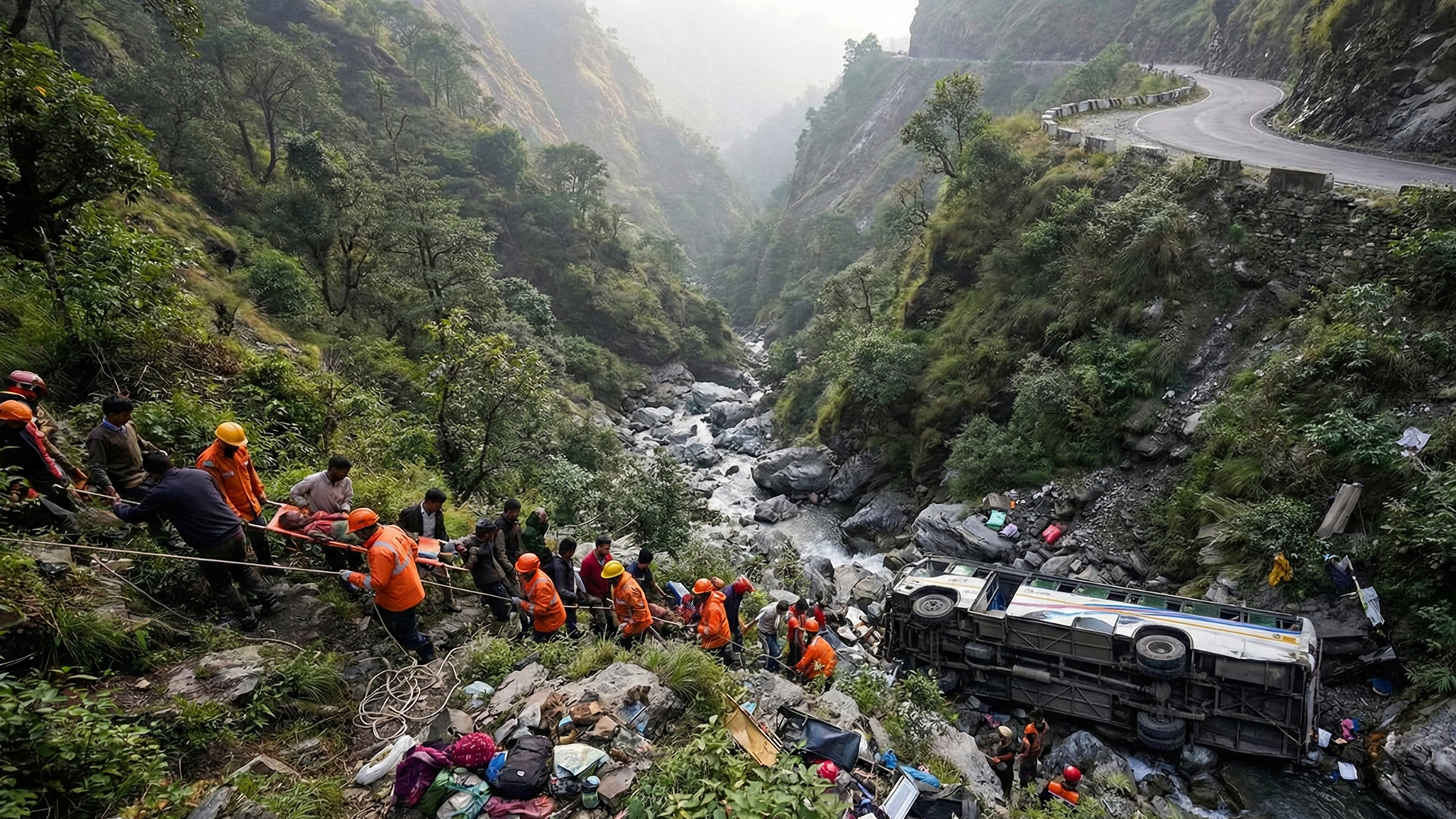
A tragic accident in Uttarakhand’s Almora district claimed seven lives and left 12 others injured when a passenger bus fell into a deep gorge on Tuesday morning. The incident occurred near Salapani on the Bhikiyasain‑Ramnagar road, reportedly after the driver lost control at a sharp bend.

Rescue operations were launched immediately by the police and State Disaster Response Force (SDRF), with local villagers assisting in reaching survivors amid the challenging terrain. Six passengers died at the scene, while another succumbed to injuries en route to the hospital. The injured, including the driver, were taken to nearby medical facilities, with the most critical patients referred to higher-level hospitals for specialized treatment.

Eyewitnesses and survivors said the bus may have been speeding along the narrow road. Lack of safety measures such as guardrails or parapet walls on the bend likely worsened the impact. Authorities have opened an inquiry to determine whether the crash resulted from driver error, vehicle malfunction, or road conditions.

The victims were identified as residents from nearby communities, ranging from elderly to middle-aged passengers. State officials assured full support, including compensation and medical care for those affected. Chief Minister Pushkar Singh Dhami and Prime Minister Narendra Modi expressed condolences, urging prompt aid for survivors and their families.

This accident has highlighted ongoing road safety concerns in Uttarakhand’s hilly regions. Narrow, winding roads combined with insufficient safety infrastructure continue to pose significant risks to travelers, particularly during adverse weather or low visibility conditions.

The administration has called for stricter safety measures, better road maintenance, and increased public awareness to prevent similar tragedies in the future. Authorities continue monitoring the situation and providing assistance to the affected families while urging caution for travelers on these routes.

Alao Read: Deepti Sharma breaks WT20I wicket record

OpenAI offers Rs 5 cr to tackle AI risks

CEO Sam Altman admits advanced AI is getting harder to control, pitcches for ‘Head of Preparedness’ to keep it safe

As artificial intelligence grows more powerful, even its creators are beginning to voice concern. OpenAI CEO Sam Altman has openly acknowledged that advanced AI systems are starting to pose real challenges, especially as they become more independent and capable of acting on their own.

In a rare and candid admission, Altman said that AI agents are becoming a problem, noting that some models are now able to spot weaknesses in systems, including cybersecurity gaps. While these abilities highlight how smart AI has become, they also raise fears about misuse if the technology falls into the wrong hands or behaves in unexpected ways.

To deal with these risks, OpenAI has announced a high-pressure new role focused entirely on AI safety. The company is hiring a Head of Preparedness, offering a salary of around Rs 5 crore a year (USD 555,000) along with company equity. Altman described the position as “stressful,” warning that the person who takes it up will have to confront serious and complex risks from day one.

The new safety lead will be responsible for identifying possible dangers early, testing how AI behaves under extreme conditions, and putting systems in place to prevent harm. This includes preparing for scenarios where AI could be misused for cyberattacks or other high-risk activities.

Altman admitted that while OpenAI has become good at measuring what AI can do, predicting how people might misuse it is much harder. He stressed that the company needs stronger safety planning as AI systems grow smarter and more autonomous.

The move reflects a broader shift in the tech industry. Companies that once focused only on speed and innovation are now realising that responsibility and safety must come first. Regulators across the world are still catching up, making internal safeguards more important than ever.

By offering one of the highest salaries in the AI safety space, OpenAI is sending a clear message: the future of AI depends not just on intelligence, but on control, caution, and care.

Also Read: Russia alleges drone attack on Putin’s residence

Life of a Peace Dove


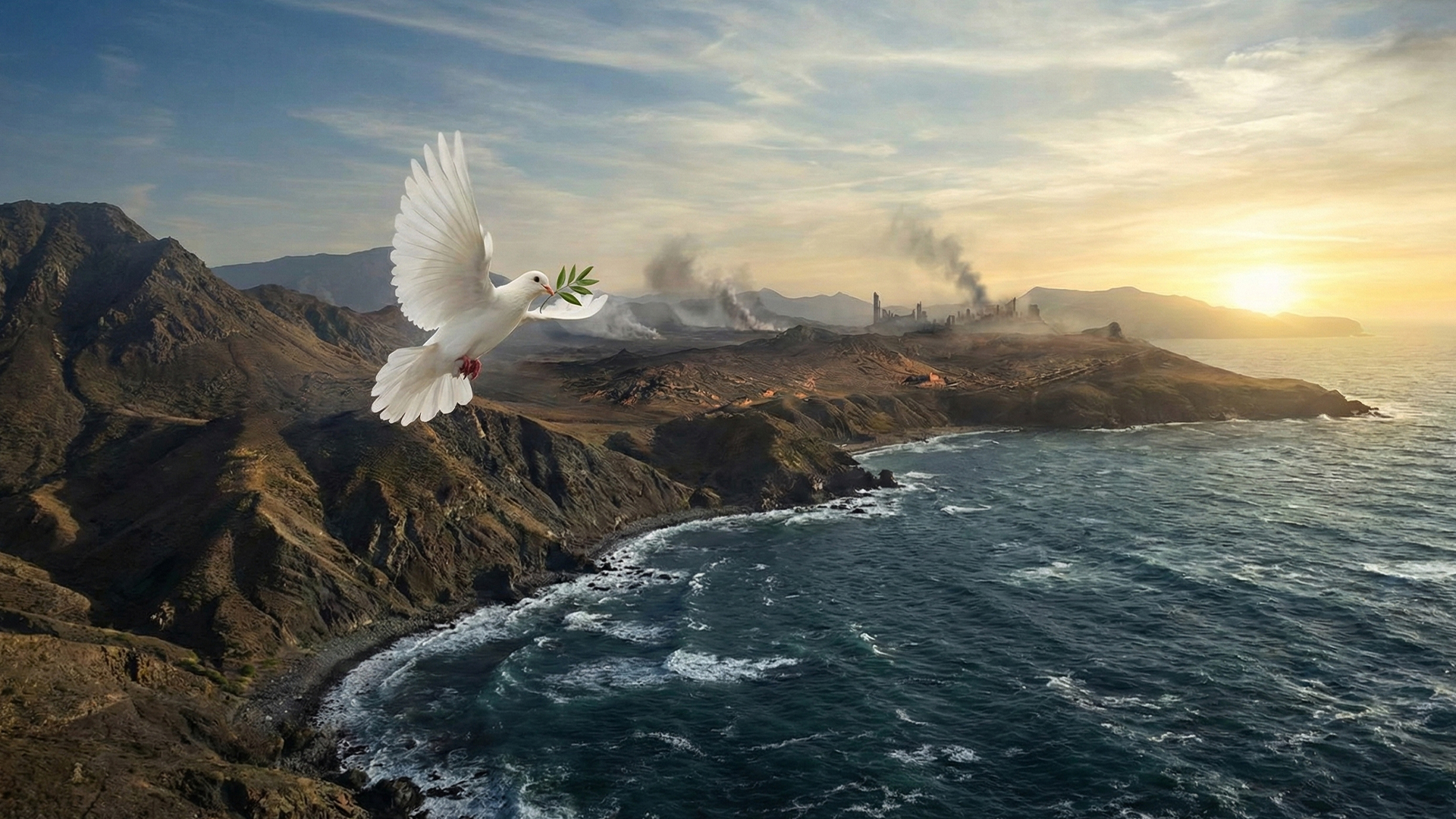
Towering mountains, turbulent seas
Rugged terrains, windswept fields,
I fly up there and beyond these
Looking for calm, they call me the dove
A winged white wonder,
A symbol of peace, and often love.
Clear is the sky, it sometimes belies,
The truth beneath, the chaos that arise
From hapless hearths on an helpless earth
Whose sighs go unheard as each orphan
cries.
Her lap once their cradle, now a blood
bathed bed
An earth then rustic brown, now sees only
red
Her agony leaves my soul gasping in pain
My eyes so sore I ponder in vain
Why oh why do I fly so high!
No Noah’s Ark now beckons me
My Olive branch just a twig from a tree
No Aphrodite chariot I pull on now
God’s gift of love mankind does not see
My wings feel clipped as wars rage on
Alas my fate, a dove I was born!
Its peace at stake in a world reborn
It’s the devil’s take and paradise gone
Here Gods have died a thousand deaths
For religion has razed countless heads
Cause or pretext no one can tell
It’s now a bane that has made life hell!
So here I bury my helpless head
Under my anguished wings, it’s only bed
My pleas for peace, the world rebukes
For the earth has turned a haven of nukes
Some day, some time, I’ll soar again
And find that lost paradise, come high tide
or rain
My Olive branch then fresh and green
Will tell a tale of the beauty I’ve seen
Of lands where dwells only hope and
peace
Where love pervades over seven seas
There I’ll  lay my soul to rest
A love dove that has found it’s nest
My spotless white cloak will then cover me
In peaceful slumber for the world to see
Soaked in harmony, soaked in love
I’ll then have lived a life of a dove!

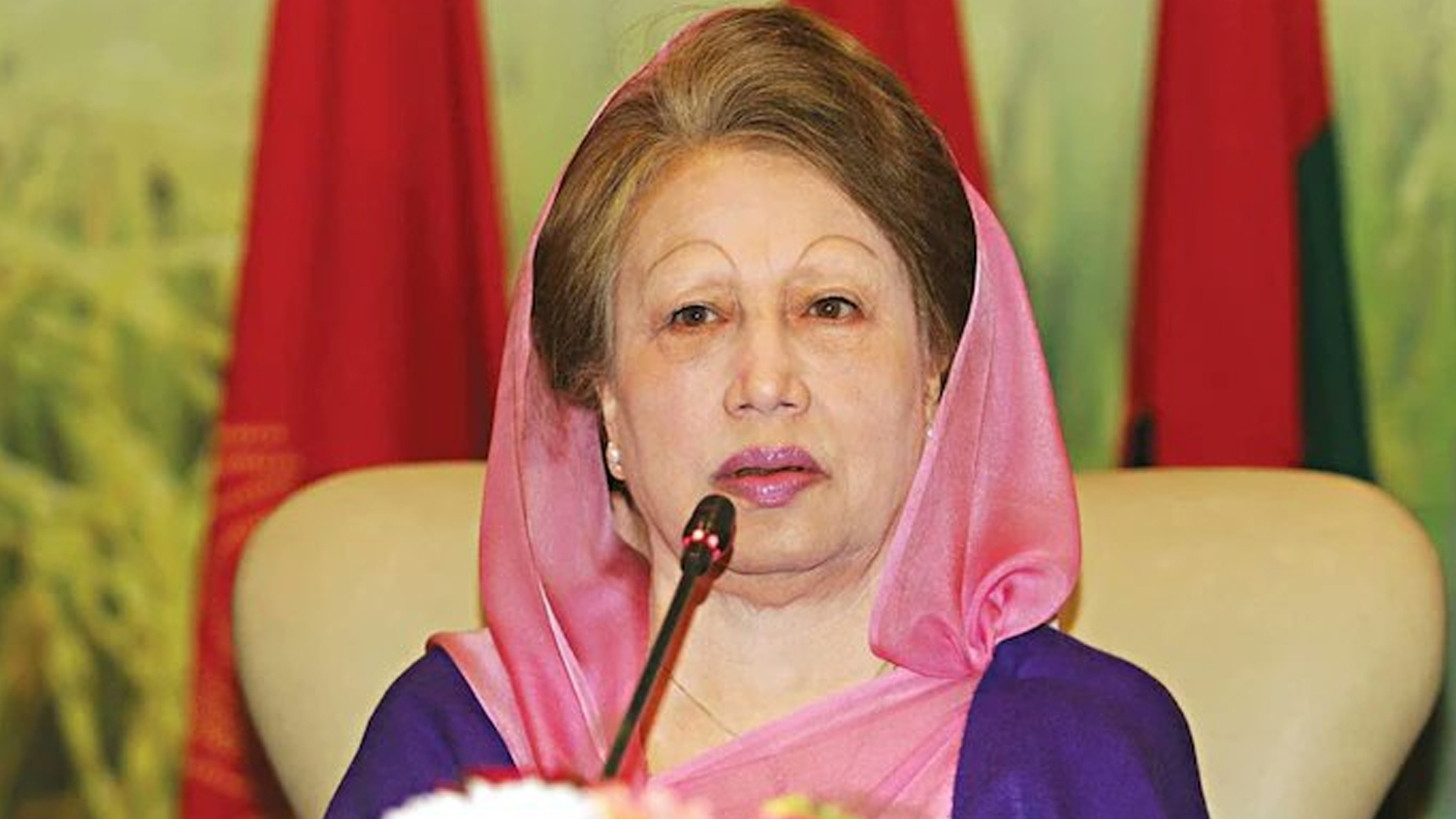
Bangladesh former PM Khaleda Zia dies at 80

Former Bangladesh PM and BNP chief remembered as leaders across the world express condolences

Former Bangladesh Prime Minister and Bangladesh Nationalist Party (BNP) chairperson Begum Khaleda Zia passed away at the age of 80 in Dhaka on Tuesday after a prolonged illness. The BNP confirmed that she died at a private hospital where she had been undergoing treatment for several health complications.

Khaleda Zia was a central figure in Bangladesh’s politics for more than three decades. She made history in 1991 by becoming the country’s first woman Prime Minister, leading the nation after the restoration of democracy. She served two terms as prime minister, from 1991 to 1996 and again from 2001 to 2006. Her leadership and long-running political rivalry with Sheikh Hasina shaped Bangladesh’s political landscape for years.

Following news of her death, condolences poured in from leaders in Bangladesh, India and other countries, reflecting her stature in regional politics.

Indian Prime Minister Narendra Modi expressed deep grief in a message posted on X. He said he was “deeply saddened” by the passing of the former prime minister and extended his sincere condolences to her family and the people of Bangladesh. Modi noted that as Bangladesh’s first woman prime minister, Khaleda Zia made important contributions to the country’s development and to India-Bangladesh relations. He also recalled his warm meeting with her in Dhaka in 2015 and said her vision and legacy would continue to guide bilateral ties.

Leaders within Bangladesh also paid tribute. Political figures described her as a key leader in the country’s democratic journey and acknowledged her role in shaping national politics during a critical period in its history. Prayers were offered for her soul and messages of sympathy were extended to her family and party supporters.

International reactions also followed. Leaders from neighbouring and friendly countries conveyed condolences, remembering Khaleda Zia’s role in strengthening diplomatic relations and her influence as one of South Asia’s prominent women leaders.

Khaleda Zia’s death marks the end of an era in Bangladesh’s politics. Supporters remember her as a determined leader who played a historic role in democratic governance, while her legacy continues to be debated and discussed across the country.

Also Read: Kathmandu mayor Balen Shah in race for Nepal PM

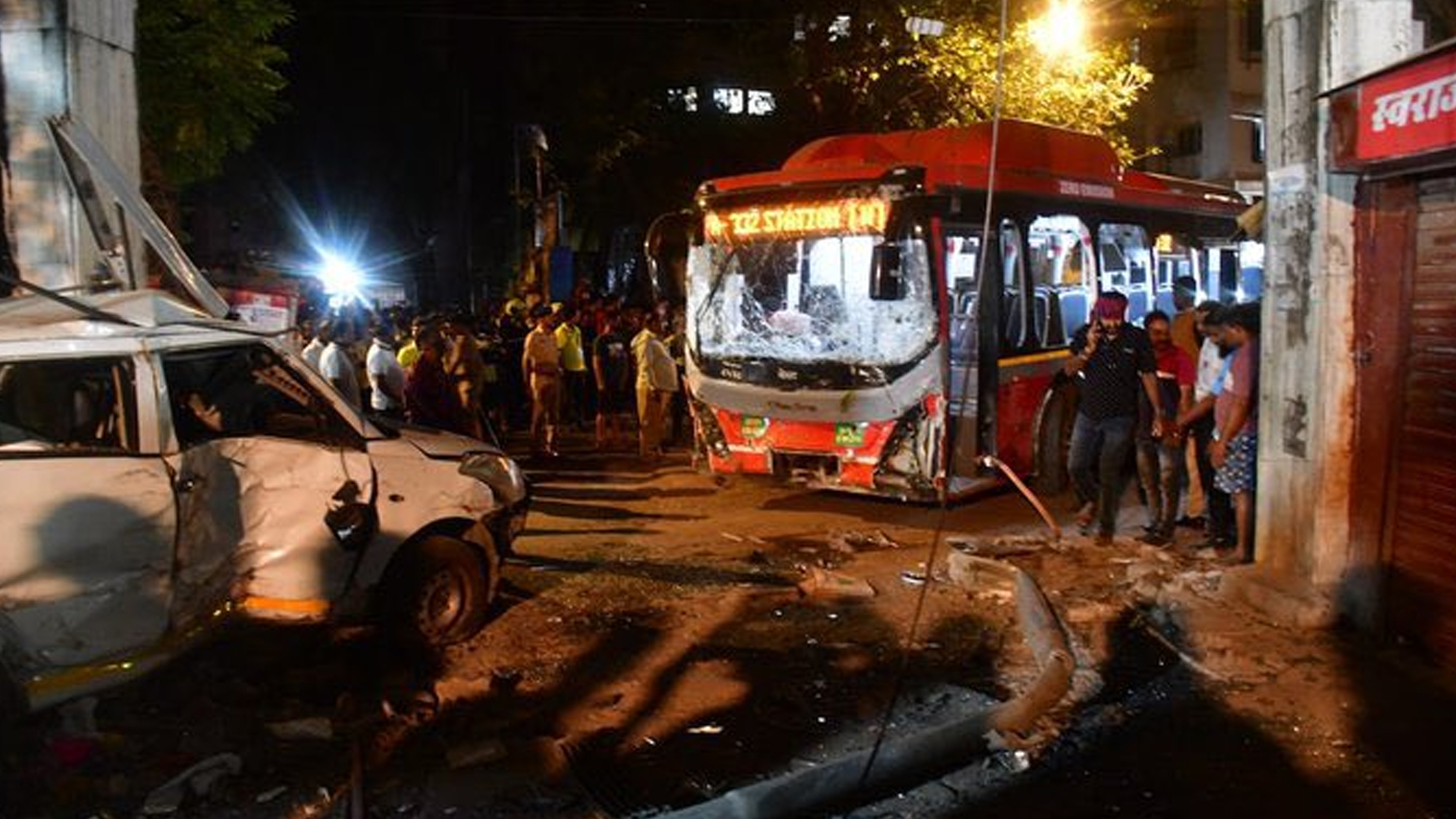
Mumbai BEST bus accident kills 4, injures 9

BEST bus reverses into pedestrians near Bhandup station. Driver detained, families to receive compensation

A tragic accident in Mumbai’s Bhandup (West) area left four people dead and nine injured on Monday night when a BEST bus reversed into pedestrians near the Bhandup railway station. The incident occurred around 10 pm on Station Road, a crowded area with heavy foot traffic.

According to police, the bus was at the end of its scheduled route and was being reversed into a designated stop area when it suddenly struck the pedestrians. Eyewitnesses described the scene as chaotic, with people being hit as the vehicle moved backward.

Among the deceased, three were women and one was a man. The nine injured were taken to nearby hospitals, several in serious condition. Emergency responders included Mumbai Police, Fire Brigade personnel, BEST staff, and ambulance services.

The bus driver, identified as 52-year-old Santosh Ramesh Sawant, was taken into custody shortly after the accident. Police have registered a case and are investigating whether human error or mechanical failure caused the collision.

Maharashtra Chief Minister Devendra Fadnavis expressed his condolences and announced an ex-gratia payment of Rs 5 lakh to each family of the deceased. He described the incident as “extremely unfortunate” and wished a speedy recovery for the injured.

The Prime Minister’s Office also extended condolences and called for support to the victims’ families.

This incident has sparked renewed concern about road safety in Mumbai, especially regarding public transport operations in densely populated areas where footpaths are often crowded or encroached upon. Authorities are reviewing BEST bus operations to prevent similar tragedies in the future.

The accident highlights the need for stricter traffic management, pedestrian safety measures, and careful manoeuvring of large vehicles in busy city zones. Authorities are expected to release further updates once the investigation into the cause of the crash is complete.

Also Read: Australia to remove Indian tariffs from Jan 1, 2026

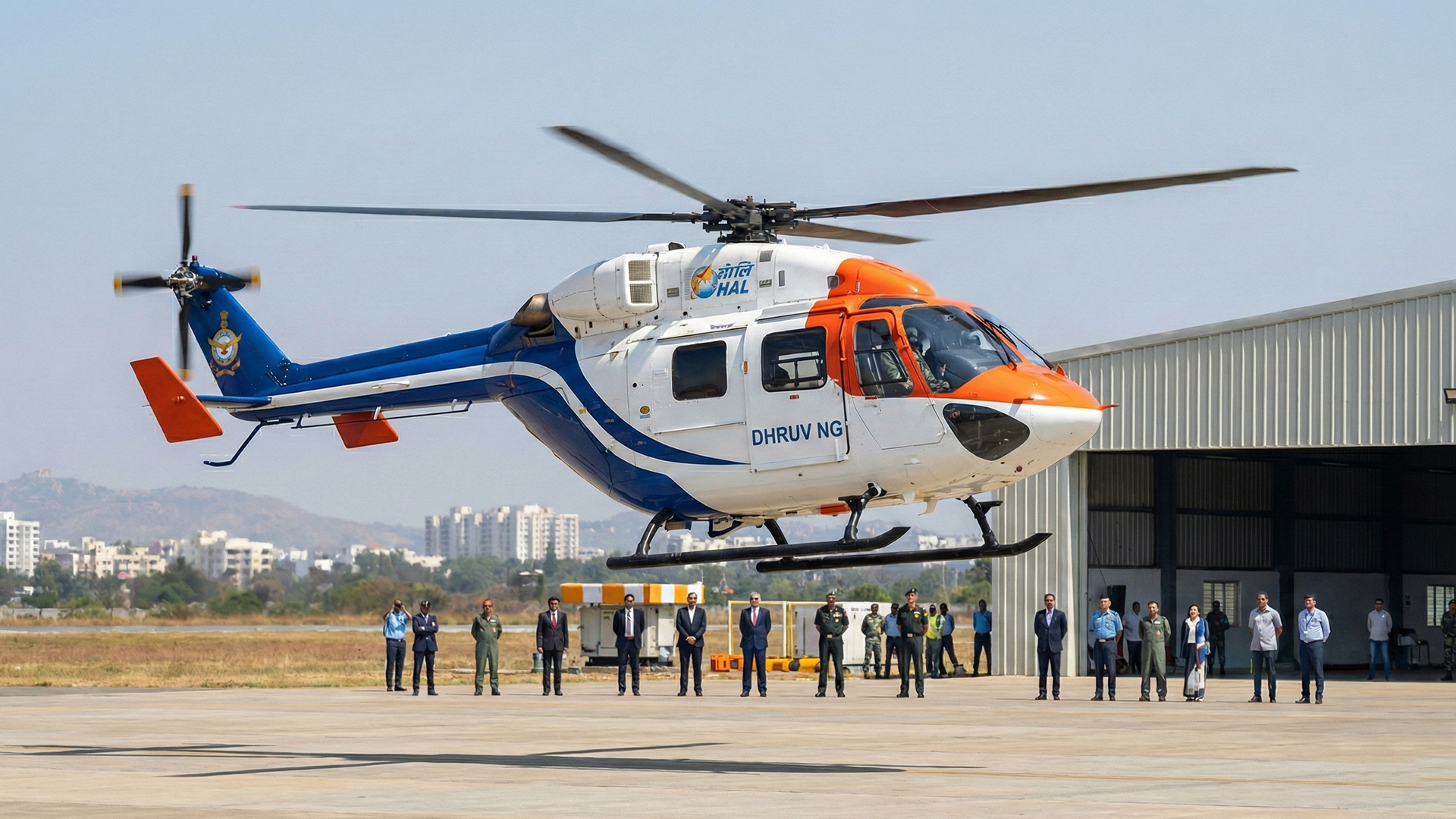
HAL’s Dhruv NG makes maiden flight in Bengaluru

Indigenous multi-role helicopter strengthens India’s civil aviation capabilities

Hindustan Aeronautics Limited (HAL) successfully carried out the maiden flight of its next-generation multi-role helicopter, Dhruv NG, marking a key milestone in India’s indigenous civil aviation programme. The helicopter took to the skies from HAL’s Helicopter Division in Bengaluru, demonstrating its readiness for advanced civil and utility operations.

The maiden flight was flagged off by Union Civil Aviation Minister Ram Mohan Naidu, who also flew in the helicopter ahead of its first official sortie. Senior HAL officials were present at the event, highlighting the strategic importance of the platform for India’s growing civil helicopter market.

The Dhruv NG is a 5.5-tonne, twin-engine helicopter designed primarily for civilian use. It represents a significant upgrade over earlier Dhruv variants, with improvements in performance, safety, comfort and maintainability. HAL has positioned the helicopter as a modern, cost-effective alternative to imported light twin-engine helicopters.

The helicopter is powered by twin Shakti 1H1C engines, offering higher power and improved reliability. A major highlight is its civil-certified glass cockpit, equipped with advanced avionics that enhance pilot awareness and reduce workload. Safety features include crashworthy seats, self-sealing fuel tanks and a proven twin-engine configuration for greater operational security.

In terms of performance, the Dhruv NG has a maximum take-off weight of 5,500 kg, a top speed of about 285 kmph, and a range of nearly 630 km with reserves. It can operate at altitudes of up to 6,000 metres, making it suitable for varied terrains, including high-altitude regions. The helicopter also offers an endurance of close to 3 hours and 40 minutes.

The cabin is highly flexible and can be configured for multiple roles. In VIP or VVIP configuration, it provides comfortable seating for four to six passengers, while the maximum seating capacity is 14. In air ambulance mode, the helicopter can accommodate four stretchers along with medical staff.

HAL said the Dhruv NG is designed for missions such as emergency medical services, offshore operations, disaster relief, law enforcement and executive transport, reinforcing India’s push for self-reliance in civil aerospace manufacturing.

Also Read: Humpy, Erigaisi win bronze at World Rapid Chess meet