rotating globe
2 Apr 2026


Tripura student’s death in Dehradun sparks protests

Angel Chakma’s family and communities demand justice as NHRC seeks report from authorities

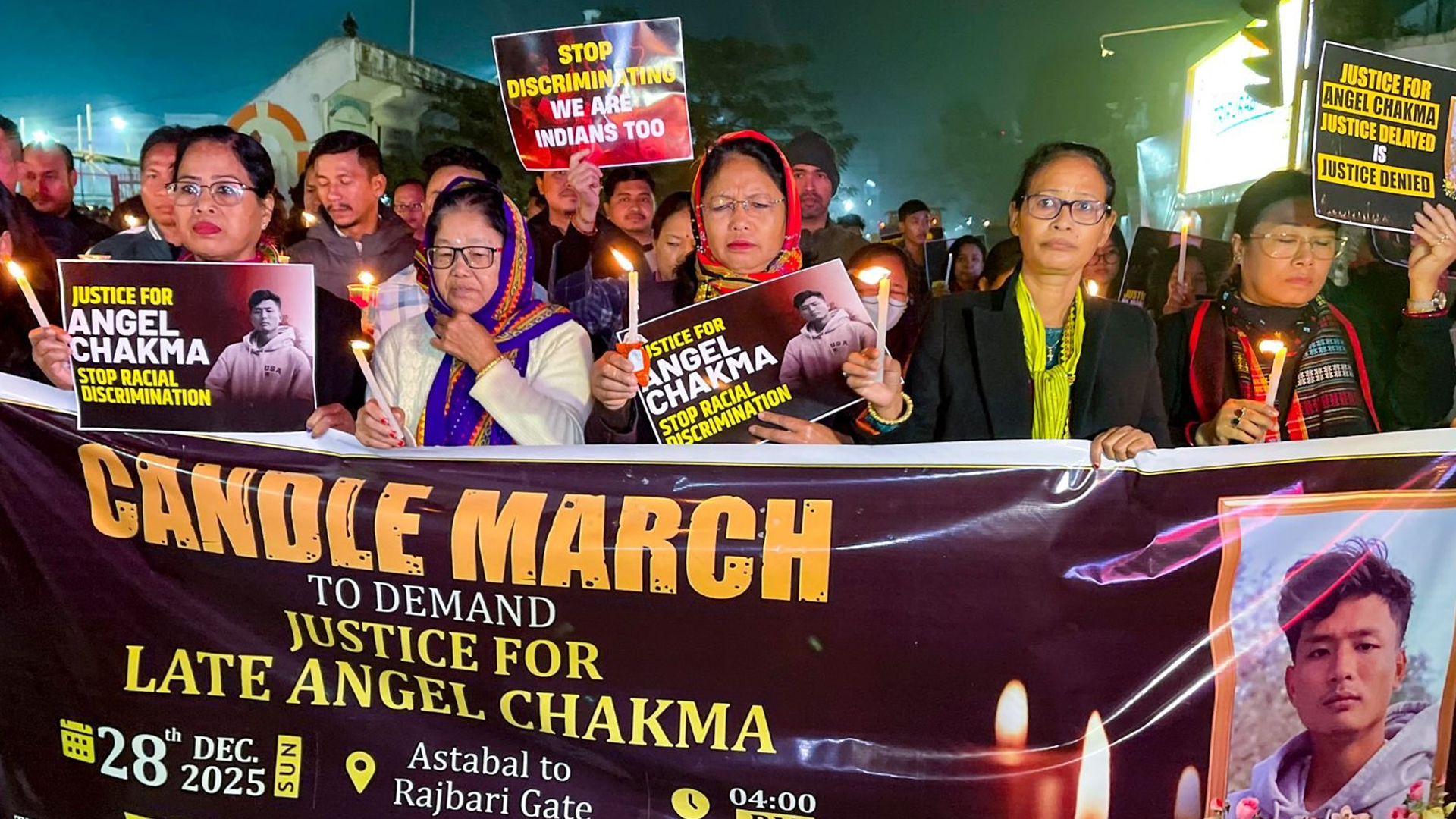
Protests and public outrage continue across the northeast following the death of Angel Chakma, a 24-year-old MBA student from Tripura, who was attacked in Dehradun earlier this month. Candlelight marches and demonstrations have taken place in Tripura and other northeastern states, with students and community leaders demanding justice and raising concerns about the safety of northeastern students studying far from home.

The Uttarakhand Police have arrested five suspects, including two minors, while one main accused remains at large, reportedly in Nepal. A police team has been dispatched to trace him, and a reward has been offered for information leading to his arrest. Authorities are investigating whether the attack had a racial angle, though no conclusive evidence has been found yet.

The National Human Rights Commission (NHRC) has issued notices to the Dehradun District Magistrate and Senior Superintendent of Police, directing them to submit an action report within seven days. The NHRC is examining complaints regarding possible rights violations in the case.

Angel’s family has expressed deep grief and demanded that the accused face strict legal action. Uttarakhand Chief Minister Pushkar Singh Dhami has assured the family of full cooperation and swift justice.

The attack has prompted a wider discussion about the safety and discrimination faced by students from northeastern India living in other parts of the country. Students, leaders, and community members are calling for stronger measures to ensure their protection and prevent such incidents in the future.

The investigation is ongoing, with authorities pursuing the remaining accused while monitoring protests and public response. Meanwhile, the case has drawn nationwide attention, highlighting concerns over the well-being of northeastern students and the need for legal and social safeguards.

Also Read: Bangladesh former PM Khaleda Zia dies at 80

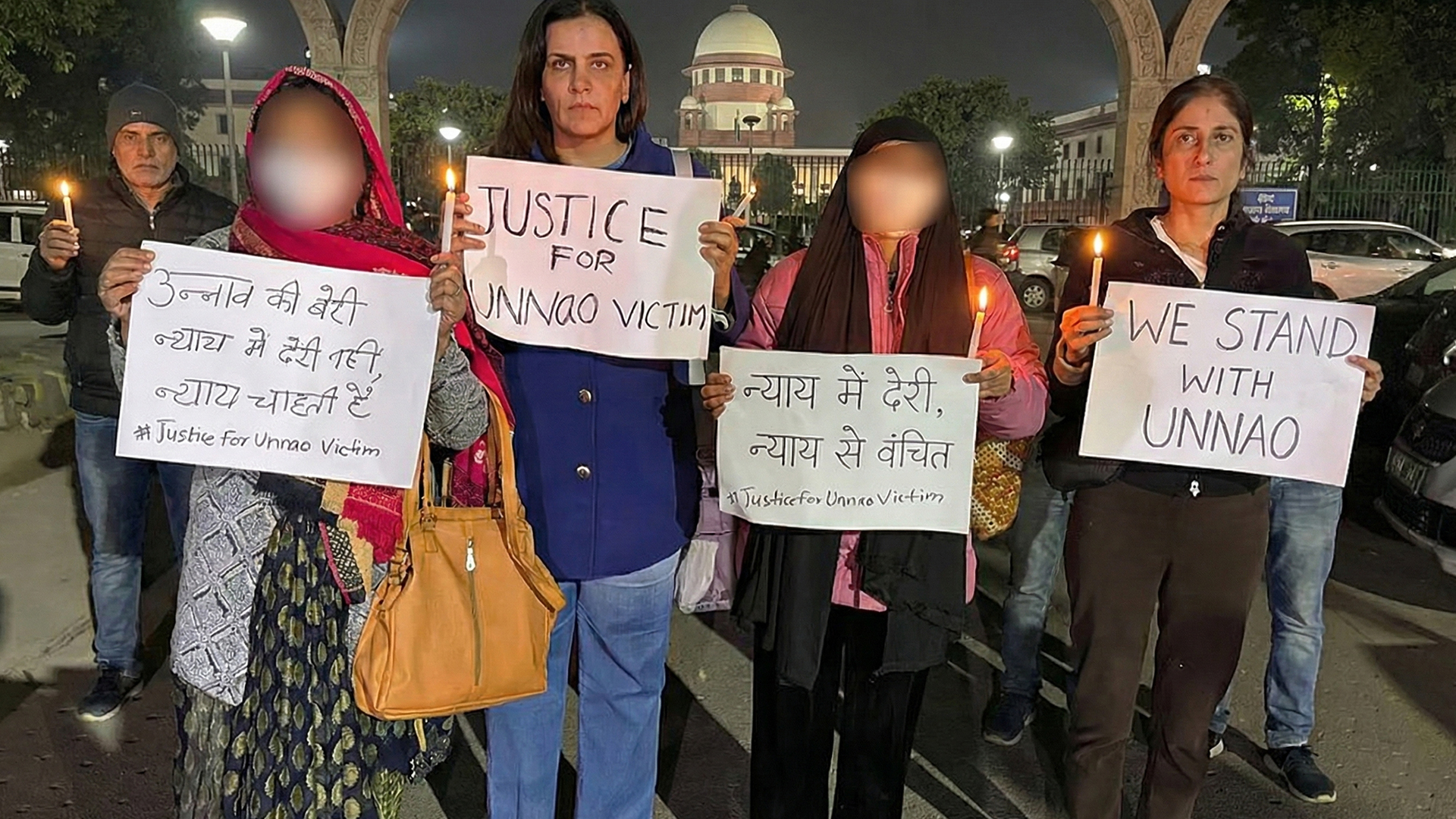
Unnao rape survivor hails SC stay on Sengar’s bail

Apex court keeps convicted ex‑MLA in jail; survivor vows to continue fight for justice and death penalty

The Supreme Court of India on Monday stayed the Delhi High Court’s order granting conditional bail to former BJP MLA Kuldeep Singh Sengar, convicted in the 2017 Unnao rape case. The apex court emphasized the gravity of offences involving sexual crimes against minors and highlighted the need to uphold stringent legal provisions under the law.

Sengar, who was expelled from the BJP following the case, was convicted by a trial court in December 2019 for kidnapping and raping a minor girl in Unnao. He was sentenced to life imprisonment in the rape case and is also serving a 10-year sentence for the custodial death of the victim’s father. The Delhi High Court had, however, suspended his life sentence in the rape case and granted him bail pending appeal, citing that he did not fall under the definition of a “public servant” under the POCSO Act.

The Supreme Court’s stay order effectively ensures that Sengar remains in prison while the appeal is heard. A vacation bench led by Chief Justice Surya Kant issued a notice to Sengar to respond within four weeks. The apex court noted serious legal questions raised by the High Court judgment and stressed that offences under POCSO require strict enforcement to protect children.

The survivor welcomed the Supreme Court’s intervention and reaffirmed her commitment to pursuing justice, stating she “will not rest until he is hanged.” Her family expressed relief over the stay but highlighted ongoing threats to their safety and the need for security for themselves and their legal team.

The case has drawn nationwide attention, not only for the heinous nature of the crimes but also for the legal debates surrounding the interpretation of POCSO provisions. The survivor’s steadfast determination has become a symbol of courage and resilience, reinforcing public demands for accountability and justice in high-profile sexual assault cases.

As the legal proceedings continue, the Supreme Court’s intervention underscores the judiciary’s commitment to balancing procedural technicalities with the need to deliver justice in cases involving sexual crimes against minors. The Unnao case remains a poignant reminder of the challenges survivors face and the importance of sustained legal vigilance to uphold their rights.

Also Read: Ex-Judge backs bail of Unnao convict Sengar

Humpy, Erigaisi win bronze at World Rapid Chess meet

PM Modi praises Indian stars for strong global performance

India’s celebrated chess player Koneru Humpy narrowly missed winning the FIDE World Rapid Chess Championship, settling for the bronze medal after an intense finish at the global event. Humpy came agonisingly close to clinching a historic third world rapid title but was edged out on tie-breaks despite being among the top scorers.

The tournament saw Humpy display remarkable consistency and composure throughout. She finished with 8.5 points, tying with the top contenders in the women’s section. However, official tie-break criteria pushed her to third place, earning her the bronze medal. A draw in the final round proved decisive, denying her a chance to move ahead outright and make history. Humpy is already a two-time world rapid champion, and her latest performance once again highlighted her stature as one of India’s most dependable performers on the international chess stage.

In the Open category, India had another reason to celebrate as Arjun Erigaisi also secured a bronze medal. Erigaisi delivered a strong and fearless campaign against some of the world’s best players, finishing just behind the top two. His podium finish adds to India’s growing reputation as a global chess powerhouse and marks another major milestone in his rising career.

Following the achievements, Prime Minister Narendra Modi congratulated both players for making the country proud. In his message, the Prime Minister praised their determination, skill, and fighting spirit, and said their success reflects India’s growing strength in world chess. He also wished them continued success in future tournaments, including the upcoming World Blitz Championship.

The double podium finish by Humpy and Erigaisi underlines India’s depth and consistency in elite chess across generations. While the narrow miss may have been disappointing for Humpy, her performance reaffirmed her place among the world’s best. For Erigaisi, the medal signals his steady rise at the highest level of the game.

As the championships move forward, Indian fans will once again look ahead with optimism, encouraged by the resilience and excellence shown by their top players on the global stage.

Also Read: US plans permanent moon base by 2030

Rising attacks on Hindu families in Bangladesh

Targeted arson and mob violence fuel fear among minority communities amid nationwide unrest

Several Hindu-owned homes in Bangladesh have been set on fire in recent days, highlighting a surge in attacks on the country’s minority communities. In Pirojpur district, a house in Dumritola village was deliberately torched after cloth was stuffed into a room and ignited, completely destroying the residence and the family’s belongings. Fortunately, the family escaped unharmed, though their pets were killed in the blaze. Authorities have arrested five suspects and are searching for more.

Similar incidents have been reported in other districts. In Raozan, Chattogram, two homes belonging to Hindu expatriate families were set ablaze after attackers reportedly locked residents inside. The eight occupants managed to escape by breaking through walls and fencing. Reports indicate that at least seven Hindu households across multiple areas have been attacked in recent weeks, forcing families to flee and raising serious concerns about communal safety.

These attacks come amid ongoing unrest in Bangladesh, following the death of youth leader Sharif Osman Hadi and a series of protests. Earlier in December, a Hindu garment worker, Dipu Chandra Das, was lynched and his body burned in Mymensingh after unverified blasphemy allegations, drawing national and international condemnation.

Human rights groups warn that these incidents reflect broader communal tensions and systemic vulnerabilities for minority communities. While the interim government says it is taking measures to protect minorities and ensure justice, the spate of arson and threats continues to raise alarm. Civil society and international observers are urging stronger action to prevent further attacks and secure the safety of vulnerable communities.

The series of attacks emphasises on the urgent need for enhanced protection for religious minorities and accountability for perpetrators, as fear and displacement continue to affect Hindu families in Bangladesh.

Also Read: Bangladesh former PM Khaleda Zia dies at 80
Australia to remove Indian tariffs from Jan 1, 2026

Commerce Minister Piyush Goyal says zero duties will boost Indian exports and strengthen trade ties

Australia will remove tariffs on 100% of Indian exports starting January 1, 2026, under the India-Australia Economic Cooperation and Trade Agreement (ECTA). This step is expected to create new opportunities for Indian exporters and strengthen bilateral trade.

Commerce Minister Piyush Goyal confirmed the move, highlighting that it will particularly benefit MSMEs and labour-intensive industries, giving them easier access to the Australian market. He said the step will enhance competitiveness and strengthen supply-chain links between the two nations.

The ECTA, which came into effect in December 2022, has already boosted Indian exports to Australia, which grew by around 8% in 2024-25. Key export sectors benefiting from the agreement include manufacturing, chemicals, textiles, plastics, pharmaceuticals, and petroleum products. Notably, gems and jewellery exports rose 16% between April and November 2025.

Agricultural exports, such as fruits, vegetables, marine products, spices, and coffee, have also seen growth. To simplify trade, India and Australia signed a Mutual Recognition Arrangement (MRA) on organic products, easing movement of certified goods.

Trade analysts see the zero-tariff move as a significant step for Indo-Australian economic cooperation, helping Indian products become more price-competitive in Australia. It also aligns with India’s broader goal to expand its presence in global markets and strengthens ties in the Indo-Pacific region.

The tariff elimination under ECTA may pave the way for a broader trade agreement covering services, investment, and regulatory standards, further deepening economic engagement between the two countries.

Also Read: DRDO tests 120 km range Pinaka rocket

DRDO tests 120 km range Pinaka rocket

Successful maiden flight strengthens India’s long-range artillery capability

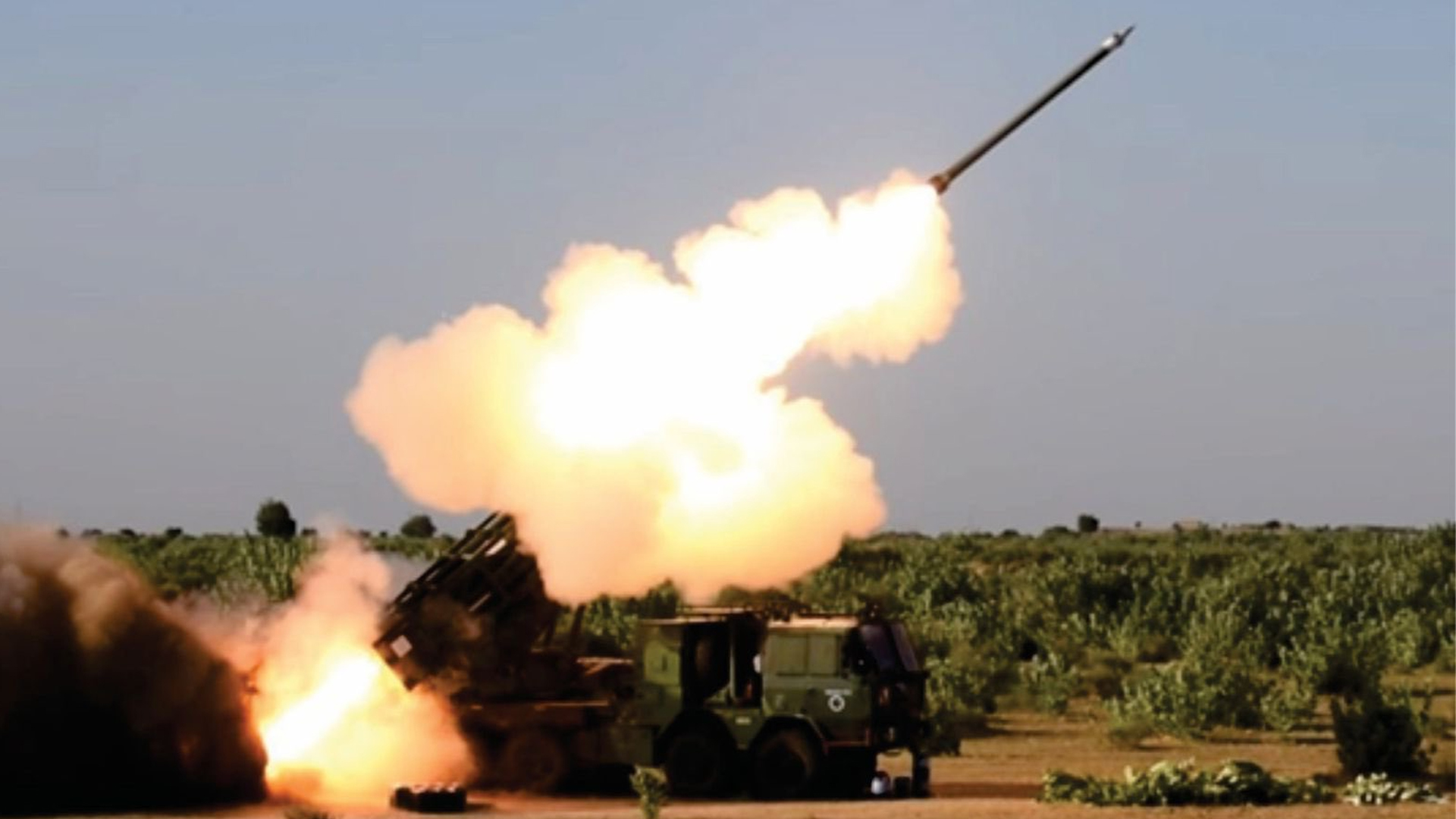
The Defence Research and Development Organisation (DRDO) has successfully tested the 120-kilometre strike range version of the Pinaka rocket, marking a major step forward in India’s indigenous defence capabilities. The maiden flight test was carried out at the Integrated Test Range (ITR) in Chandipur, Odisha.

During the test, the long-range guided Pinaka rocket was fired from an in-service Pinaka launcher, showing that existing launch systems can be used without major modifications. The rocket followed its planned flight path and accurately hit the intended target at a distance of 120 kilometres. All performance parameters, including guidance, control, and range, were achieved as expected.

The extended-range Pinaka rocket has been developed to significantly enhance the Indian Army’s artillery firepower. Earlier versions of the Pinaka system had shorter ranges, while the new variant allows forces to strike targets much deeper into enemy territory with greater accuracy. The guided nature of the rocket also improves precision, reducing the need for multiple launches.

The rocket has been designed by DRDO’s Armament Research and Development Establishment (ARDE), with support from other DRDO laboratories, including the High Energy Materials Research Laboratory (HEMRL) and Research Centre Imarat (RCI). The project reflects close coordination between design, testing, and operational teams.

Importantly, the successful test came on the same day that the Defence Acquisition Council (DAC) cleared the system for induction into the Indian Army. This approval opens the door for large-scale production and deployment of the 120 km Pinaka rockets, strengthening India’s artillery units.

Defence Minister Rajnath Singh congratulated DRDO scientists and engineers for the achievement, calling the long-range guided Pinaka a major boost to the country’s defence preparedness. DRDO Chairman Samir V. Kamat also praised the teams involved for meeting all mission objectives in the maiden trial.

Also Read: Tripura student’s death in Dehradun sparks protests

Russia alleges drone attack on Putin’s residence

Ukraine denies claims as Kremlin warns of retaliation, raising tensions

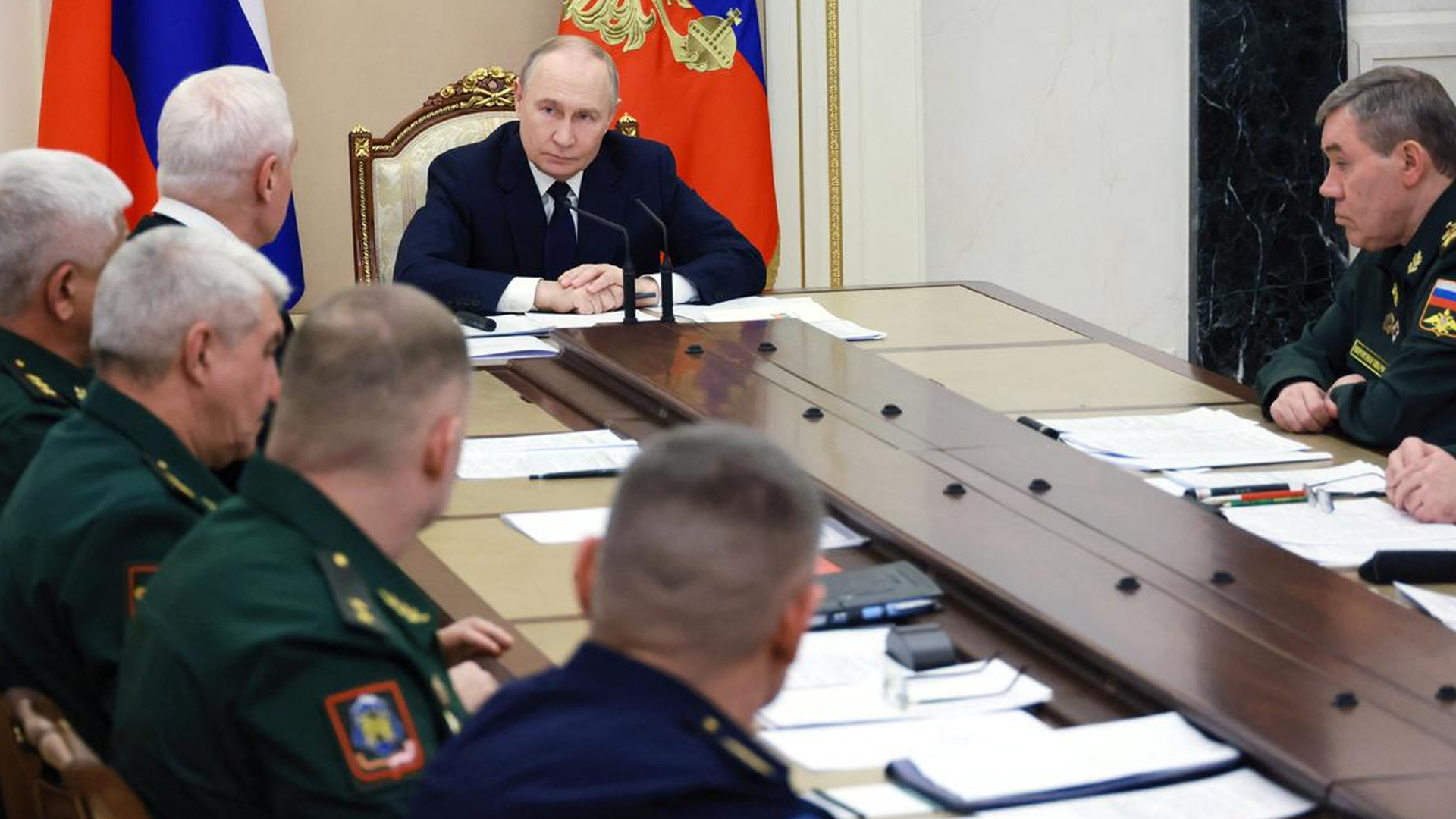
On December 29, 2025, Russia accused Ukraine of launching a large‑scale drone attack on a state residence used by President Vladimir Putin in the Novgorod region. Kremlin officials claimed 91 long-range drones were intercepted and destroyed overnight by Russian air‑defence systems, with no casualties or damage reported.

Russian Foreign Minister Sergey Lavrov described the incident as “state terrorism” and indicated Moscow may respond beyond diplomatic measures. He also said Russia would reconsider its approach in ongoing peace talks, though it would remain engaged.

The Kremlin provided no independent evidence to confirm the residence’s location or details of the strike. Officials did not comment on whether President Putin was present, and information about physical damage was not disclosed.

Ukraine strongly denied the allegations. President Volodymyr Zelensky called the claims “fabrications” and accused Russia of using them to justify new attacks, particularly on Kyiv and government sites. Ukrainian authorities emphasized that their military targets only legitimate objectives and that Russia remains the aggressor. Officials warned that the accusation could undermine ongoing peace discussions, including recent talks with U.S. President Donald Trump aimed at advancing a comprehensive settlement.

International observers noted that the conflicting accounts highlight deep mistrust between Moscow and Kyiv and could complicate efforts toward a negotiated end to the nearly four‑year conflict. The timing of the claims, amid sensitive diplomatic engagements, raises concern that tensions may escalate further.

Also Read: Rising attacks on Hindu families in Bangladesh