rotating globe
3 Apr 2026


Ganesh Shenoy wins Global Art Award

Mangaluru-born author’s work 'Kinetic Pointillism' earns international acclaim

Ganesh K. Shenoy, a writer and artist with roots in Mangaluru and currently based in Qatar, has won the 2025 Literary Global Book Award in the Nonfiction – Art category. The honour has been awarded for his book Kinetic Pointillism: An Emerging Art Movement, a work that introduces readers to a contemporary art form and the thinking behind it.

The book focuses on kinetic pointillism, a modern visual art movement pioneered by artist Robert Ottesen. Shenoy’s writing explains the concept in a clear and engaging way, helping readers understand how movement, perception and dots come together to create a dynamic visual experience. Art students, practitioners and general readers alike have found the book useful for its simplicity and depth.

What makes the achievement even more special is that the book is freely available as an eBook. Shenoy chose to self-publish it through Draft2Digital, ensuring that anyone interested in art can access it without cost on platforms such as Apple Books, Barnes & Noble, Kobo, Smashwords and others. This decision reflects his belief that knowledge about art should be shared widely, not restricted by barriers.

The global recognition adds to the book’s earlier milestone. In 2023, Kinetic Pointillism: An Emerging Art Movement was entered into the Golden Book of World Records for being the first comprehensive publication dedicated to this art form. Together, these honours place the book firmly on the international art and literature map.

Ganesh K. Shenoy, whose full name is Ganesh Kelagina Beedu Shenoy, is no stranger to awards. He has written across genres, including fiction and poetry. His novel Seginus, The Eternal Time Traveller has received international recognition, while Shadows of Desire & 152 Drabbles won the 2025 Regal Summit Book Award. His creative work often blends art, philosophy and mysticism.

Outside his artistic pursuits, Shenoy works as the Head of Human Resources at Teyseer Services Company in Qatar, where he has lived since 2007. Balancing a corporate career with creative exploration, his latest achievement stands as a reminder that passion and discipline can coexist and reach a global audience.

Also Read: Bharat Taxi set to launch soon

Google to allow gmail ID changes

New feature aims to help users update old email names easily

Google is working on a new Gmail feature that could finally solve a long-standing user problem, being stuck with an old email address. The company is expected to allow users to change their Gmail username without deleting their account or starting from scratch.

At present, Gmail users cannot modify the “@gmail.com” address once it is created. Anyone unhappy with their username must open a new account and manually transfer data. Google’s upcoming update aims to remove this inconvenience.

With the new feature, users will be able to choose a new Gmail ID while keeping the same Google account. This ensures that emails, Google Drive files, photos, calendars, contacts, and subscriptions remain intact. Services like YouTube, Maps, and Google Pay will continue to work without interruption.

To avoid confusion, Google will keep the old Gmail address as an email alias. Messages sent to either the old or new address will reach the same inbox. Users can also log in using both addresses, making the transition smoother.

There will be usage restrictions to prevent misuse. Reports suggest Gmail users can change their address only once per year, with a lifetime limit of three changes. The previous email ID will remain linked to the account and will not be reassigned to another user.

This update is particularly helpful for users who created Gmail accounts in their teens or early internet days and now want a cleaner, more professional email address. It also benefits those who have changed names or want better branding for work and business use.

Google has updated its support documentation to reflect the upcoming change, indicating the feature is in active development. However, the company has not confirmed when it will be available to everyone. The rollout is expected to be phased, reaching users gradually over the coming months.

Once this feature is available, it is likely to appear under Google Account settings. Until then, users will need to wait for official access as Google continues testing the update.

Also Read: North Korea shows first nuclear submarine

Bharat Taxi set to launch soon
Driver-owned app aims to improve incomes and transport access across cities

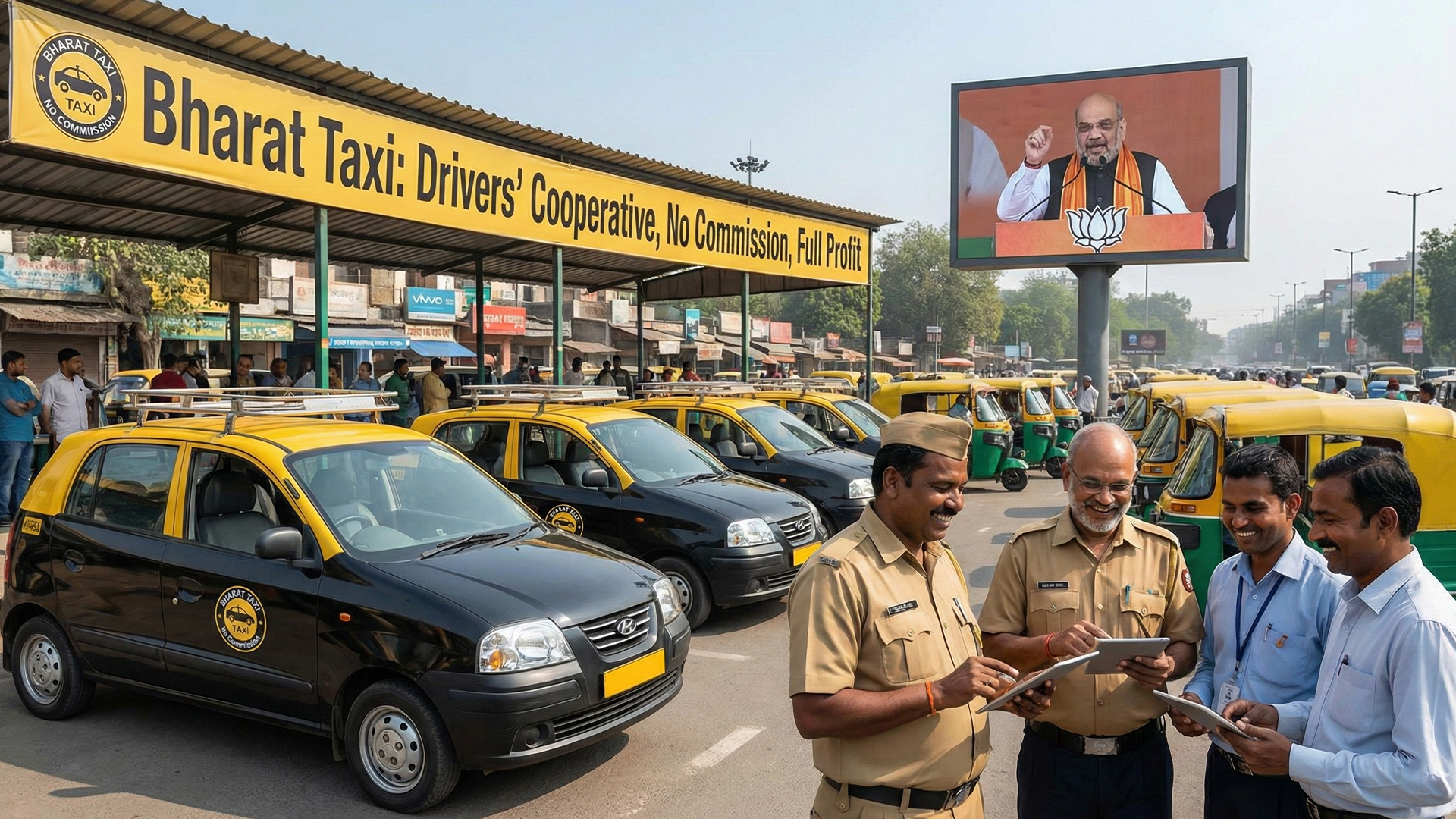
India’s taxi drivers may soon get a reason to smile. The government is preparing to launch Bharat Taxi, a new ride-hailing platform designed to put drivers first while offering passengers reliable and affordable rides. Announcing the initiative, Union Minister Amit Shah said the service will operate under a cooperative model, unlike private apps, so that most of the earnings go directly into drivers’ pockets.

The platform, managed by Sahakar Taxi Cooperative Ltd, aims to improve the livelihoods of taxi operators while also expanding transport options for commuters. Shah highlighted that drivers will not only see higher incomes but will also enjoy benefits like insurance coverage and a say in how the cooperative is run.

Currently in pilot mode in select cities, Bharat Taxi plans to operate across multiple vehicle types, including cabs, motorcycles, and autorickshaws, creating more jobs and increasing transport availability. Officials have said the service will offer competitive fares for passengers while ensuring drivers earn a fair share.

The cooperative framework is expected to attract thousands of drivers seeking independence from corporate app structures. Experts believe that Bharat Taxi could reshape India’s ride-hailing scene by balancing driver welfare with convenient, affordable transport for the public.

With a nationwide rollout planned soon after testing, the government hopes the platform will strengthen the cooperative movement, giving drivers a sustainable way to grow their incomes while offering commuters an alternative to existing private apps. The initiative reflects a broader push for inclusive economic growth and improved transport access across the country.

Also Read: K‑4 missile launched from Indian submarine

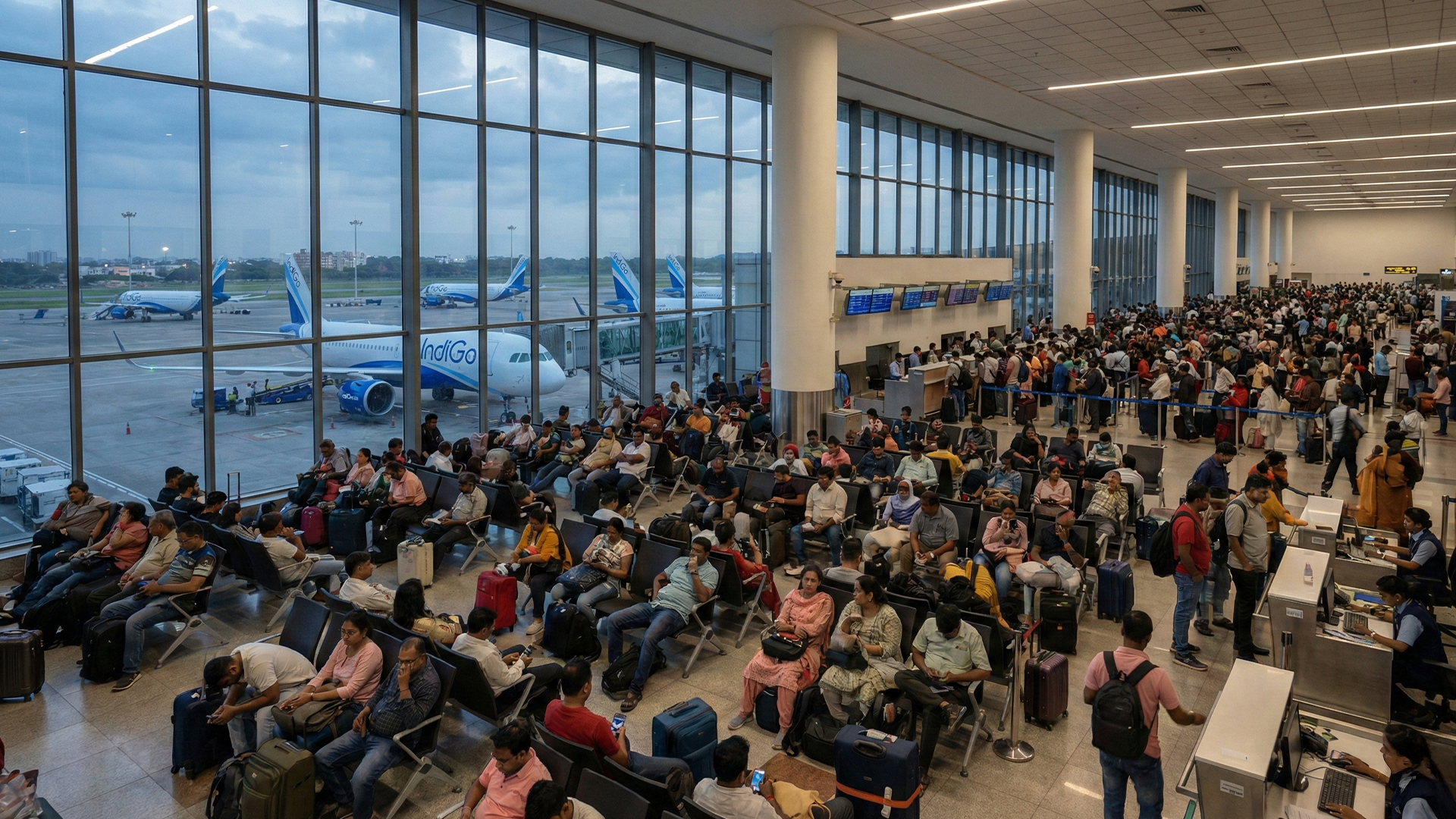
IndiGo cancels 67 flights amid winter fog

Low visibility disrupts operations at several airports as DGCA monitors airline preparedness

India’s largest airline, IndiGo, cancelled 67 flights across multiple airports as dense fog and adverse winter weather continued to disrupt air travel during the peak season. The cancellations were announced in advance, with the airline citing forecasted bad weather and low visibility as the primary reasons for the disruptions.

According to IndiGo, the majority of the cancelled flights were affected by poor visibility conditions, while only a small number were grounded due to operational reasons. Airports impacted by the cancellations included Chandigarh, Dehradun, Agartala, Varanasi, and Bengaluru, where foggy conditions and fluctuating visibility levels made safe flight operations challenging.

The disruptions come during the official fog season, which runs from December 10 to February 10, a period known for frequent delays and cancellations, particularly in northern and eastern parts of the country. During this time, airlines are required to deploy aircraft equipped for low-visibility landings and ensure that trained pilots are available to operate under such conditions.

IndiGo’s latest cancellations add to the operational pressures the airline has faced in recent weeks. Earlier this month, the carrier witnessed large-scale flight disruptions following changes to pilot duty and rest norms. These challenges prompted aviation authorities to step in, leading to a temporary reduction in IndiGo’s winter flight schedule to stabilise operations and minimise passenger inconvenience.

The Directorate General of Civil Aviation (DGCA) is closely monitoring the airline’s performance amid recurring disruptions. A special review panel has been examining the causes behind recent cancellations and delays, including crew availability, scheduling practices, and preparedness for seasonal weather challenges.

Passengers affected by the cancellations have voiced concerns over repeated disruptions during the busy holiday period. Many travellers reported last-minute changes to travel plans, while others highlighted the need for clearer communication and timely updates from airlines.

Also Read: Delhi HC pushes for cheaper air purifiers

K‑4 missile launched from Indian submarine

Sea-based nuclear strike capability strengthened

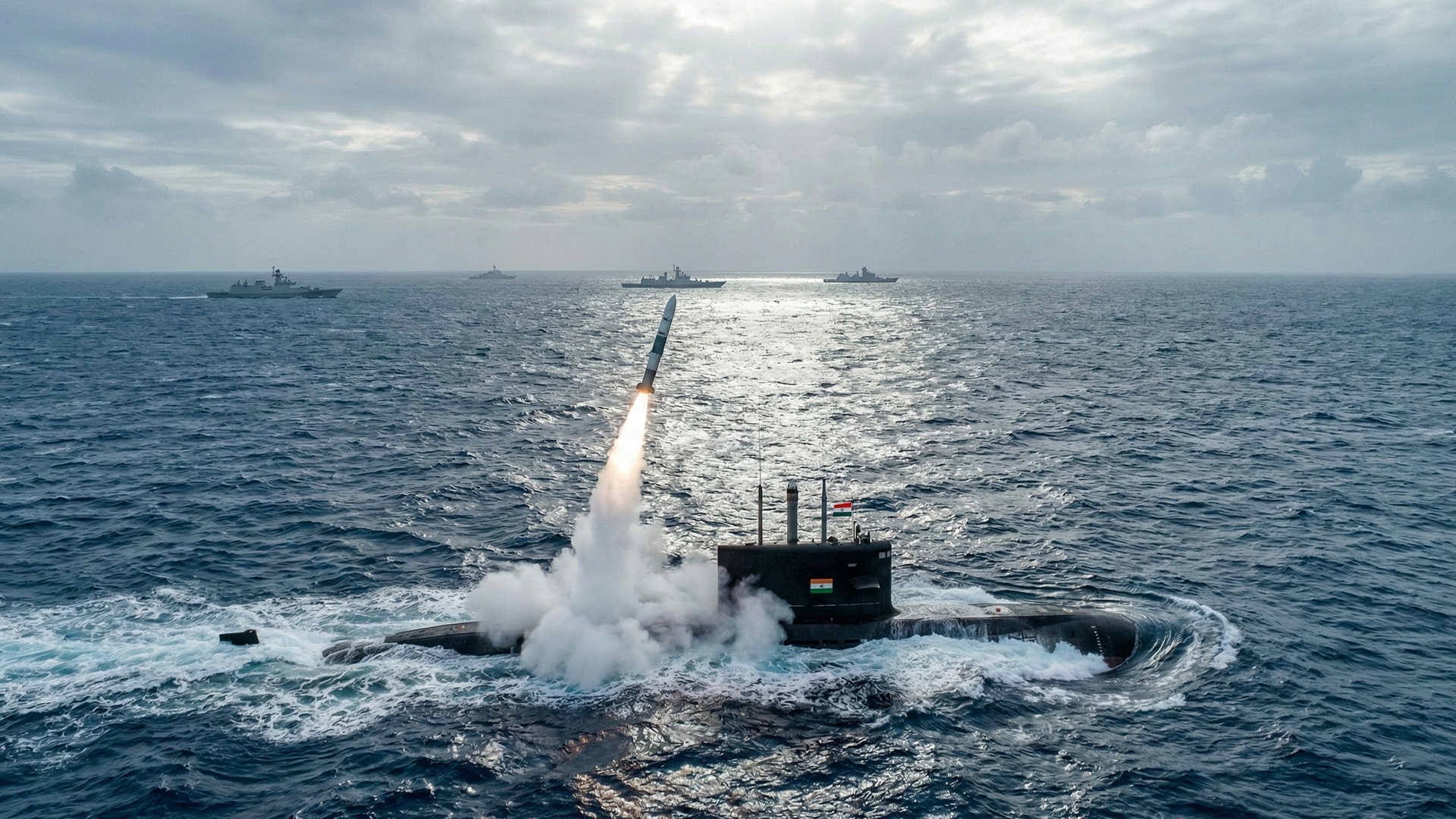
India successfully launched its K‑4 missile from a nuclear‑powered submarine, INS Arighaat, in the Bay of Bengal. The missile, capable of reaching targets up to 3,500 km away, is a major step in boosting India’s sea-based nuclear forces.

The test was overseen by the Strategic Forces Command. This launch strengthens India’s “second-strike” capability, ensuring the country can respond even if attacked first. The K‑4 is part of India’s efforts to complete a nuclear triad – the ability to deliver nuclear weapons from land, air, and sea.

Developed by the Defence Research and Development Organisation (DRDO), the K‑4 is a solid-fuel missile that can carry a nuclear warhead of up to 2.5 tonnes. It is launched underwater, rises from the submarine, and then flies toward distant targets.

Before the K‑4 missile, India’s submarines carried K‑15 missiles with a shorter 750 km range. INS Arighaat, commissioned in August 2024, is India’s second nuclear-powered submarine capable of firing long-range missiles, marking a key milestone in India’s defence capabilities.

Defence analysts see this test as a clear message of India’s growing strategic strength, putting the country among a few nations that can launch nuclear-capable missiles from submarines.

Also Read: Vandalism, protests shadow Christmas festivities nationwide

Bangladesh mob violence claims another Hindu life

Amrit Mondal beaten to death in Rajbari; government says incident was criminal, not communal

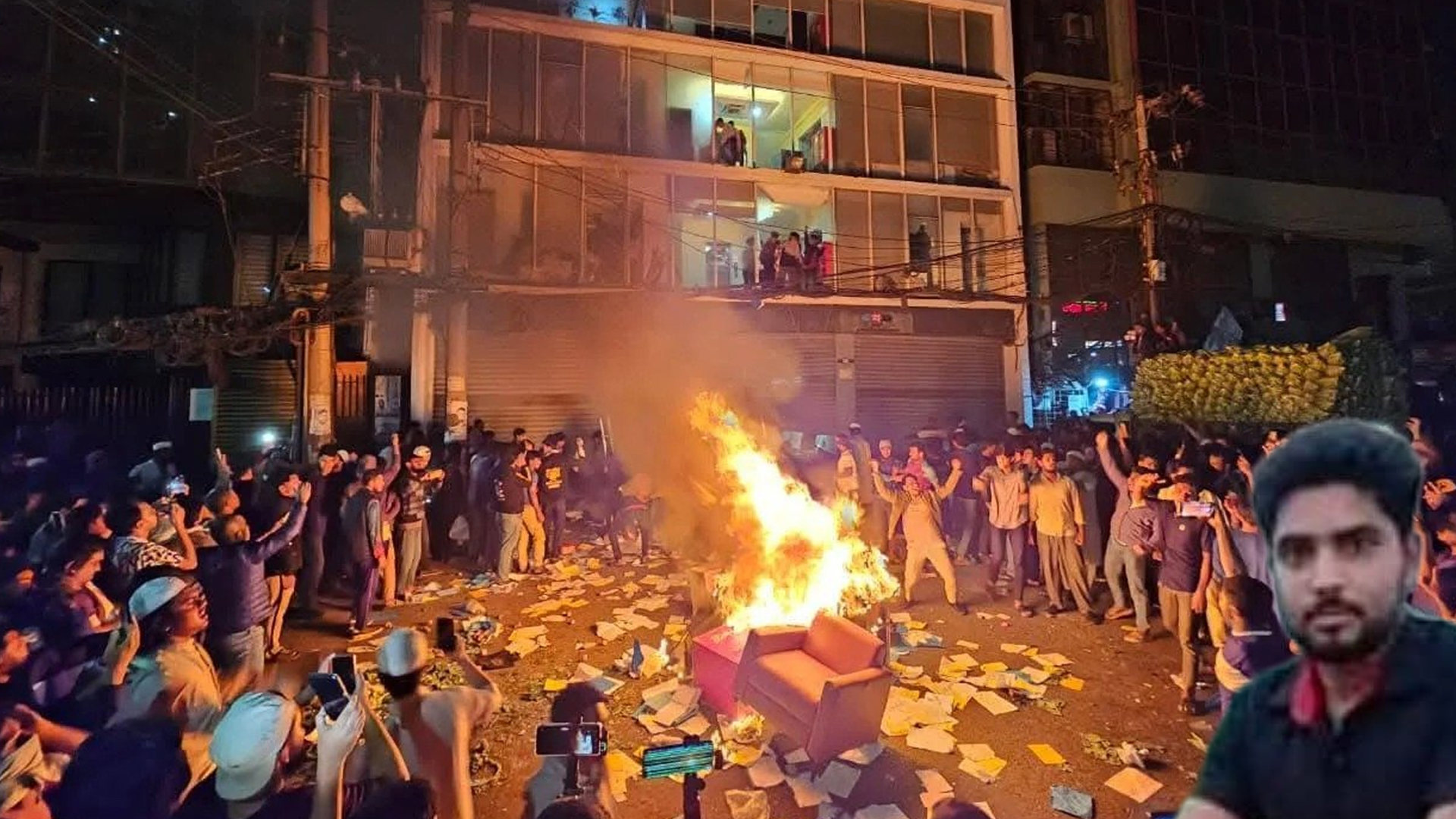
In a troubling incident highlighting rising mob violence in Bangladesh, 29-year-old Amrit Mondal, also known as Samrat, was brutally beaten to death by a local crowd in Rajbari district’s Pangsha upazila on Wednesday night. He was later rushed to the hospital in critical condition, where doctors pronounced him dead.

Authorities said Mondal and several associates had reportedly gone to a resident’s home to collect money, triggering a confrontation with locals. Police investigations indicate that the beating was linked to these alleged criminal activities rather than any communal tension. One alleged accomplice, Mohammad Selim, has been arrested, and police recovered a pistol and a pipe gun. Mondal was already facing multiple criminal cases, including extortion and murder, with active arrest warrants.

The interim government in Dhaka strongly condemned the killing while stressing it was not a communal attack. In an official statement, authorities called on the media and the public to avoid framing the incident as religiously motivated, labeling such claims as “baseless and driven by malicious intent.” Legal action will be taken against all involved in the lynching.

This tragedy comes shortly after another Hindu man, Dipu Chandra Das, was lynched in Mymensingh district over alleged blasphemy. His body was reportedly set on fire, sparking protests in Bangladesh and criticism from neighboring India. Seven arrests were made in that case.

Observers note that these incidents are occurring amid heightened political tensions in Bangladesh, following the death of student leader Sharif Osman Bin Hadi on December 18, which has already put the nation on edge over public order and minority safety.

While the government emphasizes the criminal nature of Mondal’s death, the repeated targeting of minority community members has raised concerns among human rights advocates. Local residents and community leaders are calling for calm and caution, urging people not to let fear or misinformation further inflame communal divisions.

Also Read: Vandalism, protests shadow Christmas nationwide

North Korea shows first nuclear submarine

Leader Kim Jong Un inspects 8,700-ton vessel as Pyongyang signals naval modernization and criticizes South Korea’s plans

North Korea has publicly revealed significant progress on its first nuclear-powered submarine, showcasing an 8,700-ton vessel at a shipyard and marking a milestone in its military modernization program. State media released images of leader Kim Jong Un inspecting the largely completed submarine, which is described as a “strategic guided missile submarine” intended to bolster the country’s nuclear deterrent and naval capabilities.

Photographs published by the Korean Central News Agency (KCNA) show the submarine’s hull inside an assembly hall, suggesting that many internal systems, including the nuclear reactor and propulsion components, may be nearing installation. Experts note that while the hull appears advanced, operational readiness, including sea trials and weapons testing, could take several years. Some analysts speculate that Pyongyang may have received external technical support, possibly from Russia, although no independent verification exists.

During the inspection, Kim Jong Un was accompanied by senior officials and his daughter, Ju Ae, whose public appearances have fueled speculation about her potential future role. Kim criticized South Korea’s plans, supported by the United States, to develop its own nuclear-powered submarines, calling them a “threat to security” and an “offensive act” infringing on North Korean sovereignty.

State media hailed the submarine project as an “epoch-making” achievement, part of a broader military push that includes advances in ballistic missiles, long-range air defense systems, and other strategic weaponry. North Korea’s leadership emphasized that the vessel is crucial for strengthening the country’s nuclear and naval capabilities.

International analysts, however, caution that while the hull’s appearance indicates progress, the country’s ability to deploy a fully functional nuclear-powered submarine remains uncertain under the weight of international sanctions. No independent verification has confirmed the submarine’s nuclear propulsion or weapons systems.

The announcement comes amid escalating tensions on the Korean Peninsula, with both North and South Korea advancing submarine and missile technologies. Analysts warn that this development could contribute to a renewed arms buildup in East Asia, intensifying regional security concerns.

This unveiling highlights Pyongyang’s continued focus on military self-reliance and signals its intent to maintain a credible nuclear deterrent at sea, further complicating international diplomatic efforts in the region.

Also Read: US targets Islamic State militants in northwest Nigeria

US targets Islamic State militants in northwest Nigeria

Operation in Sokoto state targets extremists amid rising violenc

The US carried out an airstrike against Islamic State-linked militants in northwest Nigeria on December 25, in a move aimed at weakening extremist operations in the region. The operation, which took place in Sokoto state, was conducted in close coordination with Nigerian authorities, US Africa Command confirmed.

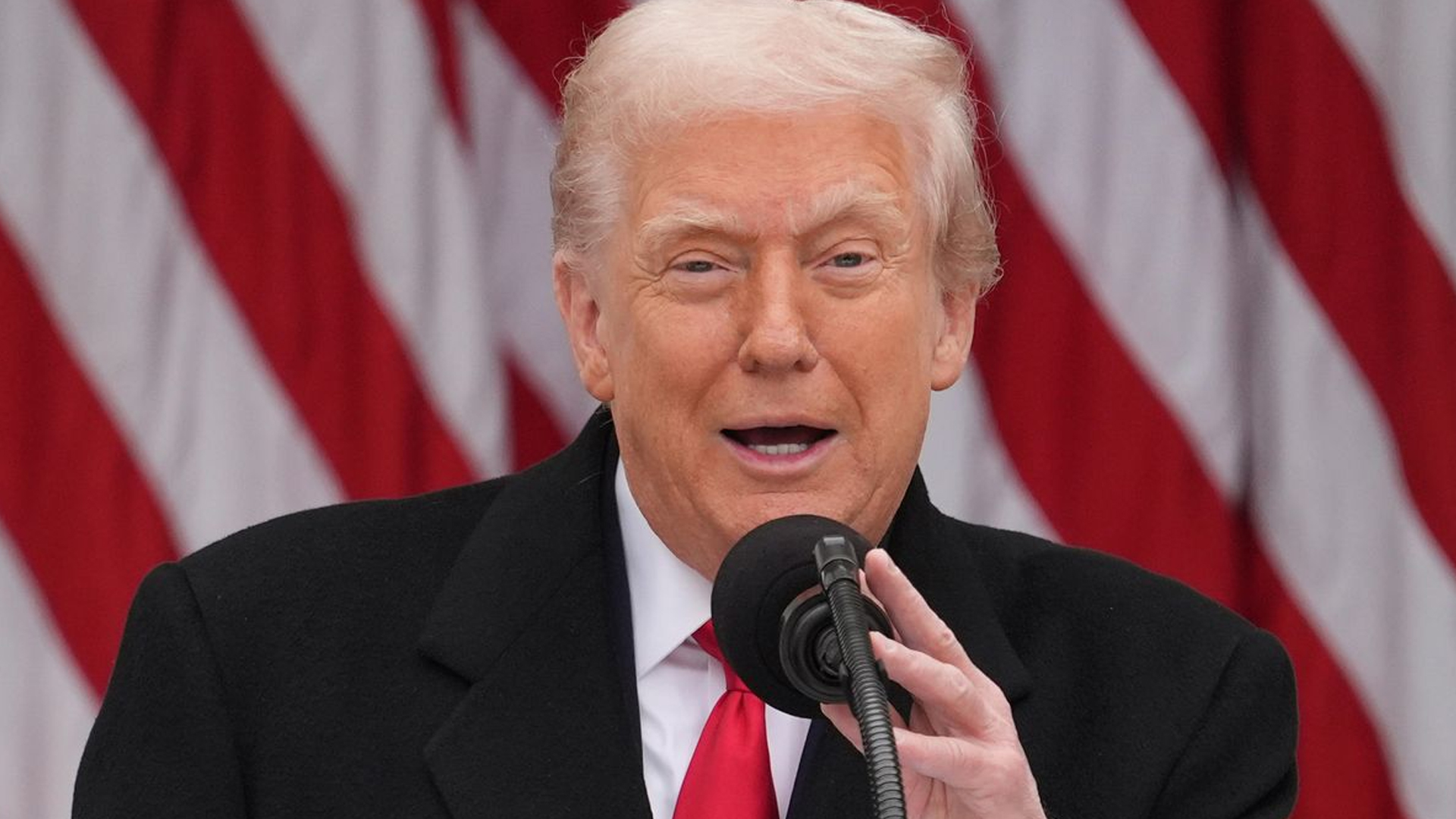
According to the US several militants were killed during the strike. Officials emphasized that the action specifically targeted fighters responsible for violent attacks on civilians, highlighting the persistent threat of extremist groups in northern Nigeria. President Donald Trump posted on social media that the strike was part of a broader US effort to support local governments in tackling terrorism.

The Nigerian government acknowledged the strike as part of ongoing joint efforts to combat violent extremism. Authorities stressed that these armed groups do not discriminate in their attacks, targeting both Christians and Muslims, which underlines the urgent need for continued security measures and community protection initiatives.

Northern Nigeria has faced a long history of violent attacks by Islamist militants, with the Islamic State West Africa Province (ISWAP) among the most active groups. Recent months have seen a rise in violent incidents, including suicide bombings and raids on villages, leaving civilians vulnerable and communities on edge. The Sokoto region, where the airstrike took place, has also been affected by these attacks, making counterterrorism operations critical for local safety.

Security experts say US airstrikes, when coordinated with local forces, can play a key role in disrupting extremist networks and preventing further attacks. However, they also caution that long-term solutions require strengthening local governance, improving intelligence networks, and addressing the socioeconomic conditions that allow such groups to thrive.

The December 25 strike demonstrates the continuing collaboration between the United States and Nigeria in their shared fight against terrorism. Both nations have reiterated their commitment to protecting civilians, restoring stability, and ensuring that extremist groups are unable to terrorize communities in northern Nigeria.

Also Read: Vandalism, protests shadow Christmas festivities nationwide

Vandalism, protests shadow Christmas nationwide

Schools, malls, and churches disrupted as authorities step in to restore peace

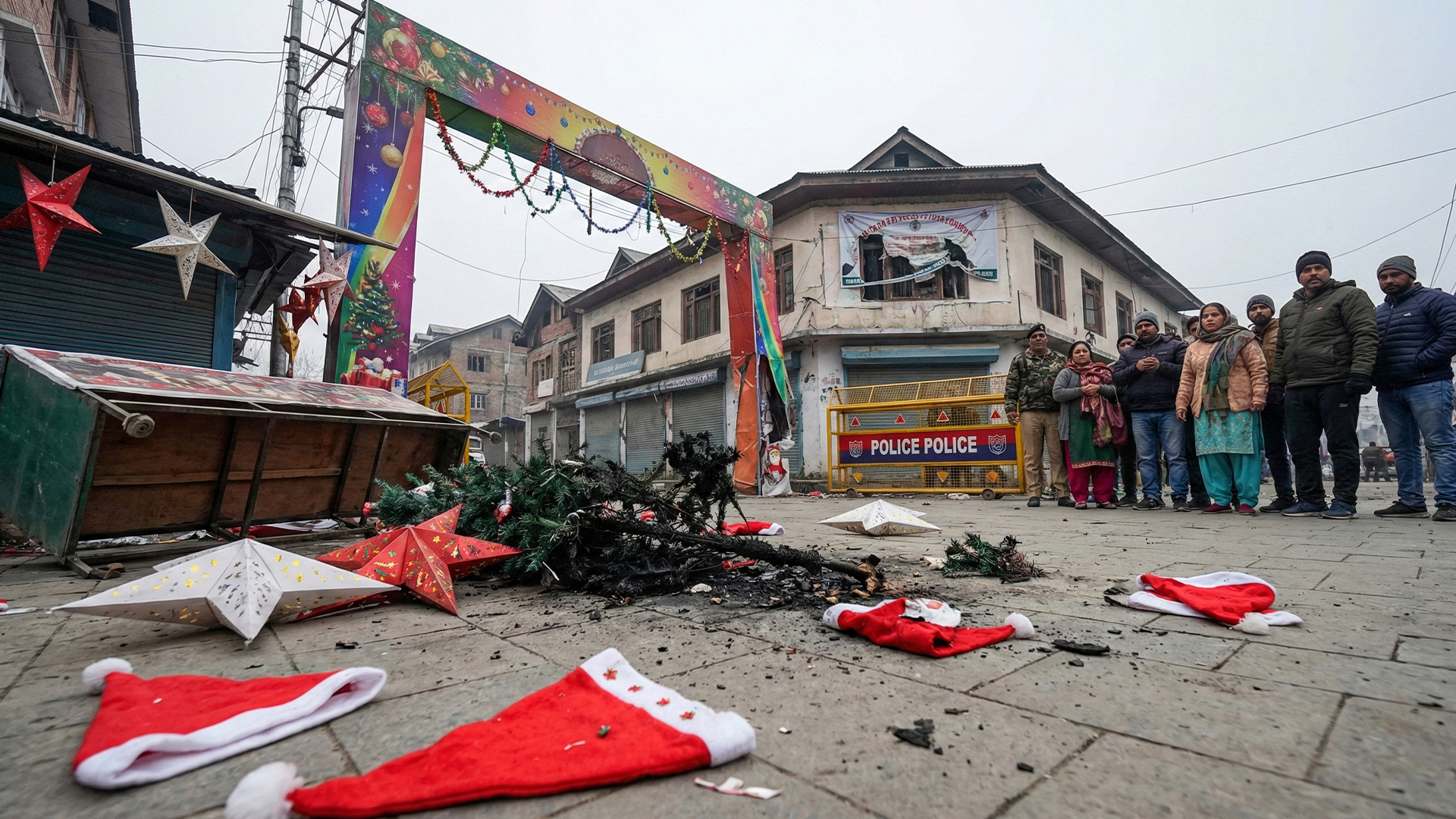
Christmas celebrations in several Indian states were overshadowed by vandalism, protests, and disruptions, leaving communities anxious and authorities on alert.

In Assam’s Nalbari district, members of right-wing groups reportedly entered St. Mary’s English School on Christmas Eve, destroying decorations, banners, and lights. Some festive items were set on fire, and nearby shops selling Christmas goods were also targeted. Police arrested four people, including local leaders of Vishwa Hindu Parishad (VHP) and Bajrang Dal. Christian organisations condemned the acts, calling for a suo motu FIR and highlighting threats to religious freedom and harmony.

In Chhattisgarh, a group vandalised Magneto Mall in Raipur, which was closed due to a state-wide bandh. Christmas trees, Santa installations, and other decorations were damaged. Staff reported being questioned about religion and caste. The estimated loss is between ₹15–20 lakh, and police have filed a case.

In Rajasthan, activists disrupted festivities at St Xavier’s School in Nagaur, alleging attempts at religious conversion. Furniture was overturned, decorations destroyed, and staff threatened. Police detained three suspects, though no serious injuries occurred.

In Uttar Pradesh, protesters gathered outside St Alphonsus Cathedral Church in Bareilly, reciting the Hanuman Chalisa and objecting to a Christmas skit. In Hisar, Haryana, around 300 police personnel were deployed outside St Thomas Church amid tensions with right-wing activists.

Other incidents in Kerala and smaller towns involved clashes during carol singing, causing minor injuries and disrupting celebrations.

Authorities have registered FIRs and launched investigations in affected areas. Political and community leaders have urged calm, stressing that festivals should be celebrated peacefully.

Also Read: IndiGo cancels 67 flights amid winter fog