rotating globe
3 Apr 2026


Mysuru Palace gas cylinder blast kills one

Helium cylinder explosion during Christmas evening leaves one dead, four injured at Mysuru Palace entrance

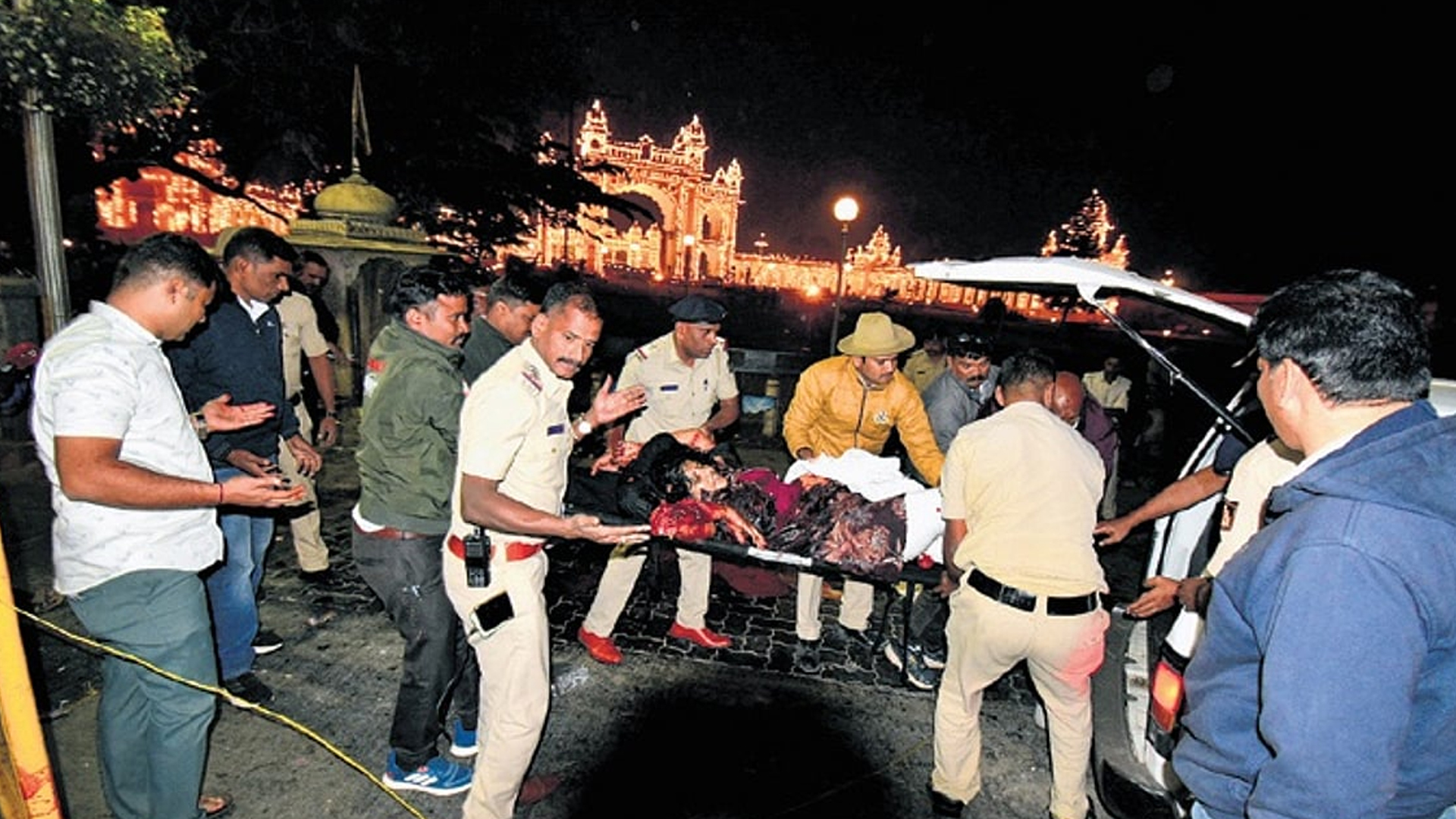
On the evening of December 25, 2025, festivities at the iconic Mysuru Palace took a tragic turn when a helium gas cylinder used for inflating balloons exploded near the Jayamarthanda Gate. The powerful blast killed a 42-year-old balloon vendor instantly and injured four others, sending shockwaves through the crowded area.

The incident occurred around 8:30 pm, when visitors had gathered for the palace’s annual winter flower show and Christmas celebrations. Eyewitnesses described hearing a loud explosion that shook the surroundings, causing panic and chaos. Many visitors fled the scene in fear before authorities could secure the area.

The deceased has been identified as a local balloon seller. The injured namely Lakshmi from Bengaluru, Manjula from Nanjangud, Kotresh Gutte from Ranebennur, and Shalina Shabbir from Kolkata—were rushed to K.R. Hospital in Mysuru. One of the victims is reported to be in critical condition. Hospital officials confirmed that the victims sustained burns and injuries from shrapnel caused by the cylinder blast.

City Police Commissioner Seema Latkar led the emergency response, coordinating with fire personnel, forensic teams, and a canine squad to secure the scene and collect evidence. Initial investigations suggest the explosion was accidental, with no indication of foul play. Authorities are examining the cylinder and its handling to determine the precise cause of the accident.

The blast also disrupted traffic and nearby events, including a musical performance, which were temporarily halted to ensure public safety. Local authorities emphasized the importance of reviewing safety protocols for gas cylinders in crowded public spaces, particularly during festivals and large gatherings.

This tragic incident has raised concerns about the safety of vendors using gas cylinders in public areas. Authorities have urged stricter compliance with safety standards to prevent similar accidents in the future. Residents and visitors expressed shock over the sudden tragedy on a day meant for celebration, highlighting the need for vigilance even during festive occasions.

As Mysuru mourns the loss of the balloon vendor, officials continue their investigation, promising stricter enforcement of safety measures to protect both vendors and the public in the city’s popular tourist and cultural hubs.

Also Read: North Korea shows first nuclear submarine

Windows gets faster BitLocker encryption

Microsoft shifts data protection to hardware in Windows 11

Microsoft has taken a significant step to make data protection on Windows faster, smoother, and more user-friendly. The company has introduced a new version of BitLocker, its built-in drive encryption tool, that relies on hardware acceleration to improve performance on Windows 11 devices.

For years, BitLocker has helped users keep their files safe by encrypting data stored on laptops and desktops. While effective, the process often depended heavily on the system’s main processor, which could slow down everyday tasks, especially on older machines or during heavy usage. Microsoft’s latest update aims to change that experience.

With hardware-accelerated BitLocker, encryption work is shifted from the CPU to specialised security hardware already present in many modern processors. This means Windows can lock and unlock data much faster, while freeing up the CPU to handle other tasks. For users, the change translates into quicker file access, smoother performance, and less noticeable impact when encryption is running in the background.

Another benefit is improved energy efficiency. Since the CPU is no longer doing most of the encryption work, laptops and tablets may consume less power, helping extend battery life. This is particularly useful for professionals and students who rely on encrypted devices throughout the day.

The new feature is designed to work automatically. If a device has compatible hardware, BitLocker will use the hardware-based encryption by default. Systems that do not meet the requirements will continue to run the existing software-based version, ensuring all users remain protected regardless of their hardware.

Security also gets a boost. Storing and managing encryption keys at the hardware level reduces exposure to certain cyberattacks that target data in system memory. This strengthens Windows’ overall security framework, alongside existing protections such as the Trusted Platform Module.

Microsoft has started rolling out hardware-accelerated BitLocker through Windows 11 Insider builds, with wider availability expected in upcoming releases. The update reflects Microsoft’s broader effort to balance strong security with better performance, making advanced protection feel seamless rather than intrusive.

Also Read: Russia plans lunar nuclear power by 2036

Navi Mumbai Airport finally takes off

Adani calls airport a long-awaited answer to Mumbai’s flying woes

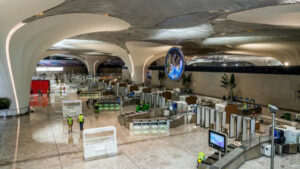
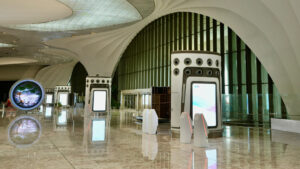
For years, flying in and out of Mumbai meant packed terminals, long queues and limited slots. On Christmas Day, that story began to change as Navi Mumbai International Airport (NMIA) welcomed its first commercial flights, turning a long-pending dream into reality.

The moment was marked not just by aircraft engines but by emotion and celebration. A day before operations began, the airport hosted a grand drone show, with more than 1,500 drones lighting up the sky. The visuals told a story of progress, planes soaring, green symbols reflecting sustainability, and images that captured Mumbai’s growth and future aspirations. For many watching, it felt like a quiet promise finally being kept.

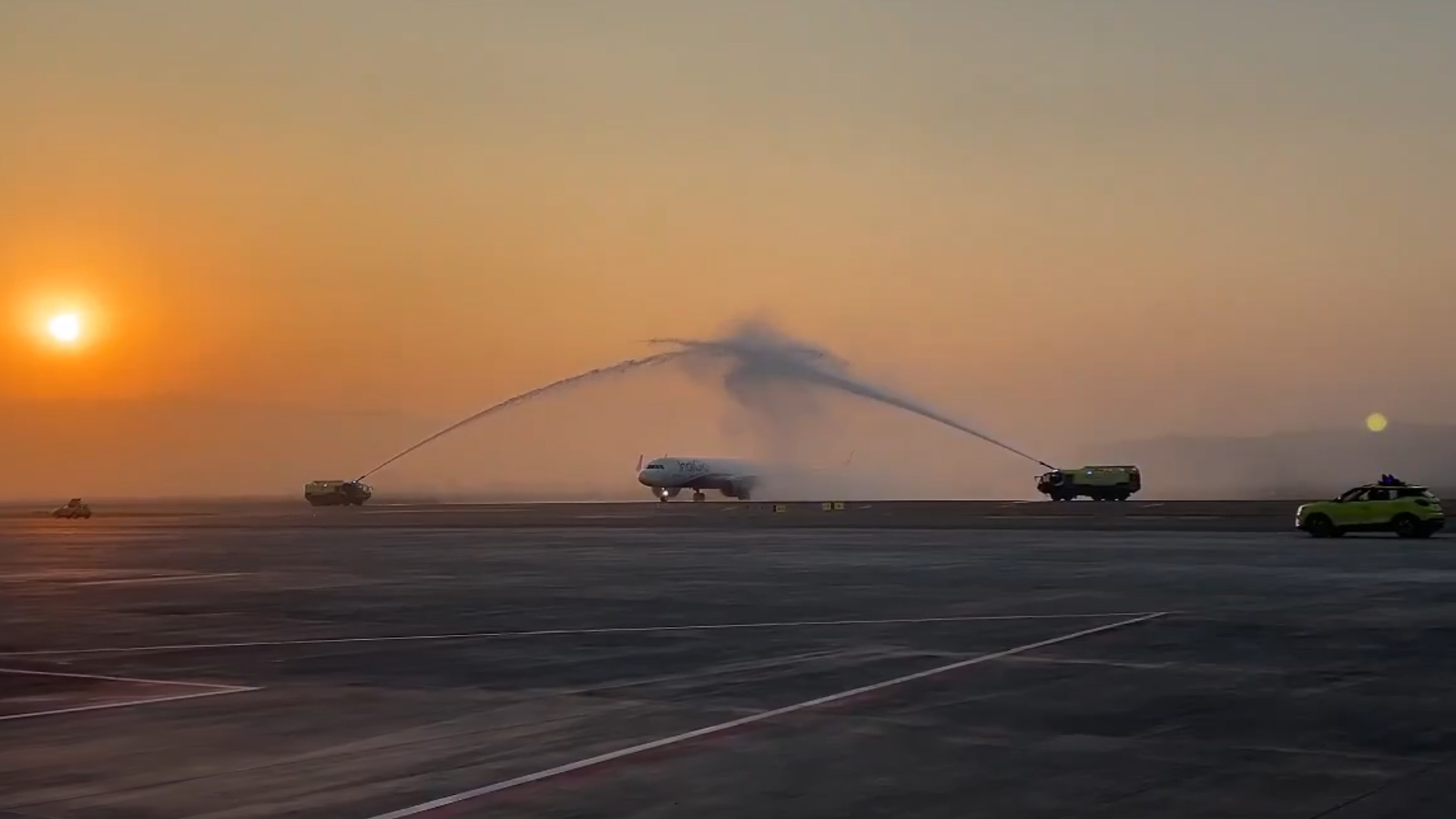
On December 25 morning, an IndiGo flight from Bengaluru touched down at NMIA and was greeted with a traditional water cannon salute. Soon after, the first departure took off for Hyderabad. These two flights signalled the beginning of regular passenger operations at an airport that has been years in the making.

Adani Group Chairman Gautam Adani, speaking after the first landing, summed up the sentiment many Mumbaikars share. He said Mumbai had been “struggling for nearly 10 years” due to airport congestion and described the launch as a proud and emotional moment. According to him, the new airport is not just another infrastructure project but a solution to a problem travellers have faced daily for over a decade.

The Navi Mumbai International Airport is being developed through a public-private partnership, with Adani Airports Holdings Limited as the majority partner and Maharashtra government agency CIDCO as the public stakeholder. Once fully completed, the airport is expected to handle up to 90 million passengers a year, placing it among India’s largest aviation hubs.

Airport officials say the focus has been on passenger comfort and smooth travel, keeping in mind both frequent flyers and first-time travellers. With operations now underway, NMIA is expected to ease pressure on Mumbai’s existing airport, improve connectivity and open up new opportunities for the region.

Also Read: US justice department delays Epstein Files release

Pope Leo XIV urges kindness to all

In his first Christmas message, the pope calls on people to help the poor and strangers

Pope Leo XIV delivered his first Christmas message as pope, encouraging people to show kindness and compassion, especially to the poor, immigrants, and anyone living on the margins of society. Speaking at St. Peter’s Basilica in Vatican City on Christmas Eve, the pope said the story of Jesus’ birth in a simple stable reminds Christians of the importance of caring for others.

He said that turning away someone in need is like turning away God. “Every act of love and welcome,” he said, “brings God closer into our lives.” The pope highlighted that God’s presence is visible in every human life, and that showing generosity and mercy to people around us reflects the true meaning of Christmas.

Pope Leo referenced past popes, including Benedict XVI, to stress that the world often neglects children, the poor, and strangers. Since becoming the first U.S.-born pope earlier this year, Leo has focused on promoting care and inclusion for those who are vulnerable or displaced, consistently encouraging the Church to be a home for all.

Despite rainy weather, thousands gathered inside the basilica for the Mass, while another 5,000 watched on screens in St. Peter’s Square. Before the service, the 70-year-old pope warmly greeted those outside, smiling and waving to the crowd.

He described the nativity story not just as history but as a “story of love,” showing that true Christmas joy comes from opening one’s heart to others. He reminded believers that when there is space in our hearts and homes for the poor and the vulnerable, there is space for God.

The pope’s message will be followed by the traditional Urbi et Orbi blessing on Christmas Day, when he will offer prayers for peace, hope, and goodwill to people all over the world.

Through his words, Pope Leo reminded everyone that Christmas is not just about celebration, but about reaching out, sharing kindness, and making room for love and care in a world that often forgets the most vulnerable.

Also Read: Russia plans lunar nuclear power by 2036

Tarique Rahman returns to Bangladesh after 17 years

BNP leader’s homecoming sparks excitement as the country gears up for February elections amid rising tensions

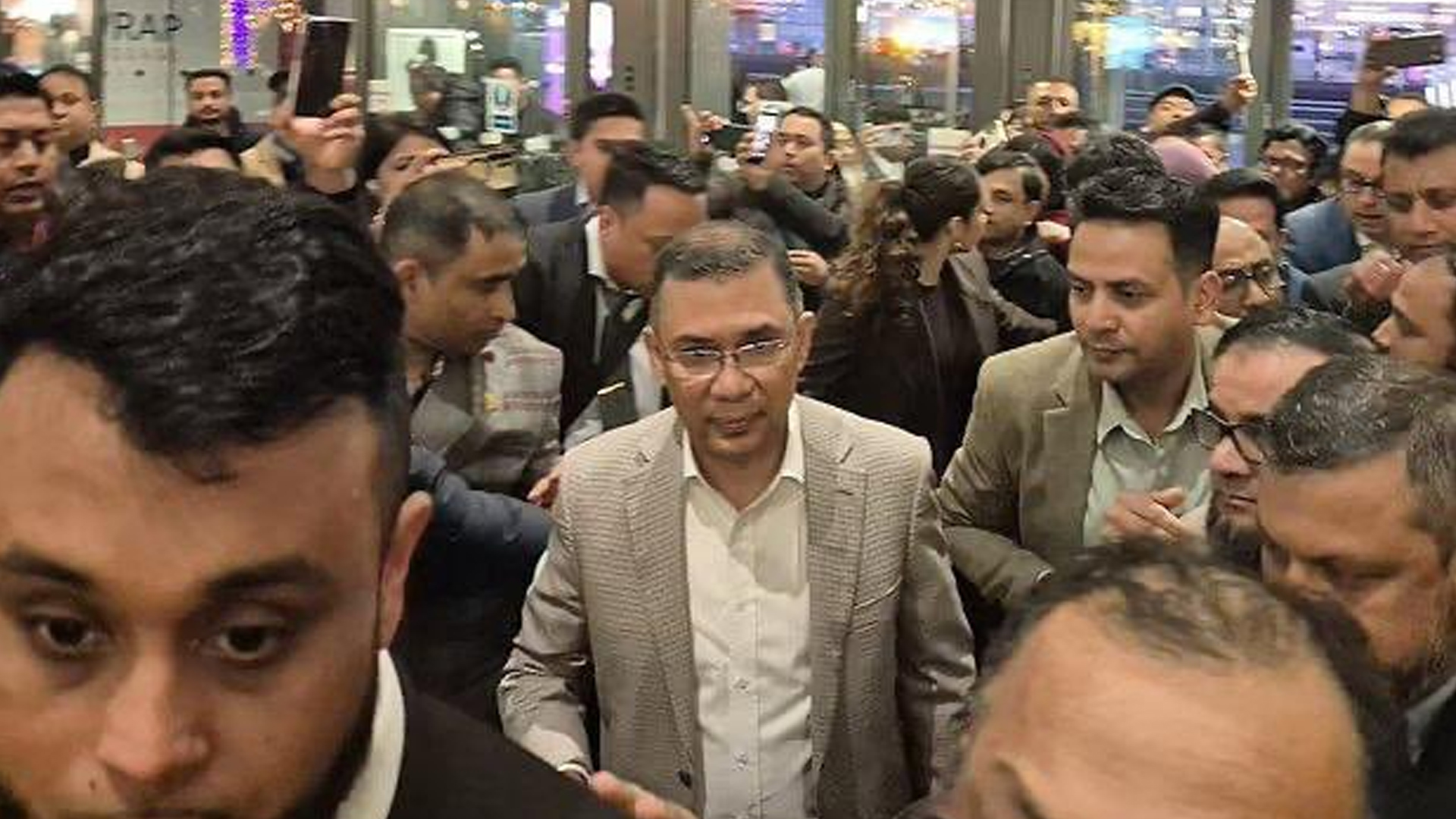
Tarique Rahman, leader of Bangladesh’s main opposition party, the BNP, returned to Dhaka on Thursday after living abroad for more than 17 years. His arrival has stirred excitement among supporters and comes just weeks before the country’s national elections in February 2026.

Rahman, the son of former prime minister Khaleda Zia, had been living in London since 2008. He returned with his wife Zubaida and daughter Zaima, and was welcomed by large crowds of cheering supporters at the Hazrat Shahjalal International Airport. Security was tight, reflecting the tense political climate in the country.

His return became possible after the courts overturned several criminal convictions that had kept him away from Bangladesh. Now, he steps back into a central role in his party, aiming to rally supporters ahead of the elections.

The timing of his arrival comes amid recent unrest in Dhaka, including a crude bomb explosion that killed a man, and protests following the death of youth leader Sharif Osman Hadi. These events have raised concerns about security as Rahman returns to a politically charged atmosphere.

Supporters see him as a potential future prime minister, and his homecoming is expected to energise the BNP ahead of the polls. Many believe his presence could shift the balance in the upcoming elections and challenge the long-standing dominance of the ruling party.

Rahman plans to visit his ailing mother, Khaleda Zia, who has been under medical care, and also attend a large public reception. His return is seen as both a symbolic and strategic moment in Bangladesh’s politics, marking the re-entry of a key opposition figure into the country’s political scene.

Also Read: Leaders honour Atal Bihari Vajpayee today

10 killed in Chitradurga bus–tanker collision

Fuel tanker jumps median on NH-48 in Karnataka, hits sleeper bus head-on, over 25 injured in early-morning inferno

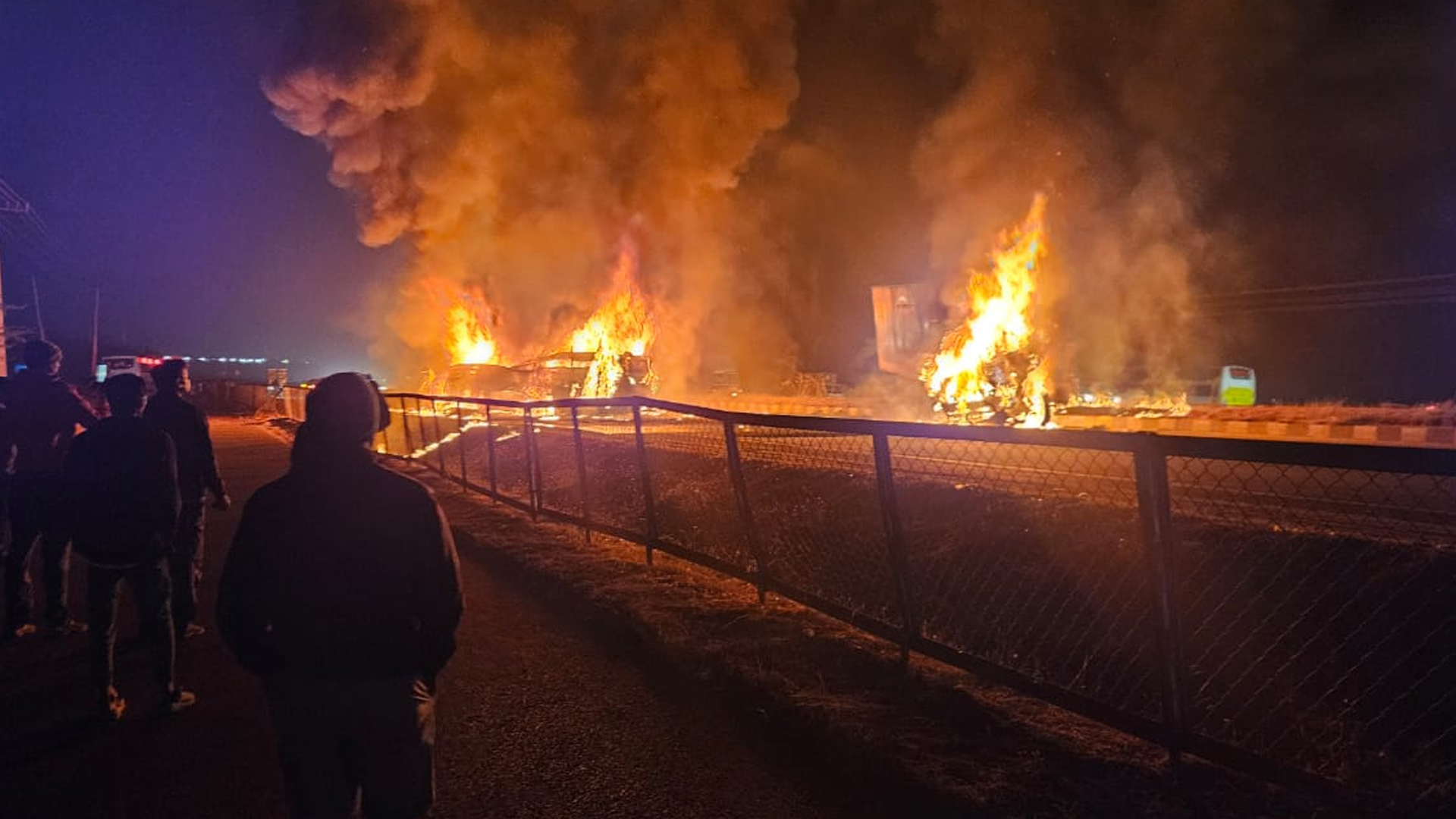
At least 10 people were killed and more than 25 injured in a horrific road accident on National Highway-48 in Karnataka’s Chitradurga district early on December 25, after a sleeper bus caught fire following a head-on collision with a fuel tanker.

The accident occurred around 3 am near Gorlathu Cross in Hiriyur taluk, when the private bus was travelling from Bengaluru to Shivamogga with about 32 passengers onboard. According to police, the fuel tanker coming from the opposite direction jumped the central median and slammed into the bus.

The impact ruptured the bus’s fuel tank, causing a massive fire within seconds. The sleeper coach was quickly engulfed in flames, trapping many passengers inside. Several victims were charred to death before rescue teams could reach the spot. The tanker driver also died in the collision.

Survivors said the fire spread rapidly, giving passengers little time to escape. Some managed to break windows and jump out despite sustaining burns. The injured were shifted to government and private hospitals in Hiriyur, Chitradurga, and Tumakuru. At least 10 injured passengers are reported to be critical.

Fire and emergency services rushed to the scene, but the intensity of the blaze made rescue operations extremely challenging. Local residents assisted in pulling survivors out before the bus was completely destroyed. Traffic on the busy Bengaluru–Pune stretch of NH-48 was halted for several hours.

Senior police officials visited the site and ordered a detailed investigation. Preliminary findings point to overspeeding or loss of control by the tanker driver, though officials said the exact cause will be confirmed after technical inspection.

The tragedy has renewed concerns over night-time highway safety and the movement of fuel tankers. The state government has announced compensation for the families of the deceased and injured.

Rescue and identification efforts are ongoing.

Also Read: CBI moves SC in Unnao rape case

Russia plans lunar nuclear power by 2036

Roscosmos aims to fuel Moon missions with long‑term energy, supporting joint research with China

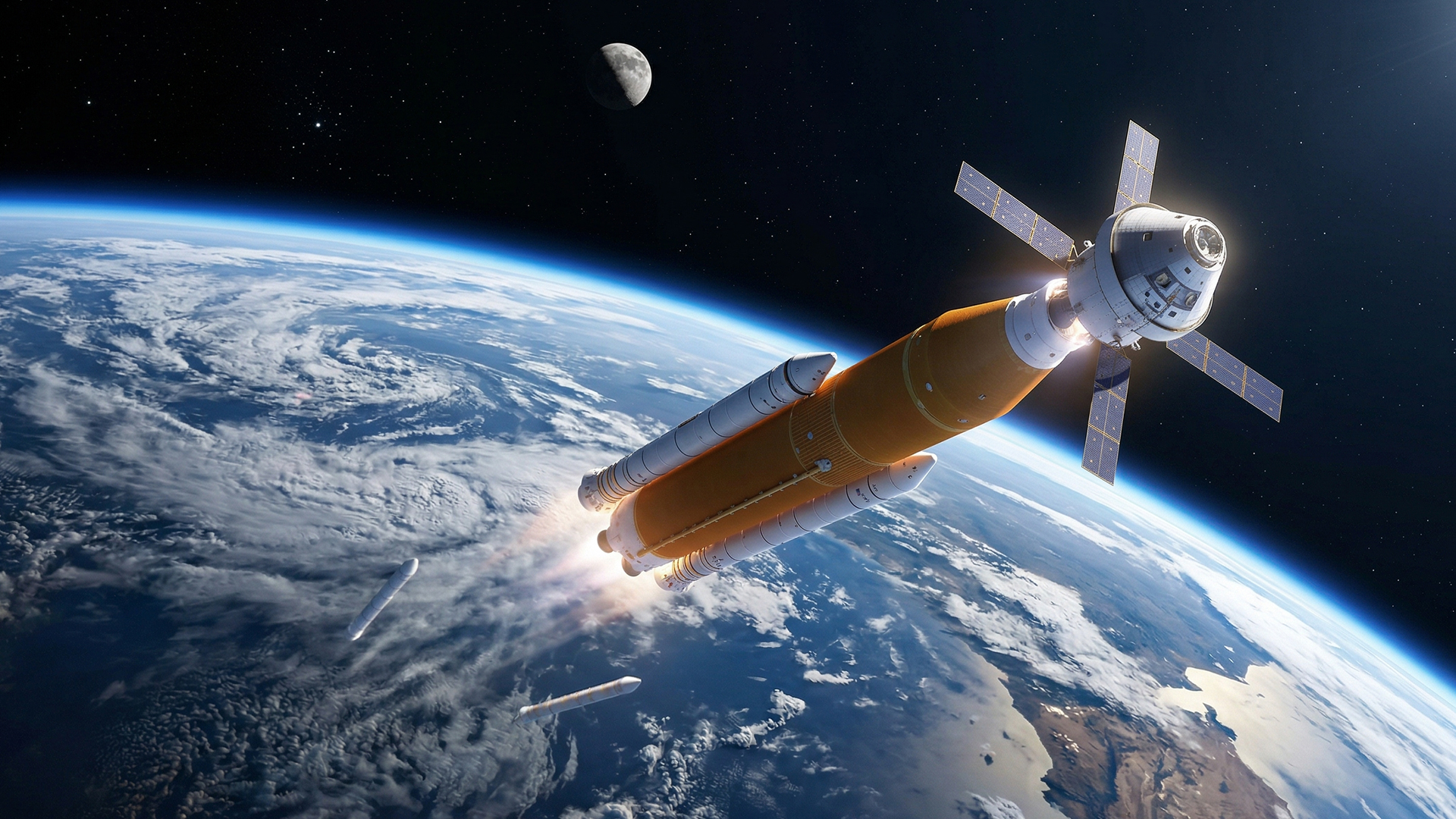
Russia is aiming for the Moon like never before. The country has announced plans to build a nuclear-powered energy station on the lunar surface by 2036, marking a bold step in its long-term space ambitions. The project, led by state space corporation Roscosmos, will be developed in partnership with the Lavochkin Association over the next decade.

The lunar power plant is expected to provide a stable energy supply for rovers, scientific instruments, and facilities of the planned International Lunar Research Station (ILRS), a joint Russia-China initiative. While Roscosmos hasn’t officially confirmed nuclear technology, Russia’s leading nuclear agencies are involved, suggesting nuclear power will drive the station. This energy source is seen as crucial for continuous operations, especially during the Moon’s two-week-long nights, when solar panels would be useless.

Roscosmos chief Dmitry Bakanov described the project as a shift from short-term missions to a sustainable lunar presence. “This will pave the way for science, exploration, and eventually human settlements on the Moon,” he said. The plan also positions Russia alongside other space powers racing to establish reliable energy on the lunar surface. NASA, for example, plans its own lunar nuclear reactor by 2030.

The move comes after setbacks in recent Russian lunar missions, including the 2023 Luna‑25 landing failure. Despite these challenges, Moscow is determined to secure a foothold on the Moon and strengthen its role in international space cooperation.

Over the next decade, the project will involve spacecraft development, rigorous testing, and setting up the necessary infrastructure on the Moon. Experts believe a functional nuclear power plant will be a game-changer, enabling longer, more ambitious missions and providing a blueprint for humanity’s future beyond Earth.

Also Read: Tarique Rahman returns to Bangladesh after 17 years