rotating globe
3 Apr 2026


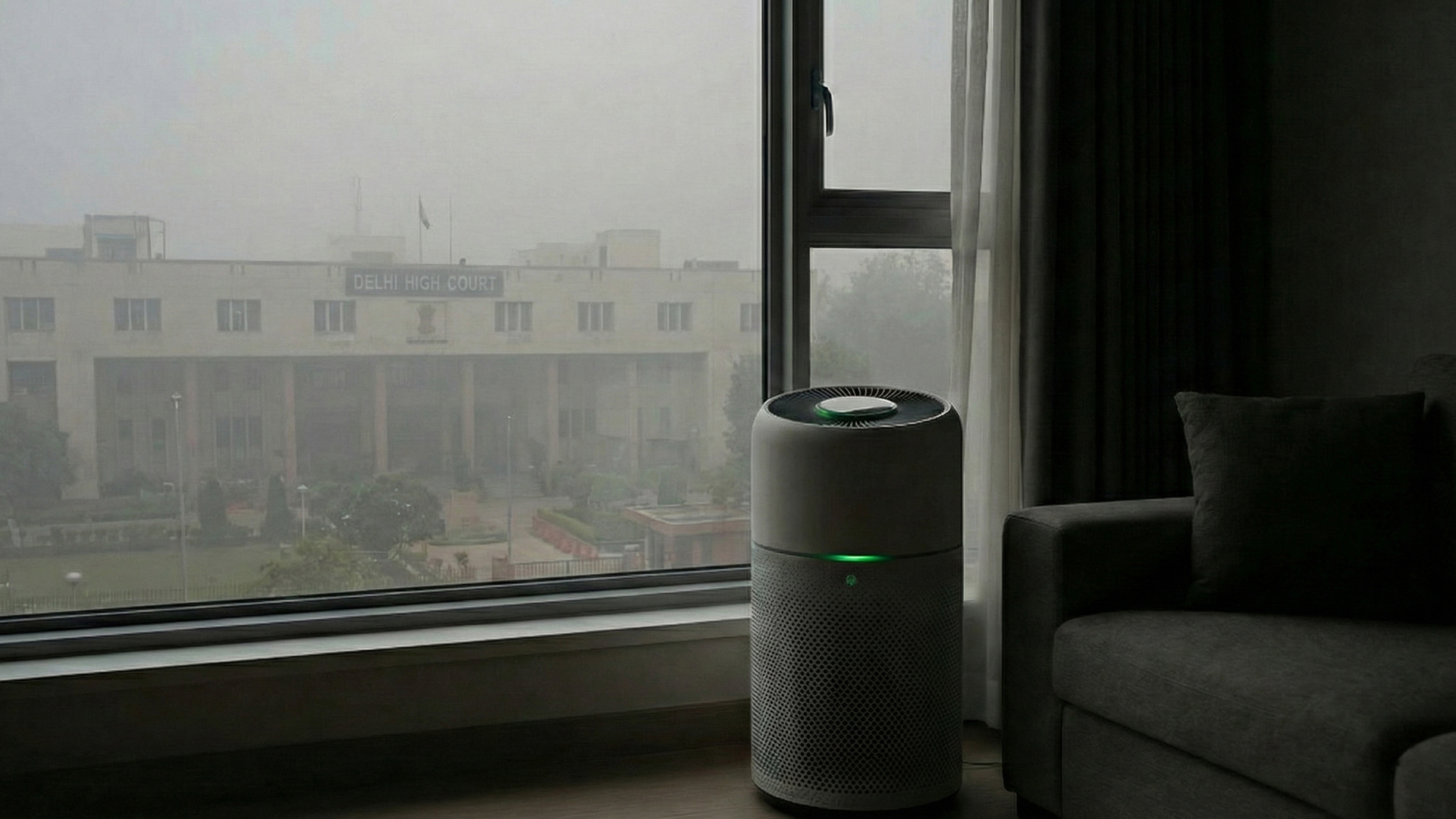
Delhi HC pushes for cheaper air purifiers

Court asks GST Council to cut tax as rising pollution makes devices costly for residents

The Delhi High Court has asked the GST Council to reconsider the 18 per cent tax on air purifiers and HEPA filters, saying it makes these essential devices expensive amid worsening air pollution in Delhi and nearby areas. The court called the issue urgent, as clean air is a serious public health concern.

A division bench, led by Chief Justice Devendra Kumar Upadhyaya and Justice Tushar Rao Gedela, said that while the government should work to provide clean air, it can at least make air purifiers more affordable by lowering the tax. Delhi-NCR has been facing “very poor” to “severe” air quality levels, putting children, the elderly, and people with respiratory problems at high risk.

The case was brought forward by advocate Kapil Madan, who argued that air purifiers should be classified as “medical devices,” a category eligible for a lower GST rate of 5 per cent. Currently, they are taxed at 18 per cent as general consumer goods, making them costly for ordinary residents.

The judges stressed that if authorities cannot guarantee clean air, reducing the tax on protective devices is the least they can do. They also referred to recommendations by the Parliamentary Standing Committee on Environment, Forest and Climate Change, which suggested lowering or removing GST on air purifiers and HEPA filters.

The court asked the GST Council to hold a meeting soon to consider these changes. If an in-person meeting is not possible, discussions could happen via video conferencing. The matter is scheduled for further hearing on December 26, 2025, when the government is expected to update the court on its plan.

Also Read: Pope Leo XIV urges kindness to all
Leaders honour Atal Bihari Vajpayee today

Tributes pour in for former PM’s wit, vision, and legacy

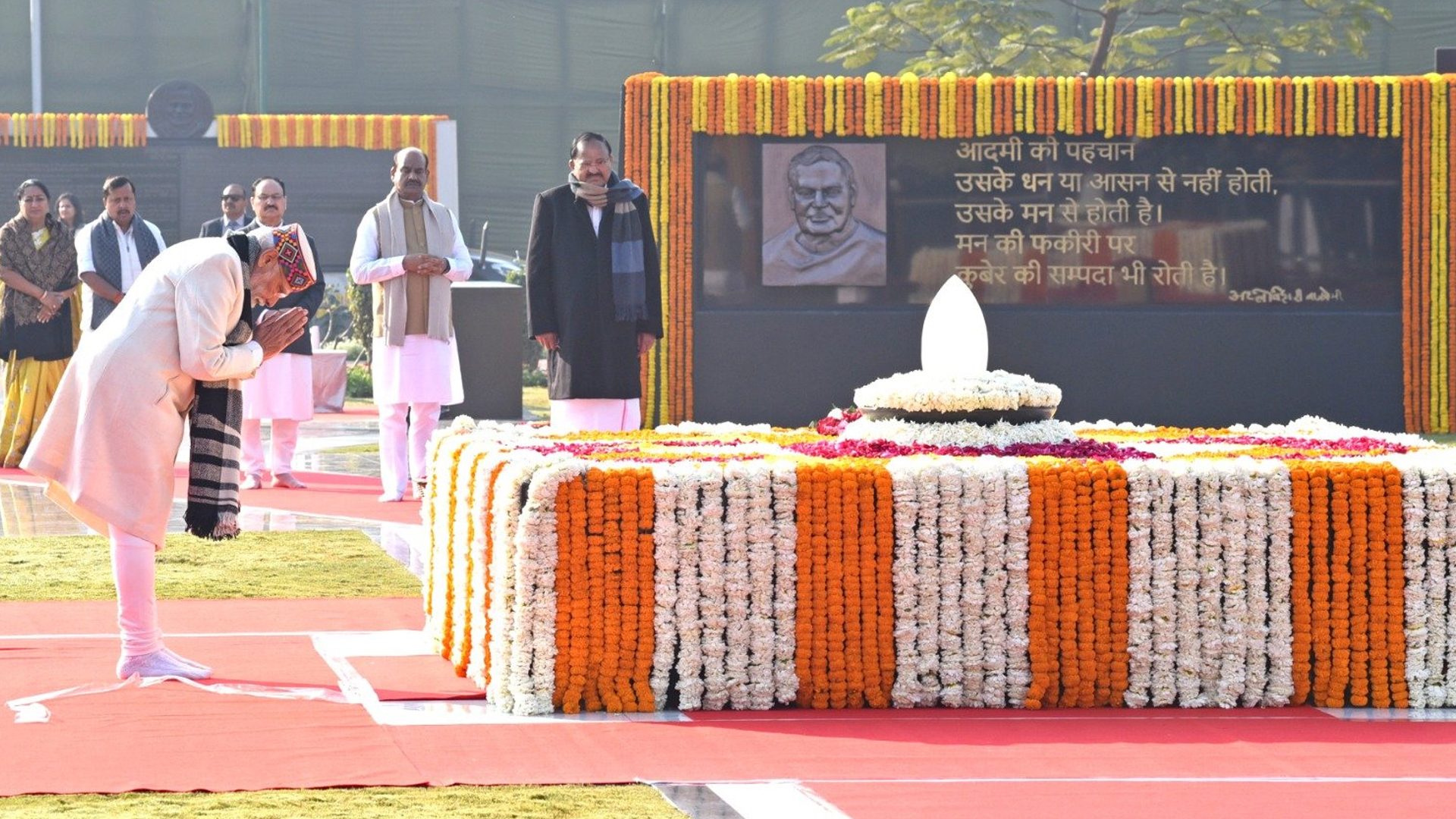
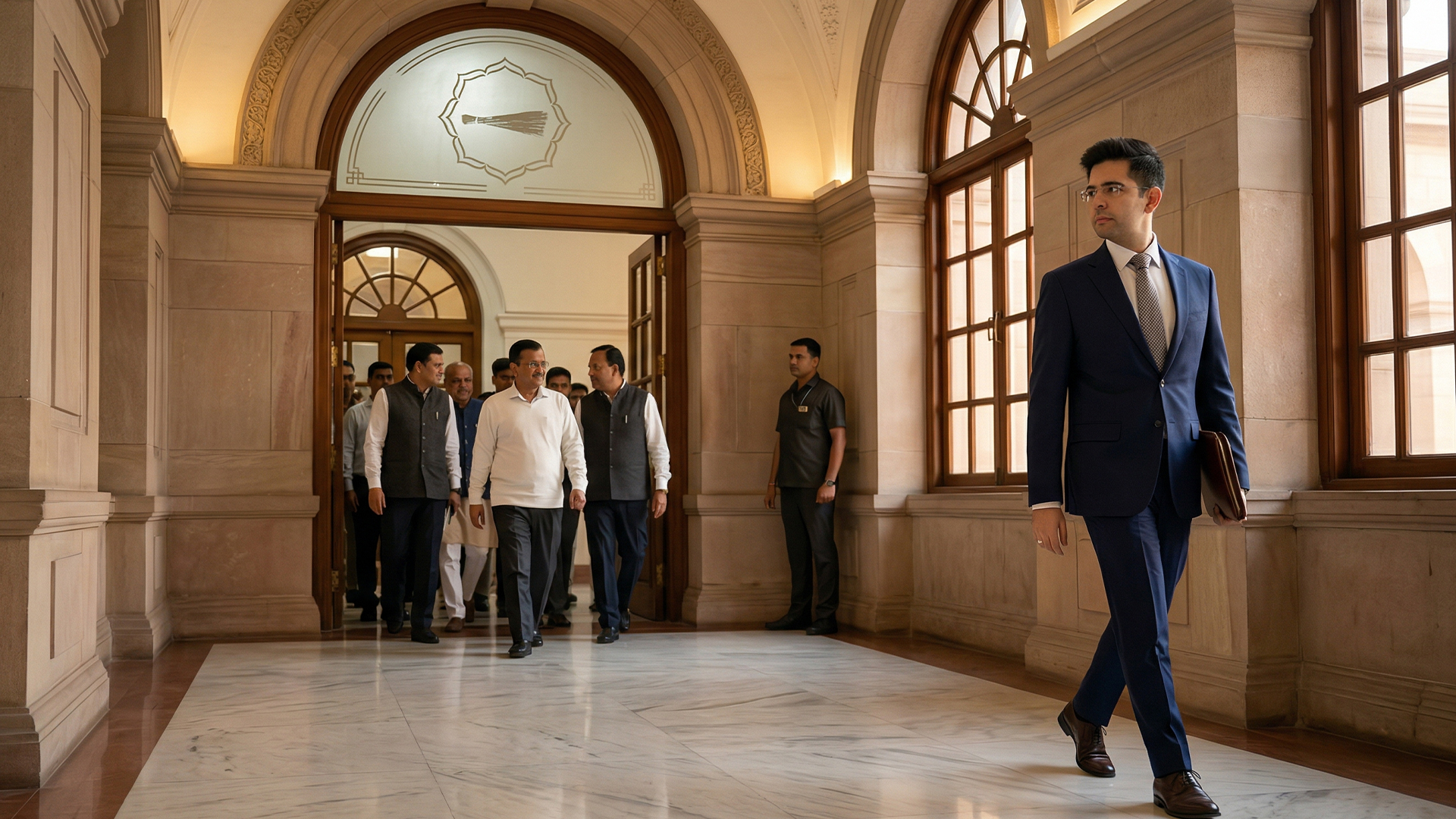
India marked the 101st birth anniversary of former Prime Minister Atal Bihari Vajpayee on Thursday, December 25, 2025, with leaders across the country paying homage to the statesman known for his dignity, wit, and principled politics.

In New Delhi, Prime Minister Narendra Modi offered floral tributes at the Sadaiv Atal memorial, describing Vajpayee’s life as an enduring inspiration. President Droupadi Murmu, Vice President C.P. Radhakrishnan, former Vice President M. Venkaiah Naidu, Lok Sabha Speaker Om Birla, BJP leaders J.P. Nadda and Nitin Nabin, and Delhi Chief Minister Rekha Gupta also joined the ceremony, highlighting the cross-party respect Vajpayee commanded.

The Sadaiv Atal memorial, spanning 65 acres, features bronze statues and a lotus-shaped museum celebrating the contributions of India’s post-independence leaders, with Vajpayee at its centre. Born in Gwalior in 1924, Vajpayee served as India’s prime minister three times between 1996 and 2004 and passed away in 2018 at the age of 93.

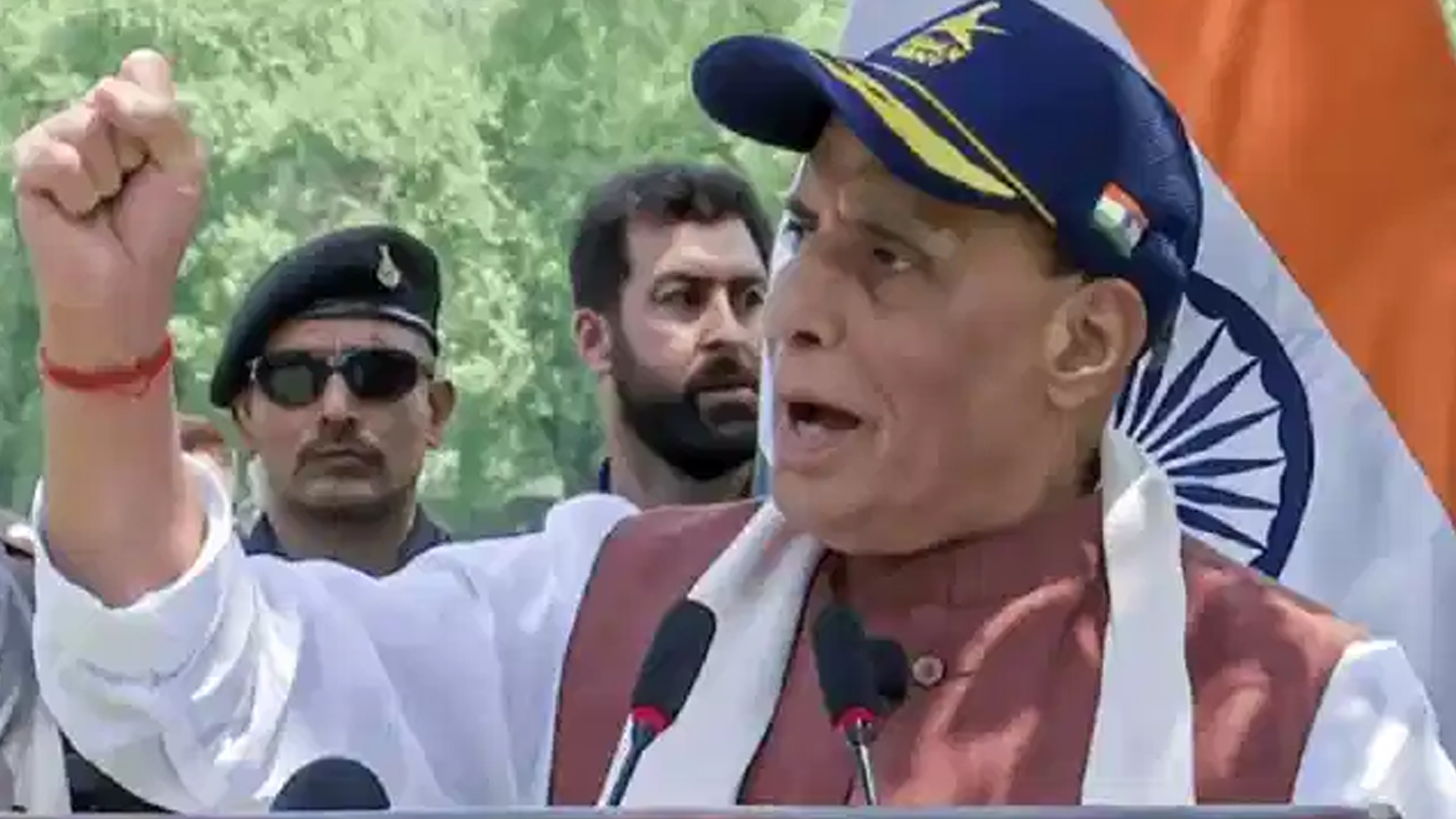
During the event, Defence Minister Rajnath Singh shared a personal anecdote illustrating Vajpayee’s humour and charm. He recalled how, during a visit to Pakistan, a woman jokingly asked Vajpayee if he would marry her in exchange for Kashmir. Vajpayee reportedly quipped that he would only consider it if Pakistan came as dowry, reflecting his quick wit and diplomatic grace. Singh praised Vajpayee’s speeches for blending sharp insight with respect and noted that his poetic touch enriched his political vision.

Across the country, leaders and citizens remembered Vajpayee not just as a political figure but as a unifying force whose vision, compassion, and commitment to India’s progress continue to inspire generations. His legacy of moral leadership, consensus-building, and eloquent expression remains a benchmark in Indian politics.

Also Read: Centre orders states to halt new mining in Aravallis

Army sent to Assam’s Karbi Anglong

Clashes over land rights leave two dead. Restrictions in place

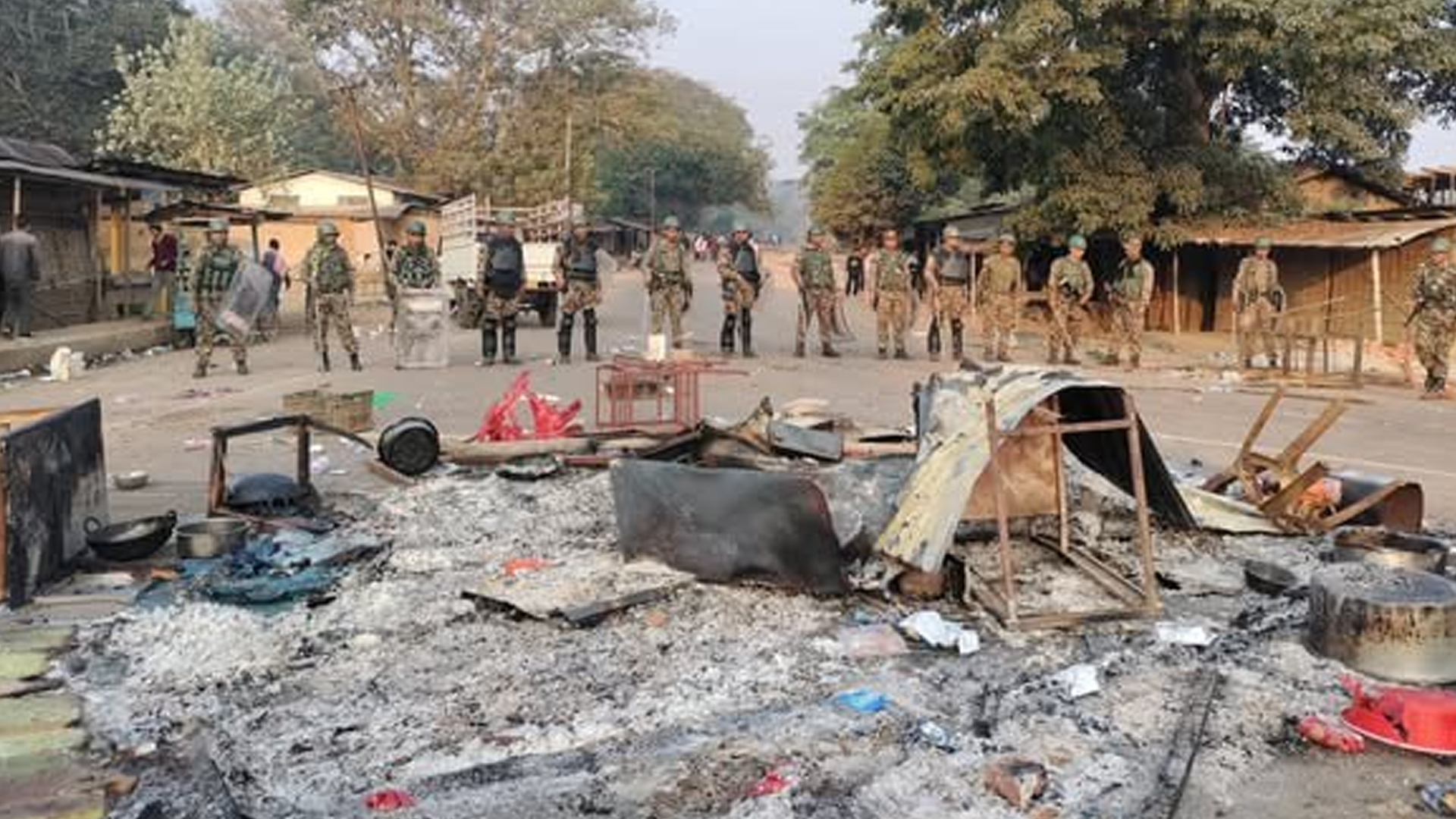
The Army has been deployed in Assam’s West Karbi Anglong district to assist civil authorities after violent clashes erupted over a long-running land dispute, officials said on Wednesday. The situation remains tense but under control following security flag marches and strict restrictions.

Violence broke out after protests linked to demands for the eviction of alleged illegal settlers from village and professional grazing reserve lands, which are protected under the Sixth Schedule of the Constitution. These lands are traditionally meant for the indigenous Karbi community. Tensions escalated when demonstrators attempted to block roads and clashed with police forces.

At least two people were killed in the unrest. One was a tribal protester who reportedly died during police action, while another was a differently-abled non-tribal man who was killed when his house was set on fire. Several others, including police personnel and senior officers, were injured during stone-pelting and confrontations.

Chief Minister Himanta Biswa Sarma said the state government’s actions were constrained by a Gauhati High Court stay on eviction drives, stressing that no removals could be carried out until the court order is lifted. He appealed for calm and urged all groups to resolve disputes through dialogue and legal channels.

To prevent further escalation, the district administration imposed curfew-like restrictions in sensitive areas and suspended mobile internet services to curb the spread of rumours. The Army has been deployed under provisions of the Criminal Procedure Code to support the police, while additional forces, including the Rapid Action Force, have been stationed in affected zones.

Security personnel have been conducting flag marches to reassure residents and deter fresh violence. Officials said no new incidents were reported overnight, though the situation remains fragile.

Authorities stated that peace committees and community leaders are being engaged to restore trust between groups. The state government reiterated its commitment to protecting tribal land rights while also ensuring that any action follows due legal process.

Also Read: 20 killed in Chitradurga bus–tanker collision

Centre orders states to halt new mining in Aravallis

Protected zones to expand as government steps up conservation efforts

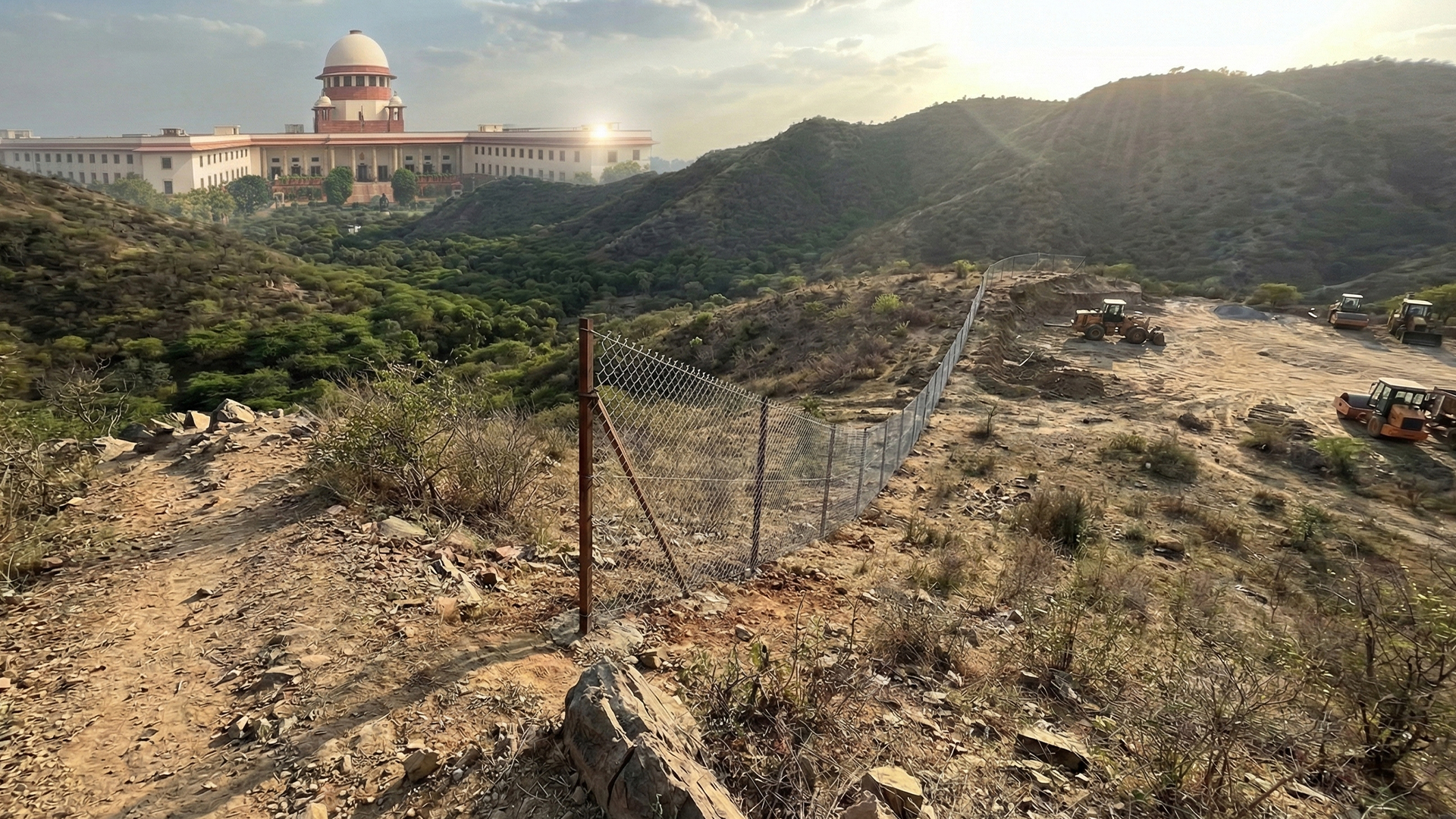
In order to protect one of India’s oldest mountain ranges, the Central government has ordered a complete ban on granting new mining leases in the Aravalli hills. The decision applies to the entire Aravalli range, which runs through Gujarat, Rajasthan, Haryana and parts of the Delhi-NCR region.

The move comes amid growing concerns that unchecked mining has caused serious damage to the fragile ecology of the Aravallis. These hills play a crucial role in preventing desertification, recharging groundwater and acting as a natural barrier against dust storms from the Thar Desert. Environmental experts have long warned that continued mining could permanently harm this natural shield.

The Union Ministry of Environment, Forest and Climate Change has directed all state governments in the Aravalli region to strictly enforce the ban. No new mining leases will be allowed, irrespective of state boundaries. The ministry has also made it clear that protecting the Aravallis must be seen as a shared responsibility across states, not a local or administrative issue.

To strengthen conservation efforts, the Centre has asked the Indian Council of Forestry Research and Education (ICFRE) to identify more areas within the Aravalli range where mining should be completely prohibited. These new protected zones will be chosen based on ecological importance, geological features and the overall health of the landscape.

ICFRE has also been tasked with preparing a detailed, science-based plan for managing mining sustainably in areas where it already exists. This plan will study how much activity the ecosystem can safely handle, assess long-term environmental impact and suggest ways to restore damaged land. Importantly, the draft plan will be made public to invite feedback from citizens, experts and other stakeholders.

The Centre has further asked state governments to closely monitor existing mines and ensure they strictly follow environmental rules and court orders. Additional restrictions may be imposed if violations are found.

Also Read: Navi Mumbai Airport finally takes off

India welcomes two new airlines

Al Hind Air and FlyExpress cleared as government looks to give flyers more choice

Indian air travellers may soon have more options when booking their flights. The Centre has given initial approval to two new airlines,  Al Hind Air and FlyExpress,  in a move aimed at reducing the heavy dependence on a handful of carriers and making air travel more reliable.

The clearances, issued by the Ministry of Civil Aviation, come at a time when passengers are still recalling the chaos caused earlier this month after IndiGo cancelled thousands of flights due to operational issues. Many travellers were left stranded, highlighting how vulnerable the system can become when one airline dominates the skies.

Today, IndiGo accounts for nearly two-thirds of India’s domestic air travel, while the Air India Group controls most of the rest. Smaller airlines together make up only a small share. The government believes that bringing in new players will help balance the market and reduce the impact of such large-scale disruptions in the future.

Al Hind Air, promoted by the Kerala-based alhind Group, plans to focus on regional routes using smaller aircraft. The airline hopes to connect cities and towns that often see limited flight options, especially in southern India. For many passengers in smaller centres, this could mean easier and faster access to air travel.

FlyExpress, the second airline to get the green signal, is also preparing to enter the domestic market. While details about its routes and fleet are yet to be announced, the airline has indicated that it plans to start operations soon, adding more seats and competition.

Another airline, Shankh Air, has already received government approval earlier and is expected to take off in 2026, further expanding choices for passengers.

Aviation officials say more airlines mean not just better prices, but also better service and resilience when problems arise. As air travel demand continues to grow across India, the entry of new carriers is expected to ease pressure on existing airlines and make flying a smoother experience for millions of passengers.

Also Read: CBI moves SC in Unnao rape case

CBI moves SC in Unnao rape case

CBI seeks cancellation of bail to ex-MLA Kuldeep Sengar

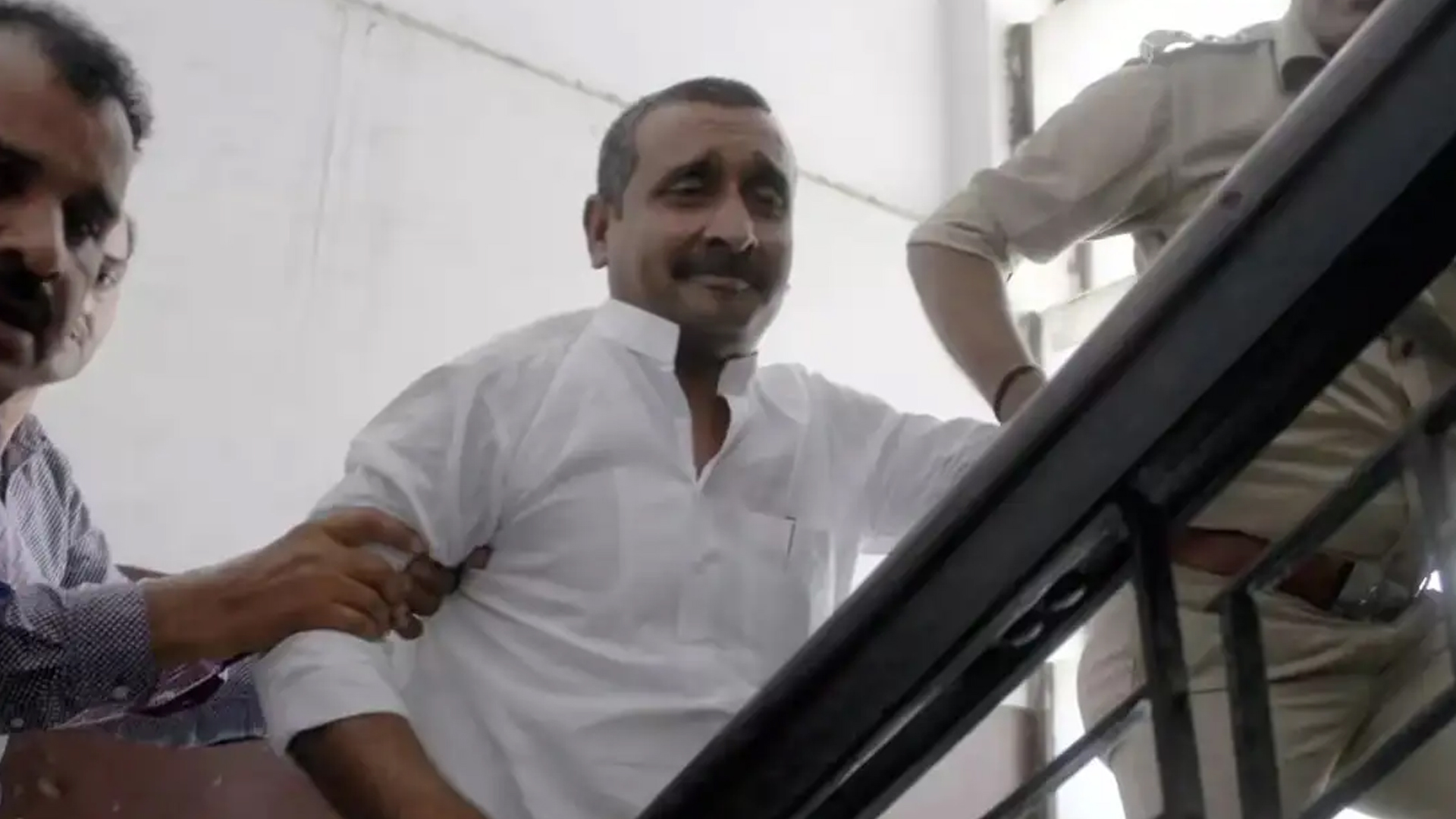
The Central Bureau of Investigation (CBI) has decided to approach the Supreme Court against the Delhi High Court’s order that suspended the life sentence of former BJP MLA Kuldeep Singh Sengar in the Unnao rape case and granted him bail while his appeal is pending.

Sengar was convicted in December 2019 for the kidnapping and rape of a minor girl in Unnao district of Uttar Pradesh in 2017. A trial court had awarded him life imprisonment in the rape case. He was also sentenced separately to 10 years in prison in connection with the custodial death of the victim’s father, who died after being arrested on what the CBI said were false charges.

On December 23, the Delhi High Court suspended Sengar’s life sentence in the rape case, citing the long period he had already spent in jail and the fact that his appeal was still to be heard. The court granted him bail with strict conditions. These included a personal bond of ₹15 lakh, restrictions on entering areas near the survivor’s residence, and a clear direction not to contact, threaten, or influence the victim or her family in any manner.

The CBI strongly opposed the suspension of the sentence and has now decided to file a Special Leave Petition in the Supreme Court. The agency has said it will seek the cancellation of the bail and restoration of the life sentence, arguing that the seriousness of the crime and the safety of the survivor must be given priority.

The High Court order has caused widespread outrage. The survivor described the bail as a serious threat to her family’s safety and said it felt like a “death sentence” for them. She has also announced plans to move the Supreme Court herself to challenge the suspension of Sengar’s sentence. Protests were held in Delhi, with the survivor and her mother demanding justice and stronger protection.

Despite the bail in the rape case, Sengar is expected to remain in prison for now because of his conviction in the custodial death case. The Supreme Court’s decision will be crucial, as it will determine whether the suspension of the life sentence stands and how the balance between the rights of the accused and the safety of victims is addressed in such serious crimes.

Also Read: ISRO places BlueBird Block-2 into low earth orbit

US justice department delays Epstein Files release

Over one million new documents found during review

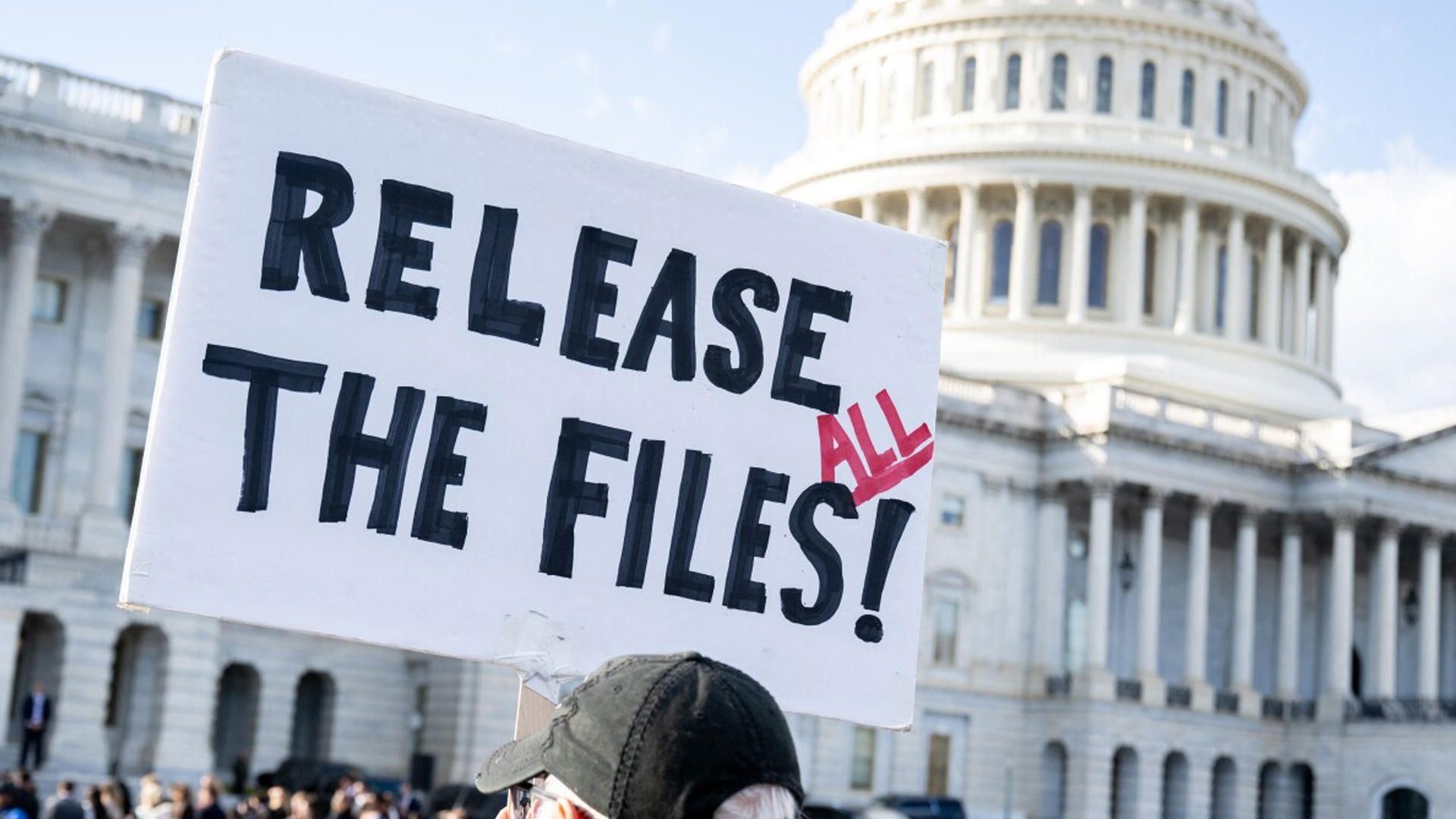
The US Justice Department has said it will need more time to release all files linked to convicted sex offender Jeffrey Epstein after discovering more than one million additional documents during an internal review. The unexpected volume of material has delayed the full disclosure that was mandated under a new federal law.

Under the Epstein Files Transparency Act passed by Congress and signed into law earlier this year, the Justice Department was required to release all unclassified records related to Epstein by December 19. Officials now say that deadline could not be met because large quantities of relevant documents were identified late in the process by federal investigators.

According to the department, the newly found records were located by the US Attorney’s Office in New York and the Federal Bureau of Investigation. These documents have since been transferred to Justice Department teams for legal review. Officials stressed that each file must be examined carefully before release to ensure compliance with the law.

The review process includes redacting sensitive information, particularly details that could identify victims or disclose personal data of individuals not charged with crimes. Justice Department officials said lawyers and staff are working continuously to complete this task but acknowledged it could take several weeks due to the scale of the material.

The delay has triggered criticism from lawmakers across party lines. Several members of Congress have accused the department of failing to act with urgency and transparency, arguing that the public has waited years for clarity on Epstein’s network and the handling of his case. Some have warned of possible legal or parliamentary action if further delays occur.

Victim advocacy groups have also expressed concern, saying prolonged reviews risk undermining public trust. At the same time, they have emphasised the importance of protecting survivors from further harm through careless disclosures.

So far, thousands of pages connected to Epstein have already been released. Some documents have attracted attention due to references to well known public figures, while others have been criticised for heavy redactions or questionable relevance.

The Justice Department maintains that it remains committed to releasing all legally required records. Officials said the full disclosure process is now expected to continue into early 2026, once the review and redaction of the newly discovered documents is completed.

Also Read: New Zealand minister opposes India trade deal

Privacy risks grow for Chrome on iPhones

Apple’s warning and new research highlight growing concerns over browser tracking and data safety

Apple has issued a strong caution to iPhone users about using Google Chrome, saying the popular browser does not offer the same level of privacy protection as Apple’s own Safari. The warning focuses on how Chrome handles tracking, especially on iPhones, where Apple claims some data collection can continue even when users believe tracking is turned off.

Apple says Safari blocks advanced tracking methods, including hidden fingerprinting techniques that can quietly identify users across websites. Chrome, however, does not stop all of these practices by default, raising concerns over how much personal information is being shared without users fully realising it.

The timing of Apple’s warning is significant. A newly released global browser security study has ranked Google Chrome as the second-worst browser for privacy and security among major options. Researchers assessed browsers on their ability to block trackers, resist fingerprinting, and secure online connections. Chrome received a high risk score, suggesting users face greater exposure to data tracking.

While Chrome remains the world’s most widely used browser, experts say its dominance does not necessarily translate into better privacy. The study found that Apple’s Safari performed noticeably better, offering stronger protections out of the box, though it was not the top-ranked browser overall.

The research also raised red flags about newer AI-powered browsers. One such AI browser was ranked the worst for privacy, failing most tracking and security tests. This has sparked concerns that innovation in AI browsing may be moving faster than privacy safeguards.

Browser choice now plays a crucial role in how personal data is handled. Security experts advise users to go beyond speed and convenience and pay closer attention to privacy settings, permissions, and default protections.

Also Read: New Zealand minister opposes India trade deal

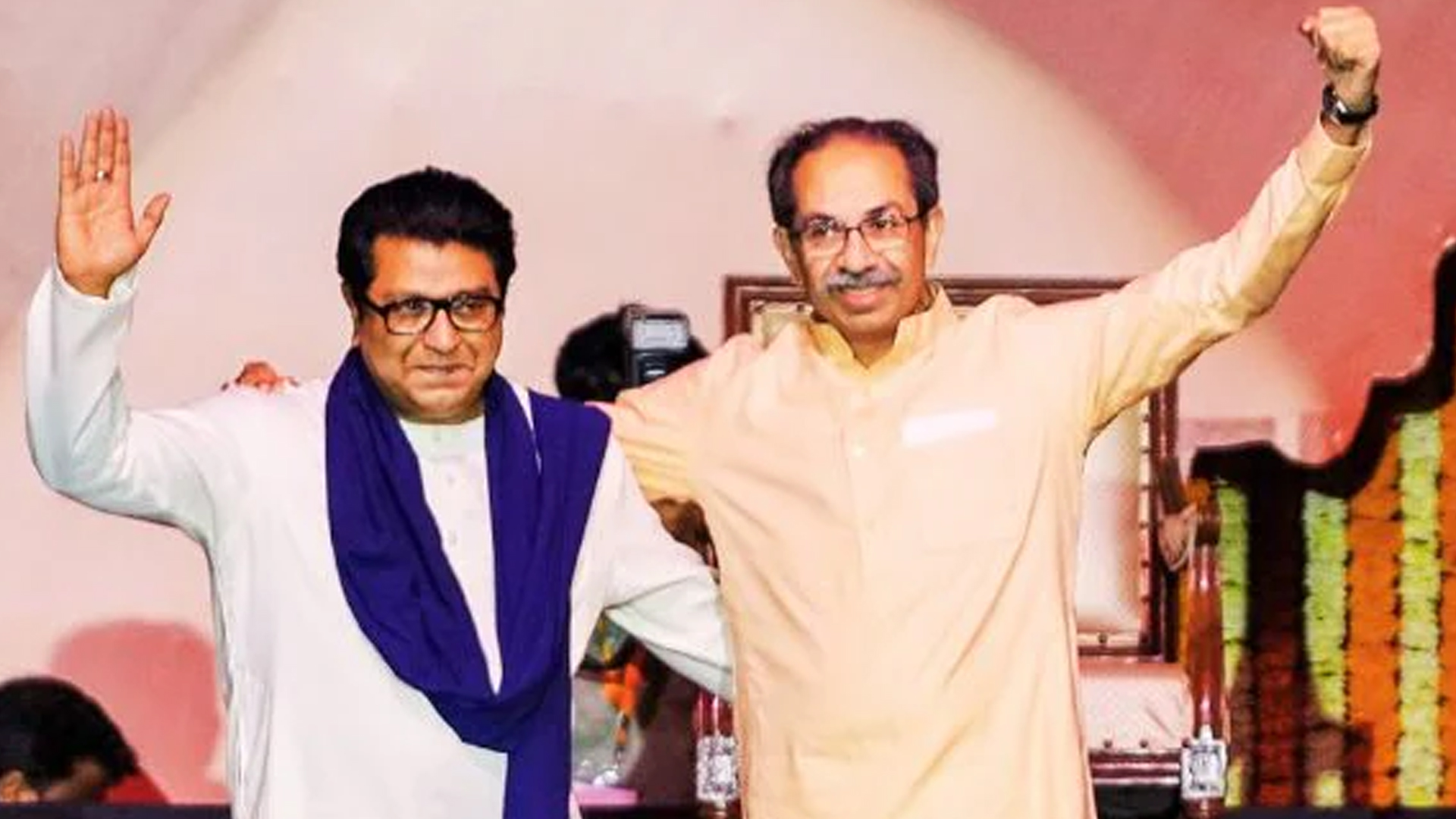
Thackeray cousins reunite ahead of Mumbai polls

Uddhav and Raj Thackeray join hands to contest BMC elections, promising a united front for Mumbai’s Marathi community

After nearly two decades apart, cousins Uddhav Thackeray and Raj Thackeray have reunited, announcing a political alliance ahead of the Brihanmumbai Municipal Corporation (BMC) elections scheduled for January 2026. The announcement was made at a joint press conference in Worli, Mumbai, marking a historic moment in Maharashtra politics.

The two leaders paid homage at the Bal Thackeray memorial at Shivaji Park, symbolising both family unity and a shared political vision. Speaking together, they stressed the importance of working for the people of Maharashtra, especially the Marathi manoos, and ending years of rivalry that split their parties.

Raj Thackeray vowed that “Mumbai will see a Marathi mayor,” signalling the alliance’s intent to protect and promote regional interests. Uddhav Thackeray echoed the sentiment, saying the collaboration stems from a sense of responsibility and commitment to the city and state.

This reunion ends speculation over whether the two factions would come together, and sets the stage for seat-sharing negotiations. Shiv Sena (UBT) is expected to contest the majority of the 227 BMC wards, while MNS will field candidates in a significant portion, with allied parties covering the remaining seats.

The announcement has stirred reactions across political circles. Supporters celebrated the reunion as a historic step for Marathi pride and unity, while critics voiced concerns over ideological compromises. The alliance also presents a challenge to the BJP-led Mahayuti, reshaping Mumbai’s political landscape ahead of key civic elections.

Also Read: US ends H‑1B lottery, prioritises top salaries

ISRO places BlueBird Block-2 into low earth orbit

Heaviest LVM3 payload puts India firmly on the global space map

India’s space programme reached a remarkable milestone on December 24 with the successful launch of the BlueBird Block-2 communications satellite by the Indian Space Research Organisation (ISRO). The satellite was carried into low earth orbit by the heavy-lift LVM3-M6 rocket from the Satish Dhawan Space Centre in Sriharikota.

Weighing around 6,100 kg, BlueBird Block-2 is the heaviest commercial payload ever launched using the LVM3 vehicle. To put its scale in perspective, the payload is heavier than a fleet of small cars stacked together, a true “Baahubali” in satellite terms. The mission demonstrates ISRO’s ability to handle complex, high-value international contracts, strengthening India’s position in the global commercial space market.

The LVM3, India’s most powerful rocket, completed its sixth operational flight with this mission. Designed for strategic national programmes and commercial launches, the vehicle has proven its reliability and precision. The successful deployment further boosts confidence in LVM3 as a trusted option for placing large satellites into low earth orbit.

BlueBird Block-2 is part of a next-generation satellite network aimed at providing direct-to-mobile broadband connectivity. It can communicate with standard mobile phones without specialised ground equipment, making it a game-changer for digital access in remote and underserved regions worldwide.

The launch was carried out through NewSpace India Ltd, ISRO’s commercial arm, highlighting India’s growing focus on monetising its space expertise. With rising global demand for low-earth-orbit satellites, India is positioning itself as a cost-effective and reliable partner.

Prime Minister Narendra Modi hailed the launch as a proud milestone, praising ISRO scientists and engineers for pushing India higher in advanced technology and innovation.

From a business perspective, the mission underscores India’s shift from a primarily research-driven space programme to a strong commercial player. BlueBird Block-2, a literal “Baahubali” of satellites, reinforces India’s ambition to become a leading hub for global space services, combining technical expertise, reliability, and scale.