rotating globe
6 Apr 2026


US exits World Health Organization after 78 years

Withdrawal ends membership amid pandemic disputes, raising concerns over global health preparedness

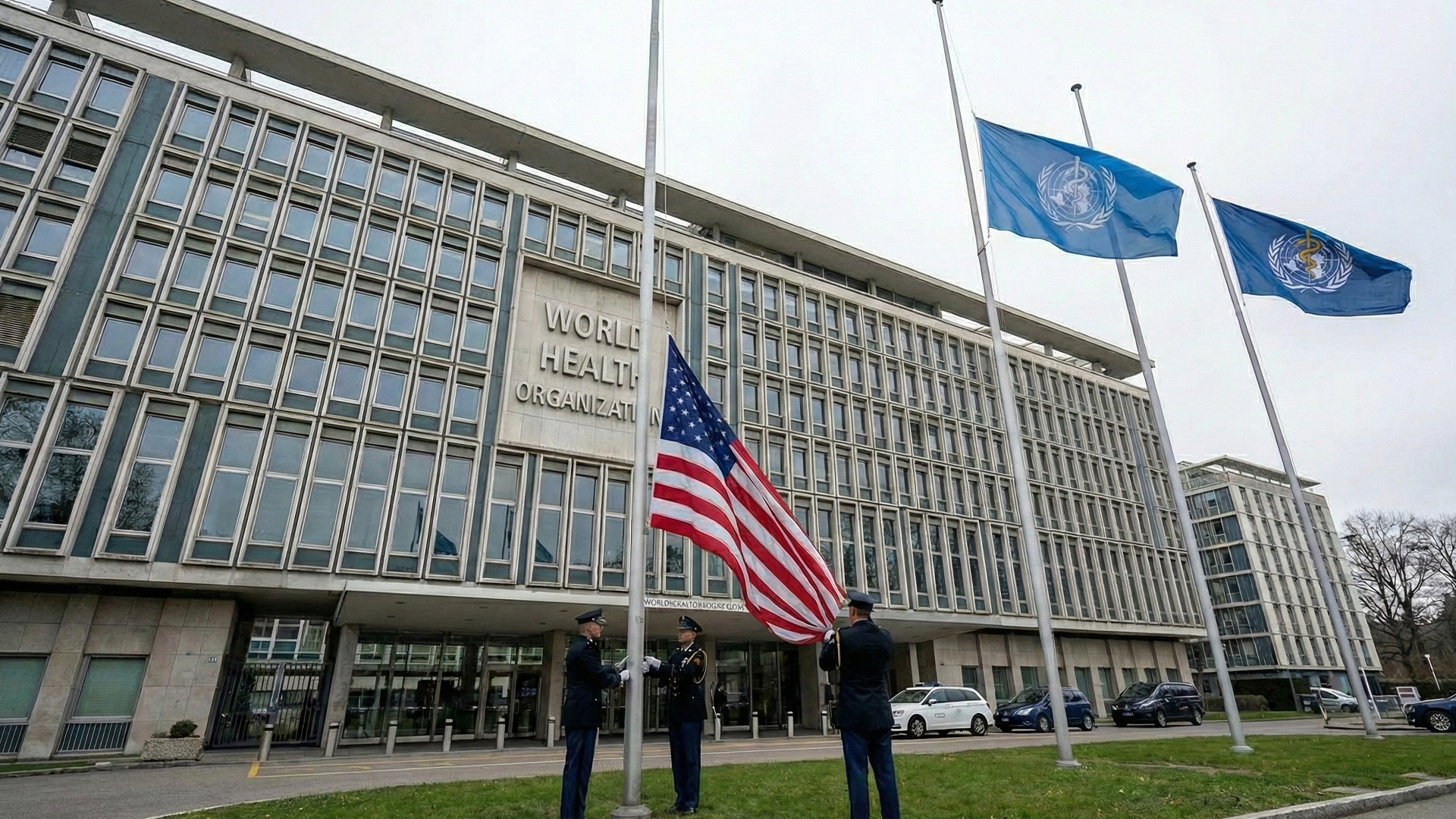
The United States has officially withdrawn from the World Health Organization (WHO), ending nearly eight decades of membership in a move that could reshape global health cooperation. The exit, announced on 22 January 2026, follows a year-long process initiated by former President Donald Trump’s executive order to leave the UN health agency.

US officials, including Health and Human Services Secretary Robert F. Kennedy Jr. and Secretary of State Marco Rubio, said the decision reflects longstanding dissatisfaction with the WHO’s pandemic response. Washington criticised the organization for political influence, delayed warnings during COVID‑19, and insufficient governance reforms. US funding to the WHO has ceased entirely, and officials indicated there are no plans to rejoin, even as observers.

Since its founding in 1948, the US has been a major contributor to the WHO, providing both financial support and technical expertise. Its departure removes one of the agency’s largest donors, forcing WHO to scale back programs and reduce staff. The US also owes unpaid dues, with negotiations ongoing about whether these should be settled as part of the withdrawal.

Experts have warned that the exit could weaken both global and US health preparedness. Without formal access to WHO disease surveillance networks and international cooperation platforms, the U.S. may face delays in detecting and responding to future outbreaks. Key areas such as vaccine strain selection and pandemic reporting could be affected.

Despite the federal exit, some US states and private organizations plan to continue global health initiatives independently. The WHO’s Director-General expressed regret, stressing that international cooperation remains crucial for tackling health crises that cross borders.

Also Read: Trump faces backlash for NATO Afghanistan remarks

Qure.ai secures $8 mn Gates foundation grant

Funding aims to bring faster, life-saving diagnosis of TB and pneumonia closer to patients in underserved communities

Mumbai-based health-tech company Qure.ai has been awarded an $8 million grant by the Bill & Melinda Gates Foundation to develop AI-powered tools for the early detection of tuberculosis (TB) and pneumonia. These diseases continue to claim millions of lives each year, often because patients are diagnosed too late.

The grant will support the creation of AI-enabled point-of-care ultrasound (POCUS) tools that can be used by frontline health workers in clinics, rural health centres, and mobile units. By combining portable ultrasound devices with artificial intelligence, the technology can quickly analyse images and detect lung disease, helping doctors start treatment sooner—even in places where specialist radiologists are not available.

An important part of the initiative is the development of a large, open-access medical database containing anonymised chest X-rays, ultrasound scans, CT images, lung sound recordings, and lab data. This resource will allow researchers worldwide to build and refine AI models for lung disease detection, improving care for patients globally.

Qure.ai Founder and CEO Prashant Warier said the grant will help the company expand its mission to make accurate diagnostics accessible to all, especially in underserved areas. He highlighted that AI-powered ultrasound could become a simple, cost-effective way to catch serious lung diseases early.

The company’s AI tools are already in use in several countries and are referenced in global TB screening guidelines. With the Gates Foundation’s support, Qure.ai aims to reach more patients, improve early detection rates, and save lives by providing timely and reliable diagnostics where they are needed most.

Also Read: PM Modi brands DMK as ‘CMC government’

Jacob & Co’s Vantara watch for Anant Ambani

Luxury timepiece worth ₹12–13 crore celebrates wildlife conservation with intricate design

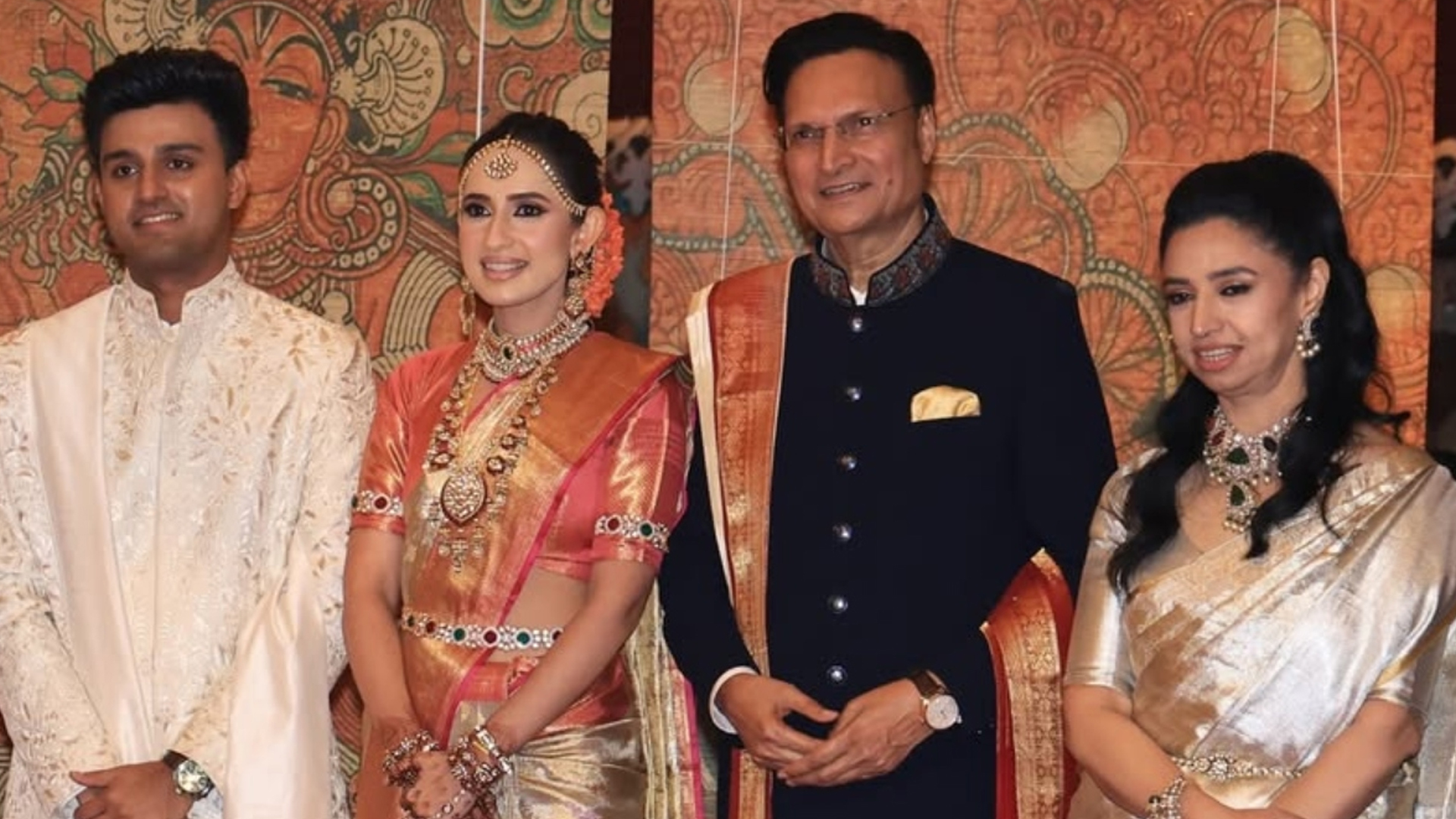
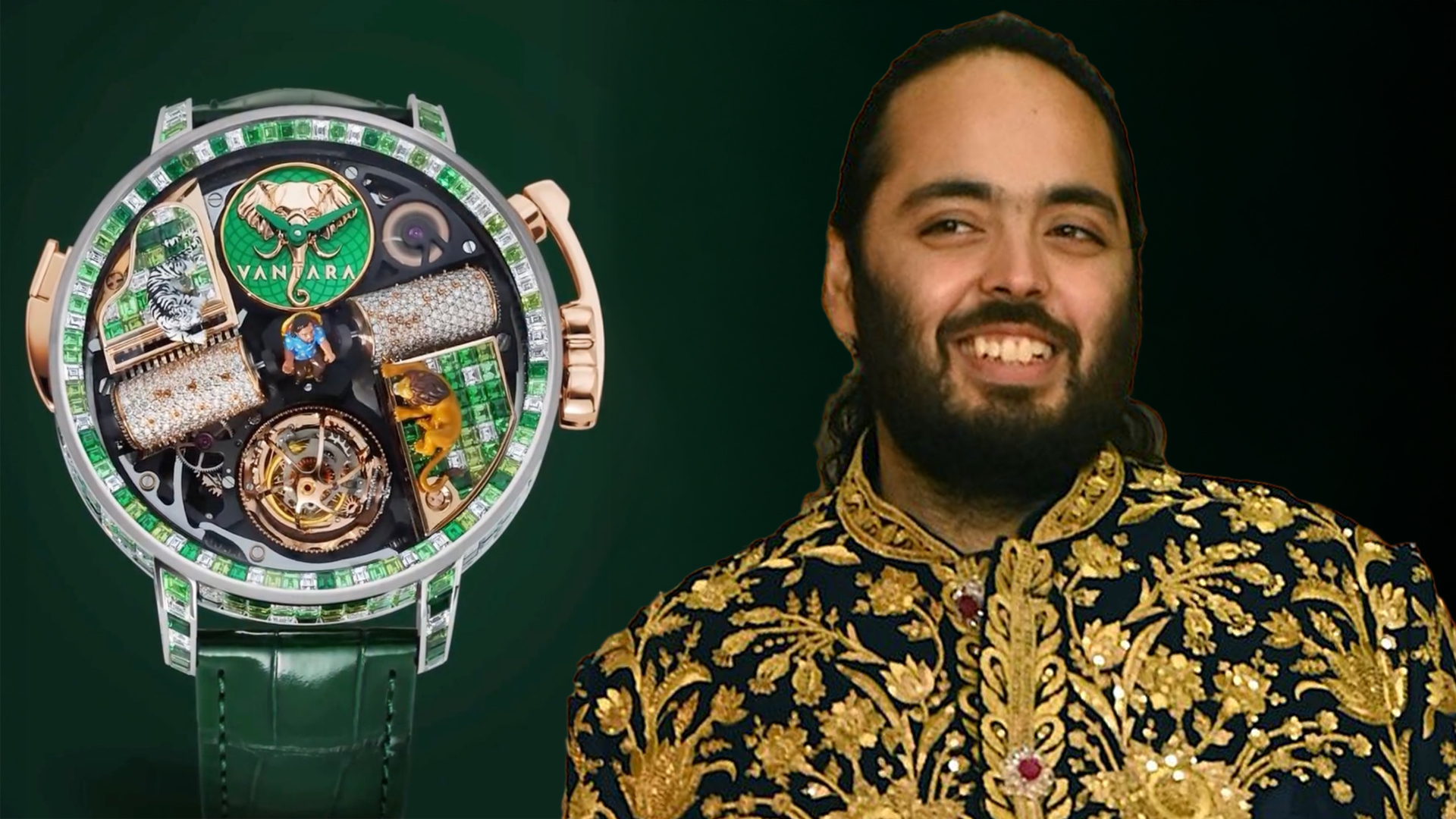
Swiss-American luxury watchmaker Jacob & Co has designed a one-of-a-kind watch called the Opera Vantara Green Camo for Anant Ambani, celebrating his wildlife conservation project, Vantara. Launched on January 21, 2026, the watch combines expert watchmaking with artistic design inspired by India’s wildlife.

The watch highlights Anant Ambani at its centre with a hand-painted miniature figurine. Surrounding him are small sculptures of a lion and a Bengal tiger, symbolising India’s iconic wildlife. Even the watch hands emerge from an elephant motif, reinforcing the conservation theme.

Its dial and case feature a green camouflage design made from precious gemstones, including demantoid garnets, tsavorites, green sapphires, and diamonds. In total, the watch has nearly 400 gems weighing about 22 carats, all hand-set to create a rich, textured look.

Though Jacob & Co has not officially revealed the price, industry reports suggest the watch could be worth around $1.5 million (₹12–13 crore), making it one of the most luxurious custom watches ever created by the brand.

Anant Ambani is known for his passion for rare and limited-edition watches. This bespoke piece not only reflects his personal style but also supports awareness for the Vantara Wildlife Conservation Centre, a large project in Gujarat that rescues and protects various animal species.

Also Read: Qure.ai secures $8 mn Gates foundation grant

Trump faces backlash for NATO Afghanistan remarks

UK leaders, veterans, and global figures reject former US president’s claim that NATO troops avoided frontline combat

US President Donald Trump has sparked widespread criticism after claiming that NATO forces “stayed a little off the front lines” during the 20‑year war in Afghanistan and questioning the alliance’s role and reliability.

Speaking in a Fox News interview at the World Economic Forum in Davos, Switzerland, Trump suggested that the United States “never really asked anything” from NATO partners and implied that allied troops were not fully engaged in combat. He also questioned whether the alliance would defend the US if needed, saying that America “never really needed” NATO.

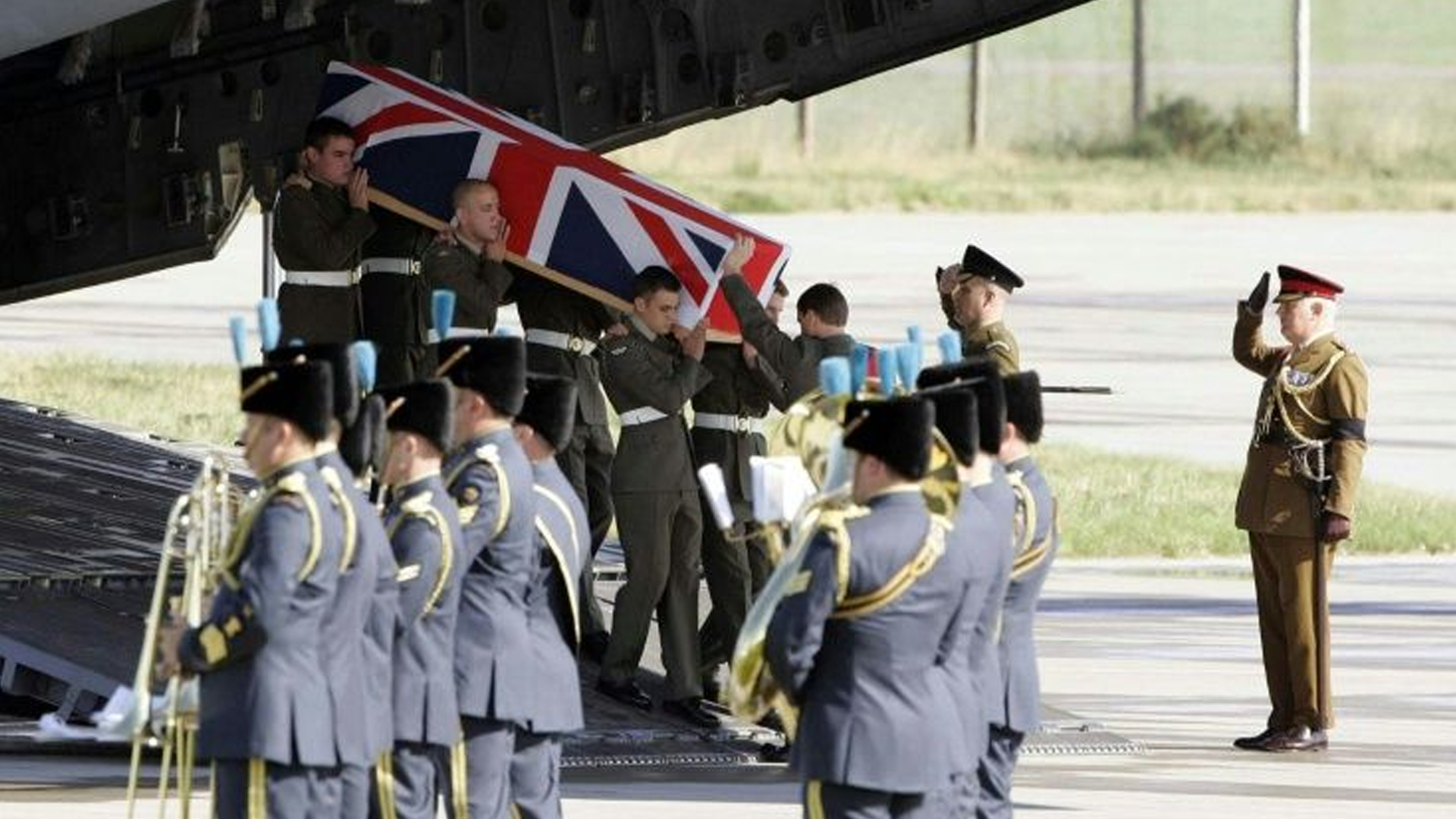
His remarks drew strong condemnation in the United Kingdom. Prime Minister Sir Keir Starmer called the comments “insulting and appalling,” urging Trump to acknowledge the contributions and sacrifices of non‑US NATO forces. The UK lost 457 personnel in Afghanistan, with thousands more injured, while other NATO countries also suffered casualties.

Junior minister Stephen Kinnock emphasised that European NATO troops fought alongside American soldiers in dangerous operations and highlighted the collective response under NATO’s Article 5 after the September 11 attacks. Critics also questioned Trump’s authority to comment on allied combat roles, citing his draft deferments during the Vietnam War.

Military veterans and public figures weighed in. Prince Harry, who served two tours in Afghanistan, strongly rejected Trump’s claim, stressing that NATO allies actively participated in frontline operations and made significant sacrifices. Families of fallen soldiers echoed this, saying the former president’s statements were hurtful and inaccurate.

Also Read: India-EU free trade deal nears historic completion

Sheikh Hasina blames Yunus, urges Bangladeshis to stand up

From exile, Hasina calls for unity and fair elections against a corrupt interim government

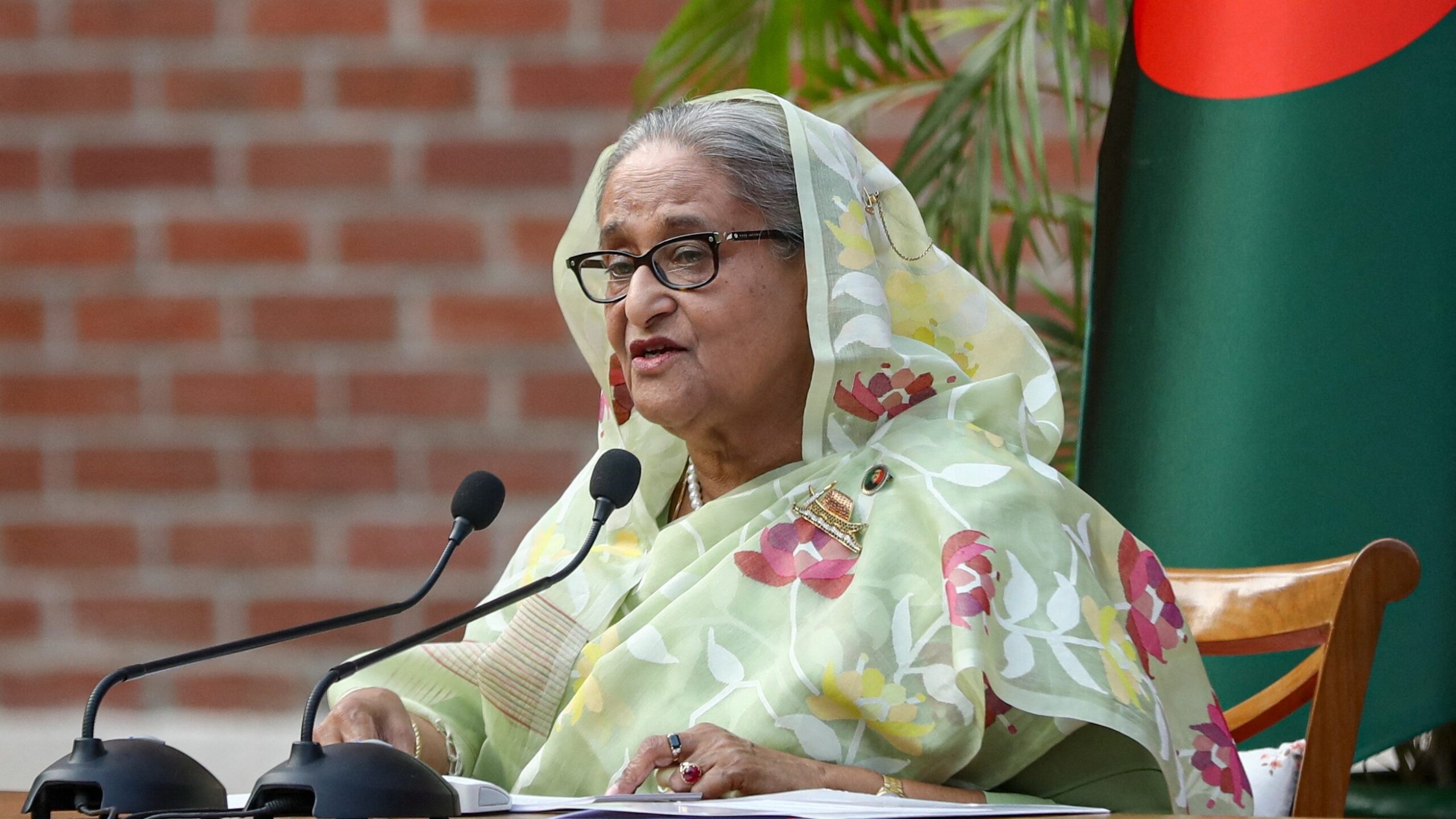
Former Bangladesh Prime Minister Sheikh Hasina has made a powerful appeal to her countrymen from exile in India, criticising Nobel laureate Muhammad Yunus and his interim government. In her first public address since leaving Bangladesh, Hasina described Yunus as a “murderous fascist” and said his administration has created fear and instability in the nation.

Hasina, leader of the Awami League, said Bangladeshis are living through a difficult time since her removal in August 2024. She painted a picture of streets filled with violence, lawlessness, and ordinary people struggling to feel safe. She called the Yunus-led government illegal and accused it of being influenced by foreign powers, failing to serve the needs of the people.

Addressing citizens directly, Hasina urged Bangladeshis to stand together to protect democracy and the country’s constitution. She invoked the memory of her father, Sheikh Mujibur Rahman, the country’s founding leader, saying the fight for justice today continues the spirit of Bangladesh’s Liberation War.

To restore order, Hasina unveiled a five-point plan, asking for the removal of the Yunus government and the creation of conditions for free and fair elections, an end to street violence, safety and protection for women, minorities, and vulnerable citizens, a halt to politically motivated arrests and harassment of opposition members, and an impartial investigation by the United Nations into recent events in Bangladesh.

Her message was both urgent and emotional, highlighting the struggles of everyday Bangladeshis under the interim government.

Also Read: US exits World Health Organization after 78 years

India-EU free trade deal nears historic seal

Mother of all trade deals, nears signing, balancing markets, farms, and climate rules

India and the European Union (EU) are close to finalising a long-awaited free trade agreement (FTA), expected to be announced at the India-EU Summit on January 27, 2026. Leaders from both sides, including the heads of the European Council and European Commission, will attend, highlighting the deal’s strategic importance. Once signed, it will need approval from the European Parliament, which may take about a year to implement.

The proposed deal, described by EU officials as a “mother of all trade deals,” aims to deepen economic ties between India and the 27-member EU bloc. Bilateral trade, which reached roughly $136–$190 billion in 2024–25, could grow significantly, benefiting exporters in sectors like textiles, garments, leather, and engineering goods.

India has maintained firm “red lines” on sensitive areas, including agriculture and dairy, to protect rural livelihoods and food security. It is also seeking phased tariff reductions in manufacturing to shield domestic industries while attracting European investment and integrating into supply chains.

The EU, meanwhile, wants greater access for its industrial goods and services, including automobiles and financial services. A key sticking point has been the EU’s climate-linked trade rules, such as the Carbon Border Adjustment Mechanism (CBAM). While the EU argues these ensure fair competition and align with its Green Deal, India has expressed concern that they could act as non-tariff barriers, especially for energy-intensive exports.

If finalised, the FTA could reduce tariffs on key items, expand market access for Indian goods and services, and strengthen economic cooperation amid global trade uncertainties. Negotiations, which resumed in 2022 after earlier stalls, reflect both sides’ commitment to closer ties and a more balanced trading relationship.

The deal is expected to set a benchmark for India’s trade relations with other major economies, providing a model for future agreements that balance economic growth, domestic protections, and climate commitments.

Also Read: PM Modi steps up development drive in Kerala

PM Modi brands DMK as ‘CMC government’

PM accuses ruling party of corruption and crime; DMK rejects claims

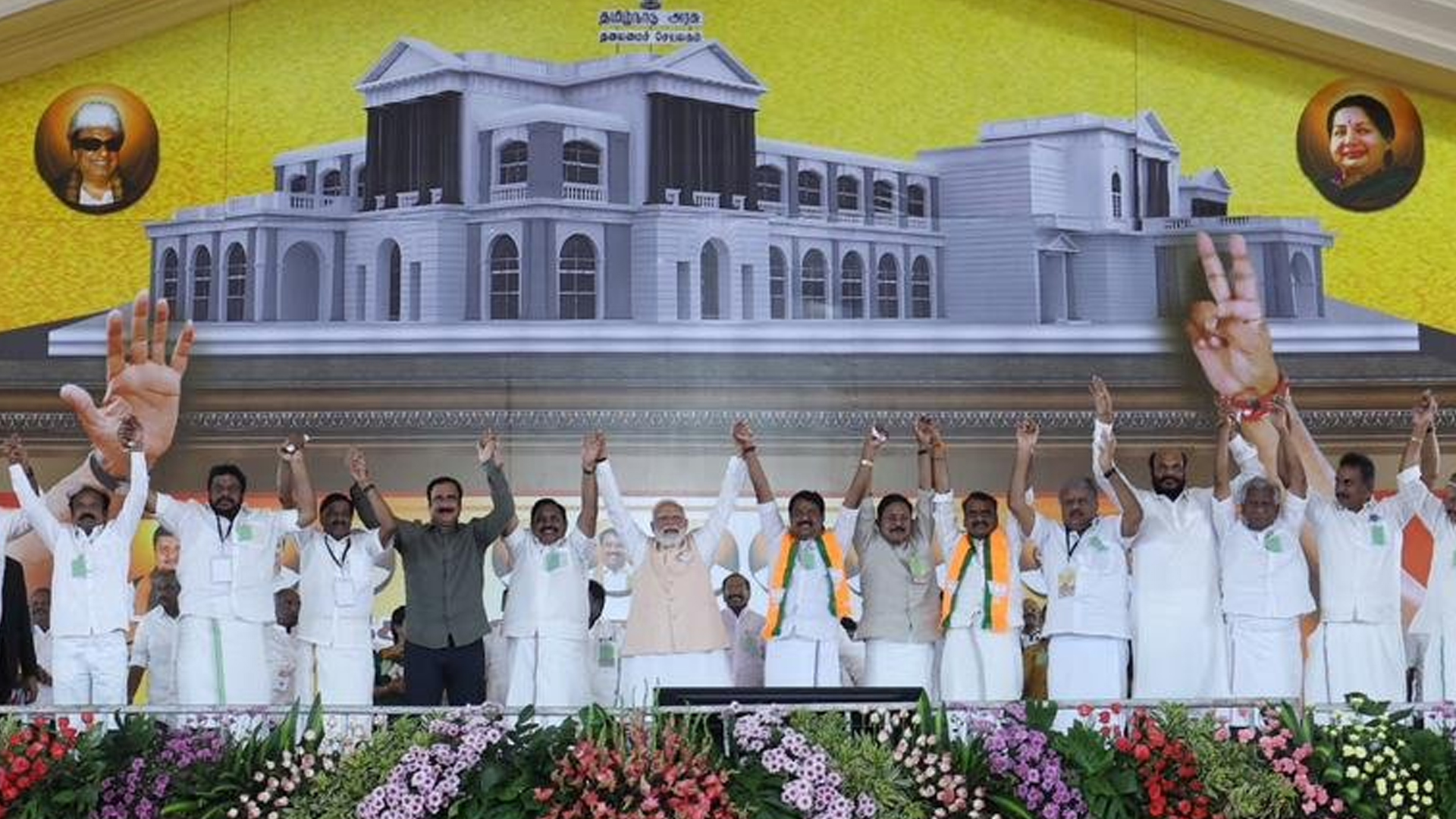
As Tamil Nadu gears up for the 2026 Assembly elections, Prime Minister Narendra Modi launched a fierce attack on the state government, calling the DMK a “CMC government”—short for corruption, mafia, and crime. Speaking at an NDA rally in Maduranthakam, Chengalpattu district on Friday, Modi urged voters to consider change, claiming the ruling party had failed to deliver on its promises.

He criticised Chief Minister M.K. Stalin and the DMK for what he described as poor governance despite securing full majorities in the 2016 and 2021 elections. “The countdown for the DMK government’s exit has begun,” Modi declared, calling for support for a BJP-led NDA alternative.

Modi also highlighted growing law and order concerns, pointing to drug and liquor mafias affecting the youth and increasing parental anxiety over their children’s future. He contrasted this with the central government’s financial support, noting that Tamil Nadu had received nearly Rs 3 lakh crore over 11 years—three times more than earlier coalition regimes. He outlined NDA plans to strengthen agriculture, fisheries, healthcare, and employment.

DMK spokesperson T.K.S. Elangovan responded sharply, calling Modi’s remarks “blatant lies.” He defended the state government’s law enforcement record, argued that drug circulation originated outside Tamil Nadu, and questioned the central government’s claims of financial aid.

The exchange reflects the intensifying political battle ahead of the elections, with development, governance, and public safety emerging as key issues in the voters’ decision-making.

Also Read: India-EU free trade deal nears historic completion