rotating globe
9 Apr 2026


Iran protests subside after deadly crackdown

State media says 3,000 arrested as demonstrations subside following weeks of unrest and heavy security action

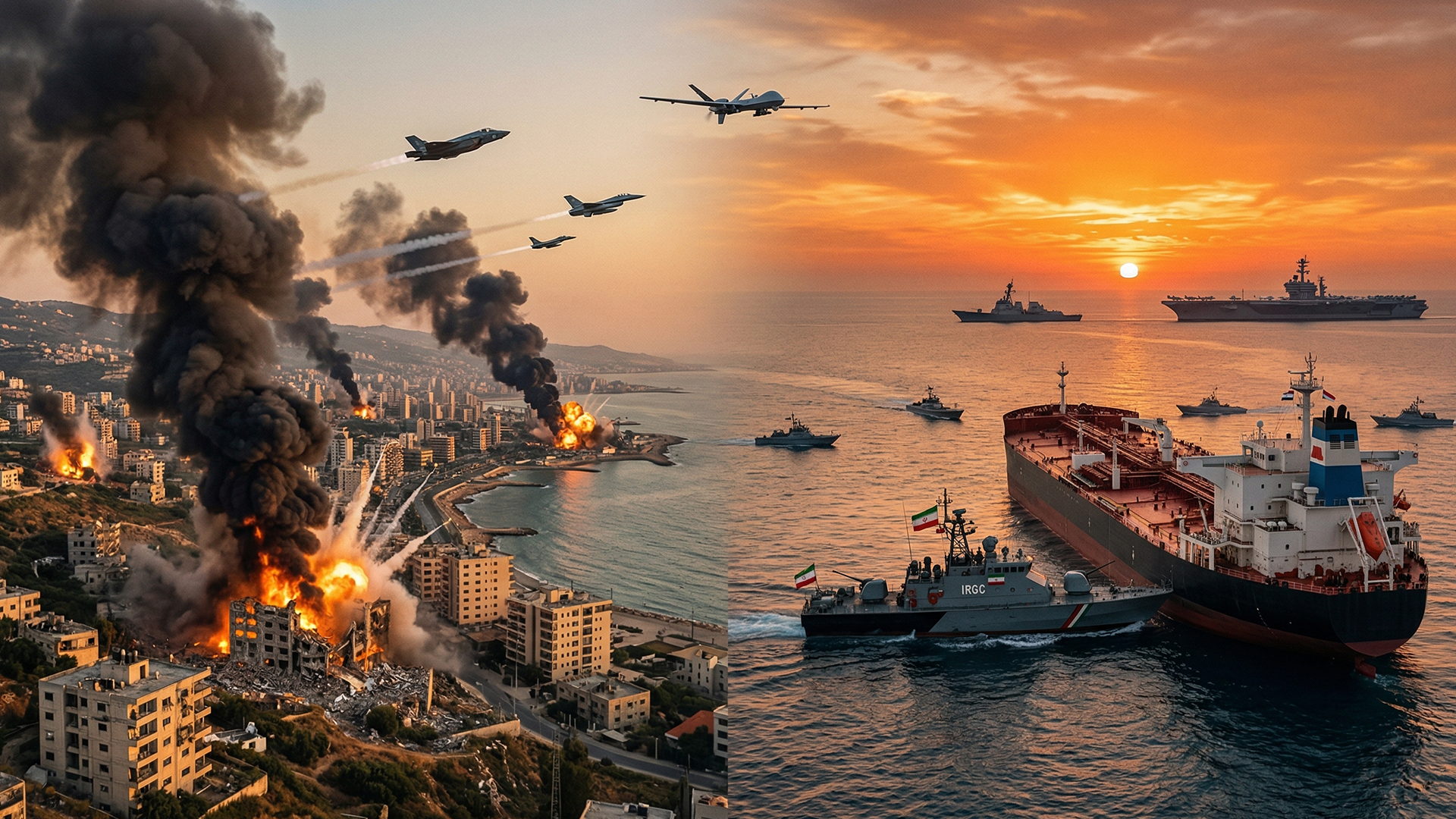
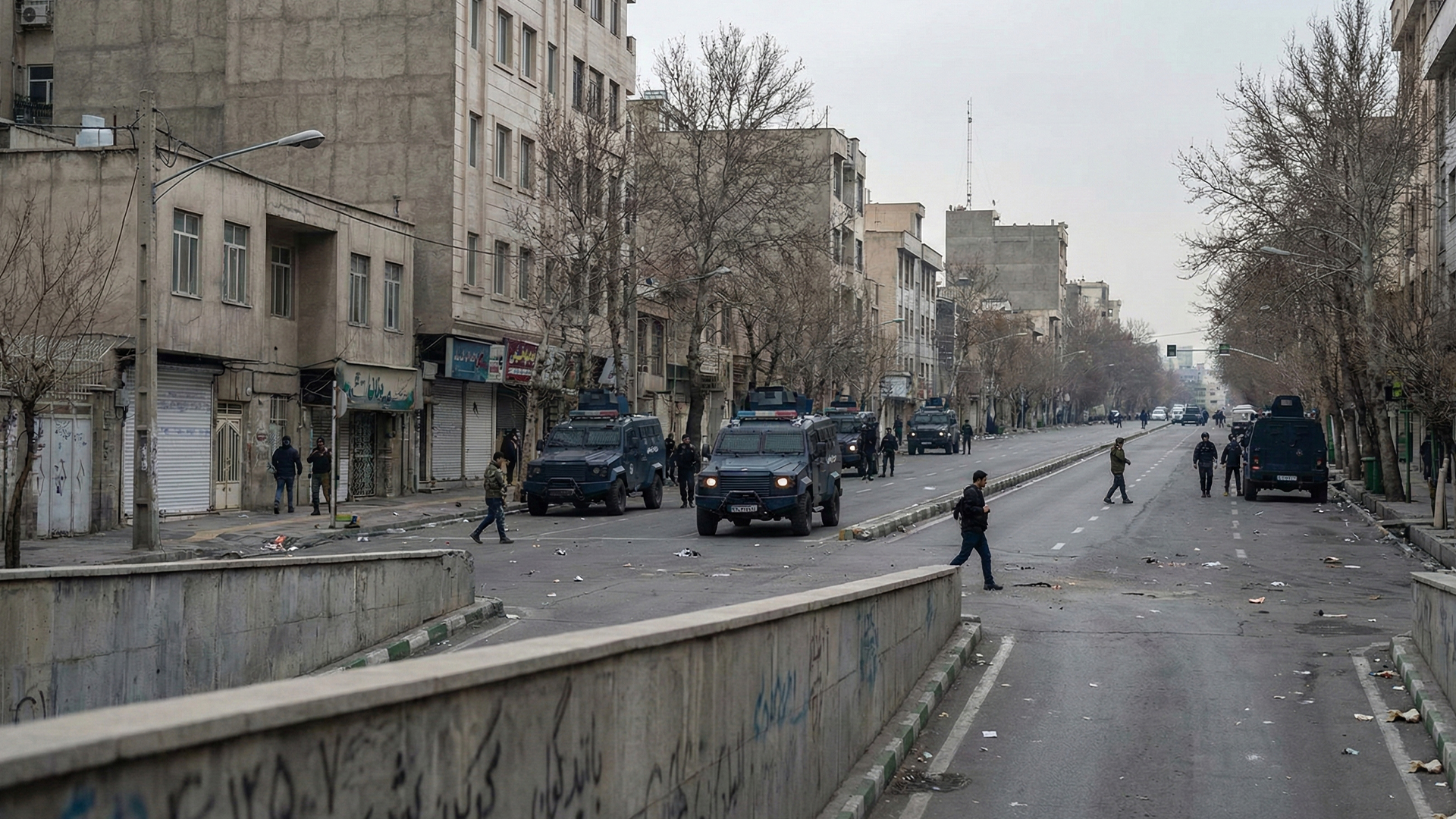
Protests that erupted across Iran in recent weeks have largely subsided following a forceful crackdown by security agencies, according to Iranian state media. Officials say nearly 3,000 people have been arrested in connection with the demonstrations, which were triggered by economic distress and later grew into broader anti-government protests.

The unrest began in late December, with people taking to the streets to protest rising inflation, job losses and the rapid fall of Iran’s currency. As demonstrations spread from smaller towns to major cities, slogans increasingly targeted the country’s political leadership, prompting a strong response from authorities.

State-run media reported that security forces detained thousands of people accused of vandalism, attacking public property or threatening national security. Officials described those arrested as “rioters” and claimed that armed groups and foreign-backed elements had played a role in fuelling the unrest. The government maintains that firm action was necessary to restore order.

However, human rights organisations have painted a far grimmer picture. Rights groups say the number of people detained could be far higher than official figures and have accused security forces of using excessive force, including live ammunition, against protesters. According to these groups, thousands may have been killed or injured during clashes, making the crackdown one of the deadliest in Iran in years.

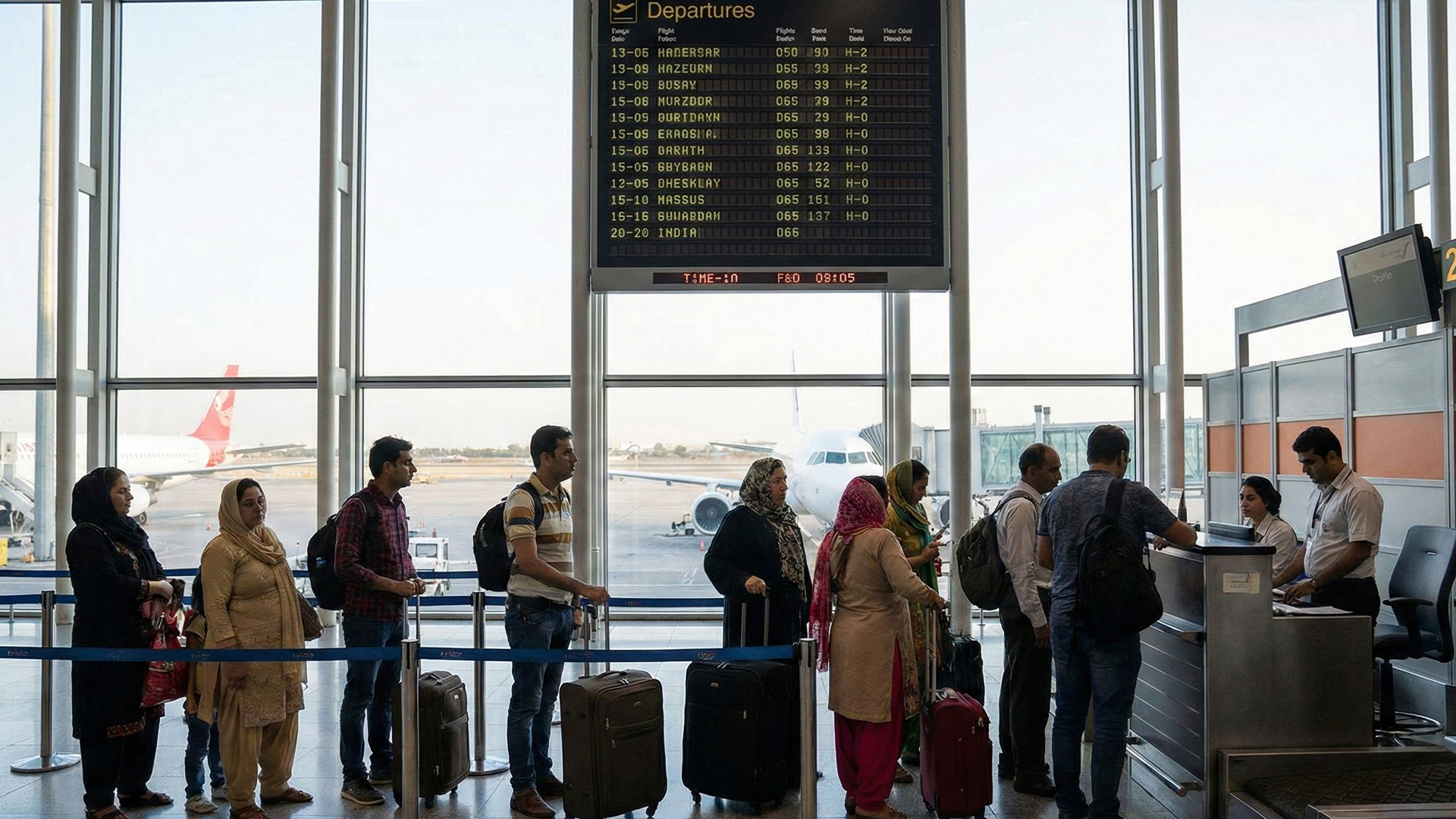
Residents in several cities have reported a heavy security presence, with police and paramilitary forces deployed at key locations. Internet services and mobile communications were also disrupted in many areas during the height of the protests, limiting the flow of information and making it difficult to independently verify events on the ground.

While large-scale demonstrations have eased, reports suggest that tensions remain high. Small, scattered protests and acts of defiance have continued in some regions, and families of those detained or killed are demanding information and accountability.

The situation has drawn international attention, with several governments and human rights bodies calling on Iran to exercise restraint and respect the right to peaceful protest. Tehran has rejected criticism, insisting the unrest was instigated by hostile foreign powers.

Also Read: India pauses Iran evacuation

Pilots’ body challenges AAIB over crash probe

Legal notice sent over nephew’s role in Ahmedabad crash probe

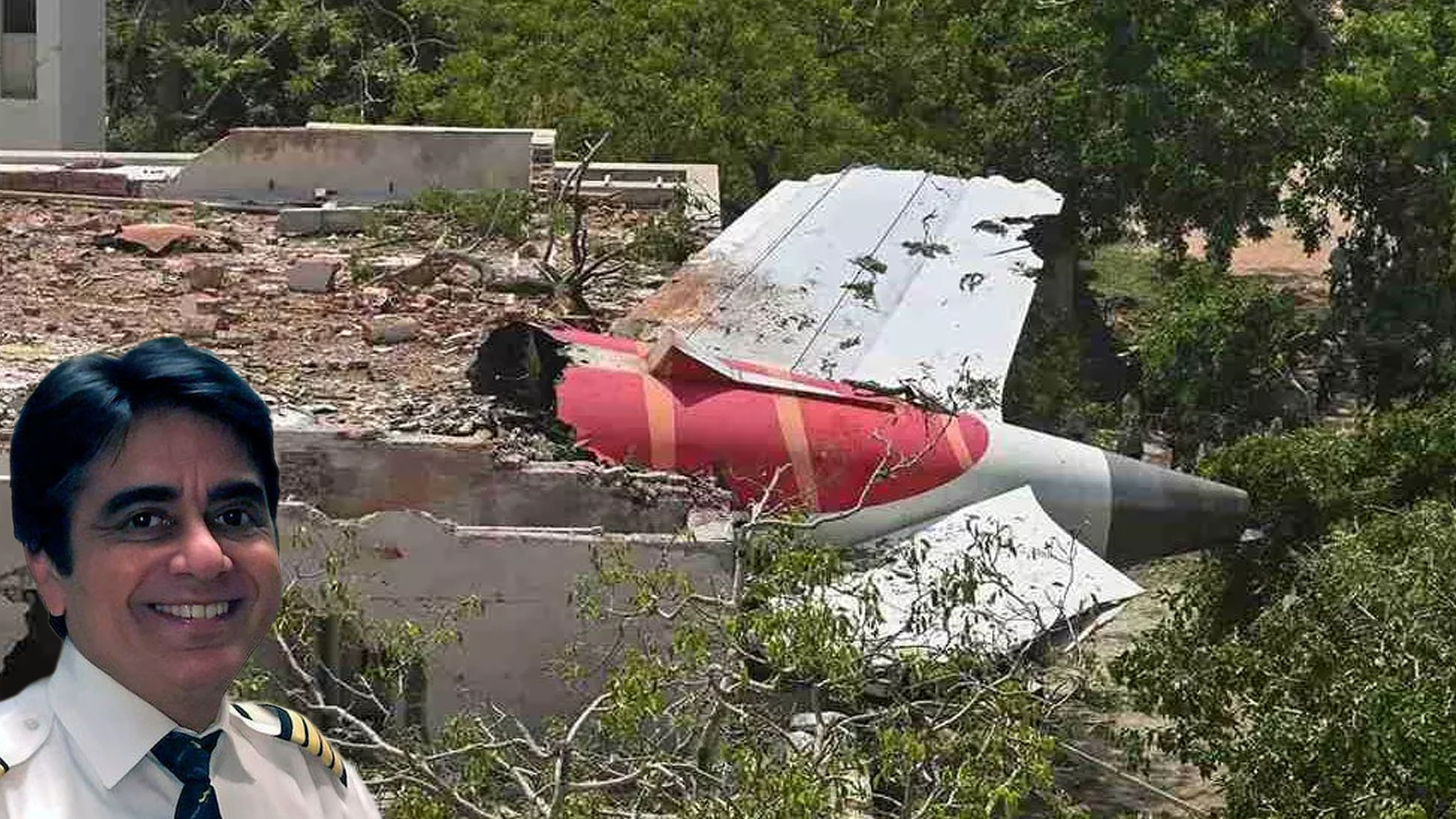
The Federation of Indian Pilots (FIP) has issued a legal notice to the Aircraft Accident Investigation Bureau (AAIB), objecting to its decision to summon a serving Air India pilot who is related to one of the deceased crew members in the Ahmedabad plane crash investigation.

The notice relates to the AAIB’s summons to Captain Varun Anand, nephew of late Captain Sumeet Sabharwal, who was the commander of Air India Flight 171 that crashed shortly after take-off from Ahmedabad on June 12, 2025, while flying to London Gatwick. The accident killed 260 people, including passengers, crew, and people on the ground.

According to the FIP, Captain Anand has no direct or indirect role in the operation of the aircraft involved in the crash. The pilots’ body said he was not associated with the flight’s planning, crew selection, technical clearance, maintenance, or operational decision-making. It argued that summoning him solely because of a family connection to the deceased pilot is unjustified and legally untenable.

In its notice, the FIP stated that the AAIB’s communication did not clearly explain why Anand’s presence was required, nor did it specify the legal provisions under which he was being called. The federation described the action as arbitrary, saying it could cause unnecessary mental distress to both the individual and the family of the deceased pilot.

The pilots’ body further warned that such steps risk setting a dangerous precedent, where relatives of accident victims could be questioned without clear relevance to the investigation. It stressed that air crash probes must remain technical, evidence-based, and free from emotional or speculative lines of inquiry.

In response, the AAIB has maintained that it is acting within its powers under the Aircraft (Investigation of Accidents and Incidents) Rules, 2025. The bureau said investigators are legally empowered to summon any person they believe may assist in establishing facts related to an accident, including seeking documents or statements.

The issue has highlighted growing unease within the aviation community over the conduct of the AI171 investigation. While the AAIB continues its probe and the final report is awaited, the FIP has called for greater clarity, transparency, and sensitivity in dealing with families and professionals linked to the tragic crash.

Also Read: Bangladesh cricket in player‑board clash

Top EU leaders to attend India Republic Day

Von der Leyen and Costa join Republic Day, pushing long-awaited India‑EU trade pact forward

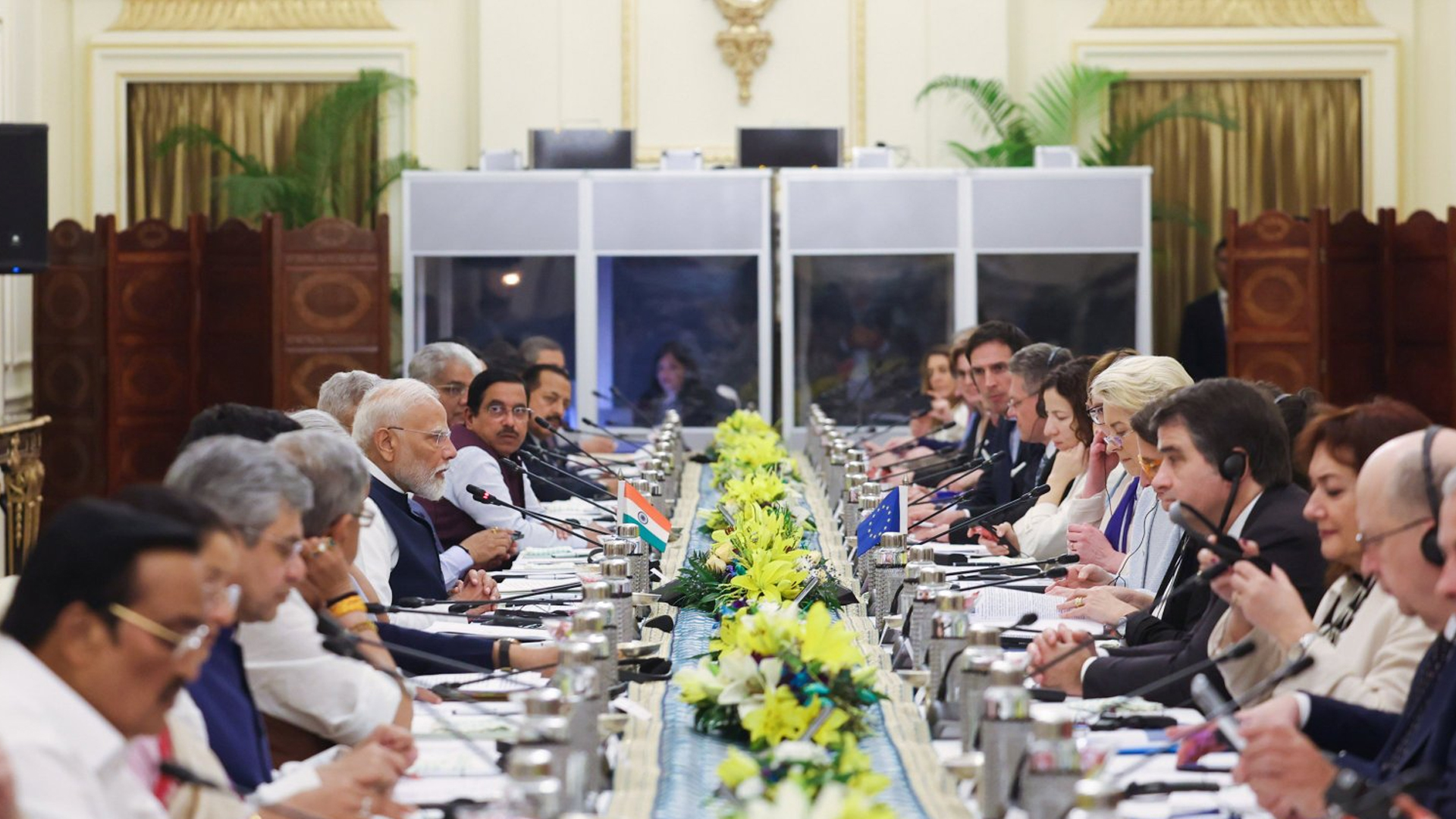
India is all set to welcome top EU  leaders for its 77th Republic Day on January 26, highlighting a milestone in India‑EU relations. European Commission President Ursula von der Leyen and European Council President António Costa will attend as chief guests, marking only the second time in history that leaders of a group have been invited together. Their visit underscores the growing diplomatic, economic, and strategic partnership between India and Europe.

The visit also coincides with the 16th India‑EU Summit, where Prime Minister Narendra Modi will meet von der Leyen and Costa to discuss a wide range of issues, including trade, investment, security, and technology. One of the key topics is the long-pending India‑EU Free Trade Agreement, negotiations for which began over 15 years ago. Officials say most of the agreement has been finalised, and the high-profile summit could see the deal reach its conclusion.

The potential trade pact is expected to boost two-way trade, attract investments, and strengthen collaboration in sectors like clean energy, manufacturing, pharmaceuticals, and technology. While some challenging issues, such as market access and environmental standards, remain, both sides are keen to bridge differences and announce progress during the visit.

Beyond trade, India and the EU plan to deepen cooperation in defence, cyber security, and maritime safety in the Indo-Pacific. The visit will also include a business forum, giving companies from both sides a chance to explore new partnerships.

Also Read: Maharashtra tops export readiness rankings

SC clears way for Justice Varma panel

Top court dismisses judge’s plea, allowing Parliament to probe cash recovery controversy

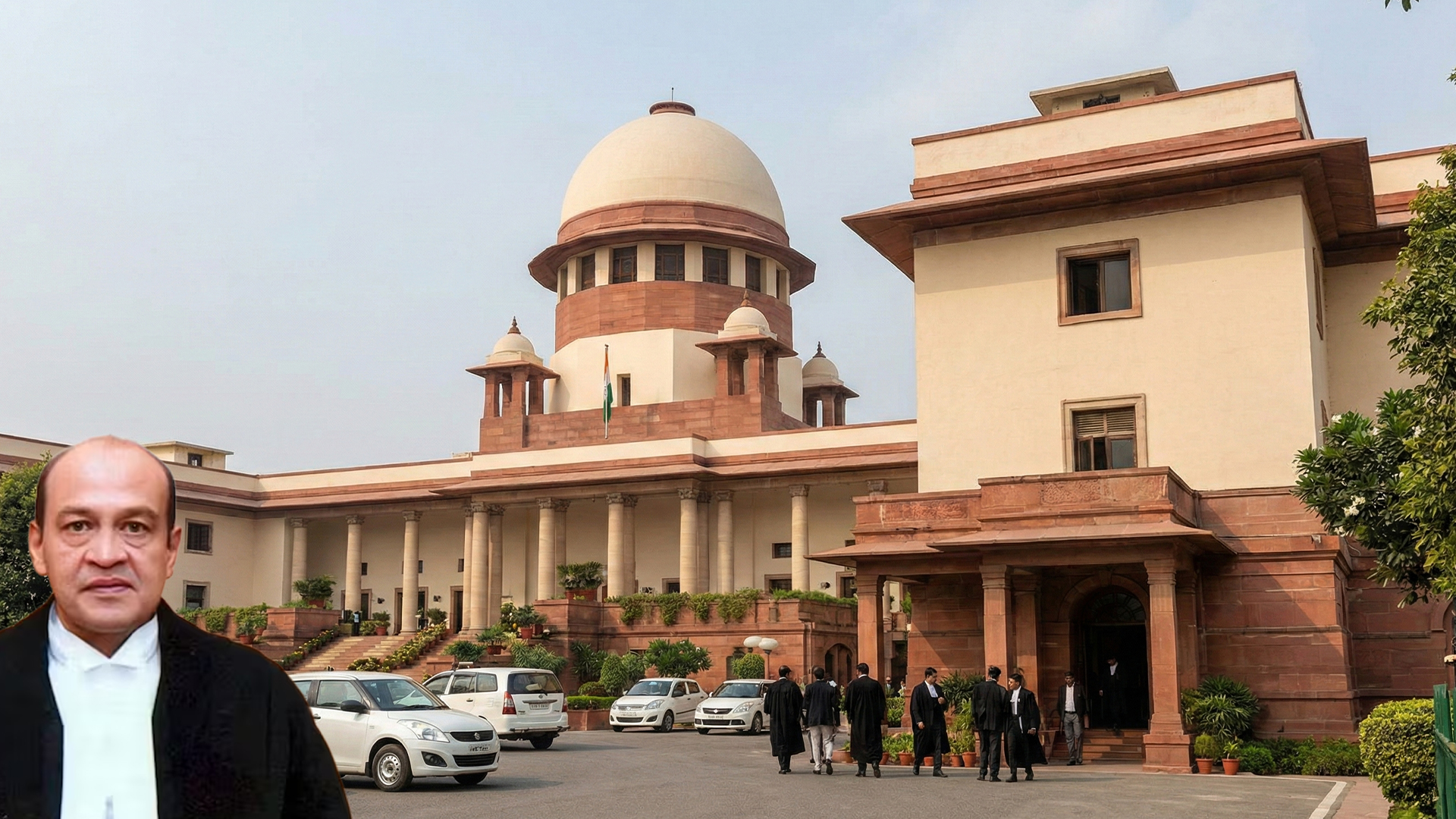
The SC on Friday rejected a petition by Allahabad High Court judge Justice Yashwant Varma, who had challenged the formation of a parliamentary inquiry panel investigating allegations of unaccounted cash at his official residence. A two‑judge bench, headed by Justices Dipankar Datta and S.C. Sharma, said there was no legal flaw in the committee’s constitution and dismissed the plea.

Justice Varma had argued that, according to the Judges (Inquiry) Act, 1968, a committee could only be formed after motions were admitted in both the Lok Sabha and Rajya Sabha. He claimed the Speaker overstepped by forming a panel without the Rajya Sabha Chairman’s approval. The Supreme Court, however, disagreed, stating that the Speaker acted within the law and no judicial intervention was required.

The controversy dates back to March 2025, when a fire broke out at Justice Varma’s Delhi residence, revealing large amounts of burnt and unburnt cash. An internal investigation and a three-member in-house Supreme Court panel found the allegations credible, prompting motions for impeachment in Parliament.

Justice Varma has maintained his innocence, saying he was not present during the fire and was unaware of the cash. His petition focused on procedural issues, arguing that the parliamentary panel’s formation was invalid because the Rajya Sabha motion had not been formally admitted.

The Supreme Court held that the process followed by Parliament was proper and balanced the rights of judges with Parliament’s oversight role. It clarified that the non‑admission of the Rajya Sabha motion did not invalidate the inquiry, clearing the way for the Lok Sabha committee to continue its probe.

With the apex court’s decision, Parliament can now proceed with its investigation into the cash recovery and any possible misconduct. The ruling is seen as a key moment in judicial accountability, highlighting the balance between a judge’s rights and the legislature’s authority to investigate allegations of wrongdoing.

Also Read: Top EU leaders to attend India Republic Day

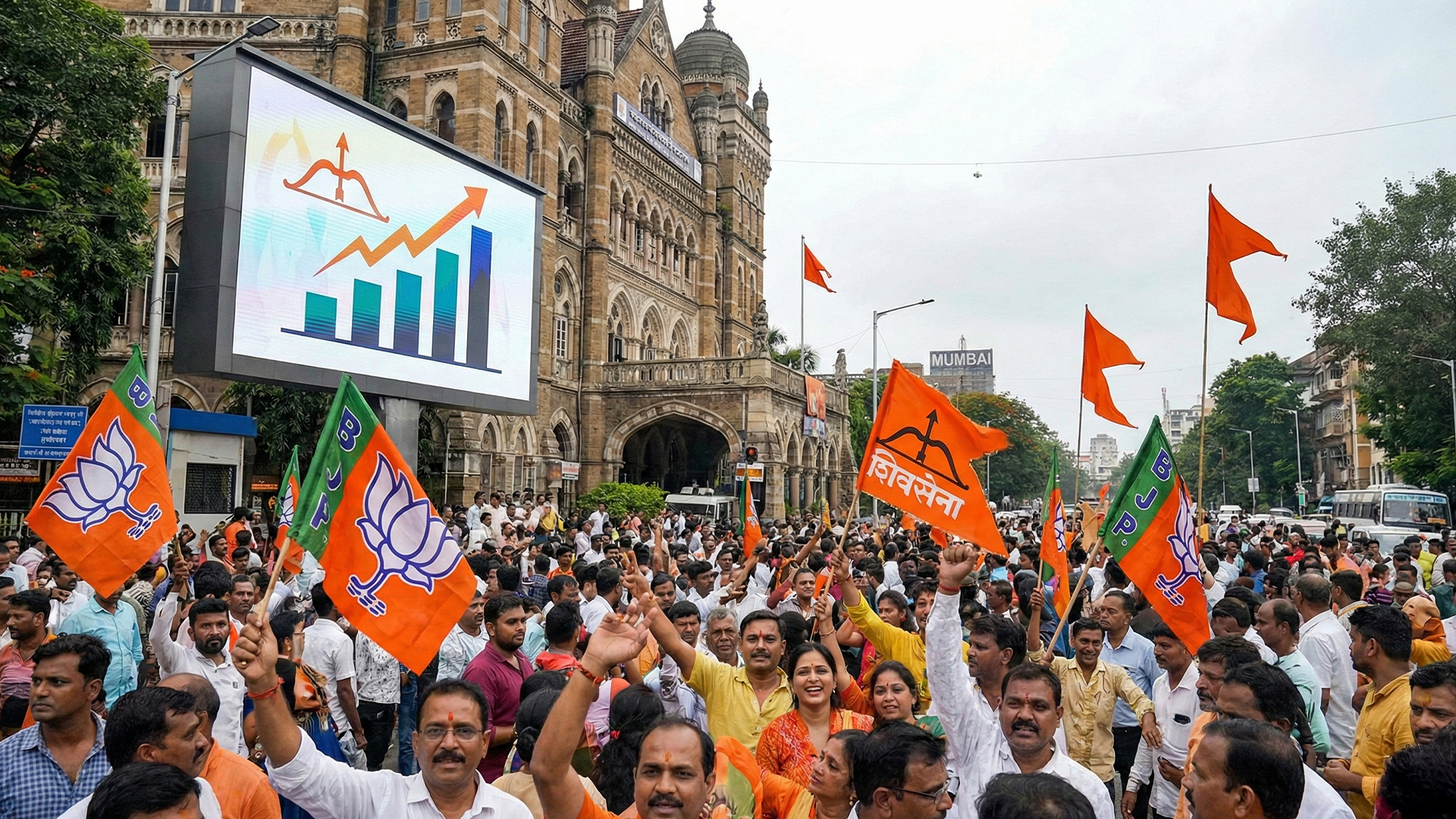
BJP takes early lead in Maharashtra civic polls

Early trends show BJP and allies ahead as Pawar reunion fails to make an impact in key cities

The counting of votes for the Maharashtra civic elections 2026, including the high-profile Brihanmumbai Municipal Corporation (BMC) polls, has begun, and early trends point to a strong performance by the Bharatiya Janata Party (BJP) and its allies across major cities. The results are being closely watched as they are seen as an indicator of political mood in urban Maharashtra.

In Pune and Pimpri-Chinchwad, the much-talked-about reunion between Sharad Pawar and Ajit Pawar did not have the expected impact. Despite coming together after a long political split, their combined effort failed to stop the BJP from taking a clear lead in several wards. These areas were considered strongholds of the Pawar family and the Nationalist Congress Party (NCP), making the setback significant.

According to early trends, the BJP has emerged ahead in many municipal corporations across the state. The party, along with the Eknath Shinde-led Shiv Sena, appears to have gained ground in important urban centres such as Mumbai, Pune, Thane and Nagpur. Political observers say this reflects the BJP’s strong organisational network and focused campaigning in cities.

The BMC election in Mumbai remains one of the closest and most keenly followed contests. Initial results suggest that the BJP-Shiv Sena alliance is leading in several wards, but the fight is far from over. Parties led by the Thackeray family are also putting up a tough challenge, and the final outcome will become clear only after complete counting.

The civic polls were held across 29 municipal corporations in Maharashtra, with voter turnout reported at around 50 per cent. The elections are important not just for local governance, but also for setting the tone ahead of future state and national elections.

Also Read: Pilots’ body challenges AAIB over crash probe

Maharashtra tops export readiness rankings

Outpaces Tamil Nadu with strong policies and infrastructure

Maharashtra has emerged as India’s most export-ready state, overtaking Tamil Nadu in the NITI Aayog Export Preparedness Index (EPI) 2024. The annual index measures how well states are prepared to boost exports by examining policy frameworks, trade infrastructure, business ecosystem quality, and actual export performance. The 2024 edition also introduced new dimensions such as human capital, financial access, MSME ecosystem support, and cost competitiveness, providing a more comprehensive view of export potential.

Among large states, Maharashtra secured the top position, followed by Tamil Nadu, Gujarat, Uttar Pradesh, and Andhra Pradesh. This rise reflects Maharashtra’s proactive policies, investment in infrastructure, and a business-friendly environment that supports trade and export growth. The state’s performance shows how strategic focus and strong governance can enhance competitiveness on a national and global scale.

For smaller states and union territories, Uttarakhand ranked highest, followed by Jammu & Kashmir, Nagaland, Dadra & Nagar Haveli & Daman and Diu, and Goa. These rankings highlight that export readiness is not only about large economies but also about targeted support and infrastructure development for smaller regions.

NITI Aayog CEO B.V.R. Subrahmanyam emphasized the importance of exports for India’s overall economic growth, noting that they will play a key role in achieving the country’s goal of becoming a $30 trillion economy. He added that improving export preparedness at the state level is crucial, particularly as global economic conditions remain uncertain.

The EPI serves as a benchmark for states to identify strengths and gaps in their export strategies. By focusing on factors such as policy support, investment in trade infrastructure, skilled workforce development, and financial accessibility, states can improve their global trade competitiveness.

Also Read: Venezuela’s Machado gifts Nobel medal to Trump

Venezuela’s Machado gifts Nobel medal to Trump

María Corina Machado’s gesture highlights push for US support on Venezuela’s democratic transition amid political uncertainty

Venezuelan opposition leader María Corina Machado, awarded the 2025 Nobel Peace Prize, made headlines after presenting her medal to US President Donald Trump during a White House meeting on January 15, 2026. The gesture was symbolic, aimed at securing stronger American support for Venezuela’s democratic transition amid political uncertainty.

Machado, a prominent critic of former President Nicolás Maduro, emphasized that the presentation was a sign of respect and appreciation for Trump’s efforts in backing Venezuela’s opposition. Speaking after the meeting, she described it as a personal gesture to highlight the importance of international solidarity in the country’s push for free and fair governance.

Trump accepted the medal graciously, calling the act “a wonderful gesture,” while officials clarified that the symbolic transfer does not alter the official status of the Nobel Peace Prize, which remains solely Machado’s. Nobel Committee rules confirm that the award cannot be transferred or revoked.

The meeting occurred during a sensitive period in Venezuela, following Maduro’s capture earlier in January and ongoing debates over the legitimacy of the interim leadership. Machado has been actively seeking international recognition for the opposition coalition, arguing that US support is crucial to stabilizing the country and advancing democratic reforms.

White House Press Secretary Karoline Leavitt praised Machado as “a courageous voice for the Venezuelan people,” highlighting her efforts to engage world leaders directly. While Trump appreciated the gesture, he did not endorse her political ambitions, reflecting the complex diplomatic situation between the US and Venezuela.

Machado’s initiative drew attention globally, underlining the role of personal diplomacy in international politics. By presenting her Nobel medal, she not only showcased her commitment to democratic values but also reinforced the importance of external support in shaping Venezuela’s political future.

Also Read: MasterChef’s Manisha Sharma cooks beyond challenges