rotating globe
9 Apr 2026


Canadian police link Bishnoi gang to Indian government

RCMP report alleges transnational gang acted on New Delhi’s behalf, raising security concerns

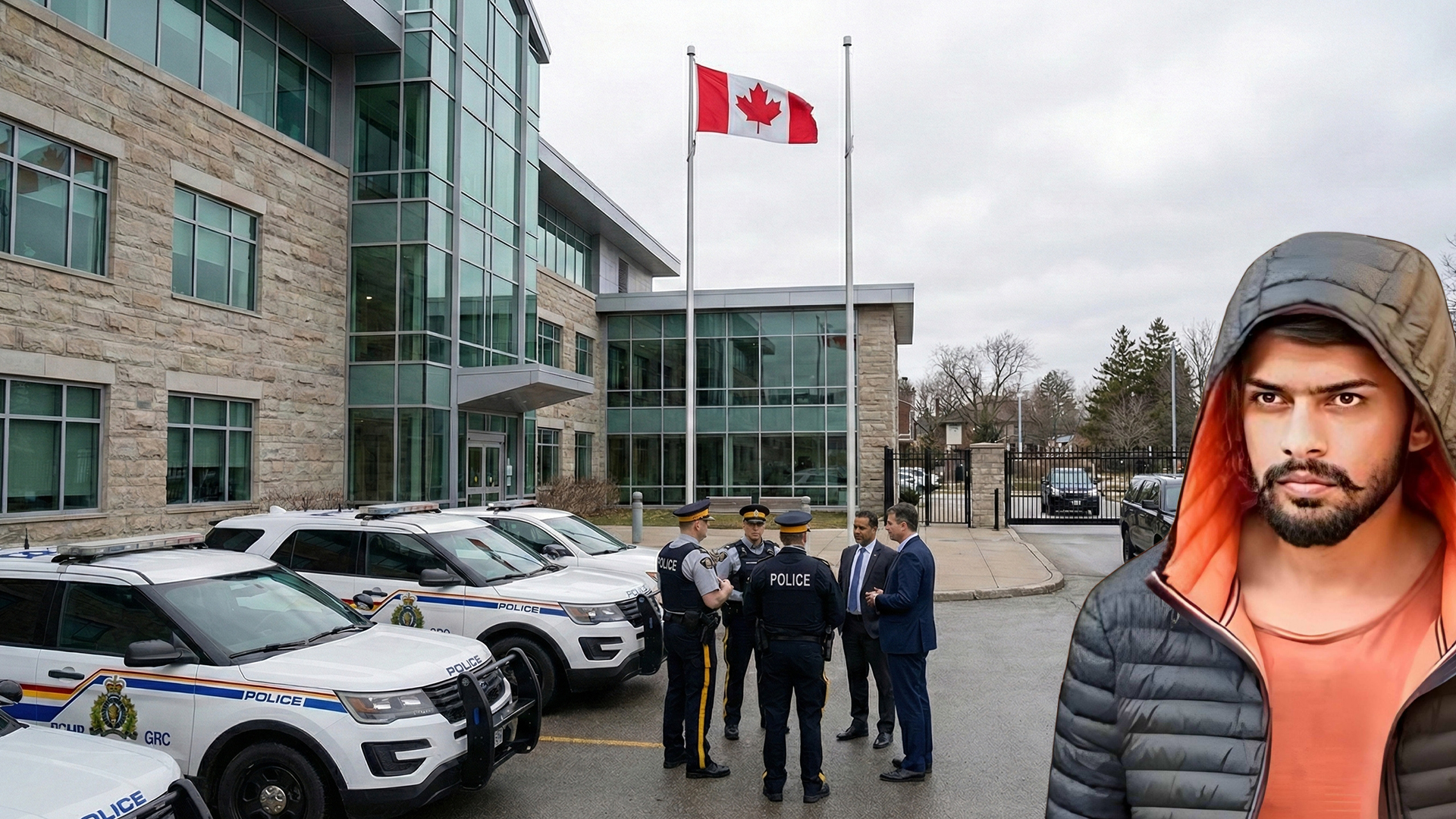
Canadian authorities have raised alarms over the activities of the Lawrence Bishnoi gang, a notorious criminal organisation, suggesting that the group may have been operating “on behalf of the Indian government,” according to a confidential report by the Royal Canadian Mounted Police (RCMP). The document was obtained by Canadian media under the country’s Access to Information Act.

The Bishnoi gang, originally based in India, has established a presence in several countries, including Canada. The RCMP report describes the group as involved in serious crimes such as extortion, drug trafficking, money laundering, and contract killings. While greed remains the gang’s primary motive, the report highlights instances in which the organisation’s actions appeared to support the interests of authorities in New Delhi.

Canada had previously labelled the Bishnoi gang as a “terrorist organisation,” citing its attempts to intimidate and target communities, particularly among the South Asian diaspora. The RCMP report details the gang’s growing international footprint and potential ties to officials in India, although direct evidence of government control has not been publicly verified.

The report arrives amid sensitive India‑Canada relations. Tensions escalated in the past after Canada alleged — and India denied — that Indian agents were involved in the killing of a Sikh separatist leader on Canadian soil. Despite these strains, both countries have taken steps to improve diplomatic engagement, including appointing envoys and participating in trade and cultural exchanges.

The RCMP’s findings also coincide with increased economic engagement between Canada and India, exemplified by British Columbia’s trade delegation visiting India. Authorities in Canada continue to monitor the Bishnoi gang’s operations, seeking to ensure public safety while navigating the complexities of international relations.

The report underscores the challenges of addressing transnational crime linked to political interests, highlighting the need for coordination between law enforcement and diplomatic channels to manage both security threats and bilateral ties.

Also Read: Iran airspace closure hits flights
Nipah alert in Bengal as health workers fall ill

Two nurses battle for life as authorities race to trace contacts, quarantine exposed people and prevent further spread

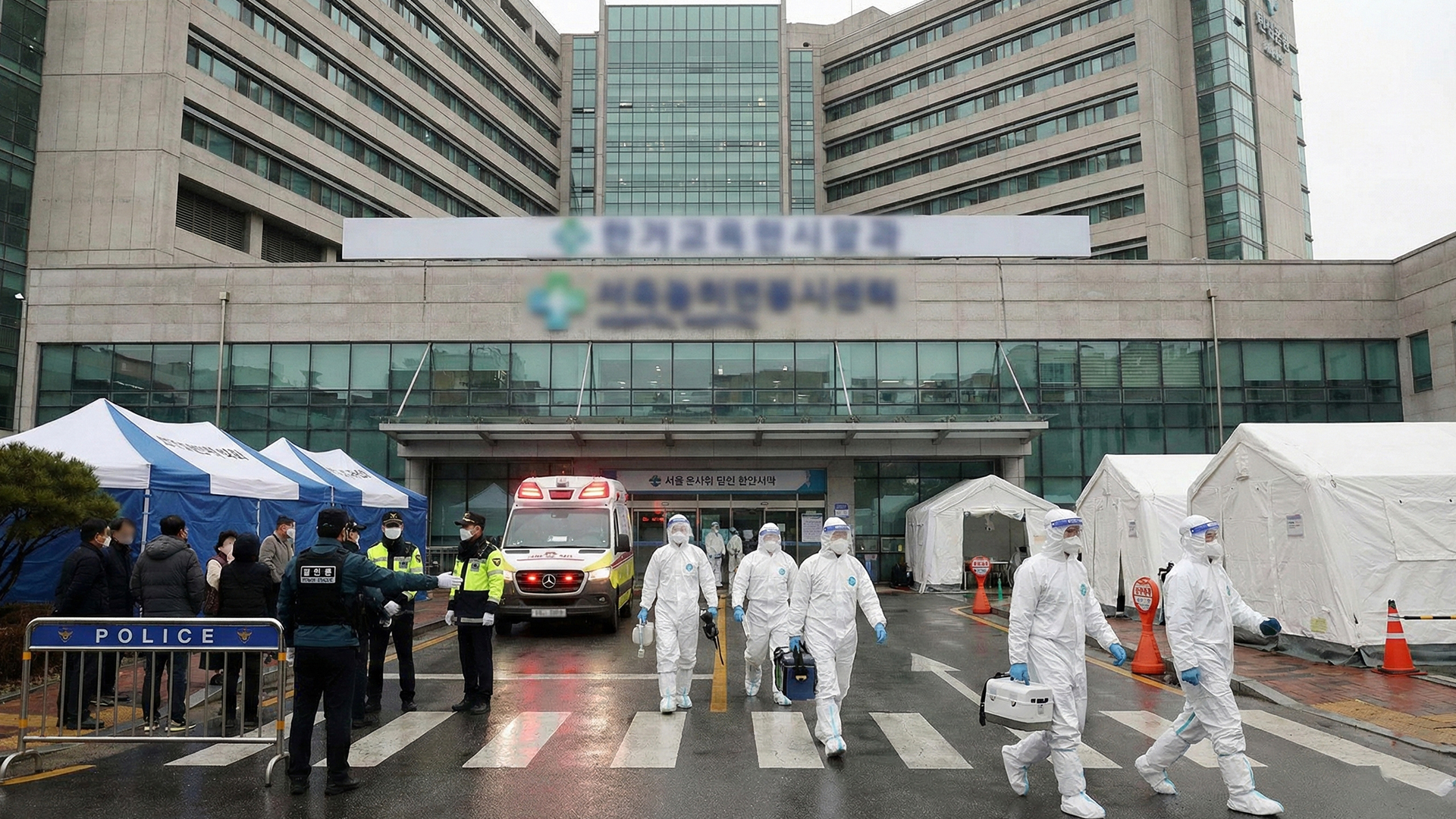
West Bengal is once again on alert after the Nipah virus resurfaced, leaving two young nurses critically ill and triggering a massive public health response. The outbreak has raised concerns across the state, especially as healthcare workers are among those most affected.

The two nurses, both in their early twenties, were working at a private hospital in Barasat, North 24 Parganas, when they began showing severe symptoms. Tests later confirmed Nipah infection, and both are now on ventilator support in intensive care. Their condition remains serious, according to hospital officials.

Following these confirmations by the National Institute of Virology (NIV), Pune, health authorities launched large-scale contact tracing. Nearly 100 people who came in close contact with the nurses — including family members, fellow hospital staff, ambulance drivers and support workers — have been identified. Many have been placed in quarantine, while others are under constant medical observation. Blood samples from several contacts have been sent for testing to rule out further spread.

In the days that followed, three more infections were detected. These include a doctor from the same Barasat hospital and two healthcare workers from Katwa Subdivisional Hospital in Purba Bardhaman district. They have been shifted to the Infectious Diseases Hospital in Beleghata, Kolkata, for specialised treatment and isolation.

Health officials are also examining possible sources of the infection. One suspected link is a wedding function in Nadia district, attended by one of the nurses in December. Investigators are checking whether she consumed raw date palm sap, which is known to be a possible transmission route from fruit bats — the natural carriers of the Nipah virus. Several people who attended the event have been advised home isolation, though none have shown symptoms so far.

The state health department has urged people not to panic, stressing that all safety protocols are in place. Hospitals have been put on high alert, isolation wards are ready, and surveillance has been intensified across districts.

Nipah is a rare but deadly virus that can spread from animals to humans and, in some cases, between people. West Bengal has seen outbreaks in the past, and health authorities say early detection and strict monitoring will be key to preventing further infections.

Also Read: Humanoid robot masters speech lip sync

Delhi shivers at 2.9°C, coldest morning of season

Severe cold wave grips the capital; multiple weather stations log near-record lows while air quality stays very poor

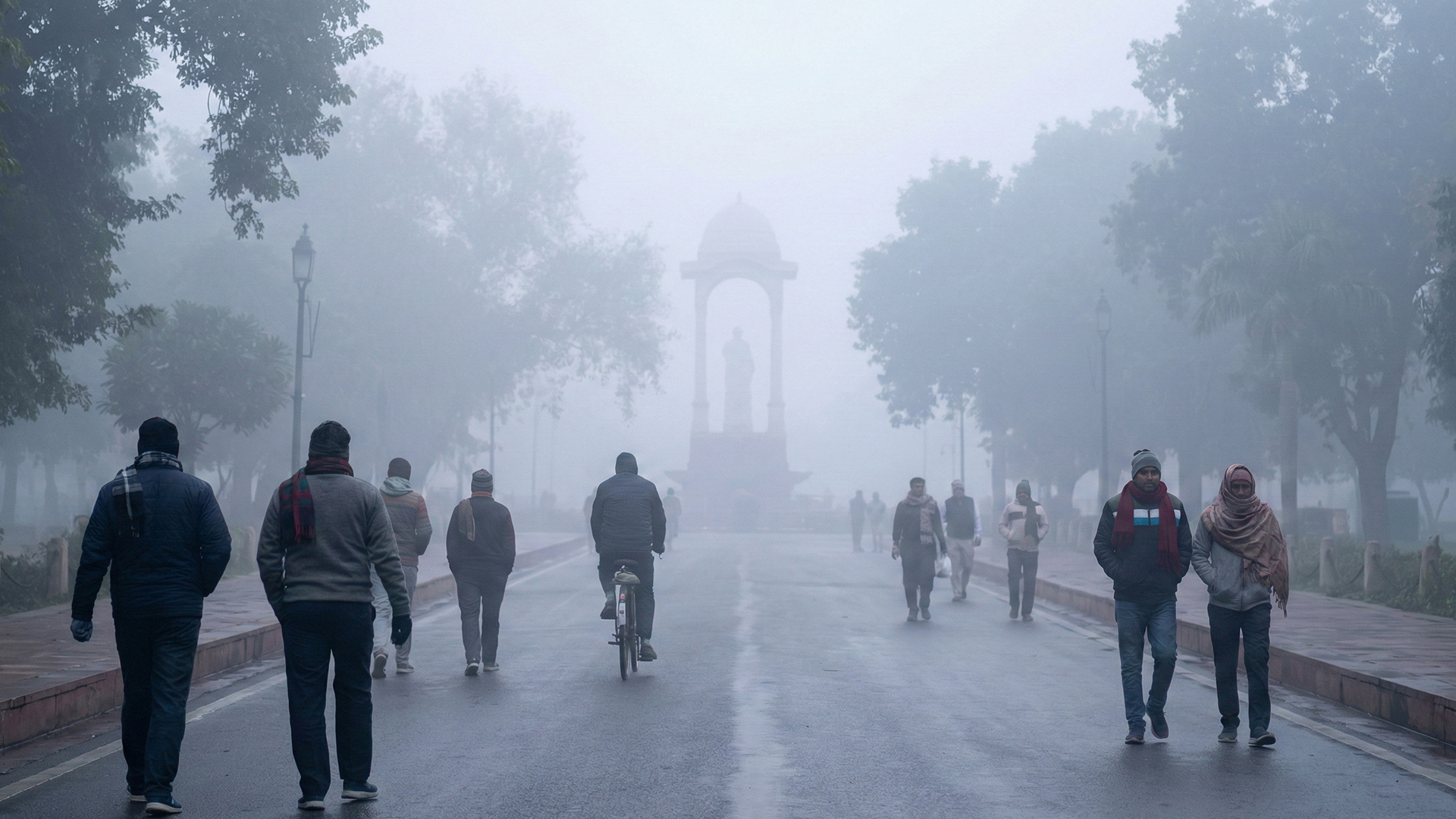
Delhi experienced its coldest morning of the season on Thursday as temperatures plunged sharply across the city, intensifying winter conditions. The Safdarjung Observatory, which provides Delhi’s official weather readings, recorded a minimum temperature of 2.9 degrees Celsius, the lowest this winter and among the coldest January mornings in recent years.

Several other weather stations in the national capital reported even lower readings, highlighting the severity of the cold wave. Palam recorded 2.3°C, its lowest minimum temperature in more than a decade. Ayanagar registered 2.7°C, while Lodhi Road recorded 3.4°C and the Ridge area saw 4.5°C. Most of these readings were significantly below the normal temperature for this time of the year.

According to weather officials, the sharp fall in temperature was caused by clear night skies and cold northerly winds blowing from the Himalayan region. These conditions allowed heat to escape rapidly after sunset, leading to freezing early-morning temperatures. The India Meteorological Department (IMD) said cold wave conditions are likely to persist, especially during night and early morning hours.

Despite the biting cold at dawn, daytime temperatures were relatively milder, with the maximum expected to hover around 21 degrees Celsius. However, experts warned that nights would continue to remain unusually cold over the next few days, and residents should prepare for continued chilly conditions.

The extreme cold was accompanied by very poor air quality, worsening discomfort for Delhiites. The city’s Air Quality Index (AQI) stood at 349, placing it in the “very poor” category. Such pollution levels can cause breathing difficulties, eye irritation, and other health issues, particularly for children, senior citizens, and people with respiratory illnesses.

Dense fog was also reported in parts of the city during the early morning hours, reducing visibility and slowing traffic movement. Authorities advised people to limit outdoor exposure during early hours, wear adequate warm clothing, and take precautions against both cold weather and pollution.

The current cold spell in Delhi is part of a broader pattern affecting large parts of north India, where winter conditions have intensified, disrupting daily life and prompting weather advisories across several states.

Also Read: Iran execution plan triggers global concern

Maharashtra civic polls see intense fight

Voting held after nine years amid shifting alliances and high political stakes, focus on Mumbai

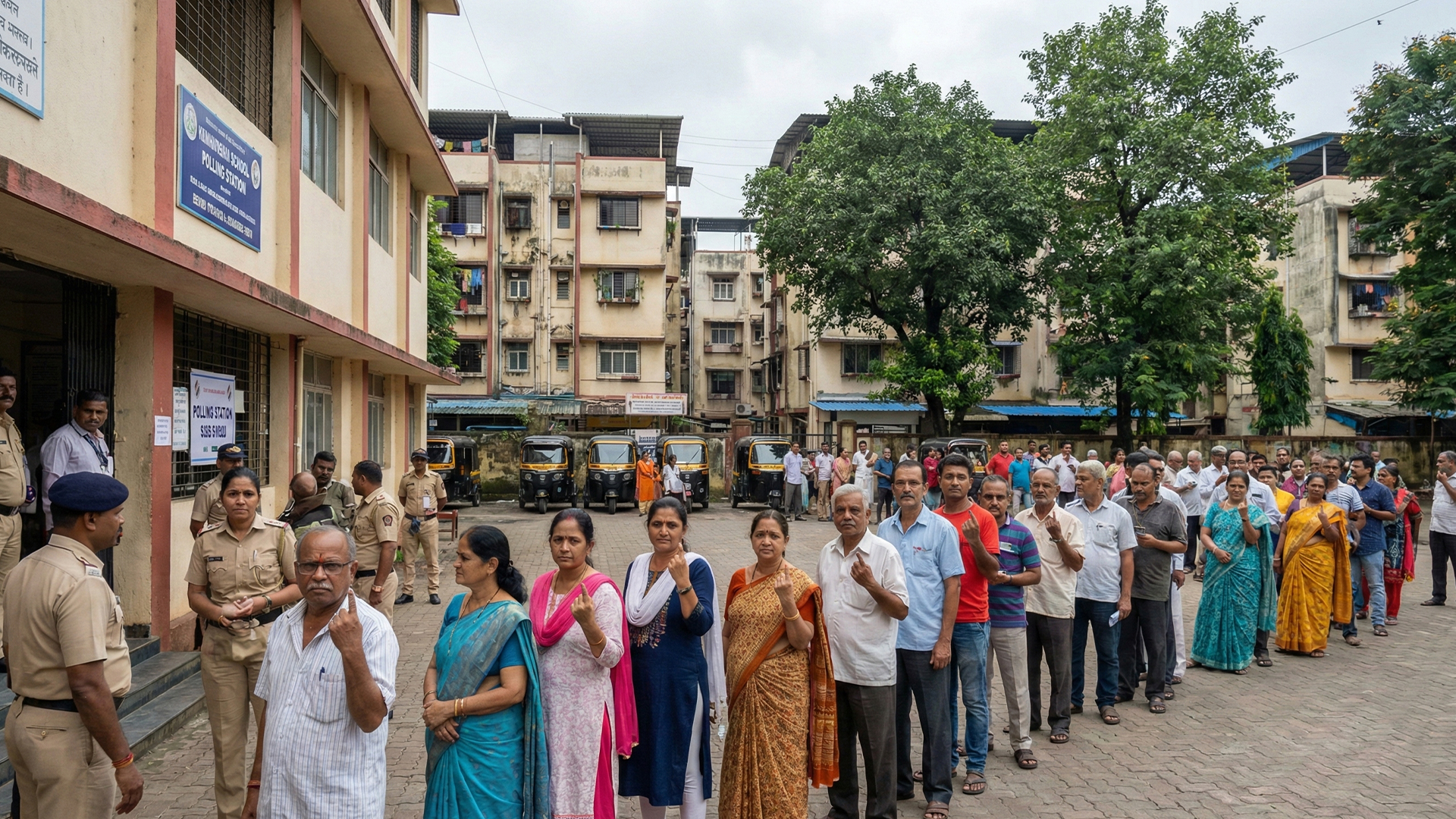
Voting took place across Maharashtra on Wednesday for elections to 29 municipal corporations, marking the first major civic exercise in nearly nine years. The spotlight is firmly on Mumbai, where the Brihanmumbai Municipal Corporation (BMC), the country’s richest civic body, is witnessing a fiercely contested battle involving multiple alliances and changed political equations.

Polling began in the morning under tight security arrangements. In Mumbai alone, thousands of police personnel were deployed to ensure smooth voting. Voters queued up at polling booths across cities including Mumbai, Thane, Pune, Nashik, Navi Mumbai and Nagpur. Counting of votes is scheduled for the following day.

The BMC election, covering 227 wards, is being closely watched as it is seen as a key indicator of political strength in urban Maharashtra. Around 1,700 candidates are in the fray in Mumbai, making it one of the most complex civic contests in recent years.

The political landscape has shifted significantly since the last civic polls. Traditional alliances have broken, and new ones have emerged, often differing from city to city. Parties have adopted flexible strategies, entering into local understandings in some areas while contesting independently in others.

In Mumbai, the contest is largely triangular. The Bharatiya Janata Party is fighting in alliance with the Eknath Shinde-led Shiv Sena and its partners. On the other side, Uddhav Thackeray’s Shiv Sena (UBT) and Raj Thackeray’s Maharashtra Navnirman Sena (MNS) have come together after nearly two decades, aiming to consolidate the Marathi voter base. The Congress, along with allies such as the Vanchit Bahujan Aghadi, is attempting to regain lost ground in the city.

Elsewhere in the state, the picture remains equally complex. In cities like Pune, Nashik and Thane, alliances vary, with factions of the Shiv Sena and Nationalist Congress Party taking different positions depending on local dynamics. These shifting loyalties have made the contests unpredictable and highly competitive.

The civic polls are being seen as more than just local elections. Political observers say the results will provide valuable insights into voter sentiment and party strength ahead of future state and national elections. For now, all eyes remain on Mumbai, where the outcome of the BMC battle is expected to carry significant political weight.

Also Read: Delhi shivers at 2.9°C, coldest morning of season

Parasakthi team joins PM Modi for Pongal festival

Tamil movie cast attends harvest festival event in the capital amid political debate

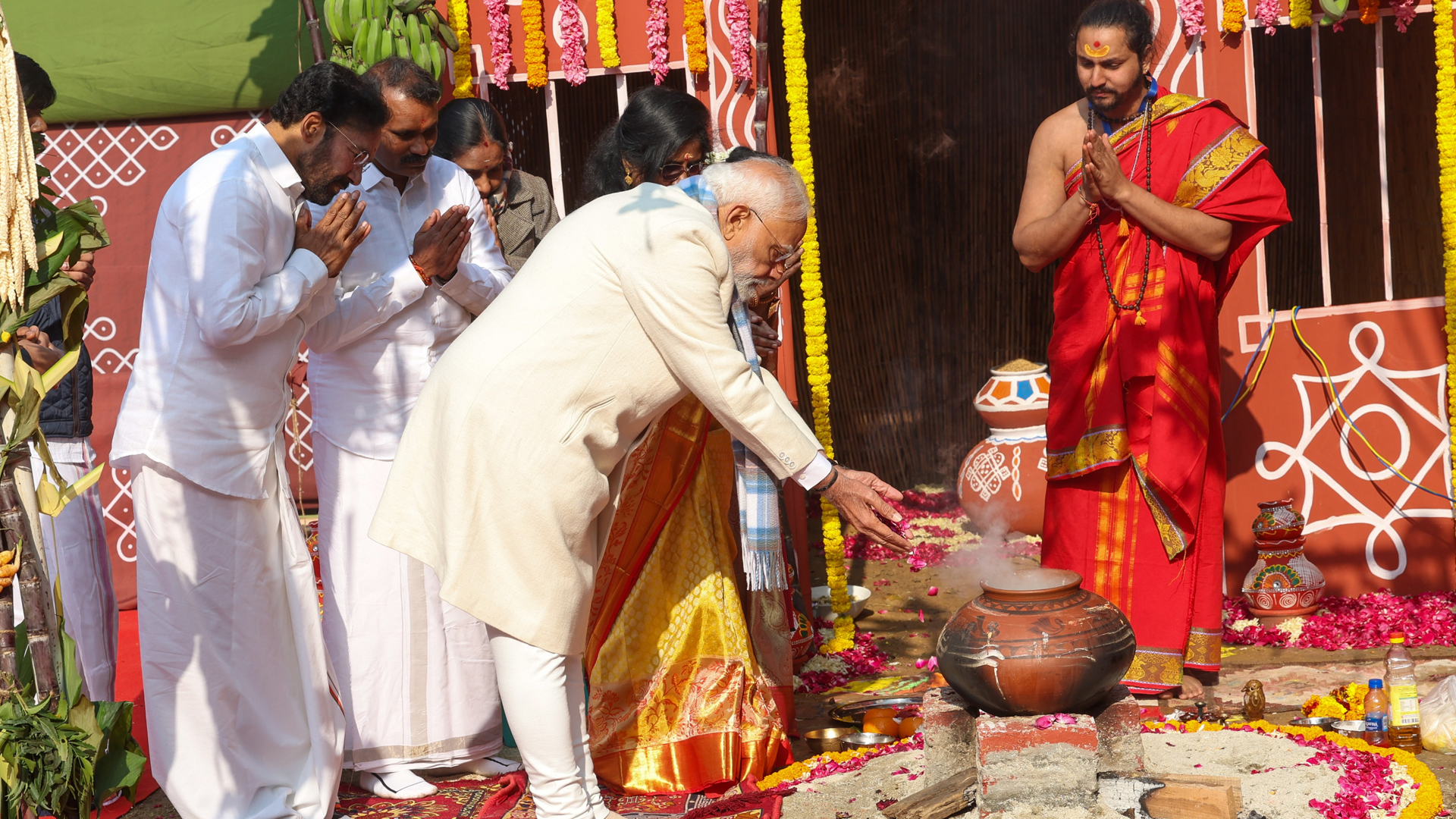
The cast and crew of the Tamil film Parasakthi celebrated the Pongal festival with Prime Minister Narendra Modi in New Delhi, drawing attention from both cultural and political circles. The event was hosted at the residence of Union Minister L. Murugan and was part of the Centre’s Pongal celebrations in the national capital.

Actors Sivakarthikeyan and Ravi Mohan, along with music composer G V Prakash Kumar and other members of the film’s team, attended the gathering. The team interacted with the Prime Minister and took part in traditional Pongal festivities, highlighting Tamil culture and customs.

Speaking to the media, Sivakarthikeyan said it was a proud moment to celebrate Pongal in Delhi and described the experience as special for Tamilians. Ravi Mohan echoed similar views, calling the celebration meaningful and memorable. Composer G V Prakash Kumar also shared photographs from the event on social media and said performing devotional music during the celebration was a unique experience.

Prime Minister Modi, dressed in traditional attire, spoke about the cultural importance of Pongal and described it as a festival that honours farmers, agriculture, and gratitude. He has often referred to Pongal as a festival celebrated by Tamils across the world, reflecting India’s cultural diversity.

However, the event has sparked political discussion in Tamil Nadu. Critics have questioned the timing and visibility of the film team’s participation, while supporters argue that it was a cultural celebration without political intent.

The Parasakthi team maintained that their presence was purely to celebrate the festival and promote Tamil culture on a national platform.

Also Read: Maharashtra civic polls see intense fight

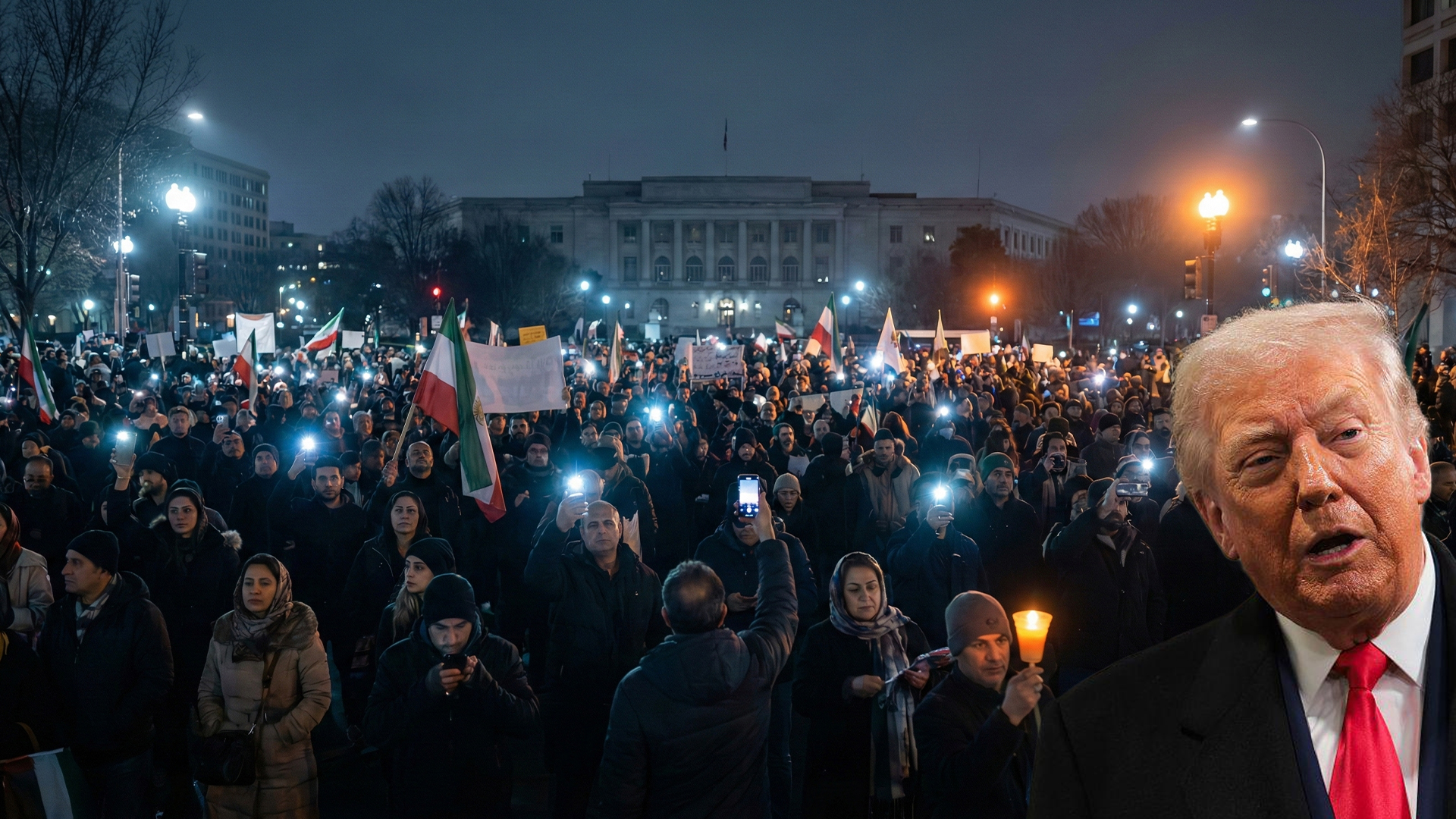
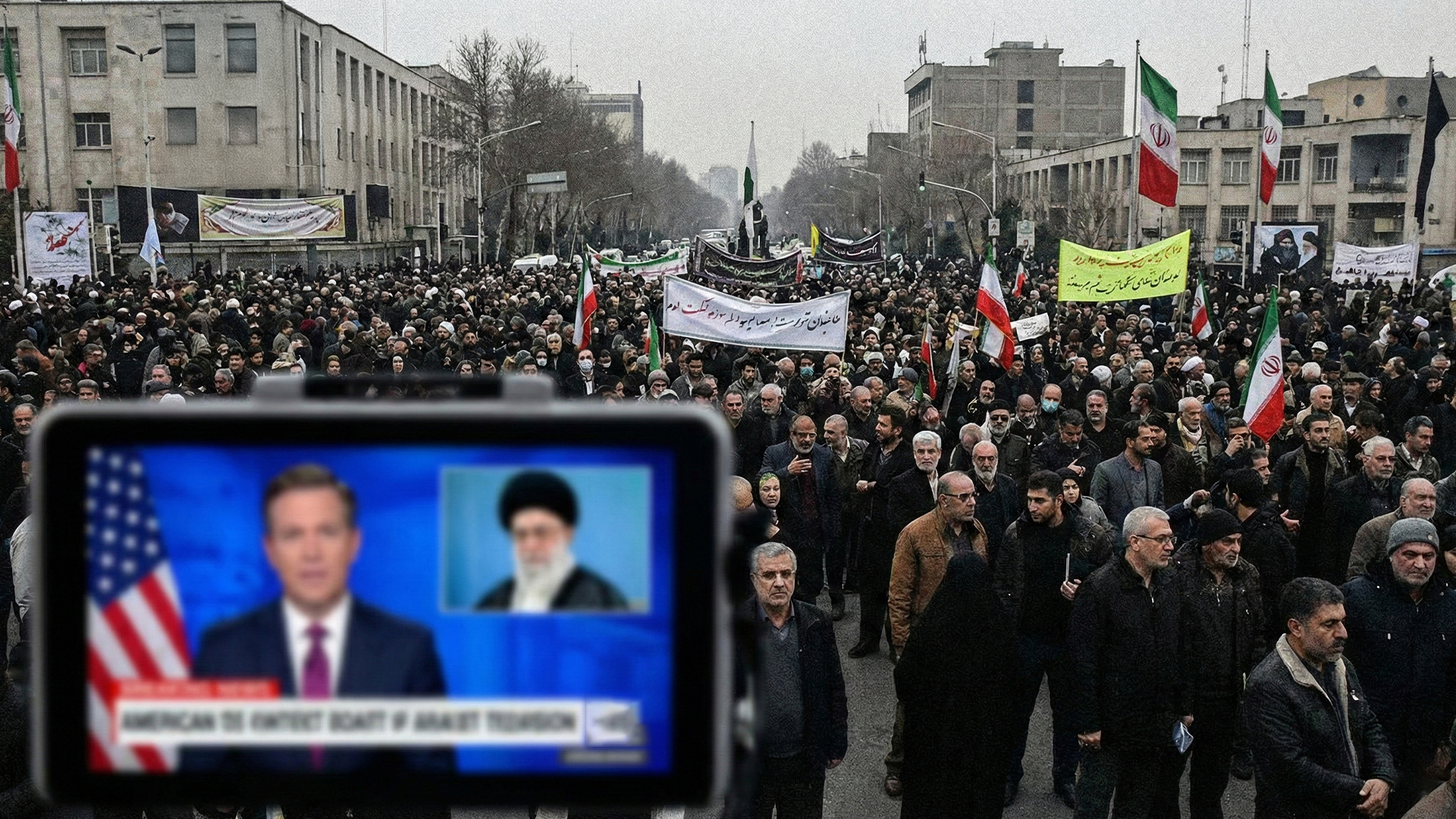
Iran protests intensify amid Trump warnings, crackdown

Tehran warns of retaliation while violence and arrests continue nationwide

Mass protests in Iran have intensified, with security forces cracking down on demonstrators amid public anger over economic hardship and political grievances. The unrest, now in its third week, has left hundreds dead and thousands detained.

President Donald Trump urged Iranians to continue protests, saying “take over your institutions” and promising “help is on the way.” He warned Iranian leaders that those responsible for violent suppression could face consequences and hinted at strong measures, including military options.

Iranian authorities report nearly 2,000 deaths linked to the protests, though activists believe the toll is higher. Internet blackouts and restrictions have limited communication, while government forces continue arrests and dispersals.

Tehran condemned US interference, accusing Washington and Israel of instigating unrest. Officials warned any foreign military action would be met with force and said the country is prepared for all scenarios.

The United Nations and human rights groups have called for restraint and accountability, while Russia and China criticized external interference.

Initially sparked by economic woes such as inflation, currency instability, and unemployment, the protests have evolved into broader challenges to Iran’s leadership. Analysts note that how Tehran responds in the coming days could determine whether unrest escalates further or is contained.

Also Read: Apple rolls out Creator Studio to boost services

Iran execution plan triggers global concern

Execution of Erfan Soltani draws global condemnation

Iran is preparing to execute 26-year-old protester Erfan Soltani, marking what could be the first execution linked to the latest wave of anti-government protests. Soltani was arrested during demonstrations against Supreme Leader Ayatollah Ali Khamenei and has been sentenced to death by hanging. Human rights groups say the case highlights Iran’s harsh response to dissent.

According to activists, Soltani was detained during protests in the city of Karaj. He was accused of serious charges related to acting against the state. Rights organisations allege he did not receive a fair trial, had limited access to a lawyer, and was forced to confess under pressure. Reports also say his family was allowed only a brief final meeting before the execution.

The protests in Iran began months ago and have continued into 2026. They were triggered by growing public anger over political restrictions, economic problems, and lack of freedoms. Demonstrations spread across several cities, drawing young people, women, and workers. Security forces responded with mass arrests and force, leading to hundreds of deaths, according to independent groups.

Iranian authorities say they are acting to protect national security. Officials argue that some protesters were involved in violence and that the courts are following the law. State media has defended the death sentences, warning against what it calls foreign interference in Iran’s internal affairs.

International reaction has been strong. Former US President Donald Trump warned that the United States would take “very strong action” if Iran continues executing protesters. He criticised Tehran’s leadership and called the treatment of demonstrators unacceptable. However, he did not give details about what action the US might take.

Human rights groups, including international watchdogs, have condemned the planned execution. They say the use of the death penalty against protesters will only worsen the crisis and increase anger among the public. Several countries have urged Iran to stop executions and allow peaceful protest.

Despite global pressure, Iran appears determined to move ahead. The case of Erfan Soltani has become a symbol of the wider unrest and the deep divide between the Iranian government and its people. Observers warn that executing protesters could further escalate tensions inside the country and isolate Iran internationally.

Also Read: Jaishankar, Rubio discuss trade and defence

Jaishankar, Rubio discuss trade and defence

India and US hold talks on commerce, energy, and strategic ties

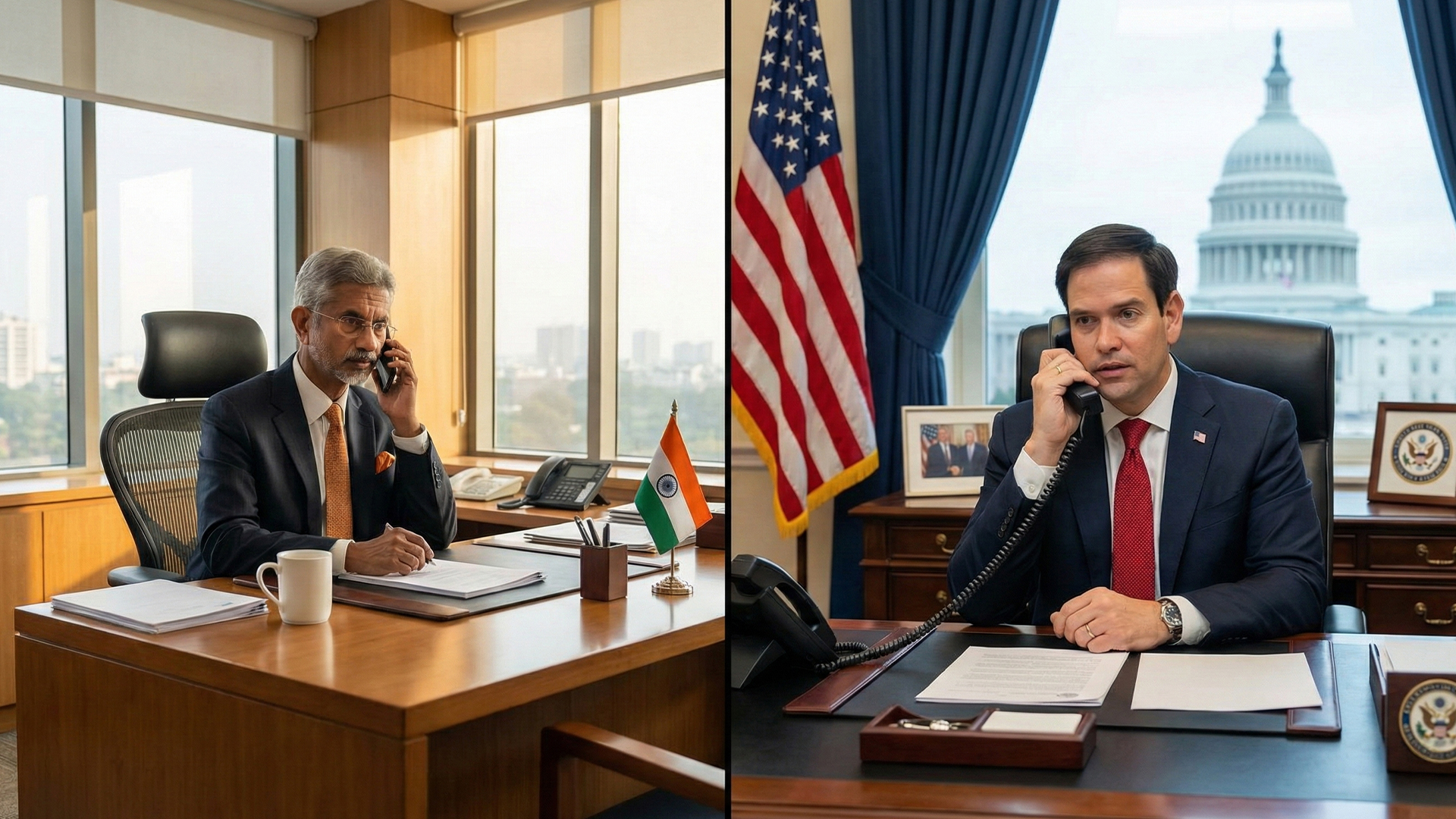
External Affairs Minister S. Jaishankar and US Secretary of State Marco Rubio held a comprehensive phone conversation on Tuesday, focusing on trade, energy, defence, and strategic cooperation between the two countries. The call comes amid ongoing challenges in India‑US trade negotiations, including unresolved tariff issues that have affected bilateral commerce.

Jaishankar described the discussion as “a good conversation” and highlighted that both sides agreed to stay in touch on trade, defence, and other key matters. Rubio echoed the sentiment, stressing the importance of continued engagement to advance mutual interests.

Trade has been a central theme in India‑US relations in recent years. Talks on a bilateral trade agreement have been underway for over a year, aimed at reducing tariffs and expanding commerce. However, these negotiations have yet to produce a final deal, and US tariffs on Indian goods — particularly in energy imports — have added pressure to the relationship. The phone call indicates both sides are keen to revive dialogue and move towards concrete outcomes.

Beyond trade, the ministers discussed cooperation in critical minerals and nuclear energy, areas that are strategic for both nations. Rubio reportedly congratulated India on its recent nuclear energy legislation and expressed interest in expanding civil nuclear collaboration. Such cooperation is expected to support energy security and create opportunities for US companies in India’s growing energy sector.

Defence cooperation also featured prominently. Both countries underscored the importance of maintaining a free and open Indo‑Pacific region and discussed ways to strengthen security partnerships. Energy security and strategic minerals were also highlighted as areas where collaboration can benefit both nations.

The call comes shortly after the US indicated renewed efforts to engage with India at multiple levels, including a follow-up trade discussion between officials. Analysts see this as a sign of rebuilding momentum in India‑US relations, balancing economic challenges with strategic and security priorities.

Also Read: Top tech institutes to get national accreditation