
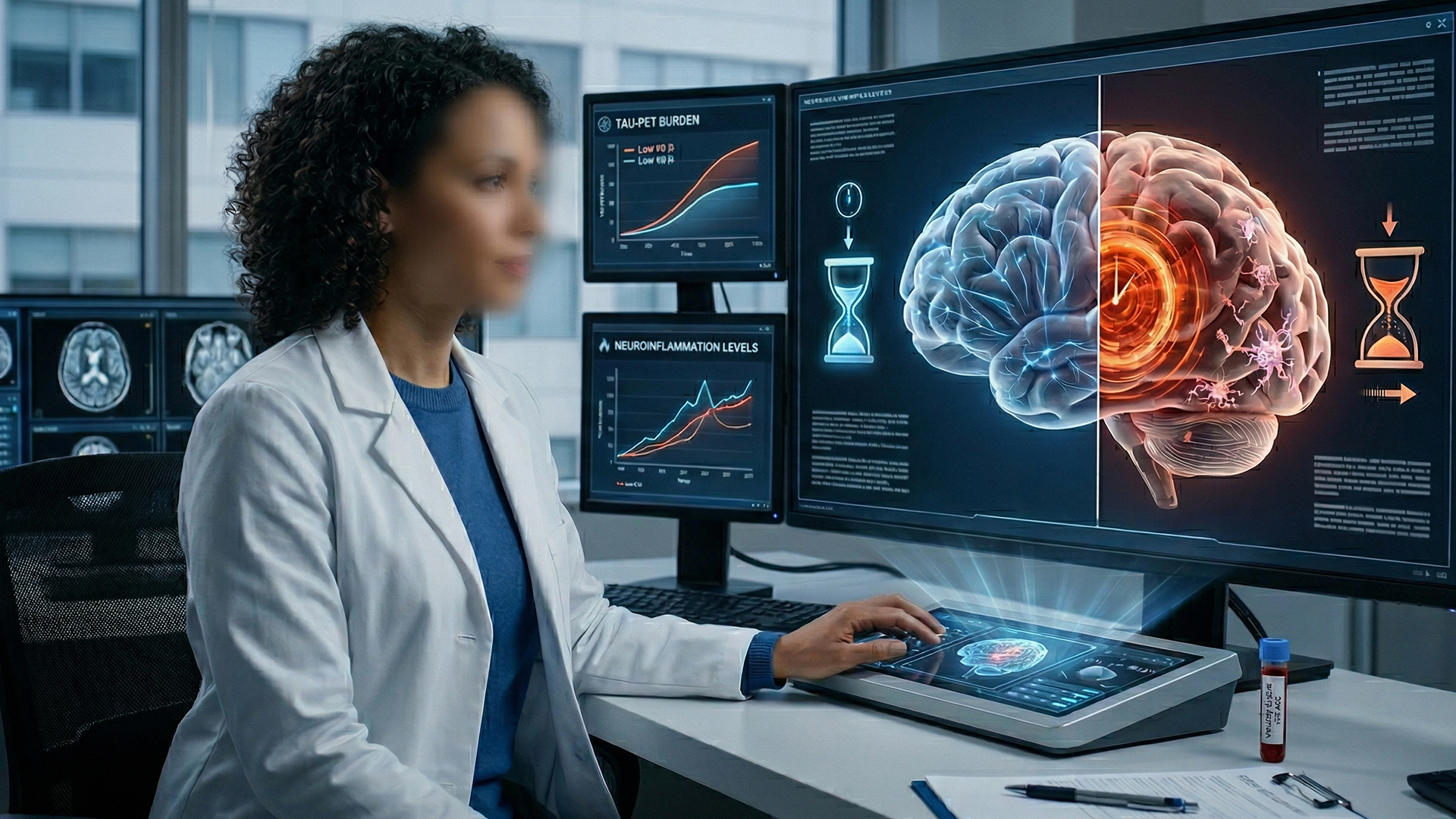
Low Vitamin D may age your brain faster
Even in sun-soaked India, many adults are quietly struggling with vitamin D deficiency, a condition that could affect…
Even in sun-soaked India, many adults are quietly struggling with vitamin D deficiency, a condition that could affect…

Jasveen Sangha, known as the “Ketamine Queen,” was sentenced to 15 years in federal prison for selling ketamine…
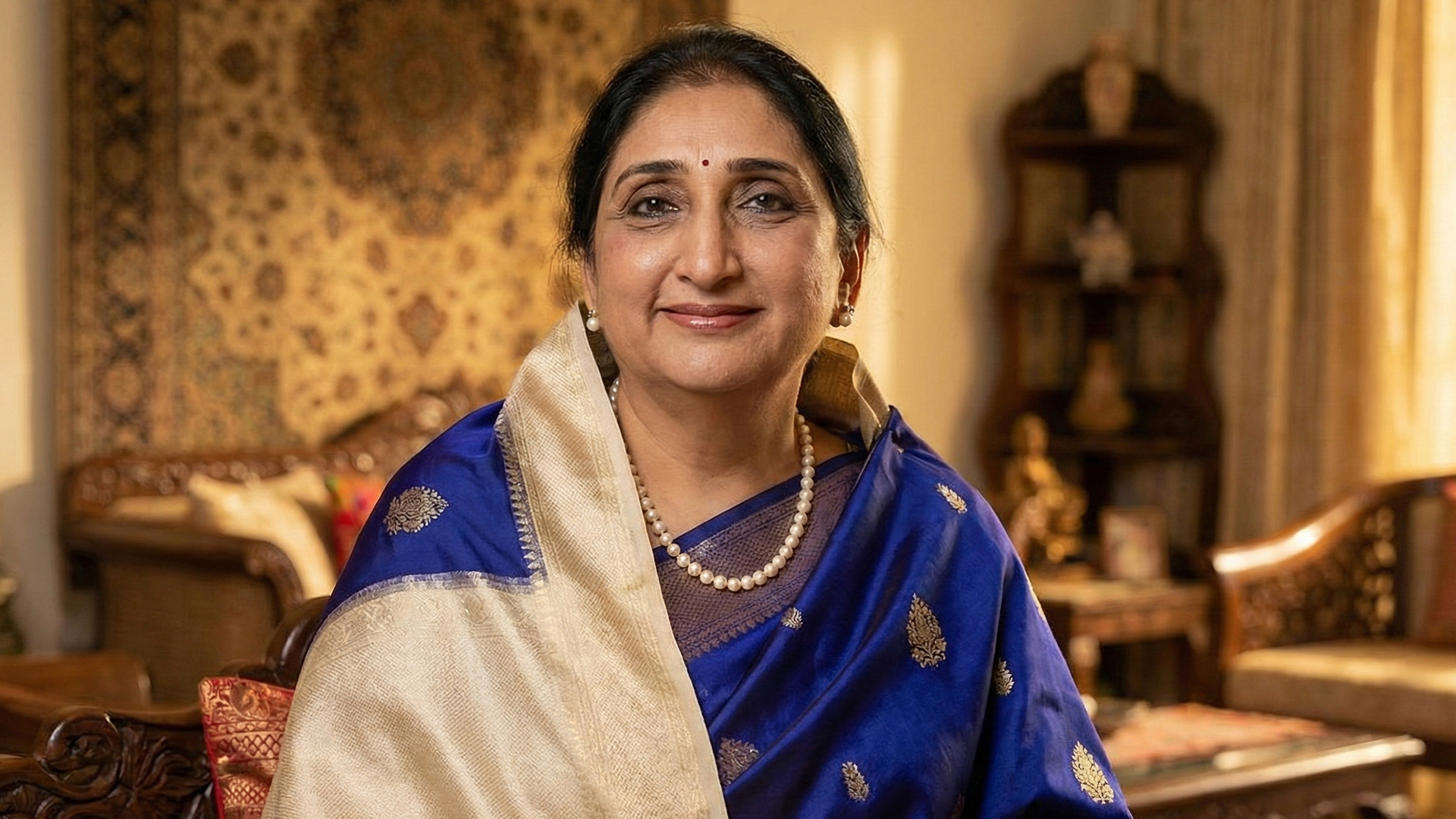
Sunetra Pawar, Deputy Chief Minister of Maharashtra and a leader of the Nationalist Congress Party (Sharad Pawar faction),…
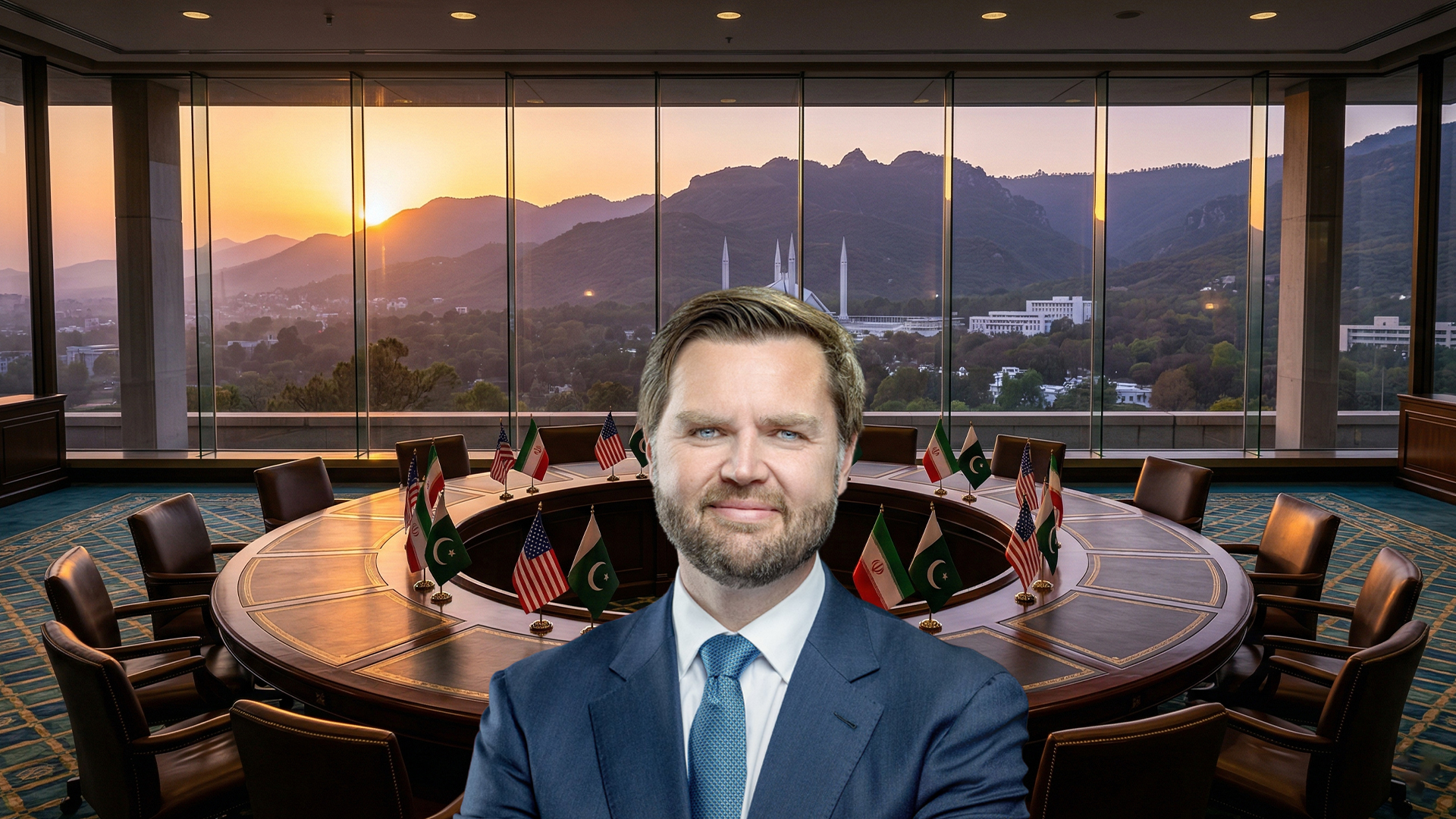
US Vice President JD Vance will lead a high-level delegation to Islamabad on Saturday to hold peace talks…
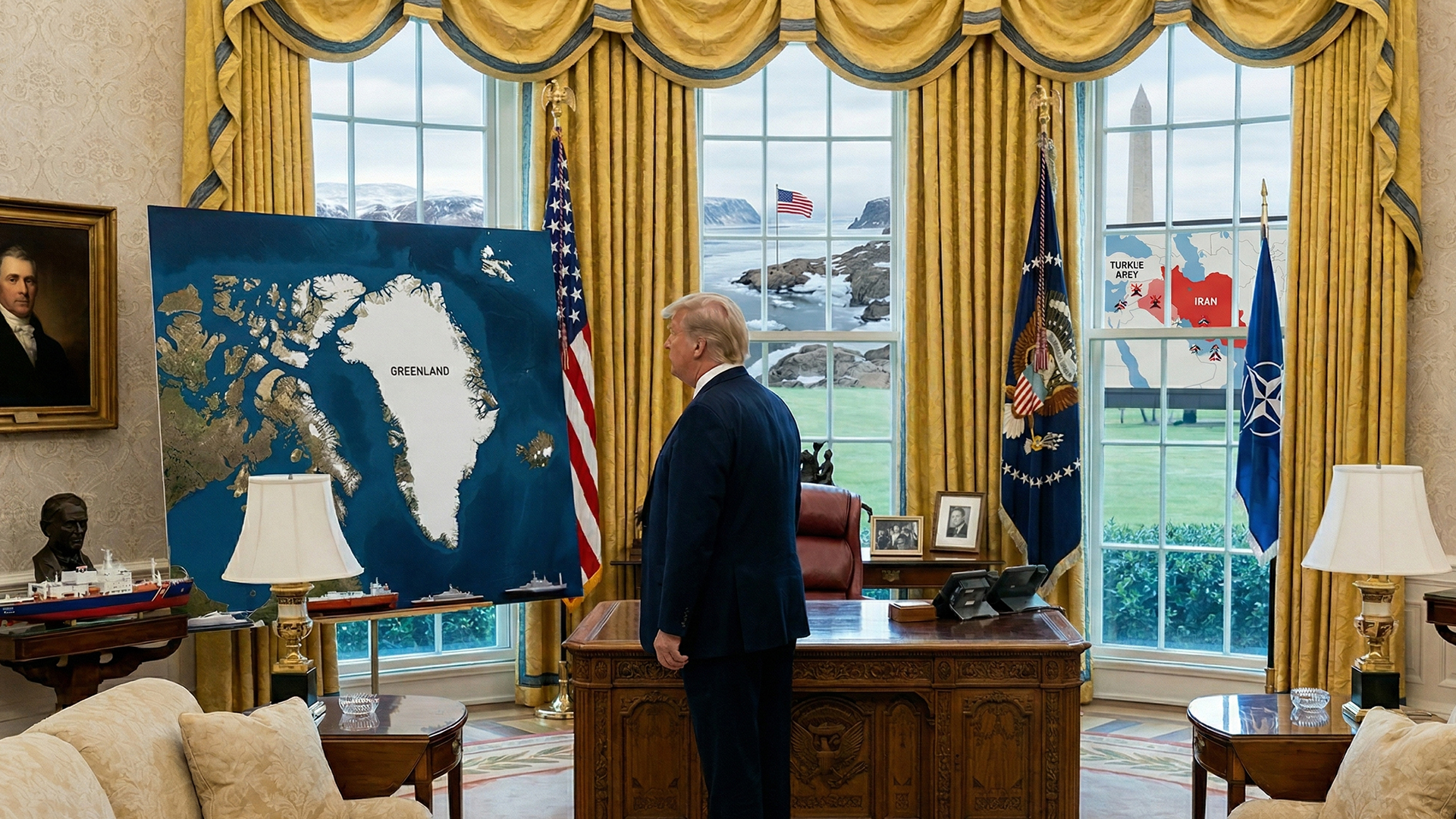
US President Donald Trump has publicly criticised NATO, accusing some member countries of failing to support the United…

India has reached a major milestone in its nuclear energy journey. The Prototype Fast Breeder Reactor (PFBR) at…
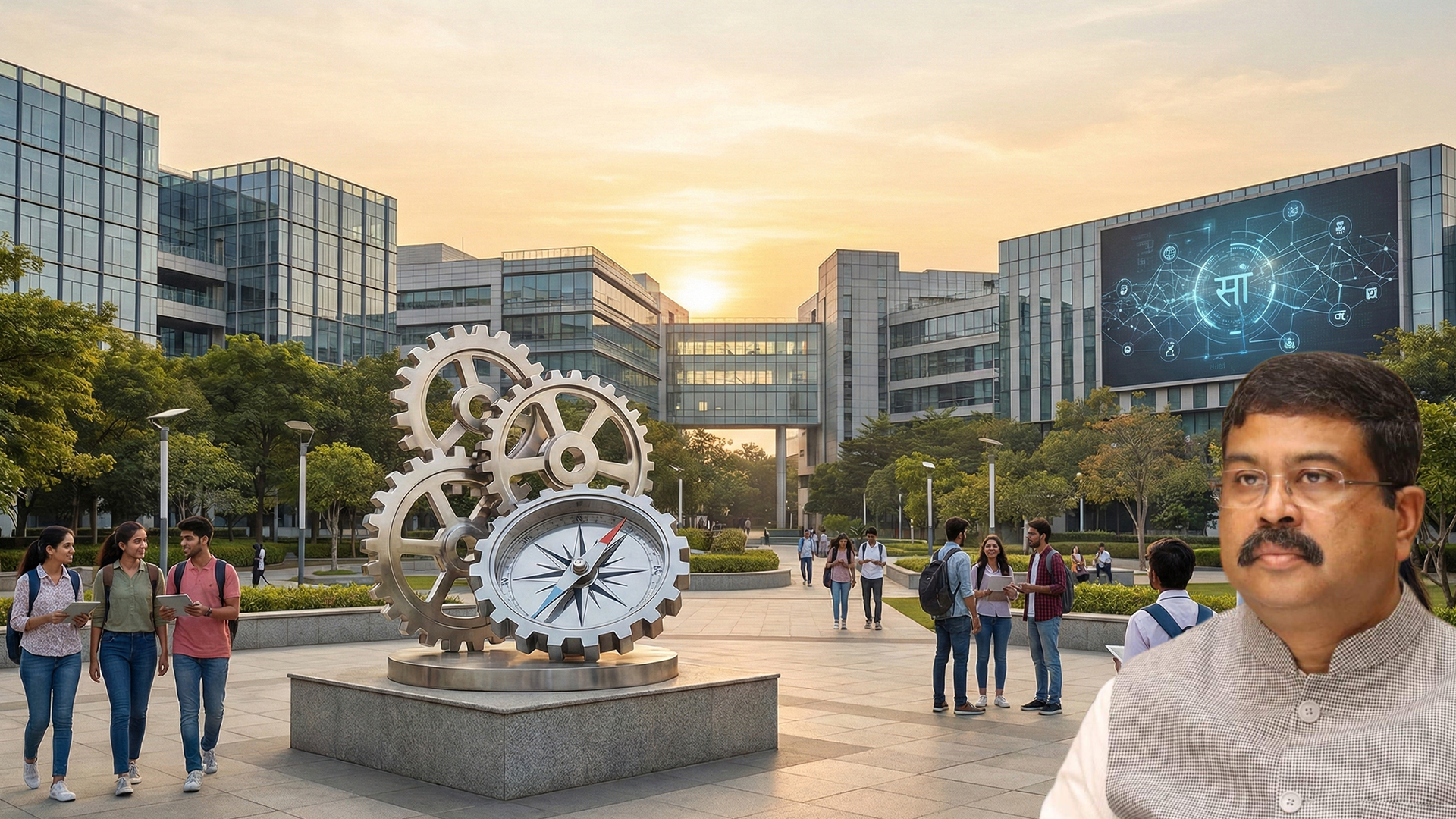
Union Education Minister Dharmendra Pradhan has called for India’s leading technical institutes, including NITs, IISERs, and IIESTs, to come under a national accreditation framework. The move is aimed at ensuring high standards of teaching, research, and innovation, while making these institutes more accountable and globally competitive.
The Minister emphasised that accreditation will help assess and improve the quality of academic programmes, governance, and research output. Officials said most NITs and IISERs have agreed to actively participate in the framework, marking a significant step towards structured quality benchmarks across India’s premier technical campuses.
Alongside accreditation, Pradhan proposed comprehensive Ph.D. reforms. The focus is on making doctoral programmes more industry-oriented and aligned with emerging global technology areas such as artificial intelligence, quantum computing, cybersecurity, semiconductors, and green energy solutions. Flexible research pathways, internships, and stronger collaboration with industry are expected to make Ph.D. research more practical and impactful.
The Minister also urged the creation of industry-led curriculum committees to update courses to match modern workforce requirements. Institutes are being encouraged to introduce specialised postgraduate programmes, expand research parks and incubation centres, and support startups and entrepreneurship. Seven IISERs will additionally focus on campus-specific specialisations, establishing Centres of Excellence and Section 8 companies to boost innovation ecosystems.
According to the Ministry, these reforms aim to enhance employability, strengthen innovation, and improve India’s global ranking in technical education and research. The initiatives also reflect a broader vision to align higher education with national priorities and emerging technology needs, ensuring students and researchers are better prepared for 21st-century challenges.
By combining quality accreditation, industry-focused Ph.D. reforms, and modernised curricula, the Ministry hopes to transform India’s top technical institutes into globally competitive centres of research and innovation, while fostering a closer connection between academic knowledge and real-world industry demands.
Also Read: India reveals BRICS 2026 logo
Even in sun-soaked India, many adults are quietly struggling with vitamin D deficiency, a condition that could affect…
Jasveen Sangha, known as the “Ketamine Queen,” was sentenced to 15 years in federal prison for selling ketamine…
Sunetra Pawar, Deputy Chief Minister of Maharashtra and a leader of the Nationalist Congress Party (Sharad Pawar faction),…
US Vice President JD Vance will lead a high-level delegation to Islamabad on Saturday to hold peace talks…
US President Donald Trump has publicly criticised NATO, accusing some member countries of failing to support the United…
India has reached a major milestone in its nuclear energy journey. The Prototype Fast Breeder Reactor (PFBR) at…
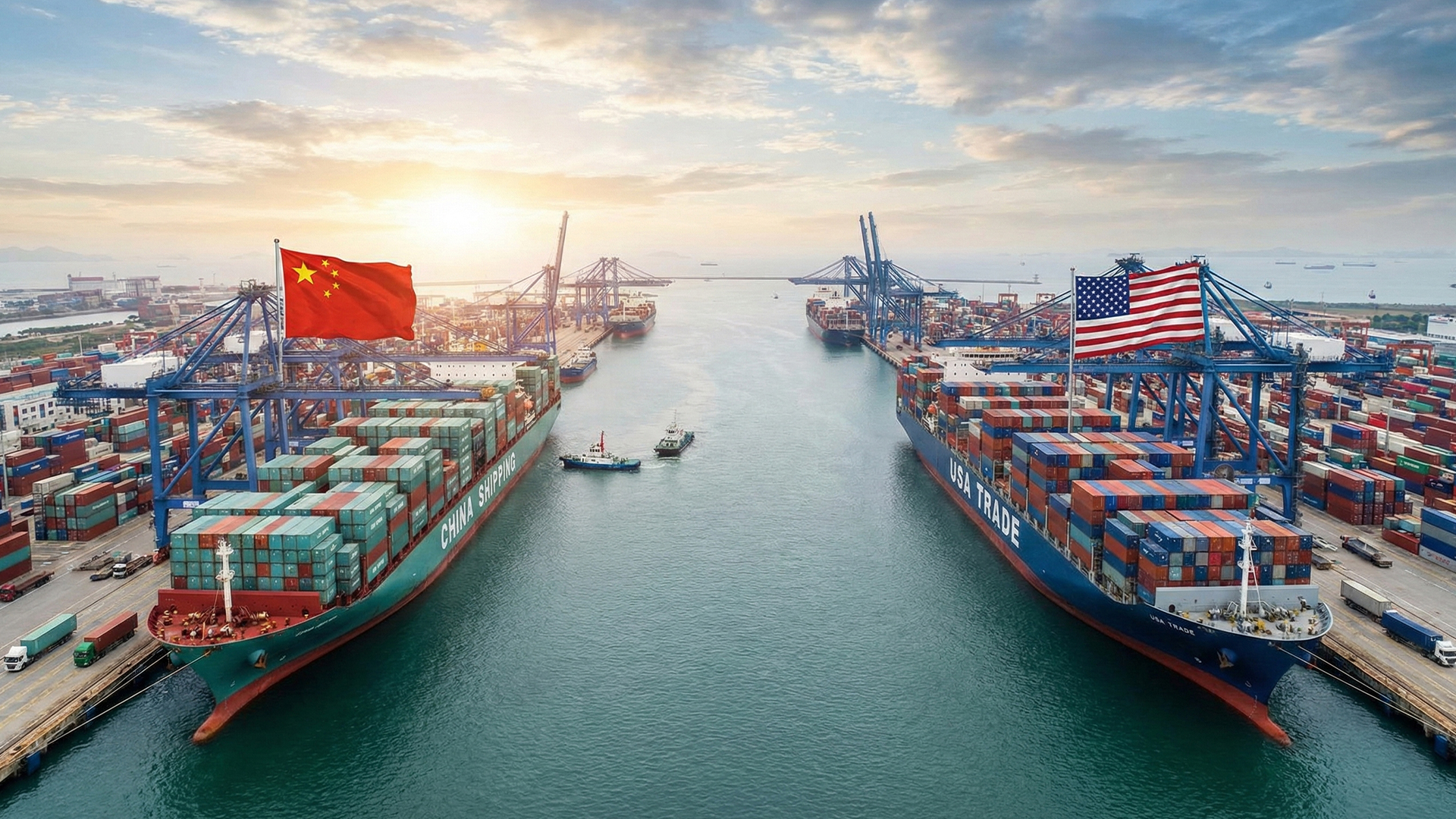
China reported a record trade surplus of nearly $1.2 trillion in 2025, supported by steady export growth and weak imports, even as trade tensions with the United States continued. The data was released on January 14 and highlights China’s ability to adapt to changing global trade conditions.
During 2025, China’s exports rose about 5.5 percent, reaching nearly $3.77 trillion. In contrast, imports remained almost unchanged at around $2.58 trillion. This wide gap between exports and imports resulted in the largest trade surplus China has ever recorded, much higher than the $992 billion surplus in 2024.
December figures showed strong momentum. Exports increased 6.6 percent year-on-year, beating market expectations and marking the strongest growth in several months. Imports also grew by 5.7 percent, showing continued demand for overseas goods, including raw materials and components.
A key reason for the strong performance was China’s shift towards new export markets. While exports to the United States fell by about 20 percent due to higher tariffs, shipments to other regions increased sharply. Exports to Africa jumped 26 percent, while sales to Southeast Asia, the European Union and Latin America also posted solid growth.
Economists say global demand for Chinese products such as electronics, machinery and automobiles remained strong. Exporters also worked actively to reduce their dependence on the U.S. market by expanding into emerging economies. Analysts expect exports to remain an important support for China’s economy in 2026.
However, concerns persist at home. Domestic consumption remains weak, and the property sector continues to struggle. International agencies have advised China to focus more on boosting household spending to balance growth.
Financial markets reacted positively to the trade data, but experts warned that future tariff actions and geopolitical risks could affect exports. Despite these challenges, China’s 2025 trade performance shows resilience and strong global competitiveness.
Also Read: Top tech institutes to get national accreditation
Even in sun-soaked India, many adults are quietly struggling with vitamin D deficiency, a condition that could affect…
Jasveen Sangha, known as the “Ketamine Queen,” was sentenced to 15 years in federal prison for selling ketamine…
Sunetra Pawar, Deputy Chief Minister of Maharashtra and a leader of the Nationalist Congress Party (Sharad Pawar faction),…
US Vice President JD Vance will lead a high-level delegation to Islamabad on Saturday to hold peace talks…
US President Donald Trump has publicly criticised NATO, accusing some member countries of failing to support the United…
India has reached a major milestone in its nuclear energy journey. The Prototype Fast Breeder Reactor (PFBR) at…
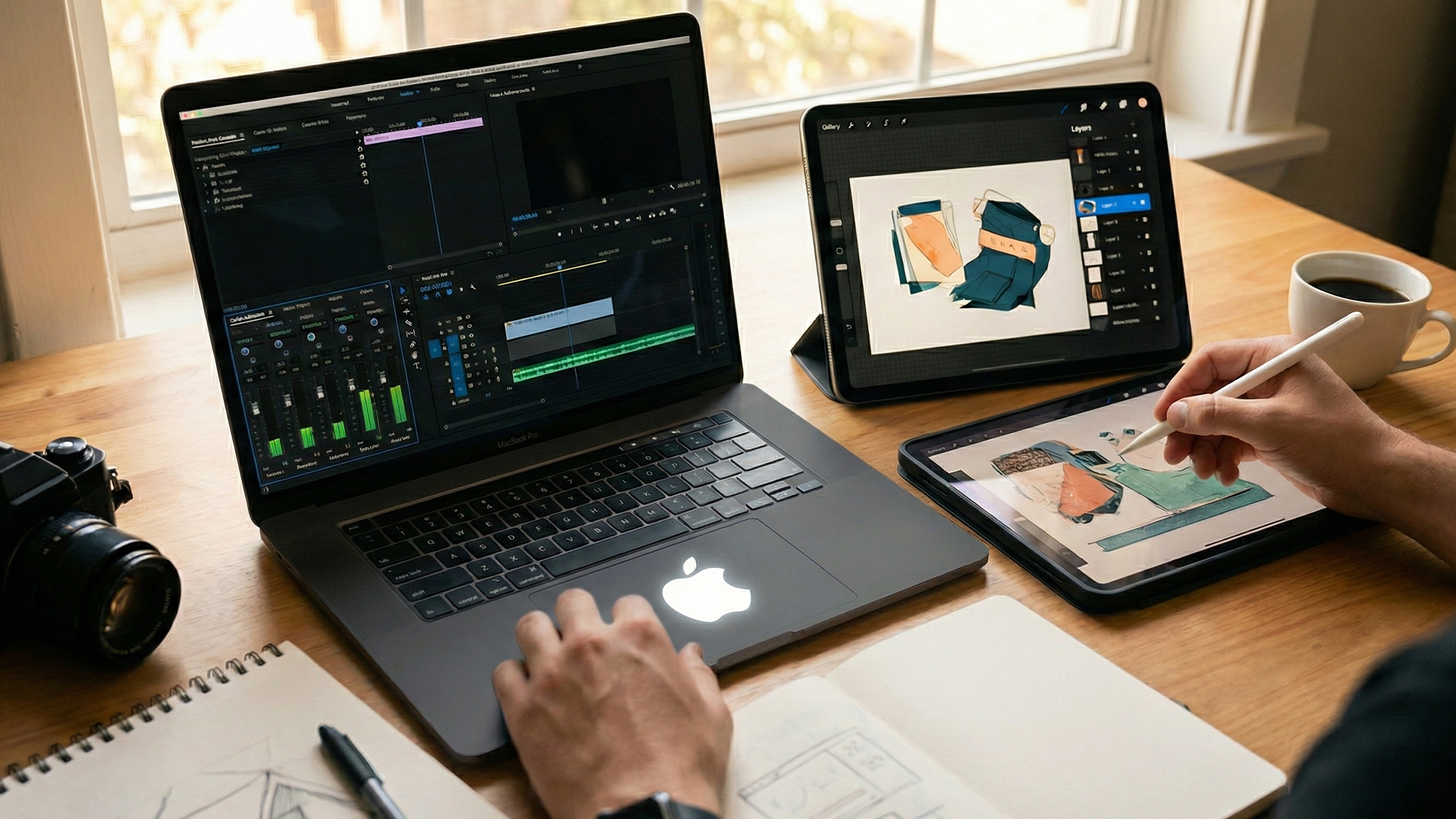
Apple has launched Creator Studio, a new subscription service that brings together its professional creative software in one package. The move is part of Apple’s broader effort to grow its services business, as sales of devices such as iPhones and iPads slow in key markets.
Creator Studio will be available from January 28, 2026, through the App Store. It is priced at $12.99 a month or $129 a year, with a lower-priced plan for students and educators. The subscription is designed for video editors, musicians, designers, students and independent creators who already use Apple devices.
The new service bundles some of Apple’s most popular creative tools, including Final Cut Pro for video editing, Logic Pro for music production and Pixelmator Pro for image editing. On Mac, users will also get access to Motion, Compressor and MainStage, while iPad users will benefit from apps optimised for touch and Apple Pencil.
A major highlight of Creator Studio is the addition of artificial intelligence (AI) features. In Final Cut Pro, creators can use transcript-based search to quickly find spoken words in videos, along with visual search and automatic beat detection to match edits with music. Logic Pro introduces new AI tools that help identify chords and create sounds more easily, making music production faster for beginners and professionals alike.
Apple is also adding advanced AI tools to productivity apps such as Keynote, Pages and Numbers, and plans to roll out new features for its collaboration app Freeform later this year. Some of these premium AI features will be available only to Creator Studio subscribers.
While users can still buy Apple’s creative apps as one-time purchases, the company is encouraging subscriptions by offering exclusive tools and content through Creator Studio. The move puts Apple in closer competition with services like Adobe Creative Cloud, while strengthening its push toward recurring software revenue.
Also Read: China’s trade surplus soars to $1.2 trillion in 2025
Even in sun-soaked India, many adults are quietly struggling with vitamin D deficiency, a condition that could affect…
Jasveen Sangha, known as the “Ketamine Queen,” was sentenced to 15 years in federal prison for selling ketamine…
Sunetra Pawar, Deputy Chief Minister of Maharashtra and a leader of the Nationalist Congress Party (Sharad Pawar faction),…
US Vice President JD Vance will lead a high-level delegation to Islamabad on Saturday to hold peace talks…
US President Donald Trump has publicly criticised NATO, accusing some member countries of failing to support the United…
India has reached a major milestone in its nuclear energy journey. The Prototype Fast Breeder Reactor (PFBR) at…

India has unveiled the official logo, theme, and website for its BRICS 2026 chairship, marking the start of its leadership of the five-nation forum. The launch event took place in New Delhi on January 13, with External Affairs Minister S. Jaishankar presiding.
The logo features a lotus, India’s national flower, at its center, symbolizing growth, harmony, and cultural heritage. The Namaste gesture at the heart of the design represents respect and collaboration among BRICS members. The petals incorporate the colors of all member nations, reflecting unity in diversity.
Accompanying the logo is the theme: “Building for Resilience, Innovation, Cooperation and Sustainability.” This embodies a people-centric, humanity-first approach, emphasizing inclusive development, innovation, and global cooperation as key priorities for India’s chairship.
The official BRICS India 2026 website has also been launched as a central platform for information on meetings, initiatives, and events under India’s leadership. It aims to provide transparency, accessibility, and engagement for both stakeholders and the public.
Speaking at the launch, Minister Jaishankar highlighted India’s goal of leveraging its presidency to strengthen collaboration among emerging and developing economies. He stressed that BRICS, now approaching its 20th anniversary in 2026, remains a vital forum for addressing global challenges in trade, technology, climate action, and sustainable development.
The logo and theme combine India’s cultural symbols with modern messaging, signaling a forward-looking vision that balances tradition with global priorities. According to officials, the lotus design and Namaste gesture reflect India’s intent to promote dialogue, cooperation, and shared progress across the BRICS nations.
The launch sets the tone for India’s year-long leadership, projecting a resilient, innovative, and people-first BRICS, while reinforcing the forum’s role in fostering sustainable and inclusive global development.
Even in sun-soaked India, many adults are quietly struggling with vitamin D deficiency, a condition that could affect…
Jasveen Sangha, known as the “Ketamine Queen,” was sentenced to 15 years in federal prison for selling ketamine…
Sunetra Pawar, Deputy Chief Minister of Maharashtra and a leader of the Nationalist Congress Party (Sharad Pawar faction),…
US Vice President JD Vance will lead a high-level delegation to Islamabad on Saturday to hold peace talks…
US President Donald Trump has publicly criticised NATO, accusing some member countries of failing to support the United…
India has reached a major milestone in its nuclear energy journey. The Prototype Fast Breeder Reactor (PFBR) at…
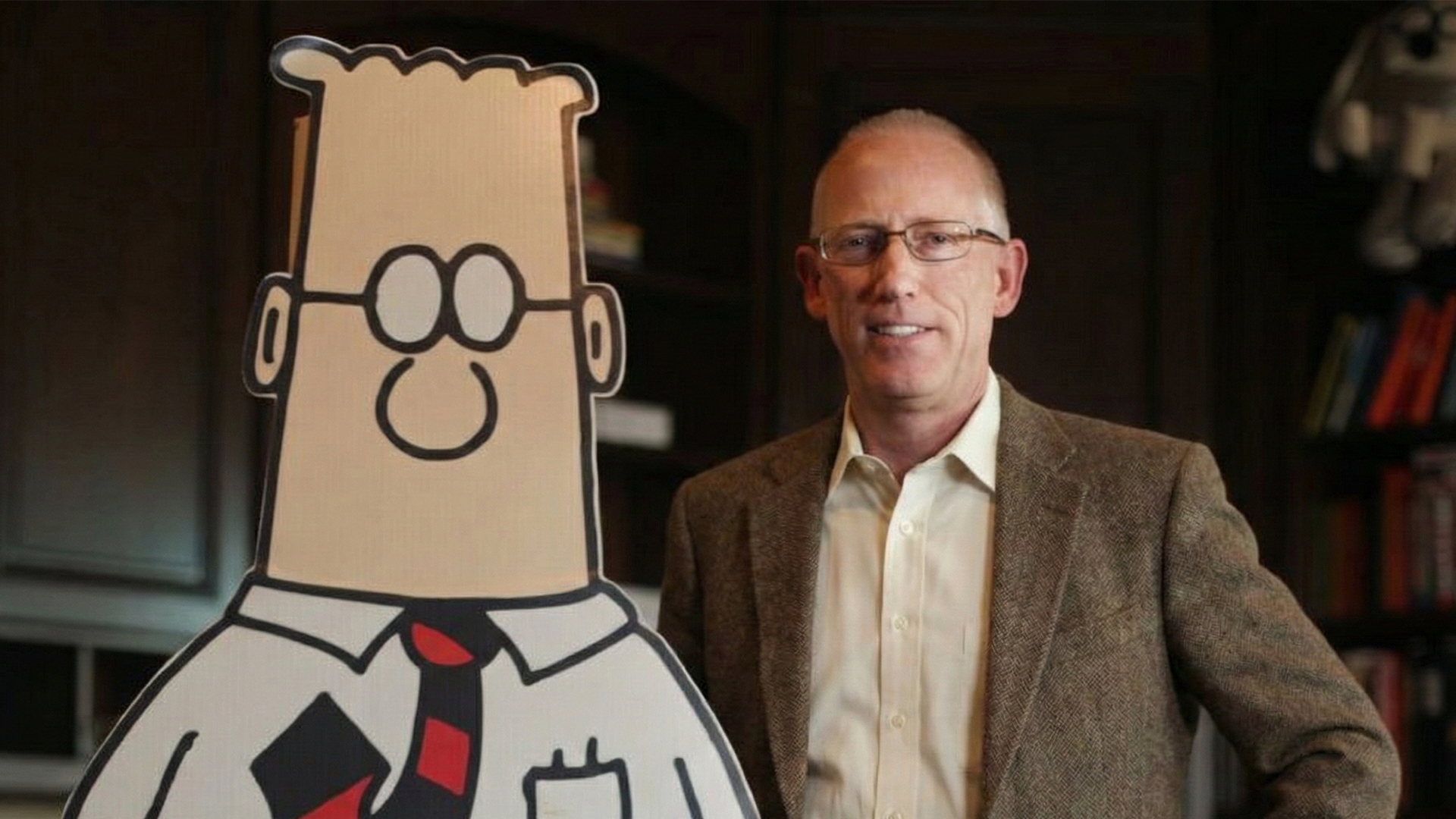
Scott Adams, the American cartoonist best known for creating the iconic comic strip Dilbert, has died at the age of 68 after a prolonged battle with metastatic prostate cancer. His death was announced on January 13, 2026, by his former wife, Shelly Miles, who also shared a final message written by Adams shortly before his passing.
Born on June 8, 1957, in Windham, New York, Adams built a career that resonated deeply with office workers across the world. He launched Dilbert in 1989, drawing on his own experiences in corporate America. The strip, centred on an engineer navigating incompetent management and workplace absurdities, quickly struck a chord. Its sharp humour and relatable themes turned Dilbert into one of the most widely syndicated comic strips of its time, appearing in thousands of newspapers across more than 70 countries.
Beyond newspapers, Dilbert expanded into bestselling book collections, calendars, merchandise and an animated television series, cementing Adams’s reputation as a keen observer of modern office life. For many readers, the strip became a daily reflection of the frustrations and ironies of white-collar work.
In later years, Adams’s public image became increasingly polarising. In 2023, he made controversial remarks during an online livestream that were widely criticised as racist. The comments led many newspapers and publishers to drop Dilbert, significantly reducing its presence in mainstream media. Adams defended his statements, but the episode marked a turning point in how his career and legacy were viewed.
In 2025, Adams revealed that he was suffering from aggressive prostate cancer that had spread to his bones. He spoke openly about his diagnosis and prognosis, continuing to communicate with followers through online platforms despite declining health.
In a final message shared after his death, Adams reflected on his life and encouraged others to focus on being useful, learning continuously and helping those around them. He expressed gratitude to his readers and supporters who had followed his work for decades.
Scott Adams is remembered for reshaping workplace humour and capturing the everyday realities of corporate life with wit and clarity. While debates over his personal views continue, Dilbert remains a defining work in the history of modern comic strips.
Also Read: 5 J&K govt. staff sacked over terror links
Even in sun-soaked India, many adults are quietly struggling with vitamin D deficiency, a condition that could affect…
Jasveen Sangha, known as the “Ketamine Queen,” was sentenced to 15 years in federal prison for selling ketamine…
Sunetra Pawar, Deputy Chief Minister of Maharashtra and a leader of the Nationalist Congress Party (Sharad Pawar faction),…
US Vice President JD Vance will lead a high-level delegation to Islamabad on Saturday to hold peace talks…
US President Donald Trump has publicly criticised NATO, accusing some member countries of failing to support the United…
India has reached a major milestone in its nuclear energy journey. The Prototype Fast Breeder Reactor (PFBR) at…

Even in sun-soaked India, many adults are quietly struggling with vitamin D deficiency, a condition that could affect…
Jasveen Sangha, known as the “Ketamine Queen,” was sentenced to 15 years in federal prison for selling ketamine…
Sunetra Pawar, Deputy Chief Minister of Maharashtra and a leader of the Nationalist Congress Party (Sharad Pawar faction),…
US Vice President JD Vance will lead a high-level delegation to Islamabad on Saturday to hold peace talks…
US President Donald Trump has publicly criticised NATO, accusing some member countries of failing to support the United…
India has reached a major milestone in its nuclear energy journey. The Prototype Fast Breeder Reactor (PFBR) at…

The 83rd Golden Globe Awards took place on January 11, 2026, at The Beverly Hilton in Beverly Hills, kicking off Hollywood’s awards season. Comedian Nikki Glaser hosted for the second consecutive year, bringing humor and energy to the night that honored excellence in film, television, and new media.
In films, Paul Thomas Anderson’s One Battle After Another dominated, winning four awards. The film took Best Motion Picture – Musical or Comedy, with Anderson winning Best Director and Best Screenplay, while Teyana Taylor earned Best Supporting Actress.
Chloe Zhao’s Hamnet won Best Motion Picture – Drama, and Jessie Buckley was named Best Actress – Drama. Other notable acting awards included Timothée Chalamet for Best Actor – Musical or Comedy (Marty Supreme), Wagner Moura for Best Actor – Drama (The Secret Agent), Rose Byrne for Best Actress – Musical or Comedy, and Stellan Skarsgård for Best Supporting Actor (Sentimental Value).
Animated and international films also shone: KPop Demon Hunters won Best Animated Motion Picture and Best Original Song, while The Secret Agent received Best Non-English Language Film.
Television awards saw Adolescence sweep the limited series category, while The Pitt won Best Drama Series and Noah Wyle was named Best Actor – Drama Series. The Studio earned Best Musical or Comedy Series, with Seth Rogen winning Best Actor – Comedy Series. Rhea Seehorn (Pluribus) and Jean Smart (Hacks) also won acting awards.
The Globes added a Best Podcast category, with Amy Poehler’s Good Hang taking the inaugural award, reflecting the expanding media landscape.
The ceremony highlighted both established stars and emerging talent, celebrating stories and performances that resonated worldwide.
Also Read: Germany drops transit visa for Indians
Even in sun-soaked India, many adults are quietly struggling with vitamin D deficiency, a condition that could affect…
Jasveen Sangha, known as the “Ketamine Queen,” was sentenced to 15 years in federal prison for selling ketamine…
Sunetra Pawar, Deputy Chief Minister of Maharashtra and a leader of the Nationalist Congress Party (Sharad Pawar faction),…
US Vice President JD Vance will lead a high-level delegation to Islamabad on Saturday to hold peace talks…
US President Donald Trump has publicly criticised NATO, accusing some member countries of failing to support the United…
India has reached a major milestone in its nuclear energy journey. The Prototype Fast Breeder Reactor (PFBR) at…

Google has launched the Universal Commerce Protocol (UCP), an open-source standard that allows AI agents to handle online shopping from start to finish. This includes product search, price comparison, checkout, and post-purchase support.
UCP was created with input from major retailers and payment providers like Walmart, Target, Etsy, Shopify, Stripe, and Visa. It gives AI developers a common framework to connect with different merchants and payment systems without building custom integrations for each one.
The protocol works with other standards like Agent Payments Protocol (AP2) for payments, Agent2Agent (A2A) for AI-to-AI communication, and Model Context Protocol (MCP) for shared context. This makes AI shopping more secure, interoperable, and easier to implement.
Analysts say UCP could redefine e-commerce, making AI assistants a central tool for online shopping and potentially transforming how people buy goods digitally.
For users, the biggest change is convenience. AI agents running in Google Search or the Gemini app can manage the full shopping process within Google’s interface. Payments will initially go through Google Pay, while retailers continue to control data and transactions.
Even in sun-soaked India, many adults are quietly struggling with vitamin D deficiency, a condition that could affect…
Jasveen Sangha, known as the “Ketamine Queen,” was sentenced to 15 years in federal prison for selling ketamine…
Sunetra Pawar, Deputy Chief Minister of Maharashtra and a leader of the Nationalist Congress Party (Sharad Pawar faction),…
US Vice President JD Vance will lead a high-level delegation to Islamabad on Saturday to hold peace talks…
US President Donald Trump has publicly criticised NATO, accusing some member countries of failing to support the United…
India has reached a major milestone in its nuclear energy journey. The Prototype Fast Breeder Reactor (PFBR) at…
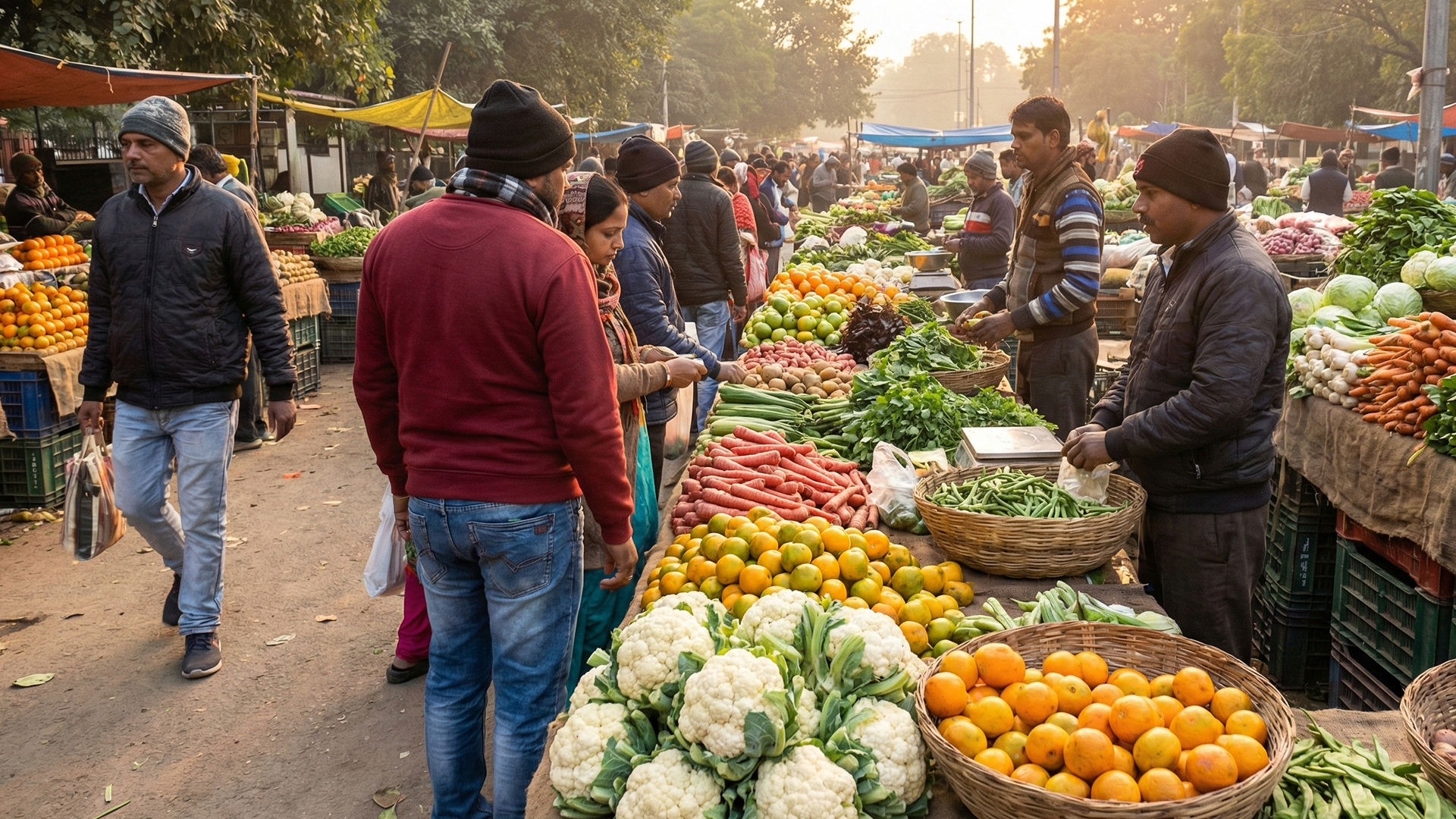
India’s retail inflation, measured by the Consumer Price Index, rose to 1.33% in December 2025, up from 0.71% in November, marking a three-month high. The increase was mainly driven by slower drops in food prices and higher costs for items like vegetables, meat, eggs, pulses, spices, and personal care products.
Despite the rise, inflation remains well below the Reserve Bank of India’s 4% target range, staying under the lower comfort limit of 2% for the eleventh month in a row. Food inflation, though still negative, eased compared with November, pushing overall prices higher.
Urban areas saw faster price increases than rural areas. Some sectors, including housing, education, and health, showed mixed trends, with housing inflation slightly easing.
Economists note that even with the December uptick, inflation is low by historical standards. Core inflation, which excludes food and fuel, also remains modest, showing limited pressure from consumer demand.
The low inflation gives the RBI flexibility to continue an accommodative monetary policy. In 2025, the central bank cut interest rates, and with inflation below the comfort level, policymakers have room to support economic growth. The RBI will also monitor data carefully ahead of the revised CPI series using 2024 as the base year.
Also Read: Rupee slips 5 paise to 90.22
Even in sun-soaked India, many adults are quietly struggling with vitamin D deficiency, a condition that could affect…
Jasveen Sangha, known as the “Ketamine Queen,” was sentenced to 15 years in federal prison for selling ketamine…
Sunetra Pawar, Deputy Chief Minister of Maharashtra and a leader of the Nationalist Congress Party (Sharad Pawar faction),…
US Vice President JD Vance will lead a high-level delegation to Islamabad on Saturday to hold peace talks…
US President Donald Trump has publicly criticised NATO, accusing some member countries of failing to support the United…
India has reached a major milestone in its nuclear energy journey. The Prototype Fast Breeder Reactor (PFBR) at…