rotating globe
13 Apr 2026


SEC halts early ladki bahin payments

Maharashtra panel bars advance welfare funds ahead of BMC elections

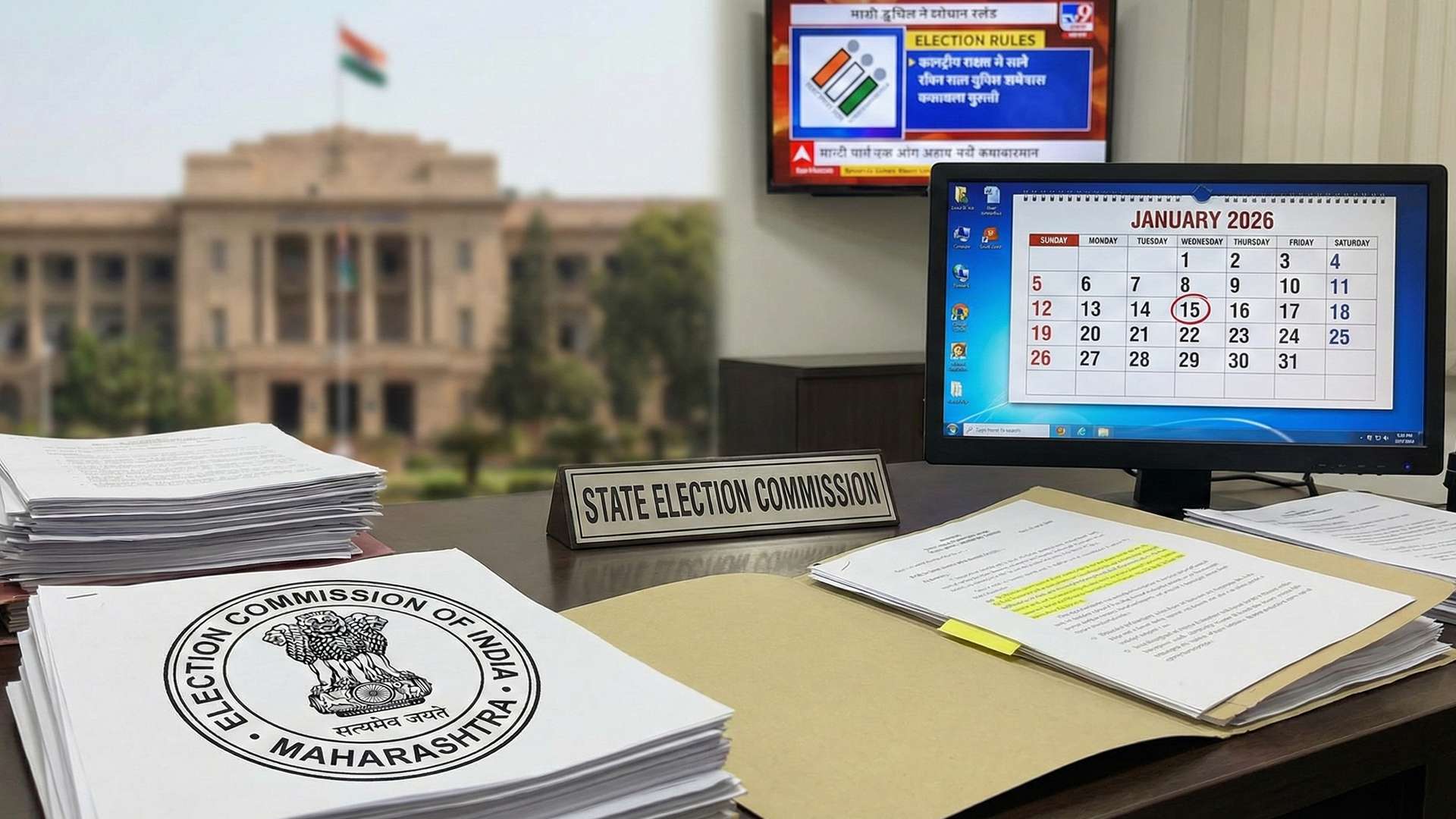
With Brihanmumbai Municipal Corporation elections (BMC) and other civic polls set for January 15, 2026, the Maharashtra State Election Commission (SEC) has stepped in to enforce the Model Code of Conduct by stopping advance payments under the Mukhyamantri Majhi Ladki Bahin Yojana.

The scheme provides Rs 1,500 monthly to eligible women to support their households. Earlier, state officials had indicated that beneficiaries would receive two months’ payments,  December and January, together before Makar Sankranti (January 14). Opposition parties raised concerns, saying this could be used to influence voters.

Responding to the complaints, the SEC clarified that while regular payments can continue, no advance disbursement is allowed during the election period. The commission said this step is necessary to maintain fair play and avoid misuse of government funds for political advantage.

The decision has stirred political debate. Chief Minister Devendra Fadnavis defended the scheme, calling it a regular welfare programme and insisting it is not linked to elections. Meanwhile, the Congress and other opposition parties accused the government of attempting to sway voters through financial incentives, calling the advance payment proposal a violation of election norms.

The Ladki Bahin directive comes at a time when campaigning for BMC elections is in full swing. The BJP‑led Mahayuti alliance, including the Shinde faction of Shiv Sena and the NCP, is highlighting development work, women’s safety initiatives, and infrastructure projects. Opposition parties are focusing on local issues such as civic services, water supply, and community welfare.

The BMC elections are widely seen as a political test ahead of state assembly polls, and both alliances are actively mobilizing support across wards. The SEC’s move to curb early payments under welfare schemes ensures that electoral contests remain fair, while voters decide on candidates based on policies rather than pre-election incentives.

With just days to go before polling, all parties are watching developments closely, and the focus is on adherence to rules while keeping election campaigns active across Mumbai and other cities in Maharashtra.

Also Read:  Rupee slips 5 paise to 90.22
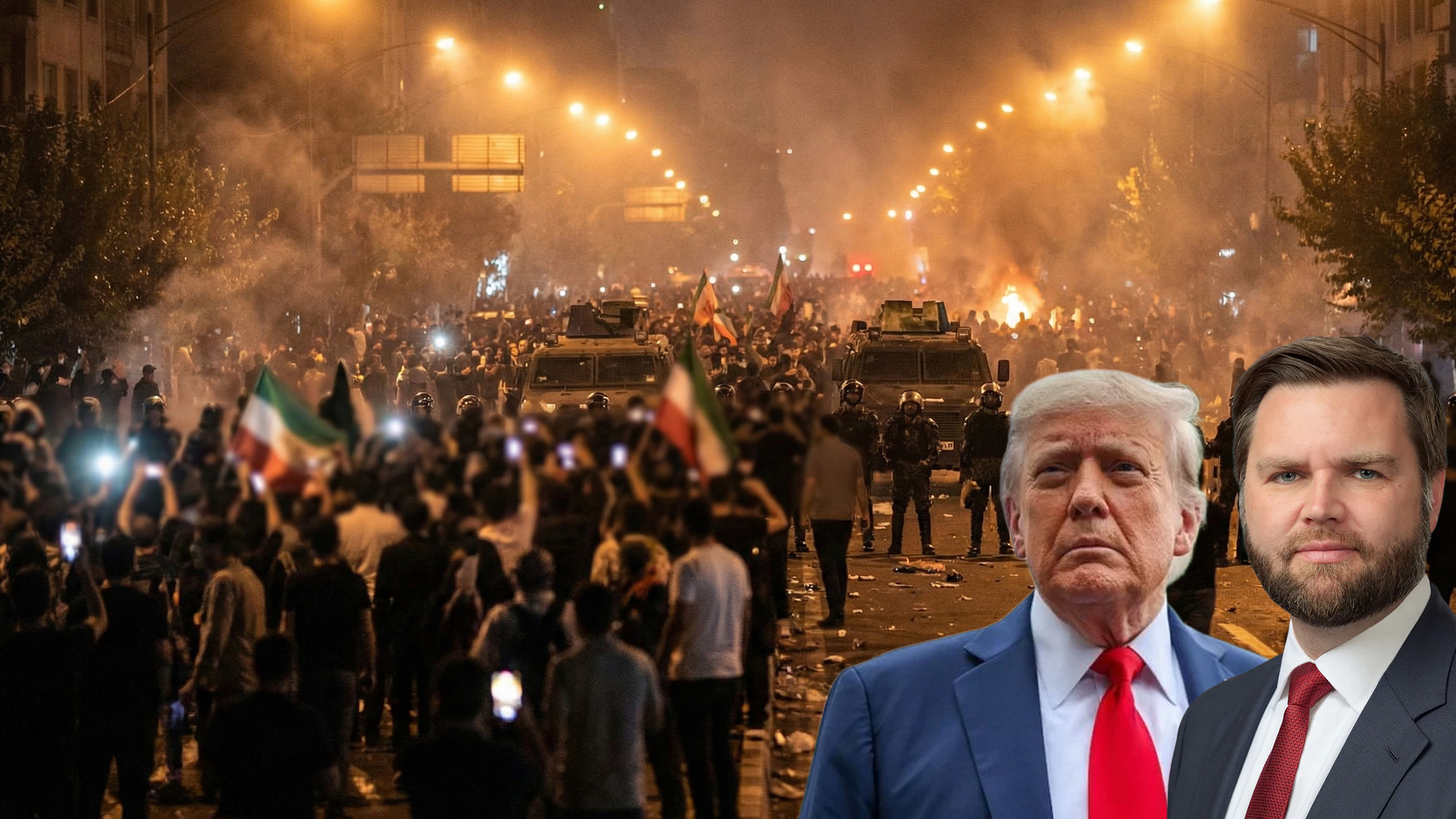
Trump considers strikes as Iran protests rage

Deadly protests in Iran prompt US to weigh diplomacy and military options

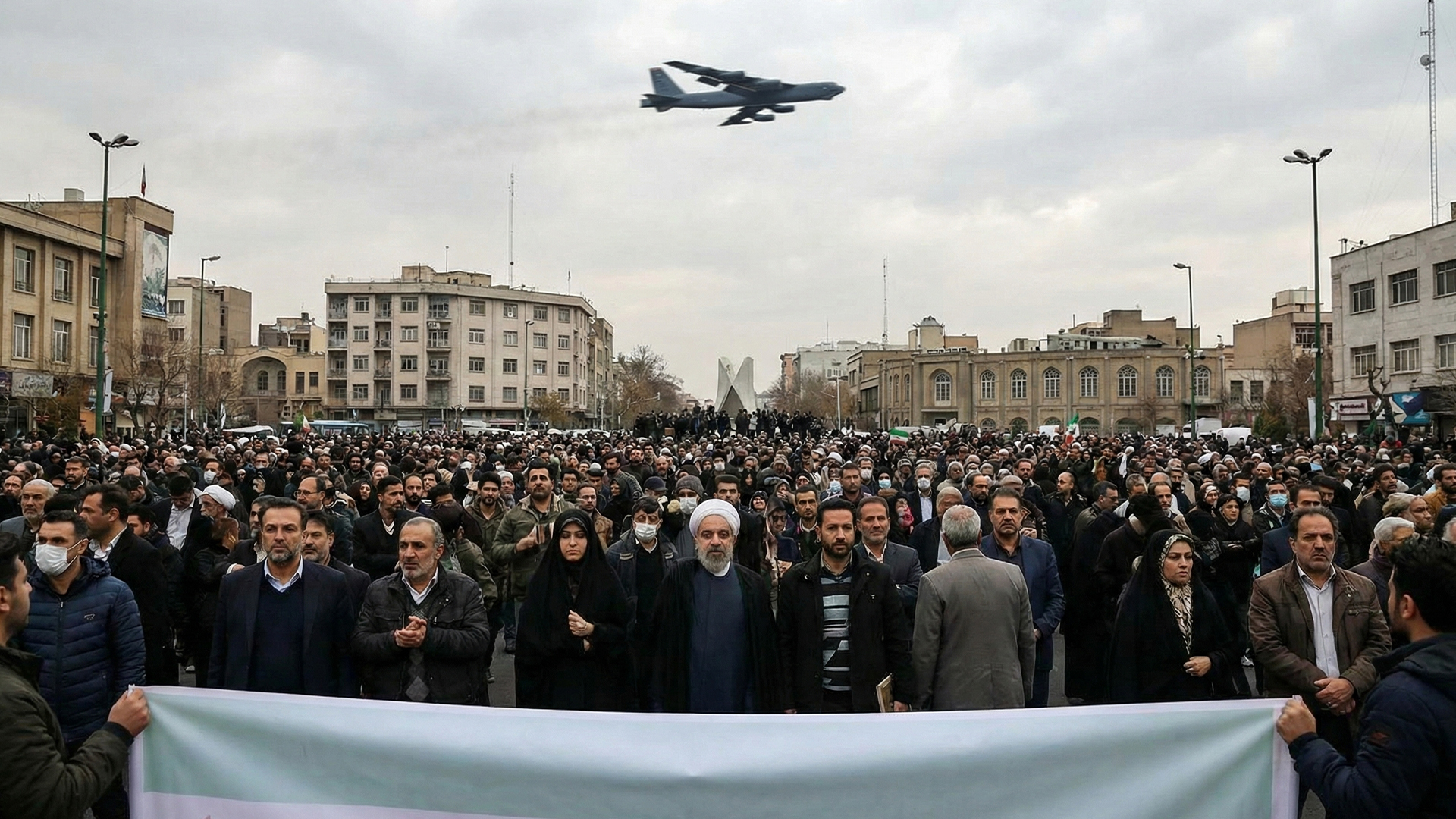
Iran is facing its deadliest protests in years, with reports of at least 646 deaths and over 10,600 arrests since demonstrations erupted nationwide. Protesters, driven by economic hardship and opposition to political repression, have taken to major cities, while security forces have responded with live ammunition, beatings, and mass detentions. Internet restrictions and communications blackouts have made independent verification of casualties difficult.

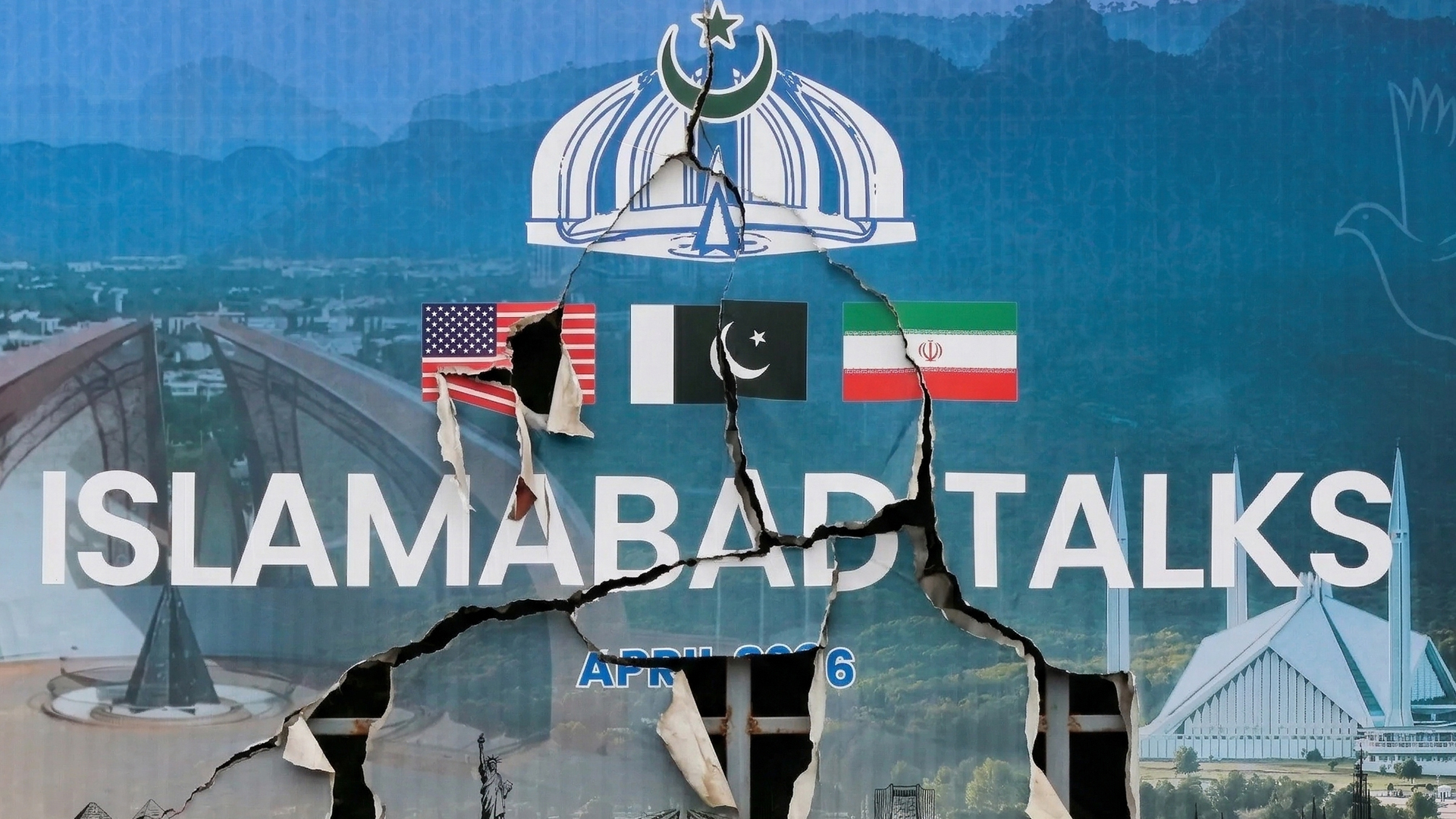
The US is closely monitoring the situation and weighing its response. President Donald Trump said Iran has signaled a willingness to negotiate but emphasized that military options remain under consideration if talks fail or Tehran intensifies its crackdown. Vice President JD Vance has emerged as a key voice in the administration, advocating for engagement with Tehran through diplomatic channels as a first step while keeping the possibility of air strikes or other targeted actions as leverage. Vance’s stance reflects a growing push within the White House to prioritize negotiations and reduce the risk of direct conflict.

Senior US officials stress that diplomacy is currently the preferred approach, including talks over Iran’s nuclear ambitions and the ongoing human rights abuses. Economic measures, such as tariffs on countries trading with Iran, are also under review as part of broader pressure on the regime.

Iranian leaders have warned that any foreign military intervention would be met with retaliation, labeling US and Israeli forces as legitimate targets. Government-backed rallies have called for national unity, even as the regime blames foreign influence for stoking unrest.

The situation presents a complex challenge for the US, which must balance support for human rights with the risks of military escalation. White House sources say all options—diplomacy, sanctions, cyber operations, and military strikes—remain under consideration, while behind-the-scenes diplomatic channels continue.

As the protests continue, global attention is on the crackdown and Washington’s next moves. The developments highlight rising tensions in US–Iran relations and underscore the delicate task facing Trump, with Vance and other advisors shaping the administration’s approach to prevent further instability.

Also Read: Rupee slips 5 paise to 90.22
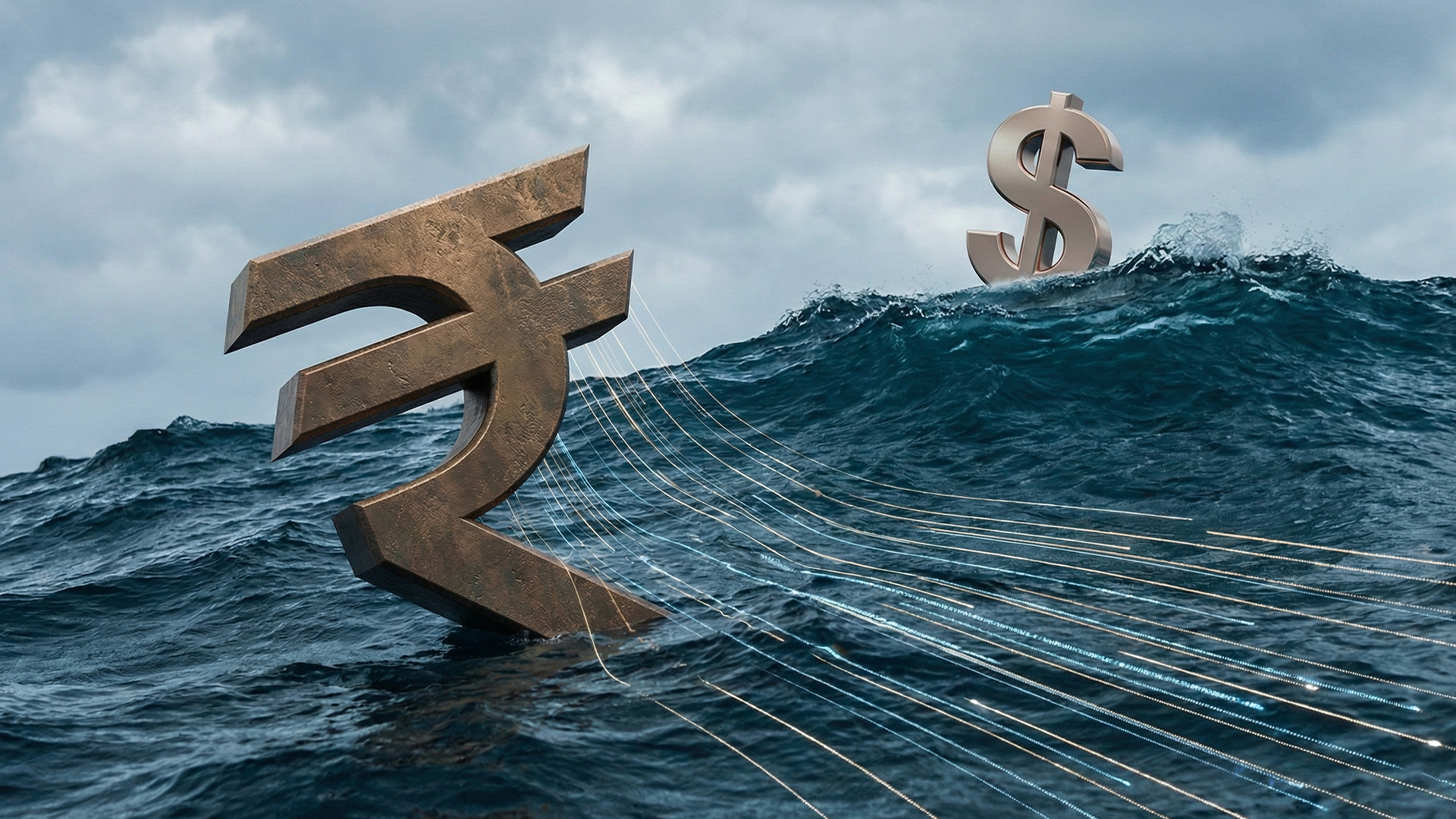
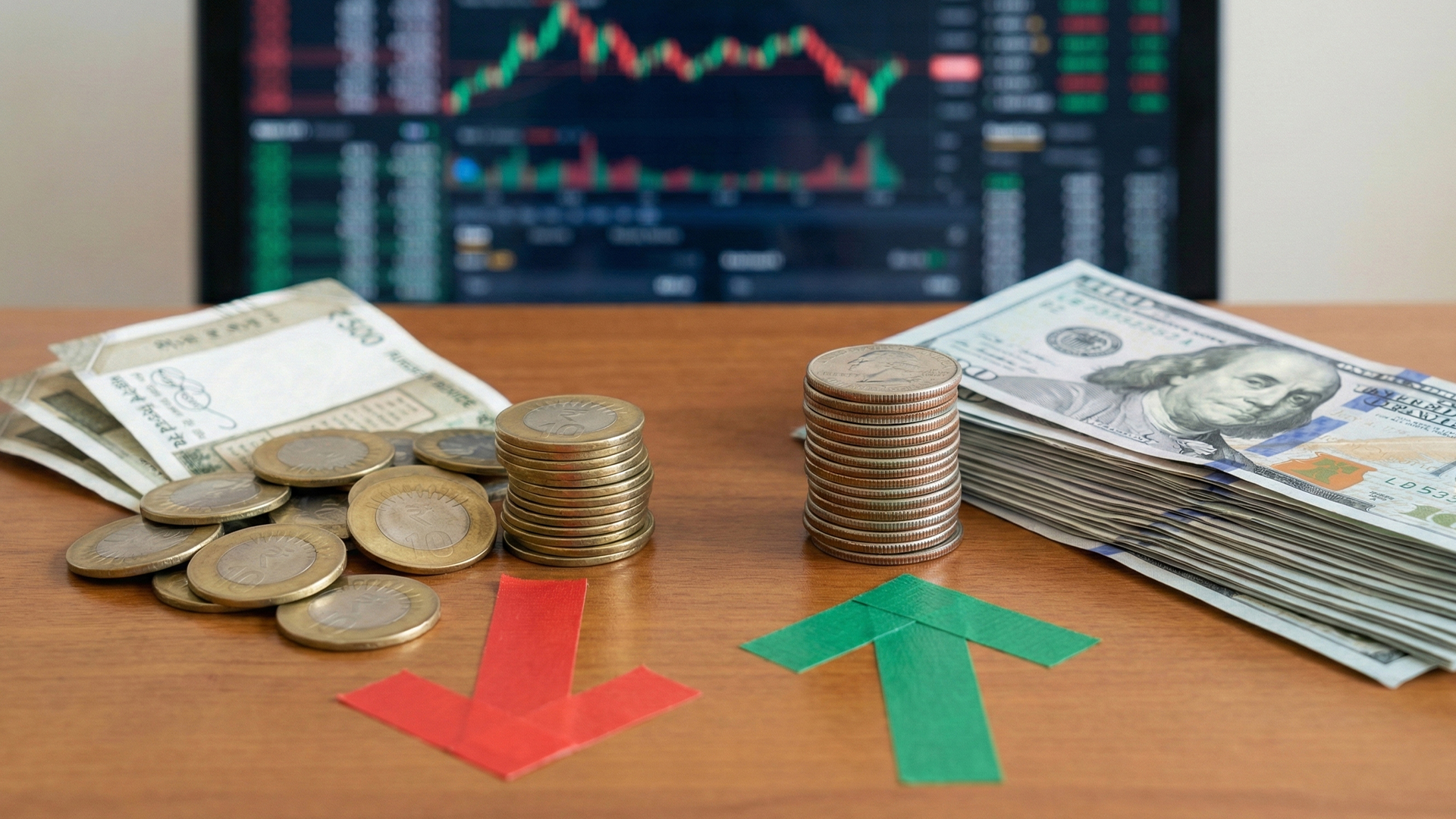
Rupee slips 5 paise to 90.22

Dollar strength, costly oil imports and FPI selling pressure local unit

The Indian rupee slipped by 5 paise to close at 90.22 against the US dollar on Tuesday, continuing its weak trend as global and domestic factors weighed on the currency. A stronger US dollar, firm crude oil prices and sustained selling by foreign investors kept the local unit under pressure.

The rupee opened on a cautious note in early trade and failed to recover during the session. Currency dealers said demand for the dollar remained high, while the supply of foreign funds stayed limited. The US dollar index moved higher, reflecting renewed strength in the American currency against major global peers.

Rising crude oil prices added to the rupee’s challenges. As India depends heavily on imported oil, higher prices increase the country’s import bill and push up dollar demand. This trend often weakens the rupee and raises concerns about inflation and the current account balance.

Another key factor impacting the rupee was continued foreign portfolio investor (FPI) outflows. Overseas investors have been trimming their exposure to Indian equities, leading to capital outflows and increased demand for dollars. Traders said this selling pressure has limited any meaningful recovery in the currency.

Market sentiment was also cautious ahead of global economic developments, particularly signals on US monetary policy. Expectations that interest rates in the US may remain elevated have strengthened the dollar and reduced risk appetite for emerging market assets.

However, the rupee’s losses were partly capped by suspected intervention from the Reserve Bank of India, which is believed to be active in smoothing sharp currency movements. Analysts said the central bank’s presence has helped prevent excessive volatility in the foreign exchange market.

Looking ahead, the rupee is expected to remain sensitive to global cues, oil price movements and foreign investment trends. Any improvement in risk sentiment or moderation in crude prices could provide some support to the currency in the near term.

Also Read: Germany drops transit visa for Indians

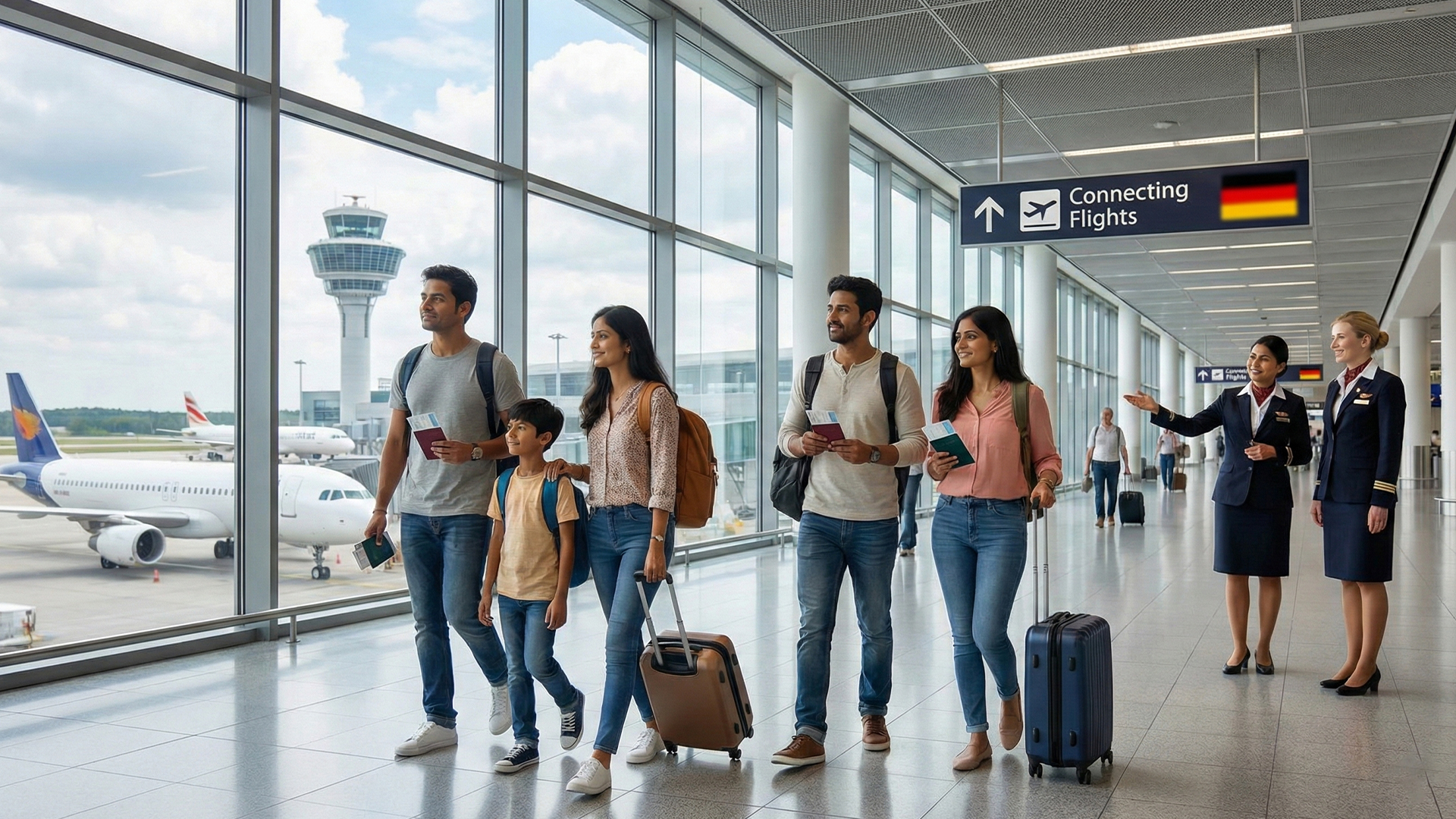
Germany drops transit visa for Indians

Indian travellers can now transit through major German airports without a separate visa, easing international connections

Germany has removed the requirement for Indian passport holders to obtain an airport transit visa when travelling through its major international airports. The move will allow Indian travellers to transit smoothly through German airports while flying to a third country, provided they remain within the international transit area and do not enter German territory.

The decision was announced during high-level discussions between India and Germany and is being seen as a step to strengthen people-to-people ties and improve mobility between the two countries. Until now, Indian nationals needed a separate airport transit visa, also known as a Schengen Type A visa, even if they were only changing flights at German airports such as Frankfurt or Munich. This often involved additional paperwork, costs, and processing time.

With the new rule, Indian travellers holding valid passports and onward tickets can transit through major German airports without applying for this visa. The change is expected to benefit passengers travelling to destinations in North America, Latin America, and other parts of Europe, for whom Germany is a key aviation hub.

However, the visa waiver applies strictly to airside transit. Indian travellers will still not be allowed to exit the airport or pass through immigration without a valid Schengen visa. Those planning to enter Germany for tourism, business, study, or work will continue to require the appropriate visa as per existing rules.

Indian authorities have welcomed the decision, calling it a positive development that will make international travel more convenient for Indian citizens. The move is also expected to boost the attractiveness of German airports as transit hubs for Indian passengers, potentially increasing air traffic and connectivity between India and Europe.

Aviation and travel industry experts say the change will save time and reduce uncertainty for travellers, especially those with short layovers. It may also encourage airlines to offer more India-Europe and India-US connections via Germany.

The new transit policy is effective immediately. Travellers are advised to check with airlines and airport authorities to ensure they meet all transit conditions, including valid travel documents and confirmed onward tickets, before planning their journey.

Prashant Tamang, Indian Idol winner, dies at 43

Singer and actor passes away suddenly in New Delhi, leaving fans and the entertainment world in shock

Prashant Tamang, the popular singer who won Indian Idol Season 3 in 2007 and later acted in films and web series, died on Sunday at the age of 43 at his home in New Delhi. The cause of death was reported as a heart attack.

He was found unresponsive at his home in Janak Puri. His family took him to a hospital, but doctors declared him dead on arrival. A post-mortem is expected to give more details.

Born on January 4, 1983, in Darjeeling, Tamang came from a Nepali-speaking Gorkha family. Before entering the entertainment world, he worked as a police constable in West Bengal. He gained nationwide fame after winning Indian Idol, with his unique voice and warm personality winning over millions of fans.

After his win, Tamang released his first music album Dhanyavaad and performed in India and abroad. He later acted in Nepali films like Gorkha Paltan and Kina Maya Ma. In India, he became known for his role as sniper Daniel Lecho in the web series Paatal Lok Season 2.

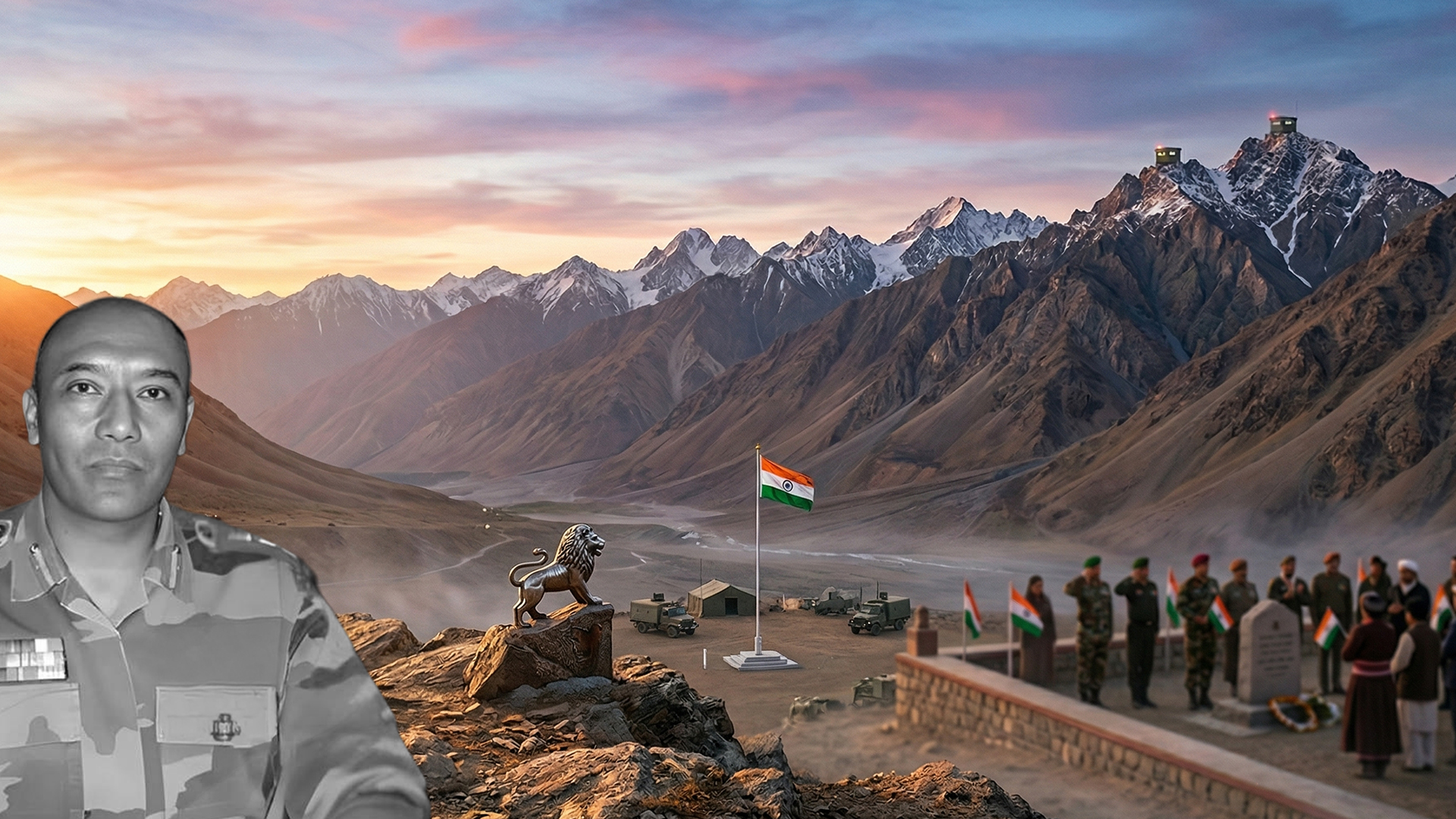
At the time of his death, he had finished shooting for the upcoming Bollywood film Battle of Galwan, starring Salman Khan.

He is survived by his wife, Martha Aley, and their young daughter, Ariah. Fans, fellow actors, and public figures have expressed their grief. West Bengal Chief Minister Mamata Banerjee praised his journey from a small town to national fame and the pride he brought to the Gorkha community.

Prashant Tamang’s sudden death has left fans and colleagues heartbroken, with many remembering him as a humble, talented artist whose singing and performances touched hearts.

Also Read: Bengaluru techie murdered, fire a cover-up

India plans new smartphone security rules

Draft proposals aim to protect users from fraud and data misuse; government says no final decision yet

The center  is working on a new set of rules to strengthen security on smartphones used across the country. The proposed changes are meant to protect users from online fraud, hacking, and misuse of personal data, as India now has nearly 750 million smartphone users.

According to reports, the government has shared a draft list of 83 security standards with major smartphone makers such as Apple, Samsung, Google and Xiaomi. These proposals are still under discussion and are part of consultations with the industry.

One of the most debated ideas in the draft is a proposal that may require smartphone makers to share their source code for security checks. Source code is the basic programming that runs phone operating systems and apps. The idea is that government-approved labs in India could examine the code to find security weaknesses before phones or updates are released.

The draft rules also include several other user-focused measures. These include giving users the option to delete pre-installed apps, stopping apps from secretly using the camera or microphone in the background, and requiring phones to carry out automatic malware scans. Another proposal suggests keeping system security logs on devices for at least one year to help track cyber threats.

In addition, companies may be asked to inform the government before releasing major software updates. Officials believe this could help authorities respond quickly to potential security risks.

However, global tech companies and industry groups have raised strong objections. They say sharing source code could expose trade secrets and harm innovation. They also warn that some rules could slow down urgent software updates or affect phone performance and battery life.

In response to growing debate, the government’s Press Information Bureau (PIB) has clarified that reports claiming companies will be forced to hand over source code are misleading. The government stressed that no final rule has been approved and that discussions are still at an early stage.

Also Read: Mukesh Ambani backs Gujarat with Rs 7 lakh cr

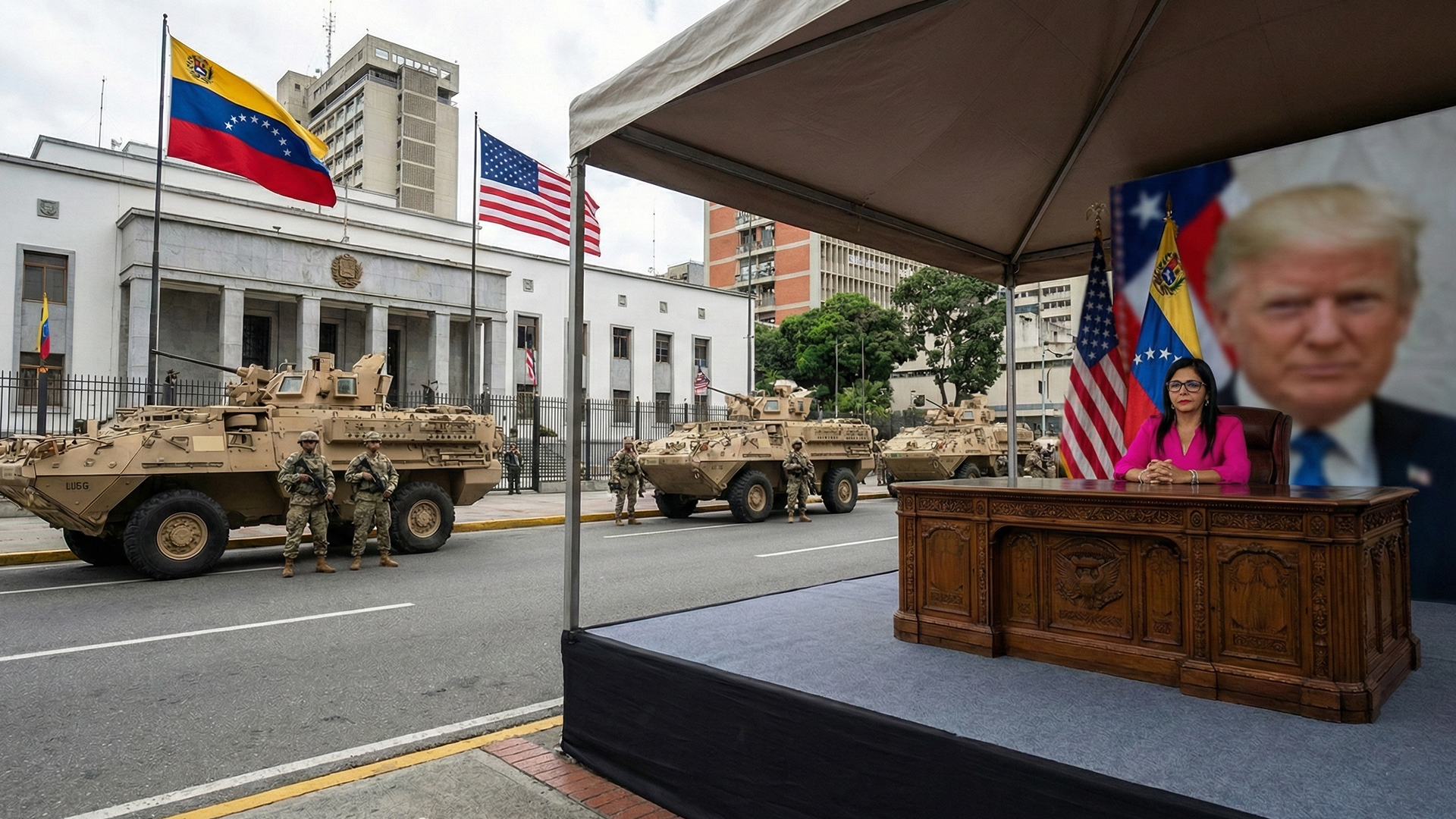
Trump calls himself Venezuela’s acting President

Investors remain cautious before CPI numbers and key company results this week

US President Donald Trump declared himself the “Acting President of Venezuela” in a viral post on social media, claiming the position from January 2026. The post included an image designed like a Wikipedia page showing his photo, name, and title. However, no country or international organization recognizes this claim, making it largely symbolic.

This development comes days after Venezuelan President Nicolás Maduro was captured by US forces. Maduro and his wife are facing federal drug-trafficking charges in the United States. His arrest has created a power vacuum in Venezuela and heightened tensions internationally.

Within Venezuela, the Supreme Tribunal of Justice quickly appointed Vice President Delcy Rodríguez as interim leader under the Venezuelan constitution. Rodríguez rejected Trump’s claim, saying Maduro is the rightful president. She has taken on the responsibilities of governance in the meantime, ensuring continuity in Venezuela’s administration.

Trump’s social media post also suggested that the United States would temporarily manage Venezuela’s government and oil sector until a safe political transition could take place. He called on major US oil companies to invest in Venezuela’s oil industry, signaling a possible shift in control over the country’s energy resources.

The claim and US intervention have drawn international criticism. Countries including China, Russia, and some European nations described the move as a violation of international law and an infringement on Venezuela’s sovereignty. Analysts have warned that such actions could escalate tensions and complicate diplomatic relations.

Experts say the situation raises questions about legality, international norms, and the future of US-Venezuela relations. While Trump’s post has attracted global attention and sparked debate online, its practical impact is uncertain, as recognition by other nations or international institutions is unlikely.

For now, Venezuela remains in a state of political uncertainty. The US position, Trump’s claim, and the interim leadership inside Venezuela create a complex scenario watched closely by the international community.

Also Read: ISRO’s PSLV-C62 launch faces mid-flight glitch

Trump warns US may act as Iran negotiates

President signals possible US action as Tehran faces widespread anti-government unrest

President Donald Trump has said that Iran has approached Washington seeking negotiations, but he warned that the United States might act before any formal talks take place. His comments come amid a severe crackdown on widespread protests in Iran against Supreme Leader Ayatollah Ali Khamenei and the government.

Speaking to reporters aboard Air Force One, Trump said, “They want to negotiate … a meeting is being set up.” At the same time, he indicated that recent developments in Iran may force the US to consider other measures before a meeting occurs. “We may have to act before a meeting,” he added, highlighting rising tensions between the two nations.

Iran has been facing its largest wave of anti-government protests in years, driven by economic difficulties and political grievances. Rights groups estimate that over 500 people have been killed, and thousands arrested, though Iranian authorities have not released official figures. The unrest has drawn global attention and concern over human rights violations.

Trump also noted that US military leaders are “looking at it very seriously” and considering “strong options,” though he did not specify what these could entail. When asked if Iran had crossed a “red line,” he avoided giving details but warned that any attack on US interests would be met with overwhelming force. “If they do that, we will hit them at levels they’ve never been hit before,” he said.

Iranian officials, while maintaining their readiness for conflict, have signaled an openness to dialogue. Tehran’s foreign minister stressed that any talks with the US would need to be based on mutual respect. Despite this, the government continues to emphasize that it will defend itself if attacked.

The situation illustrates a tense standoff between Washington and Tehran, with both diplomacy and potential military action on the table. International observers are closely monitoring the unfolding events, as Iran navigates internal unrest and the risk of escalation with the US remains high.

Also Read: NHAI sets 4 Guinness Records in Andhra Pradesh