rotating globe
13 Apr 2026


Modi, German Chancellor Merz meet in Ahmedabad

Sabarmati Ashram visit, kite festival and talks mark start of India visit

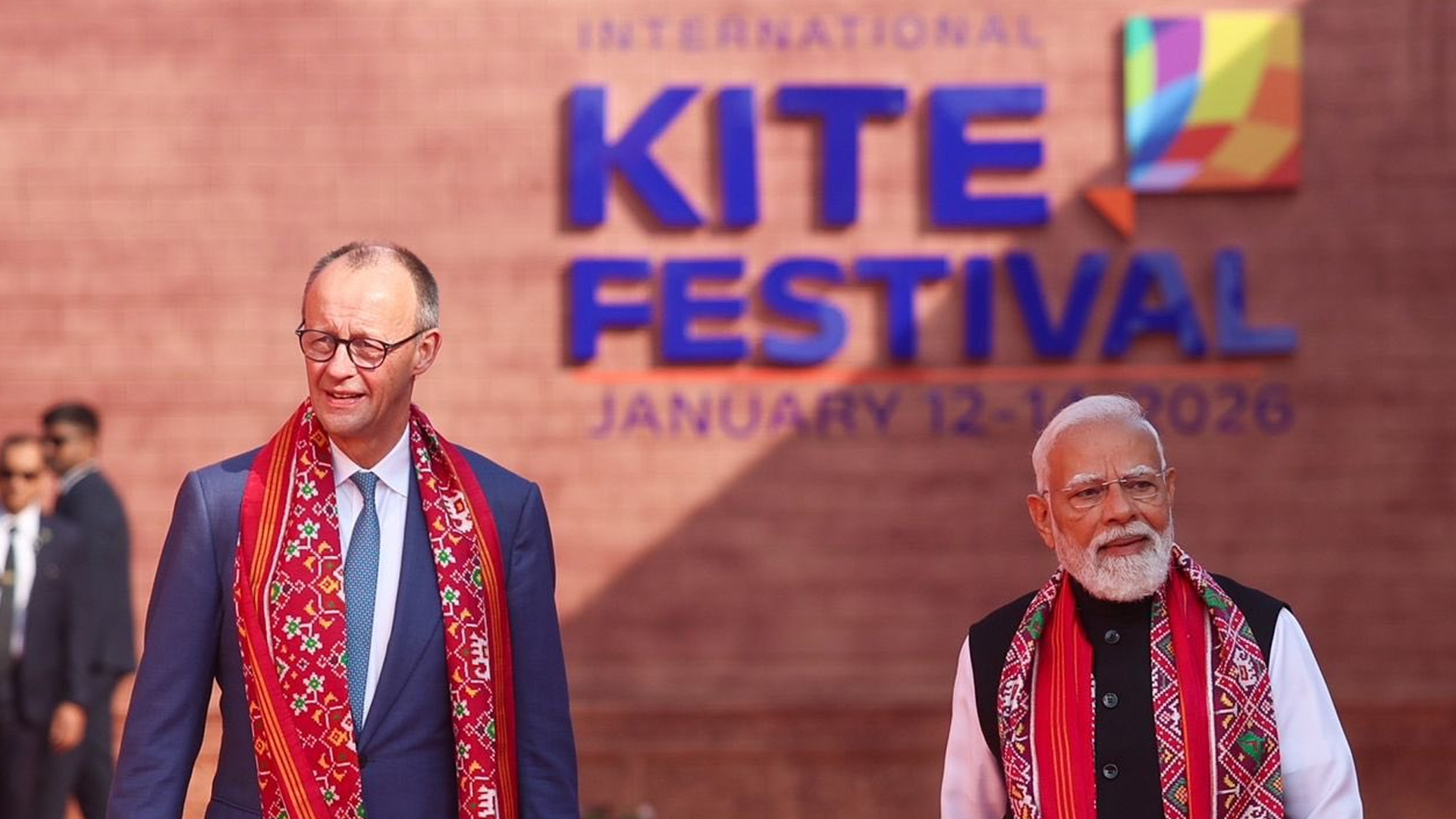
Prime Minister Narendra Modi and German Chancellor Friedrich Merz began the German leader’s India visit in Ahmedabad on Monday, combining cultural engagements with high-level talks aimed at strengthening bilateral ties.

The day opened at the Sabarmati Ashram, where the two leaders paid tributes to Mahatma Gandhi and reflected on his message of peace and dialogue. Chancellor Merz described the visit as meaningful, noting Gandhi’s global influence and shared values between India and Germany.

From the Ashram, Mr Modi and Chancellor Merz moved to the Sabarmati Riverfront to inaugurate the International Kite Festival 2026, a key event of Gujarat’s Uttarayan celebrations. In a lighter moment, the leaders flew kites together, drawing applause from the crowd. The festival features kite flyers from several countries along with participants from across India and will continue until January 14.

Later, the focus shifted to diplomacy as the two leaders held bilateral talks at the Mahatma Mandir Convention Centre in Gandhinagar. Discussions centred on reviewing the India-Germany Strategic Partnership, which has completed 25 years, and on expanding cooperation in trade, investment, technology, climate action, defence, education and skilled workforce mobility.

Germany remains one of India’s key partners in Europe, with growing collaboration in clean energy, manufacturing and innovation. The visit also comes ahead of upcoming India-European Union engagements.

Chancellor Merz’s visit will continue with further meetings in New Delhi, but the Ahmedabad programme set a warm and symbolic tone for deeper India-Germany engagement.
Bengaluru techie murdered, fire a cover-up

Police reveal neighbour killed Sharmila and fire was set to destroy evidence

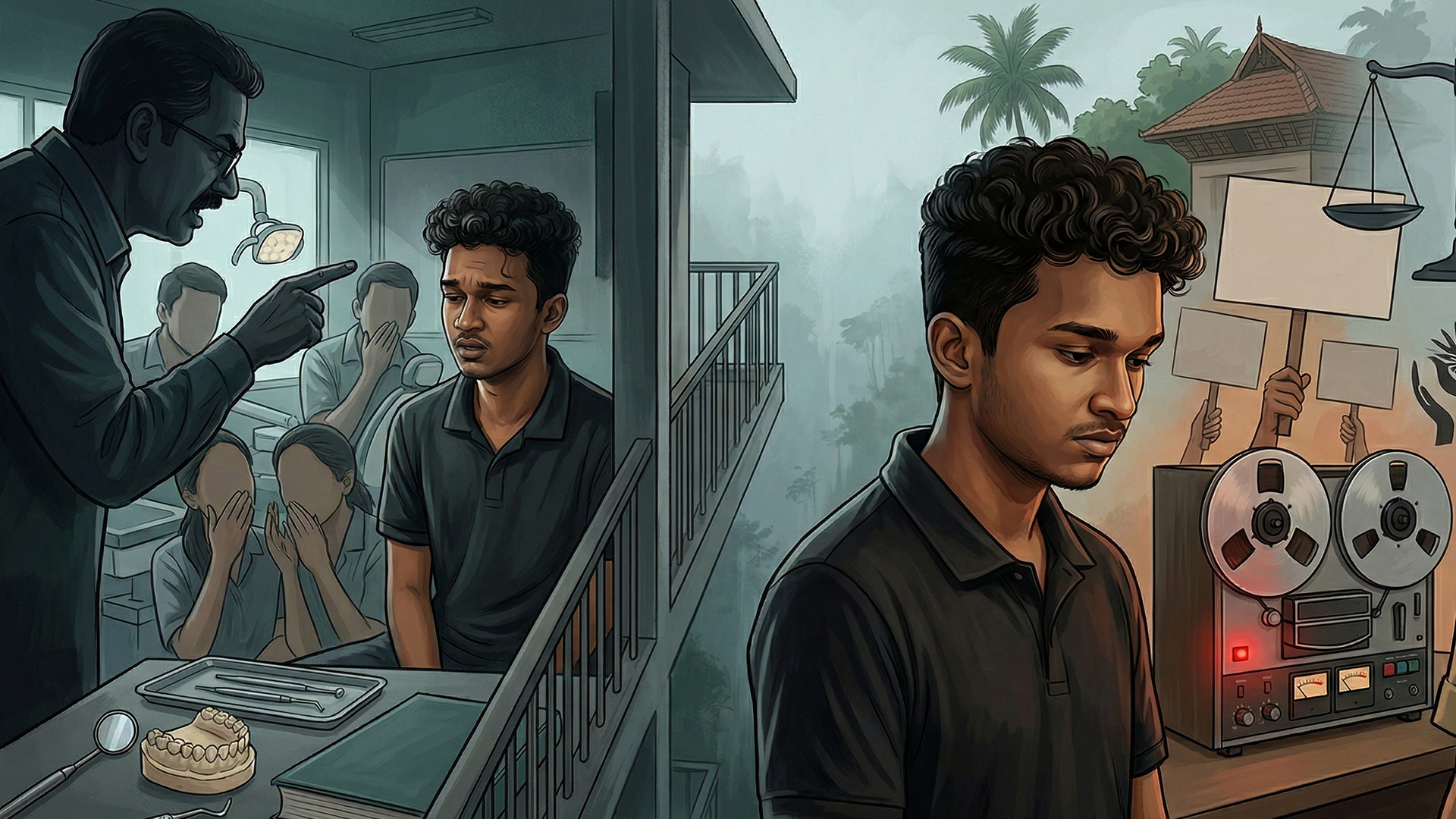
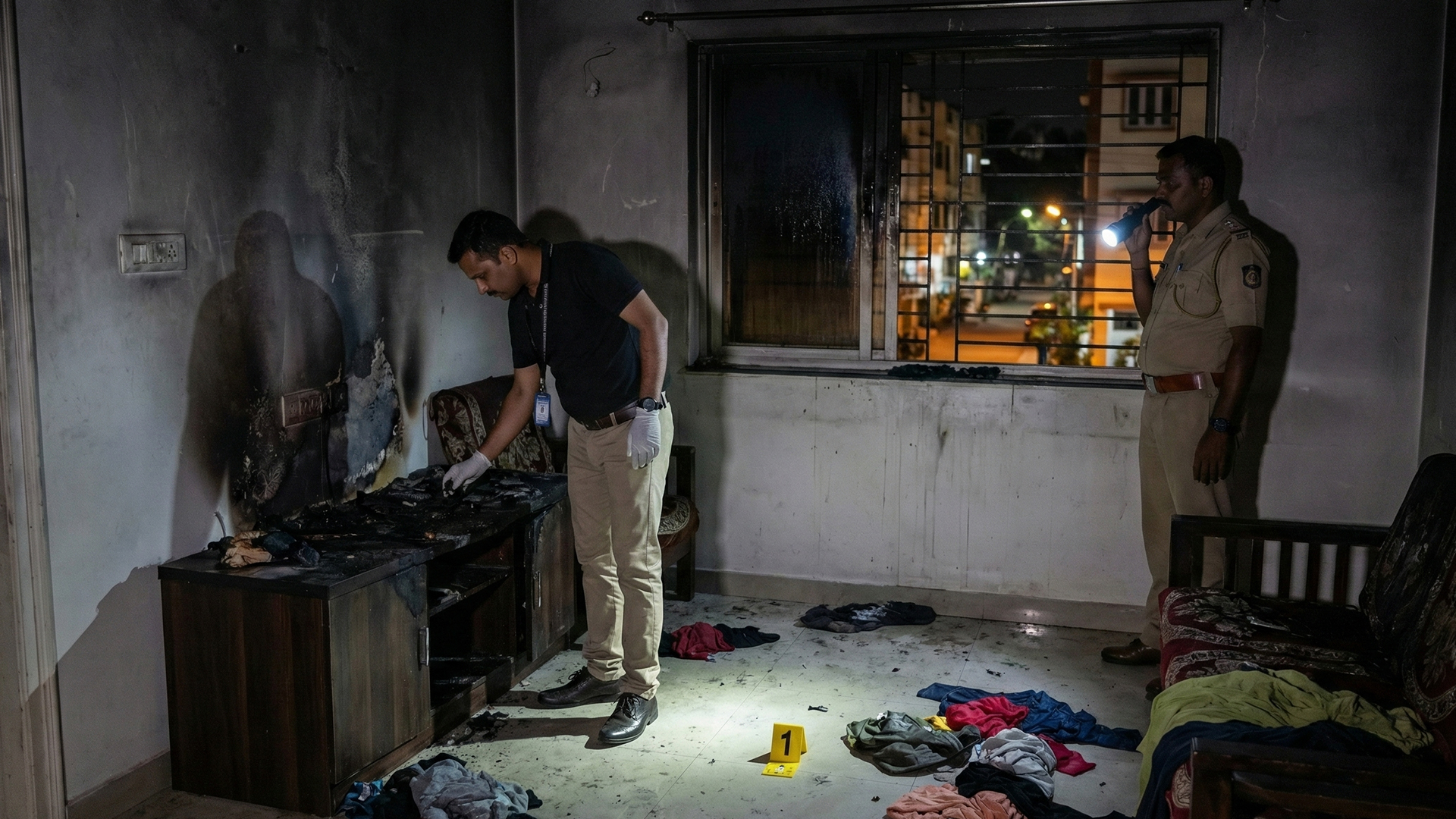
Bengaluru police have confirmed that 34-year-old software engineer Sharmila was murdered by her neighbour, overturning initial reports that she died in a fire at her Subramanya Layout apartment on January 3. Investigators say the fire was deliberately started to conceal the crime.

Sharmila lived alone at the time, as her roommate was away. Firefighters found her unconscious in the flat late in the evening and rushed her to the hospital, where she was declared dead. Early police reports suggested she had died due to smoke inhalation.

However, a detailed forensic investigation and post-mortem report revealed injuries inconsistent with an accidental fire. Medical examiners found evidence of a struggle, and investigators concluded that Sharmila had been attacked before the fire was set.

Authorities arrested 18-year-old Karnal Kurai, a pre-university student and neighbour originally from Kodagu. Police allege that he entered Sharmila’s flat through a balcony window, demanded sexual favours, and, when resisted, held her mouth and nose, causing her to lose consciousness and die.

After the attack, the accused reportedly burned Sharmila’s bloodstained clothes to destroy evidence and took her mobile phone. The fire then spread within the flat, initially obscuring the violent cause of death.

Karnal Kurai has been remanded in police custody for three days as investigators continue to reconstruct the events and collect further evidence. The police are probing his motives and the possibility of premeditation in the murder.

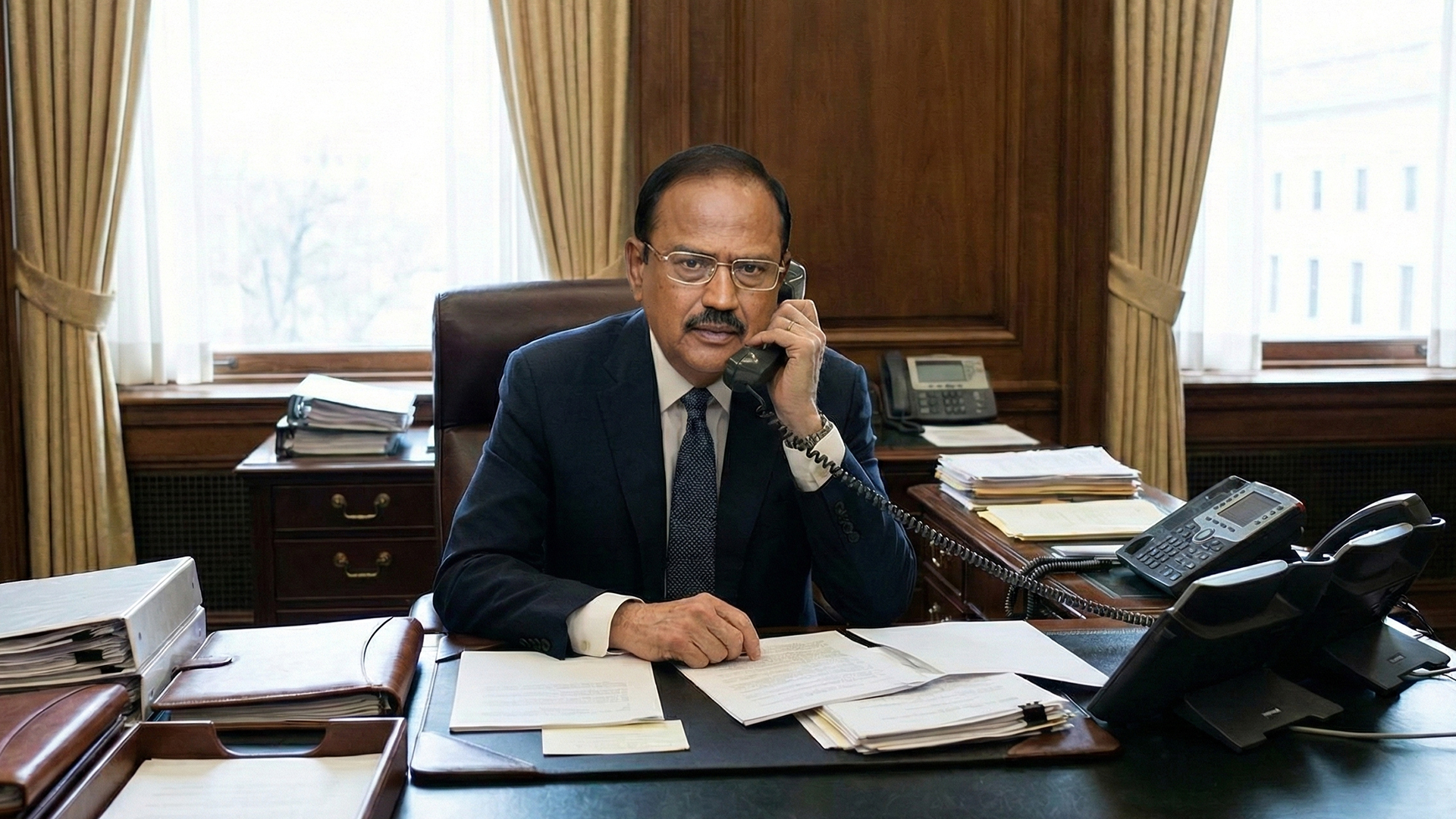
Also Read: NSA Ajit Doval avoids phones, internet for work

NHAI sets 4 Guinness Records in Andhra Pradesh

Highway project showcases India’s engineering skill and record‑breaking infrastructure work

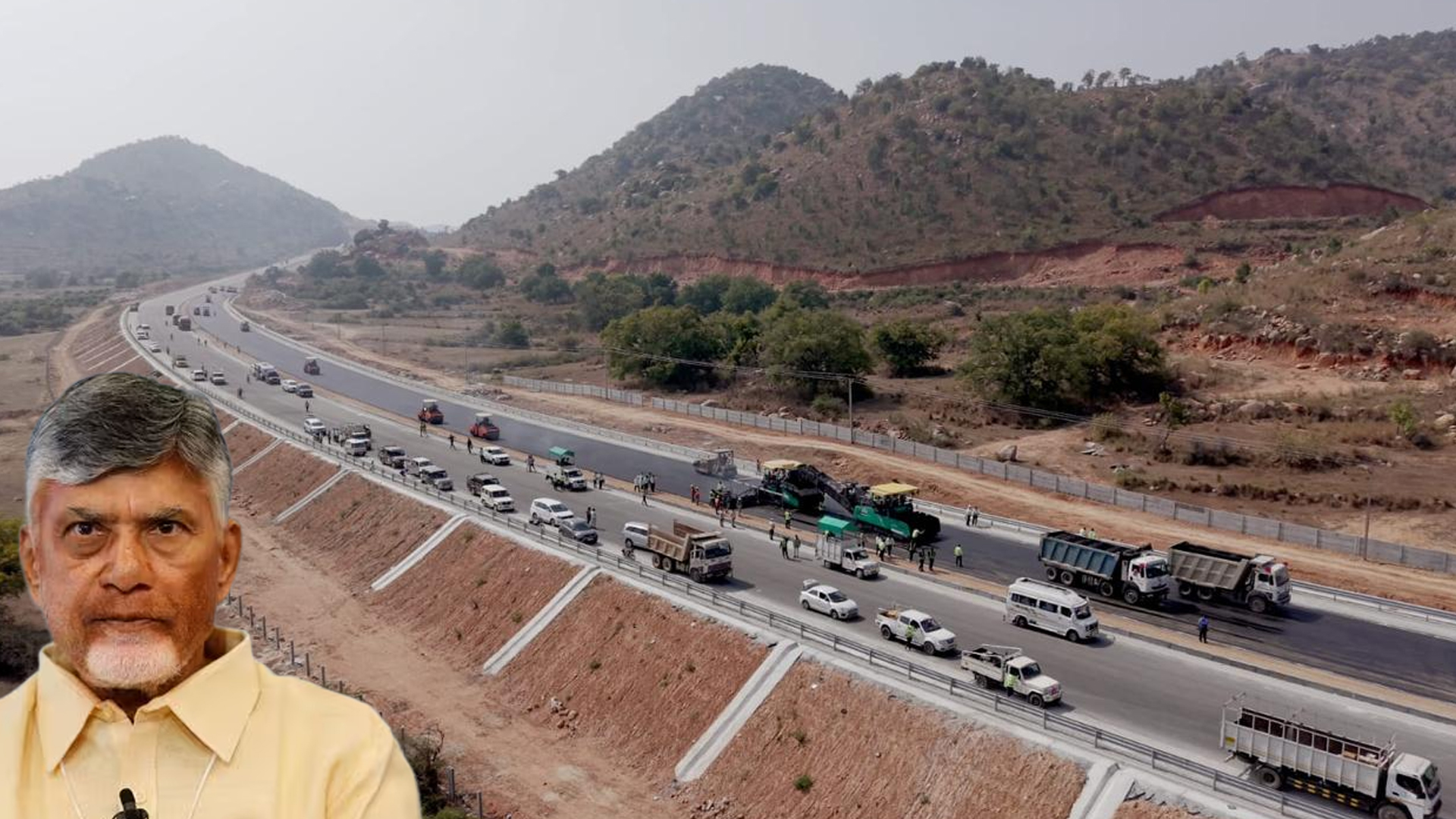
The National Highways Authority of India (NHAI) has achieved a remarkable feat by setting four Guinness World Records during the construction of the Bengaluru–Kadapa–Vijayawada Economic Corridor (NH‑544G) in Andhra Pradesh. These records were recognised in categories related to continuous bituminous concrete laying and paving, highlighting the scale and precision of India’s road infrastructure projects.

The record-breaking work took place near Puttaparthi in Sri Satya Sai district. On January 6, 2026, NHAI set the first two records by laying 28.89 lane kilometres of bituminous concrete in a 24‑hour period on a three-lane section, and achieving the highest volume of concrete laid in a day—10,655 metric tonnes. These achievements were part of the six-lane highway expansion under NHAI standards.

A few days later, on January 11, 2026, two additional records were set across Packages 2 and 3 of the corridor. These include the largest volume of concrete laid continuously—57,500 metric tonnes—and the longest continuous paving stretch—156 lane kilometres (equivalent to 52 kilometres on a three-lane width), surpassing the previous global record of 84.4 lane kilometres.

The operation required extensive machinery, including 70 tippers, 5 hot mix plants, 1 paver, and 17 rollers. Quality checks and safety measures were strictly monitored, with support from technical institutions and equipment manufacturers to ensure precision and compliance.

Andhra Pradesh Chief Minister Chandrababu Naidu praised the achievement, calling it a testament to teamwork, technical expertise, and India’s engineering excellence. He congratulated NHAI officials and the executing agency, M/s Rajpath Infracon Pvt. Ltd., for their dedication and performance.

The Bengaluru–Kadapa–Vijayawada Economic Corridor, once complete, will be a 343-kilometre, access-controlled six-lane highway, reducing travel time, improving connectivity between Karnataka and Andhra Pradesh, and boosting trade and economic activity in southern India.

Also Read: Bengaluru techie murdered, fire a cover-up

Mukesh Ambani backs Gujarat with Rs 7 lakh cr

Reliance to invest across clean energy, AI and infra

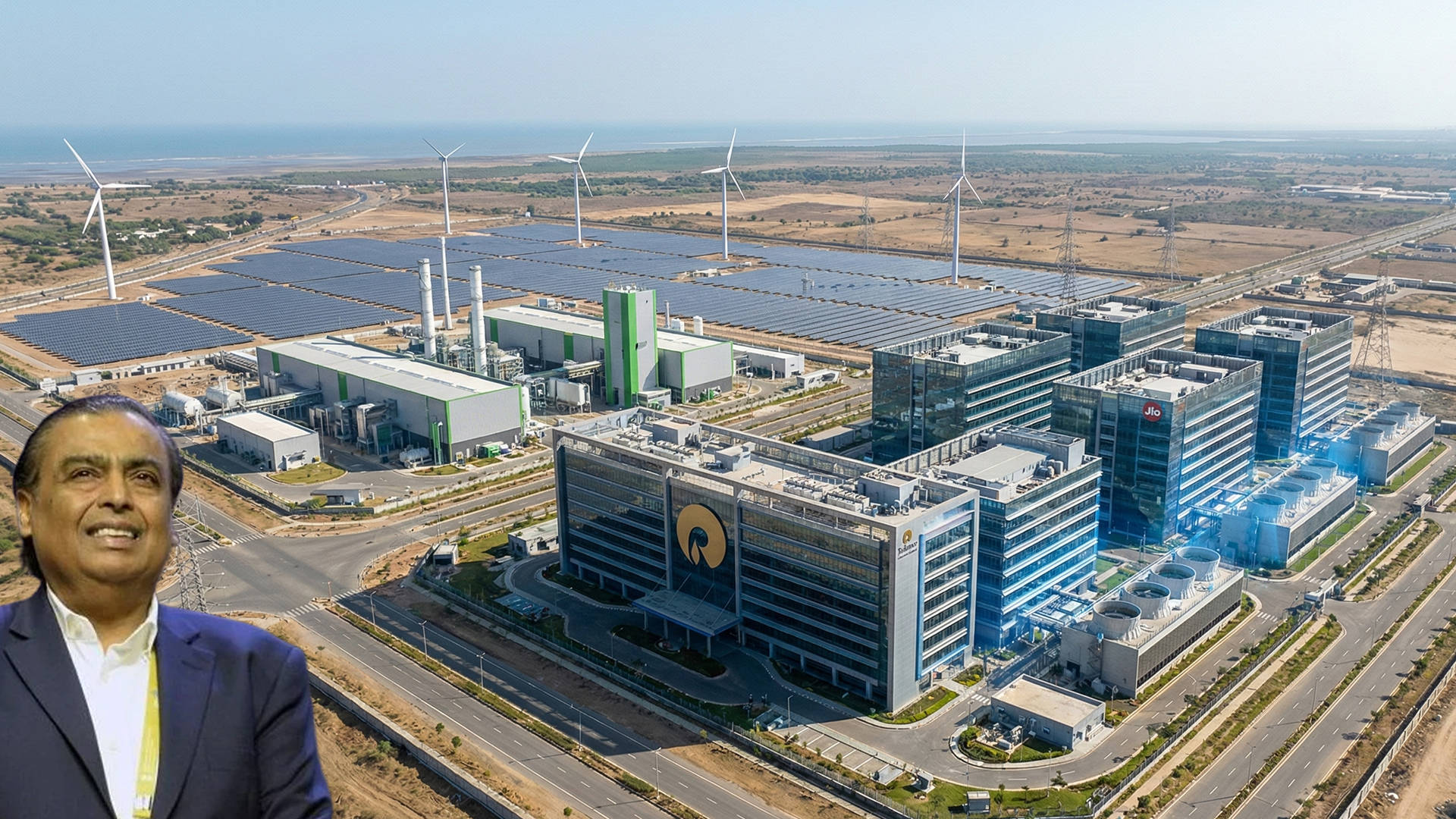
Calling it a commitment to Gujarat’s future, Reliance Industries Chairman Mukesh Ambani on Sunday announced a Rs 7 lakh crore investment plan spread over the next five years. The announcement came at the Vibrant Gujarat Regional Conference in Rajkot, attended by senior leaders, policymakers and industry heads.

Ambani said the investment reflects Reliance’s confidence in Gujarat’s leadership, infrastructure and people. The proposed spending is double the amount the group invested in the state during the last five years and is expected to generate large employment opportunities, particularly in emerging sectors.

The centrepiece of the plan is the transformation of Jamnagar into a world-class clean energy ecosystem. Reliance aims to scale up solar manufacturing, green hydrogen production and energy storage, positioning Jamnagar as a future hub for sustainable energy exports.

Technology will be another key focus. Reliance plans to build a large AI-capable data centre and launch a home-grown artificial intelligence platform through Jio. The initiative is designed to make AI tools affordable and available in Indian languages, helping businesses, students and citizens alike.

Beyond industry, the company also plans investments in healthcare, education and sports infrastructure. Ambani said Reliance would partner with the state to support Gujarat’s ambition to host the 2036 Olympics, if India secures the event.

The conference also saw major announcements from other corporates. Karan Adani revealed plans to invest Rs 1.5 lakh crore in Mundra, focusing on port-led development and renewable energy projects. The scale of commitments highlighted Gujarat’s growing appeal as a destination for long-term, future-ready investments.

Also Read: Delhi freezes at 2.9°C as cold wave deepens

Delhi freezes at 2.9°C as cold wave deepens

City records coldest January morning in years amid intense winter chill

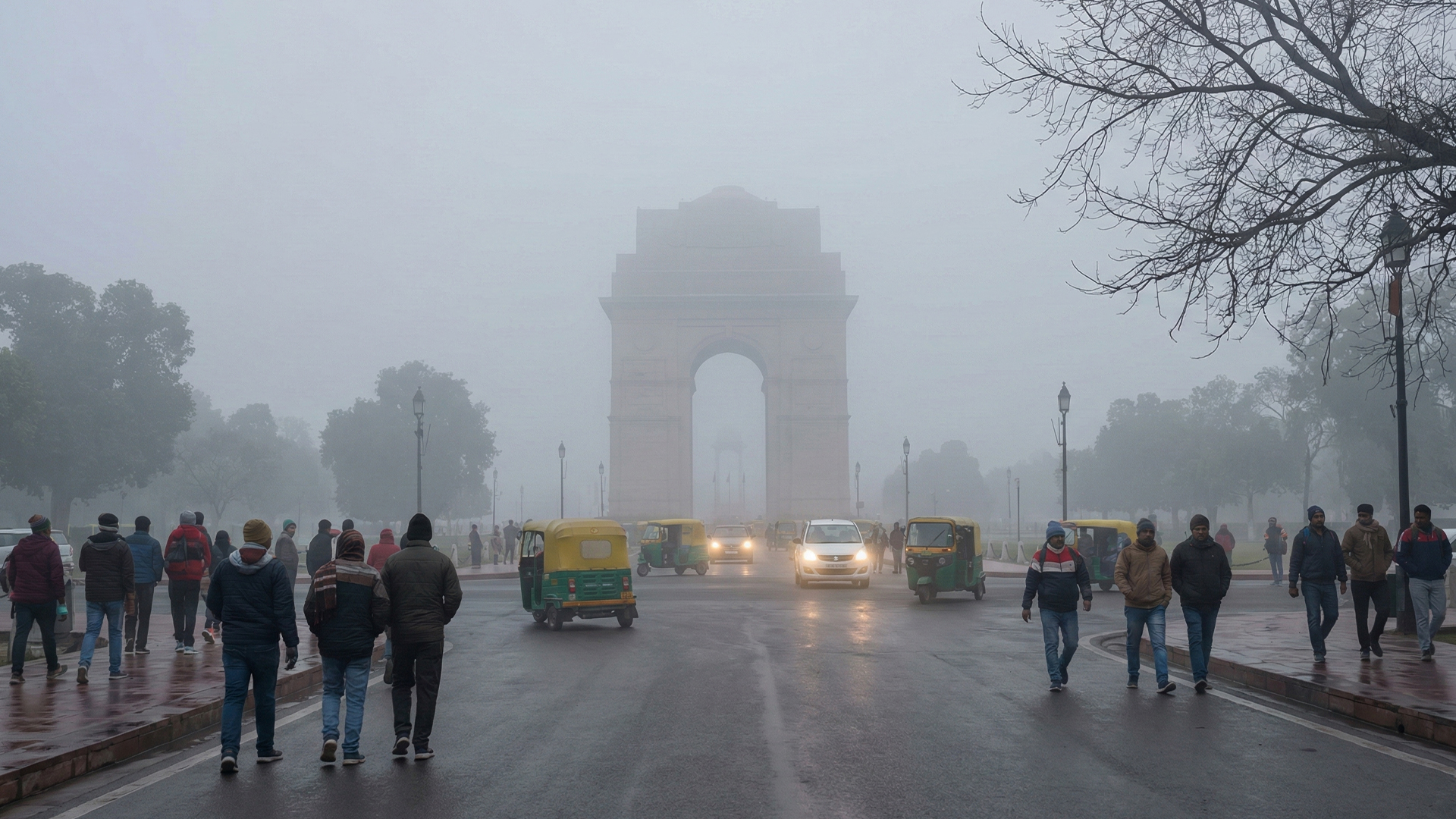
Delhi woke up to its coldest morning of the season as a sharp cold wave swept across the national capital, pushing temperatures to near-freezing levels. The minimum temperature plunged to 2.9 degrees Celsius at Ayanagar, making it one of the coldest January readings recorded in the city in over a decade, according to the India Meteorological Department (IMD).

Other parts of Delhi also reported unusually low temperatures. Palam recorded a minimum of around 3 degrees Celsius, while the Ridge area saw temperatures close to 3.7 degrees Celsius. At Safdarjung, the city’s official weather station, the minimum temperature stood at 4.8 degrees Celsius, well below the normal average for this time of year.

The intense cold wave was accompanied by dense fog in the early morning hours, which reduced visibility in several areas and caused inconvenience to commuters. While visibility improved later in the day, the fog added to the discomfort faced by residents already dealing with biting cold winds.

The IMD said the severe cold conditions are due to cold northerly winds blowing from snow-covered regions of the Himalayas, combined with clear night skies that allow temperatures to drop sharply. Meteorologists have warned that cold wave conditions are likely to continue for the next few days, especially during night and early morning hours.

Alongside the cold, Delhi’s air quality remained a concern. The Air Quality Index (AQI) stayed in the “poor” category in many parts of the city, increasing health risks for children, the elderly and people with respiratory problems. Doctors have advised residents to limit outdoor exposure, especially during early mornings.

The cold wave is not limited to Delhi alone. Several parts of north India, including Rajasthan, Punjab, Haryana, Himachal Pradesh, Jammu and Kashmir and Uttarakhand, are experiencing severe winter conditions, with some areas reporting near-zero or sub-zero temperatures.

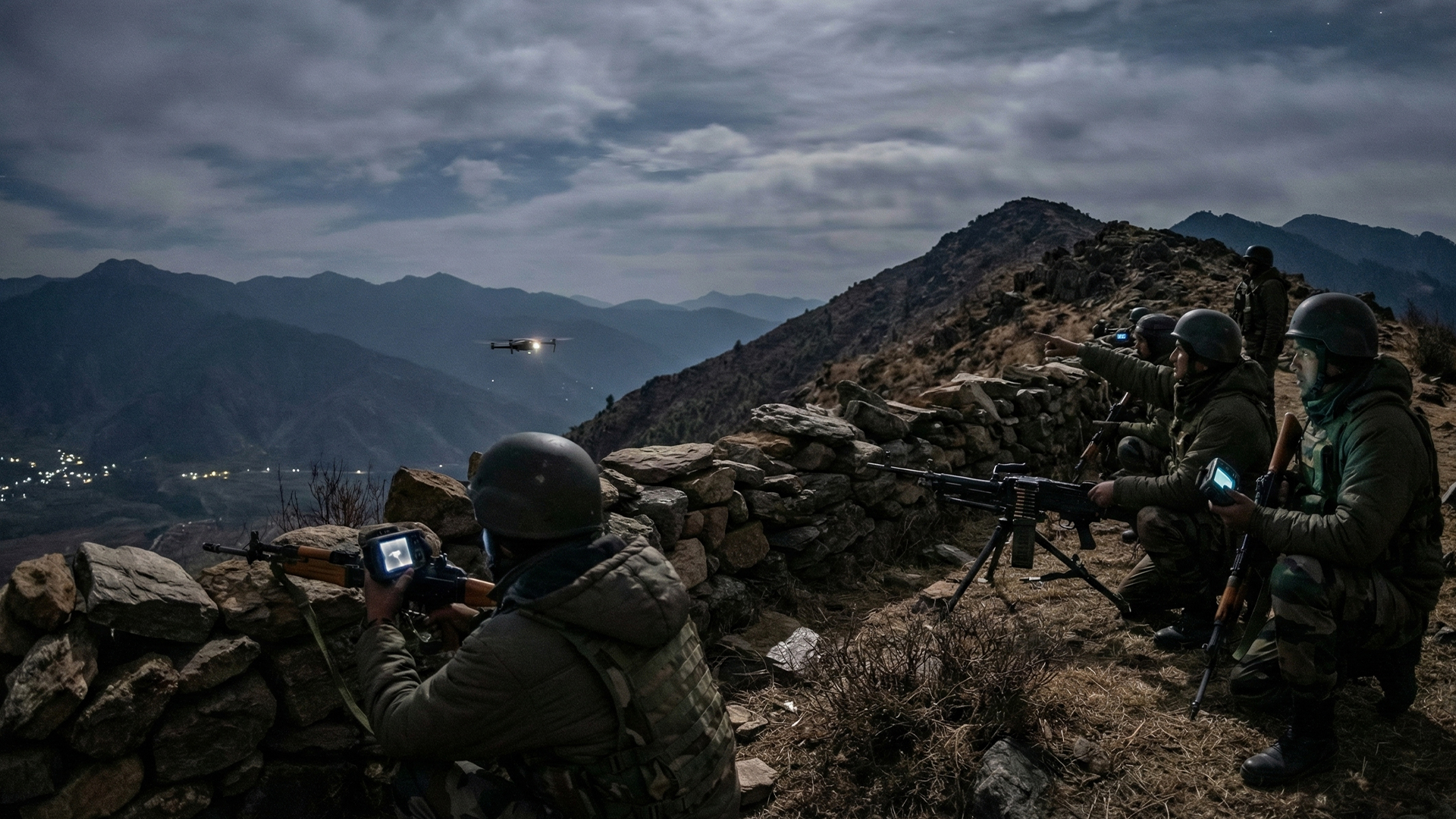
Also Read: Drone attempts detected near LoC in J&K

ISRO’s PSLV-C62 launch faces mid-flight glitch

India’s first 2026 mission lifts EOS-N1 and 14 satellites; ISRO investigates third-stage anomaly

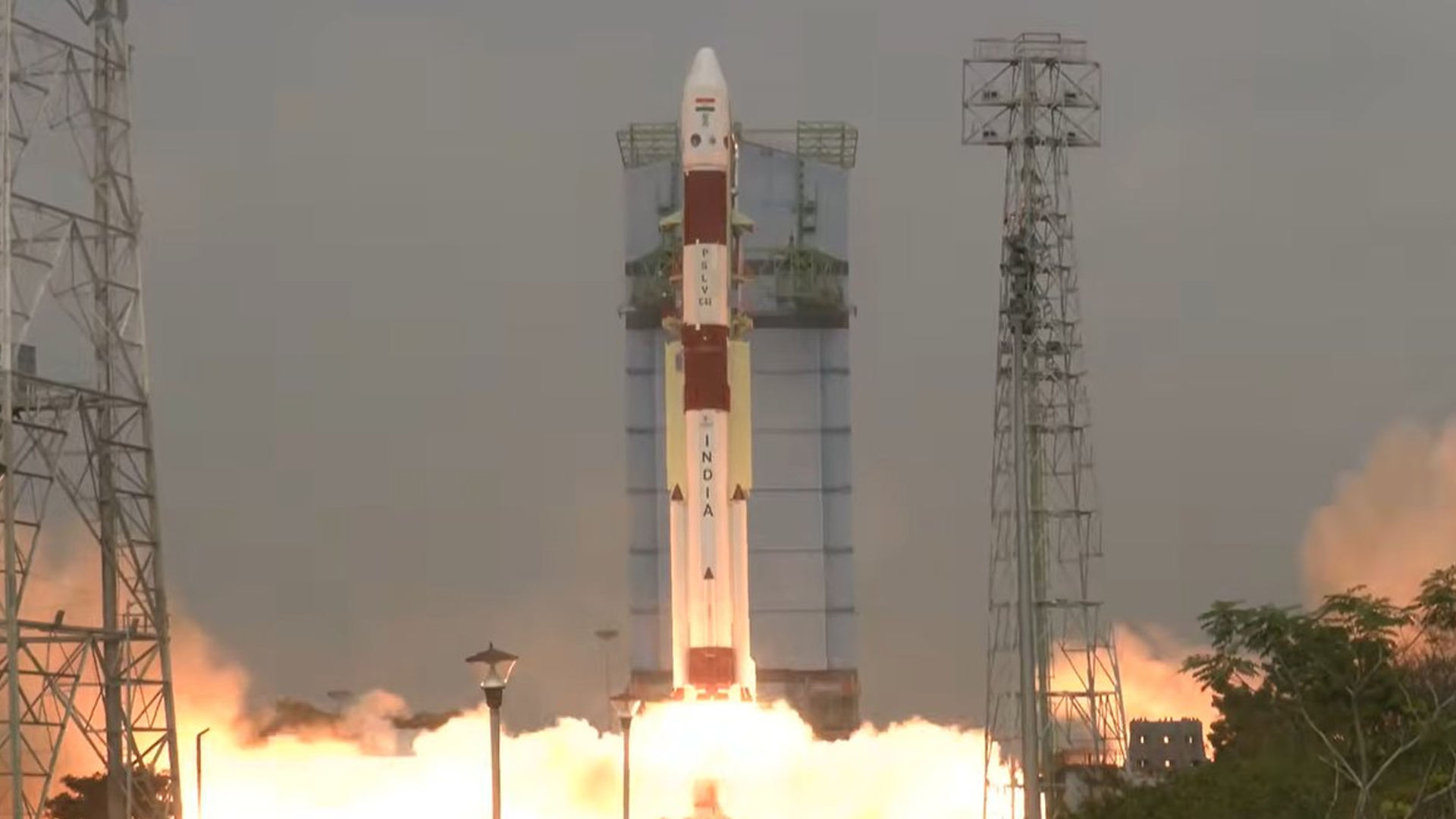
The Indian Space Research Organisation (ISRO) began India’s space journey for 2026 with the launch of PSLV-C62 from the Satish Dhawan Space Centre, Sriharikota, on January 12. The rocket carried EOS-N1, an Earth observation satellite, along with 14 co-passenger satellites from India and abroad.

The launch took place at around 10:18 a.m. and initial stages of the mission progressed as planned. PSLV-C62, known for its consistent performance over the years, successfully lifted off and completed the first two stages of flight normally. This mission was operated by NewSpace India Limited (NSIL), ISRO’s commercial arm, and marked the 64th flight of the PSLV.

EOS-N1, also referred to as Anvesha, is a hyperspectral Earth observation satellite. It has been designed to capture high-resolution data that can be used for agriculture monitoring, environmental studies, water resource management, urban planning, and disaster response. The satellite was expected to strengthen India’s remote sensing and data-driven decision-making capabilities.

Along with EOS-N1, the rocket carried 14 smaller satellites, including technology demonstration and commercial payloads. Among them was an experimental satellite intended to demonstrate controlled atmospheric re-entry, highlighting ISRO’s growing focus on advanced and sustainable space technologies.

However, ISRO later confirmed that the mission faced a technical anomaly during the third stage of flight. A deviation in the vehicle’s performance was observed towards the end of the PS3 stage. As a result, the mission could not be completed as planned.

ISRO Chairman V. Narayanan stated that the launch vehicle performed normally until the anomaly occurred and that a detailed technical analysis is underway to identify the exact cause. The space agency has assured that findings from this review will be used to strengthen future missions.

Despite the setback, the launch underlines India’s continued momentum in space exploration and commercial satellite launches. ISRO is expected to proceed with upcoming missions in 2026 after completing corrective actions, reinforcing its focus on reliability, innovation, and global collaboration in space technology.

Also Read: Modi, German Chancellor Merz meet in Ahmedabad

HC adjourns ED case against Mamata

Hearing on obstruction during I‑PAC raids postponed to January 14 amid courtroom disorder

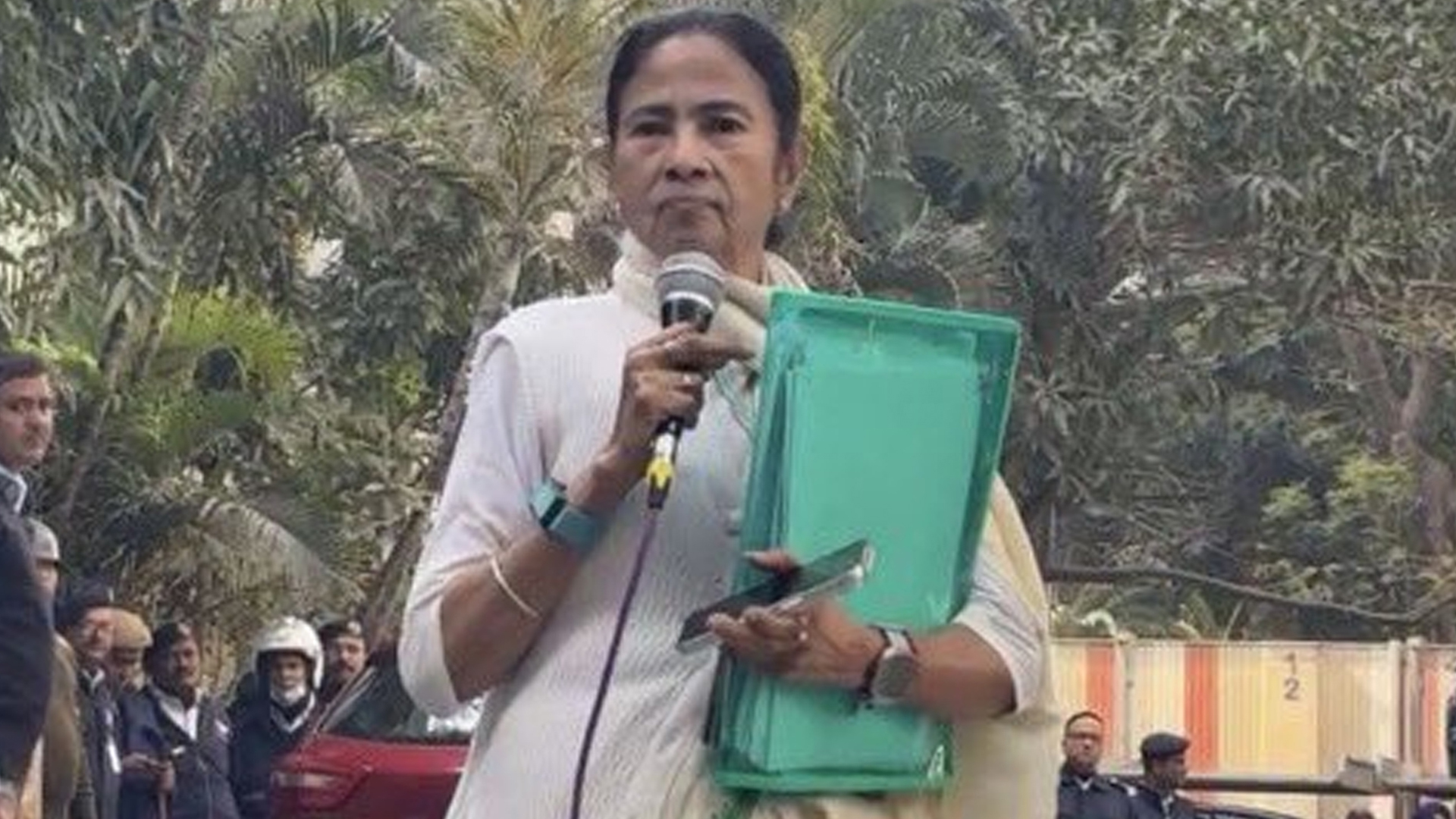
The Calcutta High Court on January 9, 2026, adjourned the hearing on the Enforcement Directorate’s (ED) plea against West Bengal Chief Minister Mamata Banerjee after commotion in the courtroom. The case will now be heard on January 14.

The ED had approached the court claiming that Banerjee obstructed its investigation under the Prevention of Money Laundering Act (PMLA) linked to a coal smuggling case. The raids targeted the residence of I‑PAC director Pratik Jain and the consultancy’s Salt Lake office in Kolkata. According to the ED, the searches were being conducted smoothly until the Chief Minister arrived with senior state police officials. The agency alleged that she removed documents and electronic devices from both locations, disrupting the investigation.

During the hearing, a large crowd of lawyers and others in the courtroom caused “enormous disturbance,” making it impossible for the judge, Justice Suvra Ghosh, to continue. Despite repeated warnings to maintain order, the chaos persisted, prompting the judge to adjourn the case.

The legal confrontation follows Banerjee’s direct intervention during the ED raids on January 8. She claimed that the agency attempted to seize sensitive data related to Trinamool Congress’s election strategy ahead of the 2026 West Bengal Assembly polls. Banerjee described the ED action as politically motivated, alleging it aimed to take party documents and hard drives containing candidate and campaign details.

Trinamool Congress leaders have also filed counter‑petitions and FIRs against ED officials, accusing them of trespass and intimidation during the raids. The dispute highlights rising tensions between the West Bengal government and central investigative agencies as the state prepares for the upcoming elections. Both sides are gearing up for intense legal battles before the next hearing.

The next hearing in the case is scheduled for January 14, where the High Court is expected to address the ED’s petition and the related counterclaims.

Also Read: Trump says US will acquire Greenland ‘Easy or Hard Way’