rotating globe
13 Apr 2026


Trump says US will acquire Greenland easy or hard way

President warns US will act to secure Greenland amid China‑Russia concerns

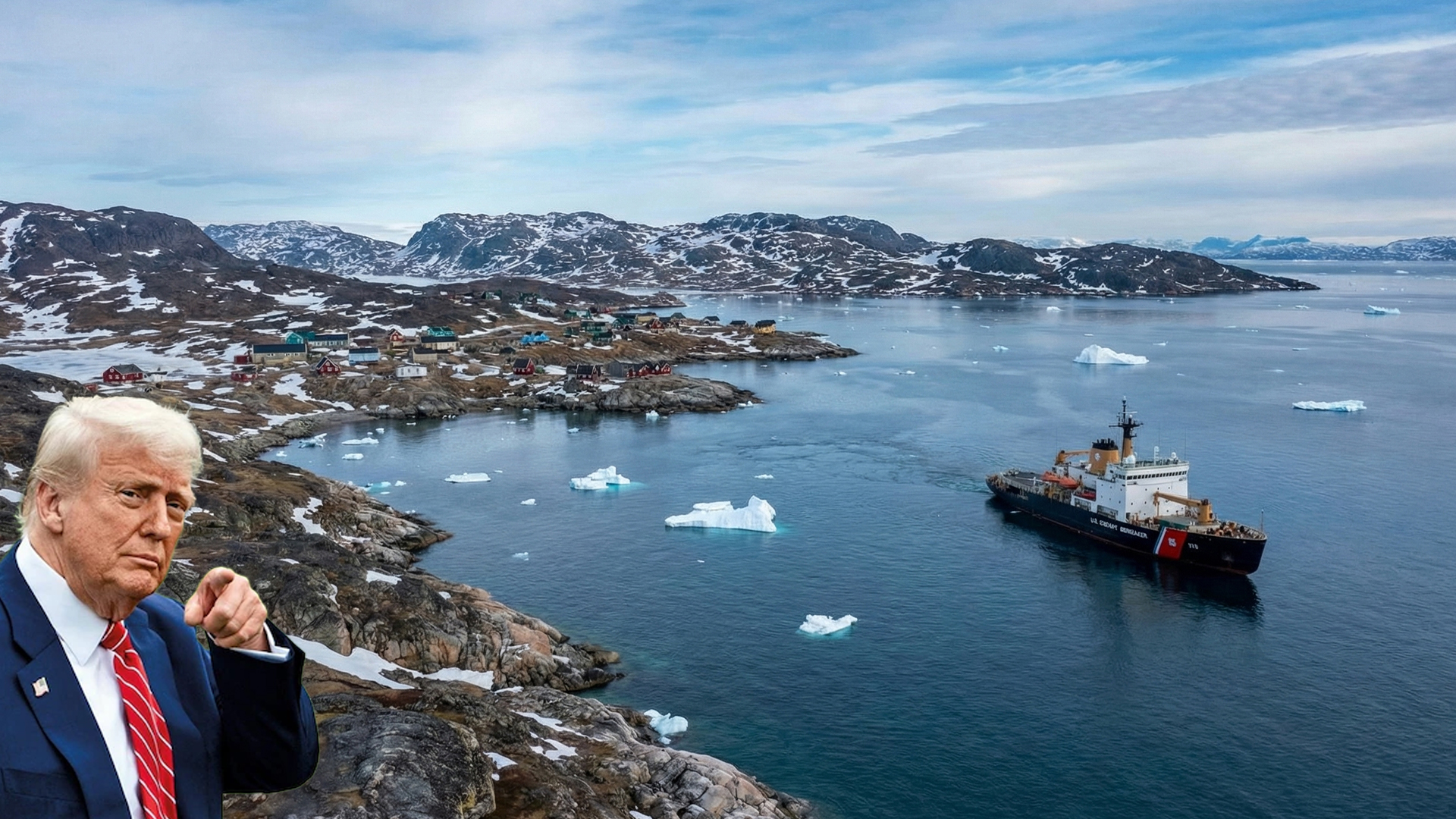
US President Donald Trump has again said that the United States will try to acquire Greenland, an autonomous region of Denmark, and will do so “the easy way” or “the hard way.” He made the remarks on January 9 while meeting oil industry executives at the White House. Trump suggested that if Denmark does not agree to a deal, the US may take other steps to secure the island.

Trump’s main reason for wanting Greenland is national security. He warned that if the US does not act, Russia and China could try to expand their presence on the Arctic island. “We’re not going to have Russia or China occupy Greenland,” he said, adding that the US must act, “whether they like it or not.”

Greenland is part of the Kingdom of Denmark and has a high level of self-rule. Denmark handles its foreign affairs and defense, while Greenland manages internal matters. The US already has a military presence in Greenland, including the Pituffik Space Base, under a 1951 defense agreement. But Trump argues that owning Greenland would better protect American interests as the Arctic becomes more strategically important.

Denmark and Greenland have rejected the idea of selling the island. Danish Prime Minister Mette Frederiksen warned that any military action would harm NATO and violate Denmark’s sovereignty. European leaders also stressed that Greenland’s autonomy must be respected.

Trump’s comments have caused concern among allies. Discussions between US and Danish officials are expected in the coming days to address the issue. Experts say that trying to take Greenland would be unprecedented in modern international relations and could have major political, economic, and strategic consequences.

The international community continues to watch closely. Questions remain about whether the US could legally acquire Greenland, and how such a move might affect global diplomacy. Meanwhile, Trump has made it clear that he considers Greenland too important to ignore and is determined to secure it for the US.

Also Read: India denies claim on US trade deal
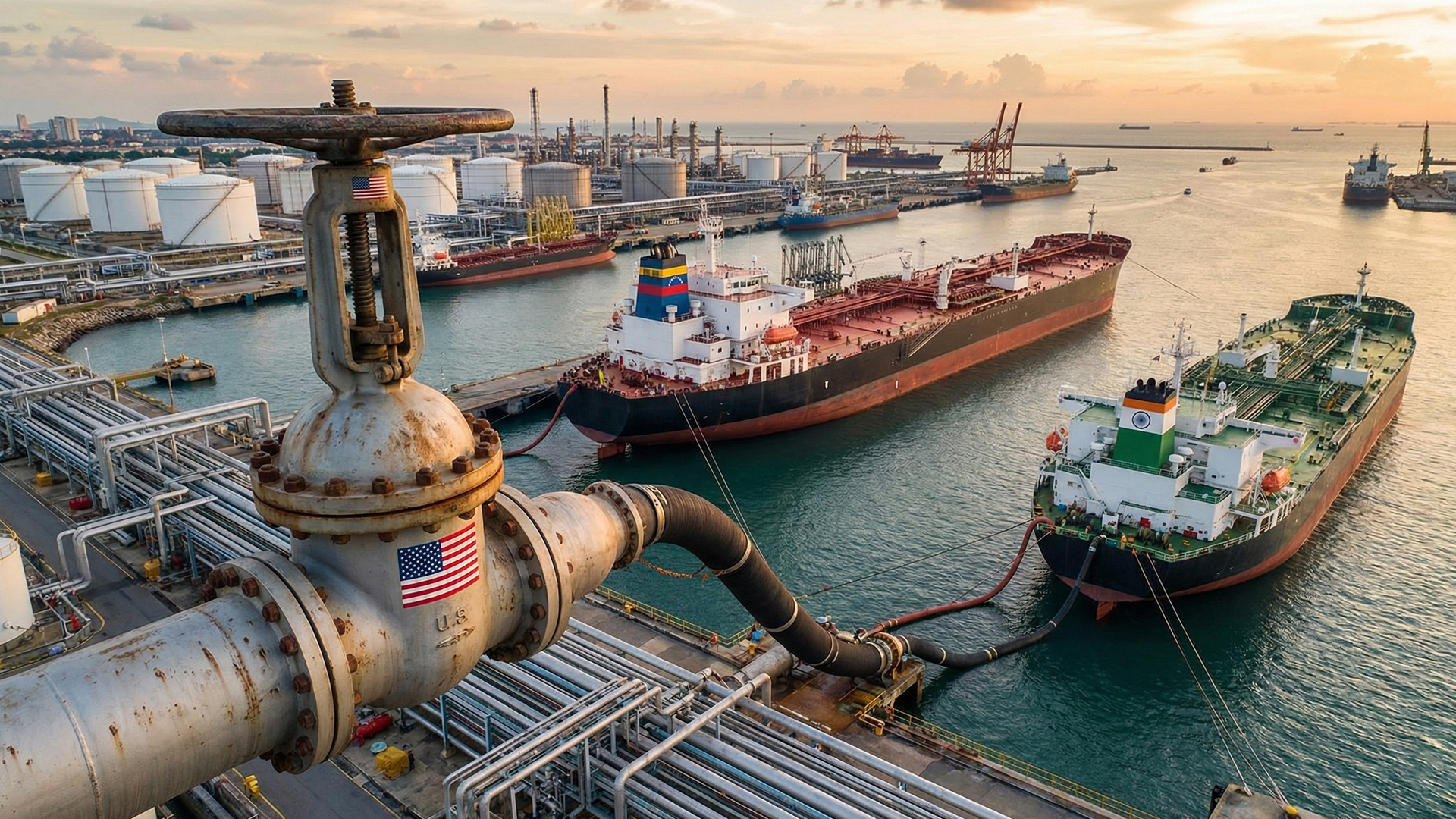
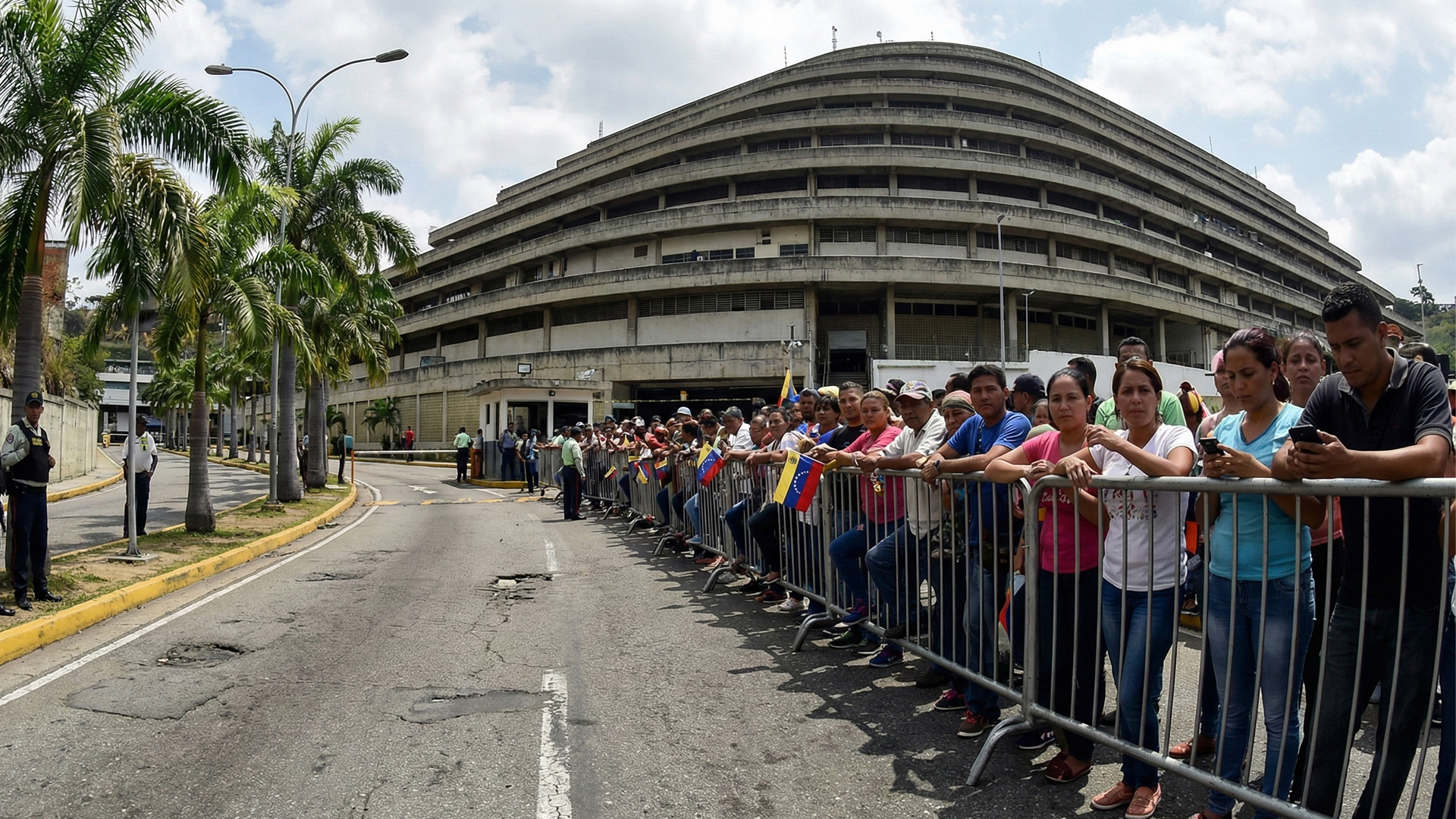
US lets India buy Venezuelan oil with clauses


The United States has given a green signal for India to resume buying oil from Venezuela, a trade blocked for years due to sanctions. US officials clarified that while Indian companies can import Venezuelan crude, all transactions and payments will be closely monitored by Washington. Final rules are still being worked out.

For India, Venezuelan oil could be a lifeline. With imports of Russian crude declining due to US pressure, refiners are looking for alternatives. Reliance Industries, which runs India’s largest refinery, said it may restart Venezuelan oil imports once US regulations are clear. Indian Oil Corporation and Hindustan Petroleum have also shown interest.

Previously, Reliance imported around 63,000 barrels per day of Venezuelan crude in early 2025 under US permits. The last cargo arrived in May 2025, after which sanctions stopped further shipments. Venezuelan crude is heavy and requires special refining, so Indian companies will likely increase imports slowly, step by step.

Experts see this as a strategic win for India. It offers access to discounted heavy crude while remaining within US rules. However, all oil movement and payments will be under Washington’s control, limiting India’s flexibility.

The move also shows a shift in US policy. By opening this trade under supervision, Washington keeps control over Venezuelan oil exports while easing India’s supply challenges. For refiners, it could mean more stable crude supply, reduced dependence on Russian barrels, and a chance to process heavy Venezuelan grades at competitive prices.

Still, approvals and regulations will dictate how quickly the imports can begin and how much crude India can receive. The cautious reopening of this trade route marks a balance between strategic oversight by the US and practical benefits for India’s energy sector.

Also Read: India denies claim on US trade deal
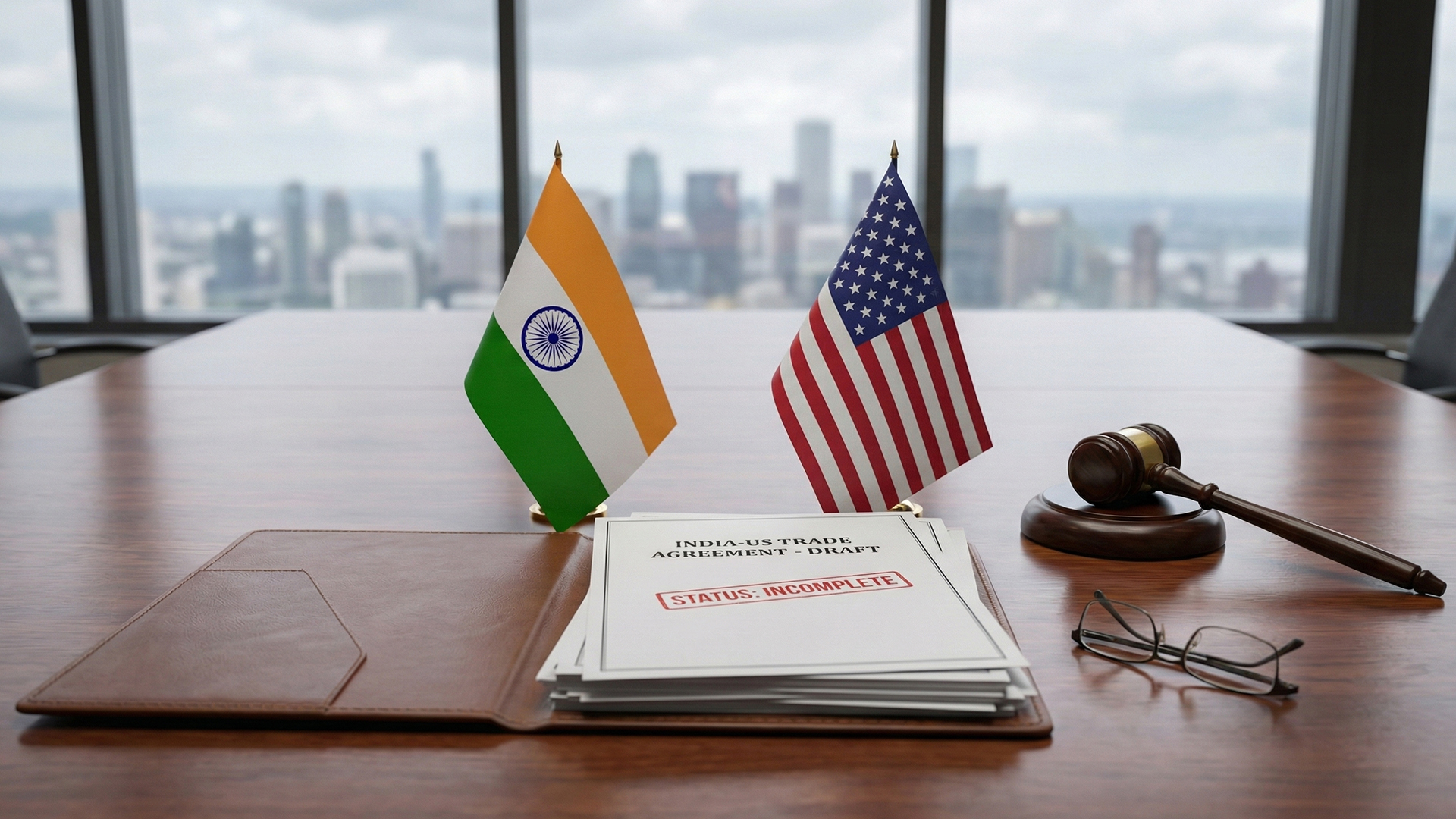
India denies claim on US trade deal

Government says Modi never blocked talks with US

India has rejected claims that a trade deal with the US was delayed because Prime Minister Narendra Modi did not personally call former US President Donald Trump. The government said the statement made by a US official was incorrect and did not reflect the real situation.

The claim was made by US Commerce Secretary Howard Lutnick in a podcast interview. He said a trade agreement between India and the US was almost ready but needed a direct call from Prime Minister Modi to President Trump to be finalised. He suggested that the delay in making this call caused the deal to stall, while the US moved ahead with agreements with other countries.

India’s Ministry of External Affairs dismissed this version of events. Official spokesperson Randhir Jaiswal said the remarks were “not accurate” and clarified that Prime Minister Modi and President Trump were in regular contact. He pointed out that the two leaders spoke several times over the past year and discussed many important bilateral and global issues.

The ministry stressed that there was no lack of communication at the highest level. It also said that trade negotiations are complex and involve many rounds of discussions between officials, not just personal phone calls between leaders.

Indian officials added that talks with the US have faced challenges due to differences over tariffs, market access, and trade policies. These issues take time to resolve and cannot be blamed on any single interaction or decision.

India said it continues to value its relationship with the US and remains open to moving forward on a trade agreement that is fair and beneficial to both sides. The government also emphasised that relations between the two leaders have always been respectful and constructive.

By responding strongly, New Delhi made it clear that it does not accept a simplified narrative around the stalled trade talks and wants the focus to remain on meaningful dialogue and long-term cooperation between India and the US.

Heavy rain alert for Chennai, Tamil Nadu

IMD warns of intense showers and strong winds as depression nears coast

Chennai and several parts of Tamil Nadu are experiencing heavy rainfall as a deep depression over the Bay of Bengal moves closer to the coast, prompting weather alerts from the India Meteorological Department (IMD). The system is expected to influence weather conditions across the state over the next two days, leading to intense showers, thunderstorms, and strong winds in coastal and interior districts.

According to the IMD, the deep depression is currently positioned over the southwest Bay of Bengal and is moving northwestwards. It is likely to cross the Sri Lanka coast before gradually weakening into a depression. However, its impact is expected to be felt strongly in Tamil Nadu, Puducherry, and adjoining regions.

The weather department has issued orange alerts for districts including Thiruvarur, Nagapattinam, and Karaikal, indicating the likelihood of very heavy rainfall. Yellow alerts have been issued for Chennai and several other districts such as Thanjavur, Madurai, Tiruchirapalli, Sivagangai, Cuddalore, and Mayiladuthurai, warning of heavy rain at isolated places.

Chennai has already witnessed intermittent spells of rain, leading to waterlogging in low-lying areas and slower traffic movement during peak hours. Authorities have advised residents to remain cautious, especially in flood-prone localities, and avoid unnecessary travel during intense rainfall periods.

In addition to rain, the IMD has warned of strong winds ranging between 55 and 65 kmph along parts of the Tamil Nadu coast. Sea conditions are expected to remain rough over the southwest Bay of Bengal and the adjoining Indian Ocean region. As a precautionary measure, fishermen have been strictly advised not to venture into the sea until the weather system weakens and conditions improve.

Thunderstorms accompanied by lightning are also likely at isolated places across the state. Emergency services and district administrations have been placed on alert, with officials monitoring the situation closely to respond to any weather-related incidents.

The IMD has urged the public to stay updated with official forecasts and advisories, follow safety instructions, and cooperate with local authorities. With the northeast monsoon still active, further spells of rain cannot be ruled out in the coming days, keeping Tamil Nadu on high weather alert.

Also Read: Union Budget on Feb 1, Economic Survey on Jan 29

NGT declares Ganga Tent cities illegal

Tribunal flags environmental violations on Varanasi riverbed, orders fine recovery

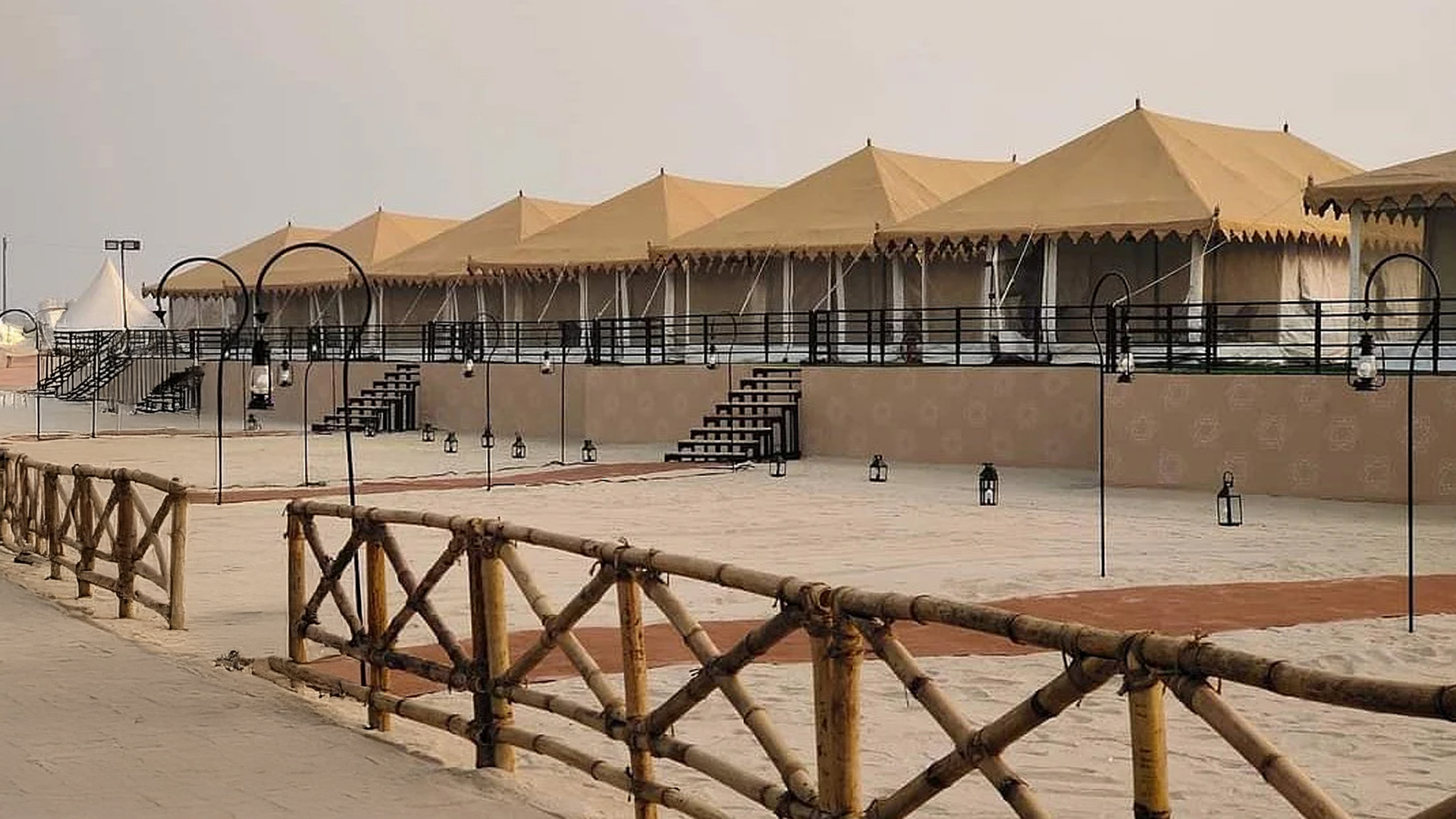
The National Green Tribunal (NGT) has declared the luxury tent city projects set up on the Ganga riverbed in Varanasi illegal, holding that they violated key environmental norms and river protection laws. The tribunal has also directed authorities to recover environmental compensation imposed on the project developers for operating without mandatory approvals.

The ruling relates to two high-end tent city projects developed on the floodplain of the Ganga to promote tourism in the holy city. These projects, inaugurated in January 2023, were established following tenders issued by the Uttar Pradesh government and were projected as temporary accommodation facilities. However, the NGT found that the developments were carried out in ecologically sensitive areas where construction and commercial activity are strictly regulated.

In its order, the tribunal observed that the tent cities violated the River Ganga (Rejuvenation, Protection and Management) Authorities Order, 2016. This order restricts any unregulated activity on riverbeds and floodplains without prior statutory clearances. The NGT noted that while the developers had received conditional consent to establish the facilities, they did not obtain the mandatory “Consent to Operate” from the Uttar Pradesh Pollution Control Board (UPPCB) before beginning operations.

A joint inspection committee comprising officials from the National Mission for Clean Ganga, Central and State Pollution Control Boards and the environment ministry recorded several violations. These included improper sewage management, operation within the high flood level zone, and the risk of untreated waste entering the river. The tribunal also referred to concerns about damage to local biodiversity and disturbance to the natural flow and ecology of the Ganga.

The UPPCB had earlier imposed an environmental compensation of ₹17.12 lakh on the developers for non-compliance. The NGT expressed dissatisfaction over the delay in recovering the amount and directed state authorities to ensure that the penalty is collected within a stipulated timeframe.

The tribunal further cautioned that no similar tent cities or commercial tourism projects should be allowed on the Ganga’s riverbed, floodplains or along its tributaries unless all environmental laws and clearance requirements are fully met. It emphasised that development in sensitive river zones must not compromise ecological protection.

The NGT did not rule on claims related to the area’s wildlife sanctuary status, noting that the matter is currently under consideration by the Supreme Court.

Also Read: Delhi Court charges Lalu Prasad Yadav and family

Delhi Court charges Lalu Prasad Yadav and family

High‑profile political figure and family members accused of criminal conspiracy, corruption and cheating

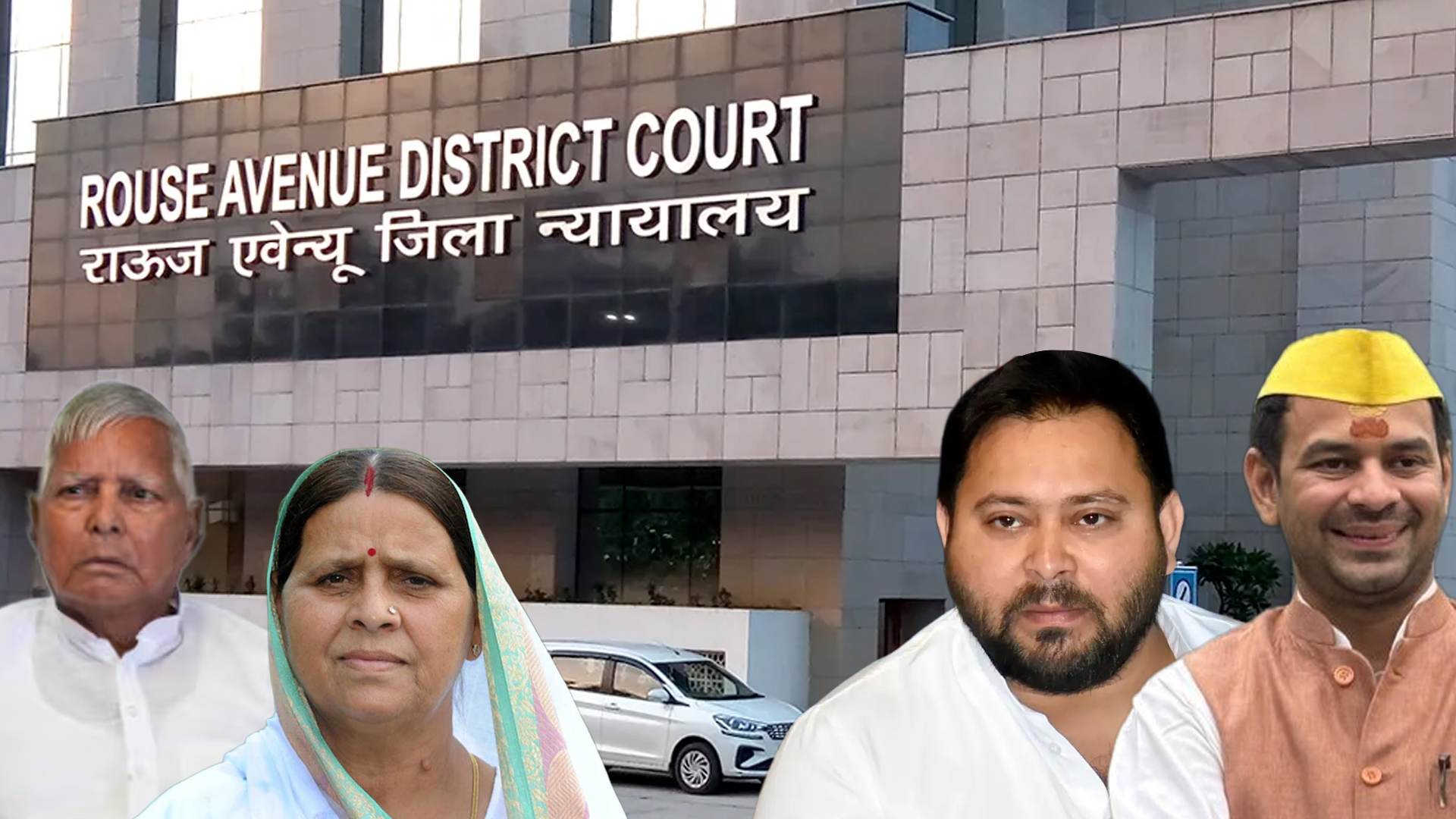
A Delhi court has formally framed criminal charges against RJD President and former Railway Minister Lalu Prasad Yadav and several of his family members in the long-running Railways “land-for-jobs” corruption case. The order was issued by the Rouse Avenue Court, which found enough evidence for a trial to proceed.

The court named Lalu Prasad Yadav, his wife Rabri Devi, sons Tejashwi and Tej Pratap Yadav, and daughter Misa Bharti, among others, as accused. They face allegations of criminal conspiracy, cheating, and corruption. The charges are based on a Central Bureau of Investigation (CBI) probe that examined irregularities in the allocation of railway jobs in exchange for land and money.

According to the CBI, land parcels were allegedly acquired in the names of family members or close associates at below-market rates, and in return, Group-D railway jobs were provided in various parts of the country. The court noted that the allegations, as presented in the chargesheet, were sufficient to justify formal prosecution.

In addition to charges under the Prevention of Corruption Act, the case is also being investigated by the Enforcement Directorate for possible money laundering related to land transactions in Patna and other areas.

The case has attracted wide political attention. Supporters of the accused have denied any wrongdoing, while critics have highlighted the seriousness of the charges. The court will now set timelines for trial proceedings, including evidence presentation and arguments.

This development comes after years of investigation and multiple court hearings. Legal experts say the outcome could have major political and legal implications, particularly ahead of upcoming elections in Bihar and other states.

The framing of charges marks a significant step in one of India’s high-profile corruption cases, drawing attention to the intersection of politics, public office, and alleged misuse of power for personal gain. The trial is now officially underway, and the court will monitor the case closely as it proceeds.

Also Read: Trump ready to let US‑Russia nuclear treaty expire

Alphabet surpasses Apple in global ranking

AI growth pushes Google’s parent to second place behind Nvidia

Alphabet Inc., the company behind Google, has overtaken Apple Inc., climbing to become the world’s second-most valuable company. The shift comes as investors reward Alphabet’s strong performance in artificial intelligence (AI) and cloud technologies.

As of January 8, 2026, Alphabet’s market capitalization was about $3.89 trillion, slightly above Apple’s $3.85 trillion. Alphabet’s shares continued to rise after this, while Apple’s slipped, confirming the new ranking.

Nvidia remains the world’s most valuable company, with a market value of over $4.4 trillion, led by its AI-focused hardware and data center business.

Alphabet’s growth is driven by its AI innovations, including the Gemini 3 model and custom TPU chips, which help Google expand beyond search and ads into cloud computing and AI services. Analysts say Alphabet’s stock was one of the top performers among major tech firms in 2025.

Apple has fallen slightly behind due to slower AI adoption and ongoing leadership transitions. While the company is adding AI features to its products, it has yet to match Alphabet’s scale in the AI space.

 Alphabet’s rise highlights how AI is reshaping the global tech landscape, with innovation now a key factor in determining the world’s most valuable companies.

Also Read: UIDAI introduces Udai mascot for Aadhaar

UIDAI introduces Udai mascot for Aadhaar

New mascot aims to simplify Aadhaar communication for citizens

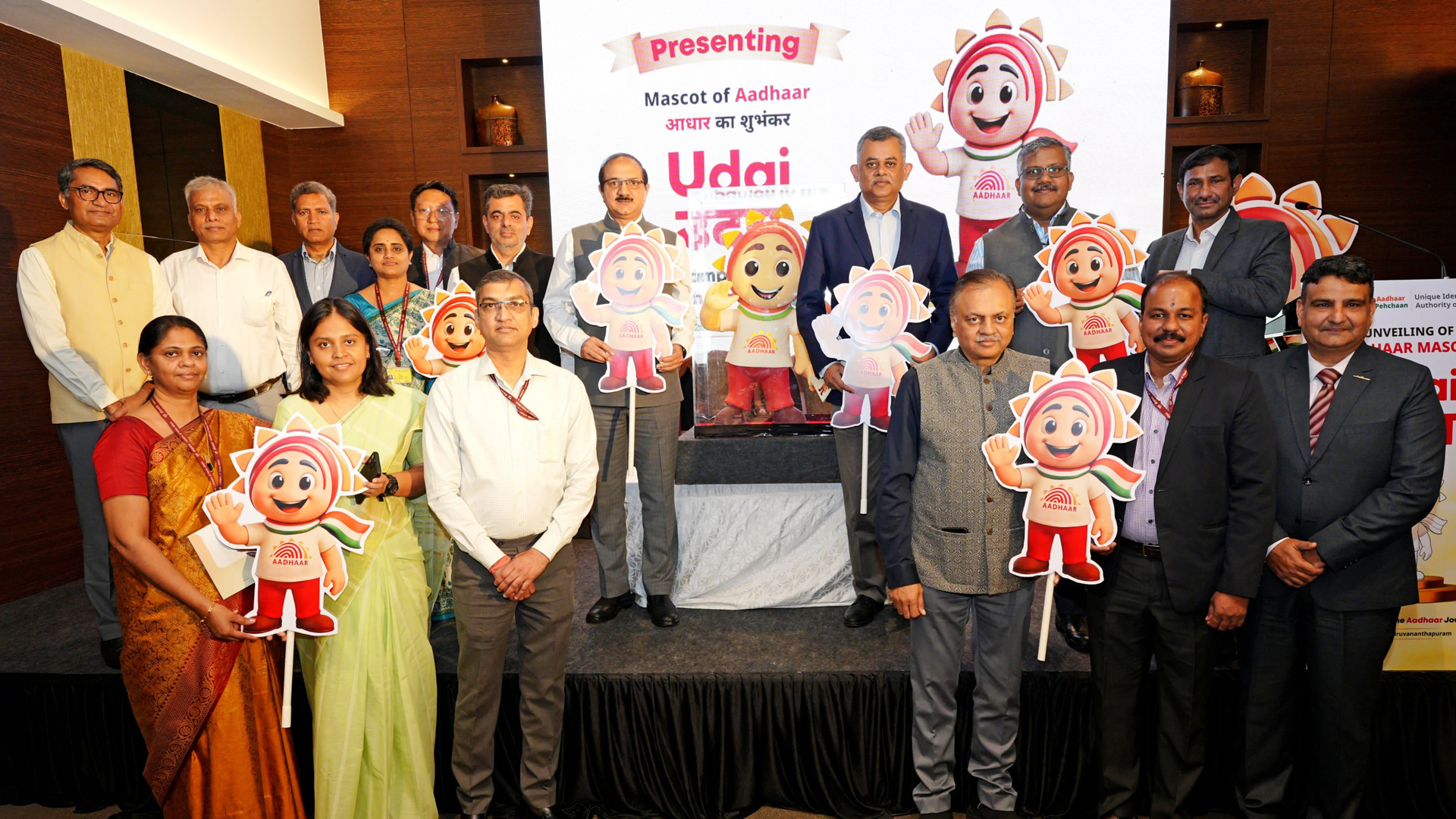
The Unique Identification Authority of India (UIDAI) has launched an official mascot named Udai to make Aadhaar services more accessible and easier to understand for the public. The initiative seeks to simplify communication about Aadhaar features, updates, authentication, offline verification, and responsible use, making the digital identity system more relatable for residents across India.

The mascot was unveiled at a ceremony in Thiruvananthapuram by UIDAI Chairman Neelkanth Mishra, who also recognised winners of the design and naming competition. The creation of Udai involved public participation, reinforcing Aadhaar’s core principle that engagement and trust are built through citizen involvement. UIDAI CEO Bhuvnesh Kumar emphasised that a mascot can help residents, especially those less familiar with technology, better understand Aadhaar services.

Udai was chosen through a national contest hosted on the MyGov platform, which received 875 entries from students, professionals, and designers. A multi-tier evaluation ensured fair selection of the final design and name.

In the design category, Arun Gokul from Thrissur, Kerala, won first prize, while Idris Dawaiwala from Pune and Krishna Sharma from Ghazipur secured second and third places. In the naming contest, Riya Jain of Bhopal suggested the winning name Udai, with Dawaiwala and Maharaj Saran Chellapilla of Hyderabad placing second and third.

UIDAI plans to integrate Udai across multiple communication platforms, including awareness campaigns, educational materials, and digital channels. Officials stated that the mascot would help explain Aadhaar updates and services in a more intuitive, engaging, and citizen-friendly manner, especially for populations with lower digital literacy.

This creative leap is part of UIDAI’s broader effort to enhance digital inclusion, ensuring that Aadhaar remains user-friendly for all citizens, regardless of age or literacy level. By leveraging a mascot, UIDAI hopes to humanise its messaging, improve public understanding, and foster trust in India’s foundational identity system, strengthening its role in the country’s growing digital ecosystem.

Also Read: Trump’s new dietary guidelines favor red meat, cut sugar