rotating globe
13 Apr 2026


Jaishankar, Macron reaffirm India‑France strategic ties

External Affairs Minister S. Jaishankar meets French President Macron, discusses global challenges, cooperation

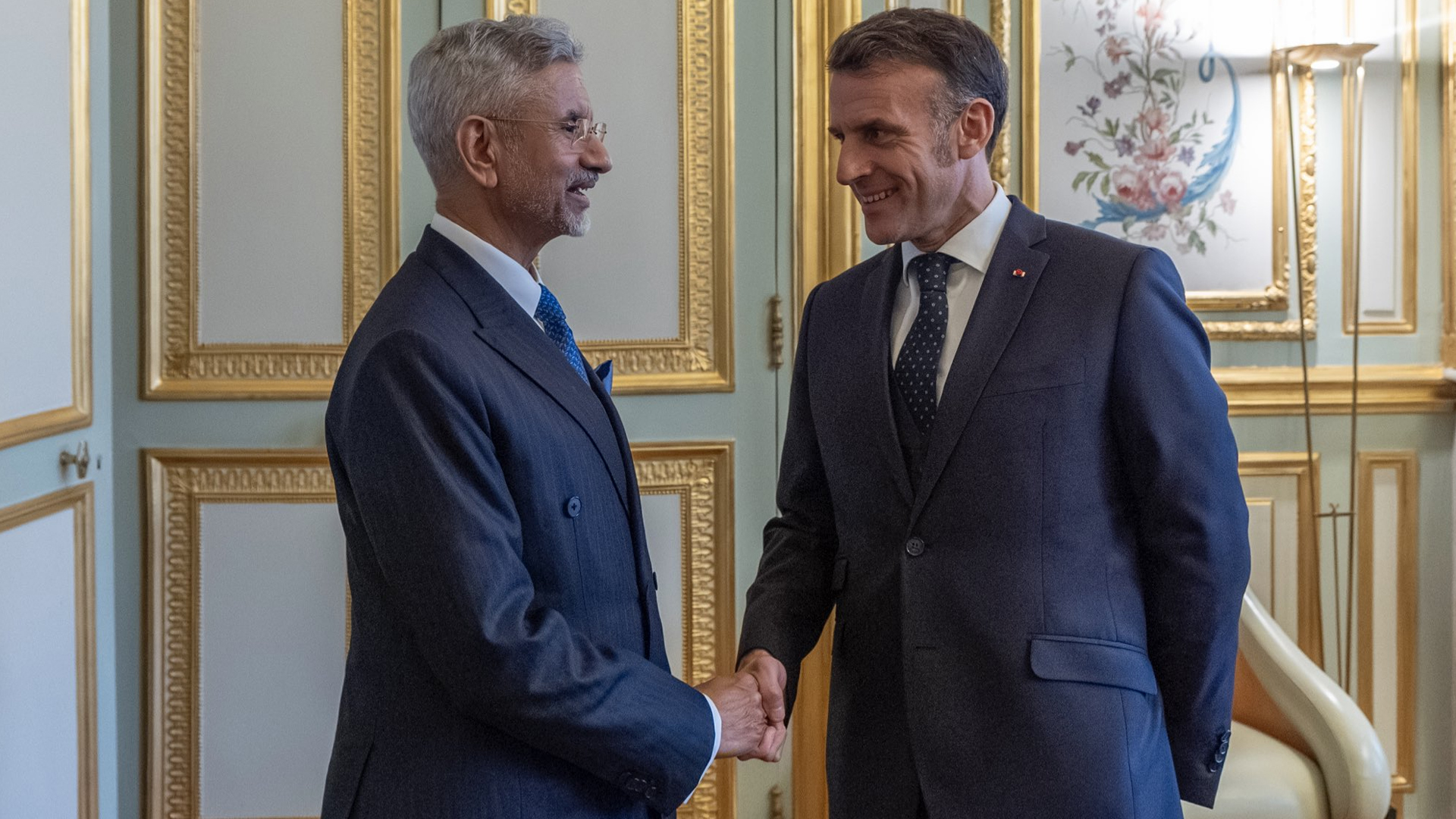
In a warm and constructive meeting in Paris today, External Affairs Minister S. Jaishankar and French President Emmanuel Macron reaffirmed the strong and growing partnership between India and France. The talks focused on global developments, regional security, and ways to enhance cooperation on shared priorities.

Jaishankar conveyed greetings from Prime Minister Narendra Modi to President Macron and highlighted the close, friendly ties both countries have nurtured over the years. In posts on social media, he appreciated Macron’s positive outlook on the strategic partnership and their shared vision for navigating an increasingly complex world.

The leaders discussed how global shifts—across economics, technology, security, and energy are changing the way nations interact. Both sides agreed on the importance of coordinated action among like-minded countries to address these challenges and strengthen international stability. The conversation underlined India and France’s commitment to working together in areas like defense, space, clean energy, and sustainable technology.

Earlier, Jaishankar spoke at the Ambassadors’ Conference of France, noting that global change is not just about resources and trade but also about mindsets and how nations adapt to new realities. He emphasized that India’s approach of strategic autonomy and engagement in multilateral forums remains central to shaping a balanced global order.

The meeting also touched on preparations for President Macron’s upcoming visit to India, which will include participation in the India–AI Impact Summit 2026 in New Delhi, focusing on artificial intelligence cooperation. Officials said these discussions signal both countries’ intent to deeply collaborate on international issues while fostering people-to-people connections.

Also Read: Iran protests intensify, internet shut down

OpenAI launches ChatGPT Health for users

AI app explains health data, tracks wellness, keeping information private and secure

OpenAI has rolled out ChatGPT Health, a new feature that allows users to safely manage and understand their health information. Available within the ChatGPT app, this feature lets users upload medical records and connect data from popular health and fitness apps like Apple Health, MyFitnessPal, Fitbit, and Peloton.

Once connected, ChatGPT Health can help users interpret lab results, track wellness trends, and prepare for doctor visits. It can provide suggestions on exercise, nutrition, and insurance options based on personal health data. OpenAI stresses that while the AI can guide and explain, it does not replace medical advice or diagnosis from a qualified healthcare professional.

To protect sensitive information, ChatGPT Health keeps medical data separate from regular ChatGPT interactions and uses enhanced privacy and security measures. Importantly, the information users share is not used to train OpenAI’s main AI models, giving users more confidence about how their personal data is handled.

The feature is being gradually introduced, initially available to a limited group of users on iOS and web platforms, with wider access expected later. OpenAI aims to give people a clearer understanding of their health, making it easier to manage wellness routines and track progress in one convenient place.

Healthcare experts say that AI tools like ChatGPT Health can simplify the interpretation of complex health data, but they cannot replace direct consultations with doctors. Users should continue to rely on professional medical guidance for any treatment decisions.

ChatGPT Health reflects a growing trend of using AI to support personal health management, helping individuals take more proactive steps toward their wellness goals. By bringing together medical records and fitness app data, the platform offers a holistic view of health, helping users make informed decisions about their lifestyle and care.

Also Read: Delhi-NCR shivers as winter rain hits hard

Trump says international law doesn’t limit US

President claims only his personal morality restrains US foreign actions

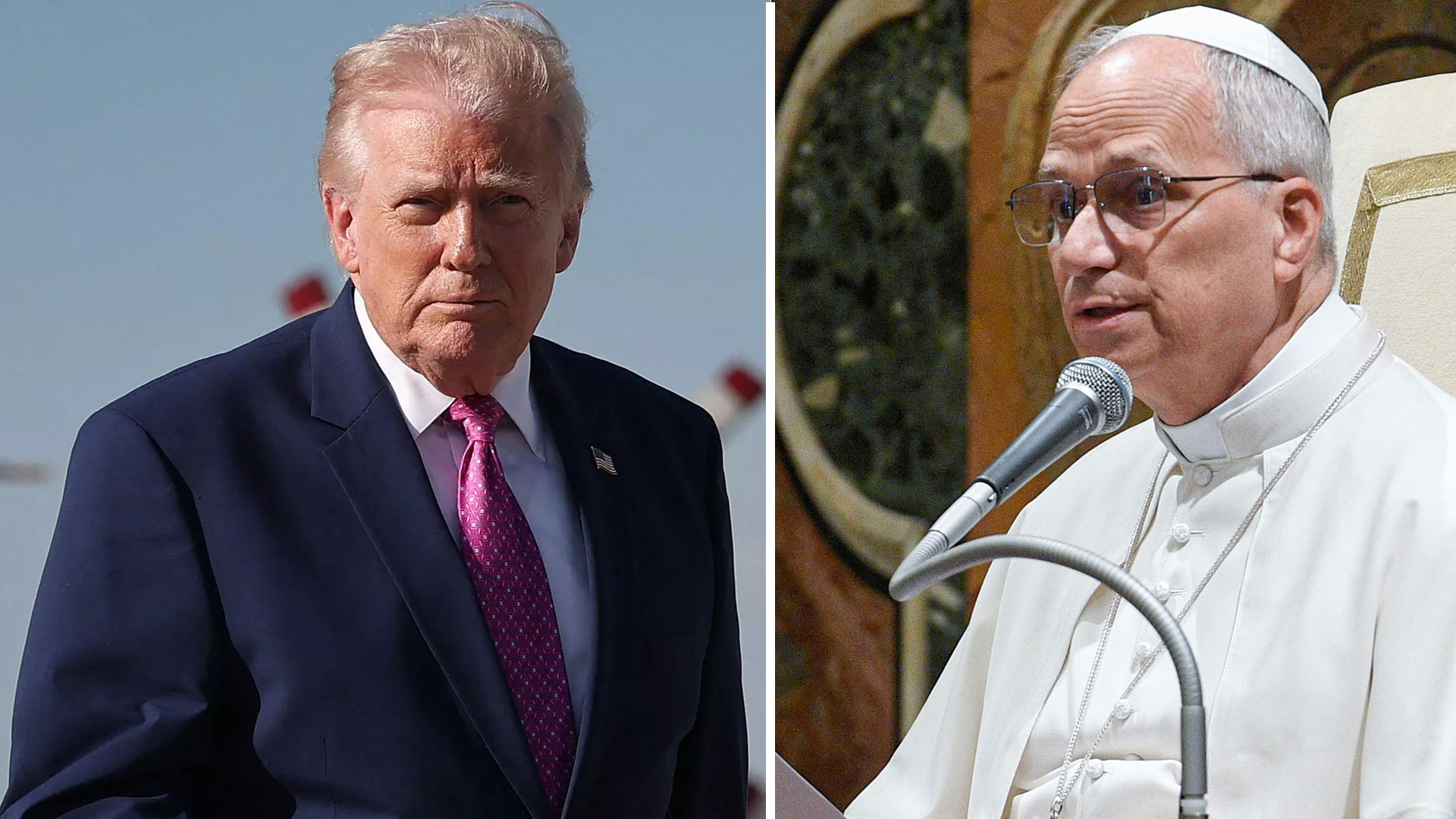
President Donald Trump has stirred international concern by saying that international law does not limit his authority as president. In an interview, Trump stated that the only check on his actions is his own “morality and judgment.”

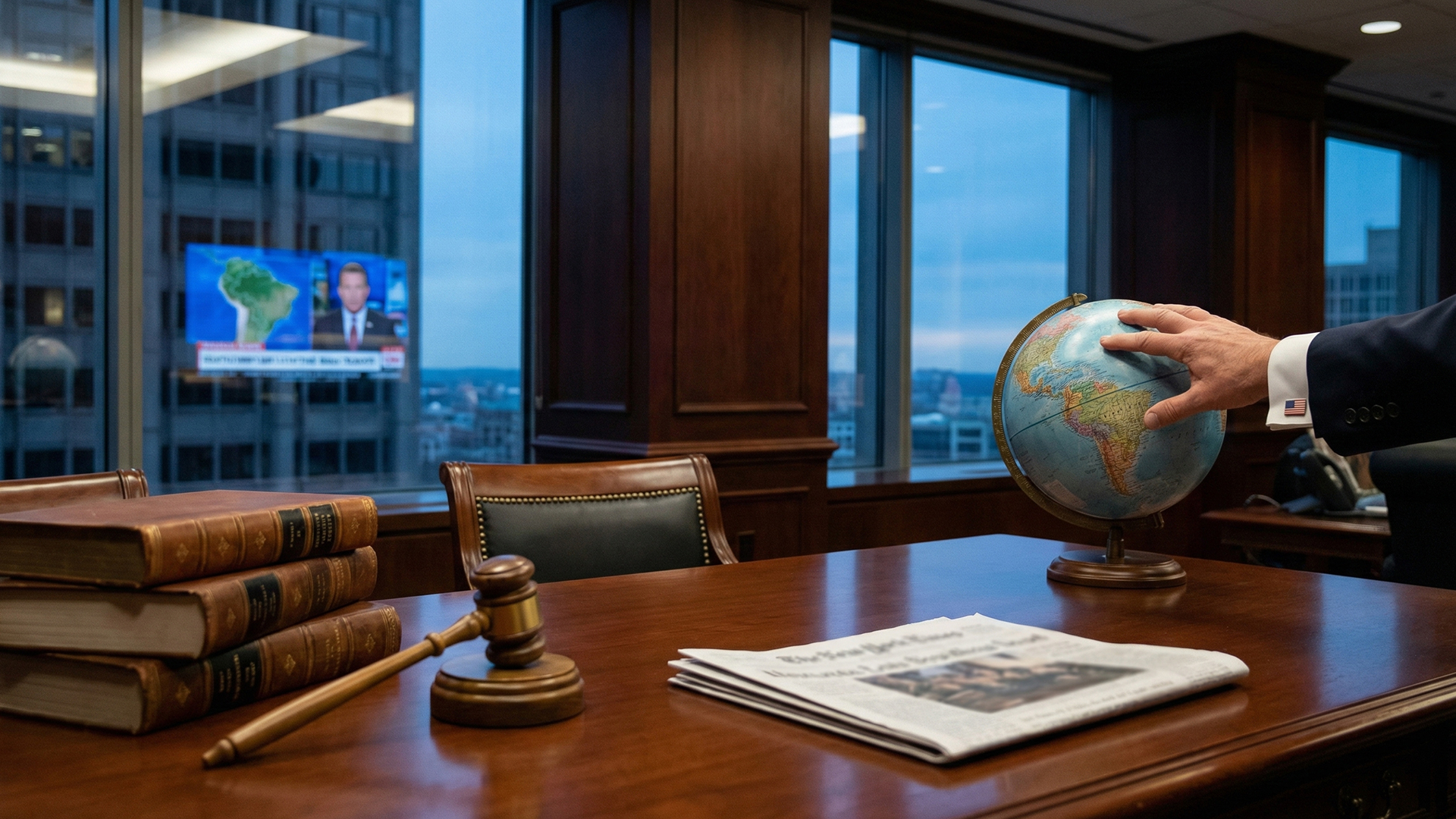
“I don’t need international law. I’m not looking to hurt people,” Trump told The New York Times. He added that adherence to international law would depend on “what your definition of international law is,” signalling that he sees himself as the ultimate interpreter of the rules for the US.

These remarks come as the US has taken several bold actions overseas. Recently, American forces carried out an operation in Venezuela, capturing President Nicolás Maduro on criminal charges. Experts have criticised the operation as a possible violation of the United Nations Charter, which prohibits the use of force against other nations.

Trump’s administration has also revived its interest in acquiring Greenland, a move that has already caused tensions with European allies. Officials have hinted at potential further military actions in the region, reinforcing the impression of a more assertive US foreign policy.

International law scholars and United Nations officials have warned that such statements could weaken the global rules-based order. One UN expert described the comments as “extremely dangerous,” suggesting that if world leaders follow this example, other nations may feel encouraged to ignore international laws, increasing the risk of conflict.

Critics in the US argue that Trump’s stance reflects a shift from multilateral cooperation to unilateral action, guided solely by national interest and executive authority. They warn that dismissing legal frameworks could undermine global trust and embolden rival powers.

Domestically, the remarks add to debates about the limits of presidential power, executive discretion in foreign affairs, and the broader role of the US in upholding international norms. Observers say this approach could redefine how the US interacts with allies and adversaries in the coming years.

Also Read: Bangladesh suspends most visa services in India

Trump ready to let US‑Russia nuclear treaty expire

New START may lapse as broader global arms deal sought with Russia

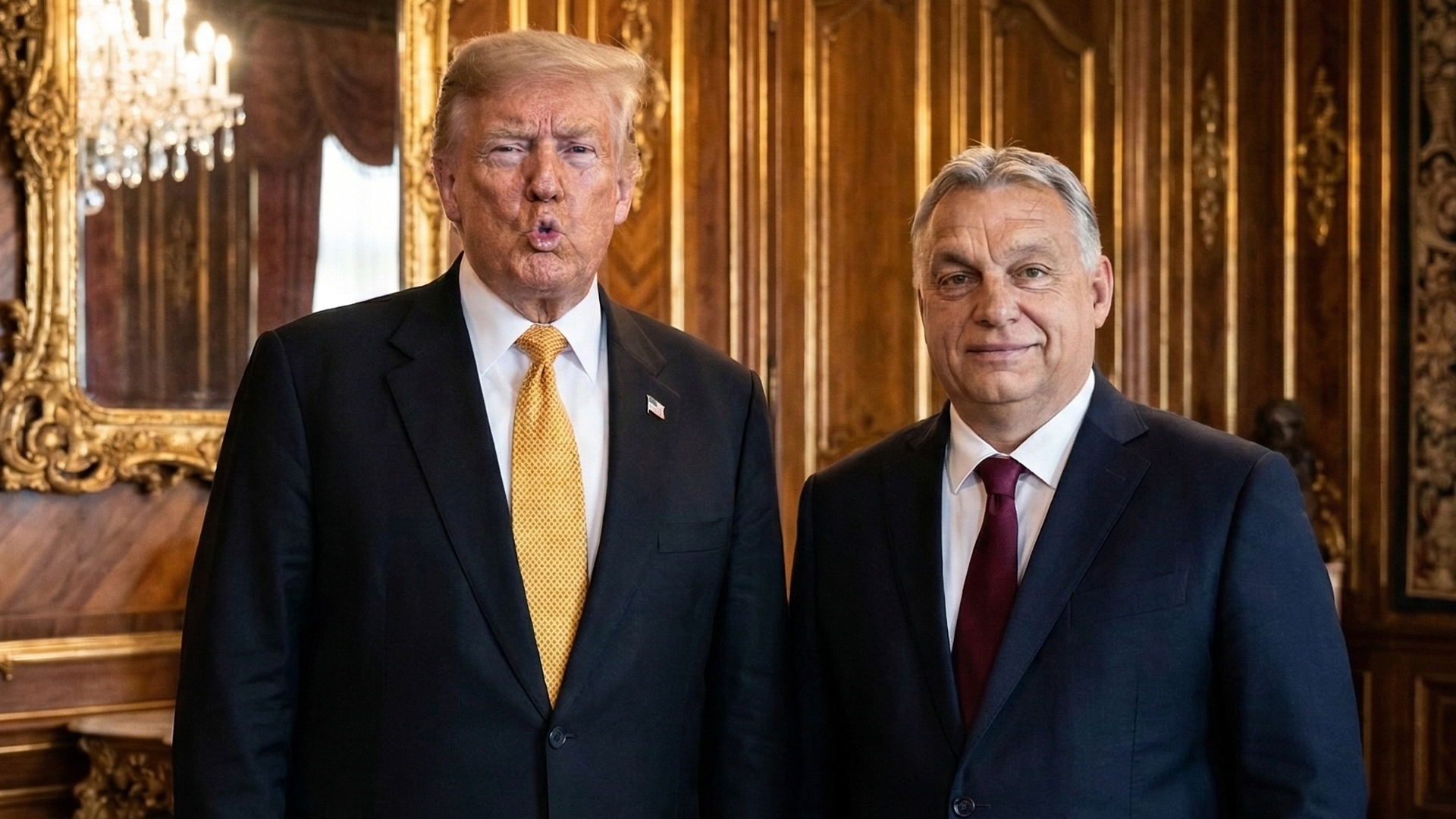
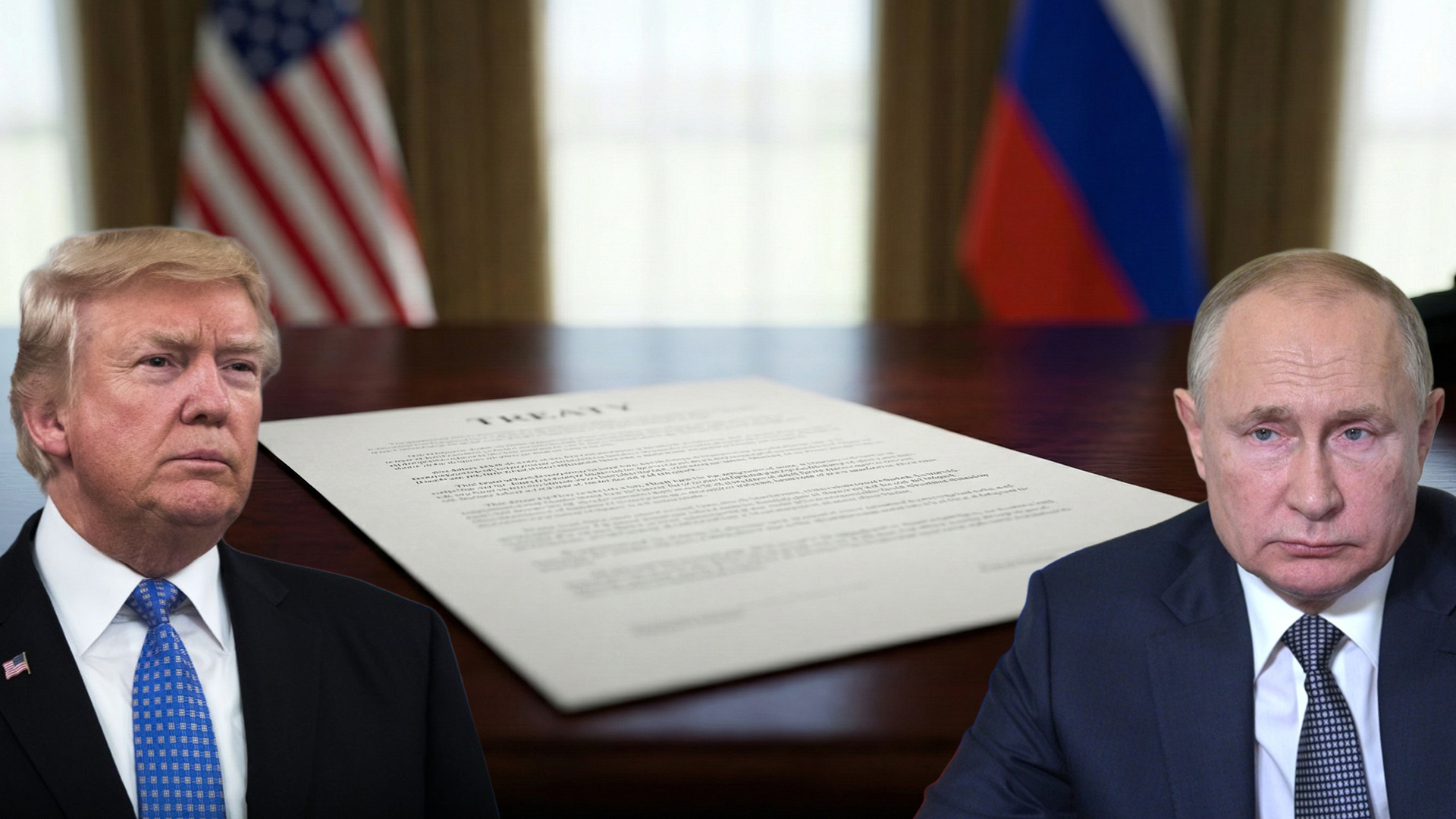
President Donald Trump has indicated that he may let the last major nuclear arms control treaty with Russia, the New START treaty, expire early next year. In an interview with The New York Times, he said, “If it expires, it expires,” suggesting that he would not extend the agreement in its current form.

The New START treaty, signed in 2010, limits the number of deployed strategic nuclear warheads and delivery systems, including long-range missiles, bombers, and submarines, for both countries. Under the treaty, each side is allowed up to 1,550 deployed warheads and 700 delivery vehicles. The treaty was extended once for five years under the Biden administration, making it the last standing arms control agreement between the two nuclear powers.

Trump emphasized that he would prefer a “better deal” rather than simply renewing the existing treaty. He expressed interest in negotiating a wider arms control framework that could include other nuclear nations, such as China, which has been rapidly expanding its nuclear arsenal. Any future agreement, according to Trump, should address these emerging global nuclear threats.

Arms control experts have warned that allowing the treaty to lapse without a replacement could weaken global nuclear stability. Without a formal limit on nuclear weapons, both countries could potentially increase their deployed warheads, raising the risk of an arms race.

Russian President Vladimir Putin had reportedly offered to continue observing the treaty limits voluntarily if Trump agreed to do the same, but there has been no indication that this offer will be accepted. Meanwhile, China has refused to join any trilateral nuclear arms talks.

With the treaty’s expiration approaching in February 2026, the world is watching closely.

Also Read: Iran protests intensify, internet shut down
Iran protests intensify, internet shut down
Supreme leader Khamenei blames foreign forces as economic anger fuels nationwide unrest and deadly crackdowns

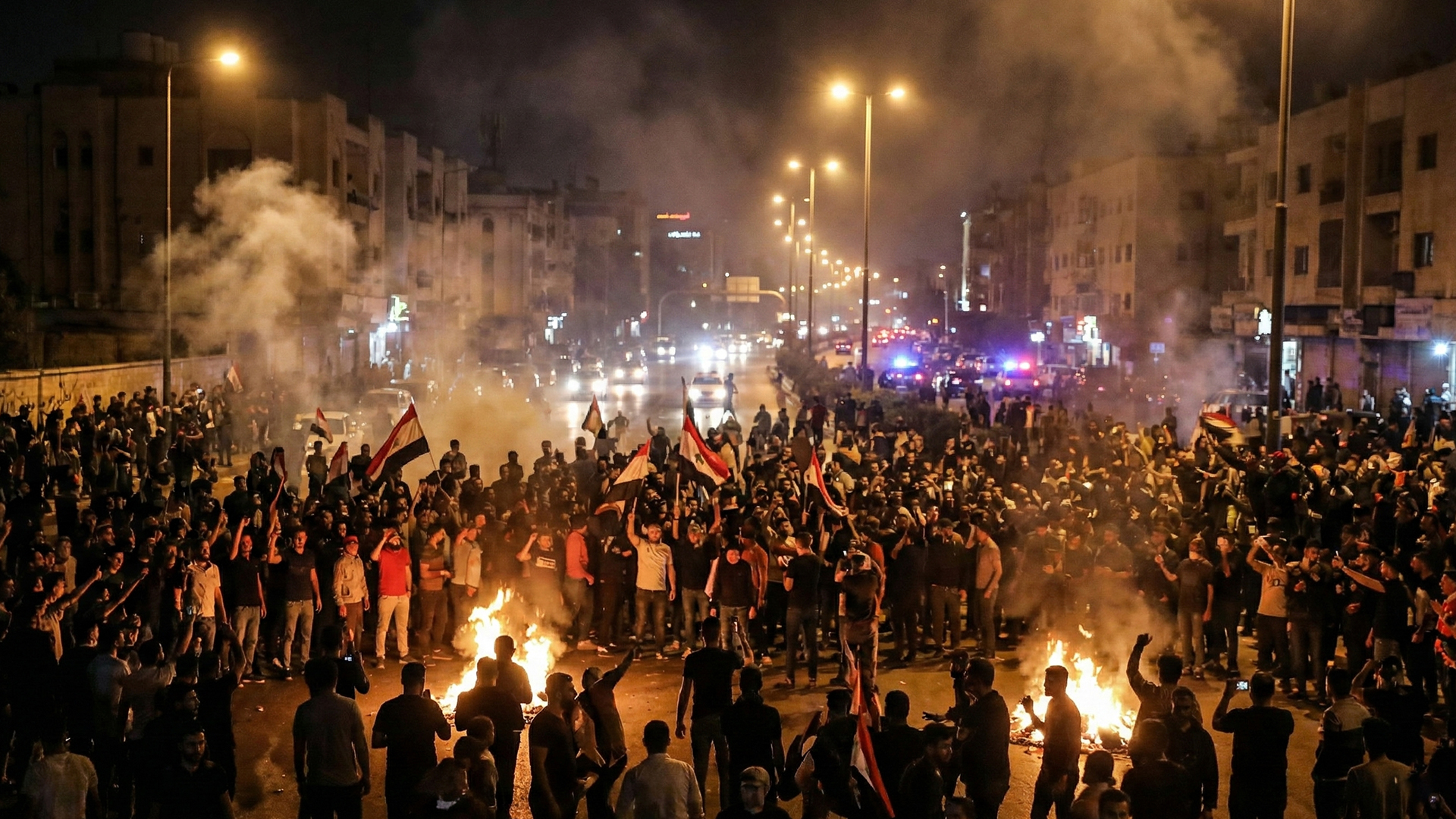
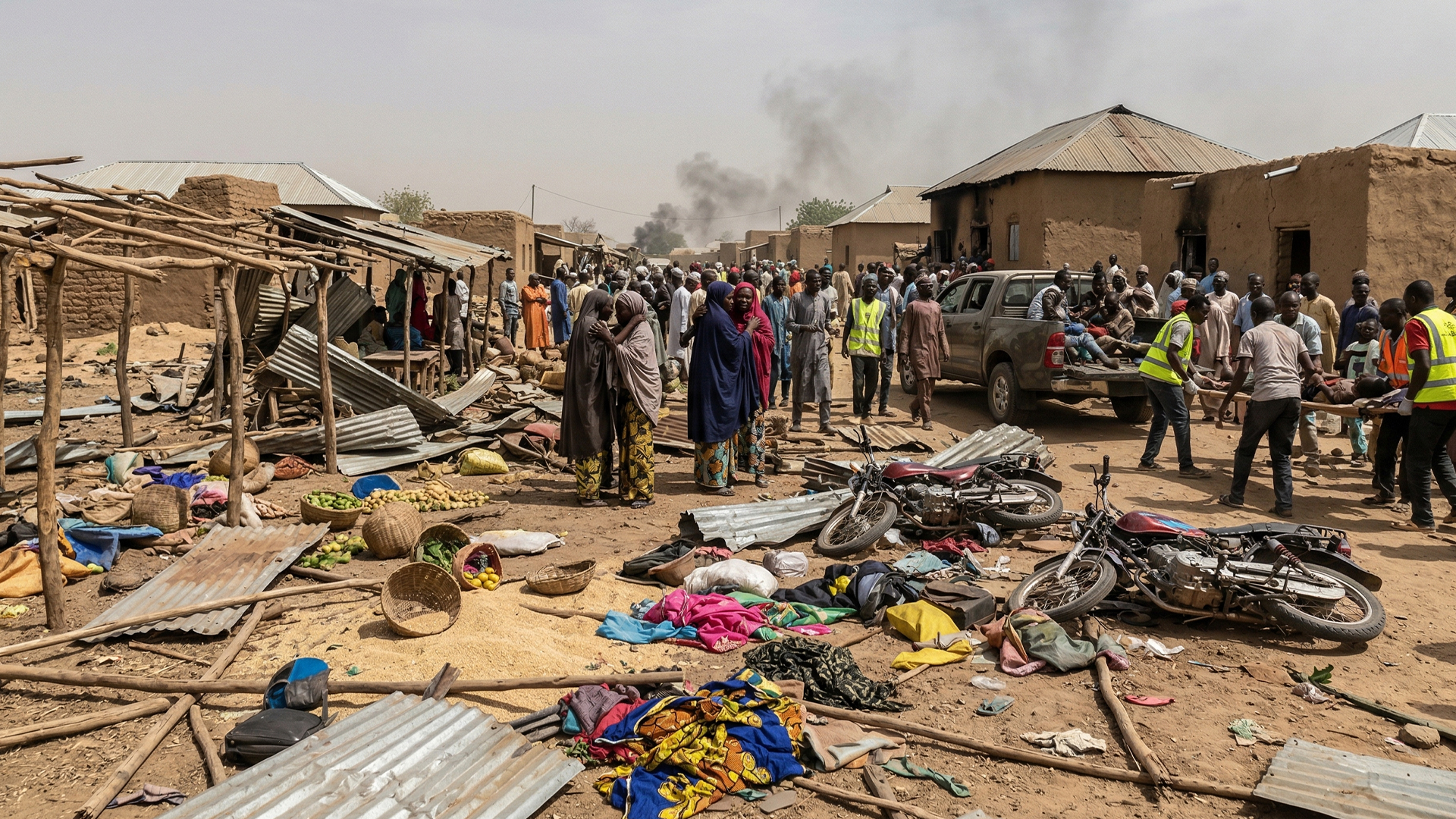
Protests in Iran have intensified sharply, spreading across much of the country and prompting authorities to impose a nationwide internet blackout. What began as demonstrations over economic distress has now grown into broader public anger against the government and its leadership.

The unrest started in late December when traders at Tehran’s Grand Bazaar protested the falling value of the Iranian rial, rising inflation and increasing prices of essential goods. The demonstrations quickly spread beyond the capital to several major cities, including Mashhad, Isfahan, Shiraz and Tabriz. Over the past several days, crowds have gathered in streets and public squares, chanting slogans critical of the ruling establishment.

As protests grew in size and intensity, the government cut access to mobile networks and the internet, effectively cutting off communication for millions of people. Internet monitoring groups reported a sharp drop in connectivity across the country, suggesting a deliberate move to prevent protesters from organising and sharing information with the outside world.

Human rights organisations say the security forces have responded with force. According to rights groups, more than 40 people have been killed in clashes so far, including civilians and members of the security forces. Thousands of protesters have reportedly been arrested. Videos circulating before the blackout showed police using tear gas and, in some cases, live ammunition to disperse crowds.

Some demonstrators appeared to respond to calls made by exiled Crown Prince Reza Pahlavi, who urged people to protest against the Islamic Republic. However, analysts say the movement does not have a single leader and is driven largely by public frustration over economic hardship, unemployment and lack of political freedoms.

Iran’s Supreme Leader Ayatollah Ali Khamenei has blamed foreign powers for the unrest, accusing outside forces of attempting to destabilise the country. State media has downplayed the scale of the protests and focused instead on government efforts to control prices and provide subsidies.

The international community has expressed concern over the violence. Several countries and human rights groups have urged Iranian authorities to show restraint, restore internet access and respect the right to peaceful protest.

Also Read: Trump says international law doesn’t limit US

Trump’s new dietary guidelines favor red meat, cut sugar

Whole foods, protein, and healthy fats prioritized and ultra-processed foods limited

The government has released its new 2025–2030 Dietary Guidelines for Americans, marking a major shift in nutrition policy aimed at improving public health and reducing chronic disease. The guidelines, issued by the Department of Health and Human Services (HHS) and the Department of Agriculture (USDA), form the basis for federal nutrition programs, school meals, and health messaging.

The guidance emphasizes “real food.” Health Secretary Robert F. Kennedy Jr. encouraged Americans to prioritize whole, minimally processed foods while cutting added sugars, refined carbs, and ultra-processed products like chips, candies, and sugary drinks. Added sugar intake should not exceed 10 grams per meal.

A notable change is the endorsement of foods previously limited. Full-fat dairy, red meat, and other high-protein foods are now highlighted. An inverted food pyramid accompanying the guidelines places meats, dairy, healthy fats, vegetables, and fruits at the widest levels, while whole grains are less emphasized than before. Daily protein intake recommendations have increased to 1.2–1.6 grams per kilogram of body weight.

The guidelines also relax traditional limits on saturated fats and alcohol. While moderation is still advised, natural fats like butter and beef tallow are permitted alongside oils rich in essential fatty acids, such as olive oil. Specific daily alcohol limits have been replaced with a general recommendation to “consume less alcohol” for better health.

Health experts have offered mixed reactions. Many welcome the focus on whole foods and cutting processed foods, while some caution that the elevated role of red meat and full-fat dairy may conflict with long-standing research linking saturated fats to heart risk. The administration frames the changes as a historic reset intended to simplify dietary advice and help Americans adopt healthier eating patterns.

The new guidelines represent one of the most significant revisions in years and are expected to influence nutrition messaging, school programs, and federal food policies for the next five years.

Also Read: Trump ready to let US‑Russia nuclear treaty expire

Bangladesh suspends most visa services in India

Security concerns and diplomatic tensions lead to closure of key Bangladesh missions

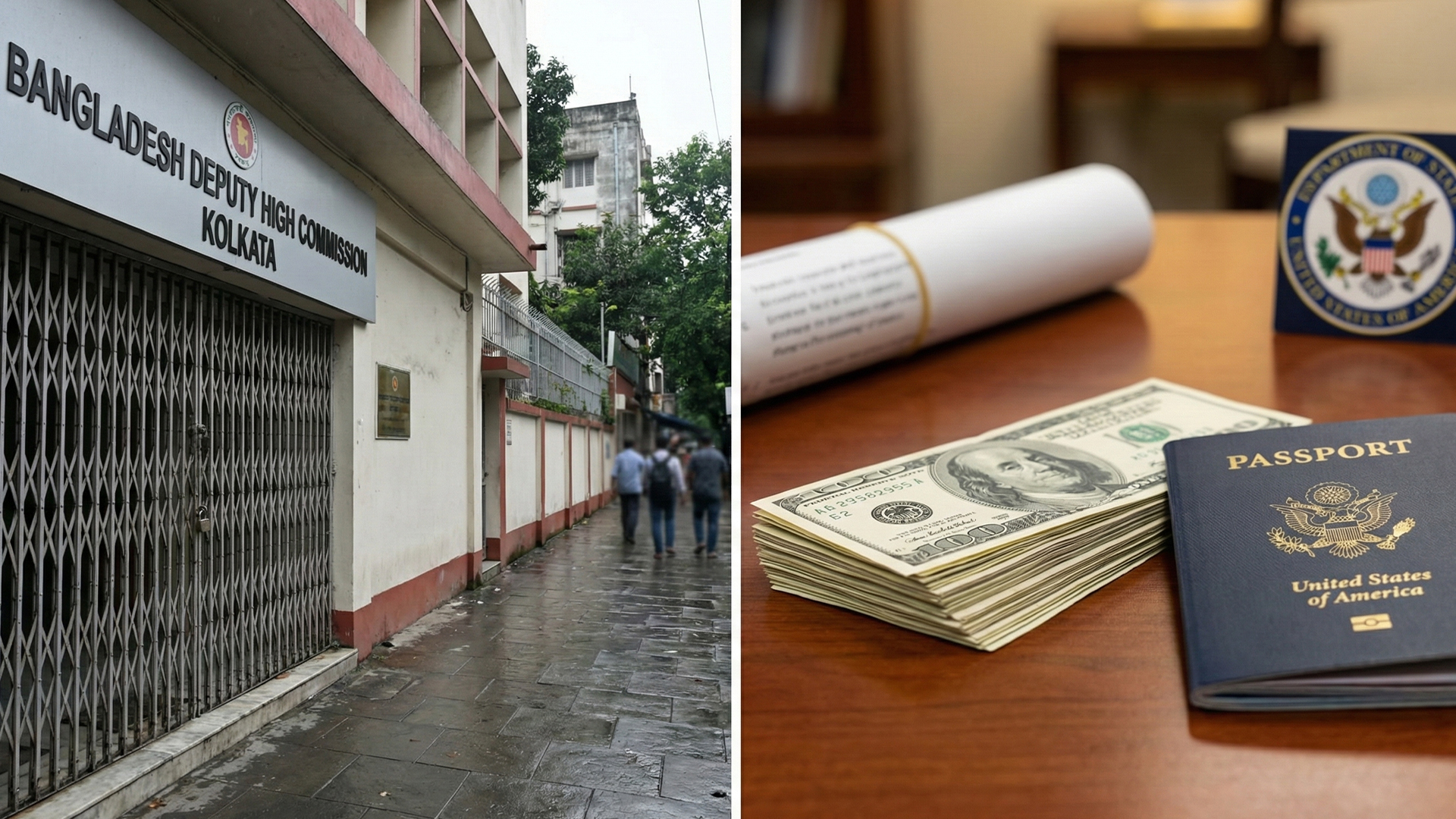
Bangladesh has temporarily suspended most visa services at its missions in India, citing security concerns and growing diplomatic tensions between the two neighboring countries. The decision affects the High Commission in New Delhi, the Deputy High Commission in Kolkata, and the Agartala mission, which are now not processing most visa applications. Certain categories, including work, business, and essential visas, continue to be issued.

Officials in Dhaka say the suspension is a precautionary measure to ensure the safety of both diplomatic staff and applicants. Visa services in Mumbai and Chennai remain operational, suggesting that the closures are limited to selected missions in areas considered more sensitive. The government has not provided a timeline for resuming full services, indicating that the suspension will remain in place until security conditions improve.

This decision comes amid rising concerns over violence against minorities in India, which has heightened tensions between the two countries. Recent incidents have drawn attention to the safety of citizens and prompted diplomatic scrutiny, influencing Bangladesh’s decision to temporarily halt visa processing in key Indian cities.

In addition to the visa suspension, Bangladesh has raised concerns with the United States regarding a new visa bond requirement. Dhaka is seeking an exemption from this rule, describing it as challenging and “unfortunate,” though it is noted that the policy affects several other countries facing similar immigration-related challenges.

The temporary suspension of visa services is likely to affect a large number of people traveling between India and Bangladesh for personal, educational, and professional purposes. Families, students, and business travelers are among those who may face delays in securing travel documents.

Authorities in Dhaka emphasize that the move is precautionary and not intended to escalate tensions. It reflects broader diplomatic sensitivities, including political developments in both countries and ongoing concerns about minority safety, consular security, and cross-border cooperation.

Also Read: OpenAI launches ChatGPT Health for users

Dr. Madhav Gadgil, India’s ecology pioneer, dies

“People’s scientist” who shaped conservation policy and empowered communities passes away at 83

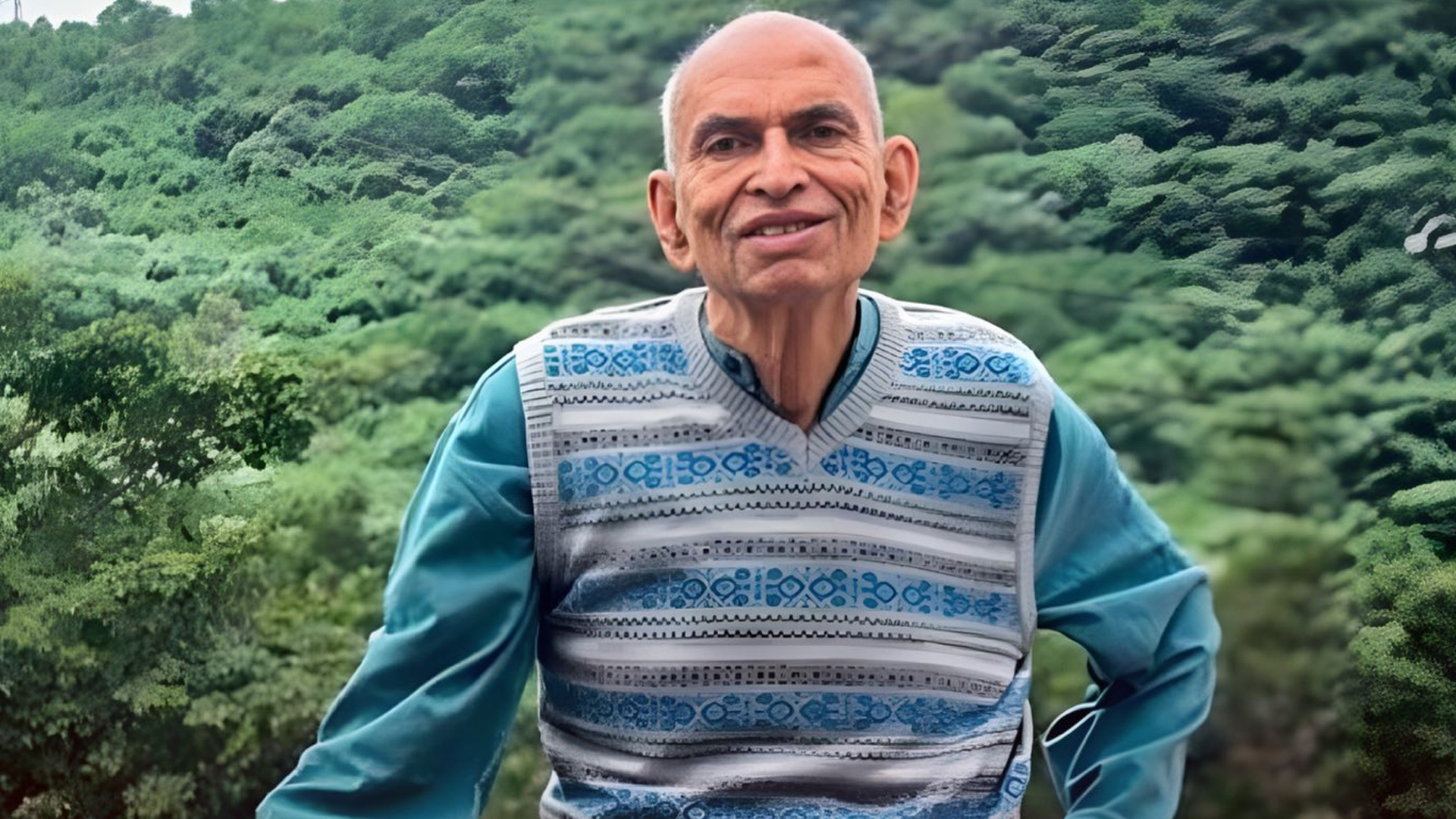
Dr. Madhav D. Gadgil, a legendary ecologist and one of India’s foremost environmental thinkers, passed away on January 7, 2026, in Pune at the age of 83. Known as the “people’s scientist,” Gadgil devoted his life to understanding ecosystems and promoting conservation practices that include local communities.

Born in Pune on May 24, 1942, Gadgil studied biology and earned his PhD from Harvard University before returning to India. He joined the Indian Institute of Science (IISc) in Bengaluru, where he founded the Centre for Ecological Sciences. Over decades, he trained generations of ecologists and carried out pioneering research on India’s forests, biodiversity, and human-nature interactions.

Gadgil believed that humans are an integral part of ecosystems, advocating for conservation strategies that balanced ecological protection with the livelihoods of local communities. This approach often challenged conventional methods that excluded people from decision-making.

In 2010, he chaired the Western Ghats Ecology Expert Panel, widely known as the Gadgil Commission. Its 2011 report recommended classifying large parts of the ecologically sensitive Western Ghats as protected areas. While some recommendations were contested by state governments, the report sparked nationwide discussions on sustainable development and environmental responsibility.

Beyond the Western Ghats, Gadgil played a key role in India’s first biosphere reserve at Nilgiris and contributed to the Biological Diversity Act of 2002. He authored several influential books and research papers that combined science with social awareness, reinforcing the idea that ecological conservation must consider human communities.

Gadgil received numerous awards for his contributions, including India’s Padma Shri and Padma Bhushan, and the UN Environment Programme’s Champions of the Earth award in 2024.

Colleagues and environmentalists remembered him as a visionary who inspired both policymakers and communities to work together to protect nature. His work continues to shape ecological research, policy-making, and grassroots conservation in India.

He is survived by his family. Dr. Gadgil’s legacy endures in India’s forests, rivers, and the countless people whose lives he touched through his science and vision.

Also Read: Bangladesh suspends most visa services in India

Vijay’s Jana Nayagan certification cleared by court

Madras HC orders CBFC to grant U/A certificate; release postponed amid appeal

Fans of Tamil superstar Vijay were left disappointed when the release of his highly anticipated film Jana Nayagan had to be postponed, just a day before its scheduled January 9, 2026 premiere. The film, produced by KVN Productions and directed by H. Vinoth, was expected to be Vijay’s final cinematic outing before he focuses fully on his political journey. The sudden delay created a wave of concern among fans and industry observers alike.

The hold-up was caused by a dispute over the film’s censor certification. Although the CBFC’s Examining Committee had recommended a U/A (parental guidance) certificate after the filmmakers made minor edits, one member raised objections. This led the CBFC chairperson to refer the film to a revising committee, creating an unexpected roadblock. The producers argued that the additional review was unnecessary since all suggested changes had already been implemented.

Seeking clarity, KVN Productions approached the Madras High Court. Justice P. T. Asha delivered a clear judgment, directing the CBFC to immediately grant the U/A certificate. The court pointed out that once the film had complied with the committee’s recommendations, the board had no reason to delay certification. It also noted that the chairperson’s decision to refer the film again was beyond the board’s authority.

Despite the favorable court ruling for the filmmakers, the CBFC moved to appeal the order, meaning the legal tussle could continue. Meanwhile, KVN Productions officially announced the postponement of the release, expressing regret to fans and assuring them that a new date would be declared once the certification process is finalized.

For now, Vijay’s fans are left waiting, eagerly hoping that the film will soon reach theaters. The delay has not dimmed excitement, as social media is buzzing with anticipation and discussions about what may be Vijay’s last film before fully embracing his political career. Jana Nayagan remains one of the most awaited releases of the year, and audiences across India and overseas continue to watch closely for updates.

Also Read: OpenAI launches ChatGPT Health for users

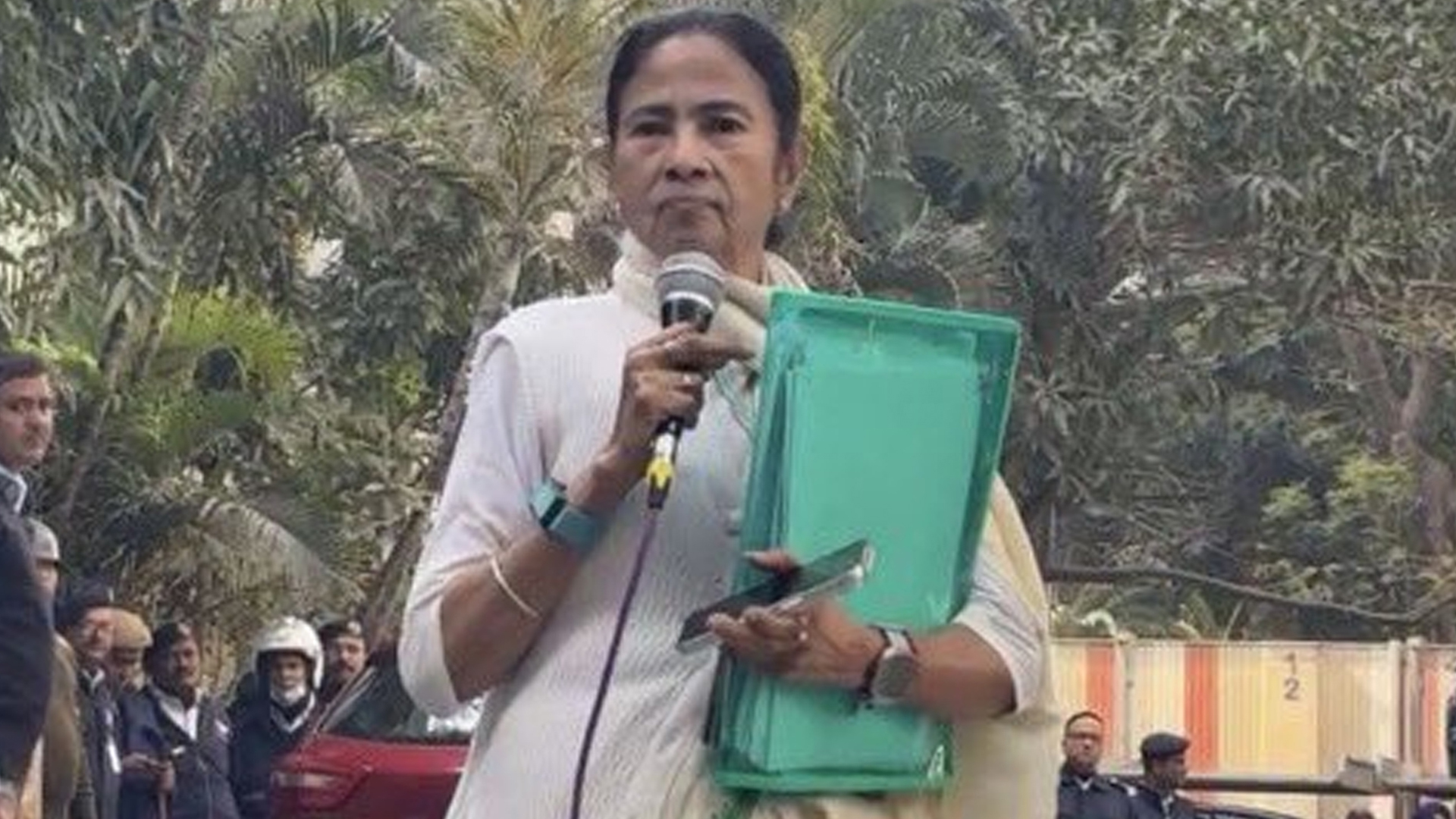
Mamata Banerjee slams ED raids on TMC data

West Bengal CM accuses BJP of misusing agencies to access party secrets

West Bengal Chief Minister Mamata Banerjee has strongly criticised the Enforcement Directorate (ED) for raiding offices linked to the Trinamool Congress (TMC) and its political consultancy, I‑PAC, saying the action was politically motivated. She accused the BJP and Union Home Minister Amit Shah of trying to gather secret information about her party ahead of the upcoming assembly elections.

The ED conducted searches at multiple Kolkata locations connected to I‑PAC and the residence of its director, Pratik Jain. Officials reportedly seized hard disks, files, and documents that included details of potential TMC candidates, campaign strategies, voter outreach plans, and election-related materials. Banerjee said this went beyond the ED’s legal authority and amounted to an attempt to collect private party information.

Banerjee personally visited the I‑PAC offices during the raids, calling the action “unjust” and “politically motivated.” She directly criticised Amit Shah, calling him a “nasty” Home Minister, and urged Prime Minister Narendra Modi to stop the misuse of central agencies. She said political battles should be fought in elections, not through the seizure of internal party data.

In response to the raids, Banerjee announced statewide protests and planned a rally in Kolkata, saying democratic processes were being undermined. BJP leaders, however, defended the ED, saying the agency was acting within its legal powers, and accused the TMC of trying to obstruct the investigation.

Separately, an unidentified speaker criticised sections of the media, calling them “godi media,” and accused the BJP of spreading misleading stories, including claims about attacks on Bangla. The comments highlighted concerns about media bias and political narratives as elections approach.

These developments have heightened political tensions in West Bengal, with parties preparing for assembly elections likely in April–May 2026. The ED’s action and the strong reactions from Mamata Banerjee underline the intense contest between the ruling TMC and the BJP in the state.

Also Read: Delhi-NCR shivers as winter rain hits hard